
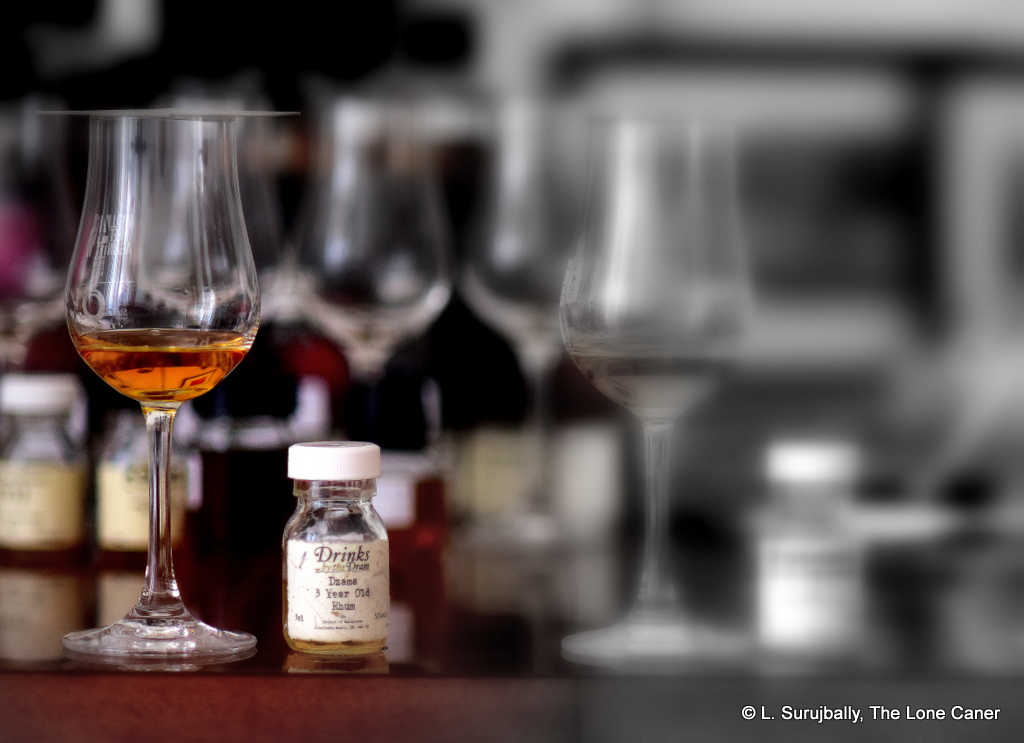
More than four years ago I wrote about the Rhum Vieux Millésimé 1998 10 YO made by Dzama and concluded that I was pretty stoked to see what else the brand had in the larder. It’s taken a long time for me to make good on that desire, so here we have something lower down on the totem pole from the same company, and I thought it was a good effort, for all its youth and in spite of the niggly questions it raised.
Let’s refresh the memory first: for the geographically challenged, Madagascar is that huge island off the south east coast of Africa; and the Dzama rums are made by Vidzar, formed in 1980 due to the efforts of Mr. Lucien Fohine, who noted that the small sugar factory on the tiny island of Nosy Be produced a distillate that had distinctive flavours which persisted into the final distilled products…mostly low level rum for local consumption, to that point. He concluded it came from the ylang-ylang plant (also known as the macassar oil plant, or the perfume tree) whose roots intermingled with that of the cane.
He formed a company Vidzar (a contraction of Vieux Rhum de Dzamandzar), which initially concerned itself with whisky bottling. It was located close to the sugar cane fields of Nosy Be, near to a village called Dzamadzar, but a few years later, as their operations expanded, they transferred production to Antananarivo (the capital, in the center of the island) The company, which now claims a majority of rum market share in Madagascar, makes a range of rums, including the Dzama Club, 3 YO and 6 YO, the Millésimé 1998 10 Year Old, Dzama 15 and 25 year old rums and a Cuvée Noire. Most of these are untried by the vast majority of rum drinkers, and remain relatively unknown, though many have won prizes between 2010 and 2015, in Miami, Paris, Berlin and Madrid.
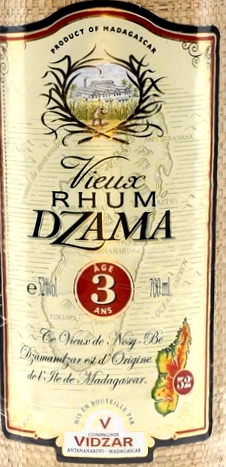 All that said, there isn’t much on the company website about the technical details regarding the 3 year old we’re looking at today. It’s a column still rum, unadded-to, aged in oak barrels, and my sample clocked in at 52%, which I think is an amazing strength for a rum so young – most producers tend to stick with the tried-and-true 40-43% (for tax and export purposes) when starting out, but not these guys.
Now, the theory is that the oils and perfumes of the various botanicals to be found on Madagascar (vanilla, cloves, pepper are often cited) leach from their roots into the soil and are intermixed with the cane plants’ own root systems, into their stems, and thence to the ultimate distillate. I’m no chemist or botanist, but one could just as easily wonder why similar processes aren’t observed on the spice island (Grenada) for example, so I reserve judgement on that score.
Be that as it may, the nose is quietly rich for a rum aged a mere three years – not Velier-Demerara-go-for-the-brass-ring rich, just more than one would expect going in. This nose was initially redolent of creamy feta cheese, brine, red olives and cashew notes, and had a nice line of rotting bananas and funk coiling about in the background which provided an underpinning of real character. It also gave off subtler aromas of candied oranges, pears and other light fruits, just not enough to take over and make it a fruit bomb. But towards the end there was a more dominant element of toffee, coffee grounds and vanilla which I thought pleasant but overdone, especially since it was delivered with some real force.
Though it teetered right on the edge of being too hot, it presented a solid if sharp drink, an amalgam of salt and sweet…and a lot of brown sugar and vanilla There were bananas, strawberries, cherries, and some of that tart and creamy sensation you get from an unsweetened fruit smoothie made from, oh, firm yellow mangoes and pineapple. The vanilla remained, the coffee disappeared, and amusingly, I could actually taste sweet green peas. Much of the saltiness and nuttiness of the nose was gone, though still noticeable, and it did not unbalance the fruity aspects. The finish was where it failed, I thought – it was medium long, somewhat spicy, just rather mild, with closing notes of fruits, vanilla, salted caramel, coconut shavings, and a little citrus.
Well, what to make of this? The nose was decent, the palate was nearly as good, a reasonable drink even by itself….particularly if you like the hints of spices. Does that mean natural or other spices have been added? They say no, and hydrometer tests show no obscuration… but I can’t help but wonder. Rums this young tend to be rather sharp and retain competing notes that saw across the palate, better off in mixed drinks than to have neat; the Dzama 3 YO was sippable and had the edge toned down, and for that to happen at that strength raises the eyebrow. However, in the absence of more information, I’ll leave it there for now as a note for those who want to know.
That first Dzama I tried, the 1998 10 YO, had what at first sight seemed like an utterly standard profile that then expanded into something quite unconventional and interesting. The 3 year old is not on that level. The vanilla is a shade too dominant, and while fortunately having enough other taste elements in there to move beyond that, it remains ultimately straightforward. But it is, nevertheless, a good drink for what it says it is, and demonstrates that a rum doesn’t have to be the latest Velier, Worthy Park or Foursquare juice, or from some independent’s minuscule outturn, to be a rum worth checking out.
(#594)(80/100)
Other Notes
Wes was much more disapproving of the spiced profile in his review. It’s his hydrometer test I referenced.
 That’s not to say that in this case the
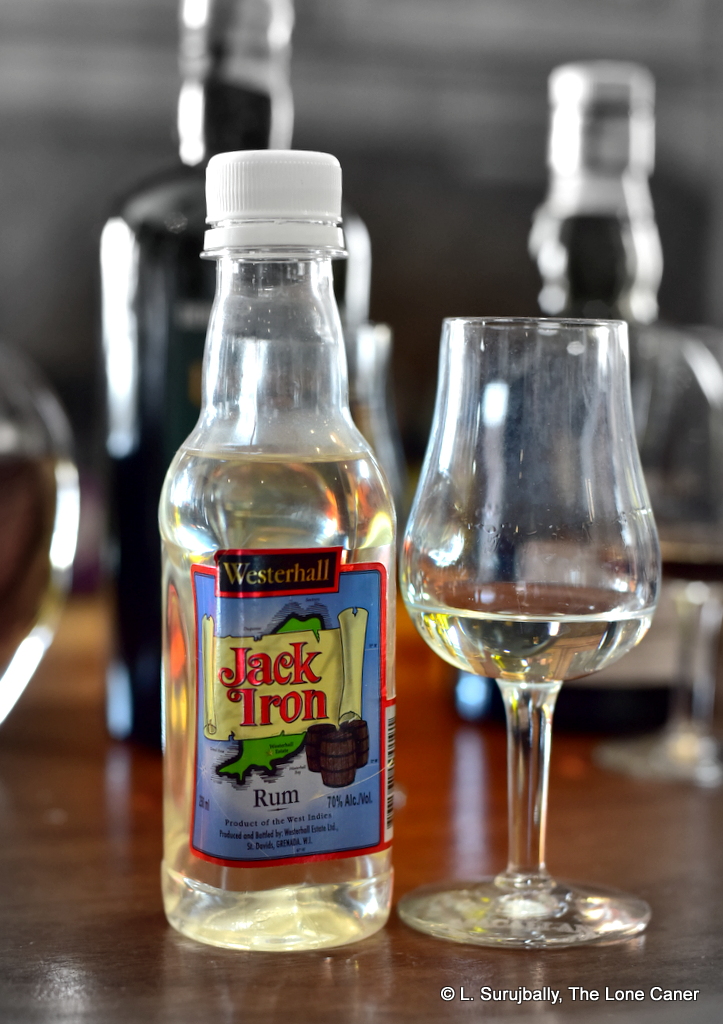 The Jack Iron rum from Westerhall is a booming overproof issued both in a slightly aged and a white version, and both are a whopping 70% ABV. While you can get it abroad — this bottle was tried in Italy, for example — my take is that it’s primarily a rum for local consumption (though which island can lay claim to it is a matter of idle conjecture), issued to paralyze brave-but-foolhardy tourists who want to show off their Chewbacca chests by drinking it neat, or to comfort the locals who don’t have time to waste getting hammered and just want to do it quick time. Add to that the West Indian slang for manly parts occasionally being iron and you can sense a sort of cheerful and salty islander sense of humour at work (see “other notes” below for an alternative backstory).

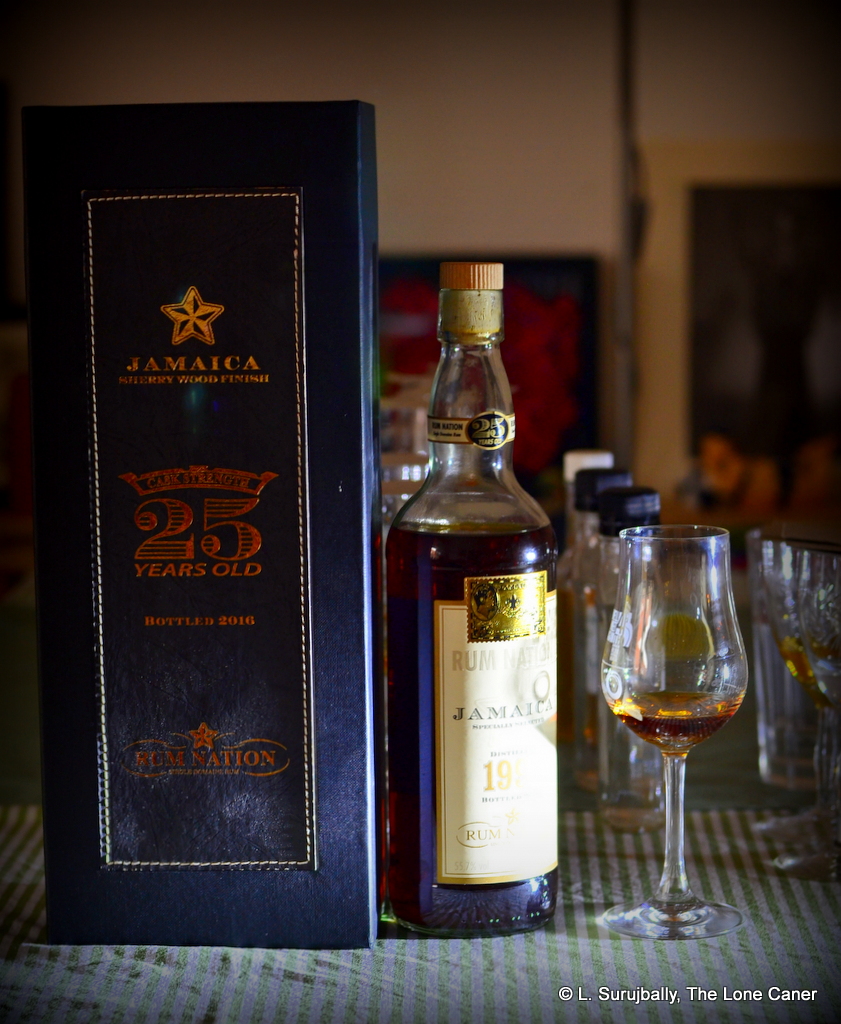
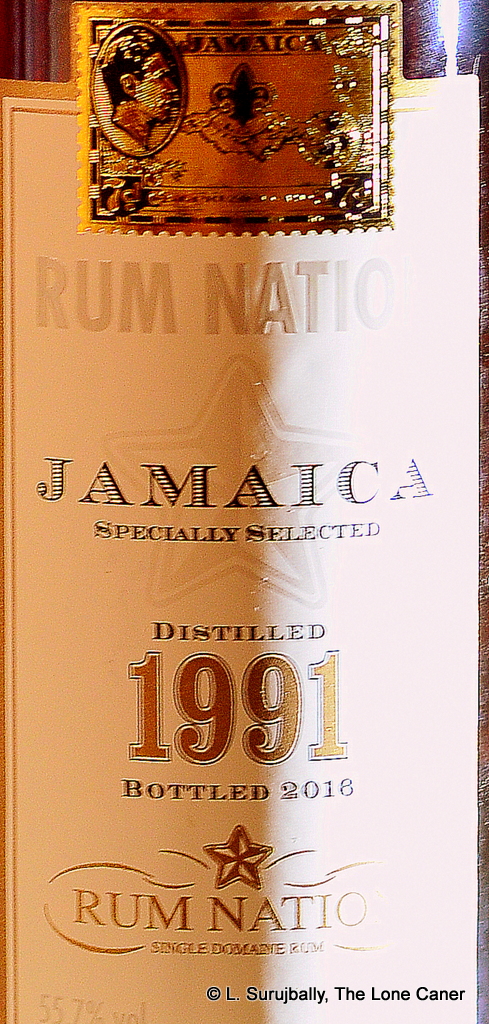 And for anyone who enjoys sipping rich Jamaicans that don’t stray too far into insanity (the
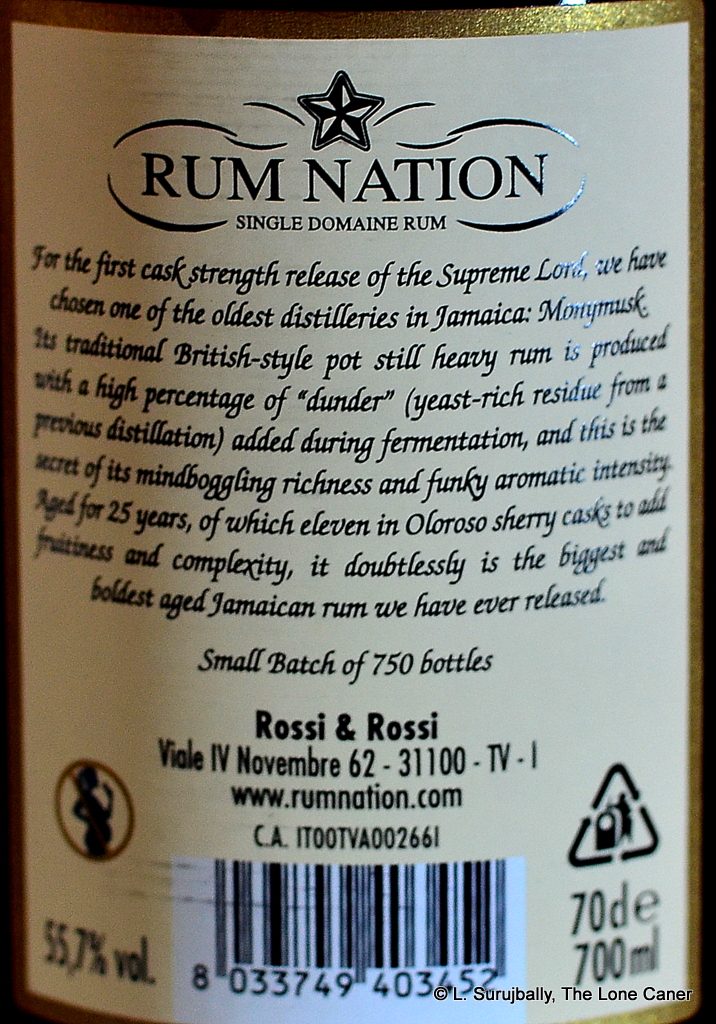 The rum continues along the path set by all the seven Supreme Lords that came before it, and since I’ve not tried them all, I can’t say whether others are better, or if this one eclipses the lot. What I do know is that they are among the best series of Jamaican rums released by any independent, among the oldest, and a key component of my own evolving rum education.
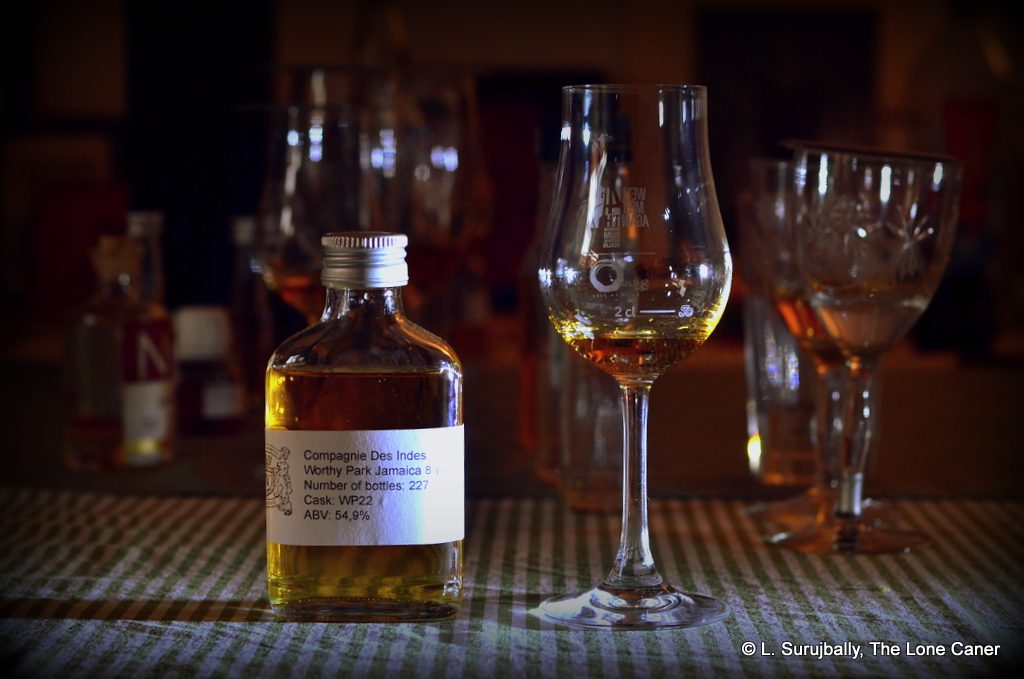
 This brings us to the

 Because for the unprepared (as I was), the nose of this rum is edging right up against revolting. It’s raw, rotting meat mixed with wet fruity garbage distilled into your rum glass without any attempt at dialling it down (except perhaps to 40% which is a small mercy). It’s like a lizard that died alone and unnoticed under your workplace desk and stayed there, was then soaked in diesel, drizzled with molten rubber and tar, set afire and then pelted with gray tomatoes. That thread of rot permeates every aspect of the nose – the brine and olives and acetone/rubber smell, the maggi cubes, the hot vegetable soup and lemongrass…everything.
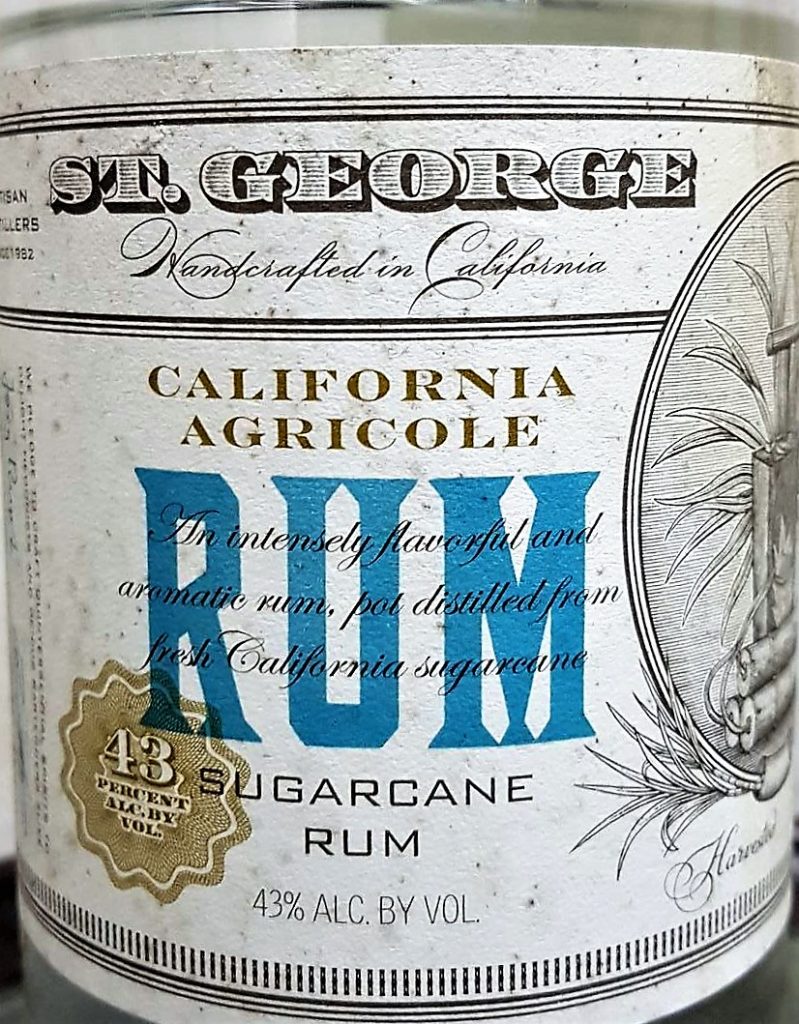 Just as we don’t see Americans making too many full proof rums, it’s also hard to see them making true agricoles, especially since the term is so tightly bound up with the spirits of the French islands.
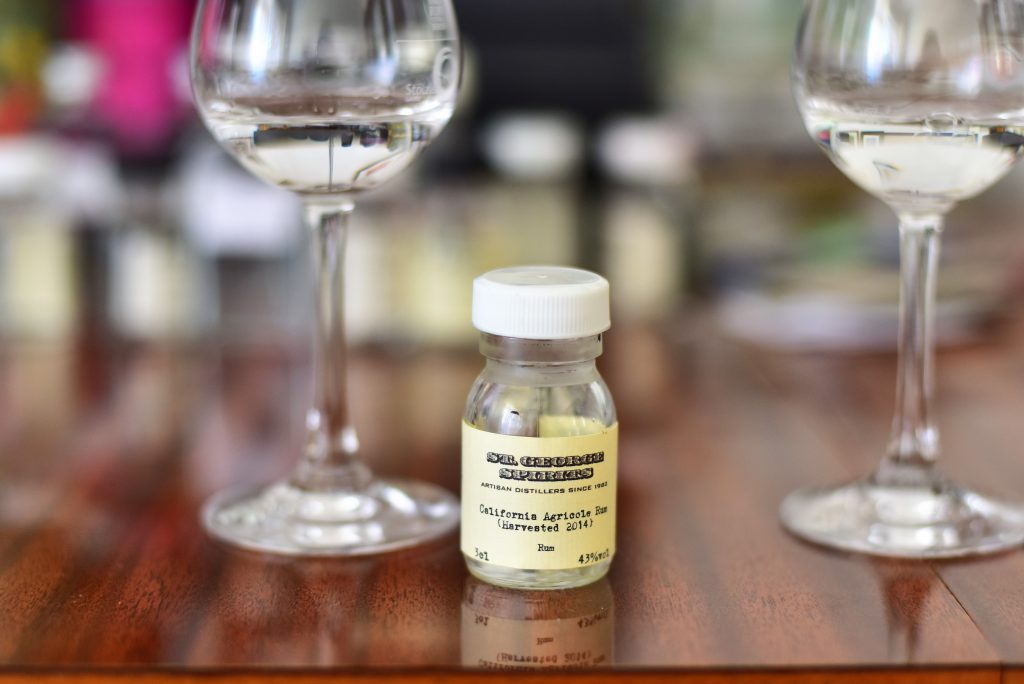
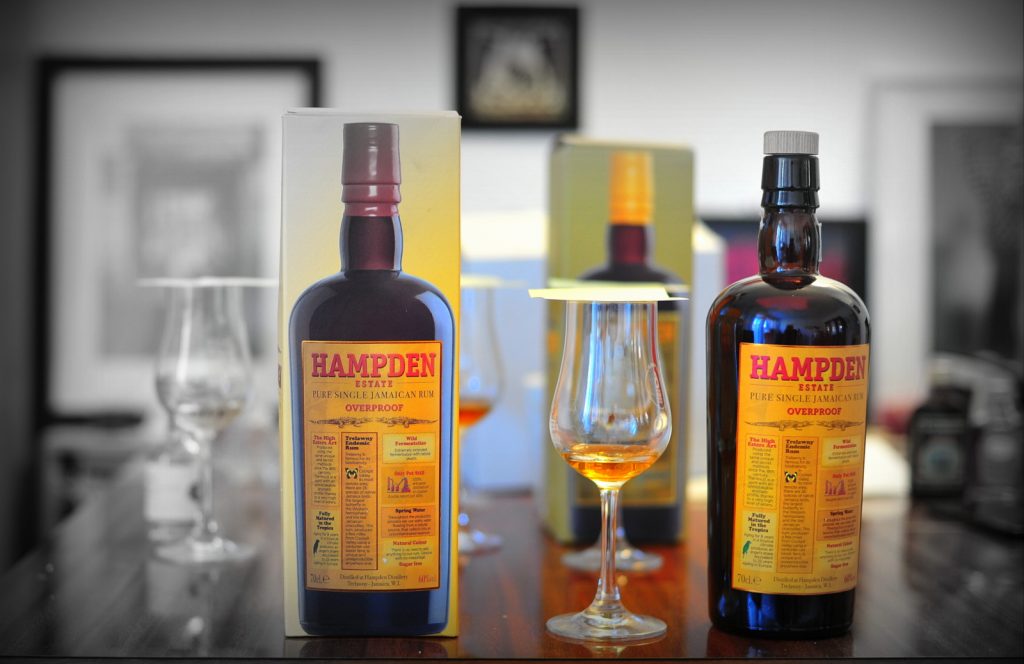
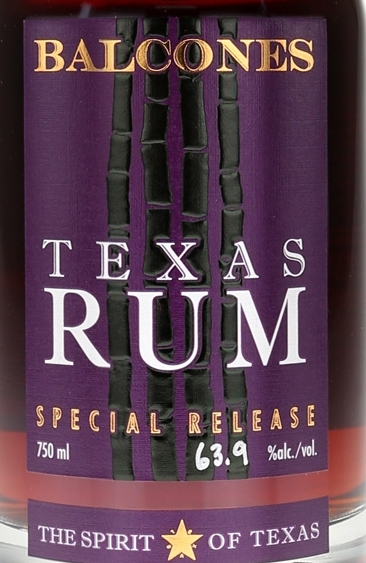 We don’t much associate the USA with cask strength rums, though of course they do exist, and the country has a long history with the spirit. These days, even allowing for a swelling wave of rum appreciation here and there, the US rum market seems to be primarily made up of low-end mass-market hooch from massive conglomerates at one end, and micro-distilleries of wildly varying output quality at the other. It’s the micros which interest me, because the US doesn’t do “independent bottlers” as such – they do this, and that makes things interesting, since one never knows what new and amazing juice may be lurking just around the corner, made with whatever bathtub-and-shower-nozzle-held-together-with-duct-tape distillery apparatus they’ve slapped together.
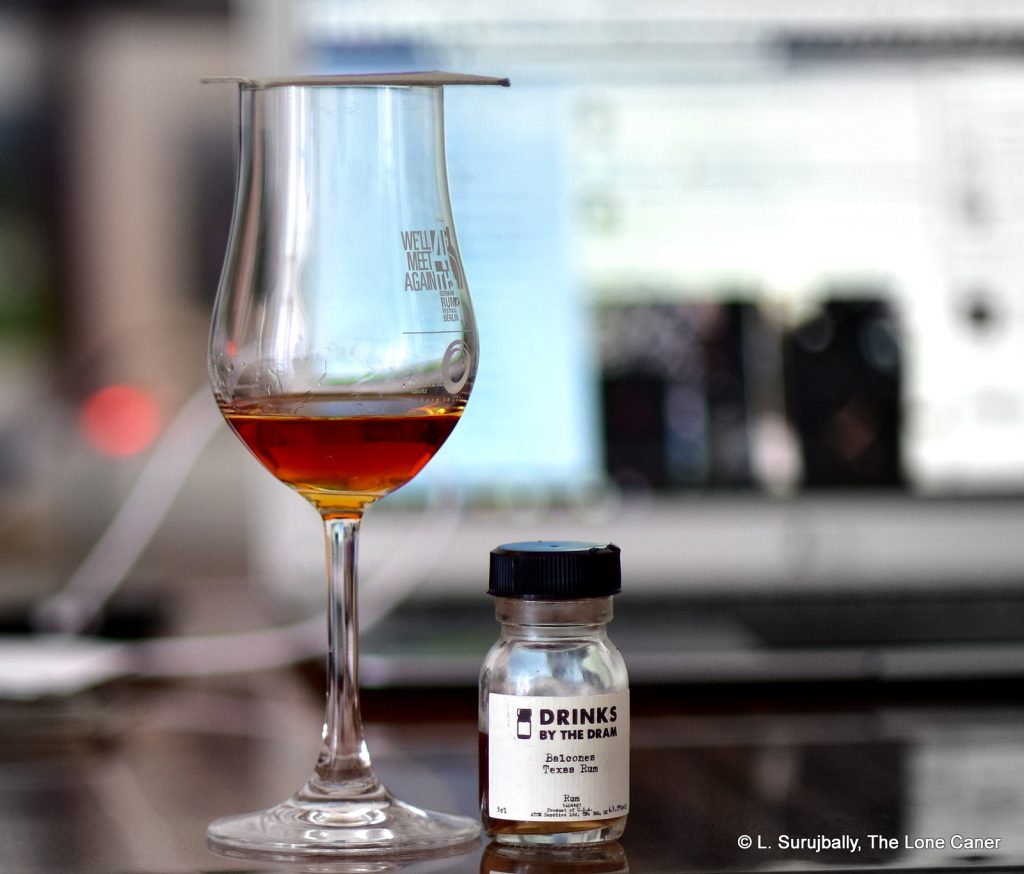
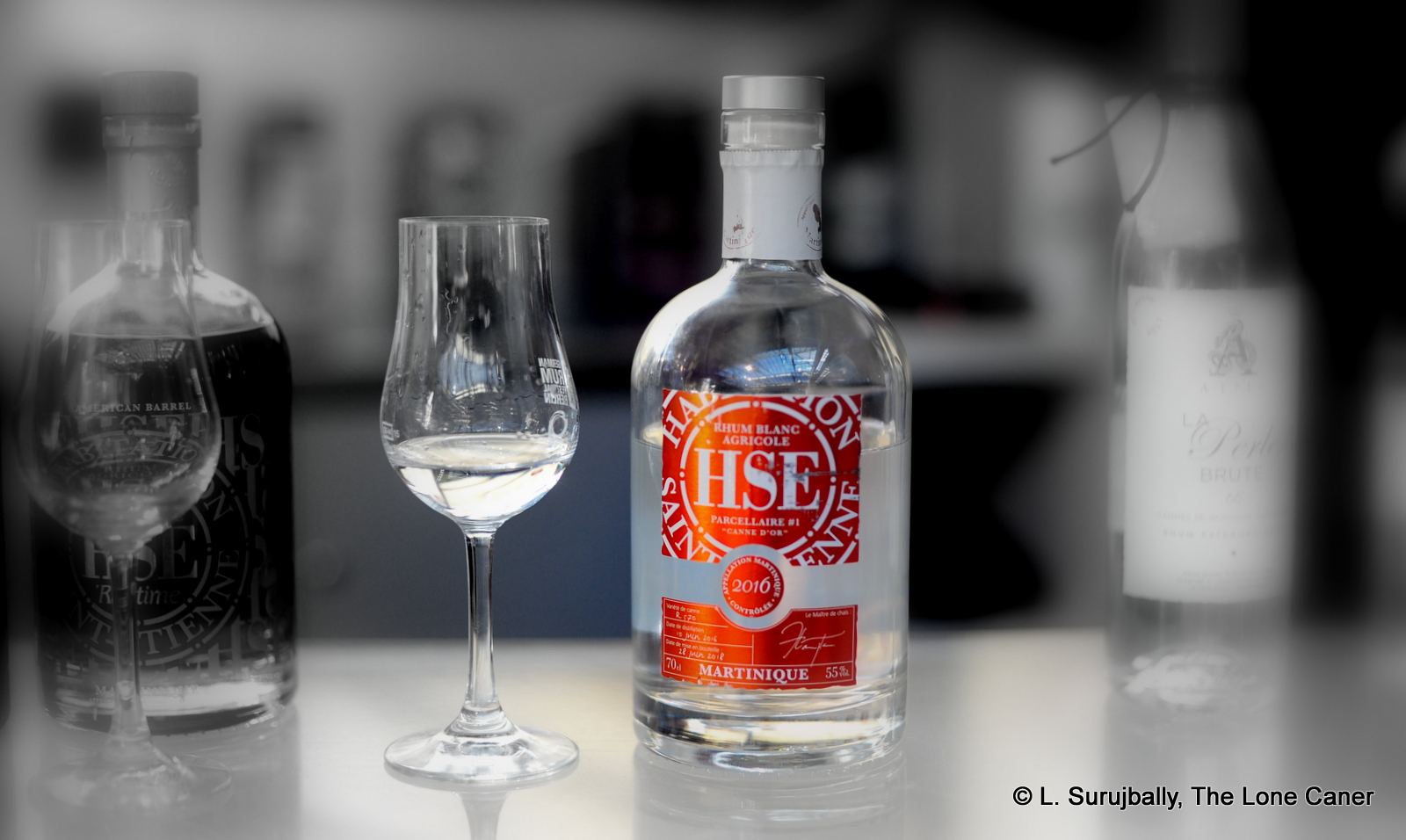
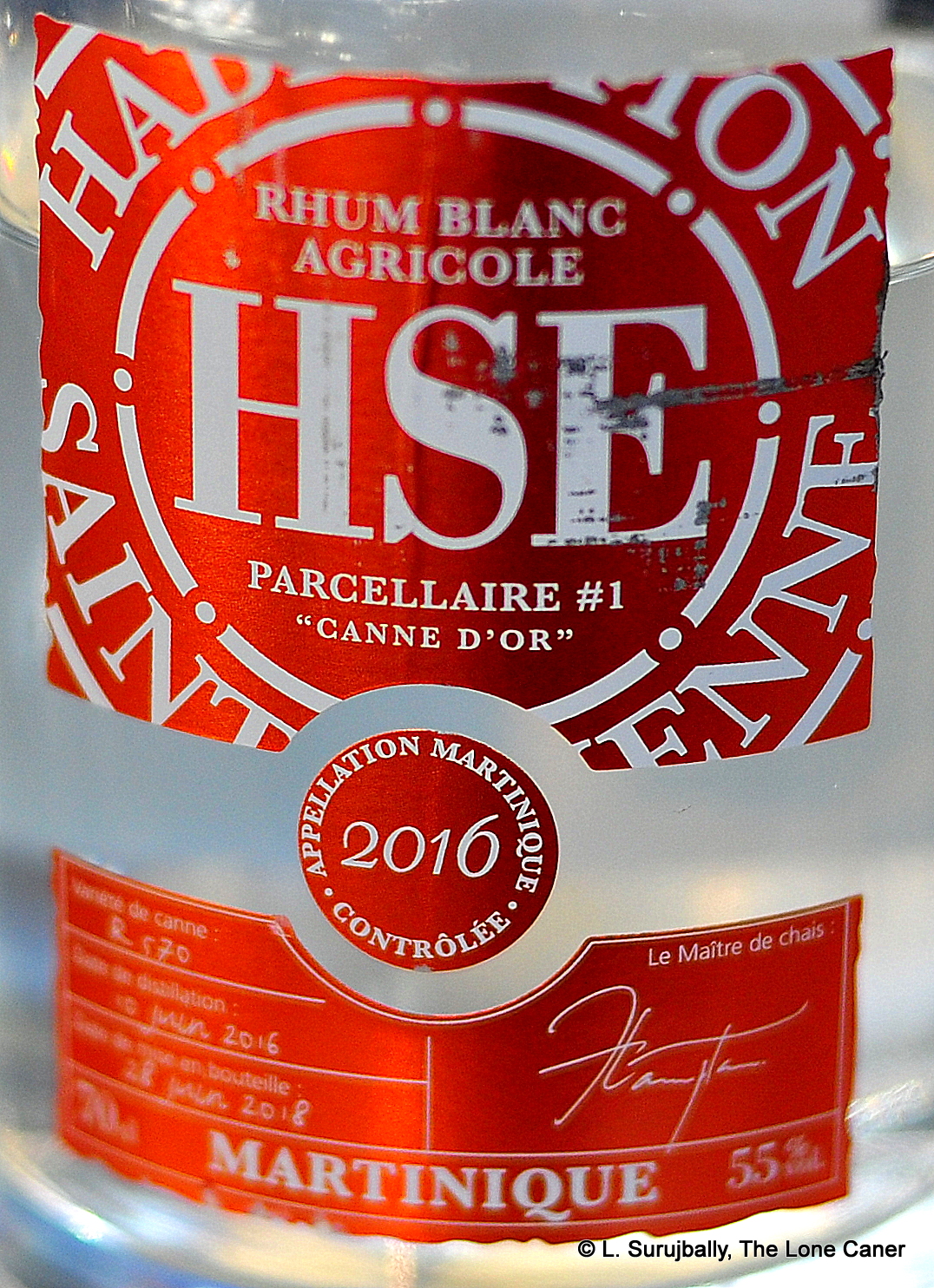
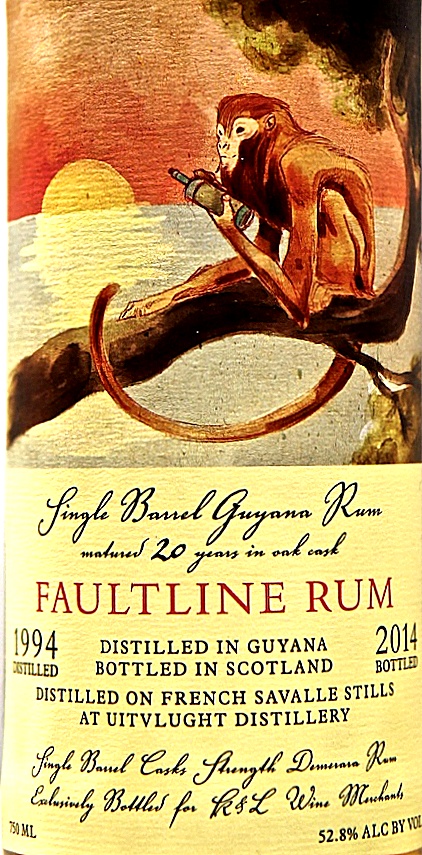
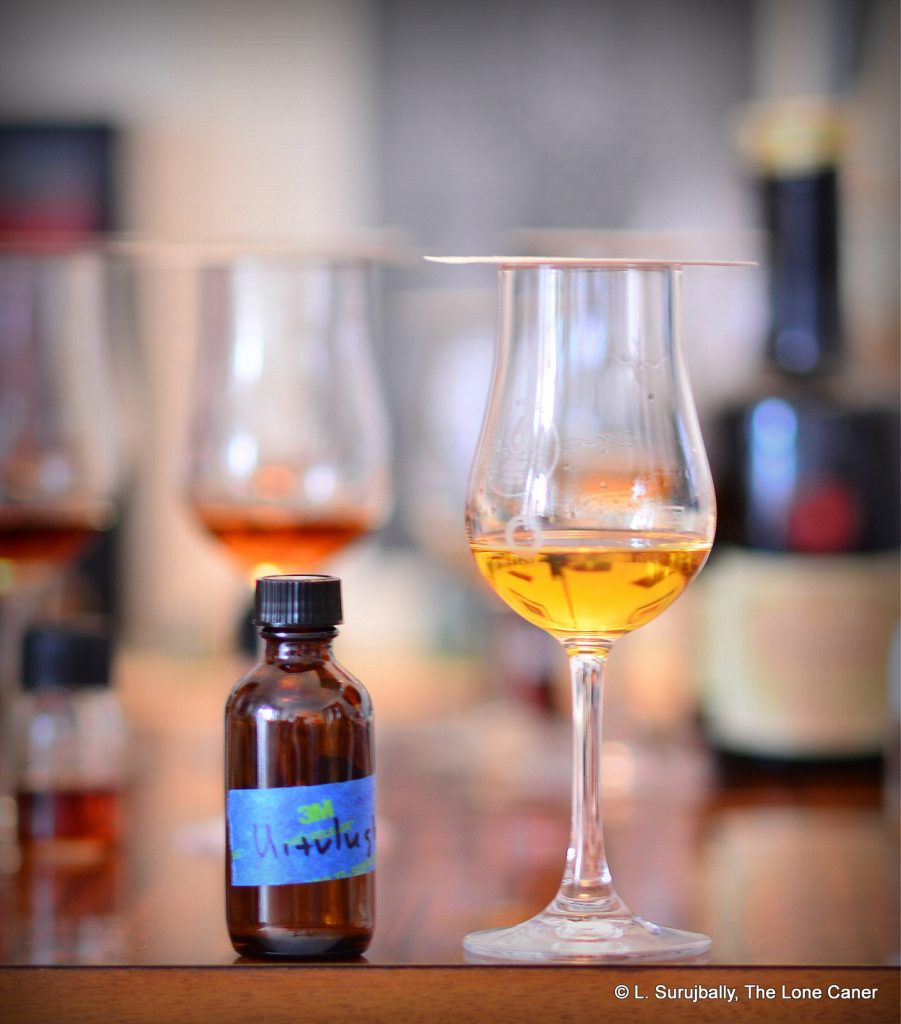
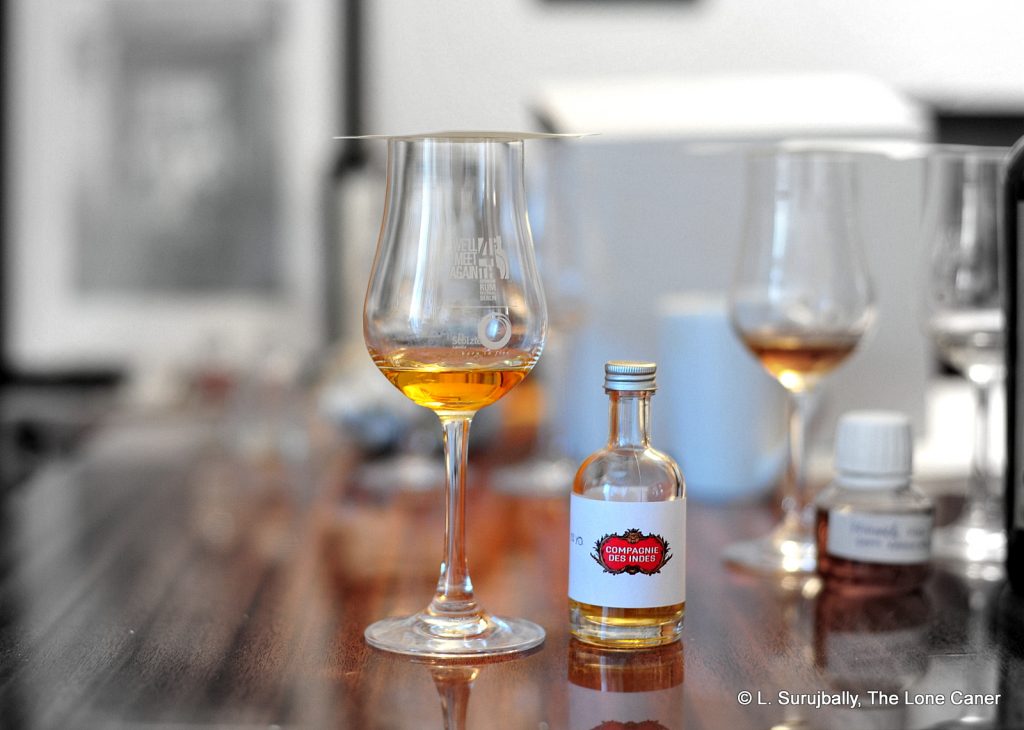
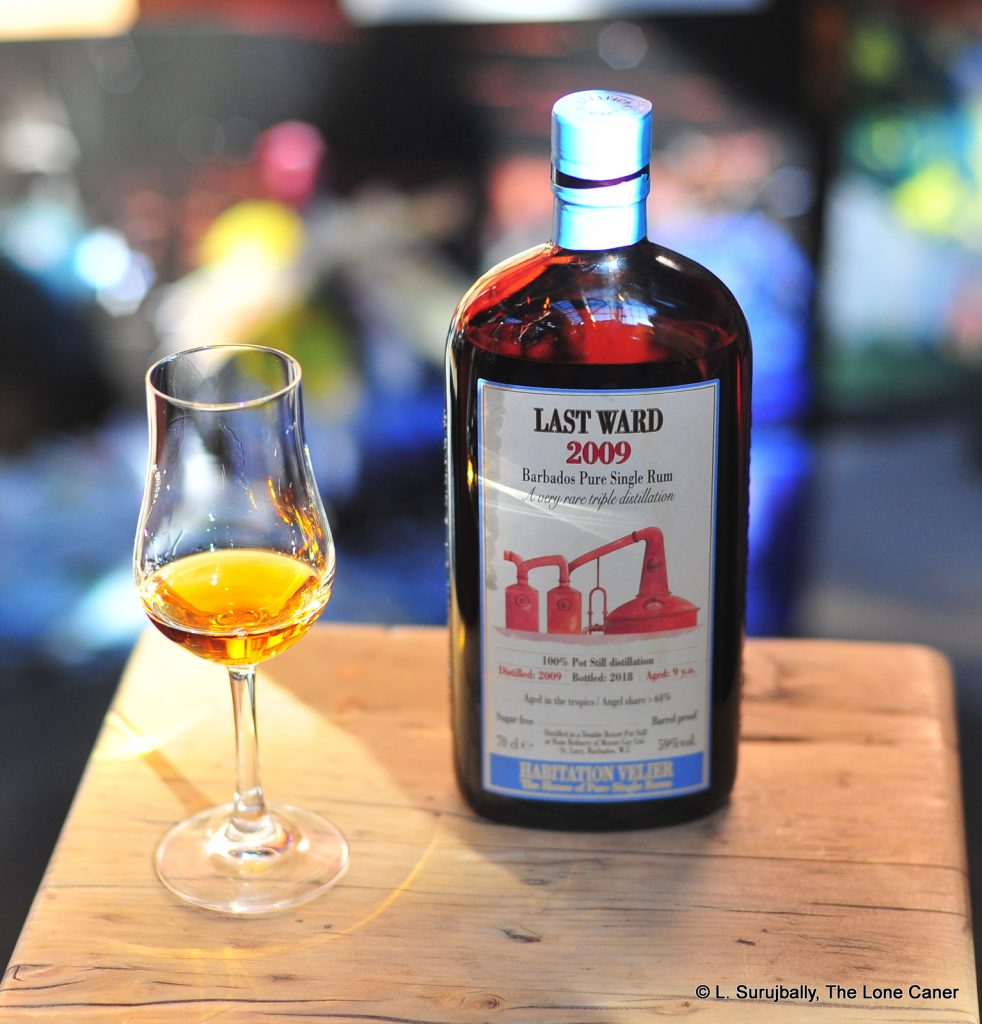
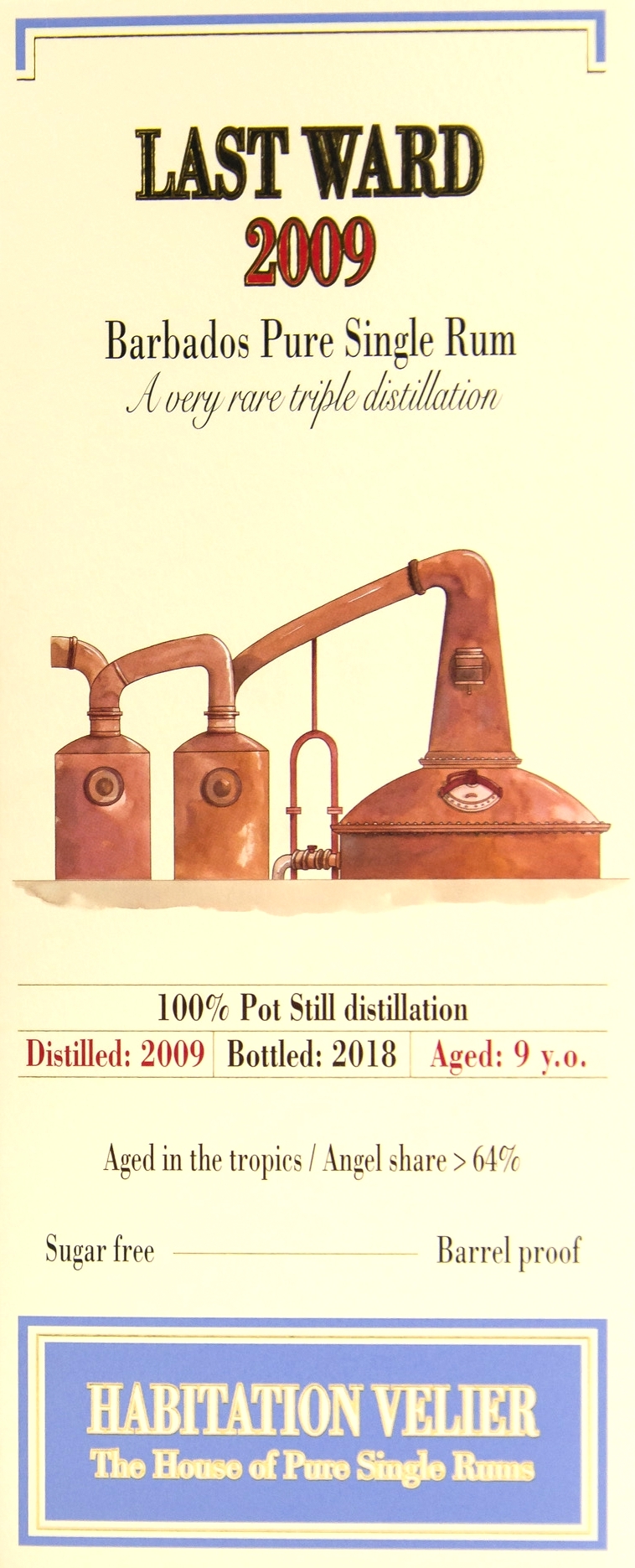 Oh yes…though it is different – some might even sniff and say “Well, it isn’t Foursquare,” and walk away, leaving more for me to acquire, but never mind. The thing is, it carved out its own olfactory niche, distinct from both its older brother and better known juice from St. Phillip. It was warm, almost but not quite spicy, and opened with aromas of biscuits, crackers, hot buns fresh from the oven, sawdust, caramel and vanilla, before exploding into a cornucopia of cherries, ripe peaches and delicate flowers, and even some sweet bubble gum. In no way was it either too spicy or too gentle, but navigated its way nicely between both.
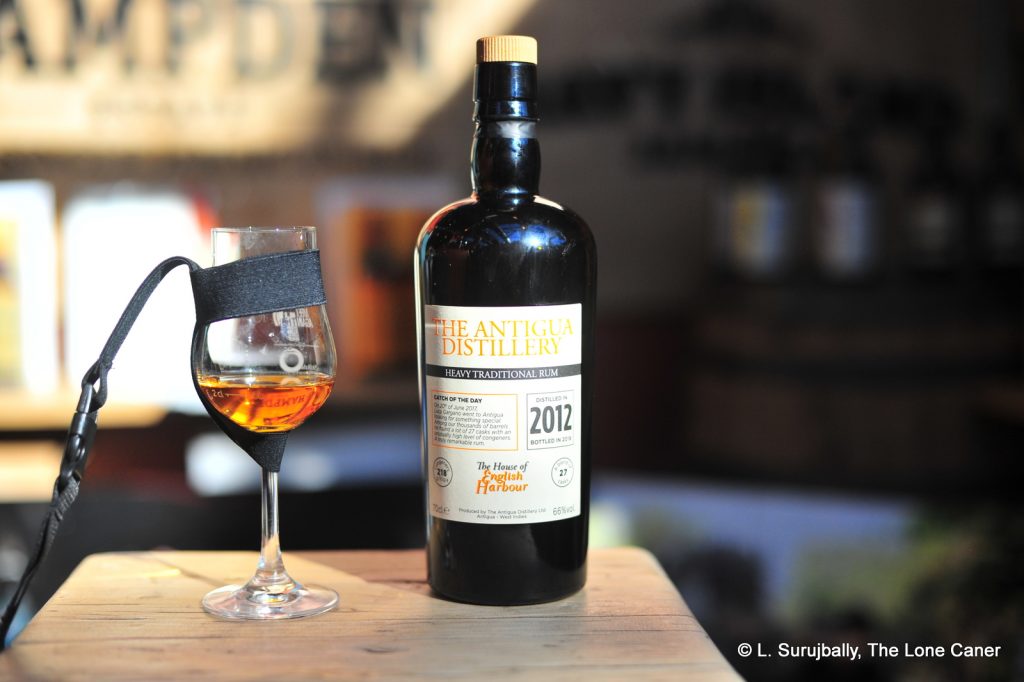
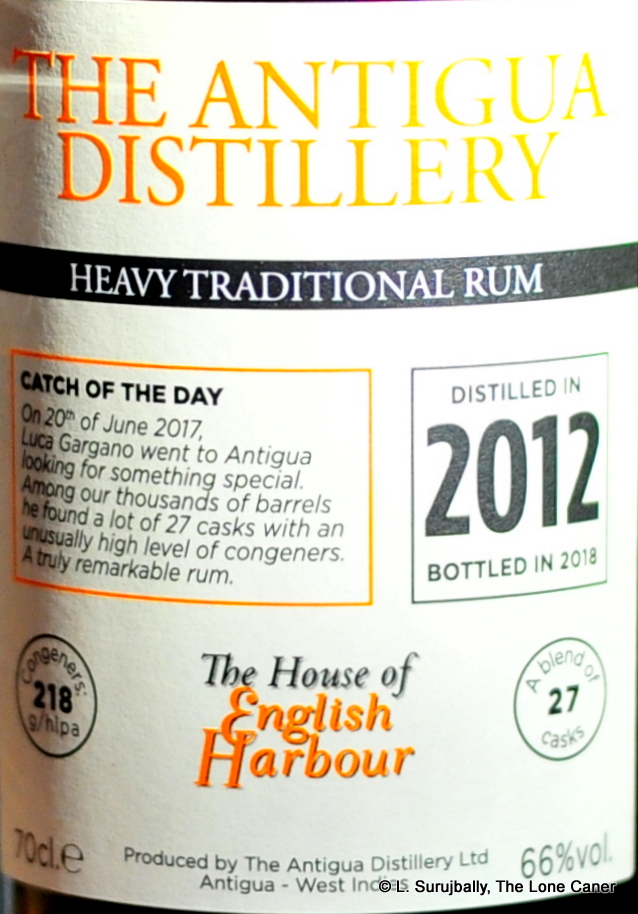 To be honest, the initial nose reminds me rather more of a Guyanese Uitvlugt, which, given the still of origin, may not be too far out to lunch. Still, consider the aromas: they were powerful yet light and very clear – caramel and pancake syrup mixed with brine, vegetable soup, and bags of fruits like raspberries, strawberries, red currants. Wrapped up within all that was vanilla, cinnamon, cloves, cumin, and light citrus peel. Honestly, the assembly was so good that it took effort to remember it was bottled at a hefty 66% (and wasn’t from Uitvlugt).
