Back in 2019 before the world changed, I was fortunate enough (and for the first time ever), to get a “blogger” badge at the Berlin Rumfest. This did not, of course, class with the far cooler “Exhibitor” or “Judge” badge that others ostentatiously wore front and center. Nor did it come with any kind of perks: I did not get let in free; it conferred no free samples or extra goodies; I was not plied with hats, shirts, glasses, and the thing absolutely did not give free entrance to master classes and seminars. In fact, it was so small and drab it could almost be overlooked altogether. Yet I was inordinately proud that I had one, and preened to all and sundry until I was brought down to earth by (who else?) The Little Caner, who asked in that ego-deflating manner he has perfected from his old age of fourteen, what it was good for.
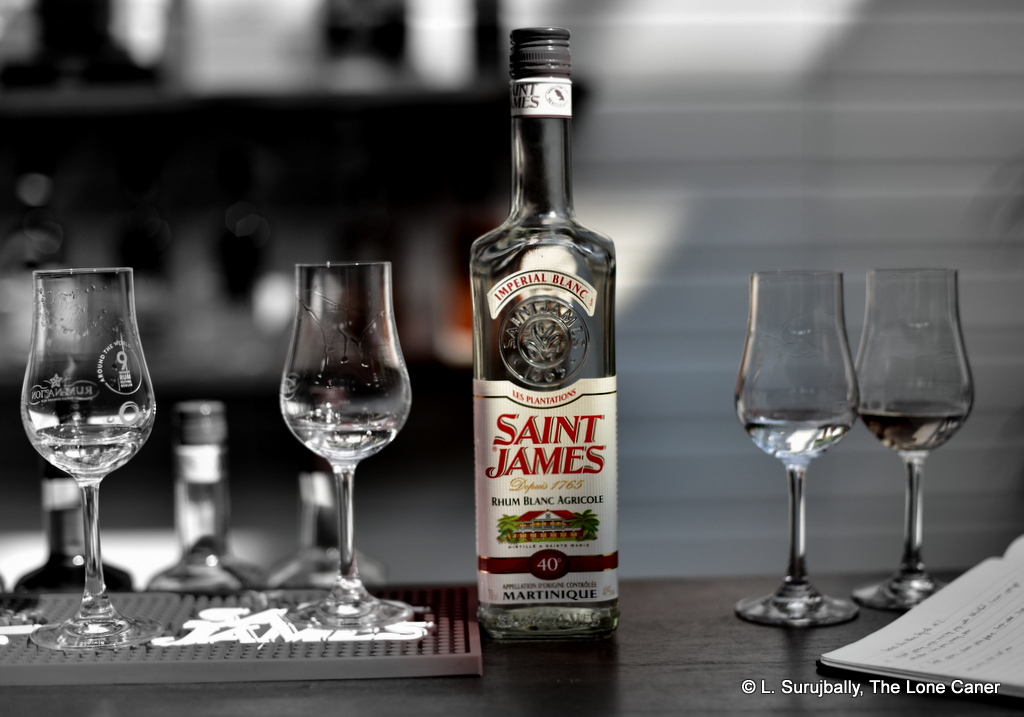
In fine, just one thing: it allowed me to get in one hour earlier than everyone else, and since I usually try to arrive at the opening bell, this was a godsend, because it meant I could talk to some of the busier booth people without a crowd, before they got distracted. So there I was at 11a.m. on a sunny Sunday morning looking for old friends and new ones, and spotted Benoit Bail over at the Saint James stand. He was talking with Marc Sassier (the resident oenologist who is in charge of production at Saint James on Martinique) — I wandered over to say hello, and we started talking about white rhums, of which three examples were on the tabletop.
Now, I had tried that shudderingly powerful 60º colourless Hammer of Thor that was the Coeur de Chauffe earlier that year and Marc allowed it was definitely deserving of all the plaudits (it was a non-AOC pot-still white, unusual for Martinique). “But you should try the other two as well,” he said, pointing to the bottles. My eye went first to the frosted bottle of the 50% Fleur de Canne, and he suggested I try it after the 40% red-lettered version. “Forget the Imperial name,” he told me, “This rhum is the original, just watered down for the bartenders circuit. Good to start you off.”
“So, not a sipping rum?” I asked
Everyone laughed. “They are all sipping rums to someone,” Marc smiled, and he and Benoit courteously left me to try the soft white rhum.
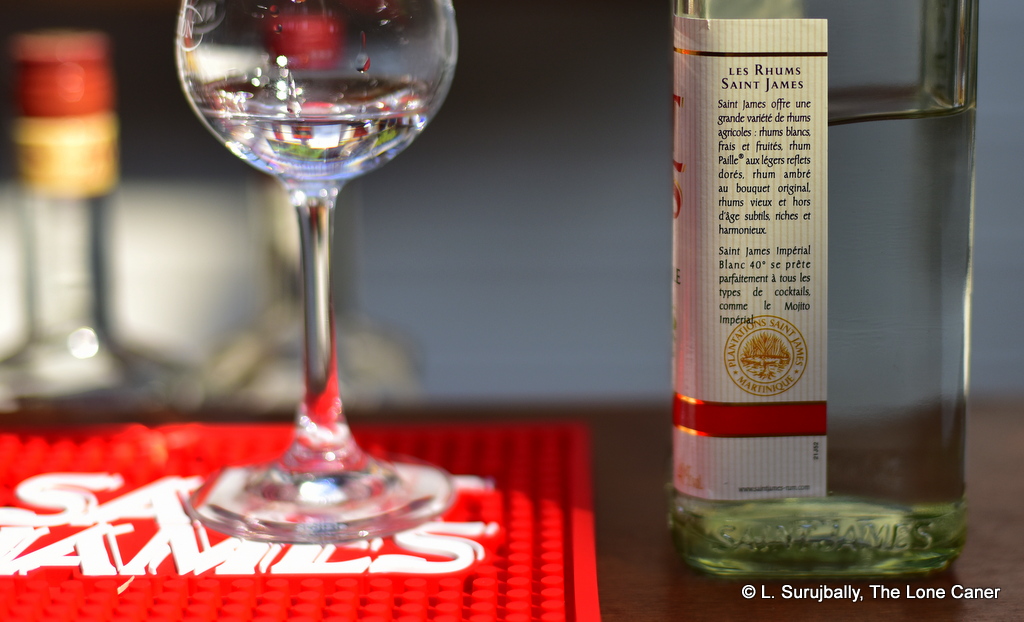
And indeed, I enjoyed the nose immensely – it had a nice lemony and herbal opening, like rain on freshly mown grass on a hot clear day. You could almost smell the sunlight. It had all the hallmarks of a really well made agricole rhum: herbs, dill, parsley and a trace of coriander; crisp cucumbers in sweet apple cider, with a red sweet pepper dropped in for kick. A lovely, clean aroma of a natural product.
I looked up from my note-taking. “All the usual?” I called over. “Cane juice, crushing within 48 hours of harvest, quick fermentation, creole still?”
Marc looked highly amused. “It would not have the “AOC” on the label without it,” he pointed out. And of course he was right: that appellation is very strict and fiercely adhered to — Saint James would hardly mess around with it. “Just checking,” I said, glad he wasn’t offended — maybe he knew me well enough from my writing to understand why I’d ask the question. He went back to his conversation, and I went back to my tasting.
I liked the palate, but here the softening to 40% and its more uncouth nature worked against it, and it lacked something of the finesse I expect from a well-made white. Now, the grassy, tangy freshness of the nose carried over – it was just weak and lacked the assertiveness that would make a statement and allow the flavours to pop. That said, there was some roughness in the notes of lime, bitters, tart fruits, sugar cane sap and green apples which was evident on the neat pour, and it was quickly over. The finish was as crisp and short, and as sharp as Mrs. Caner’s criticisms of my many failings…but it must be said that many of the aromas of the nose – tart apples, grass, dill, lemongrass – carry through. “It’s quite an experience,” I remarked later to Benoit and Mark, when we were discussing the rhums.
Saint James has a range of what some generously refer to as “starter” or “cocktail” rums. The Imperial Blanc, the first of these, retails for around €20, and is succeeded up the price and value chain by the Royal Blanc Agricole (50º, also red lettered label), then the blue-letter variation of the Rhum Blanc Agricole 55º and the rather more upscale frosted bottle of the Fleur de Canne (50º) which is sort of a special edition white, the last of the column-still unaged blancs before the Coeur de Chauffe blows them all into next week.
I’ve tried quite a few of these whites from the company, and the thing is, what impresses about the Imperial is its cost benefit ratio — it tastes well and noses even better for the first and cheapest rhum in that lineup. The profile is reasonably good, isn’t strong enough to offend or frighten, and provides most of what is required of a low-level intro to unaged agricoles. I wouldn’t go so far as to say it makes a great Ti’ punch – you need to go to 50º for that to happen, and Clement and Damoiseau provide stiff competition as well – but its very good at providing a flavourful jolt to whatever you feel like adding it to, even at standard strength. So while I wouldn’t say it’s a key rum of any kind, it certainly is tailor made for bars, and for anyone of lean purse who wants to start working on his knowledge of the blanc side.
(#810)(80/100)
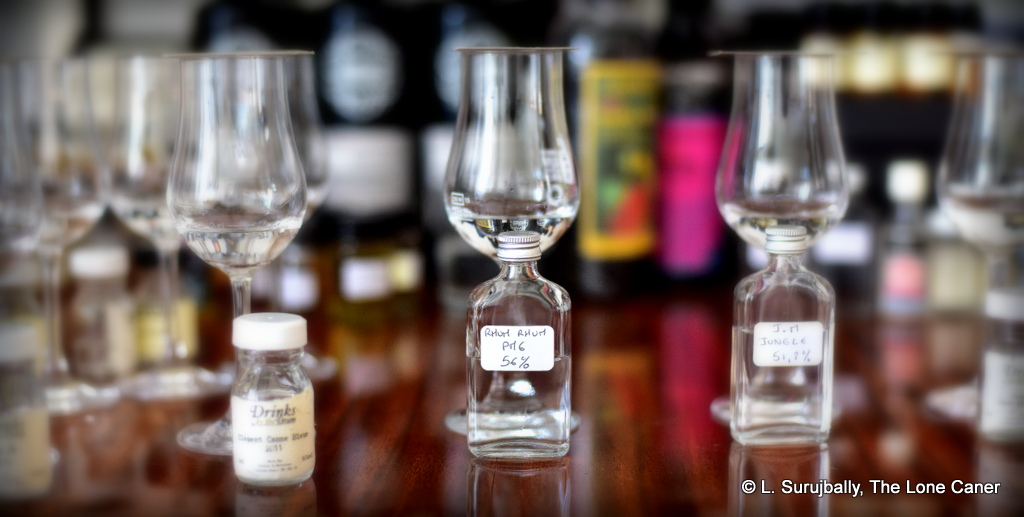
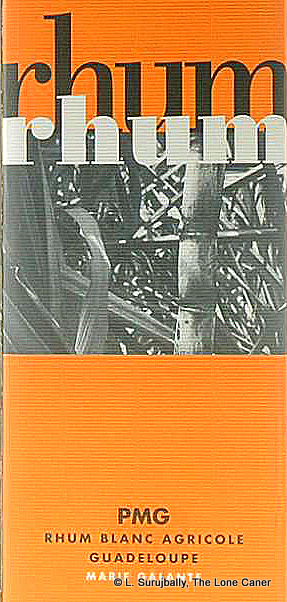 Although the plan was always to sell white (unaged) rhum, some was also laid away to age and the aged portion turned into the “Liberation” series in later years. The white was a constant, however, and remains on sale to this day – this orange-labelled edition was 56% ABV and I believe it is always released together with a green-labelled version at 41% ABV for gentler souls. It doesn’t seem to have been marked off by year in any way, and as far as I am aware production methodology remains consistent year in and year out.
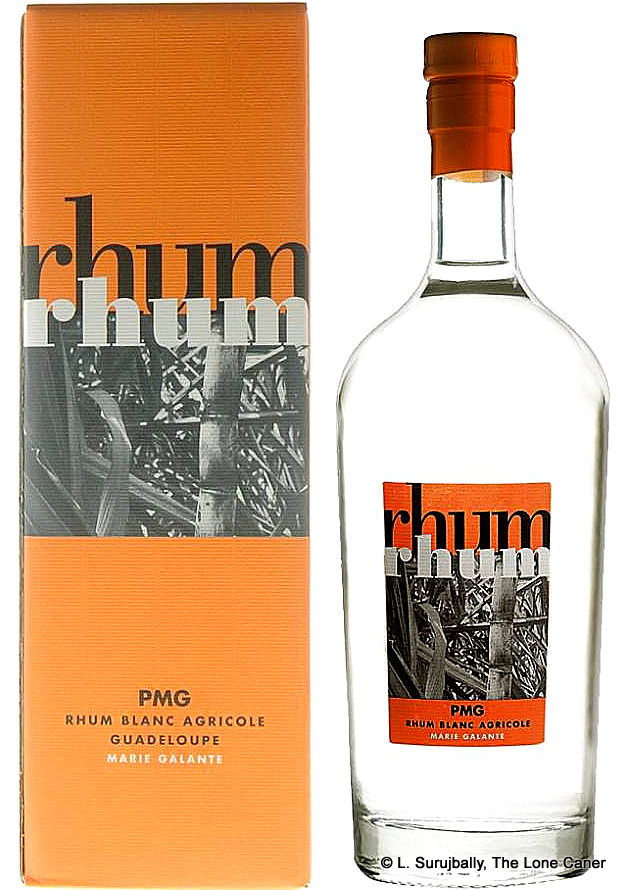 From the description I’m giving, it’s clear that I like this rhum, a lot. I think it mixes up the raw animal ferocity of a more primitive cane juice rhum with the crisp and clear precision of a Martinique blanc, while just barely holding the damn thing on a leash, and yeah, I enjoyed it immensely. I do however, wonder about its accessibility and acceptance given the price, which is around $90 in the US. It varies around the world and on Rum Auctioneer it averaged out around £70 (crazy, since
 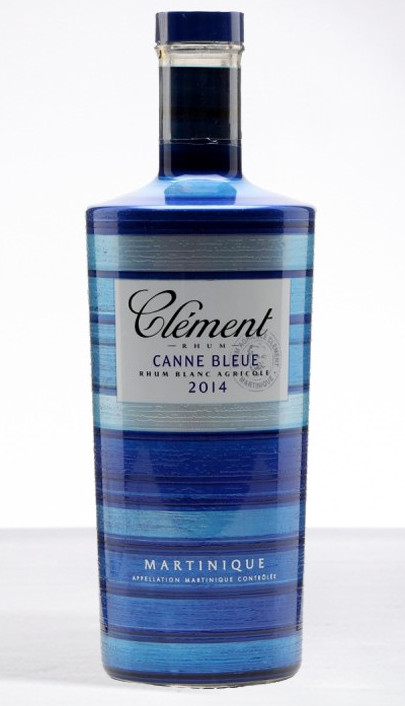 In an ever more competitive market – and that includes French island agricoles – every chance is used to create a niche that can be exploited with first-mover advantages. Some of the agricole makers, I’ve been told, chafe under the strict limitations of the AOC which they privately complain limits their innovation, but I chose to doubt this: not only there some amazing rhums coming out the French West Indies within the appellation, but they are completely free to move outside it (as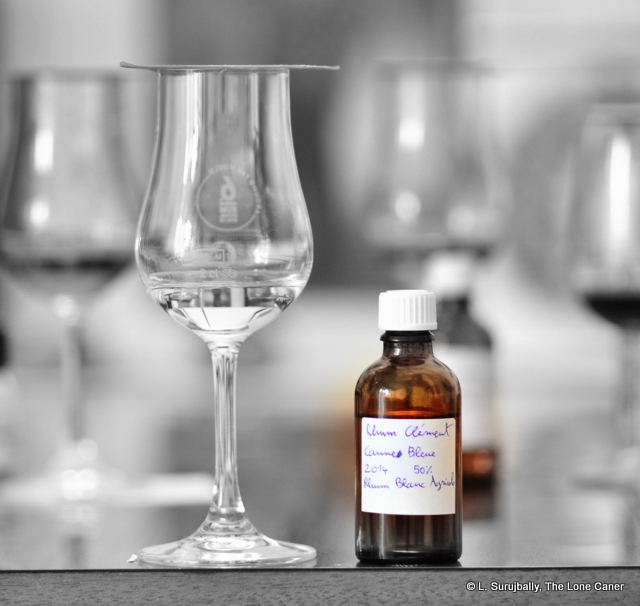
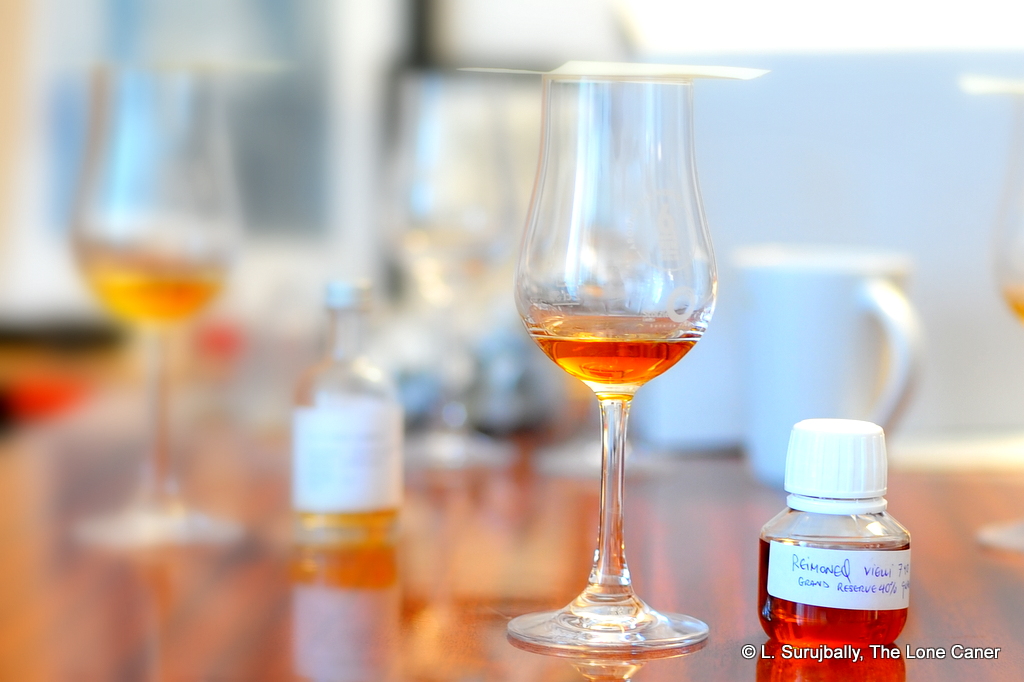
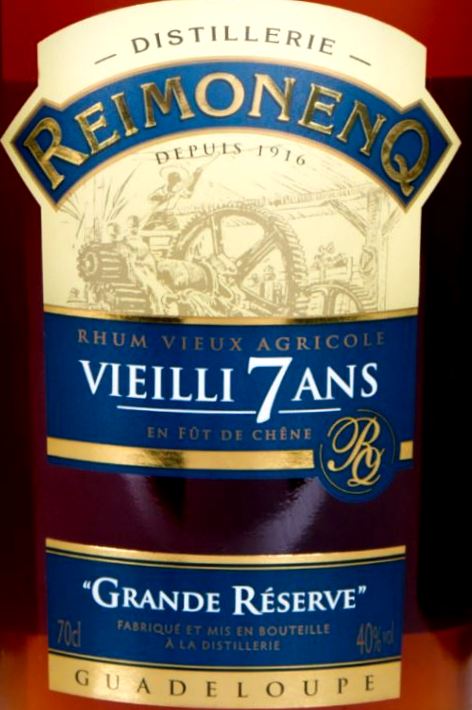 I was really and pleasantly surprised by how well it presented, to be honest. For a standard strength rhum, I expected less, but its complexity and changing character eventually won me over. Looking at others’ reviews of rhums in Reimonenq’s range I see similar flip flops of opinion running through them all. Some like one or two, some like that one more than that other one, there are those that are too dry, too sweet, too fruity (with a huge swing of opinion), and the little literature available is a mess of ups and downs.
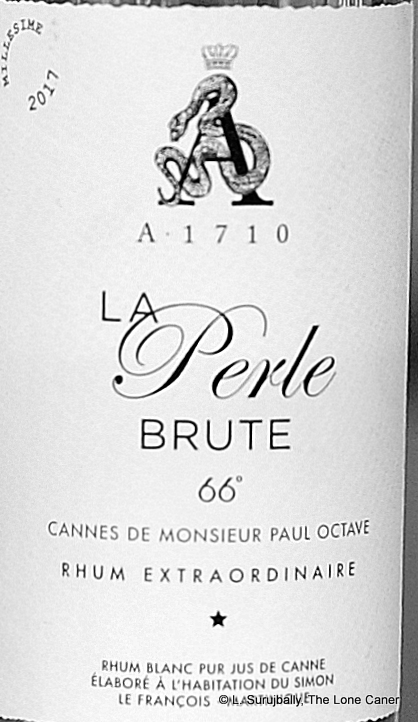 The results of all that micro-management are amazing.The nose, fierce and hot, lunges out of the bottle right away, hardly needs resting, and is immediately redolent of brine, olives, sugar water,and wax, combined with lemony botes (love those), the dustiness of cereal and the odd note of sweet green peas smothered in sour cream (go figure). Secondary aromas of fresh cane sap, grass and sweet sugar water mixed with light fruits (pears, guavas, watermelons) soothe the abused nose once it settles down.

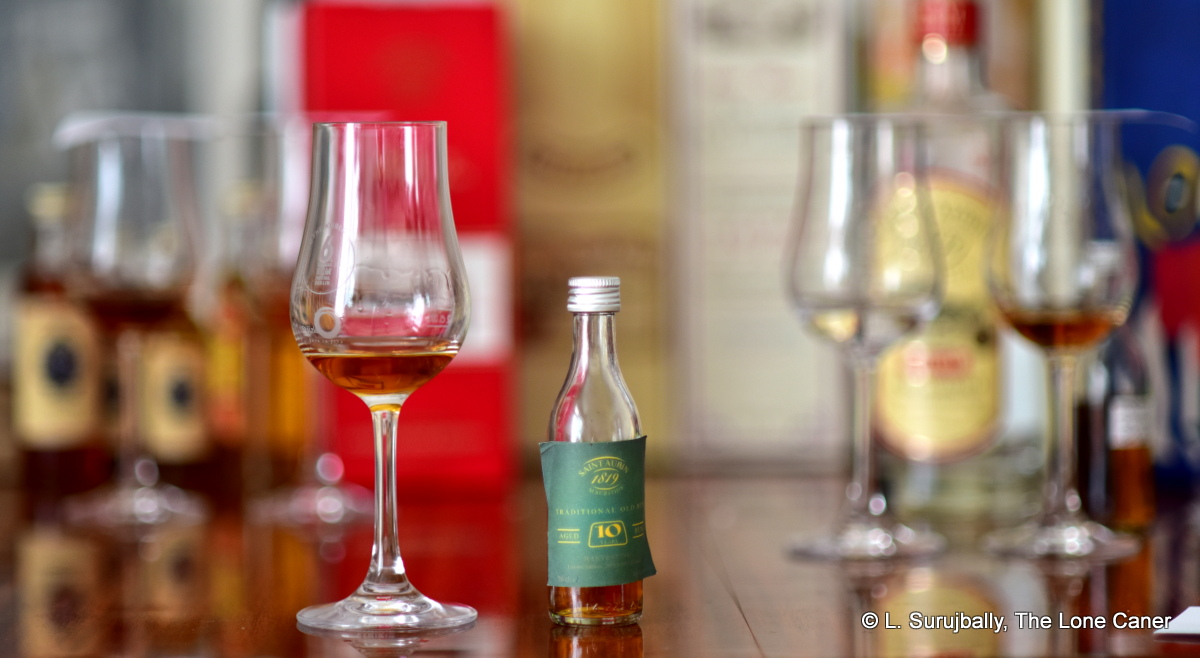
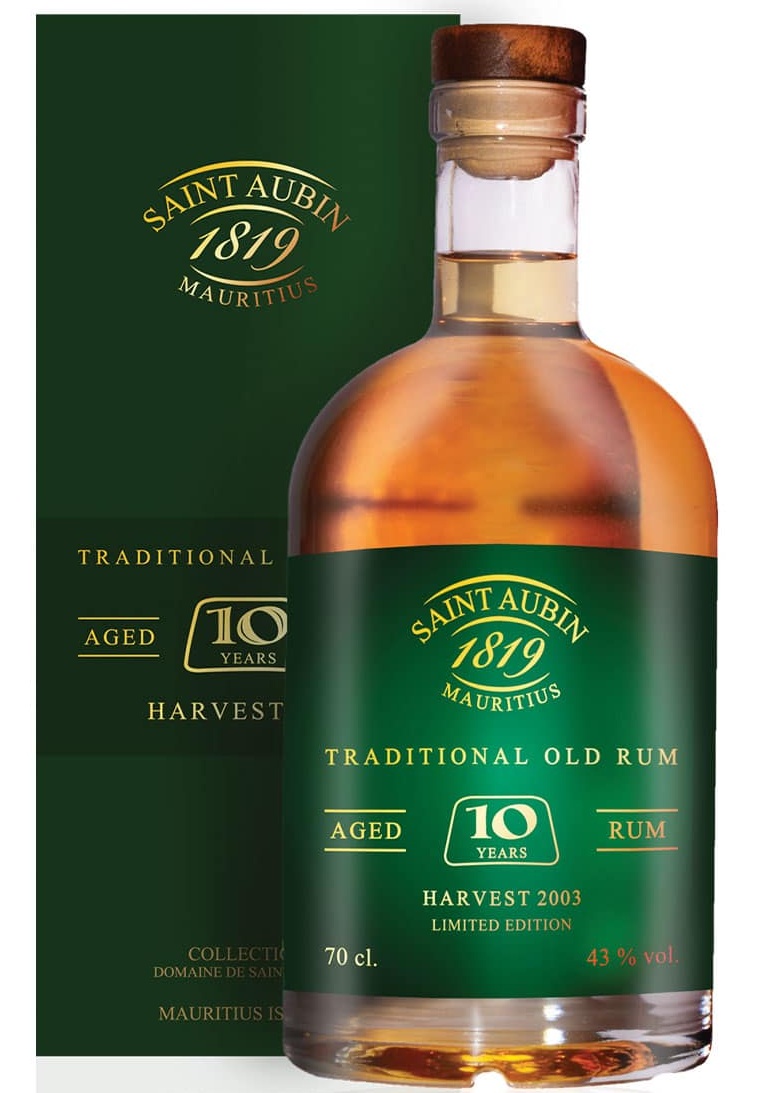 Certainly the 2003 10 YO does its next-best relative the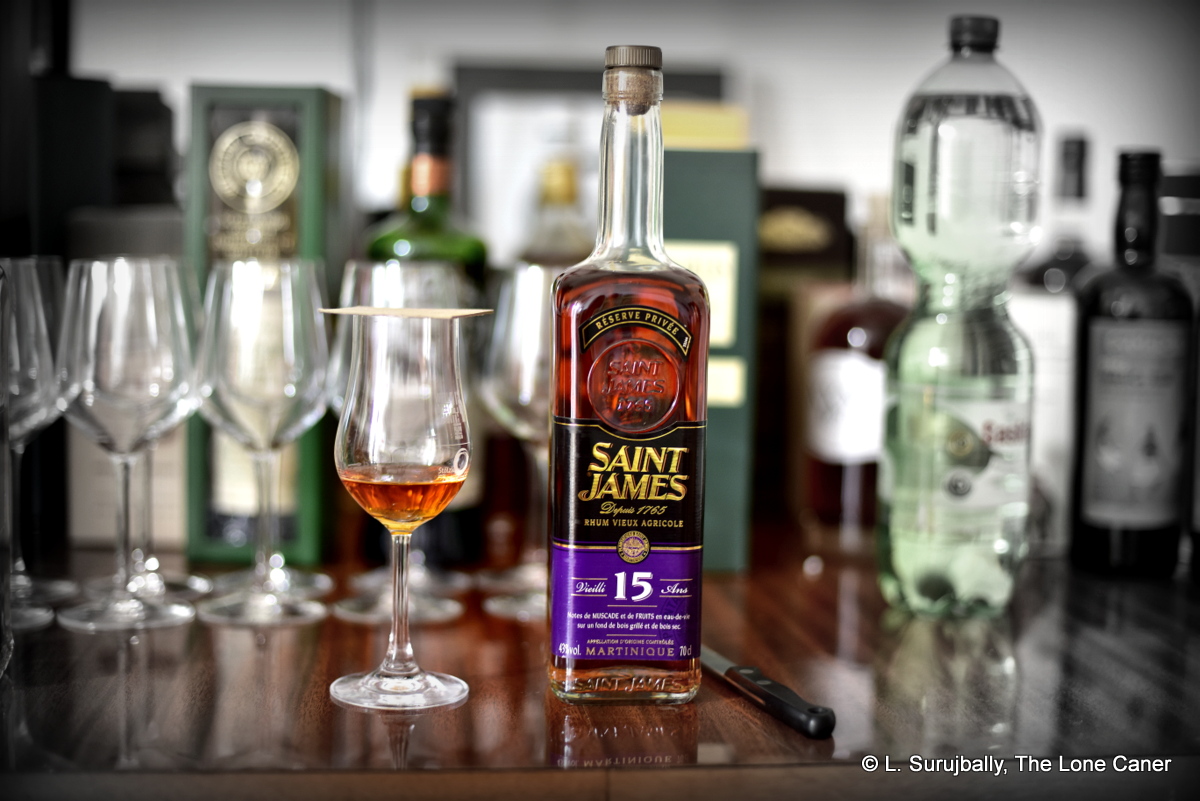
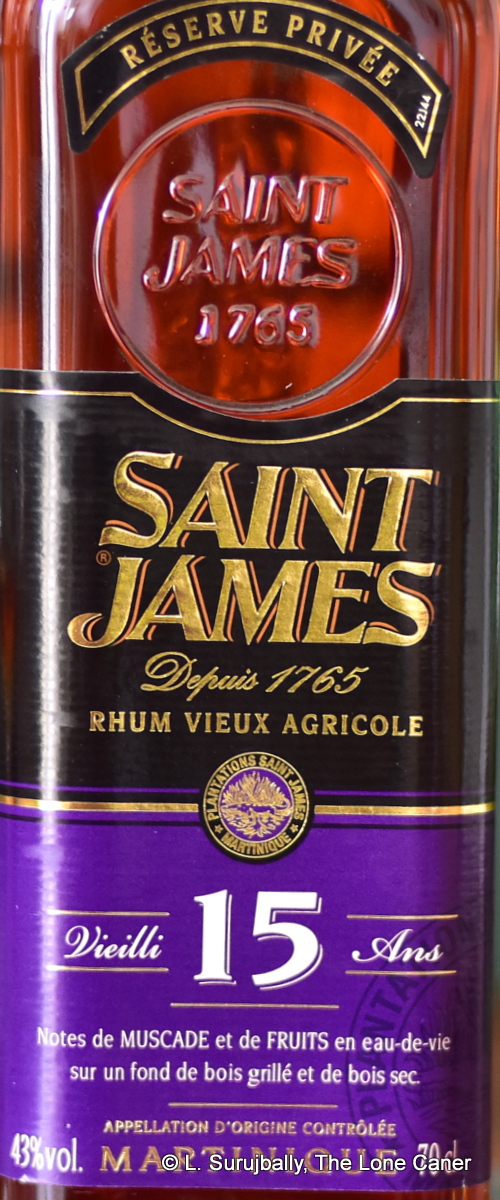 Because that 15 year old rhum is, to my mind, something of an underground, mass-produced steal. It has the most complex nose of the “regular” lineup, and also, paradoxically, the lightest overall profile — and also the one where the grassiness and herbals and the cane sap of a true agricole comes through the most clearly. It has the requisite crisp citrus and wet grass smells, sugar came sap and herbs, and combines that with honey, the delicacy of white roses, vanilla, light yellow fruits, green grapes and apples. You could just close your eyes and not need ruby slippers to be transported to the island, smelling this thing. It’s sweet, mellow and golden, a pleasure to hold in your glass and savour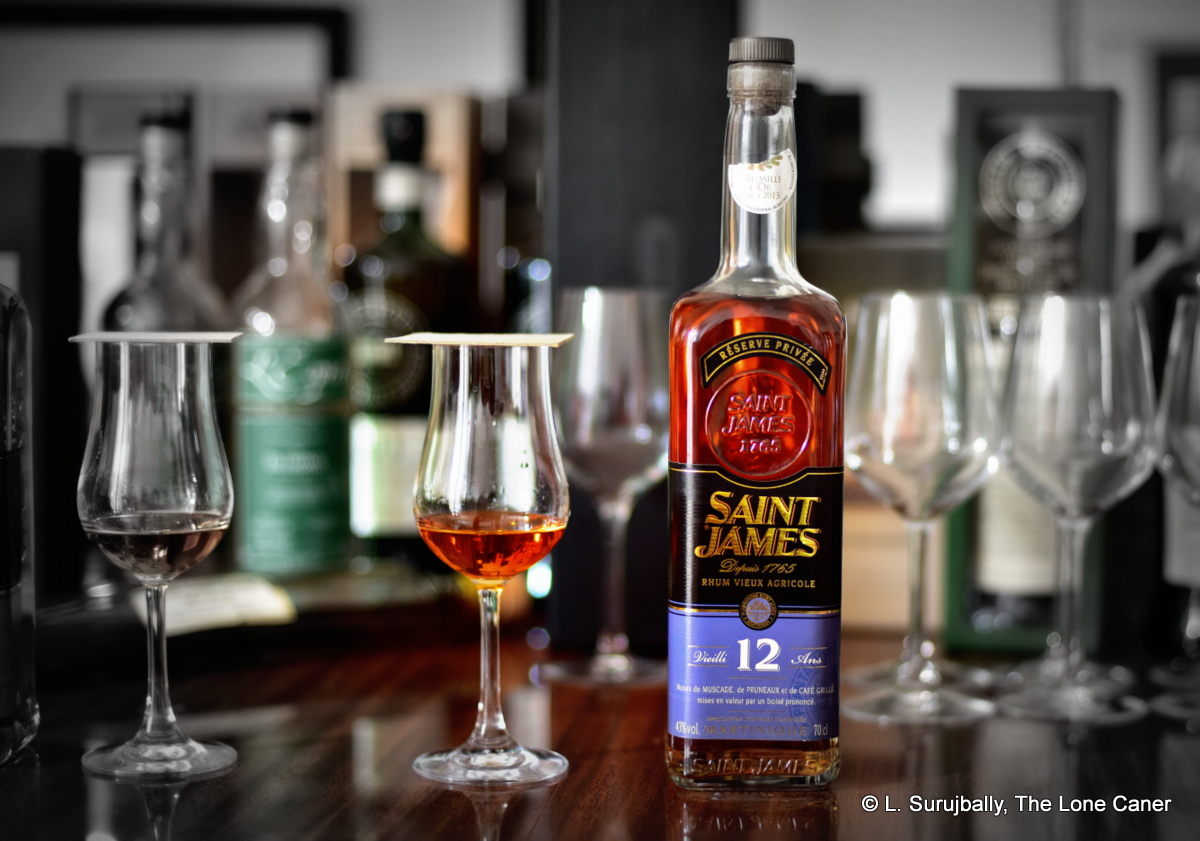
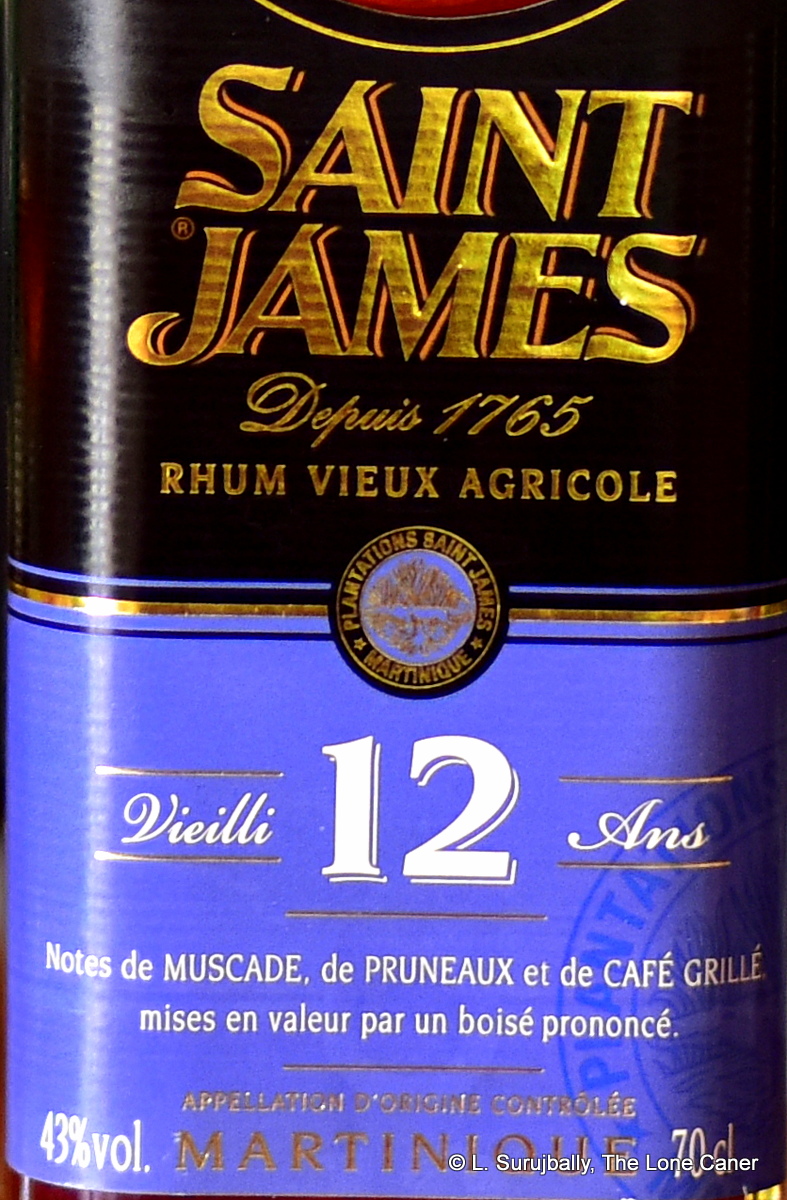 To some extent, it has a lighter nose than the luscious
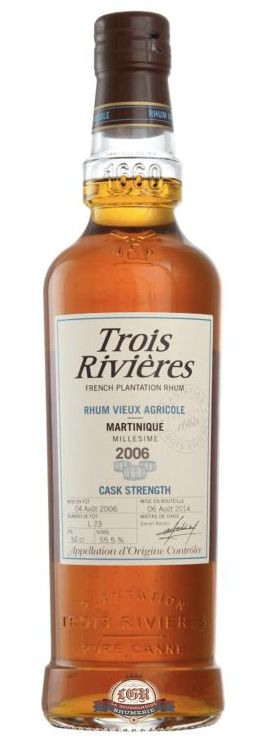 The Trois Rivières Brut de fût Millésime 2006 (which is its official name) is relatively unusual: it’s aged in new American oak barrels, not Limousin, and bottled at cask strength, not the more common 43-48%. And that gives it a solidity that elevates it somewhat over the standards we’ve become used to. Let’s start, as always, with the nose — it just becomes more assertive, and more clearly defined…although it seems somehow gentler (which is quite a neat trick when you think about it). It is redolent of caramel and vanilla first off, and then adds green apples, tart yoghurt, pears, white guavas, watermelon and papaya, and behind all that is a delectable series of herbs – rosemary, dill, even a hint of basil and aromatic pipe tobacco.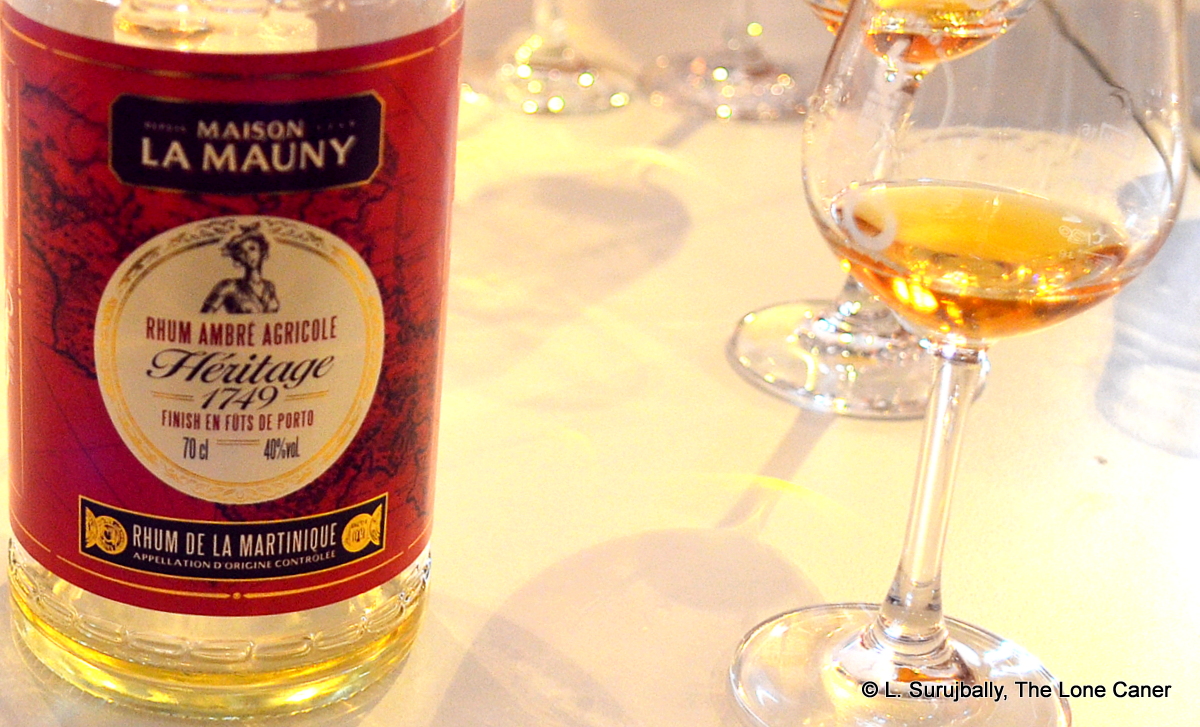
 Okay so, on to palate. Straw yellow in the glass, it was softer and less intense, which, for a forty percenter, was both good and bad. Here the grassy and herbal notes took on more prominence, as did citrus, some tart unsweetened yoghurt, honey and cane juice. The youth was evident in the slight sharpness and lack of real roundness – the two years of ageing had
 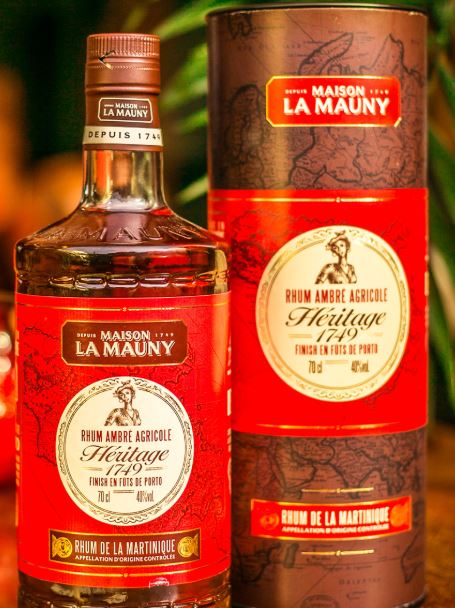 In 1923 La Mauny was sold to Théodore and Georges Bellonnie who enlarged and brought in new facilities such as a distillation column, new grinding mills and a steam engine. The distillery expanded hugely thanks to increased output and good marketing strategies and La Mauny rhums began to be exported around 1950. In 1970, after the Bellonnie brothers had both passed away, the Bordeaux traders and old-Martinique family of Bourdillon teamed up with Théodore Bellonnie’s widow and created the BBS Group. The company grew strongly, launching on the French market in 1977. Jean Pierre Bourdillon, who ran the new group, undertook to modernize La Mauny. He began by reorganizing the fields in order to make them accessible to mechanical harvesting and built a new distillery in 1984 (with a fourth mill, a three column still and a new boiler) a few hundred meters from the old one, increasing the cane crushing capacity and buying the equipment of the Saint James distillery in Acaiou, unused since 1958.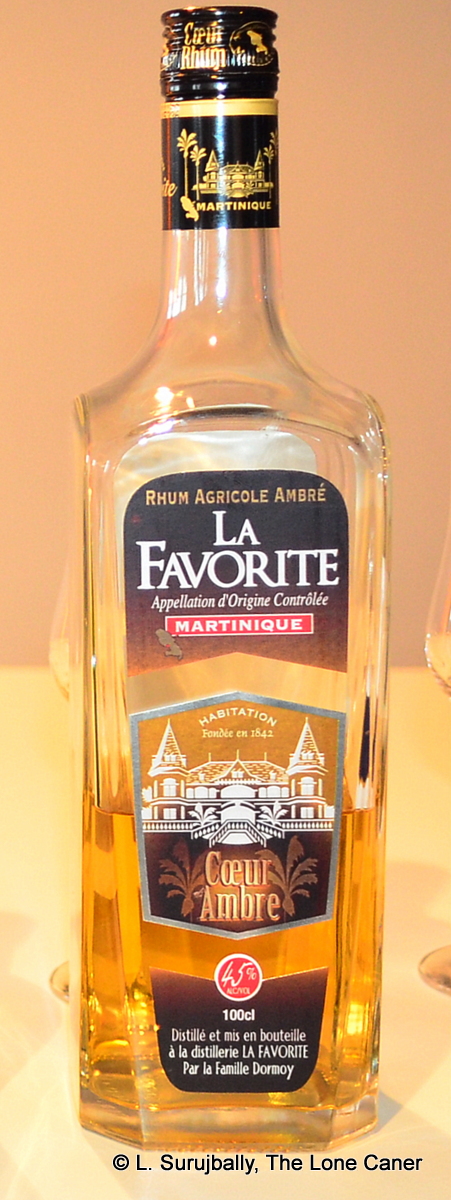
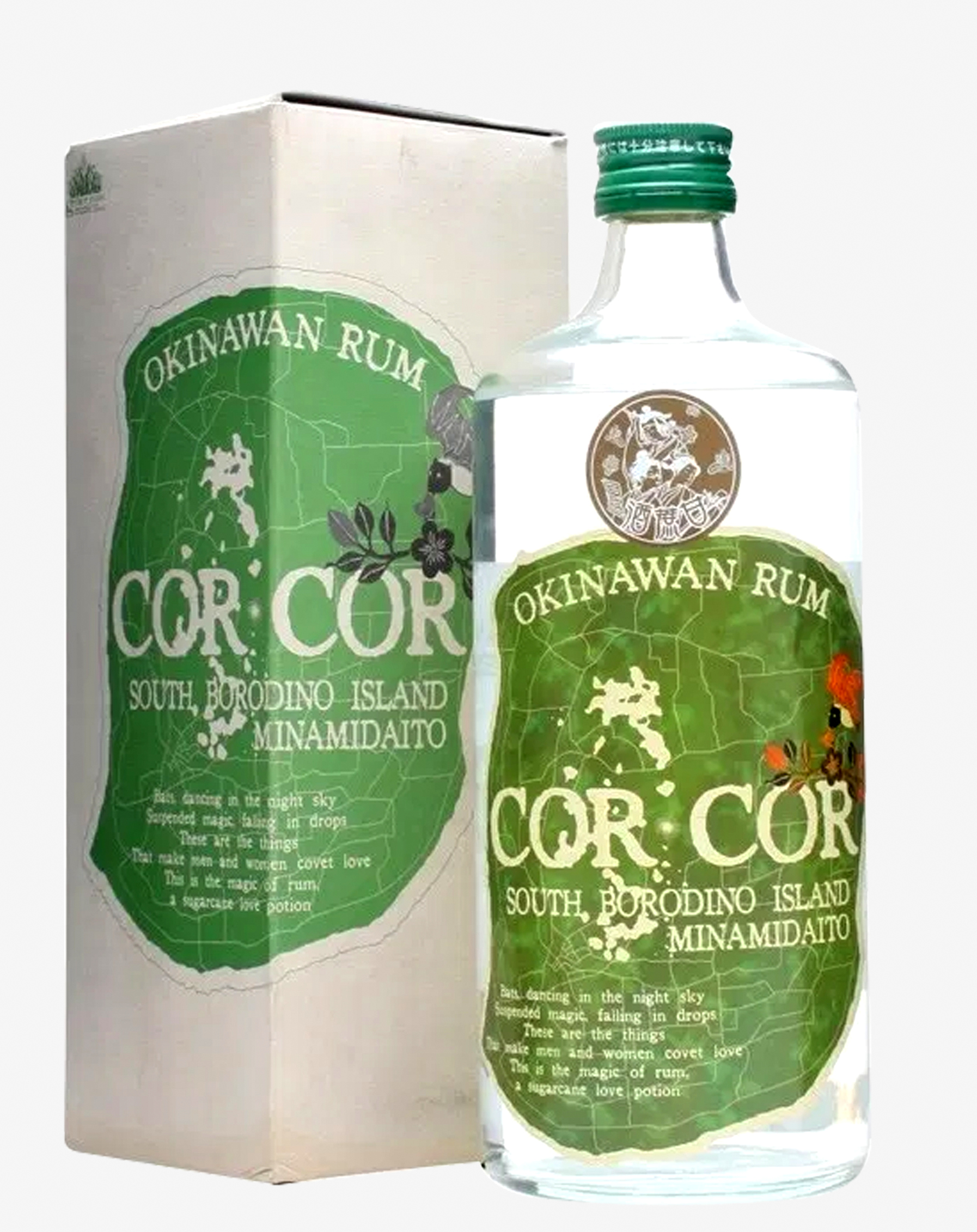 The Cor Cor “Green”, cousin to the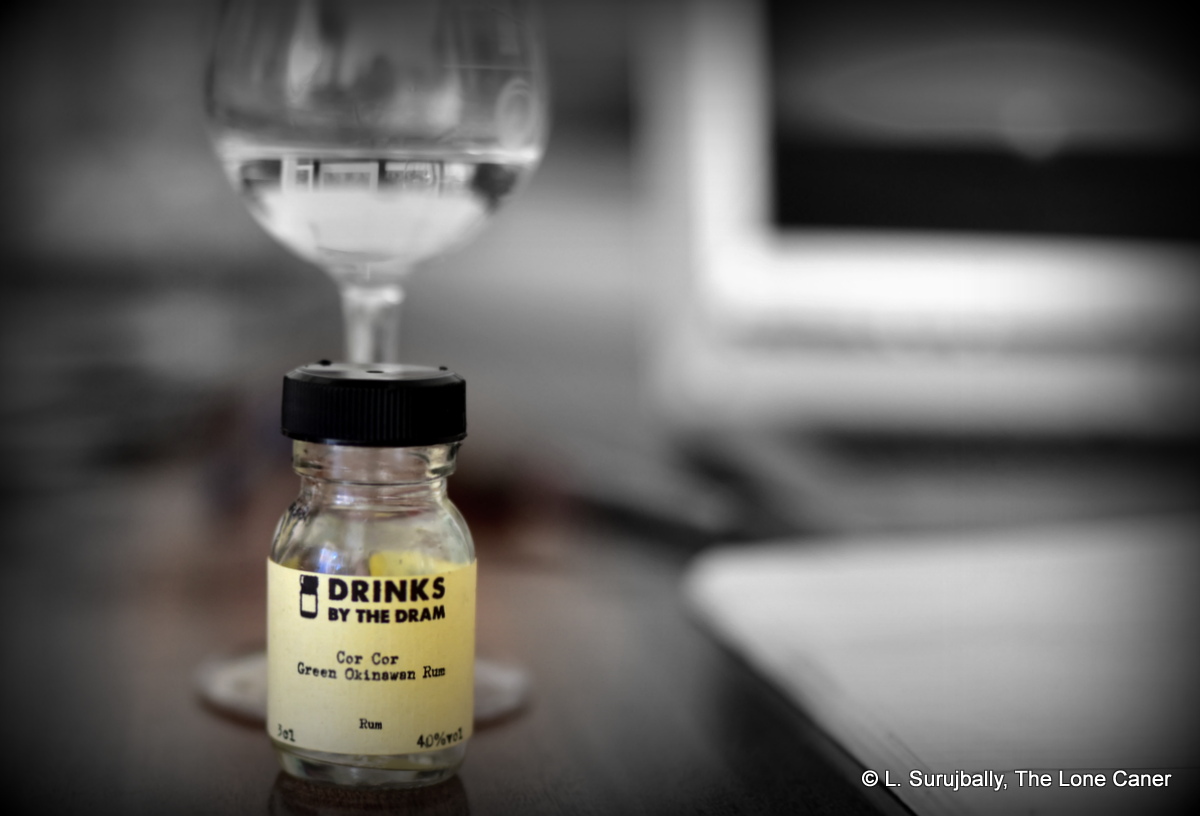
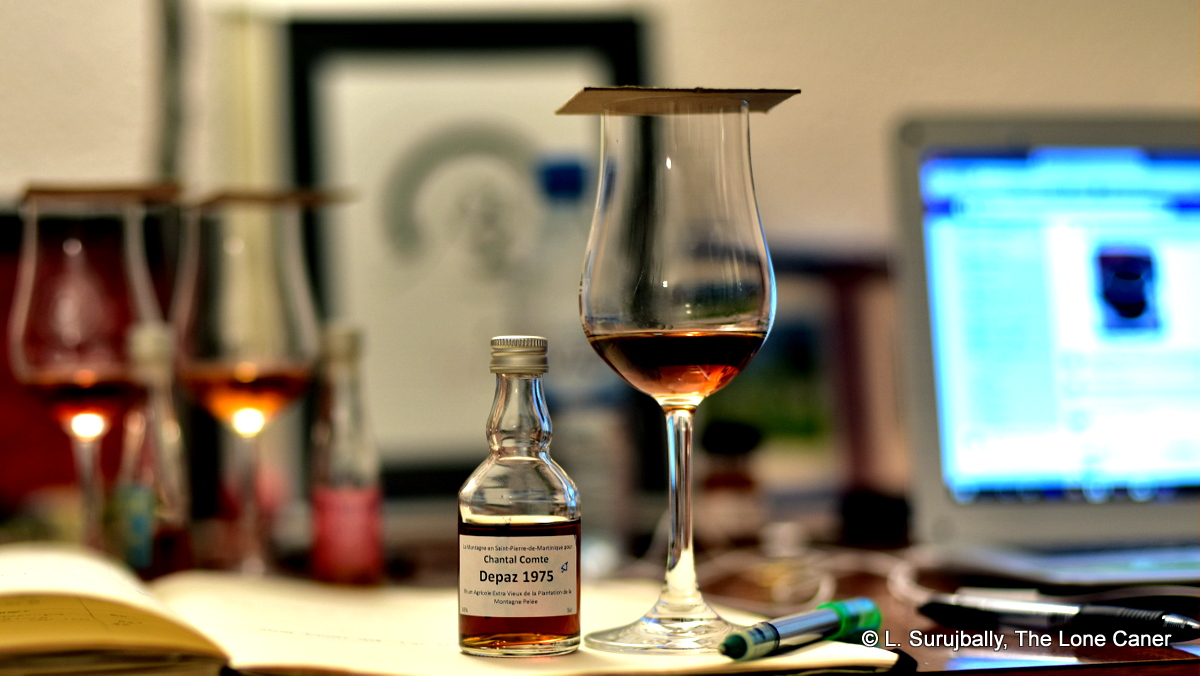
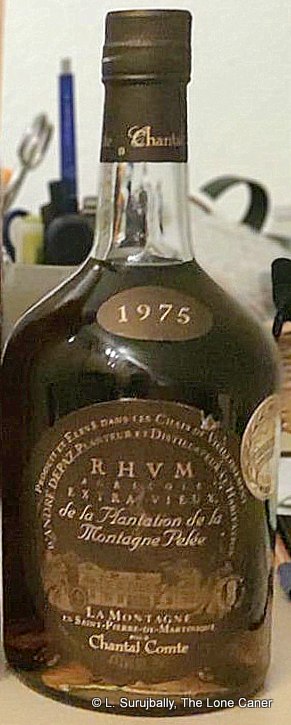 The full and rather unwieldy title of the rum today is the Chantal Comte Rhum Agricole 1975 Extra Vieux de la Plantation de la Montagne Pelée, but let that not dissuade you. Consider it a column-still, cane-juice rhum aged around eight years, sourced from Depaz when it was still André Depaz’s property and the man was – astoundingly enough in today’s market – having real difficulty selling his aged stock. Ms. Comte, who was born in Morocco but had strong Martinique familial connections, had interned in the wine world, and was also mentored by Depaz and Paul Hayot (of Clement) in the late 1970s and early 1980s, when Martinique was suffering from overstock and poor sales.. And having access at low cost to such ignored and unknown stocks allowed her to really pick some amazing rums, of this is one.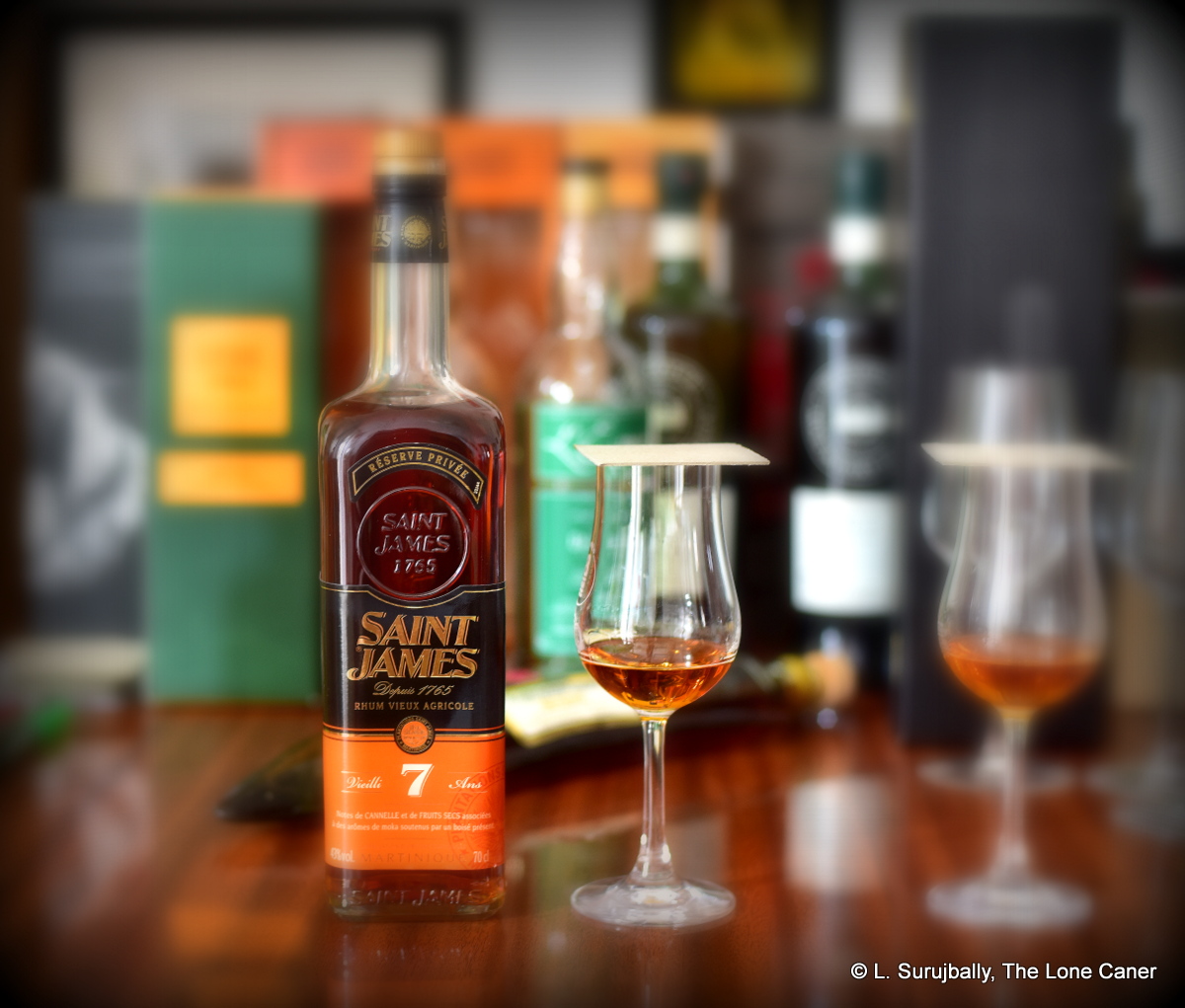
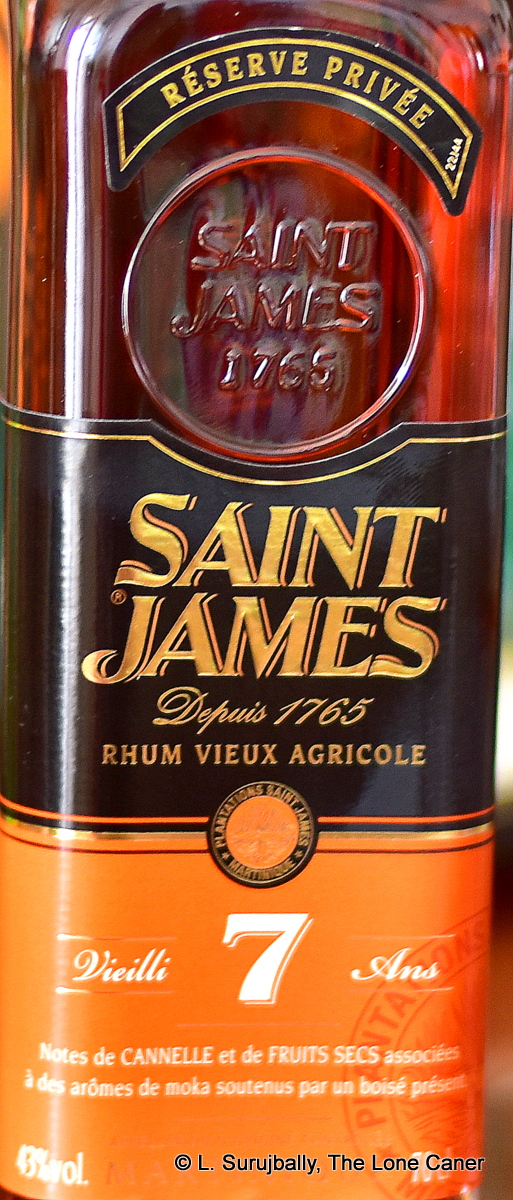 Ah but when sipped, all that changes, and the clodhoppers go away and it dons a pair of ballet slippers. It’s stunningly fragrant, not quite delicate – that ballerina does have an extra pound or two – very firm and robust in flavour profile. Just on the first sip you can taste flowers, pears, papaya, honey, vanilla, raisins, grapes, all pulled together with a delectable light and salty note. There are nice citrus hints, a tease from the oak, ginger and cinnamon, and overall, it sips as nicely as it mixes. The finish is well handled, though content to play it safe – things are beginning to quieten down here, and it fades quietly without stomping on you – and certainly nothing new or original comes into being; the rhum is content to follow where the nose and palate led – fruits, pineapple, spices, ginger, vanilla – without breaking any new ground.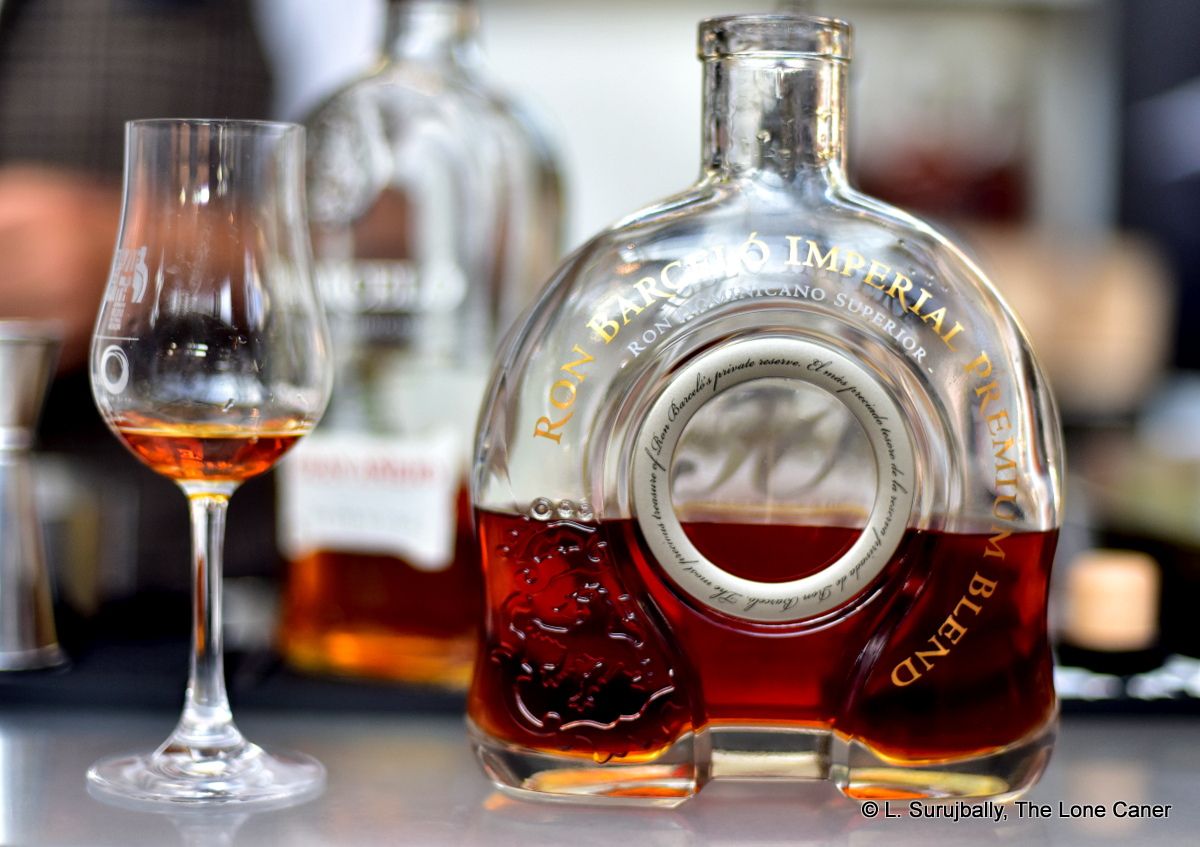
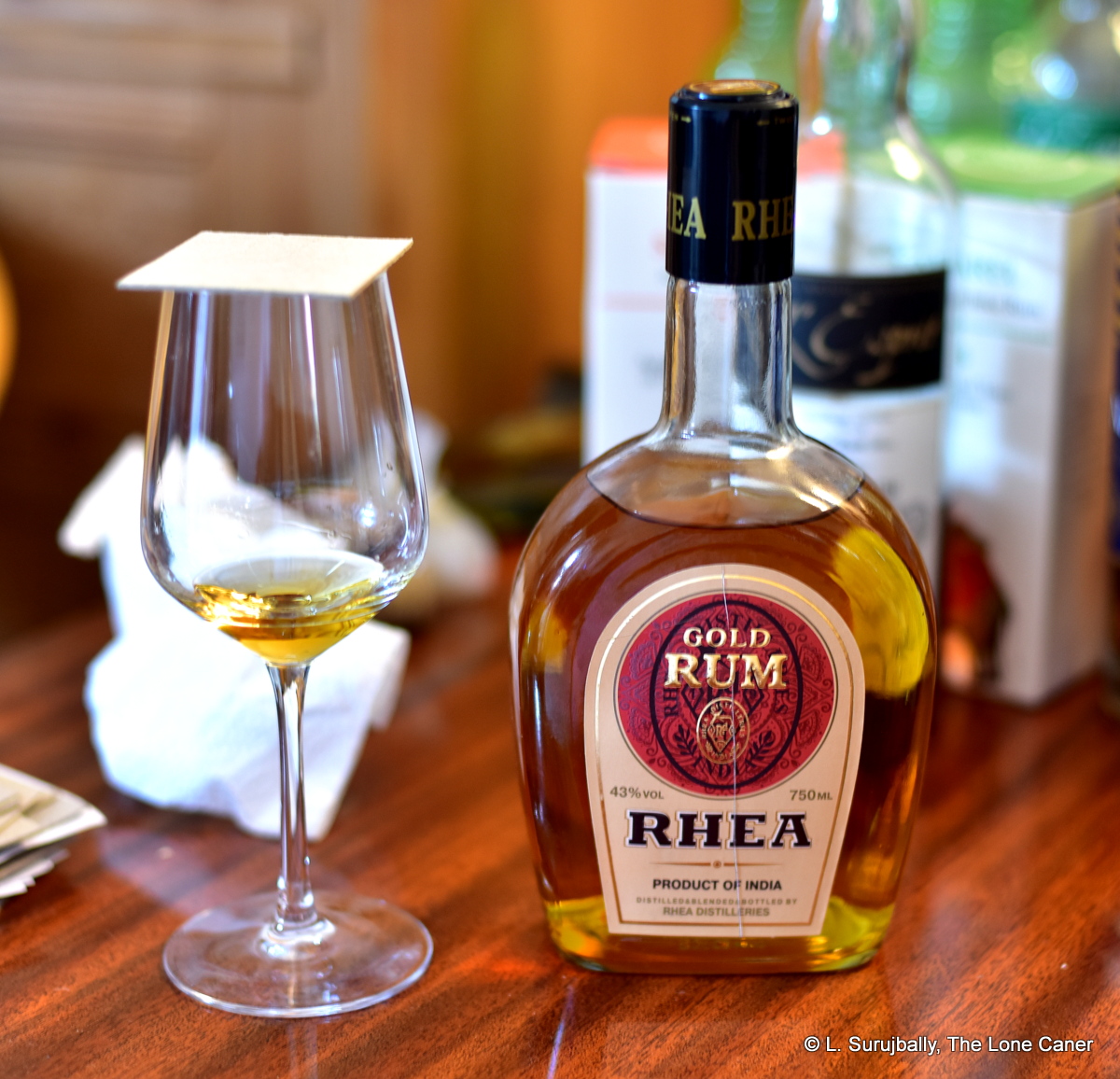
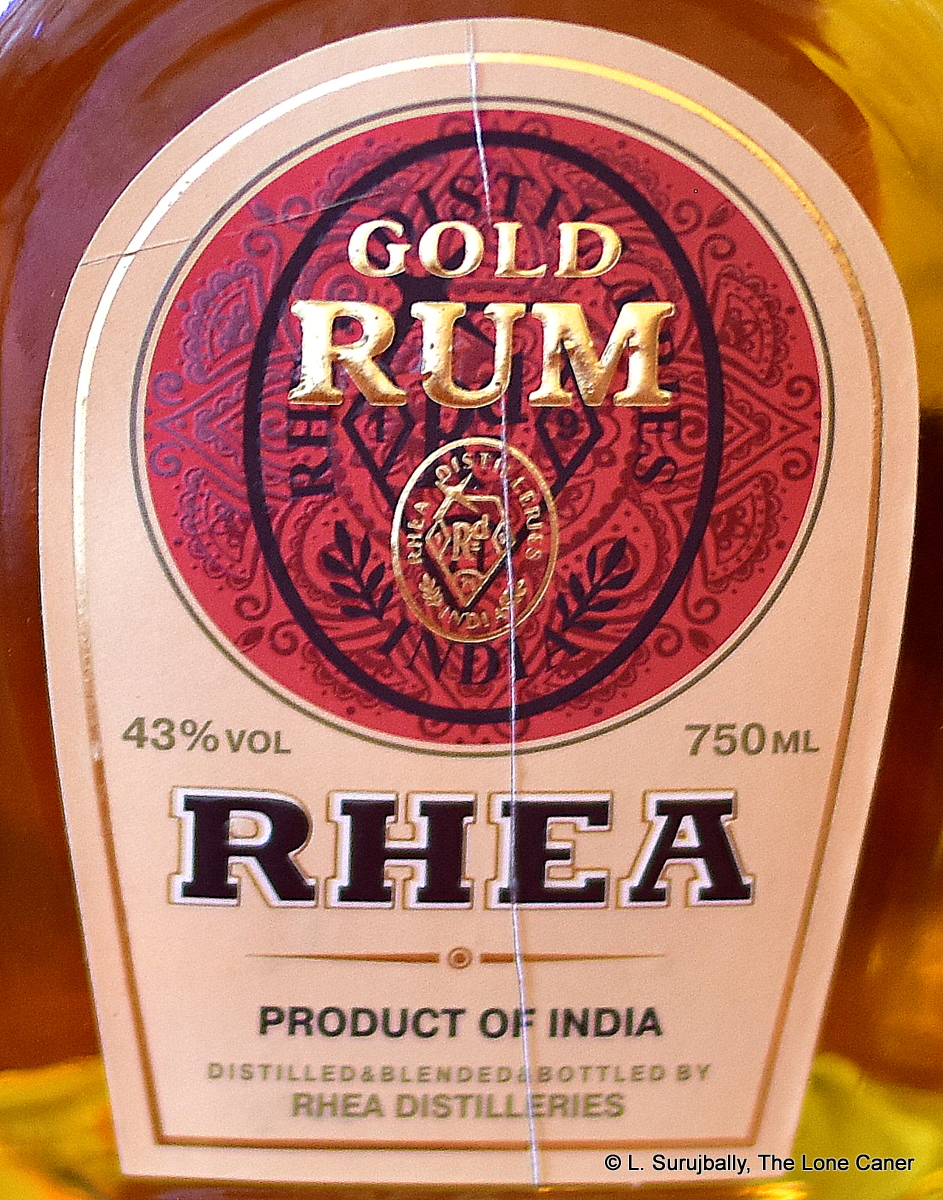 Light amber in colour and bottled at 43%, it certainly did not nose like your favoured Caribbean rum. It smelled initially of congealed honey and beeswax left to rest in an old unaired cupboard for six months – that same dusty, semi-sweet waxy and plastic odour was the most evident thing about it. Letting it rest produced additional aromas of brine, olives and ripe mangoes in a pepper sauce. Faint vanilla and caramel – was this perhaps made from jaggery, or added to after the fact? Salty cashew nuts, fruit loops cereal and that was most or less it – a fairly heavy, dusky scent, darkly sweet.