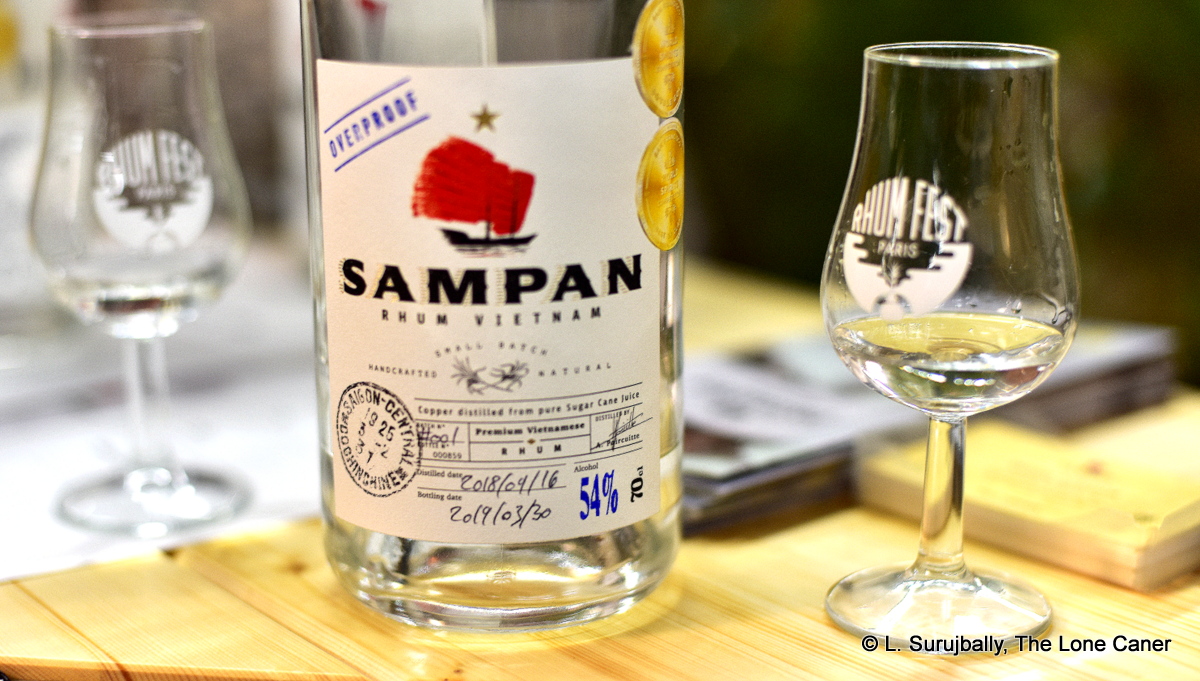
The Sampan Vietnamese Rhum is made by the Distillerie d’Indochine: and Antoine Pourcuitte, a long haired Frenchman who seems to be channelling Fabio and who lives in Vietnam, is the man who bootstrapped his desire to make good rums into a business that combines a small hotel and bar close to the beach with a distillery he pretty much built himself (officially it opened for business in late 2018). This newly constructed establishment, which produces one of those excellent white rhums which must be causing the French islands conniption fits, is his brainchild… and it can take its place proudly in the league of small and new fast moving ops who are taking a pure rhum approach to distillation in Asia.
Vietnam’s common tipple of choice is rượu (ruou), a local artisanal spirit somewhat akin to arrack of Indonesia, made from fermented rice or molasses or cane juice and run through backroad, backwoods or back-alley alembics and home-made stills that puff and fart and produce some low grade (but very palatable) moonshine. Like in other rural regions of the world which have a long history of indigenous small-scale spirits manufacture – Africa, Haiti and Mexico come to mind – these are largely individual enterprises not regulated or even acknowledged by any authority.
Mr. Poircuitte, who came to rum via wine and not whisky (something like Florent of the Compagnie) put a bit more professionalism into his company, and production cycle is not too different from the Caribbean islands, all in all. The cane is all organic, pesticide free, grown in the area around Hội An, in the Qu lang Nam province, harvested by hand and then transported within 24 hours to the distillery, which is 40km away from the fields, for crushing. The resultant juice is fermented for 3 to 4 days, resulting in an initial wash of about 11% ABV, which is then run through their 11-plate single-column copper still that torques things up to around 70% ABV. Three varieties of this rhum are produced, at various strengths: 45% standard, 54% overproof and the 65% full proof.
What’s interesting here is that Sampan does not bottle it straight off the still, but lets it rest for something under one year in inert inox tanks, and this gives the resultant rum – which is not filtered except for sediments – a taste of serious fresh-off-the-still juice.
 Consider first the nose of this blanc, which is stuffed into the bottle at a beefy 54% ABV. It’s musty, redolent of freshly turned sod and grass. I could say it smells dirty and not mean it in a bad way, and that is not all: it also smells briny, olive-y, balanced off with clear, fresh, 7-Up and lemon juice and sugar cane sap, plus a smorgasbord of light fruits like pears, ripe apples, and white guavas, a little vanilla and cookies. The strength doesn’t hurt it at all, it’s strong and firm without every being too sharp to enjoy as it is.
Thankfully, it doesn’t sink on the taste, but follows smoothly on from what had been discerned on the nose. Here, we didn’t just have a few olives, but what seemed like a whole grove of them. Again it tasted dirty, loamy, and also pungent, with initially clear notes of sweet sugar cane juice and sweet yellow corn, to which are added some lemon sherbet, vanilla and aromatic light fruits (pears, watermelon, strawberries) plus herbs – dill and basil. Soft and lightly sweet, and there’s a background hint of anise as well, or licorice, really nice. Throughout the tasting it stays firm and assertive on the tongue, with a near silky mouthfeel leading to an exit that is pleasantly long lasting and with closing notes of fruits, vanilla, coconut water, and breakfast spices.
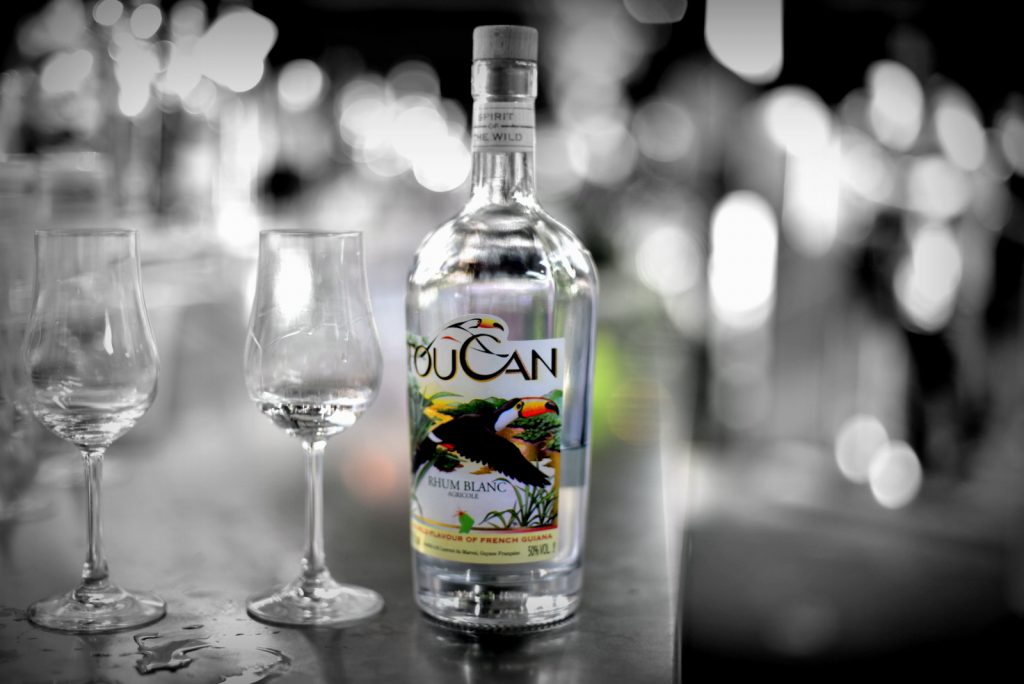
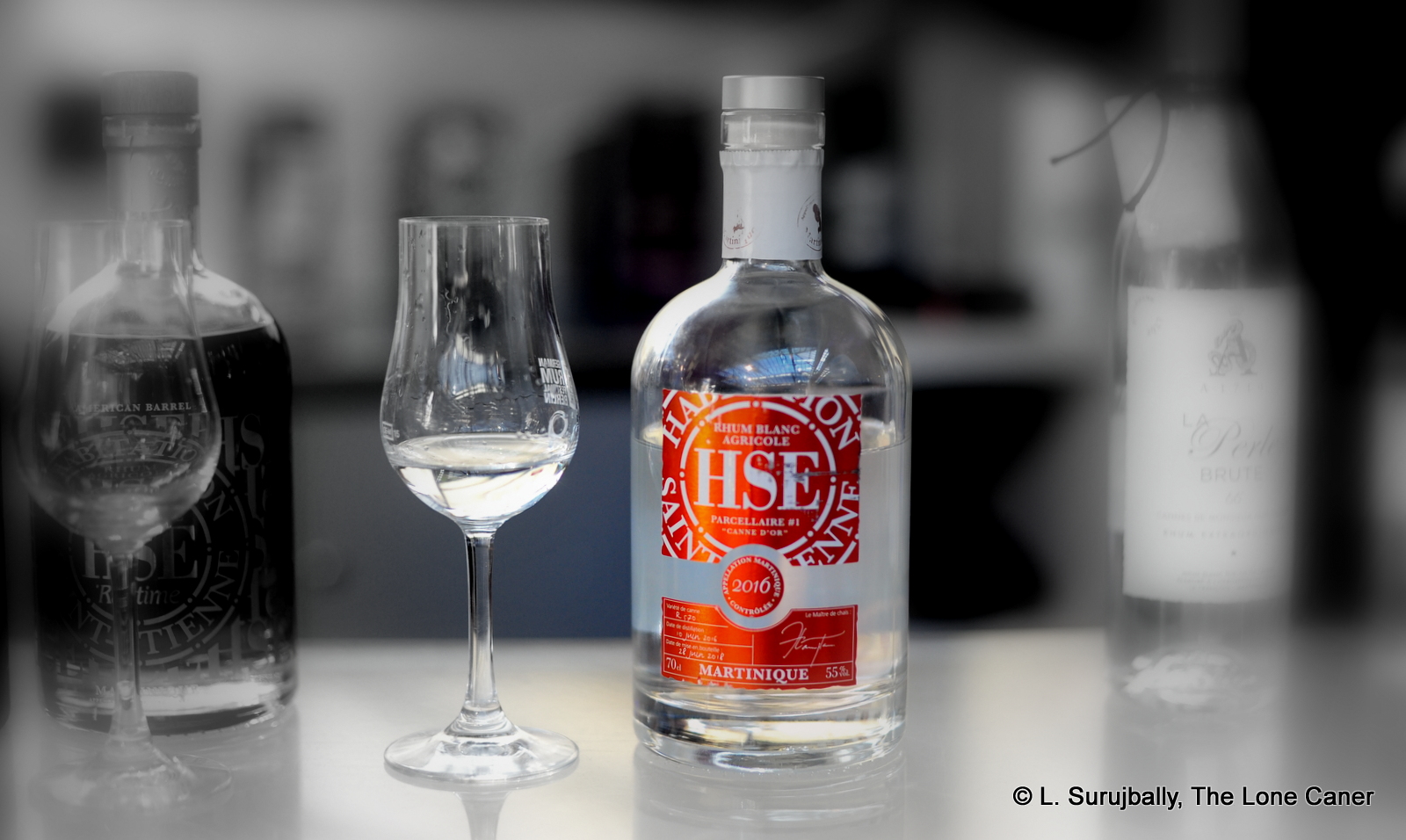
This is a really nice white rhum – it married the freshness of an agricole with the slight complexity of an entry level vieux and the balance between the various elements was very nicely handled. That pungent opening clearly makes the case that even with the resting period, it was an unaged rhum, something like the Sajous, the Paranubes, A1710, Toucan, Barbosa Grogue, HSE Parcellaire or others of that kind – I liked it a lot, and if it didn’t win any medals, I firmly believe it should at least win a few wallets.
Many of the older Asian rhums which have sold gangbusters in their countries of origin for decades, catered to indigenous tastes, and cared little for western styles of rum. They were (and are) sometimes made in different ways, using different materials in the process, are sometimes spiced up and almost always light column-still blends issued at standard strength. We are seeing a gradual change here, as a wave of small distilleries are setting up shop in Asia and producing small quantities of some really interesting juice. This one from Vietnam is now on my radar, and I look forward to seeing not only what they come up with in the future, but what that Overproof 65% of theirs tastes like — and if it blows my hair back and my socks off, well, then I’ll consider it money well spent…as I did with this one.
(#627)(84/100)
Other Notes
- The company is named after the slow moving boats similar to Chinese junks, which ply the Mekhong River and the coastal areas around South East Asia.
- My intial review noted that it was aged for 8 months in ex-French-oak casks, based on my conversation and scribbled notes at the Paris rhumfest (not with Mr. Poircuitte but with his pretty assistant, in the maelstrom of the first day’s crowds) – I was later contacted directly to be advised this was a miscommunication, that the rum rested for 8 months in steel tanks, and so I have amended the post for the correction.
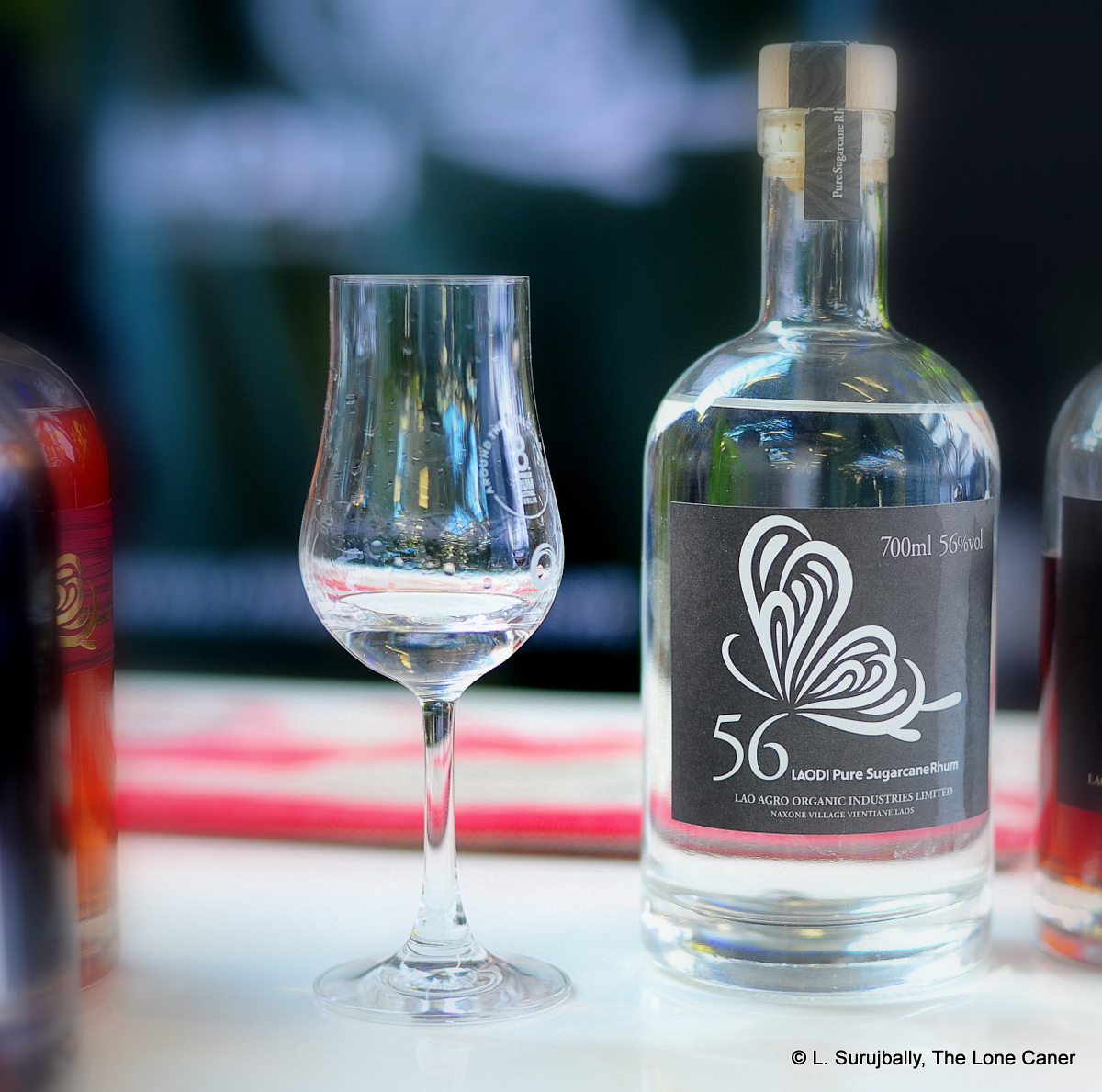
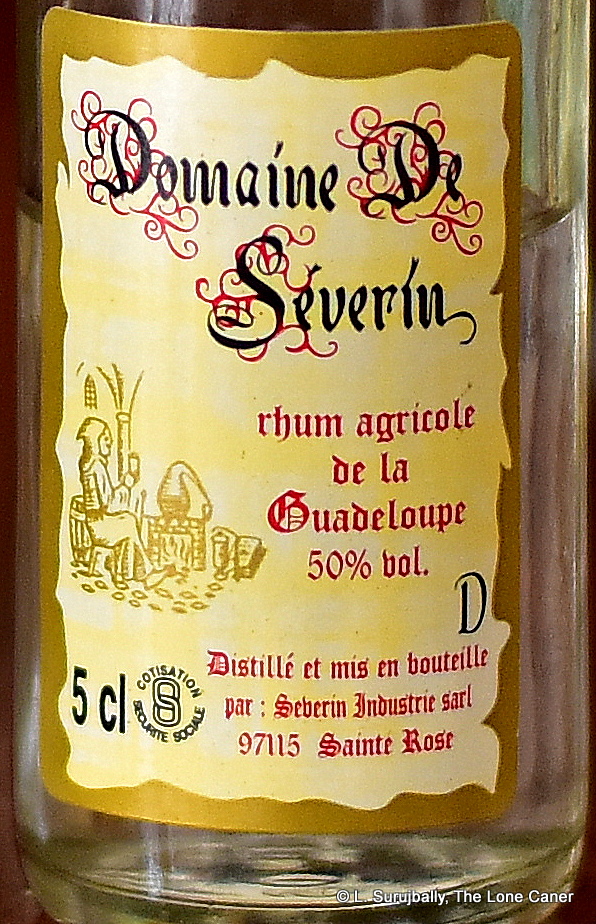 Nose – Starts off with plastic, rubber and acetones, which speak to its (supposed) unaged nature; then it flexes its cane-juice-glutes and coughs up a line of sweet water, bright notes of grass, sugar cane sap, brine and sweetish red olives. It’s oily, smooth and pungent, with delicate background notes of dill and cilantro lurking in the background. And some soda pop.
 Rumaniacs Review #091 | 0598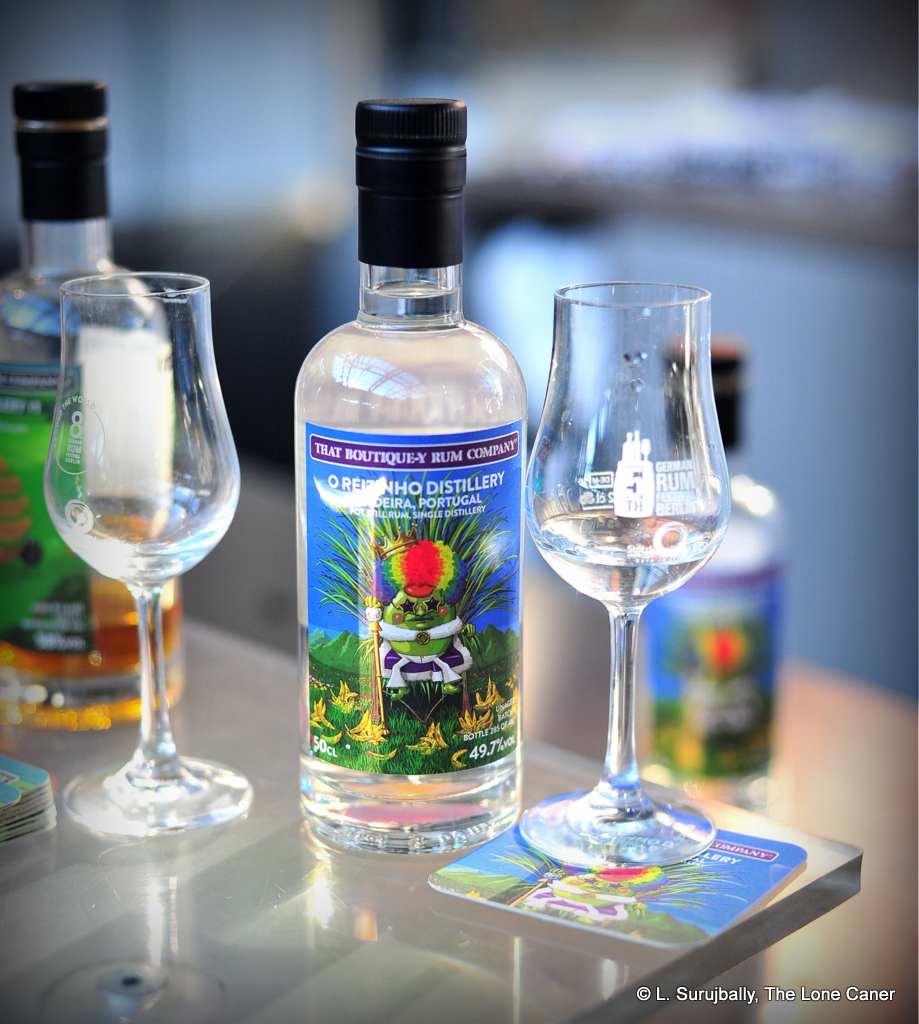

 Technical details are murky. All right, they’re practically non-existent. I think it’s a filtered column still rum, diluted down to standard strength, but lack definitive proof – that’s just my experience and taste buds talking, so if you know better, drop a line. No notes on ageing – however, in spite of one reference I dug up which noted it as unaged, I think it probably was, just a bit.
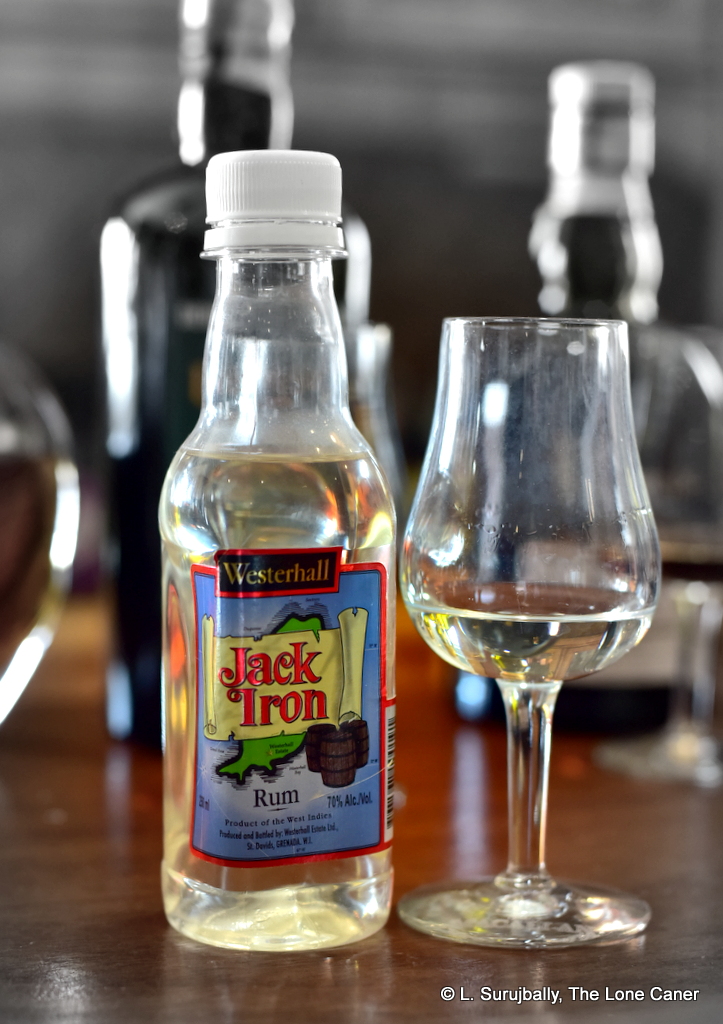 The Jack Iron rum from Westerhall is a booming overproof issued both in a slightly aged and a white version, and both are a whopping 70% ABV. While you can get it abroad — this bottle was tried in Italy, for example — my take is that it’s primarily a rum for local consumption (though which island can lay claim to it is a matter of idle conjecture), issued to paralyze brave-but-foolhardy tourists who want to show off their Chewbacca chests by drinking it neat, or to comfort the locals who don’t have time to waste getting hammered and just want to do it quick time. Add to that the West Indian slang for manly parts occasionally being iron and you can sense a sort of cheerful and salty islander sense of humour at work (see “other notes” below for an alternative backstory).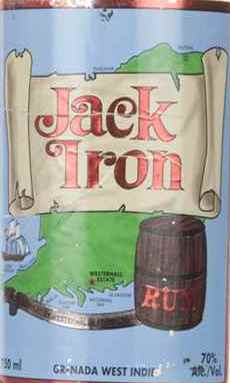

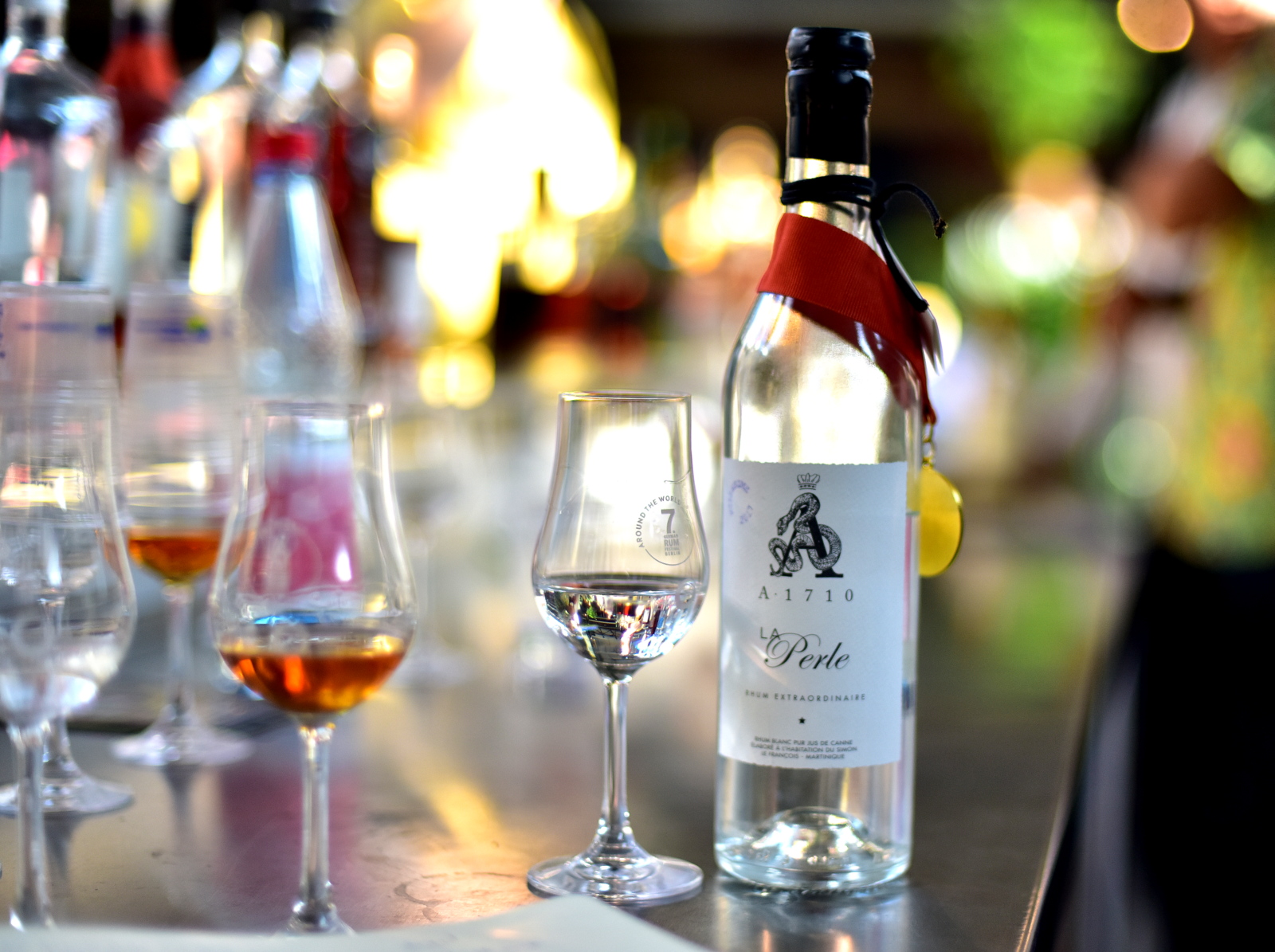
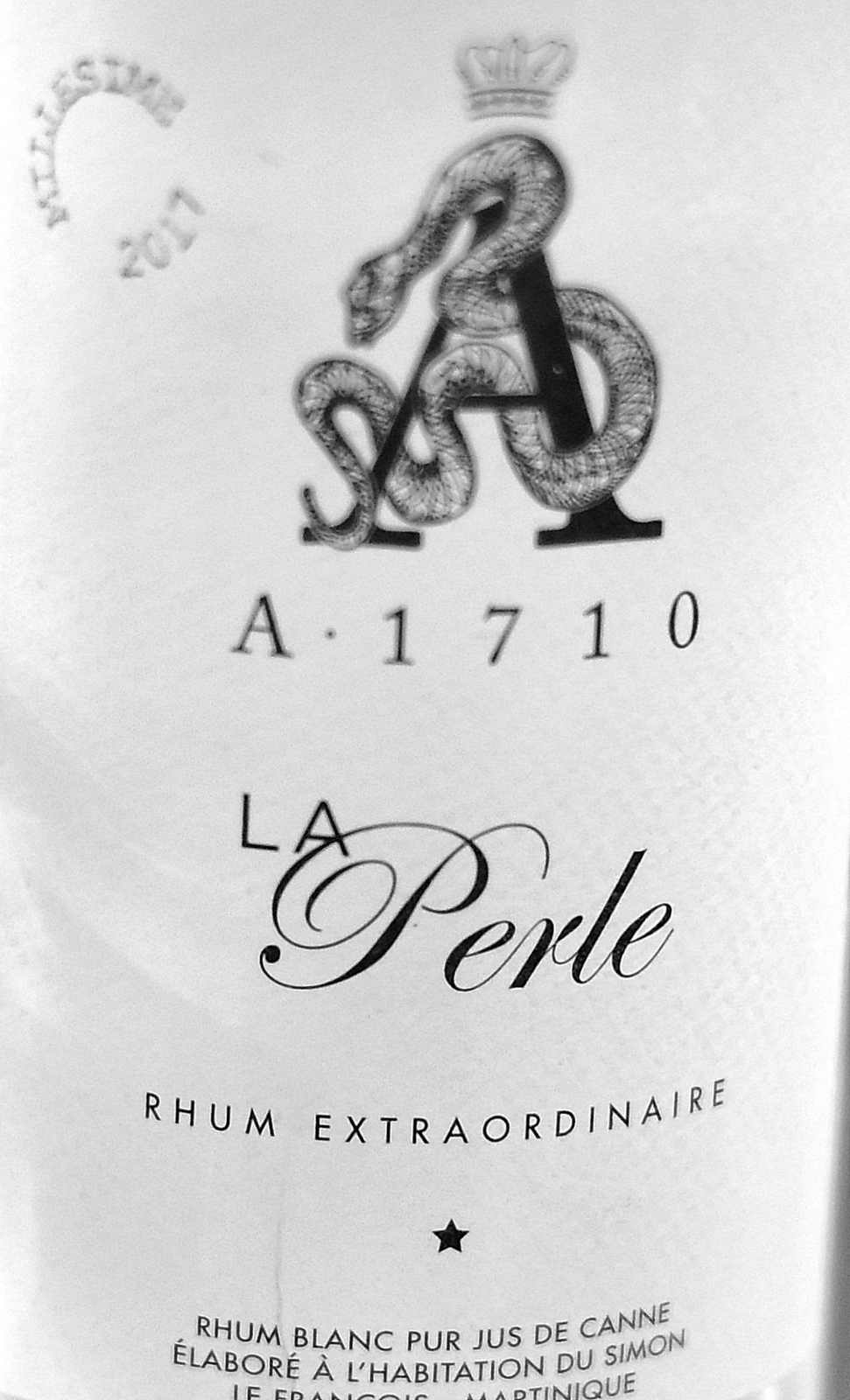
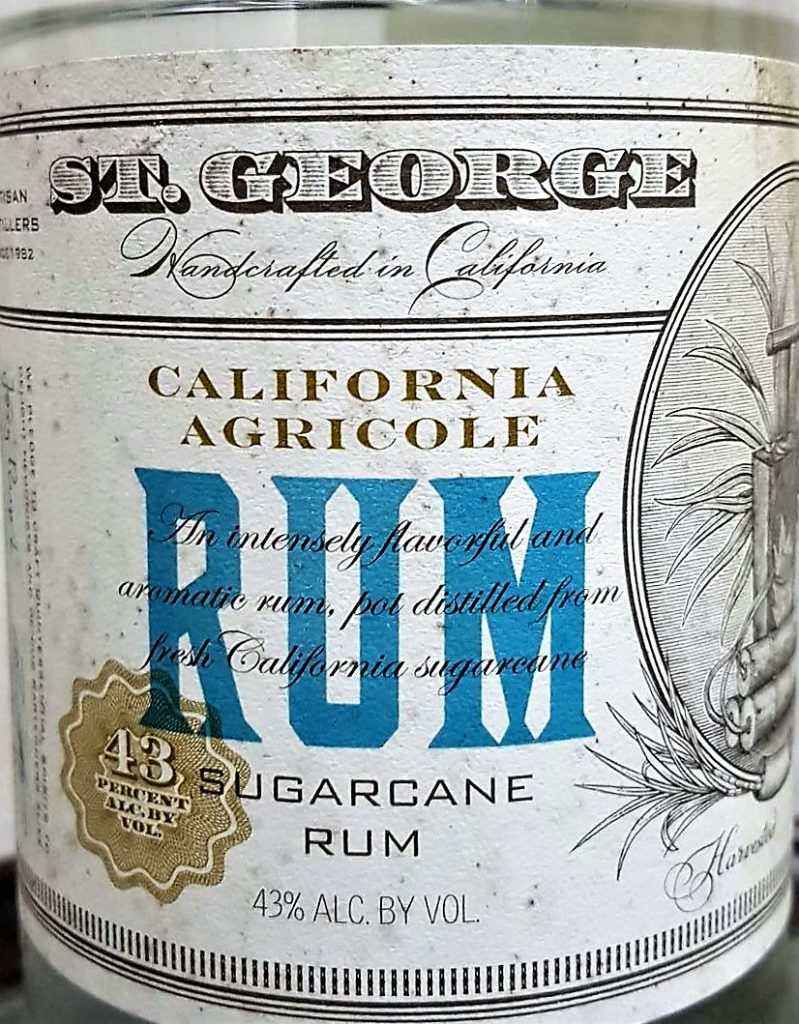 Just as we don’t see Americans making too many full proof rums, it’s also hard to see them making true agricoles, especially since the term is so tightly bound up with the spirits of the French islands.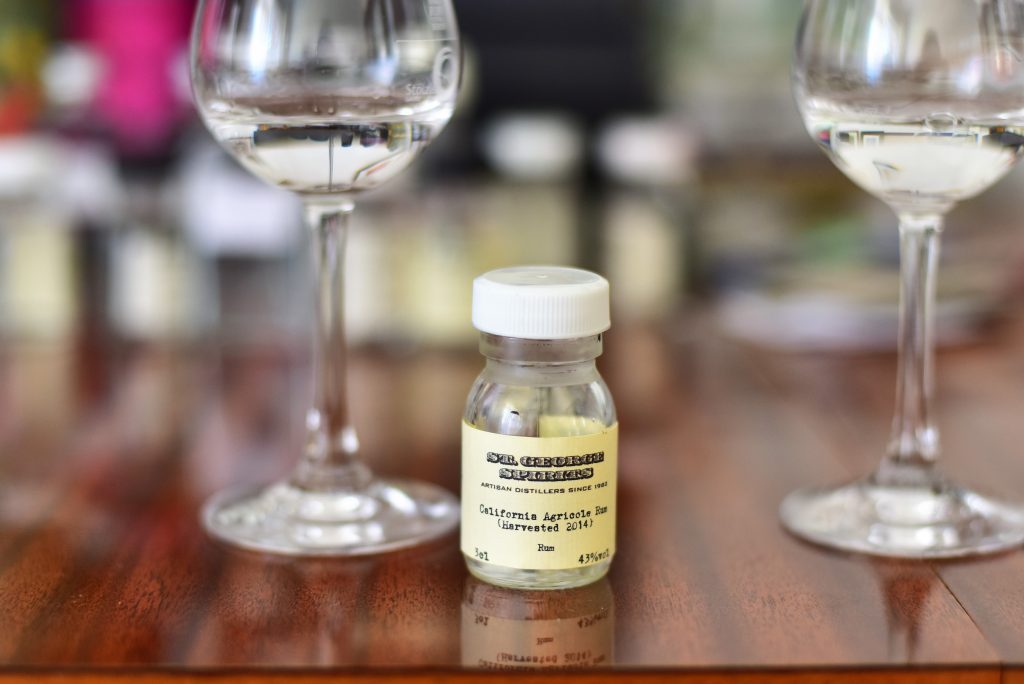
 Thailand doesn’t loom very large in the eyes of the mostly west-facing rum writers’ brigade, but just because they make it for the Asian palate and not the Euro-American cask-loving rum chums, doesn’t mean what they make can be ignored; similar in some respects to the light rums from Puerto Rico, Dominican Republic, Panama and Latin America, they may not be rums
 And that creates a rum of uncommon docility. In fact, it’s close to being the cheshire cat of rums, so vaguely does it present itself. The soft silky nose was a watery insignificant blend of faint nothingness. Sugar water – faint; cucumbers – faint; cane juice – faint; citrus zest – faint (in fact here I suspect the lemon was merely waved rather gravely over the barrels before being thrown away); some cumin, and it’s possible that some molasses zipped past my nose, too fast to be appreciated.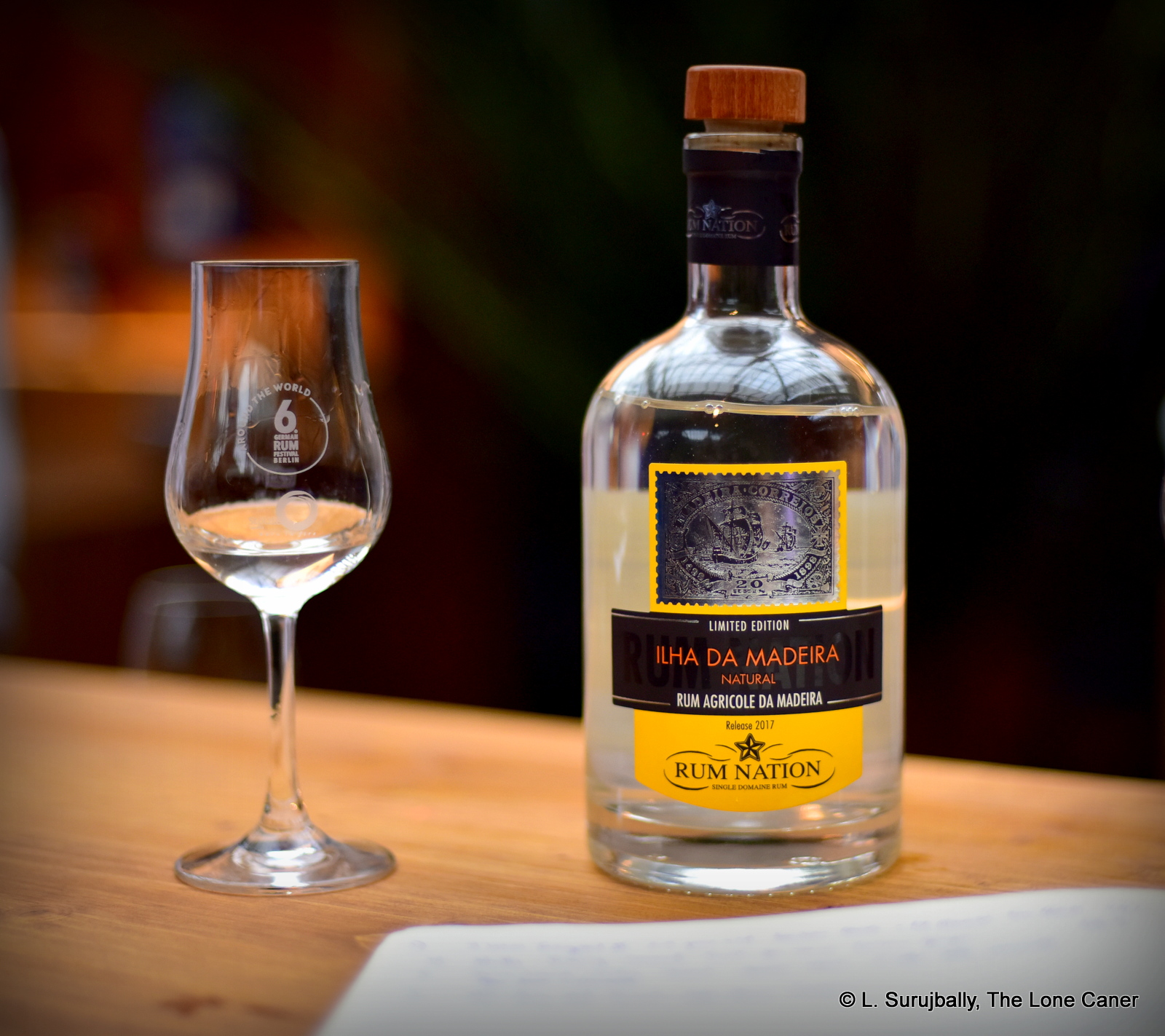
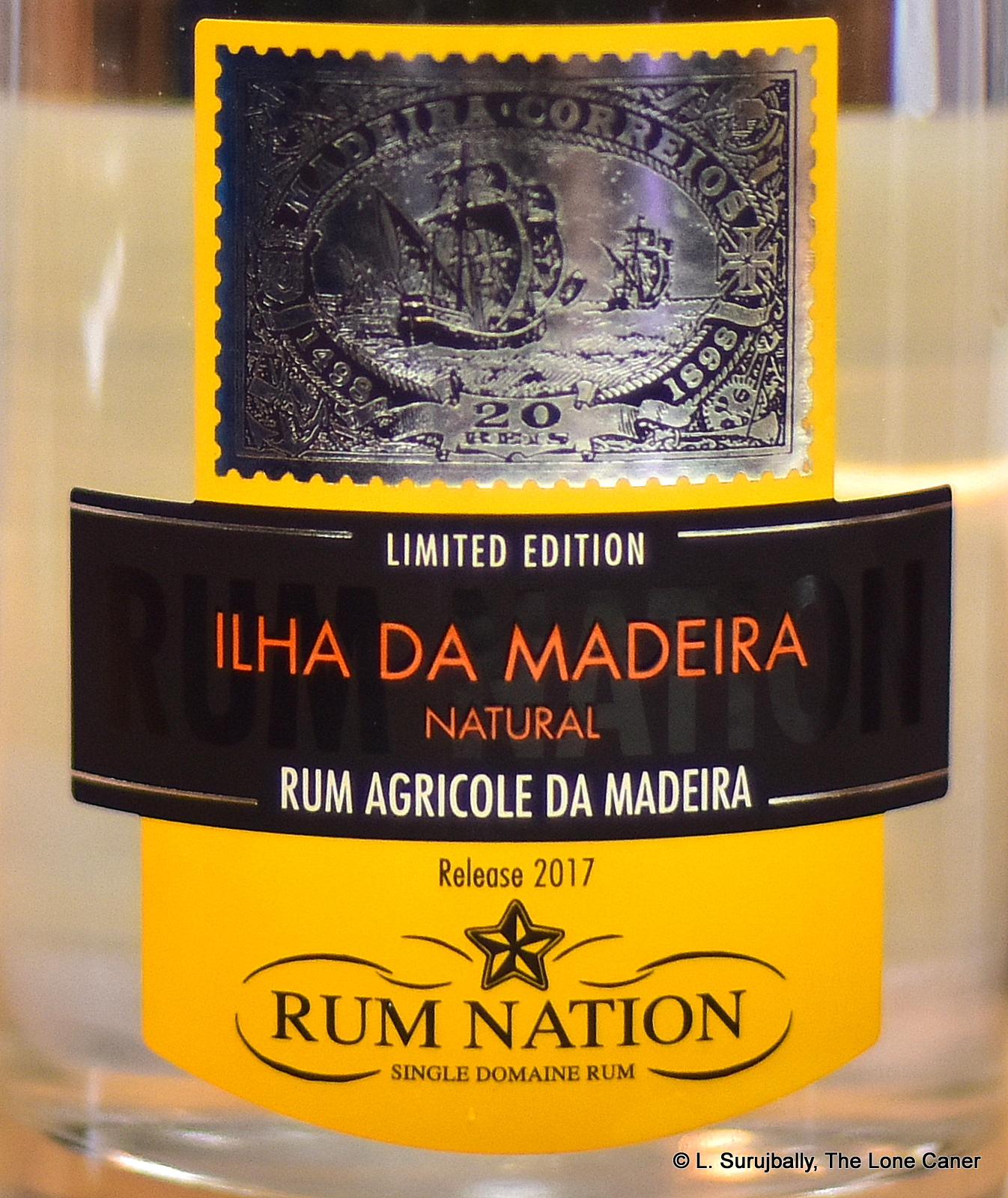 Anyway, here’s what it was like. The nose of the Ilha da Madeira fell somewhere in the middle of the line separating a bored “meh” from a more disbelieving “holy-crap!”. It was a light melange of a playful sprite-like aroma mixed in with more serious brine and olives, a little sweet, and delicate – flowers, sugar water, grass, pears, guavas, mint, some marzipan. You could sense something darker underneath – cigarette tar, acetones – but these never came forward, and were content to be hinted at, not driven home with a sledge. Not really a brother to that fierce Jamaican brawler, more like a cousin, a closer relative to the
  In the last decade, several major divides have fissured the rum world in ways that would have seemed inconceivable in the early 2000s: these were and are cask strength (or full-proof) versus “standard proof” (40-43%); pure rums that are unadded-to versus those that have additives or are spiced up; tropical ageing against continental; blended rums versus single barrel expressions – and for the purpose of this review, the development and emergence of unmessed-with, unfiltered, unaged white rums, which in the French West Indies are called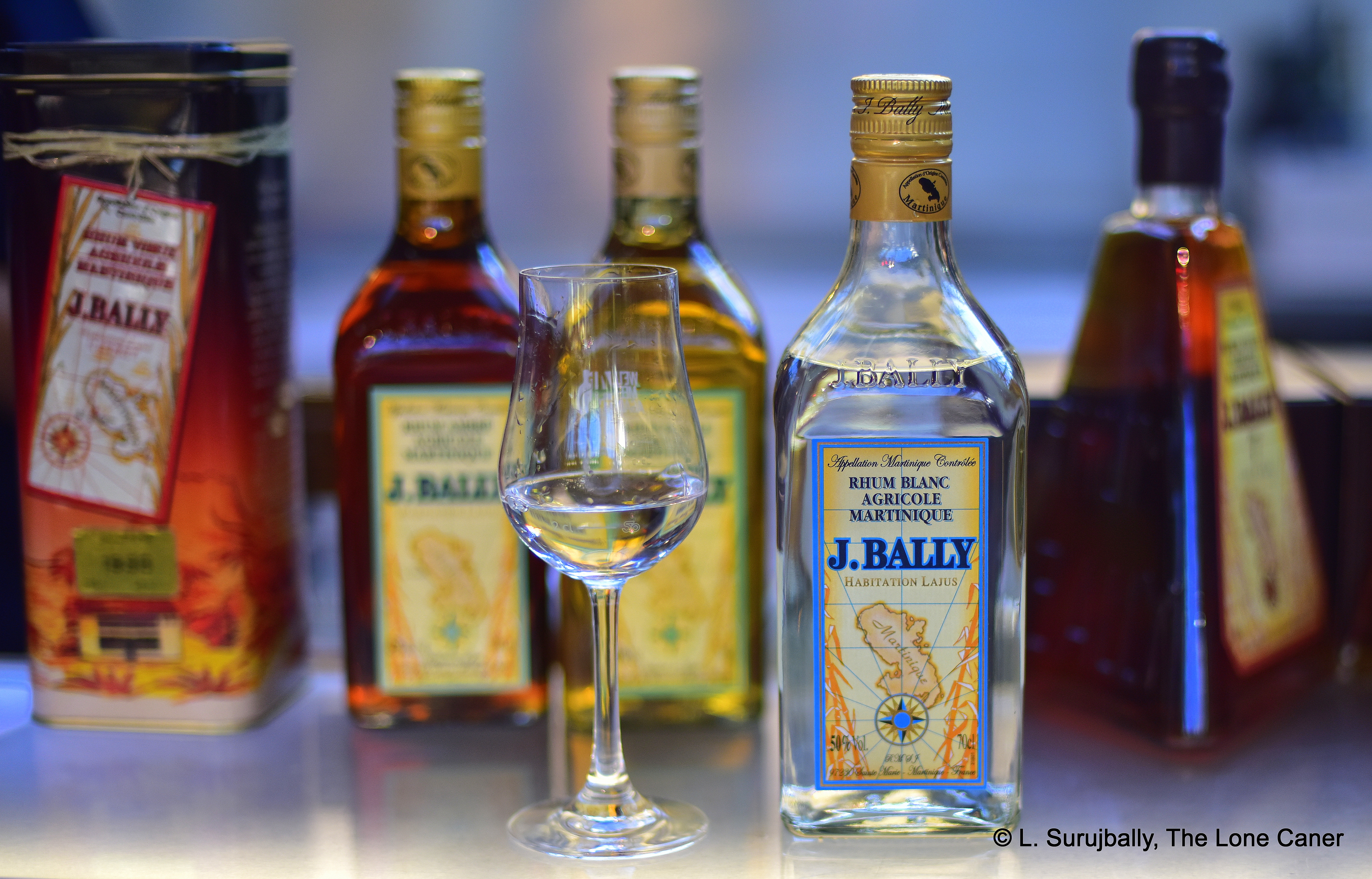
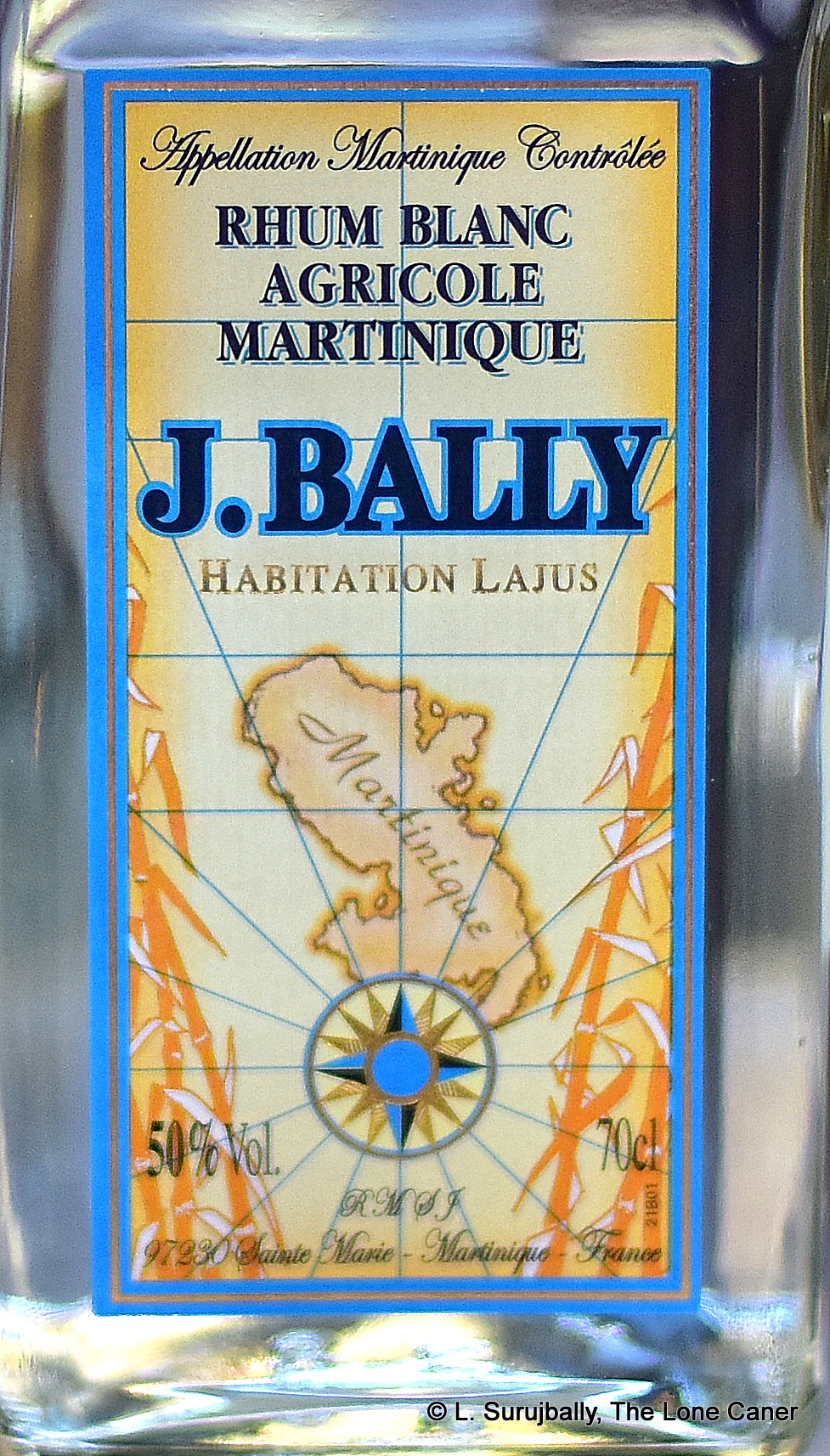 Well, that out of the way, let me walk you through the profile. Nose first: what was immediately evident is that it adhered to all the markers of a crisp agricole. It gave off of light grassy notes, apples gone off the slightest bit, watermelon, very light citrus and flowers. Then it sat back for some minutes, before surging forward with more: olives in brine, watermelon juice, sugar cane sap, peaches, tobacco and a sly hint of herbs like dill and cardamom.