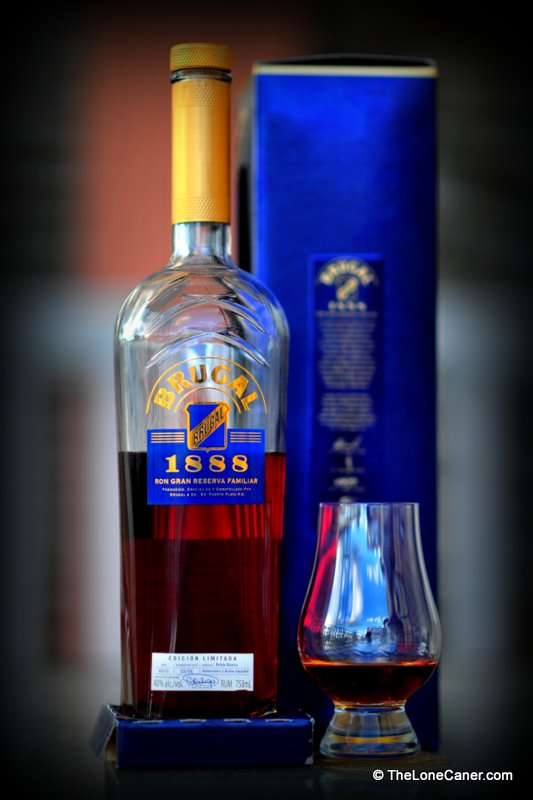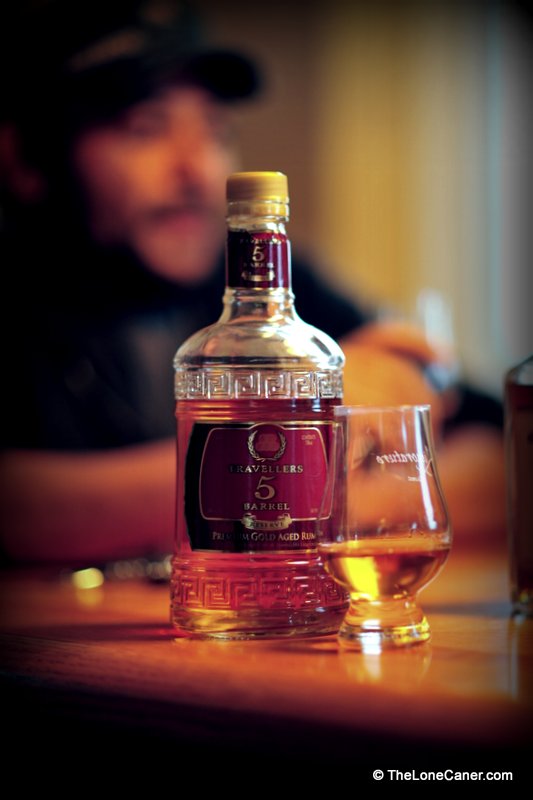
Lack of oomph and added sugar make it a good rum for the unadventurous general market.
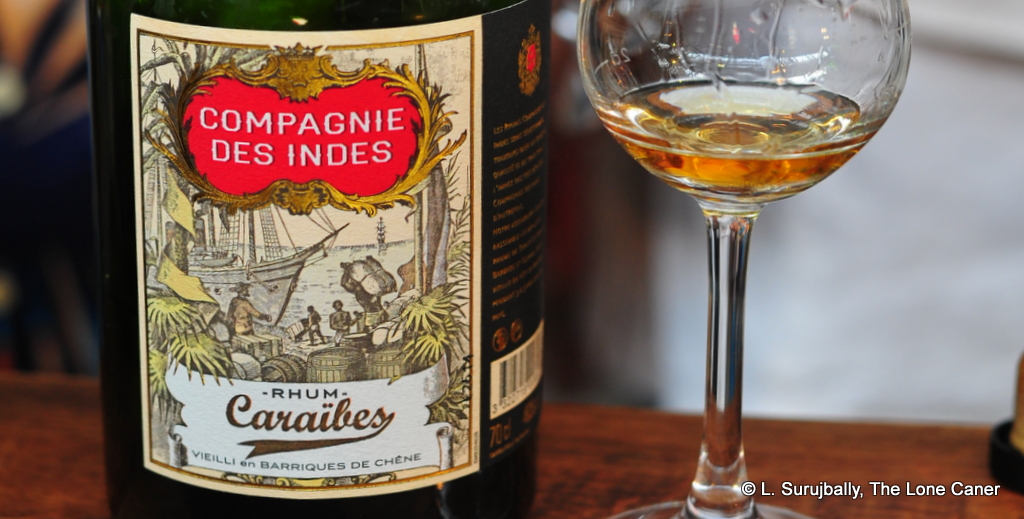
Your appreciation and philosophy of rum can be gauged by your reaction to Compagnie des Indes Caraïbes edition, which was one of the first rums Florent Beuchet made. It’s still in production, garnering reviews that are across the spectrum – some like it, some don’t. Most agree it’s okay. I think it’s one of the few missteps CDI ever made, and shows a maker still experimenting, still finding his feet. Brutally speaking, it’s a fail compared to the glittering panoply and quality of their full proof rums which (rightfully) garner much more attention and praise.
To some extent that’s because there is a purity and focus to other products in the company’s line up: most are single barrel expressions from various countries, unblended with other rums, issued at varying strengths, all greater than the anemic 40% of the Caraïbes… and none of them have additives, which this one does (15g/L of organic sugar cane syrup plus caramel for colouring).That doesn’t make it a bad rum, just one that doesn’t appeal to me…though it may to many others who have standards different from mine. You know who you are.
I know many makers in the past have done blends of various islands’ rums — Ocean’s Atlantic was an example — but I dunno, I’ve never been totally convinced it works. Still, observe the thinking that went into the assembly (the dissemination of which more rum makers who push multi-island blends out the door should follow). According to Florent, the Caraïbes is a mix of column still rums: 25% Barbados for clarity and power (the spine), 50% Trinidad & Tobago (Angostura) for fruitiness and flowers, and 25% Guyanese rum (Enmore and PM) for the finish. At the time, it didn’t occur to me to ask what the relative proofs of the various components were. The unmixed barrels were aged for 3-5 years in ex-bourbon casks in the tropics, then moved to Europe for the final marriage of the rums (and the additives).
Where I’m going with this is to establish that some care and thought actually went into the blend. That it didn’t work may be more my personal predilections than yours, hence my opening remark. But consider how it sampled and follow me through my reasoning. The nose, as to be expected, channelled a spaniel’s loving eyes: soft and warm, somewhat dry, if ultimately too thin, with some of the youth of the components being evident. Flowers, apricots, ripening red cherries plus some anise and raisins, and unidentifiable muskier notes, it was pleasant, easy, unaggressive.
The mouth was quite a smorgasbord of flavours as well, leading off with cloves, cedar, leather and peaches (a strange and not entirely successful amalgam), with vanilla, toffee, ginger snaps, anise and licorice being held way back, present and accounted for, very weak. The whole mouthfeel was sweeter, denser, fuller, than might be expected from 40% (and that’s where the additive comes into its own, as well as in taking out some sharper edges), but the weakness of the taste profile sinks the effort. Rather than smoothening out variations and sharpness in the taste profile, the added sweeteners smothers it all like a heavy feather blanket. You can sense more there, somewhere…you just can’t get to it. The rum should have been issued at 45% at least in order to ameliorate these effects, which carried over into a short, sweet finish of anise and licorice (more dominant here at the end), ginger and salted caramel ice cream from Hagen Dasz (my favourite).

All right so there you have it. The 40% is not enough and the added sugar had an effect that obstructed the efforts of other, perhaps subtler flavours to escape. Did the assembly of the three countries’ rums work? I think so, but only up to a point. The Guyanese component, even in small portions, is extremely recognizable and draws attention away from others that could have been beefed up, and the overall lightness of the rum makes details hard to analyze. I barely sensed any Bajan, and the Trini could have been any country’s stocks with a fruity and floral profile (a Caroni it was not).
In fine, this rum has more potential than performance for a rum geek, and since it was among the first to be issued by the company, aimed lower, catered to a mass audience, it sold briskly. Maybe this is a case of finance eclipsing romance…no rum maker can afford to ignore something popular that sells well, whatever their artistic ambitions might be. Fortunately for us all, as time rolled by, CDI came out with a truckload of better, stronger, more unique rums for us to chose from, giving something to just about everyone. What a relief.
(#293 / 82/100)
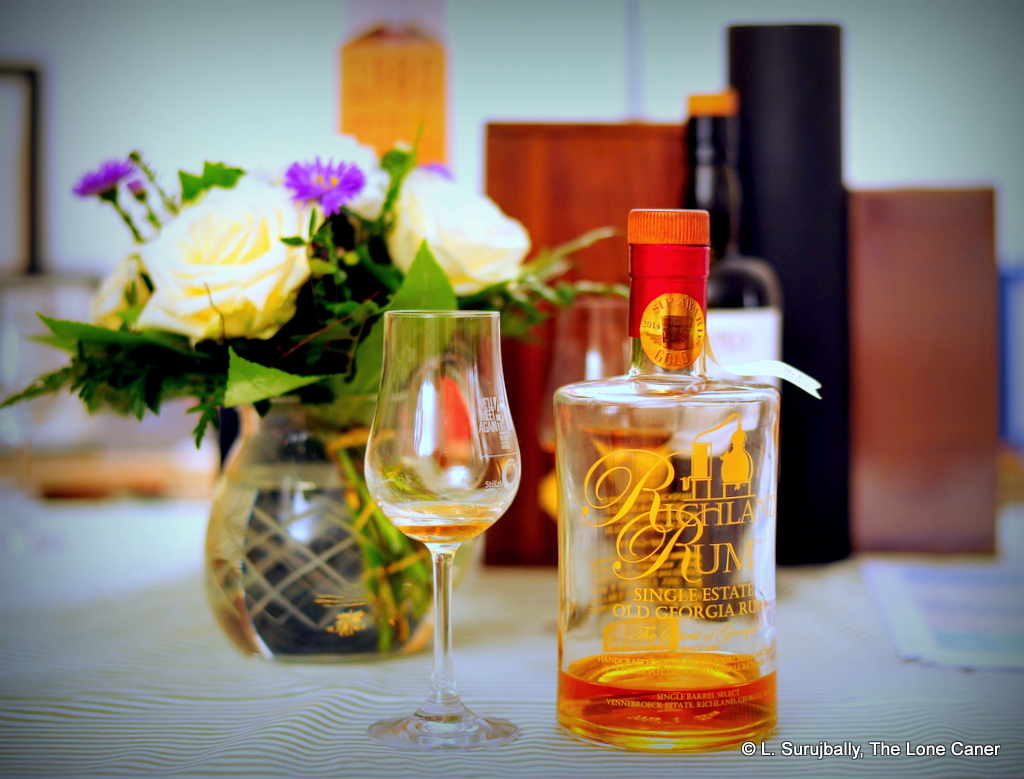
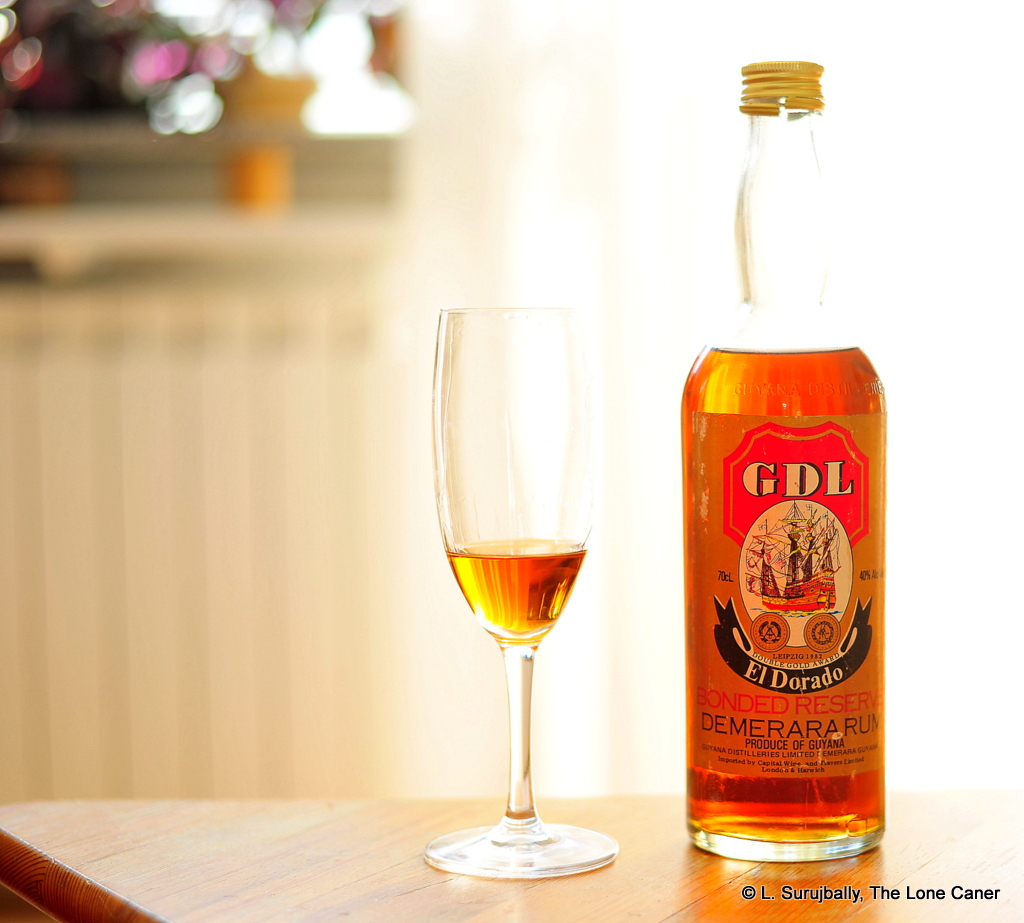
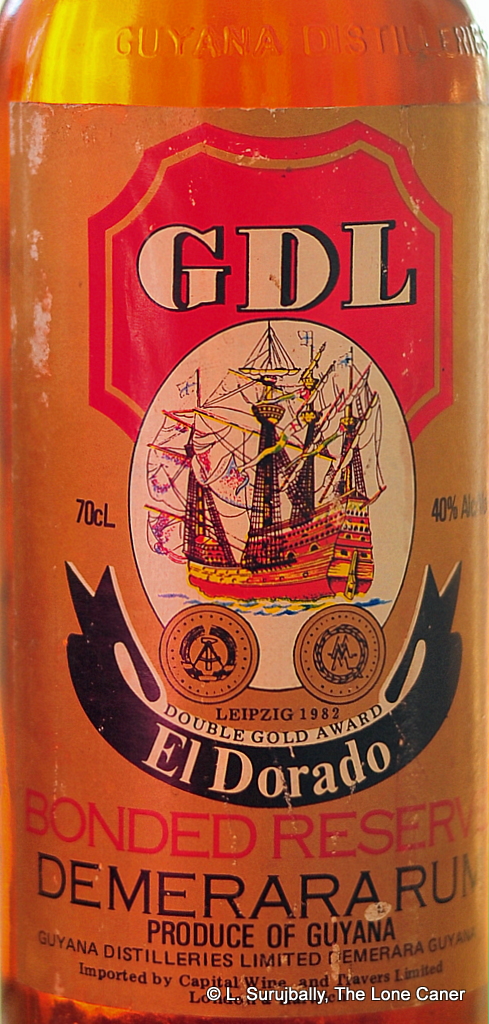 Tasting the Bonded Reserve raised all sorts of questions, and for anyone into Mudland rums, the first one had to be the one you’re all thinking of: from which still did it come? I didn’t think it was any of the wooden ones – there was none of that licorice or fruity intensity here that so distinguishes them. It was medium to light bodied in texture, very feebly sweet, and presented initially as dry – I’d suggest it was a column still product. Prunes, coffee, some burnt sugar, nougat and caramel, more of that faint leather and smoke background, all rounded out with the distant, almost imperceptible murmuring of citrus and crushed walnuts, nothing special. The finish just continued on these muted notes of light raisins and molasses and toffee, but too little of everything or anything to excite interest beyond the historical.
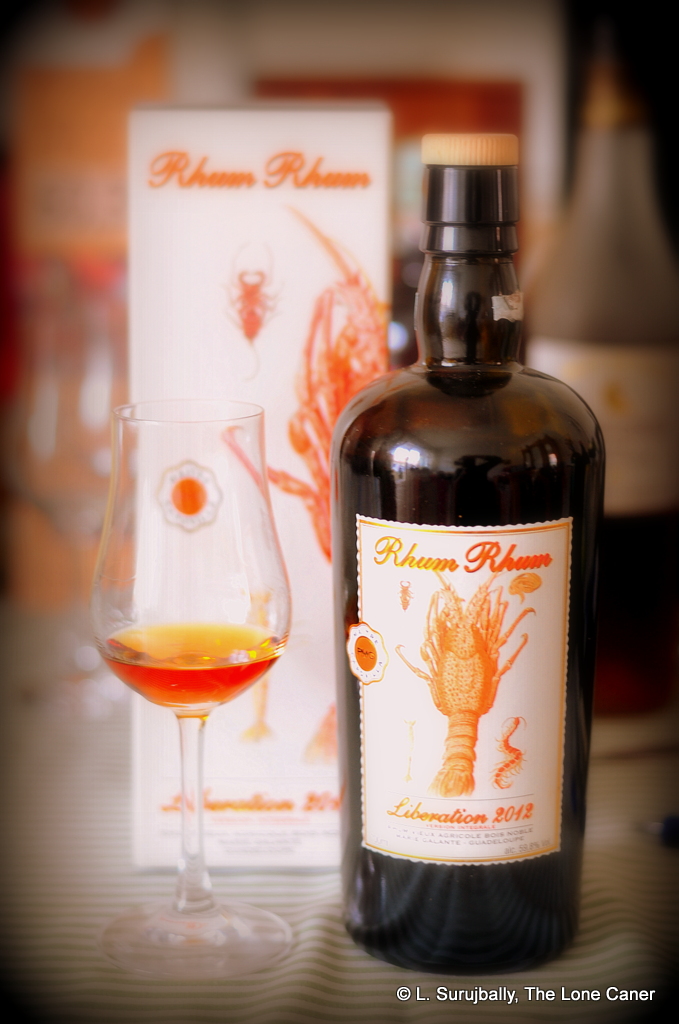
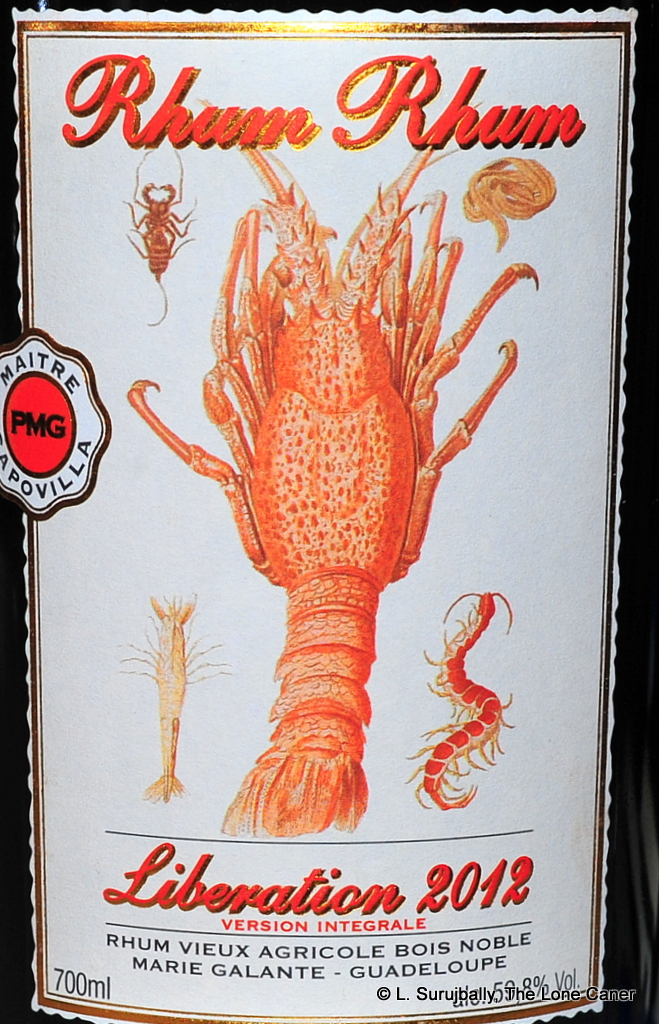 This amazing mix of class and sleaze and style continued without missing a beat when I tasted it. Sure, 59.8% was something of a hammer to the glottis but man, it was so well assembled that it actually felt softer than it really was: I tried the Liberation on and off over four days, and every time I added more stuff to my tasting notes, becoming more impressed each time. The dark gold rhum started the party rolling with plums, peaches and unripe apricots, which provided a firm bedrock that flawlessly supported sharper tangerines and passion fruit and pomegranates. As it opened up (and with water), further notes of vanilla and mild salted caramel came to the fore, held together by breakfast spices and a very good heat that was almost, but not quite, sharp – one could barely tell how strong the drink truly was, because it ran across the tongue so well.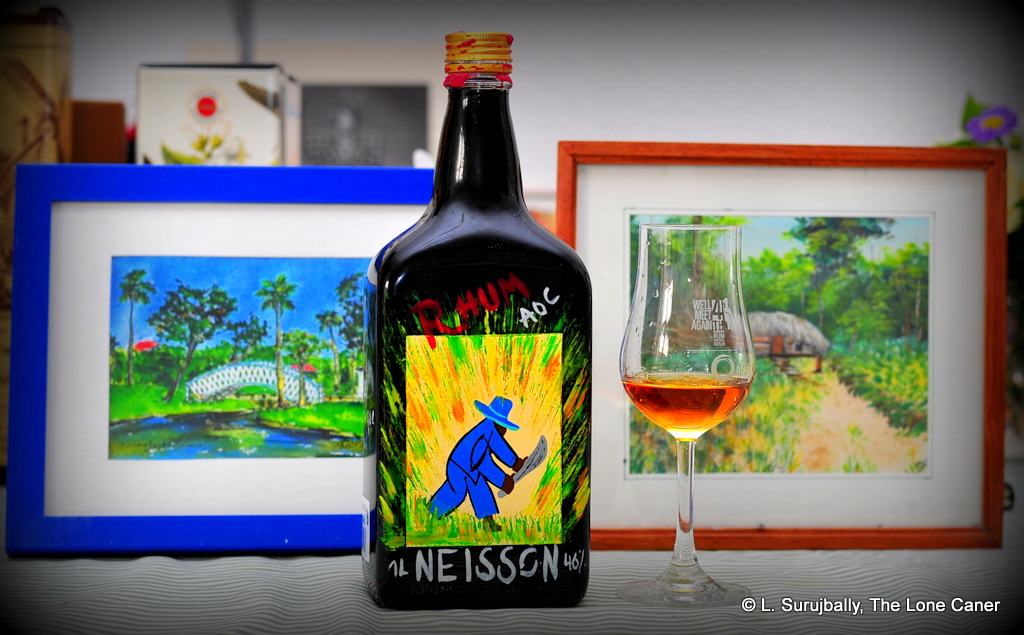
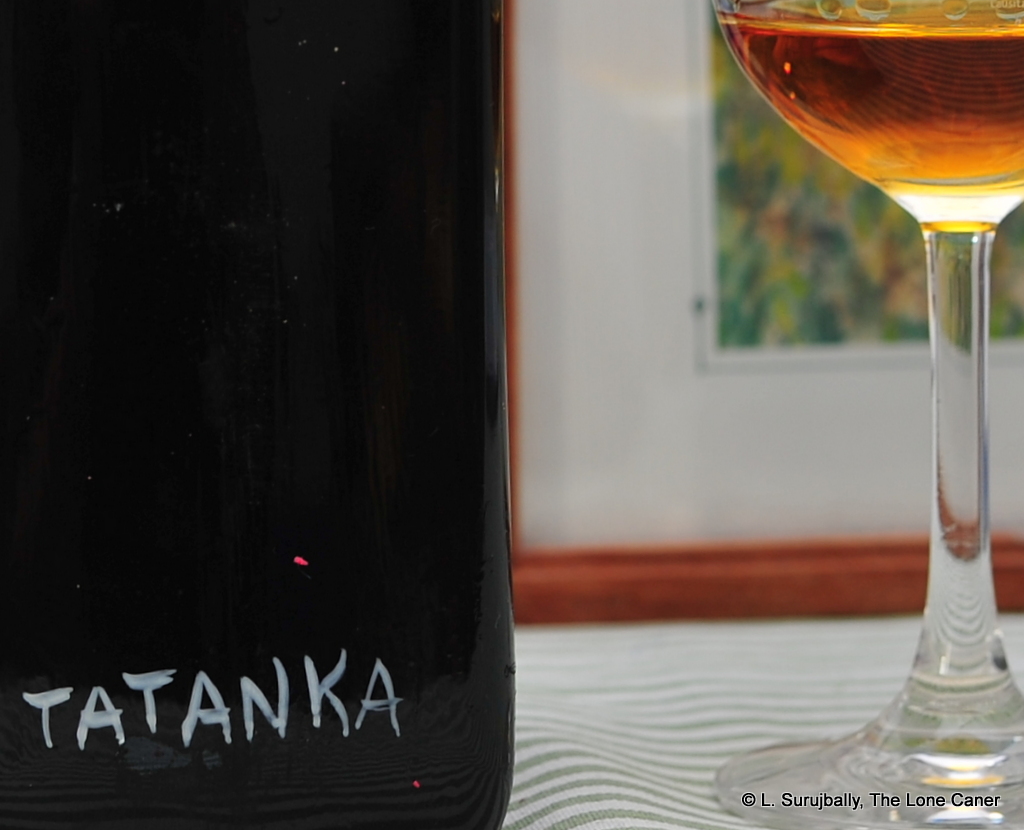 Okay, I jest a little, but consider the nose on the 46% orange-gold spirit. It displayed that same spicy, musky and almost meaty scent of salt butter and olives and tequila doing some bodacious ragtime, sweat and stale eau-de-vie going off in all directions. It was thick and warm to smell, mellowing out into more fleshy, overripe (almost going bad) mangoes and papayas and pineapples, just not so sweet. Spices, maybe cardamom, and some wet coffee grounds. At the back end, after a while, it was possible to detect the leather and smoke and slight bitter whisper of some wood tannins hinting at some unspecified ageing, but where was the crisp, clear aroma of an agricole? The grasses and herbaceous lightness that so characterizes the style? I honestly couldn’t smell it clearly, could barely sense it – so, points for originality, not so much for recognition (though admittedly, that was just me, and your own mileage may vary;
 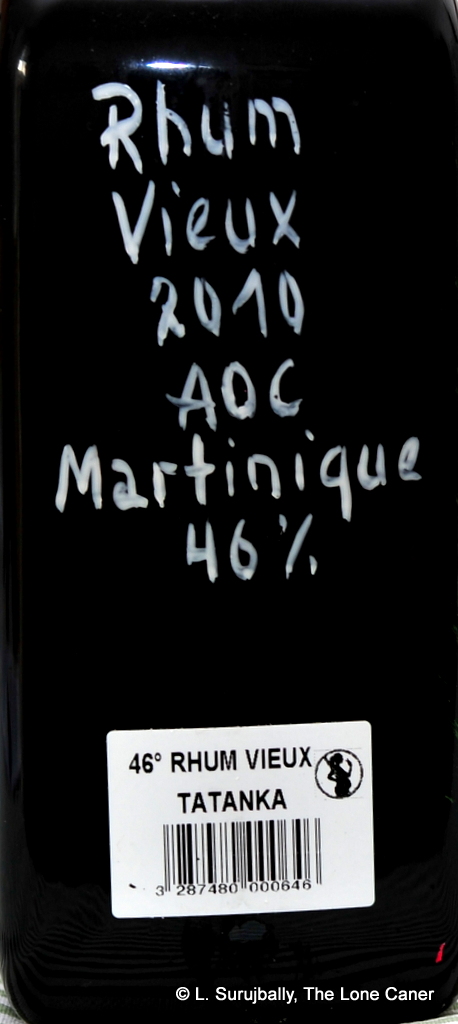 Still, there was little to find fault with once I actually got around to tasting the medium-going-on-heavy rhum. Once one got past the briny, slightly bitter initial profile, things warmed up, and it got interesting in a hurry. Green olives, peppers, some spice and bite, sure, but there was softer stuff coiling underneath too: peaches, apricots, overripe cherries (on the verge of going bad); salt beef and butter again (the concomitant creaminess was quite appealing), and I dunno, a chutney of some kind, stuffed with dill and sage. Like I said, really interesting – it was quite a unique taste profile. And the finish followed along from there – soft and warm and lasting, with sweet and salt and dusty hay mixing well – I am not reaching when I say it reminded me of the mingled dusty scents of a small cornershop in Guyana, where jars of sweets and medicines and noodles and dried veggies were on open display, and my brother and I would go to buy nibbles and maybe try to sneak into the pool hall next door.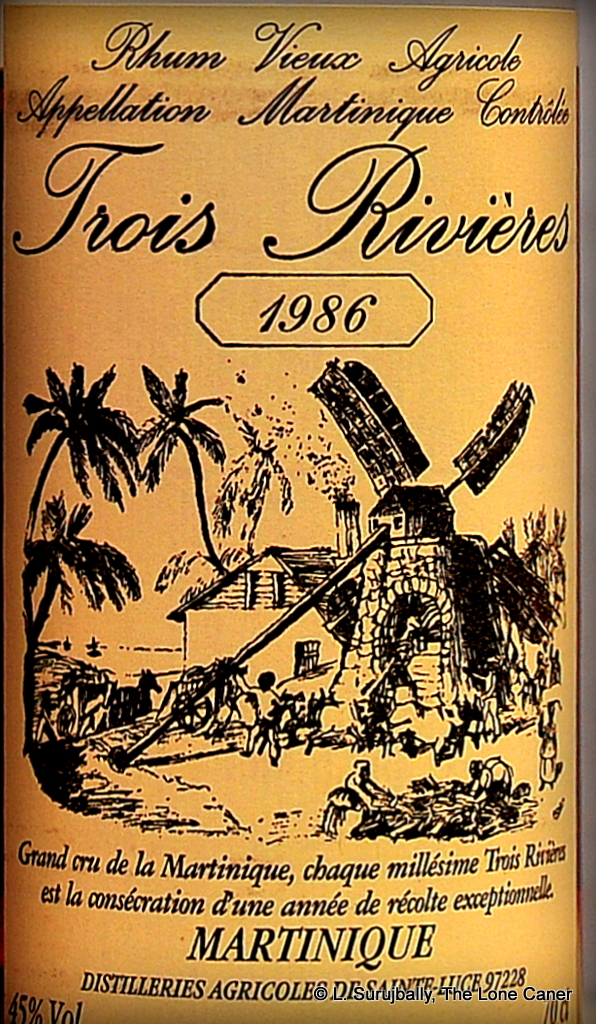
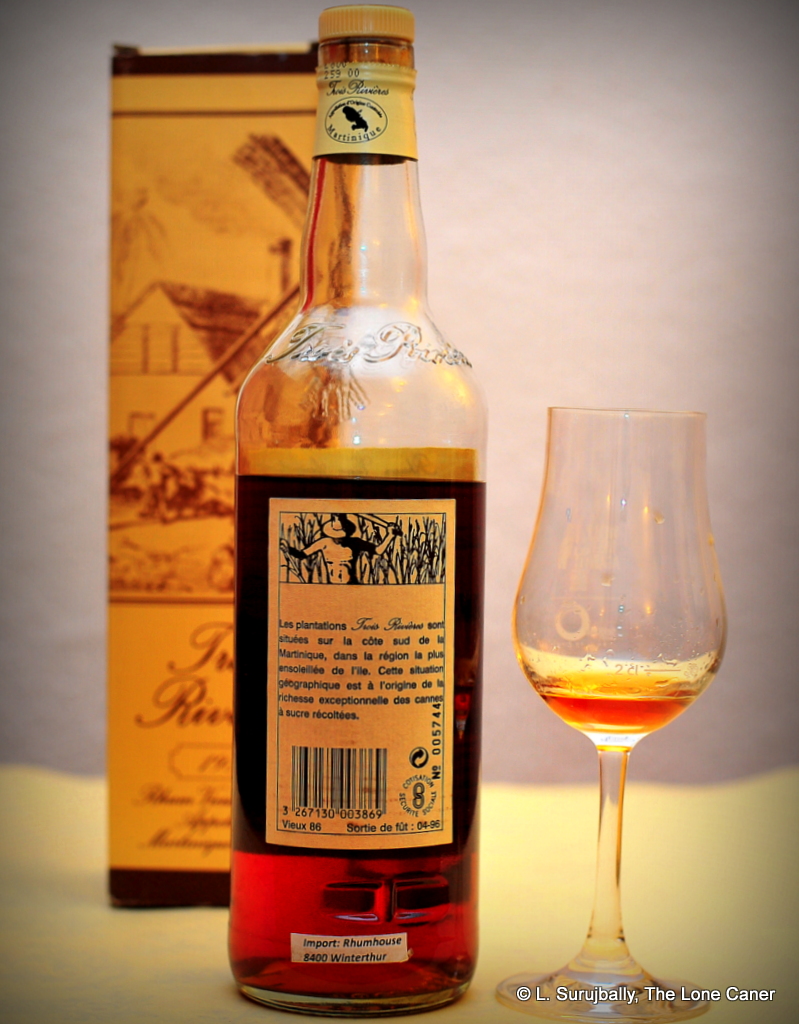
 The question I asked of the 1975 (which I was using as a control alongside the Rhum Rhum Liberation Integrale, the

 Rumaniacs Review 004 | 0404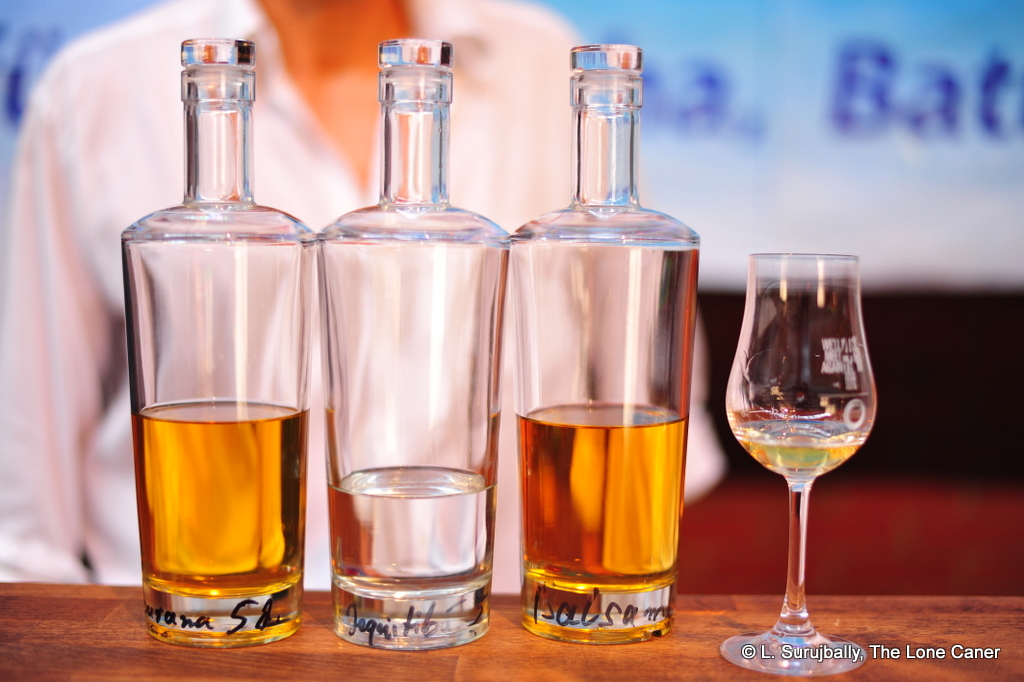
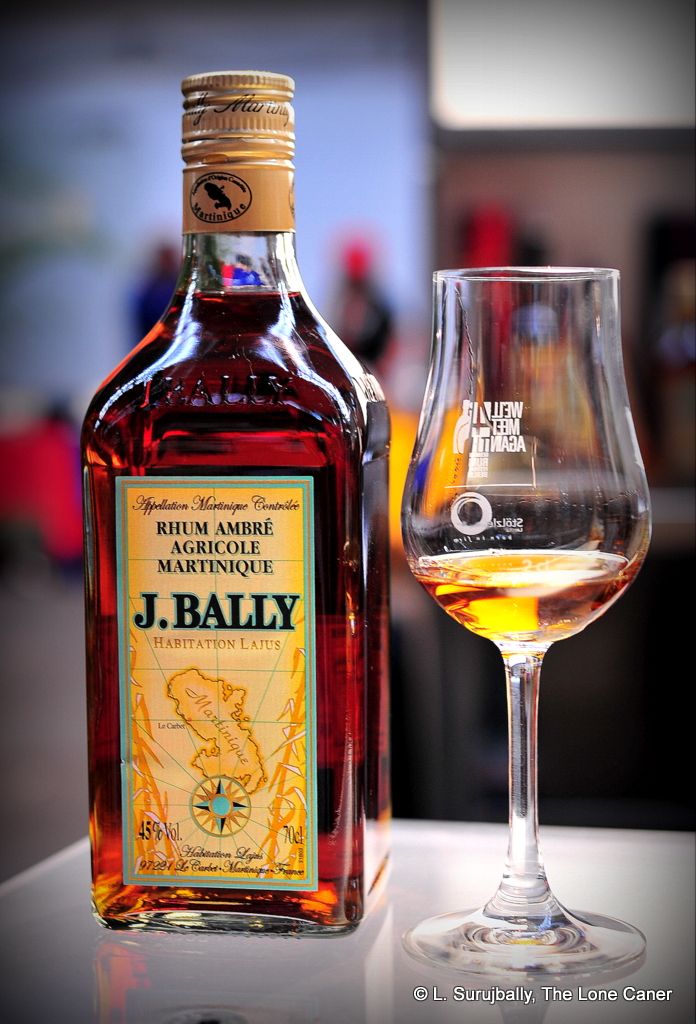
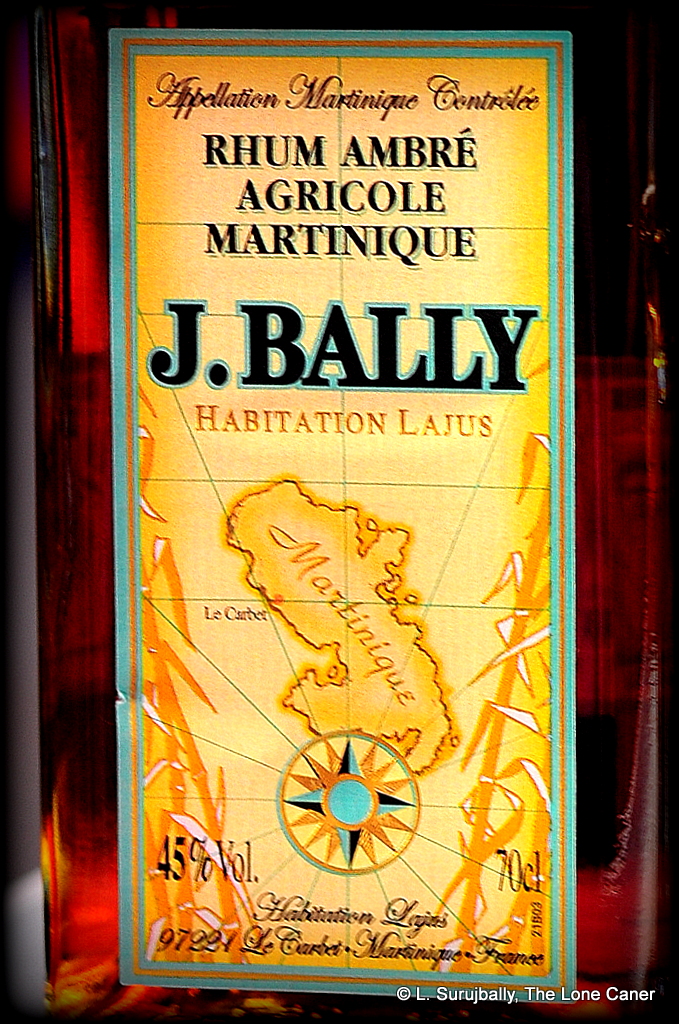
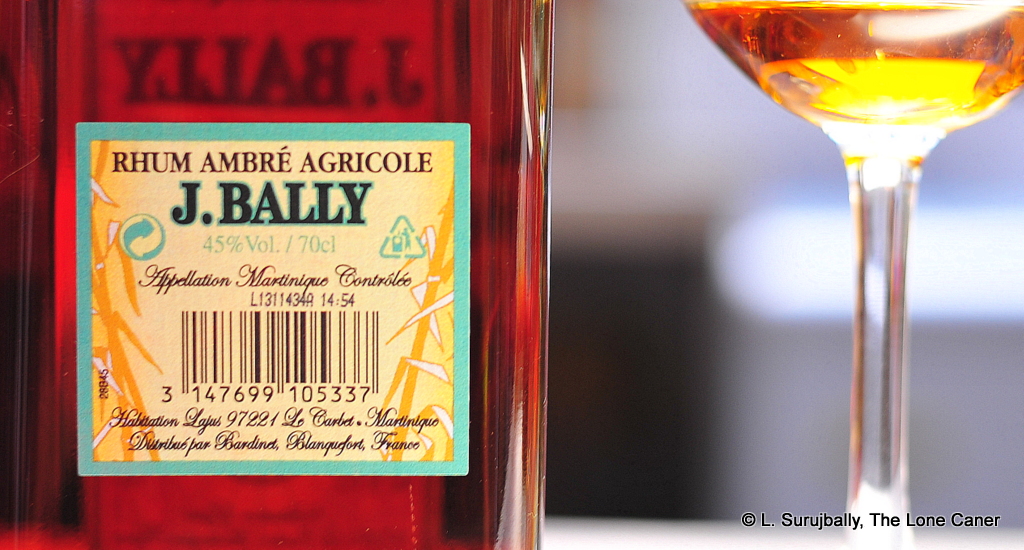
 A relatively light and sweet potent white lightning that sits square between a white agricole and full-proofed island hooch, with a charm and power all its own.