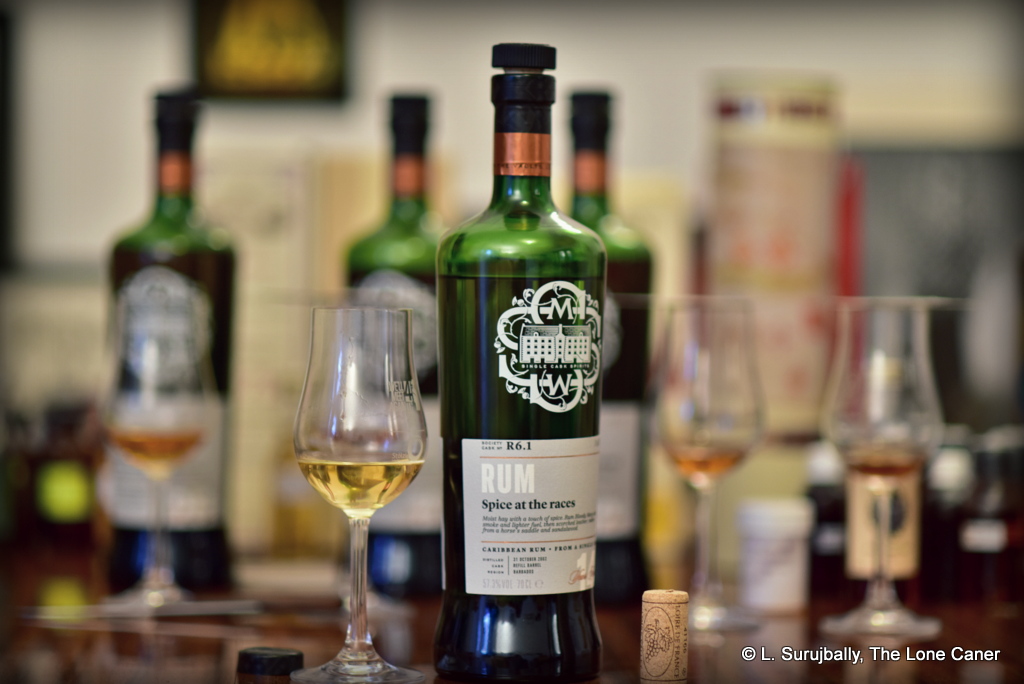
Back in 2013 when I wrote about the Scotch Malt Whisky Association’s release R3.4 Barbados 2002 10YO “Makes You Strong Like Lion”, several people went on FB and passed the word around that it wasn’t a Foursquare rum, which was hardly needed since I noted in the review that it was from WIRD, and the (mythical) Rockley Still. Four years later the SMWS did however, decide that the famed Barbados company shouldn’t be left out and bottled an aged rum from Foursquare (the first of two), named it R6.1, and gave it one of their usual amusing titles of “Spice At The Races.” One wonders when they’re going to try for a Mount Gay distillate, though I’m not holding my breath.
Now, for years, every rum geek in the observable rumiverse (bar a few of my acquaintances who don’t drink kool aid) has formed up behind the oft-repeated idea that there is no way a continentally aged rum is the equal of one left to sleep in its island or country of origin. I’ve always taken that statement with a pinch of salt, for two reasons: one, its adherents always talk about taste and age, yet it’s actually touted for social and economic reasons, which is a point often lost in the shuffle; and two, I’ve simply had too many aged rums that ripened in both places for me to be so dogmatic in my assertions, and I’ve seen as many failures as successes in both. Ultimately, it’s the taste that counts no matter where it’s bottled.
This pale yellow rum cost around £75 when initially released, was 57.3% and with a 210 bottle outurn, aged for a solid 14 years old (yes, in Europe) , illustrates the problem with making such sweeping “four legs good, two legs bad” generalizations, because it’s a really a fine rum in its own peculiar way, and one I enjoyed a lot.
Consider first the nose, which opens with the firm assertiveness of my primary school teacher wielding her cane. It smells of sawdust, dusty cardboard, glue, has an odd medicinal touch to it, and also a nice smoky-sweet sort of background. Then the fruits begin their march in: orange peel, strawberries, bananas, pineapple, some light cherries and peaches. The citrus line, augmented with other sharper aromas of persimmons and ginnips provide a lovely through-line, and the smokiness and leather lend an intriguing edge.
The taste is admittedly odd at the inception; my first notes speak of a pair of old, well used, polished, leather shoes (with socks still in ‘em). This is not actually a bad thing, since it is balanced off by ginger, mauby and some rich fruit notes – apples, guavas, almost ripe yellow Thai mangoes – and these make it both tart and delicately sweet, gathering force until it becomes almost creamy at the back end, with a sort of caramel, port, molasses and vanilla taste to it. This is one of these cases where the finish lingers and doesn’t do a vanishing act on you: it’s slightly acidic and tart, with vanilla, oak, smoke, unsweetened yoghurt and a touch of delicate florals and fruits. Nice.
So, a couple of points. Marco Freyr of Barrel-Aged-Mind, who was sampling it with me, and who has an encyclopaedic knowledge of the various Bajan rum profiles, wondered if it was even a Foursquare at all (I chose to disagree, and accept the rum as stated). Also, It’s unclear from the labelling whether it’s a pure pot still distillate, or – more consistent with Foursuare’s own releases – a blend of pot and column. Rum Auctioneer classed it as a pot-column blend. The bottle remains silent. The Rum Shop Boy, one of the few who’s reviewed it, noted it as pot still only in one part of his review, and a blend further down (and didn’t care much for it, as a matter of interest). However, he further noted in an earlier Kintra Foursquare review some months before, that Mr. Seale had confirmed some 2002 pot still 4S rum had indeed been sold that year. My own initial take was that it was a blend, as I felt it lacked the sort of distinctiveness a pot still distillate would impart and I didn’t think Mr. Seale shipped his pot still juice over to Europe. However, Simon’s quote from him, and Seale’s subsequent note on FB put he matter to rest – he confirmed it was a pot still spirit.
All that aside, it was a really good rum, one which shows that when they want to, the SMWS can pick rums with the best of them, especially with more familiar and more famous distilleries – that said, their track record with less known and less popular marks is a bit more hit and miss. If various laws and regulations being pursued stop indies from getting continentally aged juice in the years to come (though this is unlikely given the extent of Scheer’s stocks), I think the Society can still rest comfortably on its laurels after having issued a rum as fine as this one, young as it may be in tropical years.
(#804)(86/100)
Other notes
- Rum Shop Boy scored the rum 67/100, so about 83 points by my scale and 3½ out of 5 on Wes’s. Like Marco, he commented on how different it was from the Foursquare rums he knew, and rated it “disappointing”.
- Angus over at WhiskyFun liked it much more and scored it 87, rolling out the tongue-in-cheek “dangerously quaffable” line, and meaning it.
- Ben’s Whisky Blog (near bottom of page) rates it a “Buy” with no score
- Post details regarding source still is updated based on a conversation on FB the same day I put it up. It could indeed be a pot still rum, but the jury remains out.
 Rumaniacs Review #124 | 0803
 Palate – Meh. Unadventurous. Watery alcohol. Pears, cucumbers in light brine, vanilla and sugar water depending how often one returns to the glass. Completely inoffensive and easy, which in this case means no effort required, since there’s almost nothing to taste and no effort is needed. Even the final touch of lemon zest doesn’t really save it.

 So let’s try it and see. Nose is, let me state right out, great. Sure, it’s rather rough and ready, spurring and booting around, but nicely rich and deep with initial aromas of butterscotch, caramel, brine, molasses. A nice dry and dusty old cardboard smell is exuded, and then a whiff of rotten fruits – and, as the Jamaicans have taught us, this is not necessarily a bad thing – to which is gradually added a fruity tinned cherry syrup, coconut shavings and vanilla. A few prunes and ripe peaches. Hints of glue, brine, humus and olive oil. It smells both musky and sweet, with anise popping in and out like a jack in the box. Glue, brine, humus and olive oil. So all in all, a lot going on in there, all nicely handled.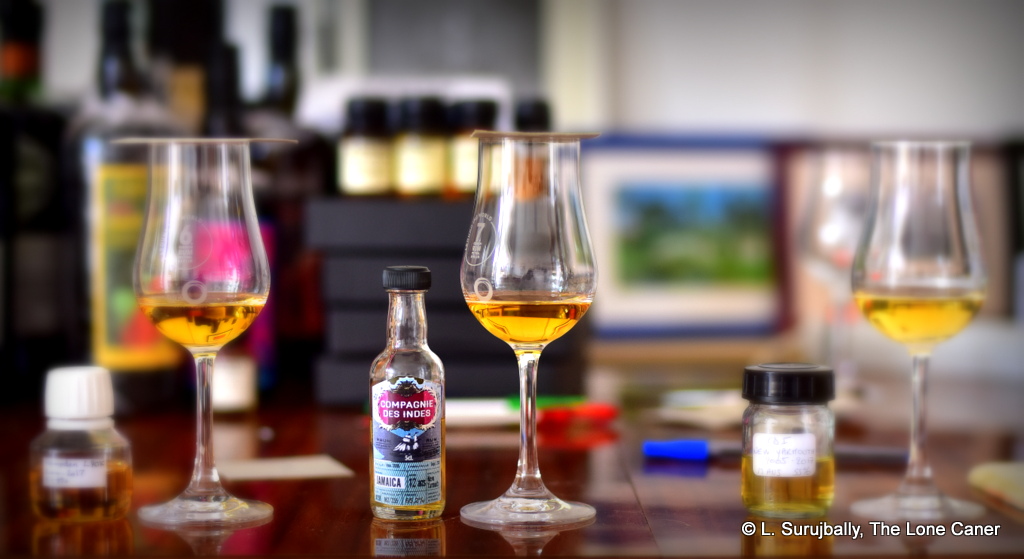
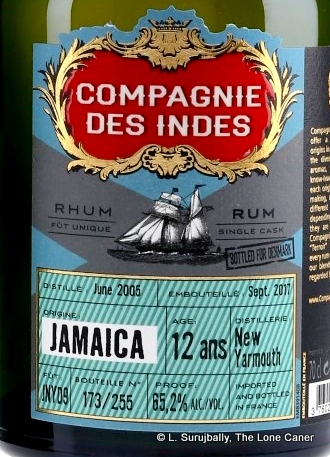 And what a rum it was. I don’t know what ester levels it had, but my first note was “a lot!”. I mean, it was massive. Pencil shavings and glue. Lots of it. Musky, dry, cardboard and damp sawdust. Some rotting fruit (was that dunder they were using?) and also rubber and furniture polish slapped on enough uncured greenheart to rebuild the Parika stelling, twice. The fruitiness – sharp! – of tart apples, green grapes, passion fruit, overripe oranges and freshly peeled tangerines. Florals and crisp light notes, all of it so pungent and bursting that a little breeze through your house and the neighbors would either be calling for a HAZMAT team or the nearest distillery to find out if they had lost their master blender and a still or two.
 Rumaniacs Review #123 | #800

 Today we’re looking at the Hamilton 2007 7 year old rum sent to me by my old schoolfriend Cecil Ramotar, which can be considered a companion review to the
 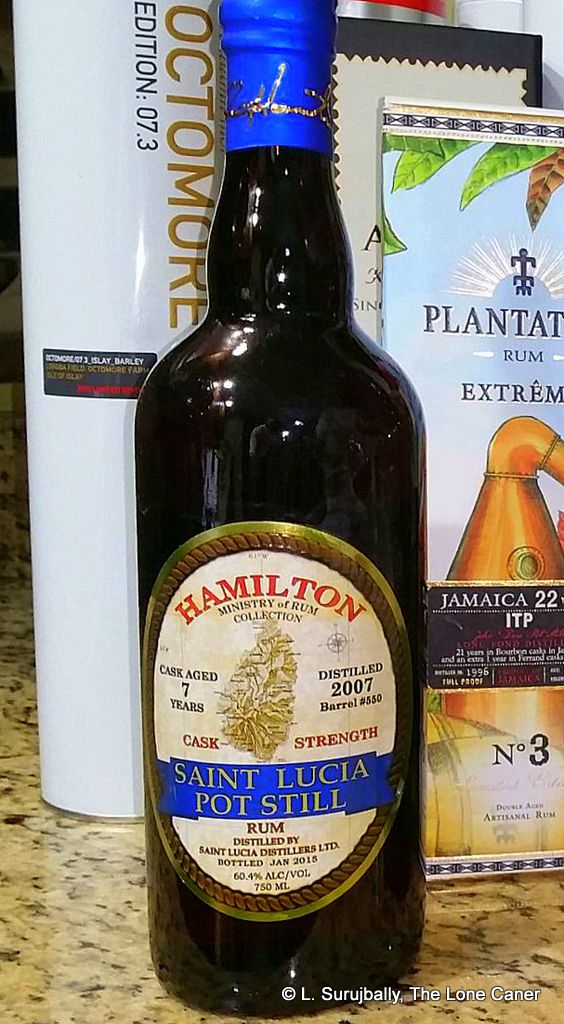 Clearing away the dishes, it’s a seriously solid rum. If I had to chose, I think the 2004 9 Year Old edges this one out by just a bit, but the difference is more a matter of personal taste than objective quality, as both were very tasty and complex rums that add to SLD’s and Ed Hamilton’s reputations. It’s a shame that the line wasn’t continued and added to — no other St. Lucia rums have been added to the Hamilton Collection since 2015 (at least not according to
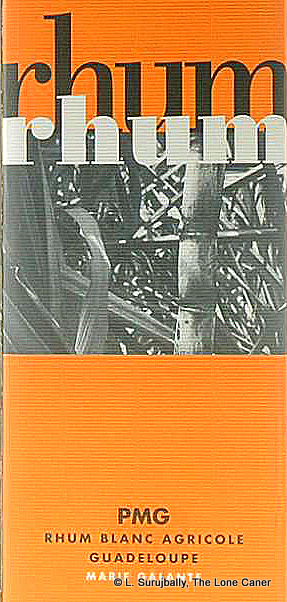 Although the plan was always to sell white (unaged) rhum, some was also laid away to age and the aged portion turned into the “Liberation” series in later years. The white was a constant, however, and remains on sale to this day – this orange-labelled edition was 56% ABV and I believe it is always released together with a green-labelled version at 41% ABV for gentler souls. It doesn’t seem to have been marked off by year in any way, and as far as I am aware production methodology remains consistent year in and year out.
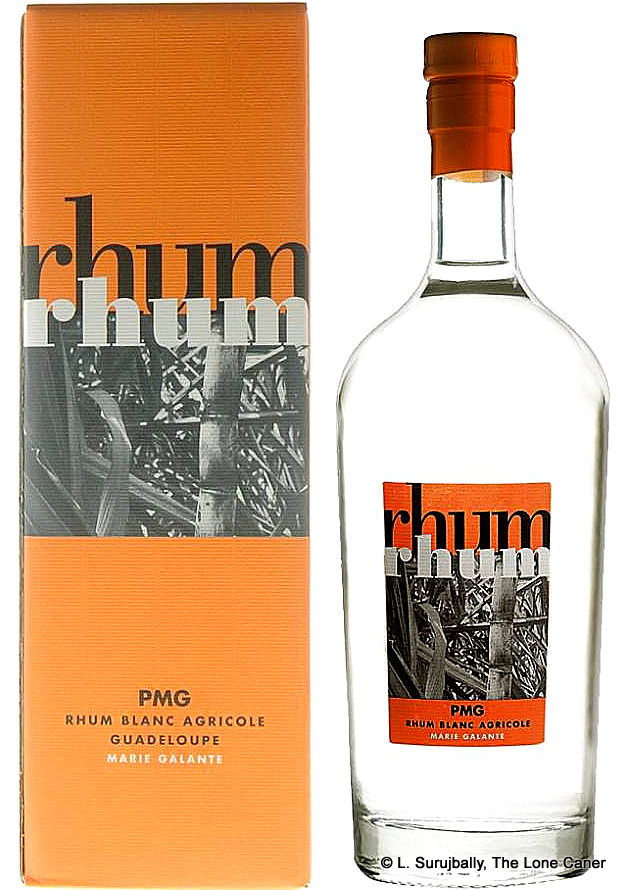 From the description I’m giving, it’s clear that I like this rhum, a lot. I think it mixes up the raw animal ferocity of a more primitive cane juice rhum with the crisp and clear precision of a Martinique blanc, while just barely holding the damn thing on a leash, and yeah, I enjoyed it immensely. I do however, wonder about its accessibility and acceptance given the price, which is around $90 in the US. It varies around the world and on Rum Auctioneer it averaged out around £70 (crazy, since
 But a gent called
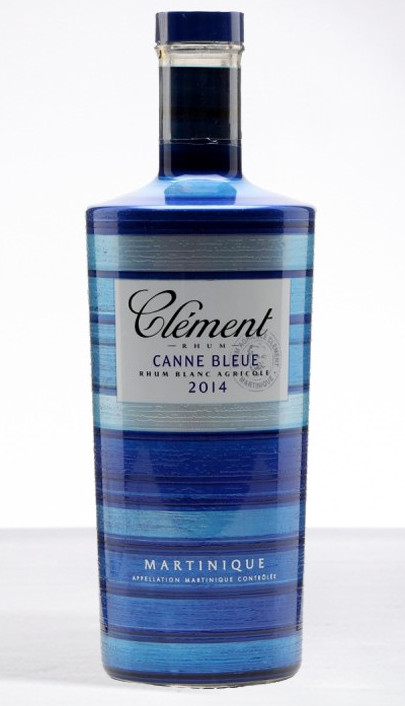 In an ever more competitive market – and that includes French island agricoles – every chance is used to create a niche that can be exploited with first-mover advantages. Some of the agricole makers, I’ve been told, chafe under the strict limitations of the AOC which they privately complain limits their innovation, but I chose to doubt this: not only there some amazing rhums coming out the French West Indies within the appellation, but they are completely free to move outside it (as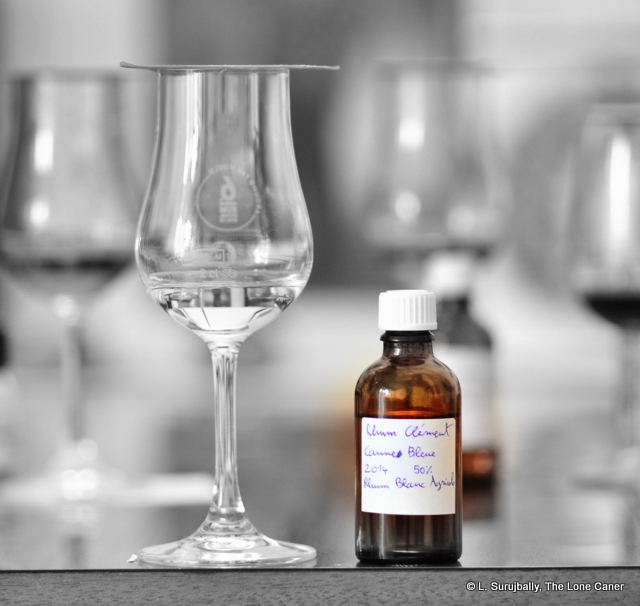
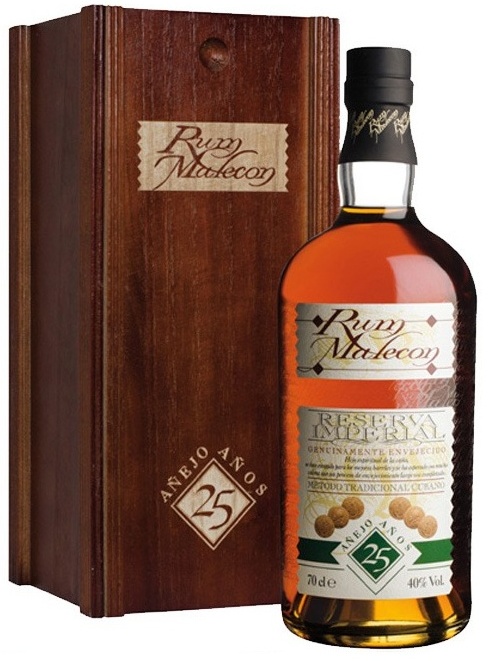 We’ve been here before. We’ve tried a rum with this name, researched its background, been baffled by its opaqueness, made our displeasure known, then yawned and shook our heads and moved on. And still the issues that that one raised, remain. The Malecon Reserva Imperial 25 year old suffers from many of the same defects of its
 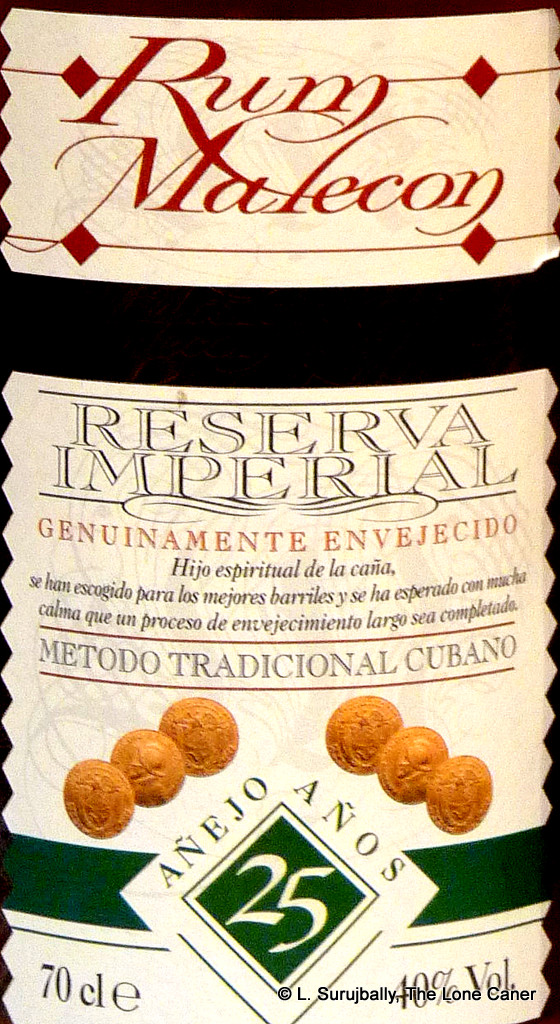 The palate is similarly soft and similarly straightforward. It’s got more chocolate milk and and perhaps a touch of coffee grounds. A smidgen, barely a smidgen of oak and citrus, a sly taste of tangerines; it’s not very sweet (which is a plus) and sports some brine and Turkish olives and a touch of slight bitterness, which I’m going be generous and say is an oak influence that saves it from being just blah. Finish is okay I guess. Gone too quickly of course, no surprise at 40% ABV and leaving at best the sense of some black tea with too much condensed milk in it, that doesn’t entirely hide the fact that it’s too bitter.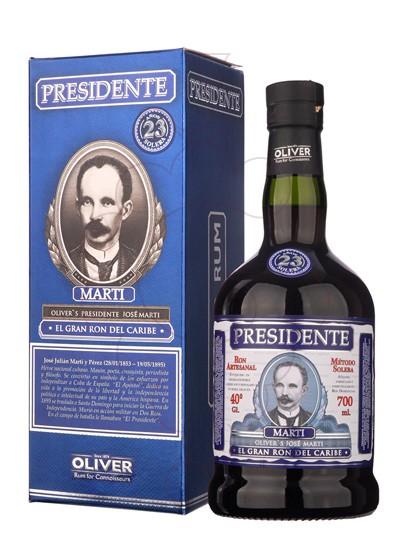
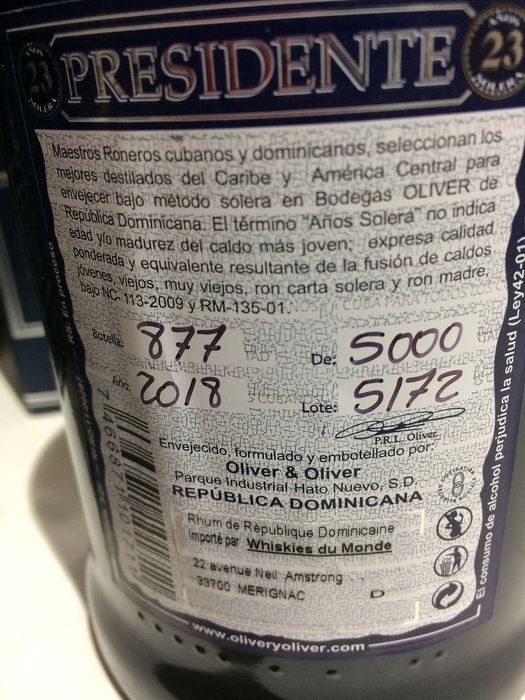 It gets no better when tasted. It’s very darkly sweet, liqueur-like, giving up flavours of prunes and stewed apples (again); dates; peaches in syrup, yes, more syrup, vanilla and a touch of cocoa. Honey, Cointreau, and both cloying and wispy at the same time, with a last gasp of caramel and toffee. The finish is thankfully short, sweet, thin, faint, nothing new except maybe some creme brulee. It’s a rum that, in spite of its big number and heroic Jose Marti visage screams neither quality or complexity. Mostly it yawns “boring!”
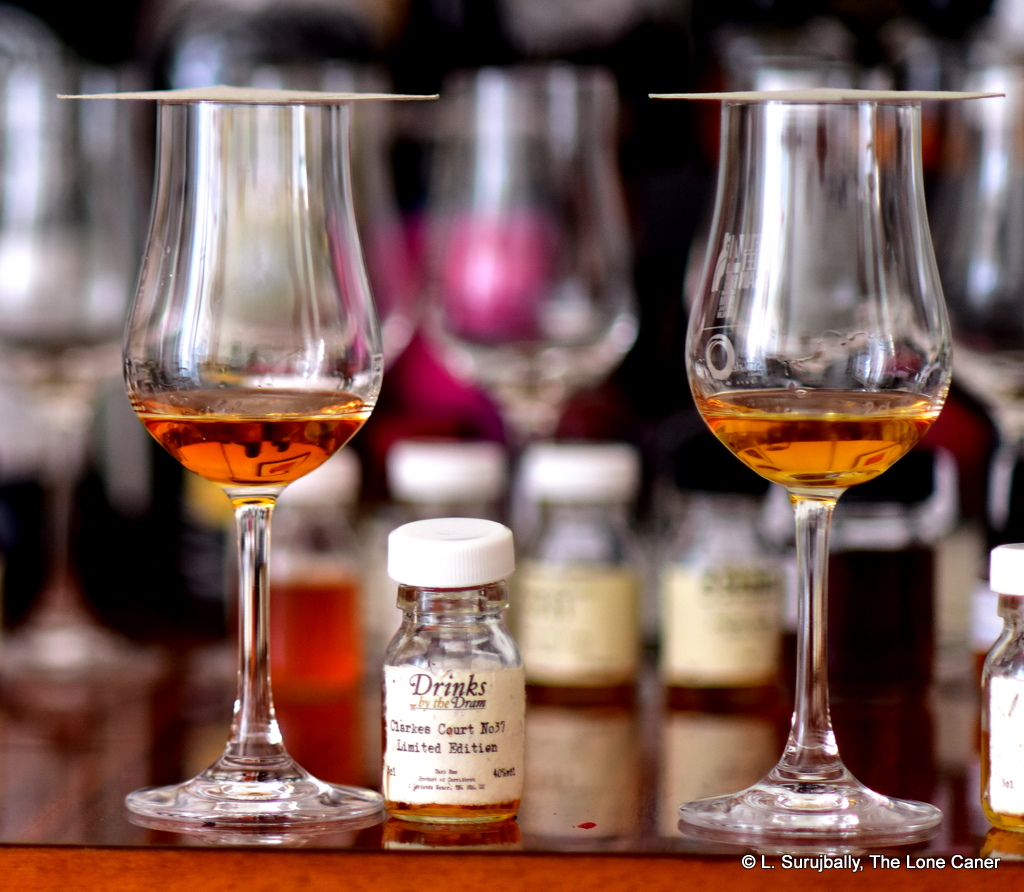
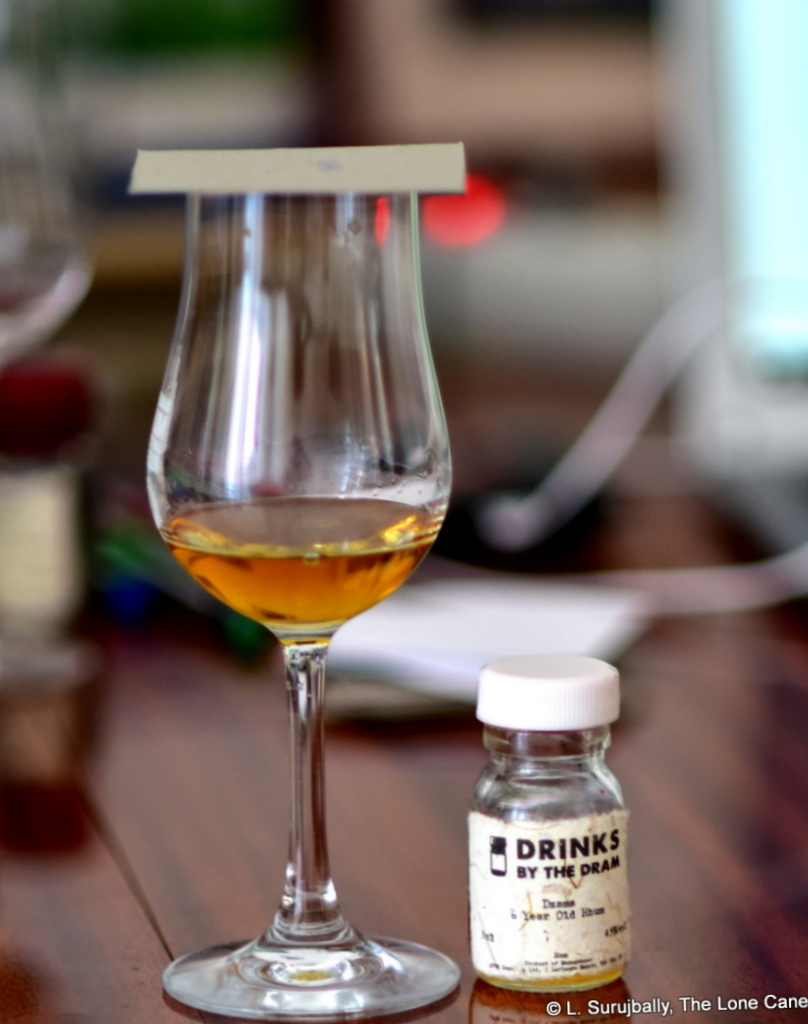
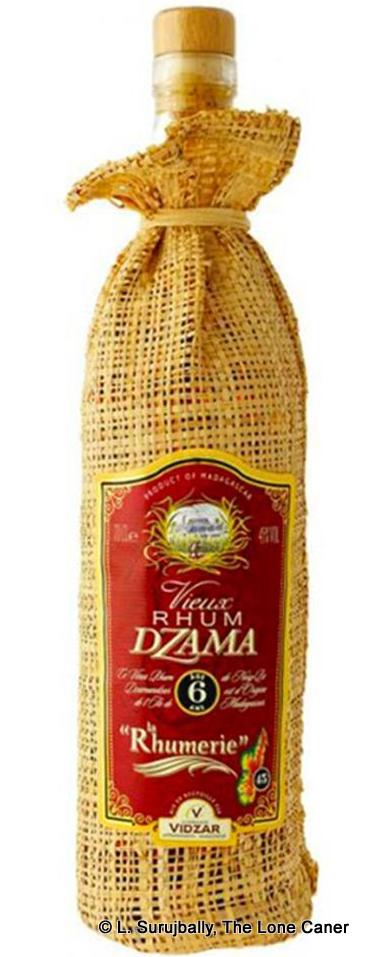 The palate was thick, rich and sweet, even in comparison the the 3YO which showed no modesty with such aspects itself but while stronger, had also been paradoxically easier. Here we were regaled with bananas, cherries in syrup, brown sugar, and a sort of smorgasbord of fruitiness – some tart, some just soft and mushy – and creaminess of greek yogurt sprinkled with cinnamon and cloves. Disappointingly, the finish did nothing much except lock the door and walk off, throwing a few notes of cloves, sugar, cherries, peaches and syrup behind. Not a stellar finish after the intriguing beginning.
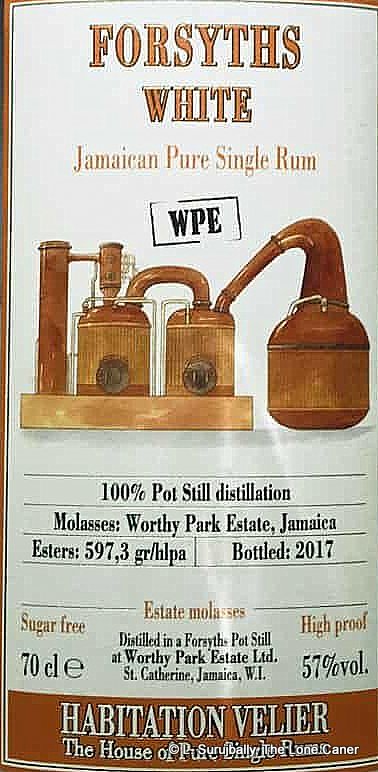 Hampden gets so many kudos these days from its relationship with
 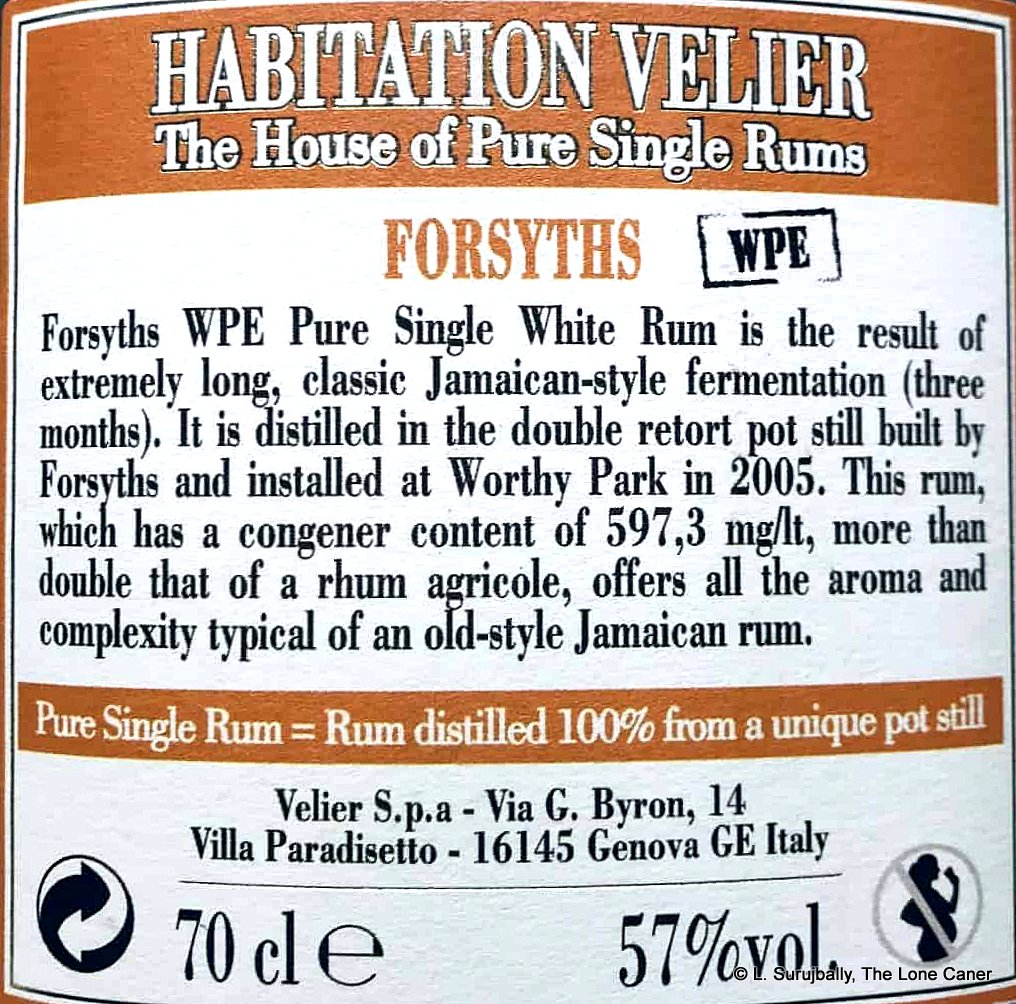 The rum displays all the attributes that made the estate’s name after 2016 when they started supplying their rums to others and began bottling their own. It’s a rum that’s astonishingly stuffed with tastes from all over the map, not always in harmony but in a sort of cheerful screaming chaos that shouldn’t work…except that it does. More sensory impressions are expended here than in any rum of recent memory (and I remember
 In spite of the high ABV, which lends a fair amount of initial sharpness and heat to the tongue until it burns away and settles down, it’s actually not that fierce. It becomes almost delicate, and there’s a nice vein of fruity sweetness running through, which enhances the flavours of apples, cider, green grapes, citrus, coconut, vanilla, and candied oranges. There’s also some of that polish and acetone remaining, neatly dampened by caramel and brown sugar, all balancing off well against each other. It retains that delicacy to the finish line and stays well behaved: a touch sweet throughout, with caramel (a bit much), vanilla, fruits, grapes, raisins, citrus, blancmange…not bad at all.
 Or so the story-teller in me supposes. Because all jokes and anecdotes aside, what this is, is a rum made to order.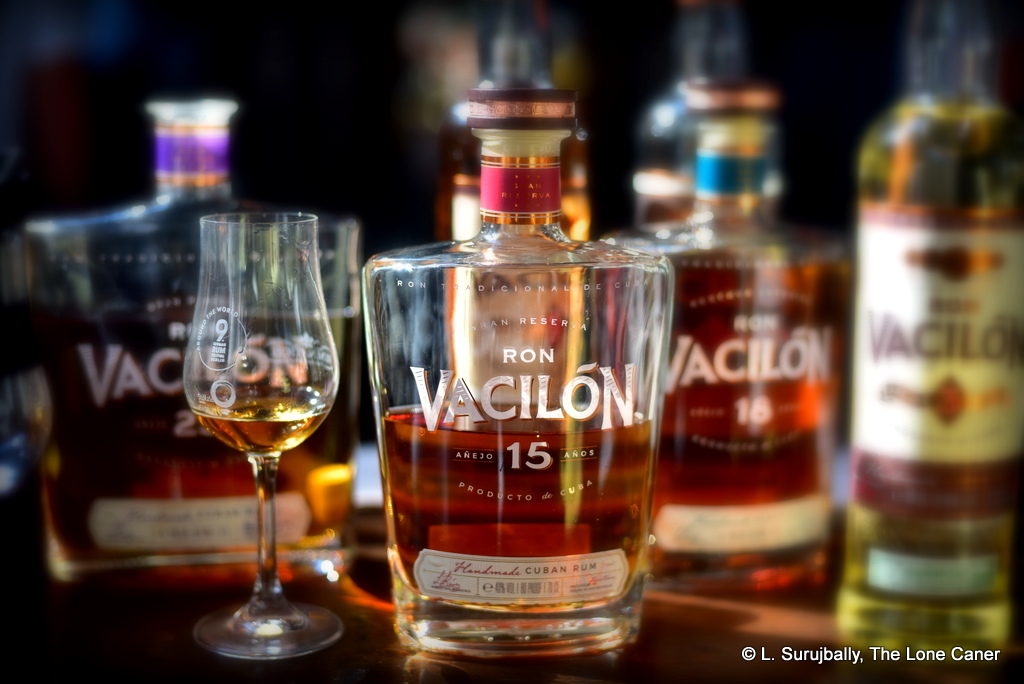
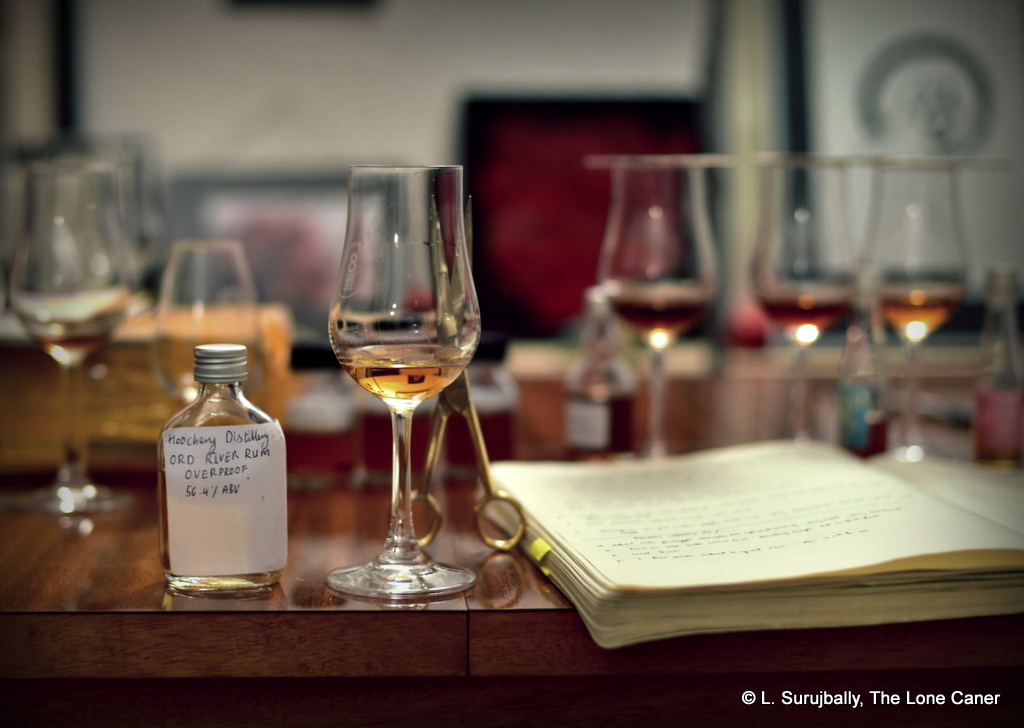
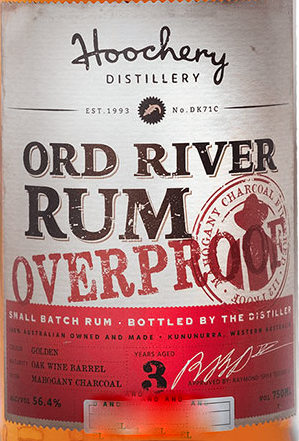 The nose begins with metallic, ashy notes right away, damp cardboard in a long-abandoned, leaky musty house. Thankfully this peculiar aroma doesn’t hang around, but morphs into a sort of soya-salt veggie soup vibe, which in turn gets muskier and sweeter over time; it releases notes of bananas and molasses and syrup, before gradually lightening and becoming – surprisingly enough – rather crisp. White fruits emerge – unripe pears and guavas, green apples, gooseberries, grapes. What’s really surprising is the way this all transforms over a period of ten minutes or so from one nasal profile to another. It’s not usual, but it is noteworthy.
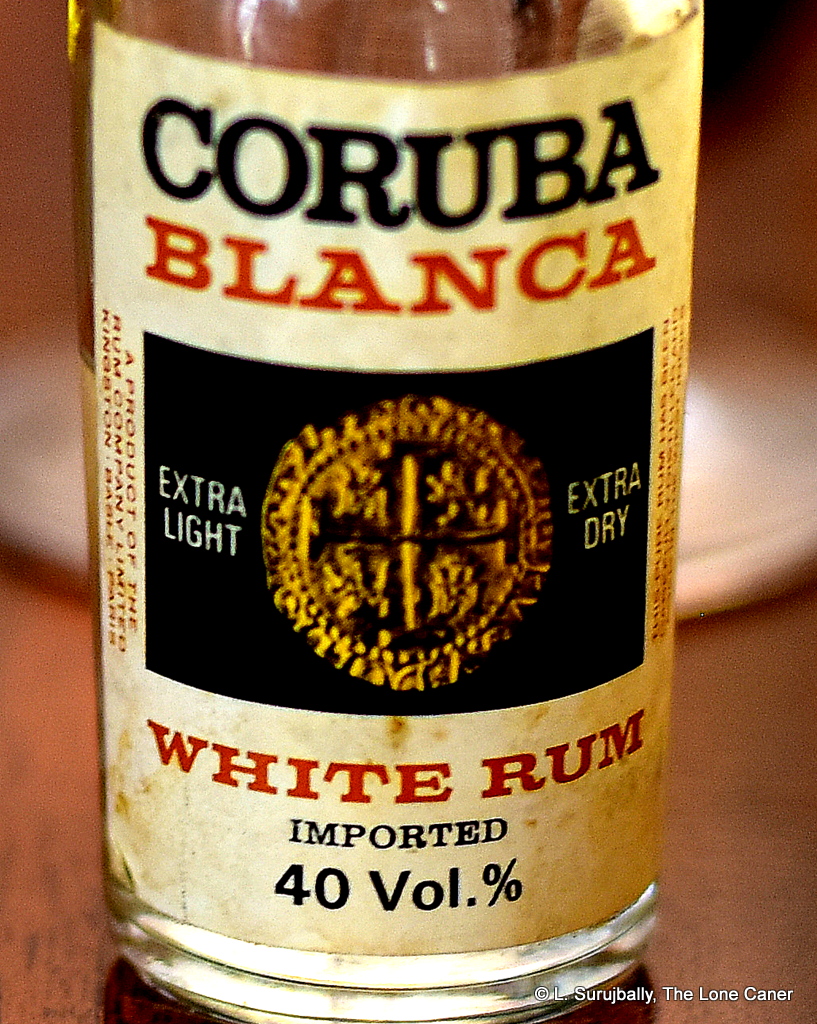 Rumaniacs Review #122 | 0785