In the previous review of the Florida Caribbean Distillers industrially-produced Florida Reserve 2 year old rum, it was treated and written about with some disdain, because as far as I was concerned, it had nothing to make it stand out at all. It was a low rent mass-produced column-still rum that did exactly nothing to distinguish itself and could at best be used to spike a drink with alcohol, without leaving any trace of itself behind, not even a grin.
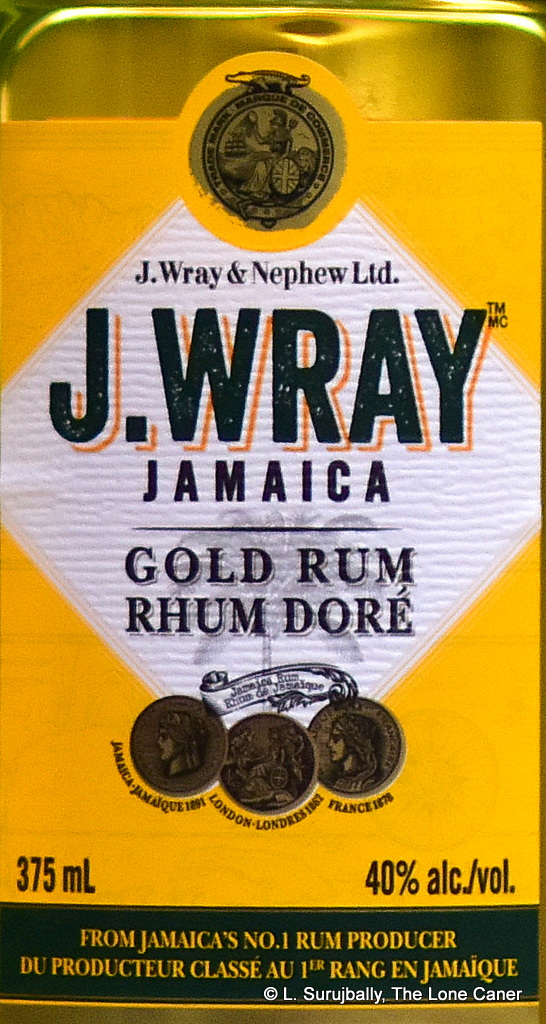
Move on now to another minimally aged rum marketed to the masses, cheaply priced, easily available (at least, in Toronto, which was where I sourced it), and you can see what a difference there is. I’m not talking about intrinsic quality so much as distinctiveness; nor do I contend that the J. Wray Gold is some kind of hidden masterpiece, because it rubs shoulders in the same sort of downmarket liquor store shelves where you might find the Reserve, and is a mass market rum just like it….but does have its points.
The J. Wray Gold is nothing particularly new – for years it was sold as the Appleton Special Jamaican rum, and this new version got issued in 2016 as a rebranding effort (though why they bothered escapes me – maybe it’s to distinguish it from the slightly more upmarket Appleton range of rums). For what it’s worth, I tried them side by side, and felt they tasted somewhat similar, scored somewhat similar, but were definitely not the same – so the recipe was likely tweaked some in the rebranding. What is also peculiar is that there is actually not much information available on what makes it up: the most I can ascertain is that it’s a mix of pot and column still distillate, 40% ABV, and (my opinion) is probably very young – maybe two years old or so, maybe even less.
 I make this last observation because of its unrefined nature. Even at standard strength, it noses rather raw and jagged, even harsh. There are initial aromas of light glue, rotten bananas and some citrus, light in tone but sharp in attack. It also smells a little sweet and vanilla-like, with vague florals, apple cider, molasses, dates, peaches and dates, with the slightest rtang of burnt rubber coiling around the back there somewhere. But it sears more than caresses and it’s clear that this is not a lovingly aged product of any kind.
It is, however, somewhat more distinct on the taste. The sharp and uncouth nature doesn’t abate, that’s a given, and funky notes persist – rotting fruit, ripe landfill steaming after a tropical rain (yeah, I know what that sounds like), overripe fruit and bananas, honey, brine, vanilla and some molasses and caramel. It’s not very well integrated and though I mention these flavours, the truth is that they are still underwhelming (a function of the strength) and the roughness on the tongue makes it unsuited for any kind of sipping drink. The finish is unspectacular- short, salty, nutty with some citrus and vanilla thrown in, and overall, very faint, quickly gone.
This is not a ringing endorsement by any means — I can’t say I cared for it, really. But for good or ill, it was a rum you couldn’t easily forget once you tried it because of those very same attributes. It excites opinion, not indifferent yawns. Sure it’s a rough ‘n’ ready backcountry bottom-feeder, perfect for a pick-me-up hip flask to be taken into the dodgy areas of Scarborough when you’re liming with your squaddies down at the local rumshop. It’s cheap, it’s raw, and doesn’t pretend to be anything other than an entry level hooch.
Yet at the same time you can sense the nascent quality it has, which emerges more fully as you work up the line of the company’s products. It has something, some small spark of artistry, of appeal, of uniqueness. Poor as it rates next to pricier upscale rum from J. Wray / Appleton, it does show what some distillation chops and blending ability can bring to the table with a set of people who know what they’re doing, even at the bottom end of the range. Oh sure it won’t class with an aged Hampden or Worthy Park, and I think even the old V/X exceeds it. So okay, it fails, maybe….but to me, it fails with authority. And that’s why, though scoring them almost the same, I would prefer an honestly made piece of dreck like this, over something more smoothly anonymous like the FCD Florida Reserve.
(#606)(73/100)
Update June 2020: It was announced that the Appleton Special (which was supposedly rebranded already elsewhere as this “Gold”) and the White would be rebranded as Kingston 62 in the UK, but with no changes to the recipe.
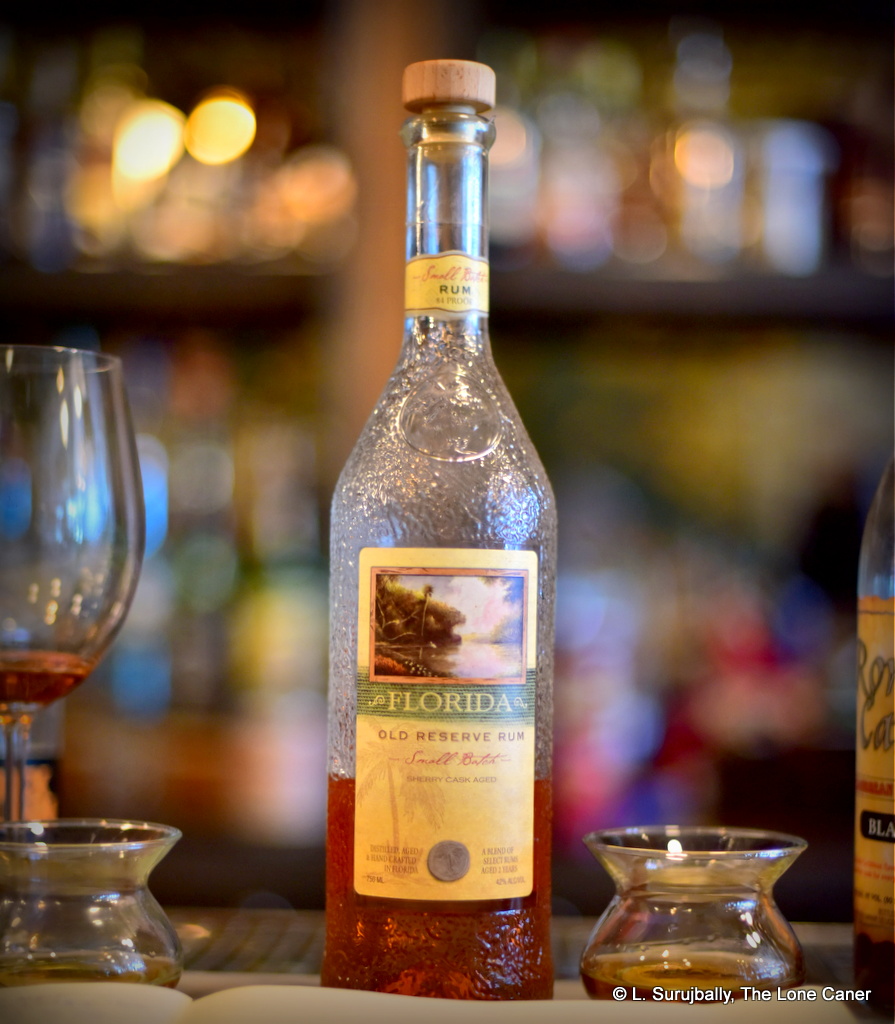
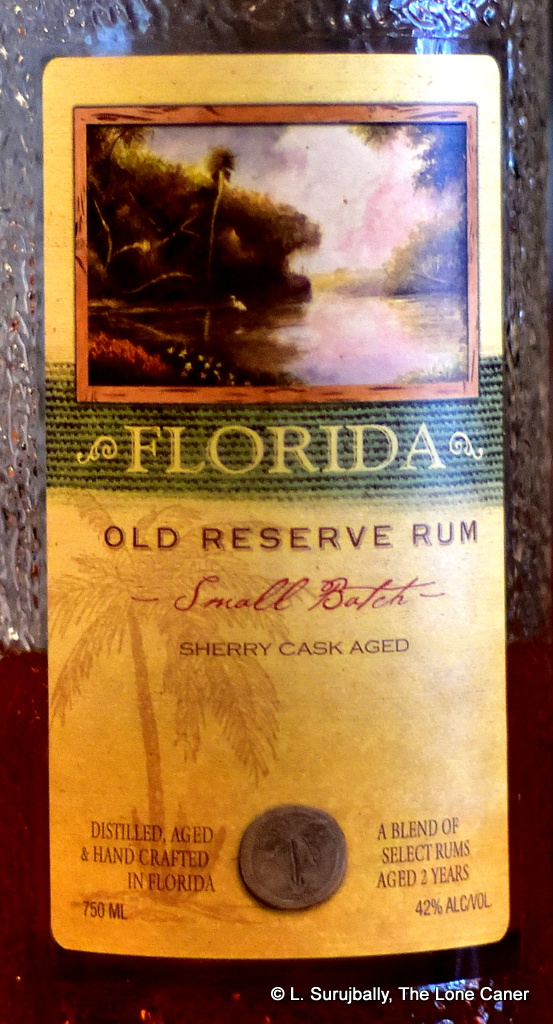 What it is, is a blend of “select rums” aged two years in sherry casks, issued at 42% and gold-coloured. One can surmise that the source of the molasses is the same as the Noxx & Dunn, cane grown in the state (unless it’s in Puerto Rico). Everything else on the front and back labels can be ignored, especially the whole business about being “hand-crafted,” “small batch” and a “true Florida rum” – because those things give the misleading impression this is indeed some kind of artisan product, when it’s pretty much a low-end rum made in bulk from column still distillate; and I personally think is neutral spirit that’s subsequently aged and maybe coloured (though they deny any additives in the rum).
 Until
Until 
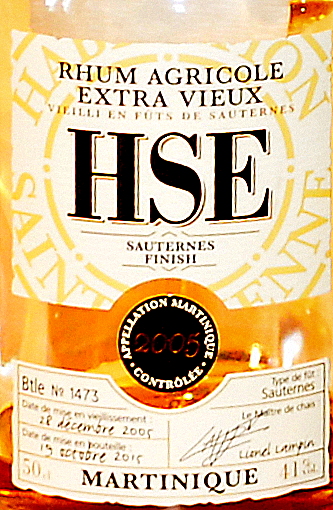 Given that it is nine years tropical ageing plus another year in the Sauternes casks, I think we could be expected to have a pretty interesting profile — and I wasn’t disappointed (though the low 41% strength did give me pause). The initial smells were grassy and wine-y at the same time, a combination of musk and crisp light aromas that melded well. There were green apples, grapes, the tart acidity of cider mixed in with some ginger and cinnamon, a dollop of brine and a few olives, freshly mown wet grass and well-controlled citrus peel behind it all.
  It’s a peculiarity of the sheer volume of rums that cross my desk, my glass and my glottis, that I get to taste rums some people would give their left butt cheek for, while at the same time juice that is enormously well known, talked about, popular and been tried by many….gets missed.
 Rumaniacs Review #091 | 0598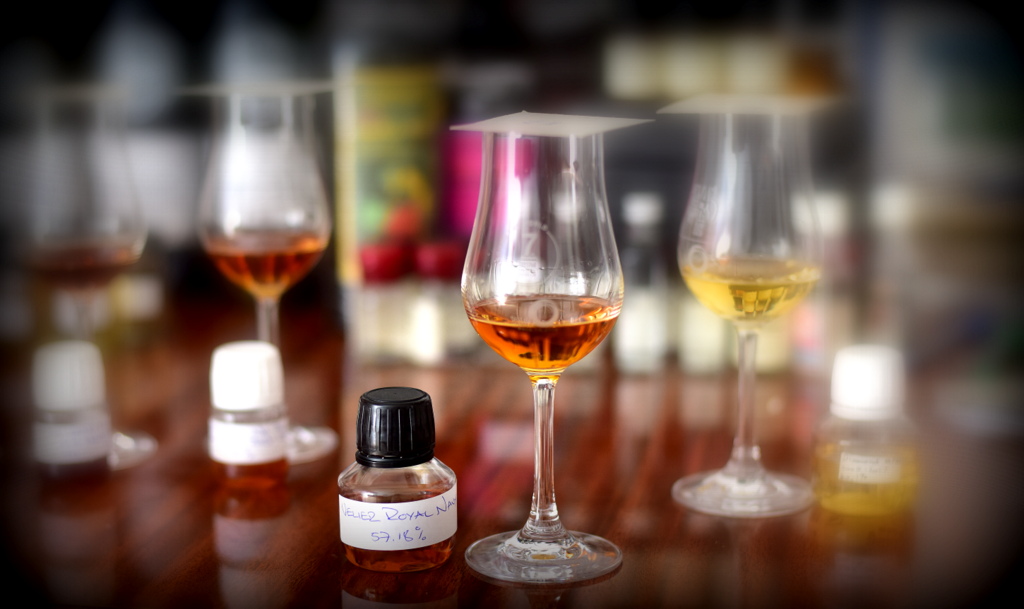
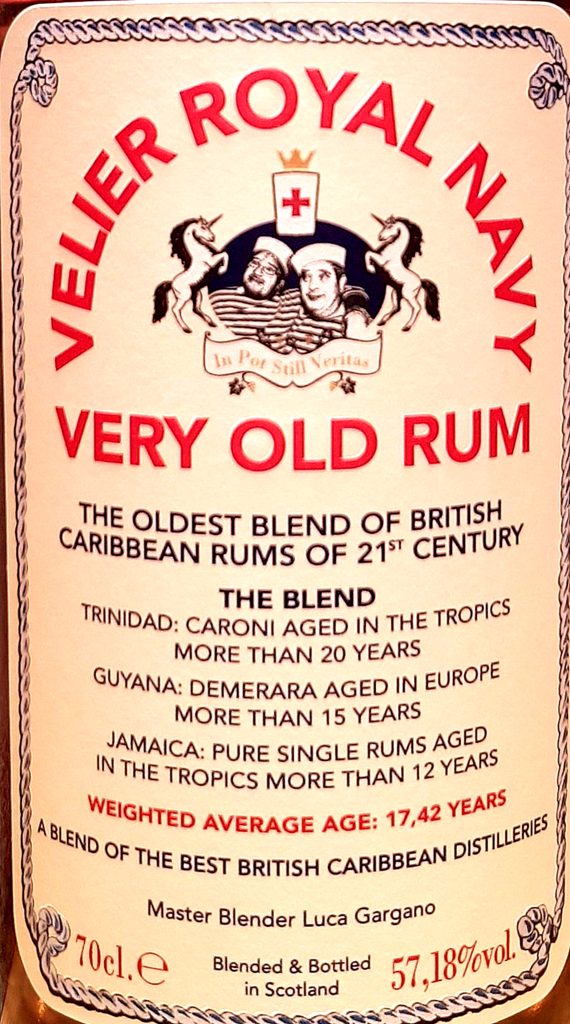 The nose suggested that this wasn’t far off. Mild for the strength, warm and aromatic, the first notes were deep petrol-infused salt caramel ice cream (yeah, I know how that sounds). Combining with that were some rotten fruit aromas (mangoes and bananas going off), brine and olives that carried the flag for the Jamaicans, with sharp bitter woody hints lurking around; and, after a while, fainter wooden and licorice notes from the Mudlanders (I’d suggest Port Mourant but could be the Versailles, not sure). I also detected brown sugar, molasses and a sort of light sherry smell coiling around the entire thing, together with smoke, leather, wood, honey and some cream tarts. Quite honestly, there was so much going on here that it took the better part of an hour to get through it all. It may be a navy grog, but definitely is a sipper’s delight from the sheer olfactory badassery.

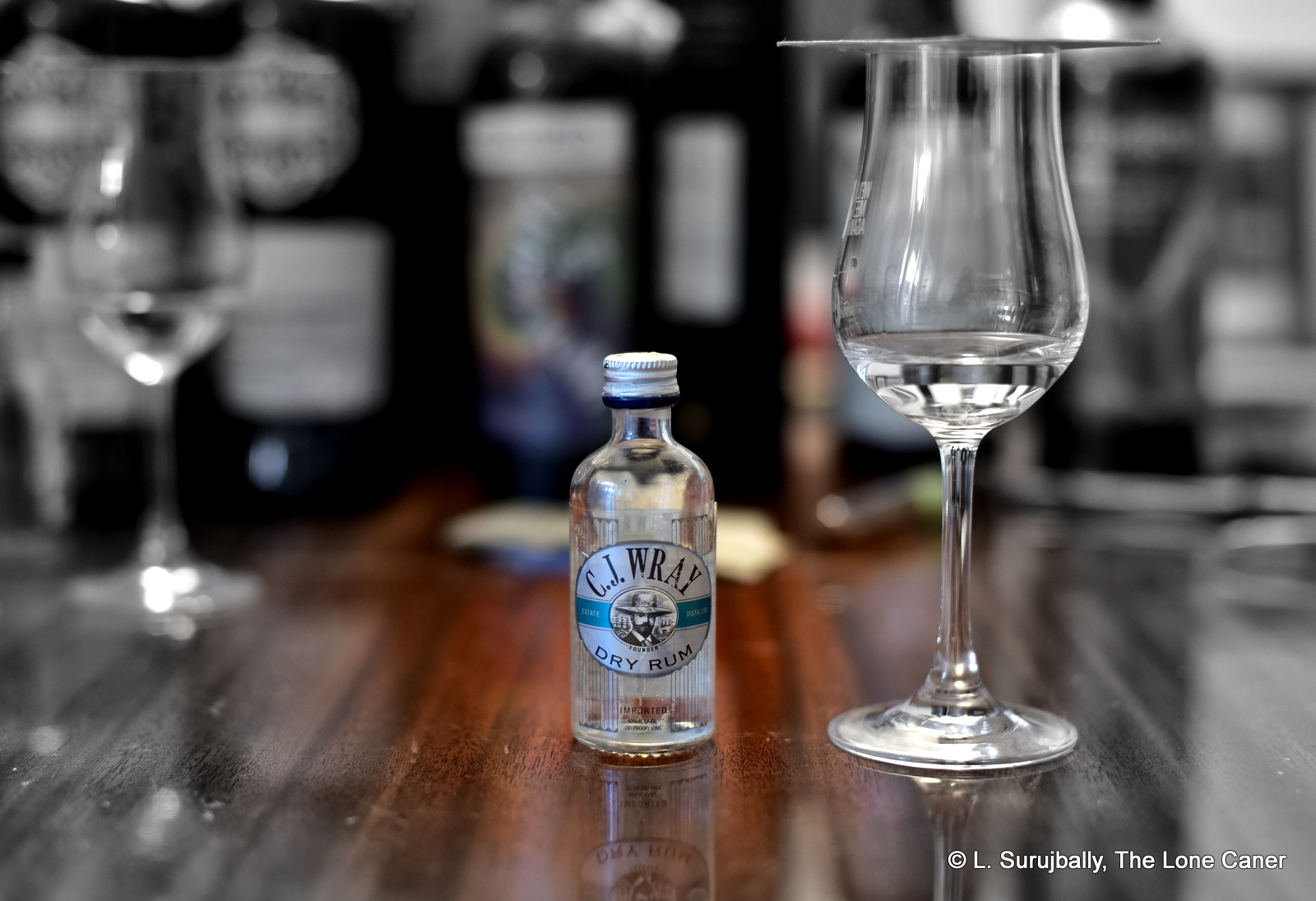
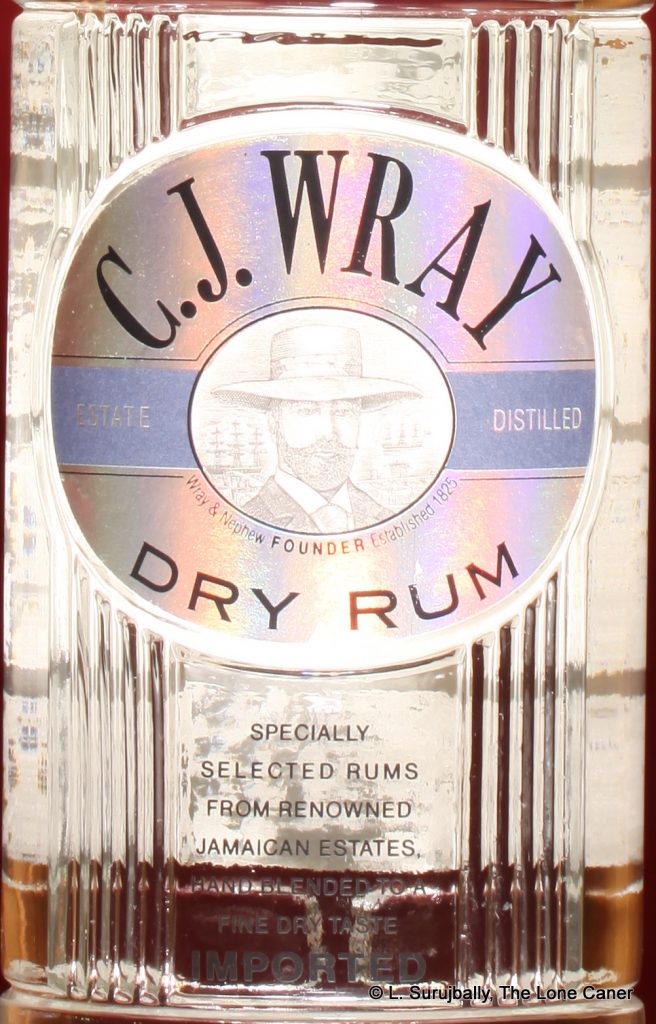 Technical details are murky. All right, they’re practically non-existent. I think it’s a filtered column still rum, diluted down to standard strength, but lack definitive proof – that’s just my experience and taste buds talking, so if you know better, drop a line. No notes on ageing – however, in spite of one reference I dug up which noted it as unaged, I think it probably was, just a bit.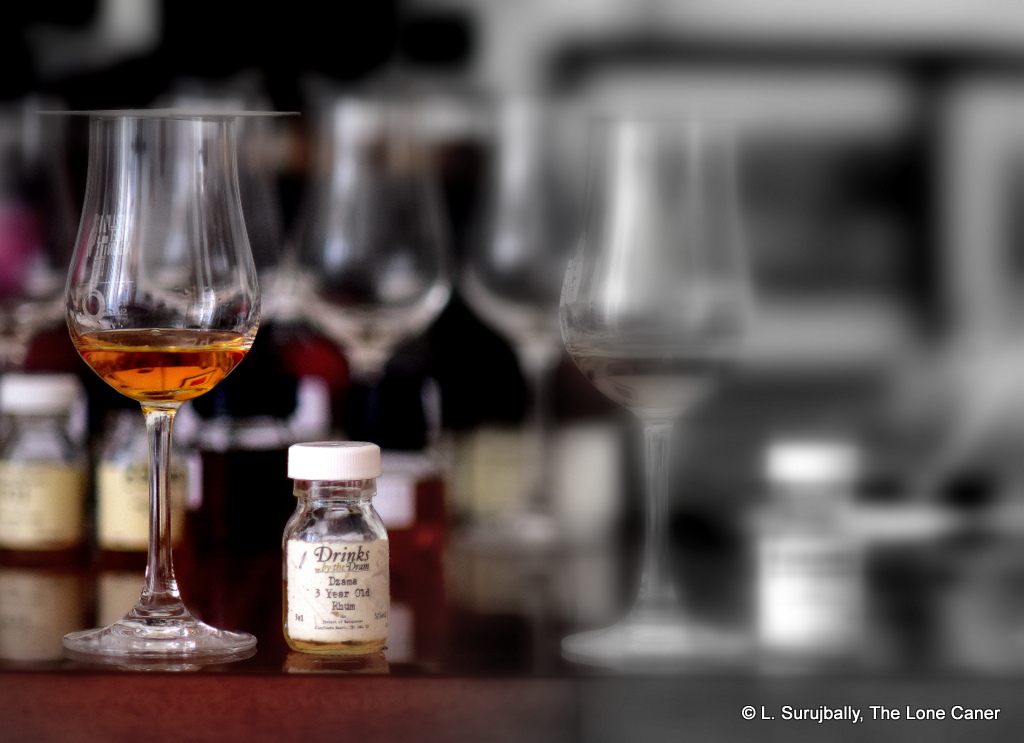
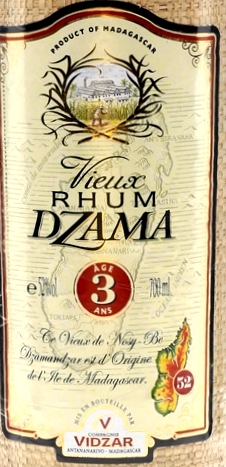 All that said, there isn’t much on the company website about the technical details regarding the 3 year old we’re looking at today. It’s a column still rum, unadded-to, aged in oak barrels, and my sample clocked in at 52%, which I think is an amazing strength for a rum so young – most producers tend to stick with the tried-and-true 40-43% (for tax and export purposes) when starting out, but not these guys.
 That’s not to say that in this case the
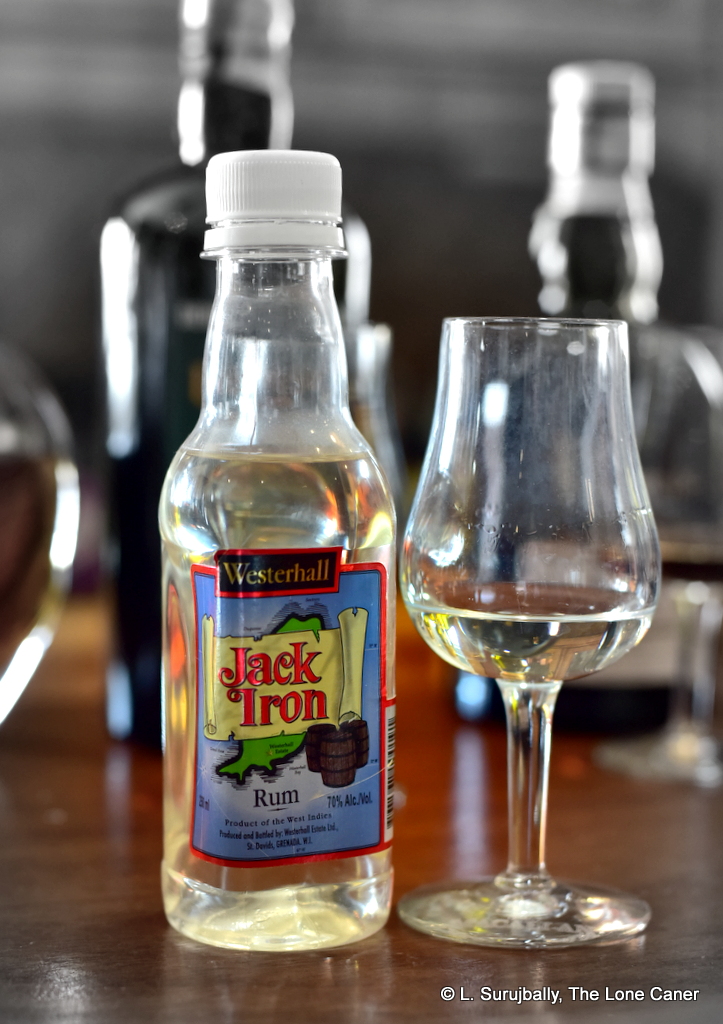 The Jack Iron rum from Westerhall is a booming overproof issued both in a slightly aged and a white version, and both are a whopping 70% ABV. While you can get it abroad — this bottle was tried in Italy, for example — my take is that it’s primarily a rum for local consumption (though which island can lay claim to it is a matter of idle conjecture), issued to paralyze brave-but-foolhardy tourists who want to show off their Chewbacca chests by drinking it neat, or to comfort the locals who don’t have time to waste getting hammered and just want to do it quick time. Add to that the West Indian slang for manly parts occasionally being iron and you can sense a sort of cheerful and salty islander sense of humour at work (see “other notes” below for an alternative backstory).

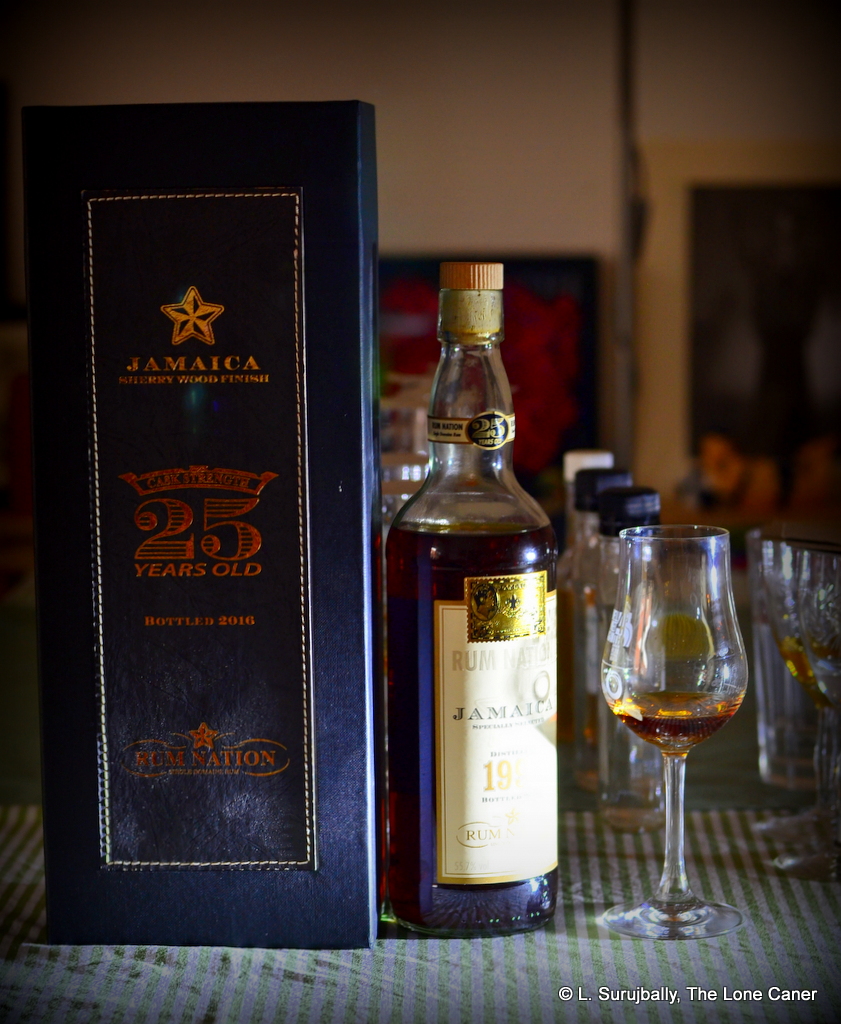
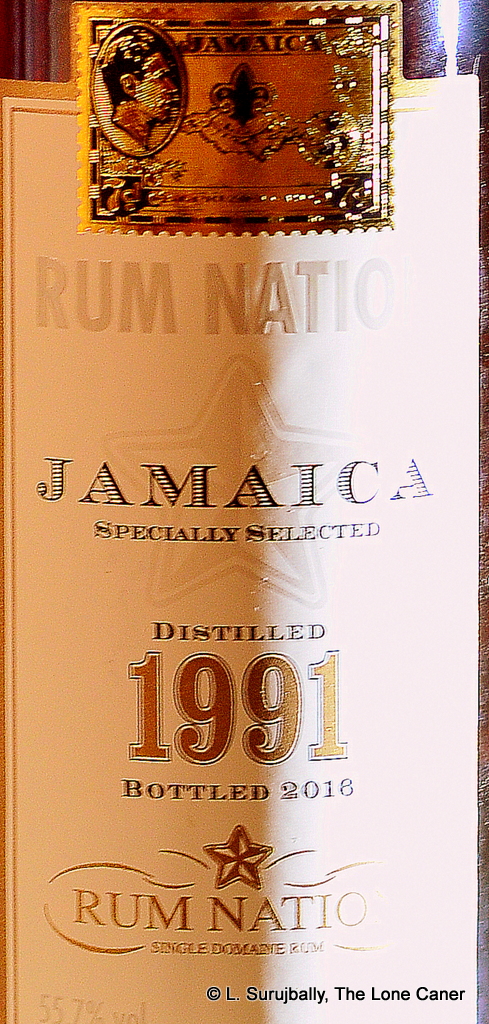 And for anyone who enjoys sipping rich Jamaicans that don’t stray too far into insanity (the
 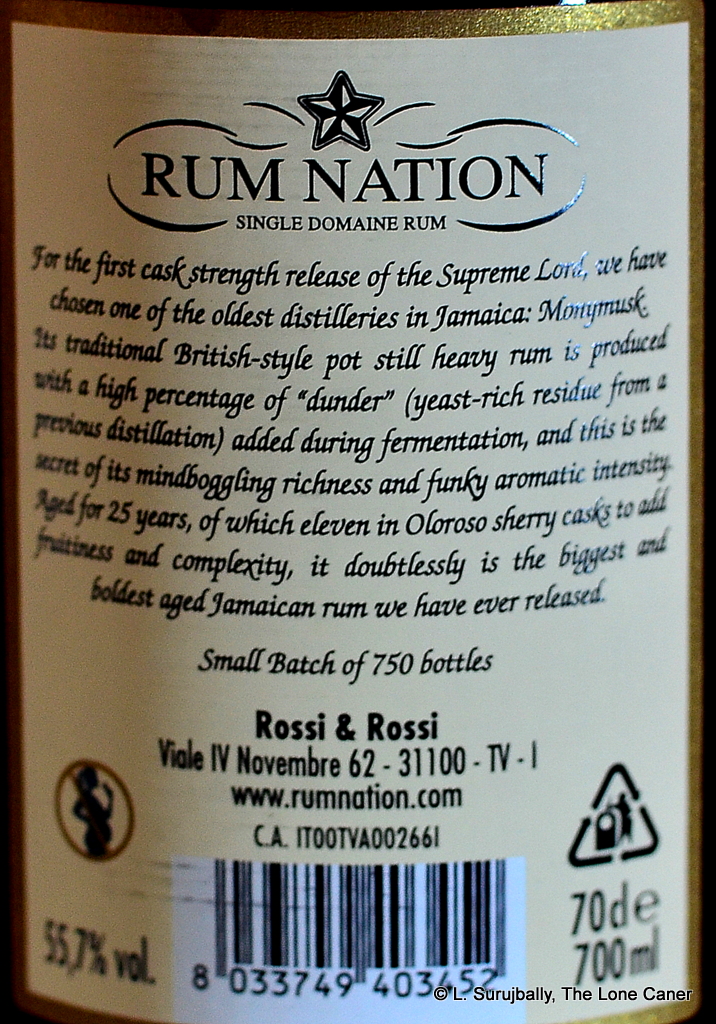 The rum continues along the path set by all the seven Supreme Lords that came before it, and since I’ve not tried them all, I can’t say whether others are better, or if this one eclipses the lot. What I do know is that they are among the best series of Jamaican rums released by any independent, among the oldest, and a key component of my own evolving rum education.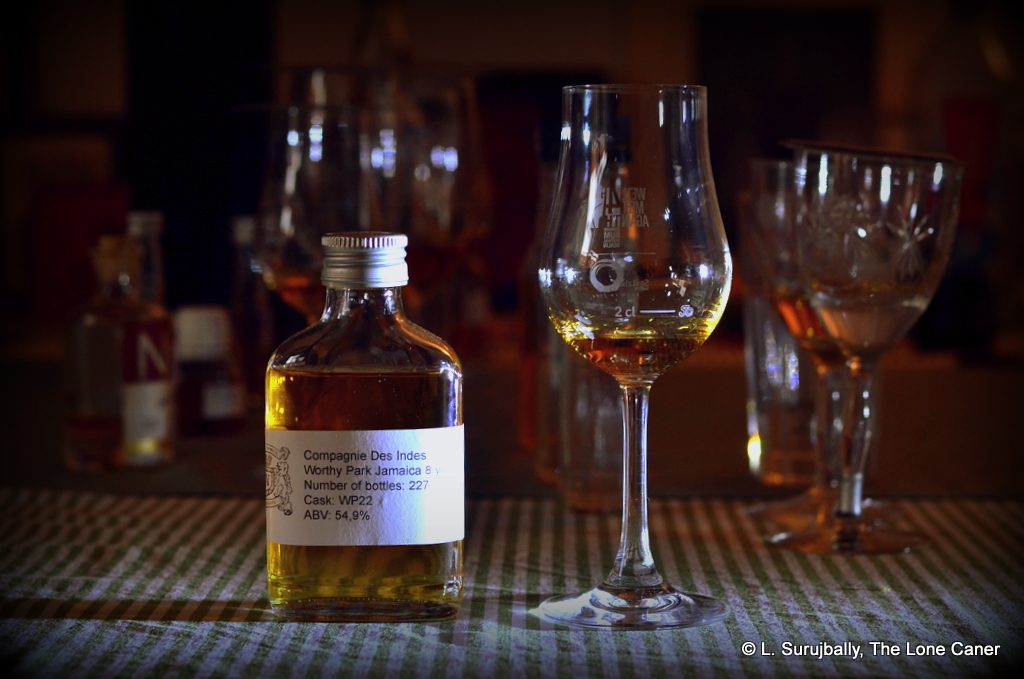
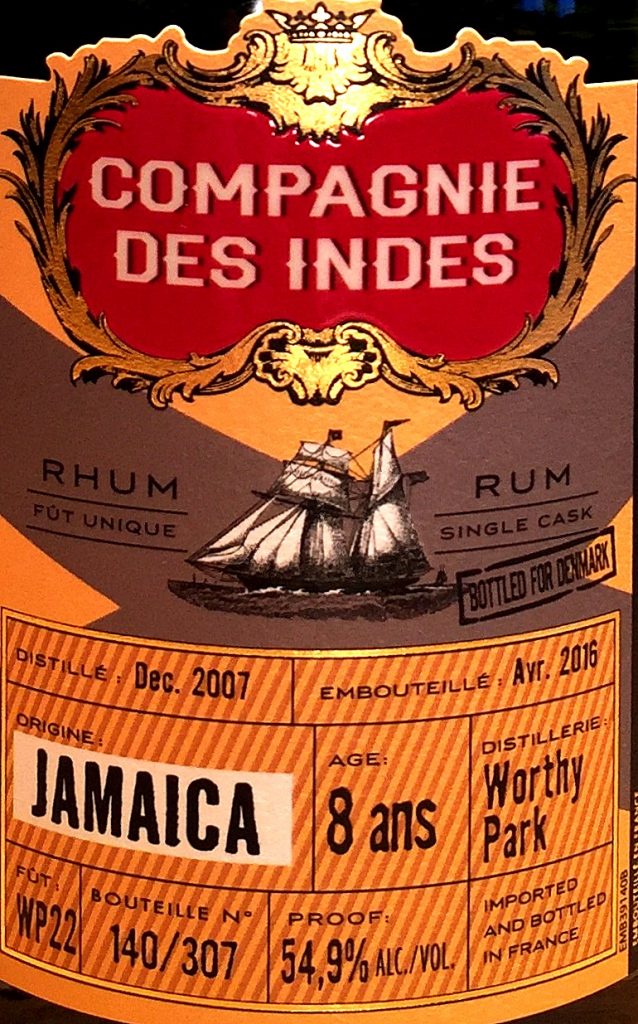 This brings us to the