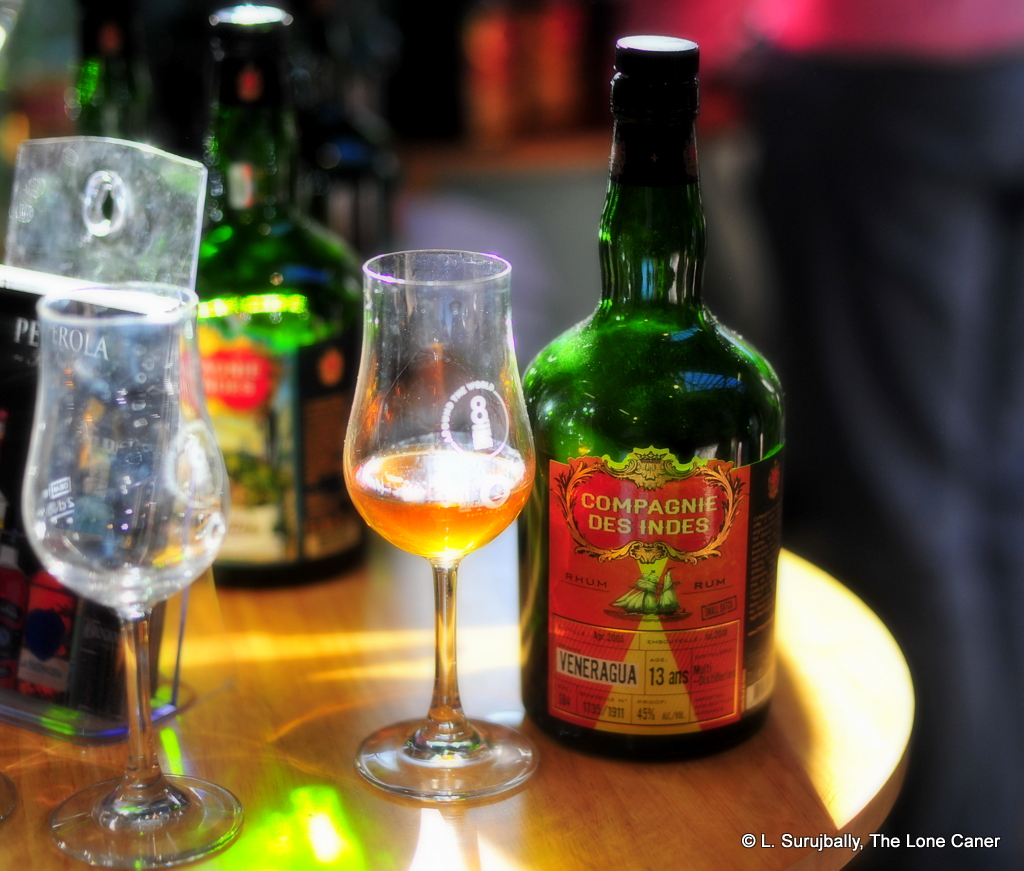
In spite of being better known for the exceptional single cask line that made the name of the Compagnie des Indes (at least, with this writer), it was the later blends that sold a lot better and moved off the shelves with more alacrity. Independent bottlers are businessmen, and while sentiment may have them prefer the tuxedo-crowd snoot-rums, it’s the low-end tanker loads that keep the company afloat (a matter not restricted to the Compagnie) and therefore get made.
Compagnie des Indes has a whole lot more blends than is immediately apparent: the Darklice, Dominidad, Kaiman, Latino, Caraibes and Boulet de Canon series spring to mind (the Boulet is into its 9th iteration already), and more recently the West Indies, Jamaica and the Oktoberum series, and the subject of today’s review, the Veneragua.
This last is a blend of Venezuelan and Nicaraguan distillate (3 barrels from the former, 2 from the latter), with all the usual mystery behind the mashup. That’s hardly a problem for the Nicaraguan component since that’s the Flor people, but Venezuela is a tad bigger and has a few more distilleries, so I’m not sure who provided that part. The outturn is 1911 bottles, making it a small- to mid-sized release (a single barrel release is usually 300 bottle or so). We can assume it’s a light distillate, column still, and the label informs us it’s 13 years old, which I’m going to say was continental ageing all the way.
More than that I don’t have so let’s move right along. Nose first: it’s delicate fast-dissipating sugar-cane juice, grass and herbals, with a more solid core of caramel drizzled over condensed milk and shave-ice by the sno-cone man. Left standing for a while, it develops aromas of vanilla, cinnamon, licorice, white chocolate, ice cream and some light fruits – pears and raisins, mostly, and some lychees.
The palate is pretty nice to sip – the strength of 45% makes it warm and silky, with light tones and accents. The tastes are primarily flowers and fruits and spices – nougat, almonds, grapes, raisins, and the crisp snap of ginger. All underlain with caramel, tobacco, coffee grounds and red wine hints, some burnt sugar, but little in the way of tart acidic fruitiness that would balance these off. The finish was relatively short, with clear-cut vanilla, crushed walnuts, almonds and port-infused tobacco and a last bit of salted caramel.
So, thoughts. I liked it…kind of. Nothing super exciting here, just a well done rum. It lacked specificity, which has always been blended rums’ strength and weakness as a category, because a rum made for everyone in general is also one made for nobody in particular. Blends remain the same for long periods and are geared towards mass audiences, which may say something about the Compagnie’s strategy and long term marketing aims. It’s not often appreciated that erudite reviews of single barrel or limited releases, high points scores and fanboy partisanship may raise awareness and appreciation of a rum company’s halo products, but those are bought by a very tiny sliver of the purchasing public. They don’t shift the needle of the bottom line appreciably – in other words, there’s a reason why Bacardi and Tanduay and McDowell’s are the behemoths they are and smaller companies renowned for their single barrel cask strength rums are not.
I think Florent gets this very well. Without making a big point of it, he continues issuing his limited editions from specific distilleries, just like IBs the world over do; but in the meantime, he has his eye on what pays the bills. The rums he blends do that and are, happily, quite good enough to please many.
Therefore, for anyone who wishes to just have a decent low strength sipping rum without a lot of complex and aggressive tastes and scents jostling and demanding attention, who desires a good drink with enough complexity at an affordable price to chase the evening away, the Veneragua is perfectly fine. It simply chooses not to play in those rarefied regions inhabited by more limited and more exclusive drinks extolled by the never-silent uber-commentators. The Compagnie has other rums that live there. This one happily moves in a more approachable, less exacting stratum.
(#783)(81/100)

 This process provides a tasting profile that reminds me of nothing so much than a slightly addled wooden still-rum from El Dorado: it’s sweet, feels the slightest bit sticky, and has strong notes of dark fruits, red licorice, plums, raisins and an almond chocolate bar gone soft in the heat. There’s other stuff in there as well – some caramel, vanilla, pepper again, light orange peel, but overall the whole thing is not particularly complex, and it ambles easily towards a short and gentle finish of no particular distinction that pretty much displays some dark fruit, caramel, anise and molasses, and that’s about it.
 So, until we know more, focus on the rum itself. It’s quiet and gentle and some cask strength lovers might say – not without justification – that it’s insipid. It has some good tastes, simple but okay, and hews to a profile with which we’re not entirely unfamiliar. It has a few off notes and a peculiar substrate of something different, which is a good thing. So in the end,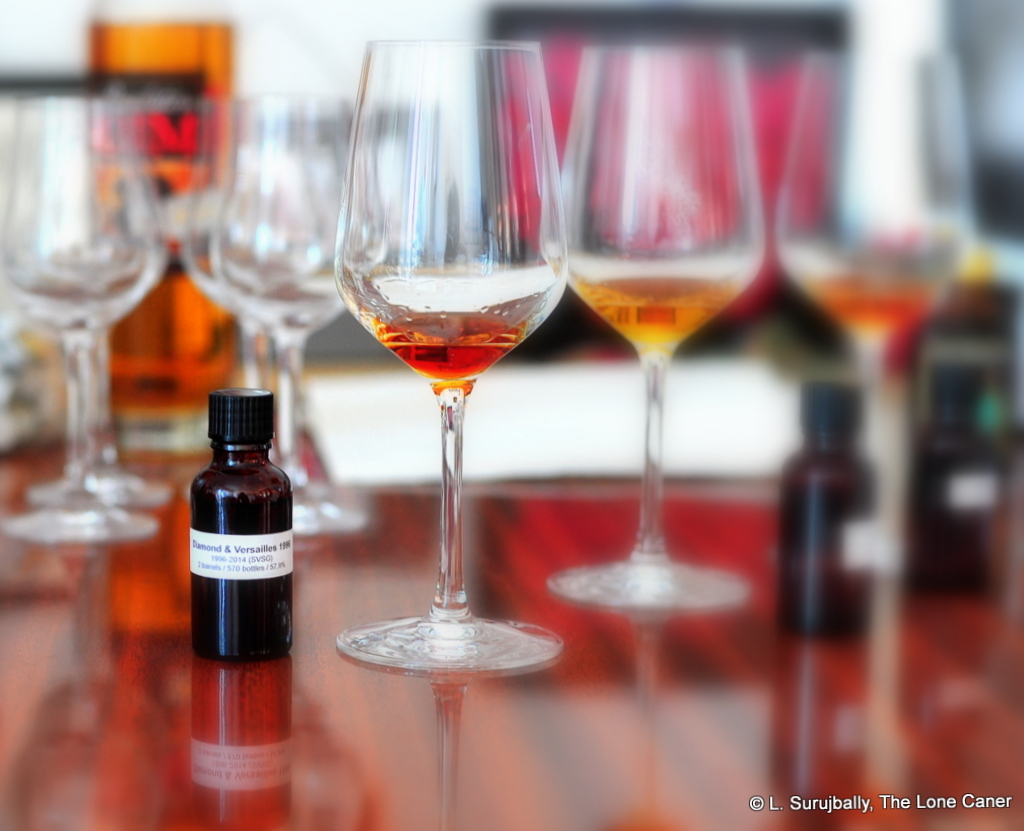
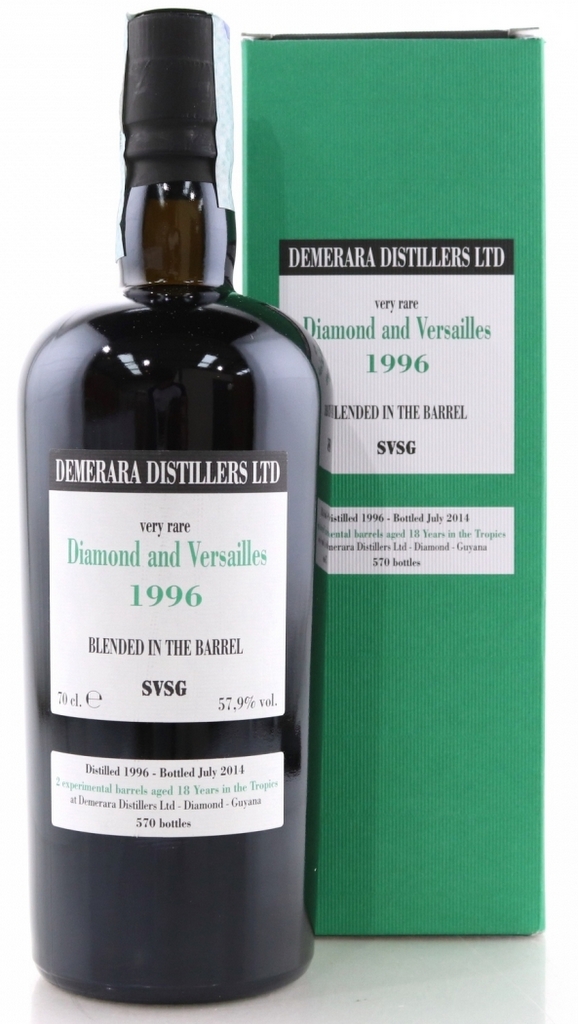
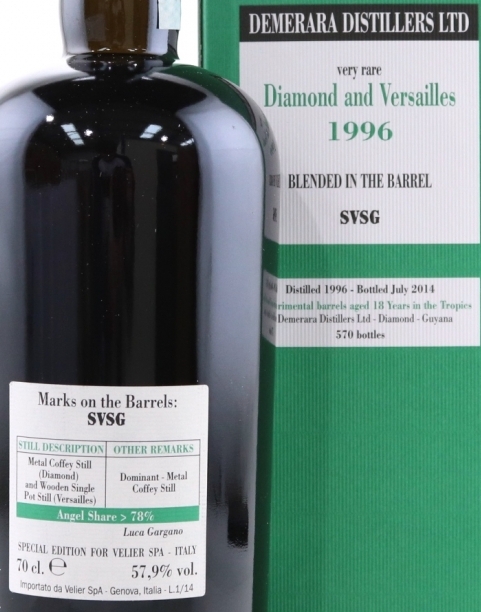 By the time this rum was released in 2014, things were already slowing down for Velier in its ability to select original, unusual and amazing rums from DDLs warehouses, and of course it’s common knowledge now that 2014 was in fact the last year they did so. The previous chairman, Yesu Persaud, had retired that year and the arrangement with Velier was discontinued as DDL’s new Rare Collection was issued (in early 2016) to supplant them.
 The nose had been so stuffed with stuff (so to speak) that the palate had a hard time keeping up. The strength was excellent for what it was, powerful without sharpness, firm without bite. But the whole presented as somewhat more bitter than expected, with the taste of oak chips, of cinchona bark, or the antimalarial pills I had dosed on for my working years in the bush. Thankfully this receded, and gave ground to cumin, coffee, dark chocolate, coca cola, bags of licorice (of course), prunes and burnt sugar (and I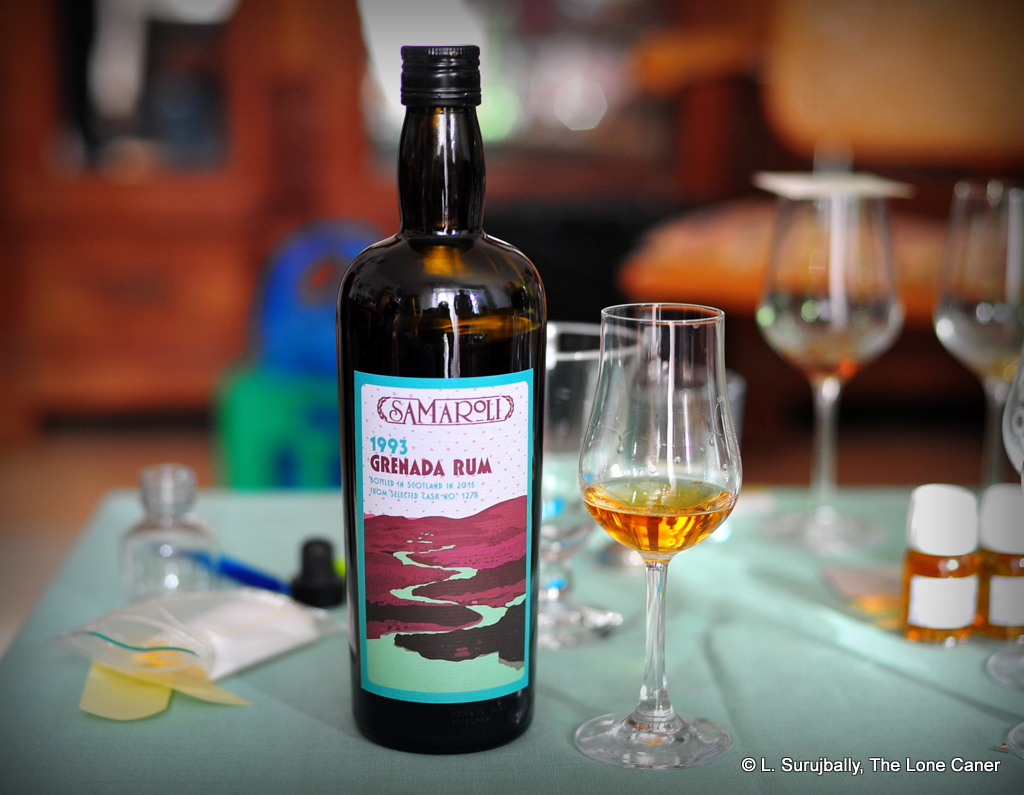
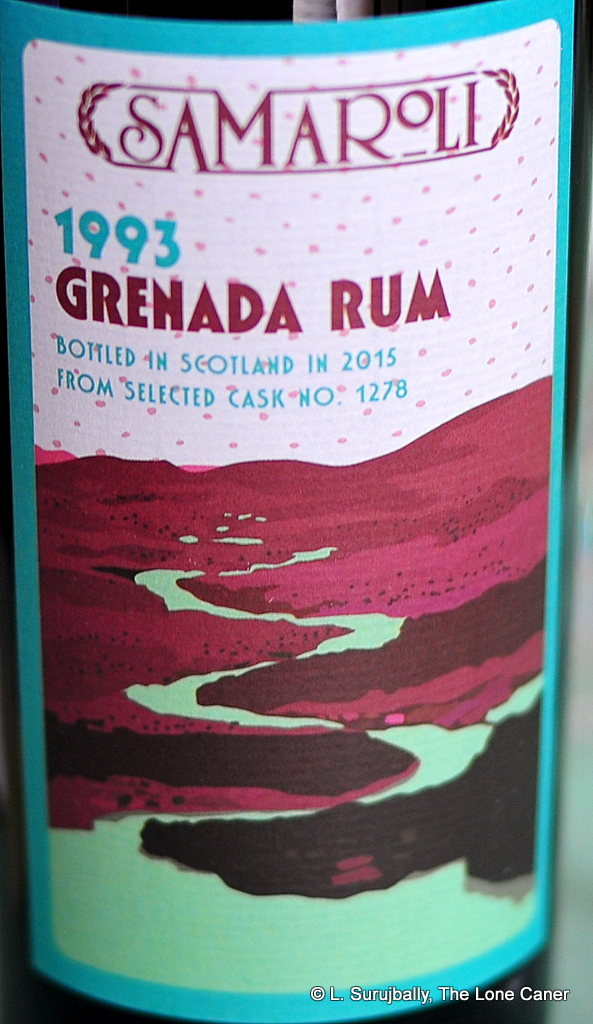 One such is this Samaroli rum sporting an impressive 22 years of continental ageing, hailing from Grenada – alas, not Rivers Antoine, but you can’t have everything (the rum very likely came from Westerhall – they ceased distilling in 1996 but were the only ones exporting bulk rum before that). You’ll look long and hard before you find any kind of write up about it, or anyone who owns it – not surprising when you consider the €340 price tag it fetches in stores and at auction. This is the second Grenada rum selected under the management of Antonio Bleve who took over operations at Samaroli in the mid 2000s and earned himself a similar reputation as Sylvio Samaroli (RIP), that of having the knack of picking right.
 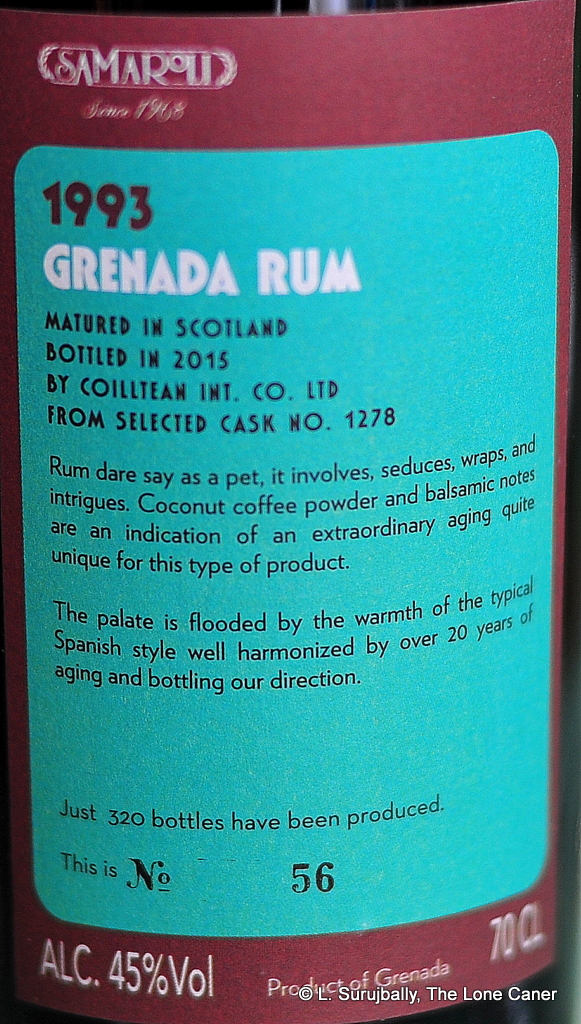 So what to make of this expensive two-decades-old Grenada rum released by an old and proud Italian house? Overall it’s really quite pleasant, avoids disaster and is tasty enough, just nothing special. I was expecting more. You’d be hard pressed to identify its provenance if tried blind. Like an SUV taking the highway, it stays firmly on the road without going anywhere rocky or offroad, perhaps fearing to nick the paint or muddy the tyres.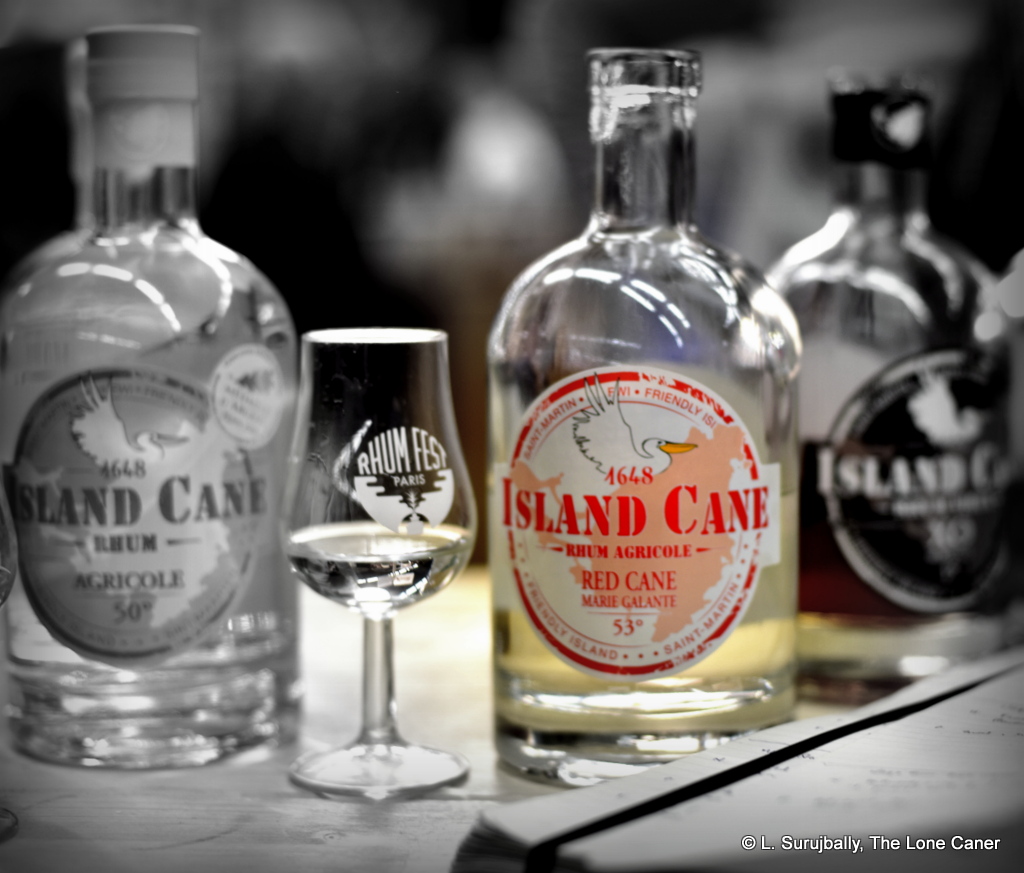
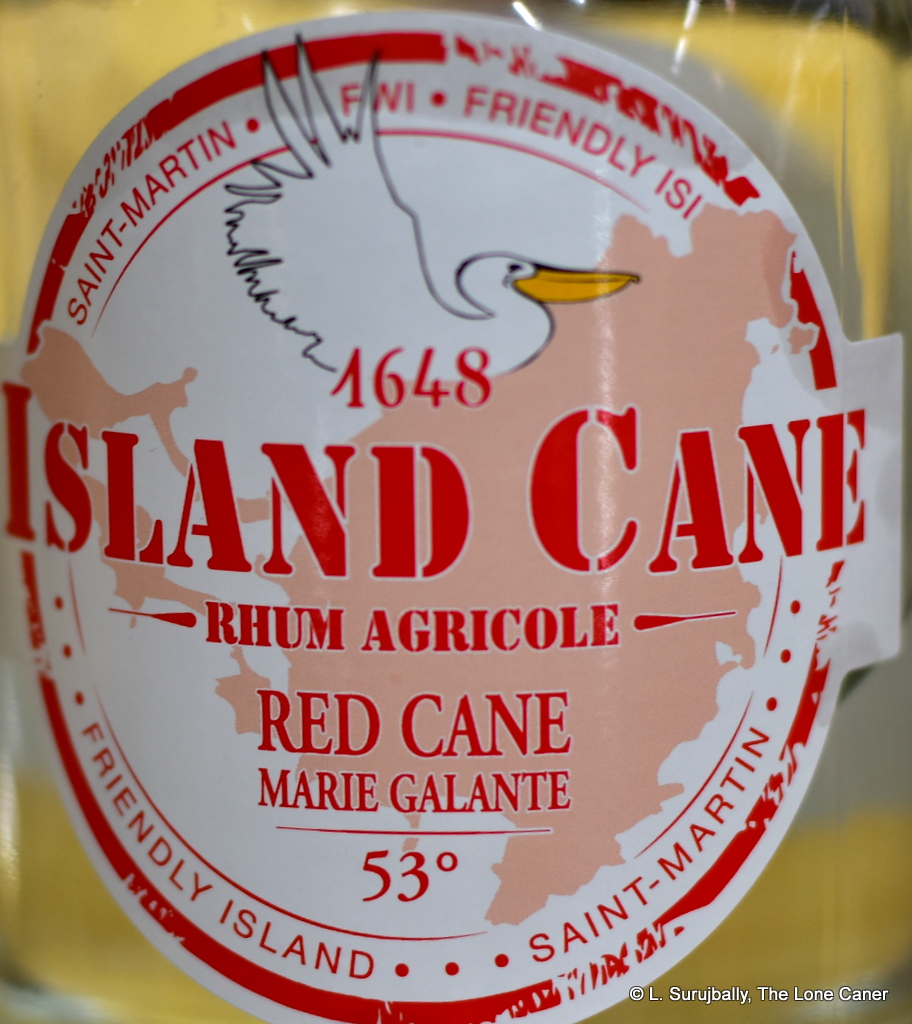 All that comes together in a rhum of uncommonly original aroma and taste. It opens with smells that confirm its provenance as an agricole, and it displays most of the hallmarks of a rhum from the blanc side (herbs, grassiness, crisp citrus and tart fruits)…but that out of the way, evidently feels it is perfectly within its rights to take a screeching ninety degree left turn into the woods. Woody and even meaty notes creep out, which seem completely out of place, yet somehow work. This all combines with salt, rancio, brine, and olives to mix it up some more, but the overall effect is not unpleasant – rather it provides a symphony of undulating aromas that move in and out, no single one ever dominating for long before being elbowed out of the way by another.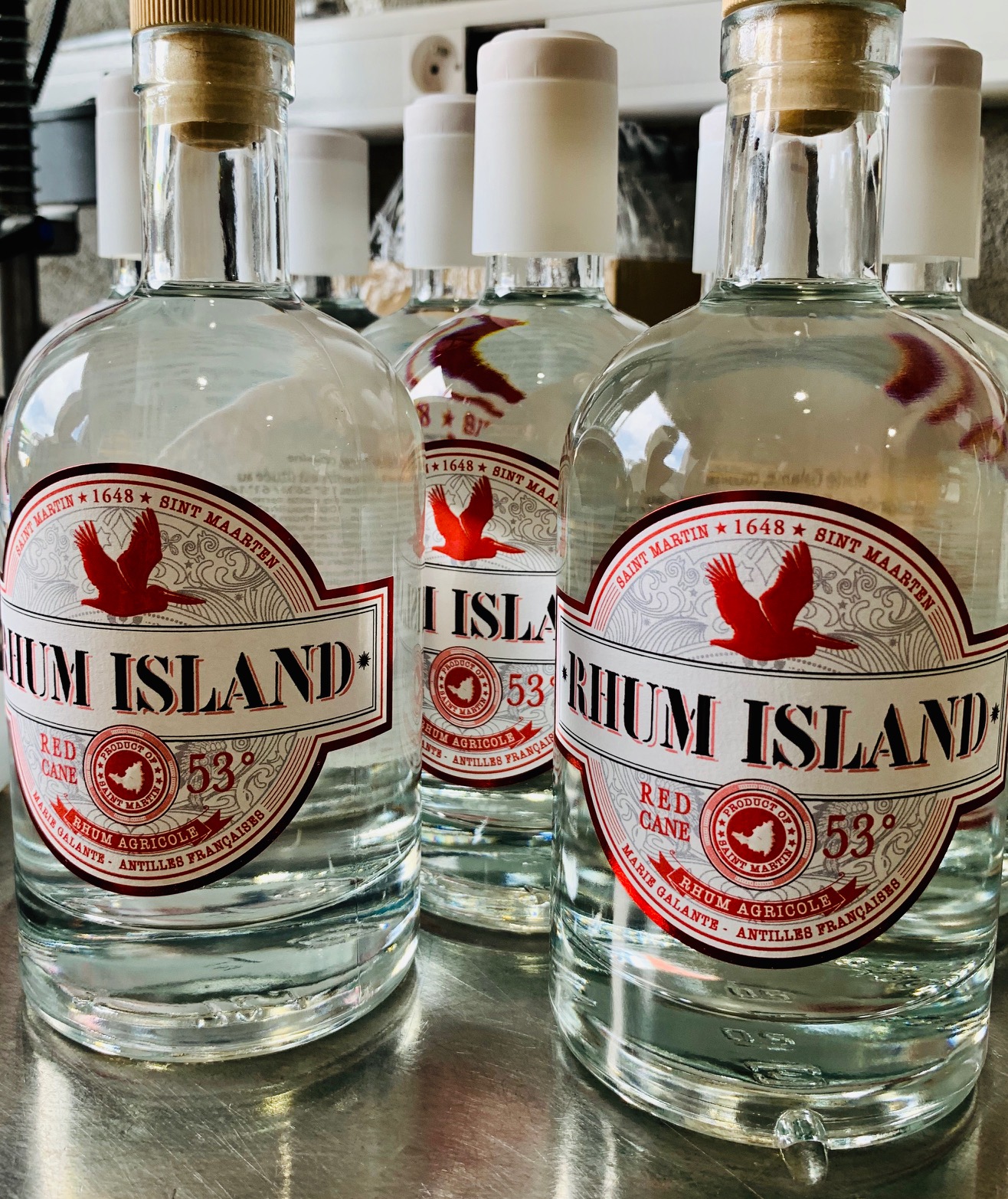

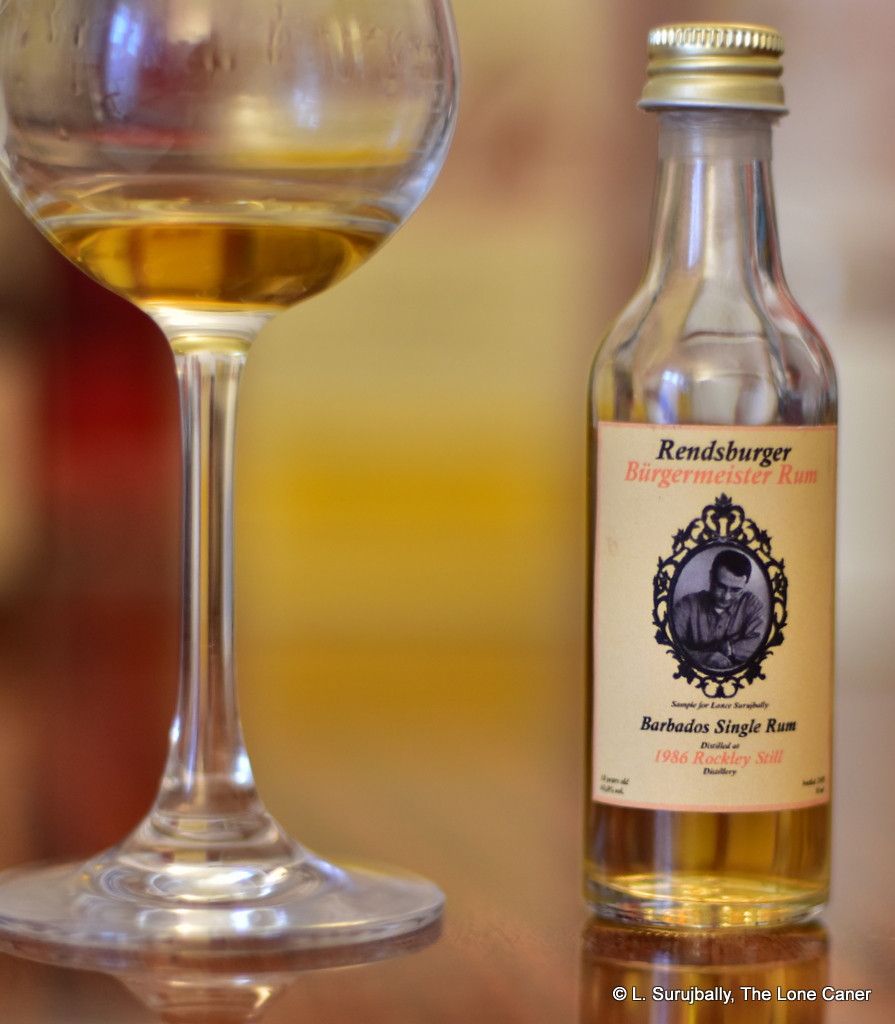 So let’s try it and see what the fuss is all about. Nose first. Well, it’s powerul sharp, let me tell you (63.8% ABV!), both crisper and more precise than the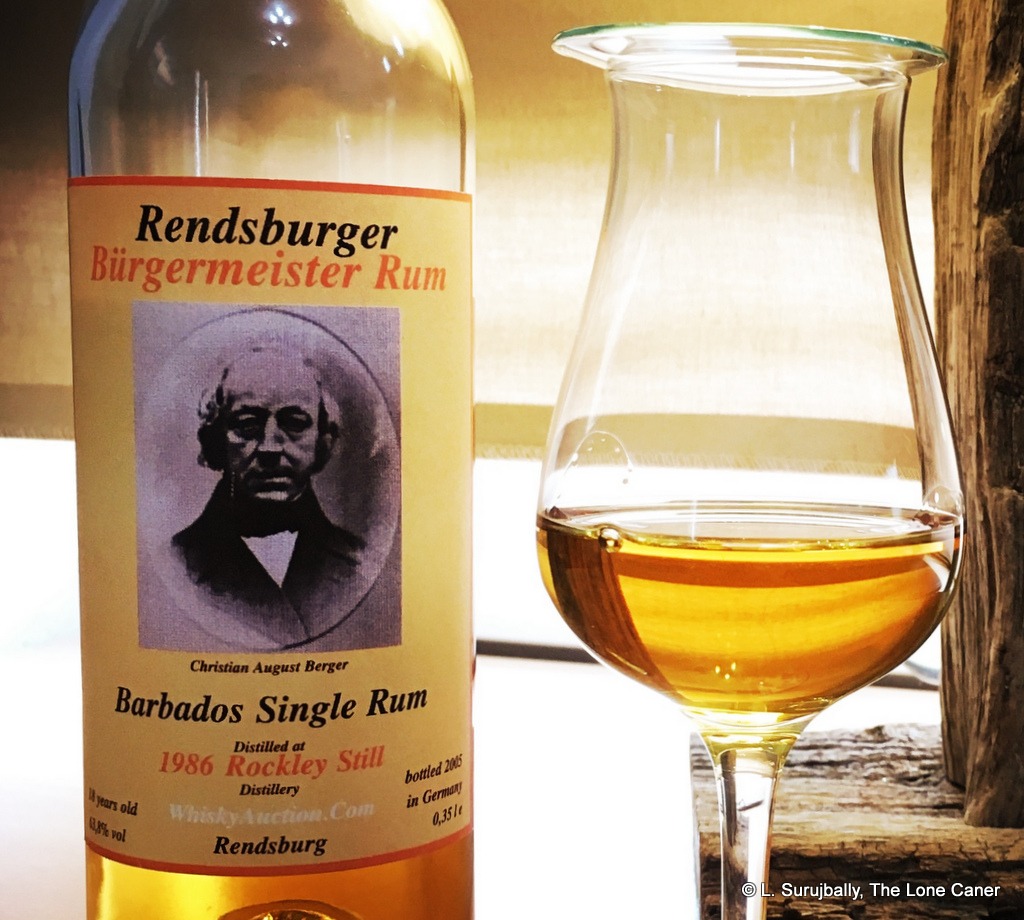
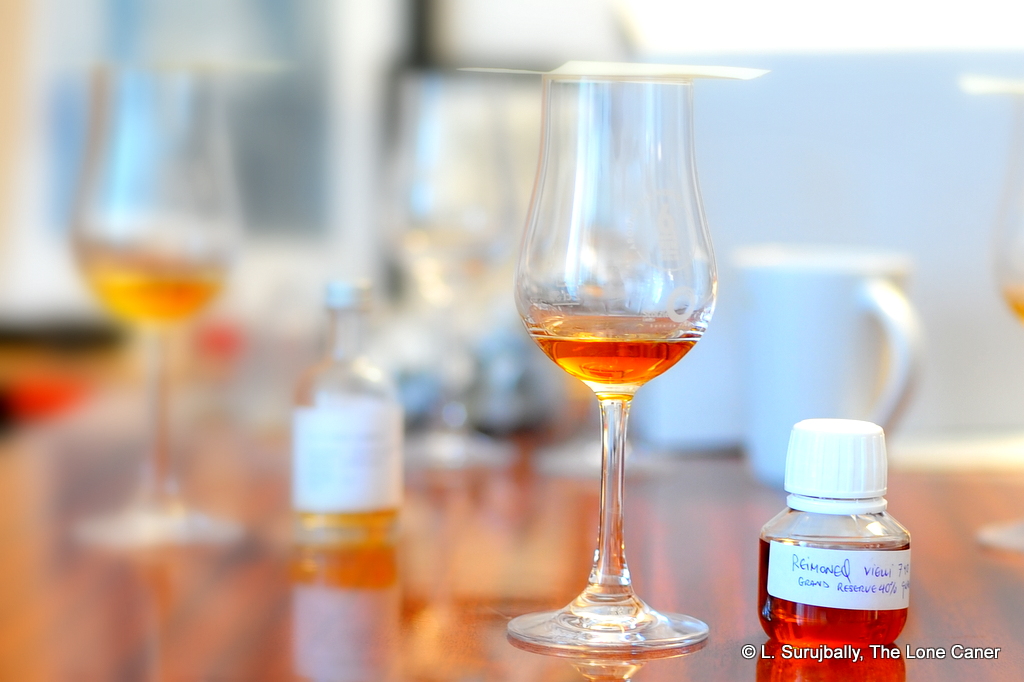
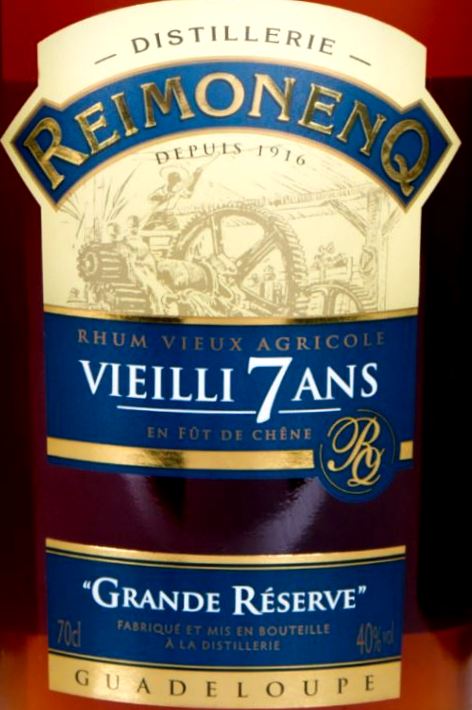 I was really and pleasantly surprised by how well it presented, to be honest. For a standard strength rhum, I expected less, but its complexity and changing character eventually won me over. Looking at others’ reviews of rhums in Reimonenq’s range I see similar flip flops of opinion running through them all. Some like one or two, some like that one more than that other one, there are those that are too dry, too sweet, too fruity (with a huge swing of opinion), and the little literature available is a mess of ups and downs.
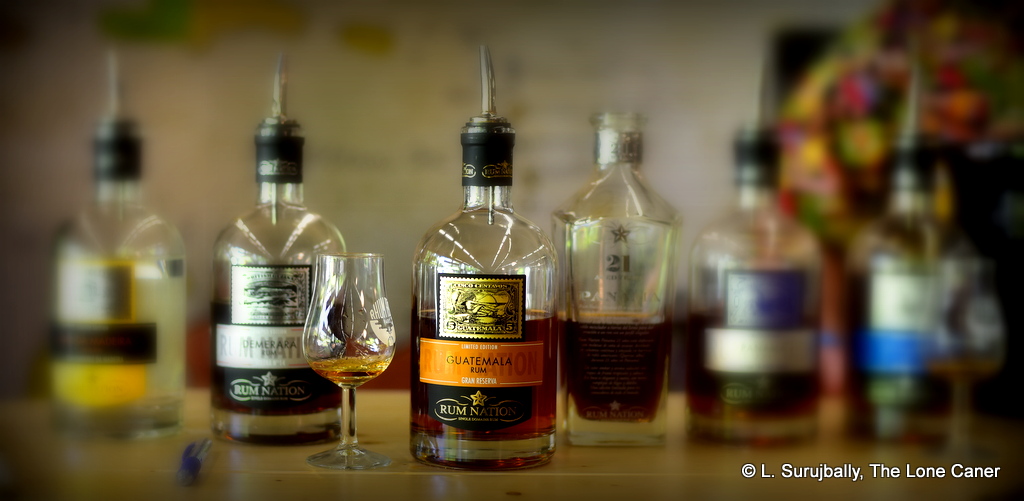
 Rum Nation’s own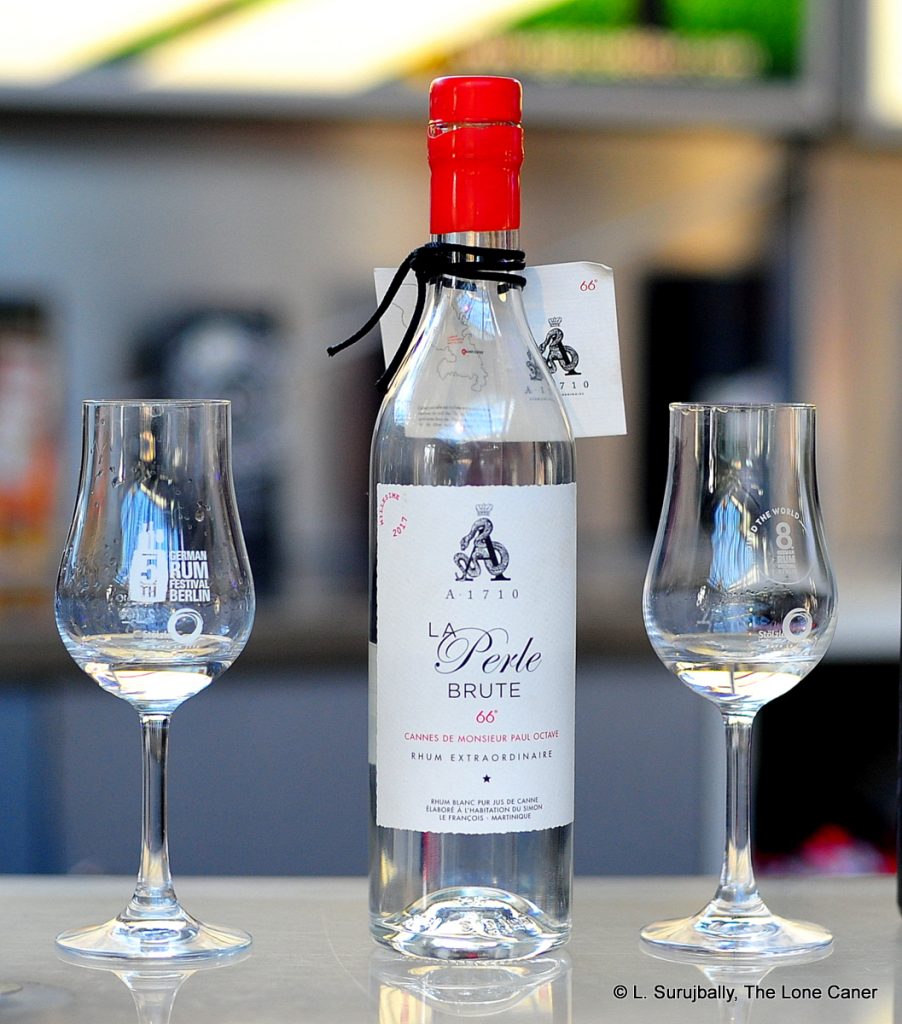
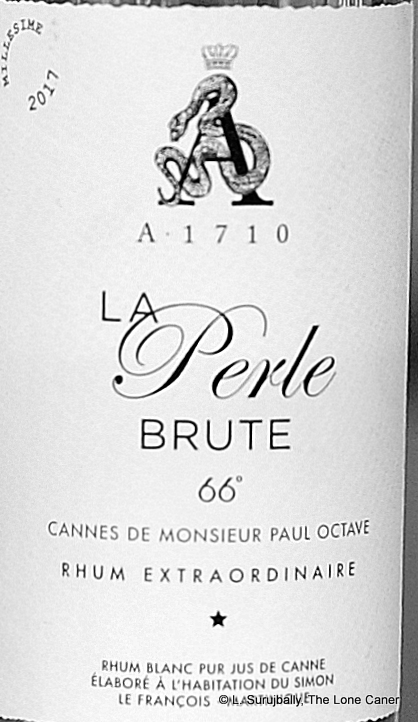 The results of all that micro-management are amazing.The nose, fierce and hot, lunges out of the bottle right away, hardly needs resting, and is immediately redolent of brine, olives, sugar water,and wax, combined with lemony botes (love those), the dustiness of cereal and the odd note of sweet green peas smothered in sour cream (go figure). Secondary aromas of fresh cane sap, grass and sweet sugar water mixed with light fruits (pears, guavas, watermelons) soothe the abused nose once it settles down.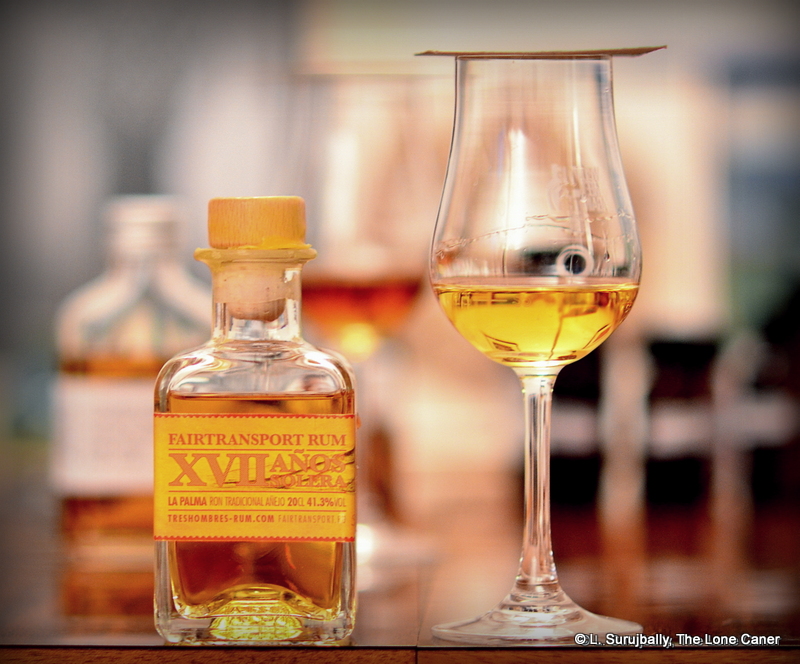
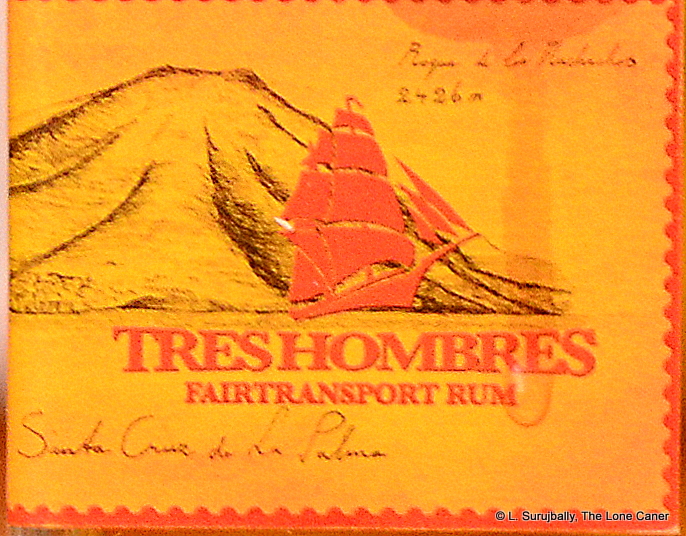 Well, Canary Islands or Dominican Republic (I’ll assume The Hombres are correct and it’s the former), it has to be evaluated, so while emails and queries chase themselves around, let’s begin. Nose first: kind of sultry and musky. Green peas developing some fuzz, old bananas, vanilla and grated coconut, that kind of neither too-sweet nor too-salt nor too-sour middle ground. It’s a little spicy and overall presents as not only relatively simple, but a little thin too, and one gets the general impression that there’s just not much gong on.
 Tres Hombres is now up to No. 34 or something, includes gin in the lineup, still do some ageing onboard for a month or so it takes to cross the Atlantic and certainly they have not lost their enthusiasm — they include rums from Barbados, DR and the Canary islands. Whether this part of their business will carry them into the future or forever be a sideline is, however, not something I can answer at this time – the lack of overall publicity surrounding their rums, suggests they still have a ways to go with respect to wider consciousness and acceptance.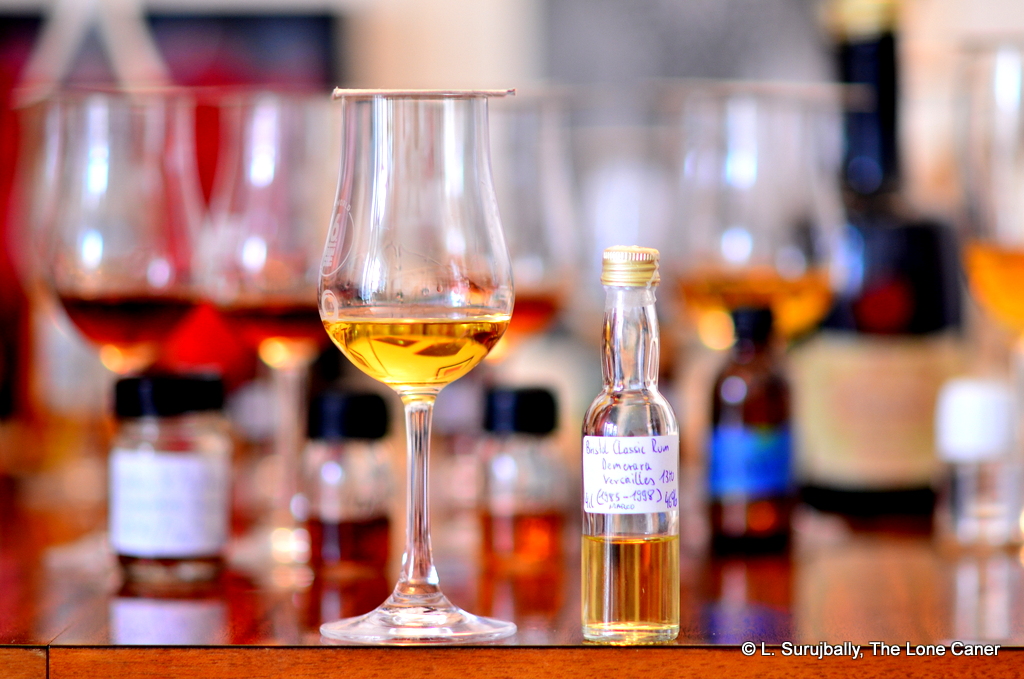
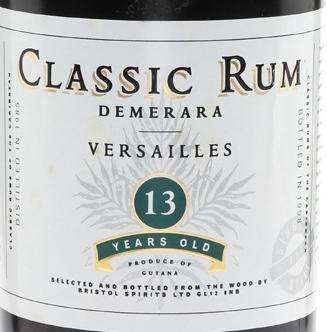 Bristol, I think, came pretty close with this relatively soft 46% Demerara. The easier strength may have been the right decision because it calmed down what would otherwise have been quite a seriously sharp and even bitter nose. That nose opened with rubber and plasticine and a hot glue gun smoking away on the freshly sanded wooden workbench. There were pencil shavings, a trace of oaky bitterness, caramel, toffee, vanilla and slowly a firm series of crisp fruity notes came to the fore: green apples, raisins, grapes, apples, pears, and then a surprisingly delicate herbal touch of thyme, mint, and basil.



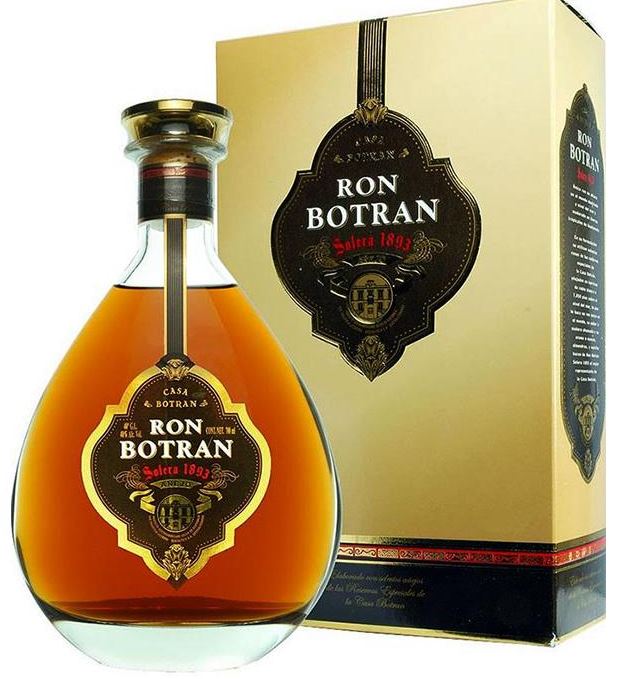
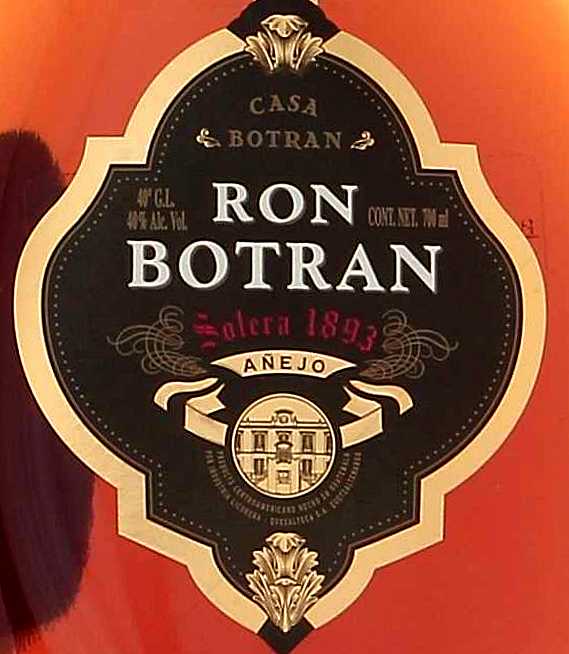 Colour – Gold brown
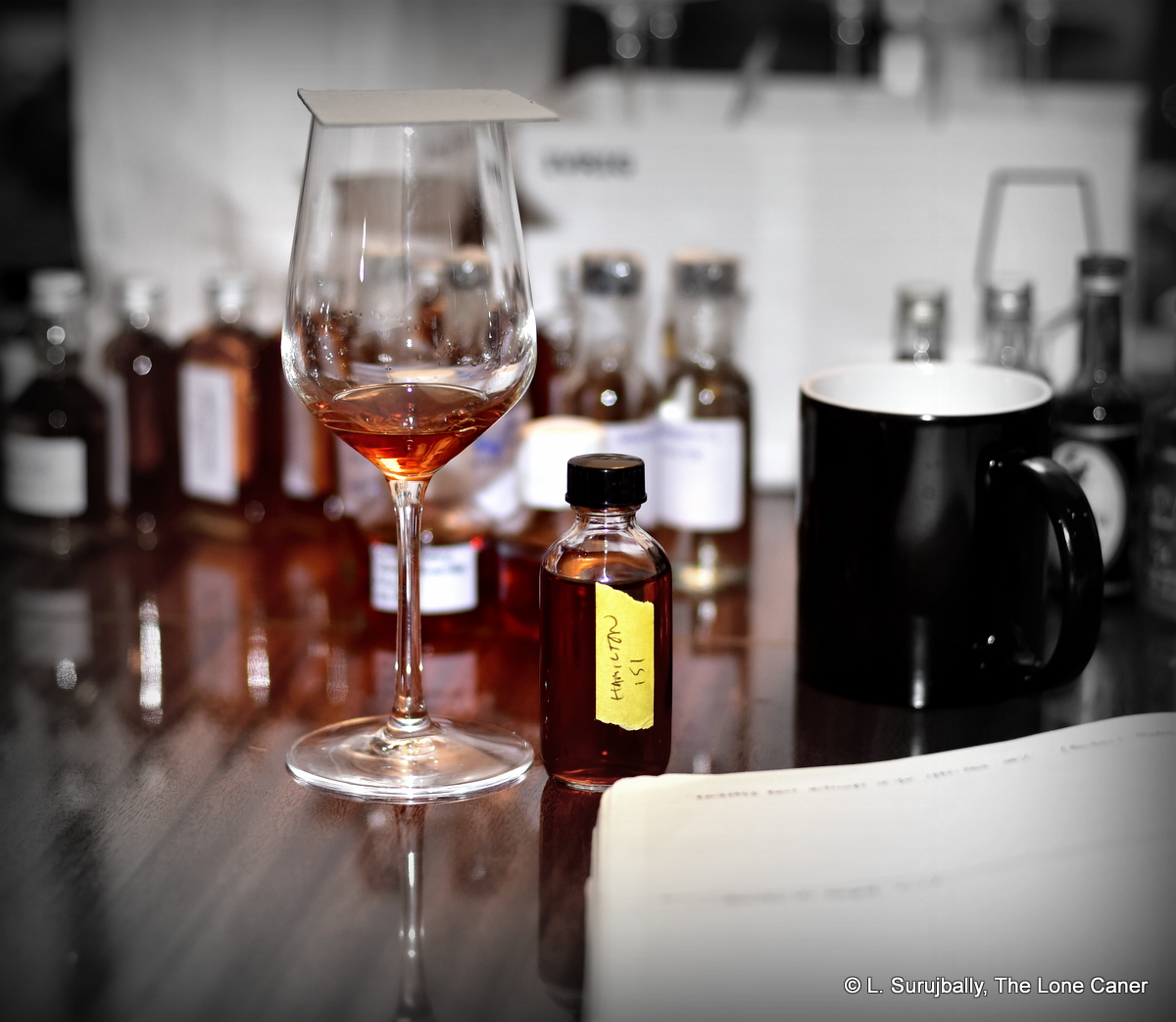
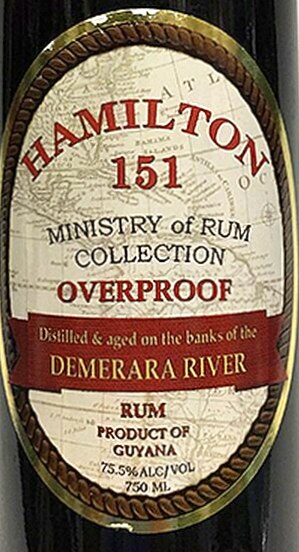 It is, in short, a powerful wooden fruit bomb, one which initially sits and broods in the glass, dark and menacing, and needs to sit and breathe for a while. Fumes of prunes, plums, blackcurrants and raspberries rise as if from a grumbling and stuttering half-dormant volcano, moderated by tarter, sharper flavours of damp, sweet, wine-infused tobacco, bitter chocolate, ginger and anise. The aromas are so deep it’s hard to believe it’s so young — the distillate is aged around five years or less in Guyana as far as I know, then shipped in bulk to the USA for bottling. But aromatic it is, to a fault.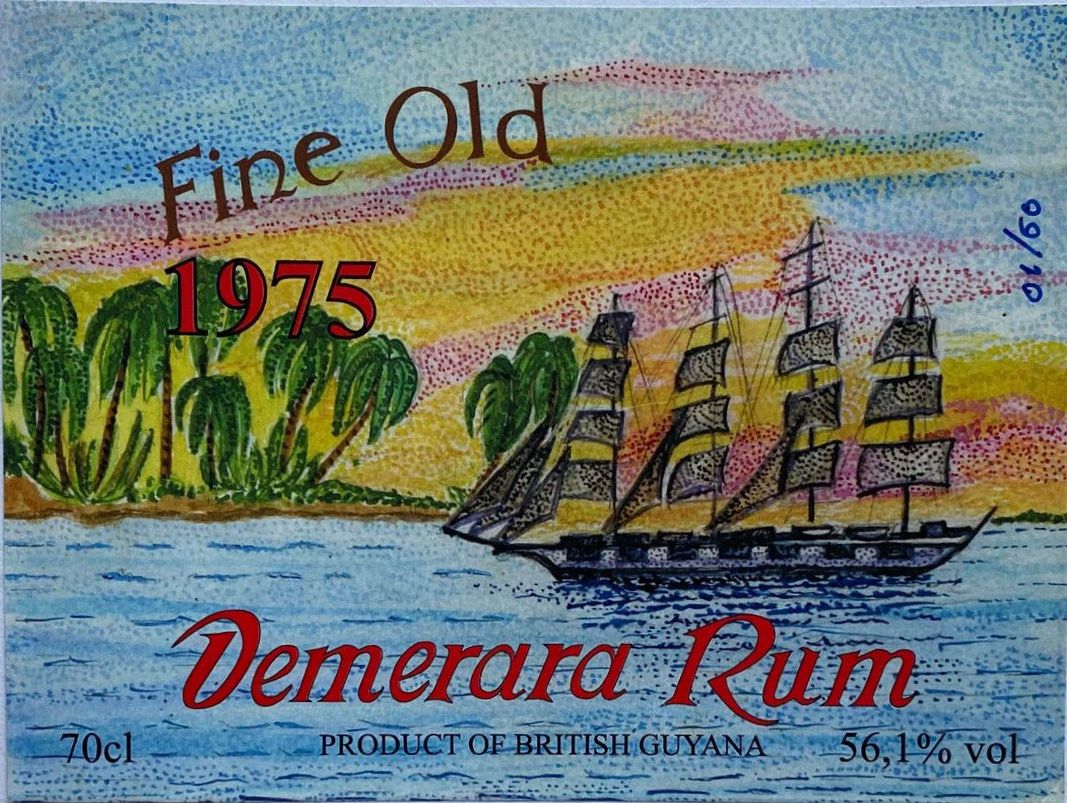
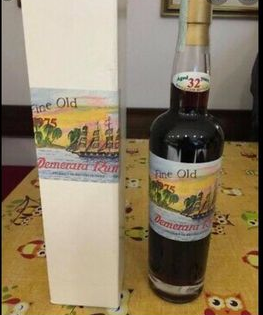
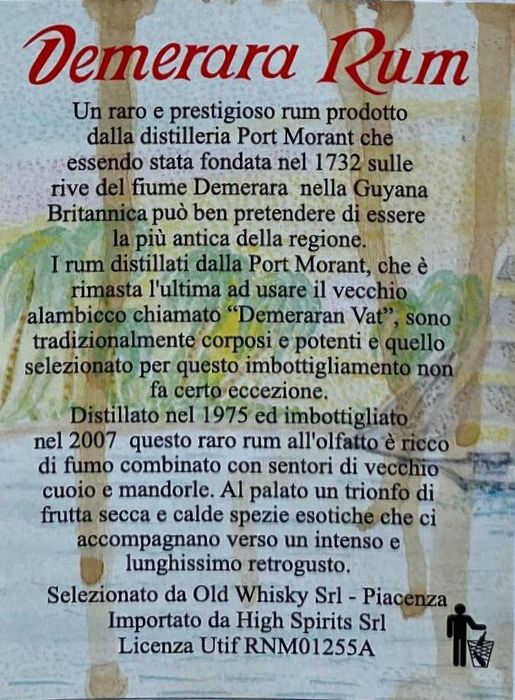 For the kitch, I’m afraid there is not much. Thanks to my impeccably fluent lack of Italian, I can tell you it’s a 1975 Port Mourant that was bottled in 2007, and it appears to be one of those single barrel releases often indulged in by importers – this time an Italian outfit called High Spirits, which doesn’t exist beyond its odd one-page website that leads nowhere and says nothing – see below for some notes on this. The rum is 56.1%, dark red brown….
 There’s just so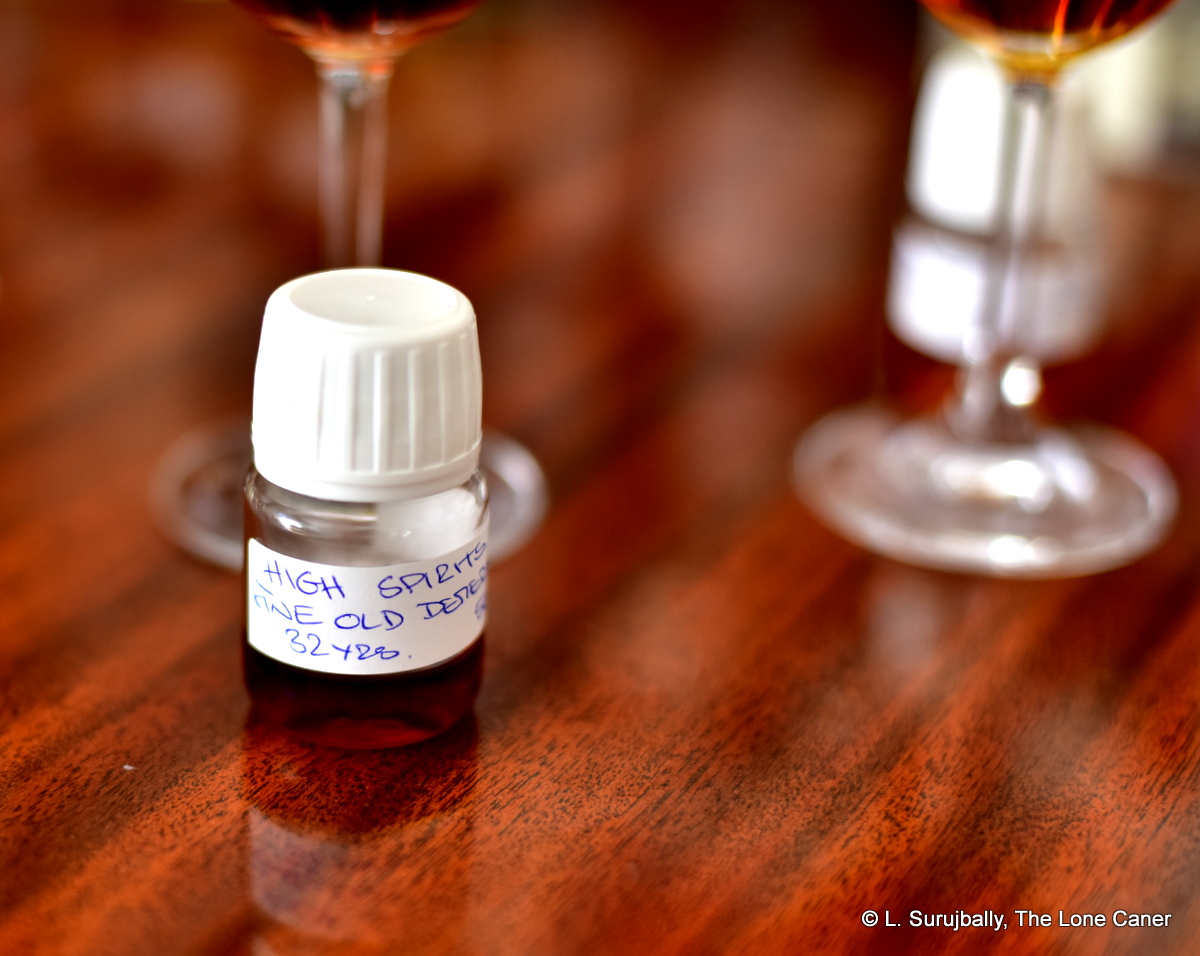
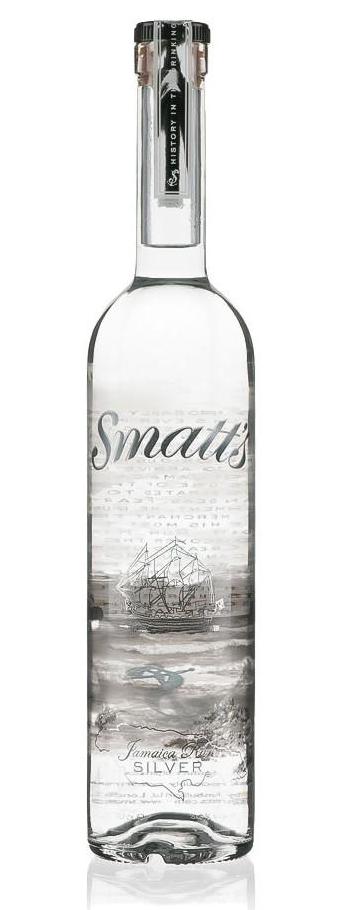 Normally, such a rum wouldn’t interest me much, but with the massive reputations the New Jamaicans have been building for themselves, it made me curious so I grudgingly parted with some coin to get a sample. That was the right decision, because this thing turned out to be less an undiscovered steal than a low-rent Jamaican wannabe for those who don’t care about and can’t tell one Jamaican rum from another, know Appleton and stop there. The rum takes great care not to go beyond such vanilla illusions, since originality is not its forte and it takes inoffensive pleasing-the-sipper as its highest goal.