
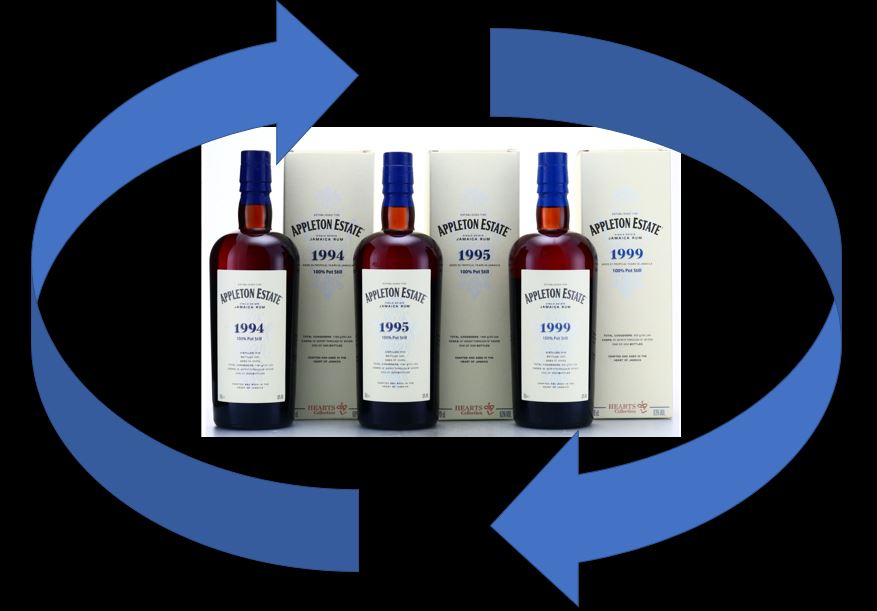
Flipping at is most basic is simply reselling, and mostly seen as akin to scalping tickets. A seller has a bottle of a rum which is sold out of the stores that a buyer wants , and a bargain is struck usually at a markup. It’s a sale. Its specificity arises because of the practice of buying a (usually newly released) rum alight with a buzz and hype: not to enjoy, but to resell at a profit – in other words, introducing yet another intermediary with sticky finger between the distillery of origin and the consumer.
Unsurprisingly, flippers have become a sort of personal pet hate of just about every rum aficionado who wants a bottle of the latest Appleton, Velier, Foursquare, Hot-Sh*t New Distillery or Awesome Estate, and can’t get any because it’s been sold out….only for it to turn up on an auction site or a private sales a week later at a massively inflated price. I remember the rage about the the Tryptich release a few years ago, and the way it disappeared from online stores minutes after being listed; bottles then appeared for sale on nascent auction sites and even on FB within just a few days…not for extortionate prices, precisely, but certainly higher than retail (Foursquare and Velier have been fighting this practice ever since, with varying degrees of success).
 The practice continues unabated to this day, and is equally excoriated, as a recent angry FB post and its comments showed – and the general consensus is simply this: to see desired new bottlings turn up for sale on secondary markets and know this resale is why they were bought, instead of for drinking, is outrageous, defeats the efforts of all true rum lovers to get real rums and promote them, and frikkin’ annoying to boot.
I completely understand the disappointed anger of those who missed out and now have to pay more. But really, I do wish people would just calm down about stuff like this. Folks are getting all bent out of shape for a product – a commodity, as one friend drily refers to it – that provides no benefit one can’t get elsewhere, that isn’t needed for survival, that is essentially a form of luxury item for which there are loads of substitutes, the sale and trade of which represents the foundation stone of capitalist world in which they live…and this causes a meltdown?
Let’s consider some other points and break the matter down for a second.
 The prices are actually not always unreasonable when related to retail and whether they rise in price now or later, the fact is that most of the bottles that are most highly sought after are from favoured distilleries or companies which are always in limited supply; and so, once the initial hoopla and distribution and sales are over, the prices would have inevitably risen, whether through auctions, flipping or resale in some other fashion. Flippers just accelerate the process, though sometimes “sampling out” happens as well (I exclude this latter phenomenon for reasons explained in “Other Notes” below).
Moreover, not every single extra bottle is bought with a view for instant resale at a markup (though of course, it’s a big reason). Many people who collect always buy two or three bottles, one to open and share, the others to keep safe. Such storing (some call it hoarding) takes retail stocks off the market and that’s no more to your benefit than flipping is – because now, instead of their being at least some at a higher price there are none at any price. Then again, people resell bottles rapidly sometimes, because they just ain’t that good. I can think of a number of more recent rums from one indie or another that people bought with high hopes, then turned right around and sold again because they sure didn’t match the hype – and those prices were not high.
Fans and FOMO are also part of the issue here – they create the noise that enables the hype that stokes the legend that elevates the prices…deservedly or not. It’s a cruel irony (ignored and unacknowledged by most) that those doing the complaining are sometimes the same ones doing the pre-release hyping, and the complaints themselves serve to make the bottle(s) more desirable. It’s a no-win situation for everyone..
 It will come as no surprise anyone following the rum news that Velier (including Hampden, Habitation Velier and the classic Caronis and Demeraras), Foursquare (especially the Private Casks and ECS series), Worthy Park, Rom Deluxe, Rum Artesenal, and any special edition series or collectible series (e.g. the Hamden “yellow box” and “Birds,” or Saint Lucia Distillery’s “Ships”) or three-deacade old Jamaican or uber-old Demerara rums by any independent, create loads of buzz…and much higher subsequent demand than any old rum made by some new company out there. And it’s not just limited to companies, but sometimes whole countries – Reunion, Jamaica, Grenada, Haiti and Barbados are current favourites. I can only imagine what the New Renegade rums are going to do when they start turning up. And that demand hikes prices on the secondary market.
What flippers are doing is acting as speculators who see the divergence between hype and knowledge, and real value, and jump into the breach. When Luca Gargano, in his book “Nomad Among the Barrels”, referred to the Veliermania and Caronimania in the pre 2012 days, he correctly noted that his initial bottlings sold very slowly because nobody knew what they were – and the initial round of collectors in Italy and France and then Europe became the first rum flippers (I bought the Skeldon 1973 from one of them). The point is, fan-love and online promotion helps drive some of this and one of the reasons it continues is because every one of those fans who buys a couple bottles of the latest new creation and crows about it is helping increase its secondary market value. They would do better to be more cautious with their automatic praises when a Name releases anything, but I don’t see that happening any time soon.
Maybe we need to step back and rethink what we buy, and use less emotion to steer our purchases. The bubble of enthusiasm about favoured bottles and their makers is fine, but I do believe it excessive at times – and it enables flippers’ margins, not our own satisfaction. In any case, why not spread the rum purchasing wings a little? The world is not made up of the four or five brands most commonly complained about – there’s tons more out there. New stuff, old stuff, dependable stuff, cheaper stuff, that just doesn’t have the eldritch lustre and glow of a Magic Name.
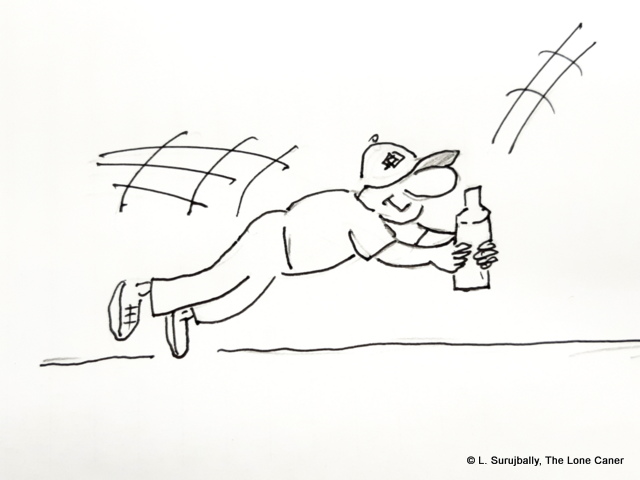 Too often we buy unthinkingly – to be “in”, to round out the collection, to have the latest, the newest, the best (they’ve been selling us phones, cars and computers on that basis for decades). But rum junkies and rum lovers could (and should) check out other brands and countries and worry less about what other fans think of them, or how cool they look with the latest Appleton Hearts bottles on the table hogging the Instagram feed or driving hits to the First Review. Because that just leads to a sort of “me first” and “look what I got that you don’t” that is the reason behind far too many of these proud posts — they’re left for you to admire but not taste, and so what really is the point of getting the bottle aside from bragging rights? The only people really profiting is those who exploit the margins this attitude creates, the resellers.
I completely get and accept that flippers are an element of the commercial rum ecosystem, not substantially different from those people who stockpiled masks and other medical or consumer supplies in the USA (and probably elsewhere) and then coldly resold at appalling markups in a time of pandemic. I despise them all for their lack of empathy for those poor souls who weren’t as quick off the block, who didn’t have their resources, and who such buyers basically shaft in their desire to make a buck for themselves. But all this wailing and gnashing of teeth won’t help anything, and it certainly won’t stop anything. No method of restriction of rum sales can stop people from buying multiple bottles, and then reselling them. Not direct distillery-selling to individuals, not single-bottle sales, not selling by lottery, not knowing everyone’s first name, marking bottles, numbering bottles, sealing bottles, nothing. It’s a fact of life. We have to get used to it.
In any case, people can and will and should be able to buy what they can and want if they can afford it, and resell if that’s their desire (in that sense we’re all Flippers-In-Waiting and points to the complexity of the issue – we don’t like Flippers when it’s other people, but we’re okay when it’s us). That you and I don’t like the practice is completely irrelevant. The only value on resale such a product possesses is the value we ourselves place on it by choosing to bid and buy. So, we can occasionally choose to walk away and not buy, and remember that it’s not a life-ending decision and our existence is not predicated on, nor the worth of our lives judged by, somehow missing out on this elixir. All it means is we can’t boast about having it and our social media won’t show it and no, we won’t be able to show it off to our rum club. What we will have, is more money to spend on other things, maybe even the Next Thing, and come on, tell me honestly, is any of that really so bad?
Other Notes: “Sampling Out”
Originally I had a section on the practice of “sampling out” – buying a bottle to subdivide and sell 3cl or 5cl samples to others – I had thought that the prices when all samples’ prices summed up and averaged, are statistically higher per cl than an auction-flipped bottle and so represented another form of flipping. But I needed proof, as a “feeling” was not enough.
I contacted some acquaintances of mine who indulged in this practice (as either buyers or sellers or both), and this and other online research showed the assumption to be inconsistent at best. Checking around for prices of samples on FB versus retail on European sites showed that it was as likely to be higher as lower and in fact, of late the trend has been one of negligible markups.
This was not entirely a surprise. People sample out for several reasons: to recoup the price of an expensive bottle; to share but not incur yet more costs; to make space in the cabinet; to reduce a bunch of heels taking up space or to which the SO objects (these are real reasons!); to get cash for the next halo bottle they really want; to get rid of a bottle that has some value – say, because it’s very old – but which they themselves don’t like or which isn’t real famous. Such sellers tend to be more altruistic and sell at small margins or at cost plus postage. So not really a flipping scenario at all.
Then there are those who get a hot bottle and sell samples at a hefty markup. It’s better for those with slim purses who’ll never get the whole thing and could not afford it anyway and the small size of the bottle and its relatively more affordable cost makes it attractive. It’s flipping in all but name, though.
Some good back and forth on the subject took place on the Scandinavian Rum Academy on FB for those who are interested in others’ points of view.
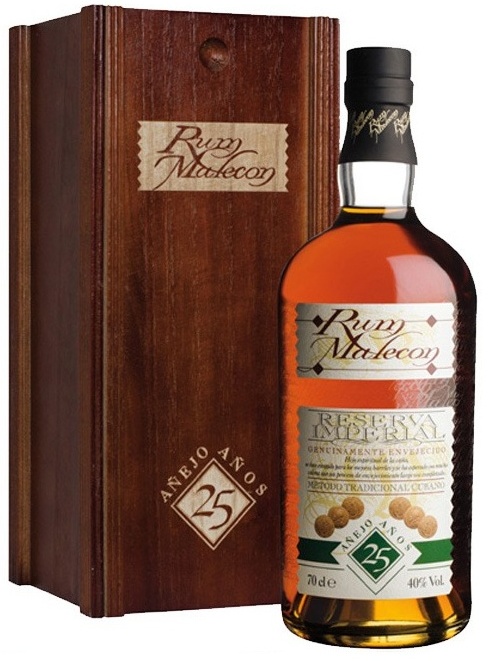 We’ve been here before. We’ve tried a rum with this name, researched its background, been baffled by its opaqueness, made our displeasure known, then yawned and shook our heads and moved on. And still the issues that that one raised, remain. The Malecon Reserva Imperial 25 year old suffers from many of the same defects of its
 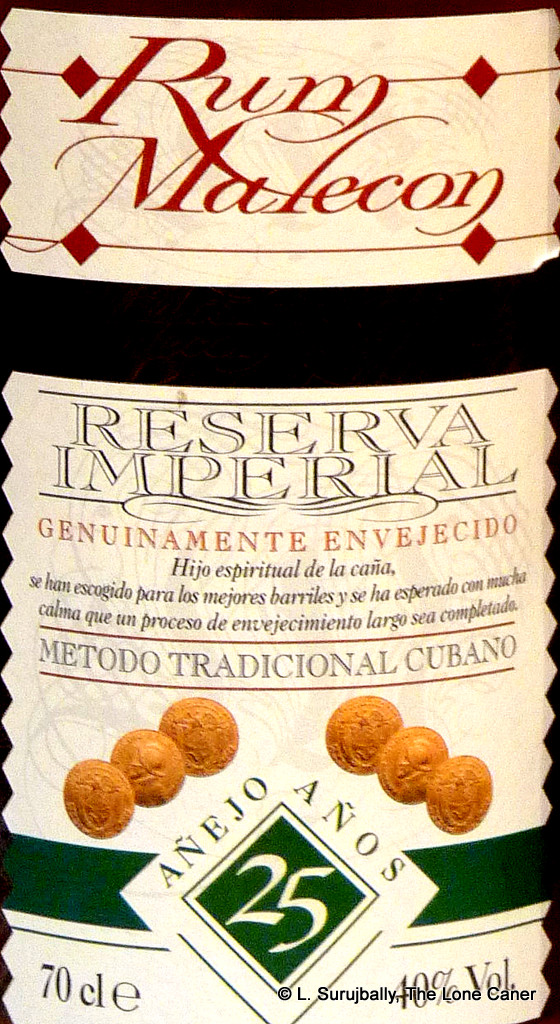 The palate is similarly soft and similarly straightforward. It’s got more chocolate milk and and perhaps a touch of coffee grounds. A smidgen, barely a smidgen of oak and citrus, a sly taste of tangerines; it’s not very sweet (which is a plus) and sports some brine and Turkish olives and a touch of slight bitterness, which I’m going be generous and say is an oak influence that saves it from being just blah. Finish is okay I guess. Gone too quickly of course, no surprise at 40% ABV and leaving at best the sense of some black tea with too much condensed milk in it, that doesn’t entirely hide the fact that it’s too bitter.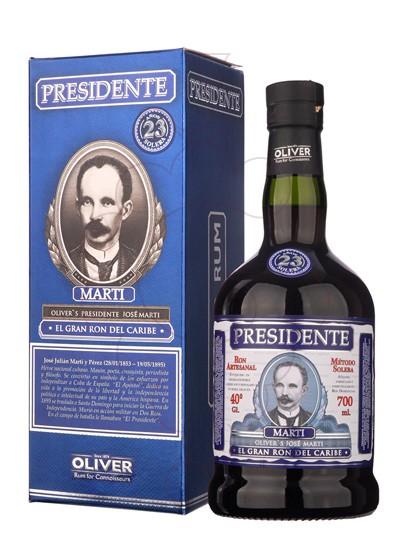
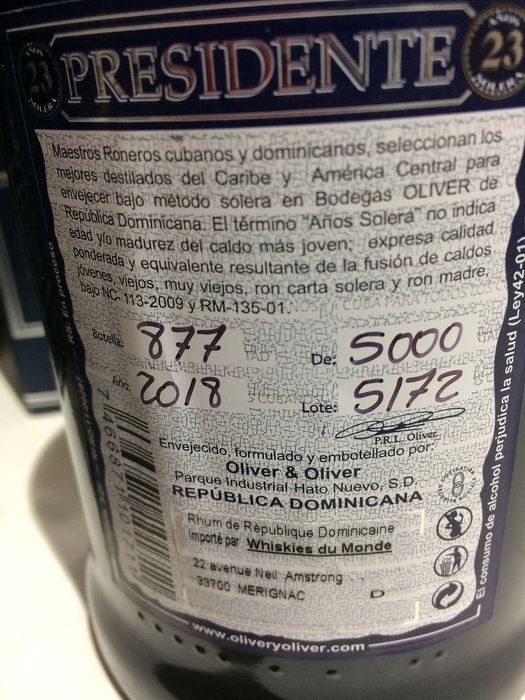 It gets no better when tasted. It’s very darkly sweet, liqueur-like, giving up flavours of prunes and stewed apples (again); dates; peaches in syrup, yes, more syrup, vanilla and a touch of cocoa. Honey, Cointreau, and both cloying and wispy at the same time, with a last gasp of caramel and toffee. The finish is thankfully short, sweet, thin, faint, nothing new except maybe some creme brulee. It’s a rum that, in spite of its big number and heroic Jose Marti visage screams neither quality or complexity. Mostly it yawns “boring!”

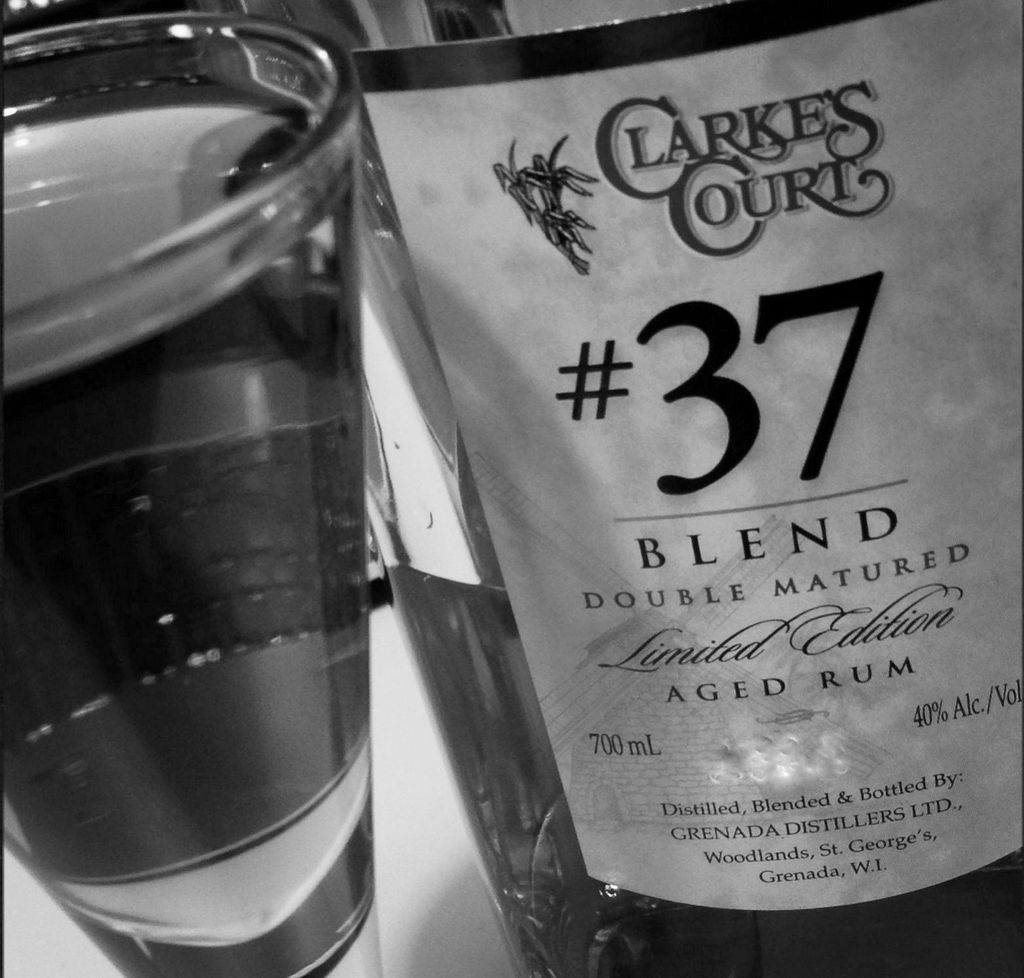
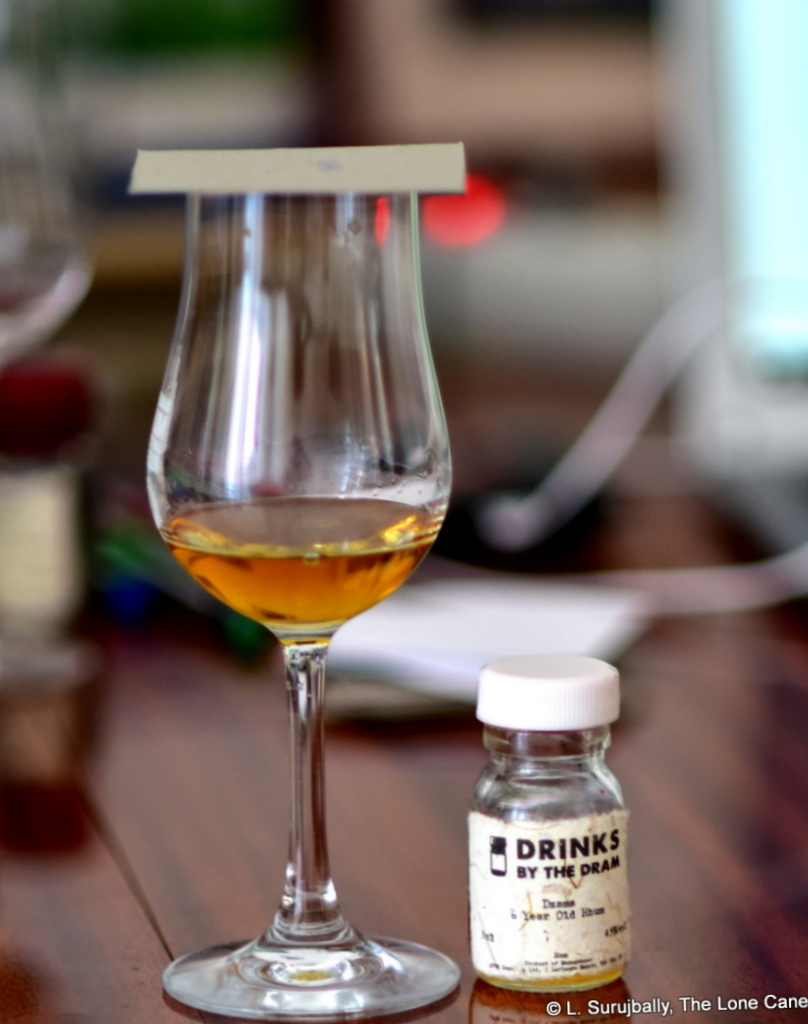
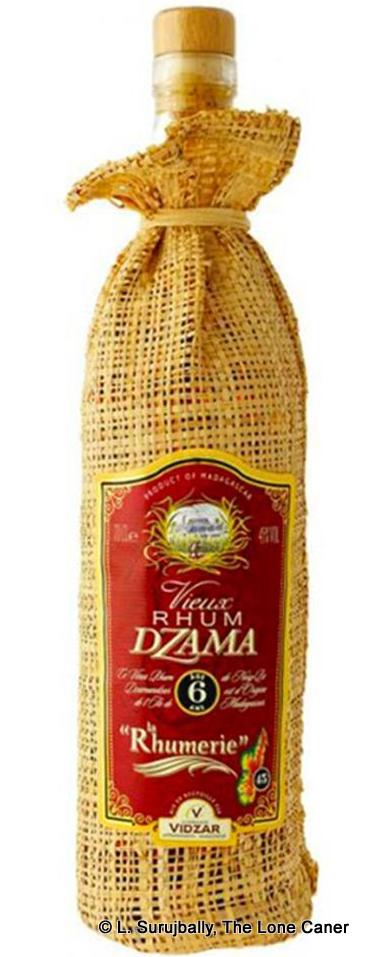 The palate was thick, rich and sweet, even in comparison the the 3YO which showed no modesty with such aspects itself but while stronger, had also been paradoxically easier. Here we were regaled with bananas, cherries in syrup, brown sugar, and a sort of smorgasbord of fruitiness – some tart, some just soft and mushy – and creaminess of greek yogurt sprinkled with cinnamon and cloves. Disappointingly, the finish did nothing much except lock the door and walk off, throwing a few notes of cloves, sugar, cherries, peaches and syrup behind. Not a stellar finish after the intriguing beginning.
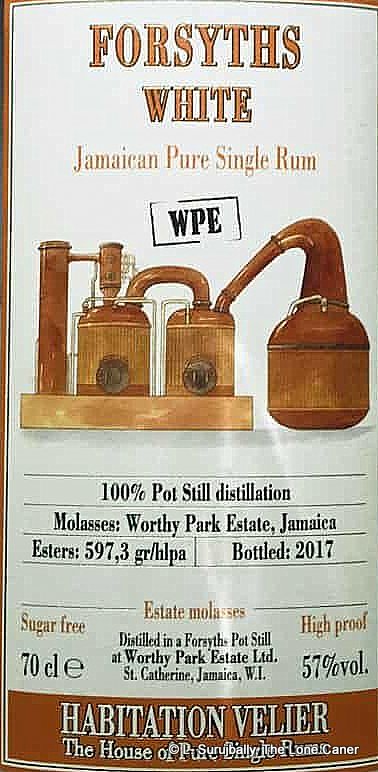 Hampden gets so many kudos these days from its relationship with
 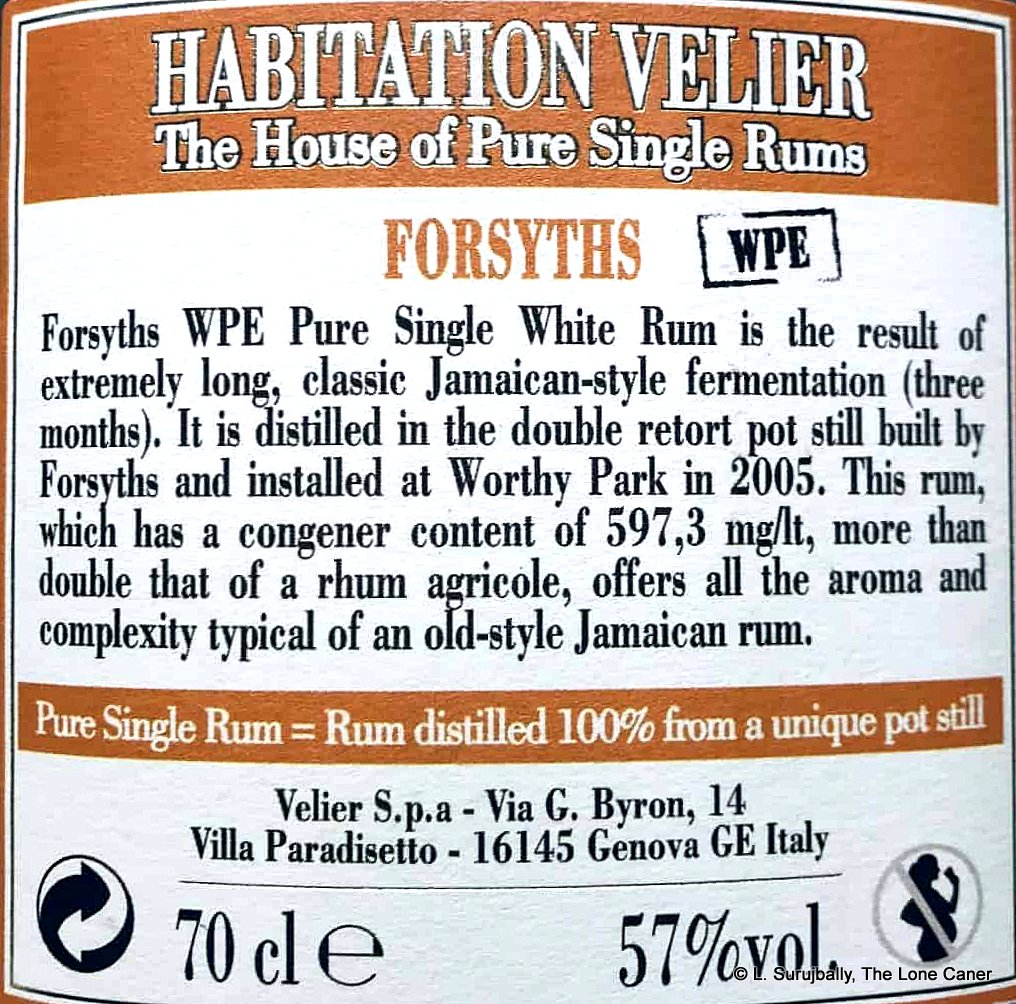 The rum displays all the attributes that made the estate’s name after 2016 when they started supplying their rums to others and began bottling their own. It’s a rum that’s astonishingly stuffed with tastes from all over the map, not always in harmony but in a sort of cheerful screaming chaos that shouldn’t work…except that it does. More sensory impressions are expended here than in any rum of recent memory (and I remember
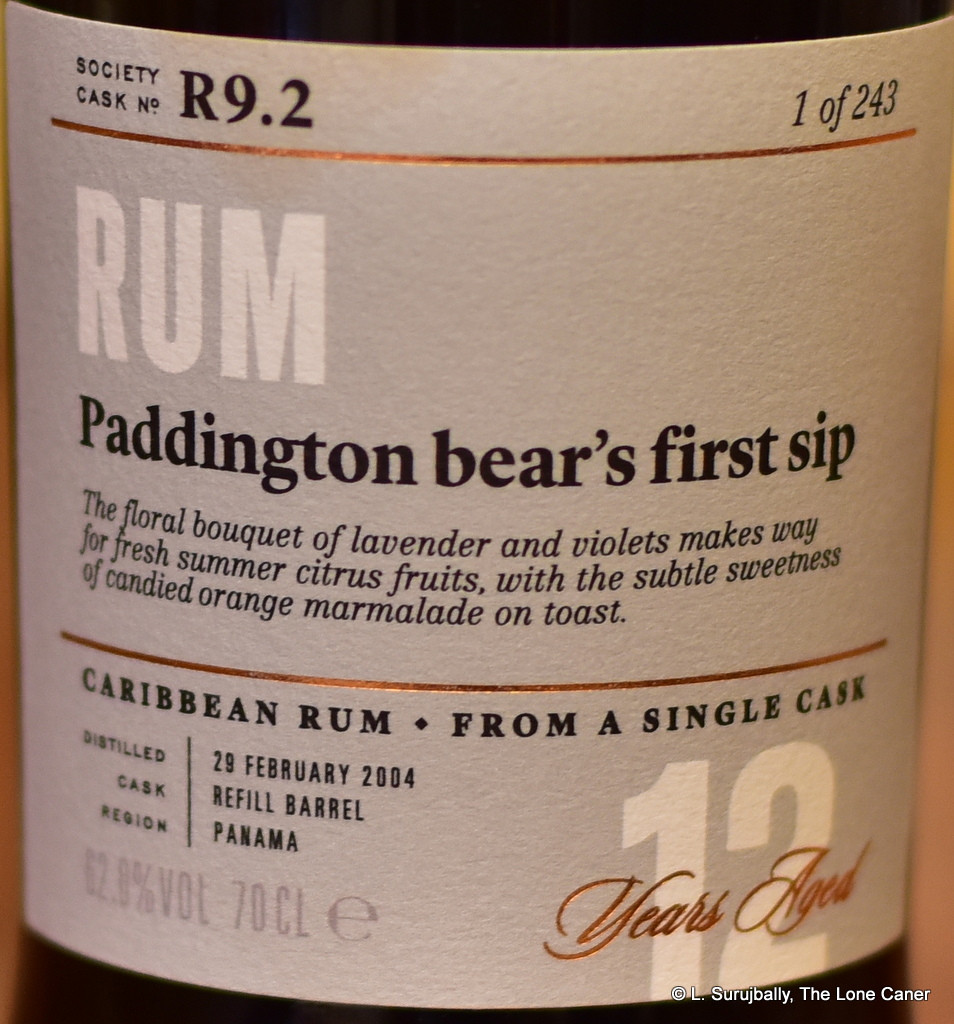 In spite of the high ABV, which lends a fair amount of initial sharpness and heat to the tongue until it burns away and settles down, it’s actually not that fierce. It becomes almost delicate, and there’s a nice vein of fruity sweetness running through, which enhances the flavours of apples, cider, green grapes, citrus, coconut, vanilla, and candied oranges. There’s also some of that polish and acetone remaining, neatly dampened by caramel and brown sugar, all balancing off well against each other. It retains that delicacy to the finish line and stays well behaved: a touch sweet throughout, with caramel (a bit much), vanilla, fruits, grapes, raisins, citrus, blancmange…not bad at all.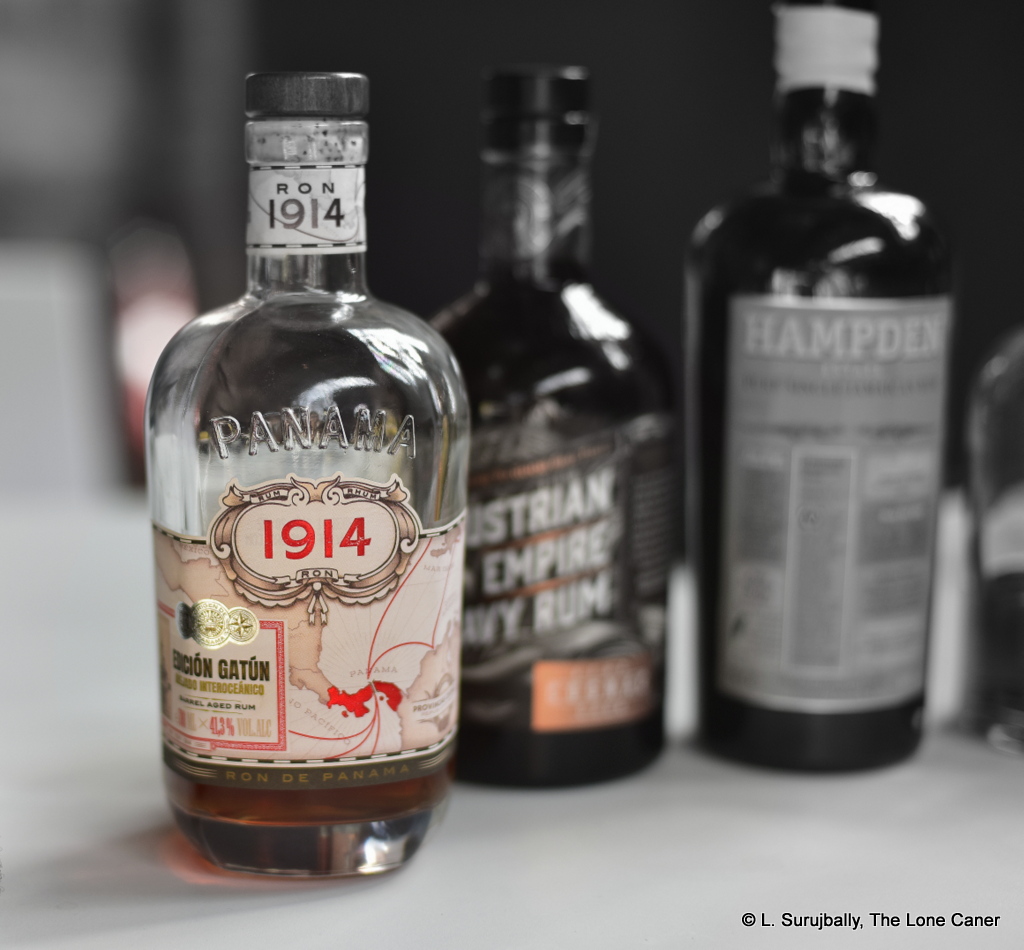
 Or so the story-teller in me supposes. Because all jokes and anecdotes aside, what this is, is a rum made to order.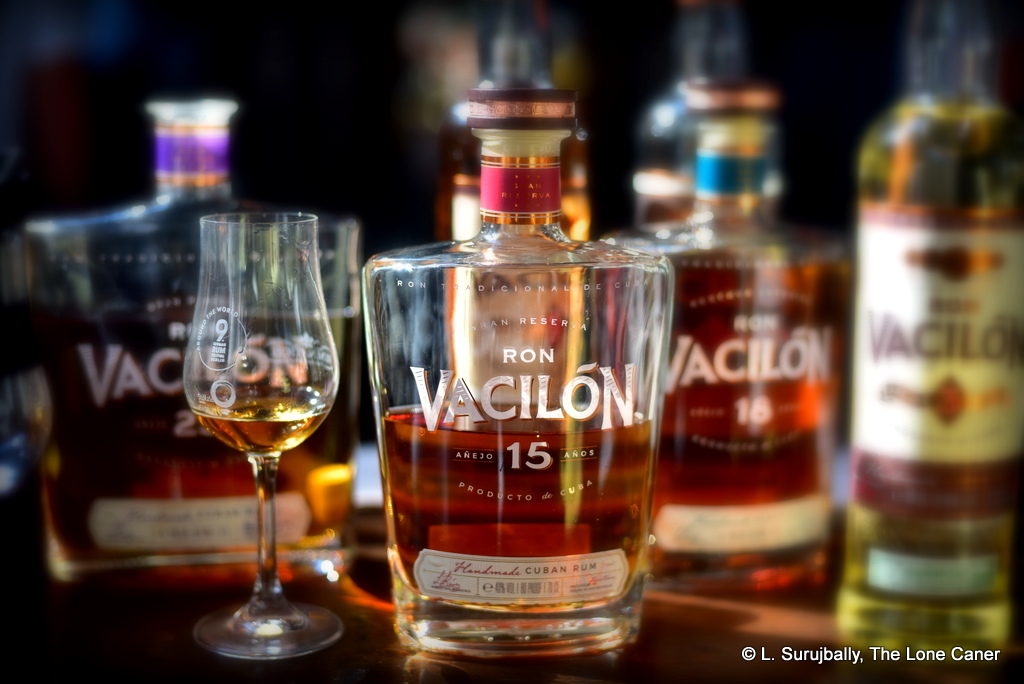


 The nose begins with metallic, ashy notes right away, damp cardboard in a long-abandoned, leaky musty house. Thankfully this peculiar aroma doesn’t hang around, but morphs into a sort of soya-salt veggie soup vibe, which in turn gets muskier and sweeter over time; it releases notes of bananas and molasses and syrup, before gradually lightening and becoming – surprisingly enough – rather crisp. White fruits emerge – unripe pears and guavas, green apples, gooseberries, grapes. What’s really surprising is the way this all transforms over a period of ten minutes or so from one nasal profile to another. It’s not usual, but it is noteworthy.
 Rumaniacs Review #122 | 0785
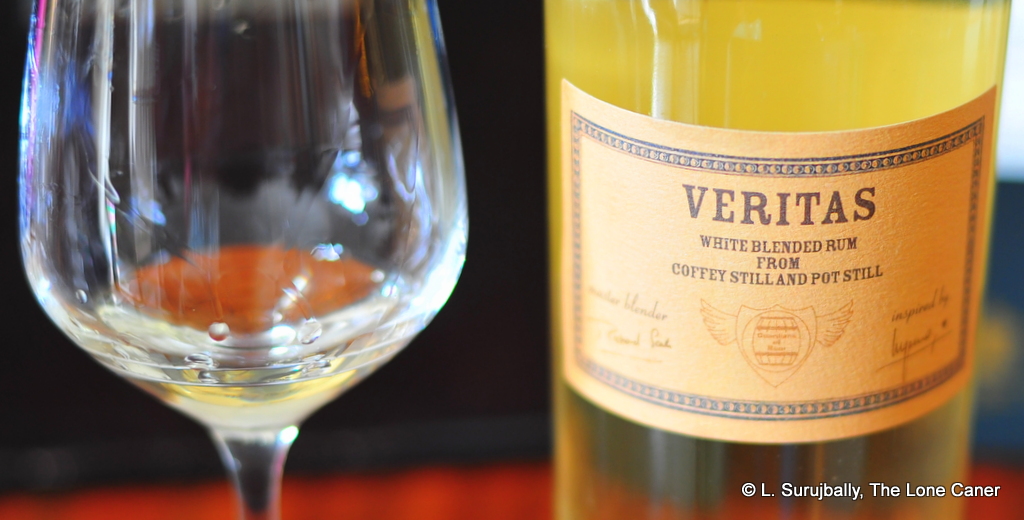

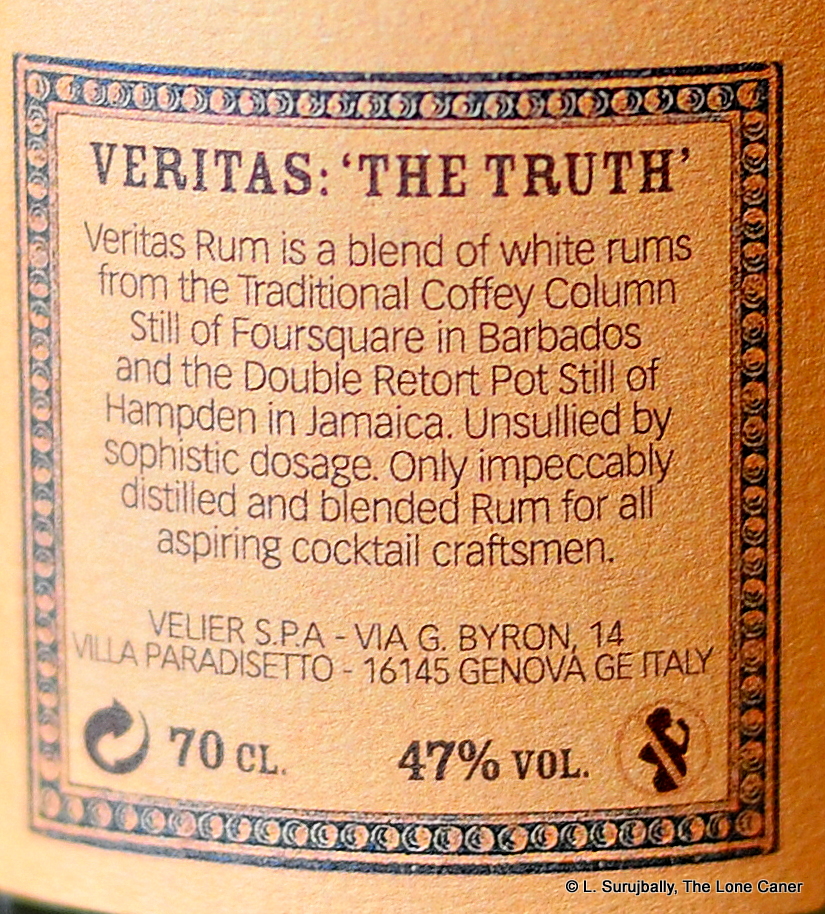 When it really comes down to it, the only thing I didn’t care for is the name. It’s not that I wanted to see “Jamados” or “Bamaica” on a label (one shudders at the mere idea) but I thought “Veritas” was just being a little too hamfisted with respect to taking a jab at Plantation in the ongoing feud with Maison Ferrand (the statement of “unsullied by sophistic dosage” pointed there). As it turned out, my opinion was not entirely justified, as Richard Seale noted in a comment to to me that… “It was intended to reflect the simple nature of the rum – free of (added) colour, sugar or anything else including at that time even addition from wood. The original idea was for it to be 100% unaged. In the end, when I swapped in aged pot for unaged, it was just markedly better and just ‘worked’ for me in the way the 100% unaged did not.” So for sure there was more than I thought at the back of this title.

 This process provides a tasting profile that reminds me of nothing so much than a slightly addled wooden still-rum from El Dorado: it’s sweet, feels the slightest bit sticky, and has strong notes of dark fruits, red licorice, plums, raisins and an almond chocolate bar gone soft in the heat. There’s other stuff in there as well – some caramel, vanilla, pepper again, light orange peel, but overall the whole thing is not particularly complex, and it ambles easily towards a short and gentle finish of no particular distinction that pretty much displays some dark fruit, caramel, anise and molasses, and that’s about it.
 So, until we know more, focus on the rum itself. It’s quiet and gentle and some cask strength lovers might say – not without justification – that it’s insipid. It has some good tastes, simple but okay, and hews to a profile with which we’re not entirely unfamiliar. It has a few off notes and a peculiar substrate of something different, which is a good thing. So in the end,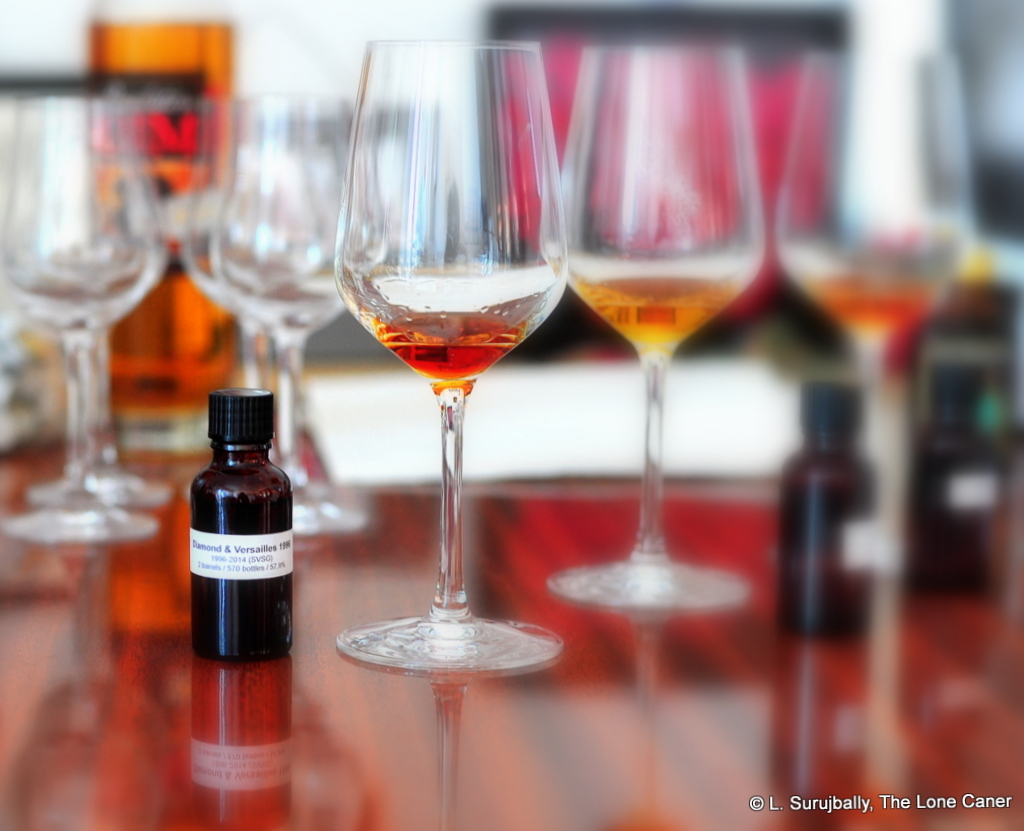
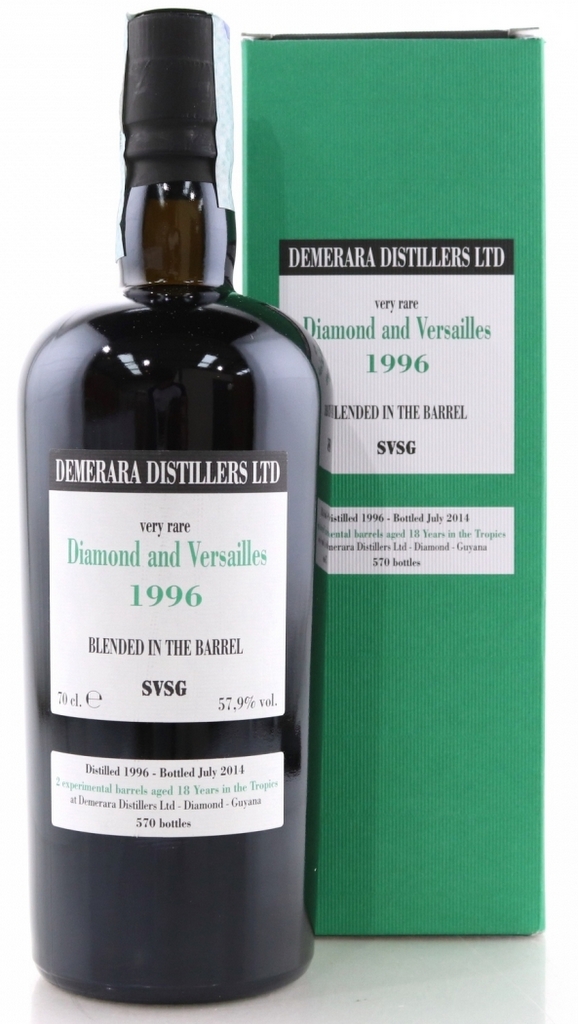
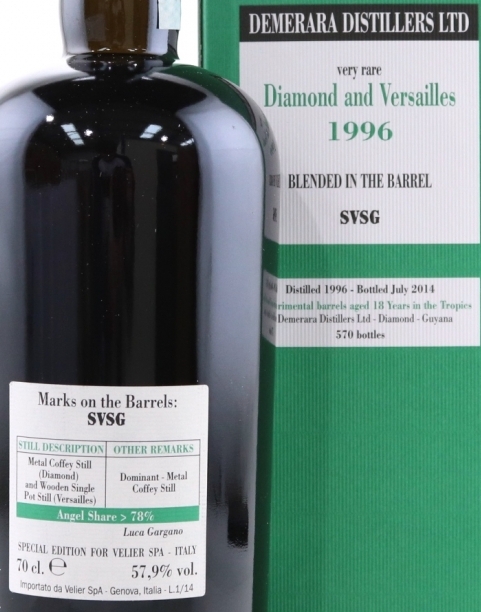 By the time this rum was released in 2014, things were already slowing down for Velier in its ability to select original, unusual and amazing rums from DDLs warehouses, and of course it’s common knowledge now that 2014 was in fact the last year they did so. The previous chairman, Yesu Persaud, had retired that year and the arrangement with Velier was discontinued as DDL’s new Rare Collection was issued (in early 2016) to supplant them.
 The nose had been so stuffed with stuff (so to speak) that the palate had a hard time keeping up. The strength was excellent for what it was, powerful without sharpness, firm without bite. But the whole presented as somewhat more bitter than expected, with the taste of oak chips, of cinchona bark, or the antimalarial pills I had dosed on for my working years in the bush. Thankfully this receded, and gave ground to cumin, coffee, dark chocolate, coca cola, bags of licorice (of course), prunes and burnt sugar (and I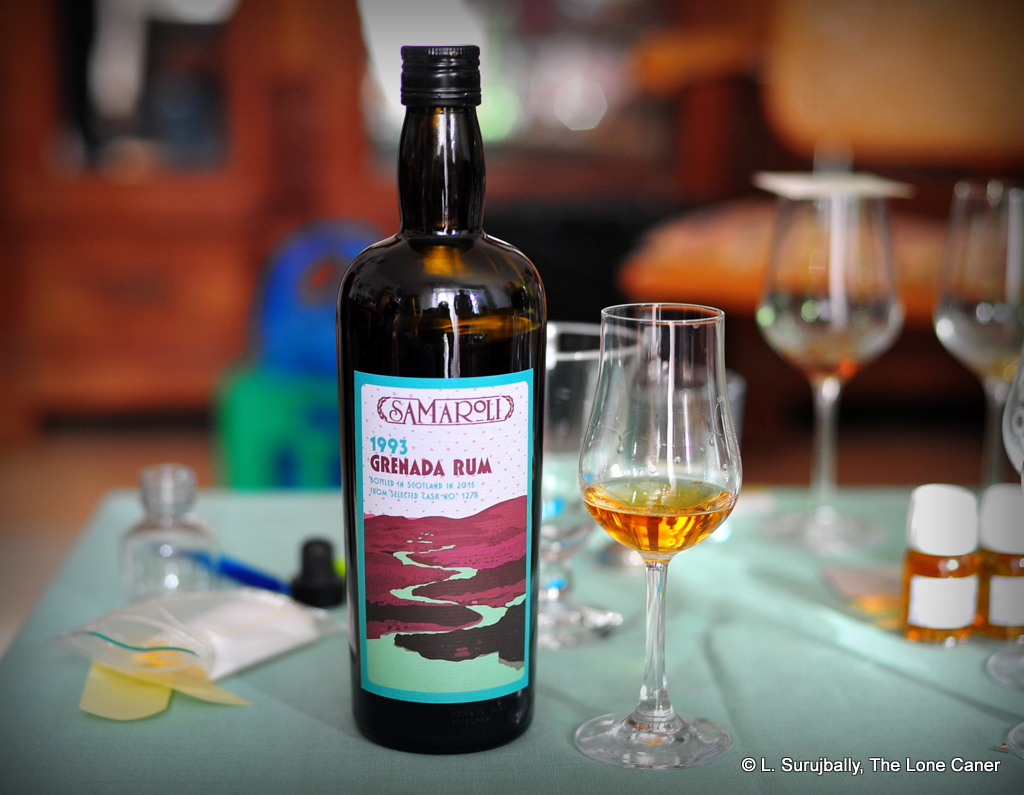
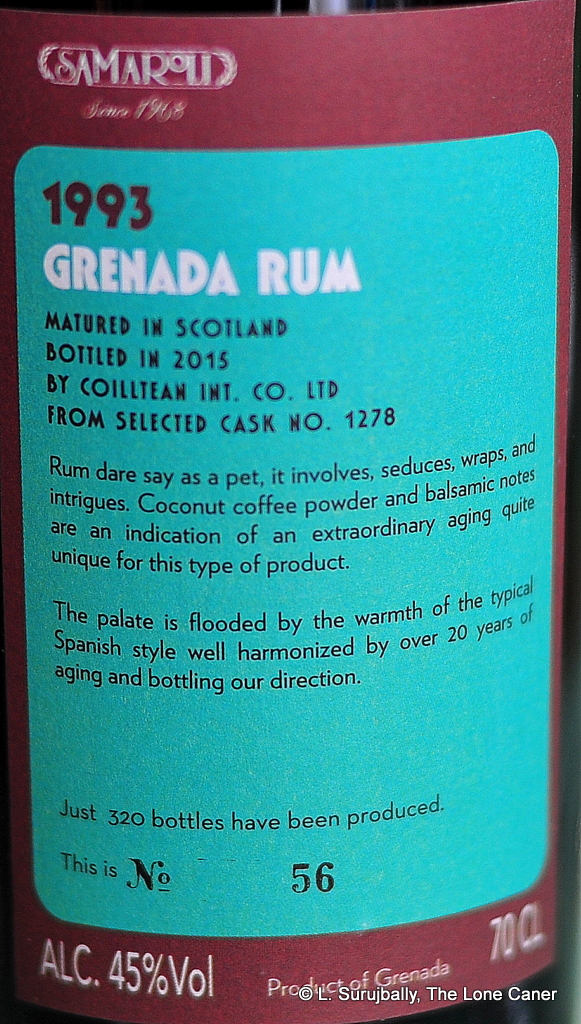
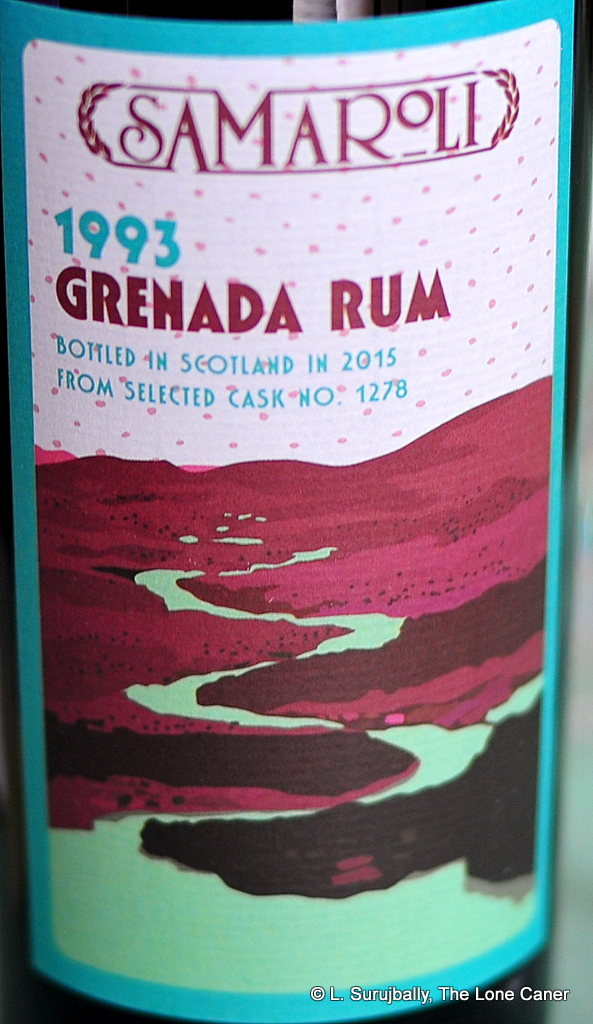 One such is this Samaroli rum sporting an impressive 22 years of continental ageing, hailing from Grenada – alas, not Rivers Antoine, but you can’t have everything (the rum very likely came from Westerhall – they ceased distilling in 1996 but were the only ones exporting bulk rum before that). You’ll look long and hard before you find any kind of write up about it, or anyone who owns it – not surprising when you consider the €340 price tag it fetches in stores and at auction. This is the second Grenada rum selected under the management of Antonio Bleve who took over operations at Samaroli in the mid 2000s and earned himself a similar reputation as Sylvio Samaroli (RIP), that of having the knack of picking right.
  So what to make of this expensive two-decades-old Grenada rum released by an old and proud Italian house? Overall it’s really quite pleasant, avoids disaster and is tasty enough, just nothing special. I was expecting more. You’d be hard pressed to identify its provenance if tried blind. Like an SUV taking the highway, it stays firmly on the road without going anywhere rocky or offroad, perhaps fearing to nick the paint or muddy the tyres.