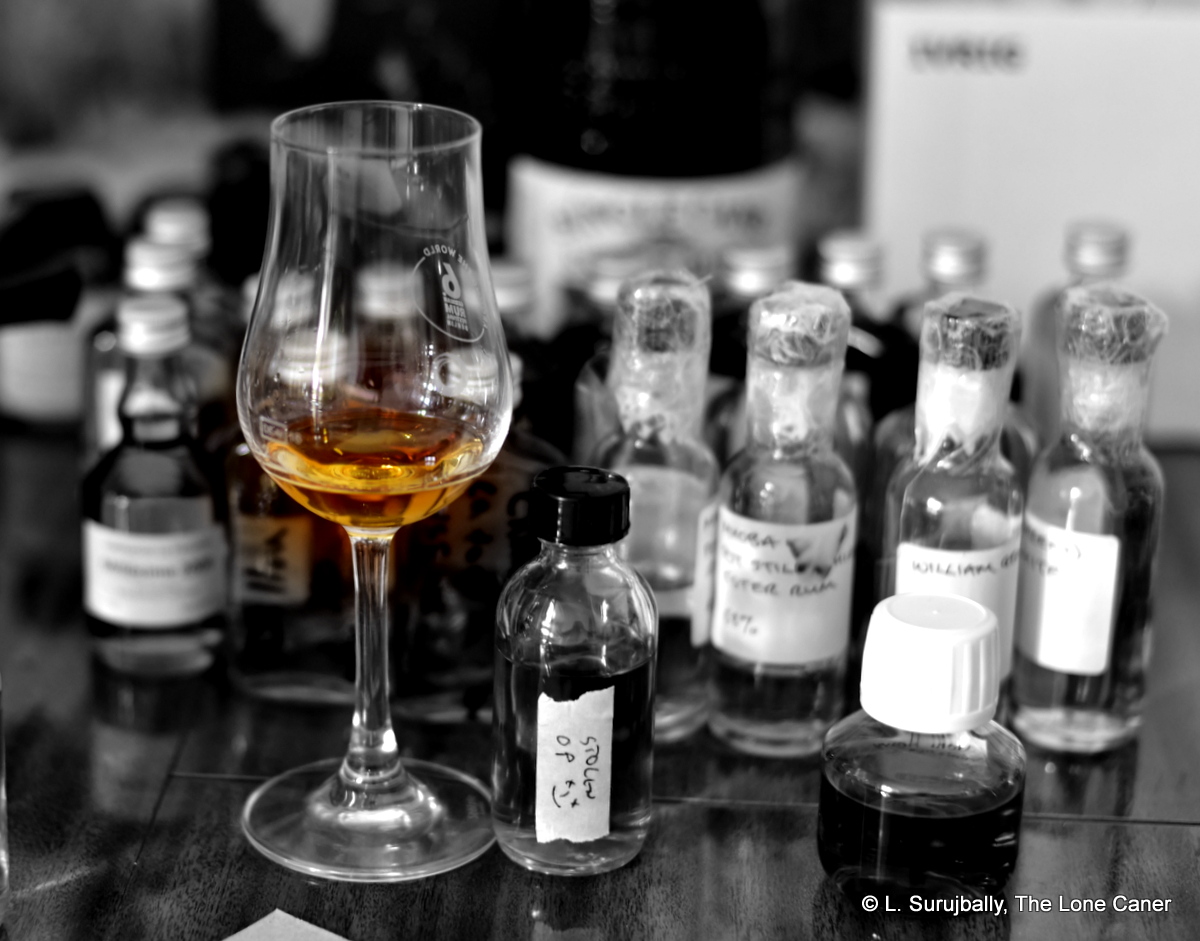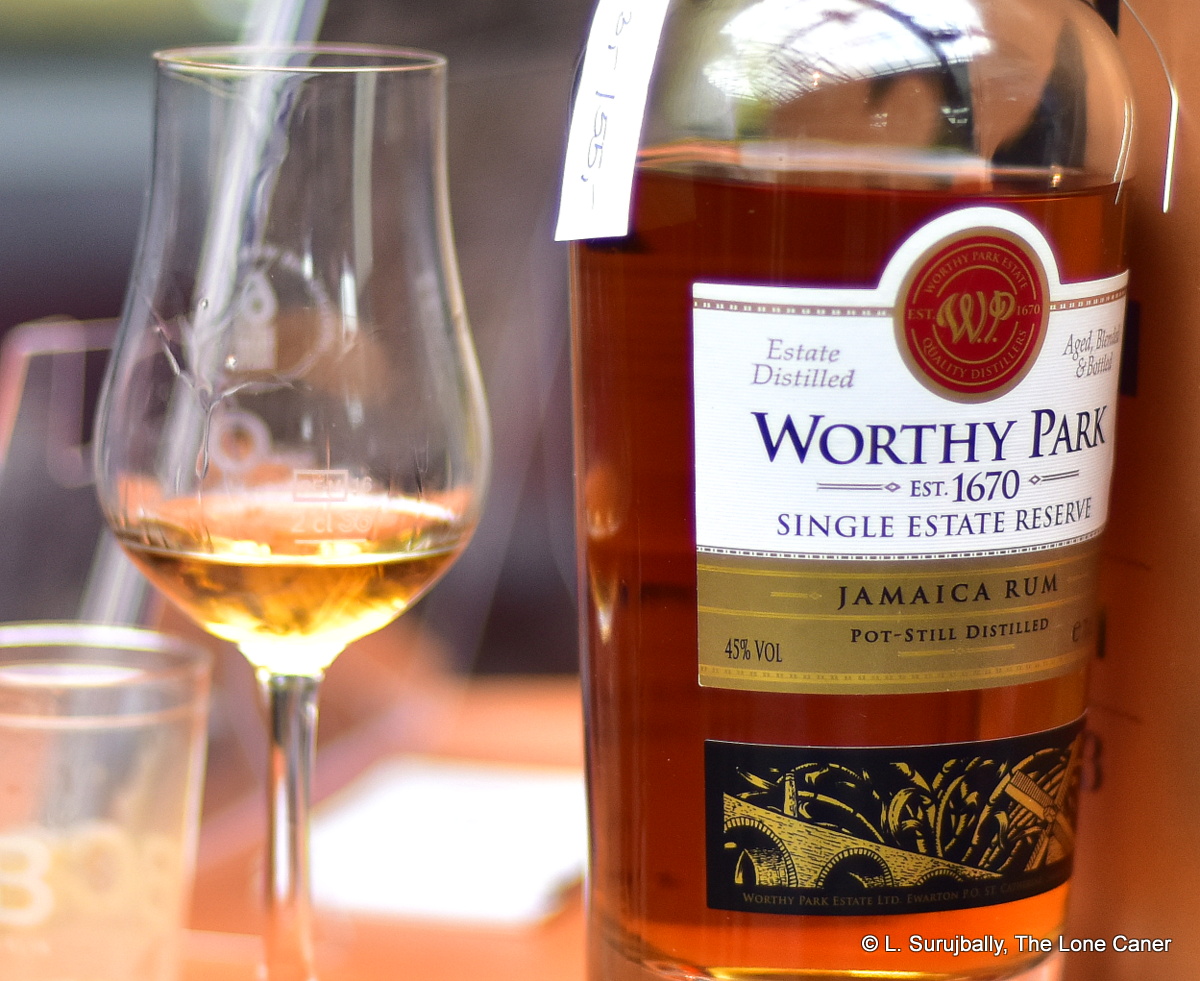
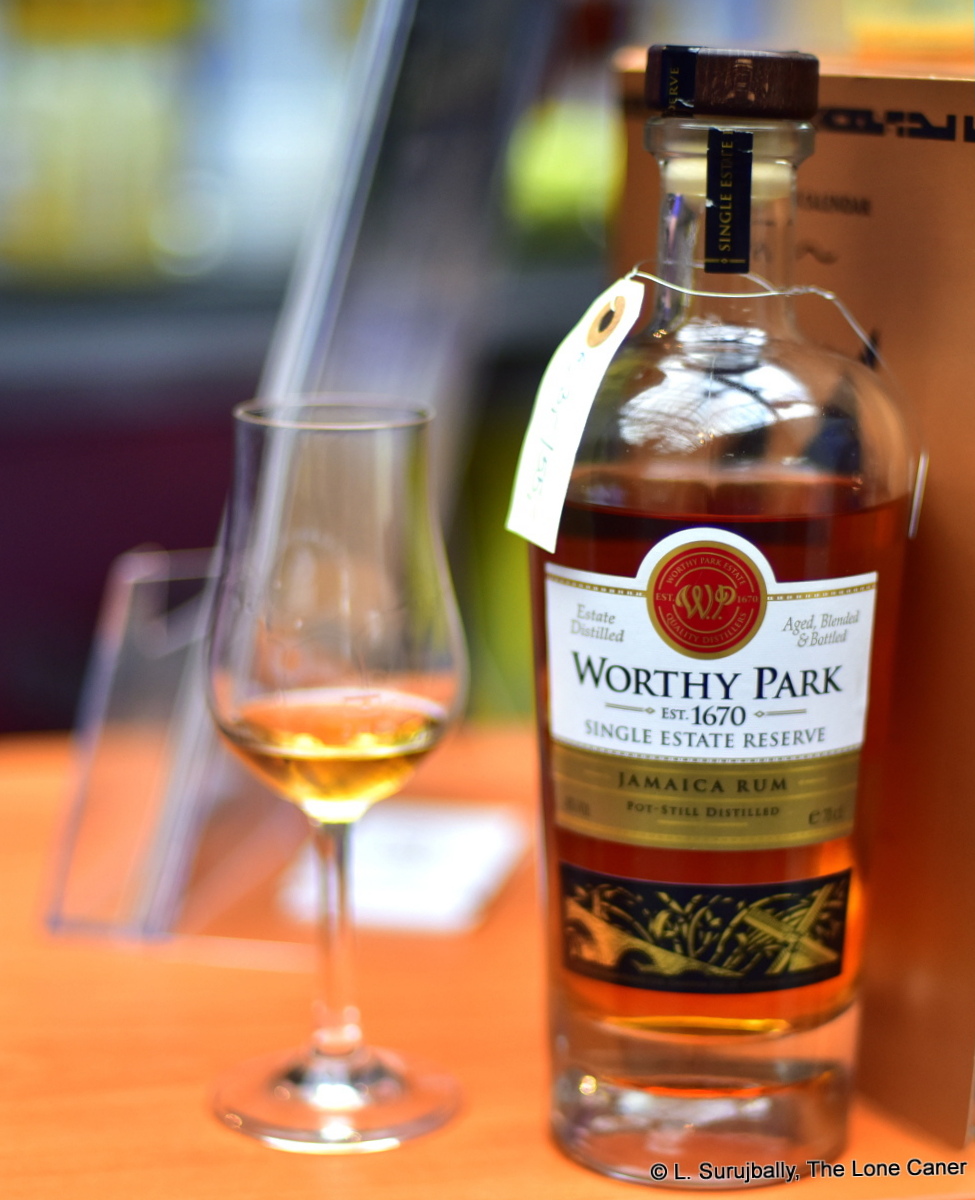
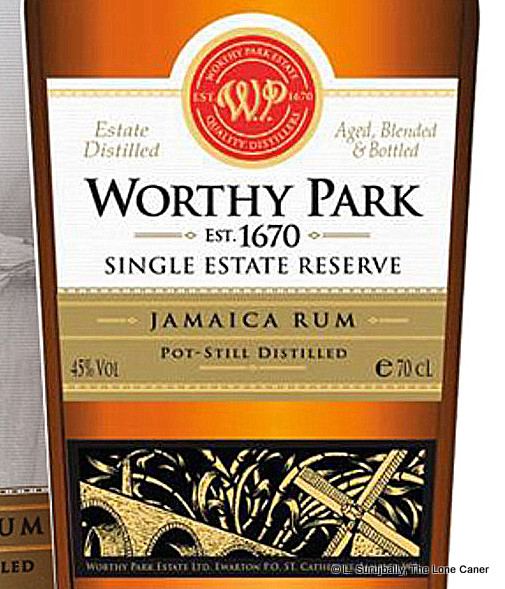
After only four years, the Worthy Park Single Estate Reserve rum has become so quietly ubiquitous, so well known and so widespread, that the bombshell it and all its brothers dropped on the rum world in 2017 has almost been forgotten. Even in the short time since its coming-out party, it has garnered a serious reputation for itself and reminds us all of the great rums emerging from Jamaica. One of the criteria I have for inclusion in the series is availability and longevity, and less than half a decade of being on the shelves might not strike some as sufficient time to enter the pantheon – but having tried it many times, I am convinced that it will hold its power, and continue to appeal.
My personal contention is that in about 2016 or so, a long-gestating tectonic shift started to gather real force, the phenomenon I call The Rise of the New Jamaicans. Appleton, as it had been for a long time, remained the most globally recognized Jamaican name in rum and focused mostly on blends, exported the world over. But by now the colonial model of low cost bulk rum resource extraction from the peripheries which characterized many other distilleries (not just in Jamaica), and which led to value added premium spirits in the central metropole, had been creaking for decades, and finally cracked. In all the major sugar and rum producing areas of the Caribbean, hard hit by falling sugar prices, indigenous producers were taking a good hard look at the constant bulk sales abroad and decided that rather than letting a plethora of re-bottlers and independents reap all the benefits of the rising tide of premiumization, they could get in on the action themselves.
Worthy Park as a distillery re-emerged on the scene after reopening in 2005. It had been closed since the the 1960s when overproduction of rum had led to the shuttering of several distilleries: Gordon Clarke, a descendant of the family that owned it since 1918, felt the time was ripe to re-establish the brand name and not just make sugar, as the estate had been doing since that time. Rather than refurbish the old equipment, a completely new distillery with wider applications was constructed, and in 2005 the rum began to flow and be laid down for ageing. Bulk sales were established, and occasionally there were also sales of barrels to brokers – this is why we saw the SMWS, L’Esprit, Compagnie des Indes, Mezan, Velier, Rum Nation and 1423 popping up with indie releases for years, and third party contract rums like Doctor Bird coming across our sightlines with increasing frequency. And that’s not even counting Bacardi’s foray into the limited market with the embarrassingly indifferent money-grab of the Single Cane edition.
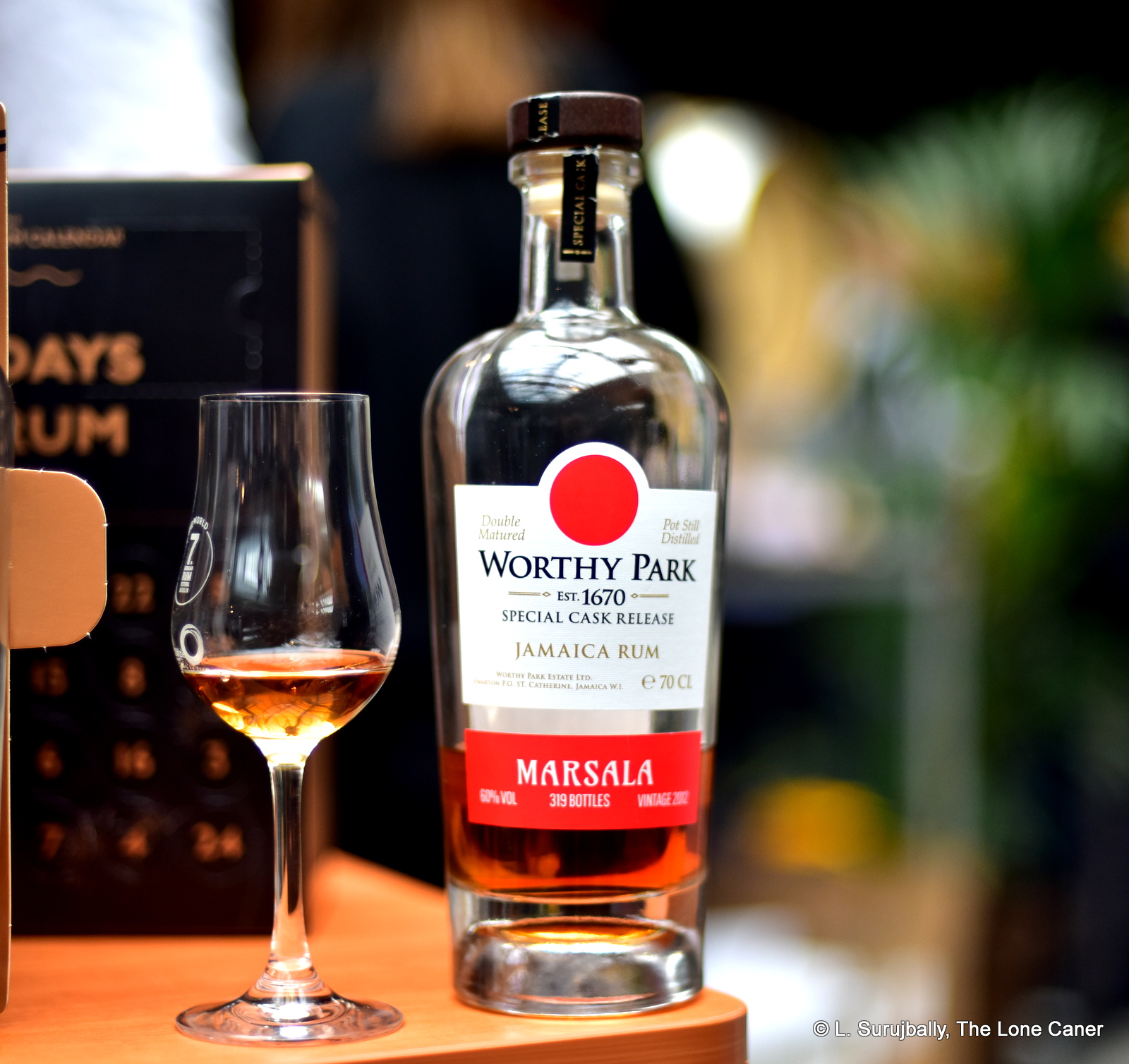
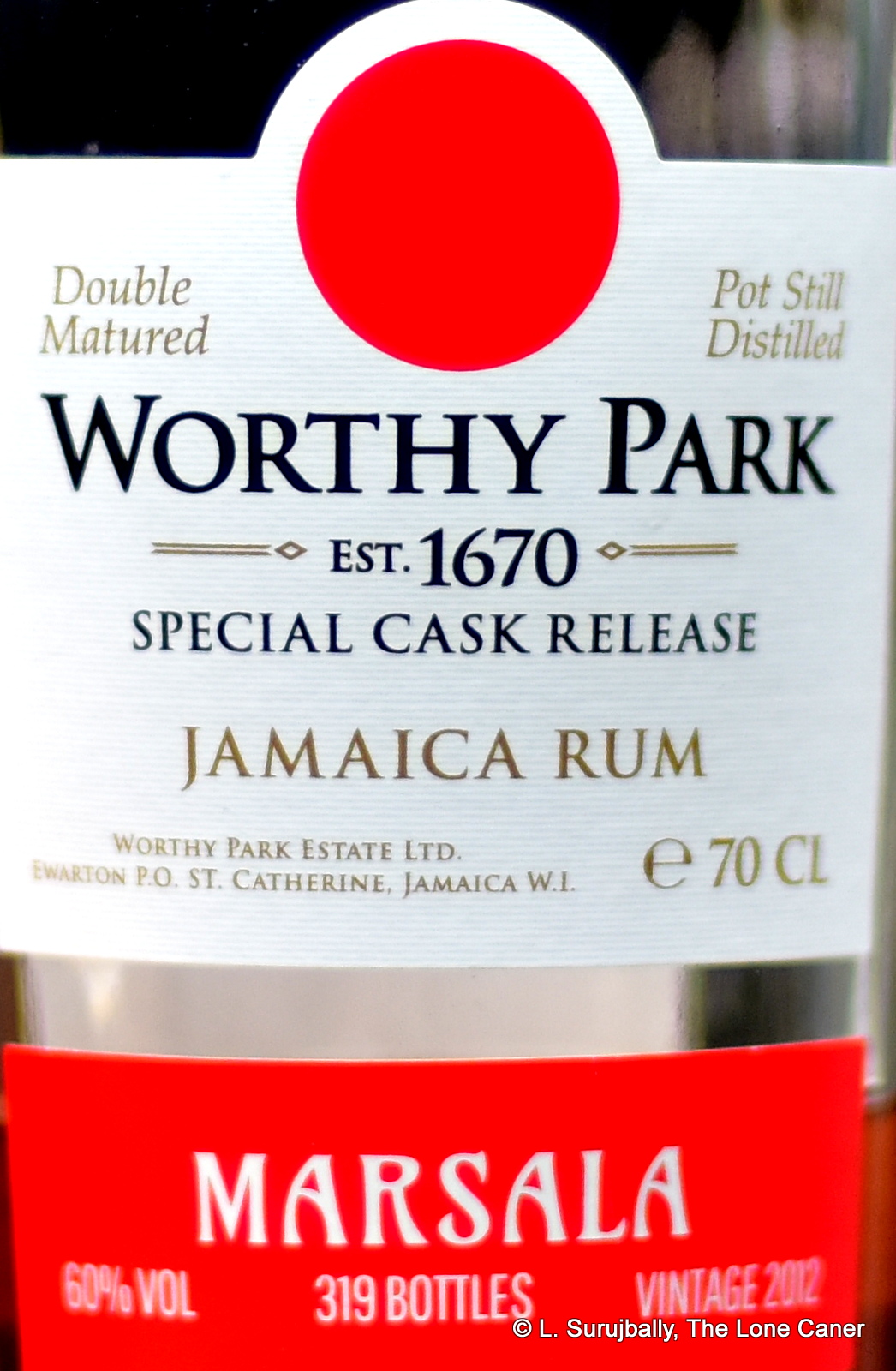
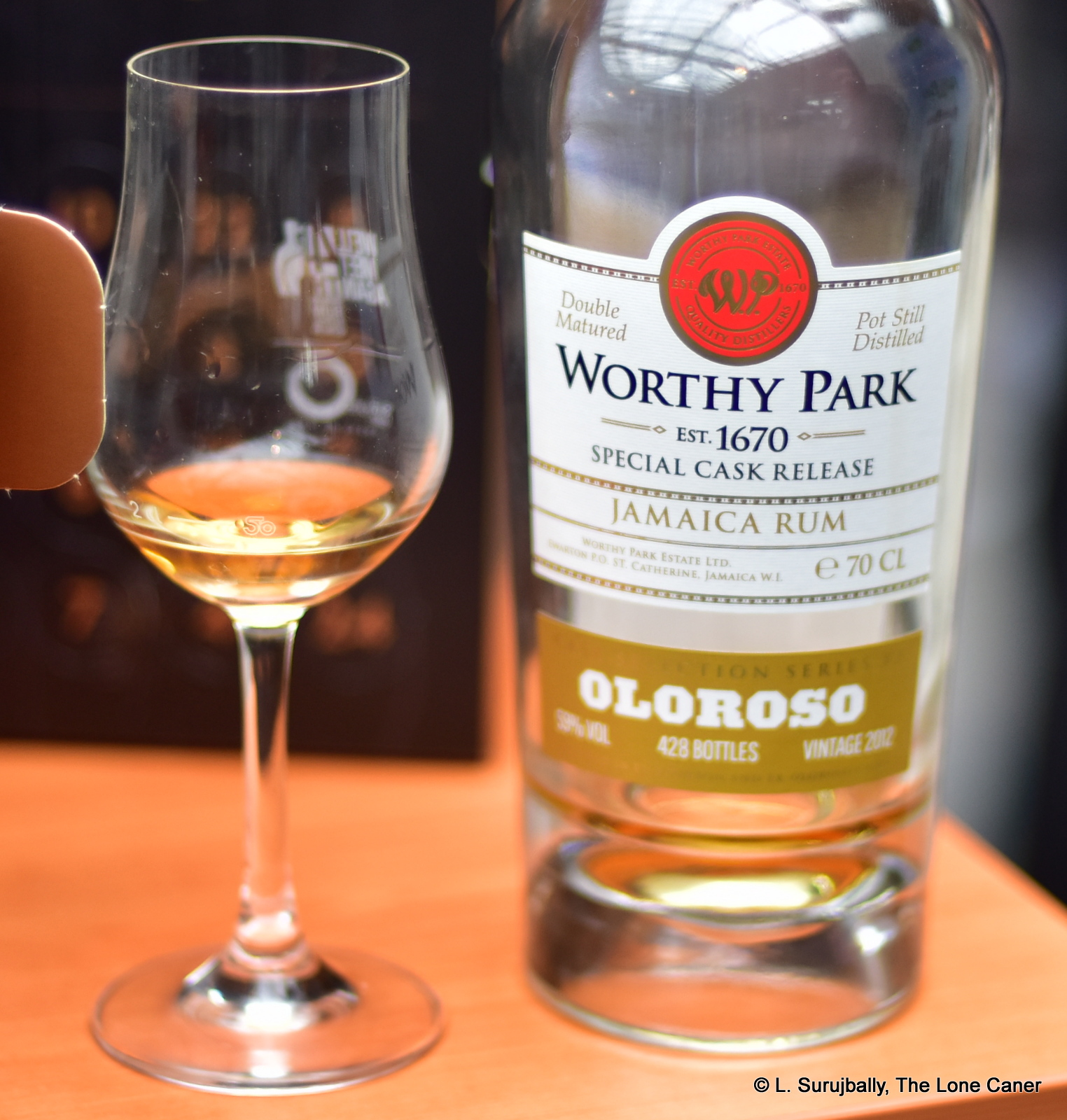
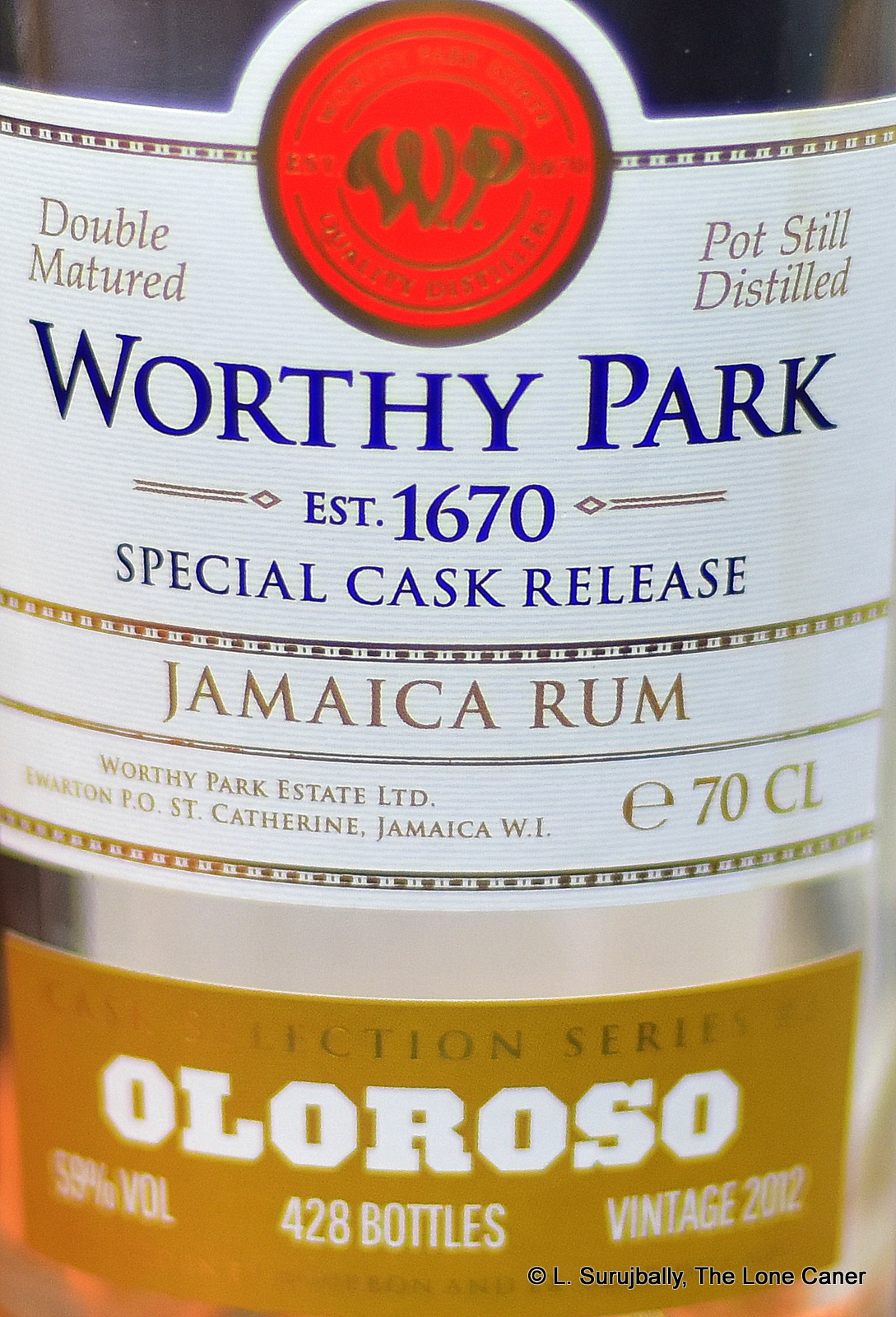
WP, once they got going, initially released their own inhouse branded series of rums called RumBar, which were relatively young or unaged bar staples, mixers for the most part. Aimed squarely at Appleton’s market share, these began quietly making waves, but had not yet reached any sort of critical mass, though they did became quite popular in the Jamaican, Caribbean and the North American bar scene. This all got a boost with the Special Cask rums that popped up in the festival circuit in 2017. The Marsala and Oloroso editions were really very good, and rightfully garnered rave reviews: but those were limited releases and sold at higher prices, were positioned as more premium. They were, in the following years, joined by other limited edition aged expressions, often finished, with different marques, and carved themselves a niche in the top end premium segment at prices trending towards three figures.
These were the headliners, but behind all the fancy finishes and exclusive editions and what have you, the blended six year old Single Estate rum1 slowly garnered for itself a quietly serious reputation, just kept on truckin’, was never out of production, and has now become synonymous with WP’s affordable mid-range workhorses (though oddly, it was promoted as an Ultra Premium in Jamaica itself when released there in 2019). It is perhaps a bit rarefied, retailing for around £50 in Europe and between $60-$70 in the US, but I suggest it retains real value when one considers the completely pot still production, and the fierce and uncompromising nature of its profile.
Appleton has always cornered the low-to-midrange market for Jamaican rums with its solidly made, tasty, approachable, affordable, available — and let’s face it, also inoffensive — pot-column blended rums. Worthy Park had no time for any of this wussy stuff, and went gleefully all-in with their 18,000-liter pot still. This shows up clearly the moment one cracks the Single Estate rum: the nose is light, yet presents an intense funky, fruity aroma. There is so much going on here that it behooves one to unpack the thing carefully: there is caramel ice cream, butter and salt, brine and olives. Also softer bananas, cut with lemon peel and behind that is the mustiness of an old second hand bookstore’s back shelf, or that of a hay barn. Finally, as if thinking “dis t’ing still ain’ got enuff kick-up rumpus” it coughed up a last series of notes of biscuits, cereals, vanilla and some undefined indian spices, just because, y’know, it could.
Some might feel the 45% strength is too too timid, and serves only to restrain and contain the wide panoply of fierce tastes of which the rum is capable (and which some people really want), but perhaps more might have reduced us all to a state of catatonic shock, so let’s be grateful. For a pot still rum like this, I submit it’s probably correct, so it can appeal to a larger mass audience. So, it’s very warm, stopping just short of hot, and presents initially as slightly sweet, with those musty spices detected on the nose snapping into clearer focus: black pepper, curry, turmeric, masala, plus all the extras of coconut shavings, bananas, citrus, vanilla, and the yeastiness of fresh dark bread. It ends things with a trace of nutmeg, cinnamon and oak, leading into a finish characterized by leather, damp aromatic pipe tobacco, port wine and some fruit
This rum tastes really fine: bitter, salt, sweet, crisp, it hits all the high notes, and if it lacks the extra fillip of finishing / double maturation like the Marsala and Oloroso, that’s no hardship, and it’s completely approachable by a layman. It has those mid-range esters, that higher level of funk, and is something like an amped-up Appleton, yet none of it is excessive, and it presents better, I think, because of the pot still origins and the eschewing of the pot and column blend (which I am slowly coming to realize produces an easier rum…but not always one of individual uniqueness).
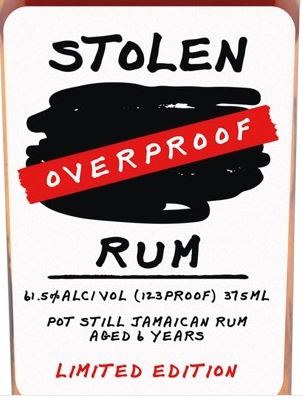
 Now, it’s a curious thing that there exists an unstated, underground perception that Worthy Park has been playing second fiddle to Hampden all this time. They certainly ferment in the same vat: not only does Hampden also sell bulk rum (and have done so for most of its modern existence), but they have their own estate range of fiery New Jamaican bar staples like Rum Fire and Stolen Overproof…as well as releases by well-known indies like the Compagnie, Renegade, SMWS, Samaroli, Murray McDavid, Romdelux, 1423, Rum Nation and BBR. Add to that the worldwide distribution deal Velier cut with Hampden in 2017 and their slick marketing, and you can see why Worthy Park seemed to be lagging behind and picking up footprints.
But I feel it’s a matter of perception, not degree, or even reality. A Key Rum of any kind is more than just “reputation”. It is a measure of reknown and quality, of an easy ability to move between the worlds of the cocktail and the neat pour, of the insatiable desire of secondary bottlers and bartenders and consumers alike to snag a bottle of the stuff, at a price that can be afforded and leave the buyer think he got the best of the deal. It welcomes, not intimidates, and you don’t have to be an expert to “get it”. By that standard, the Worthy Park workhorse of the Single Estate Reserve is not only one of most flexible and most versatile Jamaicans currently extant, but one of the best rums from the island, period, and a compelling reason to add yet another famed Jamaican distillery to the pantheon. Hampden may one day become a component of the canon as well, but for today, let Worthy Park get all the applause it so richly deserves. Because, me bredren, dem may be likkle, but damn, dem tallawah.
(#854)(87/100)
Other Notes
- Other candidates I had tasted and considered for this entry in the Key Rums series included the Rum Bar White and Gold, as well as the WP Single Estate 3 and 12 Year Old. I felt the overall quality of this rum for the price, tipped the balance.

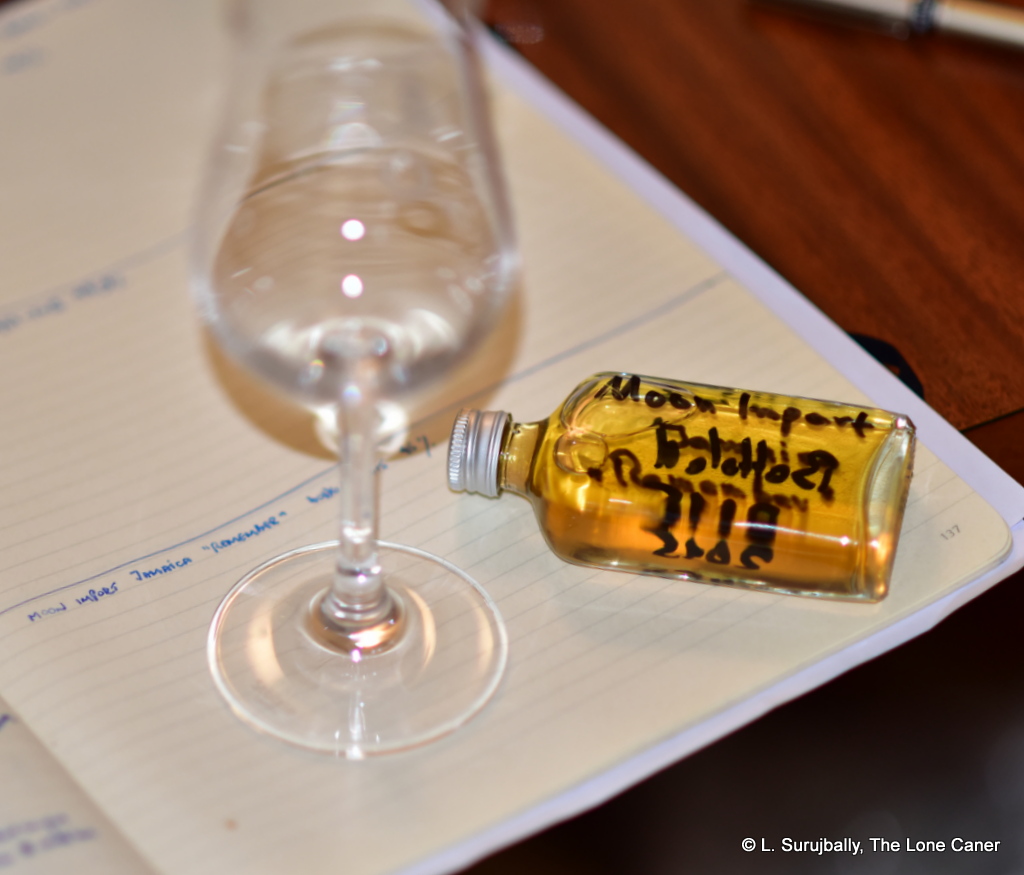
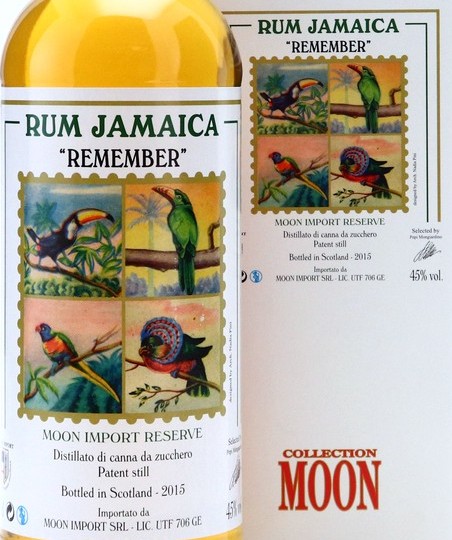
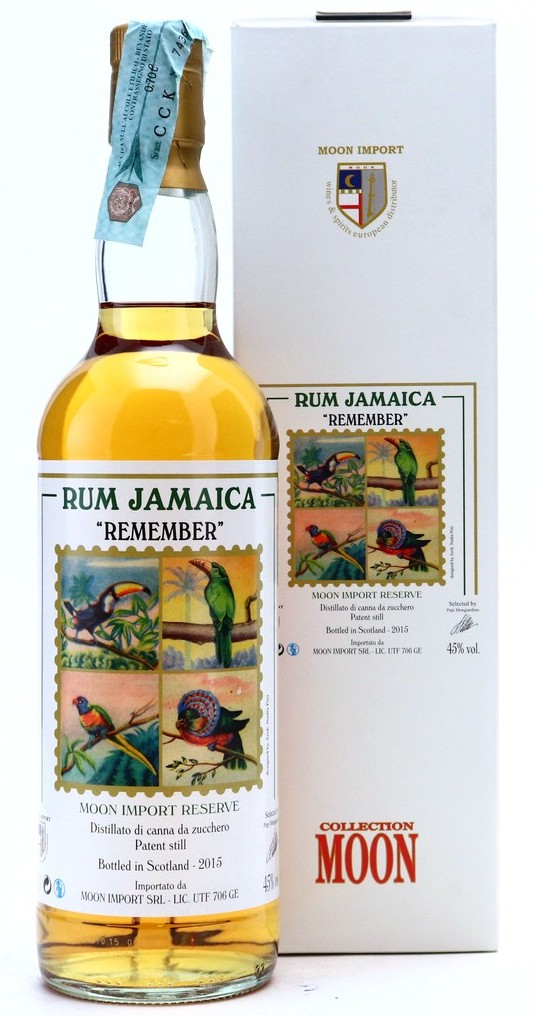
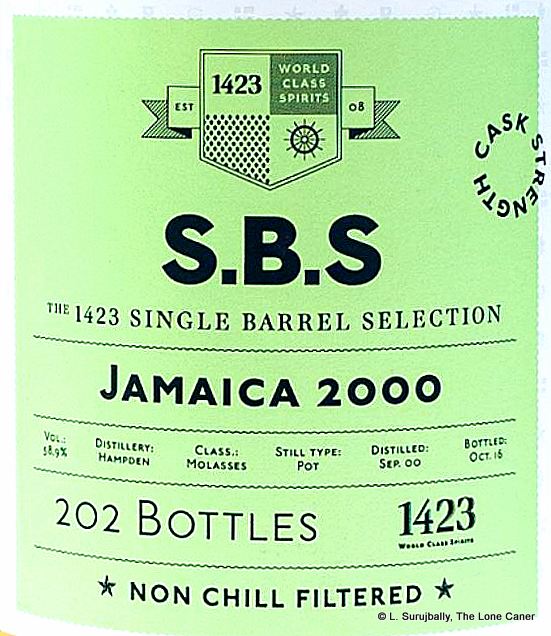
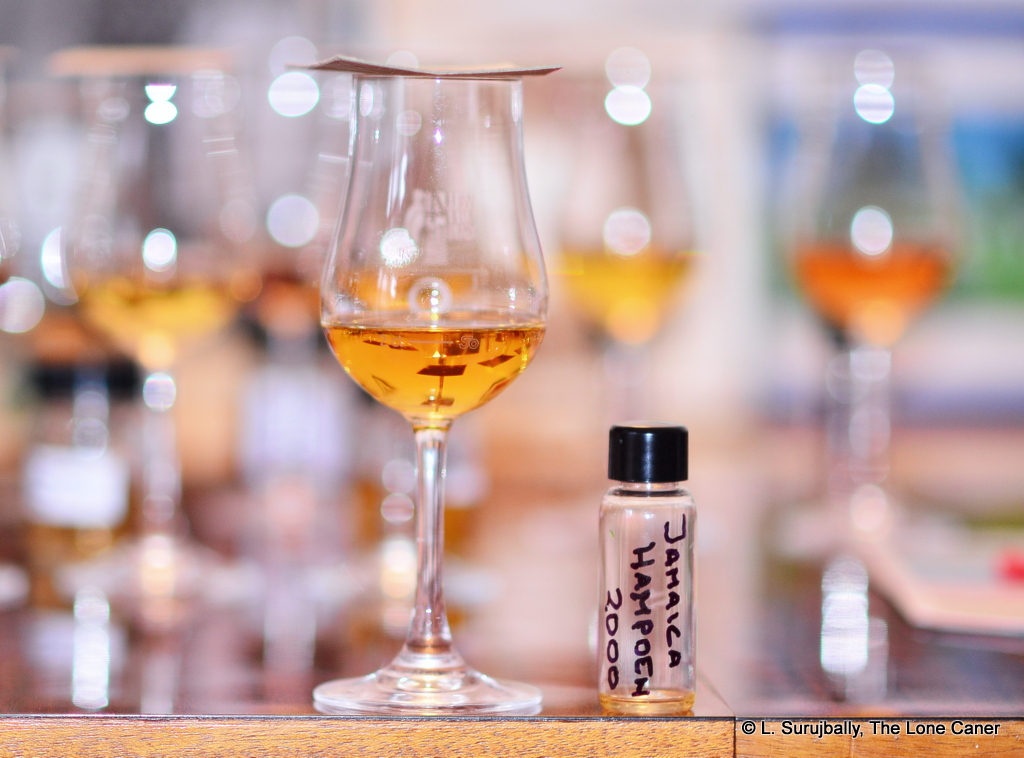
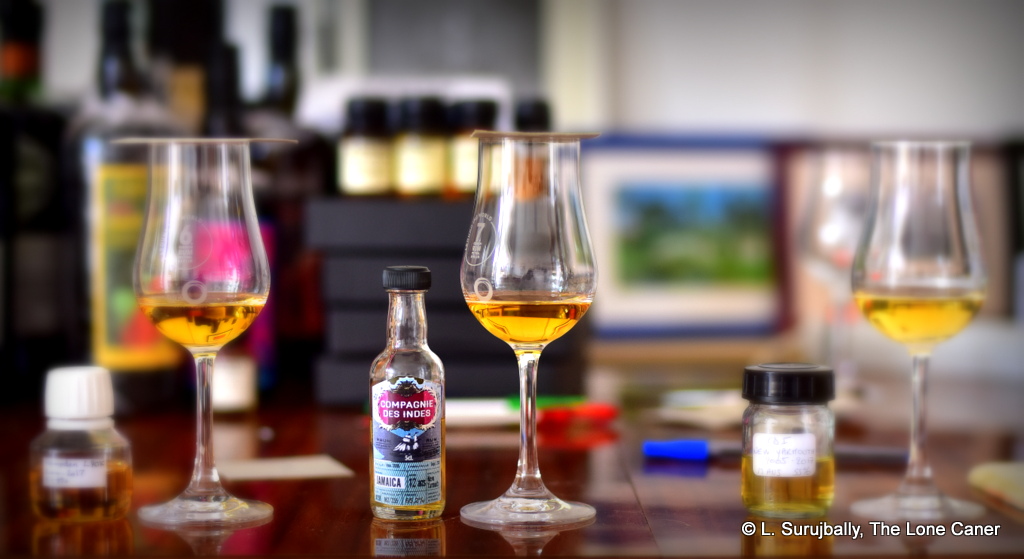
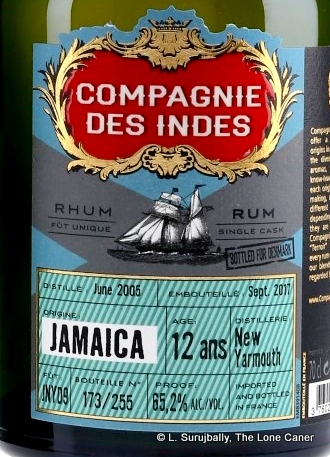 And what a rum it was. I don’t know what ester levels it had, but my first note was “a lot!”. I mean, it was massive. Pencil shavings and glue. Lots of it. Musky, dry, cardboard and damp sawdust. Some rotting fruit (was that dunder they were using?) and also rubber and furniture polish slapped on enough uncured greenheart to rebuild the Parika stelling, twice. The fruitiness – sharp! – of tart apples, green grapes, passion fruit, overripe oranges and freshly peeled tangerines. Florals and crisp light notes, all of it so pungent and bursting that a little breeze through your house and the neighbors would either be calling for a HAZMAT team or the nearest distillery to find out if they had lost their master blender and a still or two.
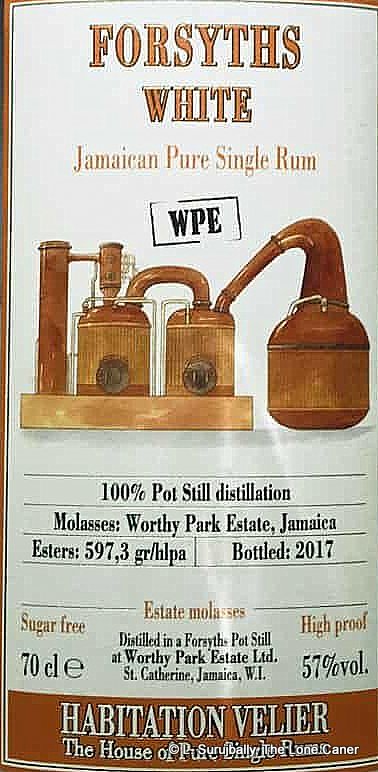 Hampden gets so many kudos these days from its relationship with
  The rum displays all the attributes that made the estate’s name after 2016 when they started supplying their rums to others and began bottling their own. It’s a rum that’s astonishingly stuffed with tastes from all over the map, not always in harmony but in a sort of cheerful screaming chaos that shouldn’t work…except that it does. More sensory impressions are expended here than in any rum of recent memory (and I remember
  Rumaniacs Review #122 | 0785
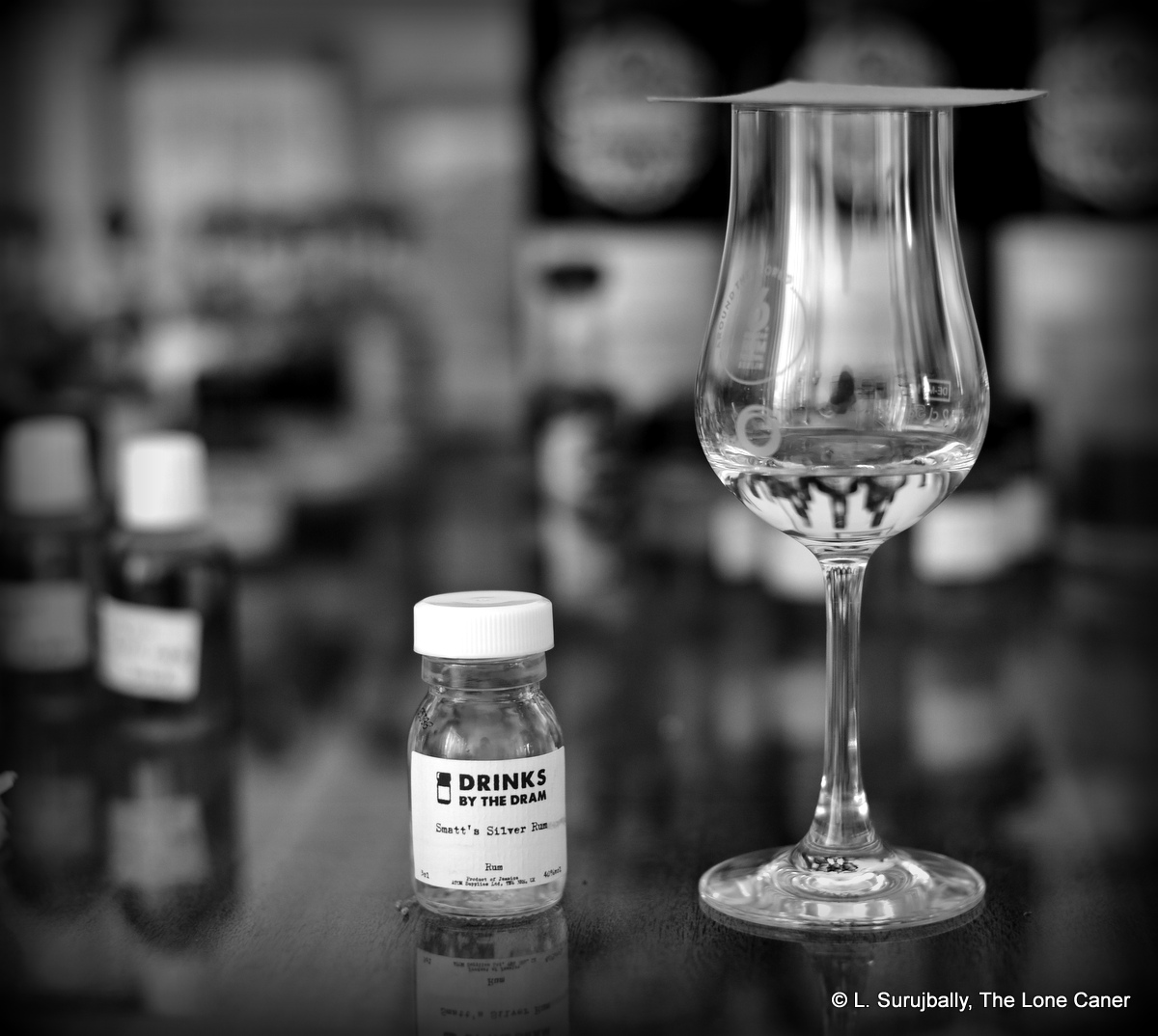
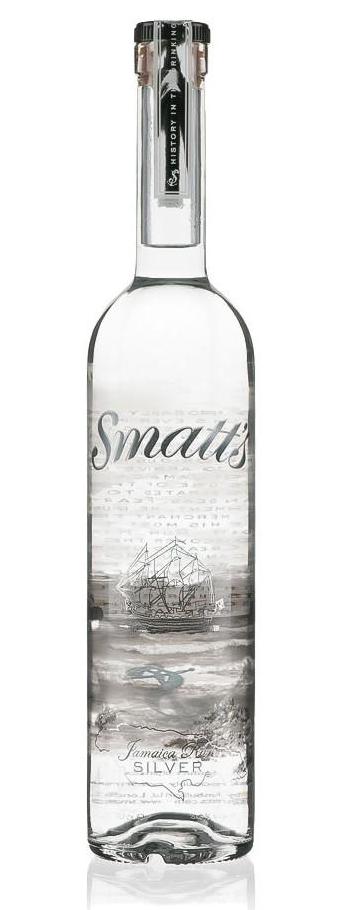 Normally, such a rum wouldn’t interest me much, but with the massive reputations the New Jamaicans have been building for themselves, it made me curious so I grudgingly parted with some coin to get a sample. That was the right decision, because this thing turned out to be less an undiscovered steal than a low-rent Jamaican wannabe for those who don’t care about and can’t tell one Jamaican rum from another, know Appleton and stop there. The rum takes great care not to go beyond such vanilla illusions, since originality is not its forte and it takes inoffensive pleasing-the-sipper as its highest goal.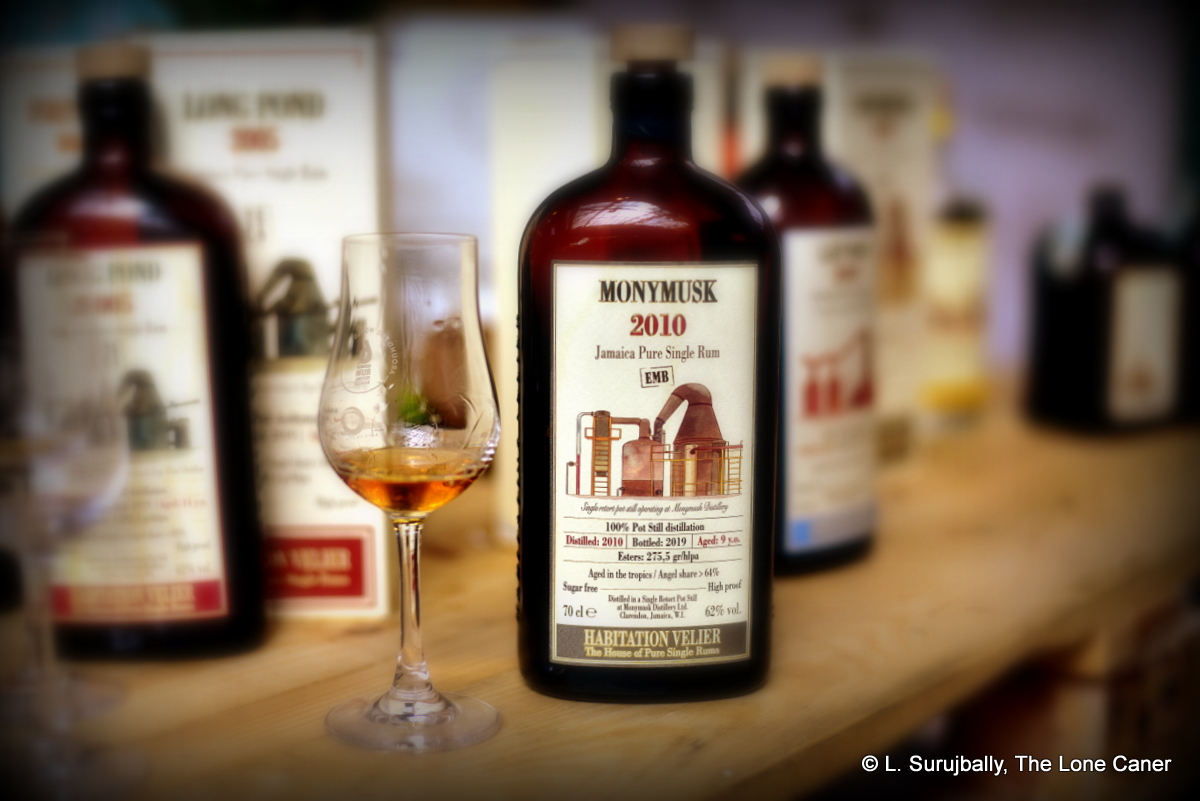

 As for the finish, well, in rum terms it was longer than the current Guyanese election and seemed to feel that it was required that it run through the entire tasting experience a second time, as well as adding some light touches of acetone and rubber, citrus, brine, plus everything else we had already experienced the palate. I sighed when it was over…and poured myself another shot.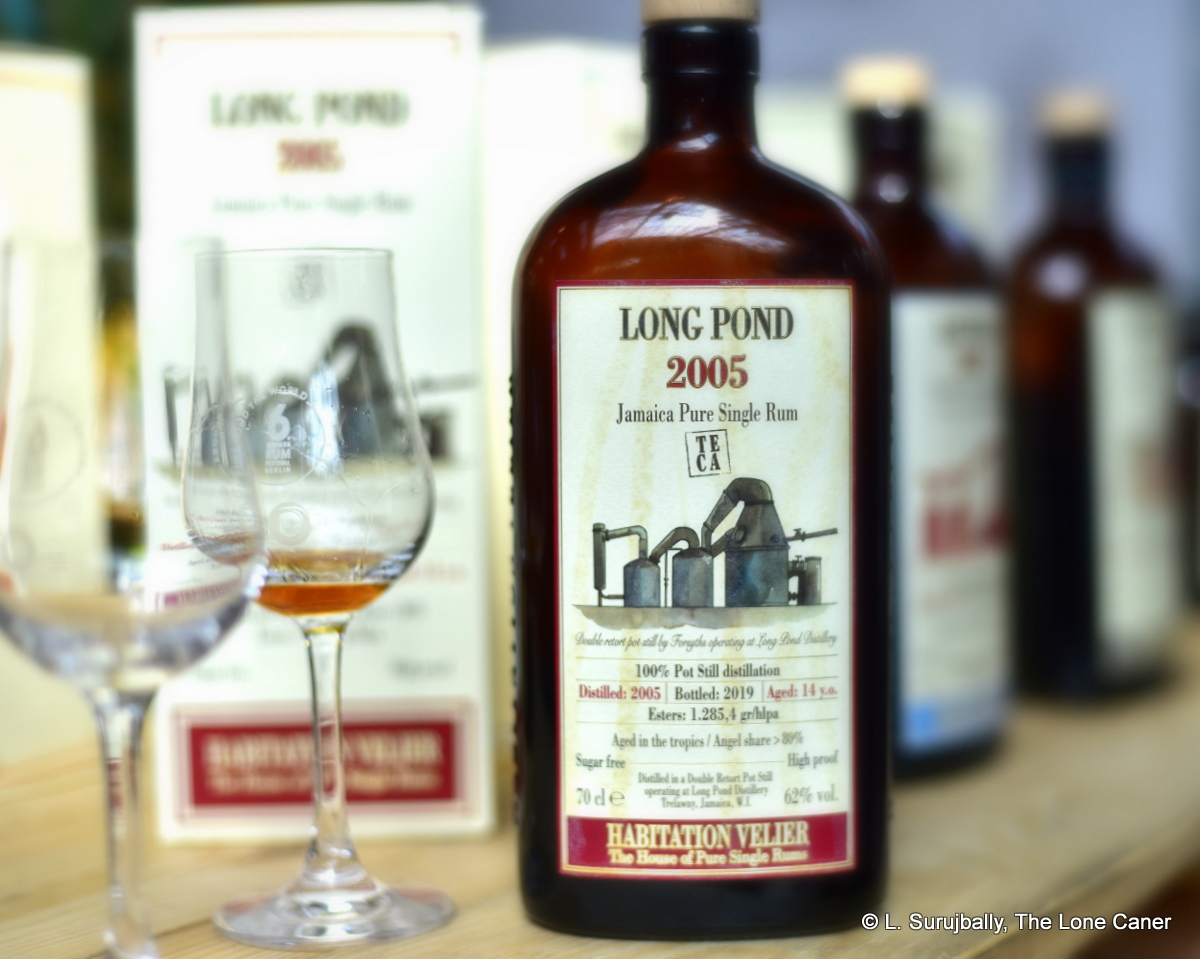
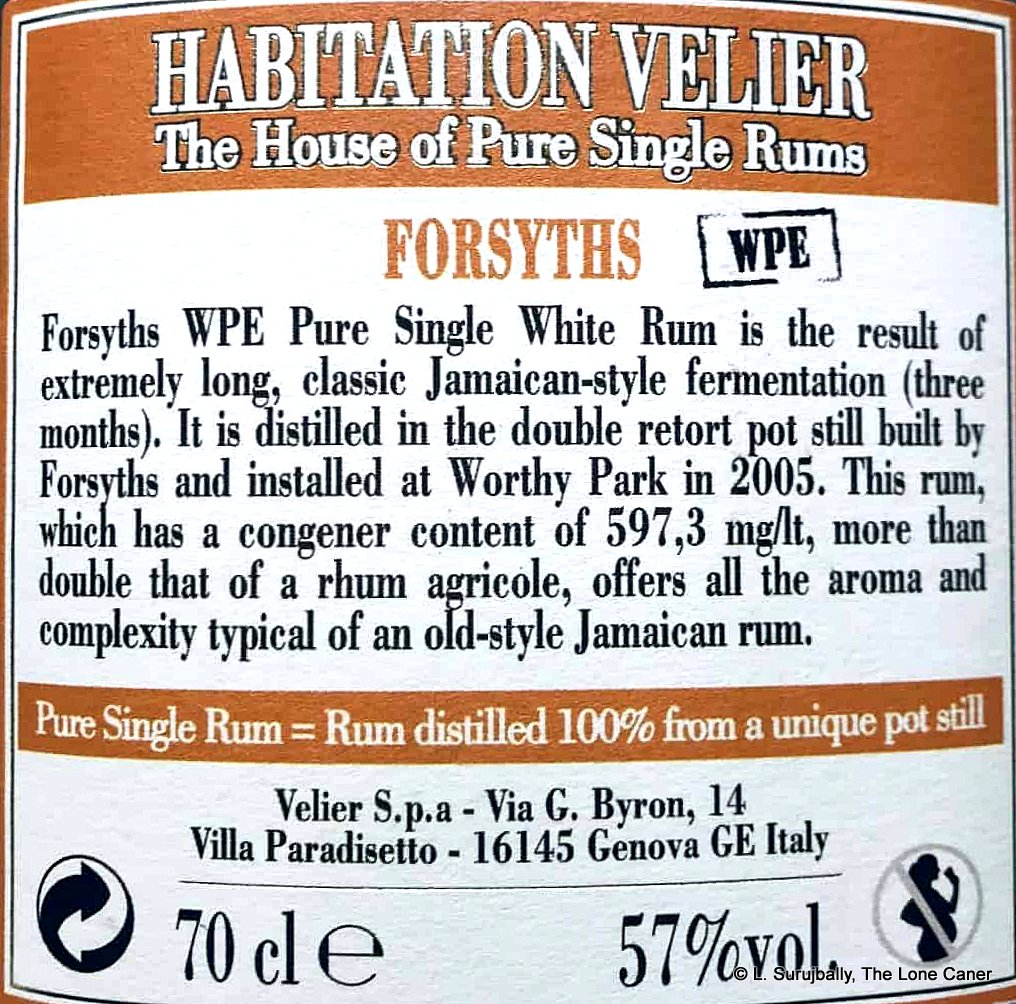
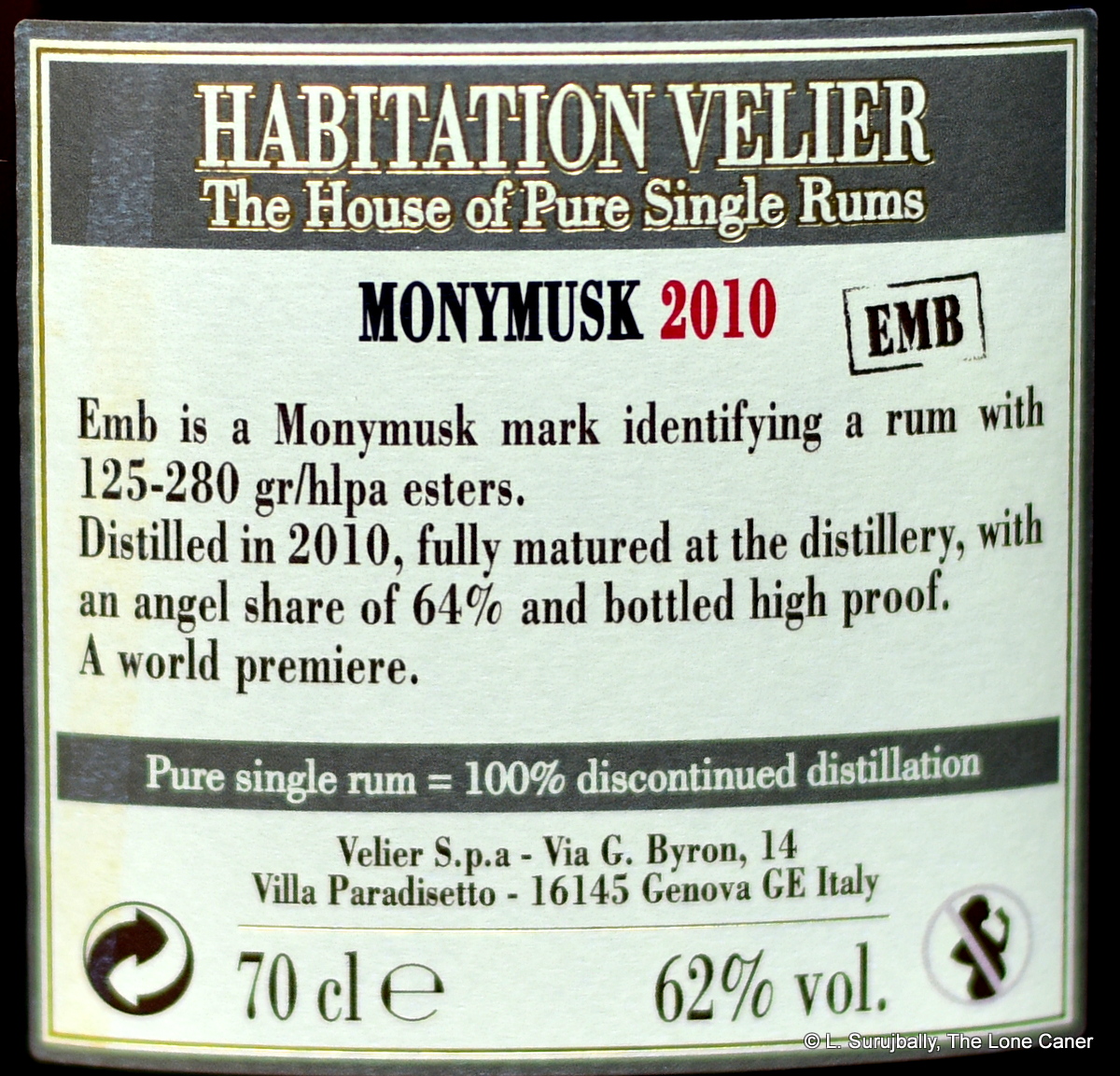
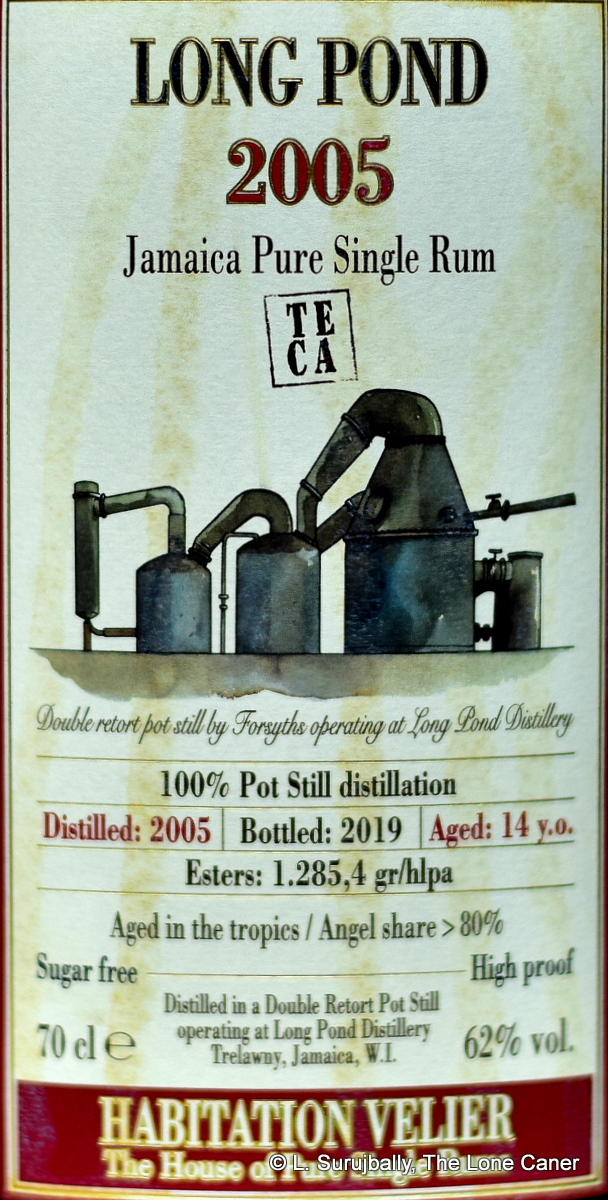 Let’s see if we can’t redress that somewhat. This is a Jamaican rum from Longpond, double pot still made, 62% ABV, 14 years old, and released as one of the pot still rums the Habitation Velier line is there to showcase. I will take it as a given it’s been completely tropically aged. Note of course, the ester figure of 1289.5 gr/hlpa, which is very close to the maximum (1600) allowed by Jamaican law. What we could expect from such a high number, then, is a rum sporting taste-chops of uncommon intensity and flavour, as rounded off by nearly a decade and a half of ageing – now, those statistics made the TECA 2018 detonate in your face and it’s arguable whether that’s a success, but here? … it worked. Swimmingly.
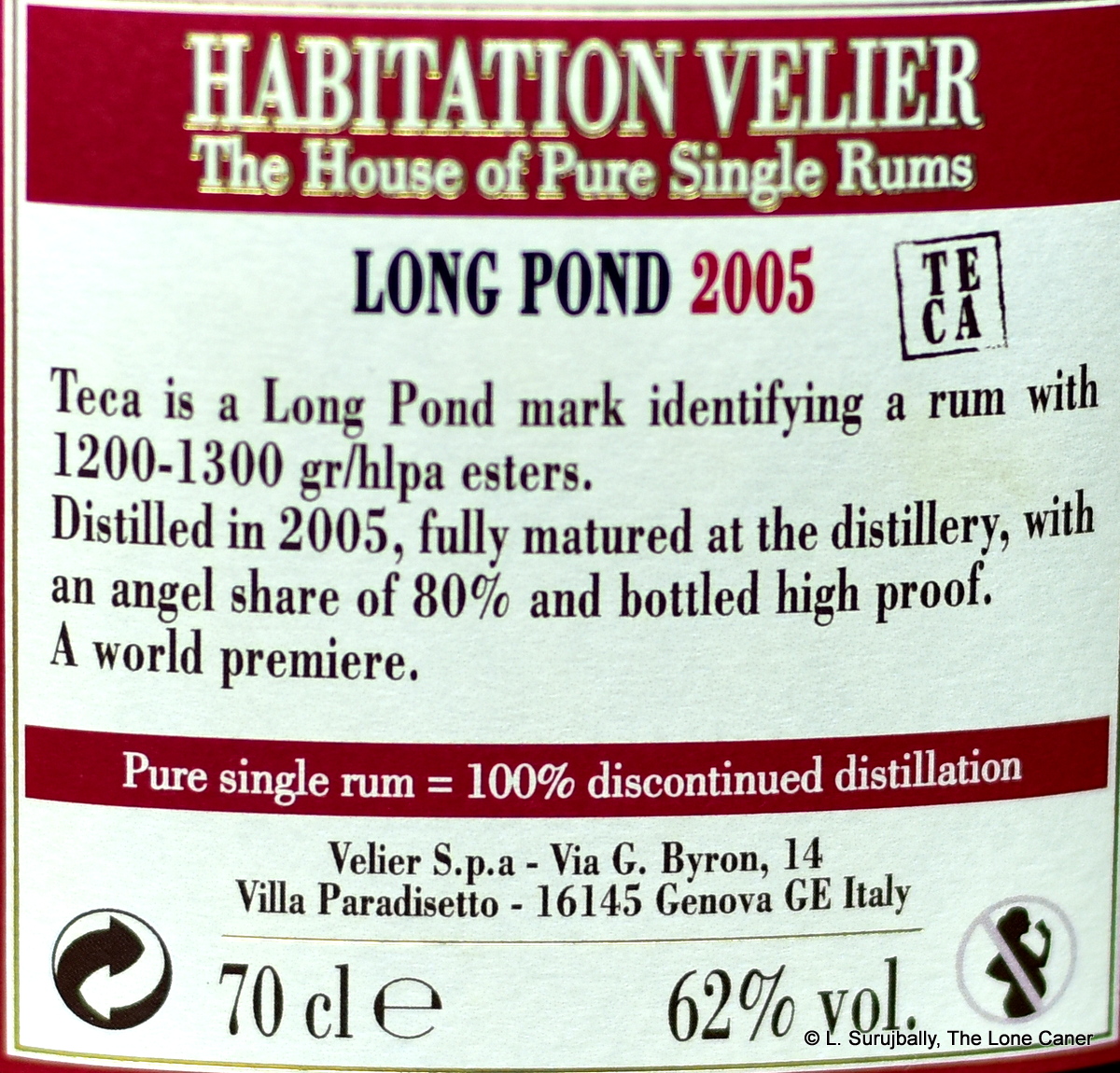 So – good or bad? Let’s see if we can sum this up. In short, I believe the 2005 TECA was a furious and outstanding rum on nearly every level. But that comes with caveats. “Fasten your seatbelt” remarked Serge Valentin
  Anyone from my generation who grew up in the West Indies knows of the scalpel-sharp satirical play “Smile Orange,” written by that great Jamaican playwright, Trevor Rhone, and made into an equally funny film of the same name in 1976. It is quite literally one of the most hilarious theatre experiences of my life, though perhaps an islander might take more away from it than an expat. Why do I mention this irrelevancy? Because I was watching the YouTube video of the film that day in Berlin when I was sampling the Worthy Park series R 11.3, and though the film has not aged as well as the play, the conjoined experience brought to mind all the belly-jiggling reasons I so loved it, and Worthy Park’s rums.
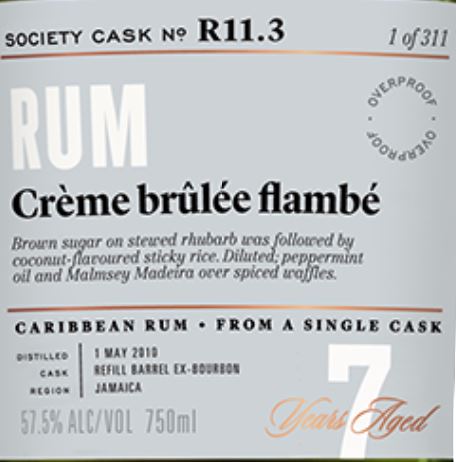 The distillation run from 2010 must have been a good year for Worthy Park, because the SMWS bought no fewer than seven separate casks from then to flesh out its R11 series of rums (R11.1 through R11.6 were distilled May 1st of that year, with R11.7 in September, and all were released in 2017). After that, I guess the Society felt its job was done for a while and pulled in its horns, releasing nothing in 2018 from WP, and only one more — R11.8 — the following year; they called it “Big and Bountiful” though it’s unclear whether this refers to Jamaican feminine pulchritude or Jamaican rums.
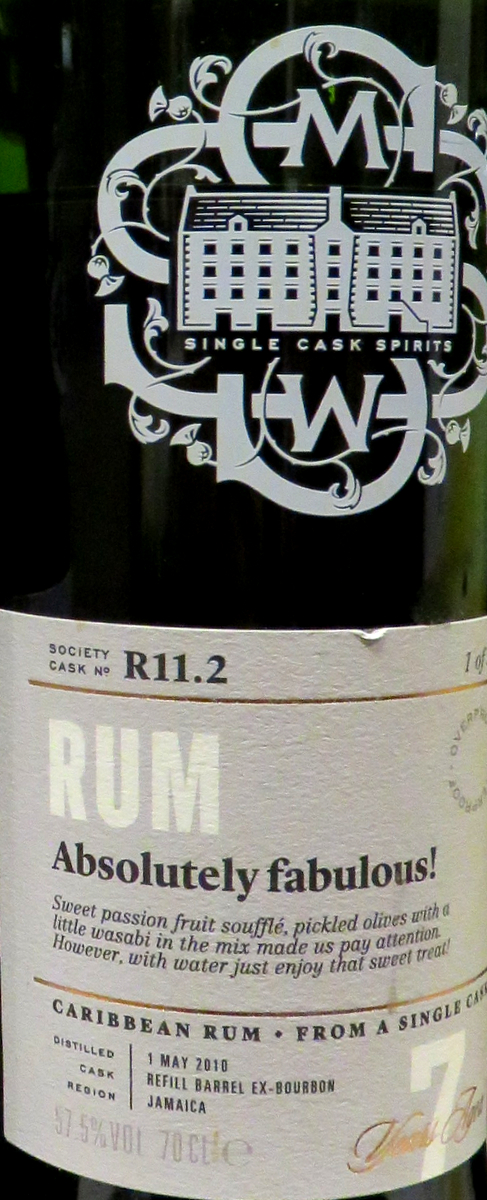 It sounds strange to say it, but the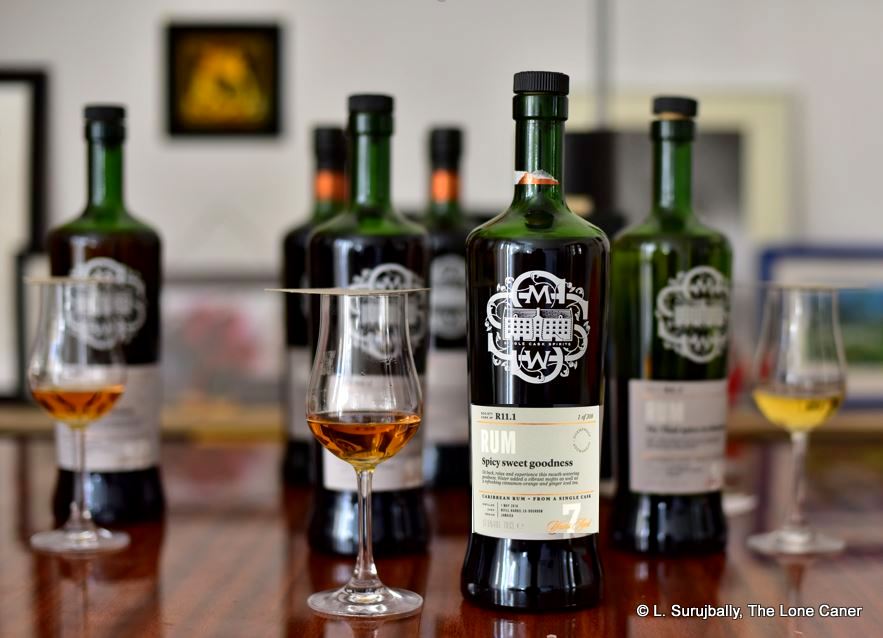
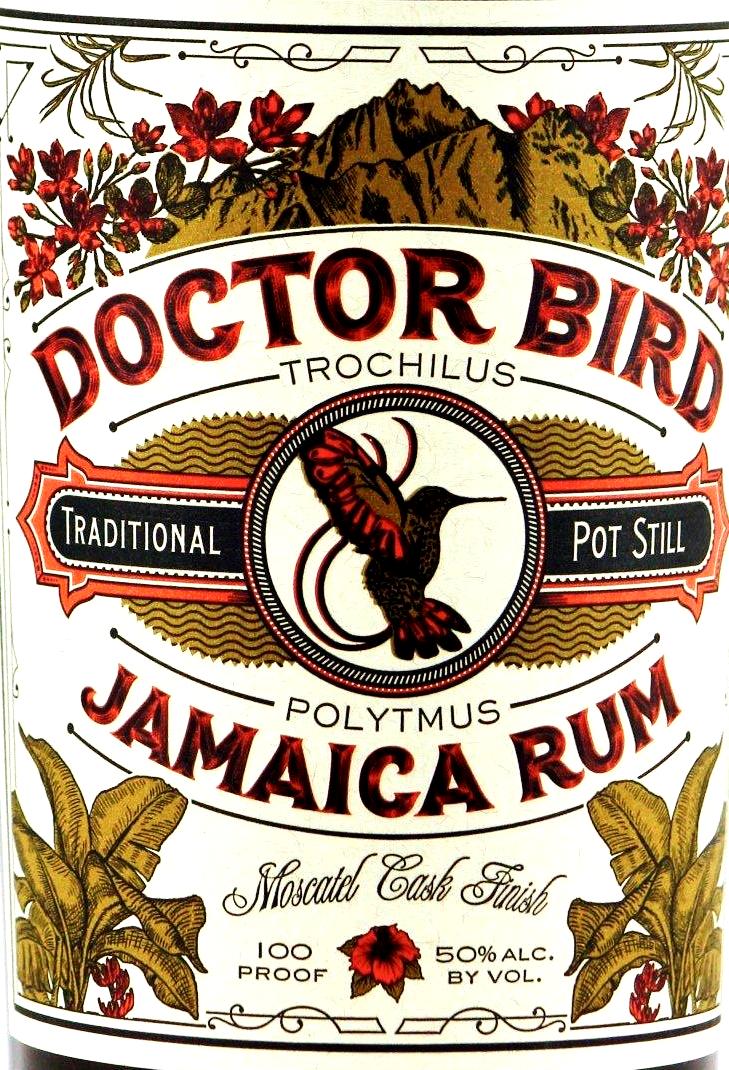 The strangely named Doctor Bird rum is another company’s response to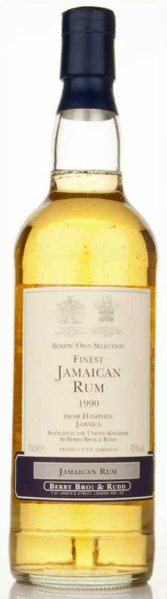
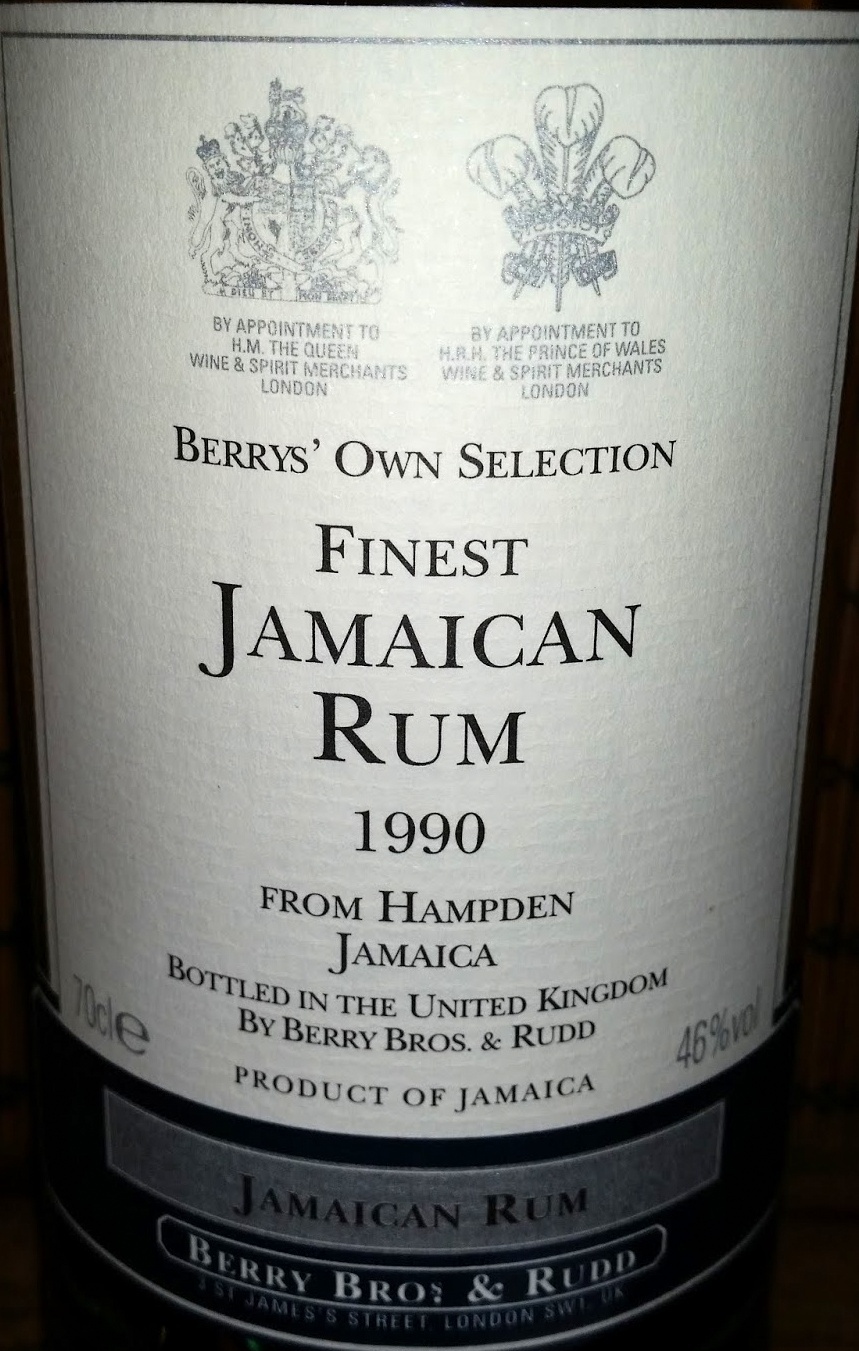
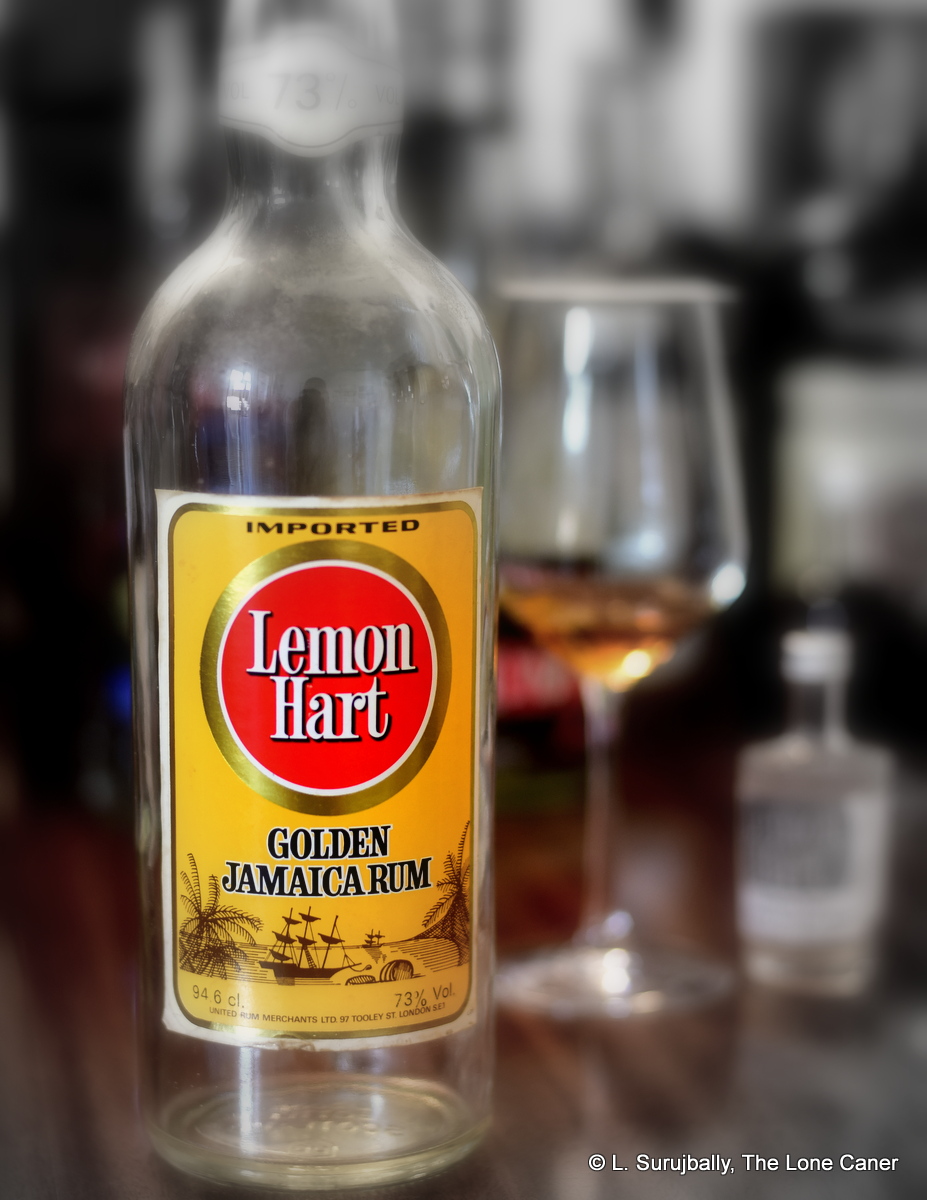 Rumaniacs Review #107 | R-0688
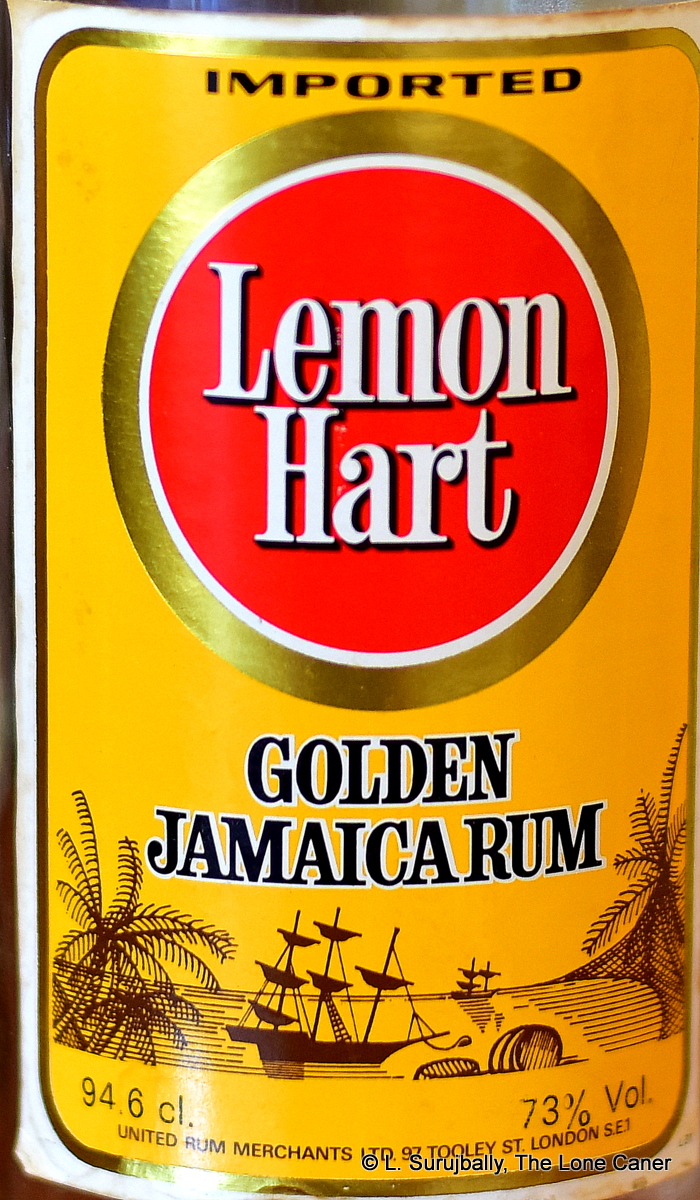 Palate – Waiting for this to open up is definitely the way to go, because with some patience, the bags of funk, soda pop, nail polish, red and yellow overripe fruits, grapes and raisins just become a taste avalanche across the tongue. It’s a very solid series of tastes, firm but not sharp unless you gulp it (not recommended) and once you get used to it, it settles down well to just providing every smidgen of taste of which it is capable.
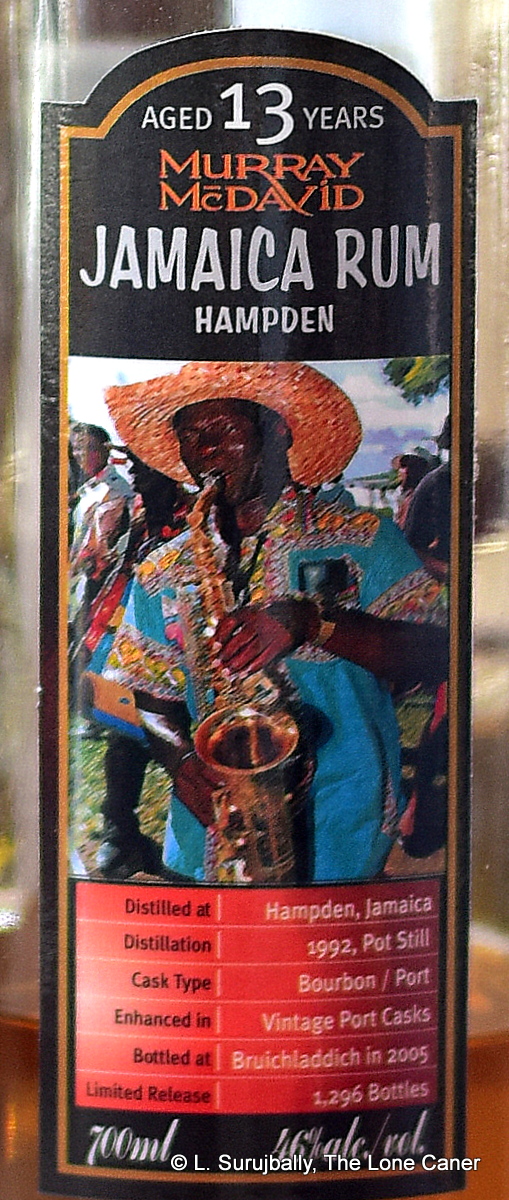 Tasting notes: definitely Jamaican, that hogo and funk was unmistakable, though it seemed more muted than the fierce cask strength Hampdens we’ve been seeing of late. It smelled initially of pencil shavings, crisp acetones, nail polish remover, a freshly painted room and glue. After opening up, I went back some minutes later and found softer aromas – red wine, molasses, honey, chocolate, and cream cheese and salted butter on fresh croissants, really yummy. And this is not to ignore the ever-present sense of fruitiness – dark grapes, black cherries, ripe mangoes, papayas, gooseberries and some bananas, just enough to round off the entire nose.