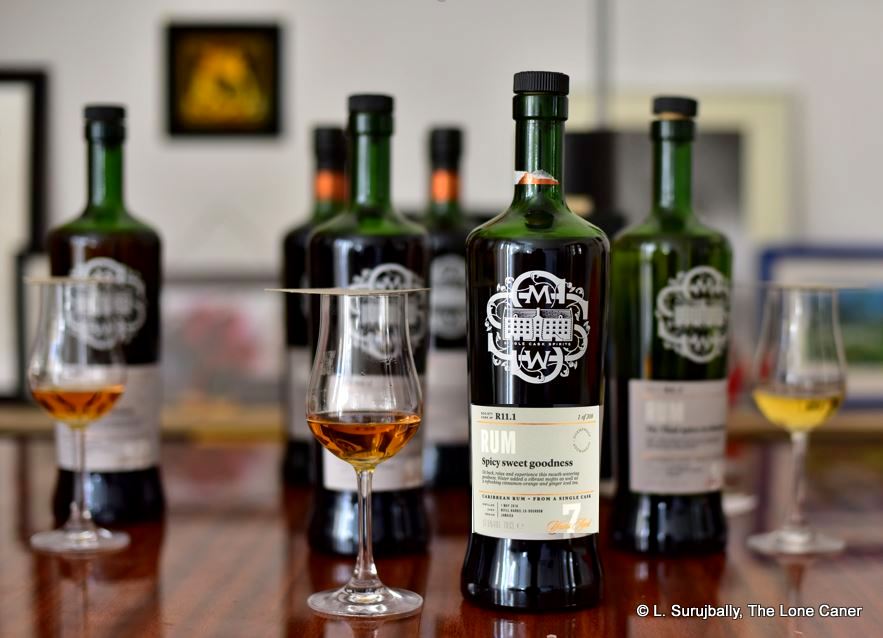
The Scotch Malt Whisky Society is no longer, as outlined in the brief biography of the organization, quite any of those things, not really. It has offices way beyond Scotland, it’s not restricting itself to bottling malts, has moved past releasing only whiskies, and can just barely be considered a society (more of an independent bottler). This is especially so since they have begun to not just buy aged casks from whisky producers but also new-make spirit so they can age their own.
This last development has not yet occurred in the fields of their rums, though it wouldn’t really influence my purchasing decisions – I’ve been a fan for years, ever since I was fortunate enough to snap up three of their rums in Canada in 2013. That’s around the time when they started to take rums even marginally more seriously than before, and now in 2020, they have 13 different distilleries’ rums, of which the R 11.1 represents one of the New Jamaicans many fans are currently salivating over.
The Society is no stranger to Jamaica – the very first release R1.1 was a Monymusk, and thereafter they added R5 (Longpond, from 2012), R7 (Hampden, from 2016) and in 2017, they scored with Worthy Park as R11. And since I’ve unconscionably ignored the ‘Park for quite some time, I think I’ll begin the slow accretion of SMWS rum reviews with them – also because they’re pretty damned good. This one is a relatively young 7 years old, bottled in 2017 at a firm 57.5% (308-bottle outturn) and has the evocative title of “Spicy Sweet Goodness”, which is very much in line with the Society’s equally amusing and puzzling label descriptions that many have drunk themselves in to stupors trying to understand or follow.
Nose first. Yep, it’s definitely a Worthy Park and a pot still rum, such as I remember with such fondness from the Compagnie des Indes’s two 2007 WP editions, the 7YO and the 8YO, both of which were really good. It’s sweet and crisp and snaps across the nose with a light and sharp esteriness: my first written notes are “fruits, flowers and honey on white bread, wow!” But there’s also a light glue background, some cereals, ginger, cumin, lemon peel and pineapple all coming together in a very precise amalgam where each note is completely distinct. It has the freshness of a newly sun-dried white sheet with the sunshine still aromatic upon it.
This is one of those rums where the taste is even better than the nose. What it does is settle down a bit, and if it loses something of the initial clean clarity that nose displayed, well, it gains a bit in depth and overall complexity. The white bread has now been toasted, the cereal is almost like Fruit Loops, but the honey (thankfully) remains, golden and tawny and thick. These core notes are joined by brown sugar, toblerone, almonds, fleshy fruits like papaya, peaches, apricots and ears, as well as a peculiar background of beef bouillon, maggi cubes and crackers and (if you can believe it) powdered laundry detergent, y’know, like Tide or something. The light citrus (it really does remind me of Fanta at times) is there to balance everything off, acting as something of an exclamation point to the palate. The medium-lasting finish is surprisingly simple in comparison to the smorgasbord we just waded through, but it is elegant and has the main food groups well represented – fruity, sweet, salty and tart, all at the same time.
Well, this was quite something. I liked it a lot. I have no idea how so much was stuffed into the ex-bourbon barrel the rum was aged in, especially given such a young age and what was (I believe) a continental ageing regimen. There are discordant bits here and there (minor ones) in the way the flavours don’t always harmonize completely; and sure, you can taste the youth in its brash liveliness and the initial sharply crisp attack – yet I’m not convinced that a few more years would have done much more than enhance it marginally.
Most of the rums I’ve tried from WP are relatively young, and relatively good — it seems to be a real peculiarity of the estate to produce rums that other companies ageing their rums for twice as long would have been proud to bottle. In fine, the SMWS R11.1 is a jaunty young rumlet, made with verve and style by an outfit which seems somehow to regularly put out single-digit aged rums – for themselves and for others – which are consistently and uniformly better than conventional wisdom says they should be. To do that is to Worthy Park’s credit. To recognize it and bring it to us, is that of the SMWS.
(#726)(85/100)
Other Notes
- Inadvertent loss of my original photo required me to make some adjustments which I’ll replace when I retake that picture.
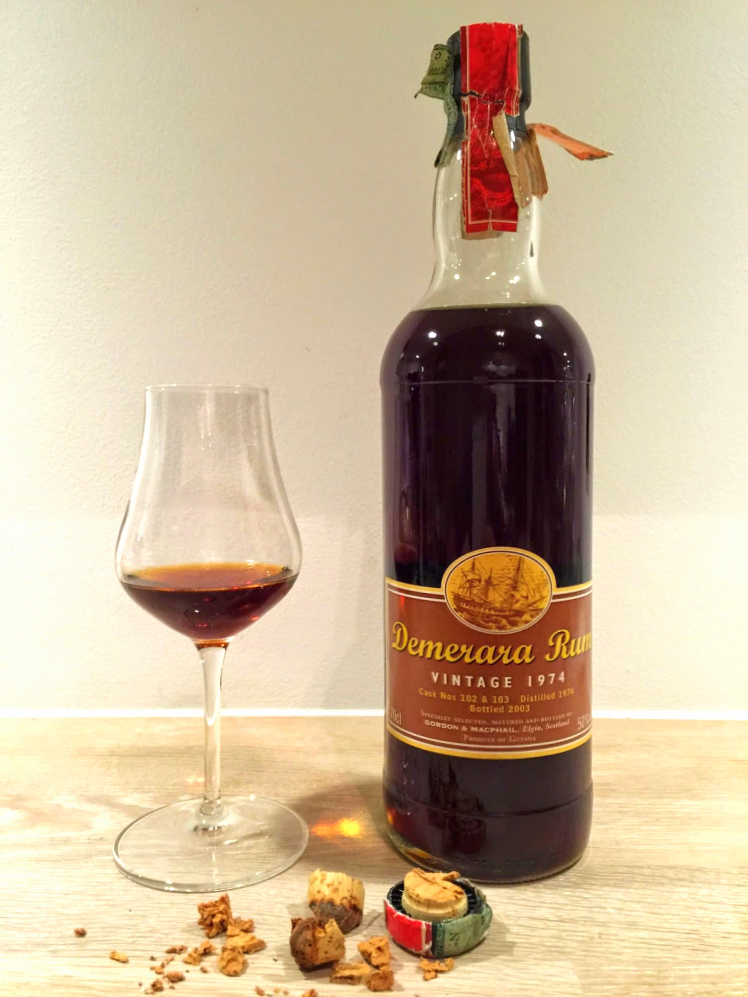
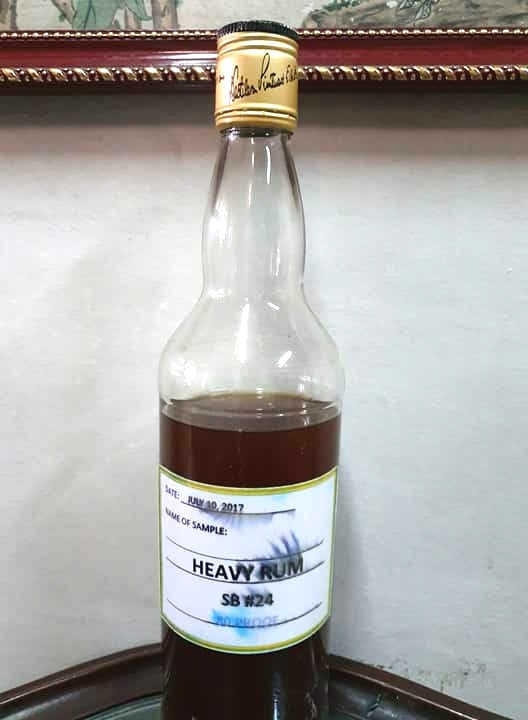 I should begin by warning you that this rum is sold on a very limited basis, pretty much always to favoured bars in the Philippines, and then not even by the barrel, but by the bottle from that barrel – sort of a way to say “Hey look, we can make some cool sh*t too! Wanna buy some of the other stuff we make?”. Export is clearly not on the cards…at least, not yet.
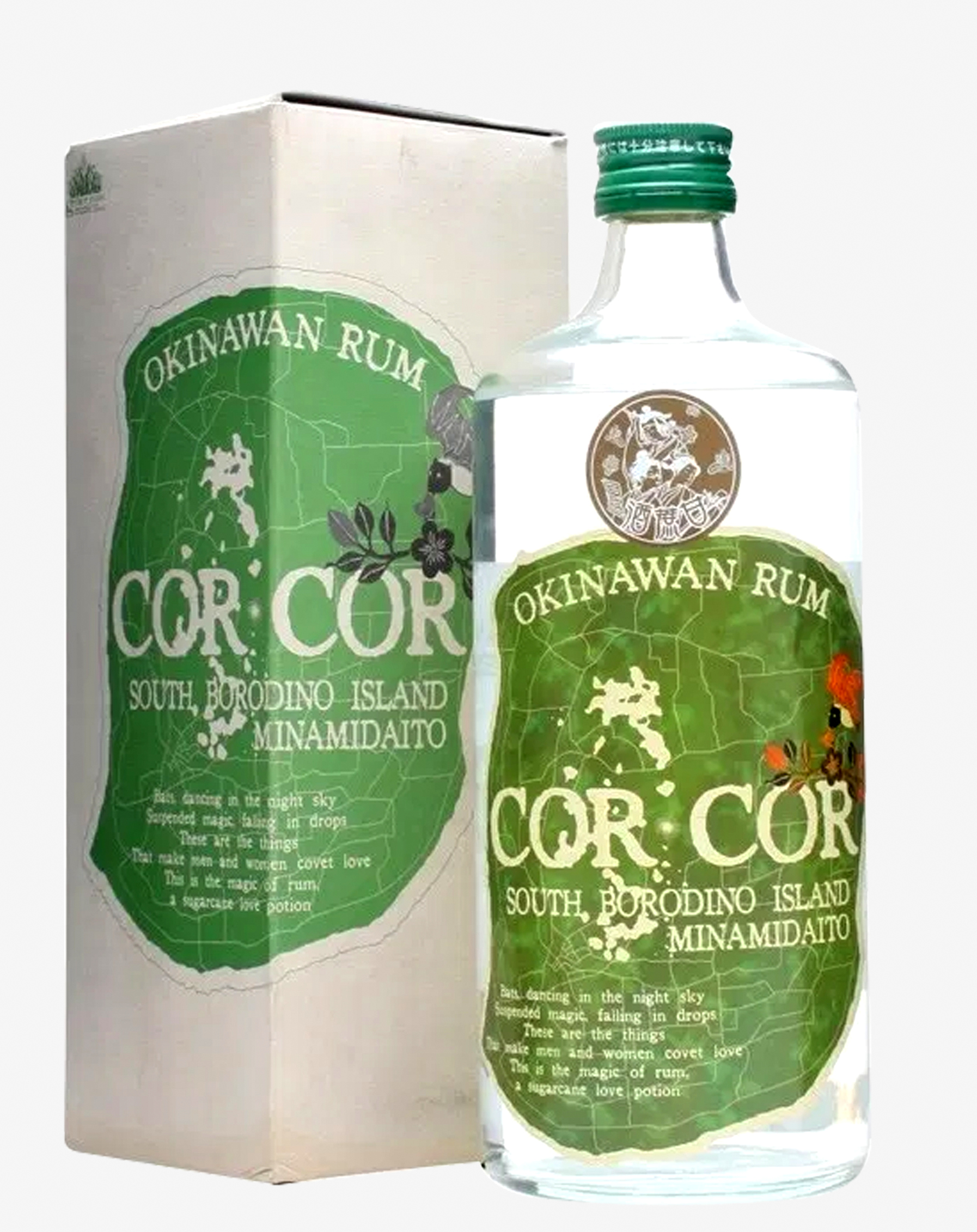 The Cor Cor “Green”, cousin to the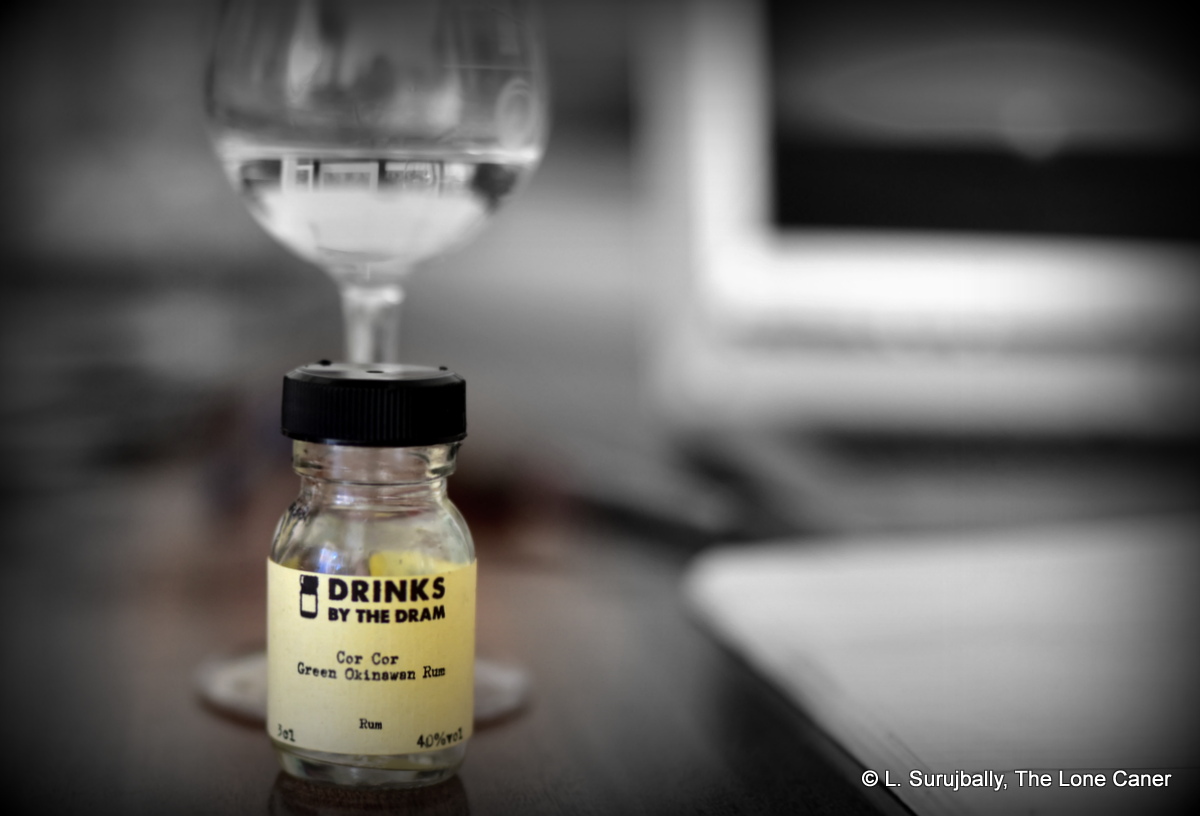
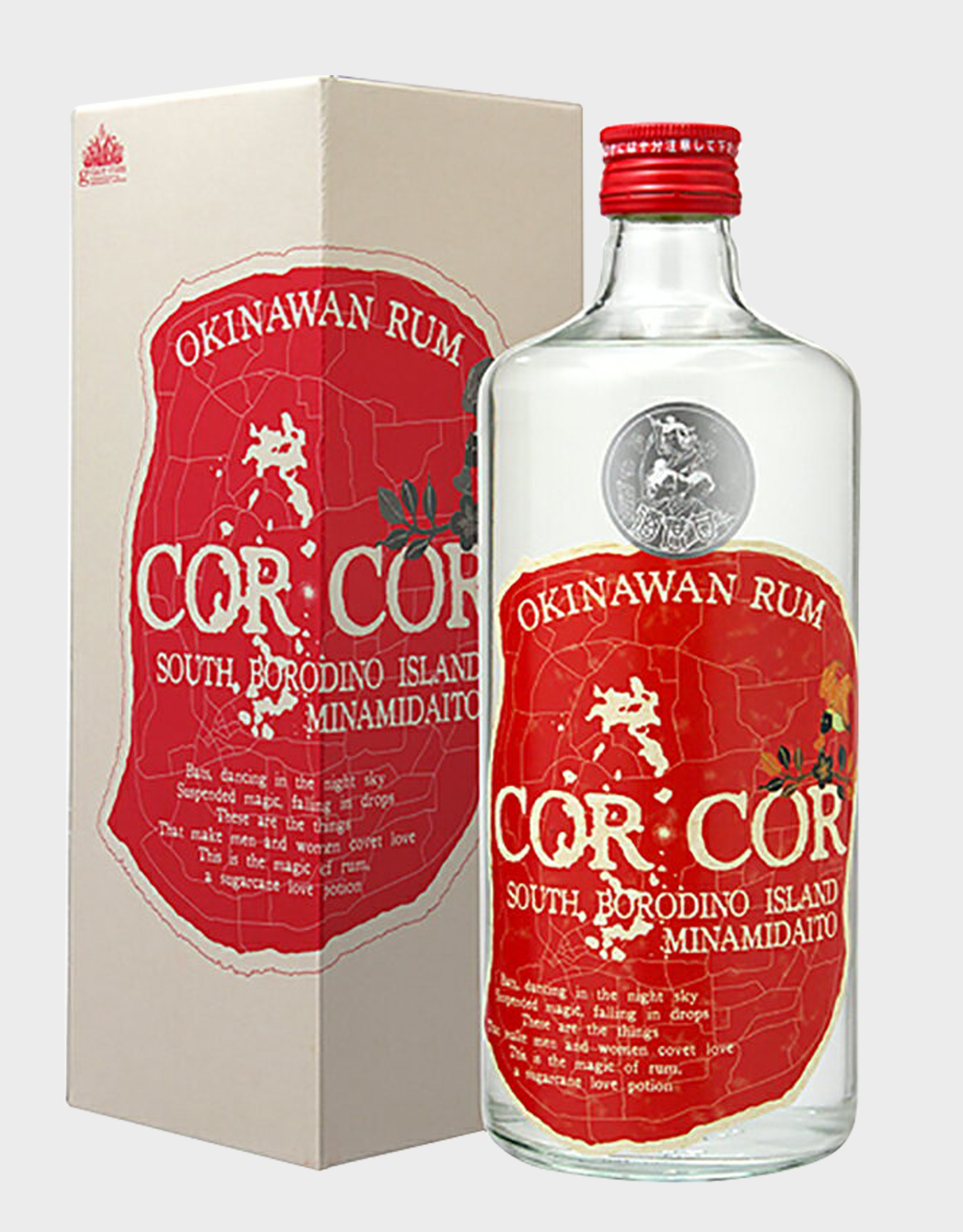 Given Japan has several rums which have made these pages (
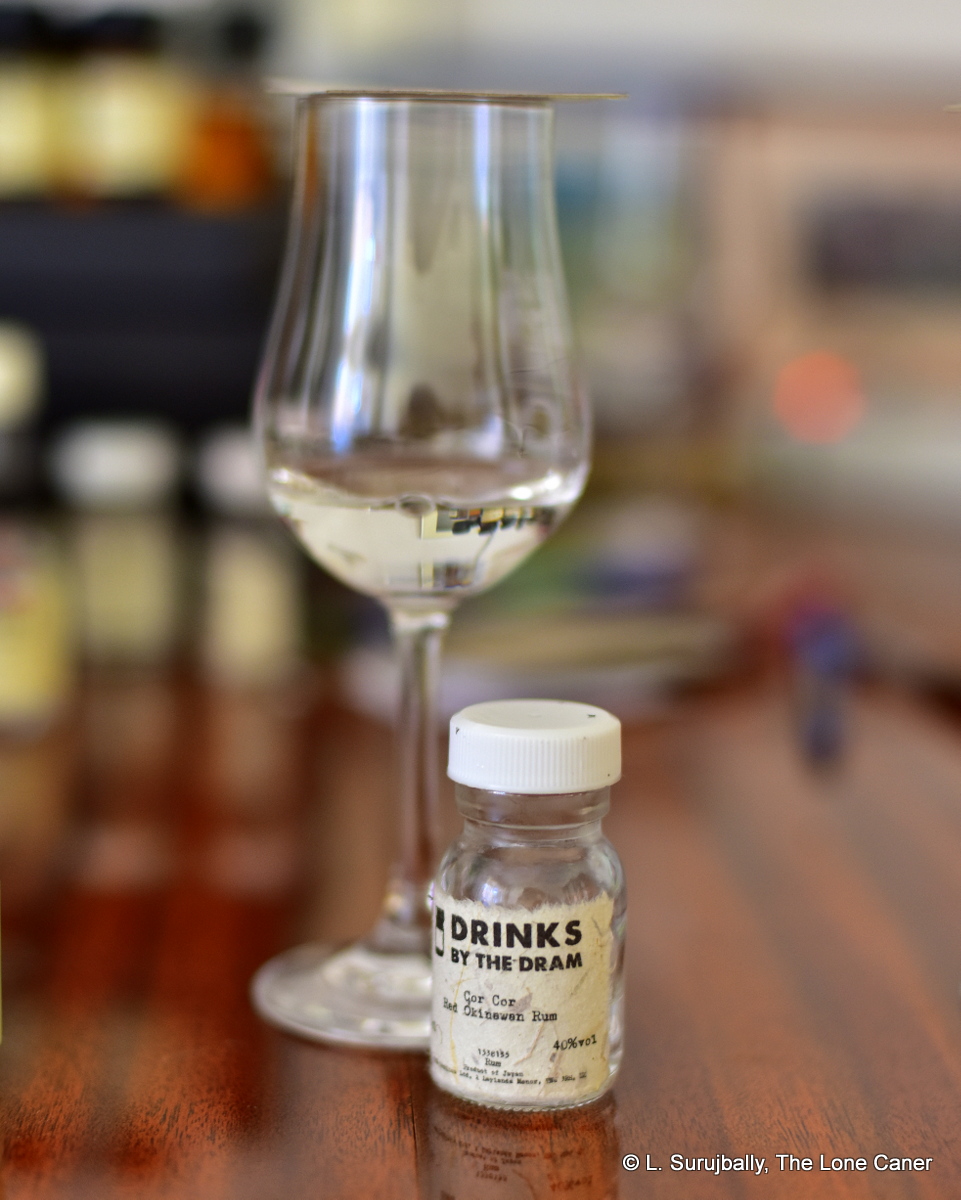 The Cor Cor Red was more generous on the palate than the nose, and as with many Japanese rums I’ve tried, it’s quite distinctive. The tastes were somewhat offbase when smelled, yet came together nicely when tasted. Most of what we might deem “traditional notes” — like nougat, or toffee, caramel, molasses, wine, dark fruits, that kind of thing — were absent; and while their (now closed) website rather honestly remarked back in 2017 that it was not for everyone, I would merely suggest that this real enjoyment is probably more for someone (a) interested in Asian rums (b) looking for something new and (c) who is cognizant of local cuisine and spirits profiles, which infuse the makers’ designs here. One of the reasons the rum tastes as it does, is because the master blender used to work for one of the awamori makers on Okinawa (it is a spirit akin to Shochu), and wanted to apply the methods of make to rum as well. No doubt some of the taste profile he preferred bled over into the final product as well.
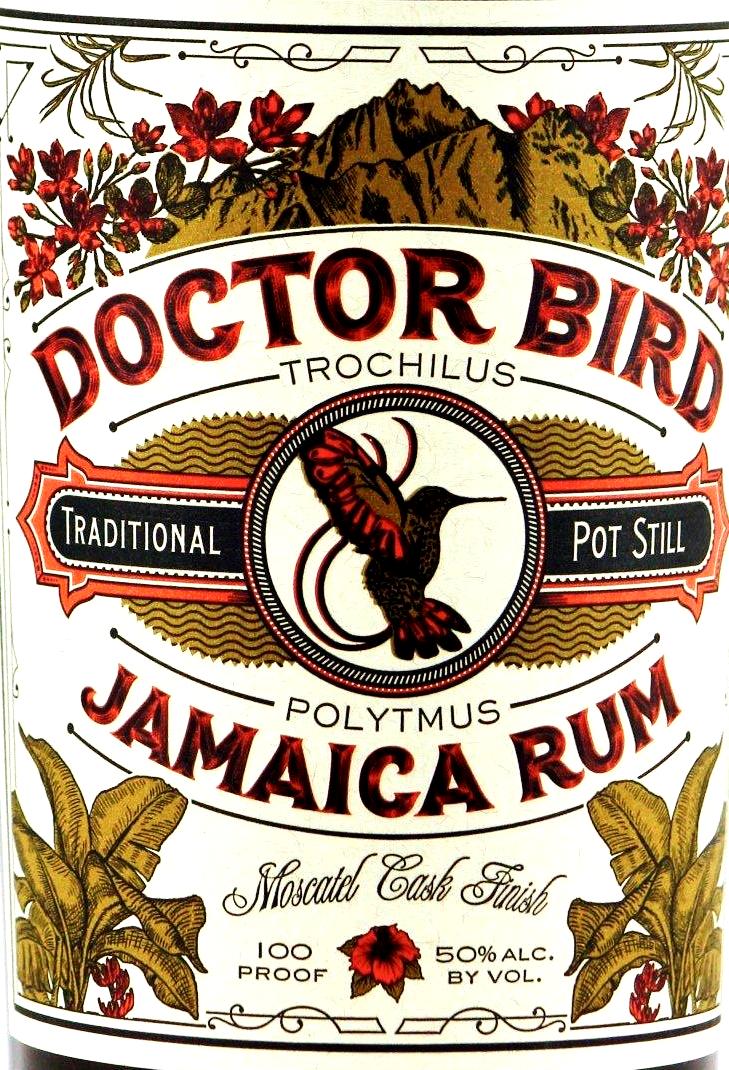 The strangely named Doctor Bird rum is another company’s response to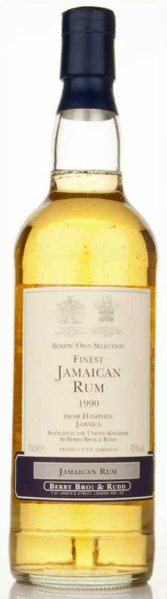
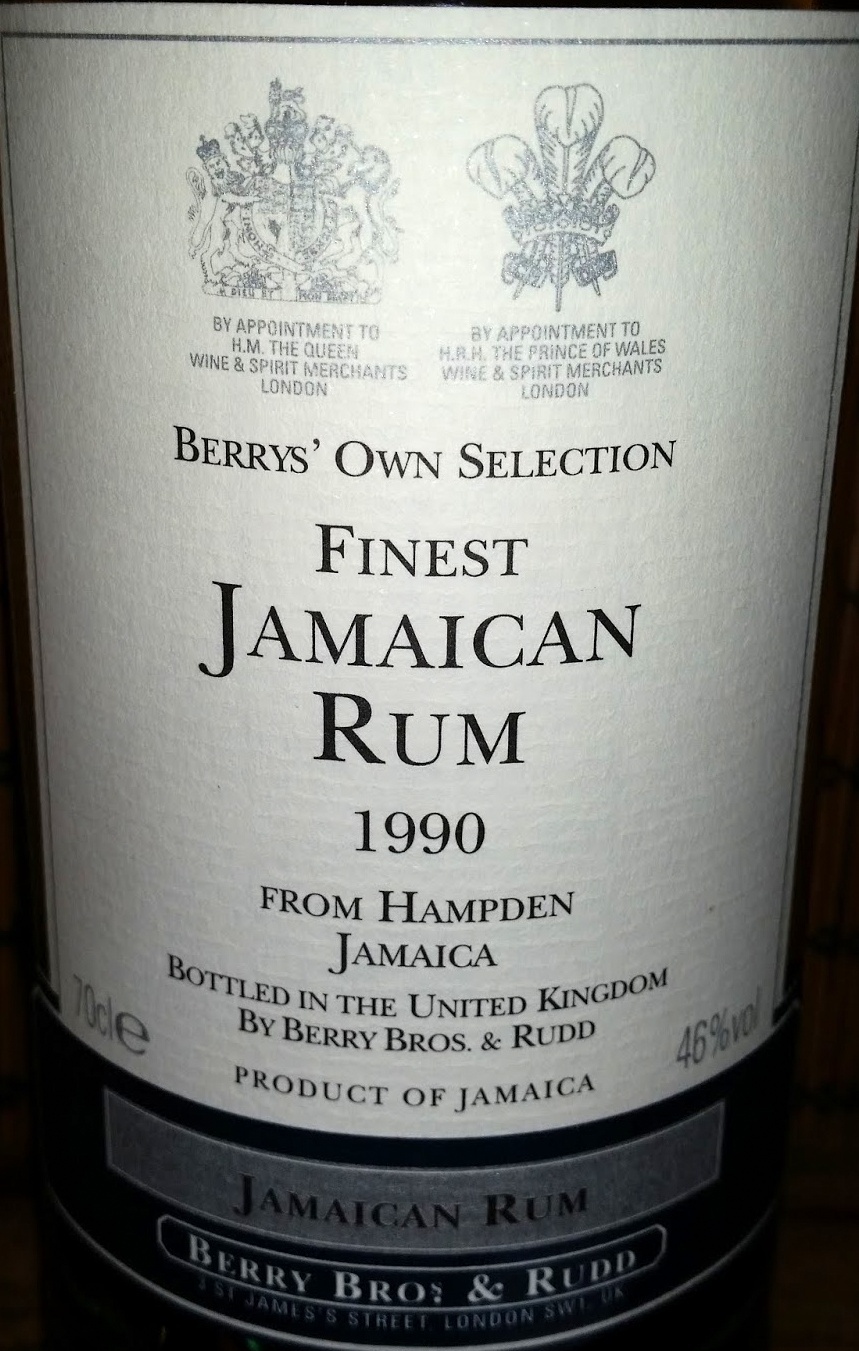
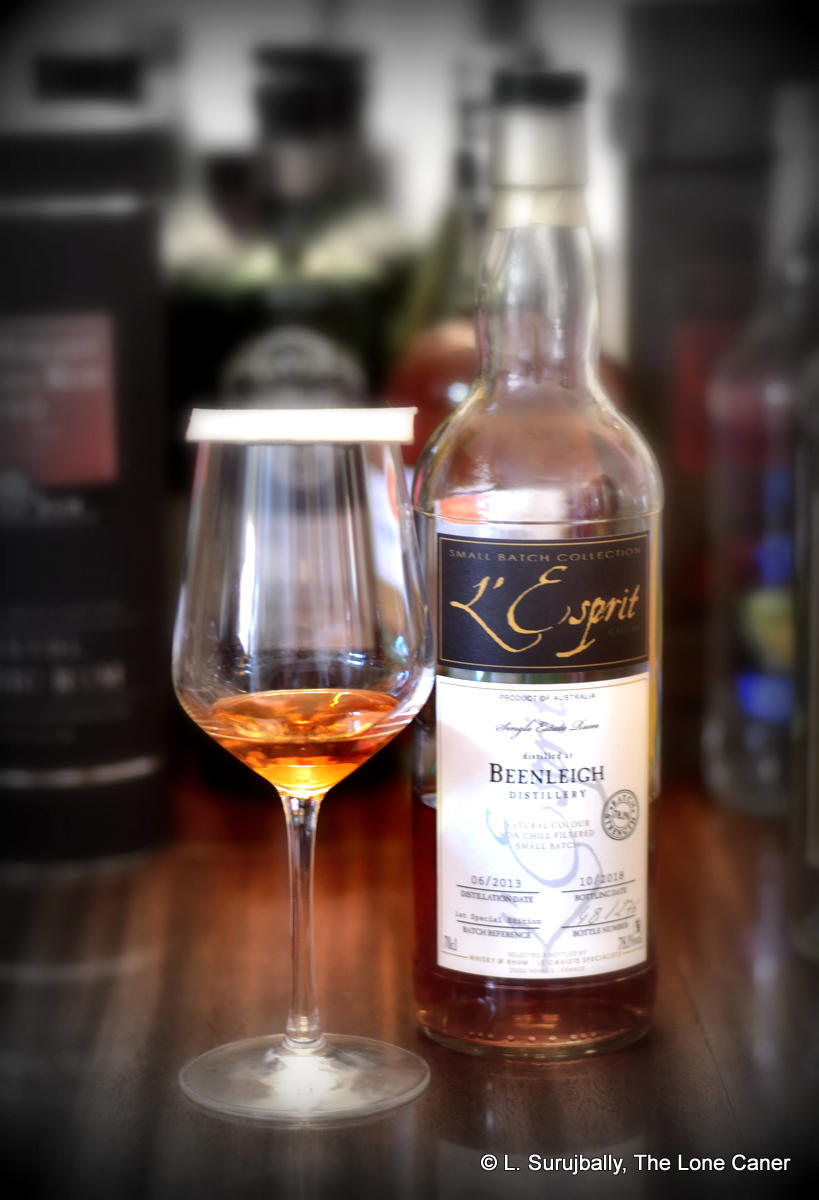 The French-bottled, Australian-distilled Beenleigh 5 Year Old Rum is a screamer of a rum, a rum that wasn’t just released in 2018, but unleashed. Like a mad roller coaster, it careneed madly up and down and from side to side, breaking every rule and always seeming just about to go off the rails of taste before managing to stay on course, providing, at end, an experience that was shattering — if not precisely outstanding.
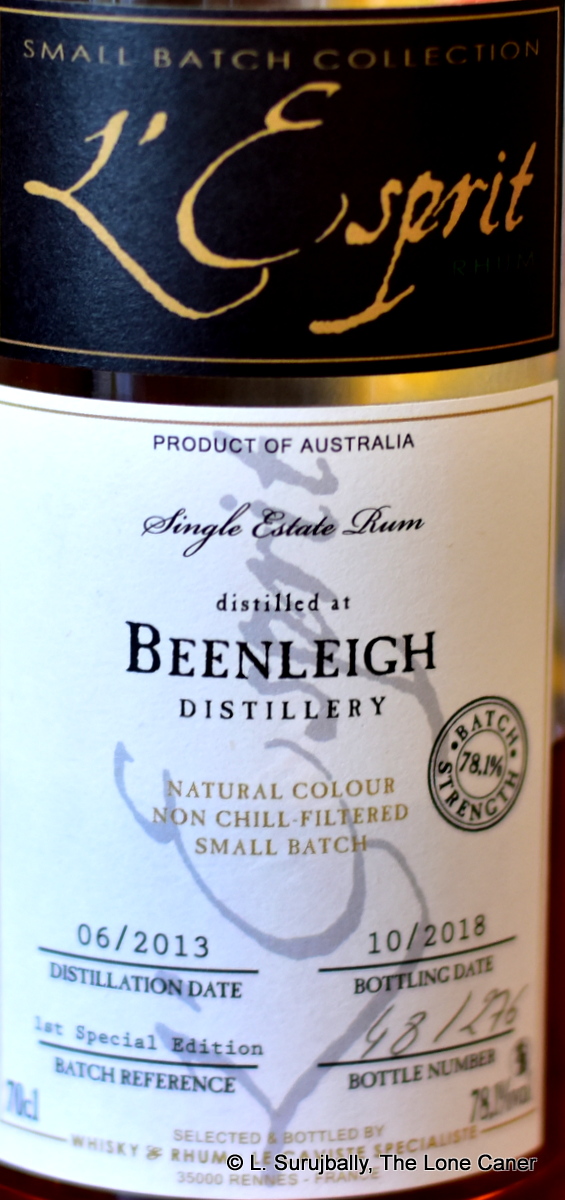 I still remember how unusual the
 Whatever the case, the rum was as fierce as the Diamond, and even at a microscopically lower proof, it took no prisoners. It exploded right out of the glass with sharp, hot, violent aromas of tequila, rubber, salt, herbs and really good olive oil. If you blinked you could see it boiling. It swayed between sweet and salt, between soya, sugar water, squash, watermelon, papaya and the tartness of hard yellow mangoes, and to be honest, it felt like I was sniffing a bottle shaped mass of whup-ass (the sort of thing Guyanese call “regular”).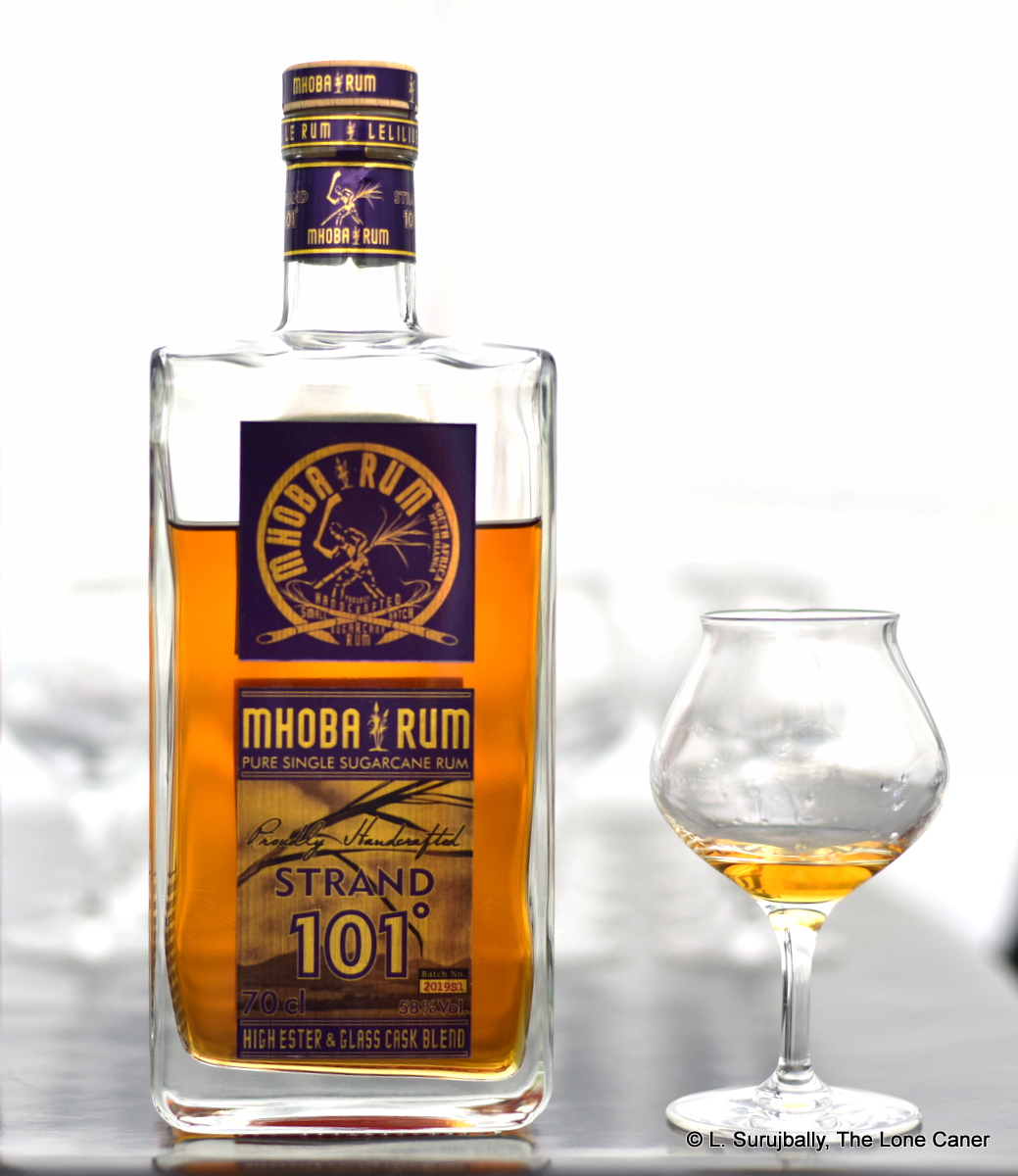
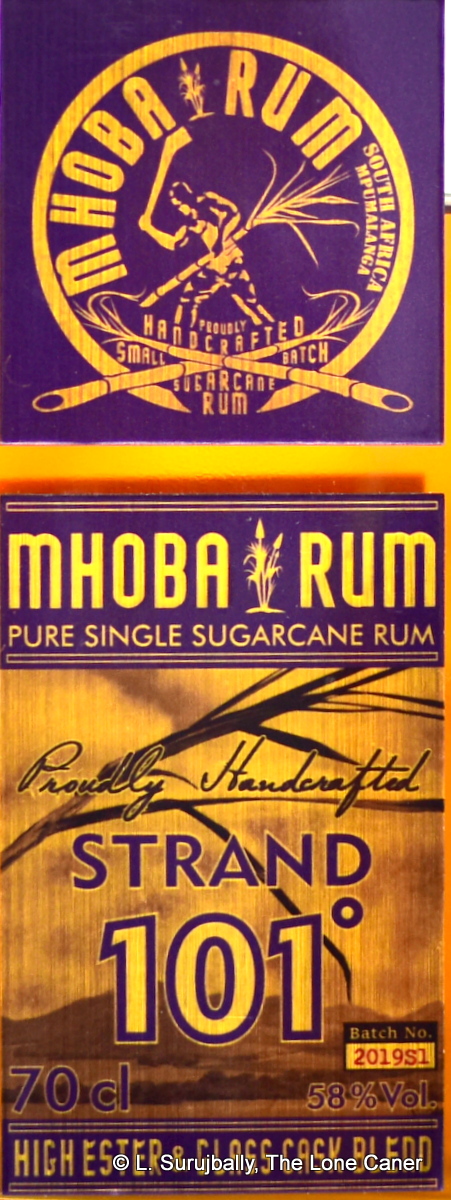 The Strand 101° was specifically designed by Knud Strand, a colourful Danish distributor who worked closely with Robert Greaves (as he had with many brands before) to bring the Mhoba line to market. What he was looking for was to create a blend of unaged and aged rum from pot stills, adhering to something of the S&C profile but from only one still (not two or more). He was messing around with samples some time back and after making his selections finally came back to two, both fullproof — one, slightly aged was too woody, with the other unaged one perhaps too funky.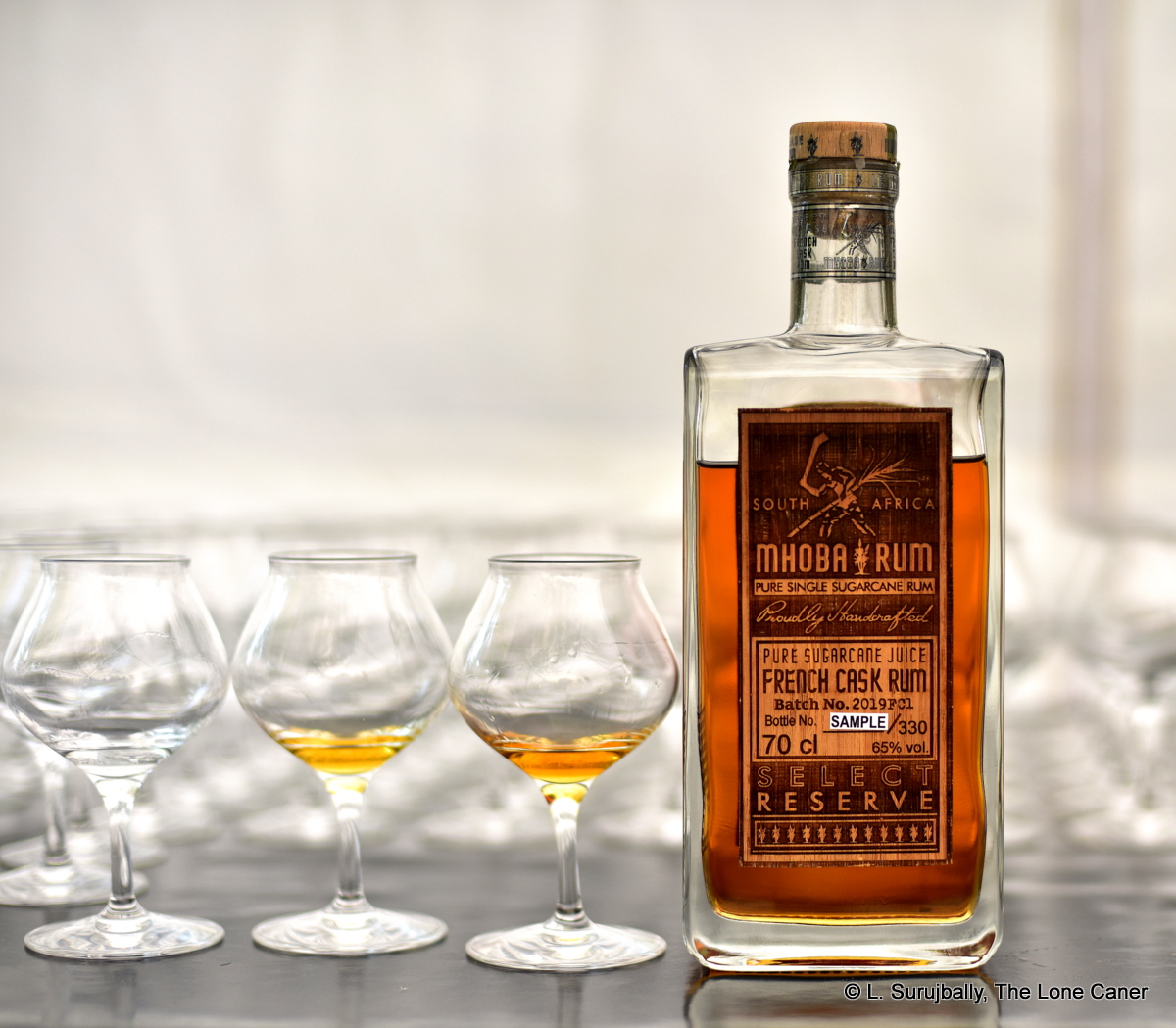
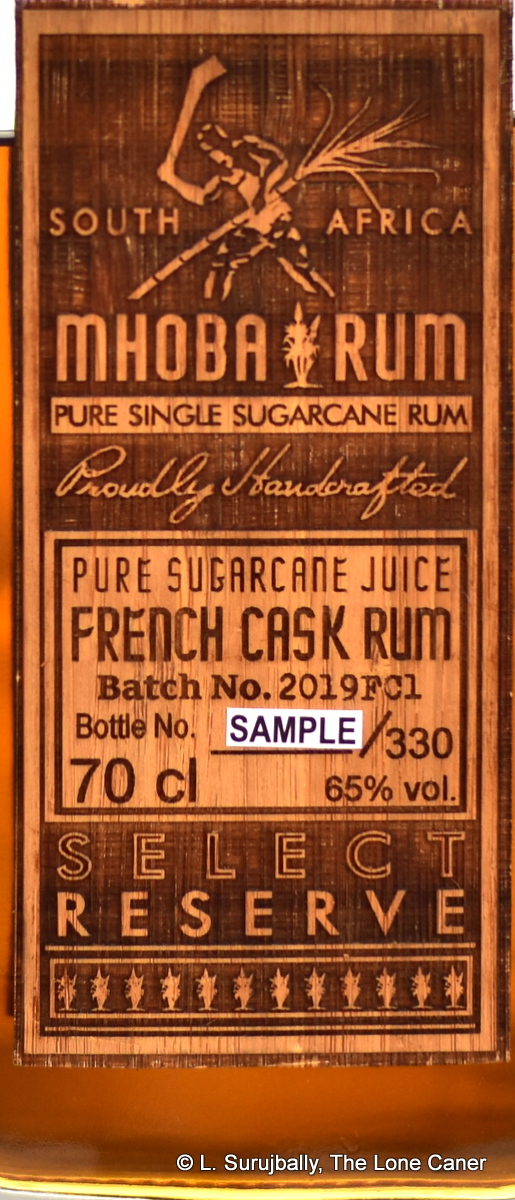 This is where good labelling helps understand what you’re getting. Mine read that it was a sugar cane juice rum, single blended, the bottle outturn (330 bottles, of which this was a sample), batch 2019FC1, South African made, and 65% ABV (ouch!). Actually, the only things missing from the label were the age statement (website says just over a year) and the still of origin (it’s a pot still), which I imagine subsequent labels will correct, especially as additional aged varietals begin to enter the market and a stock of different aged expressions gets built up – already, the company site lists eight different rums, so they’re not wasting any time.
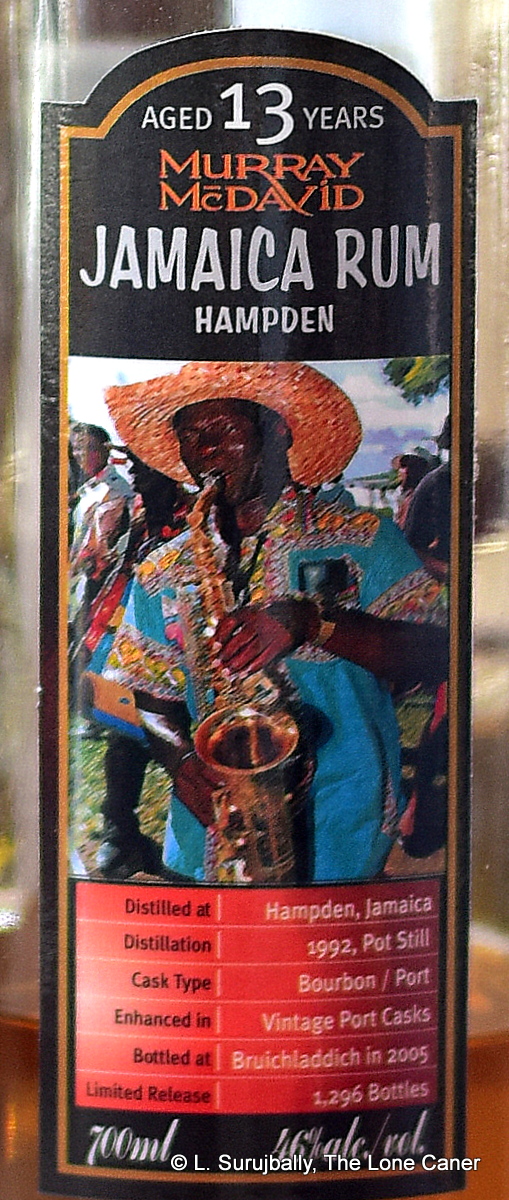 Tasting notes: definitely Jamaican, that hogo and funk was unmistakable, though it seemed more muted than the fierce cask strength Hampdens we’ve been seeing of late. It smelled initially of pencil shavings, crisp acetones, nail polish remover, a freshly painted room and glue. After opening up, I went back some minutes later and found softer aromas – red wine, molasses, honey, chocolate, and cream cheese and salted butter on fresh croissants, really yummy. And this is not to ignore the ever-present sense of fruitiness – dark grapes, black cherries, ripe mangoes, papayas, gooseberries and some bananas, just enough to round off the entire nose.
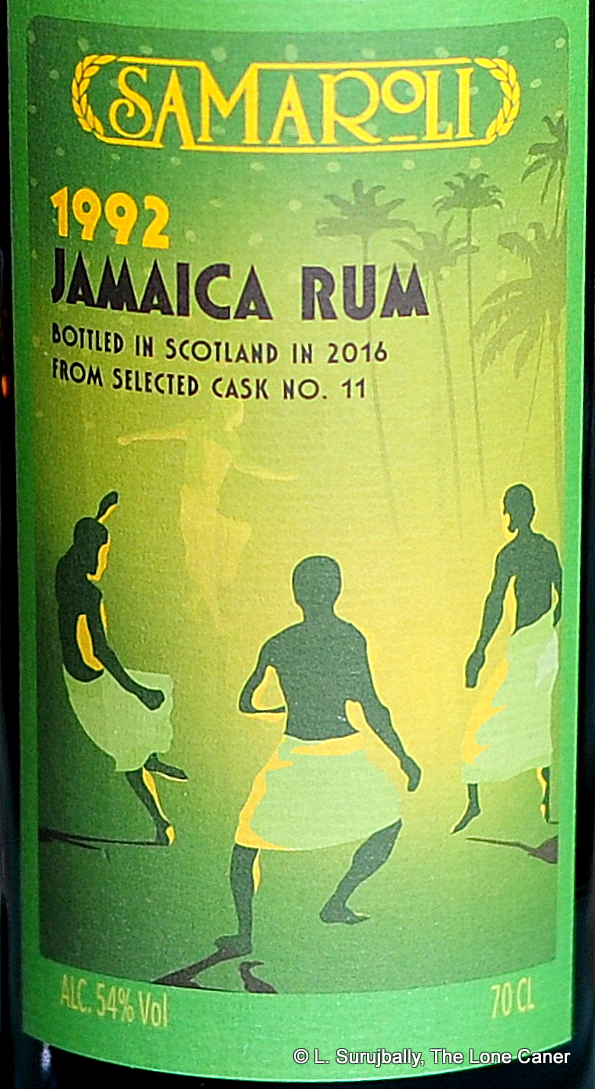 Although it’s older, Samaroli is somewhat eclipsed these days (by Velier), and is sometimes regarded as being on the same tier as, say,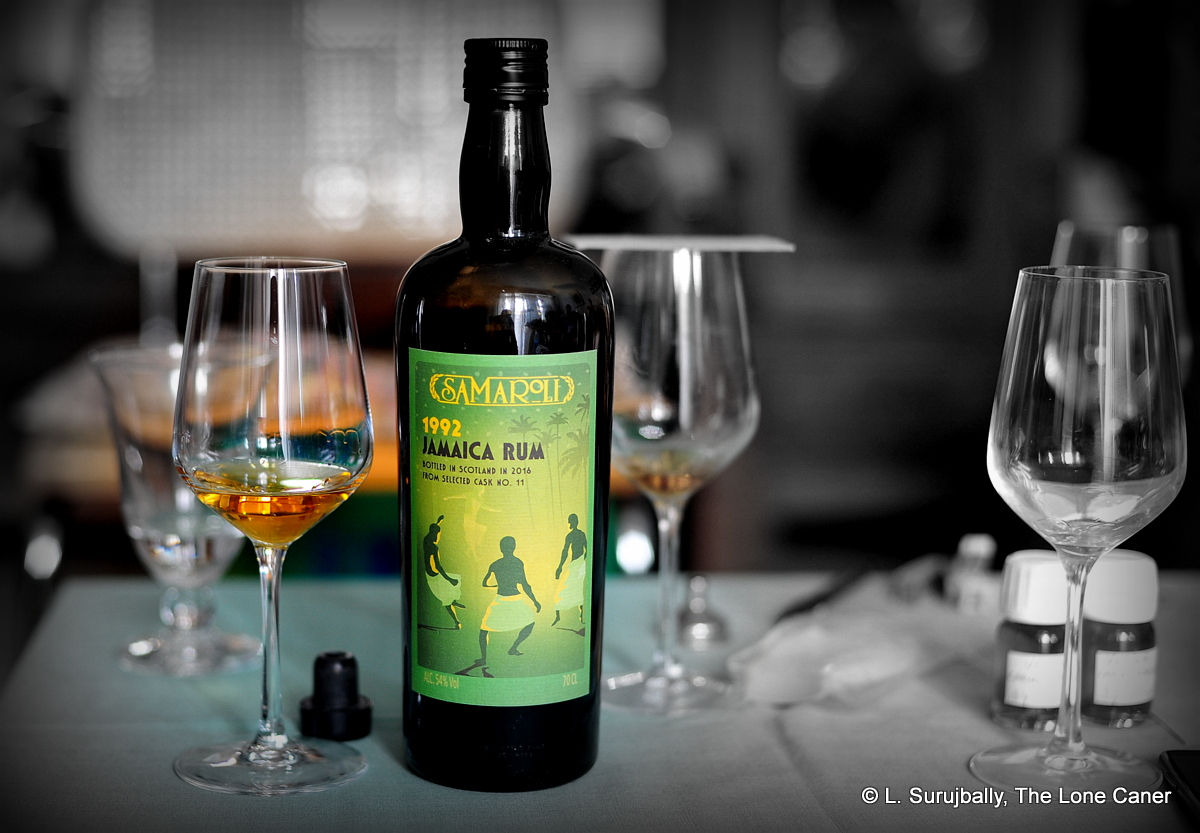
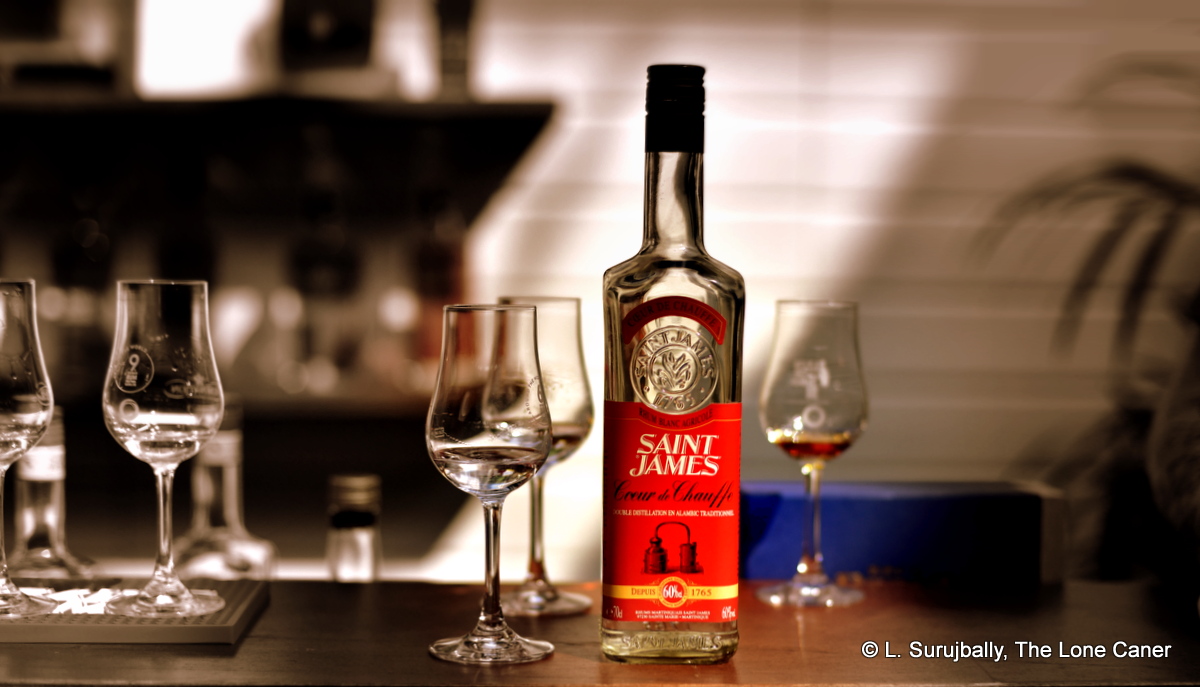
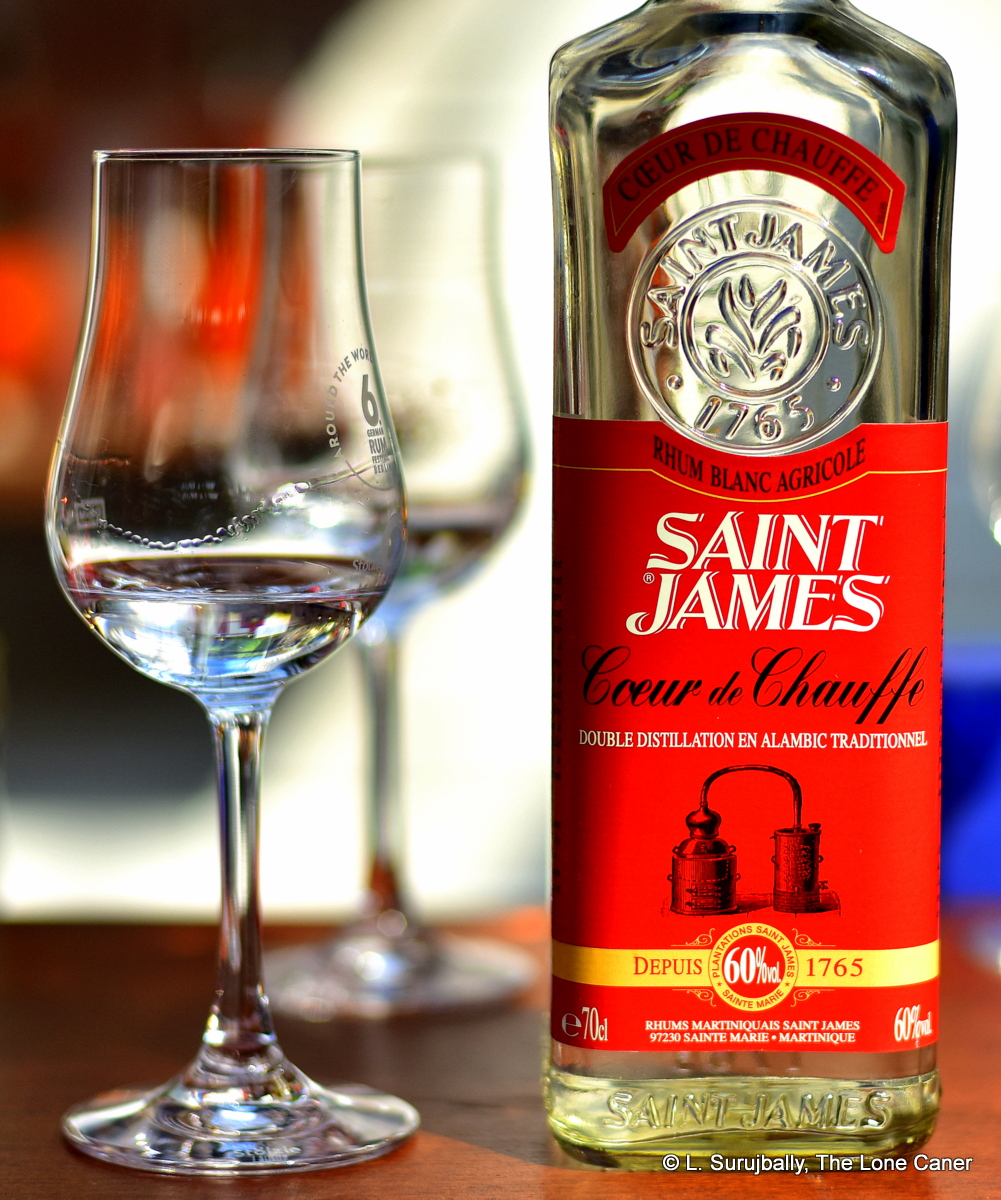 And also because, man, did this thing ever smell pungent — it was a bottle-sized 60-proof ode to whup-ass and rumstink. A barrage of nail polish, spoiling fruit, wood chips, wax, salt, and gluey notes all charged right out without pause or hesitation, spoiling for a fight. Even without making a point of it, the rhum unfolded with uncommon firmness into aromas of sweet, grassy herbals, green apples, sugar water, dill, cider, vegetables, toasted bread, a sharp mature cheddar, all mixed in with moist dark earth, sugar water, biscuits, orange peel. And the balance of all of them was really quite good, truly.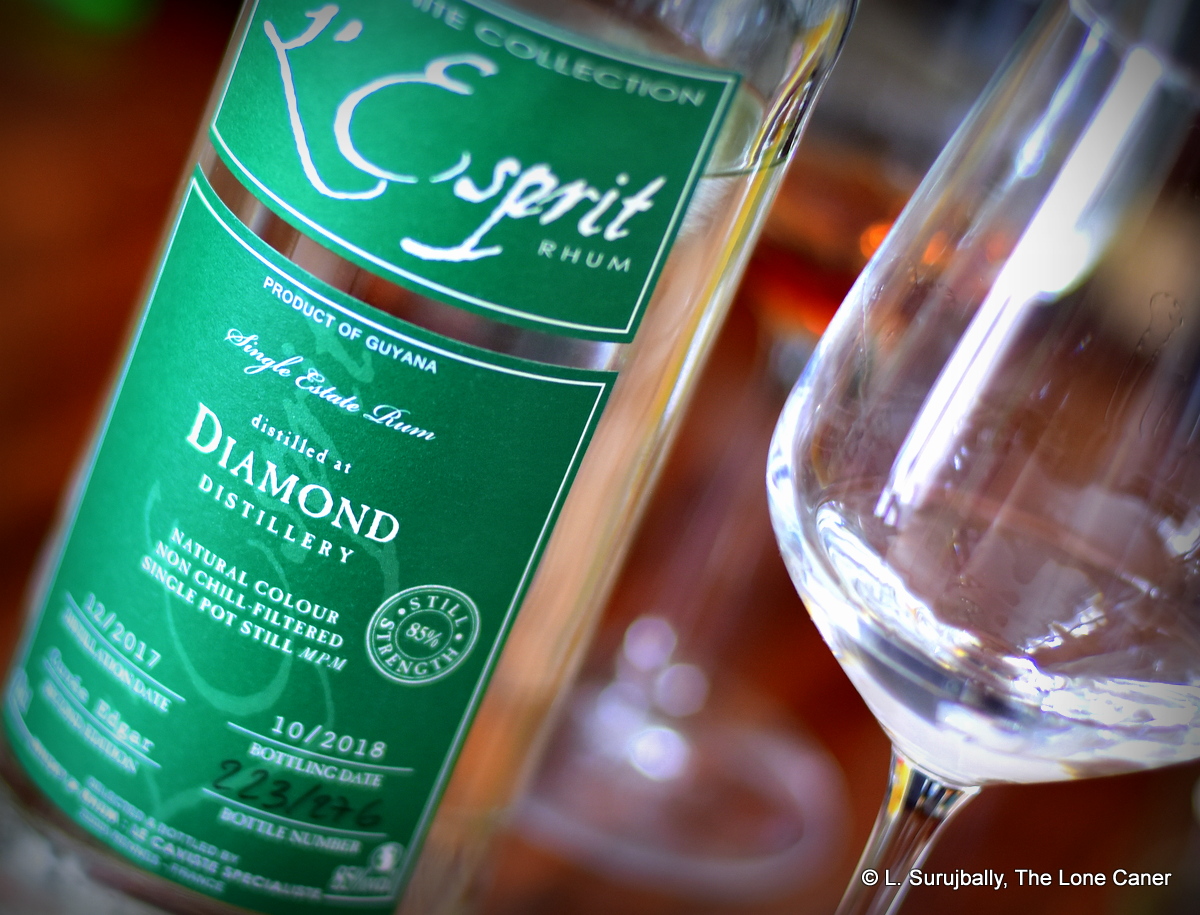
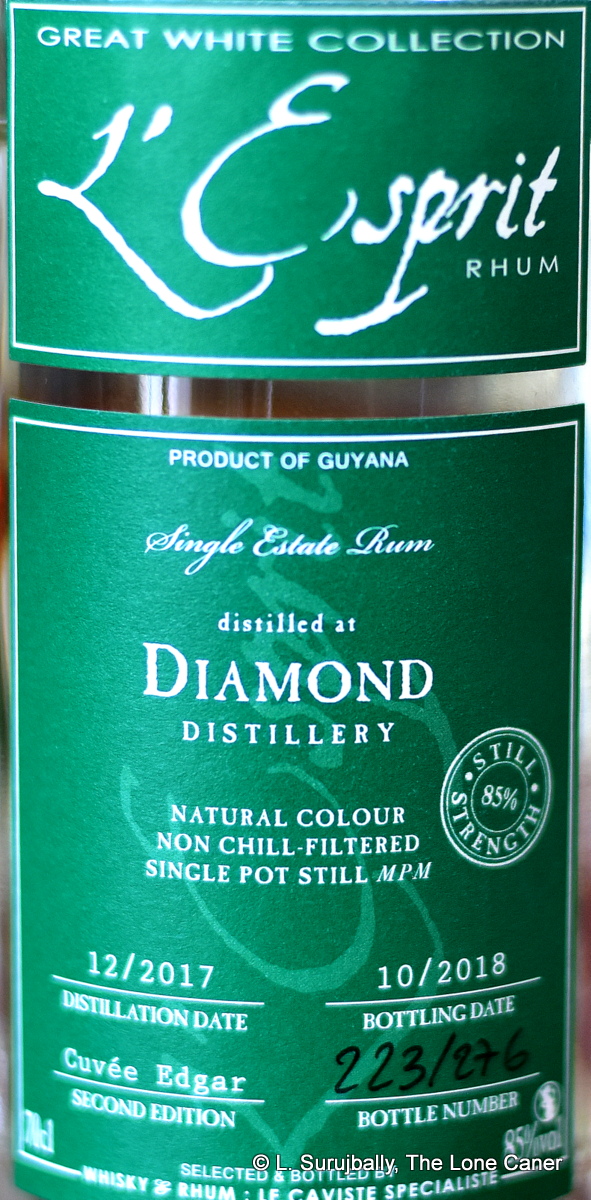 I’ll get straight to it, then, and merely mention that at 85% ABV, care was taken – I poured, covered the glass, waited, removed the cover, and prudently stepped way back.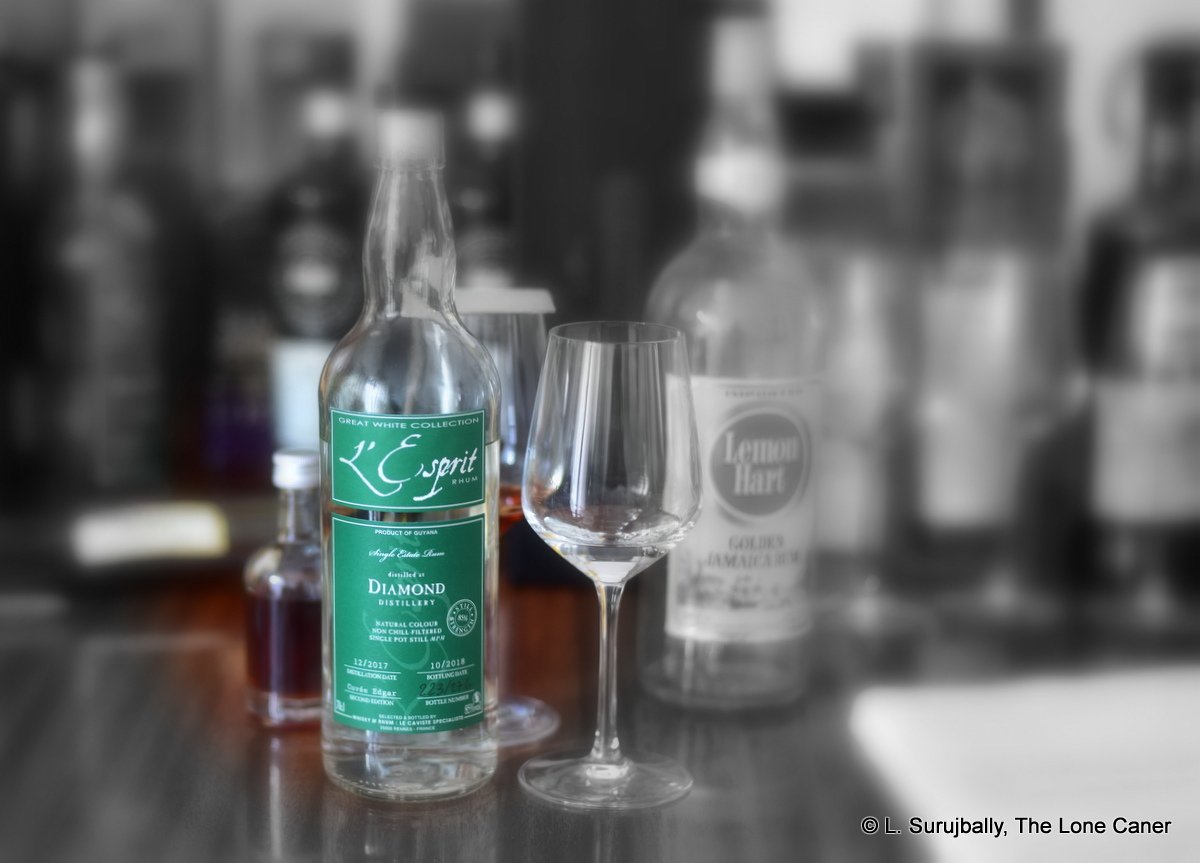
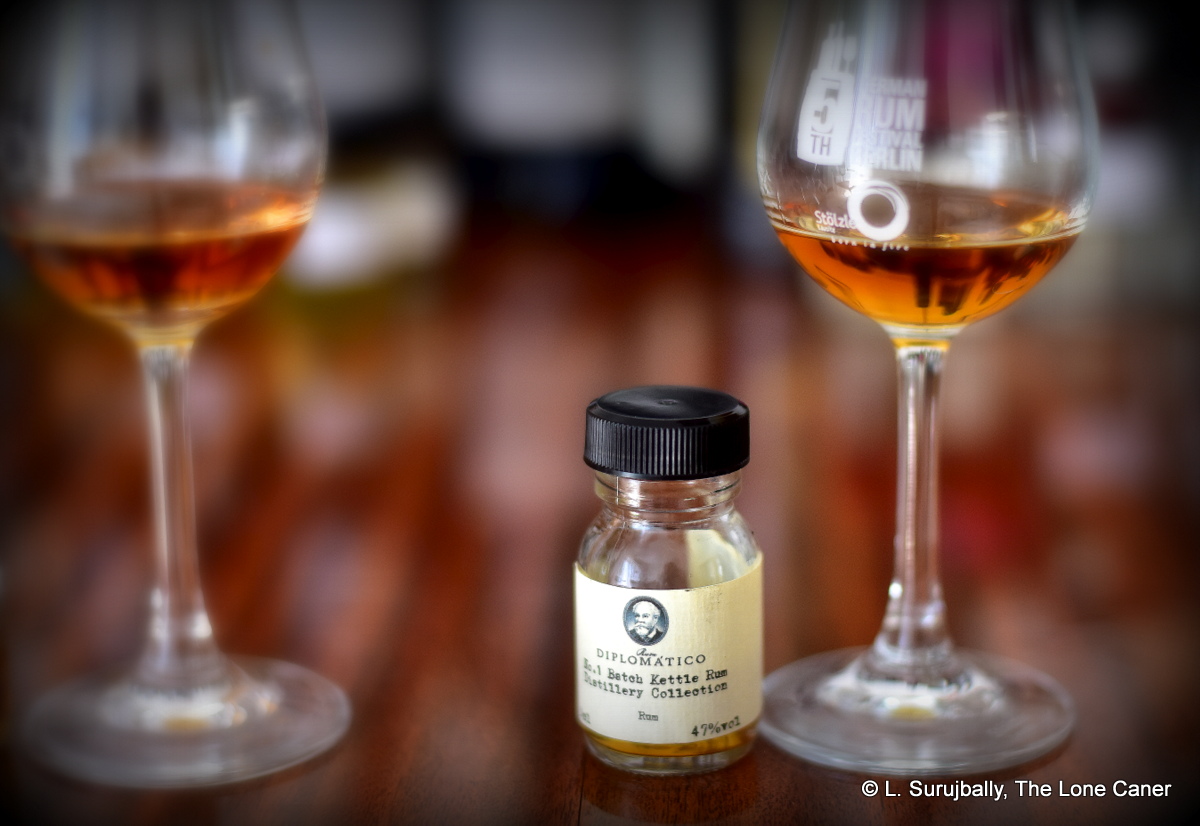
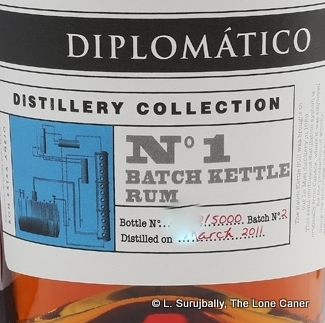 Things took an interesting turn around 2017 when No.1 and No.2 versions of the “Distillery Collection” were trotted out with much fanfare. The purpose of the Collection was to showcase other stills they had – a “kettle” (sort of a boosted pot still, for release No.1), a Barbet continuous still (release No.2) and an undefined pot still (release No.3, released in April 2019). These stills, all of which were acquired the year the original company was founded, in 1959, were and are used to provide the distillates which are blended into their various commercial marques, and until recently, such blends were all we got. One imagines that they took note of DDL’s killer app and the rush by Jamaica and St Lucia to work with the concept and decided to go beyond their blended range into something more specific.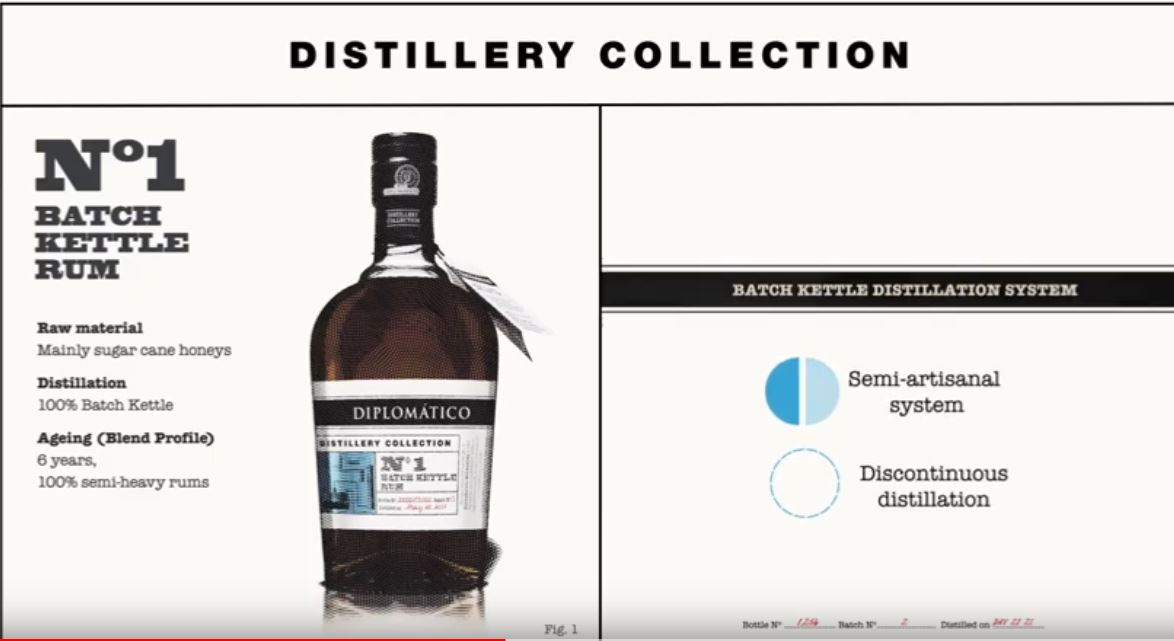
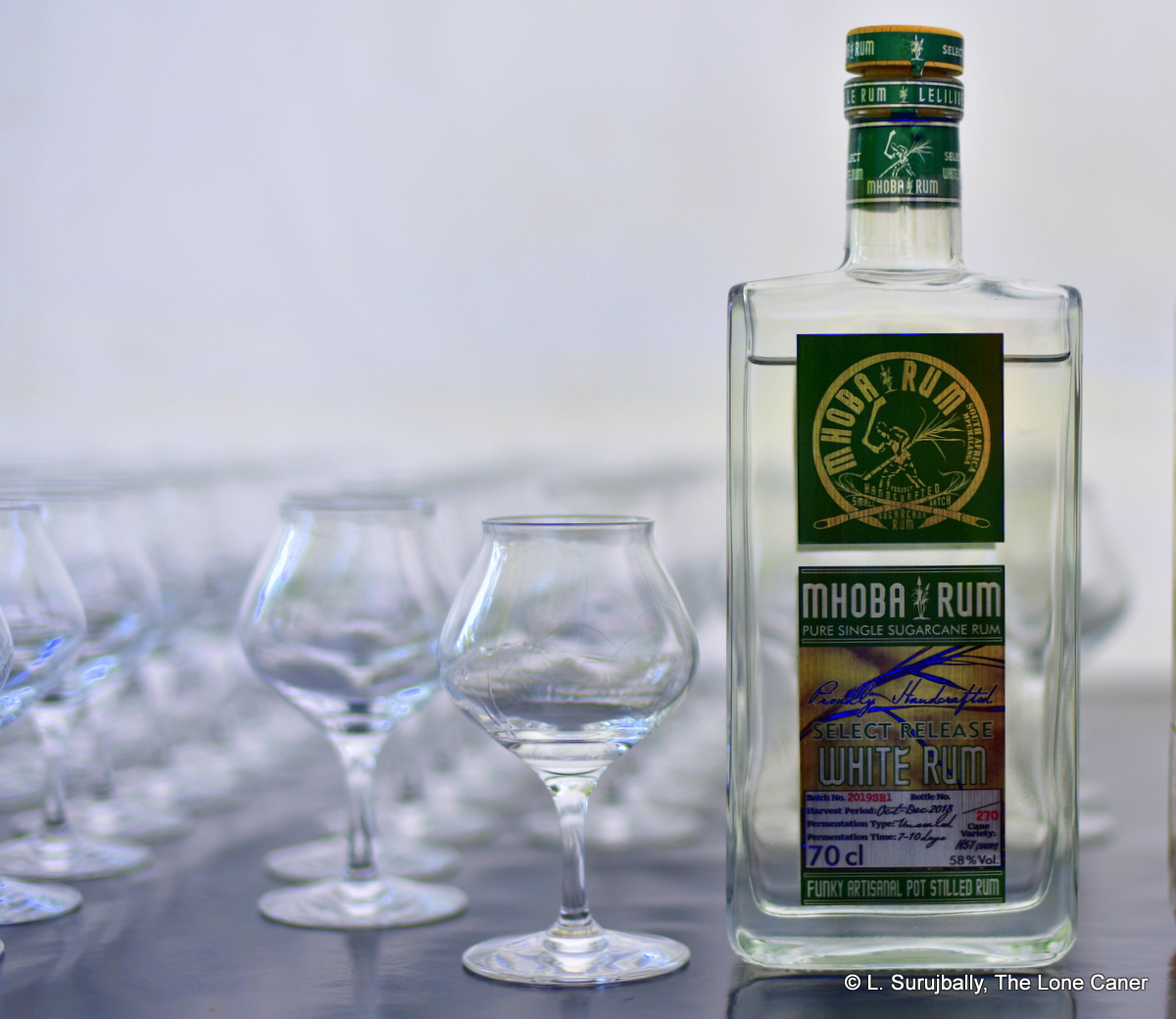
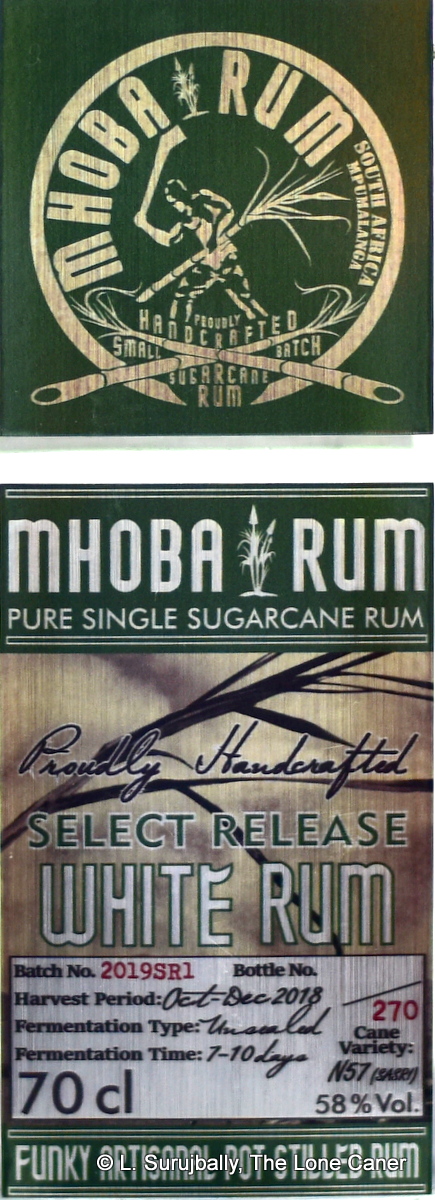 I’ll leave you to peruse Steve’s enormously informative company profile for production details (it’s really worth reading just to see what it takes to start something like a craft distillery), and just mention that the rum is pot still distilled from juice which is initially fermented naturally before boosting it with a strain of commercial yeast. The company makes three different kinds of white rums – pot still white, high ester white and a blended white, all unaged. I tried what is probably the tamest of the three, the Select, which the last one, blended from several cuts taken from batches processed between October to December of 2018 and bottled at 58%. All of this is clearly marked on the onsite-produced label (self-engraved, self-printed, manually-applied), which is one of the most informative on the market: it details batch number, date, strength, variety of cane, still, number of bottles in the run…it’s really impressive work.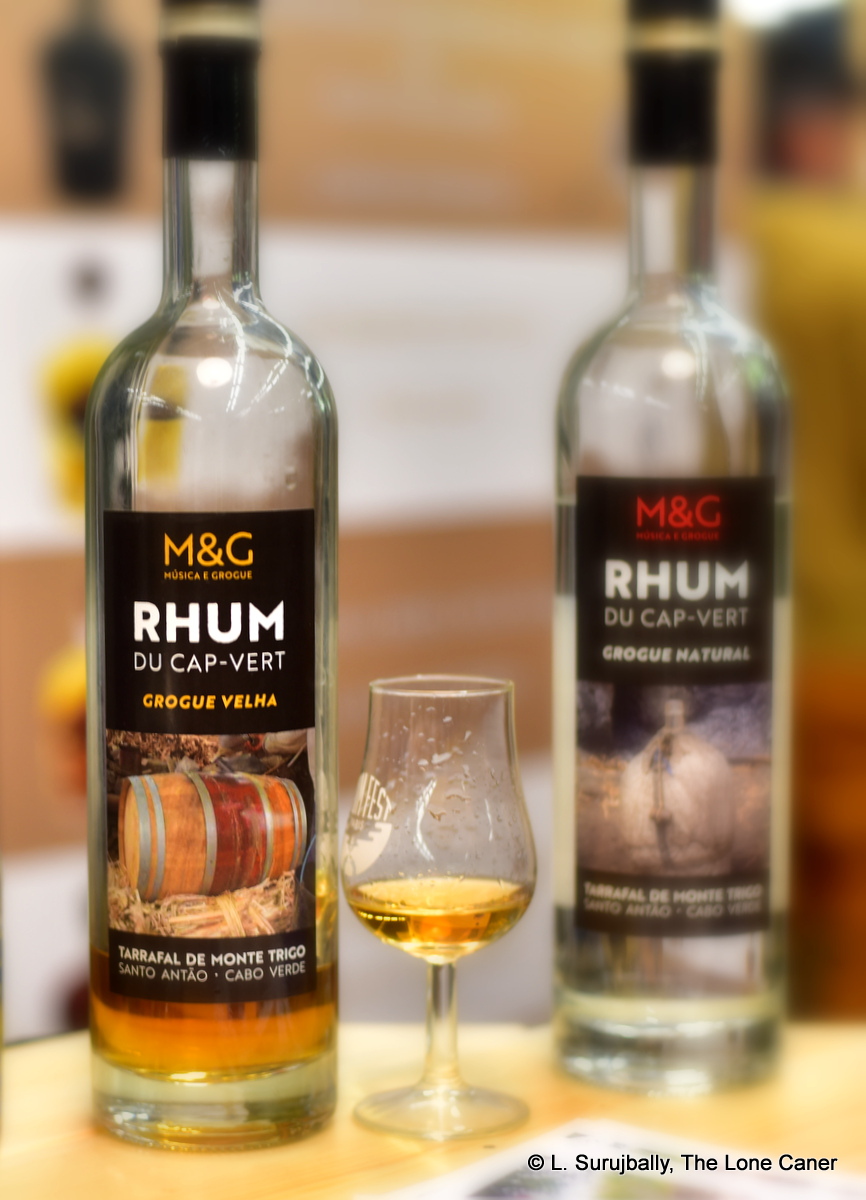
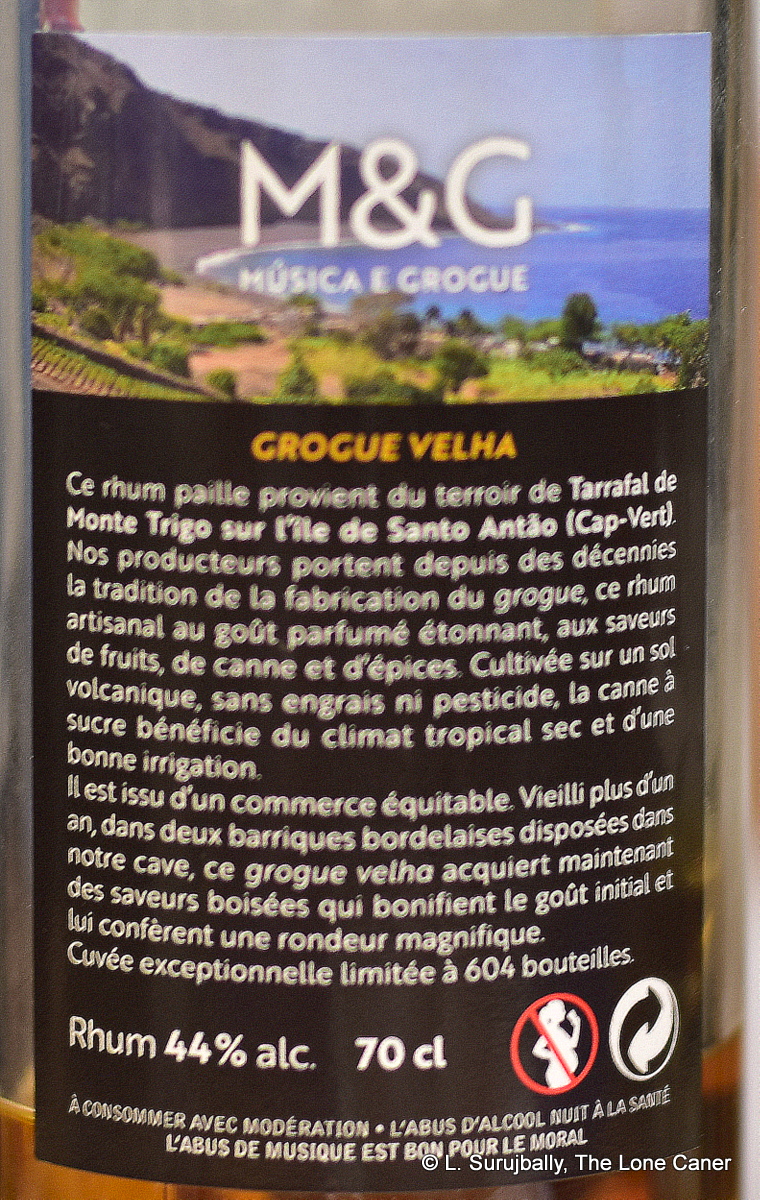 That was quite a medley on the nose, yet oddly the palate didn’t have quite have as many tunes playing. It was initially briny with those olives coming back, a little peanut brittle, salt caramel ice cream, vanilla, all held back. What I liked was its general softness and ease of delivery – there was honey and cream, set off by a touch of citrus and tannics, all in a pleasant and understated sort of combination that had a surprisingly good balance that one would not always imagine a rhum so young could keep juggling as well as it it did. Or as long. Even the finish, while simple, came together well – it gave up some short and aromatic notes, slightly woody and tannic, and balanced them out with soft fruits, pipe tobacco, coffee and vanilla, before exhaling gently on the way out. Nice.