Few except deep-diving, long-lasting rum geeks now remember Murray McDavid, the scotch whisky bottler that acquired Bruichladdich in 2000, and created a rum label of the same name at the same time. Most who spot the distinctive slender bottles with the steel-gray enclosures and red-patterned labels just see an older independent bottler and move along (some might stop for a taste, especially if they pay attention to the dates on the bottles). The MM line is long defunct, folded into the Renegade line in 2006 – Mark Reynier, the man behind it all, put into practice some of the ideas he had had regarding rum releases but liked the idea of creating a completely separate brand for rums…and therefore MM as a rum brand was discontinued. Renegade Rum Company was formed to take its place and continued the evolution of Mr. Reynier’s ideas before itself disappearing in 2012 (temporarily – there’s more info in the company bio, here).
What we see with Murray McDavid rums is an idea in embryo. Renegade to some extent gave a better-known foundation to the emergent single barrel, finishing, limited edition rum releases, but a simpler form of such an indie bottling ethos was already in play years earlier by MM, just around the same time as Velier’s Demeraras were being issued over in Italy. MM releases are hard to find now after so many years (there are only five as far as I could determine) but they do exist, remaining unsold or popping up for auction, largely because few know what they are, or if they deserve their price tags.
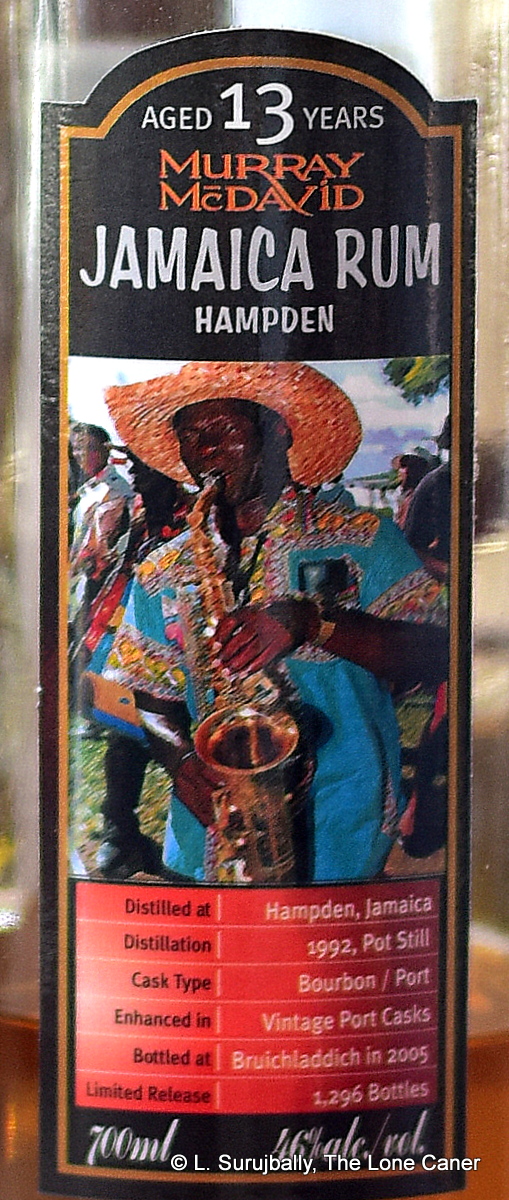
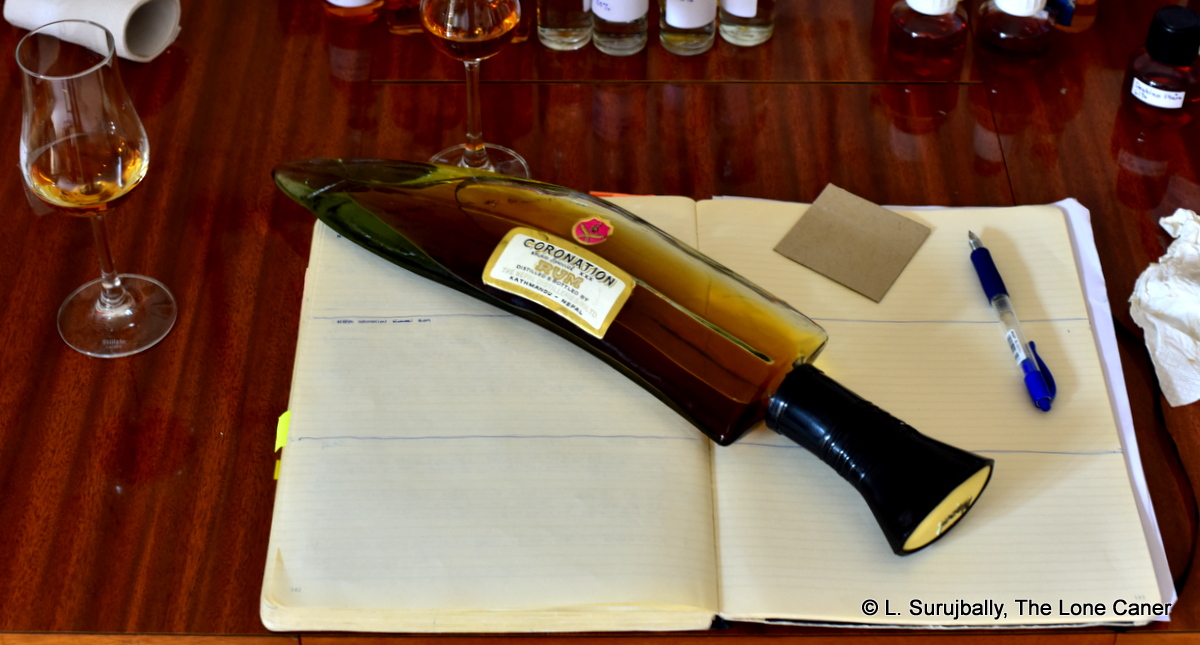
Briefly, the facts: it’s a tawny gold rum, from Hampden as noted on the very informative label (another thing MM/Renegade started to provide concurrently with Velier), distilled 1992 and bottled 2005. Ageing was in ex bourbon casks, with additional finishing in port casks but without any indication of how long – subsequent practice with Renegade suggests some months only. And it was 46%, the standard to which MM/Renegade adhered throughout their short lives.
 Tasting notes: definitely Jamaican, that hogo and funk was unmistakable, though it seemed more muted than the fierce cask strength Hampdens we’ve been seeing of late. It smelled initially of pencil shavings, crisp acetones, nail polish remover, a freshly painted room and glue. After opening up, I went back some minutes later and found softer aromas – red wine, molasses, honey, chocolate, and cream cheese and salted butter on fresh croissants, really yummy. And this is not to ignore the ever-present sense of fruitiness – dark grapes, black cherries, ripe mangoes, papayas, gooseberries and some bananas, just enough to round off the entire nose.
No surprises on the palate, just variations on the Hampden theme: it wasn’t harsh or super sharp or powerful (at 46% we could hardly expect that). I tasted glue, sweet honey, very ripe red grapes, a really nice initial attack. It developed over time, presenting molasses, salt caramel, cream cheese on toast, coffee grounds, and the sharp lightness of green apples and hard yellow fruit kept pace with all the others. The finish was short but it was at least aromatic, mostly ripe fruits, some flambeed bananas, and that peculiar mix of hogo, fruit going off and sharp-sweet acidic notes that to me characterize Jamaican pot still expressions. As an observation, the influence of the port casks seemed quite minimal to me and didn’t detract from, or derail, the core Jamaican profile in any significant way.
Reading this, a jaded and experienced Jamaican rum lover might suggest it’s more of the same old thing, differing only in the details. True. However, I think that seen at a remove of so many years from when it was made, its originality — that singular distinctiveness of the pot still distillate in particular, as ameliorated by the finishing — is harder to make out, because we’re so used to it. It’s not the best Hampden rum ever released, but it’s a perfectly serviceable and drinkable version on its own merits, and for its strength, quite good.
We are in the middle of a golden age of rum making experimentation, where pot and column still blends, multiple maturations and fancy finishes are much more common and much more sophisticated…and much better, perhaps. Mr. Reynier’s “Additional Cask Evolution” — which he pioneered with the five MM releases and then took further with Renegade — was ahead of its time and never really caught on with the greater rum public. My own feeling is that when one has a good distillate and uses the finishing judiciously to enhance rather than overwhelm, then it doesn’t matter how long ago the rum was bottled – it’s a fine rum to sample.
This rum, showing off a Hampden HLCF years before the estate became more famous, is worth trying (or buying) whether you’re into Jamaicans specifically or rums from the past generally. It shows how good the lesser-known pot still estate-Jamaicans always were, and how fortunate we are that they remain available and affordable and approachable to this day. On both a historical and practical basis, I’m happy to have had the opportunity to taste it.
(#671)(84/100)
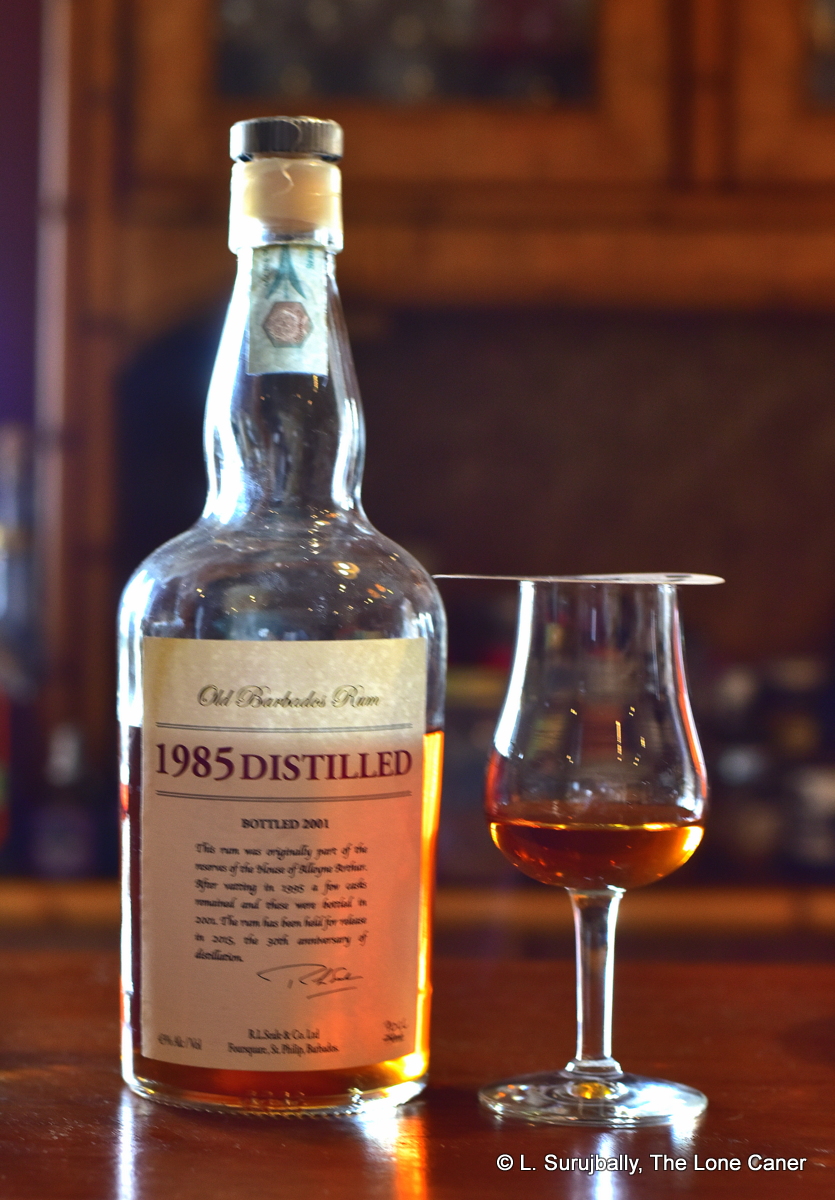 This is a rum that has become a grail for many: it just does not seem to be easily available, the price keeps going up (it’s listed around €300 in some online shops and I’ve seen it auctioned for twice that amount), and of course (drum roll, please) it’s released by Richard Seale. Put this all together and you can see why it is pursued with such slack-jawed drooling relentlessness by all those who worship at the shrine of Foursquare and know all the releases by their date of birth and first names.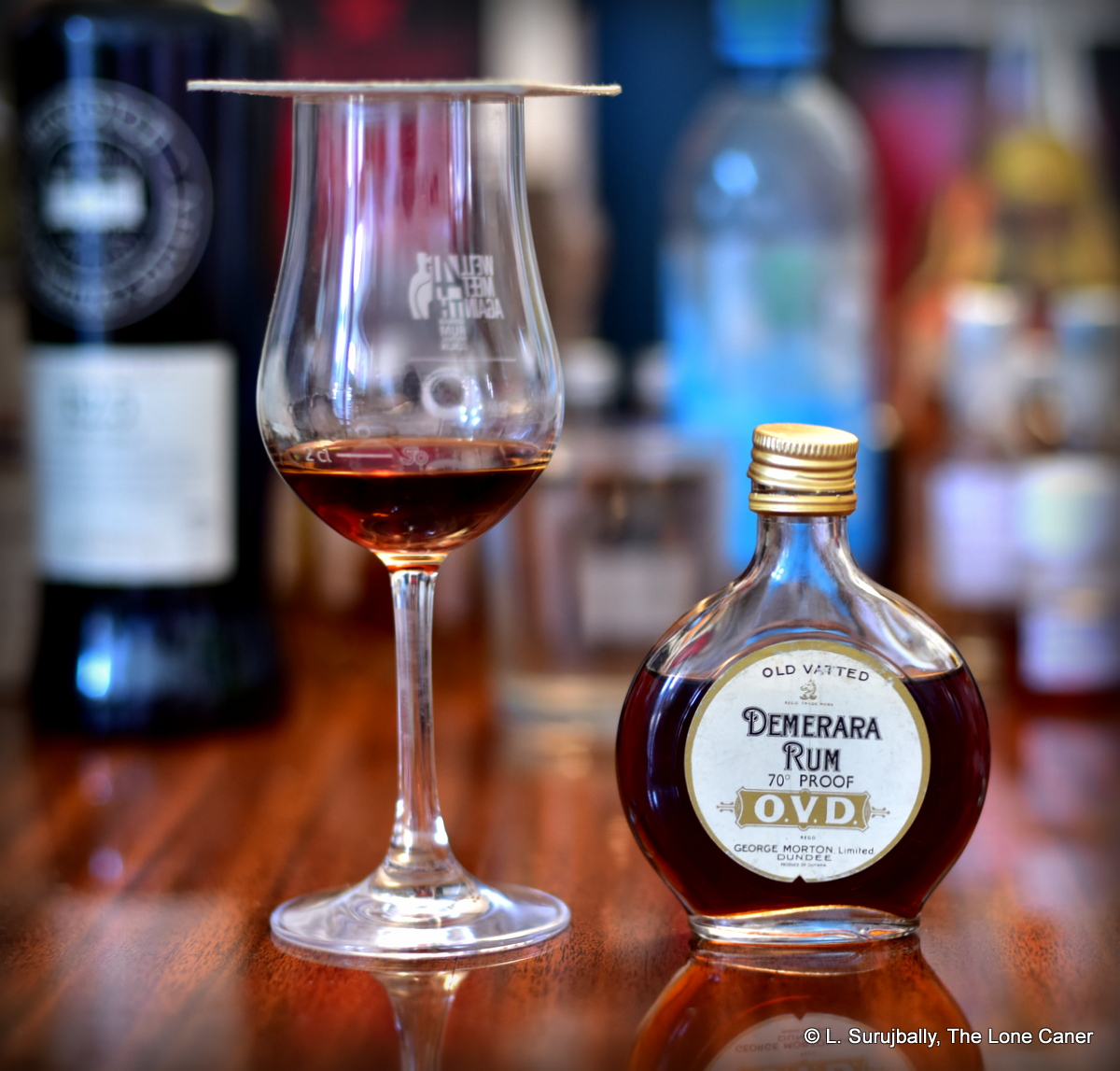
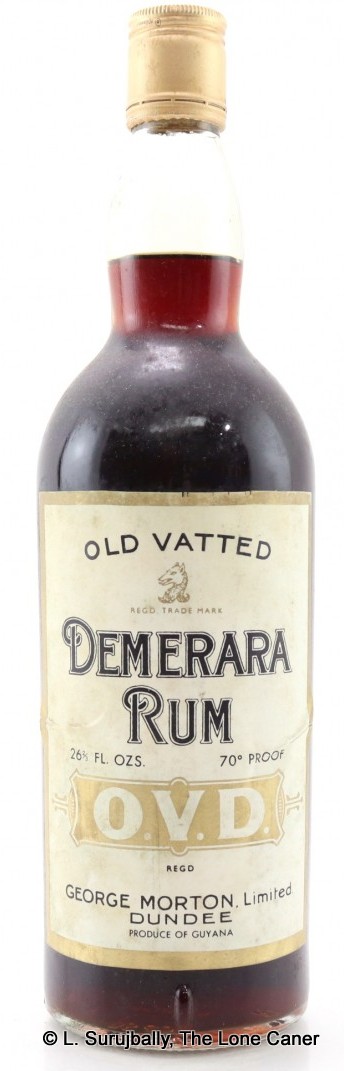 This bottle notes George Morton, founded in 1838, as being located in Dundee which the OVD history page confirms as being the original offices. But a 1970s-dated Aussie listing for a 40% ABV OVD rum already shows them as being located in Glasgow, and a newer bottle label shows Talgarth Rd in London, so my Dundee edition has to be earlier. Lastly, an auction site lists a similar bottle from the 1970s with a label also showing Dundee, and a spelling of “Guyana”, so since the country became independent in 1966, I’m going to suggest the early 1970s is about right
 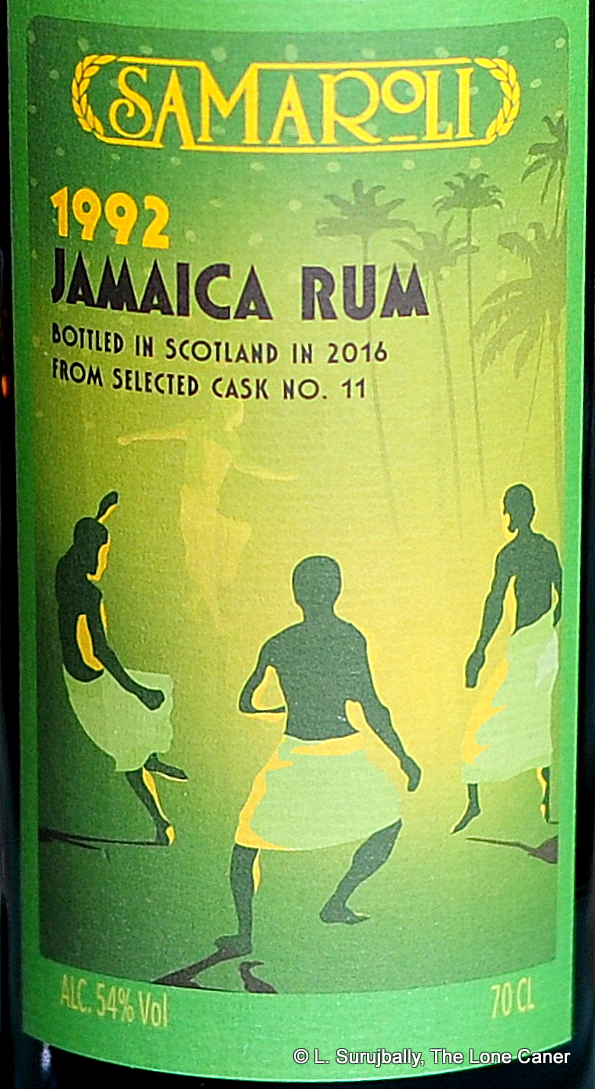 Although it’s older, Samaroli is somewhat eclipsed these days (by Velier), and is sometimes regarded as being on the same tier as, say,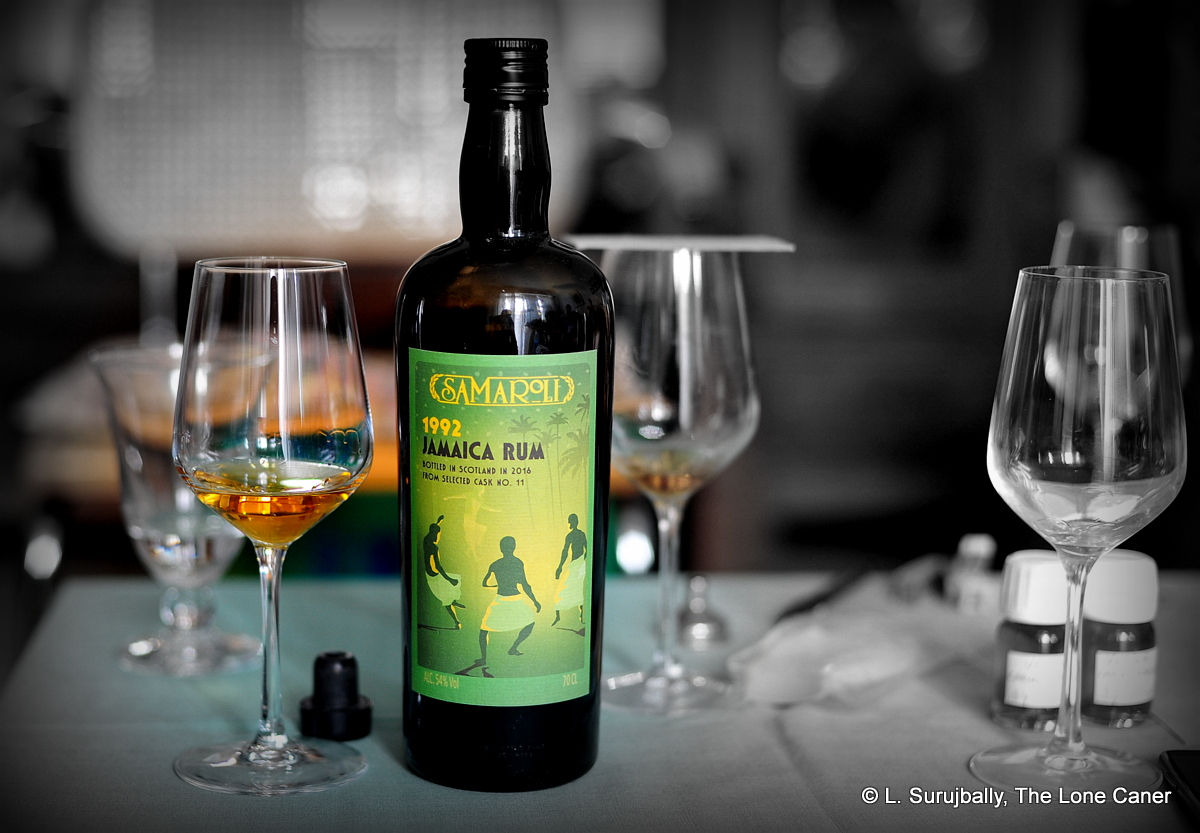

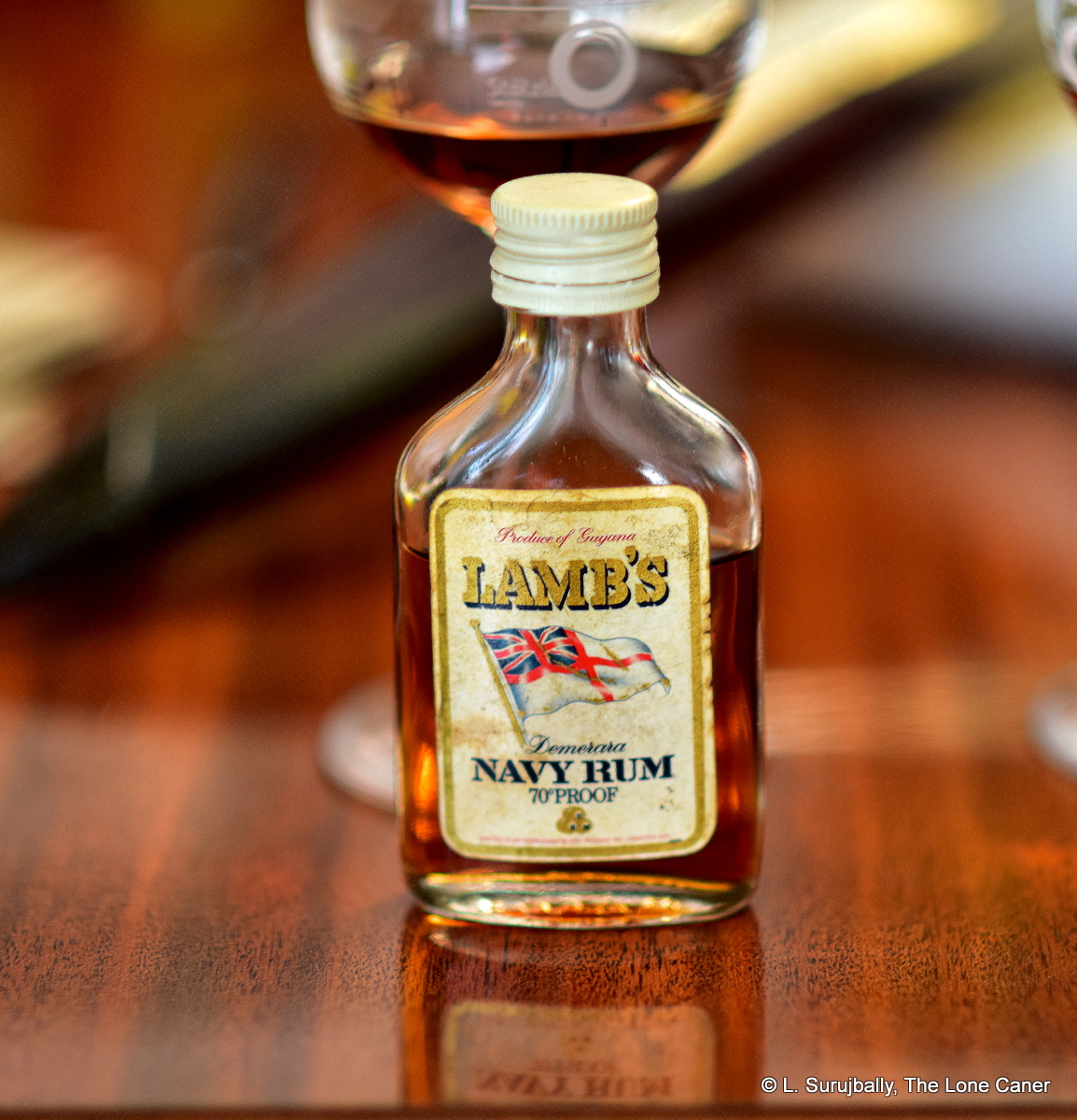
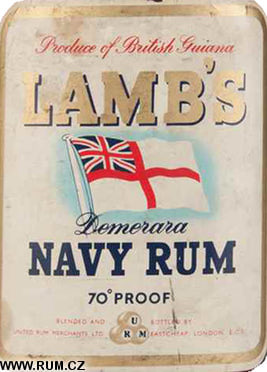 This bottle likely comes from the late 1970s: there is an earlier version noted as being from “British Guiana” that must have dated from the 1960s (Guyana gained independence in 1966) and by 1980 the UK largely ceased using degrees proof as a unit of alcoholic measure; and United Rum Merchants was taken over in 1984, which sets an absolute upper limit on its provenance (the URM is represented by the three barrels signifying Portal Dingwall & Norris, Whyte-Keeling and Alfred Lamb who merged in 1948 to form the company). Note also the “Product of Guyana” – the original blend of 18 different rums from Barbados, Guyana, Jamaica and Trinidad pioneered by Alfred Lamb, seems to have been reduced to Guyana only for the purpose of releasing this one.

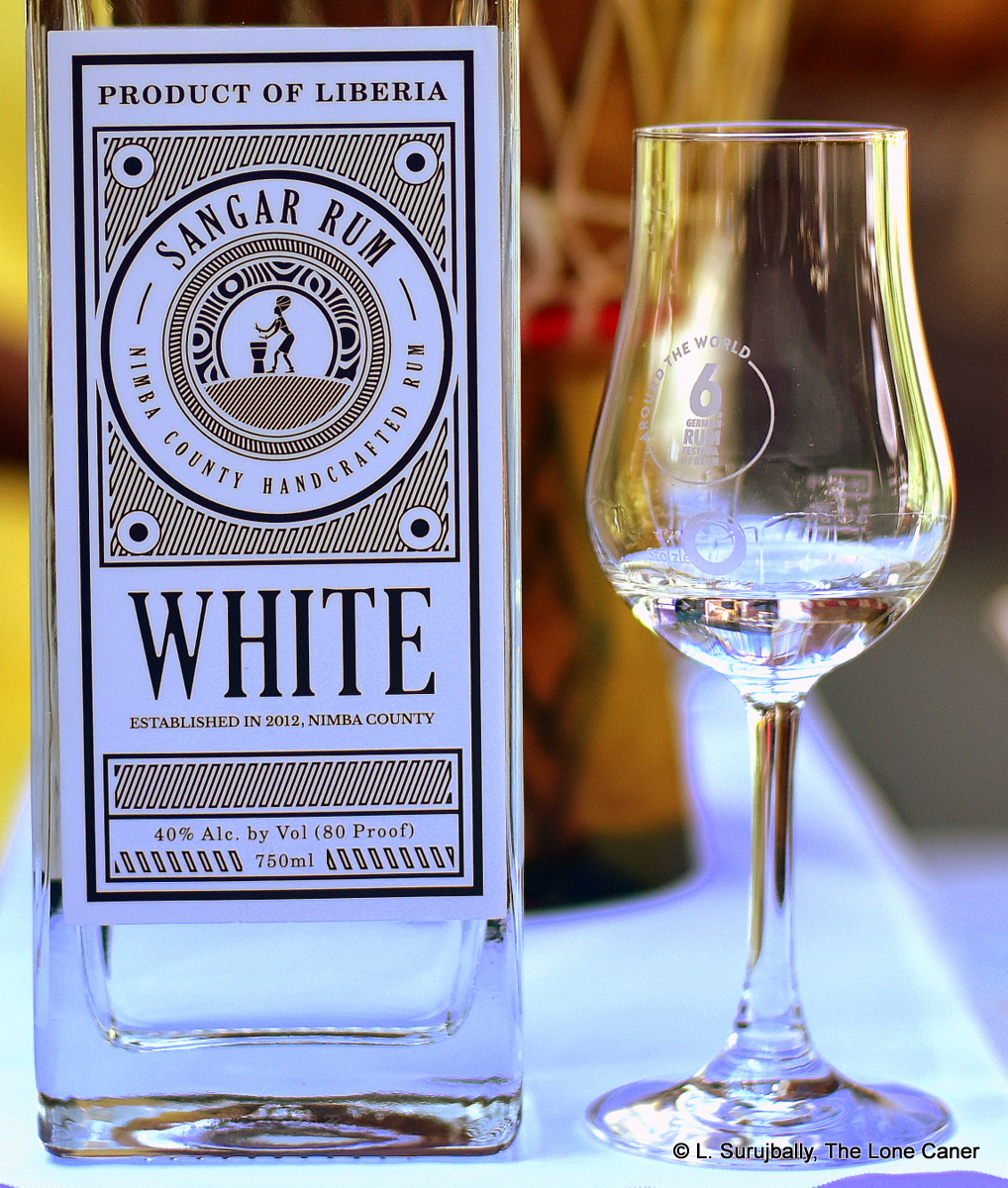
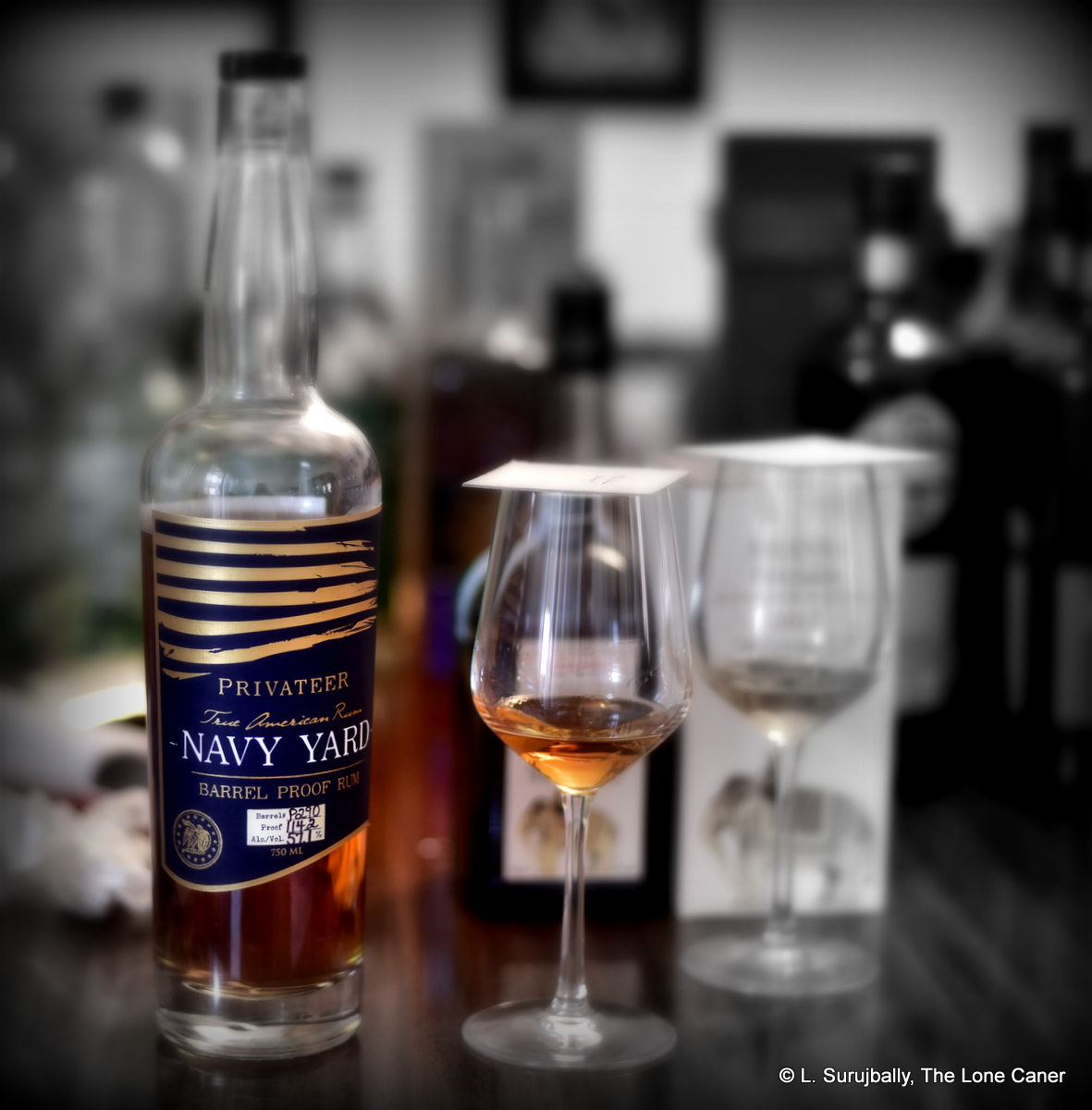
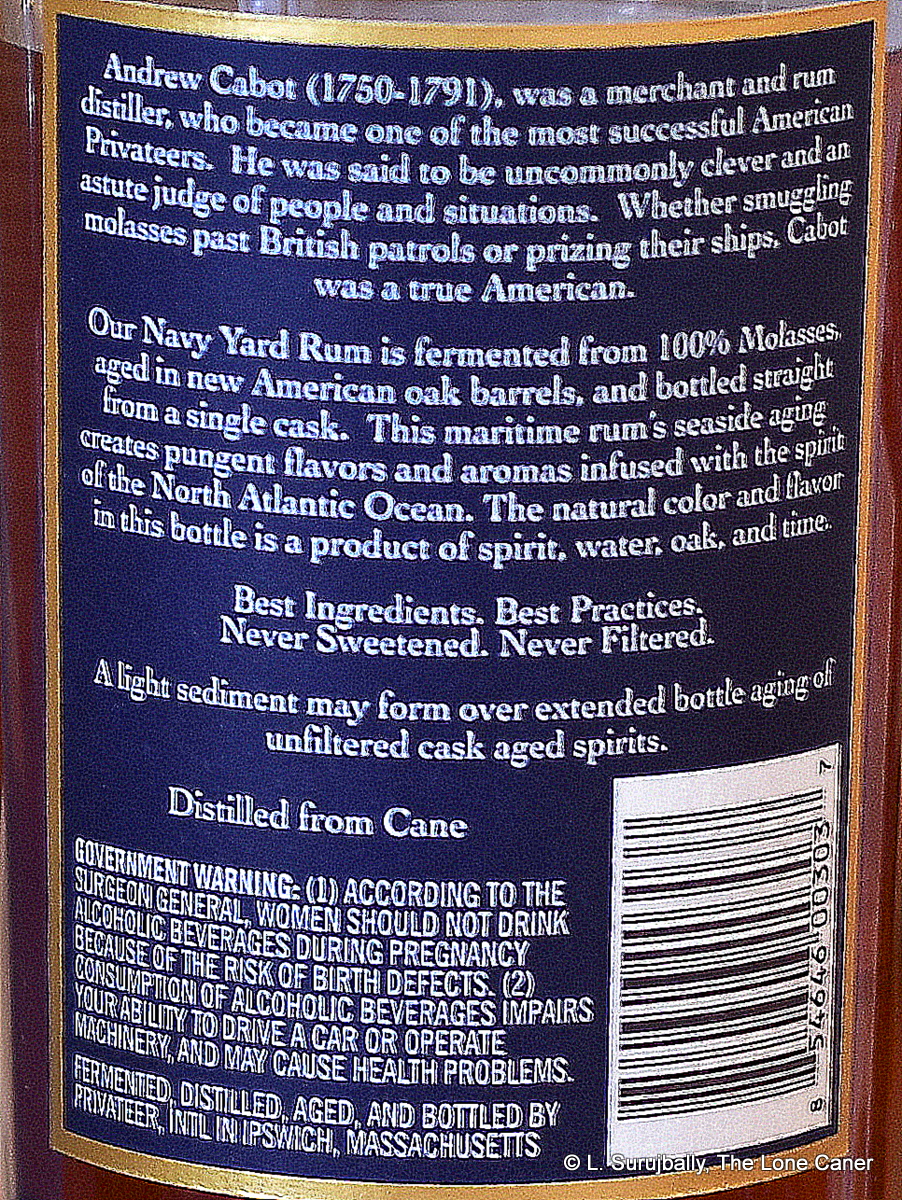
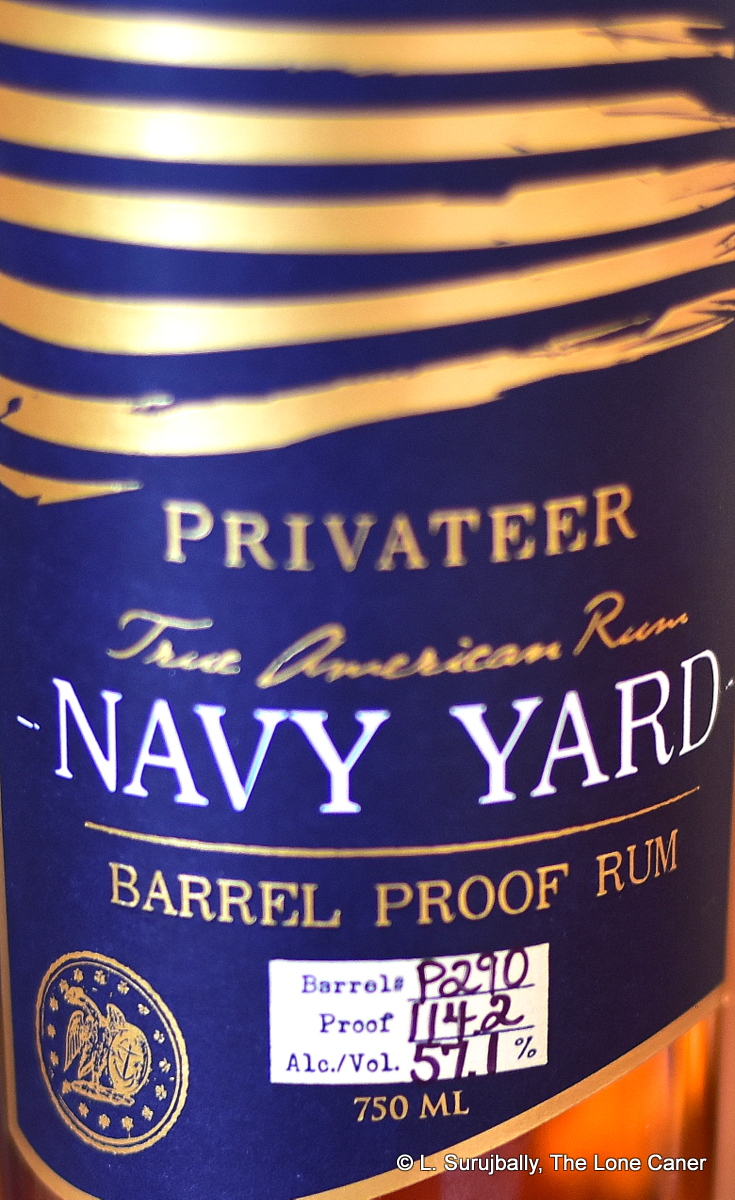 Privateer
 Overall, it’s a good young rum which shows its blended philosophy and charred barrel origins clearly. This is both a strength and a weakness. A strength in that it’s well blended, the edges of pot and column merging seamlessly; it’s tasty and strong, with just a few flavours coming together
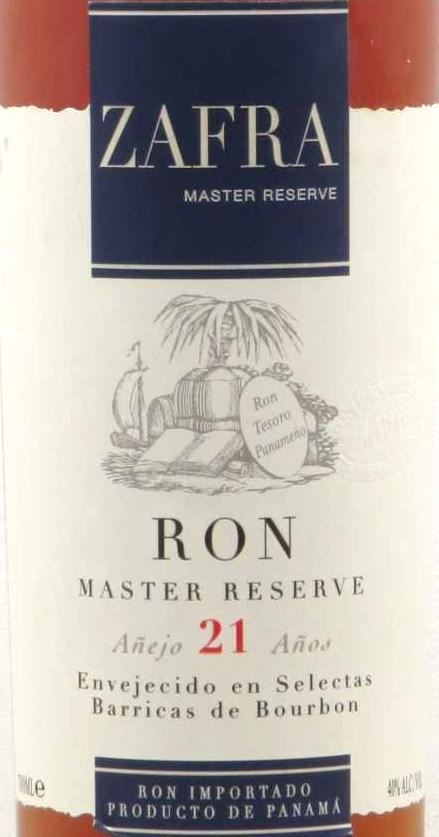
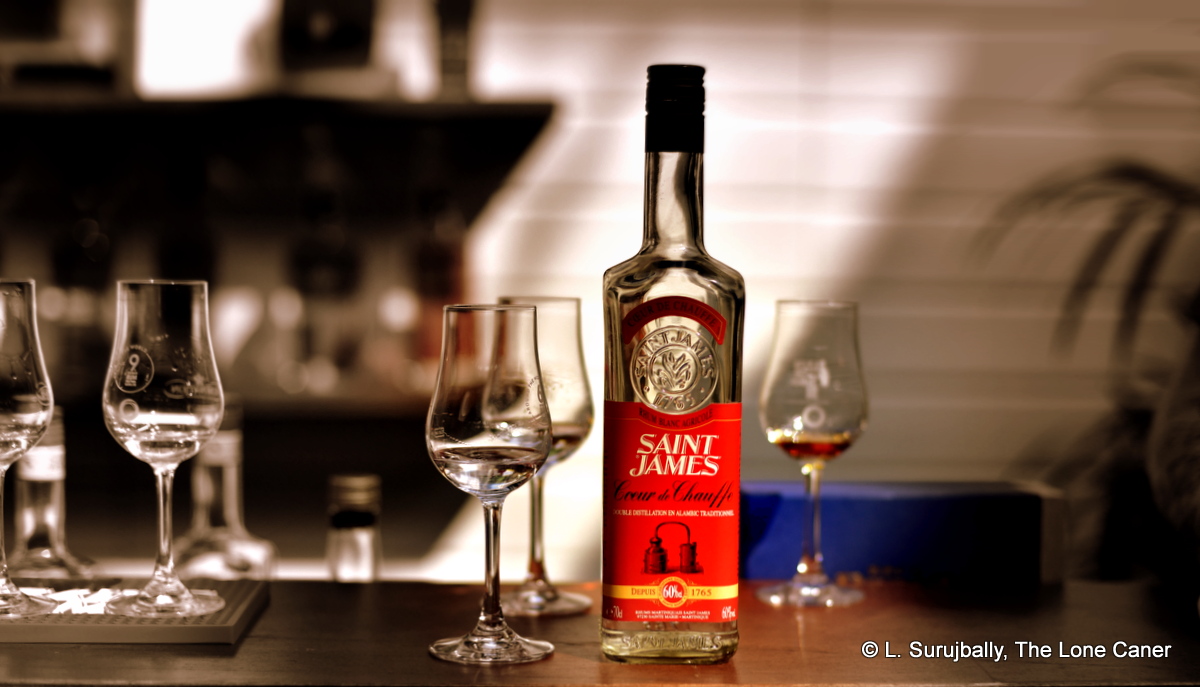
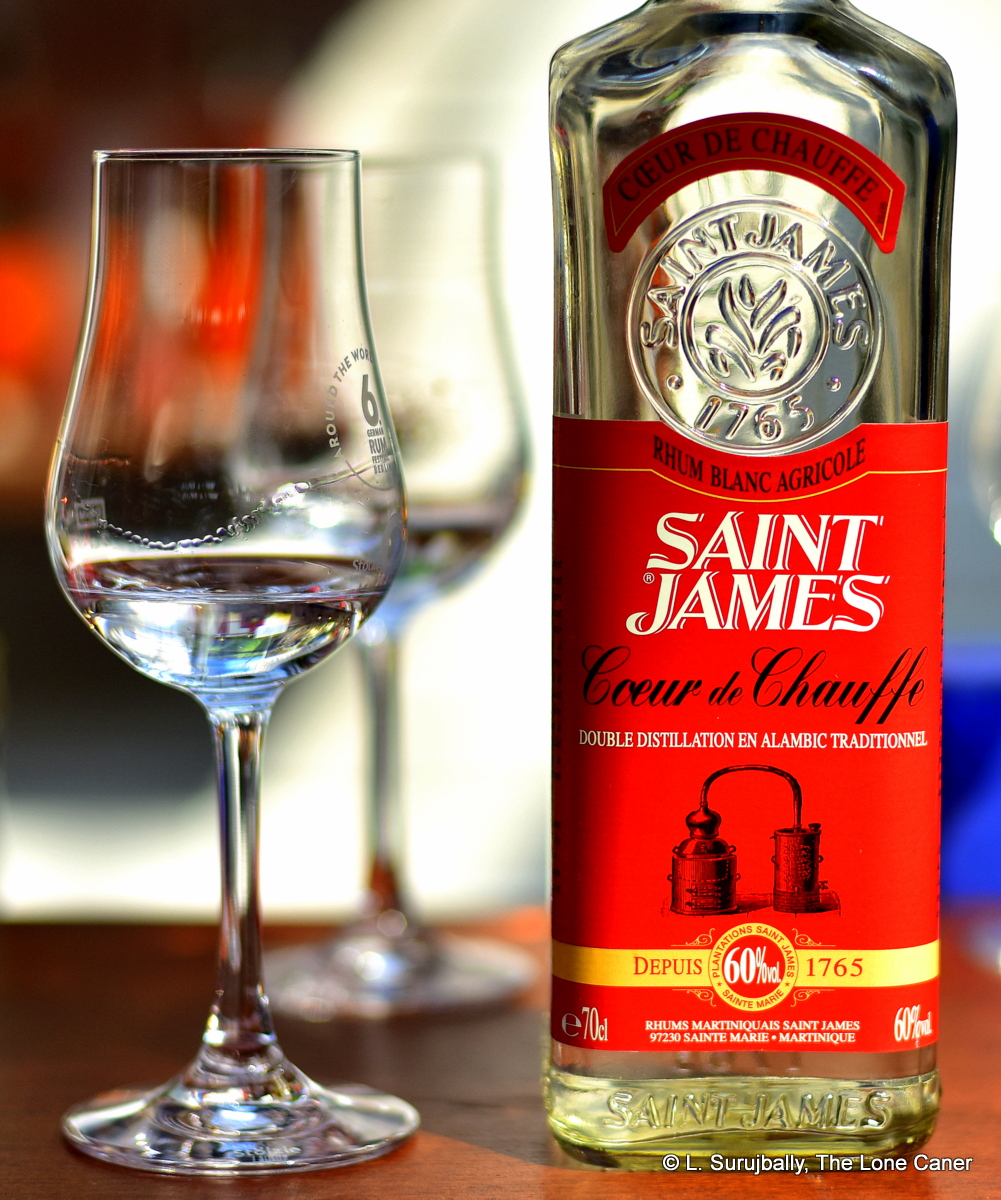 And also because, man, did this thing ever smell pungent — it was a bottle-sized 60-proof ode to whup-ass and rumstink. A barrage of nail polish, spoiling fruit, wood chips, wax, salt, and gluey notes all charged right out without pause or hesitation, spoiling for a fight. Even without making a point of it, the rhum unfolded with uncommon firmness into aromas of sweet, grassy herbals, green apples, sugar water, dill, cider, vegetables, toasted bread, a sharp mature cheddar, all mixed in with moist dark earth, sugar water, biscuits, orange peel. And the balance of all of them was really quite good, truly.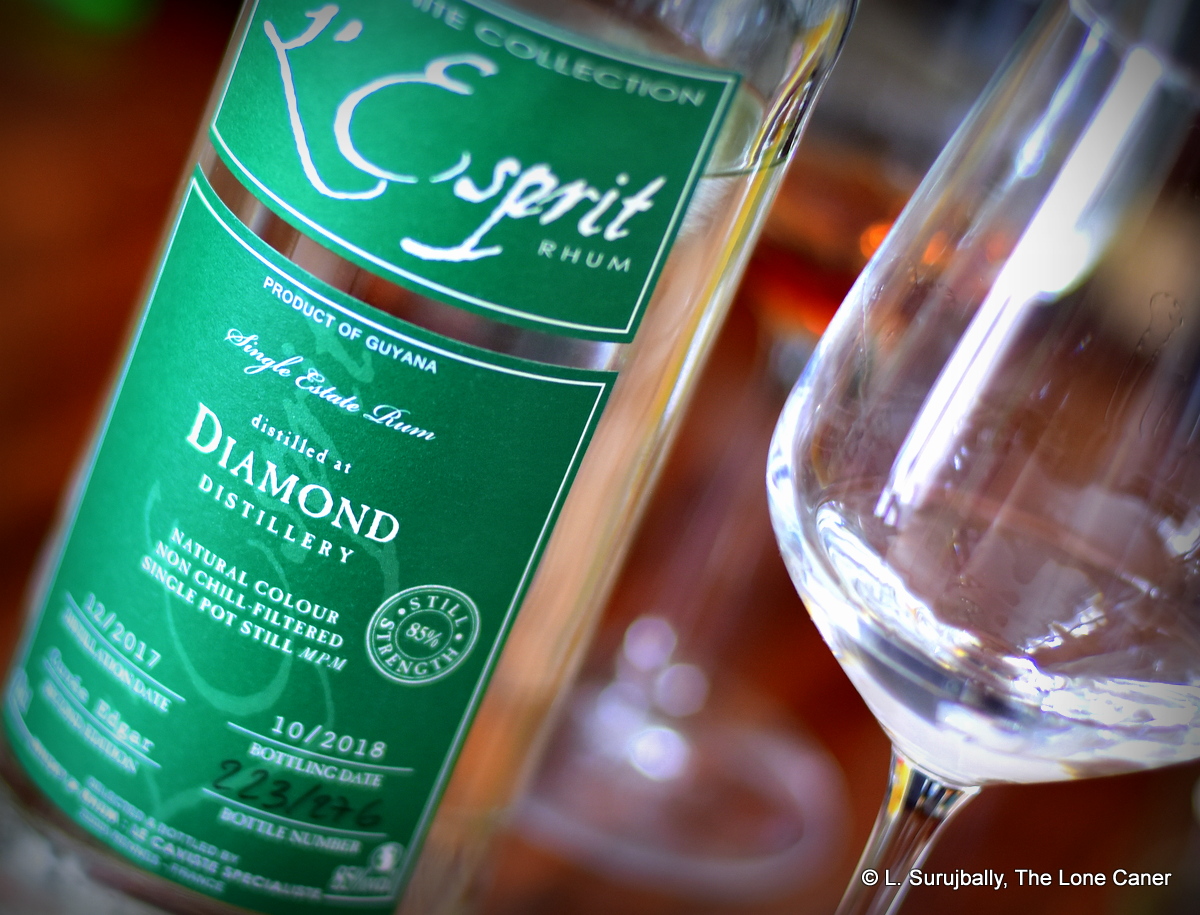
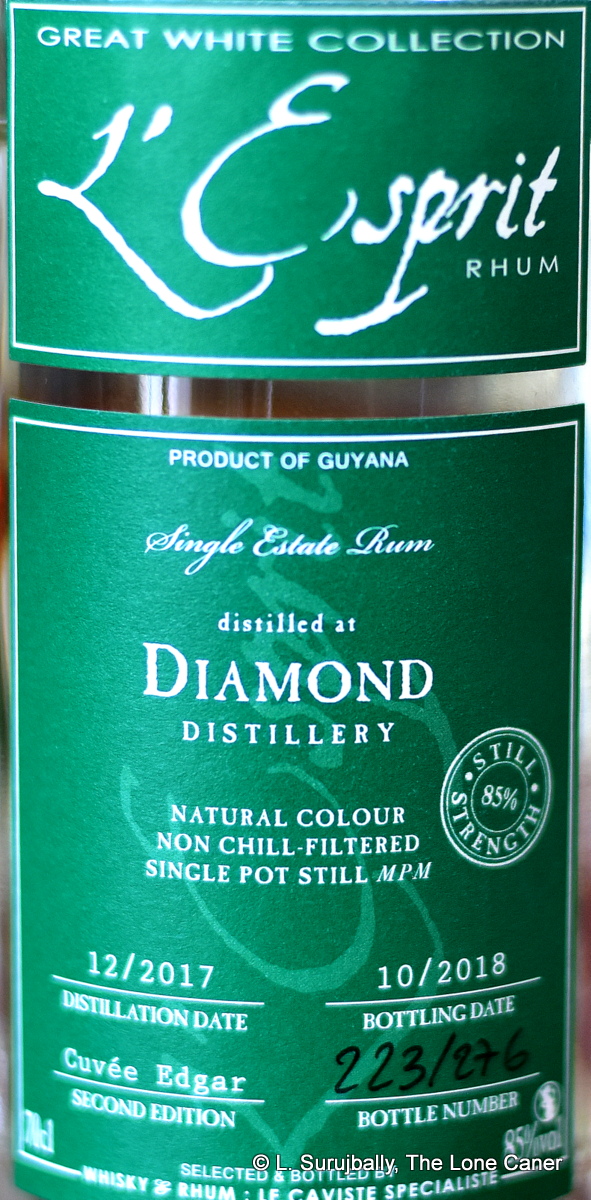 I’ll get straight to it, then, and merely mention that at 85% ABV, care was taken – I poured, covered the glass, waited, removed the cover, and prudently stepped way back.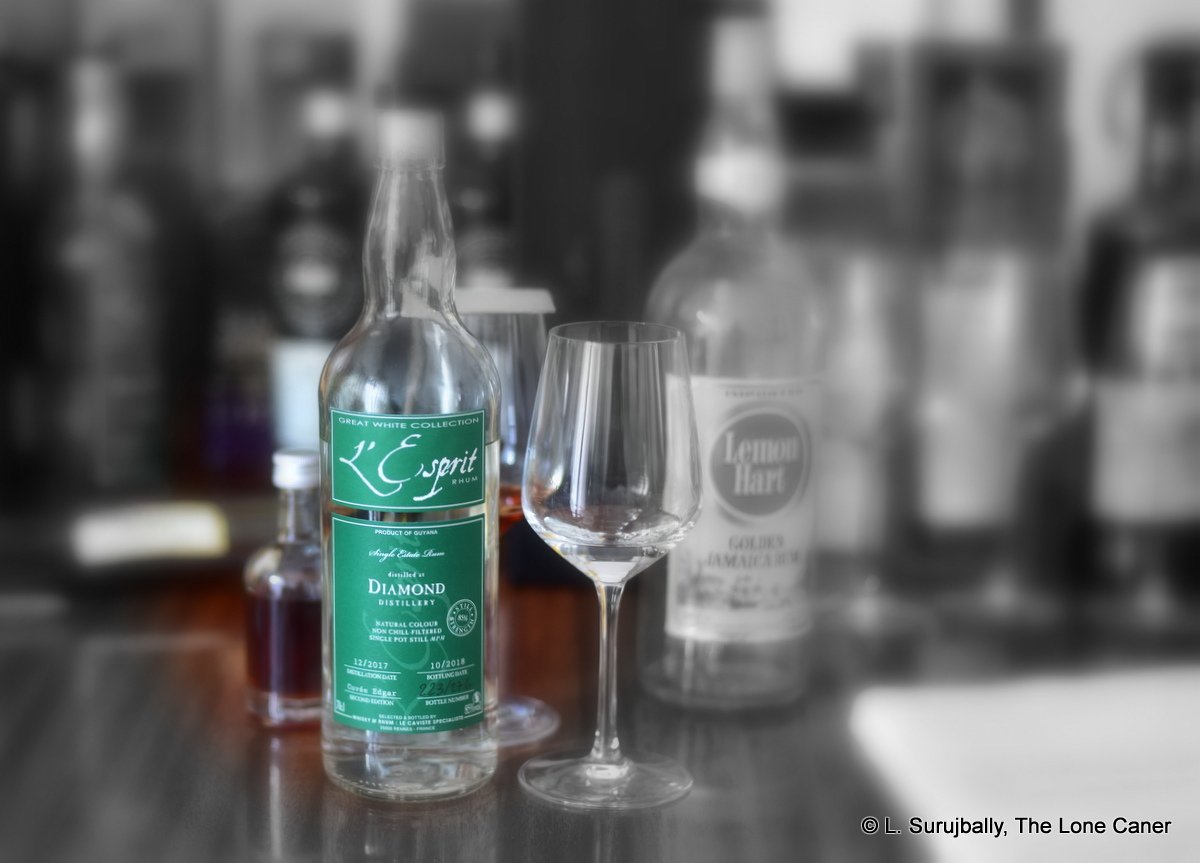
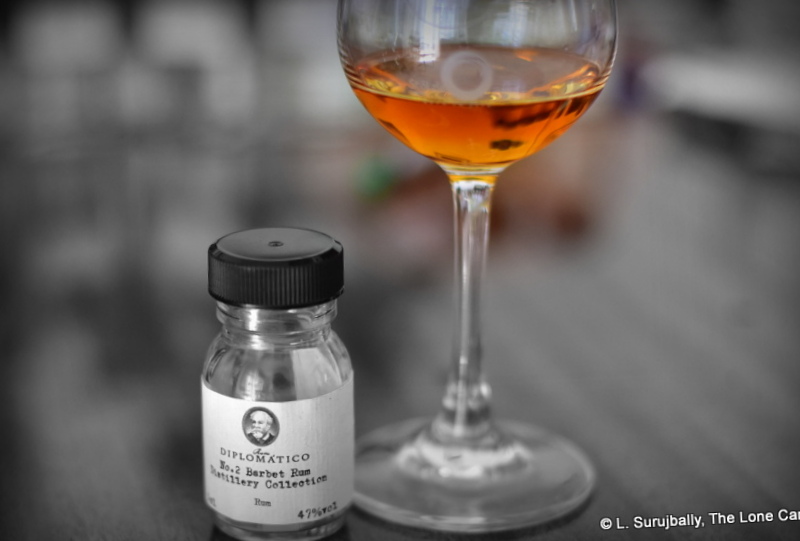
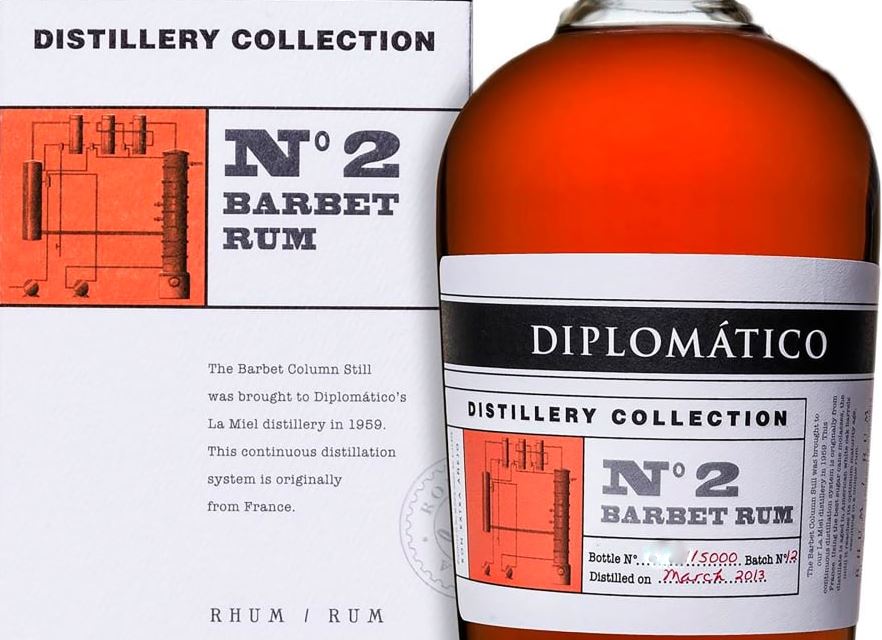
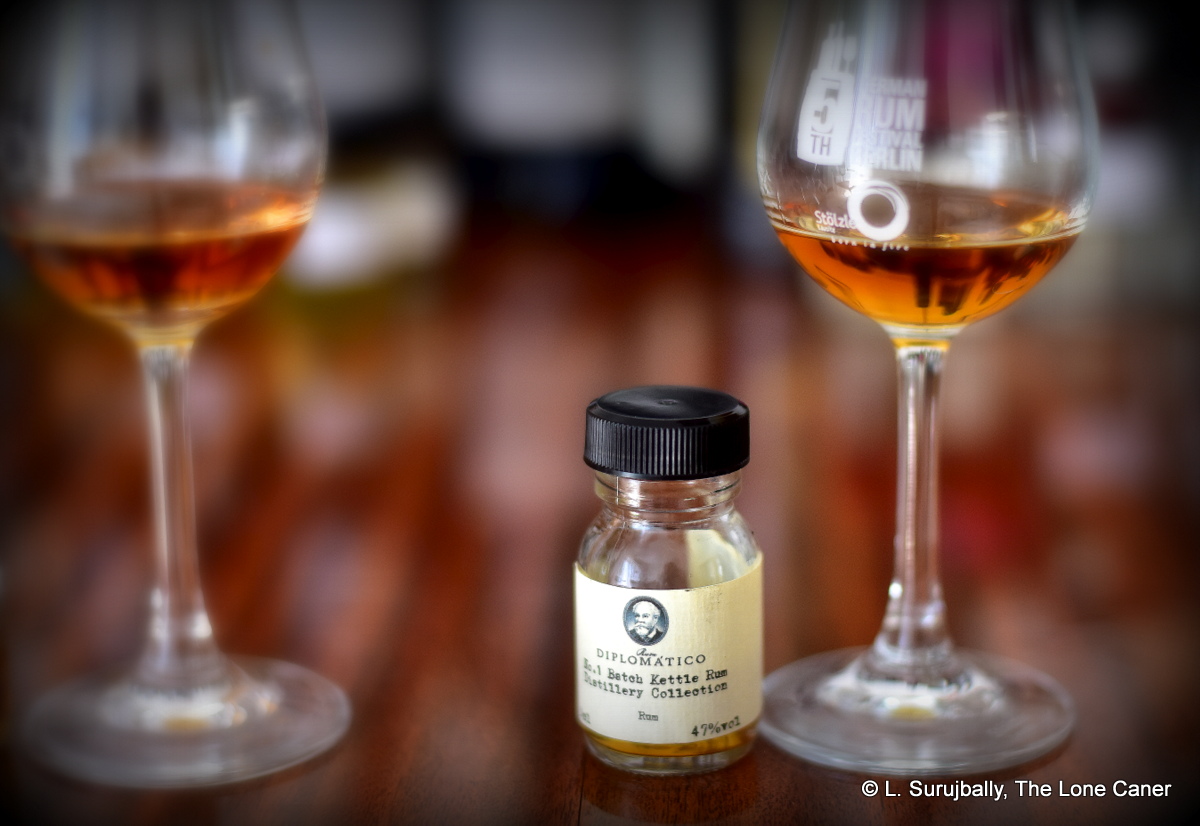
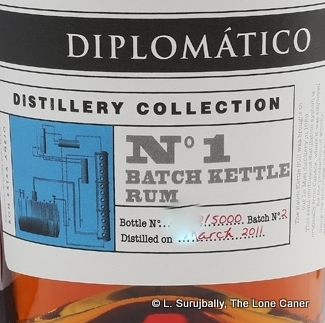 Things took an interesting turn around 2017 when No.1 and No.2 versions of the “Distillery Collection” were trotted out with much fanfare. The purpose of the Collection was to showcase other stills they had – a “kettle” (sort of a boosted pot still, for release No.1), a Barbet continuous still (release No.2) and an undefined pot still (release No.3, released in April 2019). These stills, all of which were acquired the year the original company was founded, in 1959, were and are used to provide the distillates which are blended into their various commercial marques, and until recently, such blends were all we got. One imagines that they took note of DDL’s killer app and the rush by Jamaica and St Lucia to work with the concept and decided to go beyond their blended range into something more specific.