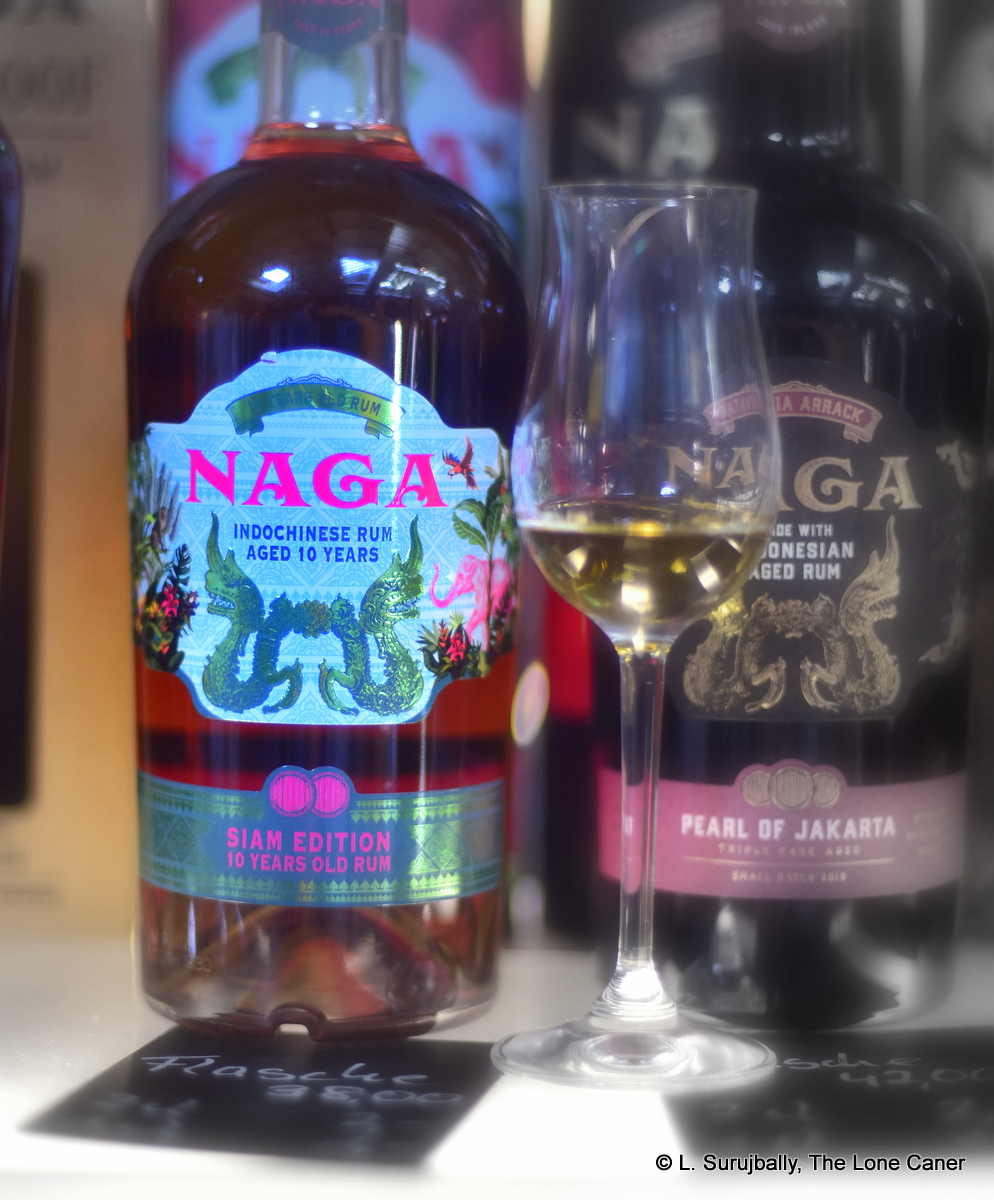
 We’ve run into Naga and its rums before, back in 2019 at the Paris Rhumfest that year, when we tried their Indonesian lineup. There’s a reason those rums and not the ones from Thailand were there, and that backstory is so interesting (and lengthy) I have elected to include it below this review, so let’s just dive straight into the rum itself.
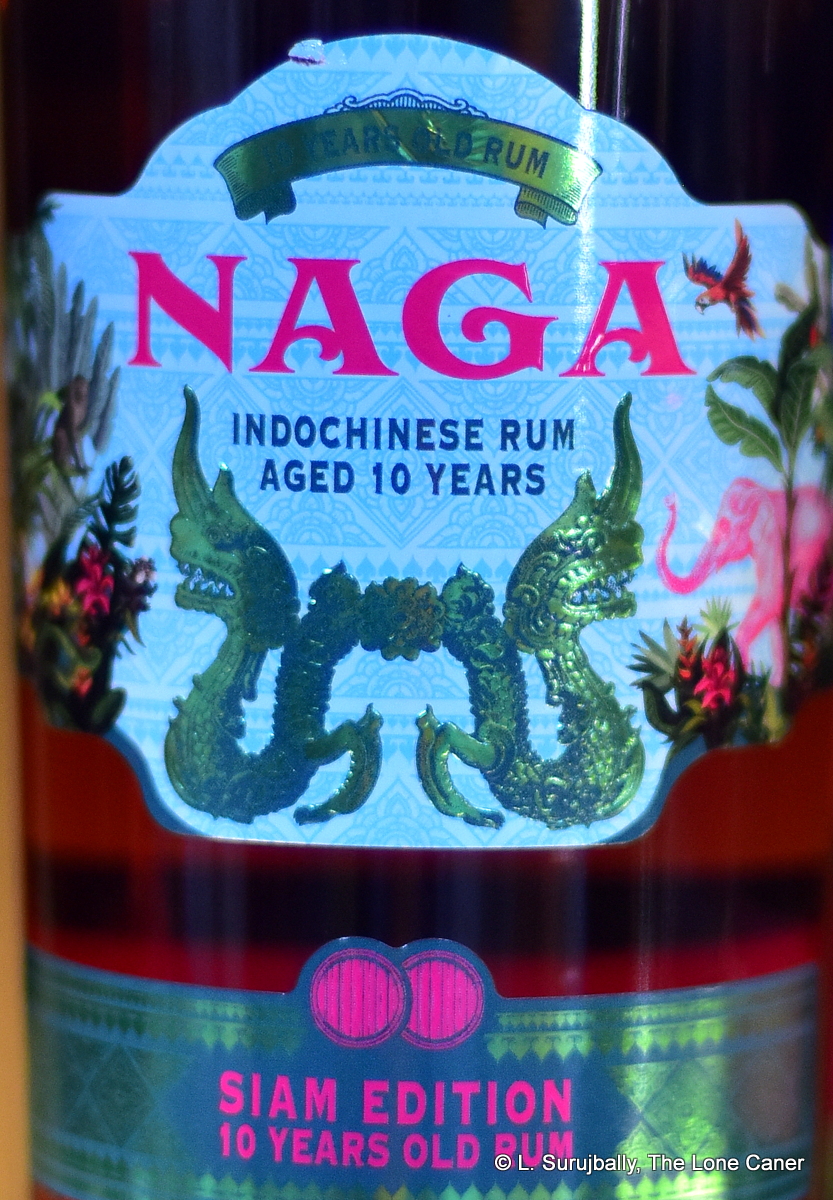
Naga is a branded rum from Thailand, supplied by one of the many distilleries owned by the spirits quasi-monopoly ThaiBev. The label incorporates many different elements: the word “Naga” for example, refers to a mythical water serpent in south Asian folklore, the rum is one of the upscale “Siam Edition” range, and it is made in Thailand from Thai sugar cane molasses, distilled five times on a column still (what, once wasn’t enough?), and aged for ten years in-country, in 200 liter charred ex-bourbon barrels.
Reading between the lines of the website, there is a lot of barrel recombination and “topping up” going on, which the brand rep told me was “dynamic ageing” but which I posit is more like fractional blending, or an ersatz solera system. The age seems to be a true ten year old, however, and when done, the rum is botted at 40% (for this edition), with strengths varying for other expressions that we’ll get to later. Leaving aside its local materials of origin, it is, then, very much a product in line with others around the world – a blend of a particular age, column still, standard strength.
I don’t write that last sentence with any sort of snark, just to place the rum more firmly in its niche. It is not some kind of ultra special limited edition with a sharp hook to pique your interest, but a completely commercial product that hits a lot of sweet spots at the same time – age, price, still, origin, strength. I have no direct evidence for this, but I suspect it’s the best selling rum of the line.
And when one tries it, it’s easy to see why it’s popular. Aromas of vanilla and coconut shavings dominate the nose, gentle and airy, with some cinnamon and sandalwood, and a whiff of candied oranges, all very light and effervescent.
 Palate? So so. 40% ABV isn’t going to tear the roof off. It’s smooth and medium sweet, again with vanilla and coconut leading the charge. Add sugar, dial it down to 25% and you might have a Malibu. Still, that’s perhaps snooty of me – there are woody and tannic notes lurking in the background, which is nice; some bitter coffee grounds, and orange rind to cut it all. The finish is light and easy, here now, gone in a flash, nothing new there, but it’s clean and it doesn’t taste like it was doctored at all.
This is what I mean about it being a commercial product. There’s little here that would make you think it’s particularly special, and even less that would lead you to reference Thailand at all – close your eyes and it could be any mid-range rum from Panama, DR or Nicaragua, and indeed, when you look at the production stats, it does seem to be made more in keeping with the Spanish style of rum making.
That’s not a criticism, merely an observation, and because I have more rums from here in the queue I know better is coming. But for now, for this ten year old rum, I’d take it as a pleasant and quaffable sundowner if I was holidaying there, without worrying about how I might get a whole lot more.
(#1148)(77/100) ⭐⭐⭐
Historical Background – Country, Brand and Founder
The Naga line of rums has a word on its label – “Indochinese” – that isn’t often understood, though it’s straightforward enough. Historically, linguistically and culturally it refers to southeast Asian countries like Burma (now Myanmar), Thailand, Malaya, Laos, Cambodia and Viet Nam where Chinese and Indian influences melded into a synthesis of their own, with further political subdivisions like French Indochina (the latter three) entering the lexicon over time.
Thailand – called Siam until 1932, and this is also on the rum’s label – was, however, unusual, in that it was never actually a colony, possession or territory of either of the two great colonizing powers (though they exerted significant influence over it via ceding of territory, unequal treaties, and legal and trading concessions). This was because by an 1896 agreement between France and Britain, it served as a buffer between them, which neither would control, and so it allowed Thailand to preserve its autonomy in a way the others did not – at least to some extent.
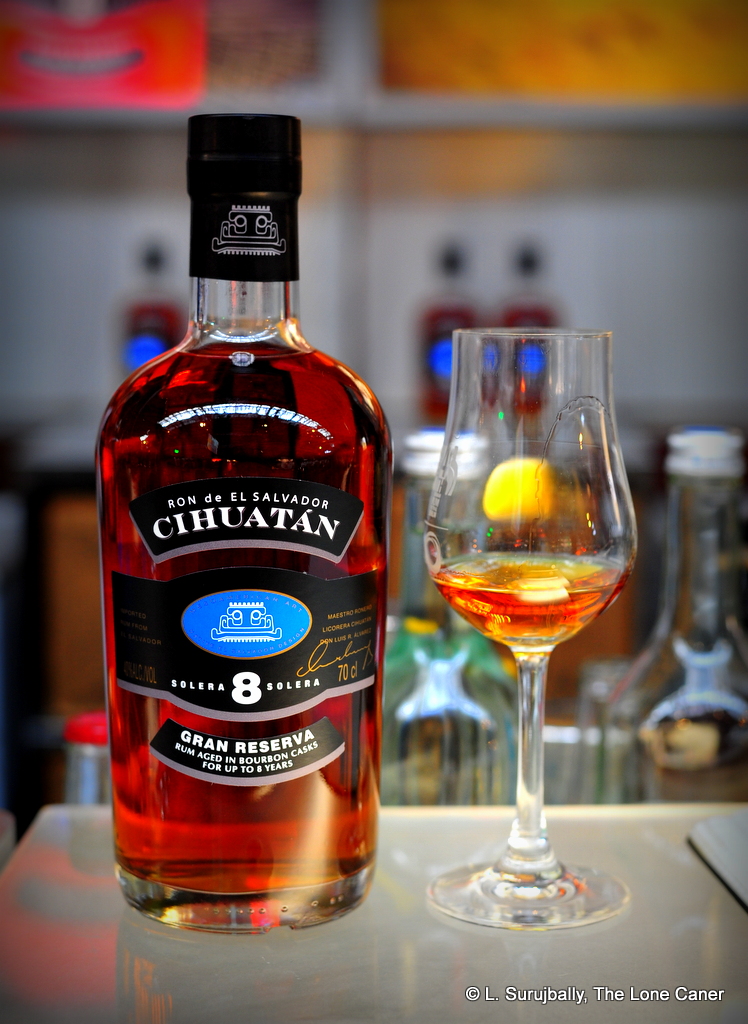
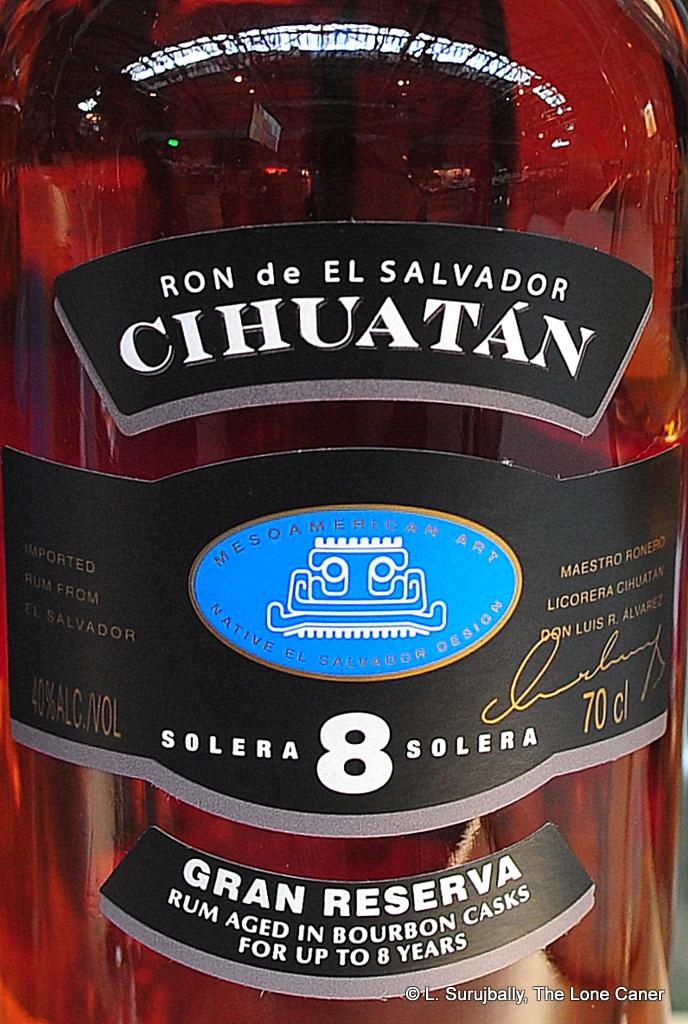
Well, that’s the historical background, which now leads is to the company that makes the rum. Strictly speaking, there isn’t one – Naga is a brand name, not a company, run by a Frenchman named Sébastien Follope. He had worked for Bardinet (La Martiniquaise group) until 2007, then at a brand development agency until 2011 after which he pivoted to being a consultant and importer for rum brands, helping (for example) to introduce Optimus (DR) and Cihuatan (El Salvador) brands to European markets. In 2012, feeling the itch to create a brand of his own, he registered the Naga name (it was unique, easy to pronounce and spell, and wasn’t already taken by anyone else) and contacted the largest maker of rums in Thailand – ThaiBev, which has a near monopoly on the local spirits market. Thaibev has some 12 distilleries, of which four make rums – the Phraya brand released by Sang Som is one of them, Mekhong is another.
After some supply issues in 2014 – the supplier abruptly cancelled the initial order – Sebastien pivoted to releasing some Indonesian arracks instead which led to his line of Naga Indonesian rums (Java reserve, Pearl of Jakarta, Anggur, etc). But in 2019, probably after this Indonesian lineup proved to be popular, whatever issues the supplier had were resolved and the use of Thai rums was greenlit, with all sorts of restrictions on what could (or could not) be mentioned in the literature – “Thailand” and “ThaiBev” being the two most surprising. This is why the “Siam Edition and “Indochinese Rum” feature on the label. This restriction apparently changed in 2023, but the labels remain as they are for now.
Other notes
- YouTube video review link
- I’ve read online references that sniff at the way the label references a romantic colonialist nostalgia, but here I’ve tried to make it clear why those names were chosen
- It’s curious that many Asian rum brands that have started to become more prominent in western rum festivals, are run by French emigres. Naga is one of them, and so is Sampan, Issan, Renaissance, Belami, Nagura, Chalong Bay and Mia.

 But a gent called
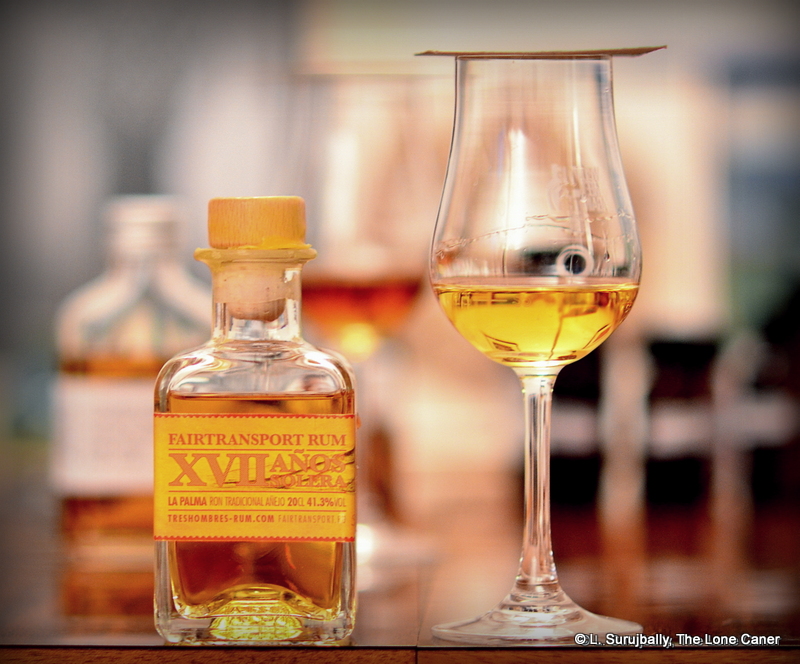
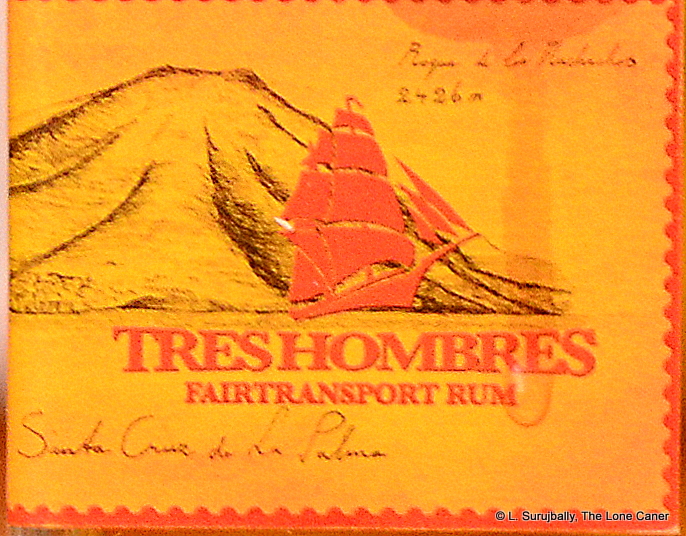 Well, Canary Islands or Dominican Republic (I’ll assume The Hombres are correct and it’s the former), it has to be evaluated, so while emails and queries chase themselves around, let’s begin. Nose first: kind of sultry and musky. Green peas developing some fuzz, old bananas, vanilla and grated coconut, that kind of neither too-sweet nor too-salt nor too-sour middle ground. It’s a little spicy and overall presents as not only relatively simple, but a little thin too, and one gets the general impression that there’s just not much gong on.
 Tres Hombres is now up to No. 34 or something, includes gin in the lineup, still do some ageing onboard for a month or so it takes to cross the Atlantic and certainly they have not lost their enthusiasm — they include rums from Barbados, DR and the Canary islands. Whether this part of their business will carry them into the future or forever be a sideline is, however, not something I can answer at this time – the lack of overall publicity surrounding their rums, suggests they still have a ways to go with respect to wider consciousness and acceptance.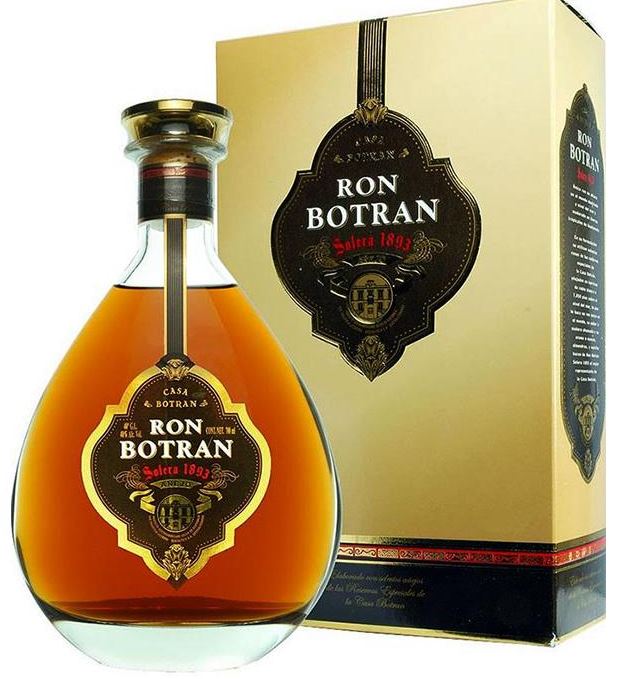
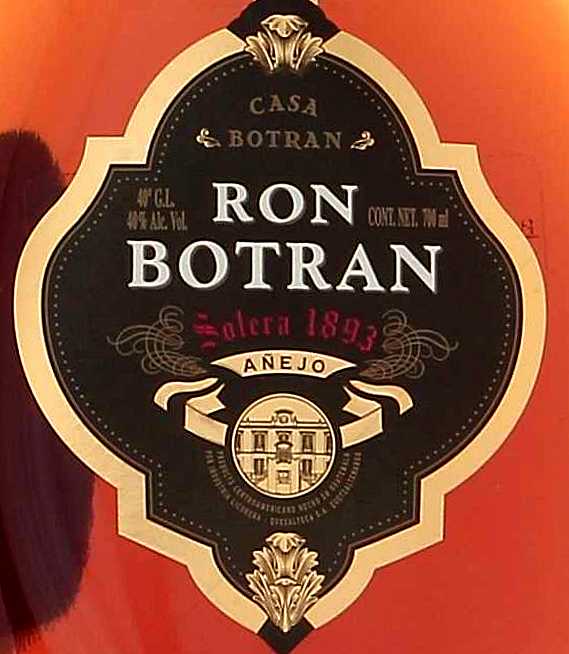 Colour – Gold brown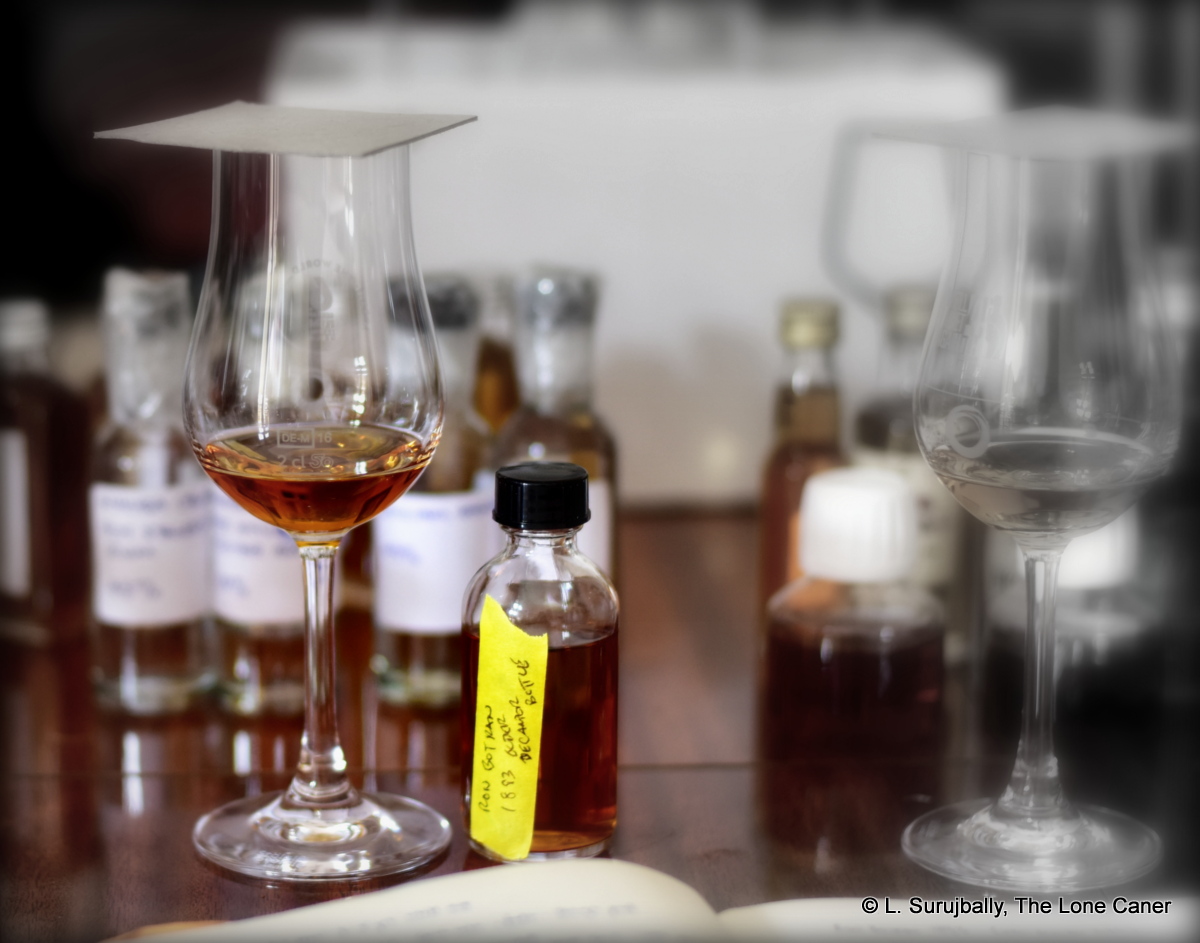
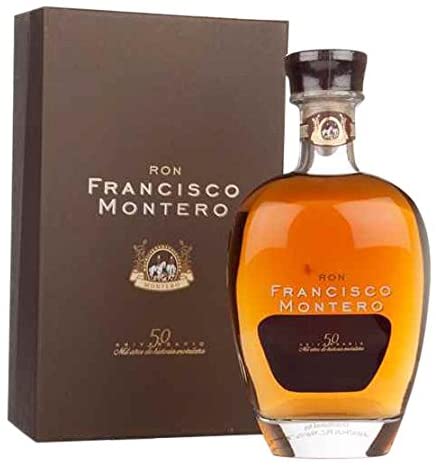
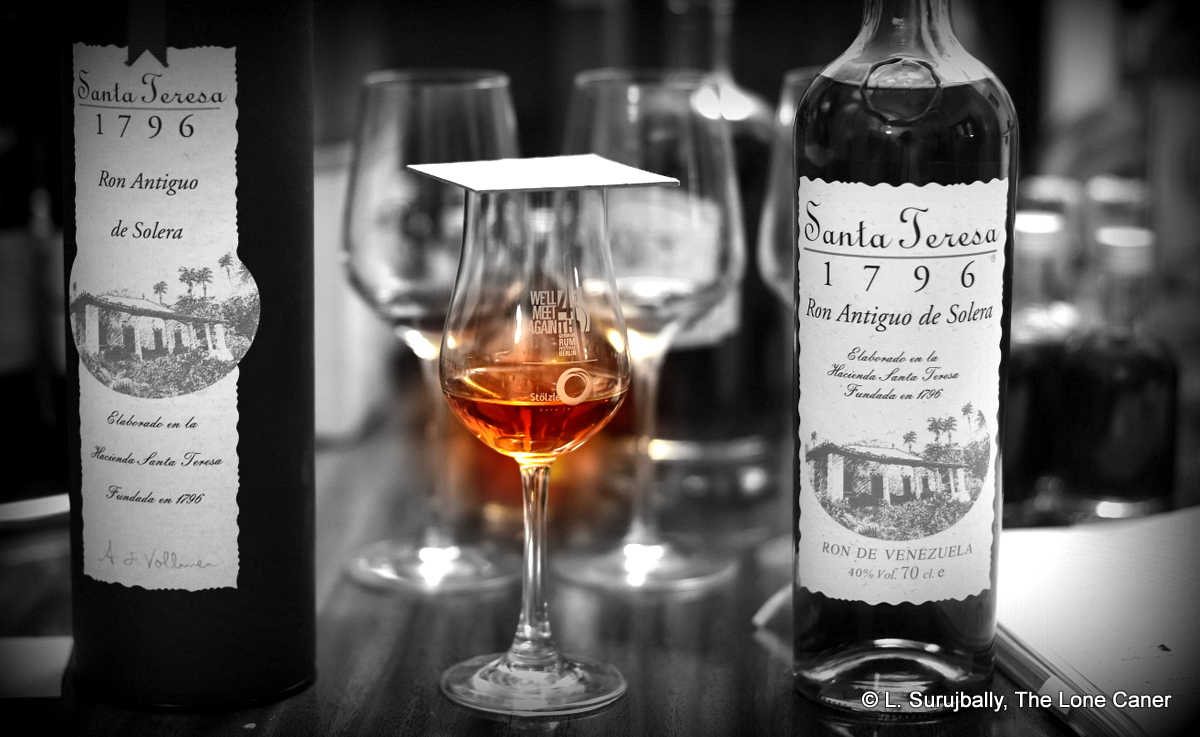
 It’s inoffensive in the extreme, there’s little to dislike here (except perhaps the strength), and for your average drinker, much to admire. The palate is quite good, if occasionally vague – light white fruits and toblerone, nougat, salted caramel ice cream, bon bons, sugar water, molasses, vanilla, dark chocolate, brown sugar and delicate spices – cinnamon and nutmeg. It’s darker in texture and thicker in taste than I recalled, but that’s all good, I think. It fails on the finish for the obvious reason, and the closing flavours that can be discerned are fleeting, short, wispy and vanish too quick.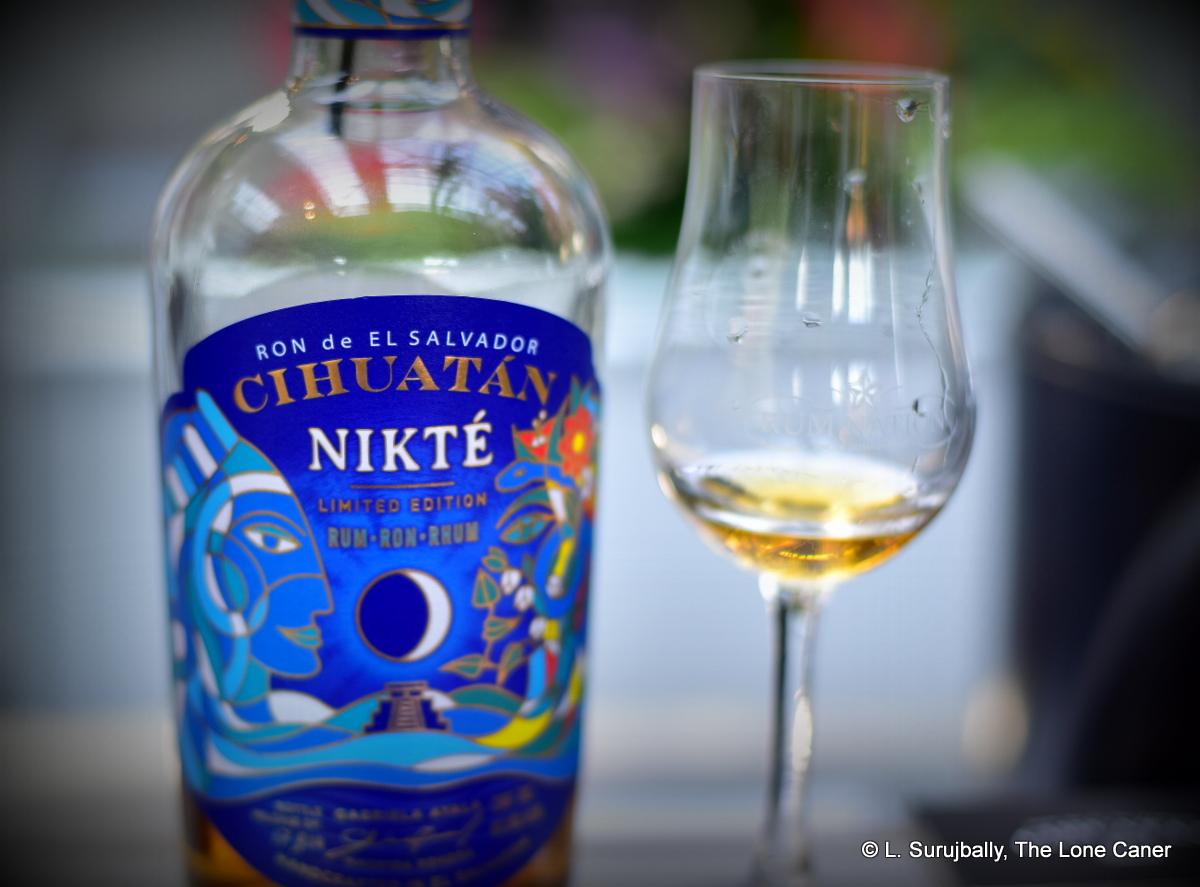
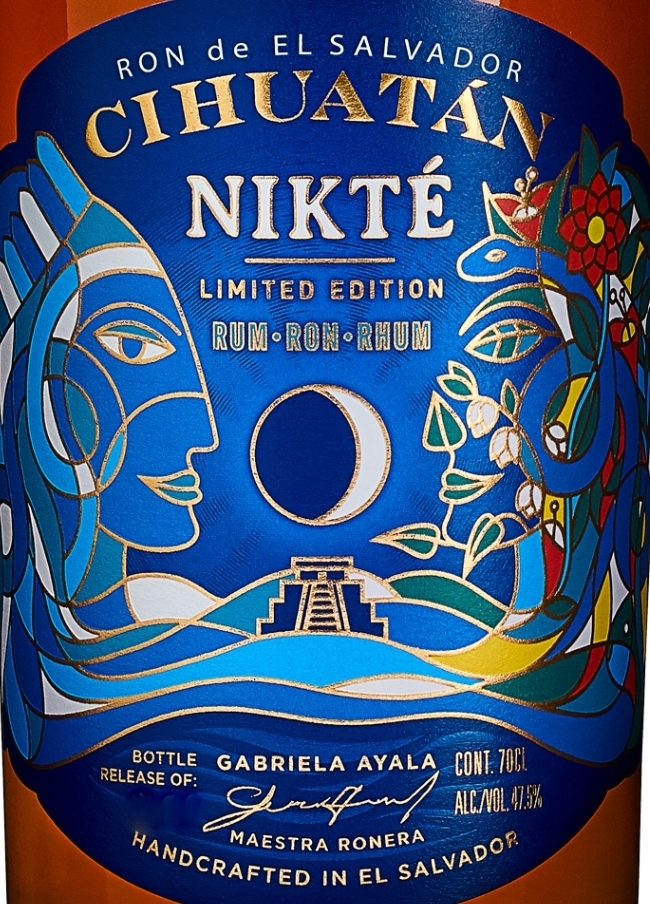 The name of the rum (or ron, if you will) relates back to the Mayan motif that has been part of the brand from the inception: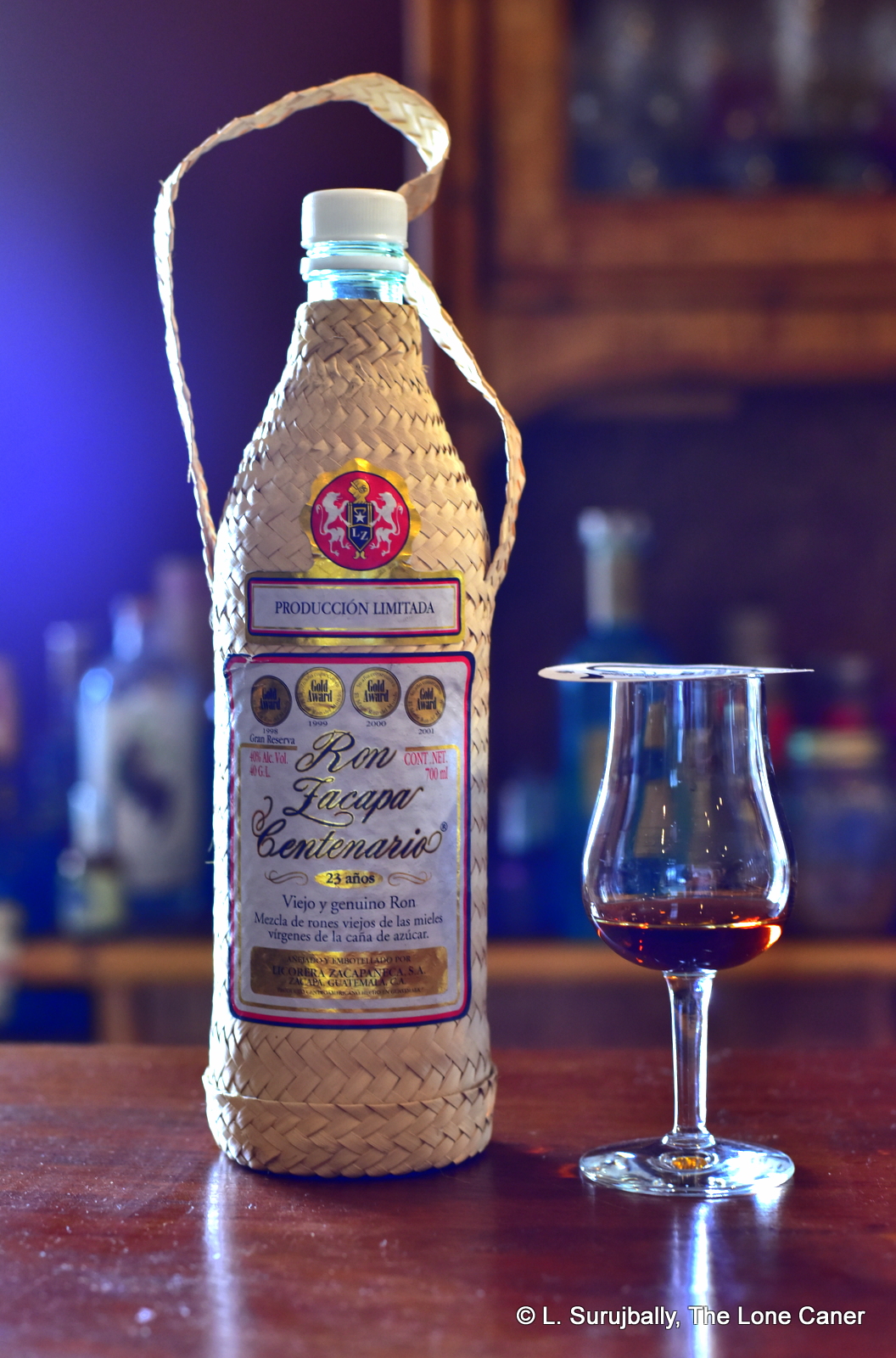
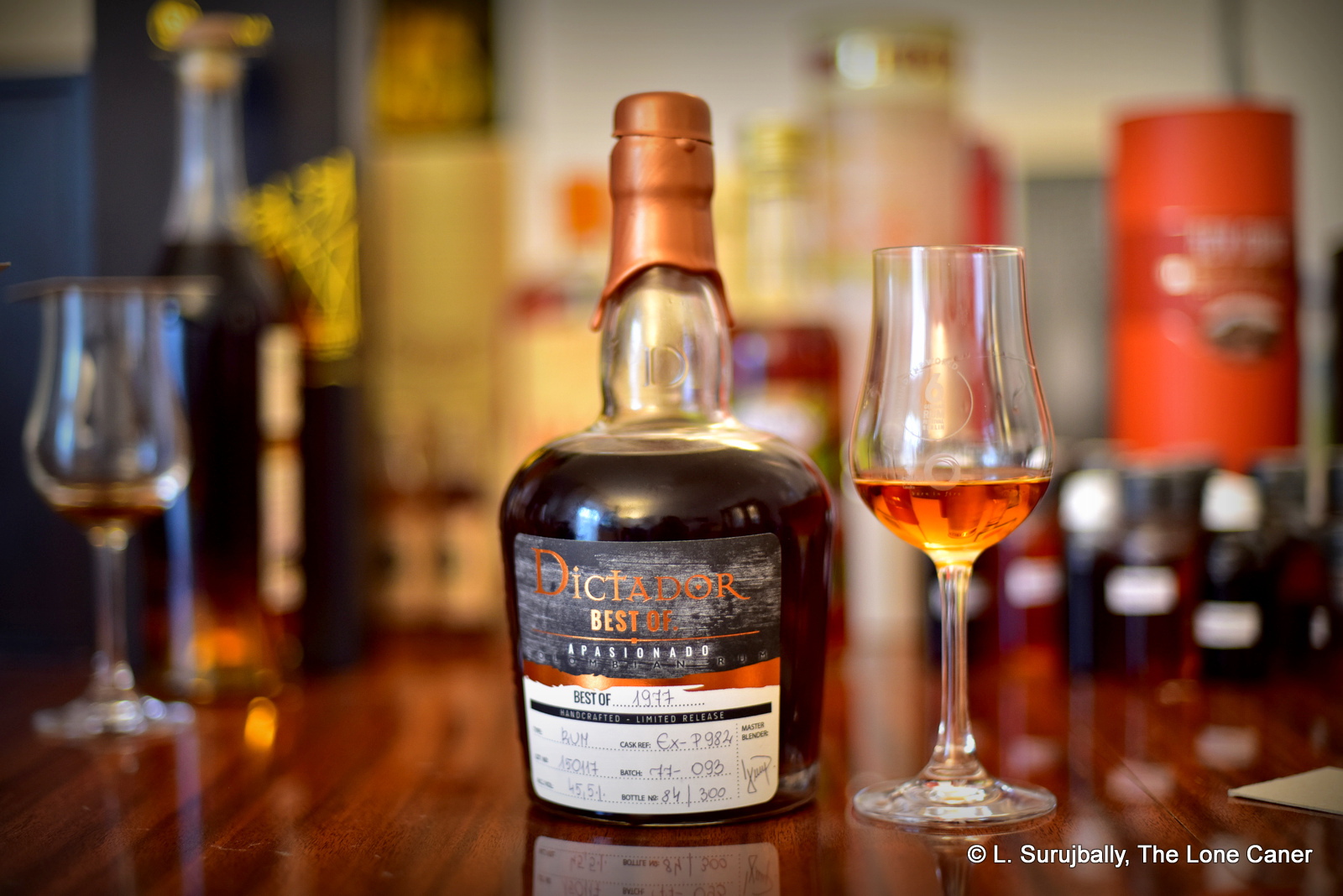
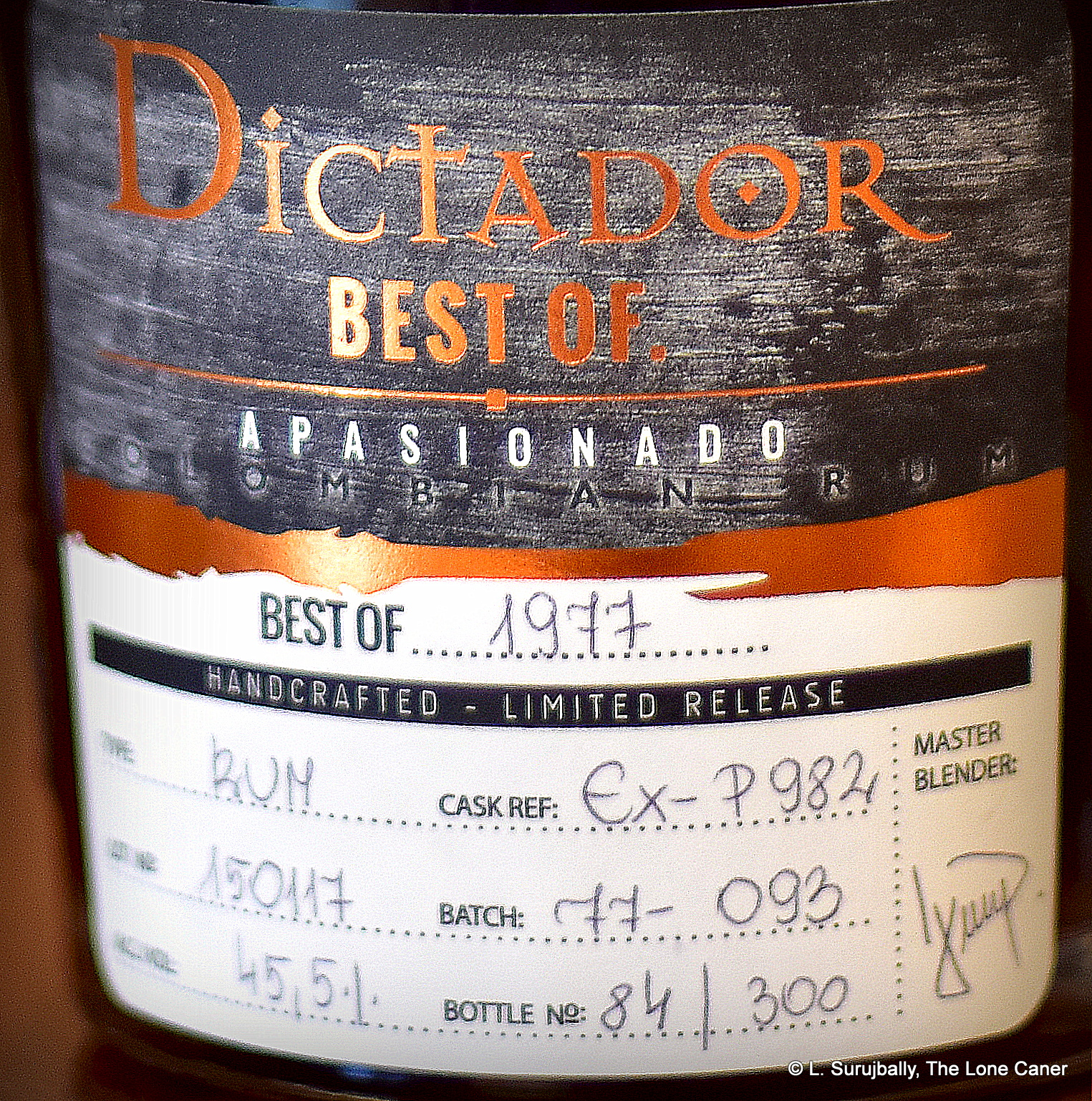 Anyway, tasting notes: all those who have tried the various Dictador expressions have remarked on the coffee undertones: that remained strong here as well – it’s something of a Dictador signature. It was soft and rounded, exhibiting gentle, creamy notes of sweet blancmange, bon bons and caramel. There was something of a red wine background here, raisins, and a vague fruitiness that was maddeningly elusive because it never quite emerged and came to the fore with any kind of authority. The nose therefore came through as something of a sleeping beauty behind a frosted glass case – I could sense some potential, but was never quite able to get the kiss of life from it…the liqueur note to the smells, while not as overpowering as on the 20, kept getting in the way.
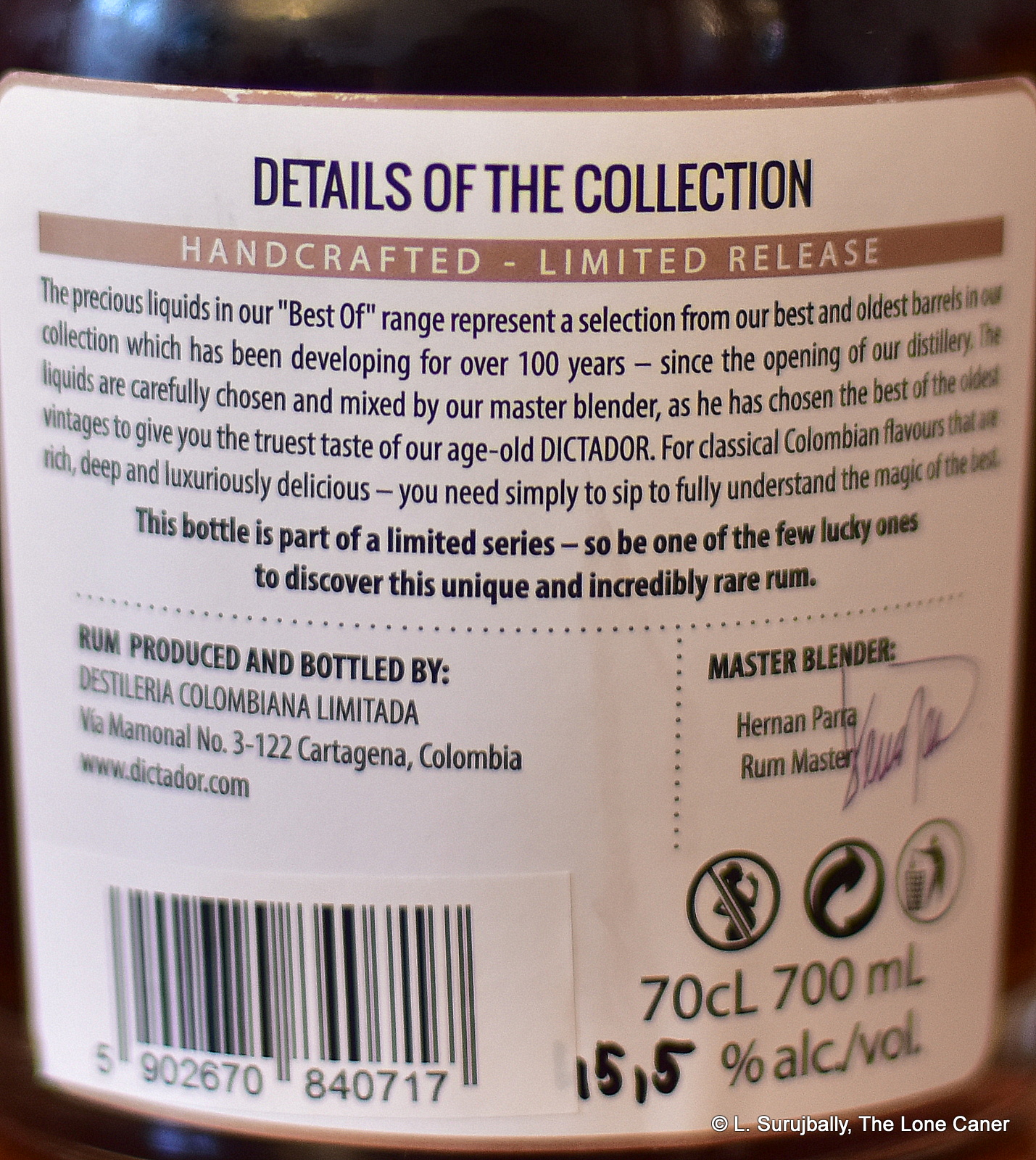 Now that’s not to say we’re sure, when all is said and done, the nose nosed, the palate palated and the finish finished, that we’re entirely clear what we had. Certainly it was some of something, but was it much of anything? I’m going to have to piss off some people (including maybe even my compadre in the Philippines) by suggesting that yes, I think it was…better, at least, than the preceding remarks might imply, or than I had expected going in. For one thing, while it was sweet, it was not excessively so (at least compared to the real dentist’s wet dreams such as