These days Jamaican rums which were previously and mostly blending fodder are getting not only a new lease on life but a resurgence of their reputation that is so massive and enthusiast-driven that it’s led to the re-emergence of names like Longpond, Worthy Park, Clarendon, Inswood, Monymusk, New Yarmouth, Hampden Estate (and others), that might be giving Appleton some sleepless nights. Lovers of the style can’t seem to get enough of them, which goes a long way to demonstrating public boredom with pallid blended meh-rums that have suffused much of the consuming landscape for the last decades. People were and are simply looking for something more exciting, more distinctive…and Jamaicans are filling that niche very nicely indeed.
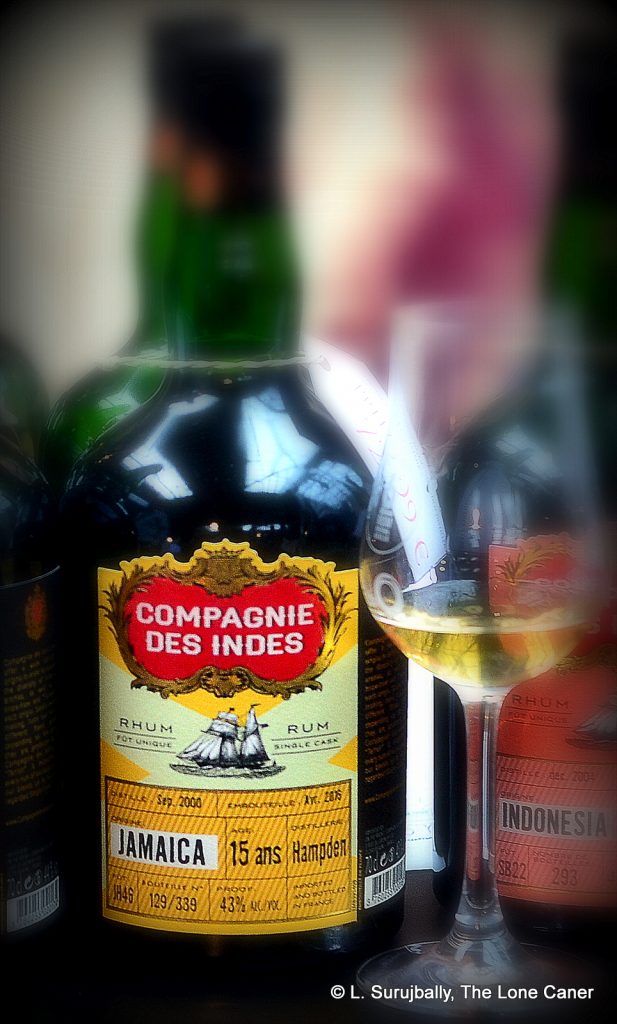
In 2017 the French company Compagnie des Indes issued a New Yarmouth rum which excited raves across the Jamaican rum loving cognoscenti, and in 2018 Velier issued two Hampdens themselves as they began their long march to promote the estate – both lit up Facebook like the Fourth of July. And that’s not even counting the other Worthy Park and Hampdens which have come to market in the last few years. The Hampden I’m looking at today is a bit more modest, however – it is one Compagnie edition of about twenty from the island that were released up to 2017 (of which four were from Hampden).
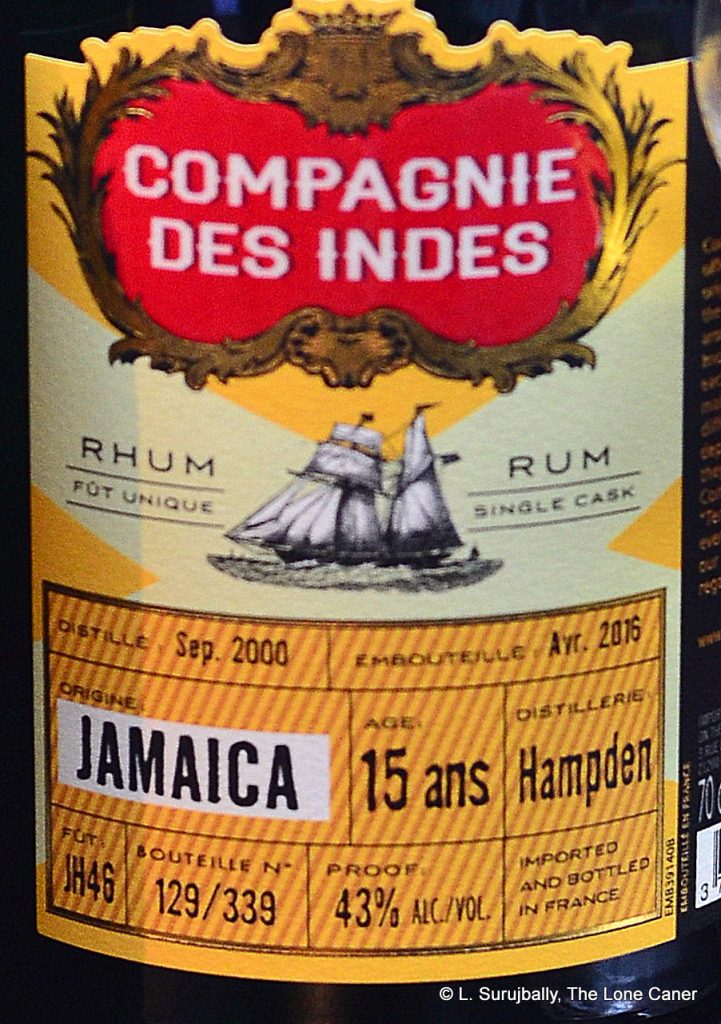
In terms of background, it’s a 43% rum, pot still origin, barrel #JH46, distiilled in 2000 and bottled in 2016, 339 bottles, sourced in Europe (probably Scheer) – and if you’re really interested I dragged some others from the island to act as controls: the Mexan XO, the Mezan WP 2005, another two Compagnie rums – the Longpond 12 YO (44%) and the Worthy Park 7 YO (53%). Because I was curious how well the Hampden would fare against both other estates, and other strengths.
There was no mistaking the lemon-yellow Hampden for anything but a Jamaican, that was for sure. The nose was slightly sweeter than the Mezans and the CdI Longpond, very clear, redolent of cherries, tart fruits, green apples, rotting banana funk, overripe mangoes, together with a fine line of citrus carving through the whole thing – a medium ester rum, I hazarded, and very crisp and clean to smell.
 On the palate, I didn’t think it could quite beat out the CdI Worthy Park (which was half its age, though quite a bit stronger); but it definitely had more force and more uniqueness in the way it developed than the Longpond and the Mezans. It started with cherries, going-off bananas mixed with a delicious citrus backbone, not too excessive. After ten minutes or so it opened further into a medium sweet set of fruits (peaches, pears, apples), and showed notes of oak, cinnamon, some brininess, green grapes, all backed up by delicate florals that were very aromatic and provided a good background for the finish. That in turn glided along to a relatively serene, slightly heated medium-long stop with just a few bounces on the road to its eventual disappearance, though with little more than what the palate had already demonstrated. Fruitiness and some citrus and cinnamon was about it.
Overall, a solid, tasty Jamaican rum, presenting somewhat younger than its physical years. It was continentally aged, so the rich voluptuousness of a tropically-aged rum was not its forte. Some of its rough edges were sanded away while leaving enough to give it some character: its strength was right, I think, and it lacked some of the furious brutality of younger ester bombs from the estates, without losing any of its elemental character. Not all high-ester, funk-driven, dunder-squirting rums are meant for such neat sipping (as has been remarked on before, such intensely flavoured Jamaicans are often used as flavouring agents in other blended rums). But as a rum by itself, tasted and evaluated on its own, this fifteen year old is a very pleasant sipping dram that retains just enough edge to make it a very good experience to have by itself, or to perk up whatever cocktail you feel like adding it to.
(#526)(86/100)
Other notes
For a pretty good historical and production-level rundown on Hampden estate, the Cocktail Wonk’s 2016 article covers just abut everything.


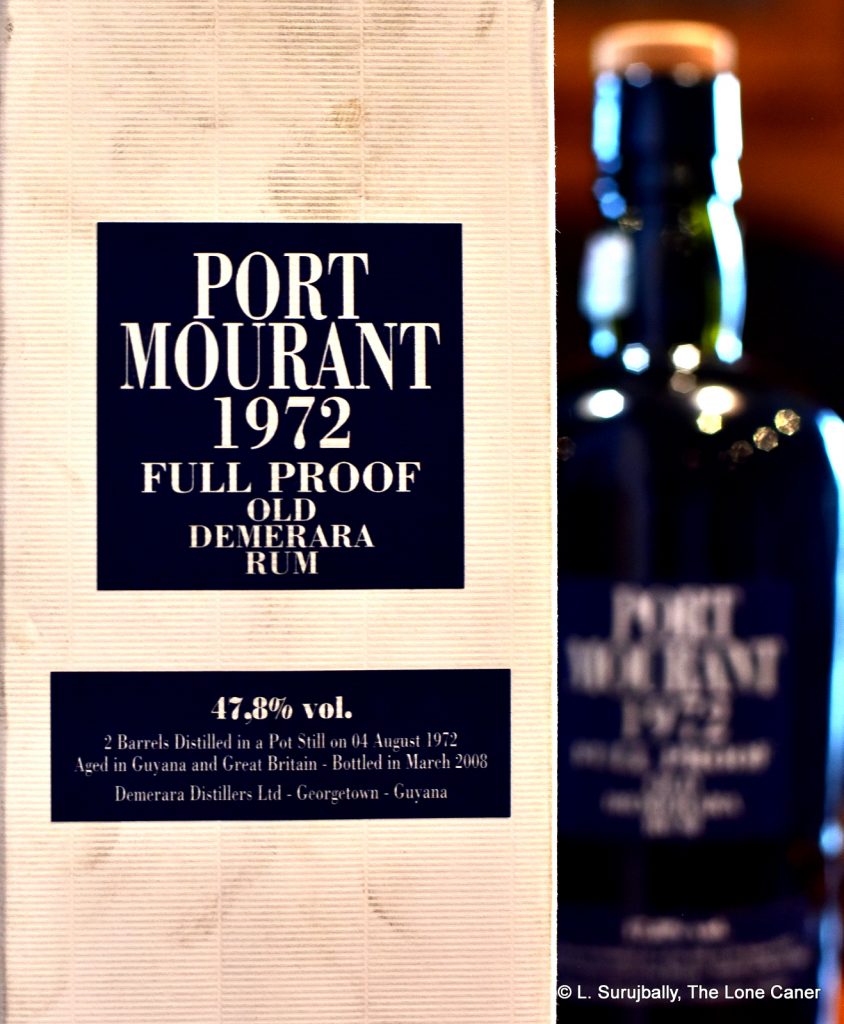
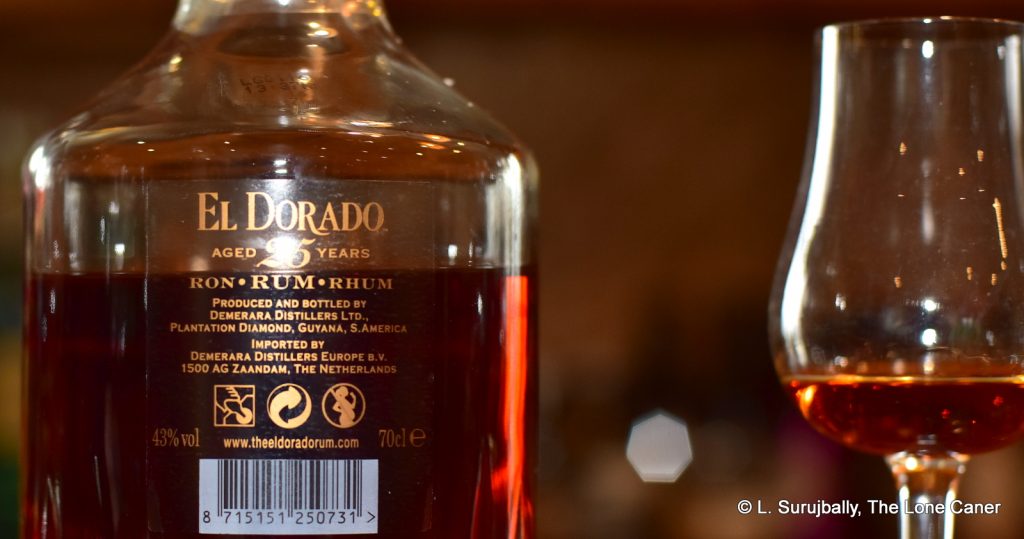
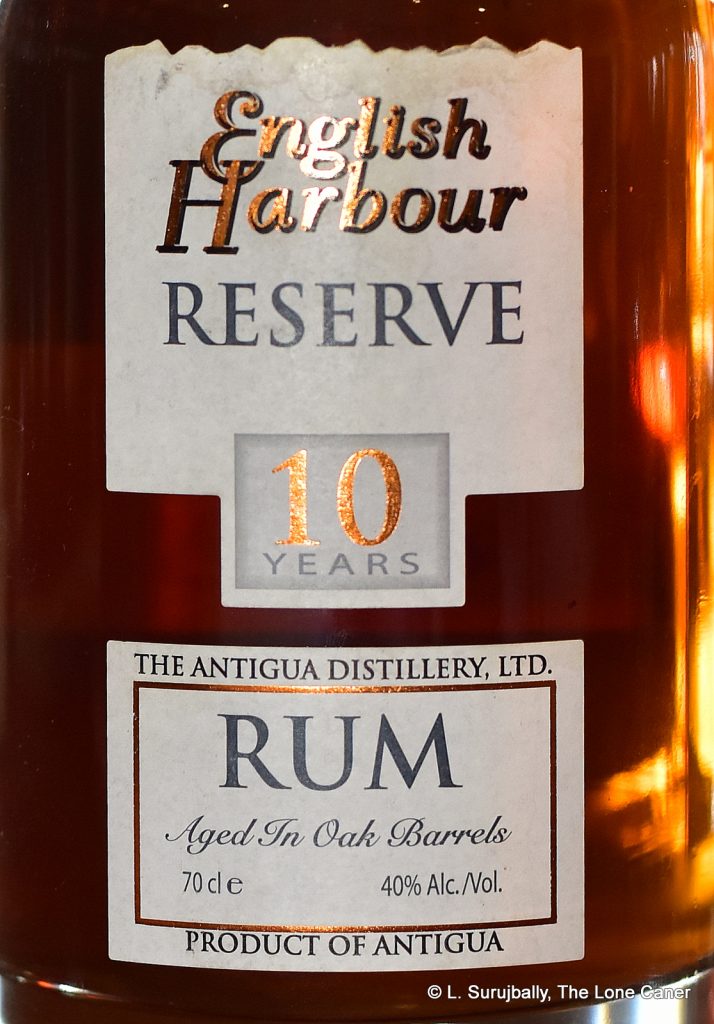 The nose begins with an astringent sort of dryness, redolent of burnt wood chips, pencil shavings, light rubber, citrus and even some pine aroma. It does get better once it’s left to itself for a while, calms down and isn’t quite as aggressive. It does pack more of a punch than the 25 YO, however, which may be a function of the disparity in ages – not all the edges of youth had yet been shaved away. Additional aromas of bitter chocolate, toffee, almonds and cinnamon start to come out, some fruitiness and vanilla, and even some tobacco leaves. Pretty nice, but some patience is required to appreciate it, I’d say.
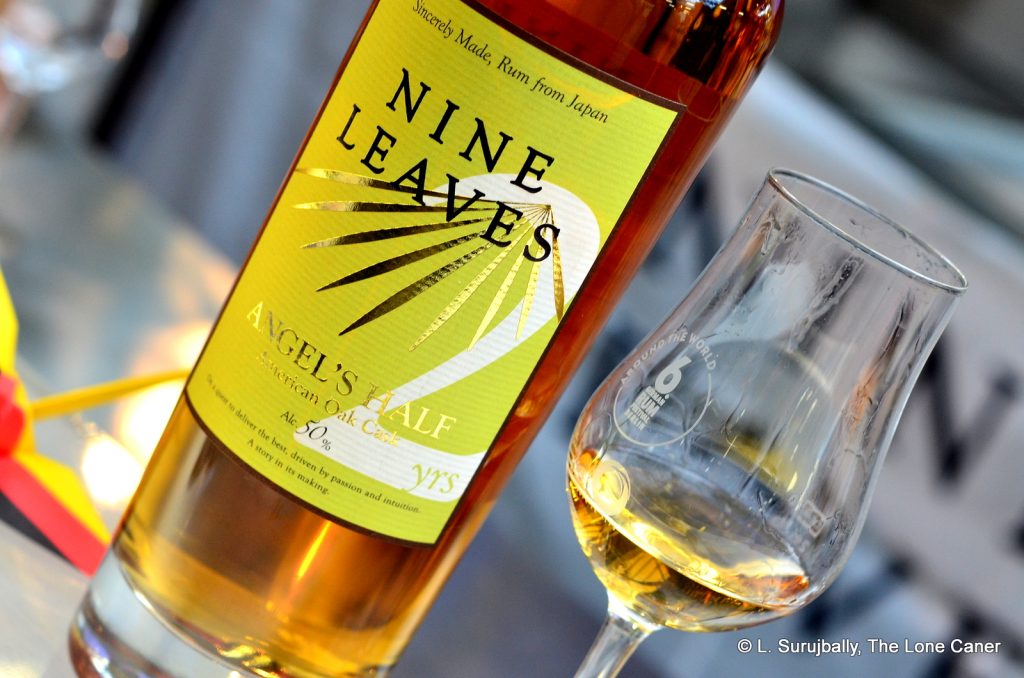
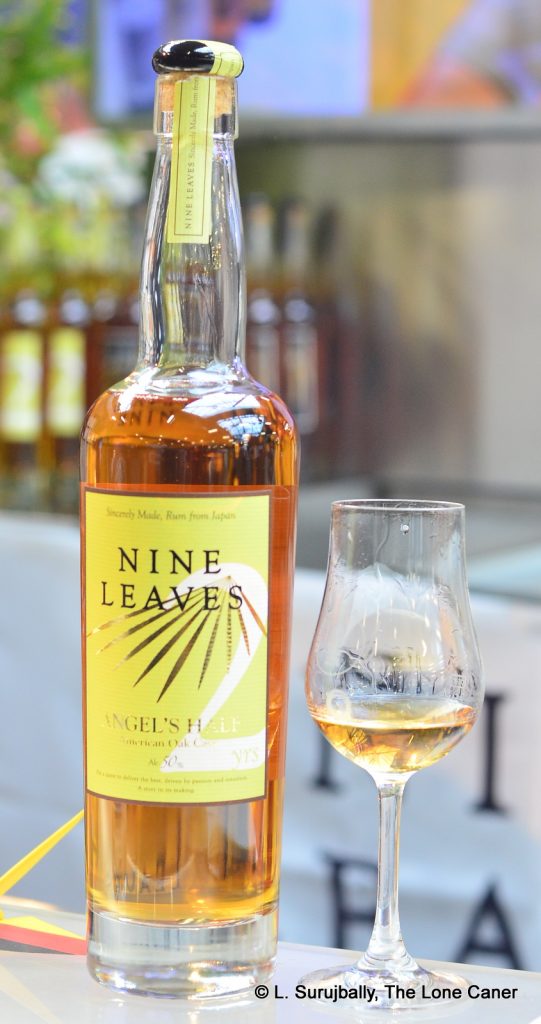 The nose rather interestingly presented hints of a funky kind of fruitiness at the beginning (like a low rent Jamaican, perhaps), while the characteristic clarity and crisp individualism of the aromas such as the other Nine Leaves rums possessed, remained. It was musky and sweet, had some zesty citrus notes, fresh apples, pears and overall had a pleasing clarity about it. Plus there were baking spices as well – nutmeg and cumin and those rounded out the profile quite well.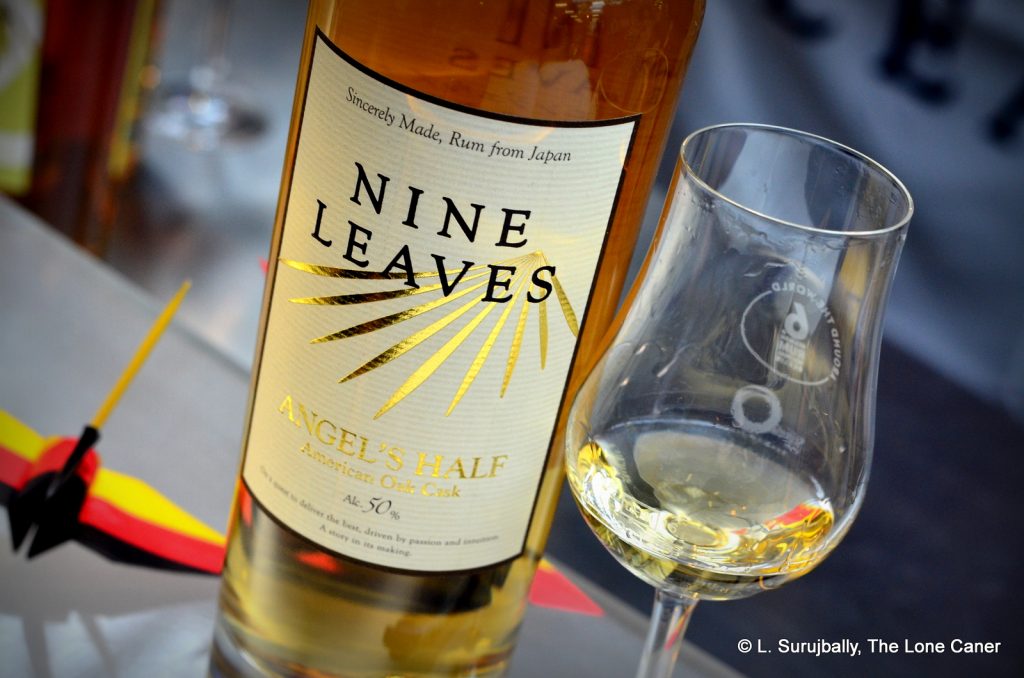

 The nose made an immediate and emphatic response: “Here’s how.” I had exasperatedly grumbled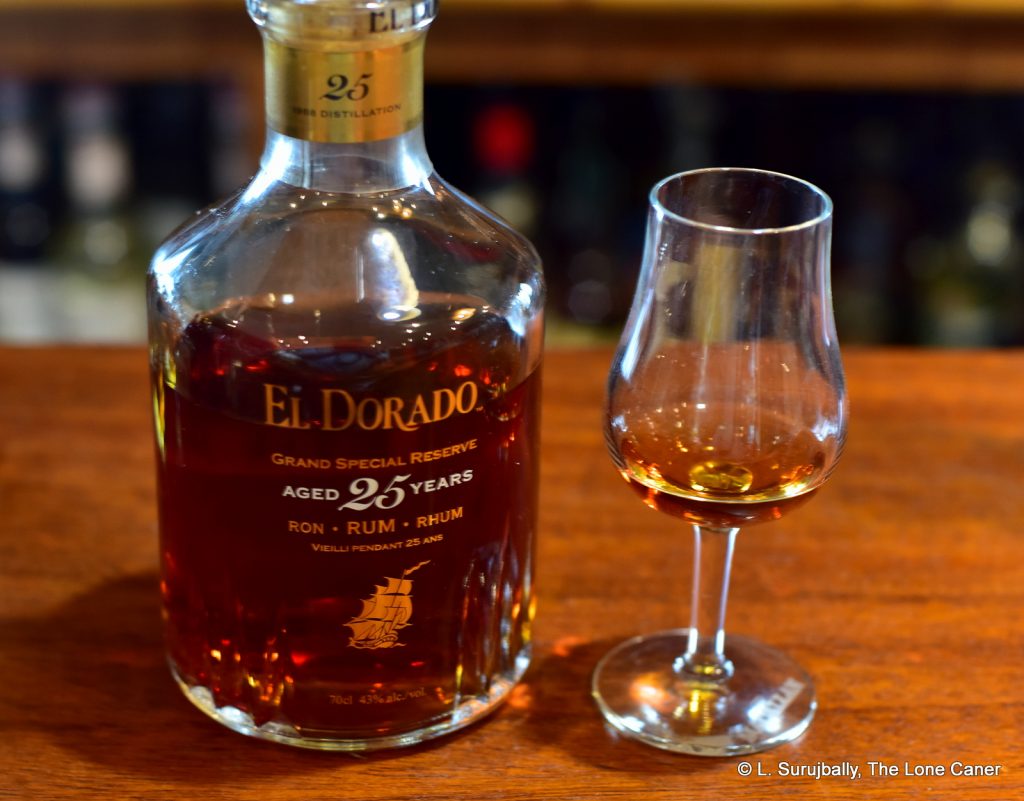
 Rumaniacs Review #080 | 0516
 Thinness of the nose aside, the palate took something of a ninety degree left turn. It felt thicker, richer, with the glue and furniture polish notes receding, yet what emerged was a rum that seemed over-oaked, and very dry, very crisp. What fruits there were – and there were some, mostly raisins, pears, unripe apples and green mangoes – were of the mouth puckering kind, quite tart, accompanied by orange peel, nutmeg, cardboard or drywall, and something that reminded me of the dustiness of a drought-stricken backyard. The strength was fine for what it was – not low enough to make it a mild crowd-pleaser, not so strong as to make it an assault on the tongue, so on that level it succeeded just fine. The finish gave up more of those tart fruity sensations, oak notes, some pepper and cooking herbs (thyme and parsley)…yet overall, it somehow failed to cohere really well, and the whole experience was deflated by its relative lack of voluptuousness that either some more ageing or some time in tropical climes might have ameliorated.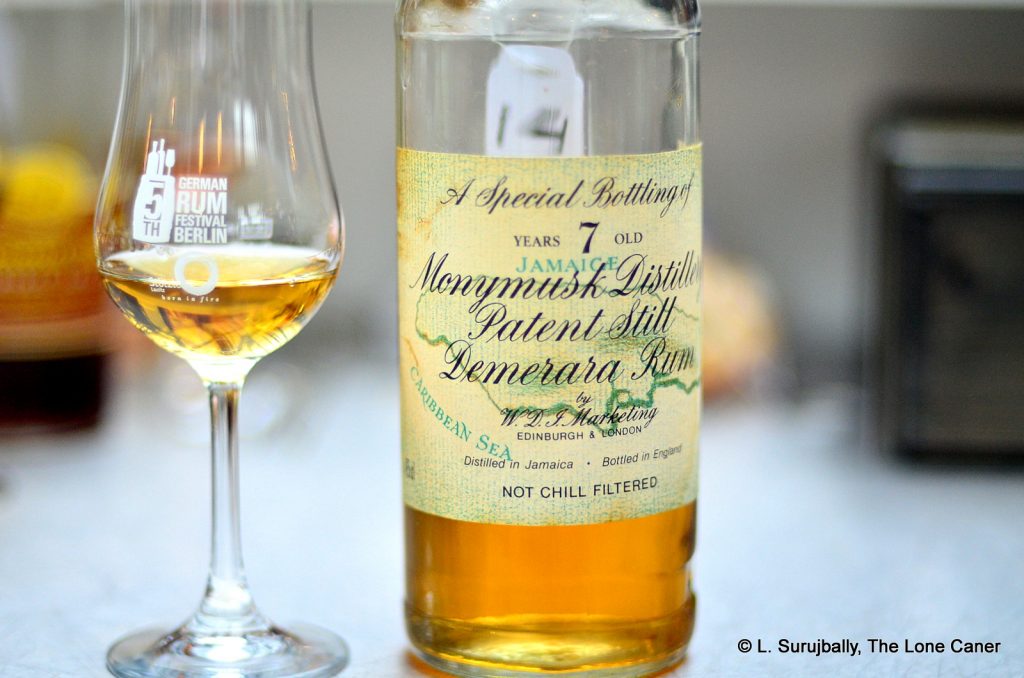
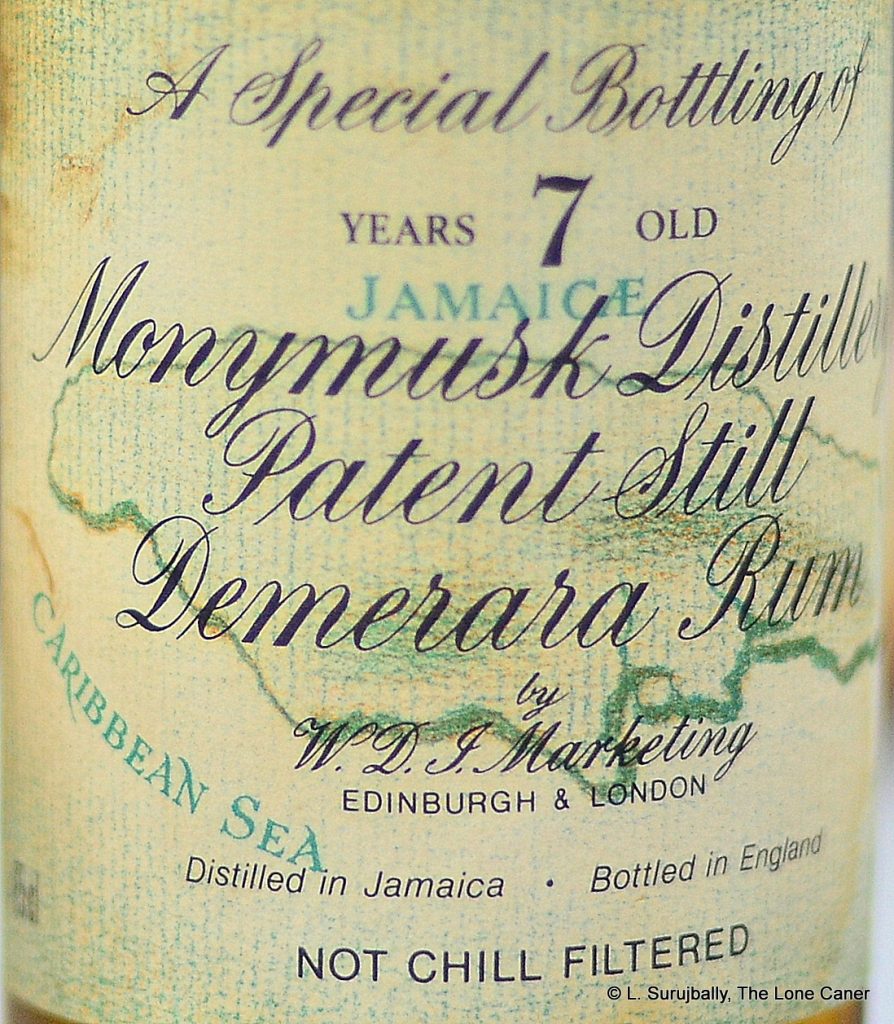 Nose – Yeah, no way this is from Mudland. The funk is all-encompassing. Overripe fruit, citrus, rotten oranges, some faint rubber, bananas that are blackened with age and ready to be thrown out. That’s what seven years gets you. Still, it’s not bad. Leave it and come back, and you’ll find additional scents of berries, pistachio ice cream and a faint hint of flowers.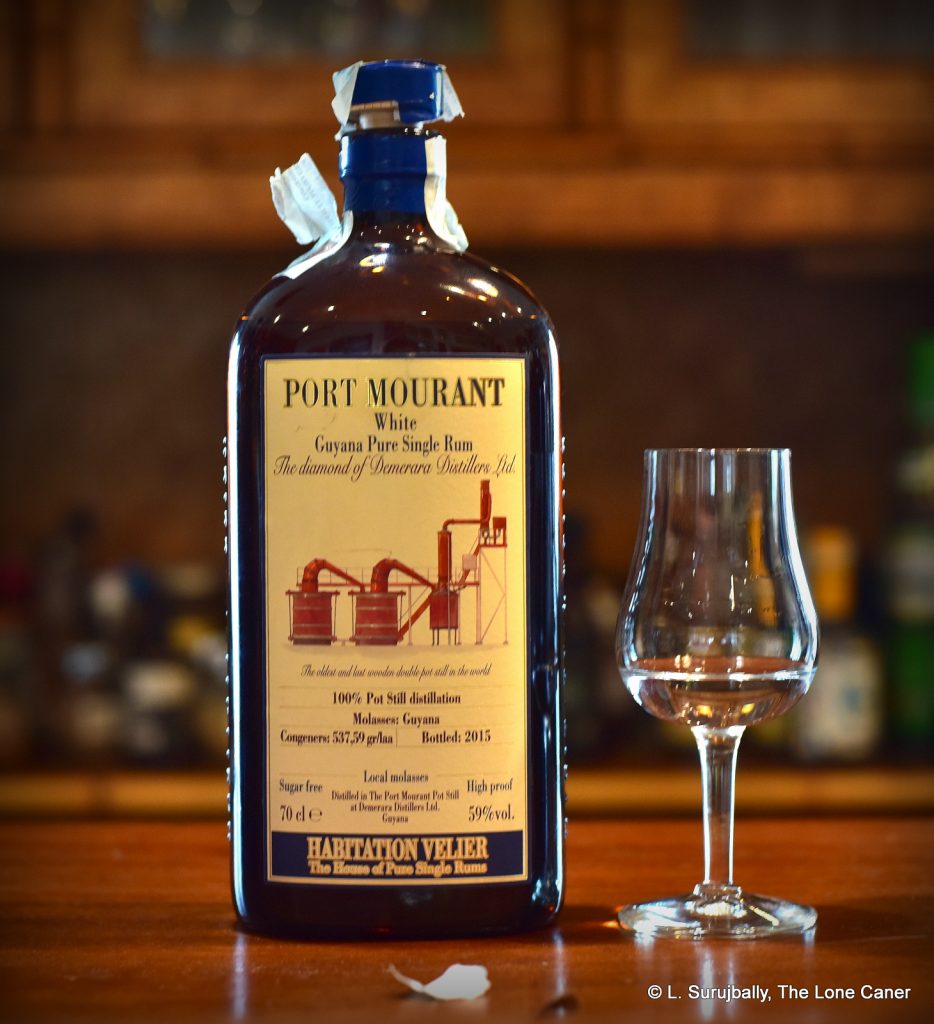
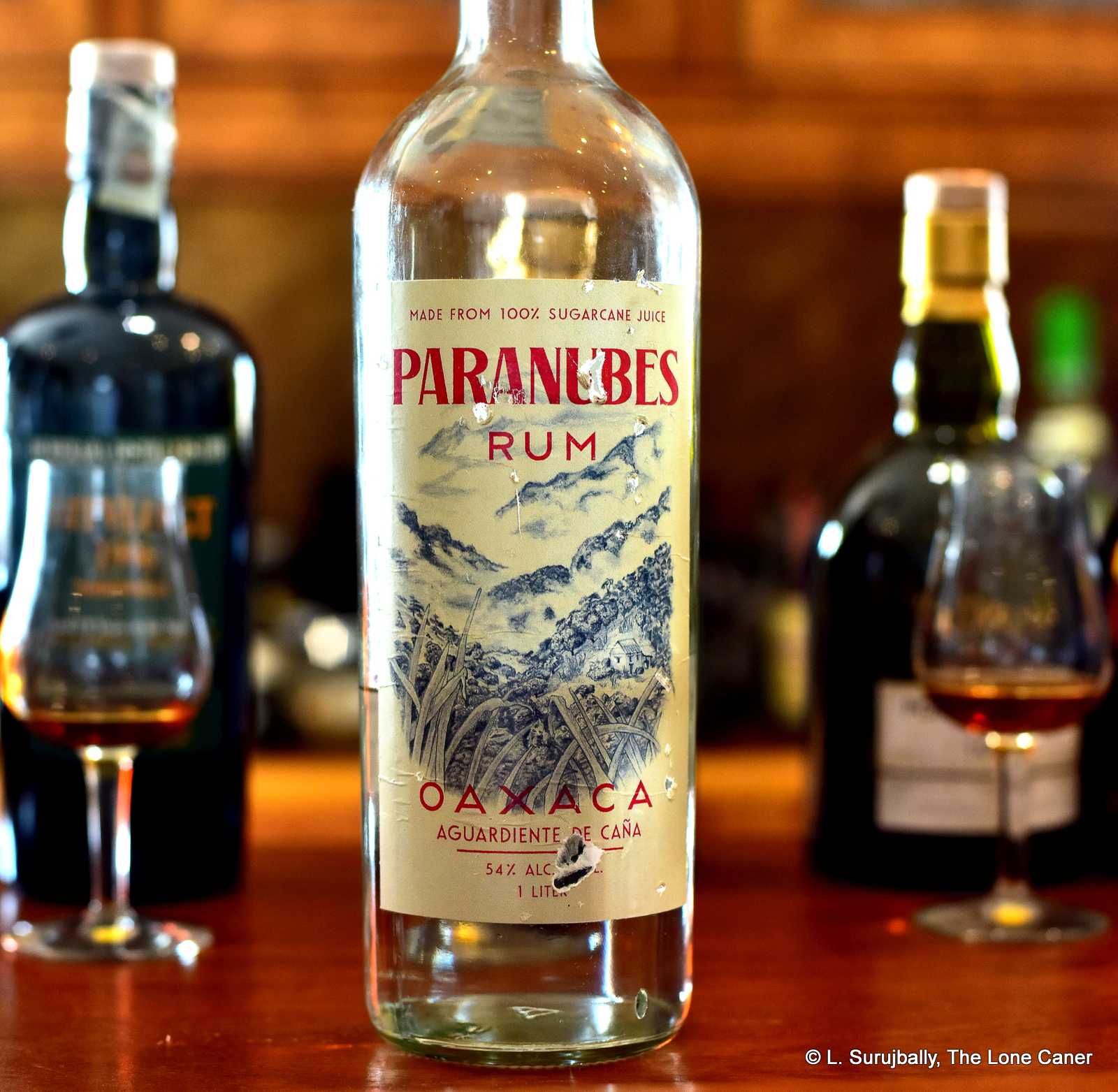
 Unaged rums take some getting used to because they are raw from the barrel and therefore the rounding out and mellowing of the profile which ageing imparts, is not a factor. That means all the jagged edges, dirt, warts and everything, remain. Here that was evident after a single sip: it was sharp and fierce, with the licorice notes subsumed into dirtier flavours of salt beef, brine, olives and garlic pork (seriously!). It took some time for other aspects to come forward – gherkins, leather, flowers and varnish – and even then it was not until another half hour had elapsed that crisper acidic notes like unripe apples and thai lime leaves (I get those to buy in the local market), were noticeable. Plus some vanilla – where on earth did that come from? It all led to a long, duty, dry finish that provided yet more: sweet, sugary, sweet-and-salt soy sauce in a clear soup. Damn but this was a heady, complex piece of work. I liked it a lot, really.
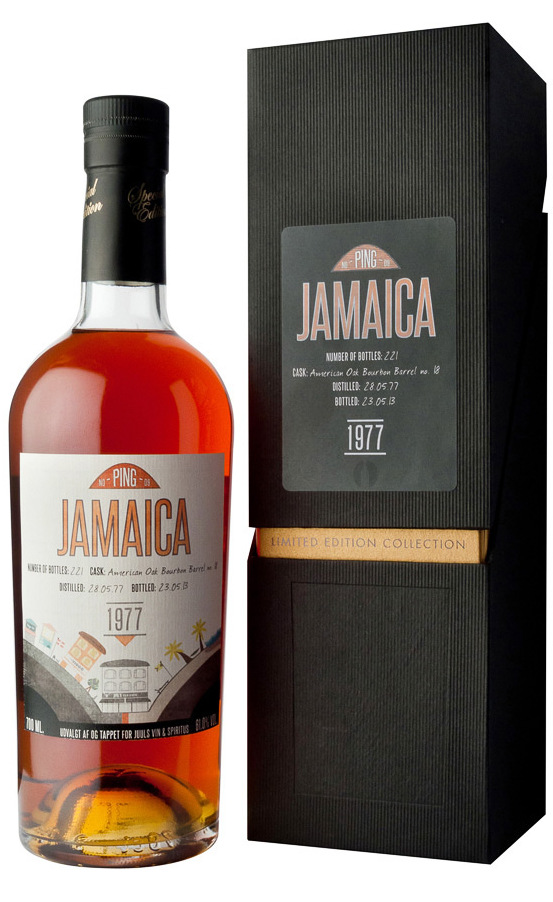
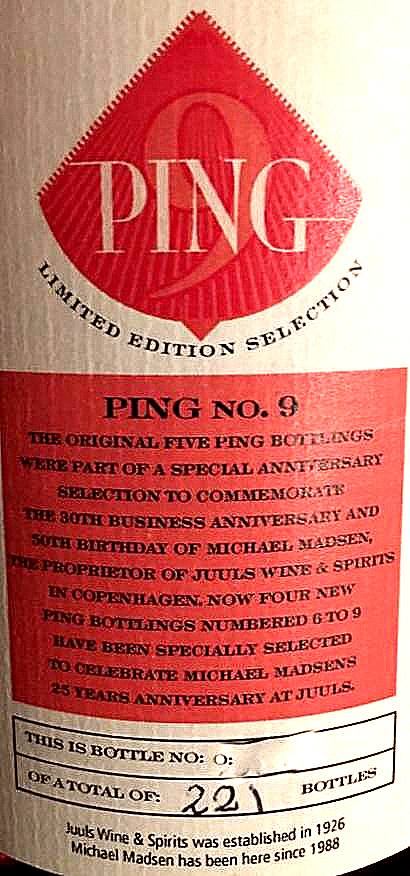 Say what you will about tropical ageing, there’s nothing wrong with a good long continental slumber when we get stuff like this out the other end. Again it presented as remarkably soft for the strength, allowing tastes of fruits, light licorice, vanilla, cherries, plums, and peaches to segue firmly across the tongue. Some sea salt, caramel, dates, plums, smoke and leather and a light dusting of cinnamon and florals provided additional complexity, and over all, it was really quite a good rum, closing the circle with a lovely long finish redolent of a fruit basket, port-infused cigarillos, flowers and a few extra spices.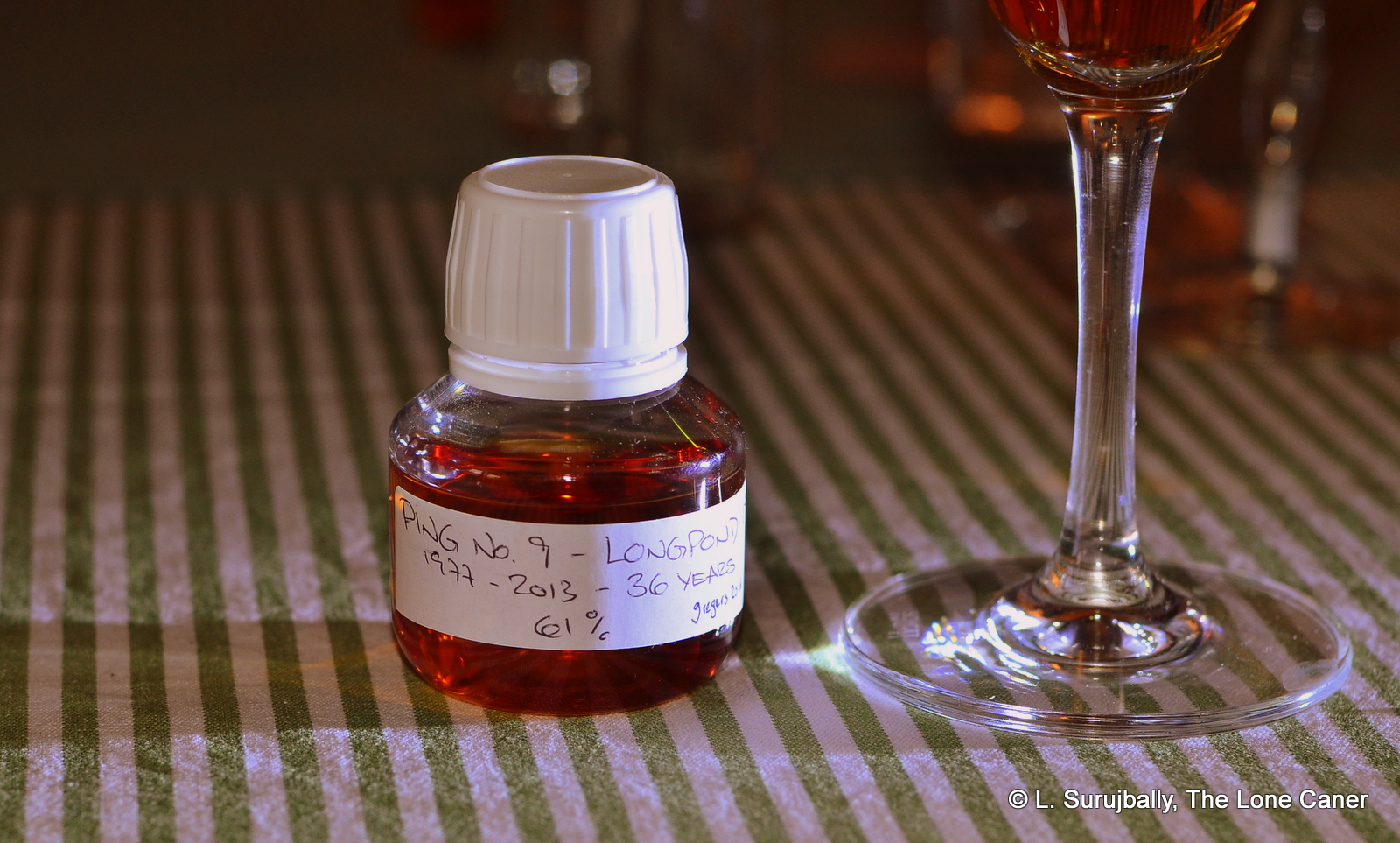
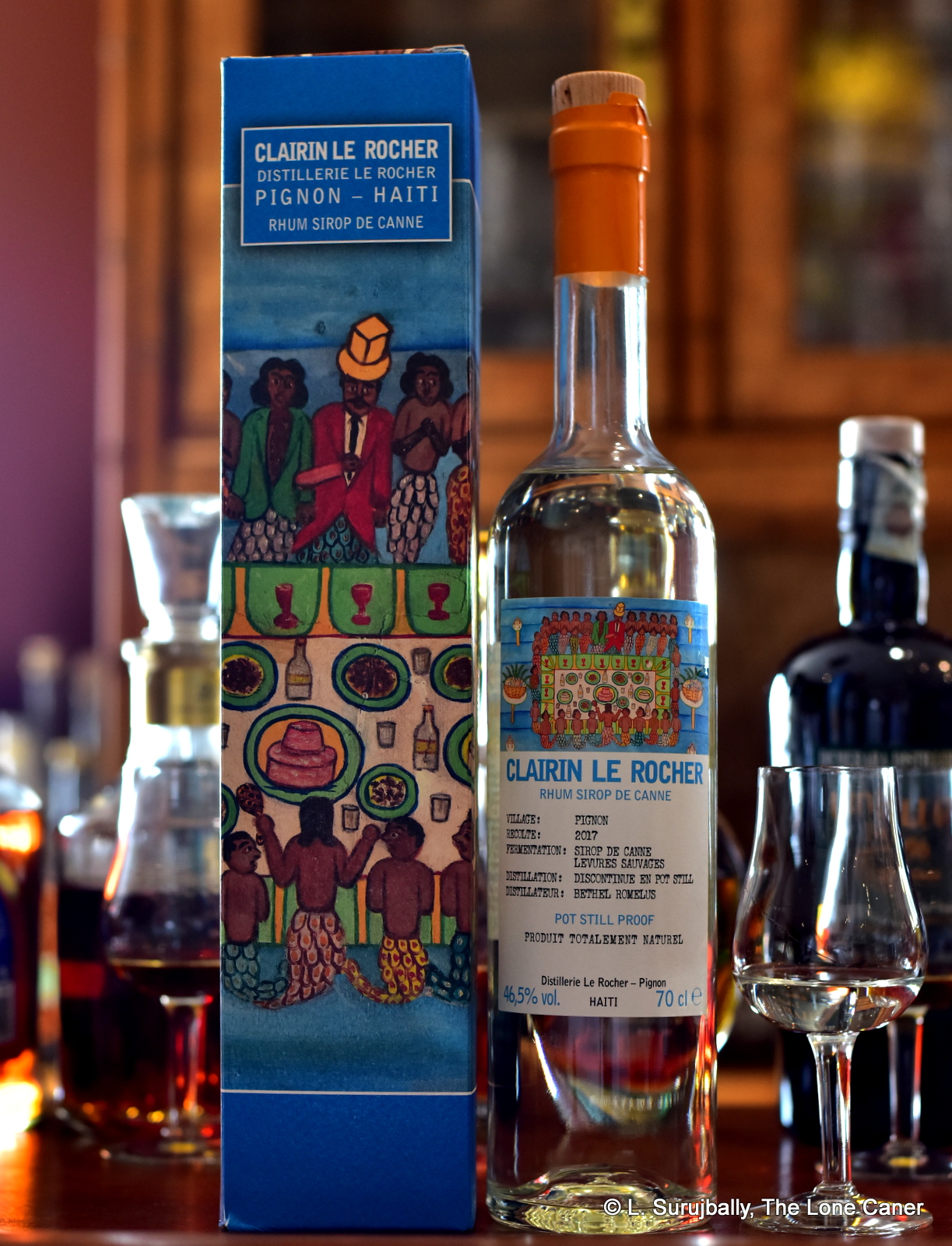
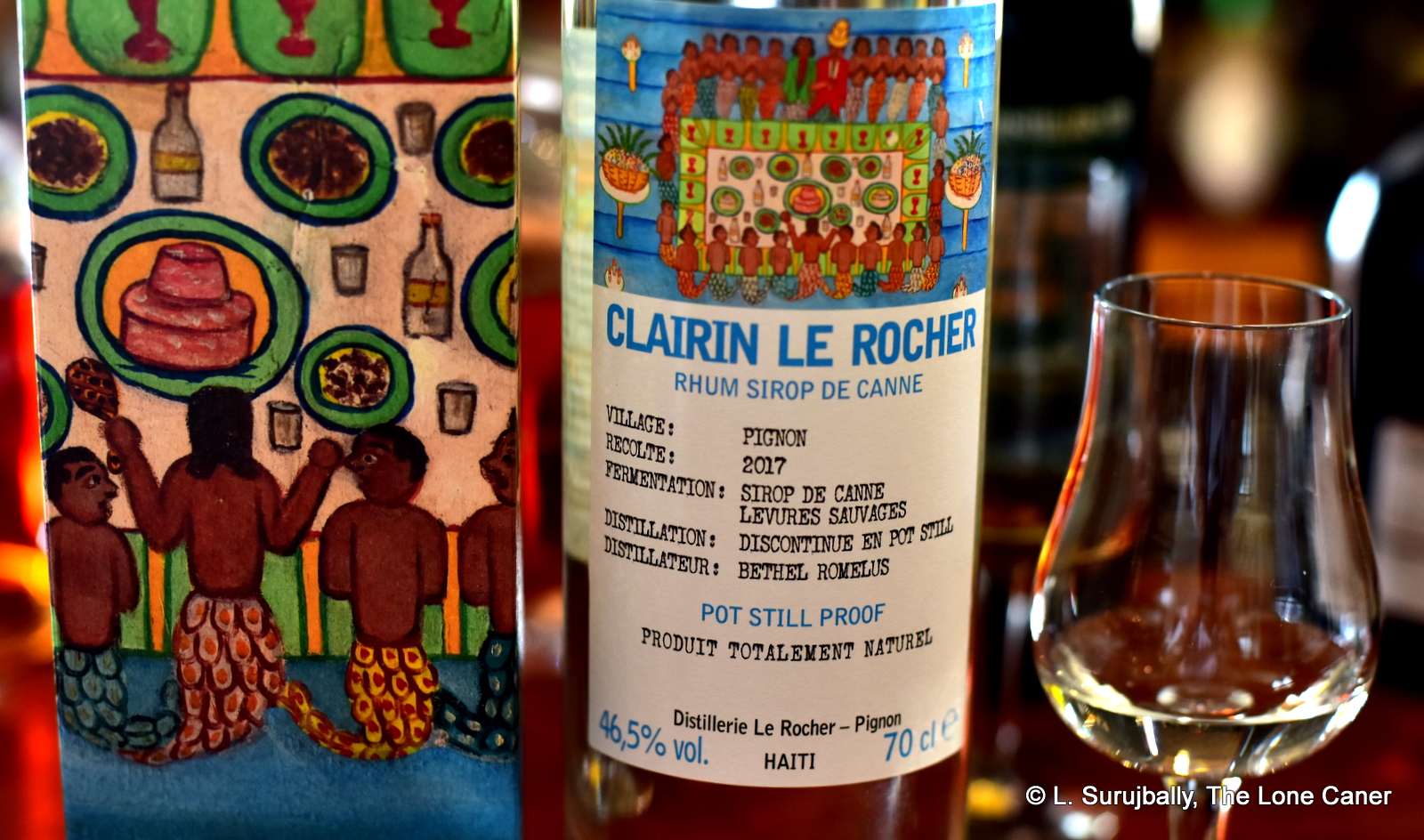
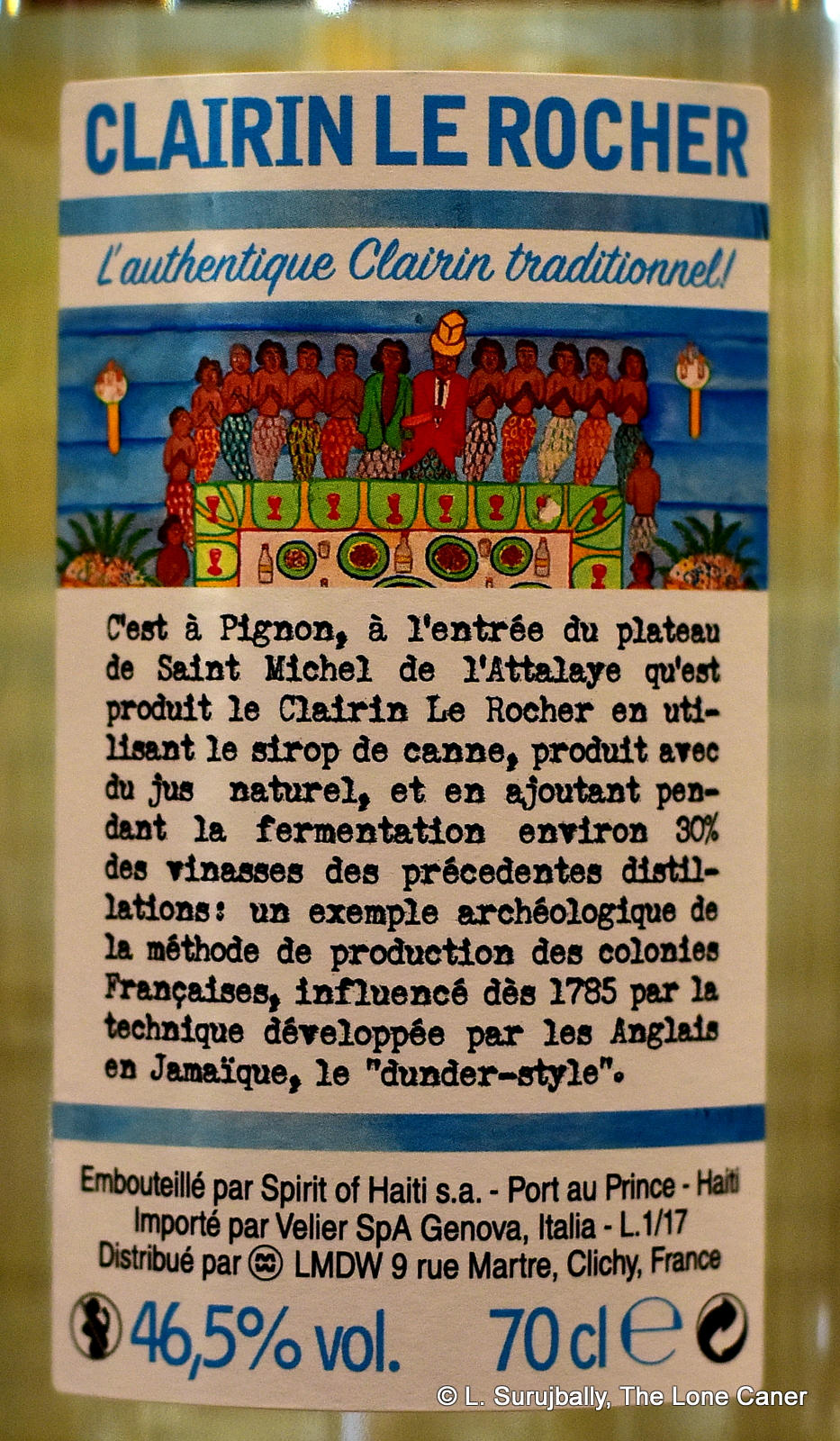 Sometimes a rum gives you a really great snooting experience, and then it falls on its behind when you taste it – the aromas are not translated well to the flavour on the palate. Not here. In the tasting, much of the richness of the nose remains, but is transformed into something just as interesting, perhaps even more complex. It’s warm, not hot or bitchy (46.5% will do that for you), remarkably easy to sip, and yes, the plasticine, glue, salt, olives, mezcal, soup and soya are there. If you wait a while, all this gives way to a lighter, finer, crisper series of flavours – unsweetened chocolate, swank, carrots(!!), pears, white guavas, light florals, and a light touch of herbs (lemon grass, dill, that kind of thing). It starts to falter after being left to stand by itself, the briny portion of the profile disappears and it gets a little bubble-gum sweet, and the finish is a little short – though still extraordinarily rich for that strength – but as it exits you’re getting a summary of all that went before…herbs, sugars, olives, veggies and a vague mineral tang. Overall, it’s quite an experience, truly, and quite tamed – the lower strength works for it, I think.