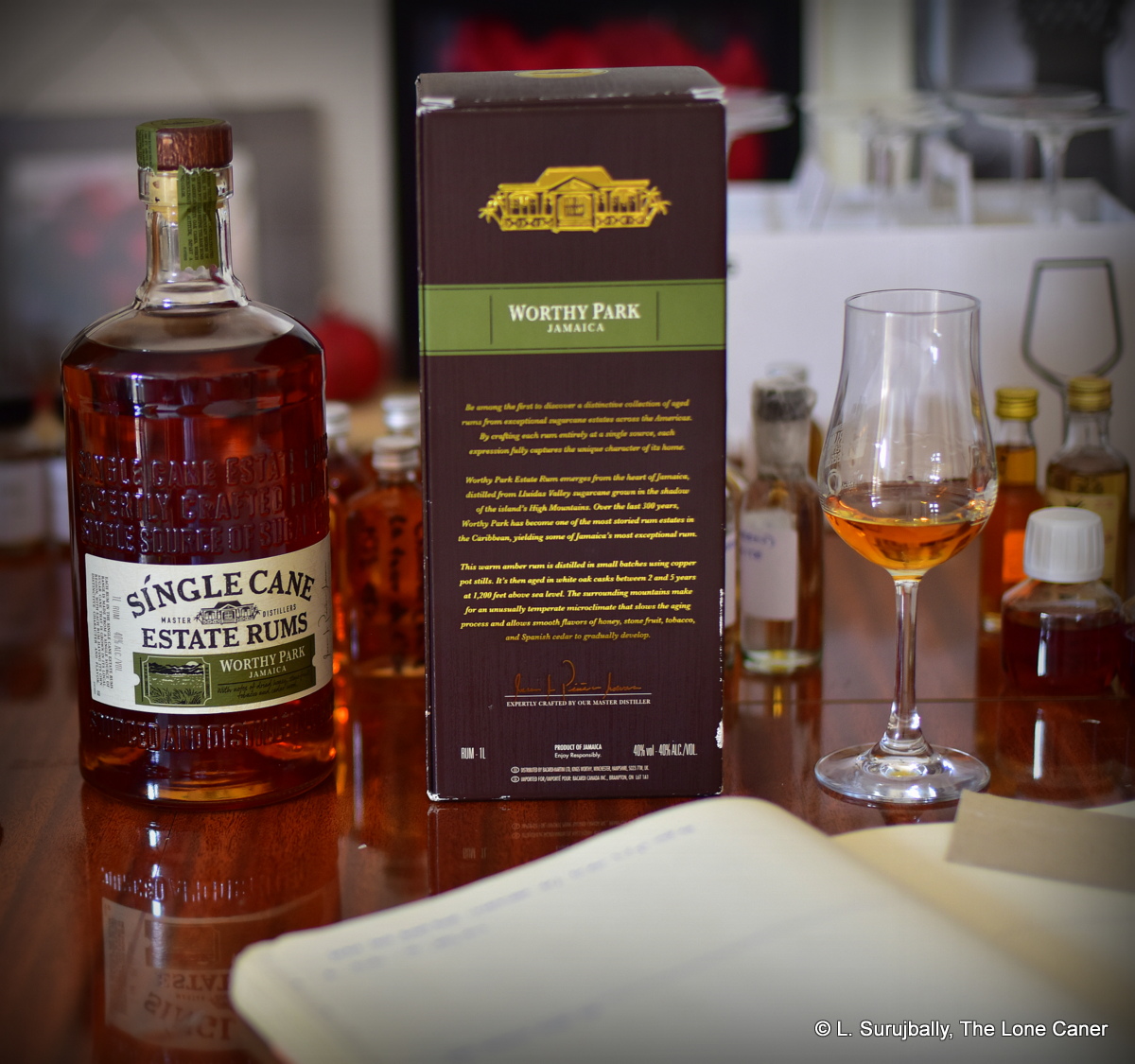
There’s so many peculiar things going on with this rum it’s tough to find a convenient starting place, so let’s begin with what facts lie behind the rum itself and then go from there. The rum is a Jamaican Worthy Park distillate from about 2010 or so, aged three to five years in american white oak casks, with an unknown (said to be limited but….) outturn dribbled into our glasses at a milquetoast 40%.
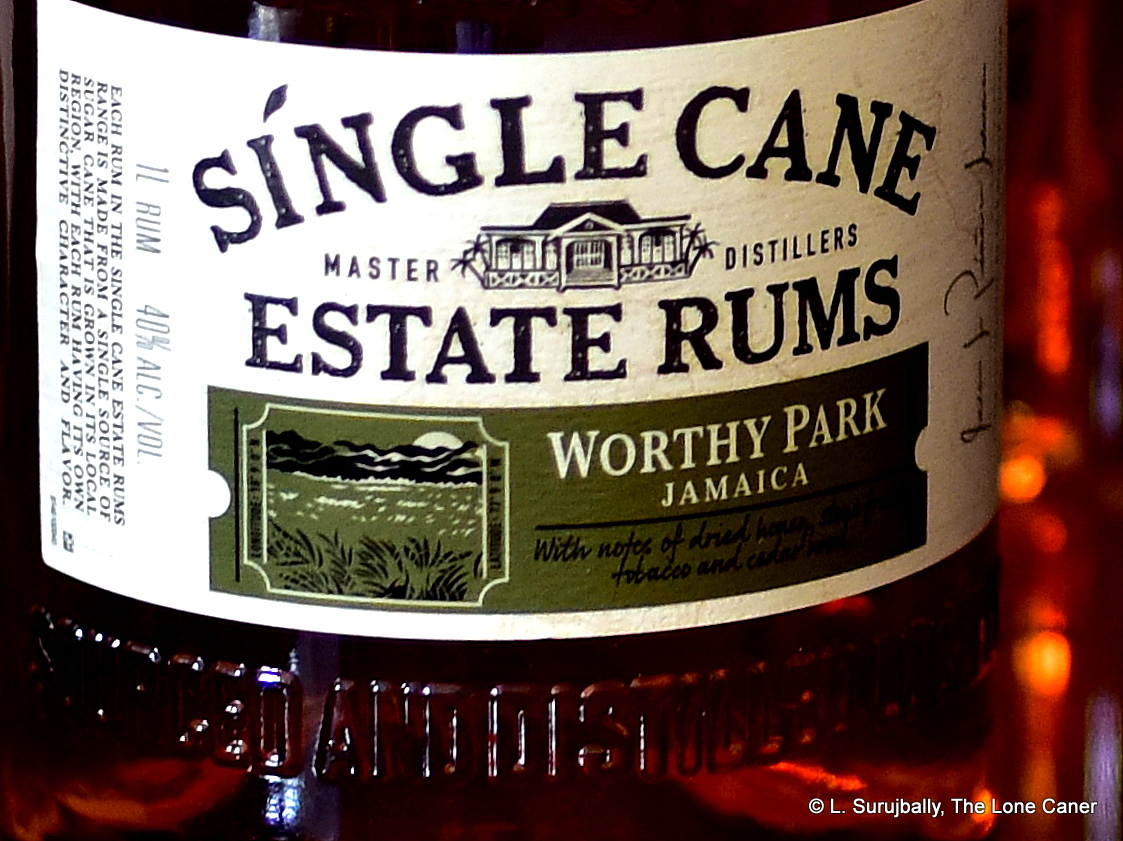
Since WP have a very recognizable branding scheme of their own, who released the rum? It’s found on the label, and it’s Bacardi, who evidently felt there was a market opportunity to go upscale and use their massive distribution network and marketing clout to steal a march on the independent bottlers who have pioneered limited bottlings in the last decade. I say “evidently”, because clearly they simply saw margins and profits, grandly called the new line a “breakthrough, contemporary innovation in the rum category” — but learned nothing about what actually made such rums special: things like serious barrel selection, serious ageing, serious strength, limited outturn, combined with a real and patiently garnered reputation for quality at the top end of the rum ladder. Just because you slap a Jamaican distillery name on a label does not mean you instantly have a great juice, as they have belatedly realized by the way this rum sank pretty much without a trace.
Which in 2019, four years after its release, I thought was odd…but only initially. I say that because at first I quite liked the way it nosed. It was very much a WP rum, dry, fruity, rich, salty, with some olives bouncing around. Sweeter, fruitier notes emerged with time, fanta and coca cola and orange peel, and there was some background of smoke and leather as well. I jotted down that it was nicely pungent for a 40% rum. Understated but recognizable. So, thus far, not bad at all.
Trying it physically, I can only assume that whoever put the final blend together must have been scared witless and sh*tless by the sheer crisp uniqueness of Worthy Park’s pot still distillate, so much at odds with the gentle ease of Cuban-style rons – and decided, therefore, it could not possibly be allowed to stand on its own but be added to to make it more…well, palatable, I guess. Better for Bacardi drinkers. And therefore added caramel or sugar or whatever, to the tune of 15 g/L. And you could sense that when tasting it – it was, first of all, much fainter than one might expect from such a good nose. The dryness went AWOL, and instead of leading off with crisp citrus and brine, what we got was a sort of muted fruitiness, damped-down acetones, sour tobacco and polish, and a more soft and smooth and creamy taste. This was not unpleasant, but it did deviate from what we want — and hope we’re buying — in a Worthy Park rum. Moreover, though a half hour later I could sense apples, grapes, and unripe peaches, it was too muffled, and unbalanced at the back end, presenting both a kind of spiteful sharpness as well as a muddled mishmash of tastes confused and roiled by the additives, leading to a finish that was short and sharp — a kinda dreary and near-tasteless alcohol.
Overall, it’s unclear what Bacardi thought they were doing, acting as an independent bottler when they’ve always been primary producers who have their own ideas on how to make rums; with expertise in light rons, the clear-cut singularity of single (or a few) barrel selection from Jamaica does not seem to be their forte. I’ve been passing Single Cane rums in many airports of the world for years but the 40% always put me off until finally I got one, this one…and kinda wished I hadn’t bothered. It’s not a particularly good rum, a barely average product released at a strength that does little to showcase or capitalize on the unique heritage of its estate of origin. As a beginner’s rum it works to introduce Worthy Park, but my advice is to move beyond it to the real stuff from Jamaica as fast as possible, without wasting further time on the false promises of such an adulterated siren that treats its audience with contempt and cynically trades on a name without providing anything of its quality.
(#662)(78/100)
Other notes
- Bacardi bought bulk rum directly from Worthy Park, and it was aged at WP. but they did their own blending.
- The 15g/L additives number comes from the Fat Rum Pirate’s equally dismissive review of the same rum

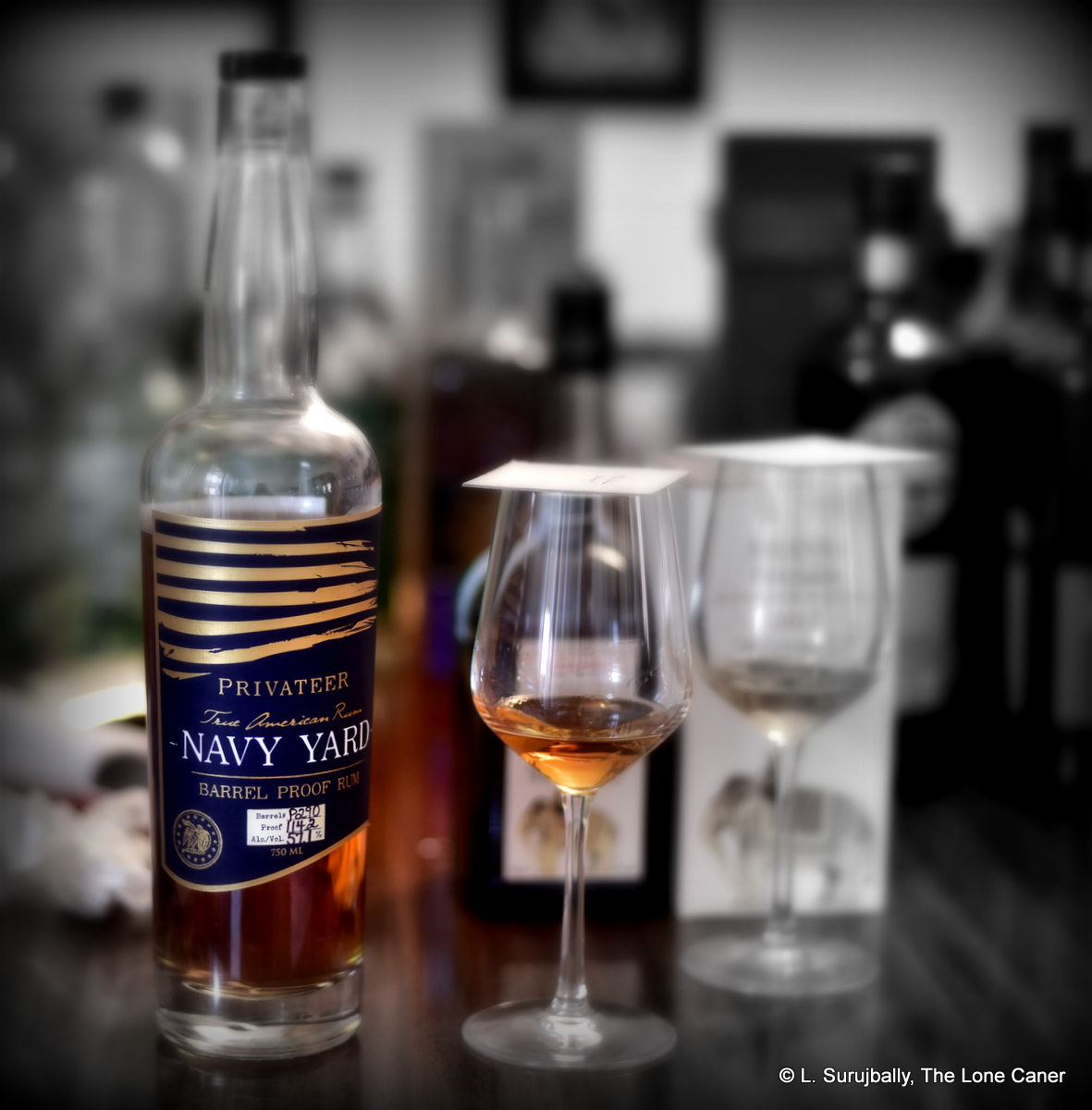
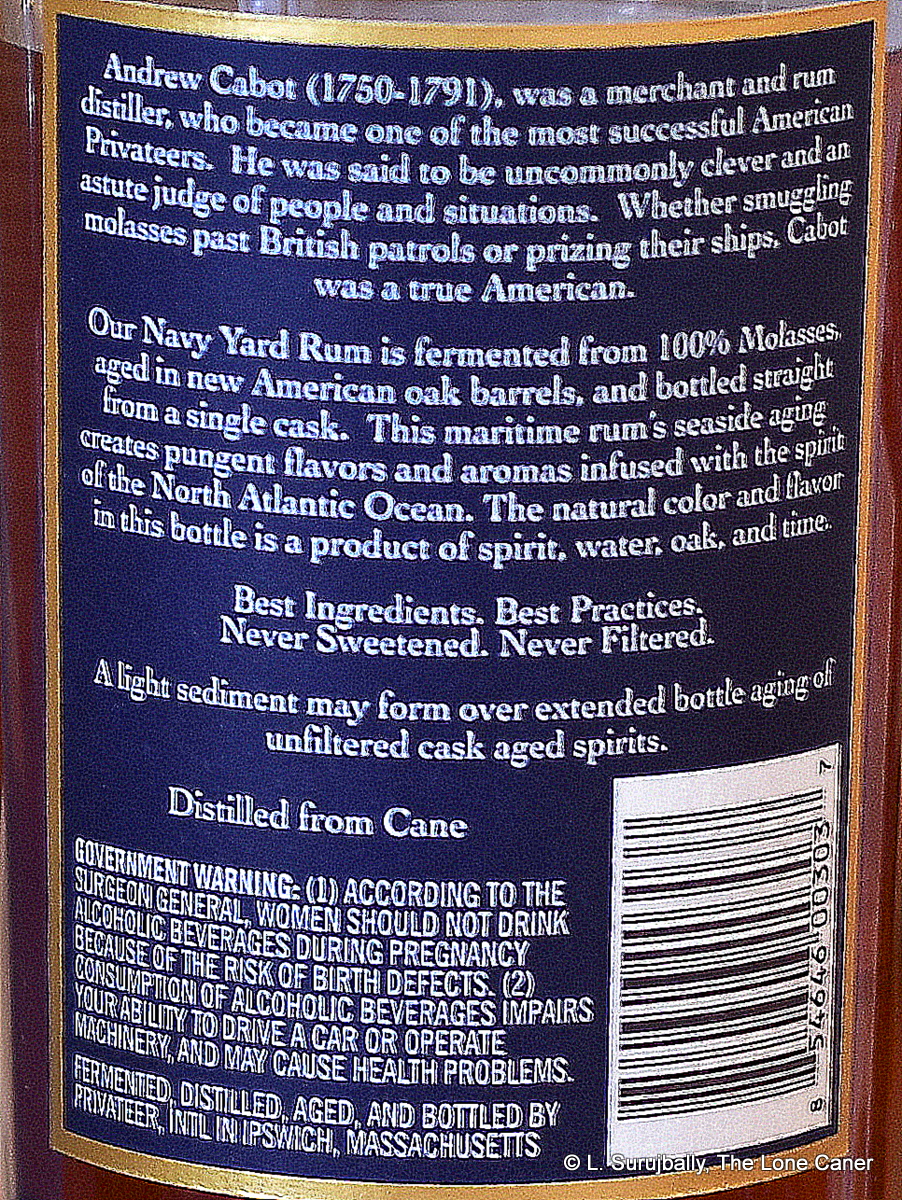
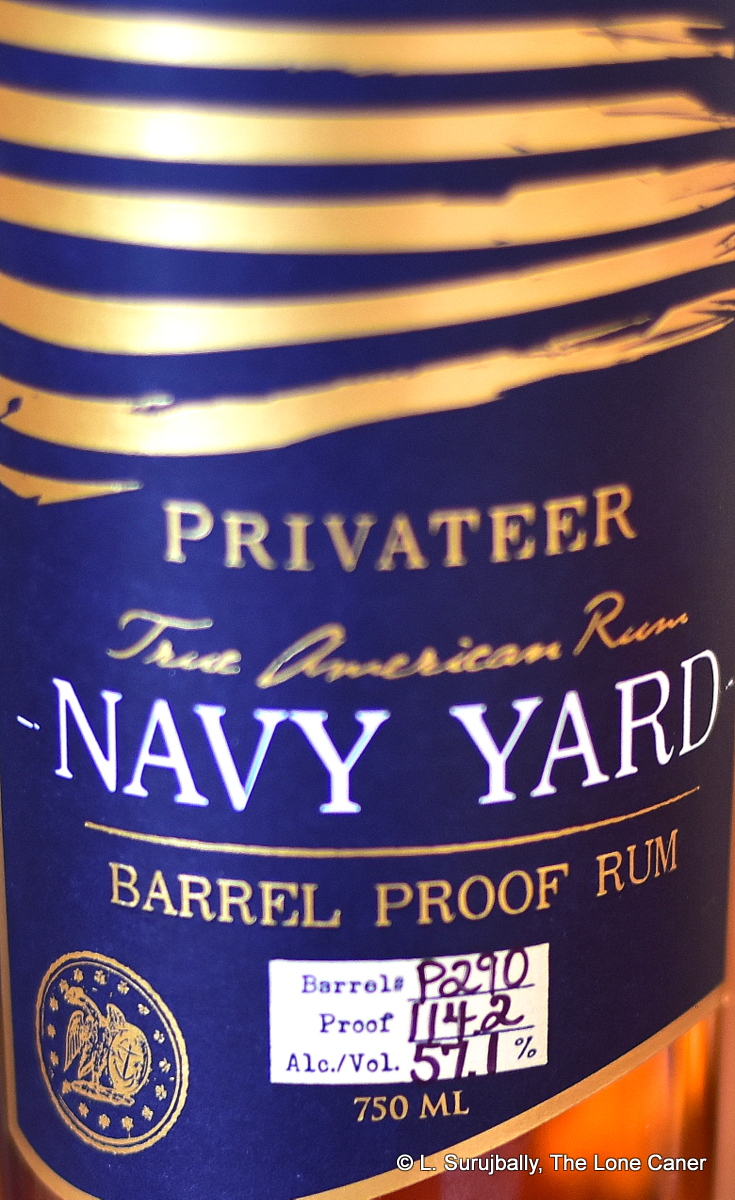 Privateer
 Overall, it’s a good young rum which shows its blended philosophy and charred barrel origins clearly. This is both a strength and a weakness. A strength in that it’s well blended, the edges of pot and column merging seamlessly; it’s tasty and strong, with just a few flavours coming together
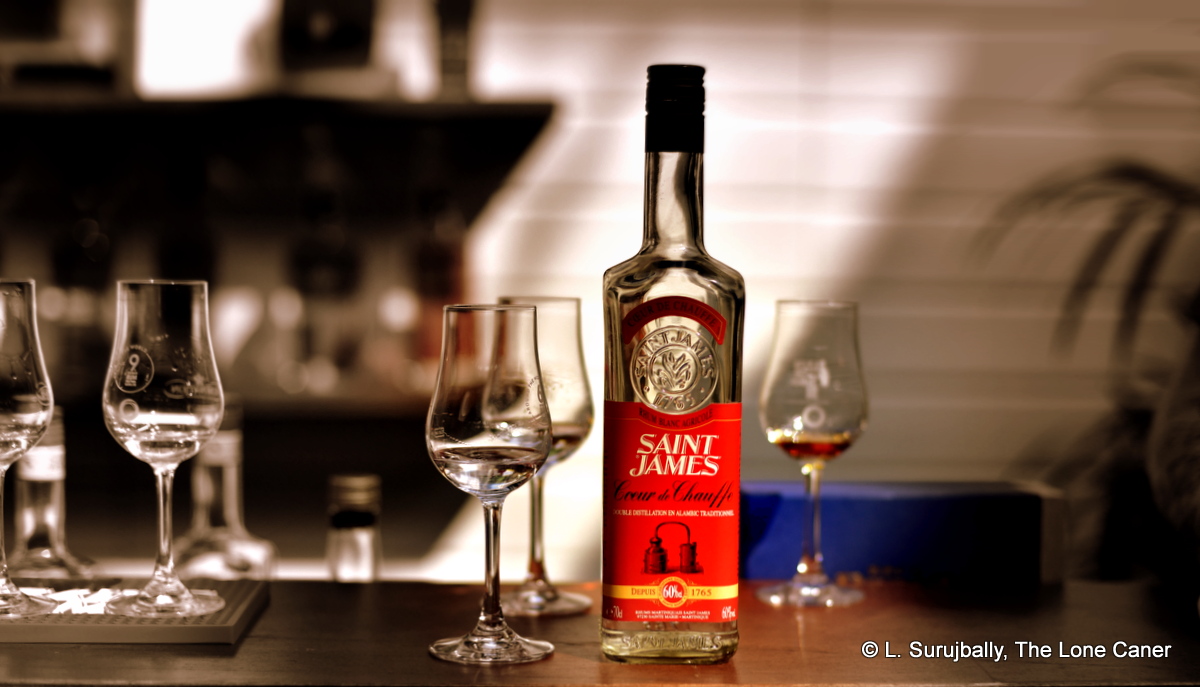
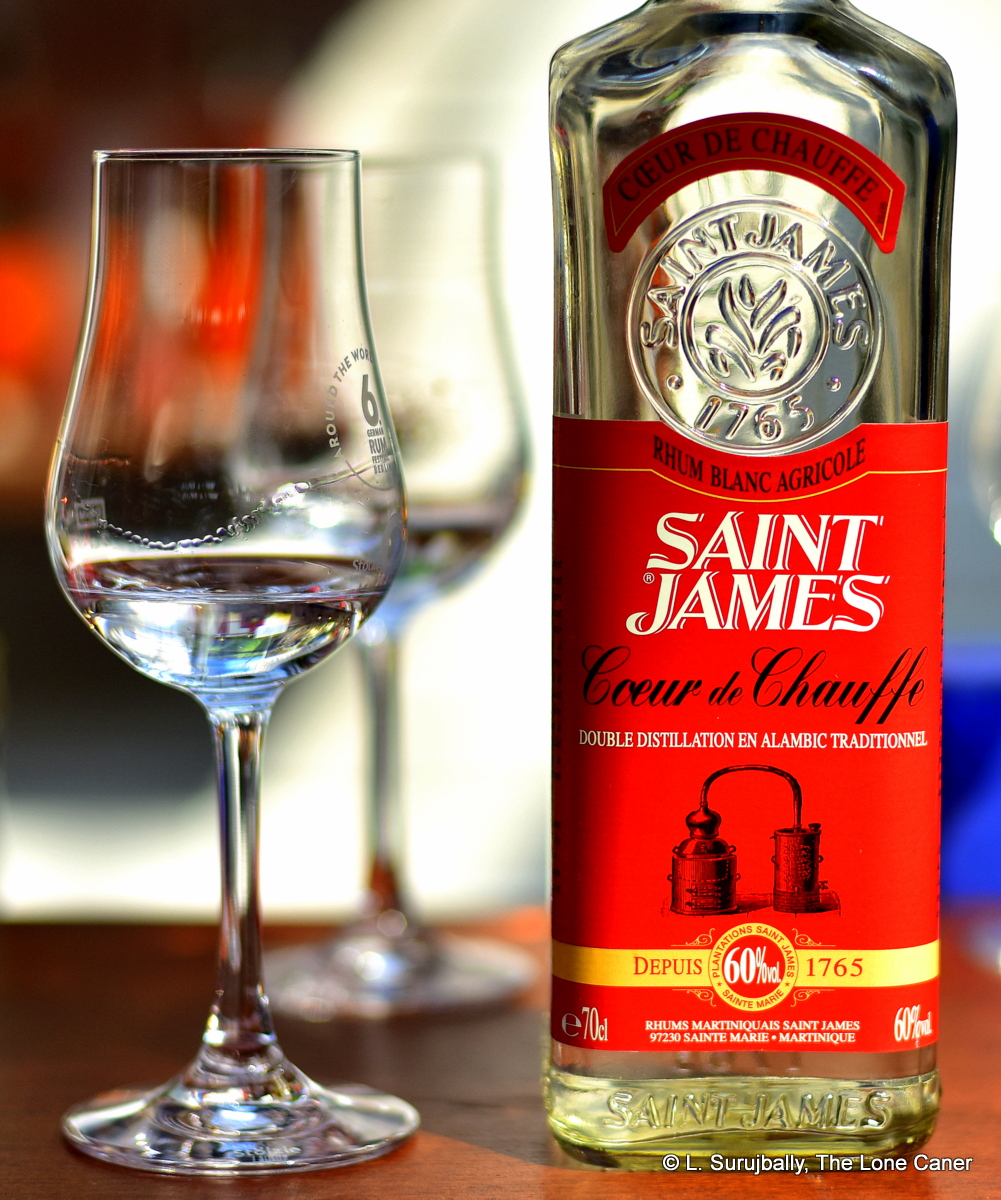 And also because, man, did this thing ever smell pungent — it was a bottle-sized 60-proof ode to whup-ass and rumstink. A barrage of nail polish, spoiling fruit, wood chips, wax, salt, and gluey notes all charged right out without pause or hesitation, spoiling for a fight. Even without making a point of it, the rhum unfolded with uncommon firmness into aromas of sweet, grassy herbals, green apples, sugar water, dill, cider, vegetables, toasted bread, a sharp mature cheddar, all mixed in with moist dark earth, sugar water, biscuits, orange peel. And the balance of all of them was really quite good, truly.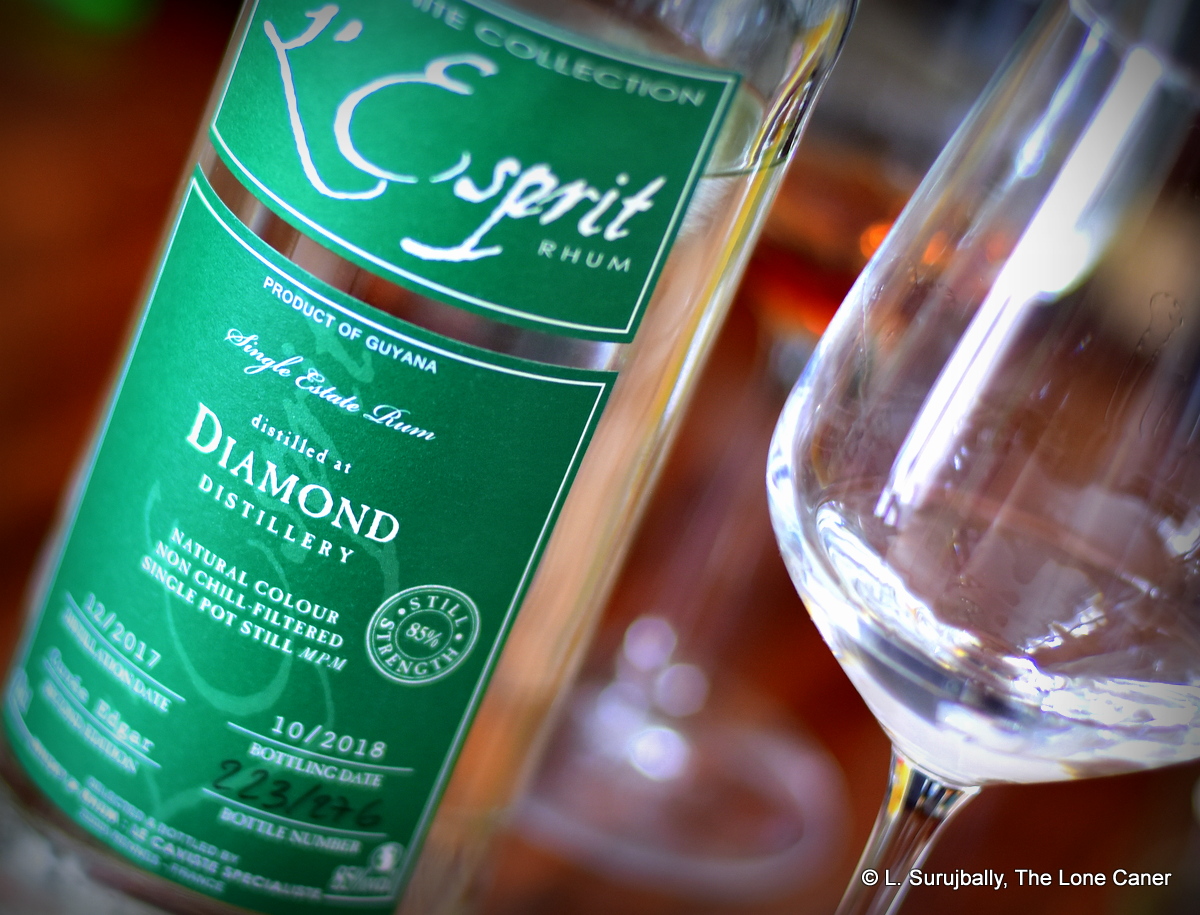
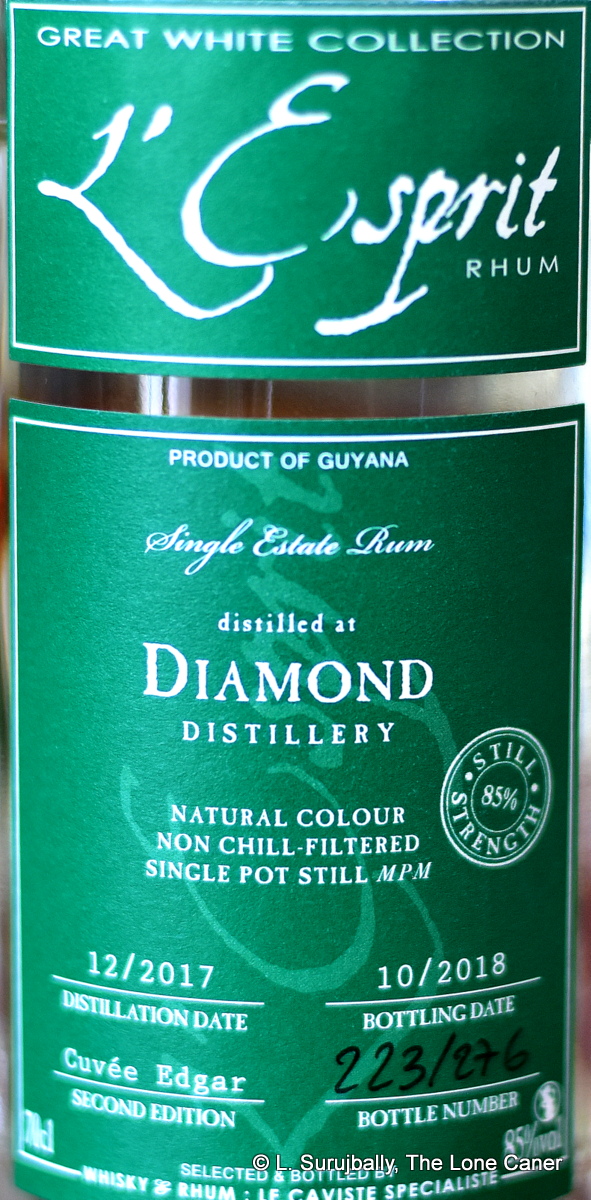 I’ll get straight to it, then, and merely mention that at 85% ABV, care was taken – I poured, covered the glass, waited, removed the cover, and prudently stepped way back.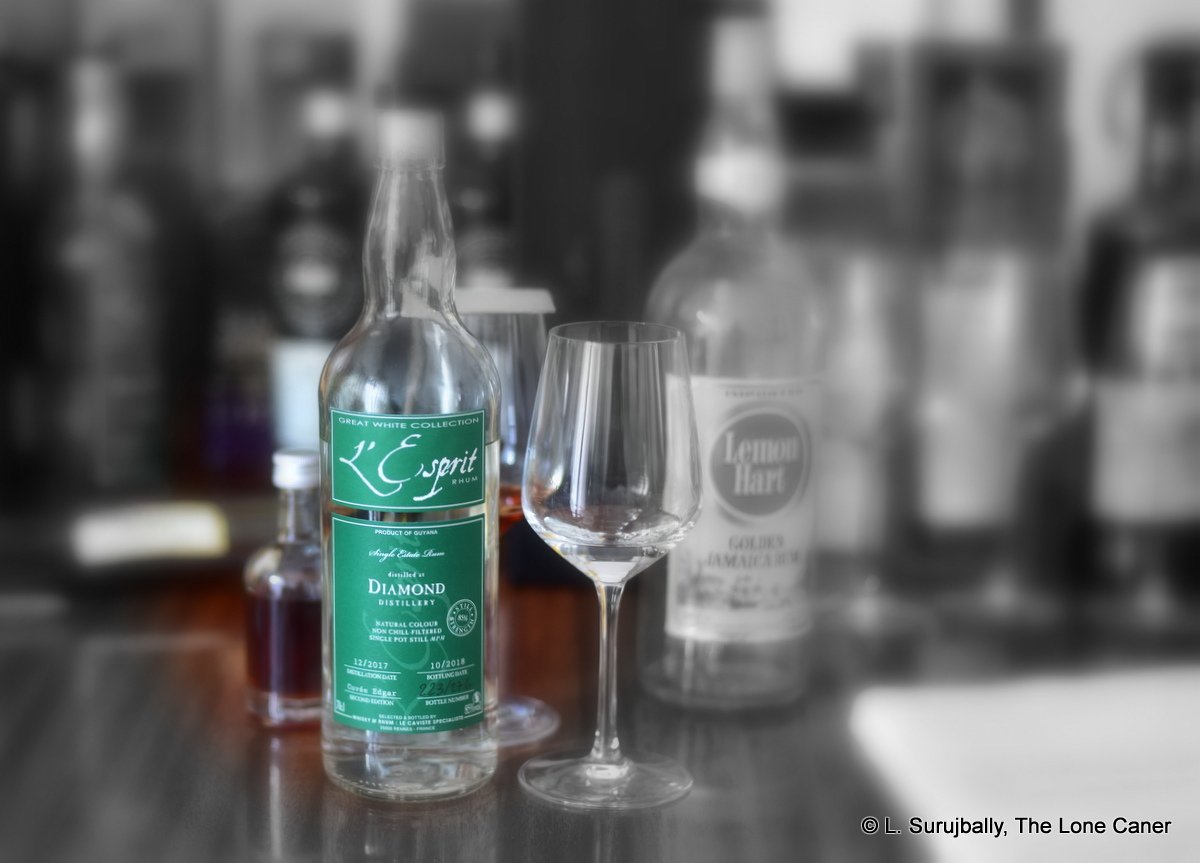
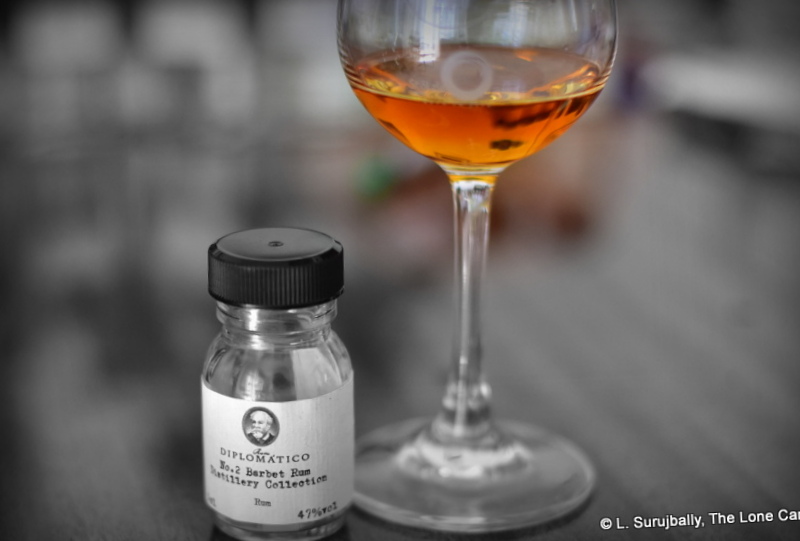
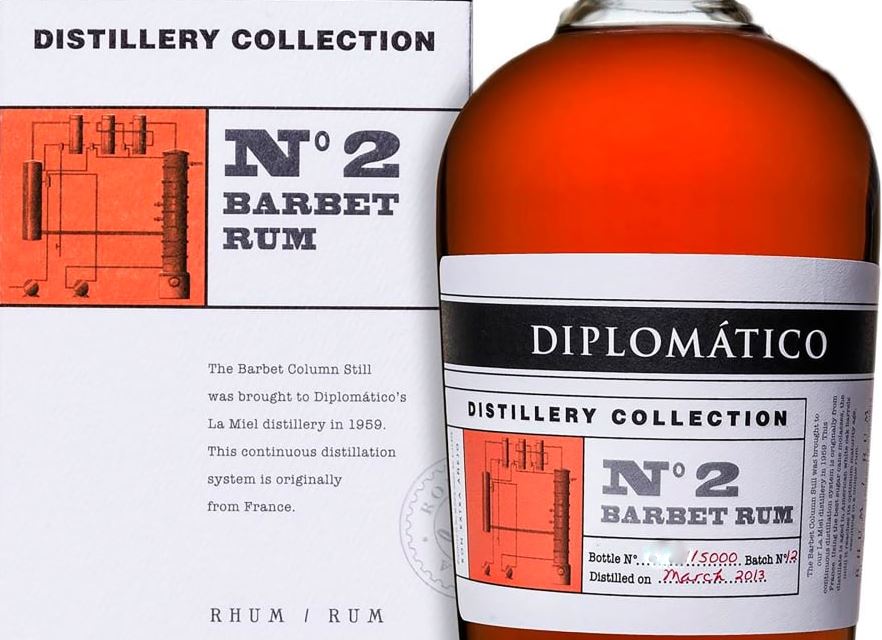
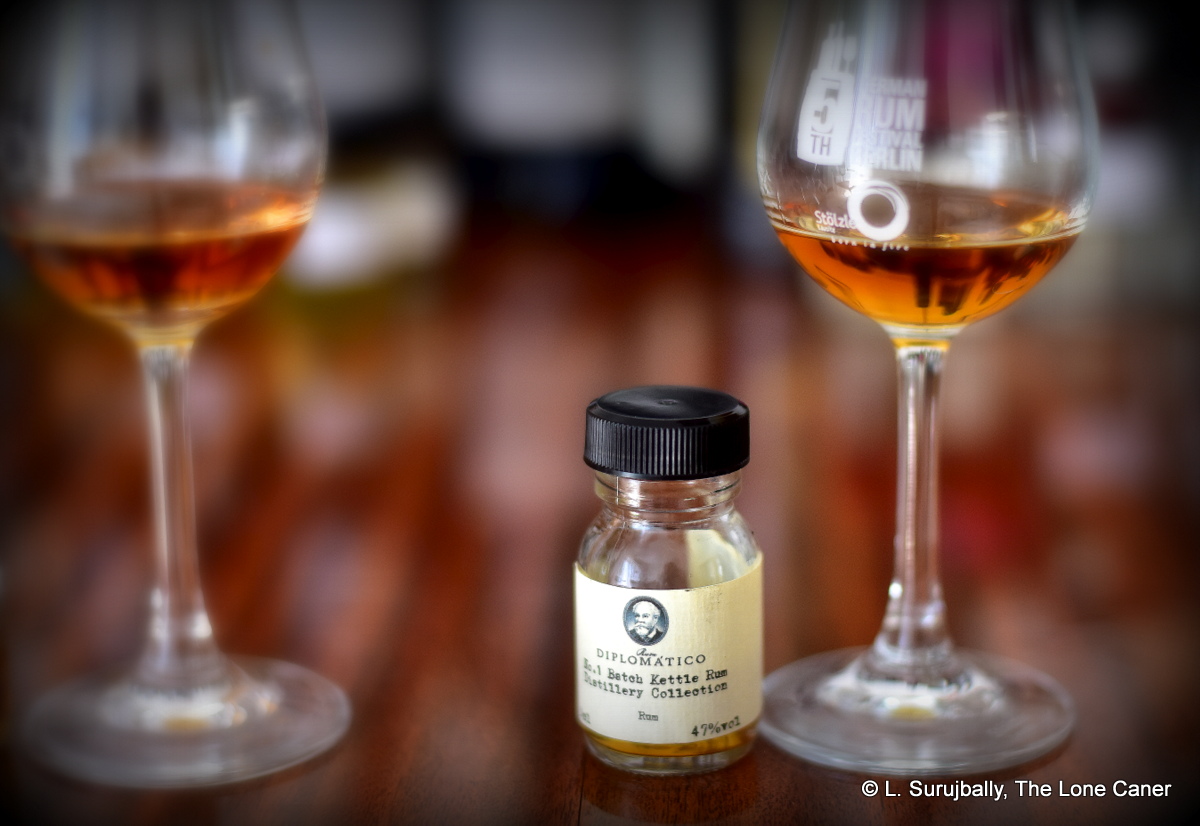
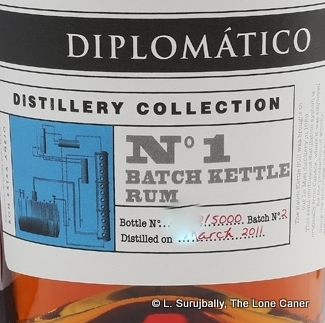 Things took an interesting turn around 2017 when No.1 and No.2 versions of the “Distillery Collection” were trotted out with much fanfare. The purpose of the Collection was to showcase other stills they had – a “kettle” (sort of a boosted pot still, for release No.1), a Barbet continuous still (release No.2) and an undefined pot still (release No.3, released in April 2019). These stills, all of which were acquired the year the original company was founded, in 1959, were and are used to provide the distillates which are blended into their various commercial marques, and until recently, such blends were all we got. One imagines that they took note of DDL’s killer app and the rush by Jamaica and St Lucia to work with the concept and decided to go beyond their blended range into something more specific.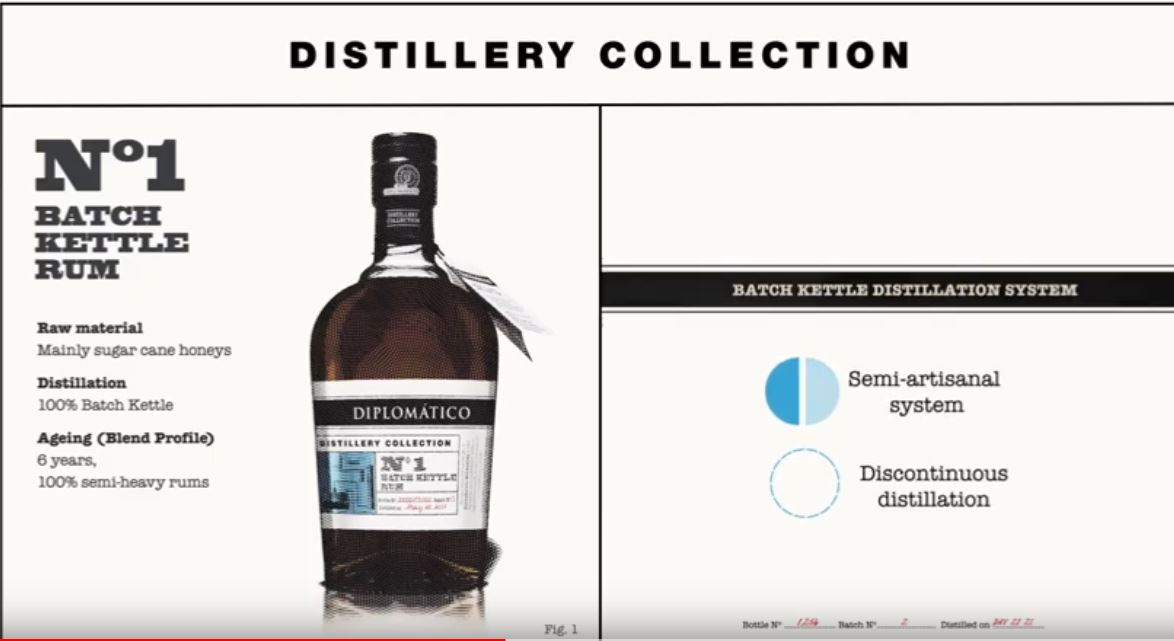
 What’s all the more astounding about
  Based on how it initially nosed, I started out believing this was a wooden still — by the end, I was no longer so sure. The profile actually reminded me more of the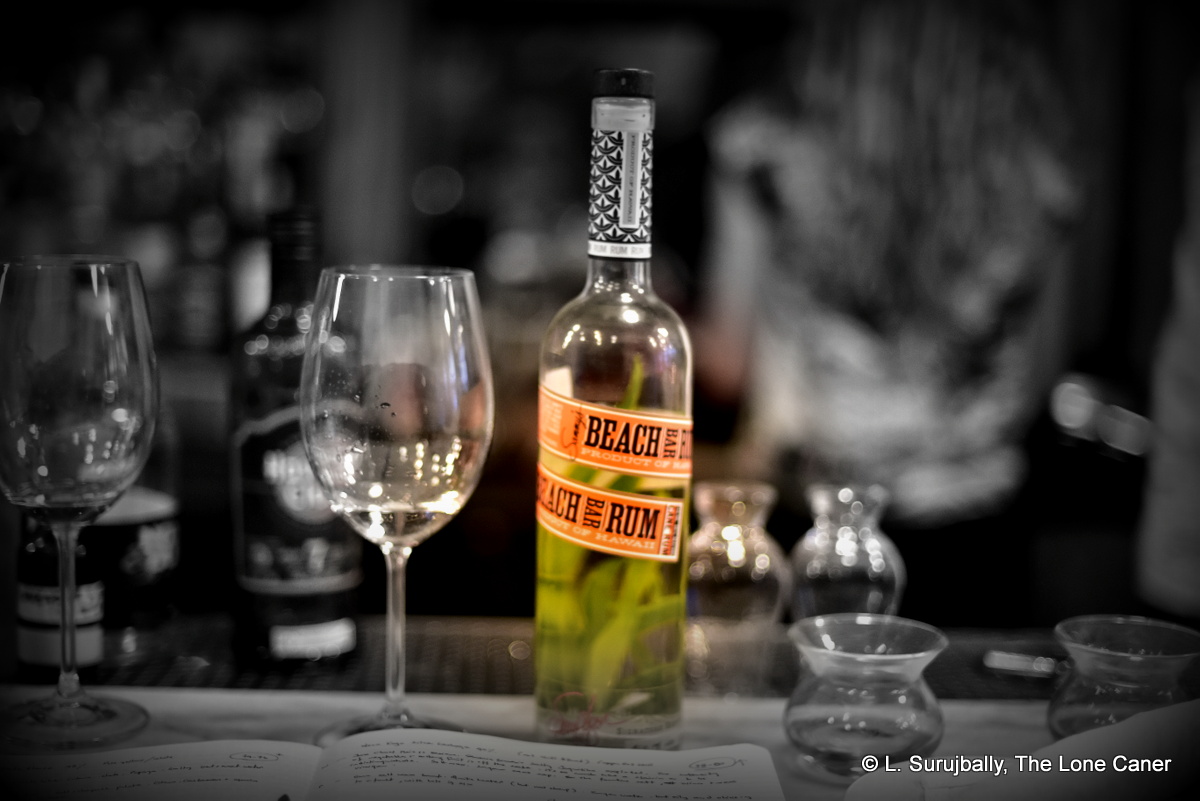
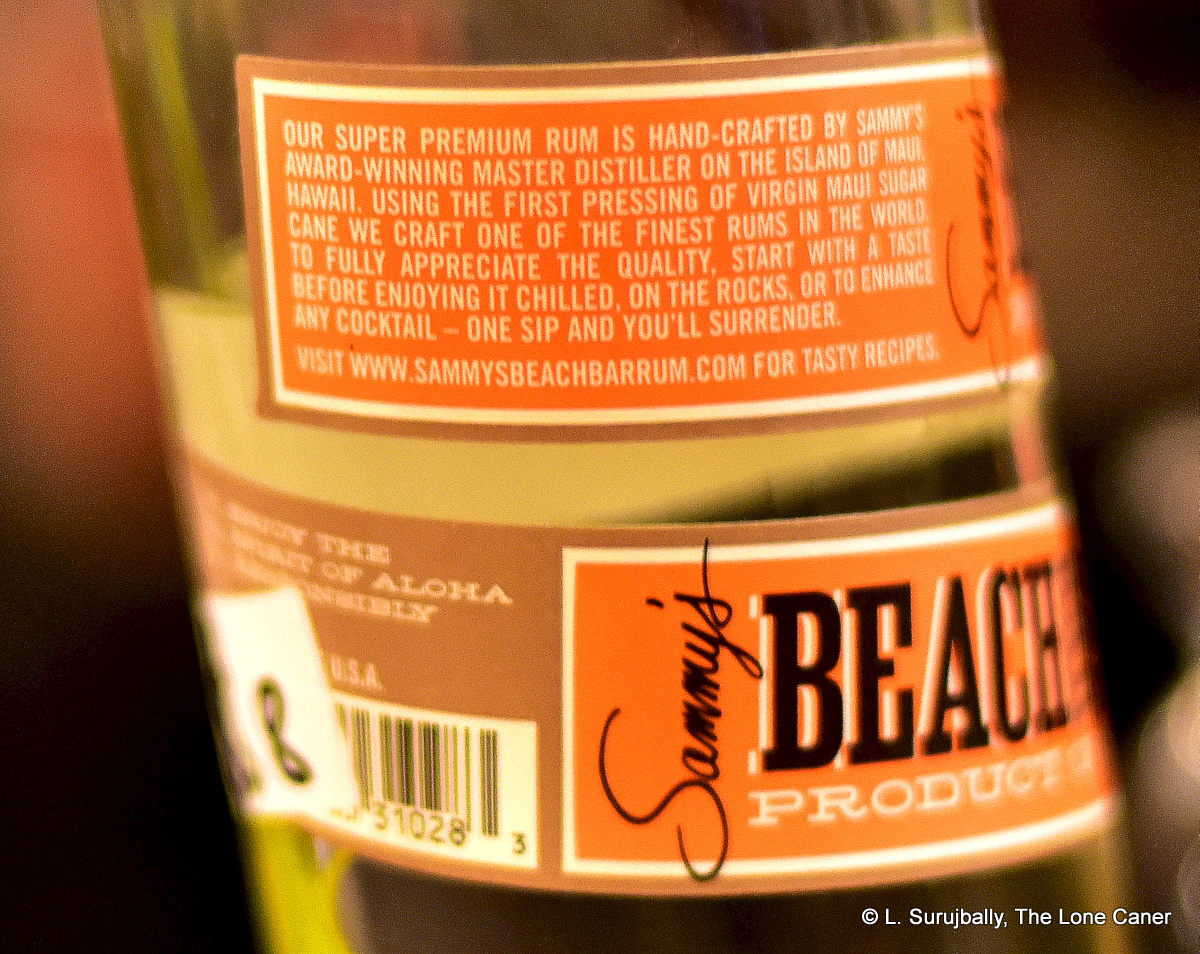 First off, it’s a 40% rum, white, and filtered, so the real question is what’s the source? The back label remarks that it’s made from “first pressing of virgin Maui sugar cane” (as opposed to the slutty non-Catholic kind of cane, I’m guessing) but the
 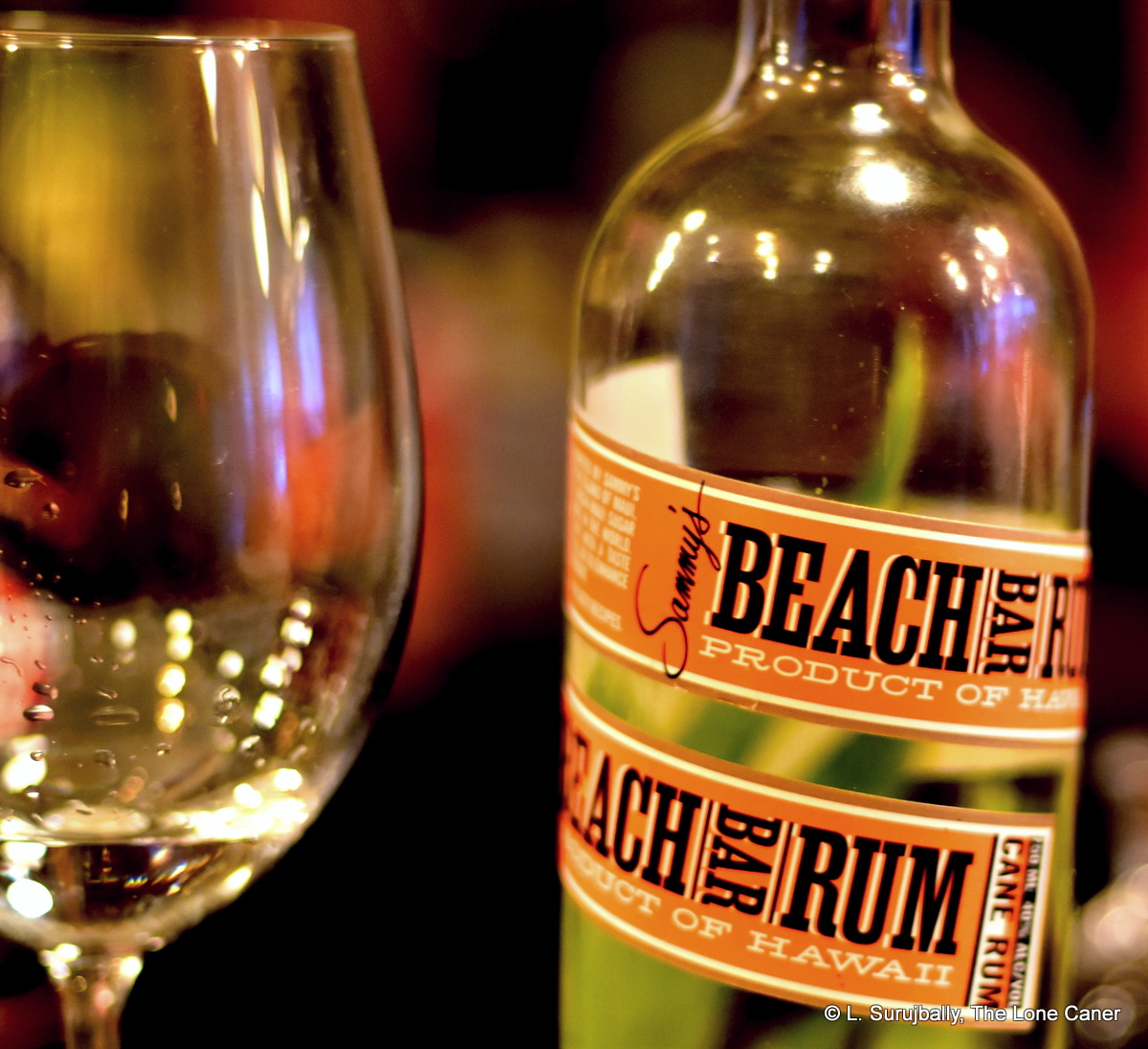 With some exceptions, American distillers and their rums seem to operate along such lines of “less is more” — the exceptions are usually where owners are directly involved in their production processes, ultimate products and the brands. The more supermarket-level rums give less information and expect more sales, based on slick websites, well-known promoters, unverifiable-but-wonderful origin stories and enthusiastic endorsements. Too often such rums (even ones labelled “Super Premium” like this one) when looked at in depth, show nothing but a hollow shell and a sadly lacking depth of quality. I can’t entirely say that about the Beach Bar Rum – it does have some nice and light notes, does not taste added-to and is not unpleasant in any major way – but the lack of information behind how it is made, and its low-key profile, makes me want to use it only for exactly what it is made: not neat, and not to share with my rum chums — just as a relatively unexceptional daiquiri ingredient.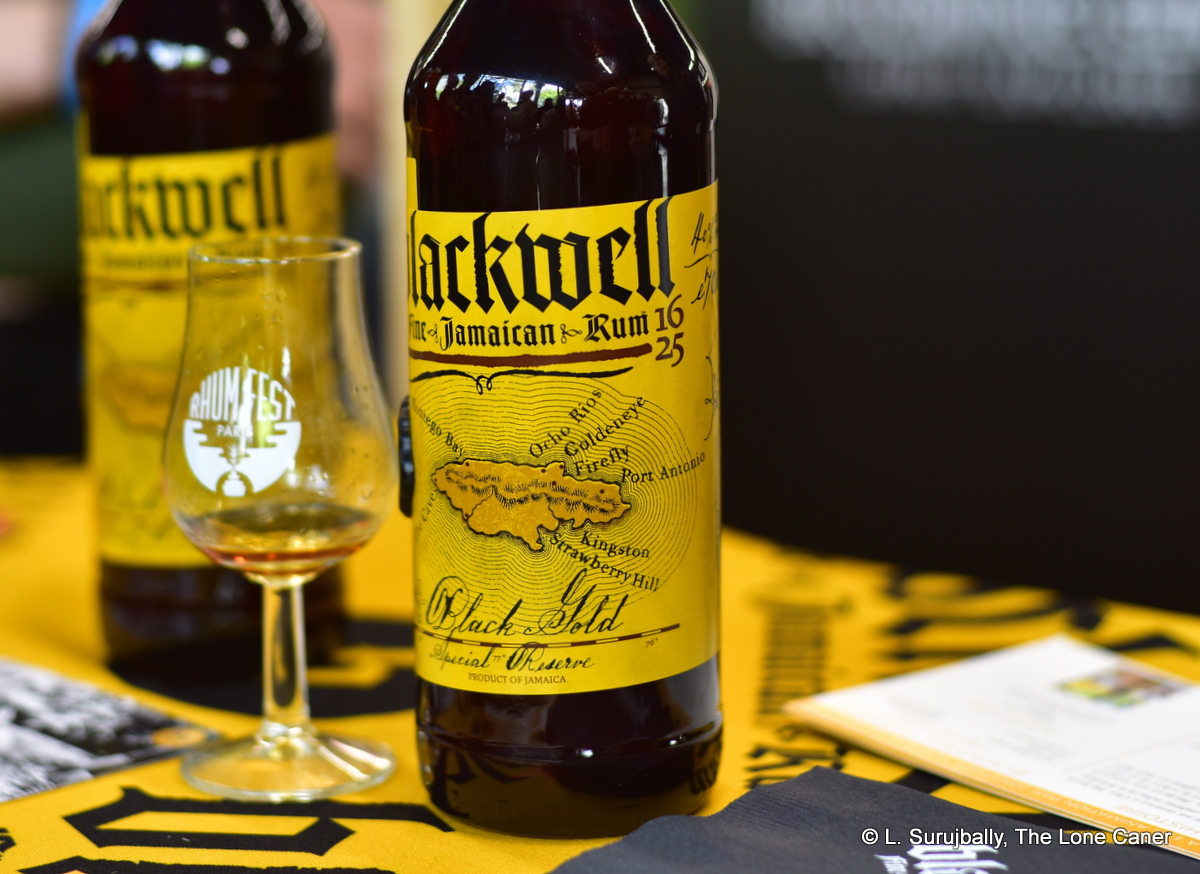
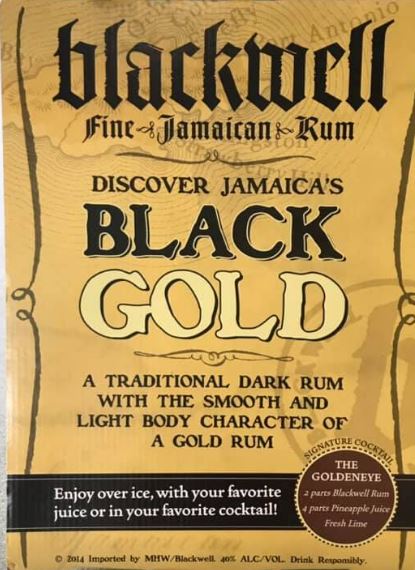 With all due respect to the makers who expended effort and sweat to bring this to market, I gotta be honest and say the Blackwell Fine Jamaican Rum doesn’t impress. Part of that is the promo materials, which remark that it is “A traditional dark rum with the smooth and light body character of a gold rum.” Wait, what? Even Peter Holland usually the most easy going and sanguine of men, was forced to ask in
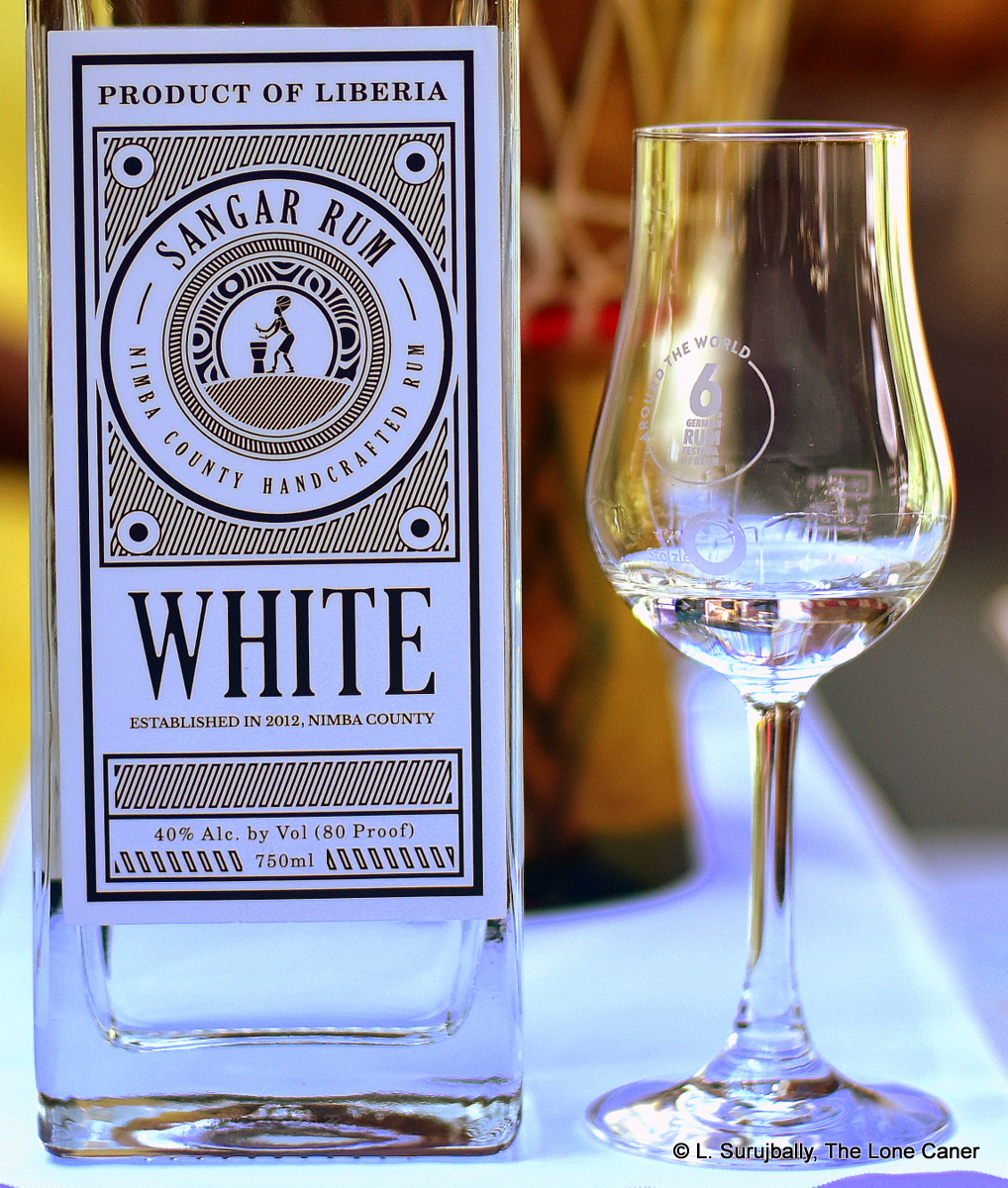
 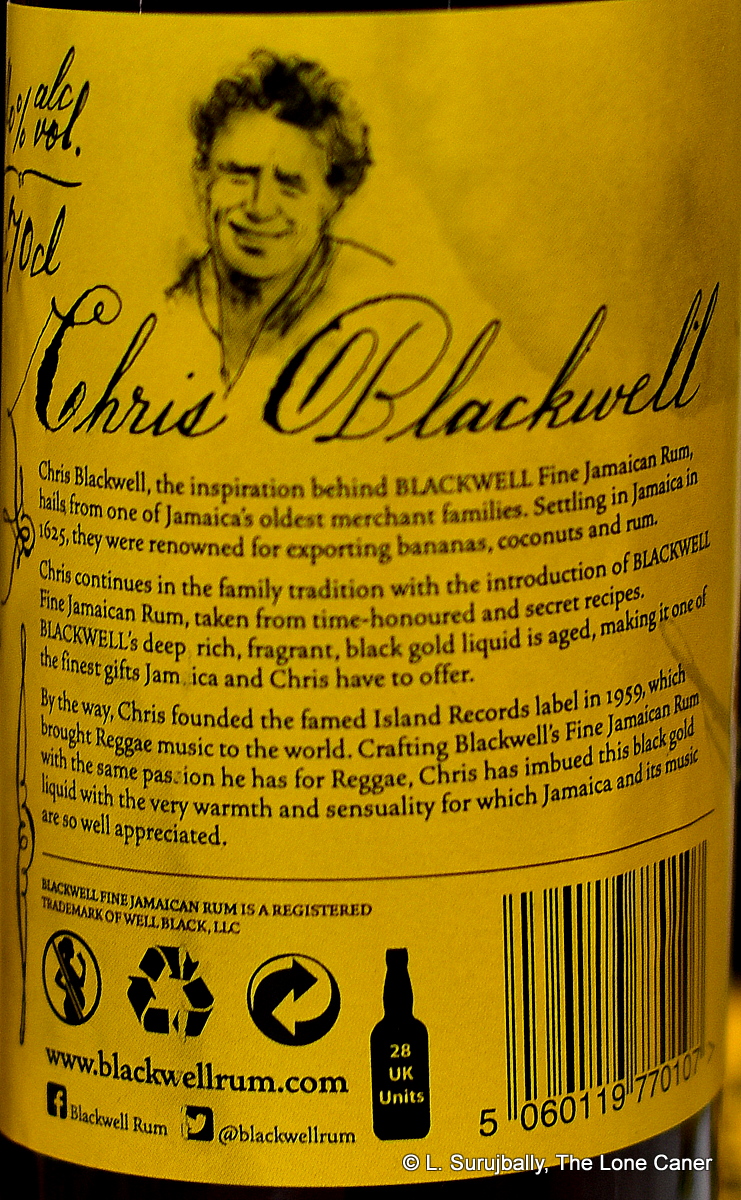 With respect to the good stuff from around the island — and these days, there’s so much of it sloshing about — this one is feels like an afterthought, a personal pet project rather than a serious commercial endeavour, and I’m at something of a loss to say who it’s for. Fans of the quiet, light rums of twenty years ago? Tiki lovers? Barflies? Bartenders? Beginners now getting into the pantheon? Maybe it’s just for the maker — after all, it’s been around since 2012, yet how many of you can actually say you’ve heard of it, let alone tried a shot?
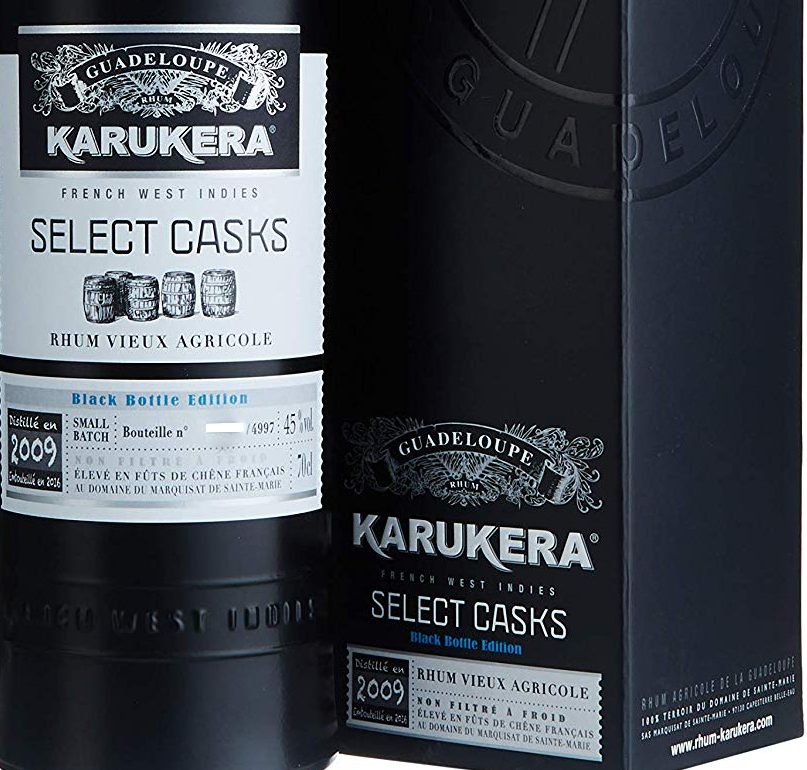
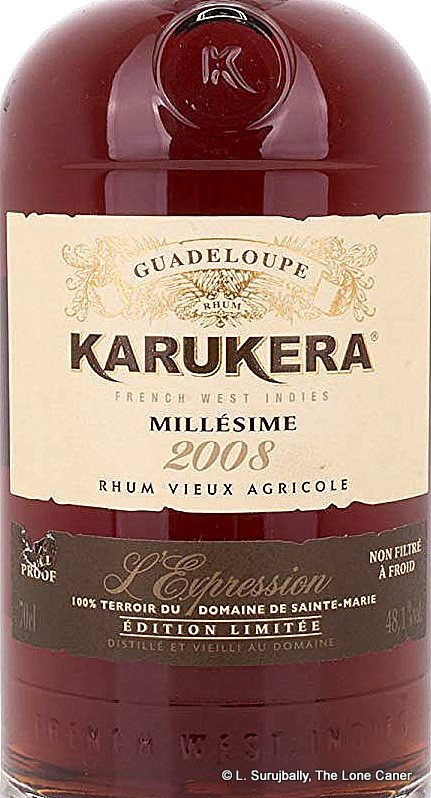 Unlike many aged agricoles that have run into my glass (and down my chin), I found this one to be quite sweet, and for all the solidity of the strength, also rather scrawny, a tad sharp. At least at the beginning, because once a drop of water was added and I chilled out a few minutes, it settled down and it tasted softer, earthier, muskier. Creamy salt butter on black bread, sour cream, yoghurt, and also fried bananas, pineapple, anise, lemon zest, cumin, raisins, green grapes, and a few more background fruits and florals, though these never come forward in any serious way. The finish is excellent, by the way – some vague molasses, burnt sugar, the creaminess of hummus and olive oil, caramel, flowers, apples and some tart notes of soursop and yellow mangoes and maybe a gooseberry or two. Nice.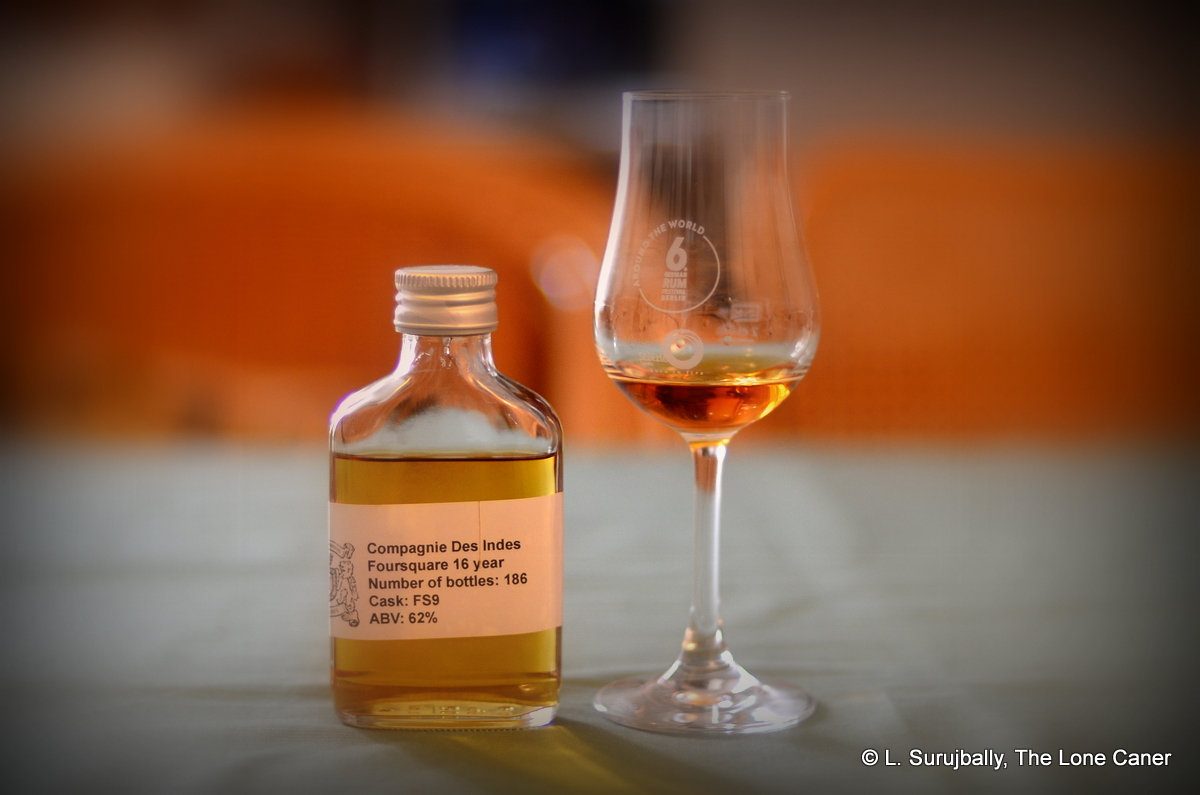
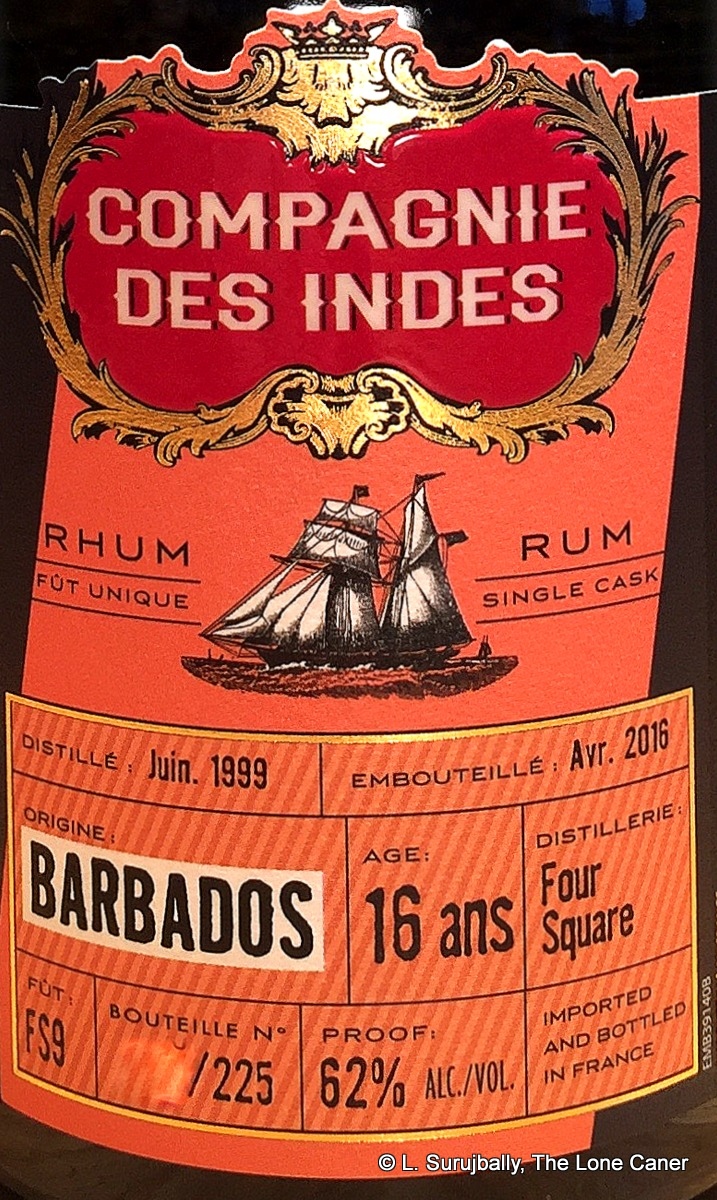 I don’t have any other observations to make, so let’s jump right in without further ado. Nose first – in a word, luscious. Although there are some salty hints to begin with, the overwhelming initial smells are of ripe black grapes, prunes, honey, and plums, with some flambeed bananas and brown sugar coming up right behind. The heat and bite of a 62% strength is very well controlled, and it presents as firm and strong without any bitchiness. After leaving it to open a few minutes, there are some fainter aromas of red/black olives, not too salty, as well as the bitter astringency of very strong black tea, and oak, mellowed by the softness of a musky caramel and vanilla, plus a sprinkling of herbs and maybe cinnamon. So quite a bit going on in there, and well worth taking one’s time with and not rushing to taste.
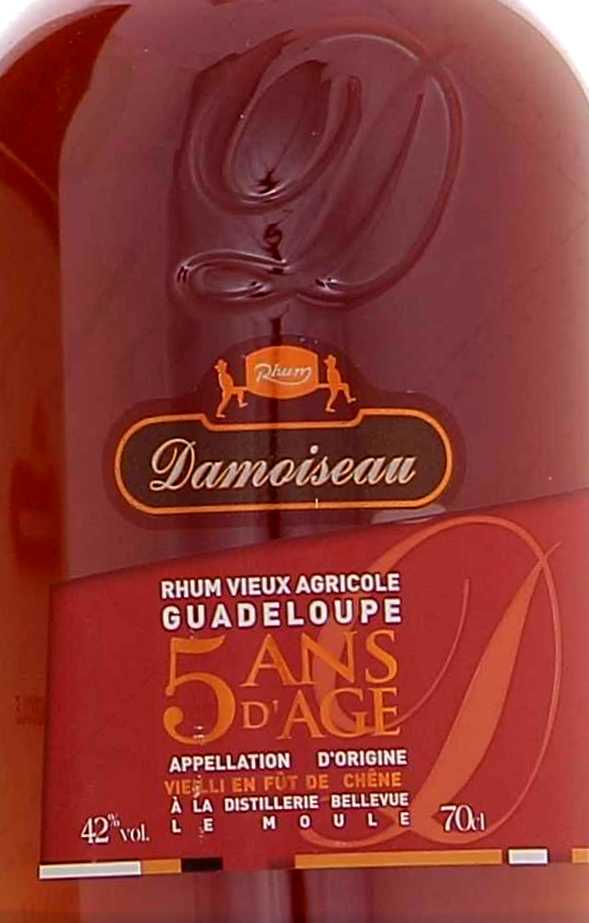
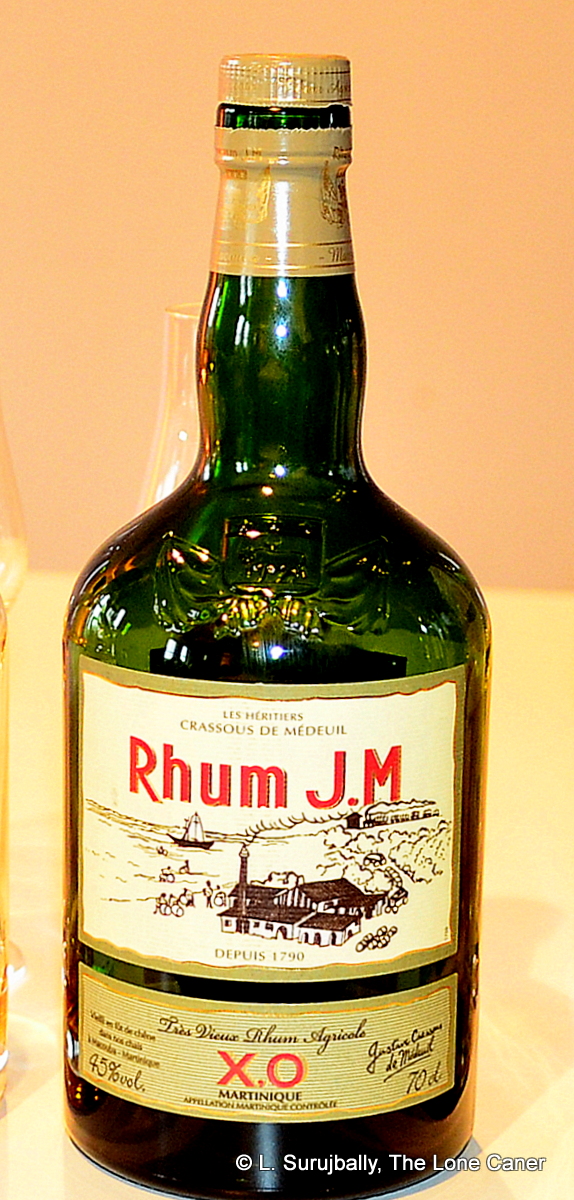 We hear a lot about Damoiseau, HSE, La Favorite and Trois Rivieres on social media, while J.M. almost seems to fall into the second tier of famous names. Though not through any fault of its own – as far as I’m concerned they have every right to be included in the same breath as the others, and to many, it does.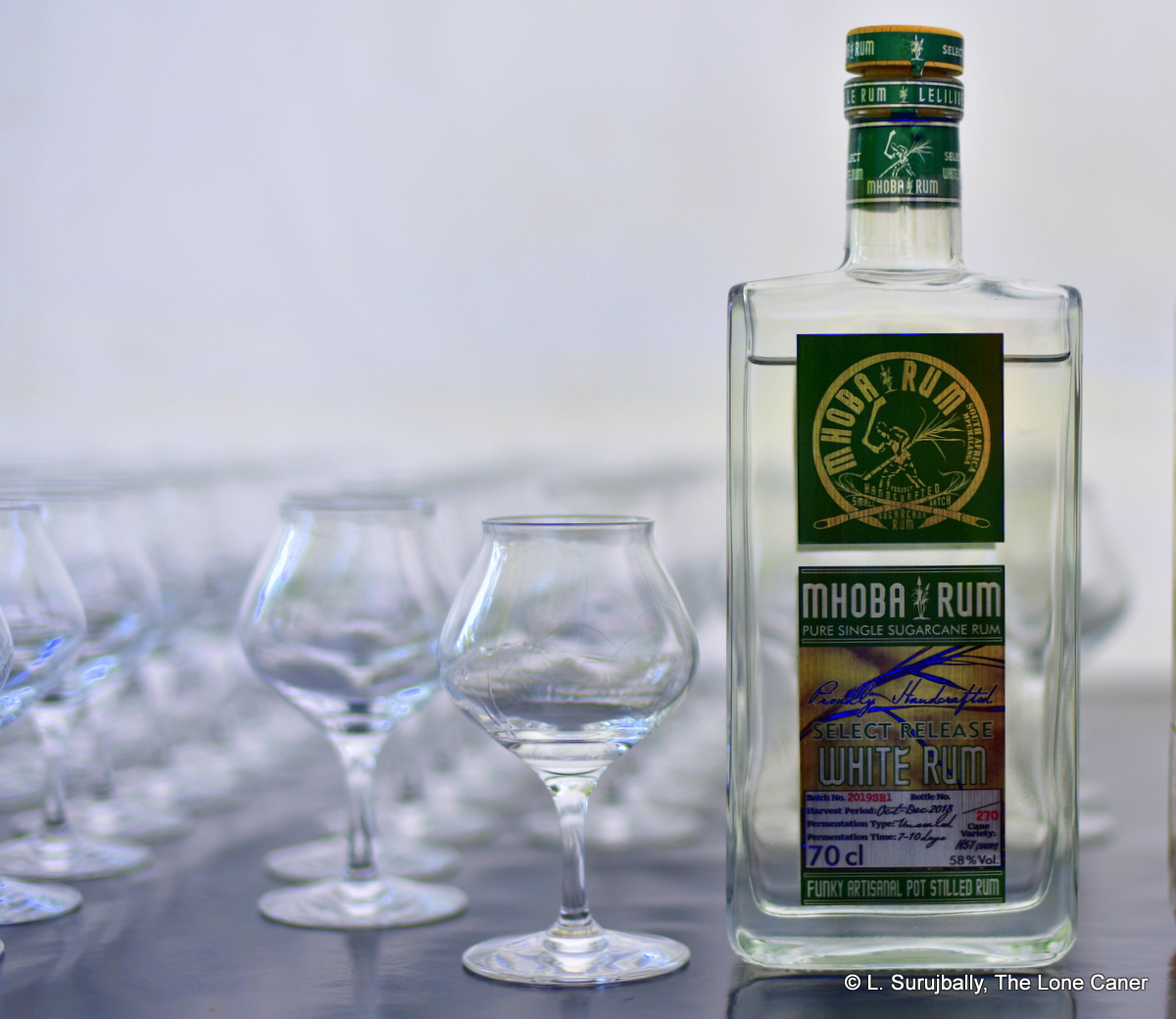
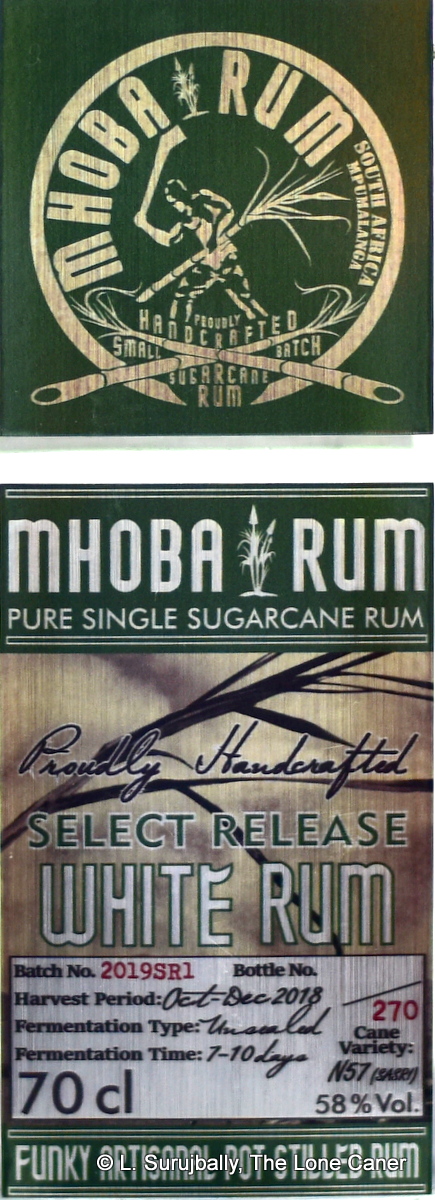 I’ll leave you to peruse Steve’s enormously informative company profile for production details (it’s really worth reading just to see what it takes to start something like a craft distillery), and just mention that the rum is pot still distilled from juice which is initially fermented naturally before boosting it with a strain of commercial yeast. The company makes three different kinds of white rums – pot still white, high ester white and a blended white, all unaged. I tried what is probably the tamest of the three, the Select, which the last one, blended from several cuts taken from batches processed between October to December of 2018 and bottled at 58%. All of this is clearly marked on the onsite-produced label (self-engraved, self-printed, manually-applied), which is one of the most informative on the market: it details batch number, date, strength, variety of cane, still, number of bottles in the run…it’s really impressive work.