 It’s a peculiarity of the sheer volume of rums that cross my desk, my glass and my glottis, that I get to taste rums some people would give their left butt cheek for, while at the same time juice that is enormously well known, talked about, popular and been tried by many….gets missed.
One of these is the Don Q series of rums out of Puerto Rico made by the Serrallés family who, like Old Facundo, hailed from Catalonia and came to Puerto Rico in around 1820. In the 1830s they established a sugar plantation on the outskirts of Ponce in South-Central Puerto Rico and in a short time became very successful, exporting sugar to the US, France and the UK; in 1865 they started to manufacture rum on a pot still brought over from France (see “other notes” below), though the various brands they produced were short lived and not really big sellers. In response to that, in 1932 they launched the Don Q brand as a way of breaking into the more premium sector, as well as expanding local market share, followed by new distillation apparatus installed in 1935 (one imagines the pot still was marginalized after this, if not discontinued entirely). The rums of the line proved to be enormously popular, overtaking Bacardi which was seen as a foreign brand and not as refined.
These days it is considered the best selling rum in its home turf, exported all over the world, and the recipe remains consistent with the original developed so long ago. In the current environment where unadulterated rums get a lot of praise, it also grabs brownie points for having none itself.
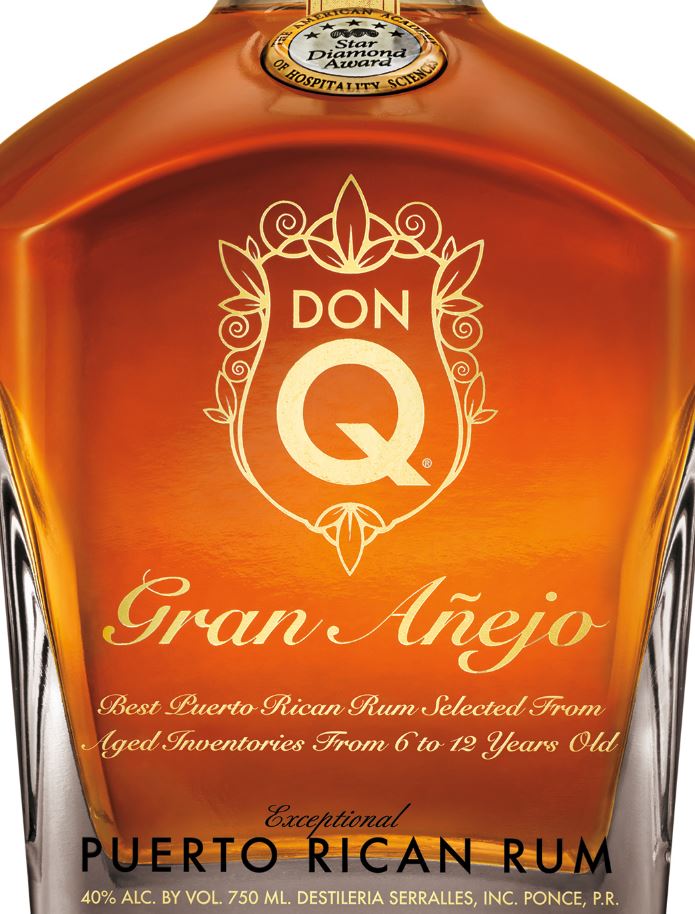
Technical details: distilled on a column still, 40% ABV, gold colour, no additives. According to their website, the Gran Añejo “contains rums aged between 9 and 12 years, and solera rums aged up to 50 years” which means that by accepted parlance it’s a blend, 9 years old.
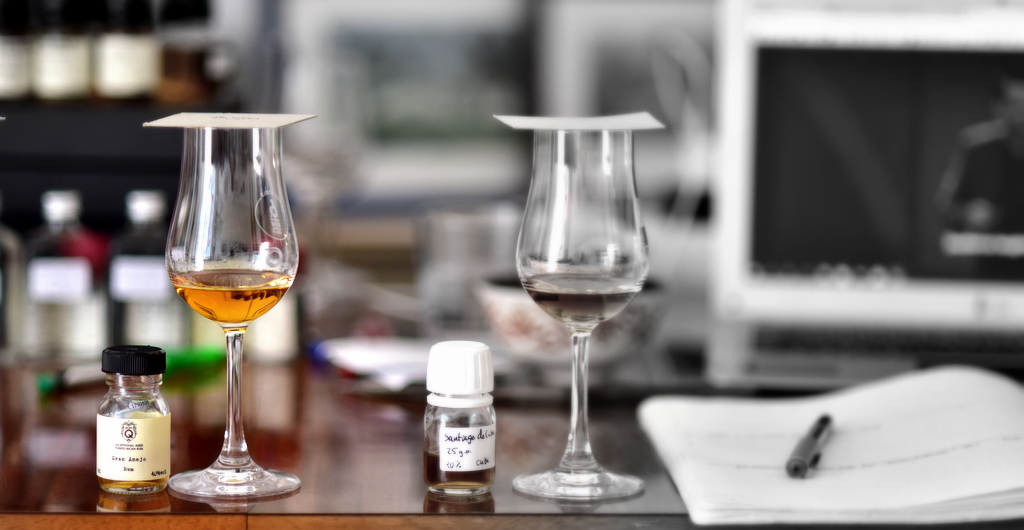
Given it’s a column still low proof, I would expect it to be a light sort of experience to smell, and indeed it was – so much so that it took real effort to disassemble. The nose was almighty peculiar to start, redolent of charcoal, burnt wood, ashes, an overdone ox turning on a spit (seriously). I don’t know if that was intentional, just that it took me somewhat off balance; still, it developed nicely – gradually aromas of rotting bananas, overripe fleshy fruit, and even a little brine, combined with a delicate hint of orange peel.
The palate was pleasant and easy to sip, quite solid for the living room strength. Here notes of caramel, vanilla, lemon peel, apples, molasses and treacle abounded, nicely balanced. It was velvety, but also dry, vaguely sweet with some brine and well-polished leather. What it lacked was force and emphasis, though that was to be expected, and the finish sort of limped along past the tape, providing closing notes of vanilla, nutmeg and pineapple, all very soft and light, nothing for the rum junkie to write home about, really. It’s soft and easy-going, overall.
For my money this is something of a low-rent Havana Club. Given that the main markets for Don Q are the US, Mexico and Spain (it’s exported to many more, of course), it stands to reason that over-aggressive high-ester profile and a Brobdingnagian strength are not on the cards — that’s not the Catalan style of rum-making brought over to the new world, or preferred in those markets: That may guarantee it solid sales and great word of mouth where it sells, but I’m not sure it guarantees it future sales in places where there is already a surfeit of such rums, or where something with more character is the norm.
The Don Q, for all its understated quality and its audience in other parts of the world, demonstrates why I moved away from Spanish/Latin American column still rums. They lack oomph and emphasis. They’re too easy, and too light (for me), require little effort and are no challenge to come to grips with. It may have taken years to come around to trying it, but now, having done so, I can’t honestly say that an amazing undiscovered gem has been missed out on.
(#601)(81/100)
Other notes
According to the company website, the still brought over from France in 1865 was a pot still, though this is odd given France’s love affair with the columns back then; but Tristan Stephenson’s 2018 book “The Curious Bartender’s Rum Revolution” mentions it as being a 5-tray columnar still. If I ever track the discrepancy down, I’ll amend this section of the post.
 Rumaniacs Review #091 | 0598
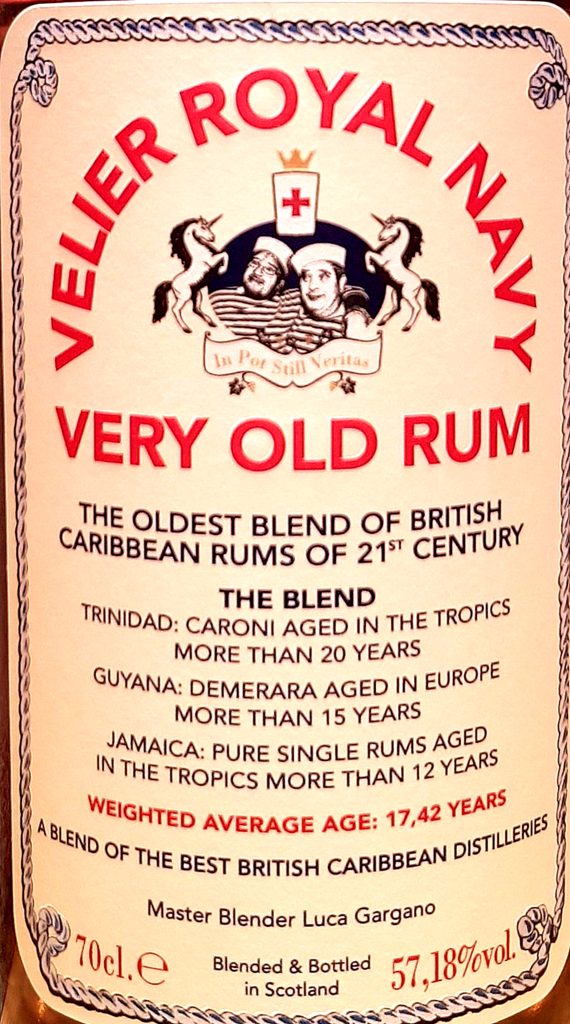 The nose suggested that this wasn’t far off. Mild for the strength, warm and aromatic, the first notes were deep petrol-infused salt caramel ice cream (yeah, I know how that sounds). Combining with that were some rotten fruit aromas (mangoes and bananas going off), brine and olives that carried the flag for the Jamaicans, with sharp bitter woody hints lurking around; and, after a while, fainter wooden and licorice notes from the Mudlanders (I’d suggest Port Mourant but could be the Versailles, not sure). I also detected brown sugar, molasses and a sort of light sherry smell coiling around the entire thing, together with smoke, leather, wood, honey and some cream tarts. Quite honestly, there was so much going on here that it took the better part of an hour to get through it all. It may be a navy grog, but definitely is a sipper’s delight from the sheer olfactory badassery.

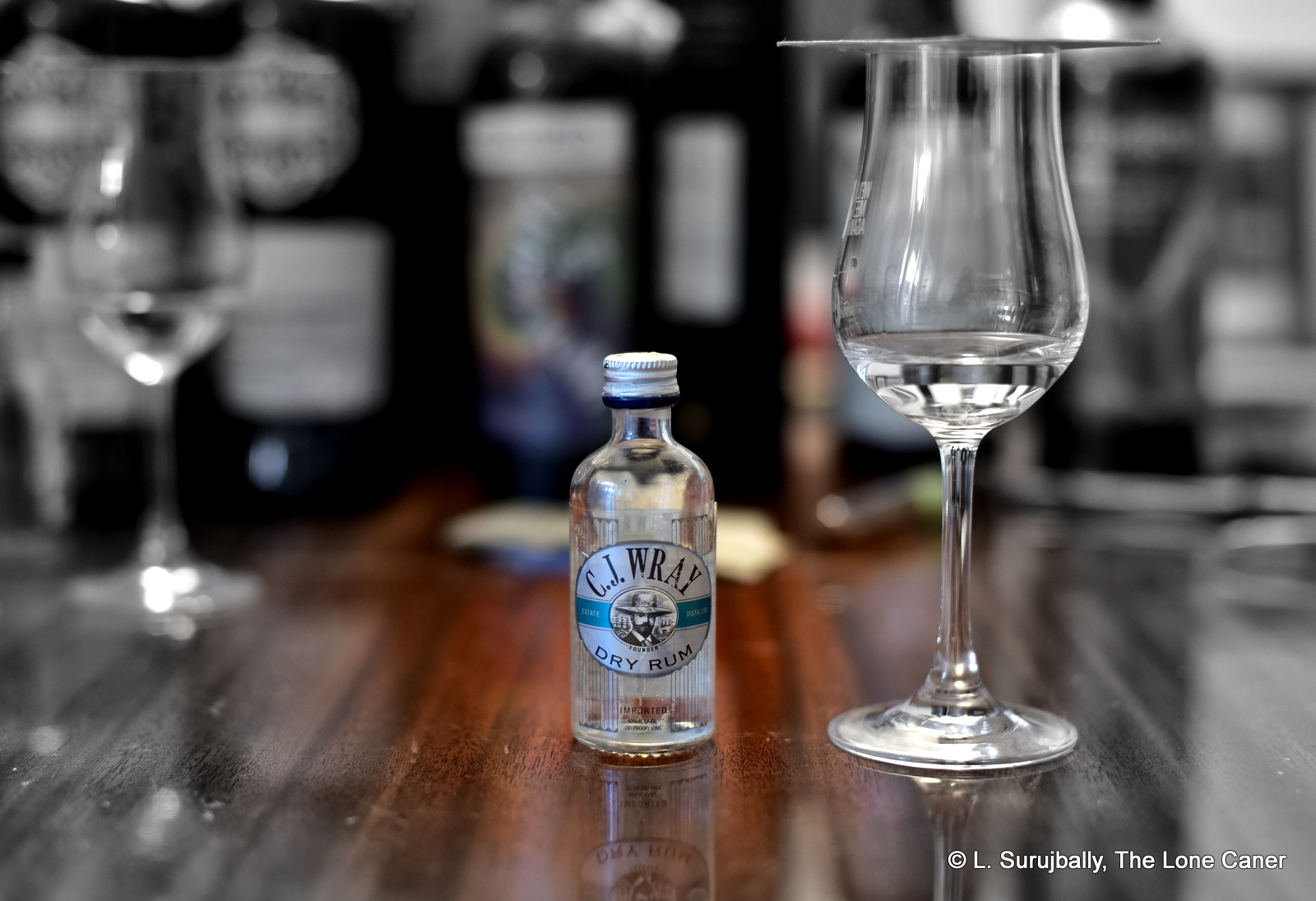
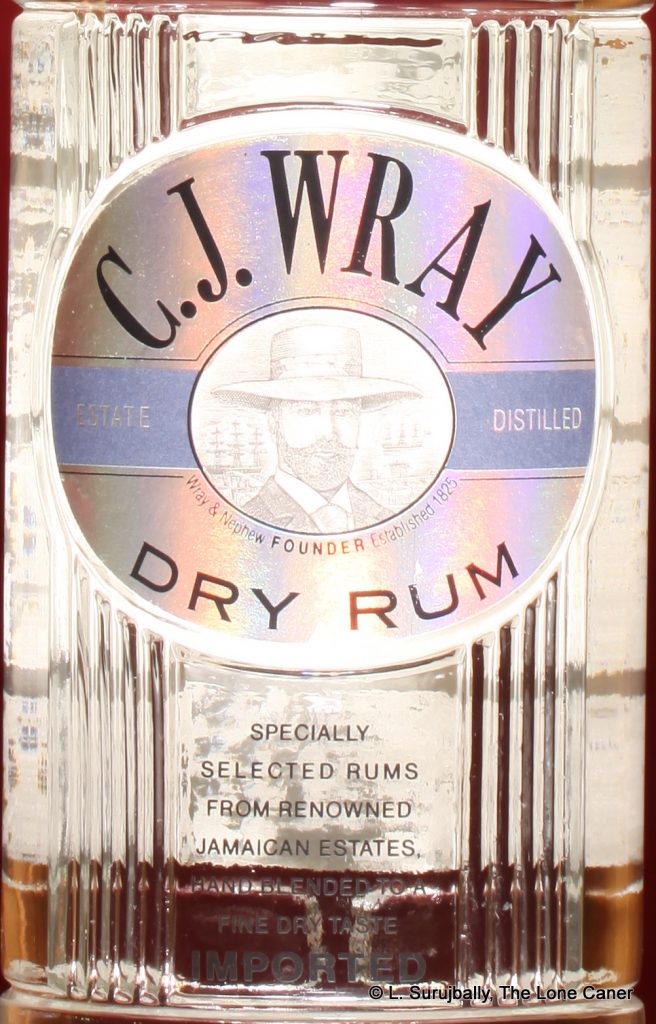 Technical details are murky. All right, they’re practically non-existent. I think it’s a filtered column still rum, diluted down to standard strength, but lack definitive proof – that’s just my experience and taste buds talking, so if you know better, drop a line. No notes on ageing – however, in spite of one reference I dug up which noted it as unaged, I think it probably was, just a bit.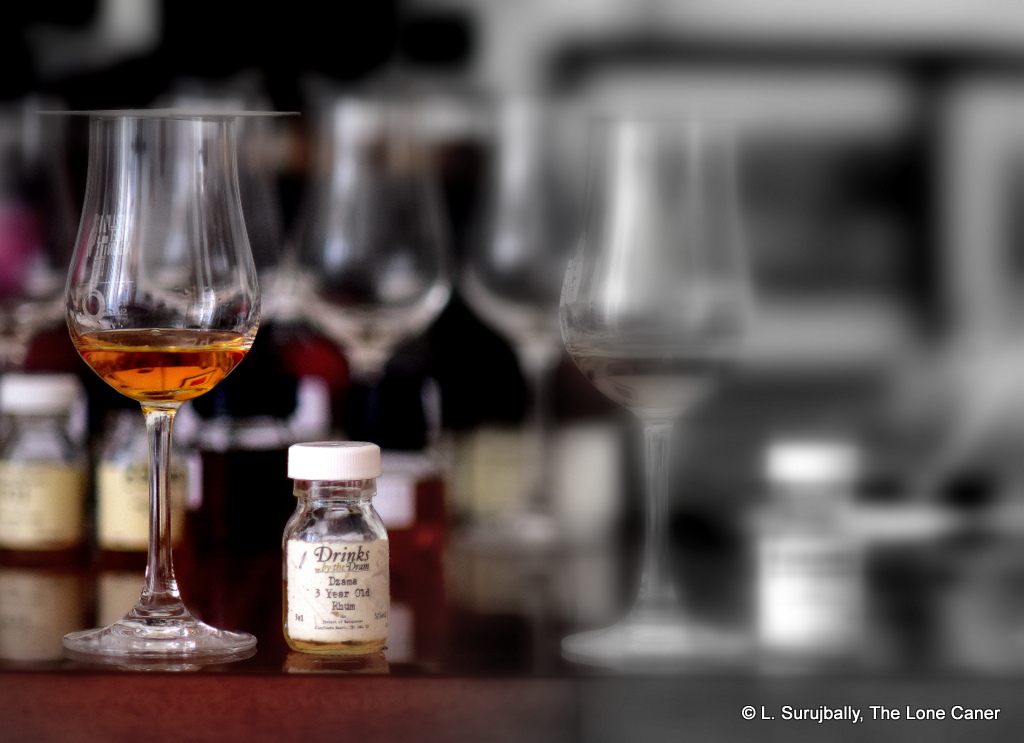
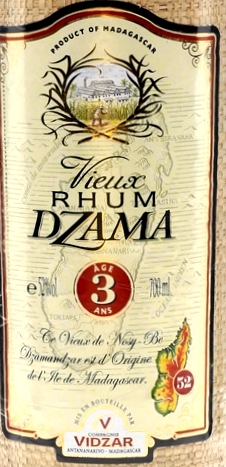 All that said, there isn’t much on the company website about the technical details regarding the 3 year old we’re looking at today. It’s a column still rum, unadded-to, aged in oak barrels, and my sample clocked in at 52%, which I think is an amazing strength for a rum so young – most producers tend to stick with the tried-and-true 40-43% (for tax and export purposes) when starting out, but not these guys.
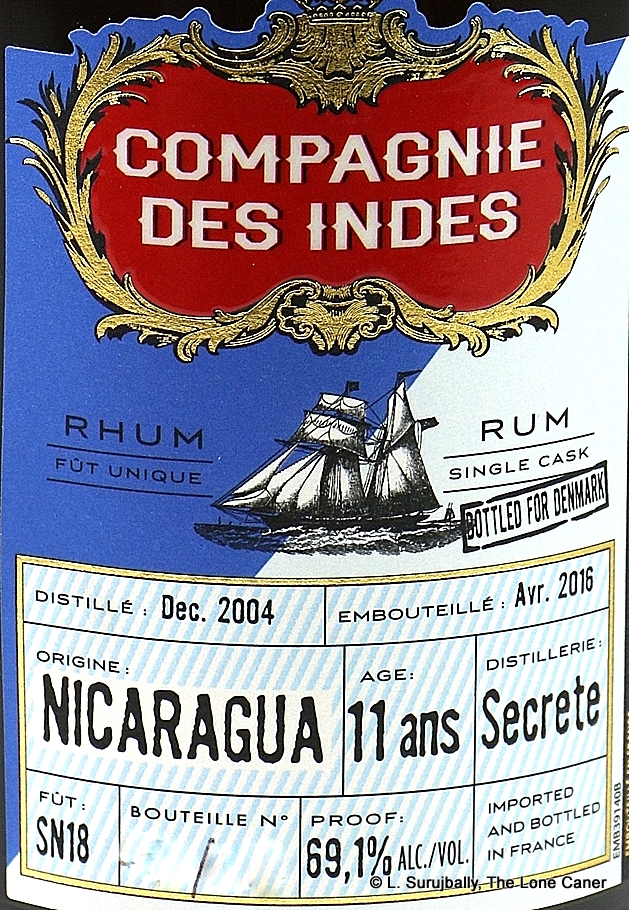 That’s not to say that in this case the
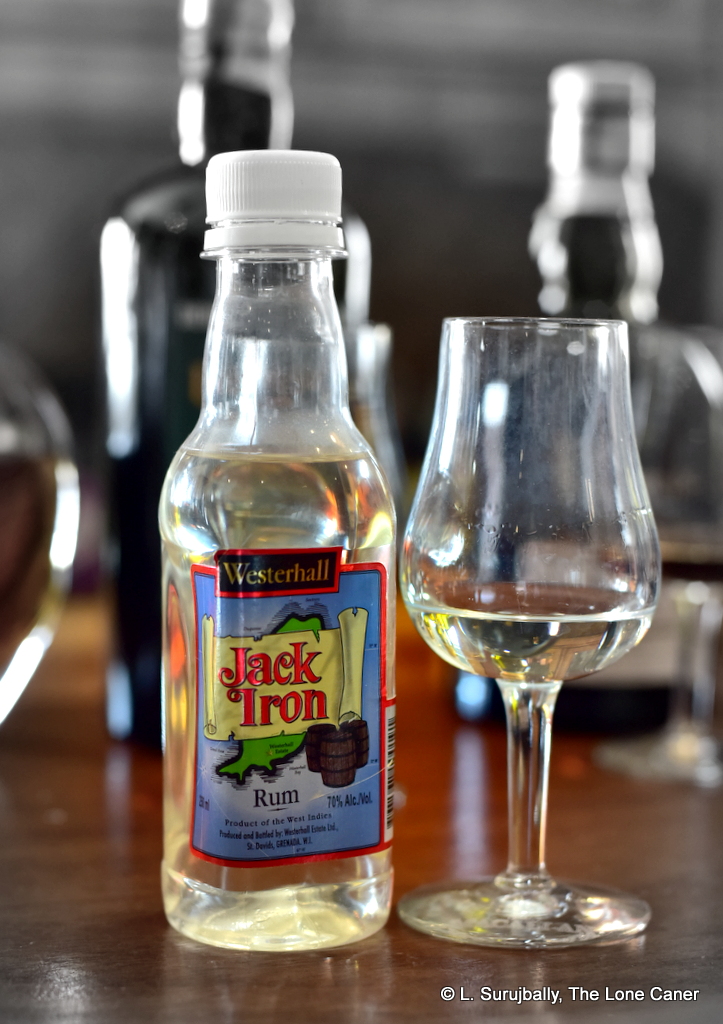 The Jack Iron rum from Westerhall is a booming overproof issued both in a slightly aged and a white version, and both are a whopping 70% ABV. While you can get it abroad — this bottle was tried in Italy, for example — my take is that it’s primarily a rum for local consumption (though which island can lay claim to it is a matter of idle conjecture), issued to paralyze brave-but-foolhardy tourists who want to show off their Chewbacca chests by drinking it neat, or to comfort the locals who don’t have time to waste getting hammered and just want to do it quick time. Add to that the West Indian slang for manly parts occasionally being iron and you can sense a sort of cheerful and salty islander sense of humour at work (see “other notes” below for an alternative backstory).

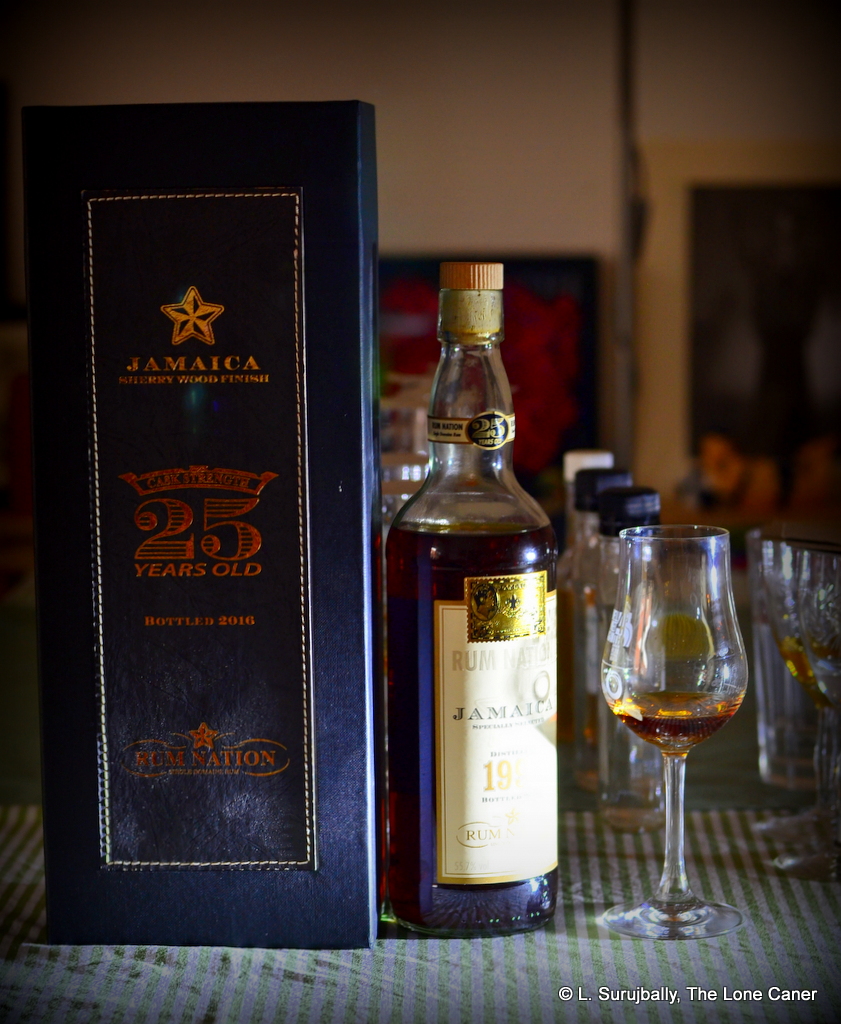
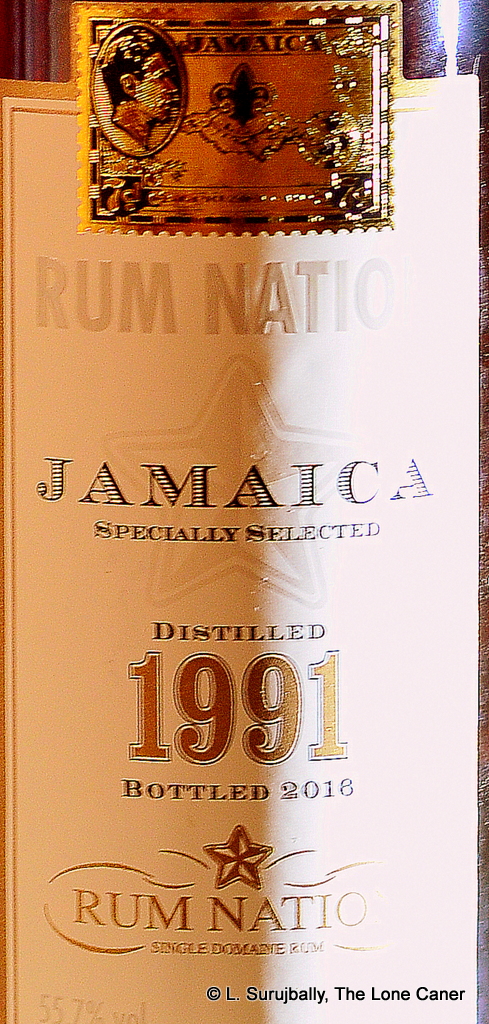 And for anyone who enjoys sipping rich Jamaicans that don’t stray too far into insanity (the
 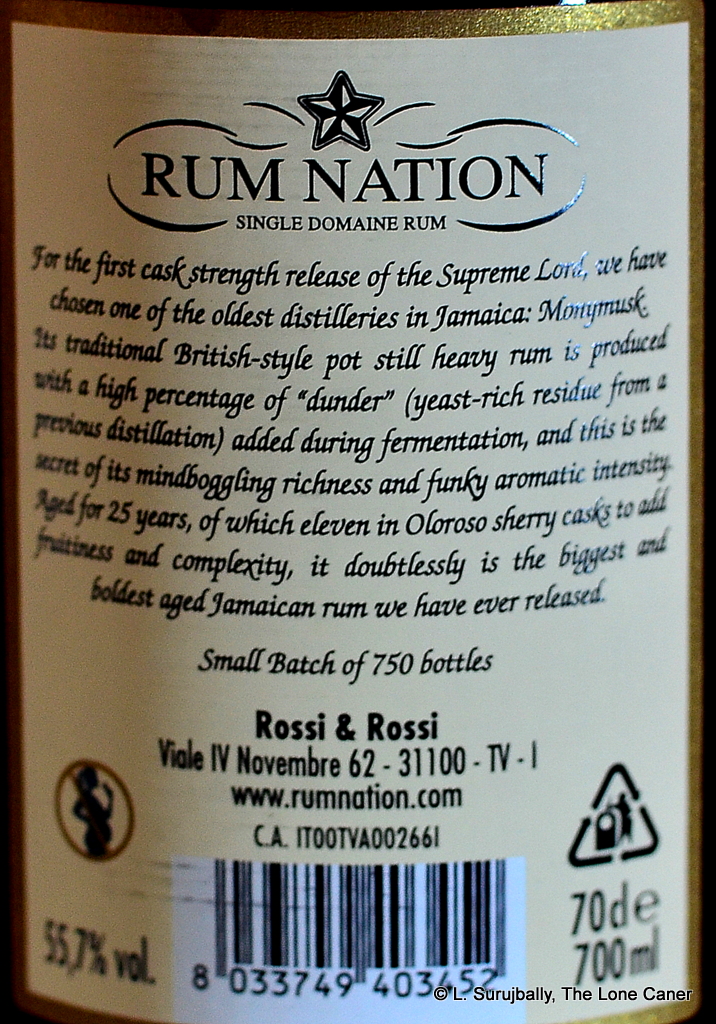 The rum continues along the path set by all the seven Supreme Lords that came before it, and since I’ve not tried them all, I can’t say whether others are better, or if this one eclipses the lot. What I do know is that they are among the best series of Jamaican rums released by any independent, among the oldest, and a key component of my own evolving rum education.
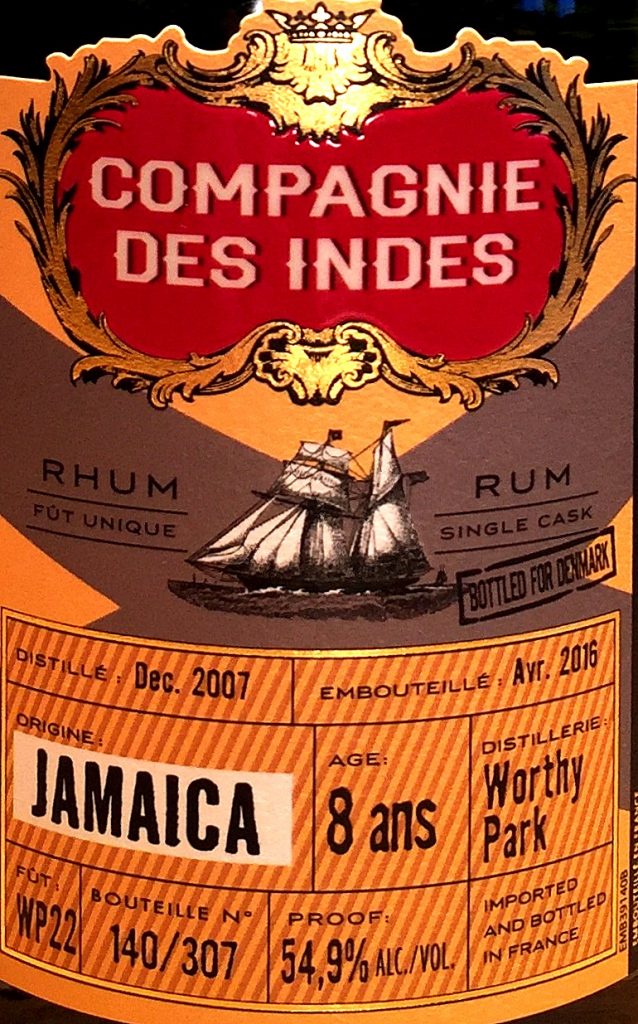 This brings us to the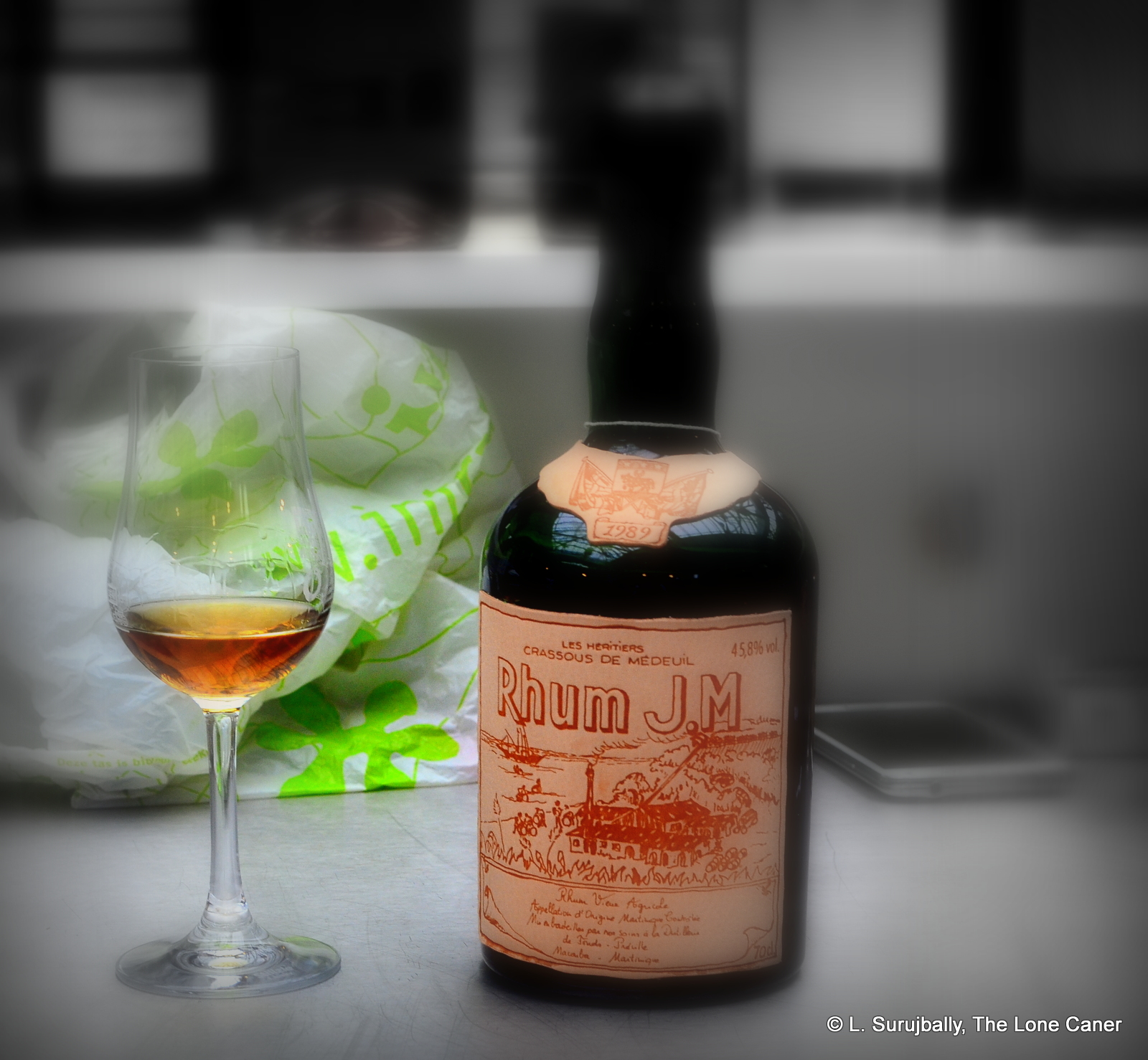
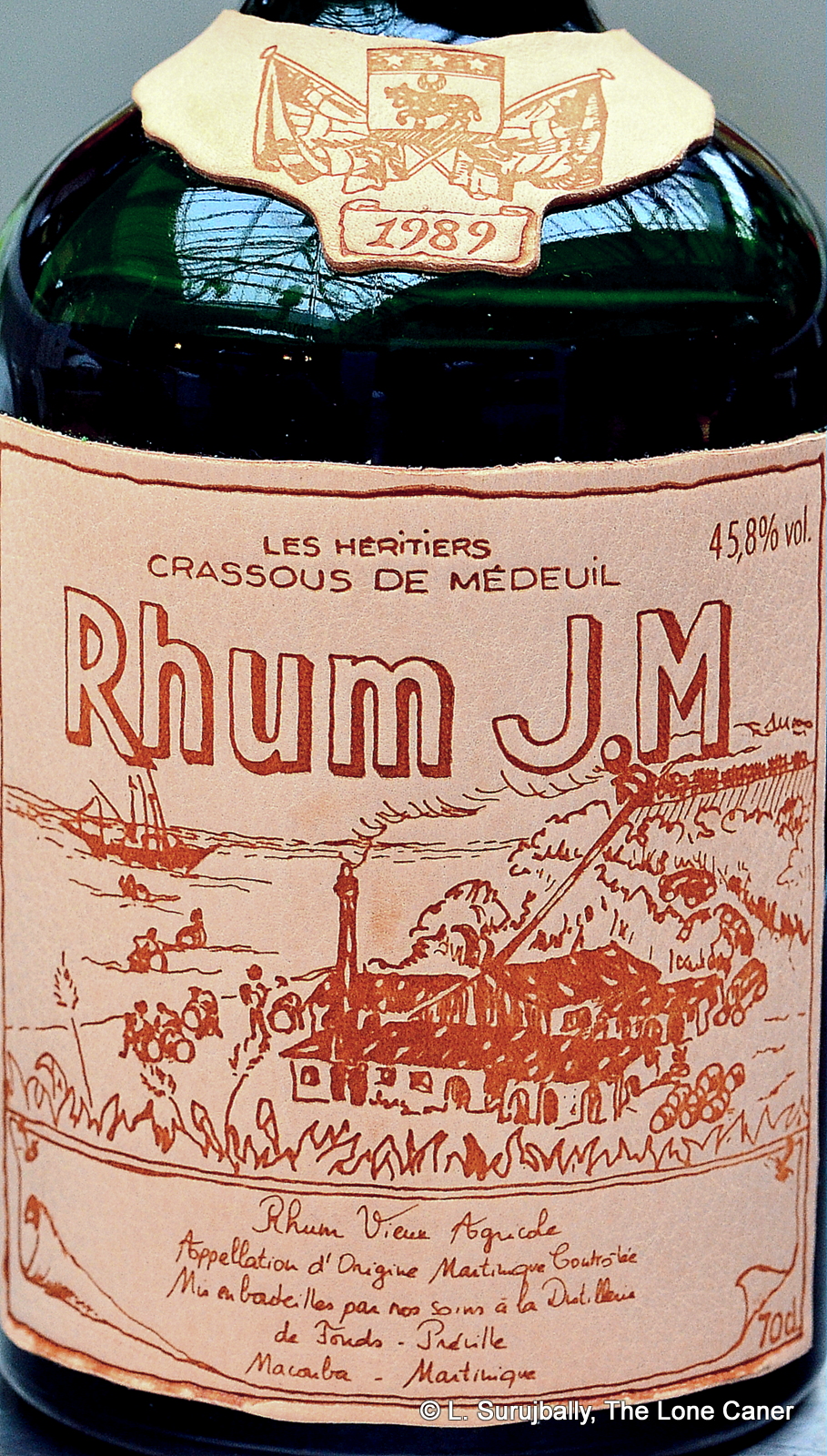
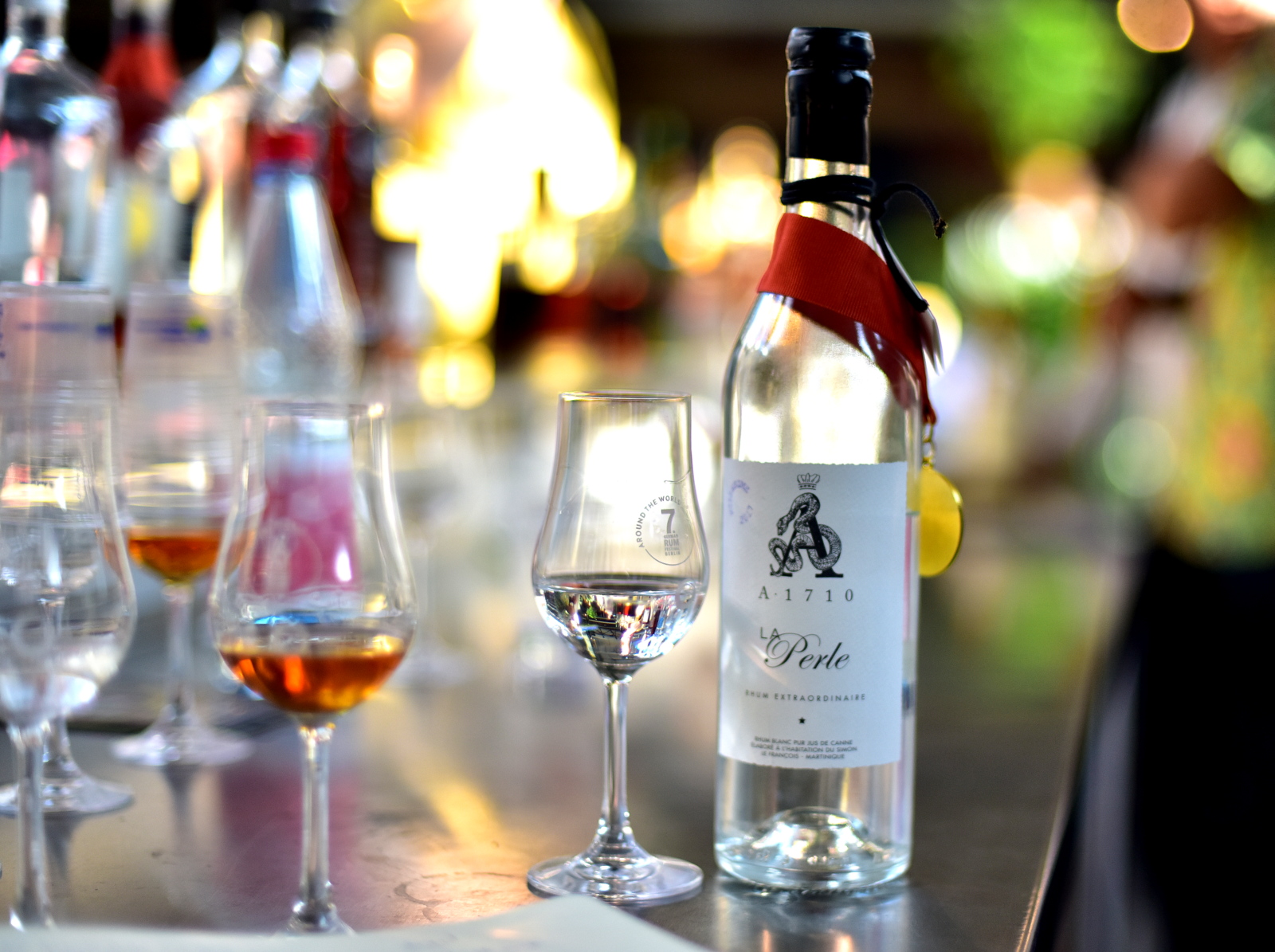

 Because for the unprepared (as I was), the nose of this rum is edging right up against revolting. It’s raw, rotting meat mixed with wet fruity garbage distilled into your rum glass without any attempt at dialling it down (except perhaps to 40% which is a small mercy). It’s like a lizard that died alone and unnoticed under your workplace desk and stayed there, was then soaked in diesel, drizzled with molten rubber and tar, set afire and then pelted with gray tomatoes. That thread of rot permeates every aspect of the nose – the brine and olives and acetone/rubber smell, the maggi cubes, the hot vegetable soup and lemongrass…everything.
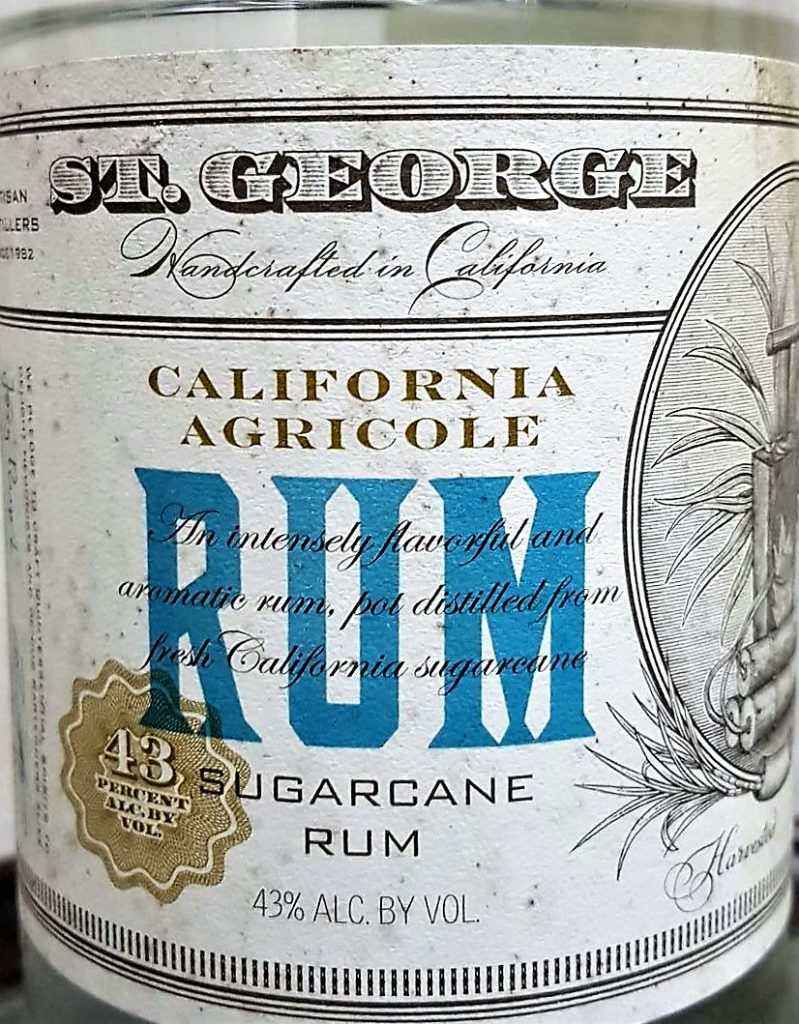 Just as we don’t see Americans making too many full proof rums, it’s also hard to see them making true agricoles, especially since the term is so tightly bound up with the spirits of the French islands.