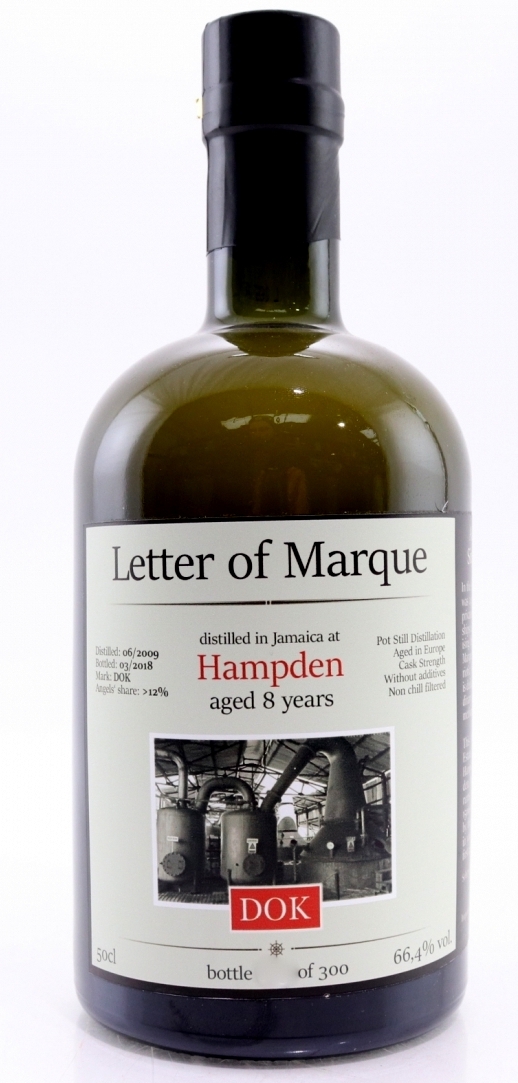
 DOK. The initials which have now become a word, have such a sense of menace. They have all the unfriendly finality of an axe thunking into an executioner’s block. And perhaps this was deliberate, because a DOK rum (I give a delicious shiver) is at the trembling razor’s edge of esterland, 1600 g/hlpa, something so torrid and intense that it is used to calm down cask strength neutral alcohol before being sold to Scotch lovers, and those only now getting into rum.
Richard Seale is famous for his exasperation about DOK-weenies and fangeeks who wax rhapsodic about these things, because he knows that such a high concentration of esters was historically there for a reason – not to drink neat or rack up drinking brownie points, but to act as a flavorant to pastries, perfumes and cheap European rums in the 19th and 20th centuries (some of these uses continue). The taste of such a rum is so intense that it serves no sane purpose as a drink in its own right, and even in a mix it’s akin to playing with fire if one is not careful.
But of course, nothing will dishearten these spirited Spartans, for they, like your faithful reviewer, are way too witless for fear, and it’s a badge of honour to always get the rum that’s the biggest and baddest with the mostest even when the biggest ‘n’ baddest Bajan says otherwise: and so when one gets a DOK through fair means or foul, well, it’s gonna be tried, screaming weenies be damned. And I gotta be honest, there’s some masochism involved here as well: can I survive the experience with my senses intact and my sanity undisturbed? Does the Caner like rum?
Judge for yourself. I poured the pale yellow rum into my glass – carefully, I don’t mind telling you — and took a prudent and delicate sniff. The strength was manageable at 66.4%, and I’ve had stronger, of course, but I was taking no chances. Good idea, because right away I was assaulted by the squealing laydown of a supercar’s rubber donuts on a hot day. The tyres seemed to be melting on the road, the rubber scent was that strong. Man, there was a lot to unpack here: porridge with sour milk and salted butter, sharp as hell. Creamy not-quite tart herbal cheese spread over freshly toasted yeasty bread. Glue, paint, turpentine, more rubber, varnish, acetones, the raw cheap nail polish scent of a jaded Soho streetwalker, and still it wasn’t done. Even after five minutes the thing kept coughing up more: sharp fruits, pineapple, strawberries, ginnip, gooseberries, plus paprika, basil, dill, and red olives.
And the taste, well, damn. Sour milk in a latte gone bad, plus glue, paint, acetones and melting rubber. Gradually, timorously, meekly, some fruits emerged: raisins, pears, unripe strawberries, pineapples, green mangoes, ripe cashews. Oh and olives, leather, brine and coffee grounds, more fruit, and I was thinking that half of me wanted to shudder, stop and walk away, but the other half was mordantly curious to see how long this level of crazy could be maintained before the thing ran out of gas. Truth to tell, not much longer, because after about half an hour it seemed to think I had been punished enough, and the intense pungency drained away to a long, spicy, dry but tasty finish – I could give you another long list of finishing notes, but at the end it simply repeated the beats of what had come before in a sort of crisp and spicy summation that left nothing unrepeated.
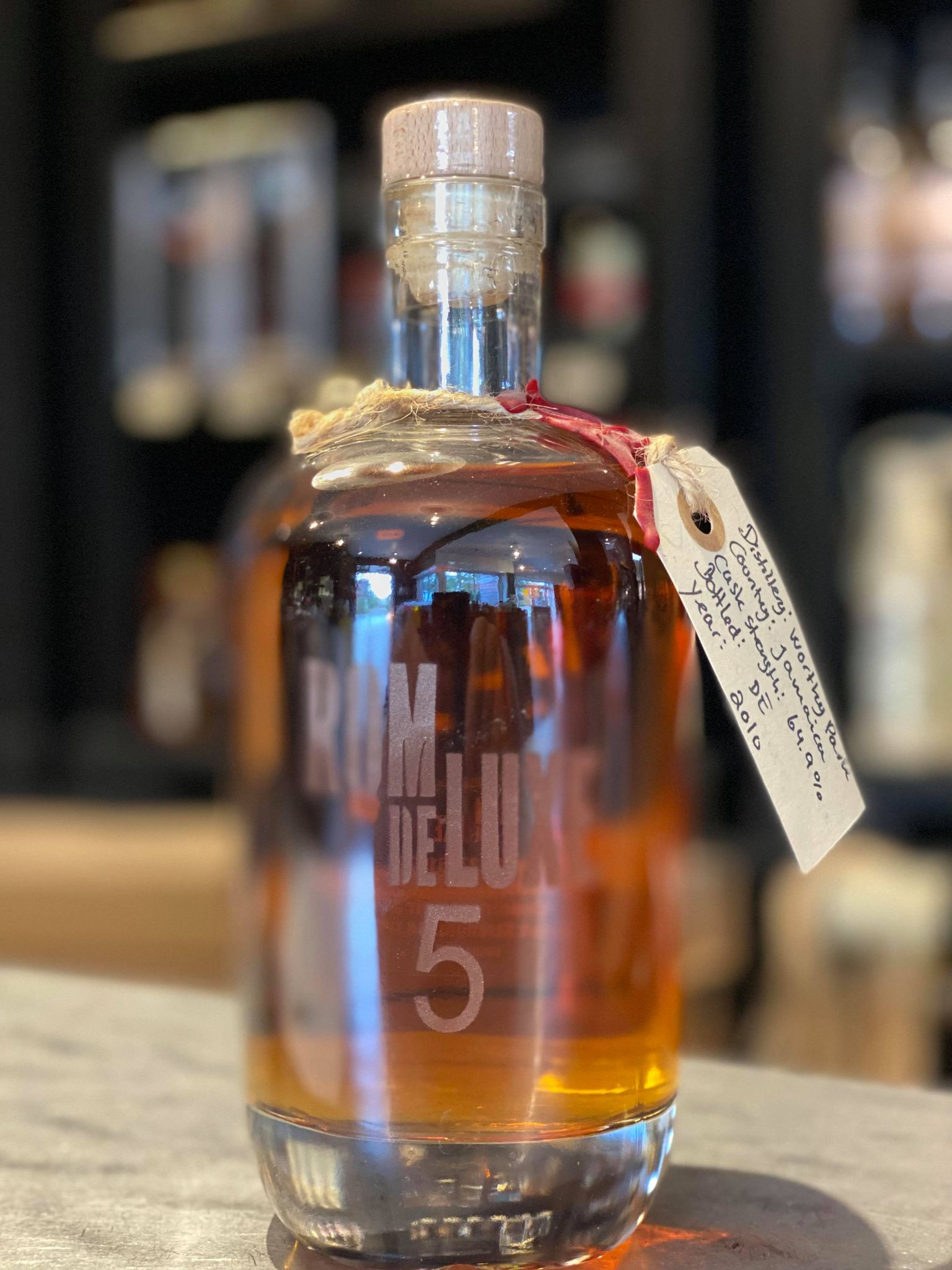
Look, I’m not making up these tasting notes in an effort to impress by establishing the extent of my imaginative vocabulary, or how complex I think the rum is. Therein lies a sort of pointless insanity by itself. The fact is that those sensations are there, to me, and I have to describe what I am experiencing. That the rum is a smorgasbord of sensory impressions is beyond doubt – the question is whether it works as it should, whether it provides a good tasting and drinking experience, or whether it’s just a pointless exercise in dick measuring by an independent who wants to establish a rep — somewhat like Rom Deluxe did when they released their own DOK at 85.2%, remember that one? As with that rum, then, I have to respond with a qualified yes.
Because it works…up to a point.
The issue with the rum and others like it — and this is an entirely personal opinion — is that there is simply too much: it overwhelms the senses with an undisciplined riot of aromas and flavours that fail to cohere. Admittedly, the boys in Germany chose well, and the Letter of Marque is not quite on the level of crazy that attended the jangling cacophony of the Wild Tiger…but it’s close, and here I suspect the ageing did take some of the edge off and allow a bit of smoothening of the raw indiscipline that the Rom Deluxe product sported so happily. Too, the strength is more bearable and so it works slightly better from that perspective as well.
And so, I have to give this the score I think it deserves, which is a bit on the high side, perhaps. It sure took courage for the Rum Cask company to release it onto an unsuspecting public, and there’s a lot of interesting aspects to this Jamaican rum: if one dilutes a bit, tastes carefully and with attention, I think a lot can be taken away. Most people aren’t like that though, and I suspect that if an average Joe was given this without warning, he might grudgingly praise the thing, but would hardly be likely to spring for a bottle the way a committed Jamaican rum fan would. Unless, of course, he wanted a rum that was demonstrably one of the the biggest, bestest and mostest.
(#875)(86/100)
Other Notes
- Letter of Marque is a brand of the Rum Cask indie bottler in Germany
- The rum was selected by bloggers Rumboom, Single Cask Rum and Barrel Aged Thoughts.
- Distilled in 2009, this was some of Hampden’s first output laid down to age, when they reopened that year
- 300-bottle outturn
- A “Letter of Marque,” once called a privateering commission, was a document issued by a Government (usually the crown) during the Age of Sail to authorize a private person to attack ships of another nation with which the Government was currently at war. Essentially it legalized piracy by outsourcing naval guerilla operations to mercenaries — privateers or corsairs — under the mantle of the national interest. The 1856 Paris Declaration eventually ended the practice of privateering and the issuance of such letters worldwide.
- On Rum-X, some thirty or so DOK rums are listed; clearly, whether we like it or not, these high-ester funk delivery systems are here to stay and as long as they get made, they will get sold, and drunk, and boasted about.
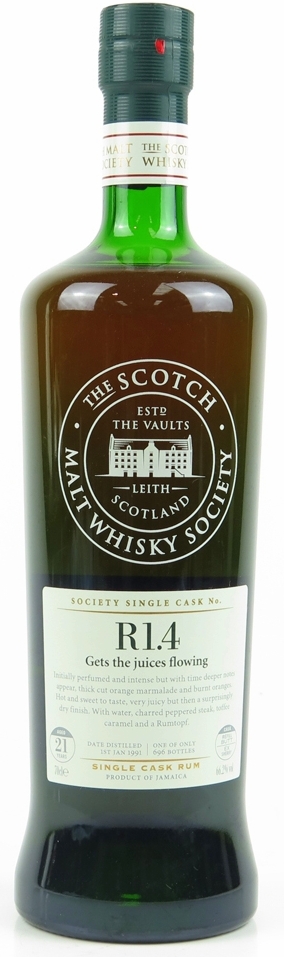
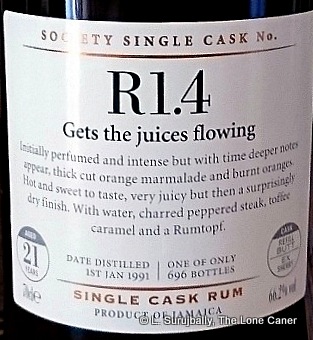
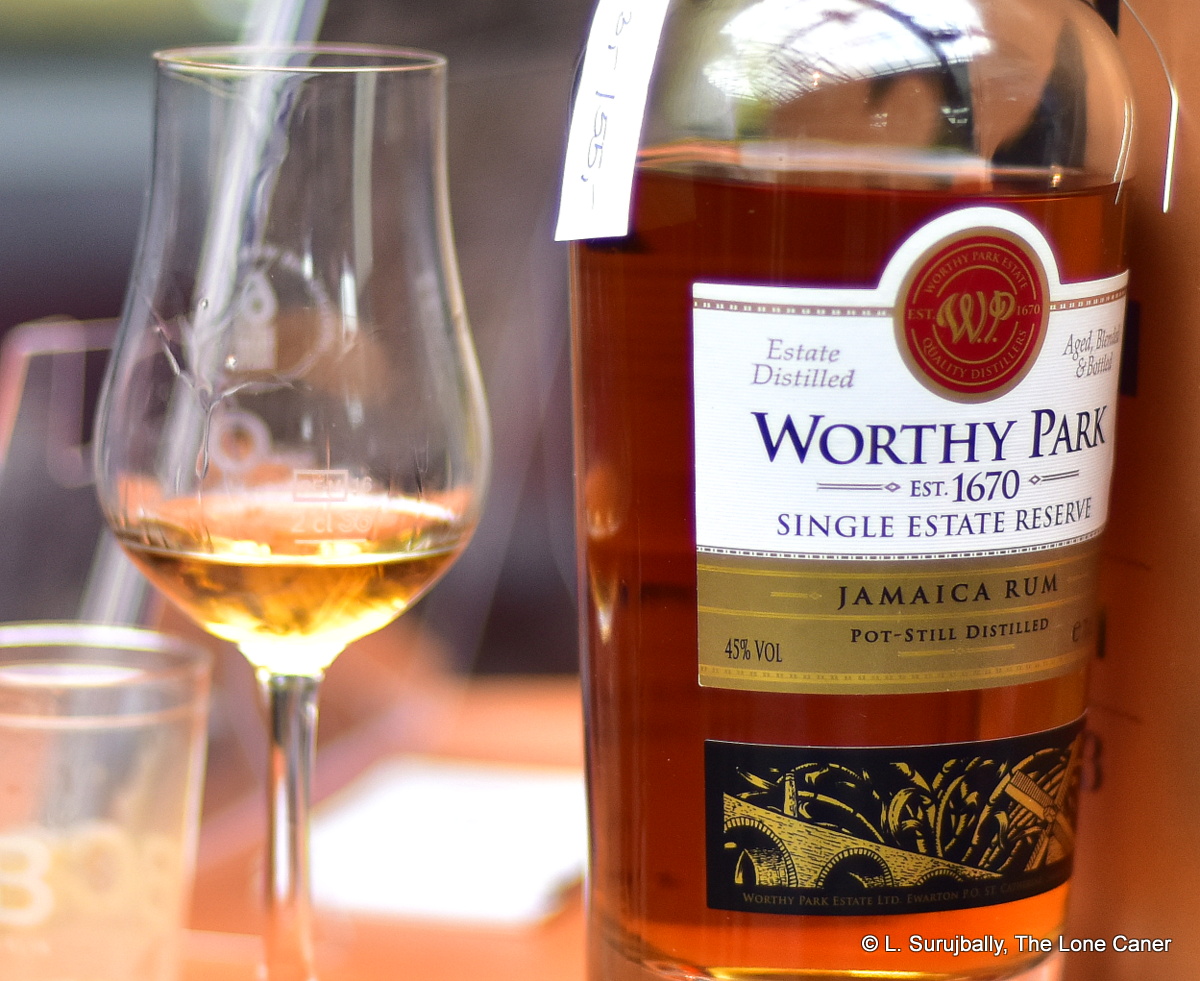
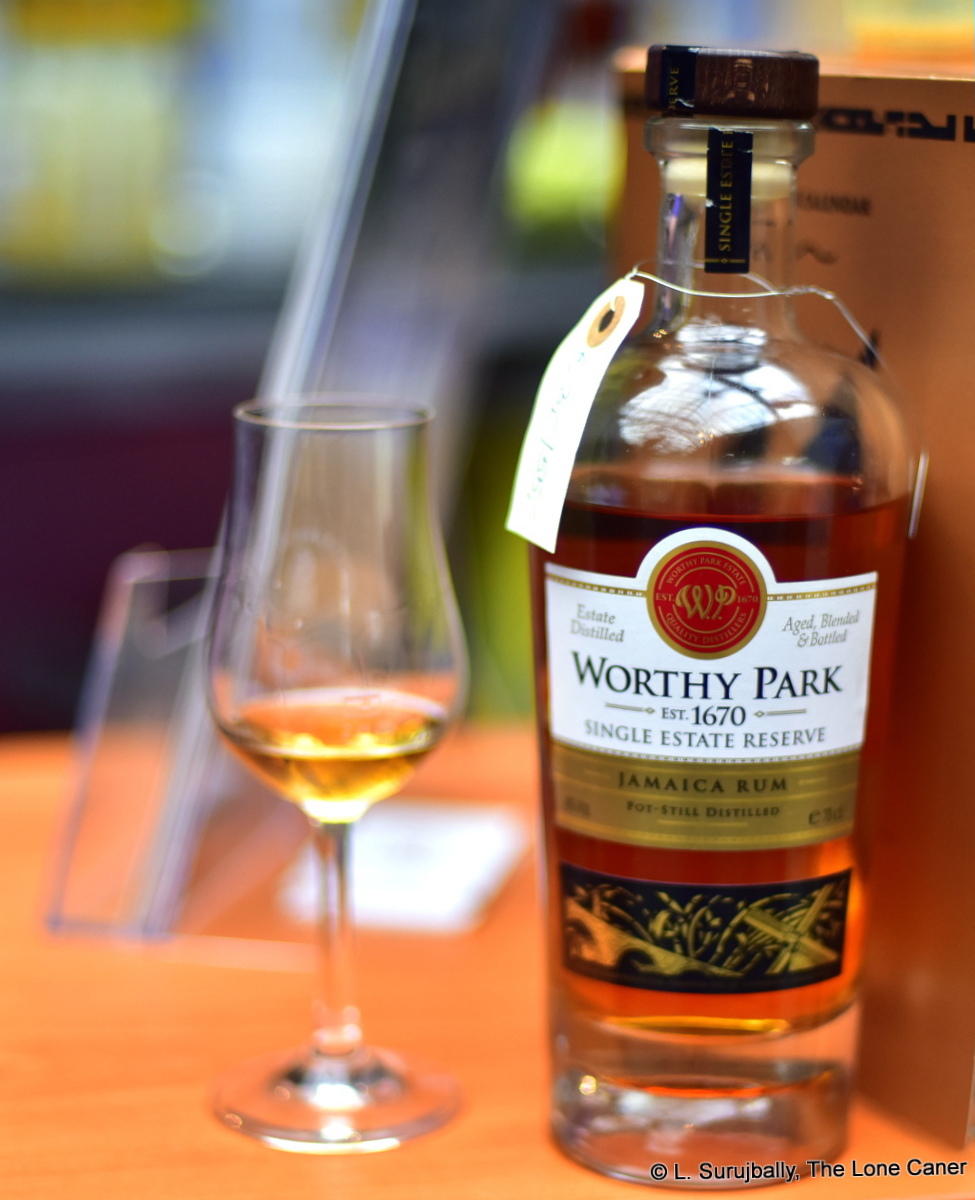
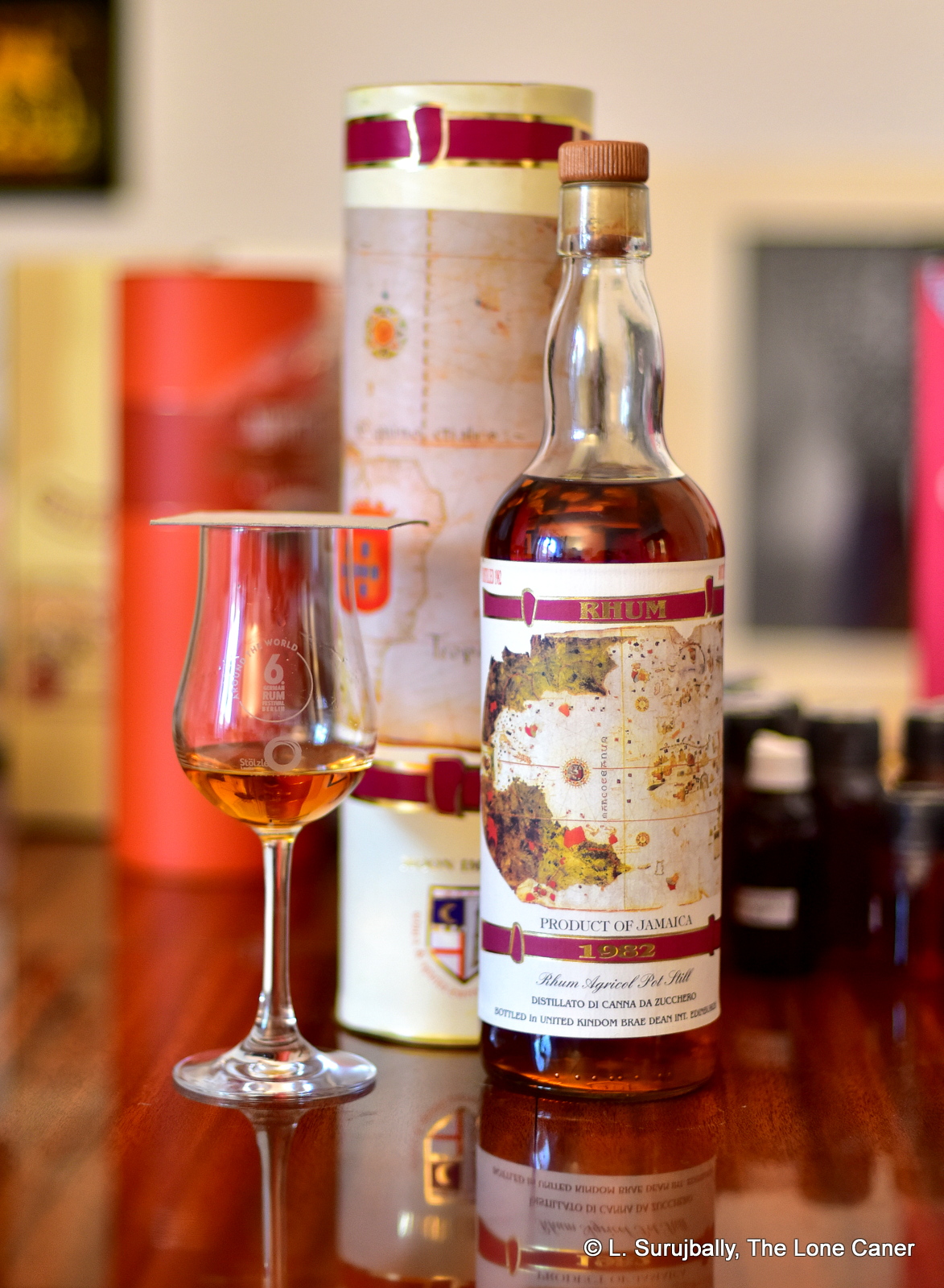
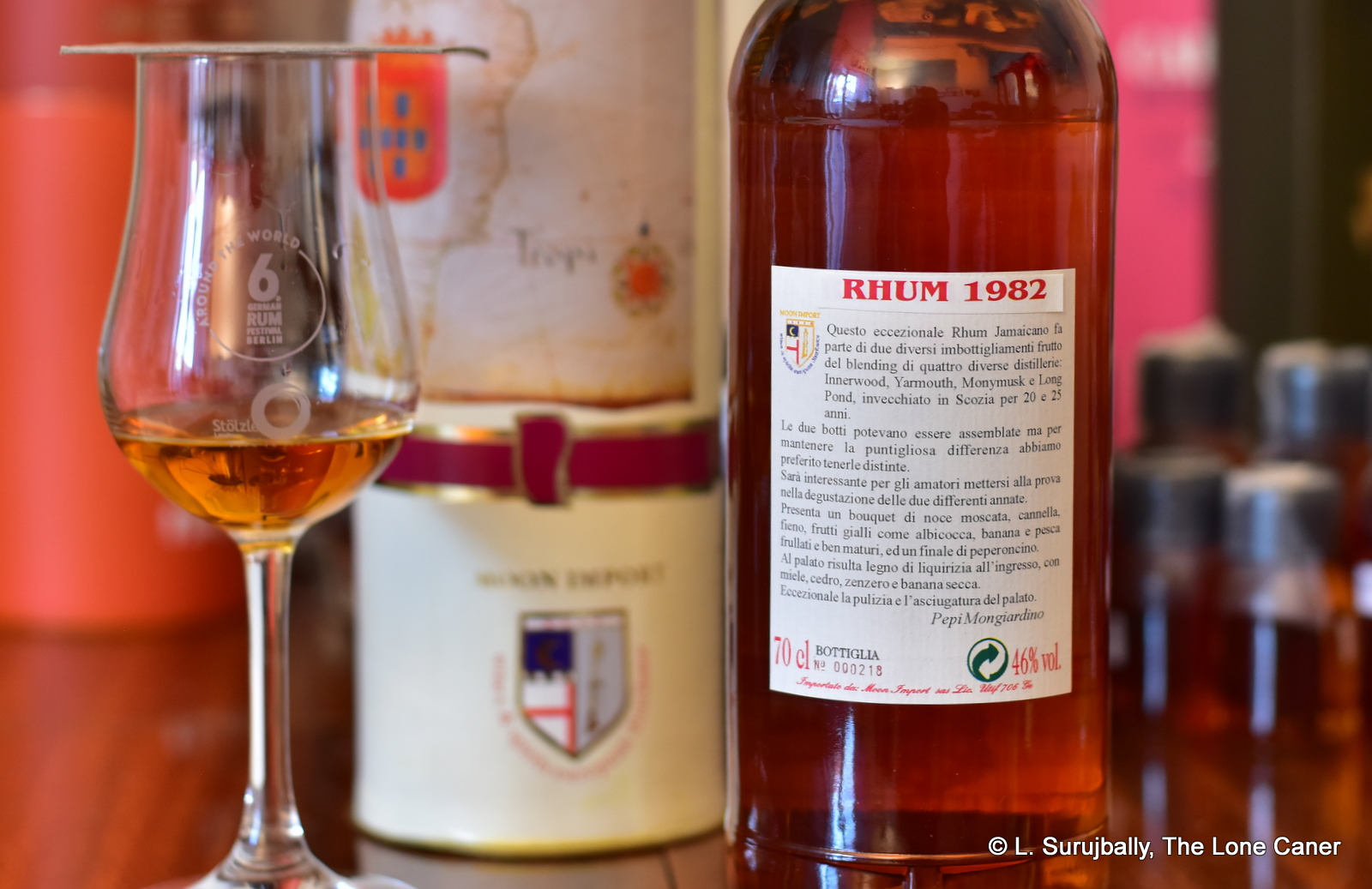
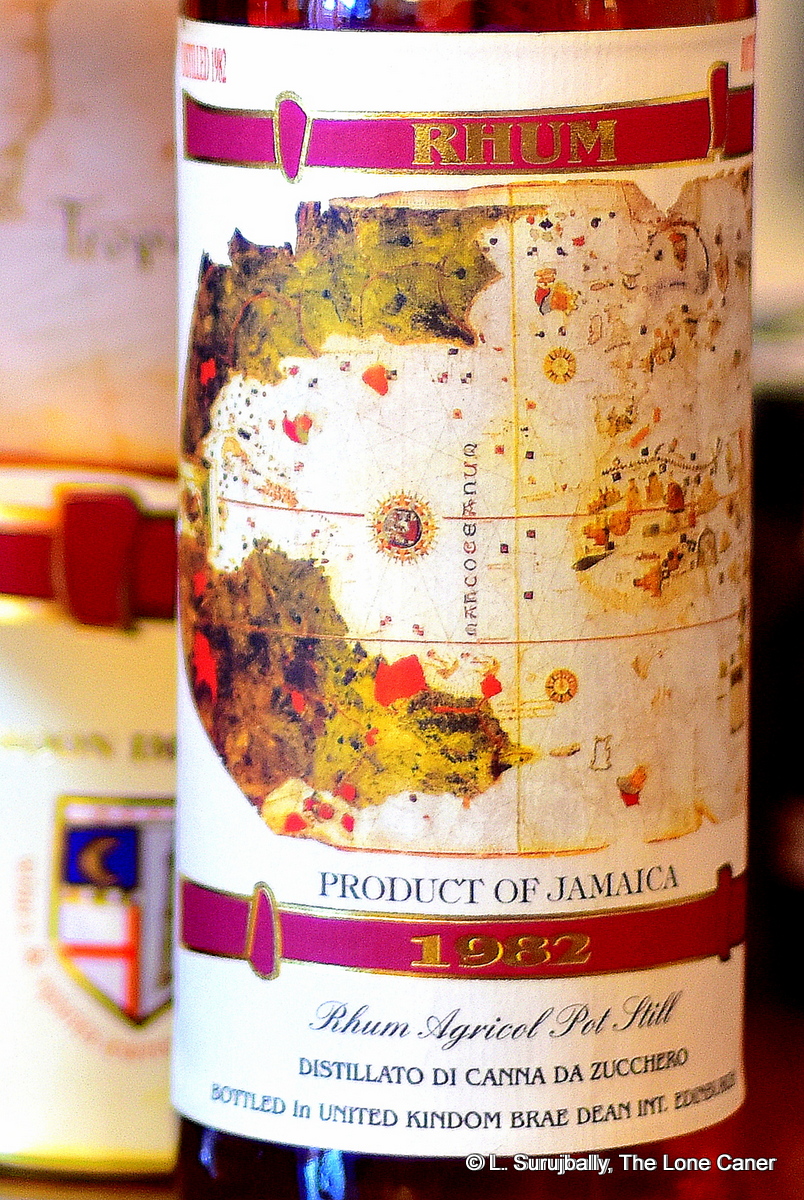

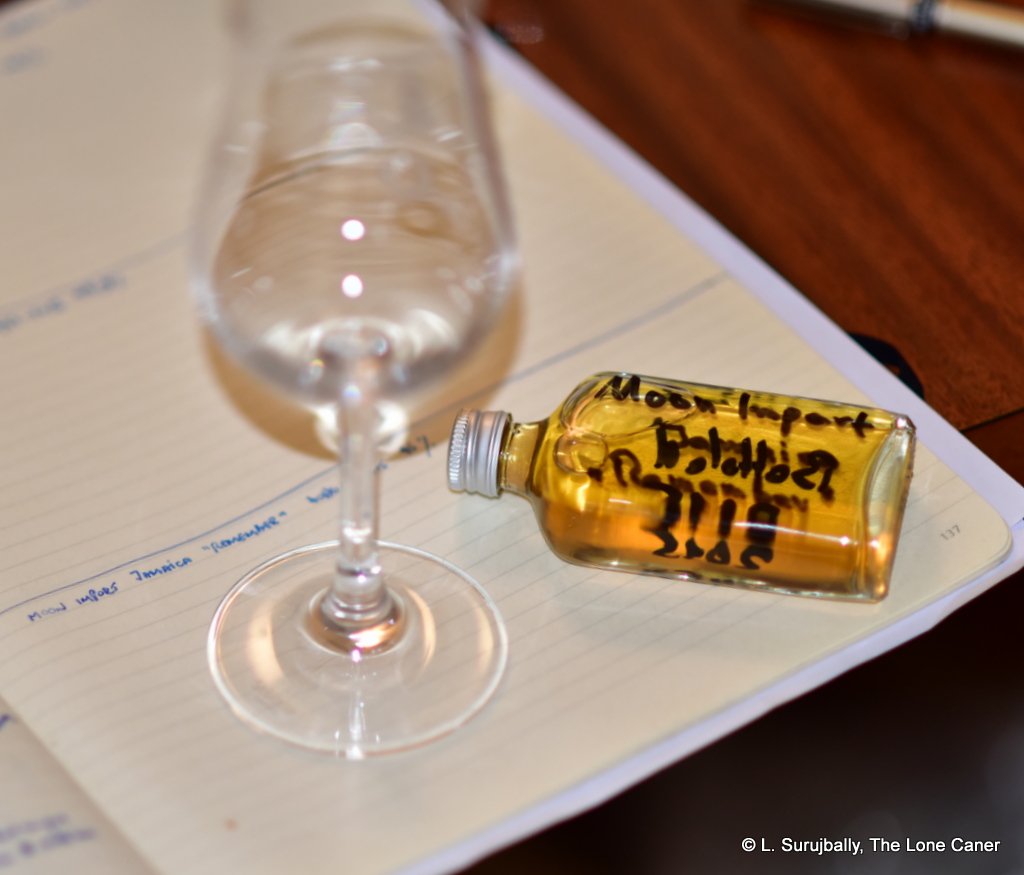
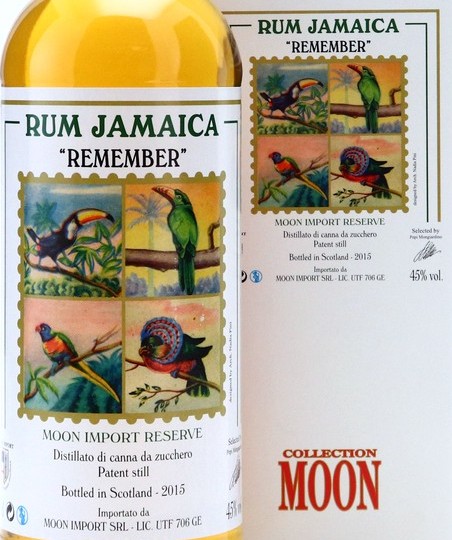
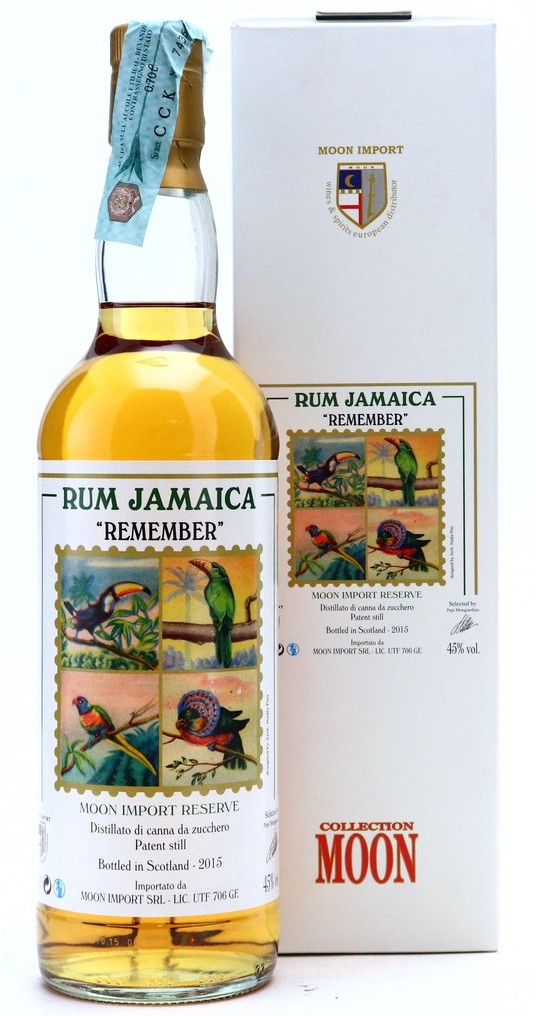
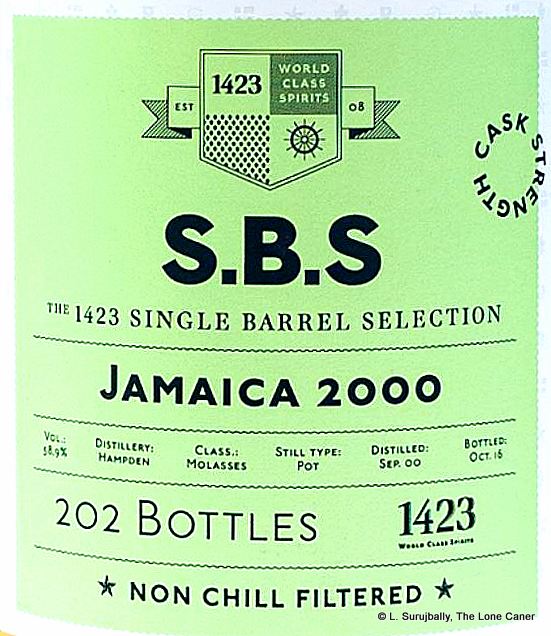
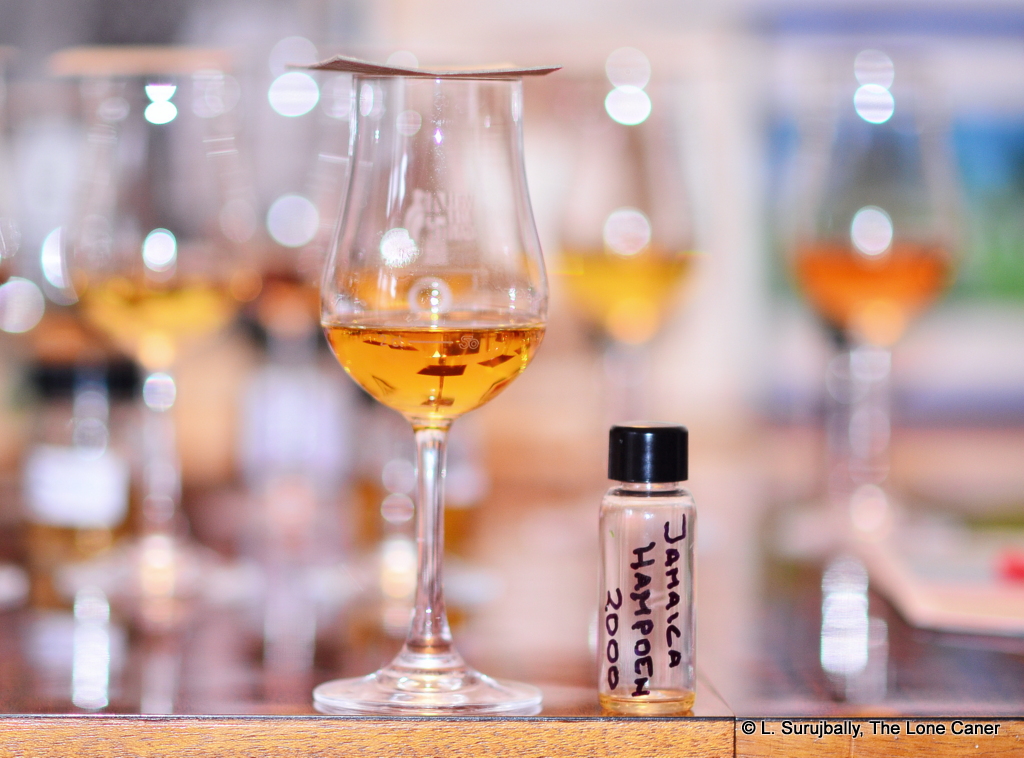
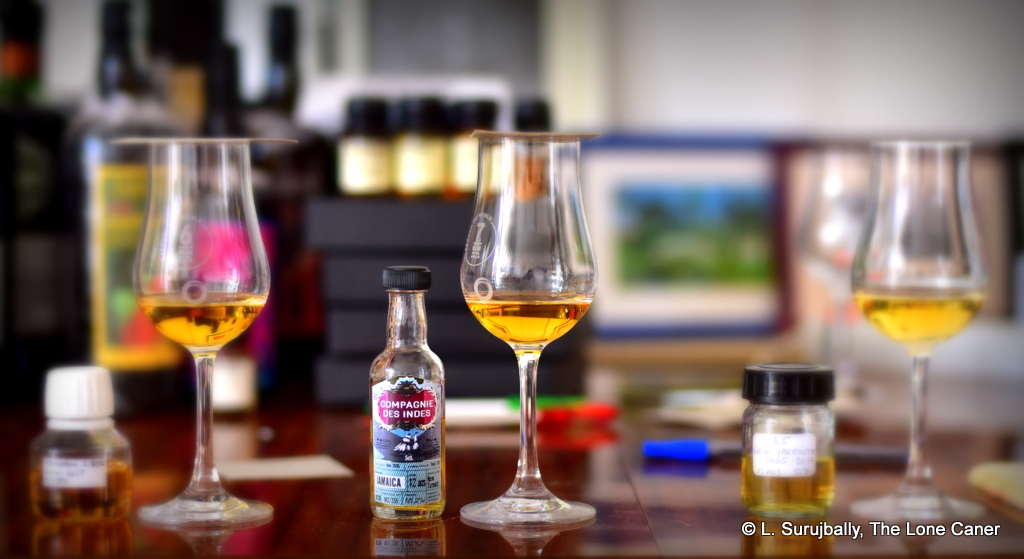
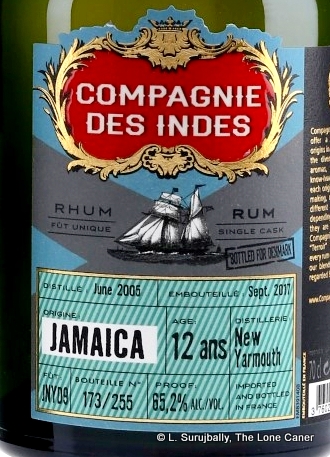 And what a rum it was. I don’t know what ester levels it had, but my first note was “a lot!”. I mean, it was massive. Pencil shavings and glue. Lots of it. Musky, dry, cardboard and damp sawdust. Some rotting fruit (was that dunder they were using?) and also rubber and furniture polish slapped on enough uncured greenheart to rebuild the Parika stelling, twice. The fruitiness – sharp! – of tart apples, green grapes, passion fruit, overripe oranges and freshly peeled tangerines. Florals and crisp light notes, all of it so pungent and bursting that a little breeze through your house and the neighbors would either be calling for a HAZMAT team or the nearest distillery to find out if they had lost their master blender and a still or two.
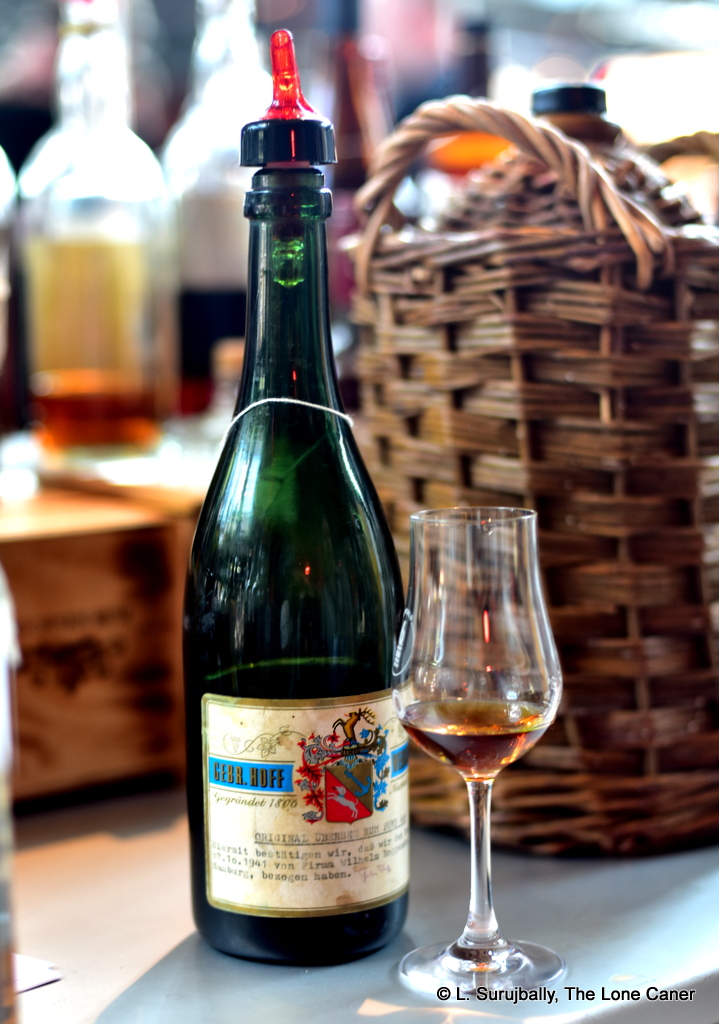 Rumaniacs Review #123 | #800
 Hampden gets so many kudos these days from its relationship with
 The rum displays all the attributes that made the estate’s name after 2016 when they started supplying their rums to others and began bottling their own. It’s a rum that’s astonishingly stuffed with tastes from all over the map, not always in harmony but in a sort of cheerful screaming chaos that shouldn’t work…except that it does. More sensory impressions are expended here than in any rum of recent memory (and I remember
 Rumaniacs Review #122 | 0785
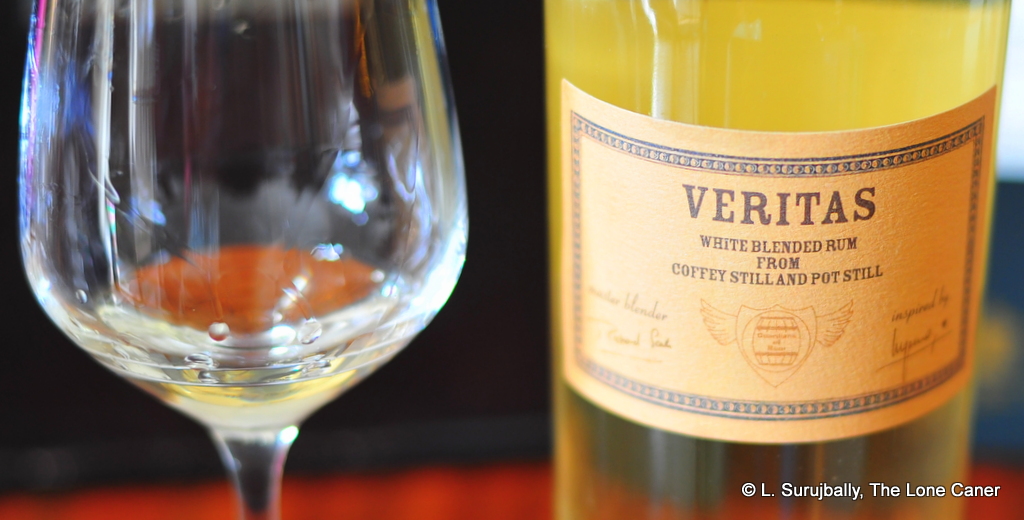
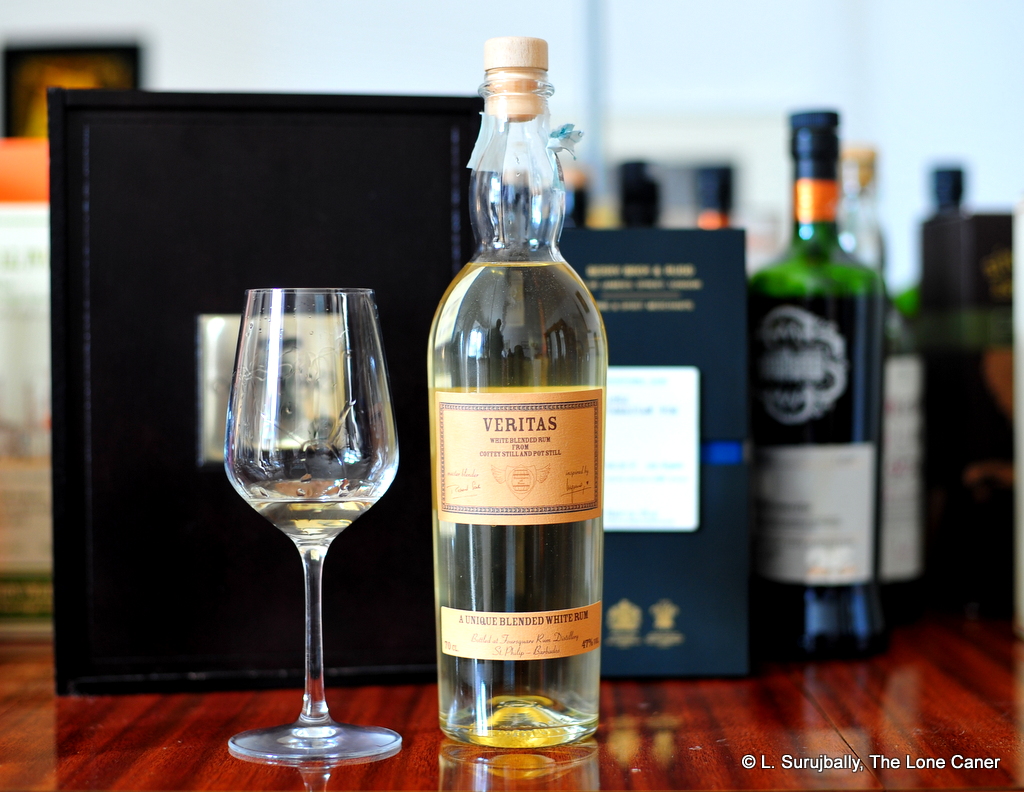
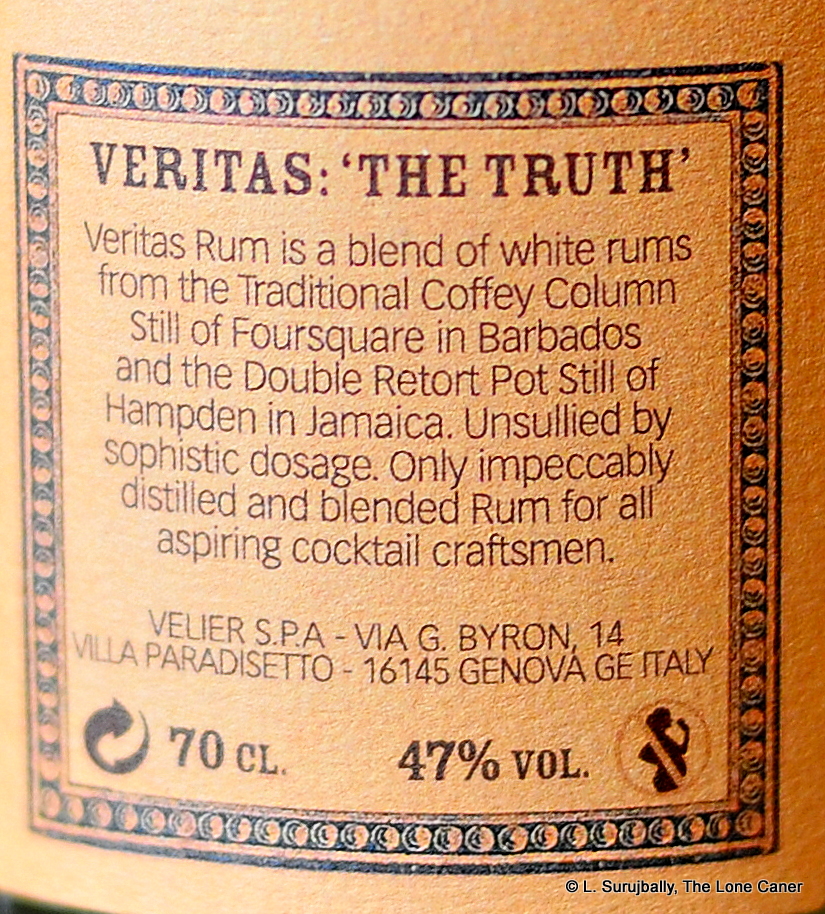 When it really comes down to it, the only thing I didn’t care for is the name. It’s not that I wanted to see “Jamados” or “Bamaica” on a label (one shudders at the mere idea) but I thought “Veritas” was just being a little too hamfisted with respect to taking a jab at Plantation in the ongoing feud with Maison Ferrand (the statement of “unsullied by sophistic dosage” pointed there). As it turned out, my opinion was not entirely justified, as Richard Seale noted in a comment to to me that… “It was intended to reflect the simple nature of the rum – free of (added) colour, sugar or anything else including at that time even addition from wood. The original idea was for it to be 100% unaged. In the end, when I swapped in aged pot for unaged, it was just markedly better and just ‘worked’ for me in the way the 100% unaged did not.” So for sure there was more than I thought at the back of this title.
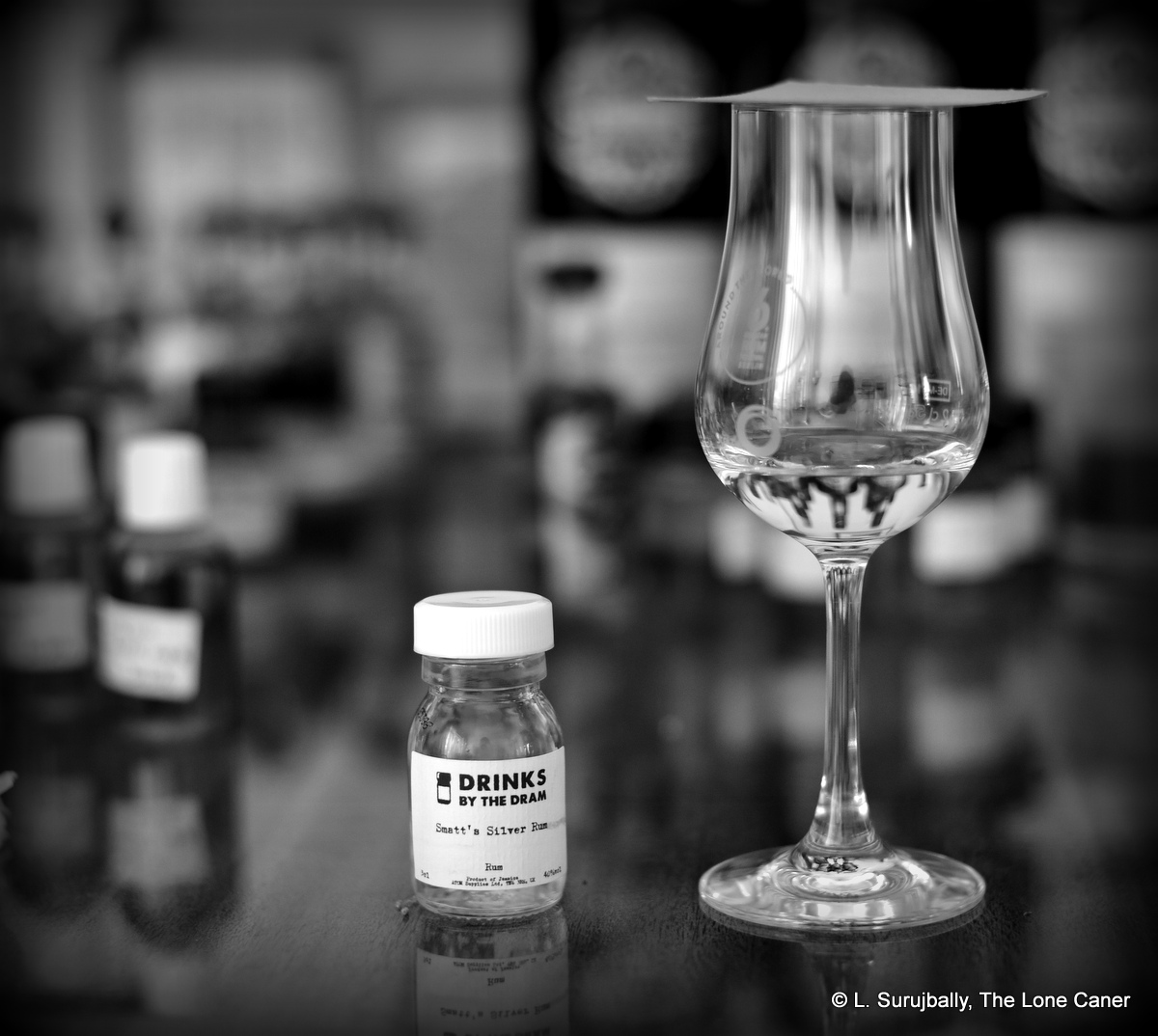
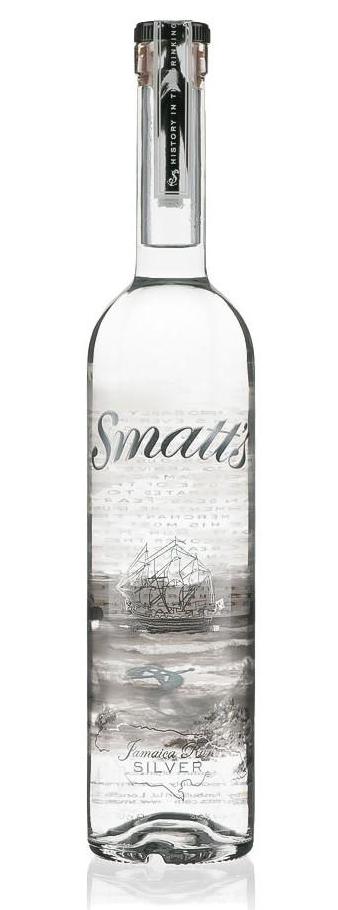 Normally, such a rum wouldn’t interest me much, but with the massive reputations the New Jamaicans have been building for themselves, it made me curious so I grudgingly parted with some coin to get a sample. That was the right decision, because this thing turned out to be less an undiscovered steal than a low-rent Jamaican wannabe for those who don’t care about and can’t tell one Jamaican rum from another, know Appleton and stop there. The rum takes great care not to go beyond such vanilla illusions, since originality is not its forte and it takes inoffensive pleasing-the-sipper as its highest goal.

 As for the finish, well, in rum terms it was longer than the current Guyanese election and seemed to feel that it was required that it run through the entire tasting experience a second time, as well as adding some light touches of acetone and rubber, citrus, brine, plus everything else we had already experienced the palate. I sighed when it was over…and poured myself another shot.
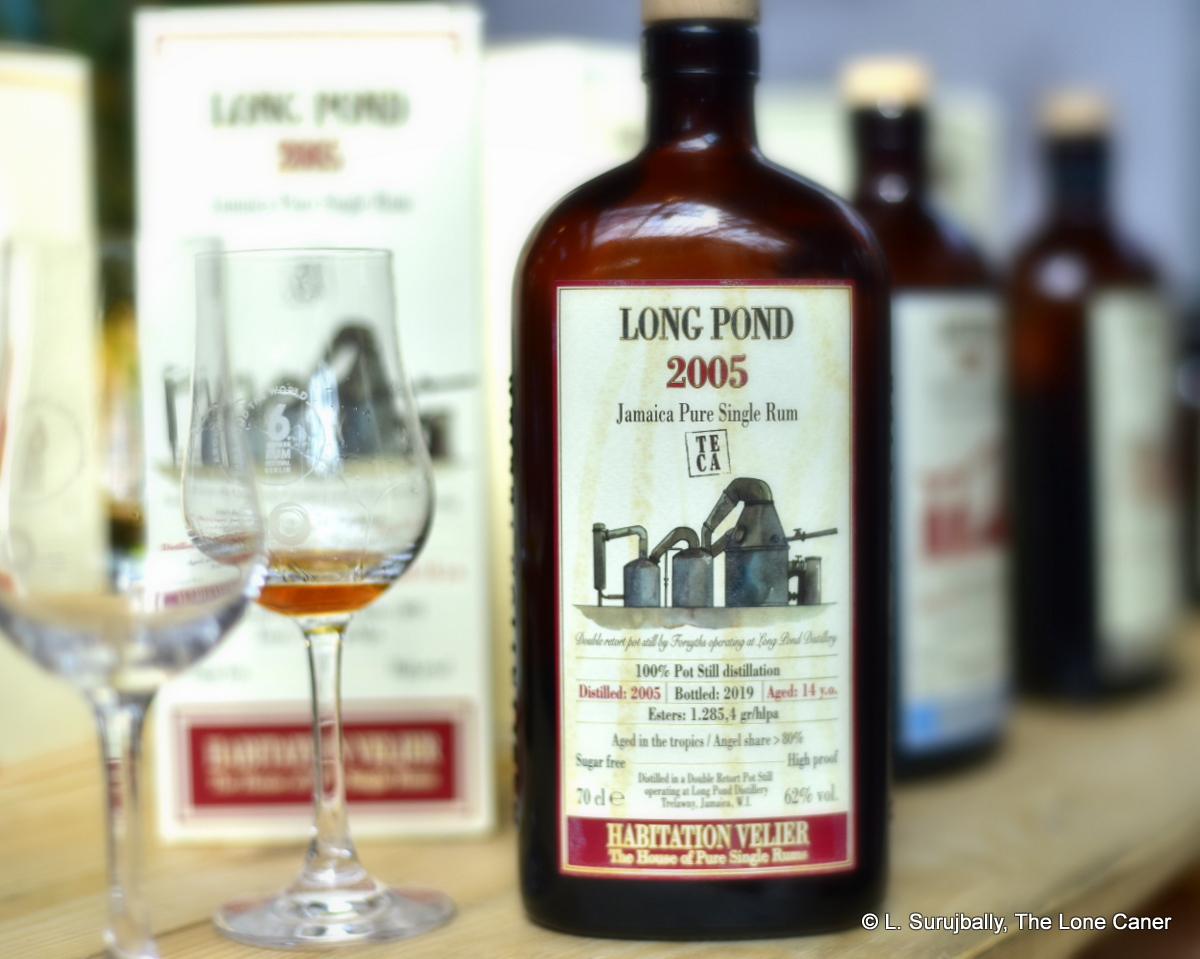
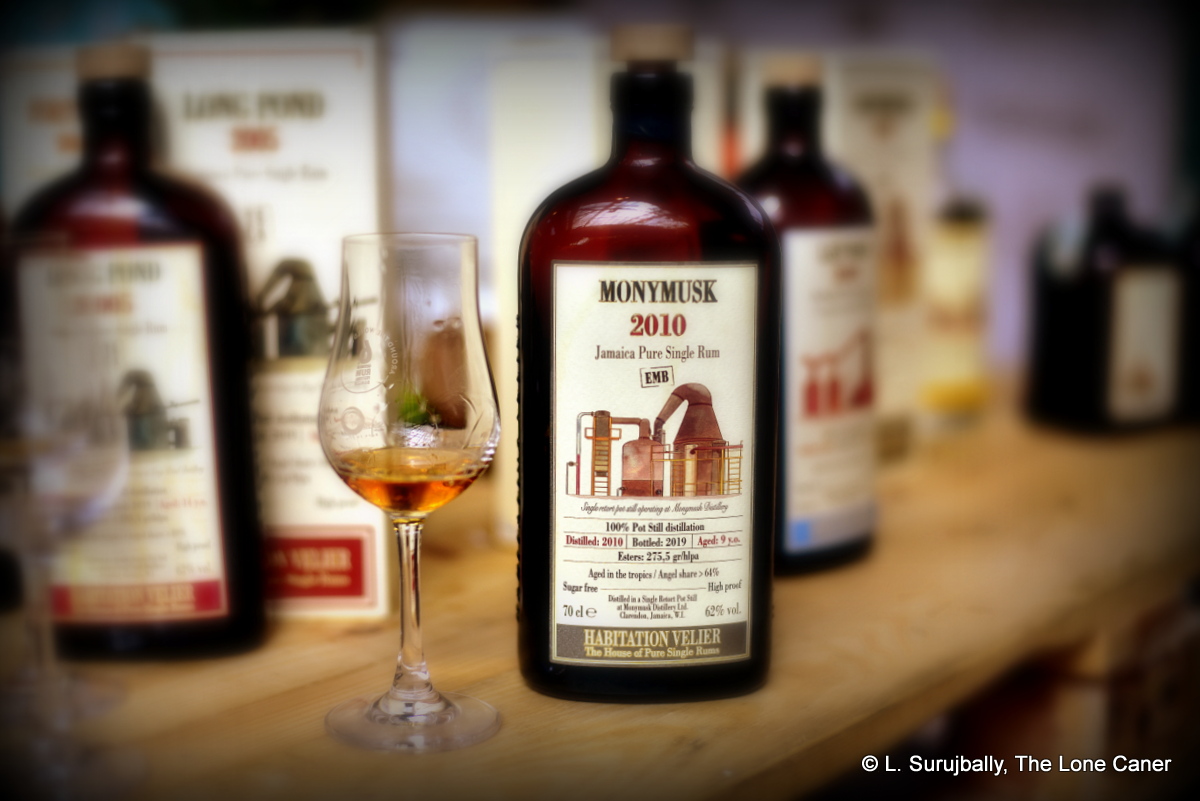
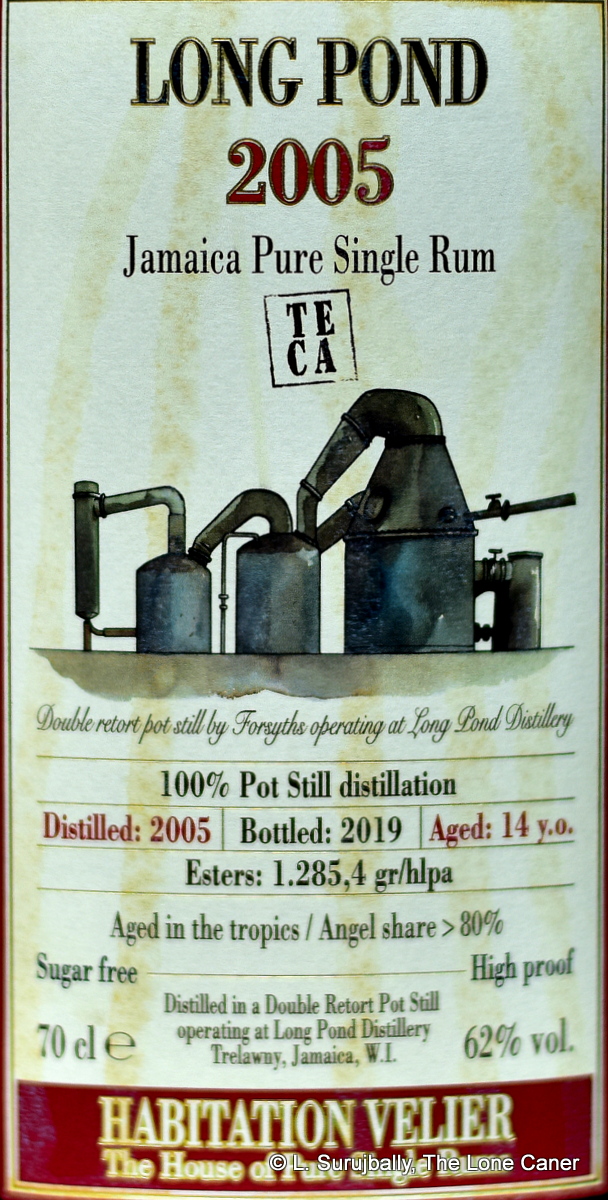 Let’s see if we can’t redress that somewhat. This is a Jamaican rum from Longpond, double pot still made, 62% ABV, 14 years old, and released as one of the pot still rums the Habitation Velier line is there to showcase. I will take it as a given it’s been completely tropically aged. Note of course, the ester figure of 1289.5 gr/hlpa, which is very close to the maximum (1600) allowed by Jamaican law. What we could expect from such a high number, then, is a rum sporting taste-chops of uncommon intensity and flavour, as rounded off by nearly a decade and a half of ageing – now, those statistics made the TECA 2018 detonate in your face and it’s arguable whether that’s a success, but here? … it worked. Swimmingly.
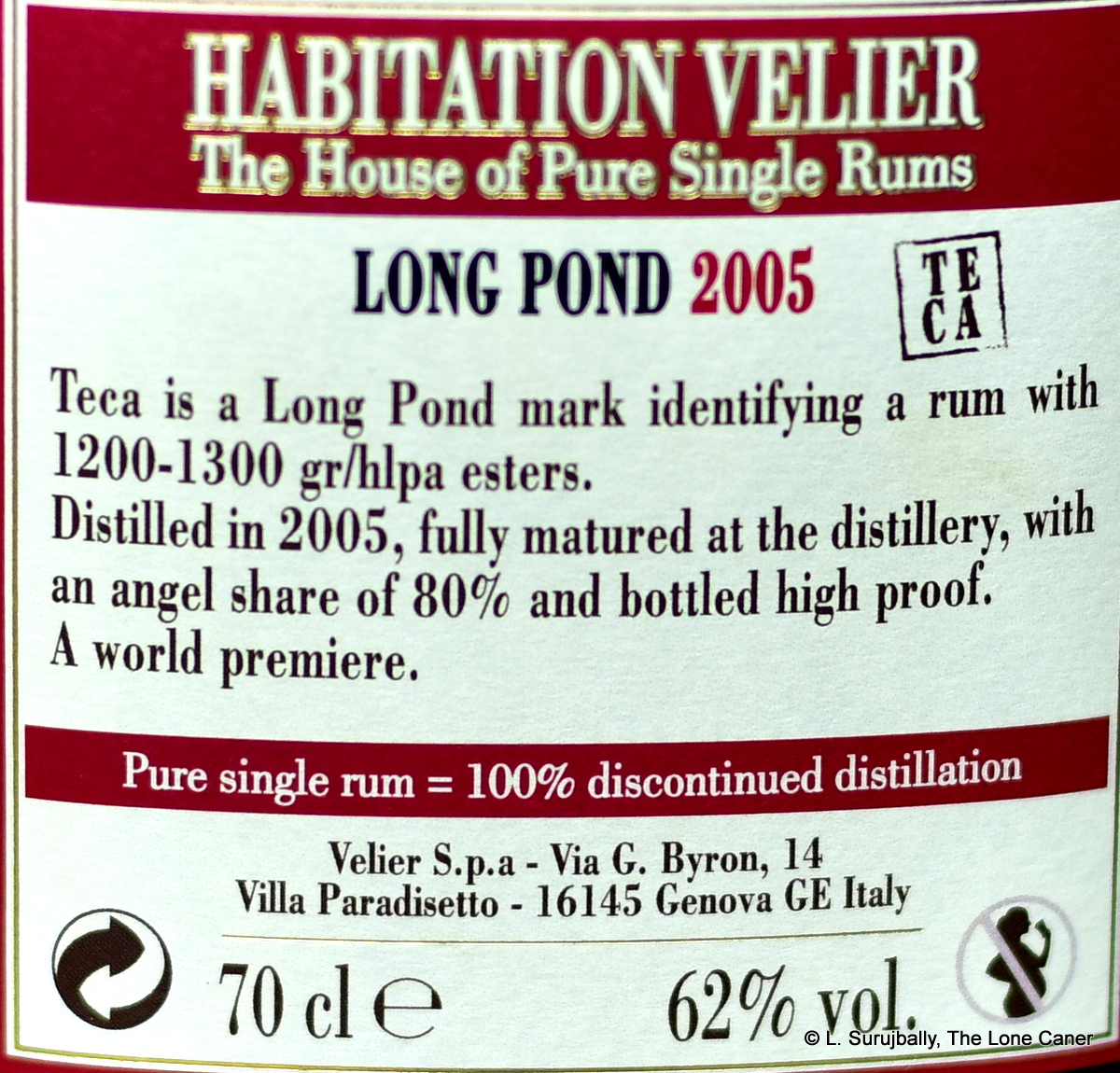 So – good or bad? Let’s see if we can sum this up. In short, I believe the 2005 TECA was a furious and outstanding rum on nearly every level. But that comes with caveats. “Fasten your seatbelt” remarked Serge Valentin
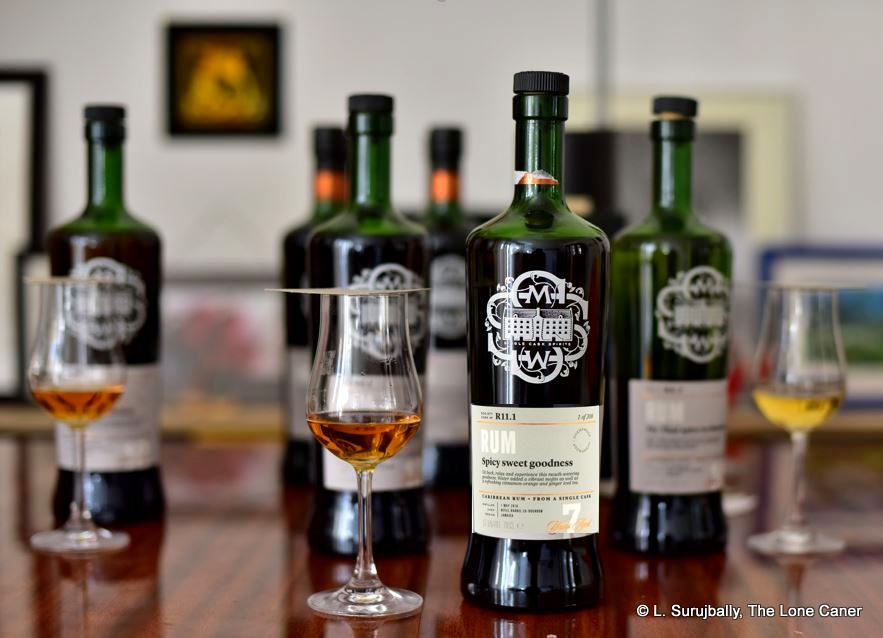
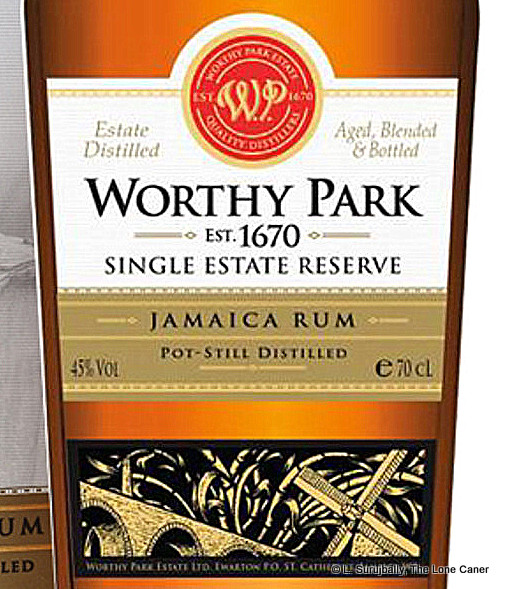
 Anyone from my generation who grew up in the West Indies knows of the scalpel-sharp satirical play “Smile Orange,” written by that great Jamaican playwright, Trevor Rhone, and made into an equally funny film of the same name in 1976. It is quite literally one of the most hilarious theatre experiences of my life, though perhaps an islander might take more away from it than an expat. Why do I mention this irrelevancy? Because I was watching the YouTube video of the film that day in Berlin when I was sampling the Worthy Park series R 11.3, and though the film has not aged as well as the play, the conjoined experience brought to mind all the belly-jiggling reasons I so loved it, and Worthy Park’s rums.
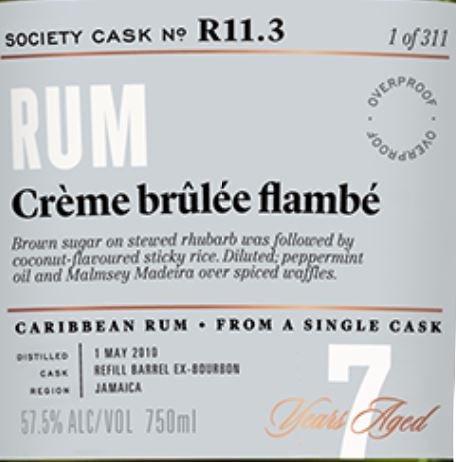 The distillation run from 2010 must have been a good year for Worthy Park, because the SMWS bought no fewer than seven separate casks from then to flesh out its R11 series of rums (R11.1 through R11.6 were distilled May 1st of that year, with R11.7 in September, and all were released in 2017). After that, I guess the Society felt its job was done for a while and pulled in its horns, releasing nothing in 2018 from WP, and only one more — R11.8 — the following year; they called it “Big and Bountiful” though it’s unclear whether this refers to Jamaican feminine pulchritude or Jamaican rums.
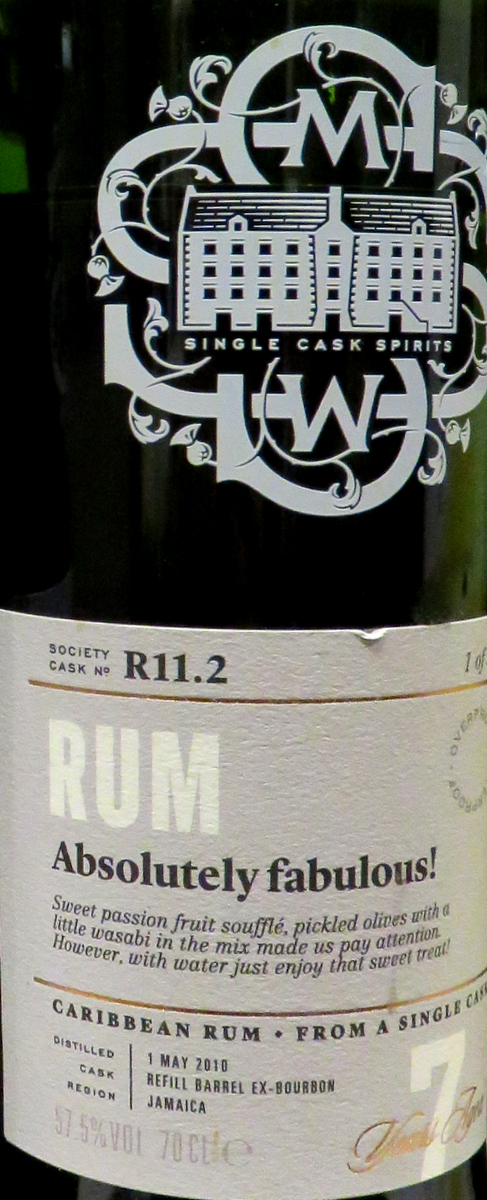 It sounds strange to say it, but the