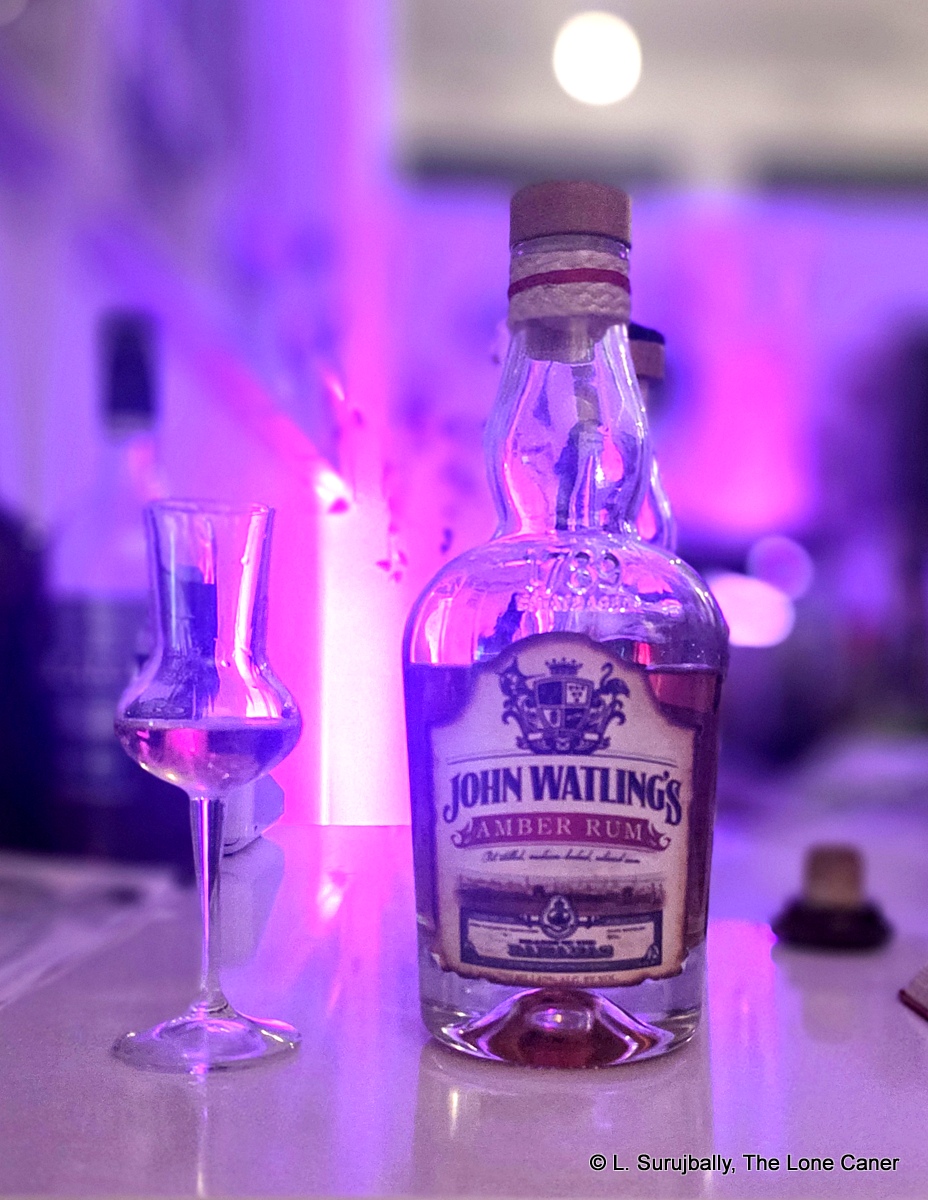
John Watlings Distillery out of the Bahamas, which was established on the Buena Vista estate in downtown Nassau in 2013, has a number of rums in their portfolio, few of which have excited any kind of splash. Pale, Amber, Buena Vista, Paradise (Sherry finish), and Single Barrel, and all except the last one are relatively young blends. They don’t say so outright – the website of the “distillery” is an exercise in frustrating obfuscation – but it’s reasonable to assume that they cater not to the international rum scene, but the Bahamas tourist and cruise ship trade.
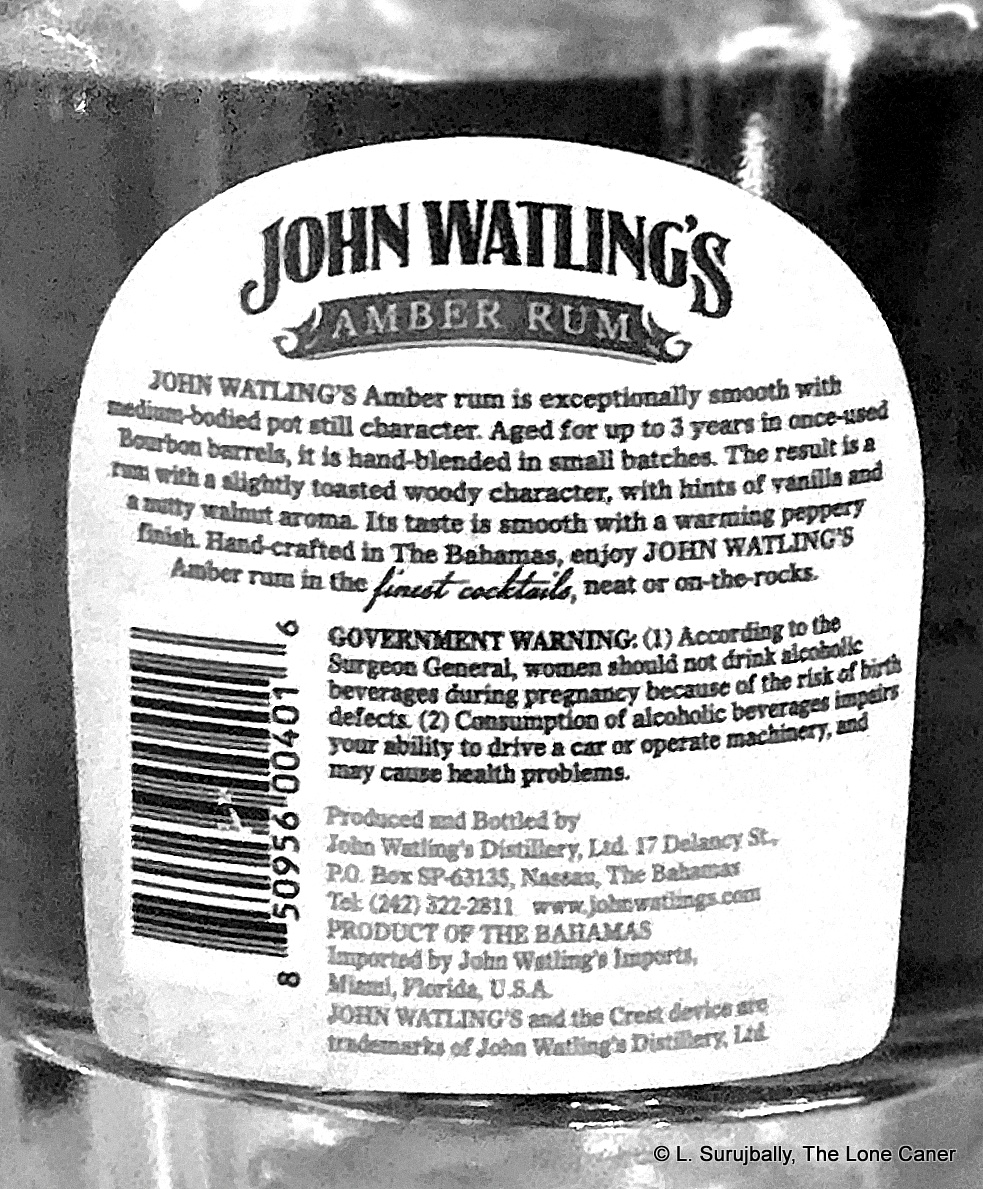
The Amber, which is one of two rums from their stable I managed to try, is a 40% ABV blended product of uncertain provenance, aged for three years in ex-bourbon barrels onsite, according to their website, which provides exactly zero additional information. It is, therefore, a mixing rum with no pretensions to terroire, a fancy still, weird fermentation processes or anything that in our world might elevate it a bit beyond the bartender’s mixing glass. And none of this is surprising, since, like Banks DIH in Guyana, they don’t actually have a still or distil anything, but buy in young or unaged rum stock and then age and blend it on their premises.
This is where more information rather than less would be useful. It was suggested that their single barrel edition hailed from Worthy Park (a selling point if there ever was one), but no data attends to the Amber. We are forced to deal with it sight unseen then, and we can throw terroire and production out the window since to all intents and purposes we start from the ageing and blending process of whatever it is that they threw into their barrels.
 That, alas, does not inspire. When nosed, the rum suggests a straight simplicity of wooden tannins, coffee grounds and some smoke, with caramel, vanilla and toffee, with the faintest hint of citrus and coconut shavings. There’s not a whole lot more to go on here. That’s enough for Government work, sure, but come on… haven’t we smelled this a hundred times before?
And taste-wise, it’s the same. Almost exactly the same. Light, almost sharp mouthfeel, slight tastes of wood and leather, some smoke, vanilla, toffee, caramel, faint coffee grounds, even fainter citrus, and if there are any coconut shavings on this go around, I couldn’t spot them. As is expected with a standard strength rum, the finish is quiet and faint and easy and adds literally nothing to the party – it’s here, and then a second later, it isn’t. A subdued whuff… and then a negligible poof.
So, with that brief tasting out of the way, how to sum up? Well… it’s a rum. It’s recognizable as such, tastes as such, and there’s little to disappoint if that’s all that one asks for – a taste, a quick drunk, a decent-enough mixing element. On that basis, you get what you came for. But for those who want something a little more exciting, something that might hopefully have channeled a master blender’s inner Mad Hatter (looking at you there, Oliver Chilton)… it’s uninspiring, it’s unchallenging, and we’ve had this kind of milquetoast standard profile since our rum babyhood. Yes, sure, it takes us to familiar places in our memories – but once there, we get no real comfort, and for sure we make no new discoveries.
(#1155)(74/100) ⭐⭐½
Company background
Founded in 2013 as an adjunct to the Buena Vista estate in Nassau (famed these days for having Casino Royale filming some scenes there), John Watlings “Distillery” — which is not a distillery — strikes me as very similar to Banks DIH in Guyana with a nod to St Nicholas Abbey. The former is a blender without a still, the latter a micro distillery in a scenic historical setting which makes decent rums.
From what I’m seeing and tasting, Watlings’s rums are something of a sideshow to add some rustic colour to their estate tours. It’s probably no accident that the actual production processes are given scant mention on the company website, and one has to delve deep and on to other touristy websites to understand that they are blenders with an ageing cellar – not distillers. The source of their distillate is kept a secret (of course it is), though one wonders in this day and age exactly why they bother, since those are selling points in their own right, sometimes.
I make these remarks not to diss the company — they have to make payroll like anyone else — but to express something of my dissatisfaction with the sort of “good ‘nuff” mentality that says they can make any old rum in any old way, add some local pirate-themed colour, and it’ll sell, which I see far too often from small rum making establishments that serve the island tourist trade rather than actually try to make something interesting. Is that fair? Maybe not, but it’s hard to escape the conclusion when one sees how little one has to go on when one tries to research anything about the rums themselves, and then tastes it to find so very little there.
Other notes
- YouTube video review link TBA
- There is a history behind the name of John Watling, who was a pirate (or buccaneer, take your pick). I have elected not to discuss that in this review in any depth, since I have a cordial dislike of pirates, peg legs and parrots when it comes to rum and its promotion. The story of the man is available on Wikipedia, for those who are interested.






 But a gent called
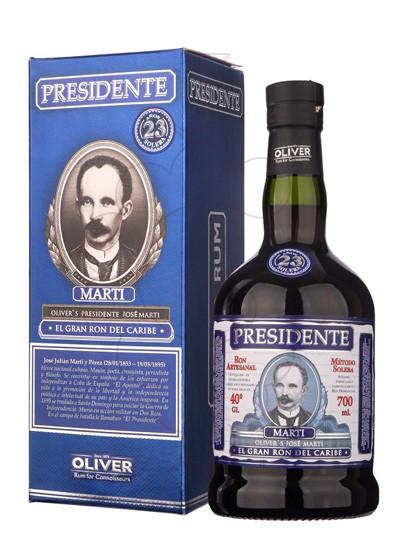
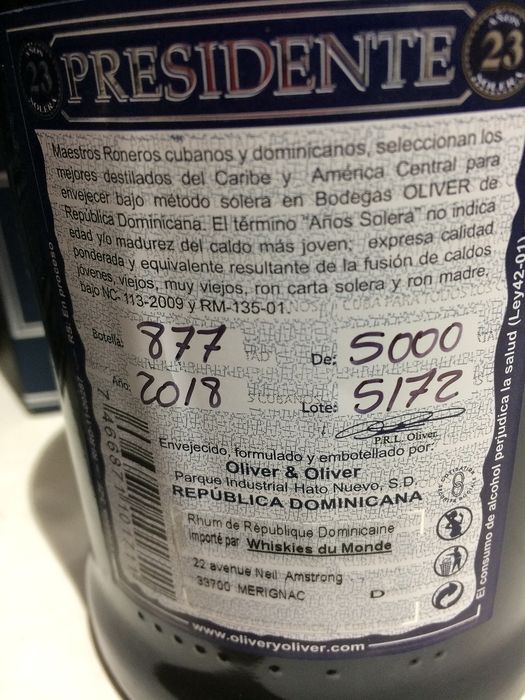 It gets no better when tasted. It’s very darkly sweet, liqueur-like, giving up flavours of prunes and stewed apples (again); dates; peaches in syrup, yes, more syrup, vanilla and a touch of cocoa. Honey, Cointreau, and both cloying and wispy at the same time, with a last gasp of caramel and toffee. The finish is thankfully short, sweet, thin, faint, nothing new except maybe some creme brulee. It’s a rum that, in spite of its big number and heroic Jose Marti visage screams neither quality or complexity. Mostly it yawns “boring!”
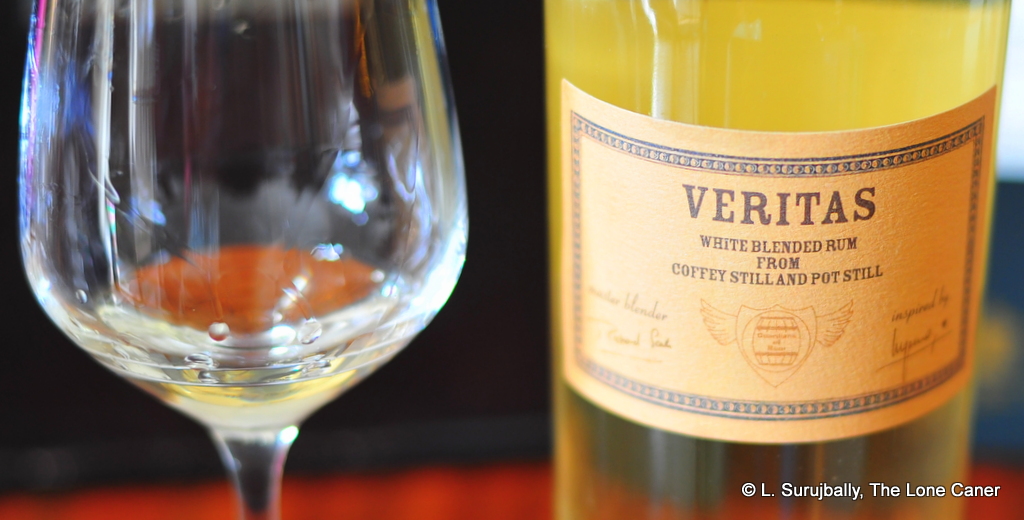
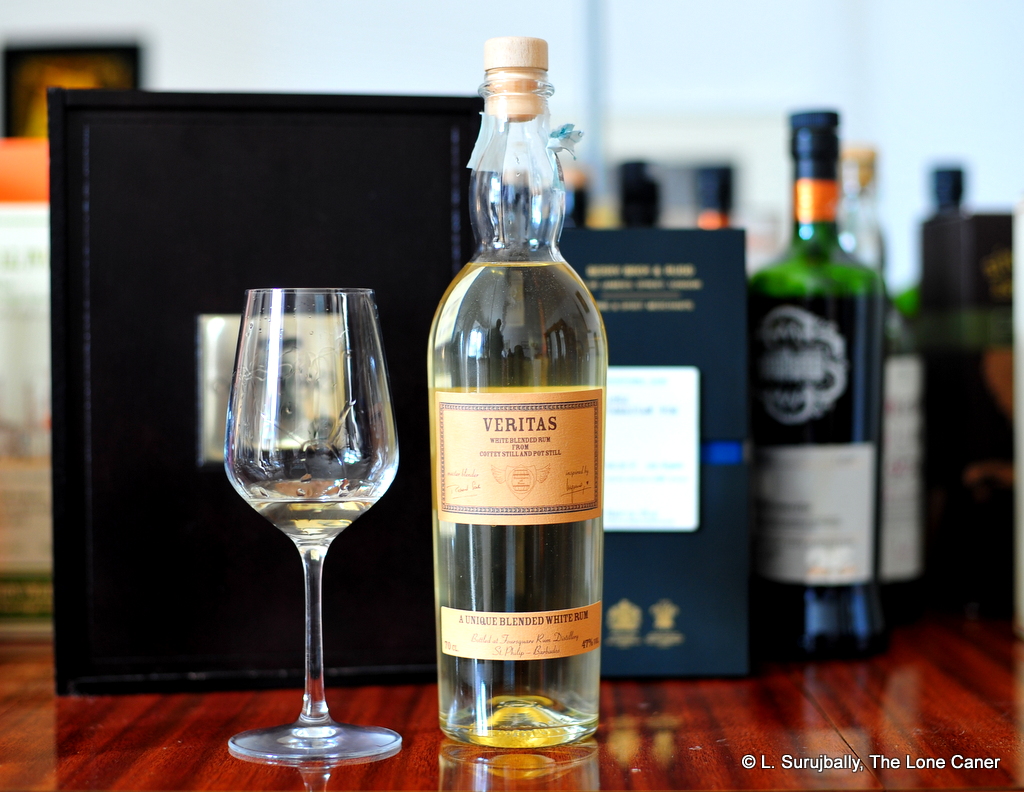
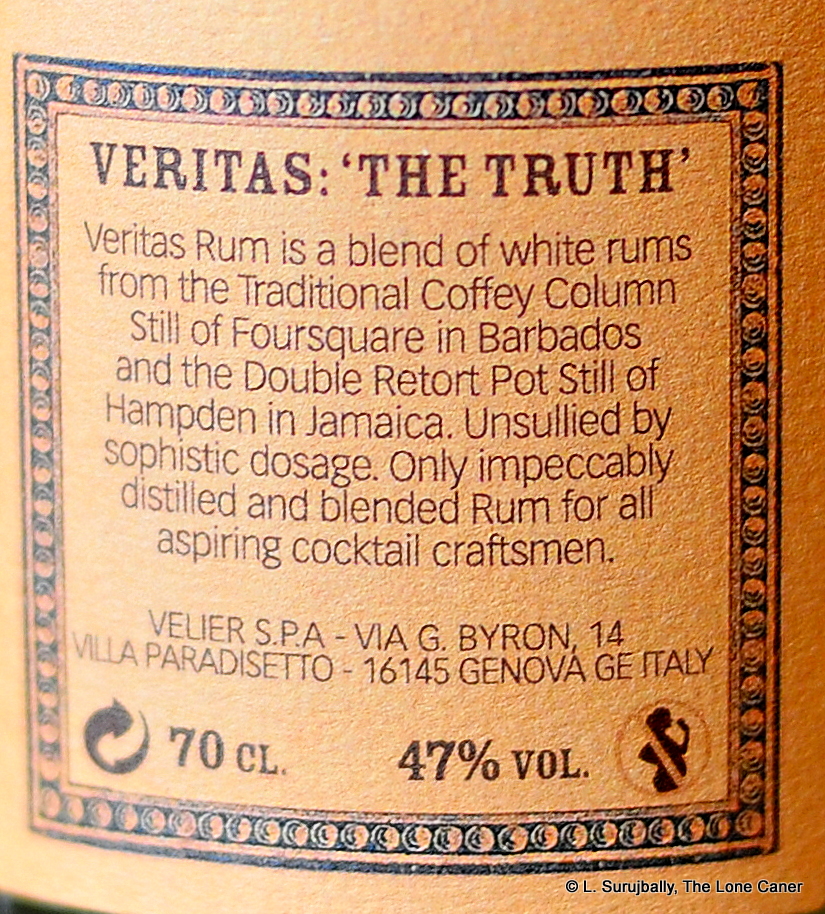 When it really comes down to it, the only thing I didn’t care for is the name. It’s not that I wanted to see “Jamados” or “Bamaica” on a label (one shudders at the mere idea) but I thought “Veritas” was just being a little too hamfisted with respect to taking a jab at Plantation in the ongoing feud with Maison Ferrand (the statement of “unsullied by sophistic dosage” pointed there). As it turned out, my opinion was not entirely justified, as Richard Seale noted in a comment to to me that… “It was intended to reflect the simple nature of the rum – free of (added) colour, sugar or anything else including at that time even addition from wood. The original idea was for it to be 100% unaged. In the end, when I swapped in aged pot for unaged, it was just markedly better and just ‘worked’ for me in the way the 100% unaged did not.” So for sure there was more than I thought at the back of this title.
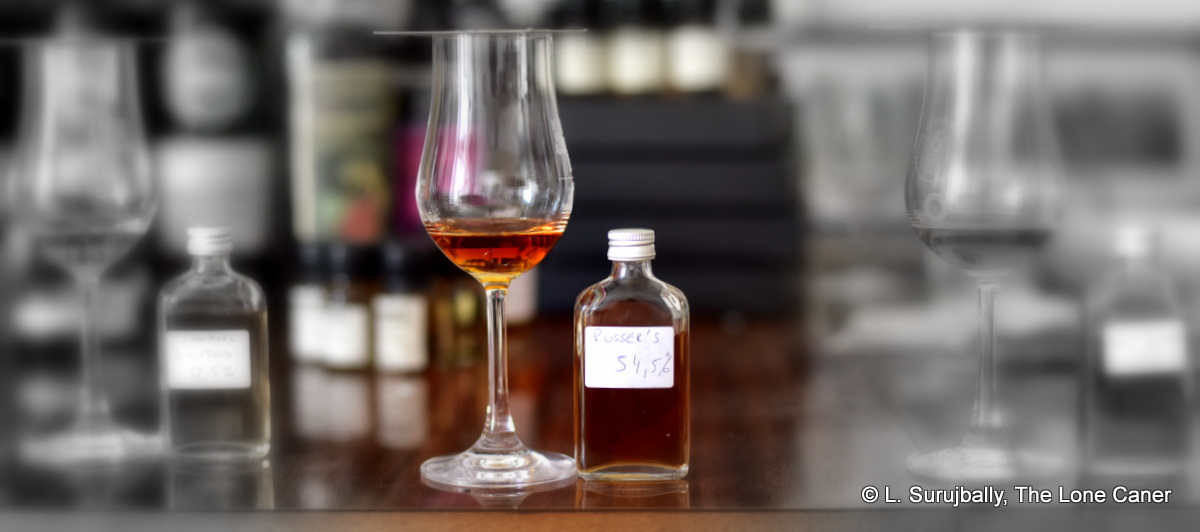
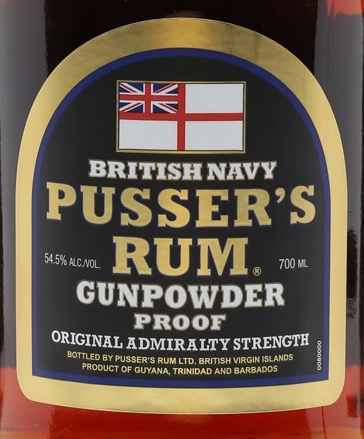 That provided, let’s get right into it then, nose forward. It’s warm but indistinct, which is to say, it’s a blended melange of several things — molasses, coffee (like

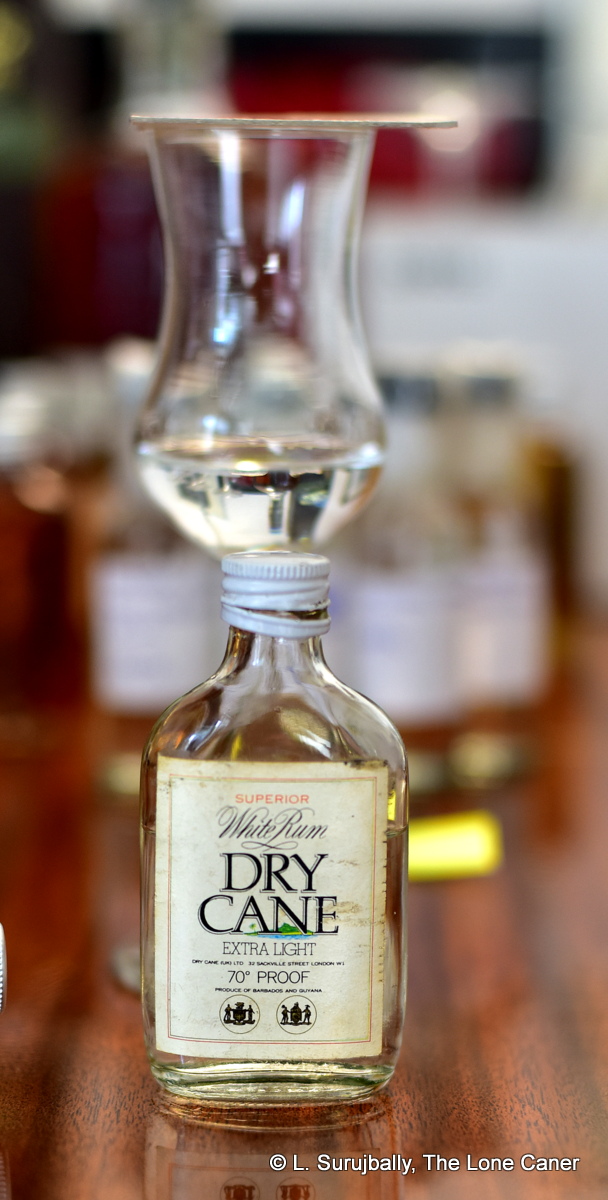
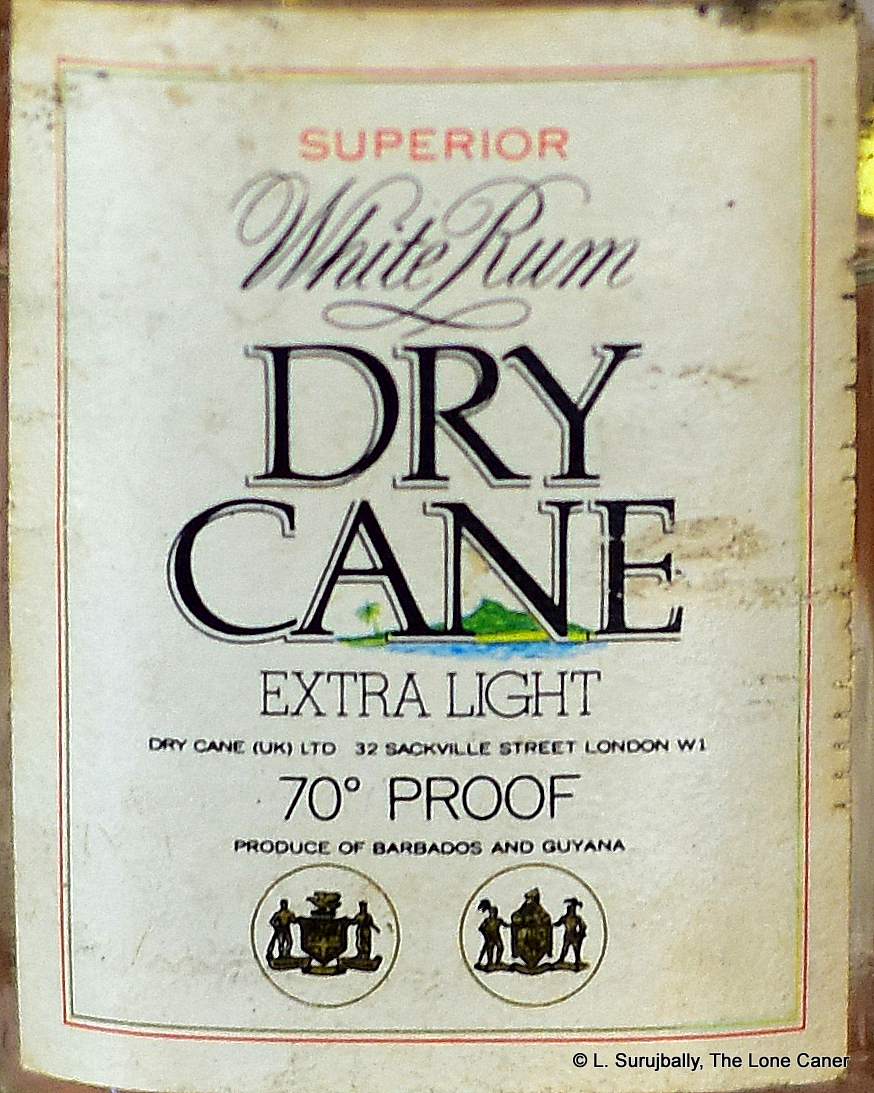
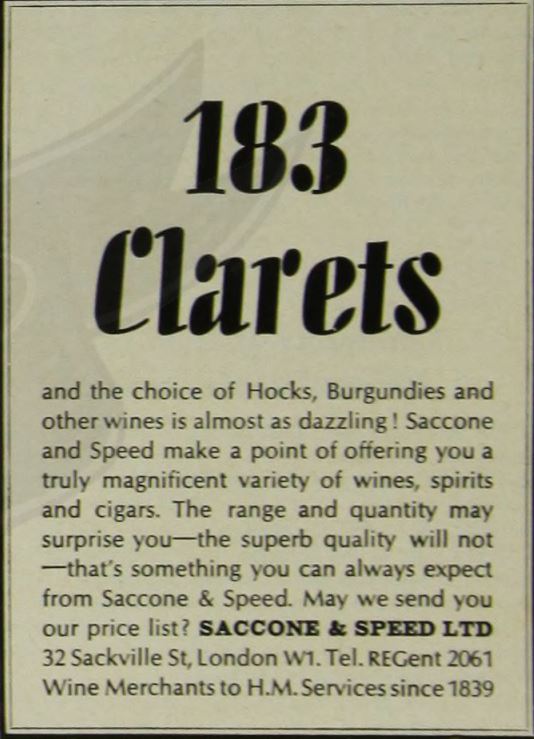 My inference is therefore that Dry Cane was a financing vehicle or shell company or wholly owned subsidiary set up for a short time to limit the exposure of the parent company (or Kinloch), as it dabbled in being an independent bottler — and just as quickly retreated, for no further products were ever made so far as I can tell. But since S&S also acquired a Gibraltar drinks franchise in 1968 and gained the concession to operate a duty free shop at Gibraltar airport in 1973, I suspect this was the rationale behind creating the rums in the first place, through the reason for its cessation is unknown. Certainly by the time S&S moved out of Sackville Street in the 1980s and to Gibraltar (where they remain to this day as part of a large conglomerate), the rum was no longer on sale.
 Palate – Light and inoffensive, completely bland. Pears, sugar water, some mint. You can taste a smidgen of alcohol behind all that, it’s just that there’s nothing really serious backing it up or going on.
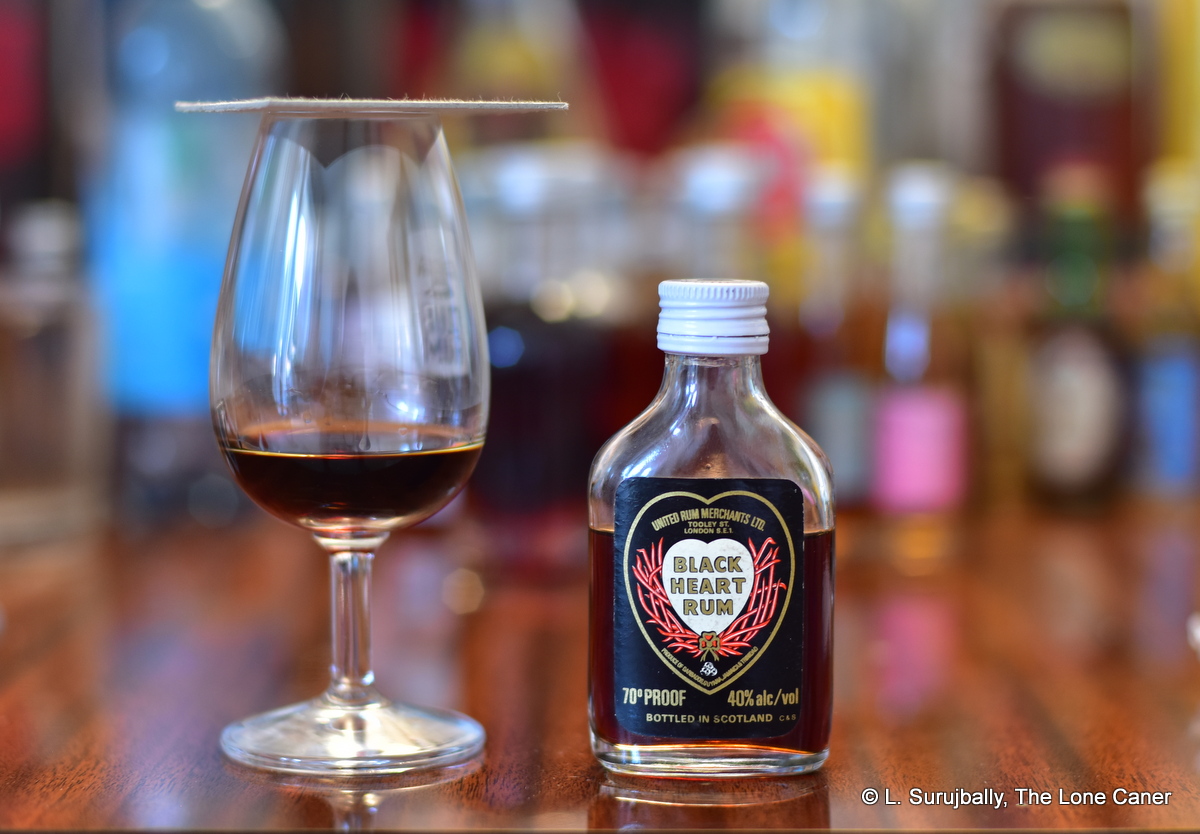
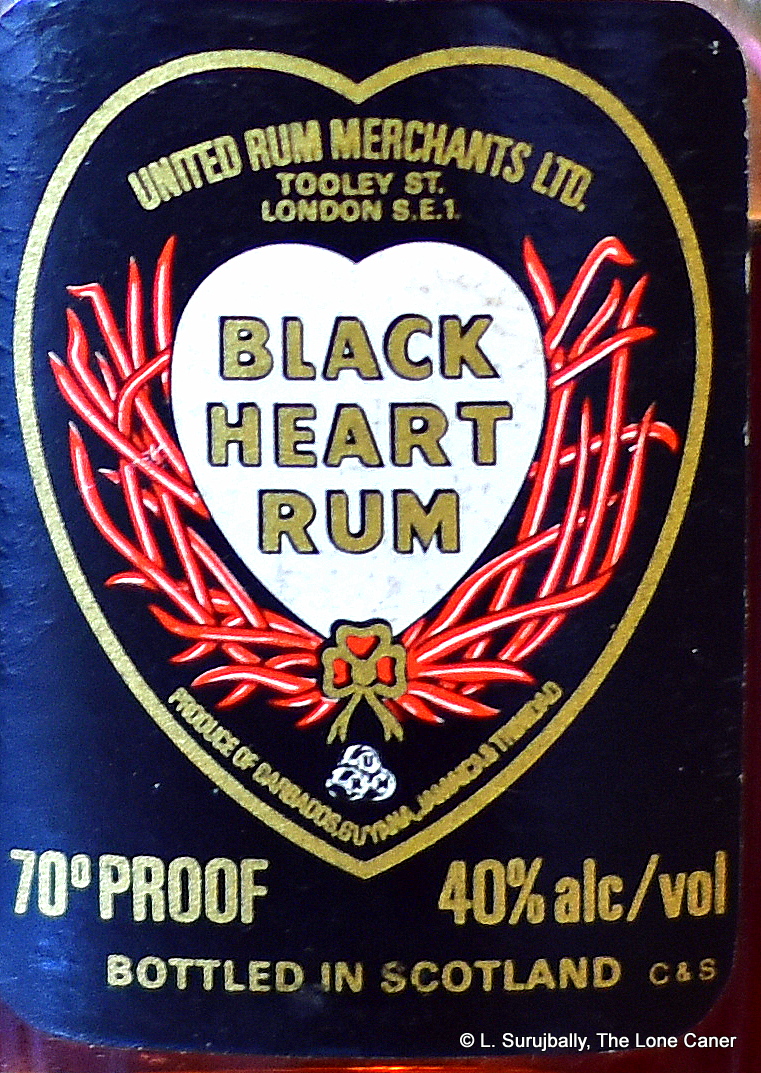 Colour – Very dark brown
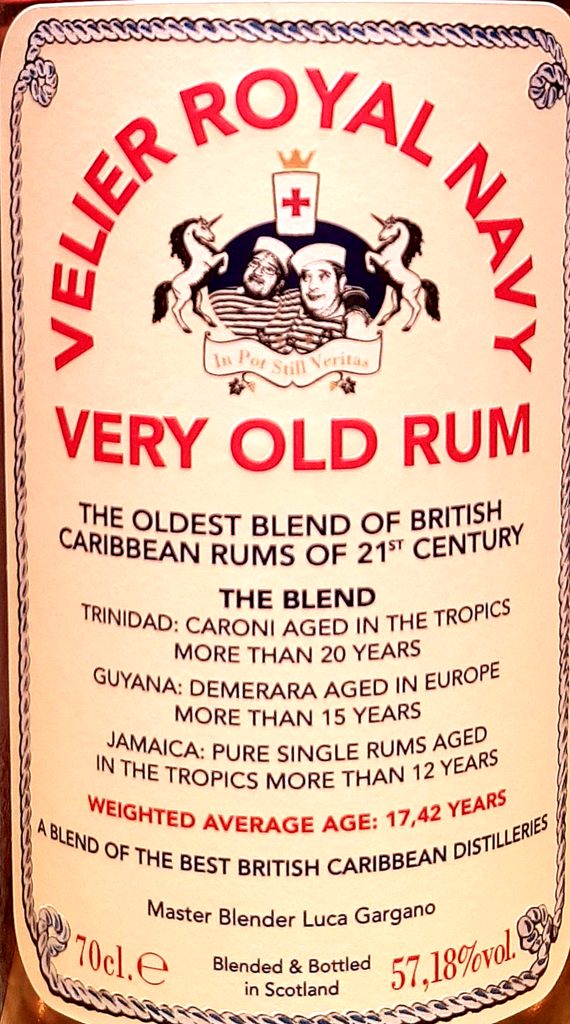 The nose suggested that this wasn’t far off. Mild for the strength, warm and aromatic, the first notes were deep petrol-infused salt caramel ice cream (yeah, I know how that sounds). Combining with that were some rotten fruit aromas (mangoes and bananas going off), brine and olives that carried the flag for the Jamaicans, with sharp bitter woody hints lurking around; and, after a while, fainter wooden and licorice notes from the Mudlanders (I’d suggest Port Mourant but could be the Versailles, not sure). I also detected brown sugar, molasses and a sort of light sherry smell coiling around the entire thing, together with smoke, leather, wood, honey and some cream tarts. Quite honestly, there was so much going on here that it took the better part of an hour to get through it all. It may be a navy grog, but definitely is a sipper’s delight from the sheer olfactory badassery.
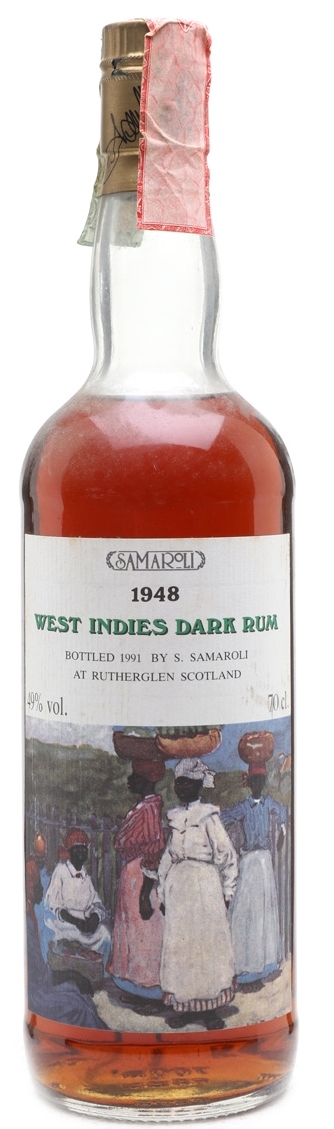 Rumaniacs Review #84 | 0554