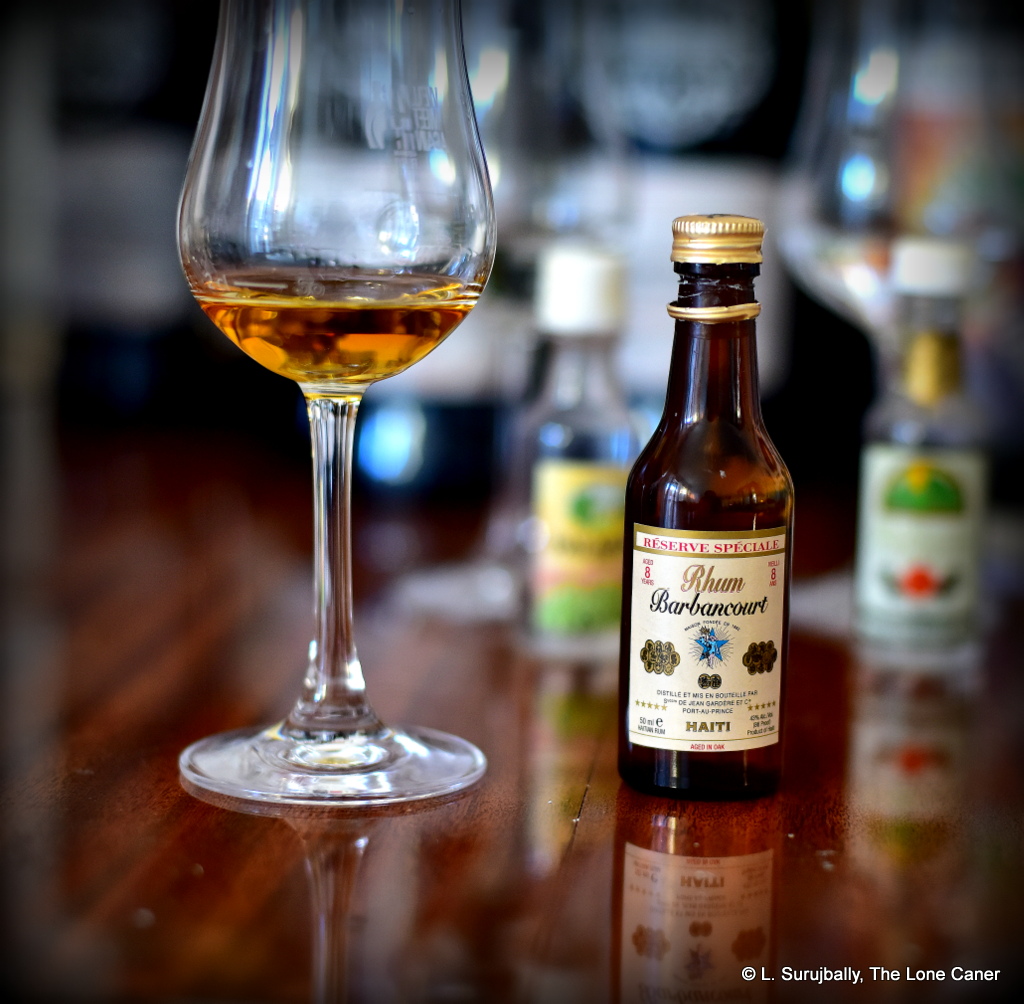
Haiti is unique as a nation because it is where the only successful slave revolt in the world took place, at the turn of the 18th century. Sadly, it is now the poorest country in the western hemisphere, and successive dictatorships, foreign interference and natural disasters have left the place in shambles.
That any businesses manage to survive in such an environment is a testament to their resilience, their determination, their ingenuity….and the quality of what they put out the door. The country has become the leading world producer of vetiver (a root plant used to make essential oils and fragrances), exports agricultural products and is a tourist destination, yet perhaps it is for rum that its exports are best known, and none more so than those of Barbancourt, formed in 1862 and still run by the descendants of the founder.
Until the mid 20th century, Barbancourt was something of a cottage industry, selling primarily to the local market. In 1949 they relocated the sugar cane fields of the Domaine Barbancourt in the plaine du Cul-de-Sac region in the south east, and by 1952 ramped up production, increased exports and transformed the brand into a major producer of quality rum, a distinction it has held ever since.
The rhum, based on sugar cane juice not molasses, used to be double-distilled, using pot stills in a process similar to that used to produce cognac (Dupré Barbancourt came from the cognac-producing region of Charente which was undoubtedly his inspiration); however, nowadays they use a more efficient (if less character-driven) three-column continuous distillation system, where the first column strips the solid matter from the wash and the second and third columns serve to concentrate the resultant spirit…so what is coming to the market now is not what once was made by the company.
Haiti has no shortage of other rhum producing companies – but smaller outfits like Moscoso Distillers or LaRue Distillery are much less well-known and export relatively little, (and back-country clairins are in a different class altogether)…and this makes Barbancourt the de facto rum standard bearer for the half island, and one of the reasons I chose it for this series. This is not to dismiss the efforts of all the others, or the the artisanal quality of the clairins that Velier has brought to world attention since 2014 — just to note that they all, to some extent, live in the shadow of Barbancourt; which in turn, somewhat like Mount Gay, seems in danger of being forgotten as a poster boy for Haiti, now that the pure artisanal rum movement gathers a head of steam.
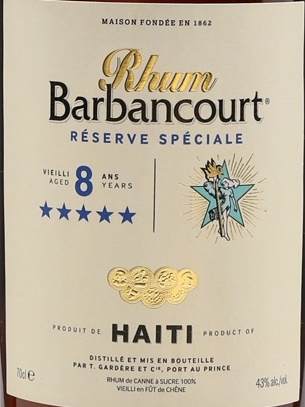
The current label of the 8YO
Barbancourt’s rhums are not issued at full proof: they prefer a relatively tame 40-43%, and every possible price point and strength is not catered to. The company has a relatively small stable of products: the Blanc, the 3-star 4 Year Old, the 5-star 8 Year Old and the flagship 15 year old (Veronelli’s masterful 25 year old is a Barbancourt rhum, but not issued by them). Though if one wanted to get some, then independent bottlers like Berry Bros., Bristol Spirits, Duncan Taylor, Cadenhead, Samaroli, Plantation and Compagnie des Indes (among others) do produce stronger and more exacting limited offerings for the enthusiasts.
Yet even with those few rhums they make, whatever the competition, and whether one calls it a true agricole or not, the rhums coming from Barbancourt remain high on the quality ladder and no rumshelf could possibly be called complete without at least one of them. After trying and retrying all three major releases, my own conclusion was that at the intersection of quality and price, the one that most successfully charts a middle course between the older and the younger expressions is the 5-star 8 year old (I looked at it last way back in 2010, as well as one earlier version from back in the 1970s) which remains one of the workhorses of the company and the island, an excellent mid-level rum that almost defines Barbancourt.
It does display, however, somewhat of a schizophrenic profile. Take the nose, for example – it almost seems like a cross between a molasses based rum and an agricole. While it certainly possesses the light, herbal aroma of a cane-juice distillate, it also smells of a light kind of brown sugar and molasses mixed up with some bananas and vanilla (it was aged in French oak on Haiti, which may account for the latter). There’s also a sly briny background, combined with a pleasant hints of nougat and well polished leather, plus the subdued acidity of green apples, grapes and cumin. Not all that intense at 43%, but excellent as an all-rounder for sure.
What the nose promises, the palate delivers, and yet that peculiar dichotomy continues. It’s soft given the strength, initially tasting of caramel, toblerone, almonds and vague molasses and vanilla (again). Brine and olives. Spices – cumin, cinnamon, plus raisins, a certain delicate grassiness and maybe a plum or two (fruitiness is there, just understated). Nope, it doesn’t feel like a completely cane juice distillate, or, at best, if feels like an amalgam leading neither one way or the other, and the close sums all that up. It’s medium long, with salt caramel ice cream, vanilla, a bit of raisins and plums, a fine line of citrus, a little cinnamon dusting, and a last reminder of oaky bitterness in a relatively good, dry finish.
What makes the Barbancourt 8 YO so interesting — even unique — is the way the makers played with the conventions and steered a center line that draws in lovers of other regions while not entirely abandoning the French island antecedents. It reminds me more of a Guadeloupe rhum than an out-and-out agricole from Martinique, with perhaps a pinch of Bajan thrown in. However, it’s in no way heavy enough to invite direct comparisons to any Demerara or Jamaican product.
So, does it fail as a Key Rum because of its indeterminate nature, or because it lacks the fierce pungency of a clairin, the full grassy nature of a true agricole?
Not at all, and not to me. It’s a completely solid rhum with its own clear profile, that succeeds at being drinkable and enjoyable on all levels, without being visibly exceptional in any specific way and sold at a price point that makes it affordable to the greater rum public out there. Many reviewers and most drinkers have come across it at least once in their journey (much more so than those who have tried clairins) and few have anything bad to say about it. It’s been made for decades, is well known and well regarded — not just because it’s from Haiti, but because it also has a great price to value ratio. There’s a lot of talk about “gateway” rums, cheaper and sometimes-adulterated rums that are good enough to enjoy and savour, that lead to more and better down the road. It’s usually applied to the Zacapas, Zayas, Diplos and younger rums of this world, but if you ever want to get more serious about aged agricoles, then the Barbancourt 8 YO may actually be one of those that actually deserves the title, and remains, even after all these years, a damned fine place to start your investigations.
(#592)(84/100)
Other Notes
In a curious coincidence, a post on reddit that did a brief review of this rhum went up just a few days before this was published. There are some good links contained within the commentary.
 Nose – Starts off with plastic, rubber and acetones, which speak to its (supposed) unaged nature; then it flexes its cane-juice-glutes and coughs up a line of sweet water, bright notes of grass, sugar cane sap, brine and sweetish red olives. It’s oily, smooth and pungent, with delicate background notes of dill and cilantro lurking in the background. And some soda pop.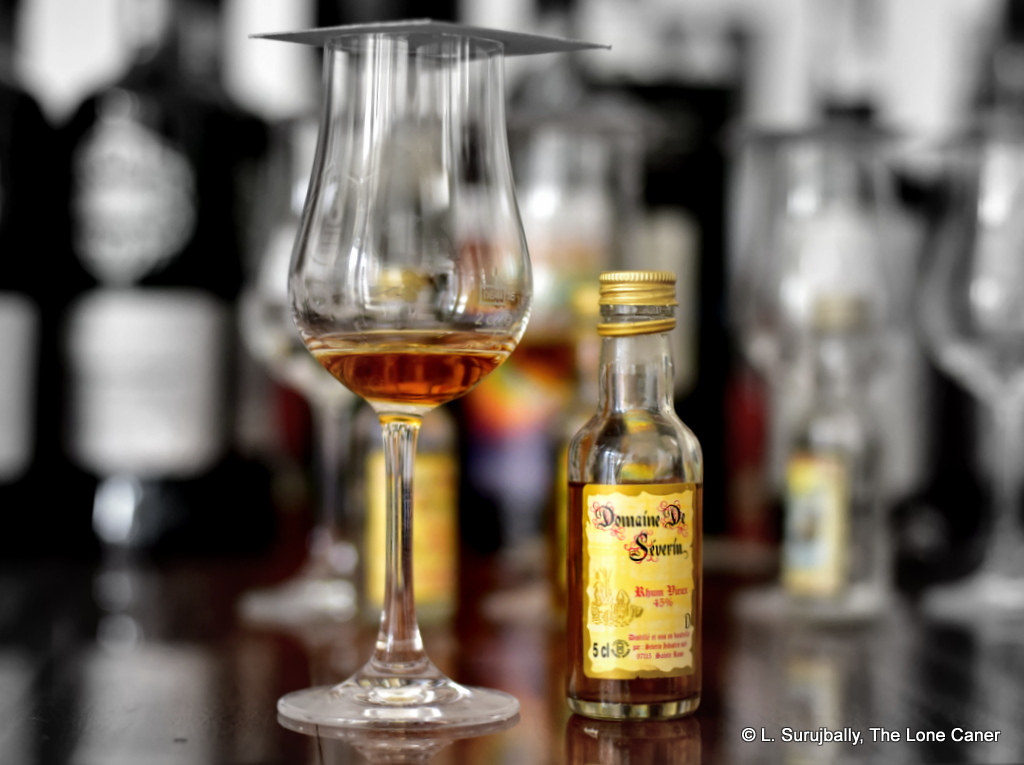
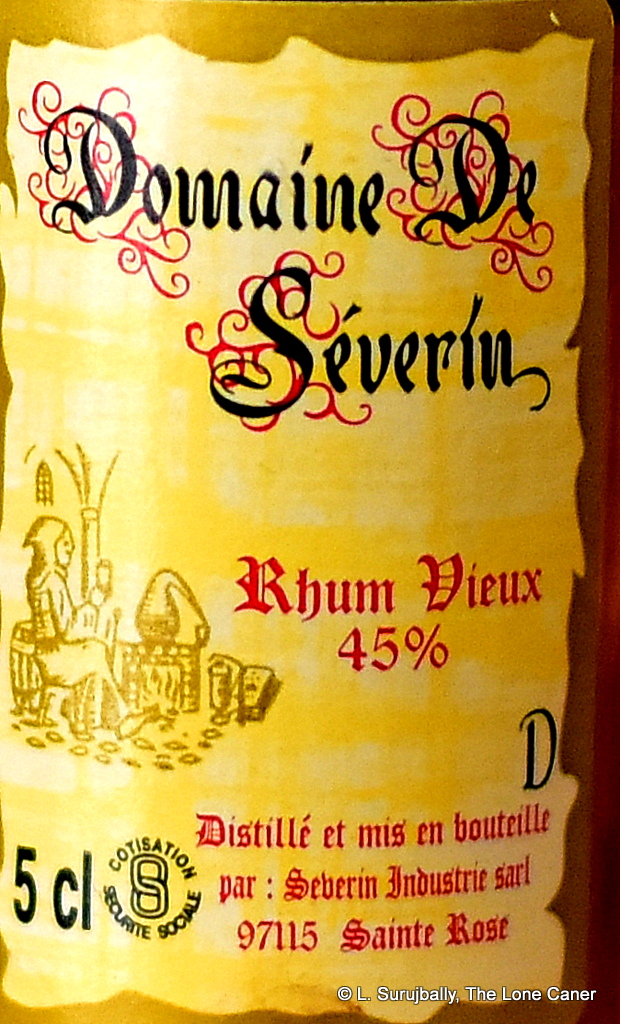 Colour – Gold
 Whether or not you can place Reunion on a map, you’ve surely heard of at least one of its three distilleries: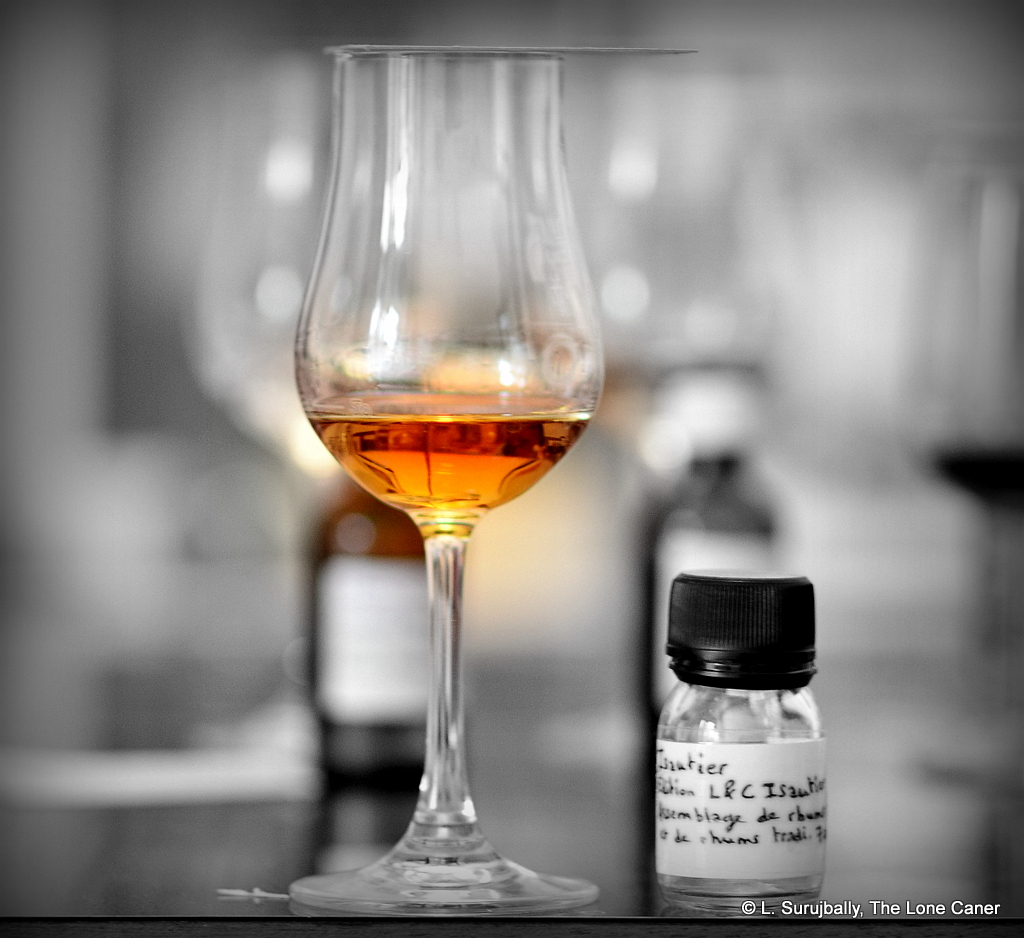


 I make this last observation because of its unrefined nature. Even at standard strength, it noses rather raw and jagged, even harsh. There are initial aromas of light glue, rotten bananas and some citrus, light in tone but sharp in attack. It also smells a little sweet and vanilla-like, with vague florals, apple cider, molasses, dates, peaches and dates, with the slightest rtang of burnt rubber coiling around the back there somewhere. But it sears more than caresses and it’s clear that this is not a lovingly aged product of any kind.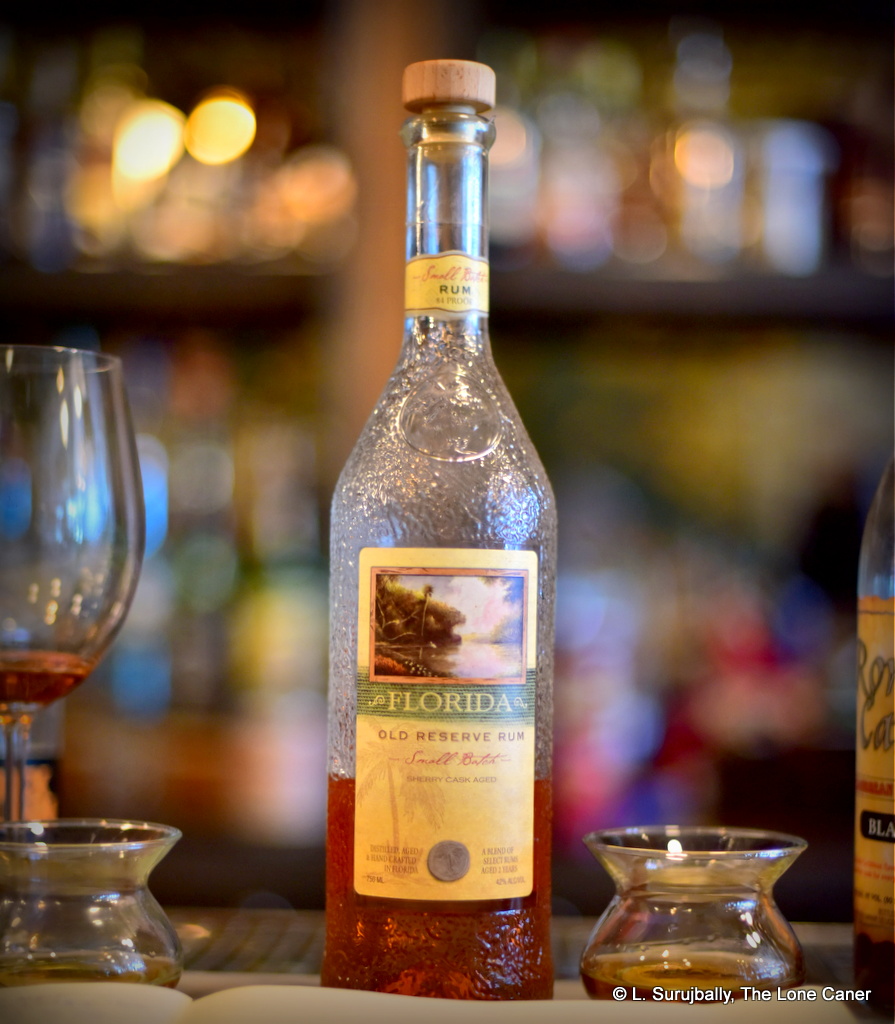
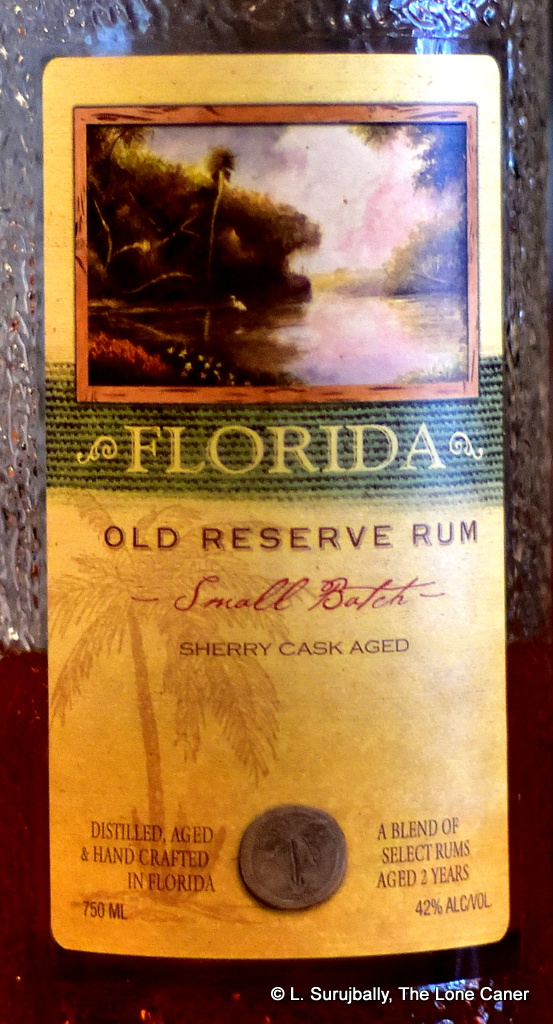 What it is, is a blend of “select rums” aged two years in sherry casks, issued at 42% and gold-coloured. One can surmise that the source of the molasses is the same as the Noxx & Dunn, cane grown in the state (unless it’s in Puerto Rico). Everything else on the front and back labels can be ignored, especially the whole business about being “hand-crafted,” “small batch” and a “true Florida rum” – because those things give the misleading impression this is indeed some kind of artisan product, when it’s pretty much a low-end rum made in bulk from column still distillate; and I personally think is neutral spirit that’s subsequently aged and maybe coloured (though they deny any additives in the rum).
 Until
Until 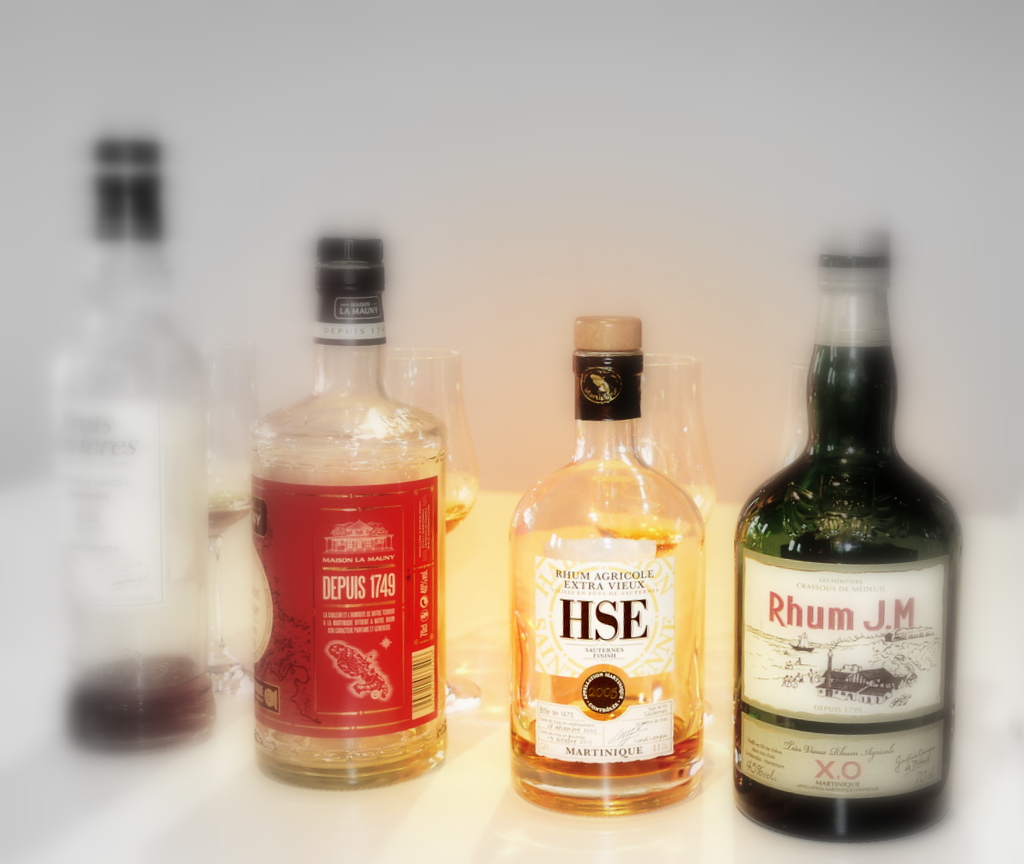
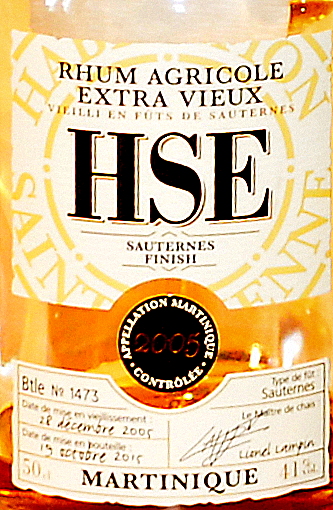 Given that it is nine years tropical ageing plus another year in the Sauternes casks, I think we could be expected to have a pretty interesting profile — and I wasn’t disappointed (though the low 41% strength did give me pause). The initial smells were grassy and wine-y at the same time, a combination of musk and crisp light aromas that melded well. There were green apples, grapes, the tart acidity of cider mixed in with some ginger and cinnamon, a dollop of brine and a few olives, freshly mown wet grass and well-controlled citrus peel behind it all.
 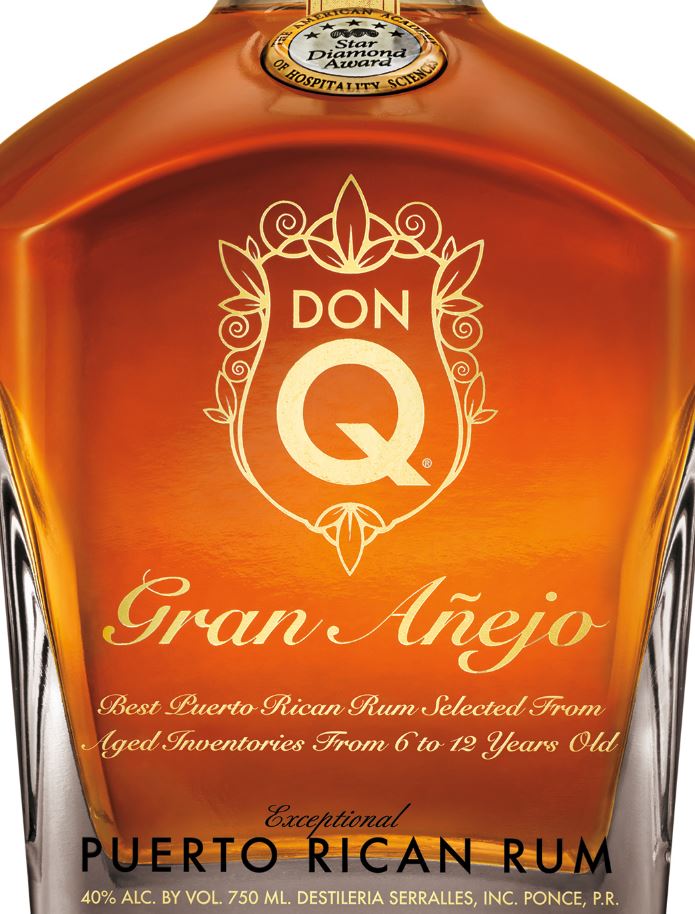 It’s a peculiarity of the sheer volume of rums that cross my desk, my glass and my glottis, that I get to taste rums some people would give their left butt cheek for, while at the same time juice that is enormously well known, talked about, popular and been tried by many….gets missed.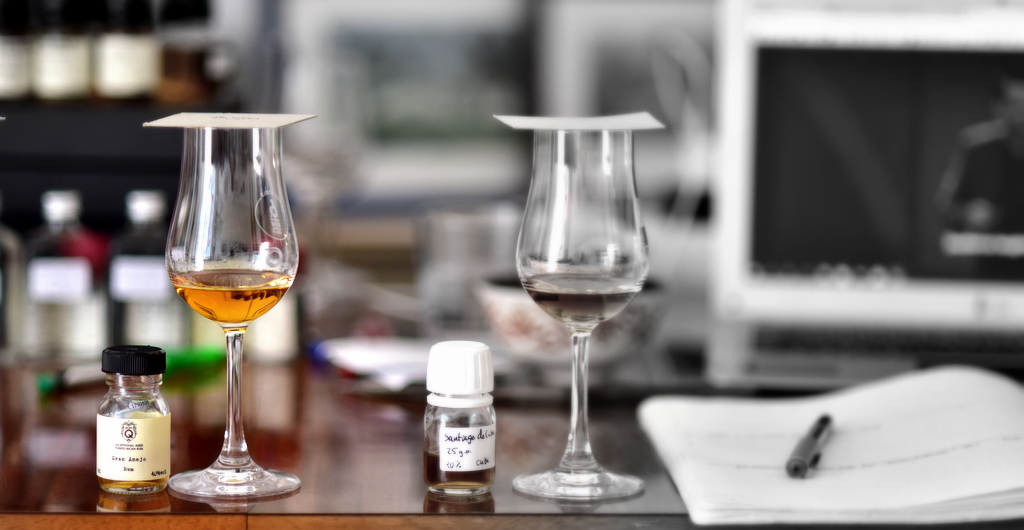
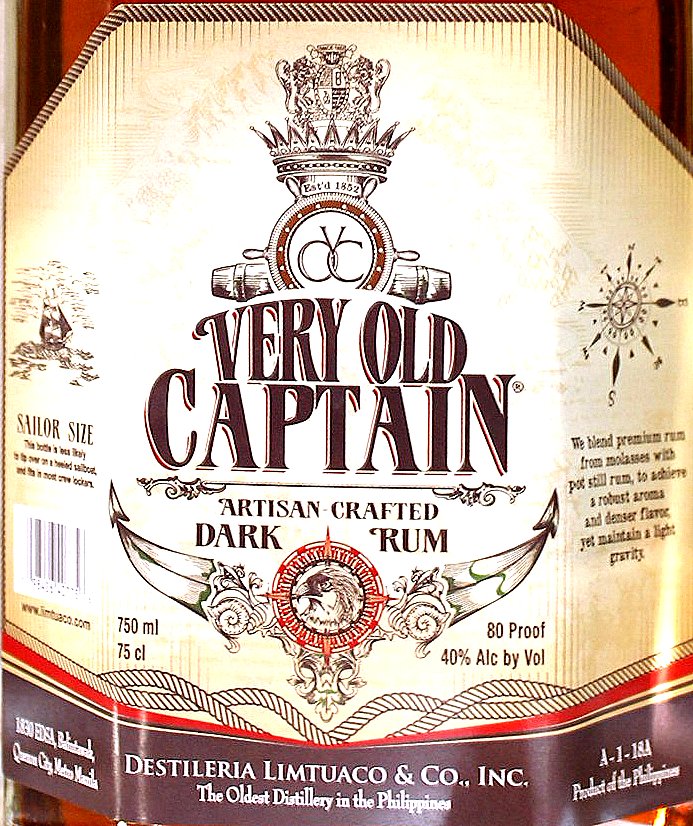
 Rumaniacs Review #091 | 0598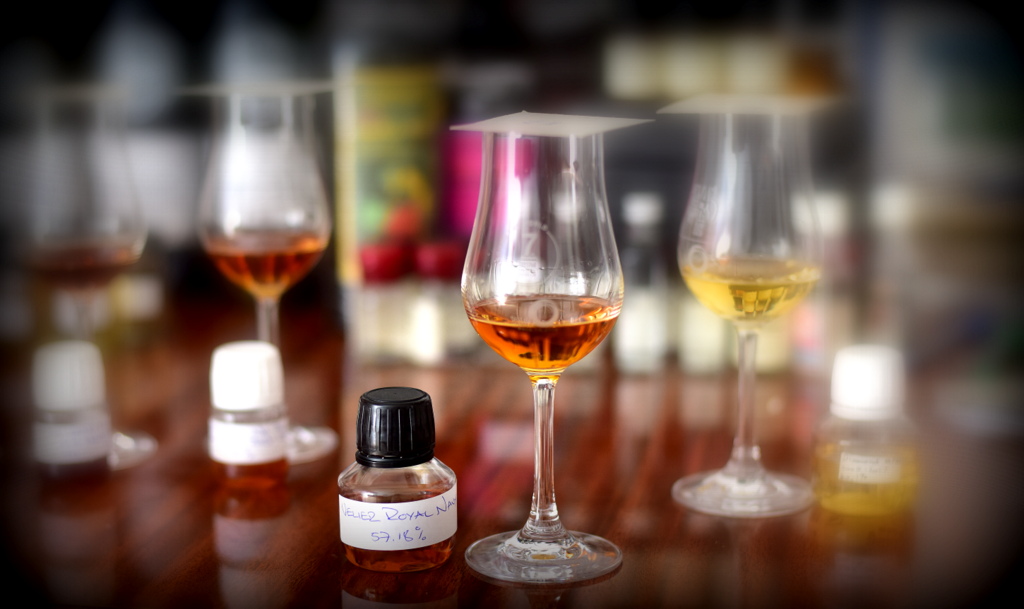
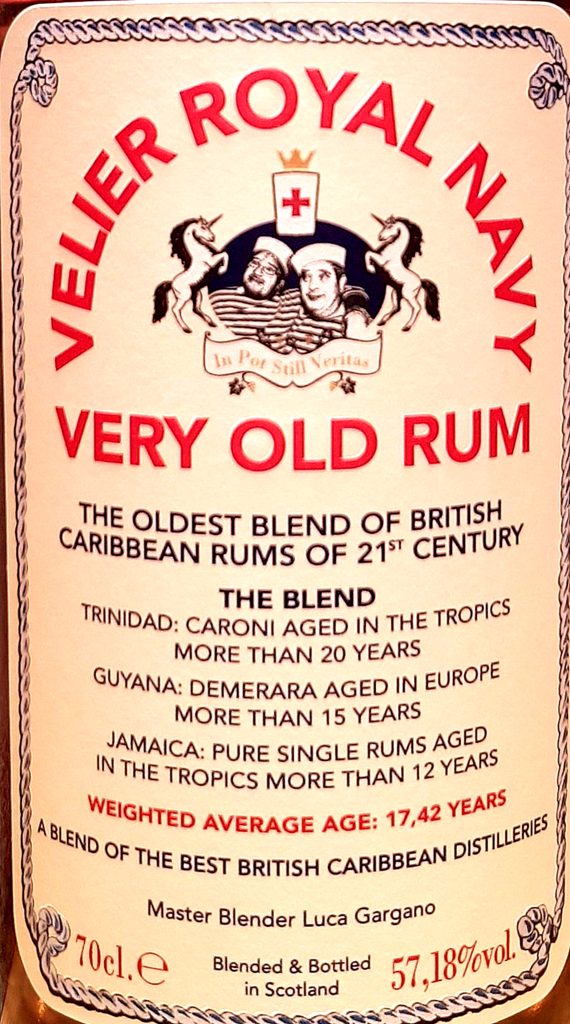 The nose suggested that this wasn’t far off. Mild for the strength, warm and aromatic, the first notes were deep petrol-infused salt caramel ice cream (yeah, I know how that sounds). Combining with that were some rotten fruit aromas (mangoes and bananas going off), brine and olives that carried the flag for the Jamaicans, with sharp bitter woody hints lurking around; and, after a while, fainter wooden and licorice notes from the Mudlanders (I’d suggest Port Mourant but could be the Versailles, not sure). I also detected brown sugar, molasses and a sort of light sherry smell coiling around the entire thing, together with smoke, leather, wood, honey and some cream tarts. Quite honestly, there was so much going on here that it took the better part of an hour to get through it all. It may be a navy grog, but definitely is a sipper’s delight from the sheer olfactory badassery.

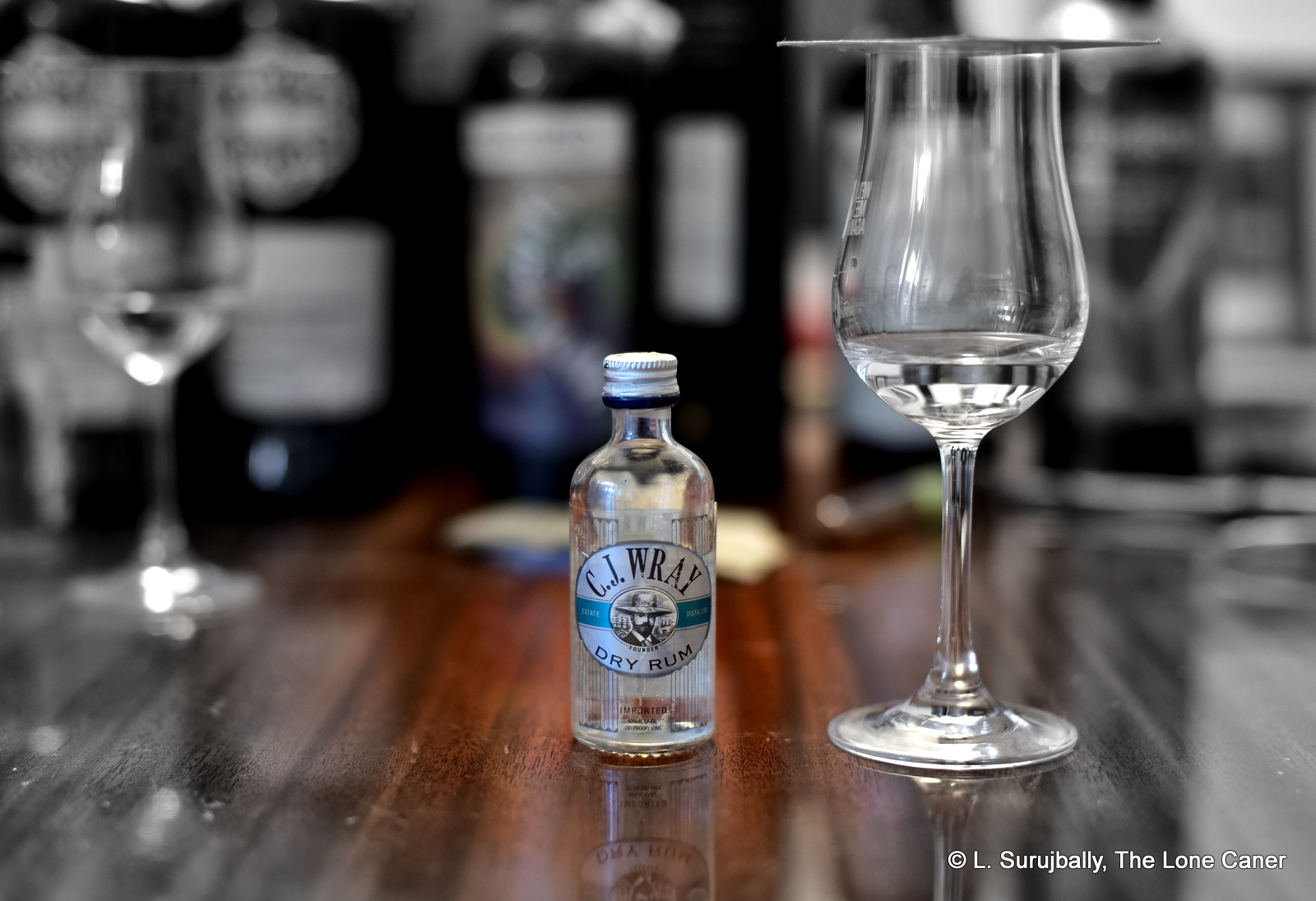
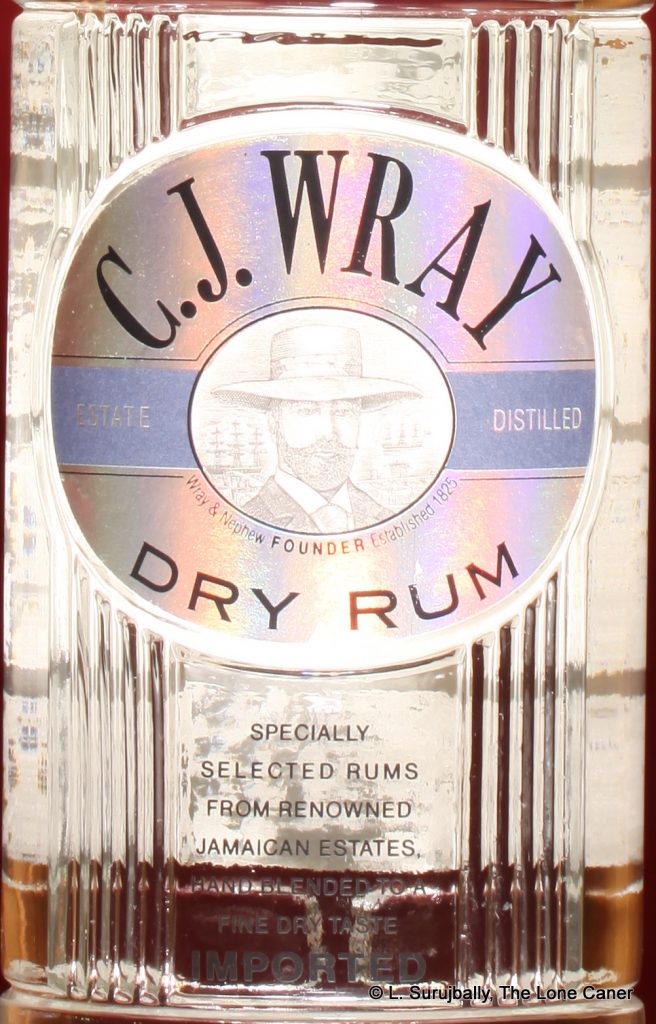 Technical details are murky. All right, they’re practically non-existent. I think it’s a filtered column still rum, diluted down to standard strength, but lack definitive proof – that’s just my experience and taste buds talking, so if you know better, drop a line. No notes on ageing – however, in spite of one reference I dug up which noted it as unaged, I think it probably was, just a bit.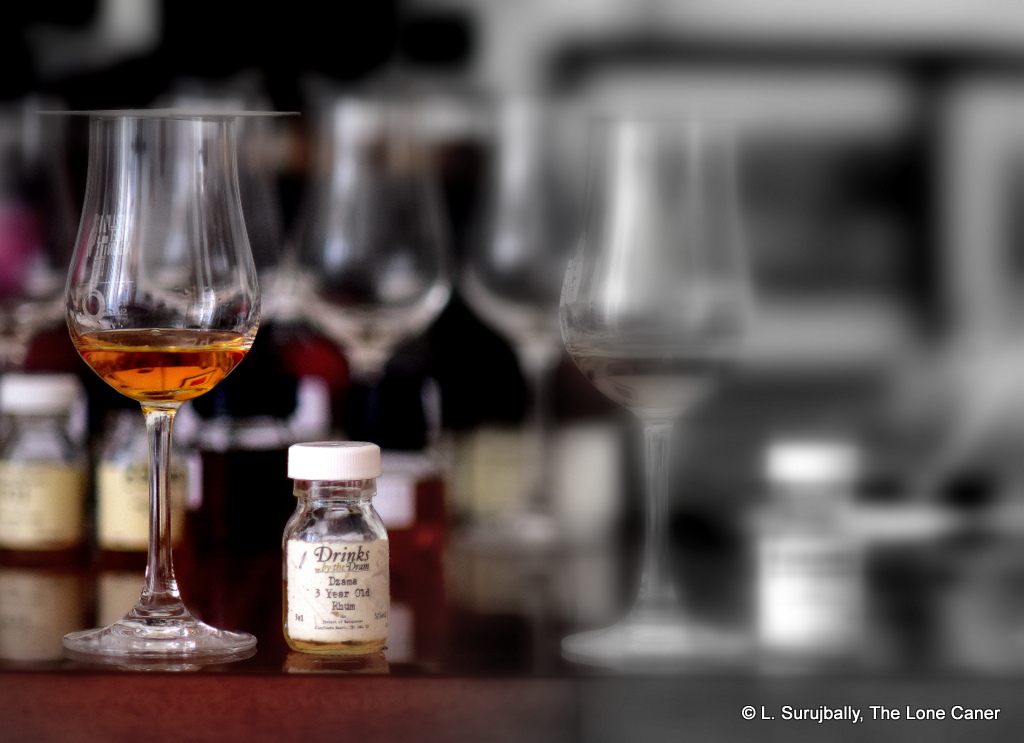
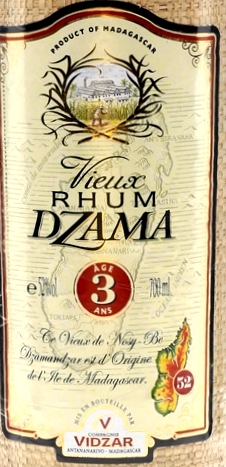 All that said, there isn’t much on the company website about the technical details regarding the 3 year old we’re looking at today. It’s a column still rum, unadded-to, aged in oak barrels, and my sample clocked in at 52%, which I think is an amazing strength for a rum so young – most producers tend to stick with the tried-and-true 40-43% (for tax and export purposes) when starting out, but not these guys.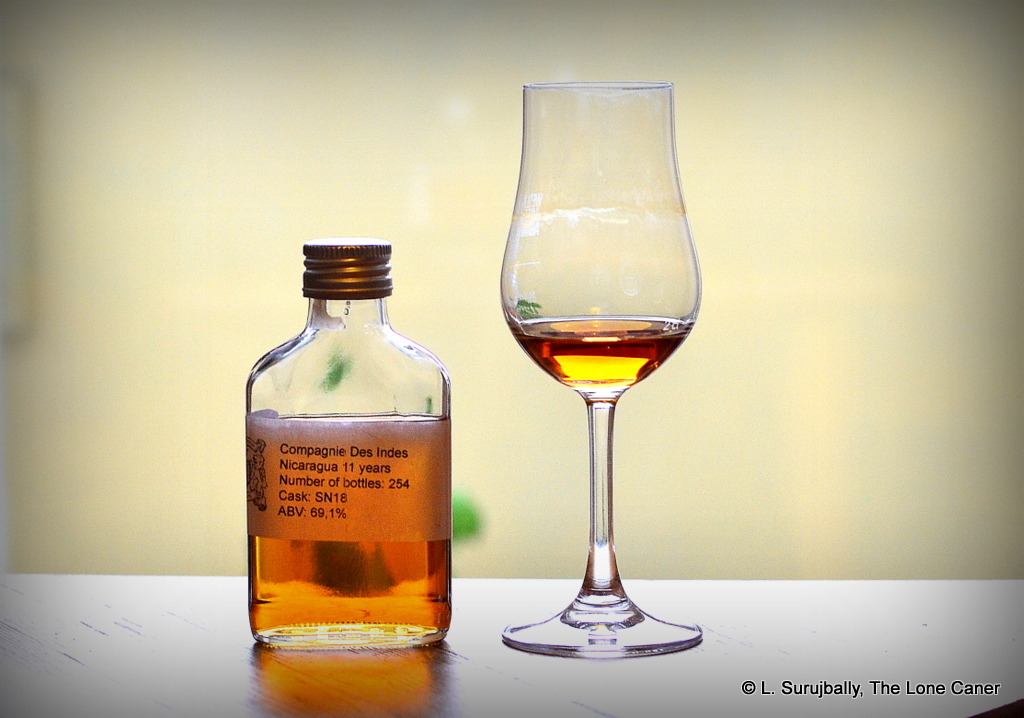
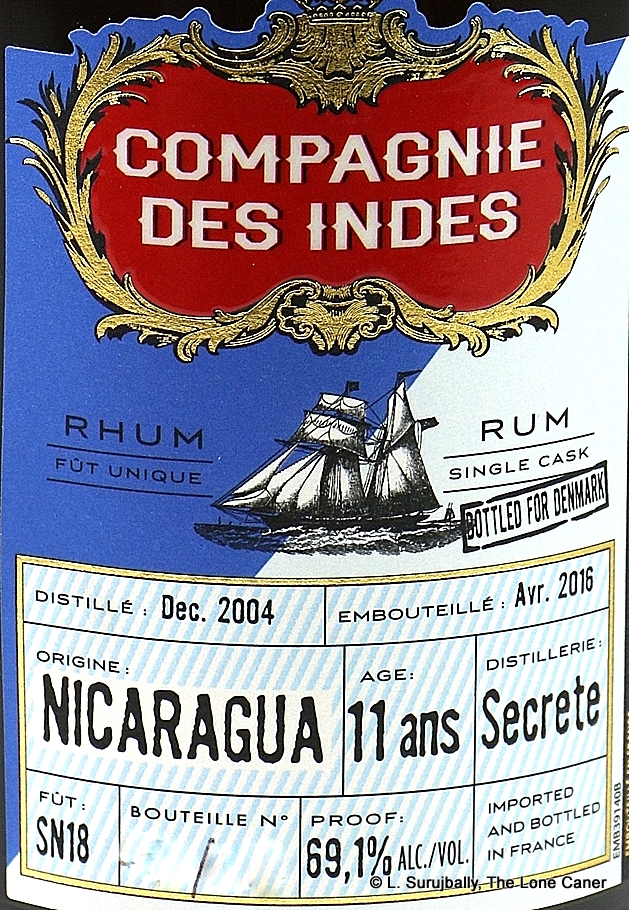 That’s not to say that in this case the