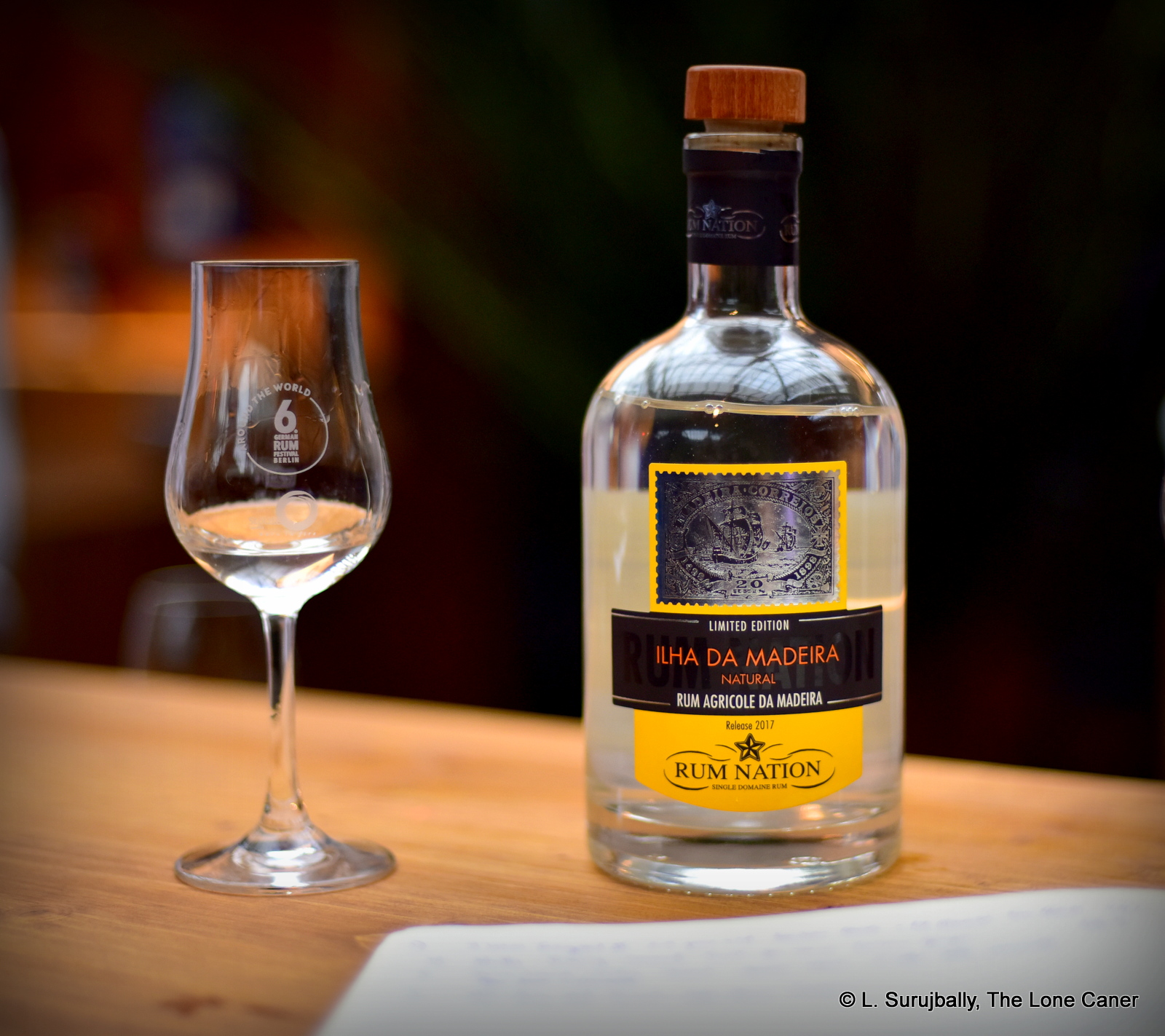
No, that’s not another typo in the title, it’s just the way the bottle spelled “rum” so I followed along even if it is an agricole-style product and by convention it might have been better termed “rhum” (though the words mean the same thing – it’s purely a matter of perception). Since looking at the Engenho Novo aged rum last time, I thought it would be fitting to stick with the island of Madeira and see what one of their whites would be like, especially since I had been so impressed with the RN Jamaican Pot Still 57% some years ago….would this one live up to to the rep the Caribbean one garnered for itself?
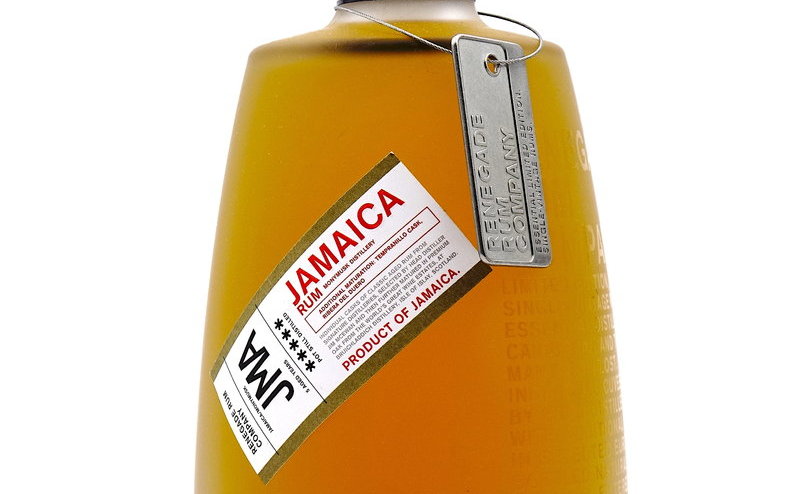
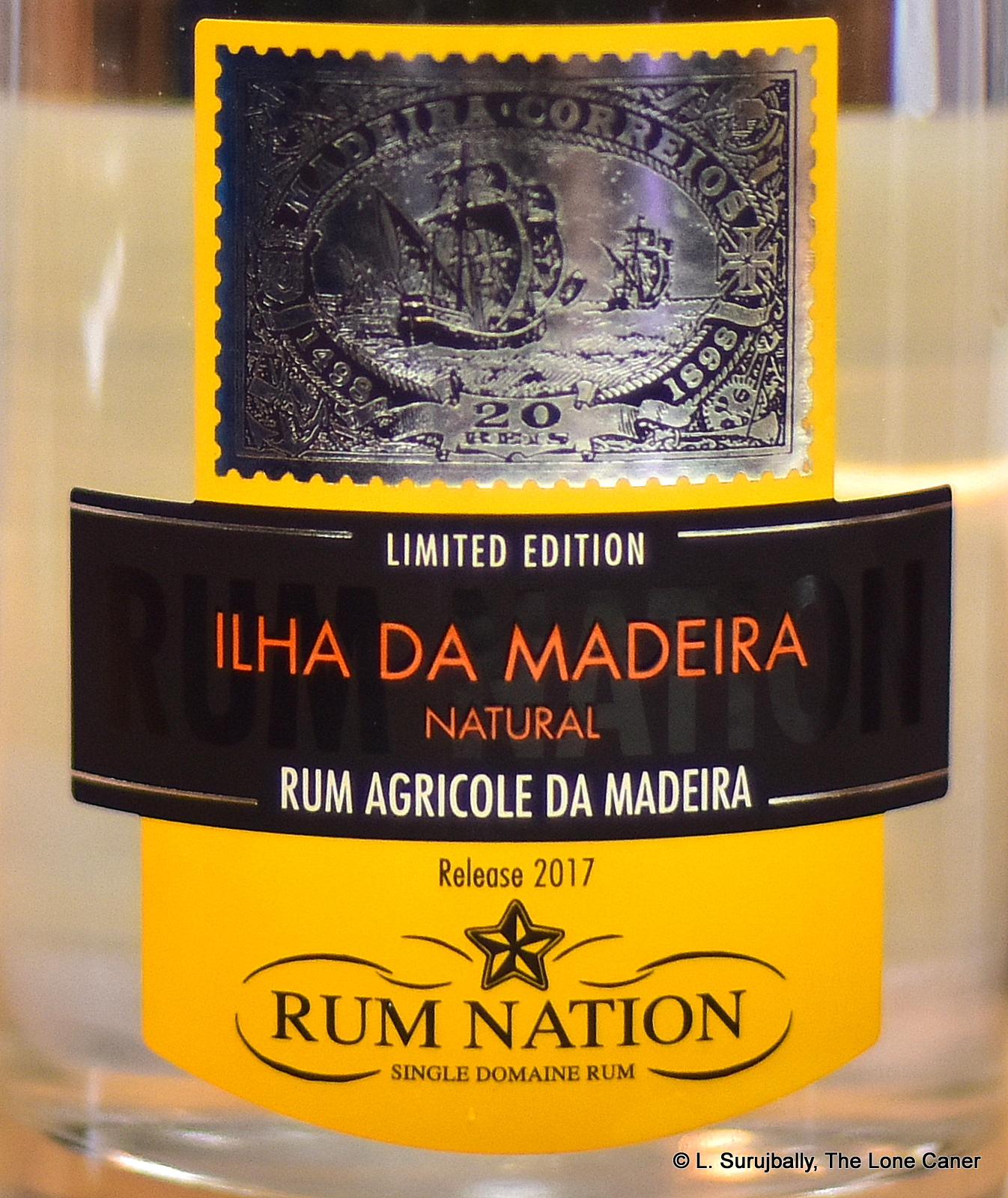
Curiously, there isn’t much to go on as regards the background aside from the obvious: we know it is 50% ABV and made from cane juice in a column column still…but it come not from Engenho Novo (which is to say, the reconstituted William Hinton, and the source of the rum for Rum Nation’s Rares), but from Engenhos do Norte in Porto da Cruz – Fabio remarked in an email tome that he liked it better for this purpose than the Novo). It’s unclear whether it’s unaged and unfiltered, or lightly aged and then filtered to clarity…and if the latter case is what happened, then what kind of casks. We’re not sure what the “Limited edition” on the label actually means. And, as always with RN, there’s also the question of any additions. We can however infer that based on the chubby, stubby bottle and label style, that the rum is part of their standard lineup and not the higher-proofed, higher-quality, higher-priced Rares (as an aside, I hope they never lose the old postage stamps incorporated into the design), and possibly from the word “crystal” used in their website materials, that it has been filtered. But I’ll amend the post if I hear back from them.
 Anyway, here’s what it was like. The nose of the Ilha da Madeira fell somewhere in the middle of the line separating a bored “meh” from a more disbelieving “holy-crap!”. It was a light melange of a playful sprite-like aroma mixed in with more serious brine and olives, a little sweet, and delicate – flowers, sugar water, grass, pears, guavas, mint, some marzipan. You could sense something darker underneath – cigarette tar, acetones – but these never came forward, and were content to be hinted at, not driven home with a sledge. Not really a brother to that fierce Jamaican brawler, more like a cousin, a closer relative to the Mauritius St. Aubin blanc (for example). What it lacked in pungency it made up for in both subtlety and harmony, even at 50%.
It was also surprisingly sippable for what it was, very approachable, and here again I’ll comment on what a good strength 48-52% ABV is for such white rums. It presented as sweet and light, perfumed with flowers, pears, green grapes and apple juice, then adding some sour cream, brine, olives and citrus for edge. There were some reticent background notes as well, cinnamon mostly, and an almost delicate vein of citrus and ginger and anise. It tasted both warm and clean and was well balanced, and the finish delivered nicely, redolent of thyme, sweet vinegar dressing on a fresh salad, and green grapes with just a touch of salt.
Average to low end white mixers – still occasionally called silvers or platinums, as if this made any difference – are defined by their soft, unaggressive blandness: their purpose is to add alcohol and sink out of sight so the cocktail ingredients take over. In contrast, a really good white rum, which can be used either for a mixed drink or to have by itself if one is feeling a little macho that day, always has one or more points of distinction that sets it apart, whether it’s massive strength, savagery, rawness, pungency, smooth integration of amazing tastes, funk, clarity of flavour or whatever.
Honestly, I expected more of the latter, going in: something fiercer and more elemental…but I can’t say what was on display here was disappointing. In October 2018, when I asked him what rums he had that was of interest, Fabio actually tried to steer me away from this one (“It’s good, but not so interesting,” he laughed as he pulled down a Rare Caroni). But I disagreed, and think that what it really comes down to is that it’s a solid addition to the white portion of the rum spectrum and certainly a step above “standard”. It’s tasty and warm, and manages the cute trick of being dialled down to something really approachable, while still not forgetting its more uncouth antecedents. And if it is not of the pungent power that can defoliate a small patch of jungle, well, it may at least blanch a leaf or two, and is worth taking a second look at, if it crosses your path.
(#560)(83/100)
Other Notes
From the 2017 release season
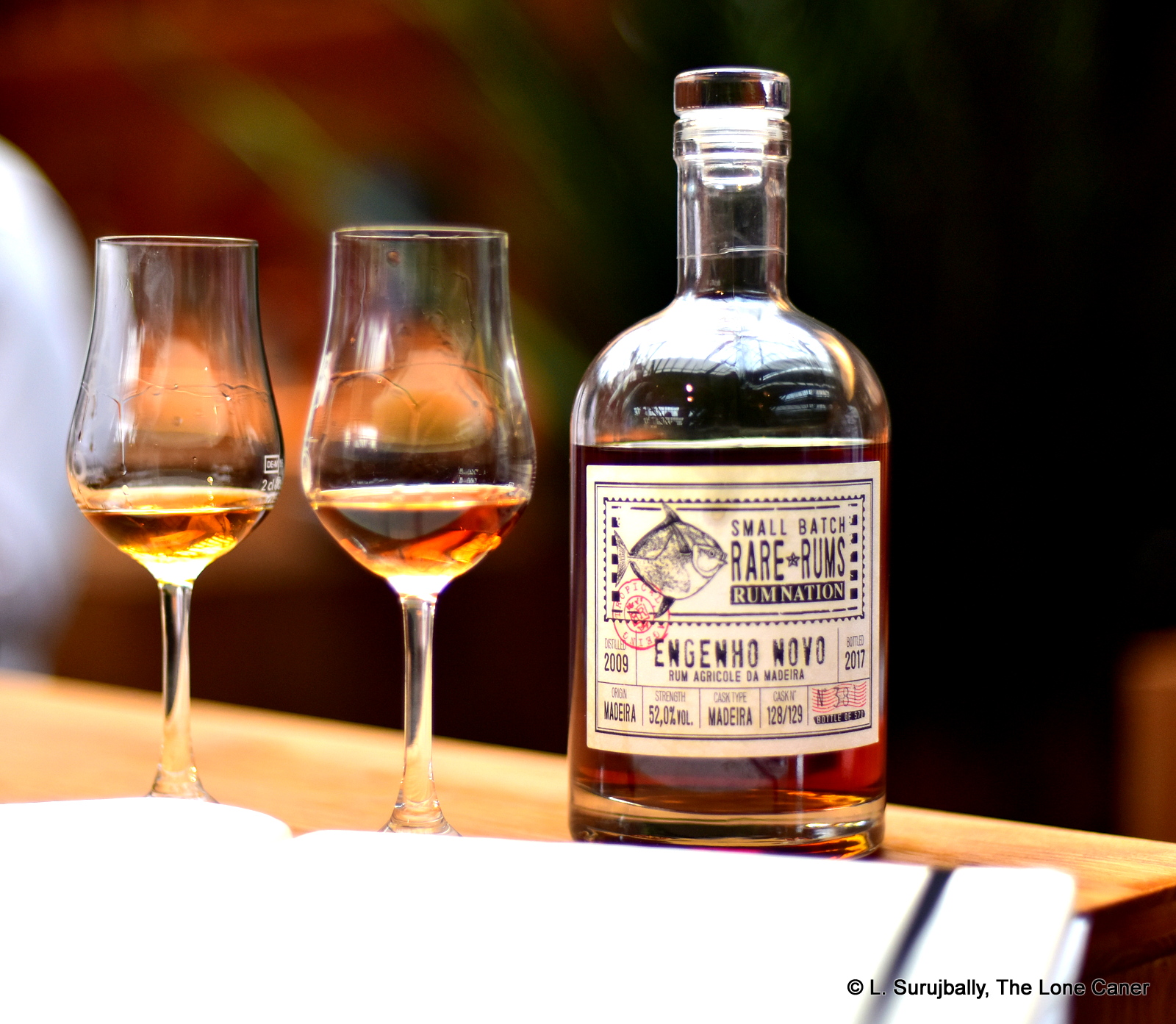
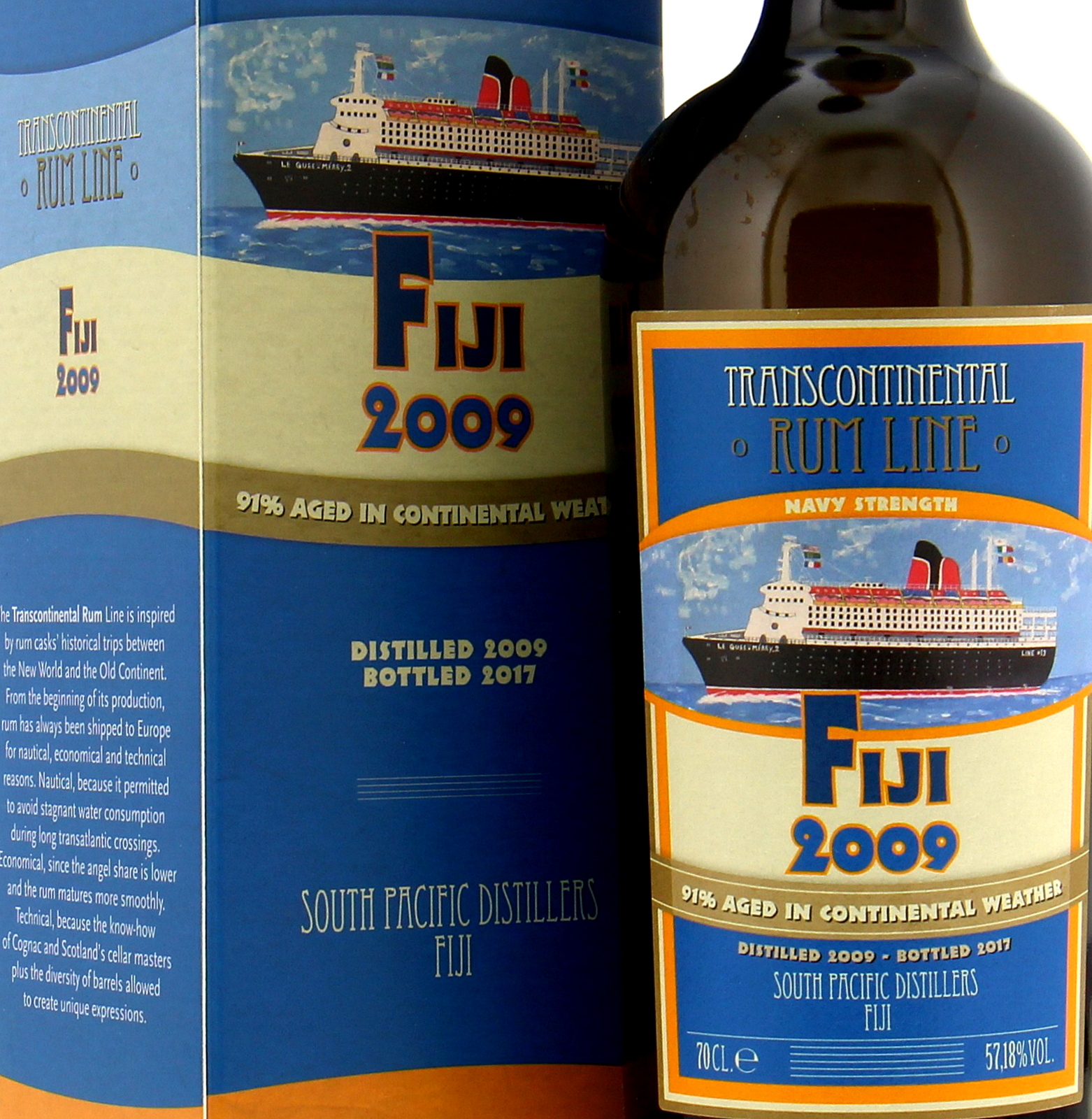
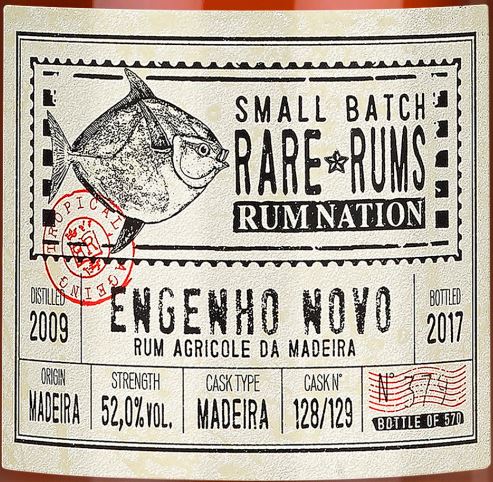 I’ll provide some more background detail in the Other Notes below, but for the moment let’s just read off the fact sheet for the rum which is very helpfully provided on the Rare Rums website and on the bottle label itself. This is a cane juice distillate and can therefore be classed as an agricole-style rhum; distilled 2009 and the four barrel outturn from a column still was aged in Madeira casks, providing 570 bottles in 2017, with a strength of 52%.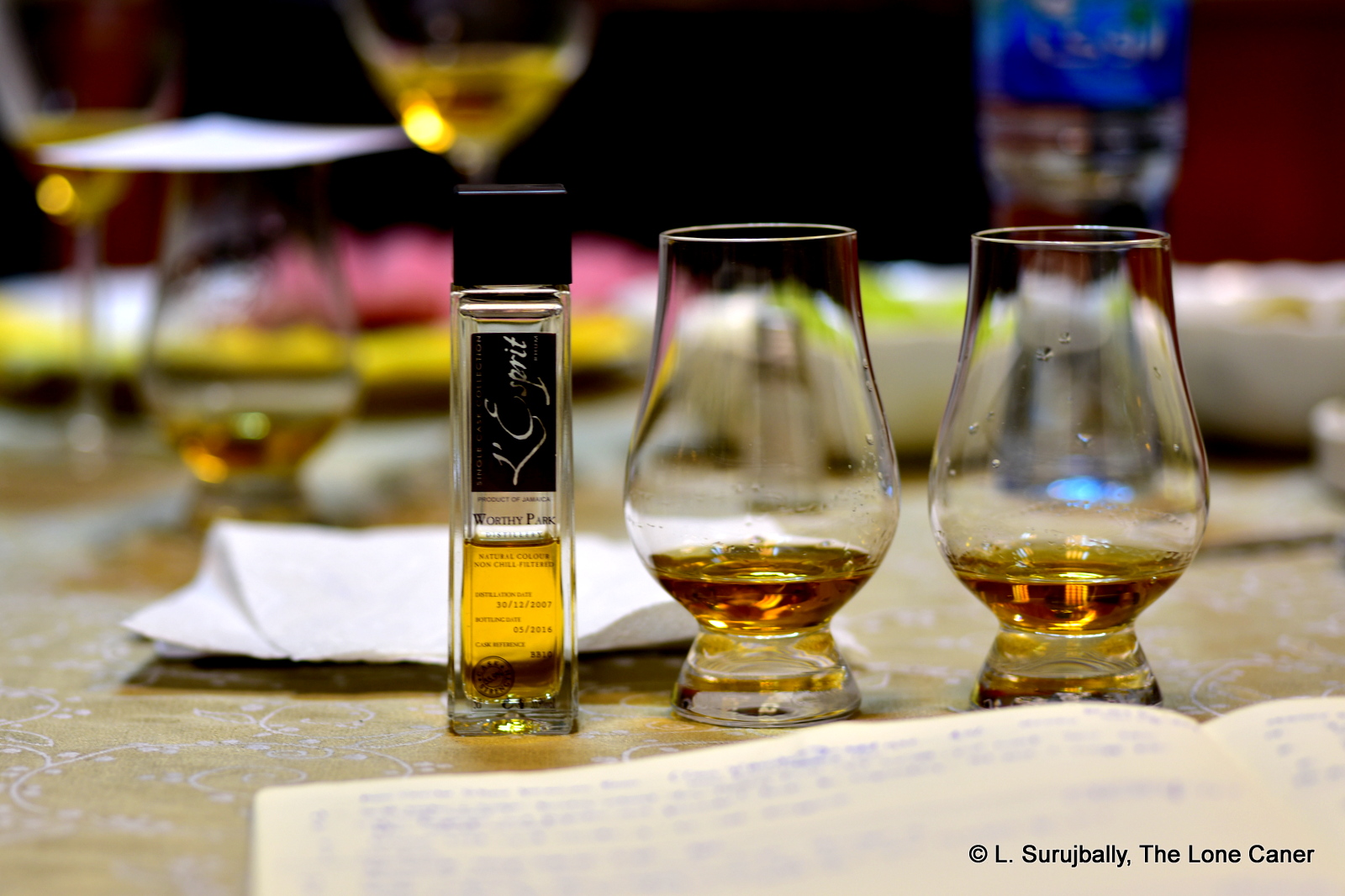
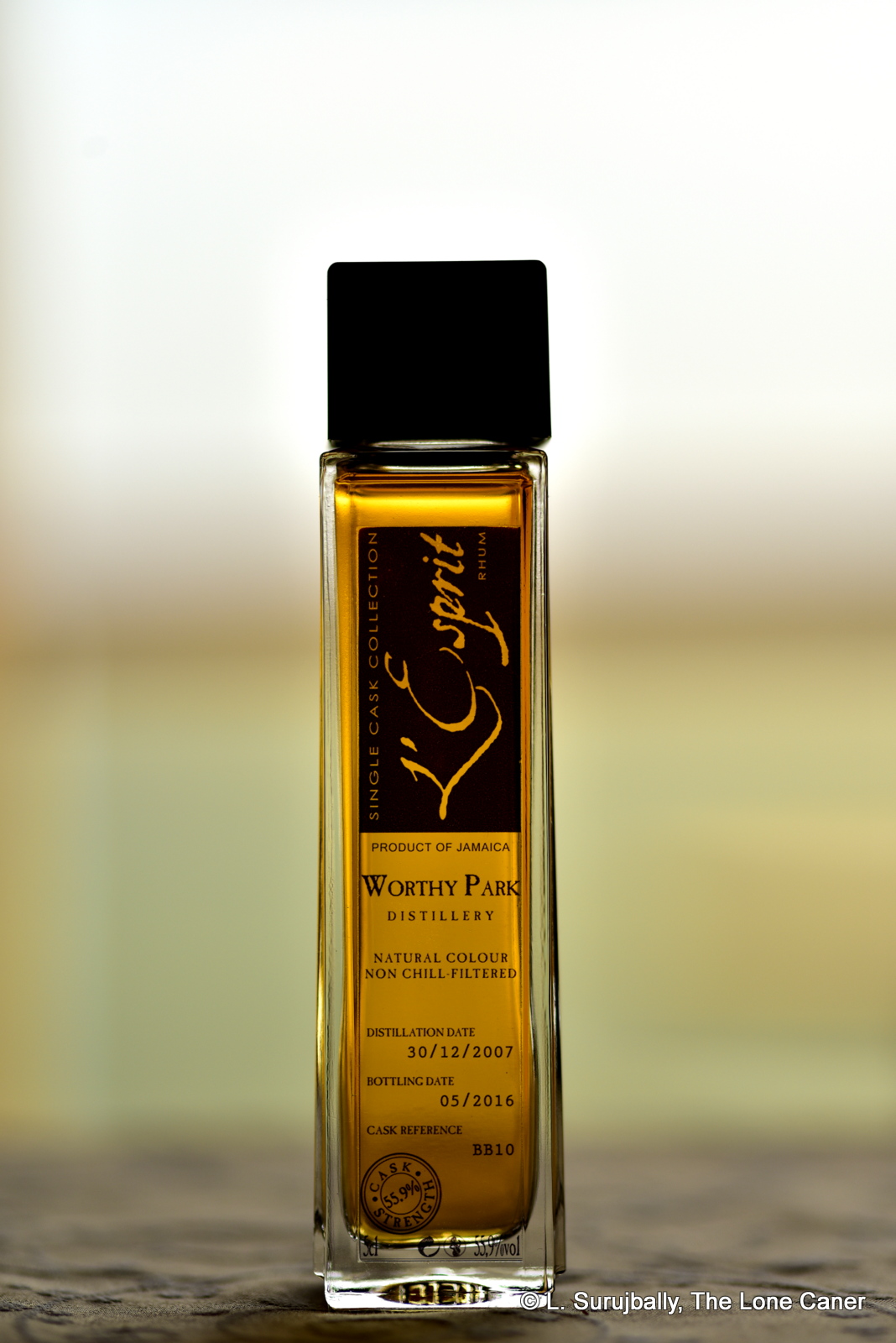 So, given how many Jamaicans are on the scene these days, how does this young, continentally aged 55.9% golden rum fare? Not too shabbily. It’s strong but very approachable, even on the nose, which doesn’t waste any time getting started but announces its ester-rich aromas immediately and with authority: acetone, nail polish and some rubber plus a smell of righteous funk (spoiling fruits, rotten bananas, that kind of thing). Its relative youth is apparent in the uncouth sharpness of the initial aromas, but once one sticks with it, it settles into its own special groove, calms itself down and does a neat little balancing act between sharper scents of citrus, cider, apples, hard yellow mangoes and green grapes, and softer ones of bananas, cumin, vanilla, marshmallows and cloves.
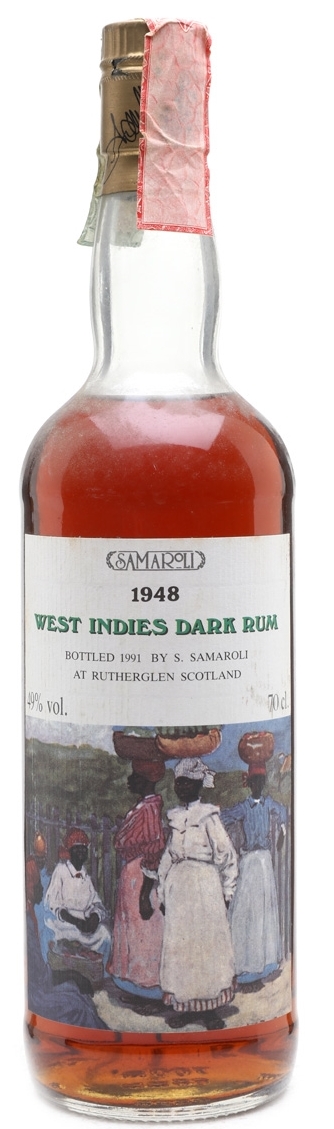 Rumaniacs Review #84 | 0554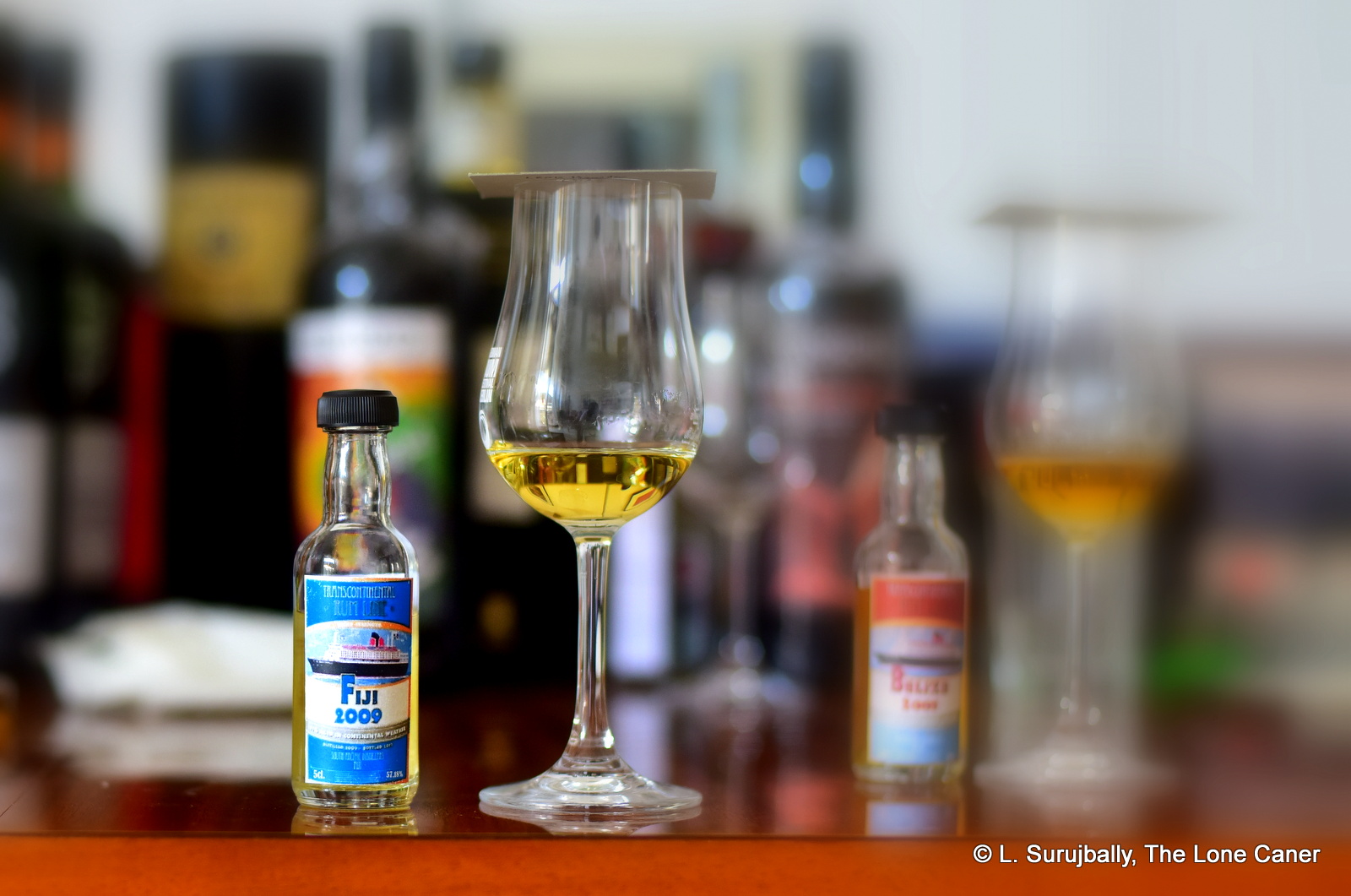
 That said, the still which produced this pale yellow 57.19% ABV rum remains an open question, though my personal belief is that it’s a column still product. It certainly noses that way – aside from presenting as a fierce little young rum, it lacks something of the depth and pungency of a pot still spirit. However, that doesn’t matter, because it’s damn fine on its own merits – brine, olives, paint, turpentine, acetones, fresh nail polish, more brine and gherkins, and that’s just the beginning. It has aspects that are almost Jamaican, what with a bunch of prancing dancing esters jostling for attention, except that the smell is not so crisply sweet. It develops very nicely into smoke, leather, linseed oil for cricket bats, more brine and oily smoothness. Like a set of seething rapids finished with the messing around, it settles down to a much more refined state after half an hour or so.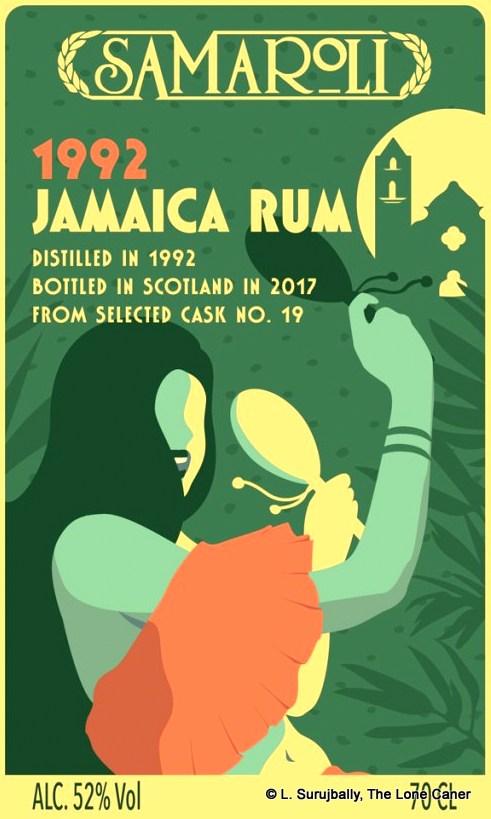
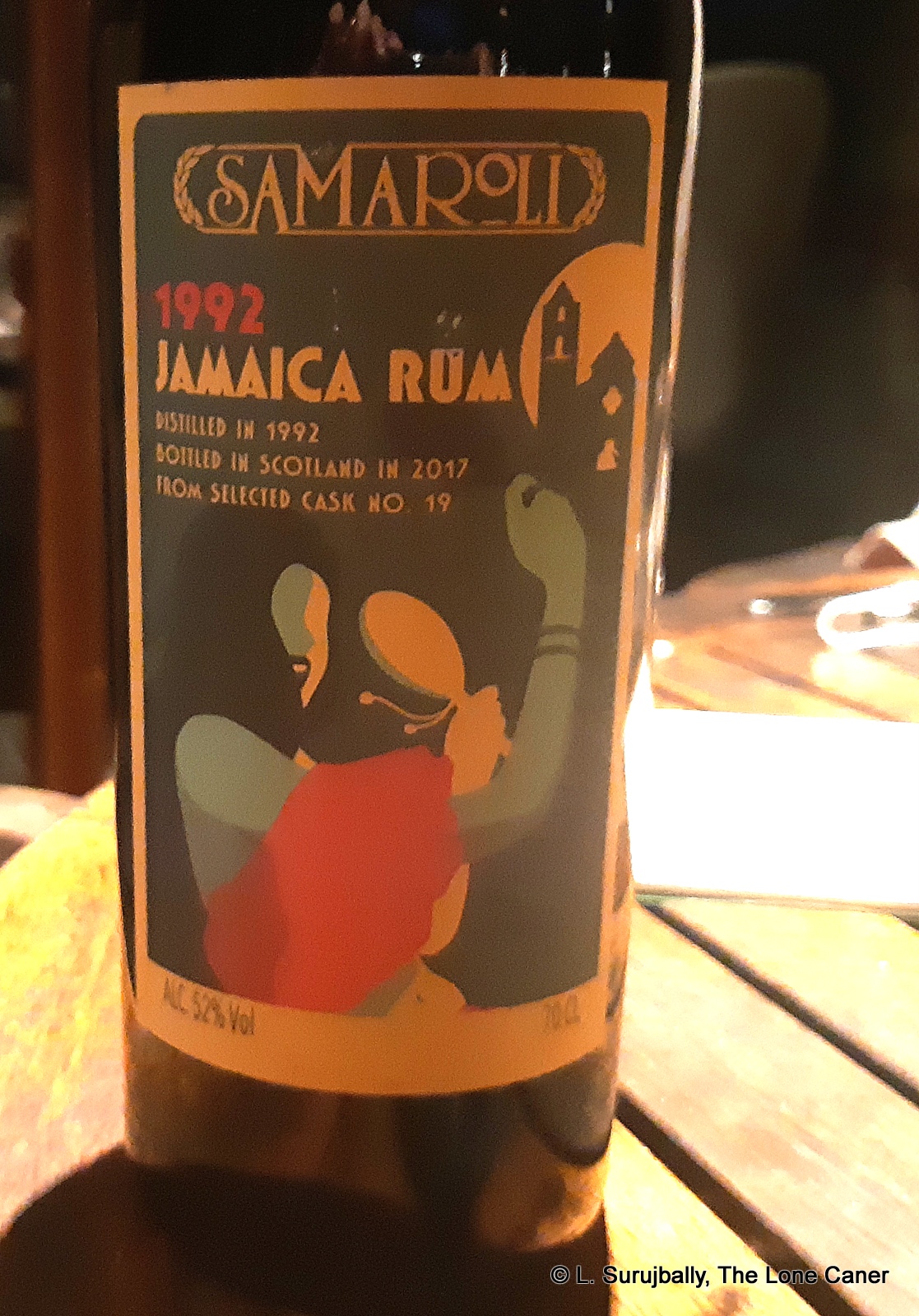 And the taste, the palate, the way it comes together, it’s masterful. At 52% it’s downright near damned perfect – the the balance between mouth puckering citrus plus laid back funk, and easier, softer flavours is unbelievably well done. Soda pop, honey, cereal, red currants, raspberries, fanta and orange zest dance exuberantly cross the tongue, never faltering, never allowing any one piece to dominate. Like an exquisitely choreographed dance number, the molasses, vanillas and fruits (peaches, yellow plums, pears, ripe yellow Thai mangoes) tango alongside sharper notes of citrus, lemon zest, overripe bananas, sandalwood and ginger. Even the finish is spectacular – just long enough, just sharp enough, just mellow enough, allowing each of the individually discerned flavours of fruits, toffee, chocolate and citrus to come out on stage one last time for a bow, before fading back and making way for the next one
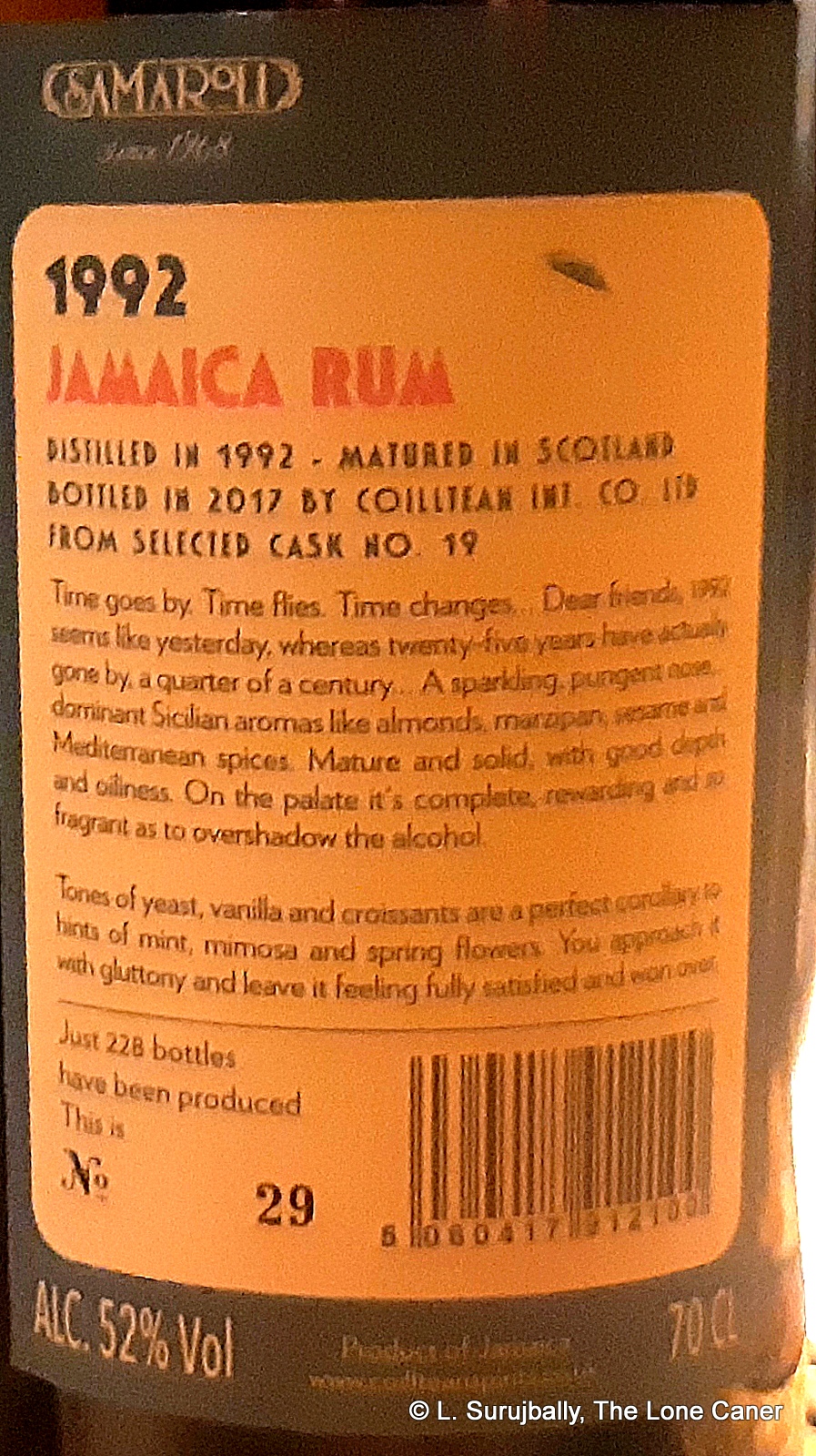 I don’t know what they did differently in this rum from others they’ve issued for the last forty years, what selection criteria they used, but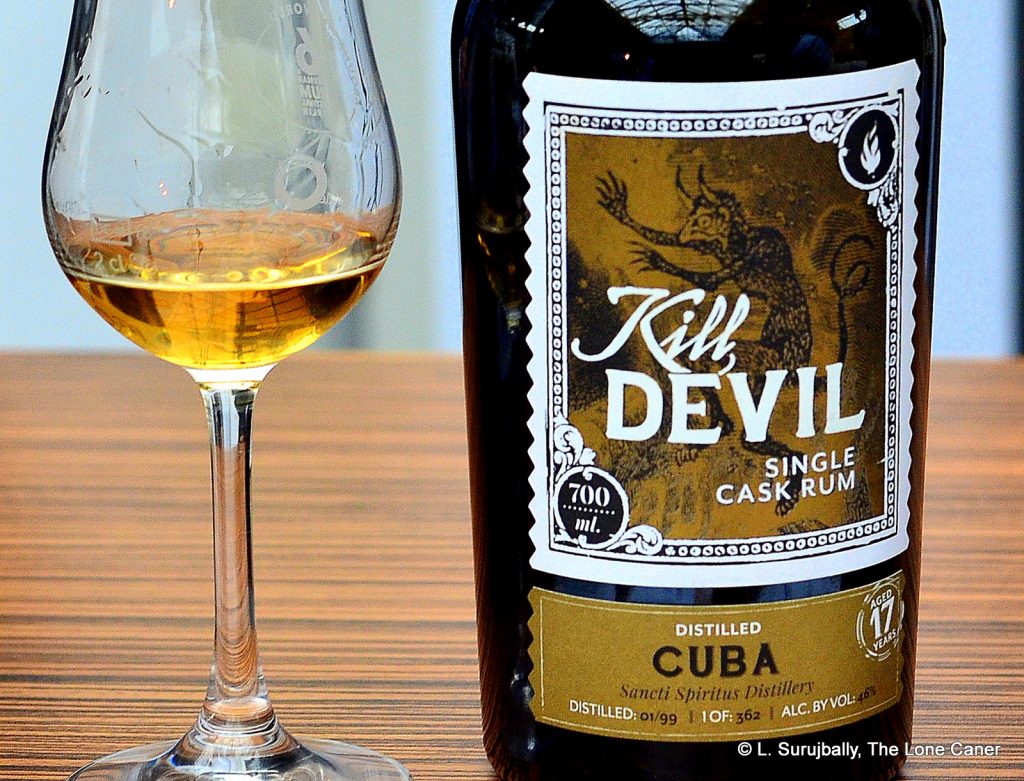
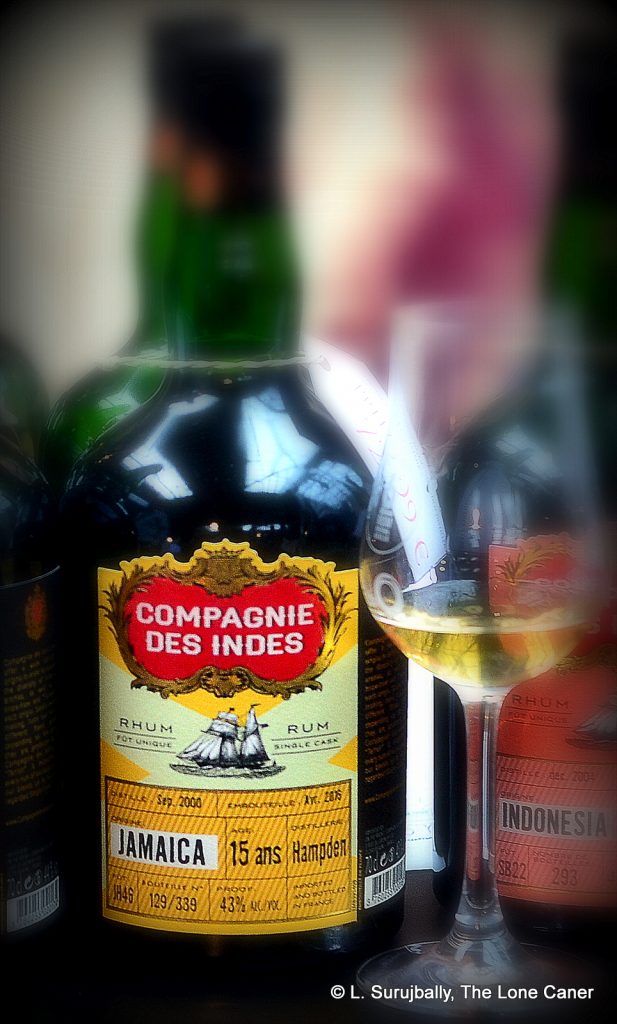
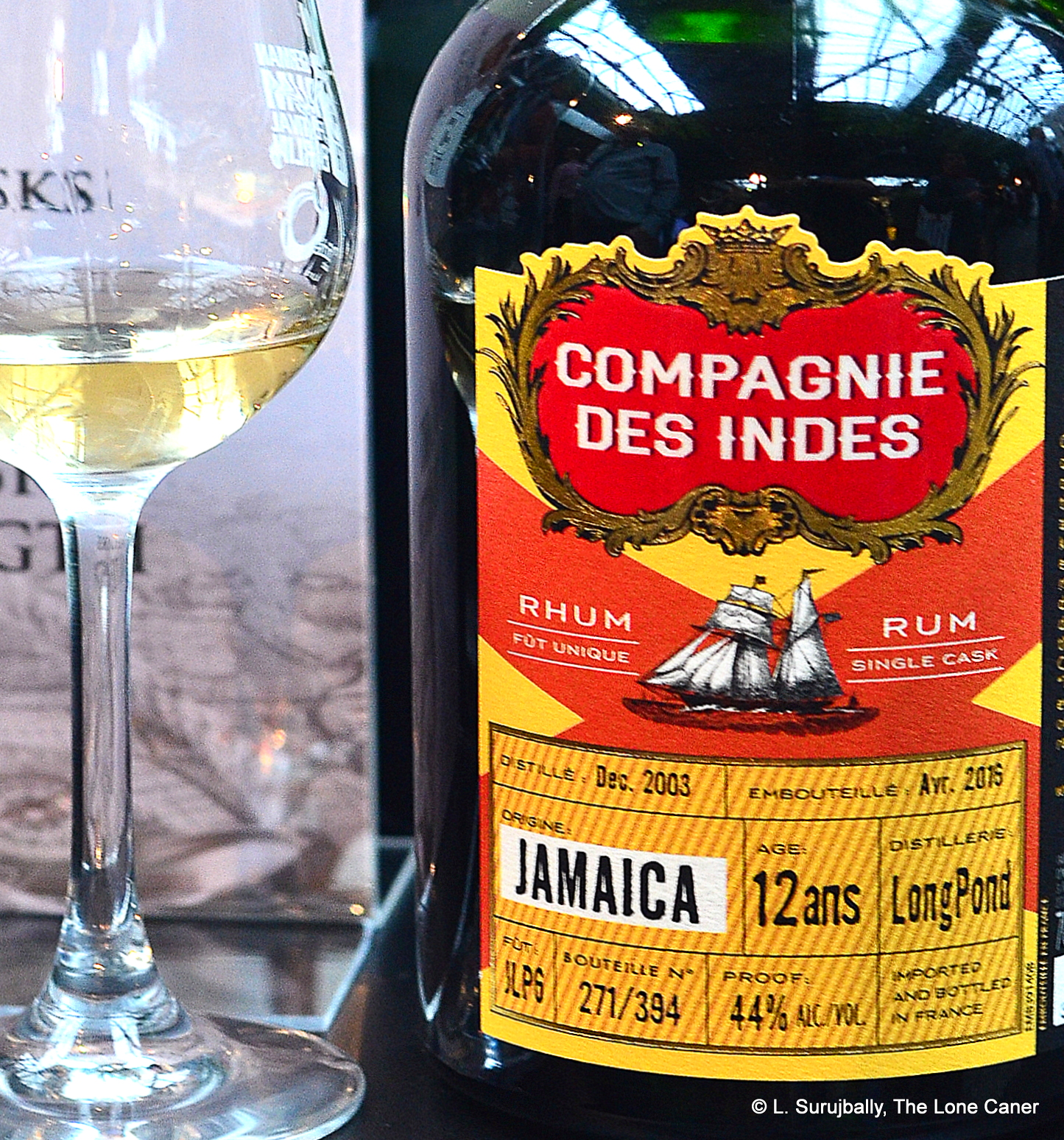
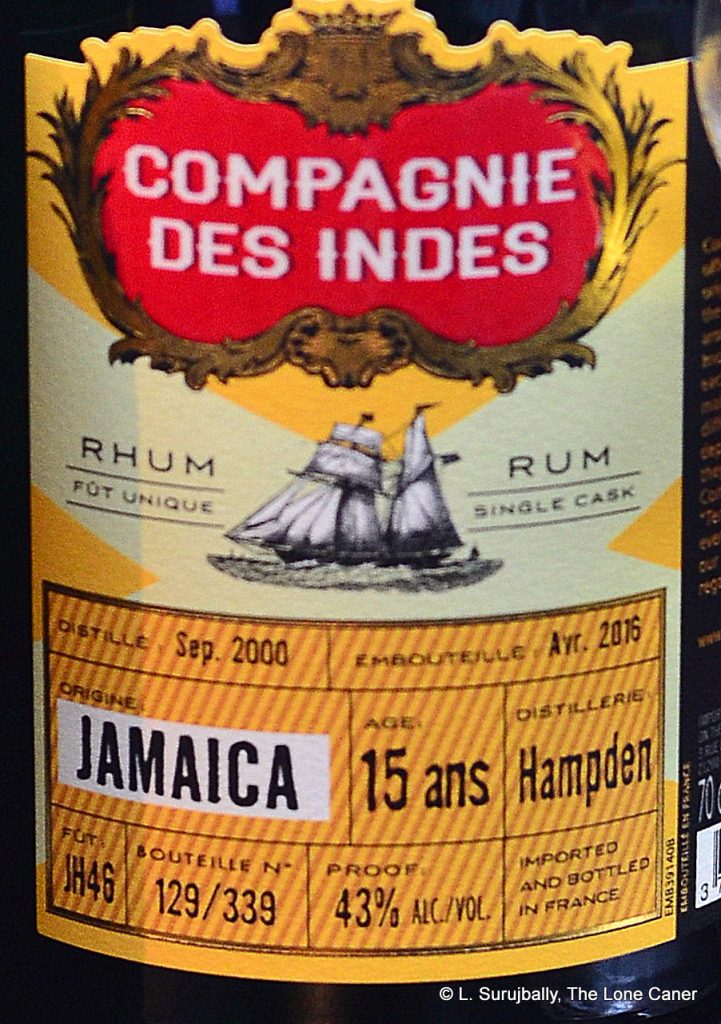 On the palate, I didn’t think it could quite beat out the CdI Worthy Park (which was half its age, though quite a bit stronger); but it definitely had more force and more uniqueness in the way it developed than the Longpond and the Mezans. It started with cherries, going-off bananas mixed with a delicious citrus backbone, not too excessive. After ten minutes or so it opened further into a medium sweet set of fruits (peaches, pears, apples), and showed notes of oak, cinnamon, some brininess, green grapes, all backed up by delicate florals that were very aromatic and provided a good background for the finish. That in turn glided along to a relatively serene, slightly heated medium-long stop with just a few bounces on the road to its eventual disappearance, though with little more than what the palate had already demonstrated. Fruitiness and some citrus and cinnamon was about it.


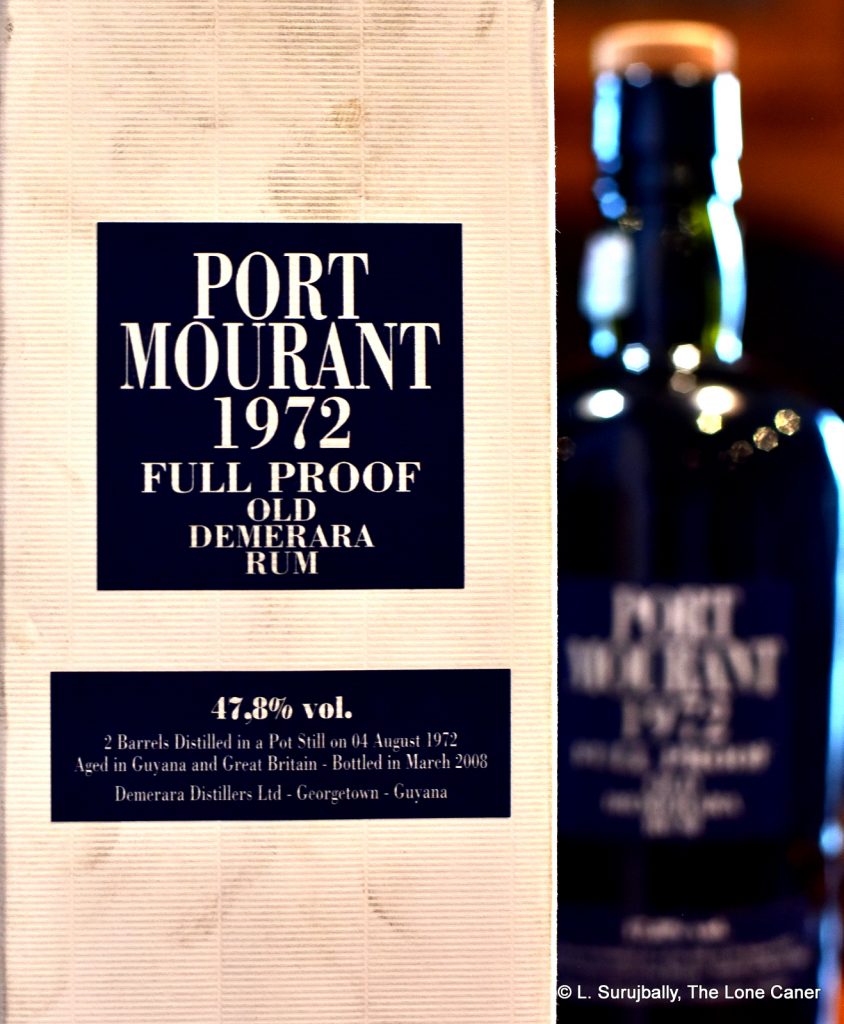 The nose made an immediate and emphatic response: “Here’s how.” I had exasperatedly grumbled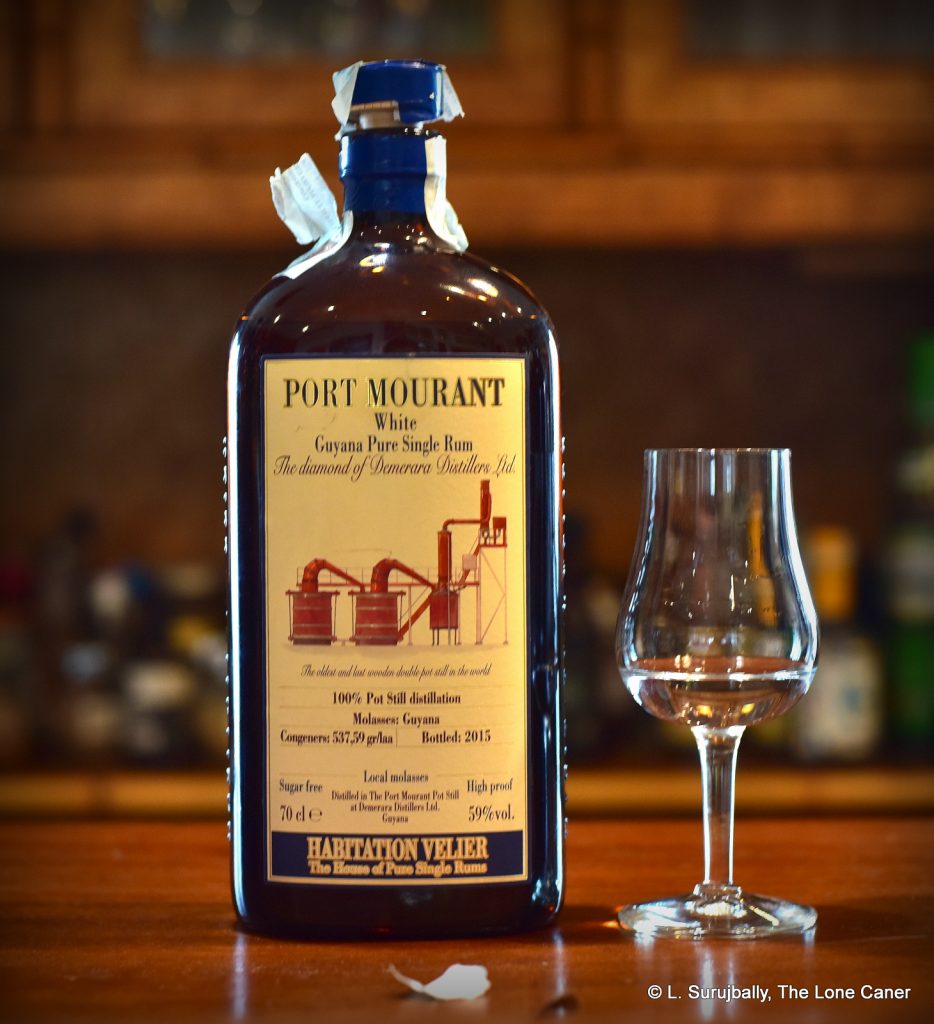
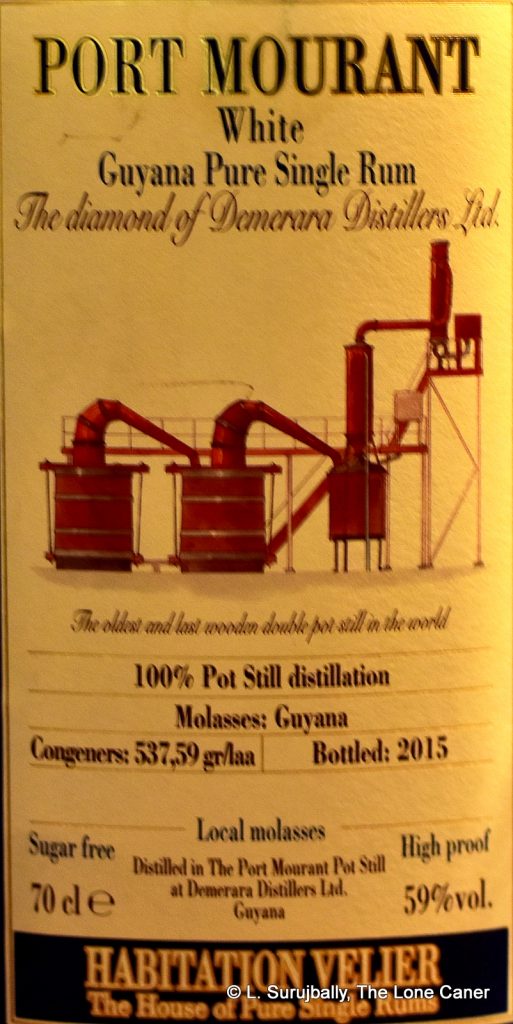 Unaged rums take some getting used to because they are raw from the barrel and therefore the rounding out and mellowing of the profile which ageing imparts, is not a factor. That means all the jagged edges, dirt, warts and everything, remain. Here that was evident after a single sip: it was sharp and fierce, with the licorice notes subsumed into dirtier flavours of salt beef, brine, olives and garlic pork (seriously!). It took some time for other aspects to come forward – gherkins, leather, flowers and varnish – and even then it was not until another half hour had elapsed that crisper acidic notes like unripe apples and thai lime leaves (I get those to buy in the local market), were noticeable. Plus some vanilla – where on earth did that come from? It all led to a long, duty, dry finish that provided yet more: sweet, sugary, sweet-and-salt soy sauce in a clear soup. Damn but this was a heady, complex piece of work. I liked it a lot, really.