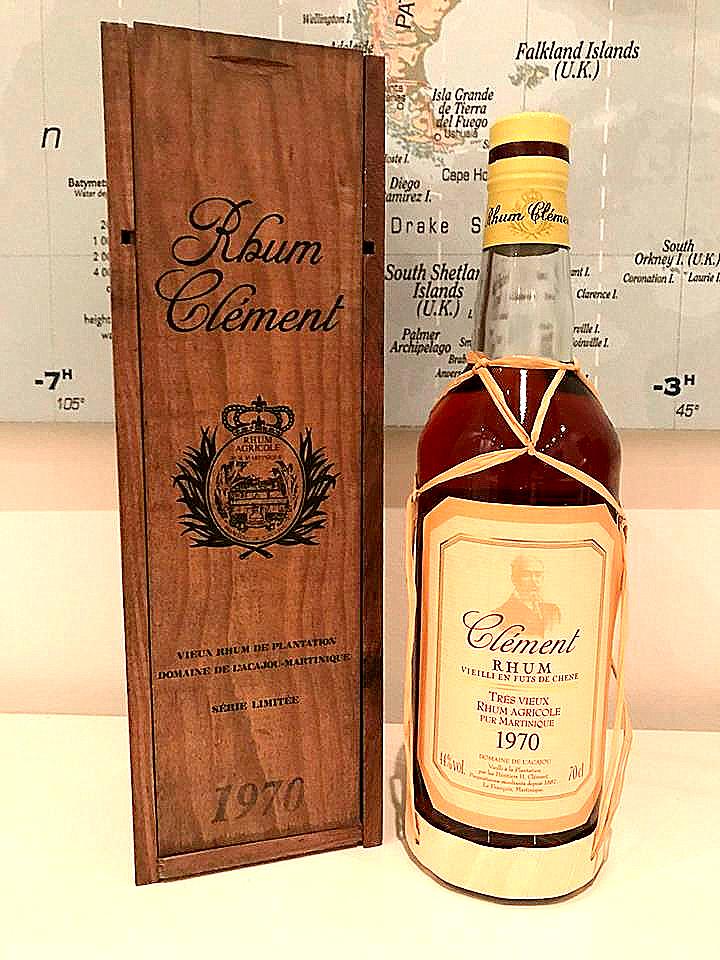
 Rumaniacs Review #104 | 0677
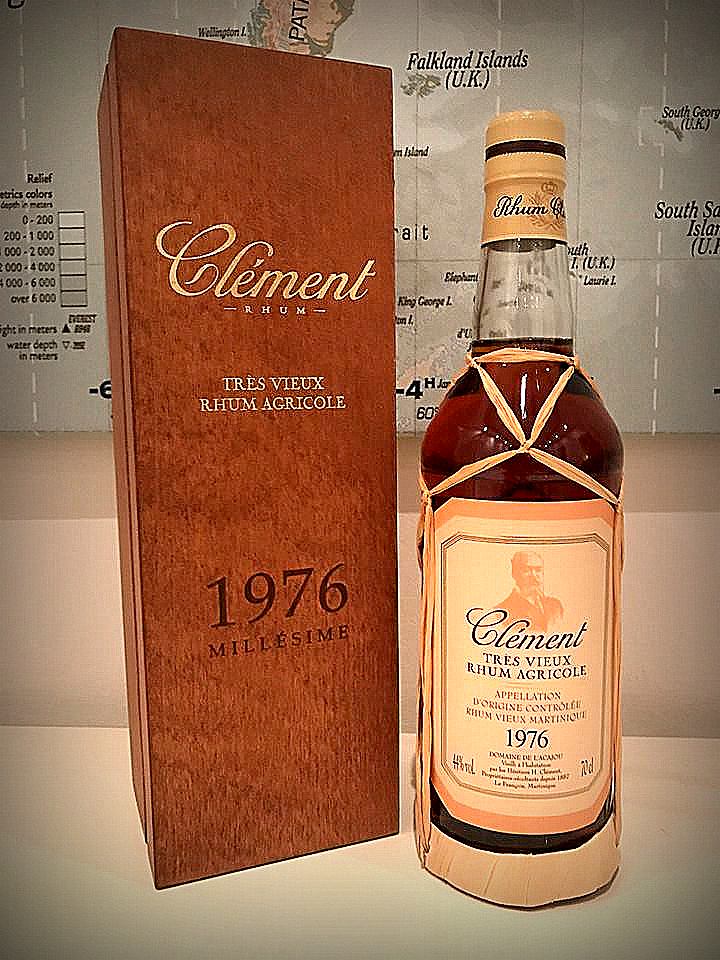
Unsurprisingly, the 1976 Clément Trés Vieux we looked at a few days ago sells for around €500 or more these days, which to me is a complete steal, because any Velier from that far back is going for multiple thousands, easy. This, the second-oldest component of the XO sells for quite a bit more – north of €700 (though you can find it for much less in any store that is out of stock, and that’s most of them). And I think that one is also remarkably undervalued, especially since it’s a really good rhum. How it can still be available nearly half a century after being made, is a mystery.
That aside, the rhum does come with questions. For example, there’s a discrepancy in accounts about how old it is. The author of that great rum book Les Silencieux, Cyril of DuRhum, noted in his 2016 recap of some of Clement’s older rhums, that it was fifteen years old, aged in 200 liter barrels and then bottled in 1985. But that’s not what Fine Drams said – in their listing they state it was indeed aged for 15 years in this way, but it was then decanted into smaller French oak casks and matured a further six years until 1991 (no other online seller I was able to find makes mention of the age at all). And Dave Russell of the Rum Gallery, who tried it in 2017, also said it was a 21 YO, making no mention of a secondary maturation. Olivier Scars, who reviewed it as part of his tasting experience with the Clement Trio, didn’t comment on it either, and neither Clement’s own site or their US page speak to the matter. (I’m going with the longer age for reasons I’ll make clear below, at least until the queries sent out start getting answered).
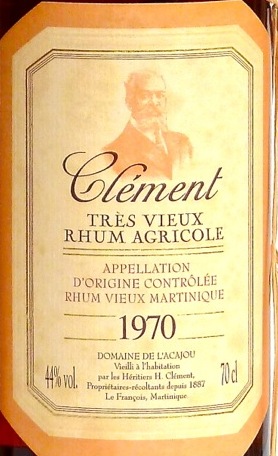 Another peculiarity of the rhum is the “AOC” on the label. Since the AOC came into effect only in 1996, and even at its oldest this rhum was done ageing in 1991, how did that happen? Cyril told me it had been validated by the AOC after it was finalized, which makes sense (and probably applies to the 1976 edition as well), but then, was there a pre-1996 edition with one label and a post-1996 edition with another one? (the two different boxes it comes in suggests the possibility). Or, was the entire 1970 vintage aged to 1991, then held in inert containers (or bottled) and left to gather dust for some reason? Is either 1991 or 1985 even real? — after all, it’s entirely possible that the trio (of 1976, 1970 and 1952, whose labels are all alike) was released as a special millesime series in the late 1990s / early 2000s. Which brings us back to the original question – how old is the rhum?
Colour – Amber Gold
Strength – 44%
Nose – Not a standard agricole opening – there’s more than a touch of Jamaican here with off-notes of rotting fruit, bananas and gooseberries, quite pungent. But also smoke, leather and more than a touch of brown sugar, even some salty vegetable soup stuffed with too much lemongrass. It does settle down after some minutes, and then we get the herbals, the grassiness, tobacco, spices, and bags of dark fruit like raisins and prunes bringing up the rear.
Palate – Hmmm, quite a bit going on here. Initially a tad sharp and bitter, with raw tobacco, pimento-infused unsweetened chocolate and anise. Sweet and salt, soya, more of that soup, brown sugar, a touch of molasses (what was that doing here?), almonds, tequila and olive oil. And more prunes, black grapes, raisins, providing a thick background around which all the other flavours – salt or sharp – swirled restlessly.
Finish – Medium long. Warm, fragant, with lots of sugar cane sap, sugar water, papaya, squash (!!), watermelon and a pear or two. It’s really strange that the heavier and salty and musky flavours seemed to vanish completely after a while.
Thoughts – Well, I dunno. It really is not at all like an aged agricole of the kind I’m used to getting from Martinique. The fruitiness pointed to that secondary maturation noted by Fine Drams, and overall I liked it quite a bit, more than the 1976. It’s well rounded, flavourful to a fault, maintains a good balance between age and youth, and the only hesitation I have is in pronouncing on how old it actually is, or whether it is a true AOC given the divergence from a standard/modern profile of such rums. More cannot be said at this stage until some answers roll in, and in the meantime, I have to concede that even if the background details remain elusive or questionable, this is one fine rhum from Ago.
(#677 | R104)(86/100)
 Rumaniacs Review #103 | 0676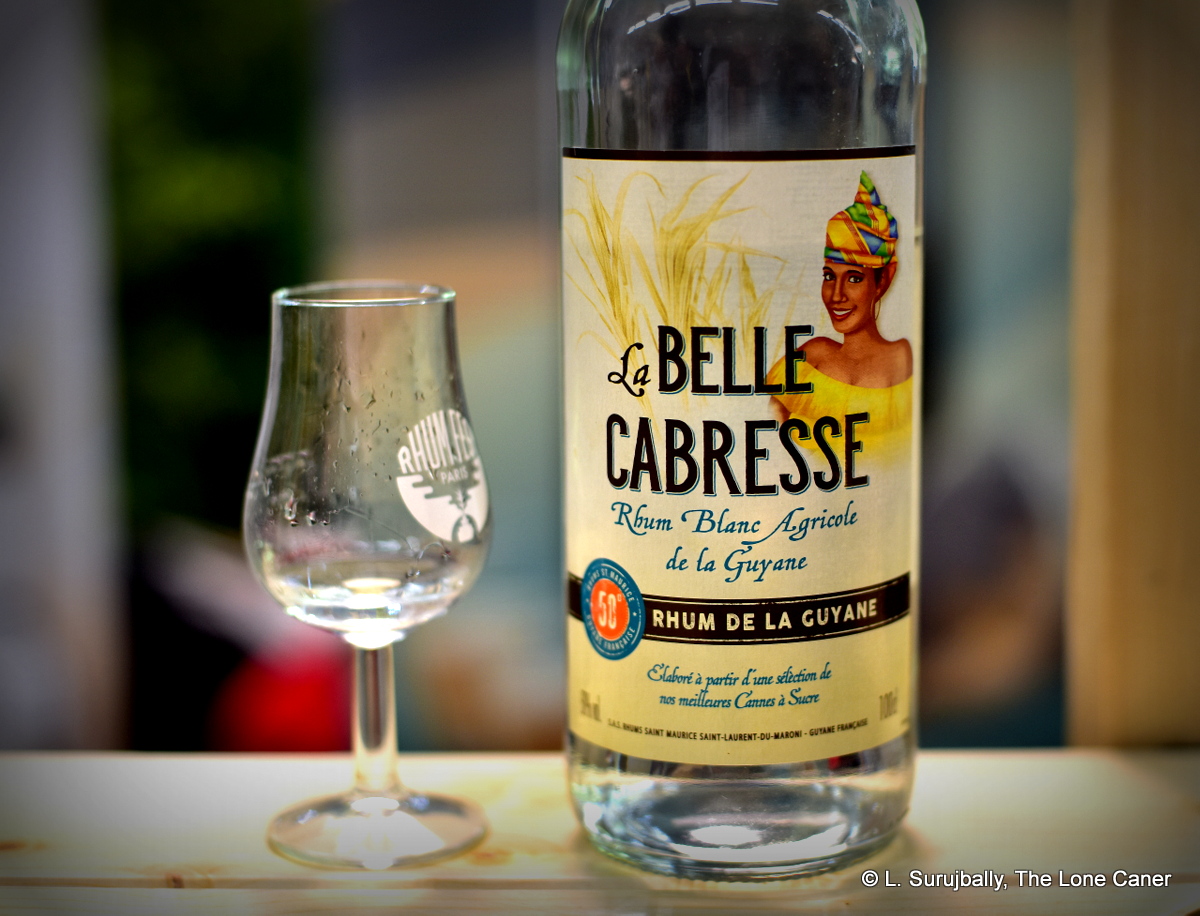
 The rhum presents as warm rather than hot or sharp, so relatively tame to sniff, and this continues on to the palate. There a certain sweetness, light and clear, that is more pronounced in the initial sips, and the citrus notes are more noticeable, as are the brine and slight rottenness. What’s most distinct is the emergent strain of ouzo, of licorice (mostly absent from the nose until after it opens up a bit) … but fortunately this doesn’t take over, integrating reasonably well with tastes of clear bubble gum and strawberry soda pop that round out the crisp profile. Finish is medium long, dry, sweet, warm Guavas and white fruits and watery pears mingle with oranges and citrus peel and a slight dusting of salt, and that’s just about the whole story.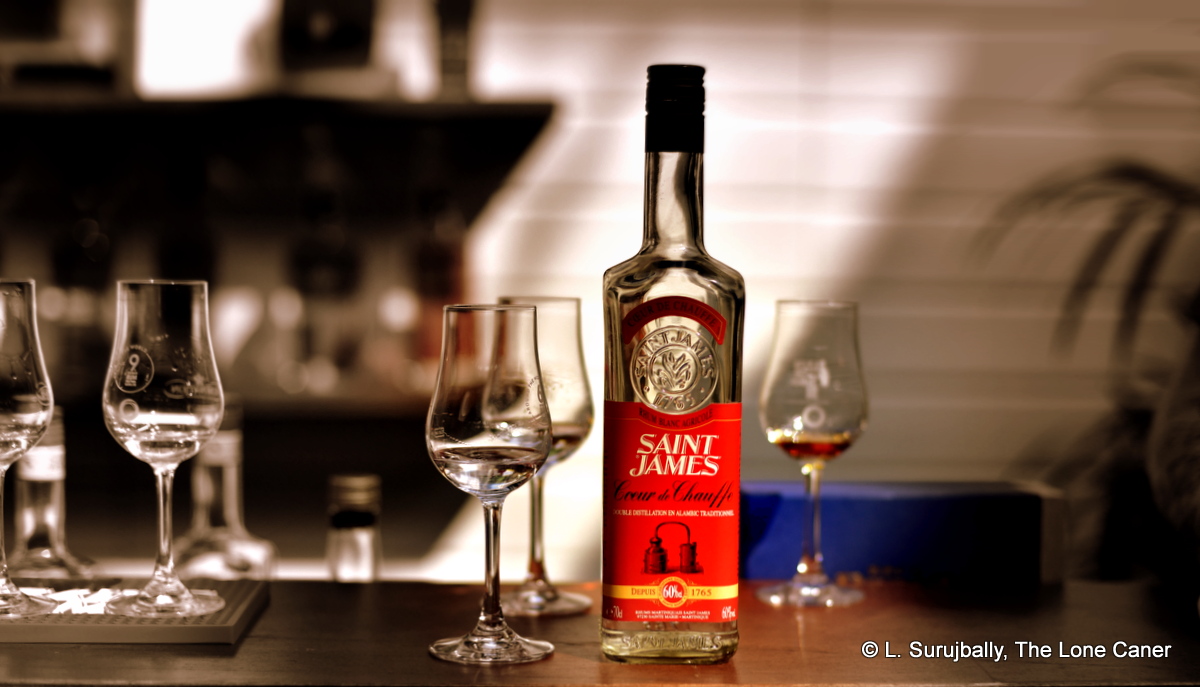
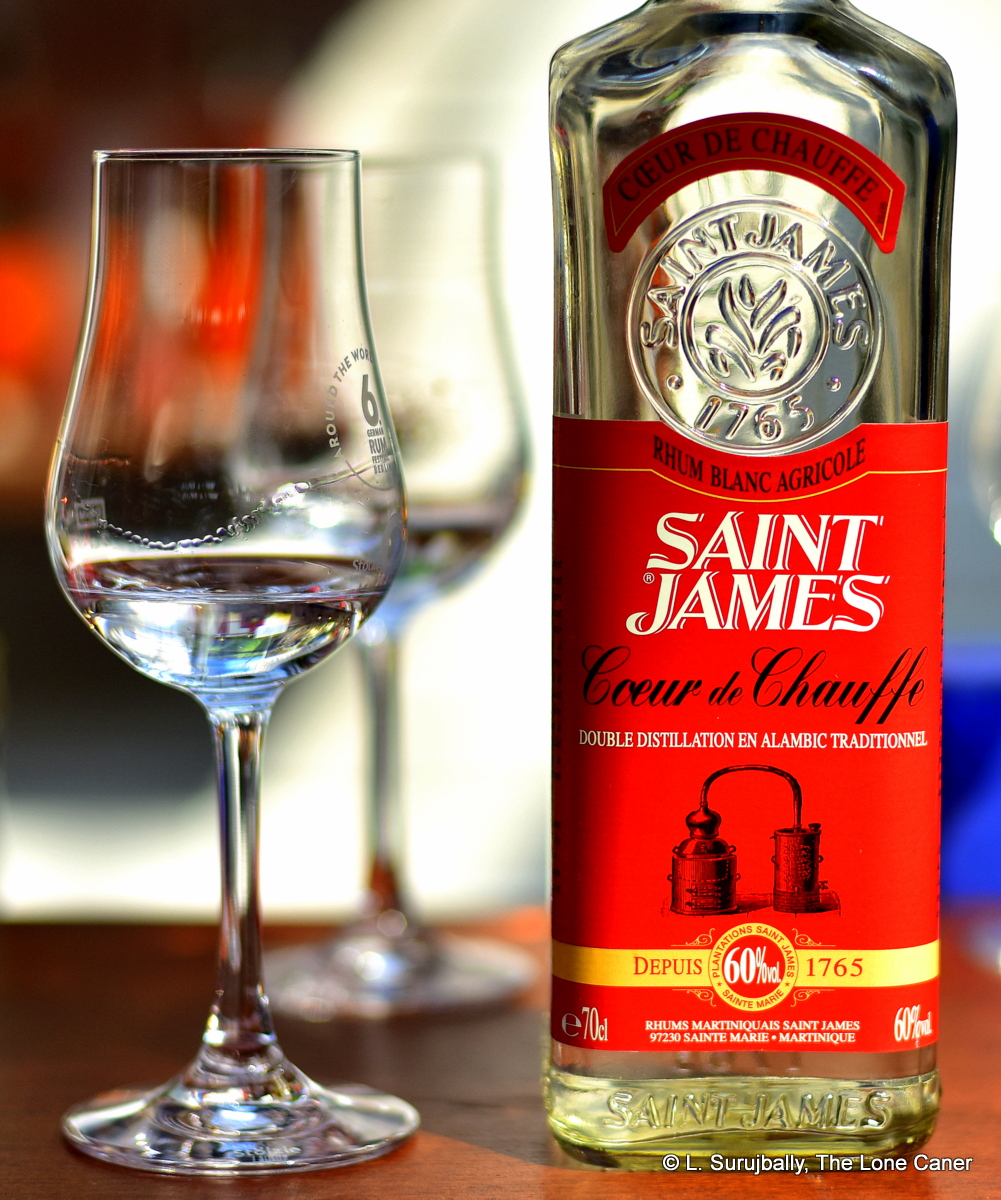 And also because, man, did this thing ever smell pungent — it was a bottle-sized 60-proof ode to whup-ass and rumstink. A barrage of nail polish, spoiling fruit, wood chips, wax, salt, and gluey notes all charged right out without pause or hesitation, spoiling for a fight. Even without making a point of it, the rhum unfolded with uncommon firmness into aromas of sweet, grassy herbals, green apples, sugar water, dill, cider, vegetables, toasted bread, a sharp mature cheddar, all mixed in with moist dark earth, sugar water, biscuits, orange peel. And the balance of all of them was really quite good, truly.
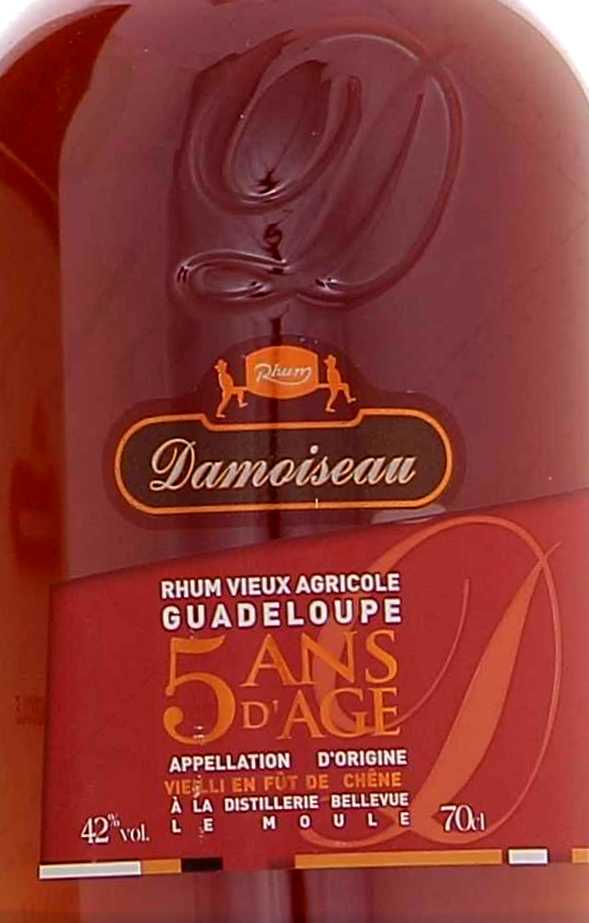
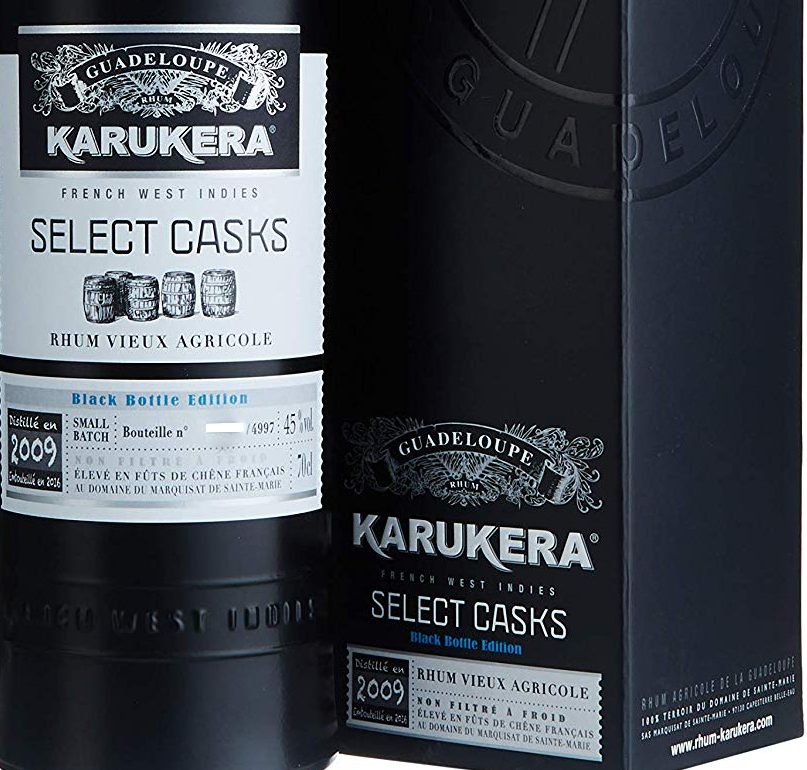
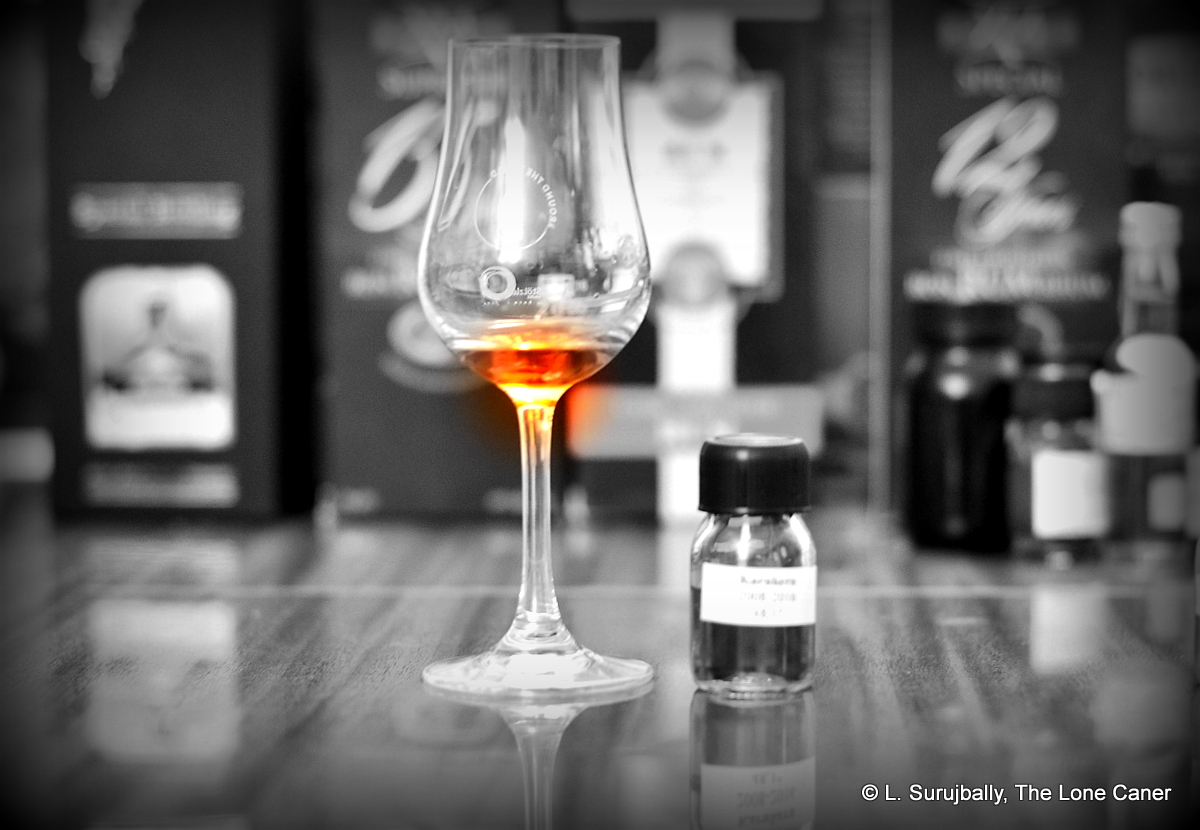
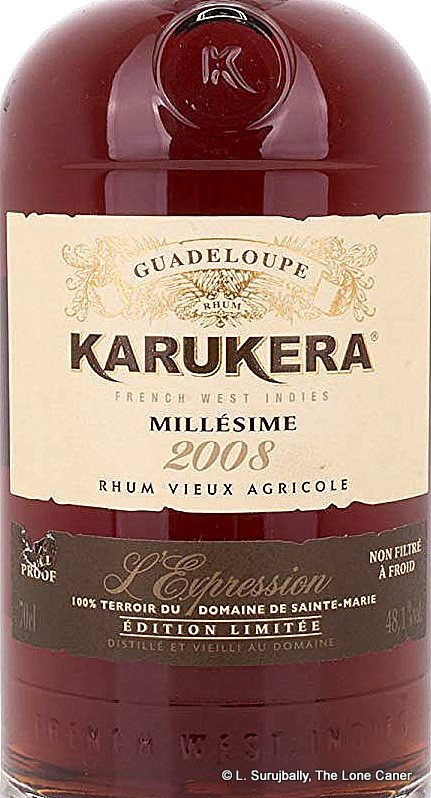 Unlike many aged agricoles that have run into my glass (and down my chin), I found this one to be quite sweet, and for all the solidity of the strength, also rather scrawny, a tad sharp. At least at the beginning, because once a drop of water was added and I chilled out a few minutes, it settled down and it tasted softer, earthier, muskier. Creamy salt butter on black bread, sour cream, yoghurt, and also fried bananas, pineapple, anise, lemon zest, cumin, raisins, green grapes, and a few more background fruits and florals, though these never come forward in any serious way. The finish is excellent, by the way – some vague molasses, burnt sugar, the creaminess of hummus and olive oil, caramel, flowers, apples and some tart notes of soursop and yellow mangoes and maybe a gooseberry or two. Nice.
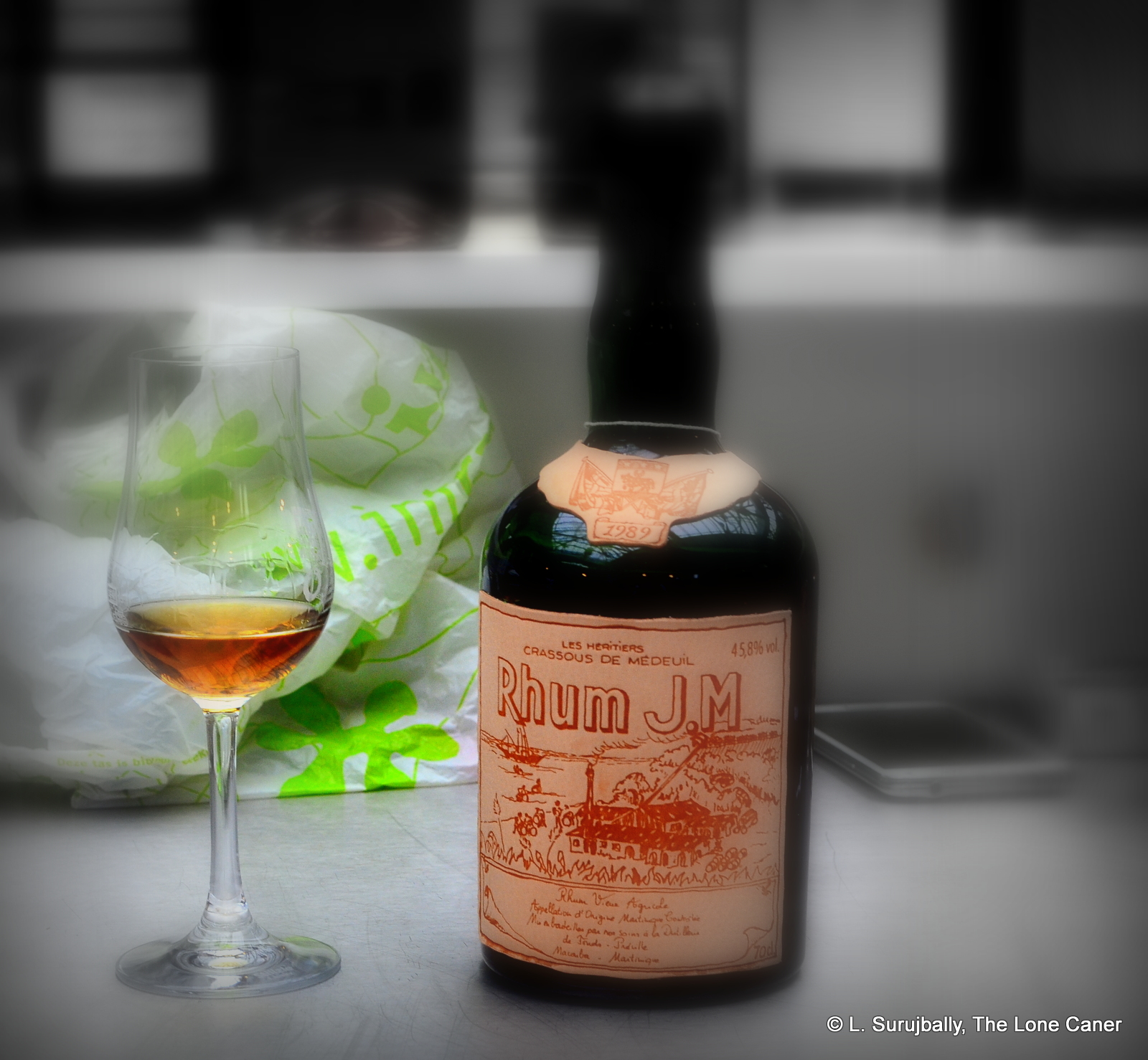
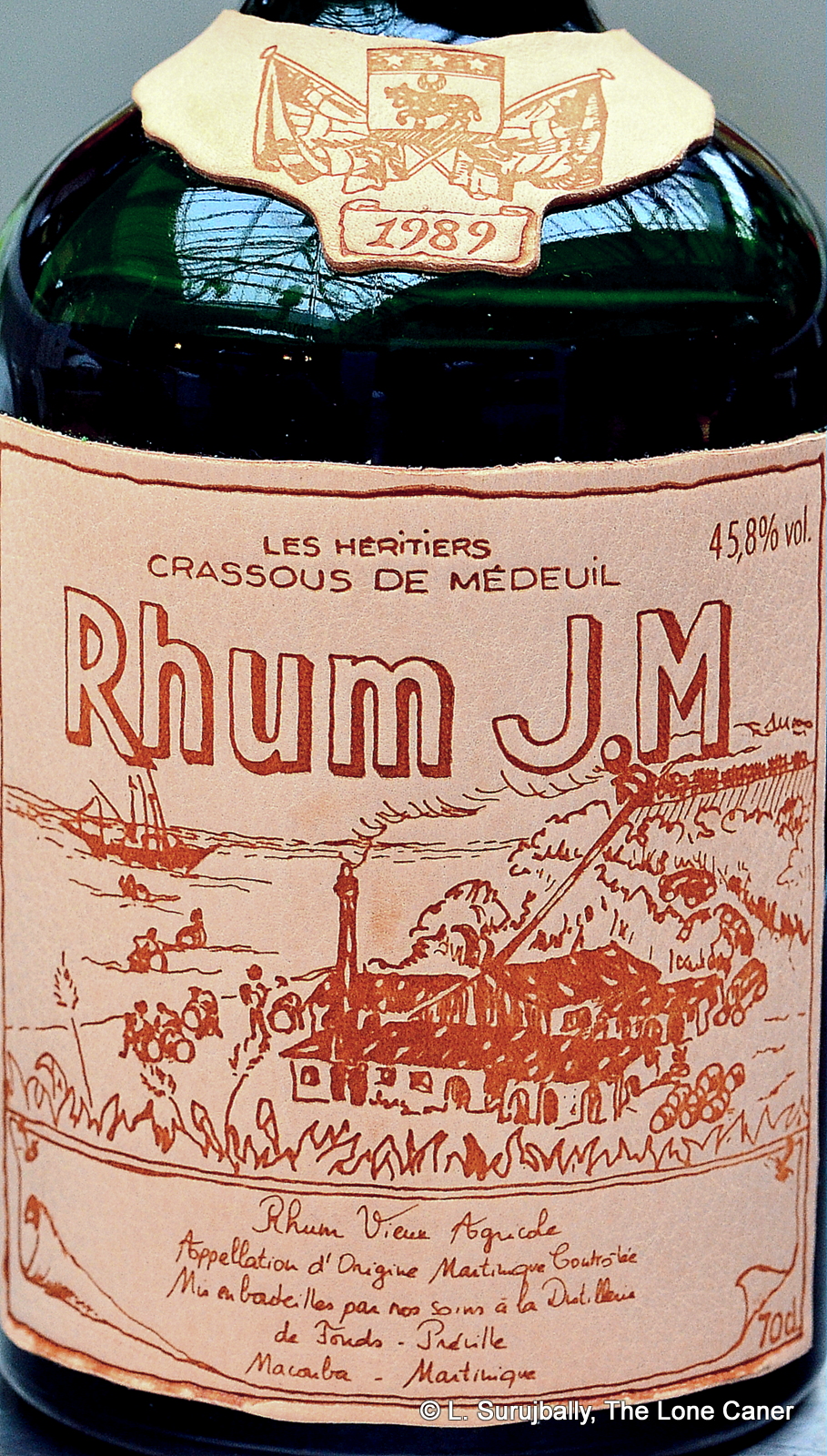
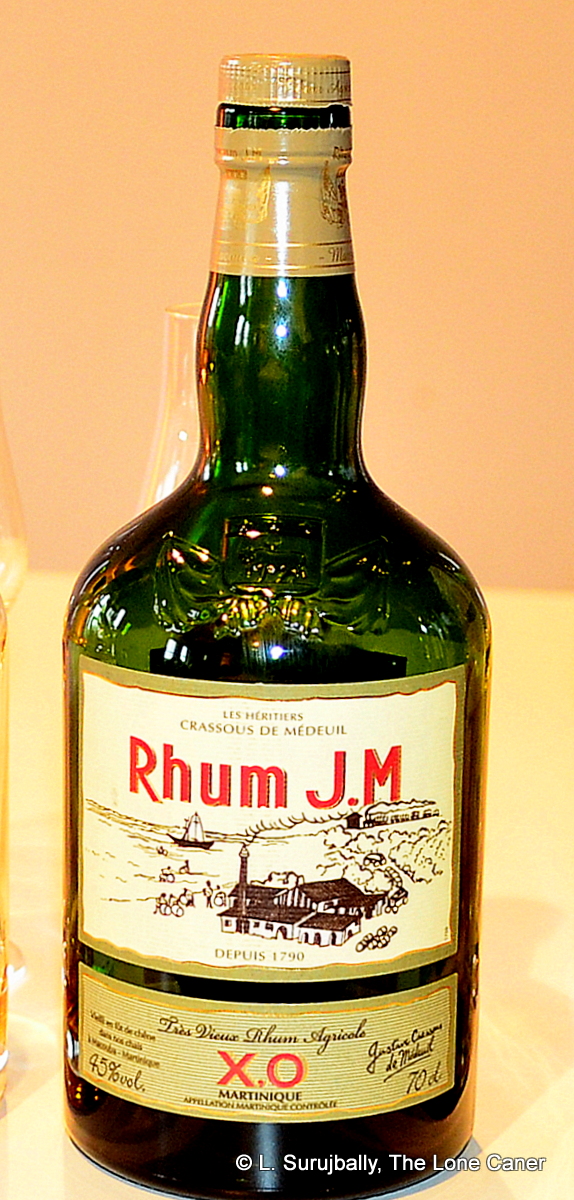 We hear a lot about Damoiseau, HSE, La Favorite and Trois Rivieres on social media, while J.M. almost seems to fall into the second tier of famous names. Though not through any fault of its own – as far as I’m concerned they have every right to be included in the same breath as the others, and to many, it does.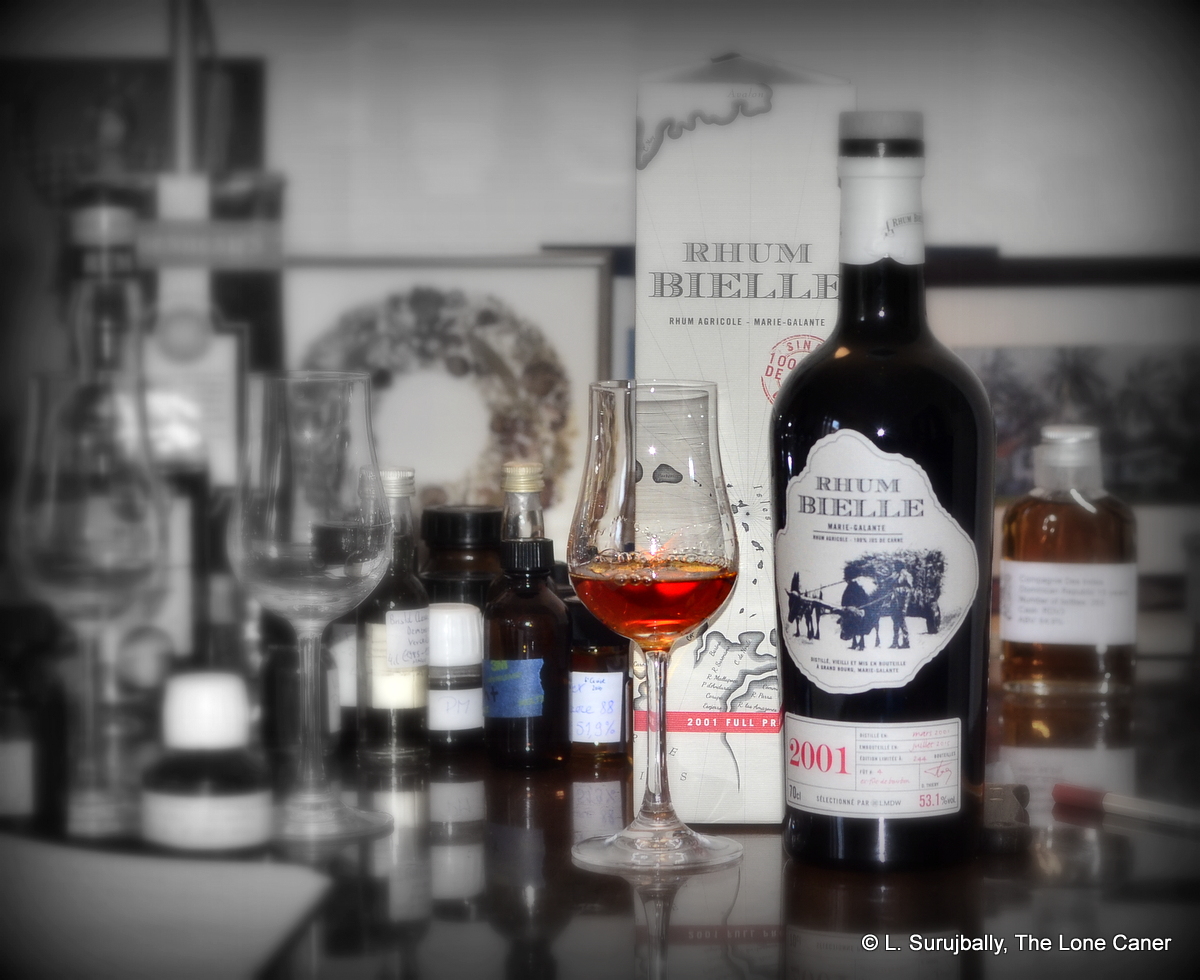
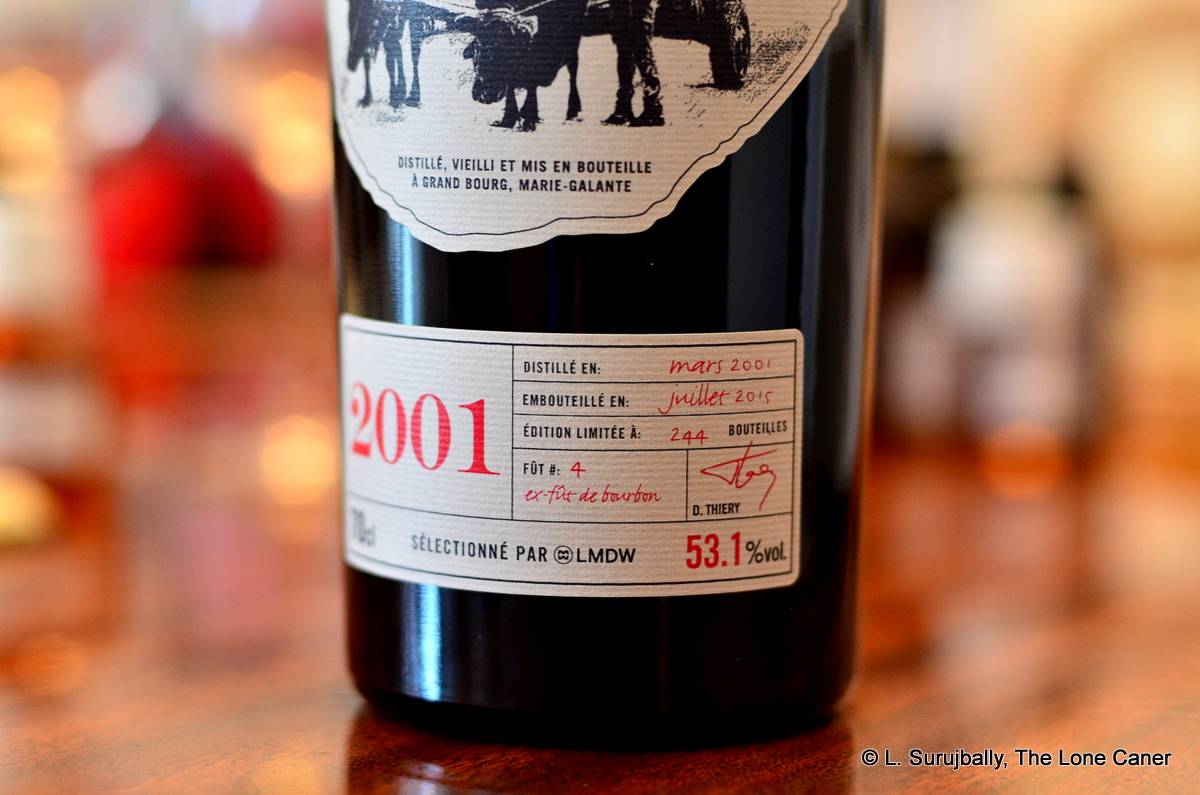
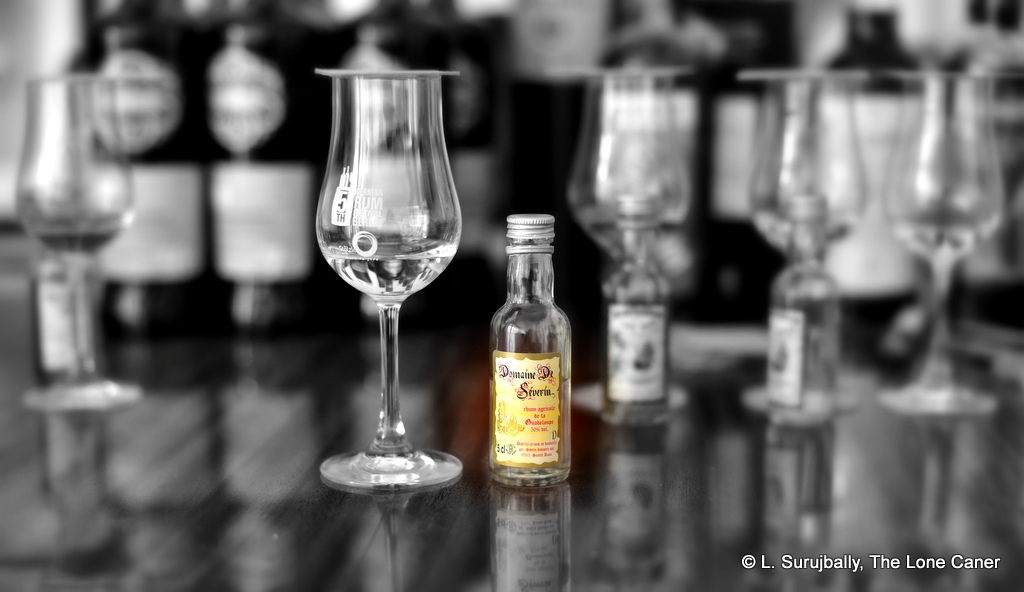
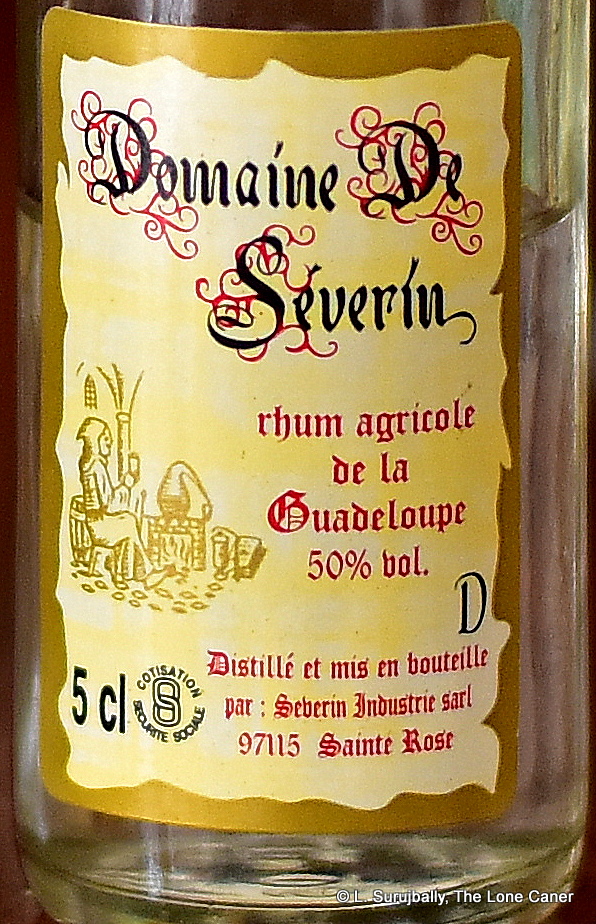 Nose – Starts off with plastic, rubber and acetones, which speak to its (supposed) unaged nature; then it flexes its cane-juice-glutes and coughs up a line of sweet water, bright notes of grass, sugar cane sap, brine and sweetish red olives. It’s oily, smooth and pungent, with delicate background notes of dill and cilantro lurking in the background. And some soda pop.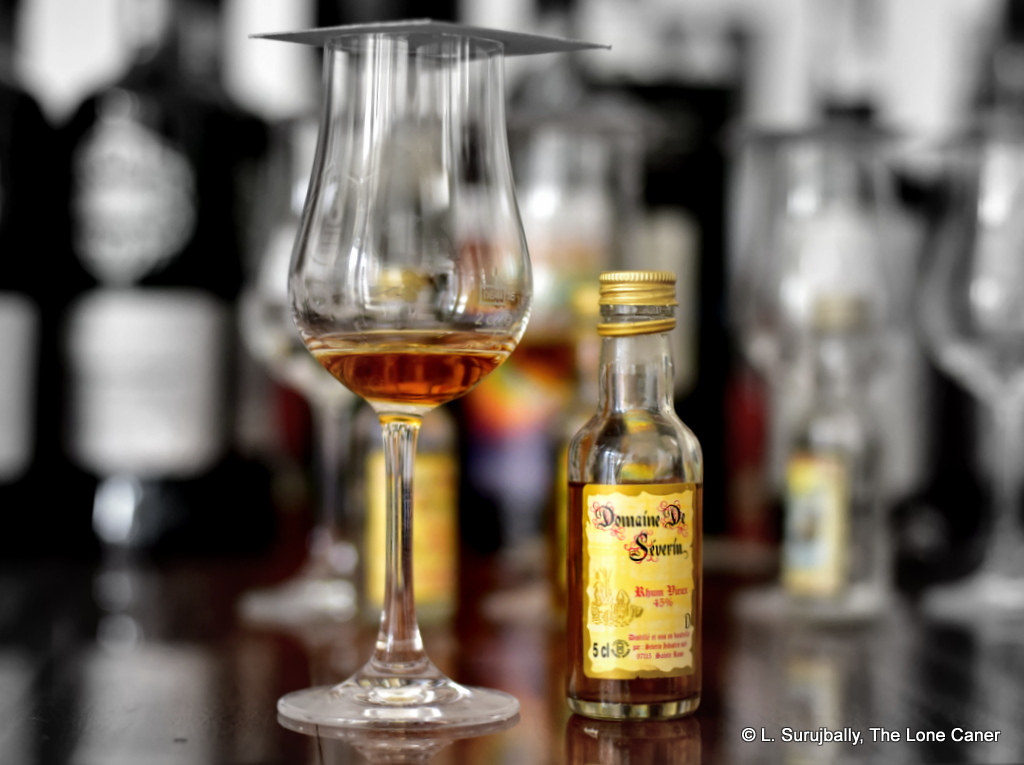
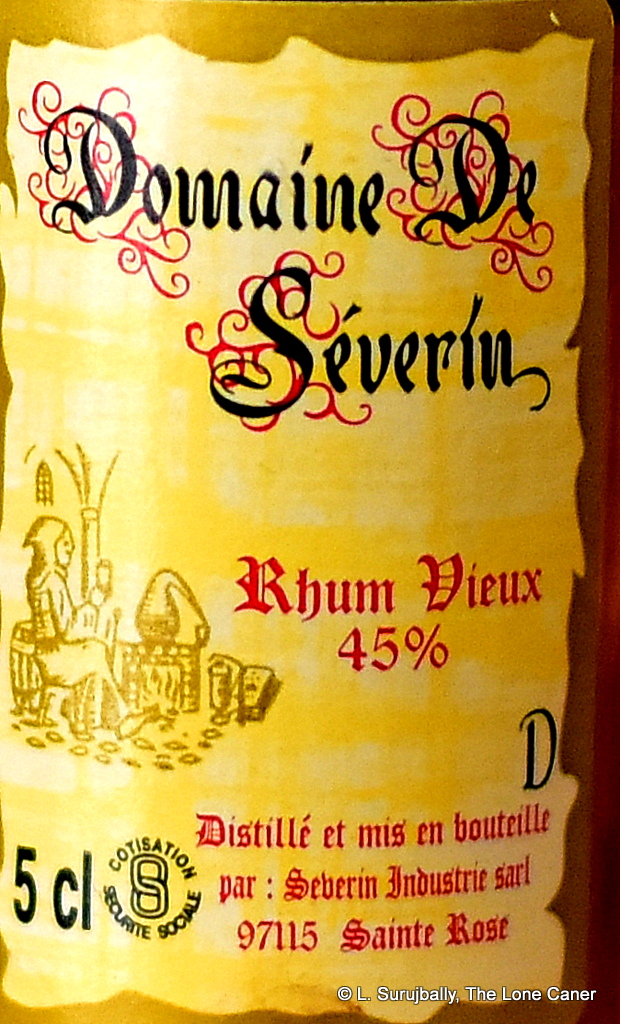 Colour – Gold
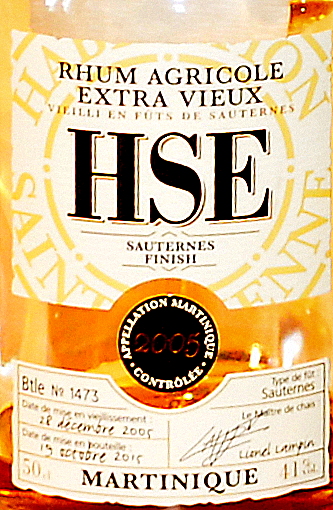 Given that it is nine years tropical ageing plus another year in the Sauternes casks, I think we could be expected to have a pretty interesting profile — and I wasn’t disappointed (though the low 41% strength did give me pause). The initial smells were grassy and wine-y at the same time, a combination of musk and crisp light aromas that melded well. There were green apples, grapes, the tart acidity of cider mixed in with some ginger and cinnamon, a dollop of brine and a few olives, freshly mown wet grass and well-controlled citrus peel behind it all.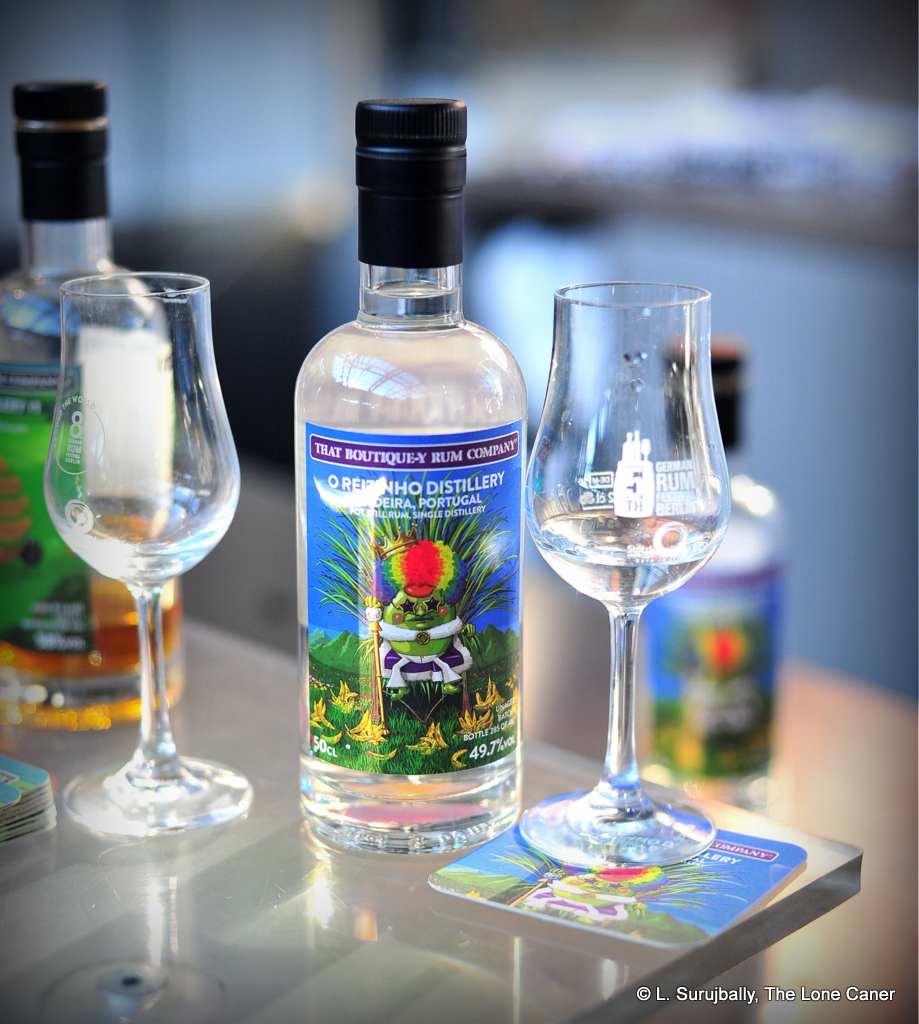

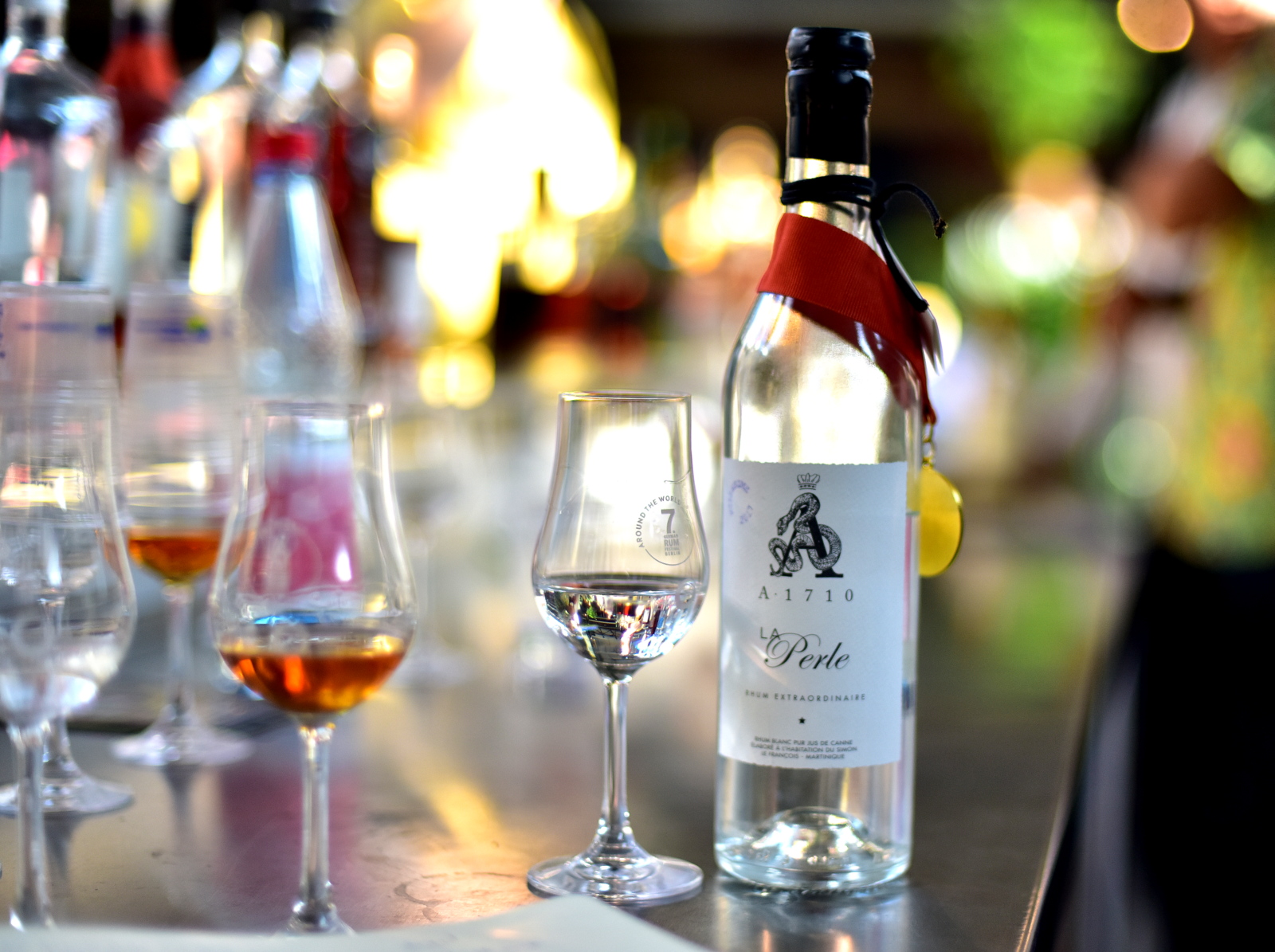
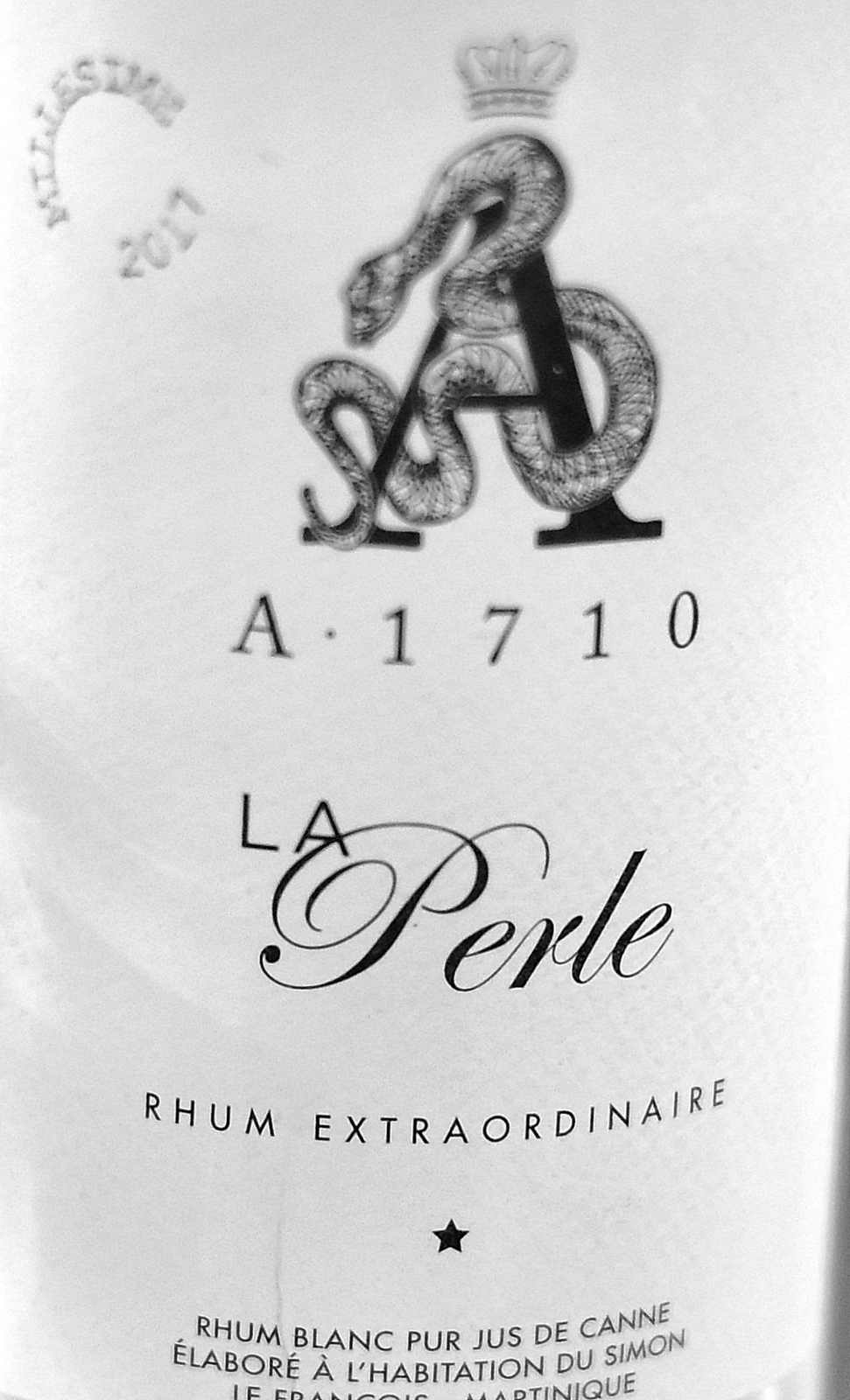
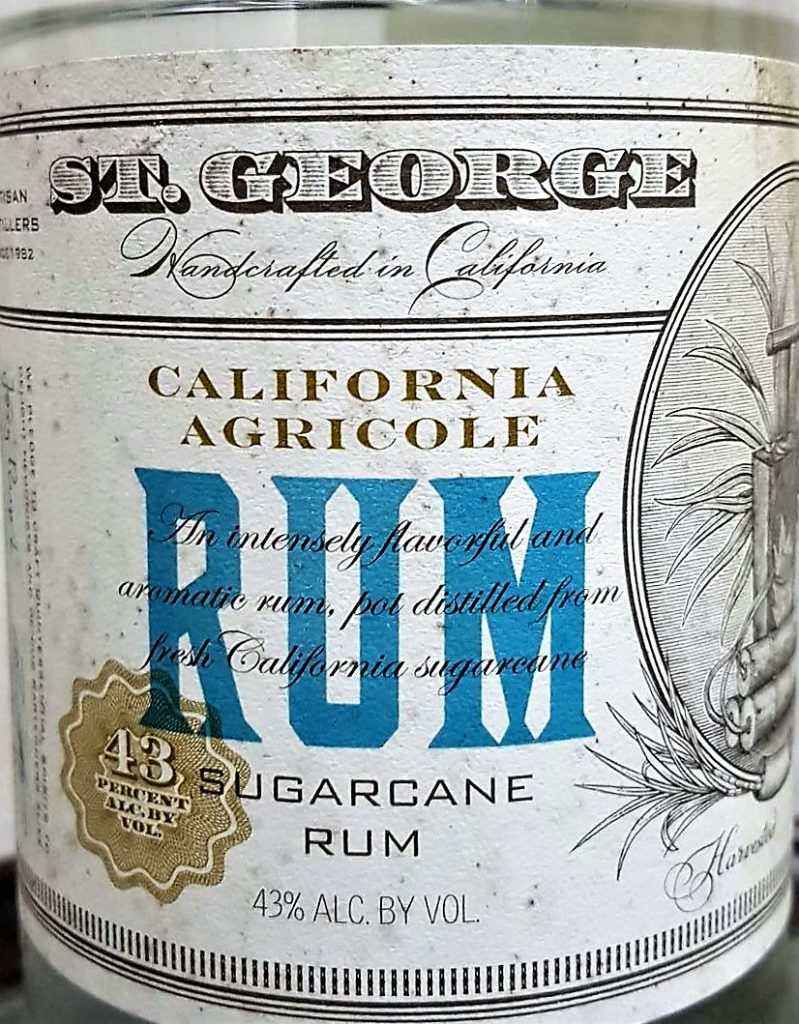 Just as we don’t see Americans making too many full proof rums, it’s also hard to see them making true agricoles, especially since the term is so tightly bound up with the spirits of the French islands.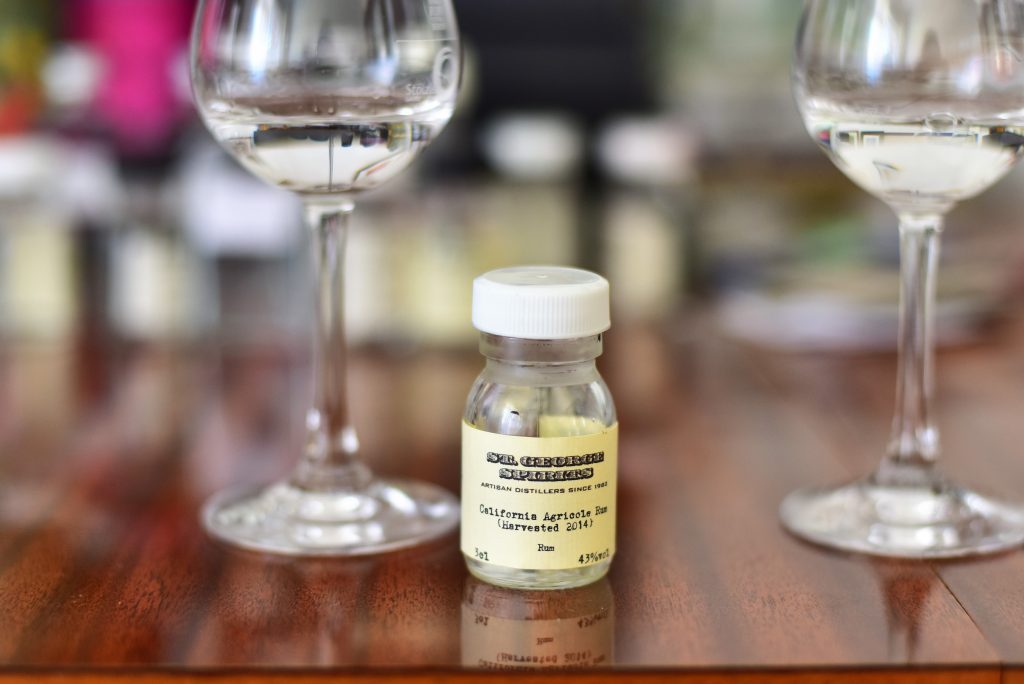
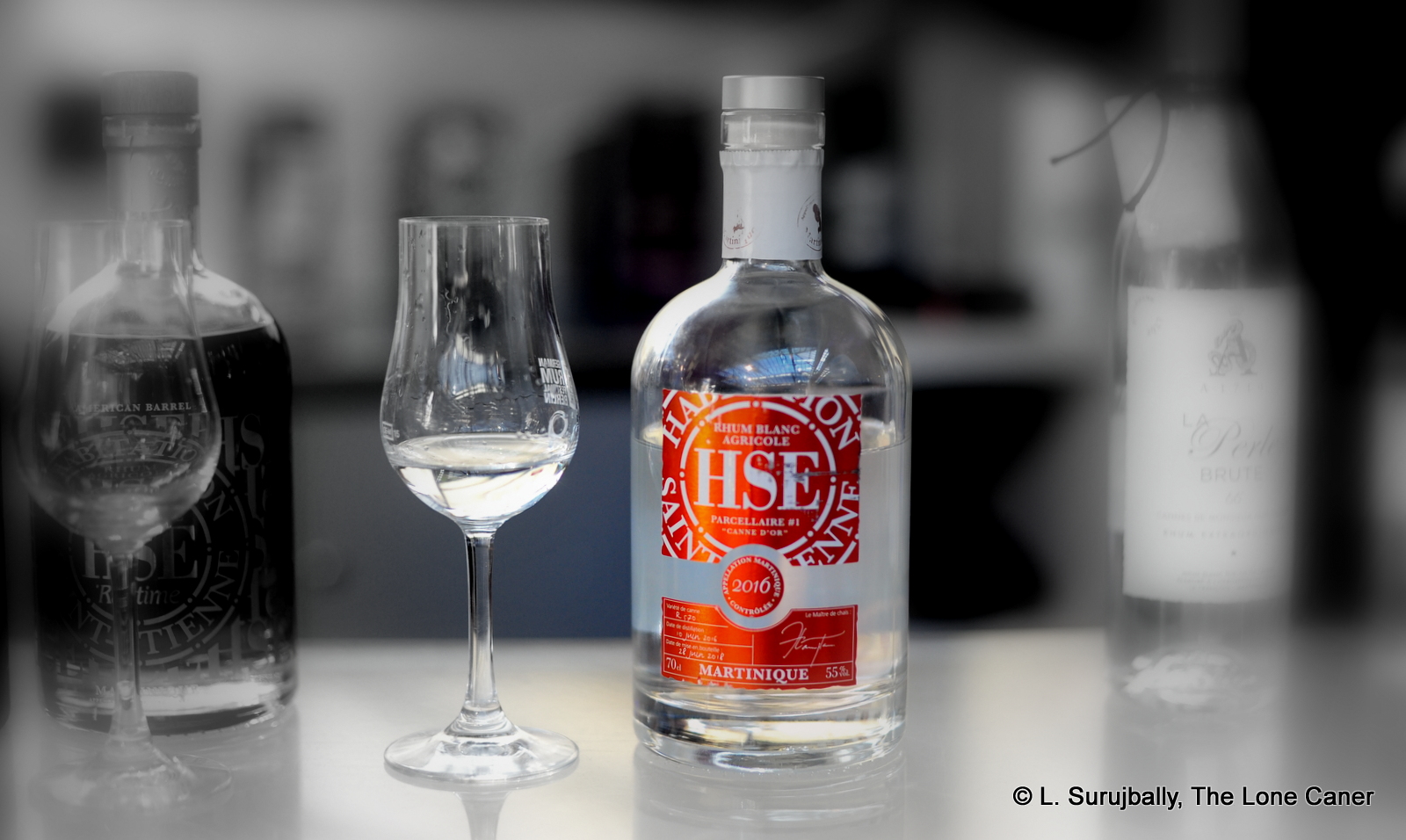
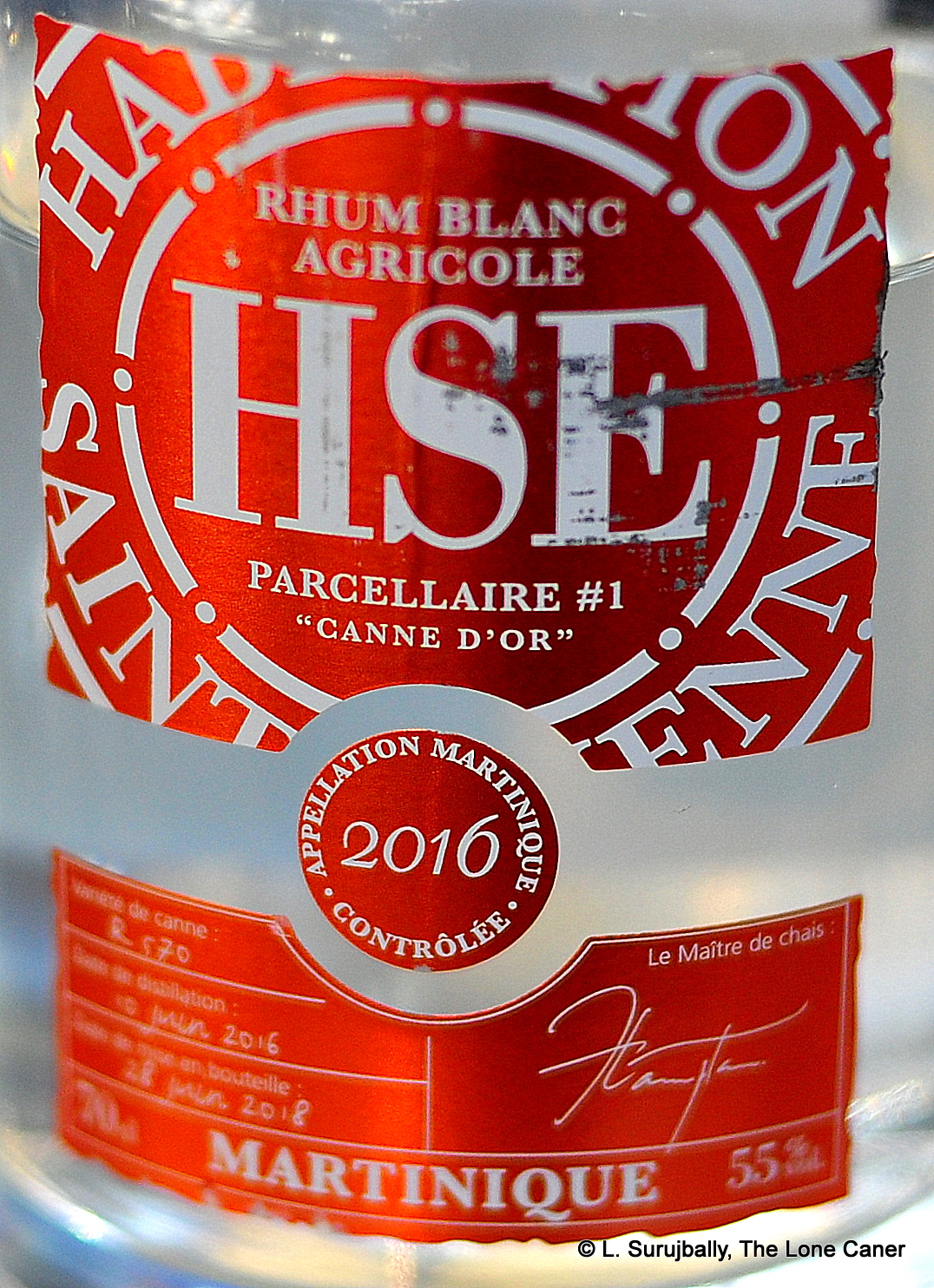
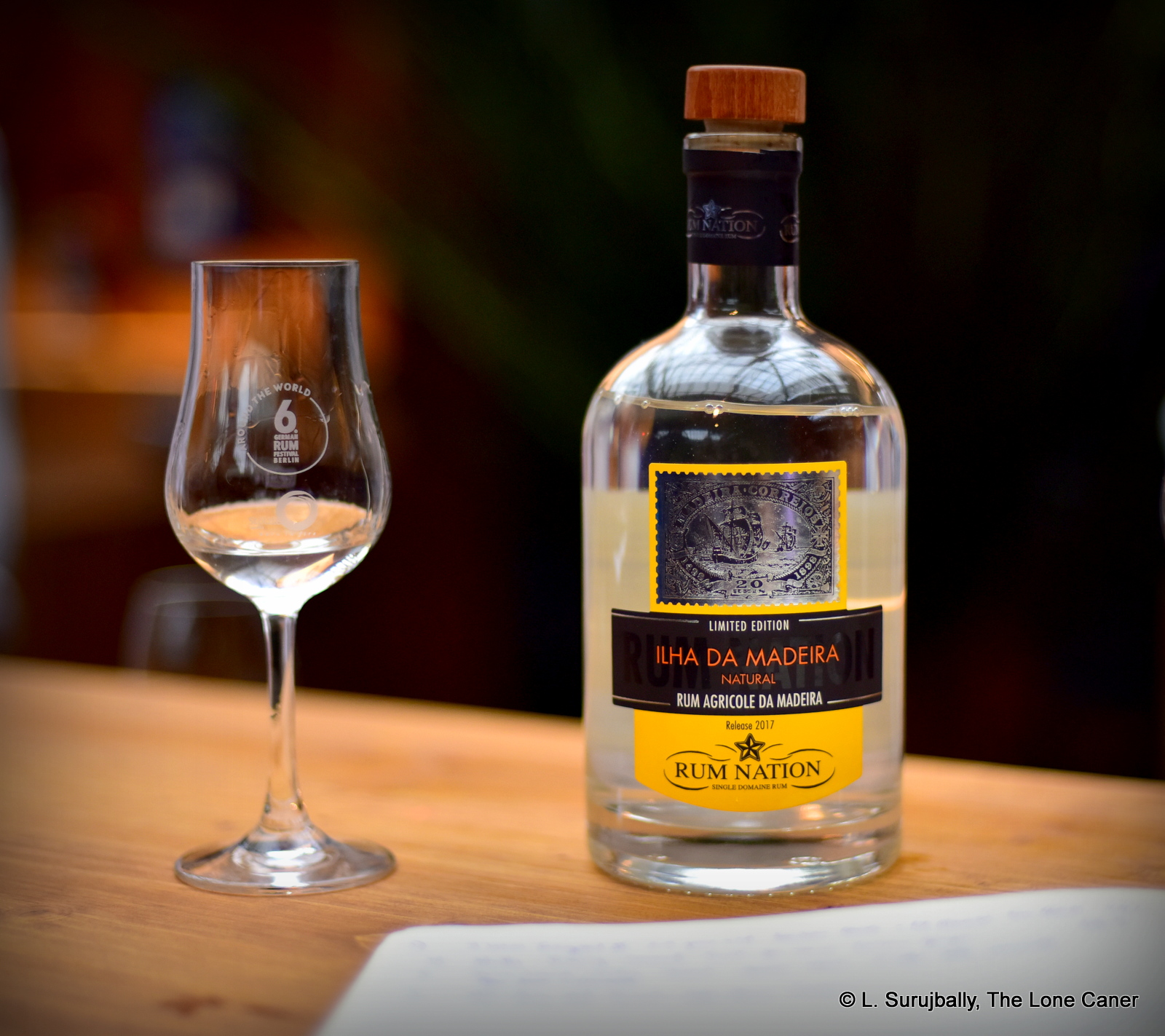
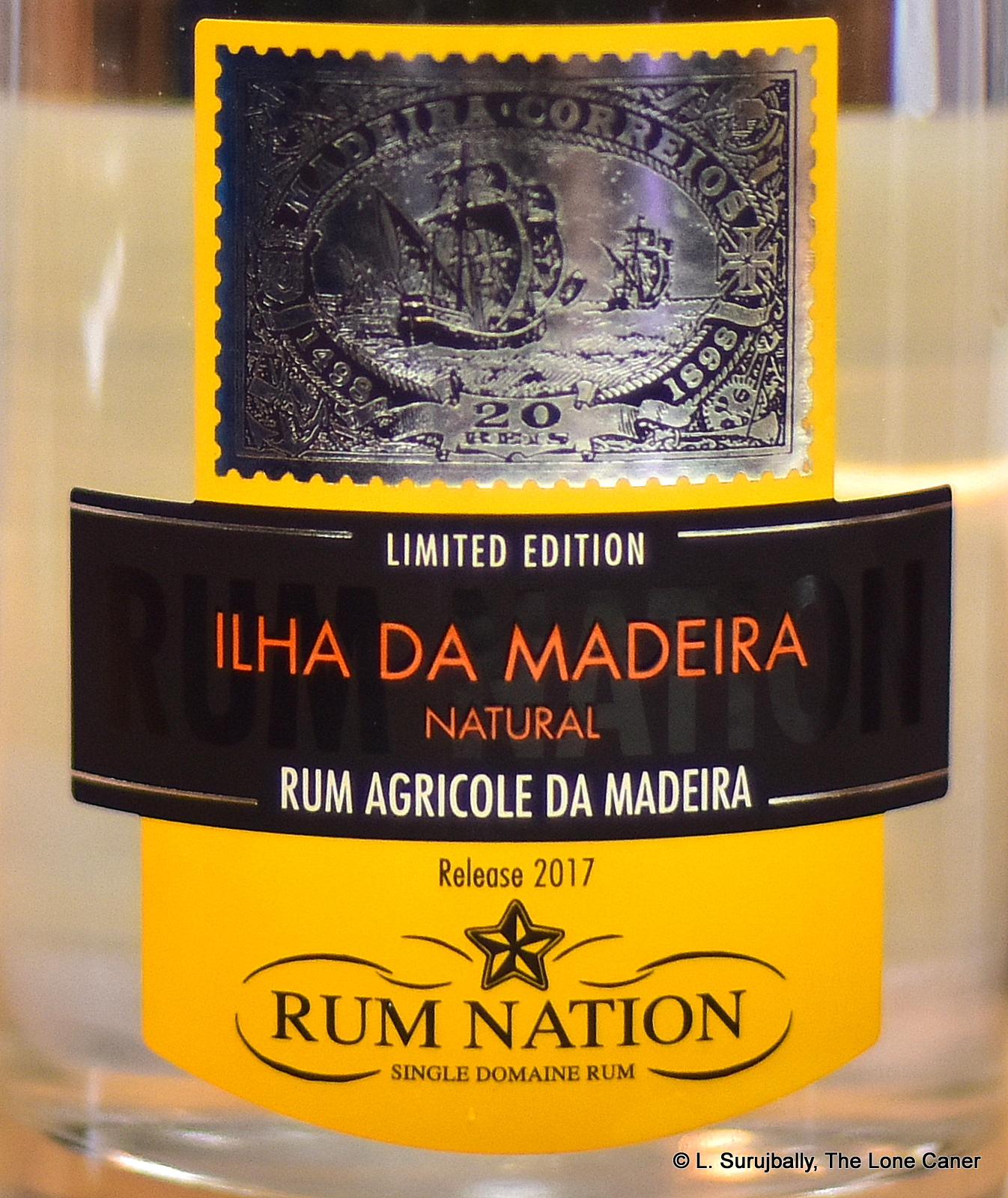 Anyway, here’s what it was like. The nose of the Ilha da Madeira fell somewhere in the middle of the line separating a bored “meh” from a more disbelieving “holy-crap!”. It was a light melange of a playful sprite-like aroma mixed in with more serious brine and olives, a little sweet, and delicate – flowers, sugar water, grass, pears, guavas, mint, some marzipan. You could sense something darker underneath – cigarette tar, acetones – but these never came forward, and were content to be hinted at, not driven home with a sledge. Not really a brother to that fierce Jamaican brawler, more like a cousin, a closer relative to the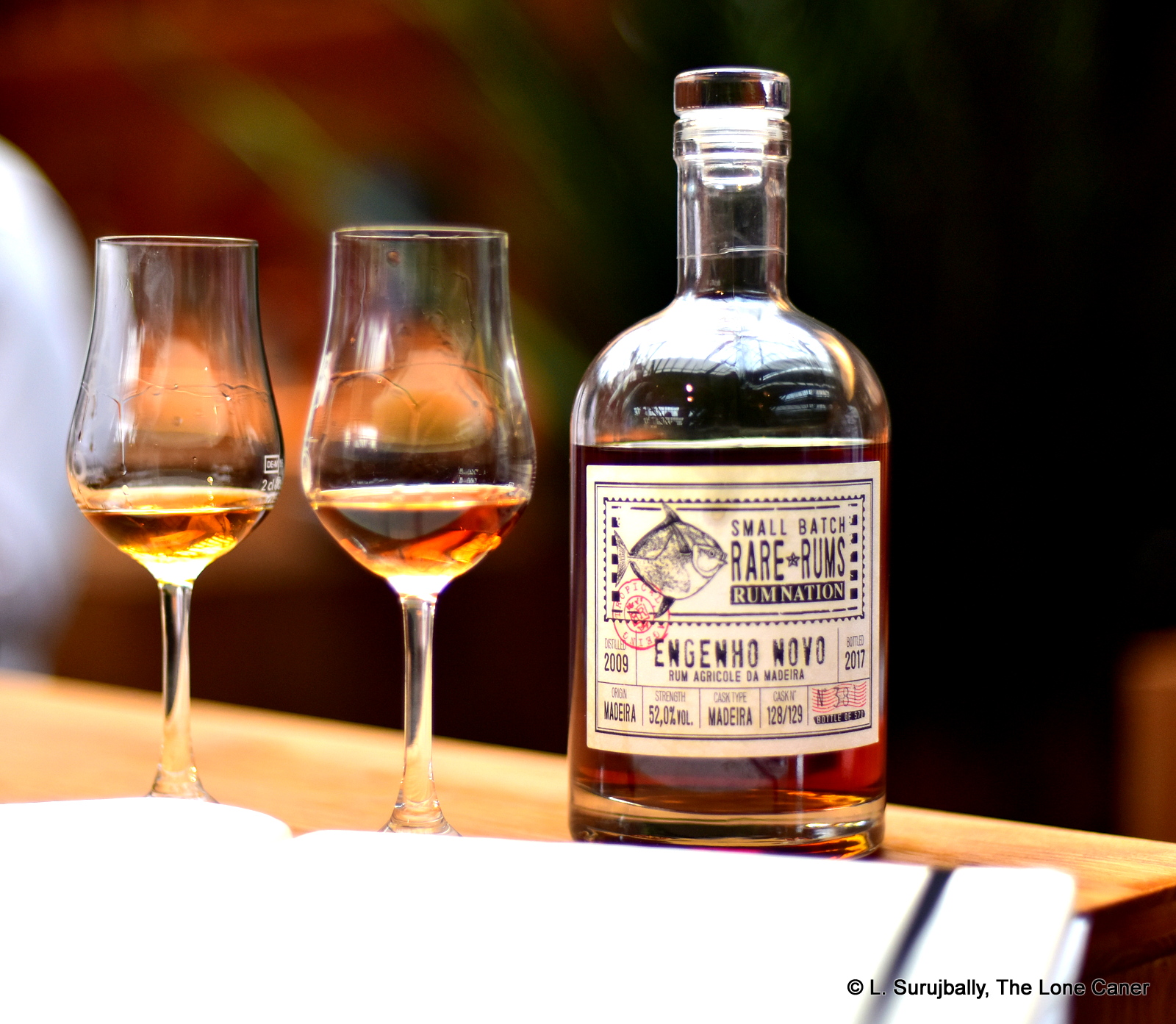
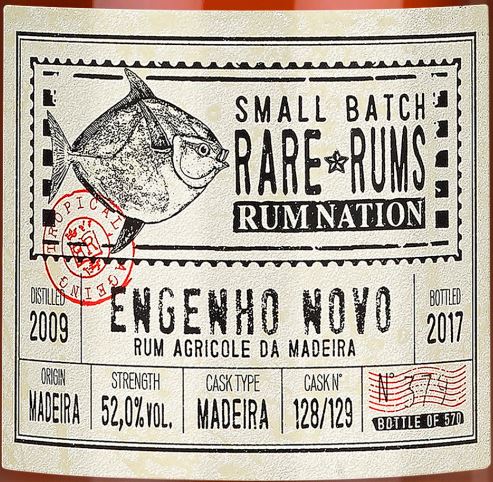 I’ll provide some more background detail in the Other Notes below, but for the moment let’s just read off the fact sheet for the rum which is very helpfully provided on the Rare Rums website and on the bottle label itself. This is a cane juice distillate and can therefore be classed as an agricole-style rhum; distilled 2009 and the four barrel outturn from a column still was aged in Madeira casks, providing 570 bottles in 2017, with a strength of 52%.
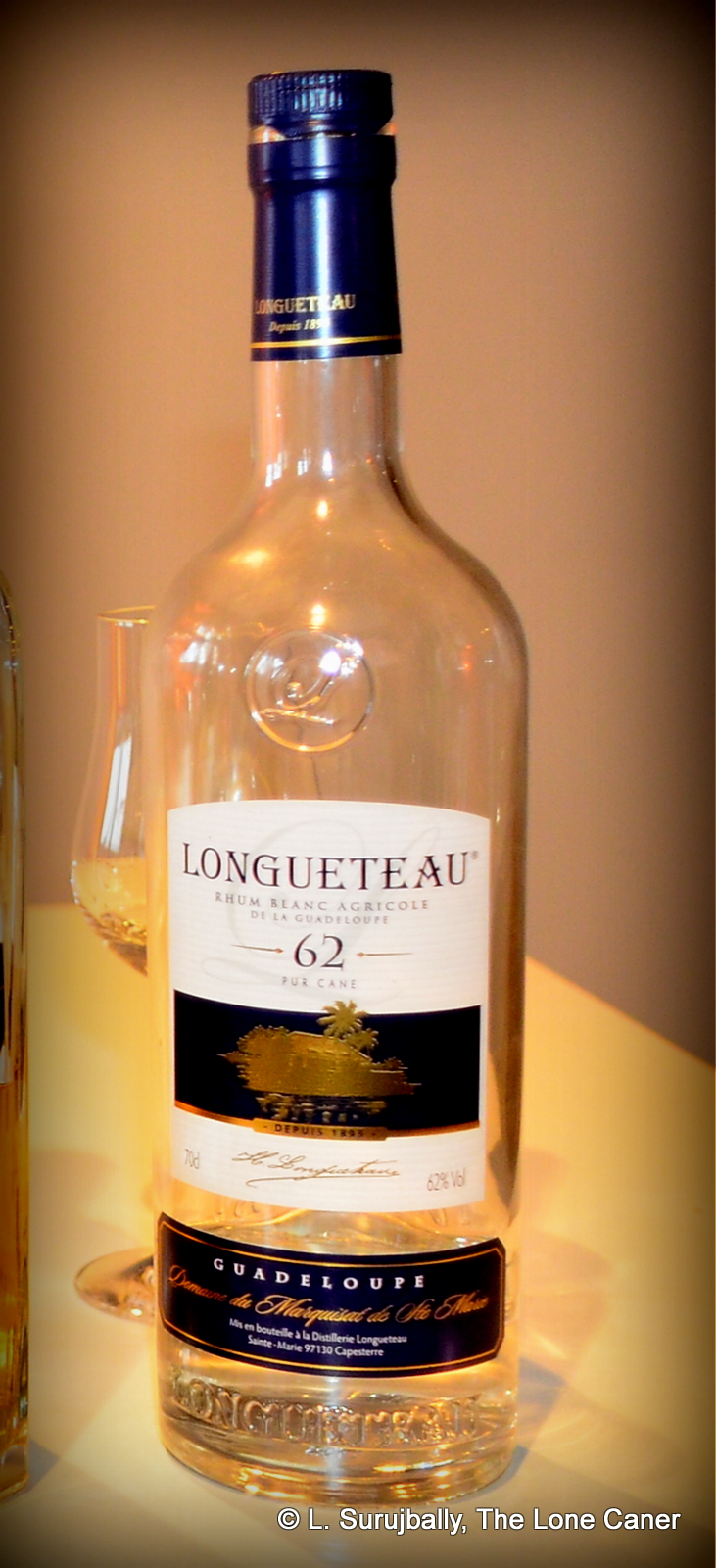 In the last decade, several major divides have fissured the rum world in ways that would have seemed inconceivable in the early 2000s: these were and are cask strength (or full-proof) versus “standard proof” (40-43%); pure rums that are unadded-to versus those that have additives or are spiced up; tropical ageing against continental; blended rums versus single barrel expressions – and for the purpose of this review, the development and emergence of unmessed-with, unfiltered, unaged white rums, which in the French West Indies are called