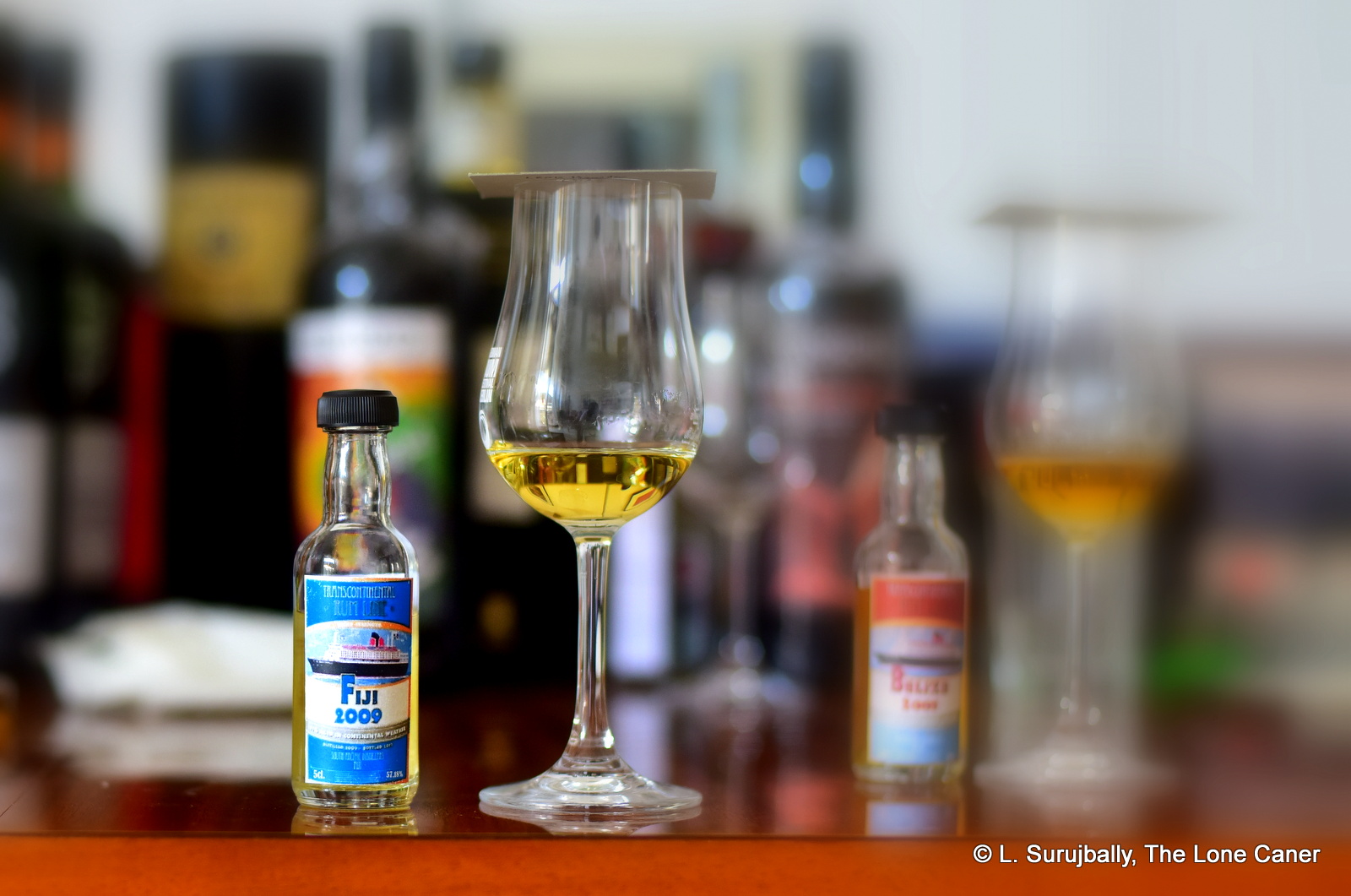
Over the years I’ve gone through a few Pacific island rums and while appreciative of their inventiveness, wasn’t entirely chuffed about them. They had elements I liked and elements I didn’t, and on balance while they were workable rums, nothing to really get excited about…unless it was the Mana’o white, which was quite an animal, though it reinforced my appreciation for white rums rather more than it did for Tahiti. In 2017, though, the Transcontinental Rum Line put out this 8 Year Old rum and when I tried it earlier this year, I was blatted into next week. I literally was so ensorcelled by the peculiar quality of the rum that I kept the glass recharged for five days, and kept coming back to it after each daily tasting session, just to see if I could come to grips with what made it so striking.
TCRL – the “Transcontinental Rum Line” – is the indie arm of la Maison du Whiskey out of Paris formed in 2016 and, like Compagnie des Indes with their evocative name, are using the title to tap into a myth pool of celluloid memories and old time images in our minds. Seeing the label and hearing the name, we can pretend we’re in Edwardian times and travel on the old transcontinental ships of yore (that most of us would either have been serving the upper crust, crammed into steerage or cleaning the bilges is an inconvenient and unacknowledged side issue, because, y’know, downers like that don’t sell no rum). Anyway, like all independents they issue rums at cask strength, provide all the now-normal exhaustive details on origin, strength, angel’s share…and one more. They are the only independent who, as far as I know, state exactly how much of their ageing is tropical, and how much continental (<1 year in this case for tropical, >7 years for continental).
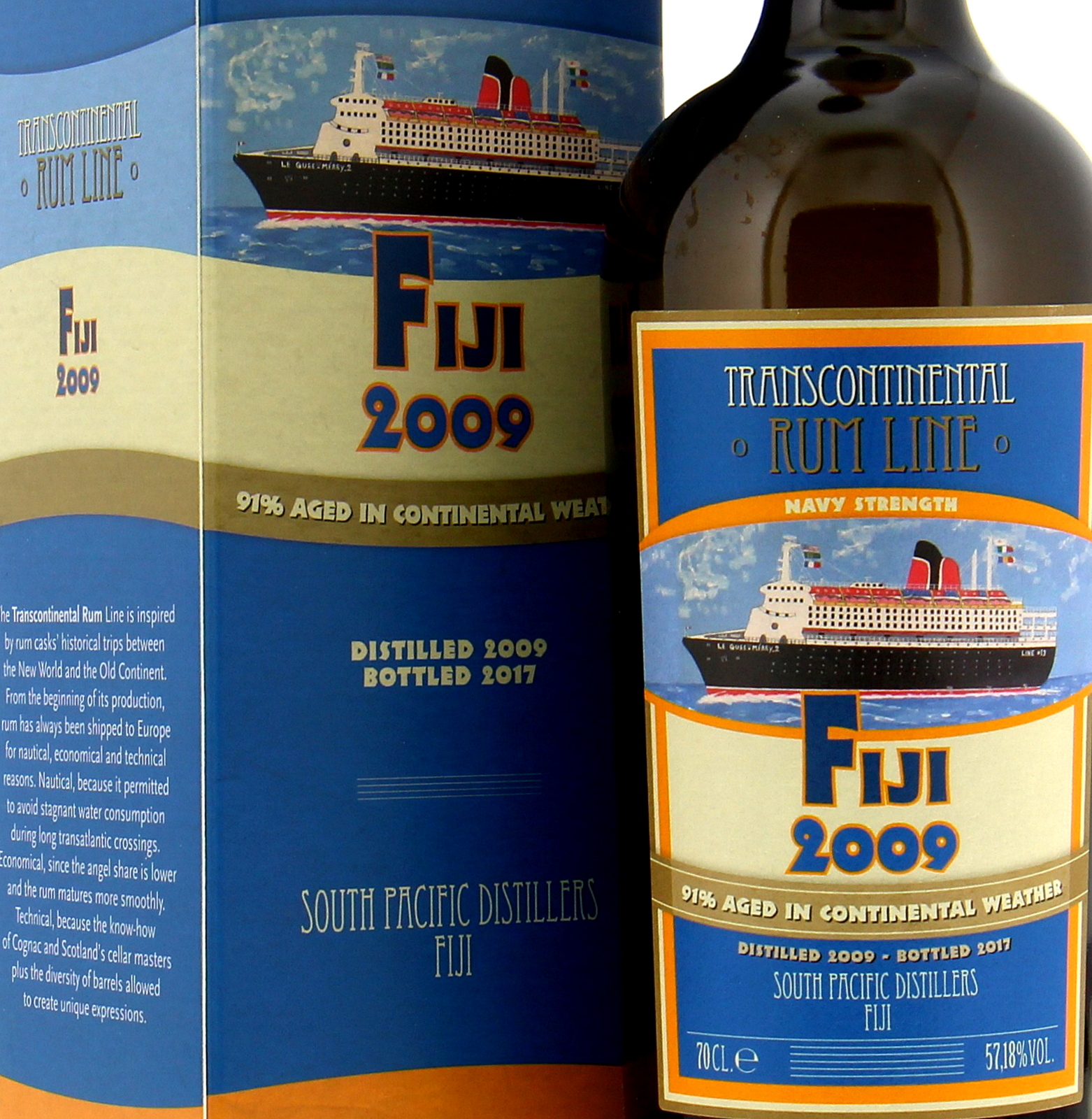 That said, the still which produced this pale yellow 57.19% ABV rum remains an open question, though my personal belief is that it’s a column still product. It certainly noses that way – aside from presenting as a fierce little young rum, it lacks something of the depth and pungency of a pot still spirit. However, that doesn’t matter, because it’s damn fine on its own merits – brine, olives, paint, turpentine, acetones, fresh nail polish, more brine and gherkins, and that’s just the beginning. It has aspects that are almost Jamaican, what with a bunch of prancing dancing esters jostling for attention, except that the smell is not so crisply sweet. It develops very nicely into smoke, leather, linseed oil for cricket bats, more brine and oily smoothness. Like a set of seething rapids finished with the messing around, it settles down to a much more refined state after half an hour or so.
Although the nose was arresting enough in its own way, it was the tasting that made me sit up and take more notice. Smooth and quite strong, it tasted with force and originality, like its trousers were stuffed with midichlorians. Initial flavours were honey, glue, bananas, followed up with pears, coffee and coconut shavings. Also, coming back to it over time, one can sense the slight syrupy sweetness of tinned peaches but with a moderating and welcome pinch (or three) of salt too (this eventually gets all huffy and walks away). Smoke, leather, some oaky bitterness, well controlled – I mean, it kept getting better and better as the hours ticked by, which was one reason I kept it on the go for so long. Everything about it just came together really well, and while it did display some sharper notes and serrated edges that gave away its relative youth, I liked it for all its raw and uncouth power. Even the finish was quite original and showed its ongoing development, nice and long, dry, fruity, thick, and briny all at once, set off by a tiny breath of salted caramel ice cream.
The longer I spent with the rum, the more I appreciated it. It has some ageing and it shows, yet also remembers its youth with zest and a sort of feisty exuberance that sets off the barrel time in fine style. The esters and the brine and fruits and oak come together in a combination that other Fijian rums have attempted, not always successfully – here it works, and works really well. It’s a bit unrefined here and there, lacks some polish – think of it as a Tiger Bay bad boy eating at the Ritz if you will – but even where it falters, it doesn’t fully fail. For all its faults, and fortunately there aren’t that many, this young Fijian 8 year old, for some peculiar reason, is one of the most memorable rums I’ve tried all year. TCRL really came out with a winner on this one.
(#540)(87/100)
Other notes
- A good mini bio of the company was written by Single Cask Rum
- 4 casks, 57.18% ABV, also referred to as “Line #13”.
- Molasses based distillate
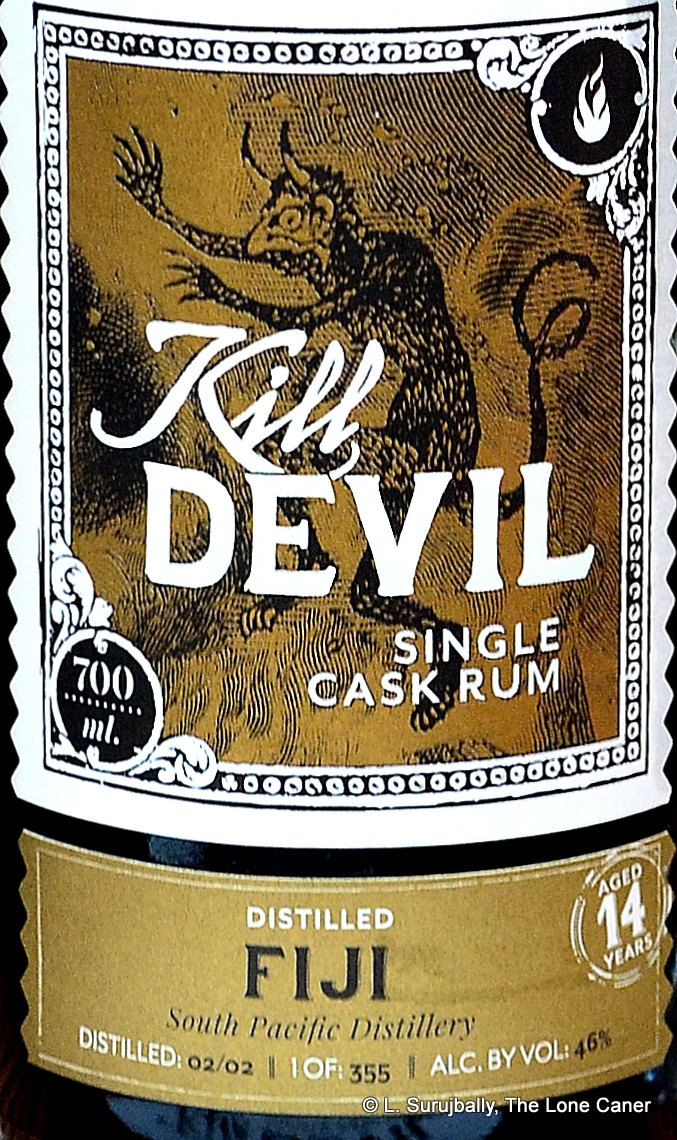
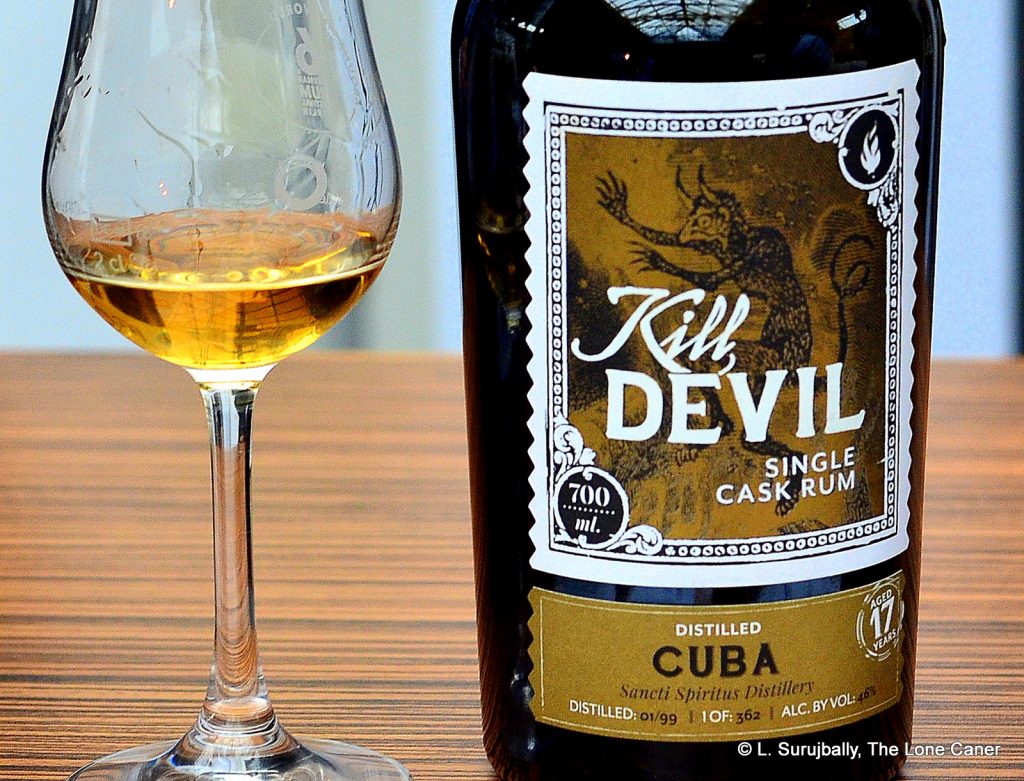
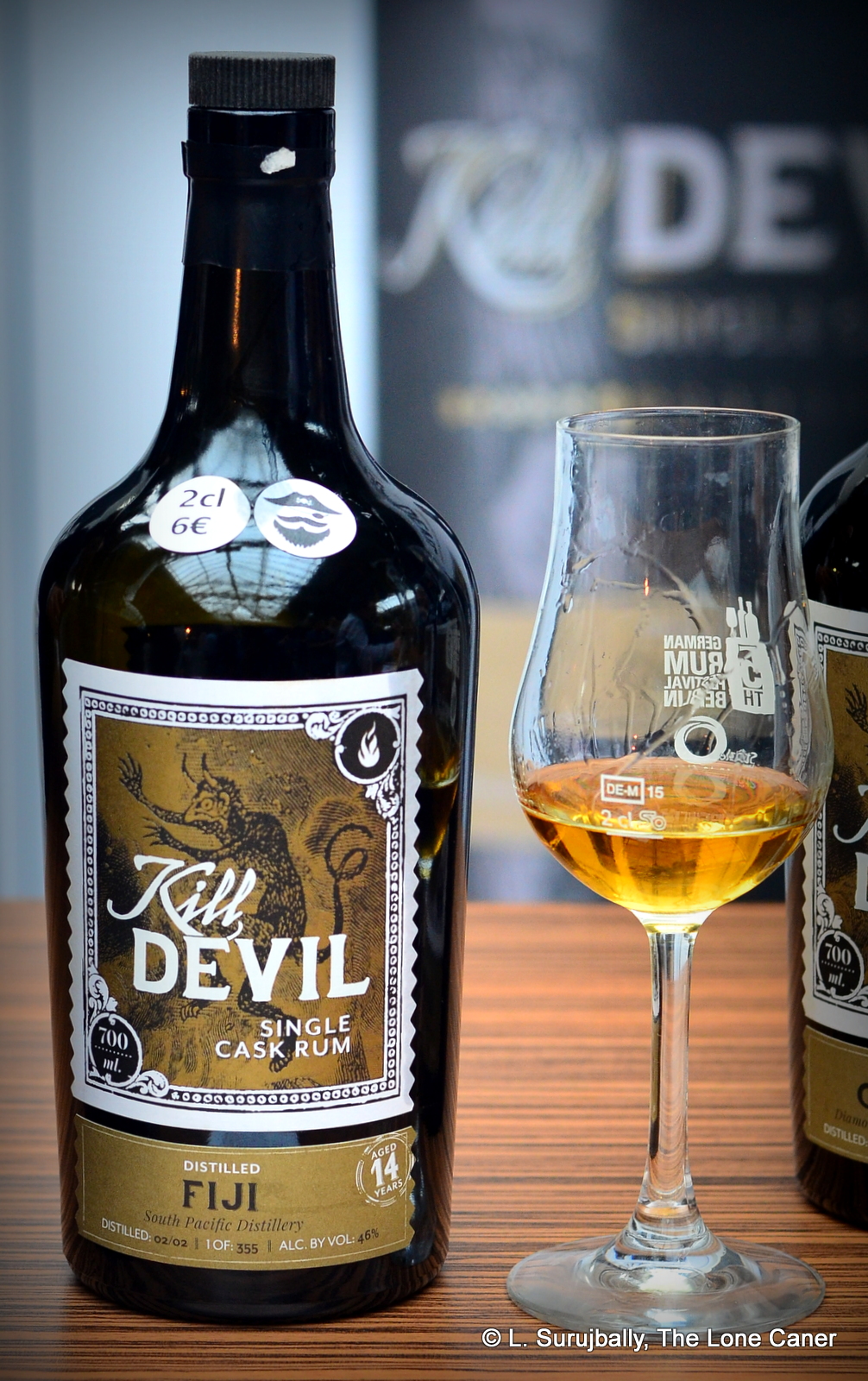 Kill Devil is the rum brand of the whiskey blender Hunter Laing, who’ve been around since 1949 when Frederick Laing founded a whisky blending company in Glasgow. In 2013 the company created an umbrella organization called Hunter Laing & Co, into which they folded all their various companies (like Edition Spirits and the Premier Bonding bottling company). The first rums they released to the market – with all the now-standard provisos like being unadulterated, unfiltered and 46% – arrived for consumers in 2016, which meant that this rum from the South Pacific Distillery on Fiji, was issued as part of their first batch (oddly, their own website provides no listing of their rums at all aside from boilerplate blurbs). When the time came for me to decide what to sample, the
  On the palate the fruits started to take over, tart and a unripe, like ginnips and soursop together with ripe mangoes, pineapple and cherries in syrup right out of a can – there was hardly any of the brininess from the nose carrying over, and as it developed, additional hints of pears, watermelon, honey, and pickled gherkins were clearly noticeable. It was warm and crisp at the same time, quite nice, and while the long and heated finish added nothing new to the whole experience, it didn’t lose any of the flavours either; and I was left thinking that while different from other Fijians for sure, it seemed to be channelling a sly note of Jamaican funk throughout, and that was far from unpleasant….though perhaps a bit at odds with the whole profile.
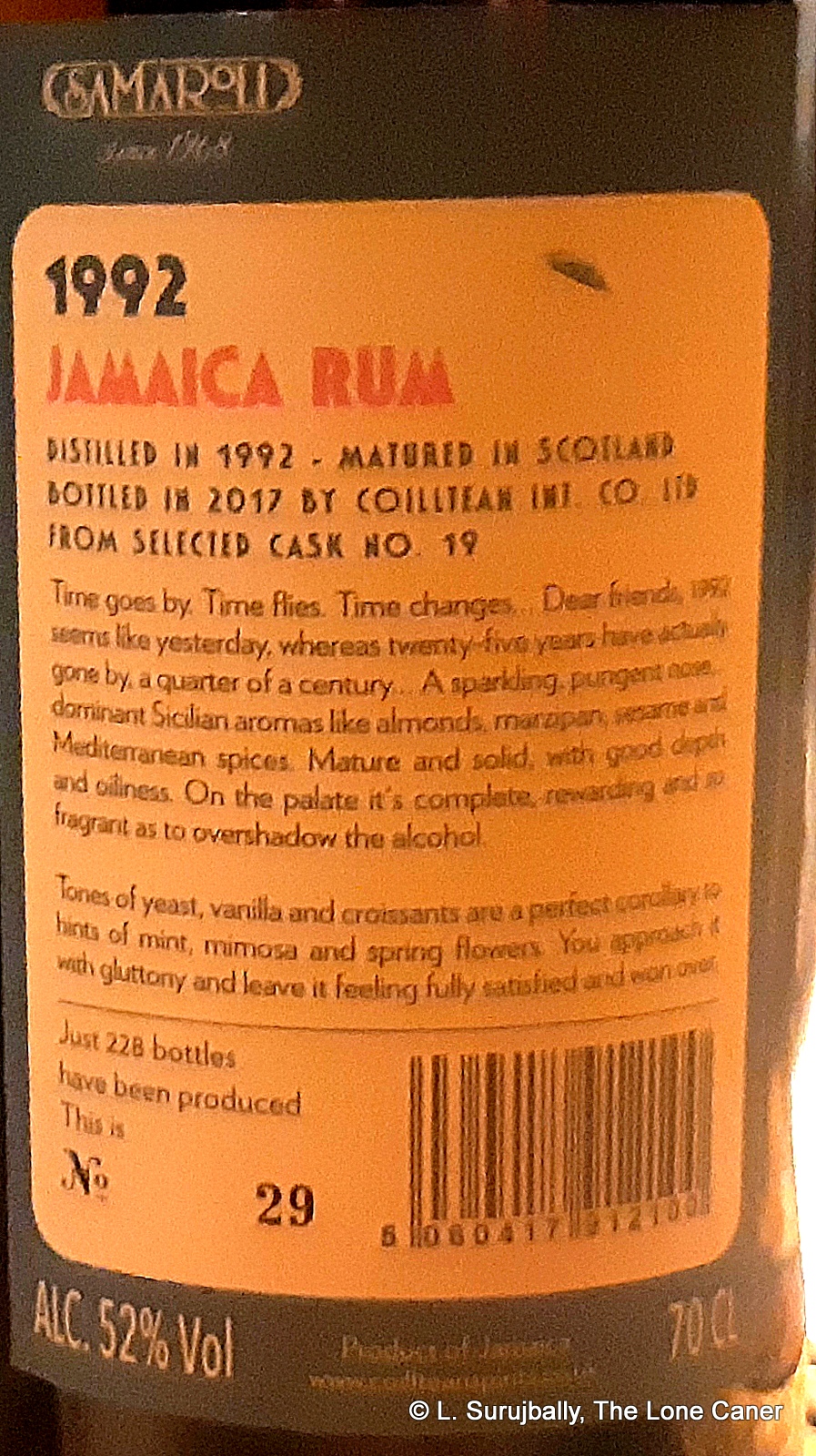
 And the taste, the palate, the way it comes together, it’s masterful. At 52% it’s downright near damned perfect – the the balance between mouth puckering citrus plus laid back funk, and easier, softer flavours is unbelievably well done. Soda pop, honey, cereal, red currants, raspberries, fanta and orange zest dance exuberantly cross the tongue, never faltering, never allowing any one piece to dominate. Like an exquisitely choreographed dance number, the molasses, vanillas and fruits (peaches, yellow plums, pears, ripe yellow Thai mangoes) tango alongside sharper notes of citrus, lemon zest, overripe bananas, sandalwood and ginger. Even the finish is spectacular – just long enough, just sharp enough, just mellow enough, allowing each of the individually discerned flavours of fruits, toffee, chocolate and citrus to come out on stage one last time for a bow, before fading back and making way for the next one
 I don’t know what they did differently in this rum from others they’ve issued for the last forty years, what selection criteria they used, but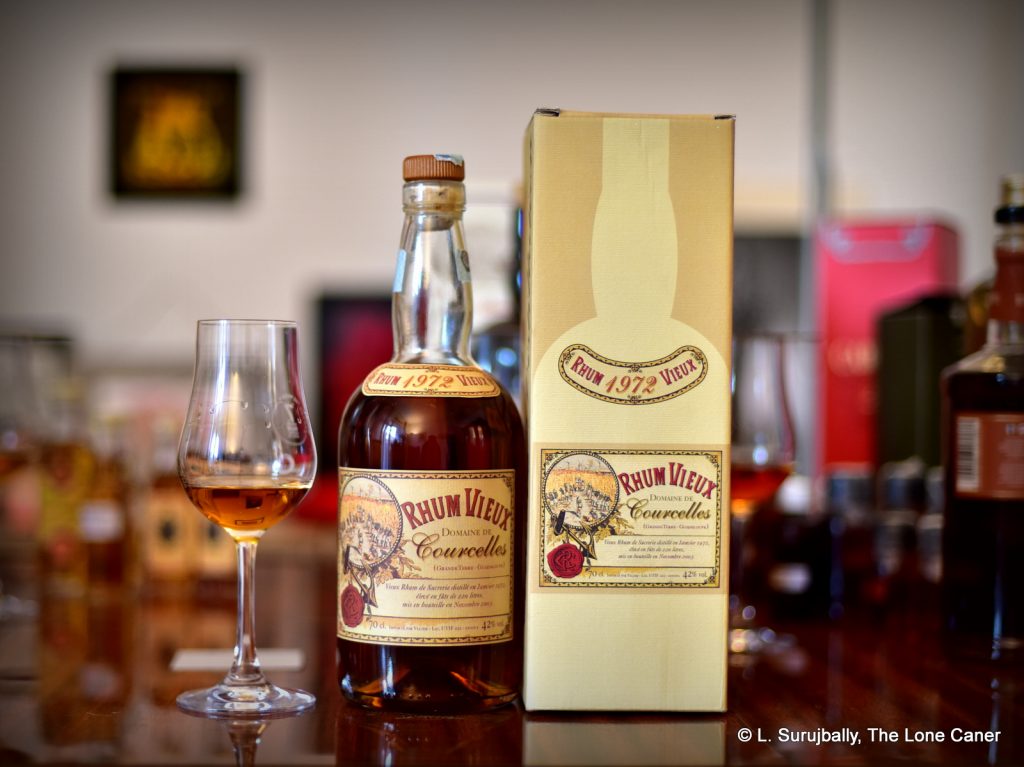
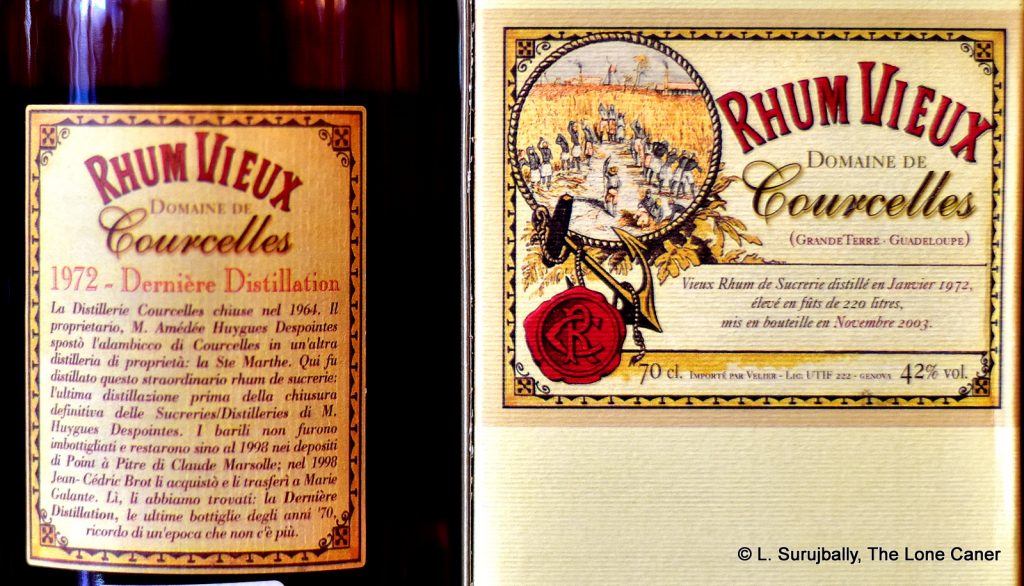
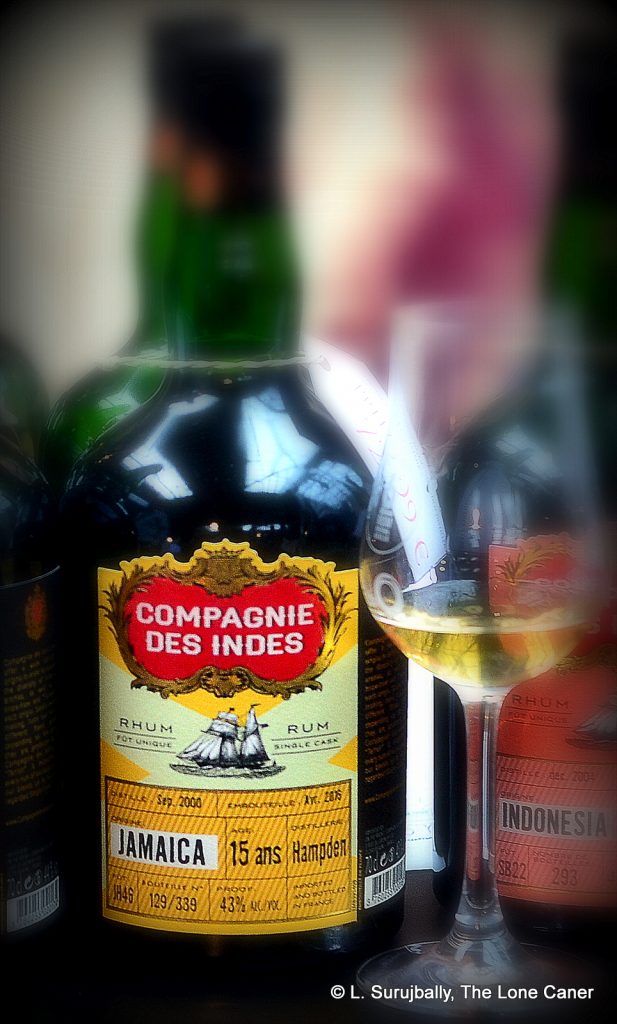
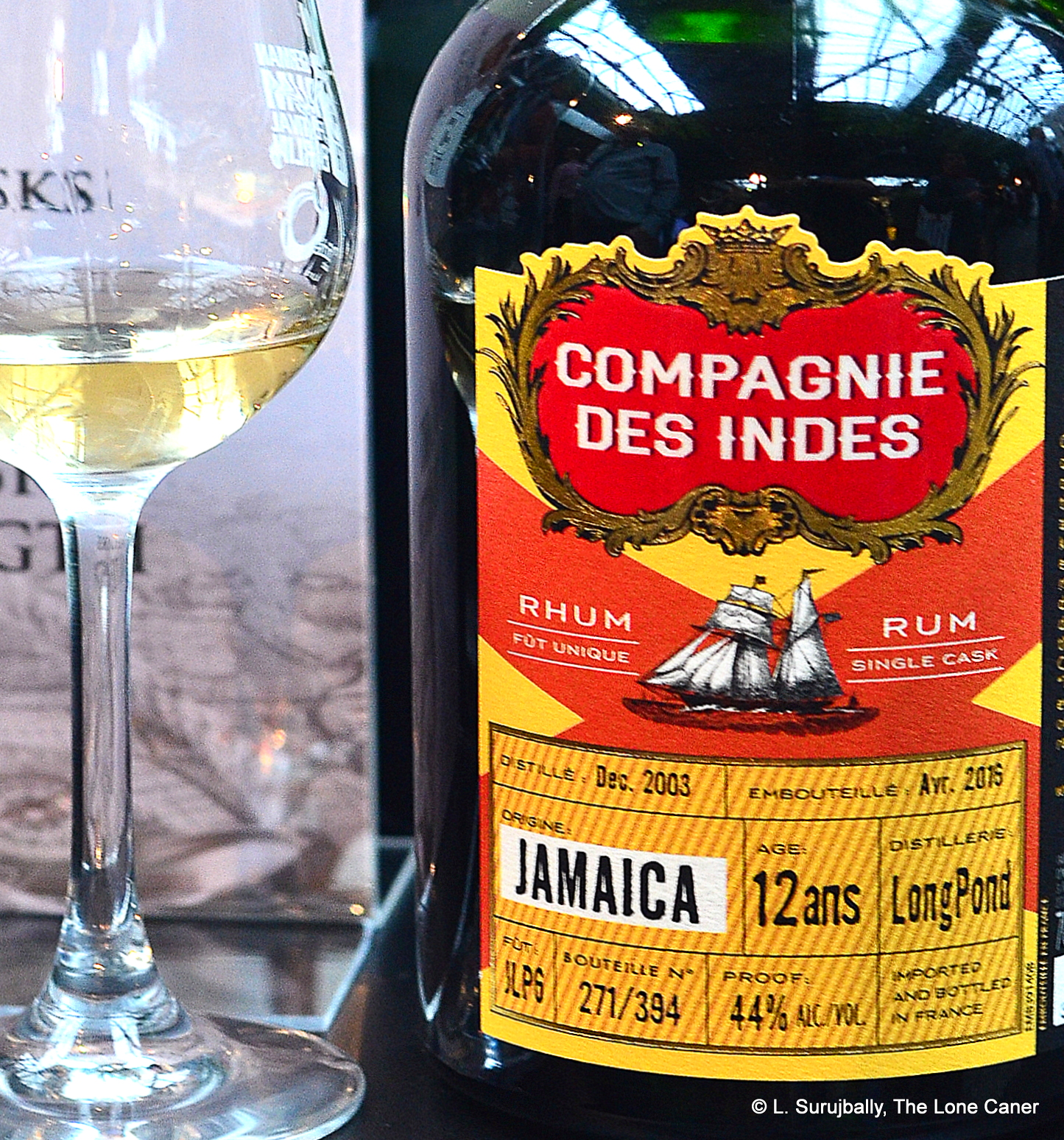
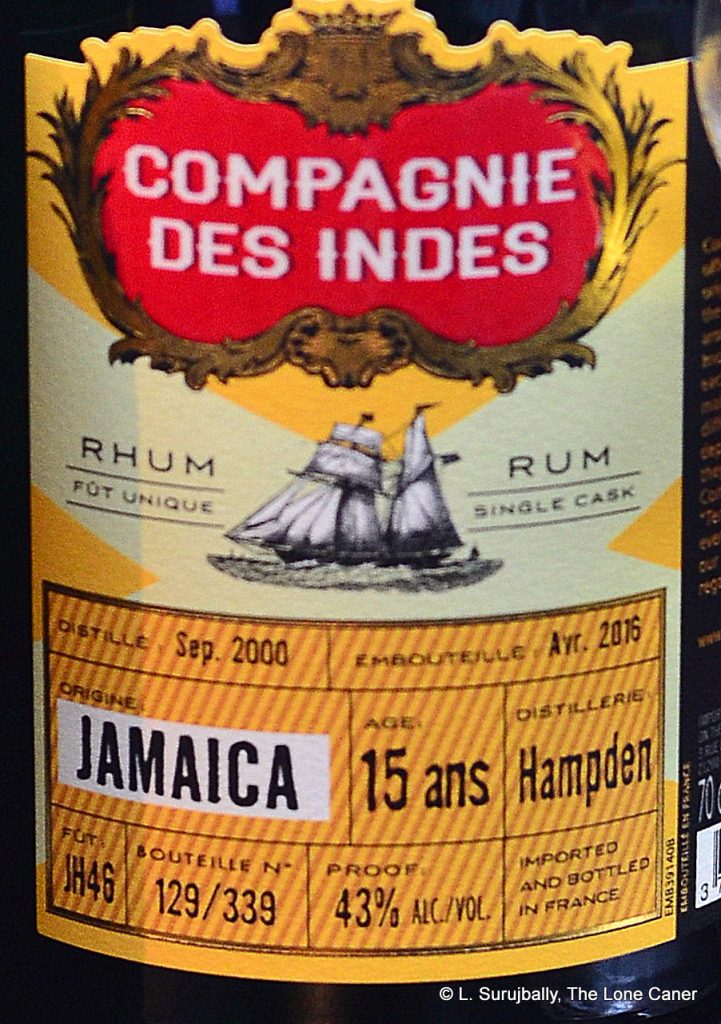 On the palate, I didn’t think it could quite beat out the CdI Worthy Park (which was half its age, though quite a bit stronger); but it definitely had more force and more uniqueness in the way it developed than the Longpond and the Mezans. It started with cherries, going-off bananas mixed with a delicious citrus backbone, not too excessive. After ten minutes or so it opened further into a medium sweet set of fruits (peaches, pears, apples), and showed notes of oak, cinnamon, some brininess, green grapes, all backed up by delicate florals that were very aromatic and provided a good background for the finish. That in turn glided along to a relatively serene, slightly heated medium-long stop with just a few bounces on the road to its eventual disappearance, though with little more than what the palate had already demonstrated. Fruitiness and some citrus and cinnamon was about it.

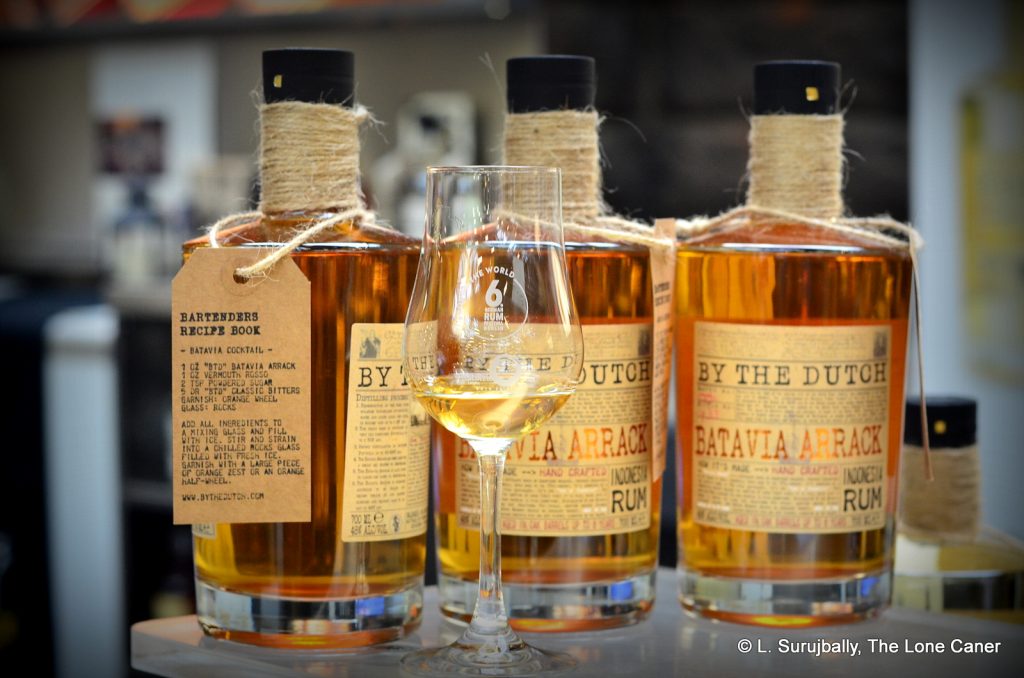

 The nose made an immediate and emphatic response: “Here’s how.” I had exasperatedly grumbled
 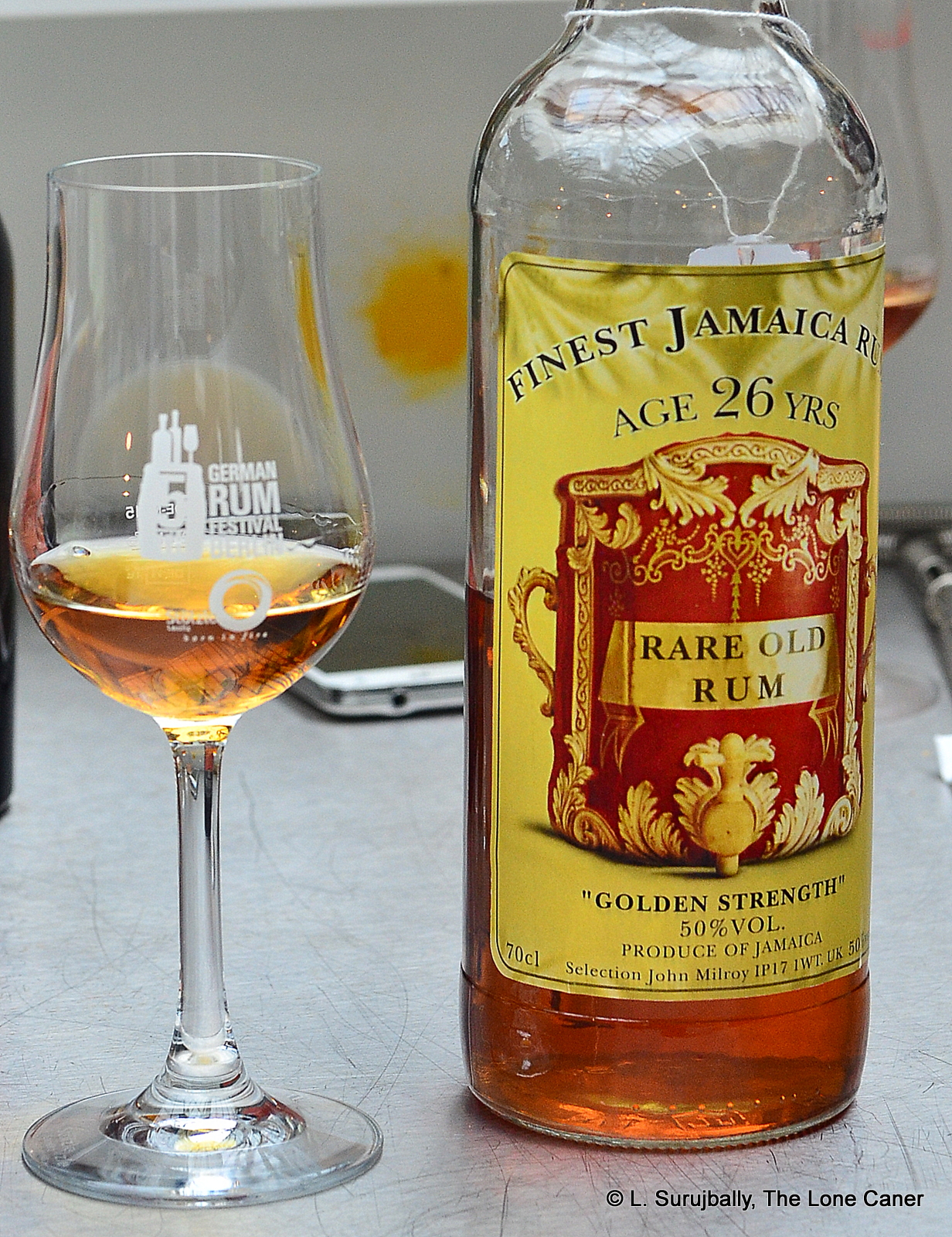 Rumaniacs Review #080 | 0516
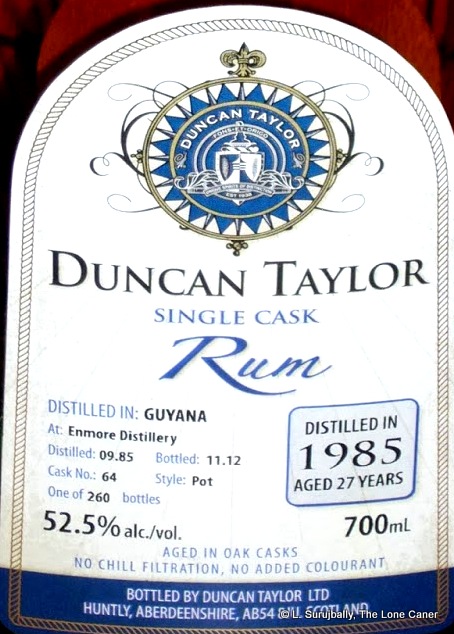 Thinness of the nose aside, the palate took something of a ninety degree left turn. It felt thicker, richer, with the glue and furniture polish notes receding, yet what emerged was a rum that seemed over-oaked, and very dry, very crisp. What fruits there were – and there were some, mostly raisins, pears, unripe apples and green mangoes – were of the mouth puckering kind, quite tart, accompanied by orange peel, nutmeg, cardboard or drywall, and something that reminded me of the dustiness of a drought-stricken backyard. The strength was fine for what it was – not low enough to make it a mild crowd-pleaser, not so strong as to make it an assault on the tongue, so on that level it succeeded just fine. The finish gave up more of those tart fruity sensations, oak notes, some pepper and cooking herbs (thyme and parsley)…yet overall, it somehow failed to cohere really well, and the whole experience was deflated by its relative lack of voluptuousness that either some more ageing or some time in tropical climes might have ameliorated.
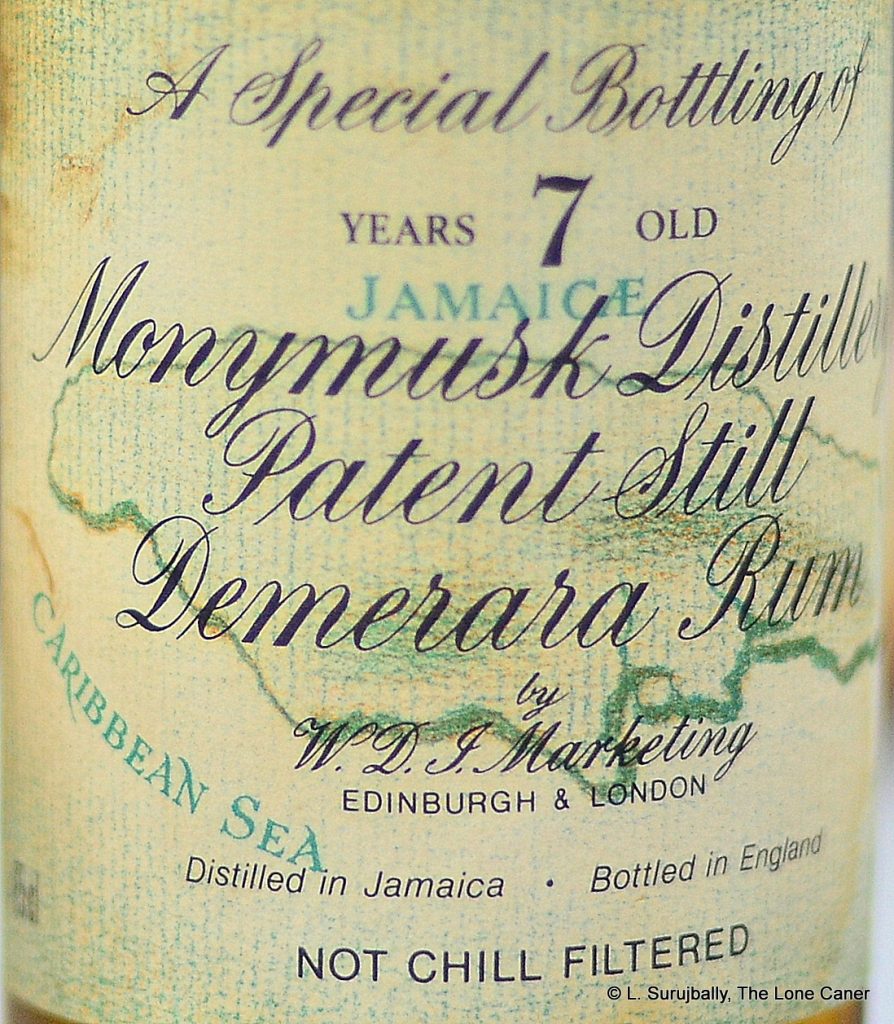 Nose – Yeah, no way this is from Mudland. The funk is all-encompassing. Overripe fruit, citrus, rotten oranges, some faint rubber, bananas that are blackened with age and ready to be thrown out. That’s what seven years gets you. Still, it’s not bad. Leave it and come back, and you’ll find additional scents of berries, pistachio ice cream and a faint hint of flowers.
 Say what you will about tropical ageing, there’s nothing wrong with a good long continental slumber when we get stuff like this out the other end. Again it presented as remarkably soft for the strength, allowing tastes of fruits, light licorice, vanilla, cherries, plums, and peaches to segue firmly across the tongue. Some sea salt, caramel, dates, plums, smoke and leather and a light dusting of cinnamon and florals provided additional complexity, and over all, it was really quite a good rum, closing the circle with a lovely long finish redolent of a fruit basket, port-infused cigarillos, flowers and a few extra spices.
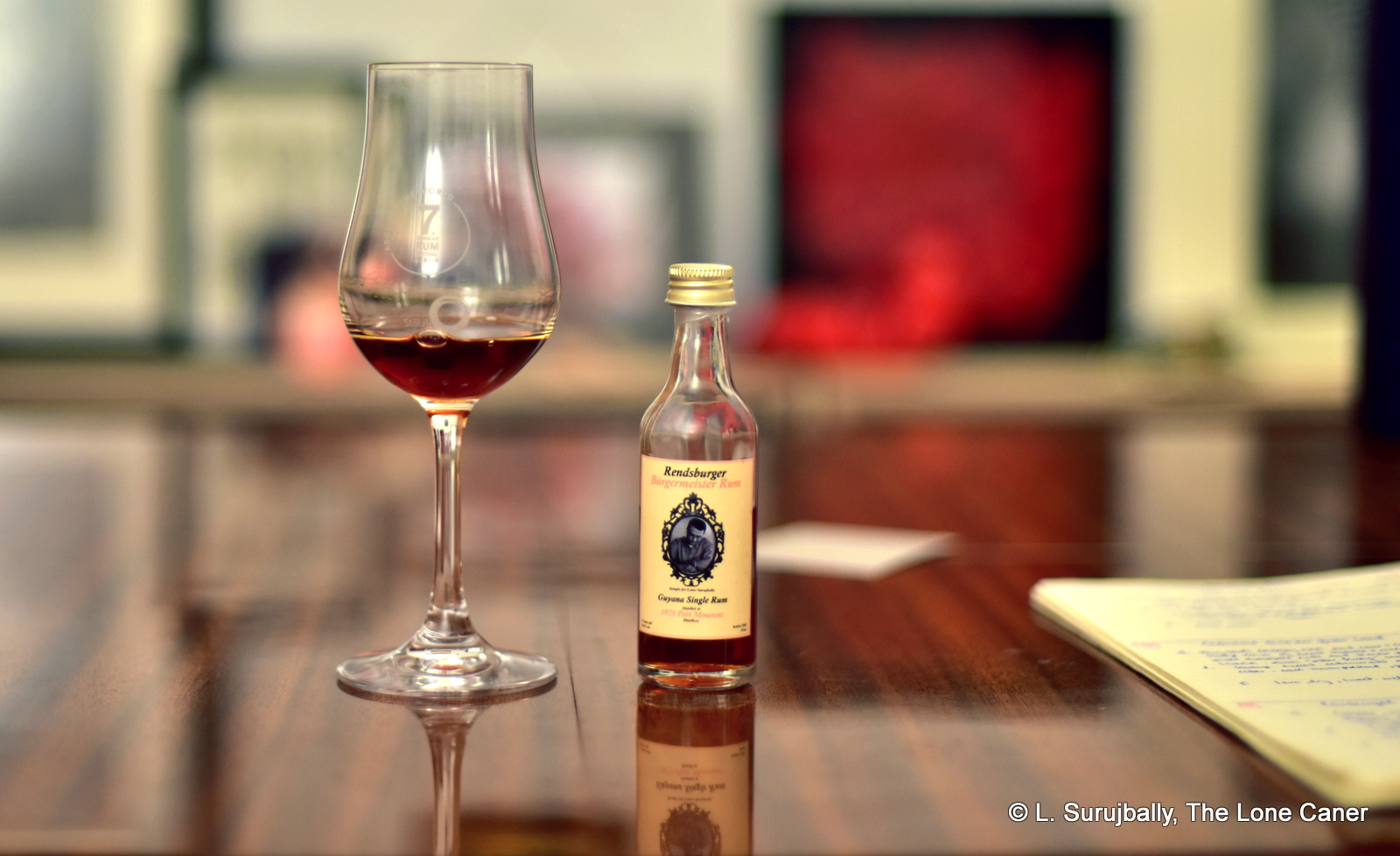
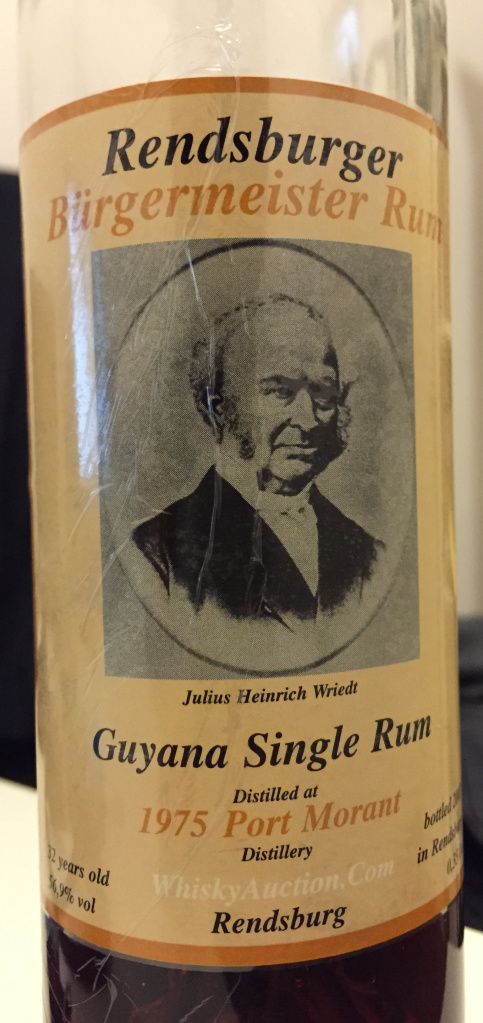
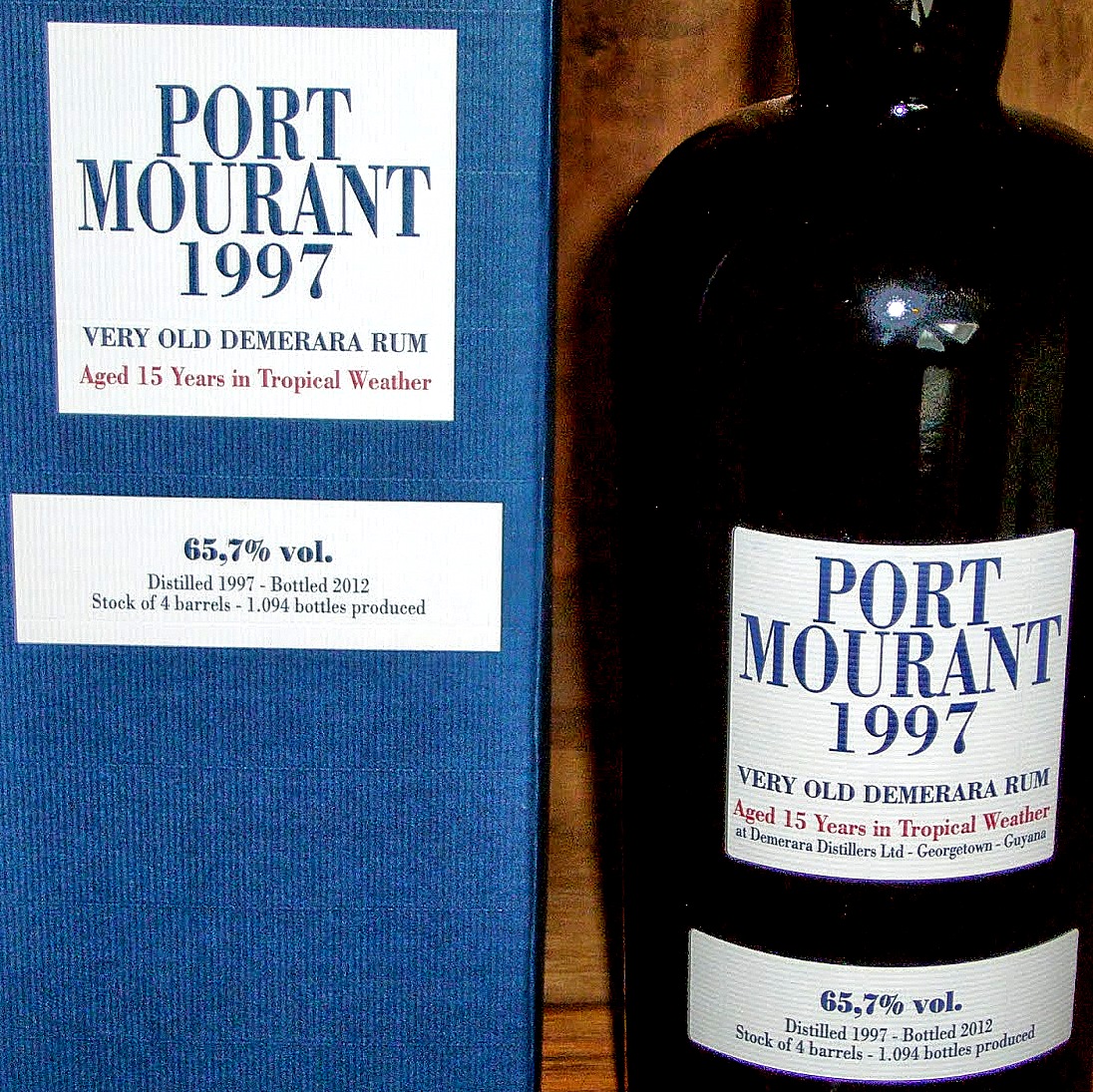
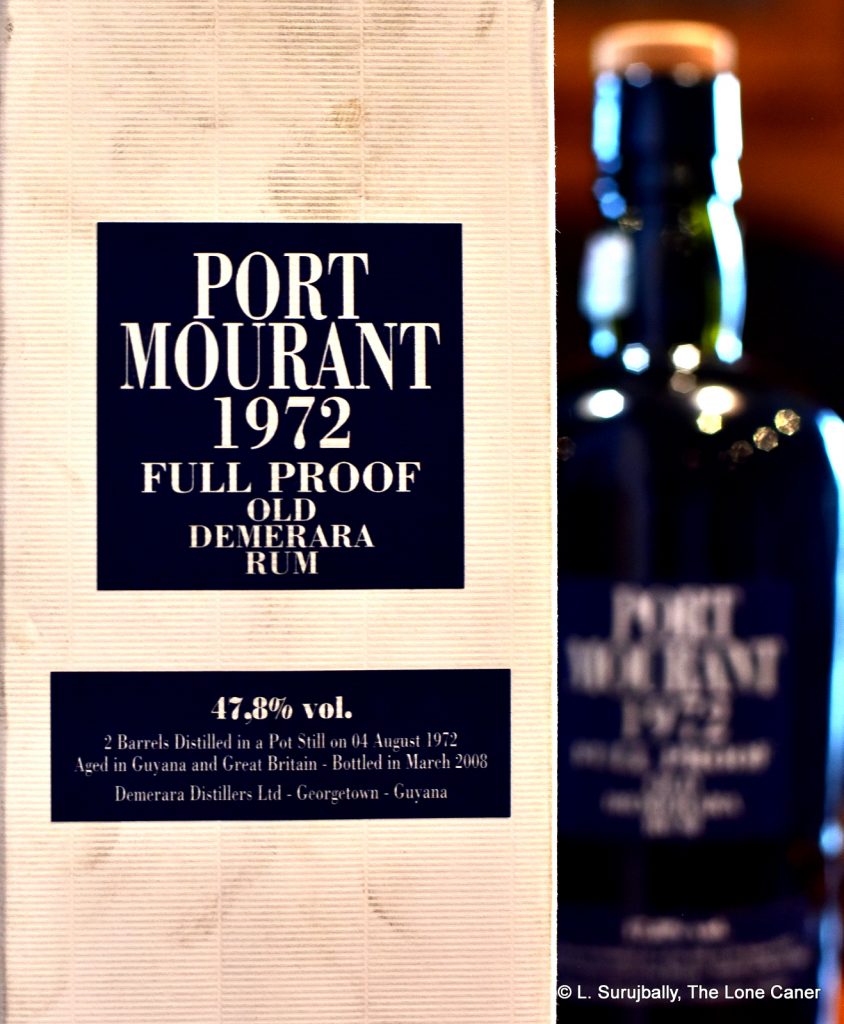
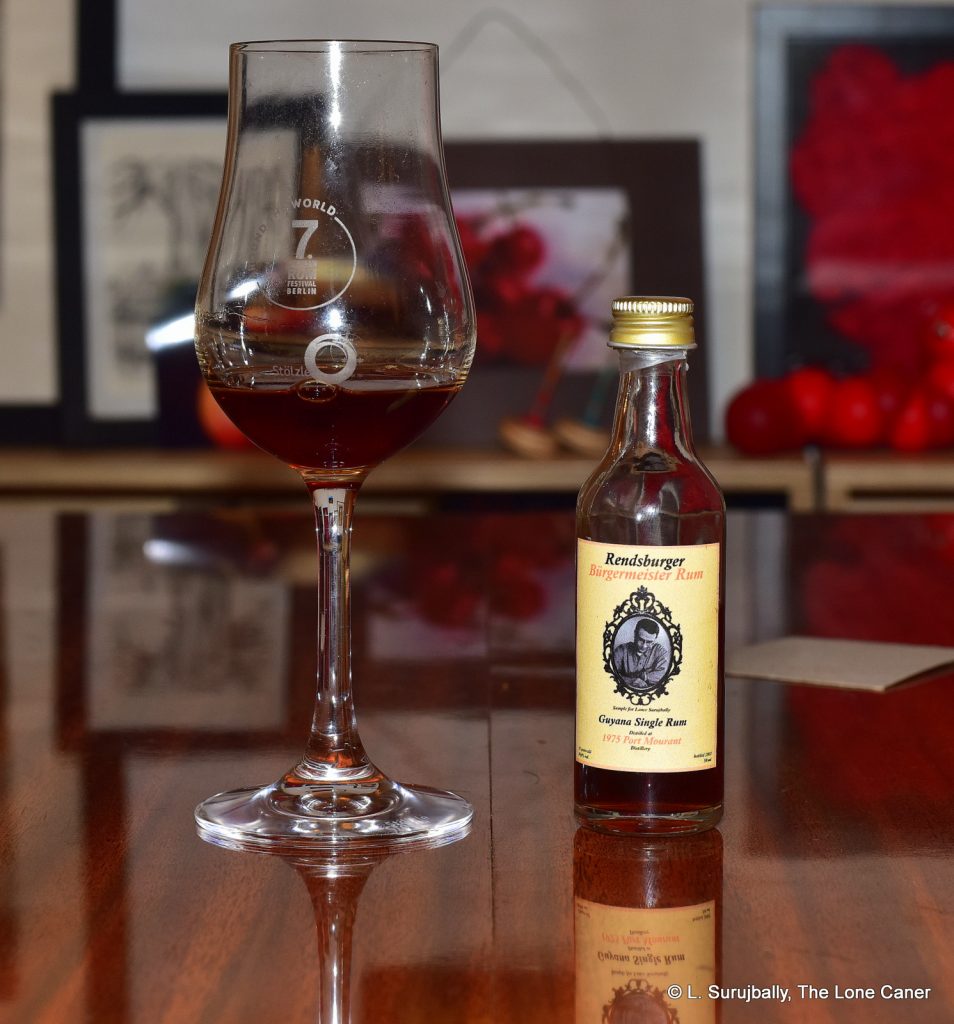 As for the palate, man, I’m in heaven, because I just found another 1975 to add to the pantheon. That same growling, thick richness of the nose segued to the tongue with no pause, no hesitation and no detours. The strength was near perfect – it gave strength without sharpness, allowing all the flavours to march solidly across the stage and present themselves one after the other: licorice, vanilla, caramel, bags of fruits, a little saltiness, biscuits and cereal. The whole thing was warm and thick with dark flavours that never seemed to want to stop showing off and even the oak, which at first I thought started to take on an unhealthy dominance after some minutes (I was actually writing “Mozart just exited the scene and is replaced by Salieri!” before crossing it out), retreated into the background, chilled out, and was (to my relief) content to be a part of the troupe rather than a scene stealing hog. The exemplary and traditional Port Mourant profile finished long, slow, voluptuously and with chocolate, coffee grounds, some oak, vanilla, raisins and anise, and overall, my take was it was simply one of the Grand Old Men of the plantation and the still.