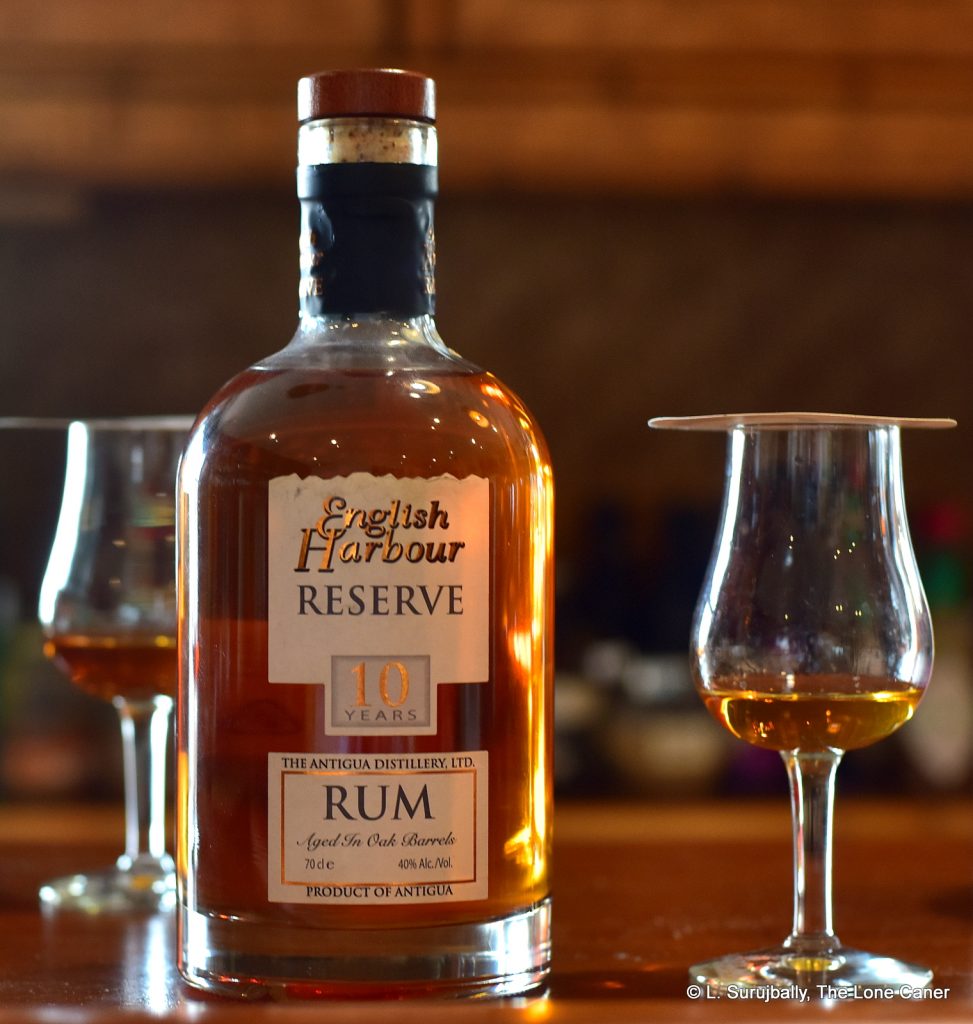
It’s a curious fact that what might be the best all-round aged rum from Antigua is the one that is actually mentioned the least: you hear a lot about the popular 5 YO; the more exclusive 1981 25 YO comes up for mention reasonably often; and even the white puncheon has its adherents…but the excellent 10 Year Old almost seems to float by in its own parallel universe, unseen and untried by many, even forgotten by a few (I first looked at in 2010 and gave it a guarded recommendation). Yet it is a dry and tasty and solid drink on its own merits, and if I had to recommend a rum at standard strength from the island, this one would absolutely get my vote, with the white coming in a close second (and may yet make the cut for the pantheon, who knows?).
There’s almost nothing going on with rum in Antigua that is original or unique to the island itself. Even back in the old days, they would import rum and blend it rather than make it themselves. Since 1932 one distillery has existed on the island and produces most of what is drunk there using imported molasses – the long operational Antigua Distillery, which produced the Cavalier brand of rums and the English Harbour 5 and 25 YO They used to make one called Soldier’s Bay, now discontinued, and a colourful local gent called “Bushy” Baretto blends an overproof he sources from them and then drags it down to 40% in a sort of local bush variation he sells (in Bolan, a small village on the west side of the island).
Since the source of all this rum made by Antigua Distilleries is imported molasses, there is no specific style we can point to and say that this one is “key” anything. Also, they are using a double column still and do not possess a pot still, or a lower capacity creole still such as the Haitians use, which would distill alcohol to a middling 60-70% strength instead of 90%+ basis of their range that wipes out most of the flavours. So again, not much of a key rum based on concepts of terroire or something real cool that is bat-bleep-crazy in its own way and excites real admiration.
With respect to AD’s other rums up and down the range — the 65% puncheon remains a somewhat undervalued and fightin’ white brawler; the (lightly dosed) 25 Year Old is too expensive at >$200/bottle and remains a buy for money-bagged folks out there; and the 5 YO has too much vanilla (and I know it’s also been messed with somewhat). Since 2016, the company has moved towards stronger, near-cask-strength rums, is experimenting with finishes like the sherried 5 YO and a madeira, and I know they’re doing some work with Velier to raise their street cred further, as well as sourcing a pot still. But none of this is available now in quantity, and that leaves only one rum from the stable, which I have been thinking about for some years, which has grown in my memory, but which I never had a chance to try or buy again, until very recently. And that’s the 10 year old.
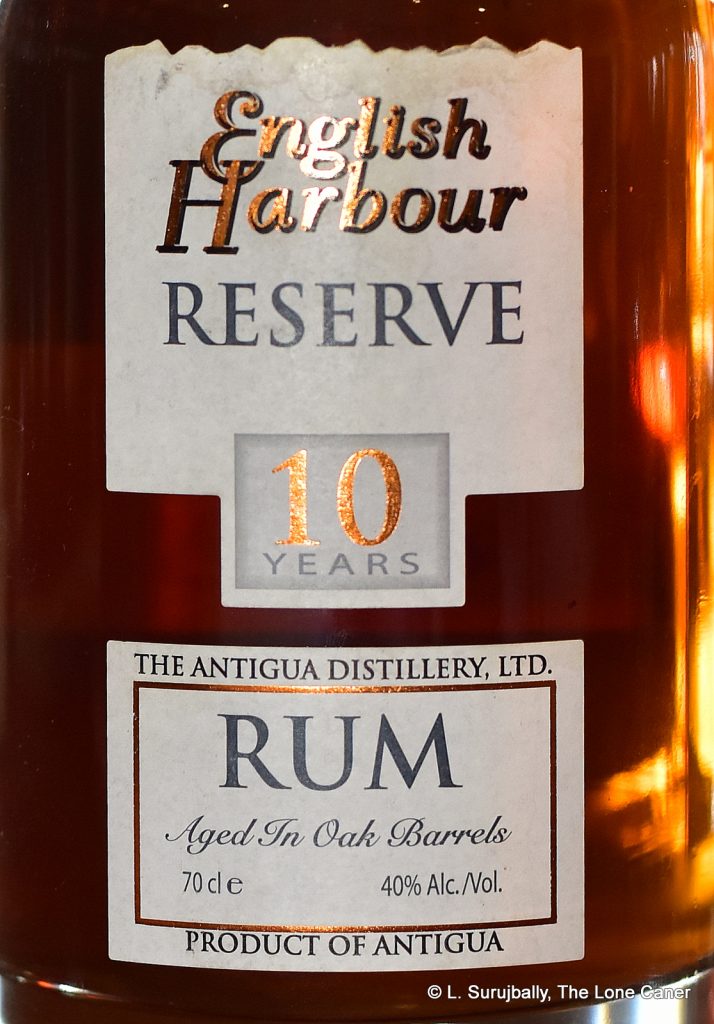 The nose begins with an astringent sort of dryness, redolent of burnt wood chips, pencil shavings, light rubber, citrus and even some pine aroma. It does get better once it’s left to itself for a while, calms down and isn’t quite as aggressive. It does pack more of a punch than the 25 YO, however, which may be a function of the disparity in ages – not all the edges of youth had yet been shaved away. Additional aromas of bitter chocolate, toffee, almonds and cinnamon start to come out, some fruitiness and vanilla, and even some tobacco leaves. Pretty nice, but some patience is required to appreciate it, I’d say.
The most solid portion of the rum is definitely the taste. There’s nothing particularly special about any one aspect by itself – it’s the overall experience that works. The front end is dominated by light and sweet but not overly complex tastes of nuts, toffee, molasses, unsweetened dark chocolate and cigarette tar (!!). These then subside and are replaced by flowery notes, a sort of easy fruitiness of apples, raspberries, and pears, alongside a more structured backbone of white coconut shavings, dates, oak, vanilla, caramel. The finish returns to the beginning – it’s a little dry, shows off some glue and caramel, strong black tea. Oddly, it also suggests a herbal component and is a little bitter, but not so much as to derail the experience. Quite different from the softer roundness of the 25 YO, but also somewhat more aggressive, even though the proof points are the same.
So if one were to select a rum emblematic of the island, it would have to be from this company, and it would be this one. Why? It lacks the originality and uniqueness of a funky Jamaican, or the deep dark anise molasses profile of the Demeraras, or even the pot still originality of the St Lucian rums. It actually resembles a Spanish style product than any of those. By the standards of bringing something cool or new to the table, something that screams “Antigua!” then perhaps the puncheon white should have pride of place. But I feel that the 10YO is simply, quietly, unassumingly, a sturdy and well-assembled rum, bringing together aspects of the other three they make in a fashion that just succeeds. It is at bottom a well made, firm, tasty product, a rum which is pretty good in aggregate, while not distinguished by any one thing in particular. Perhaps you won’t hear the island’s name bugled loudly when you sip it…but you could probably hear it whispered; and on the basis of overall quality I have no problems including it in this series.
(#522) (83/100)
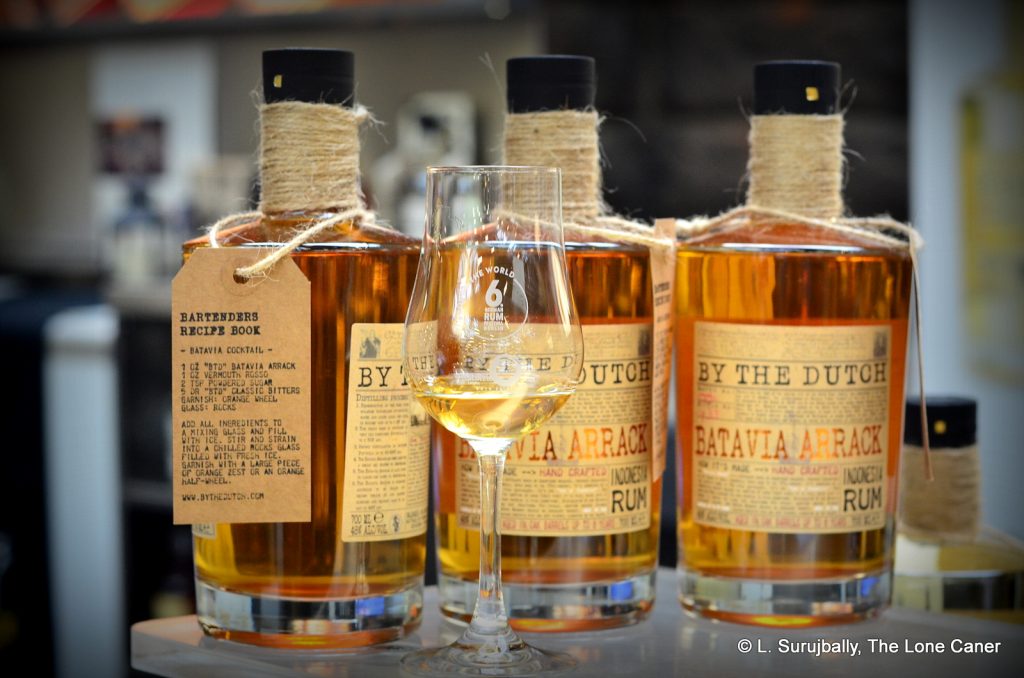
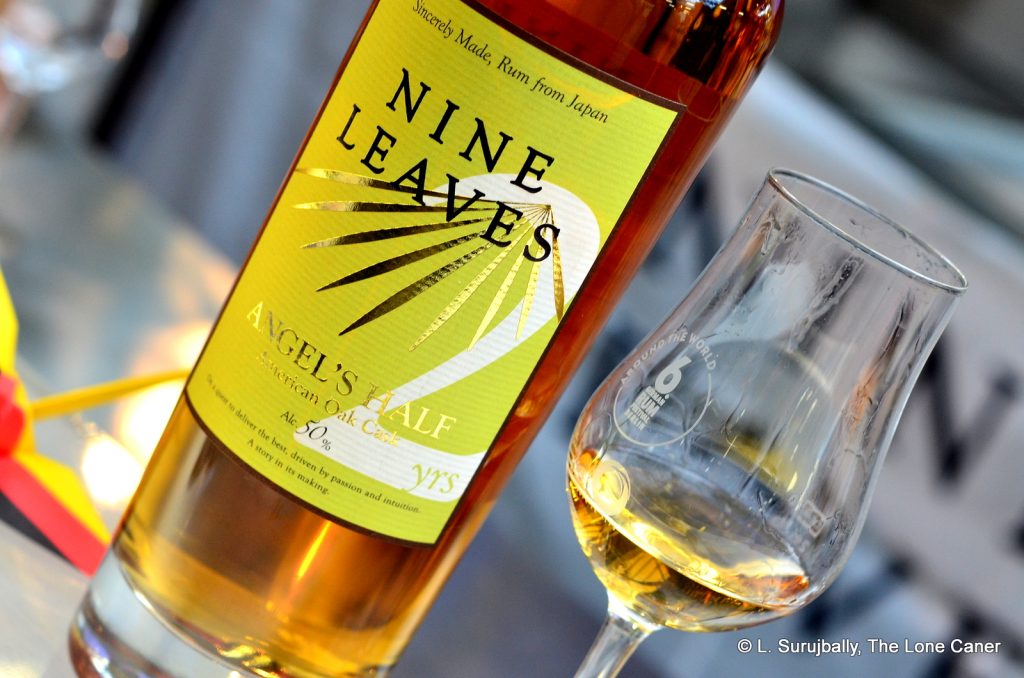
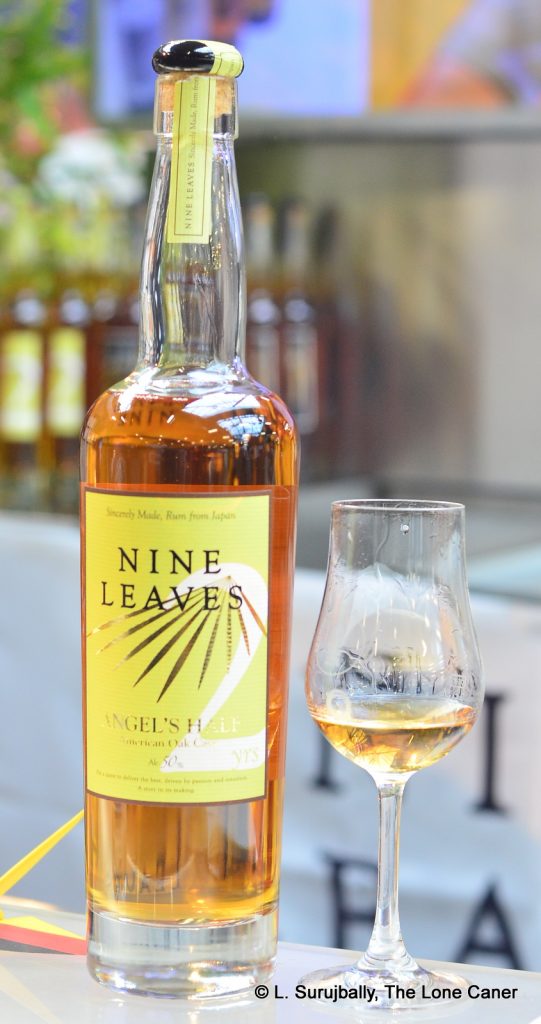 The nose rather interestingly presented hints of a funky kind of fruitiness at the beginning (like a low rent Jamaican, perhaps), while the characteristic clarity and crisp individualism of the aromas such as the other Nine Leaves rums possessed, remained. It was musky and sweet, had some zesty citrus notes, fresh apples, pears and overall had a pleasing clarity about it. Plus there were baking spices as well – nutmeg and cumin and those rounded out the profile quite well.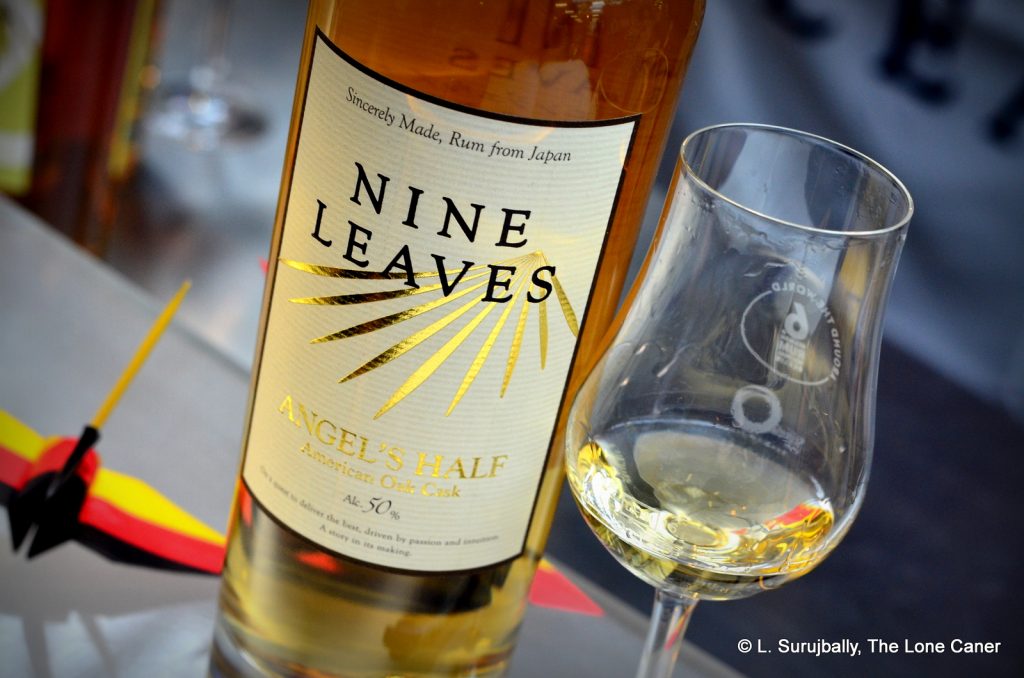

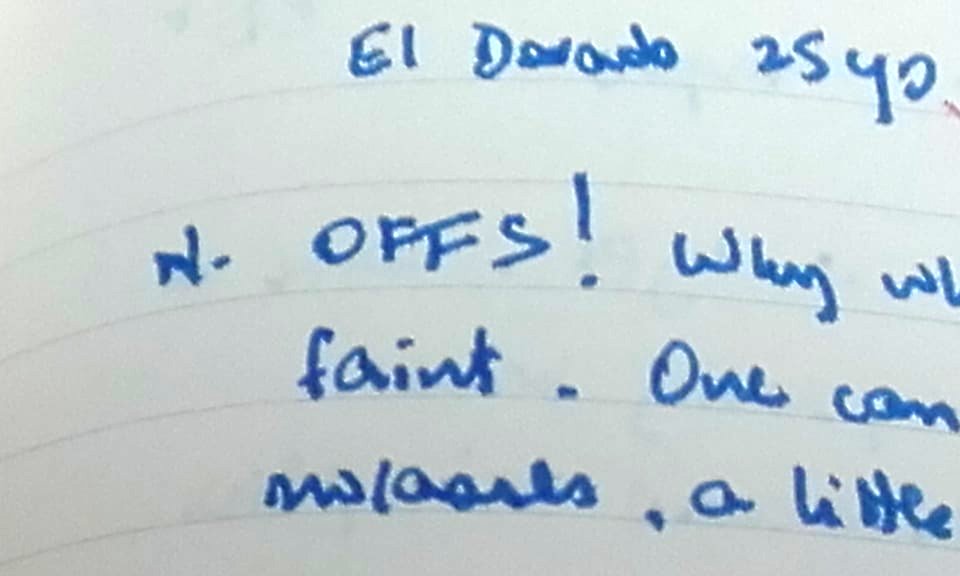
 The nose made an immediate and emphatic response: “Here’s how.” I had exasperatedly grumbled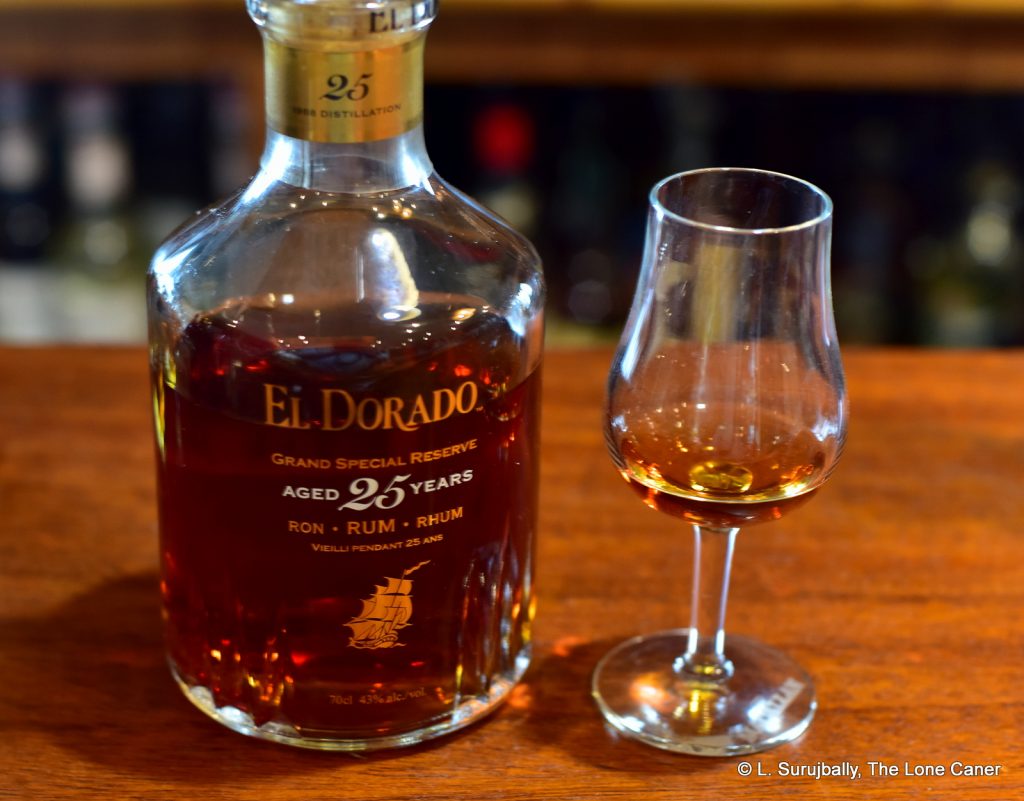
 Rumaniacs Review #080 | 0516
 Thinness of the nose aside, the palate took something of a ninety degree left turn. It felt thicker, richer, with the glue and furniture polish notes receding, yet what emerged was a rum that seemed over-oaked, and very dry, very crisp. What fruits there were – and there were some, mostly raisins, pears, unripe apples and green mangoes – were of the mouth puckering kind, quite tart, accompanied by orange peel, nutmeg, cardboard or drywall, and something that reminded me of the dustiness of a drought-stricken backyard. The strength was fine for what it was – not low enough to make it a mild crowd-pleaser, not so strong as to make it an assault on the tongue, so on that level it succeeded just fine. The finish gave up more of those tart fruity sensations, oak notes, some pepper and cooking herbs (thyme and parsley)…yet overall, it somehow failed to cohere really well, and the whole experience was deflated by its relative lack of voluptuousness that either some more ageing or some time in tropical climes might have ameliorated.
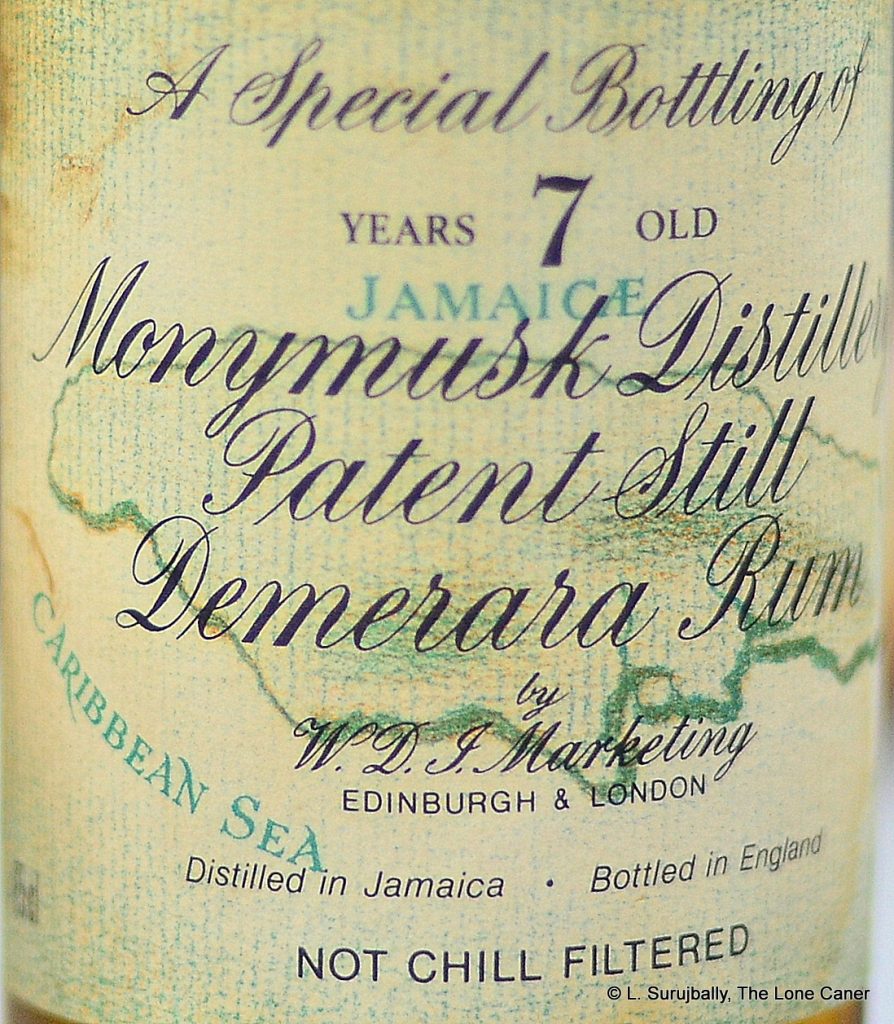 Nose – Yeah, no way this is from Mudland. The funk is all-encompassing. Overripe fruit, citrus, rotten oranges, some faint rubber, bananas that are blackened with age and ready to be thrown out. That’s what seven years gets you. Still, it’s not bad. Leave it and come back, and you’ll find additional scents of berries, pistachio ice cream and a faint hint of flowers.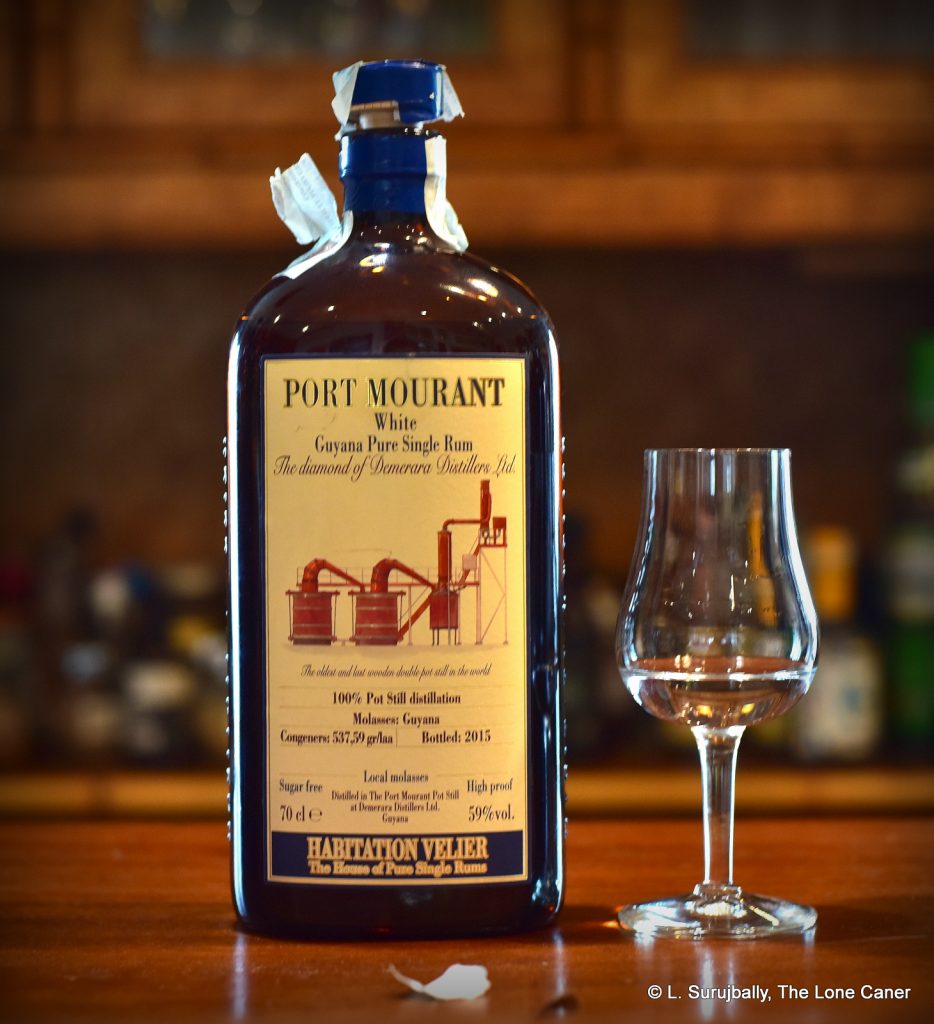
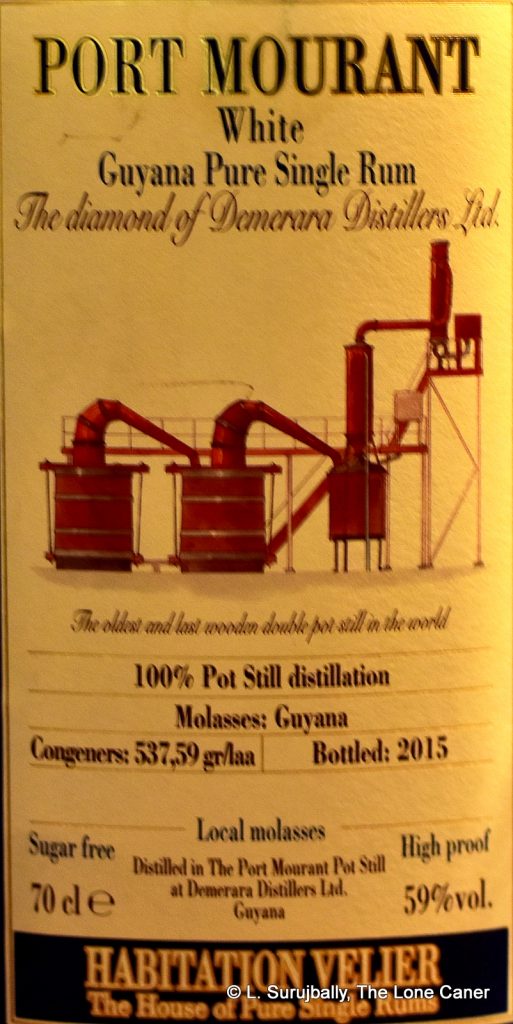 Unaged rums take some getting used to because they are raw from the barrel and therefore the rounding out and mellowing of the profile which ageing imparts, is not a factor. That means all the jagged edges, dirt, warts and everything, remain. Here that was evident after a single sip: it was sharp and fierce, with the licorice notes subsumed into dirtier flavours of salt beef, brine, olives and garlic pork (seriously!). It took some time for other aspects to come forward – gherkins, leather, flowers and varnish – and even then it was not until another half hour had elapsed that crisper acidic notes like unripe apples and thai lime leaves (I get those to buy in the local market), were noticeable. Plus some vanilla – where on earth did that come from? It all led to a long, duty, dry finish that provided yet more: sweet, sugary, sweet-and-salt soy sauce in a clear soup. Damn but this was a heady, complex piece of work. I liked it a lot, really.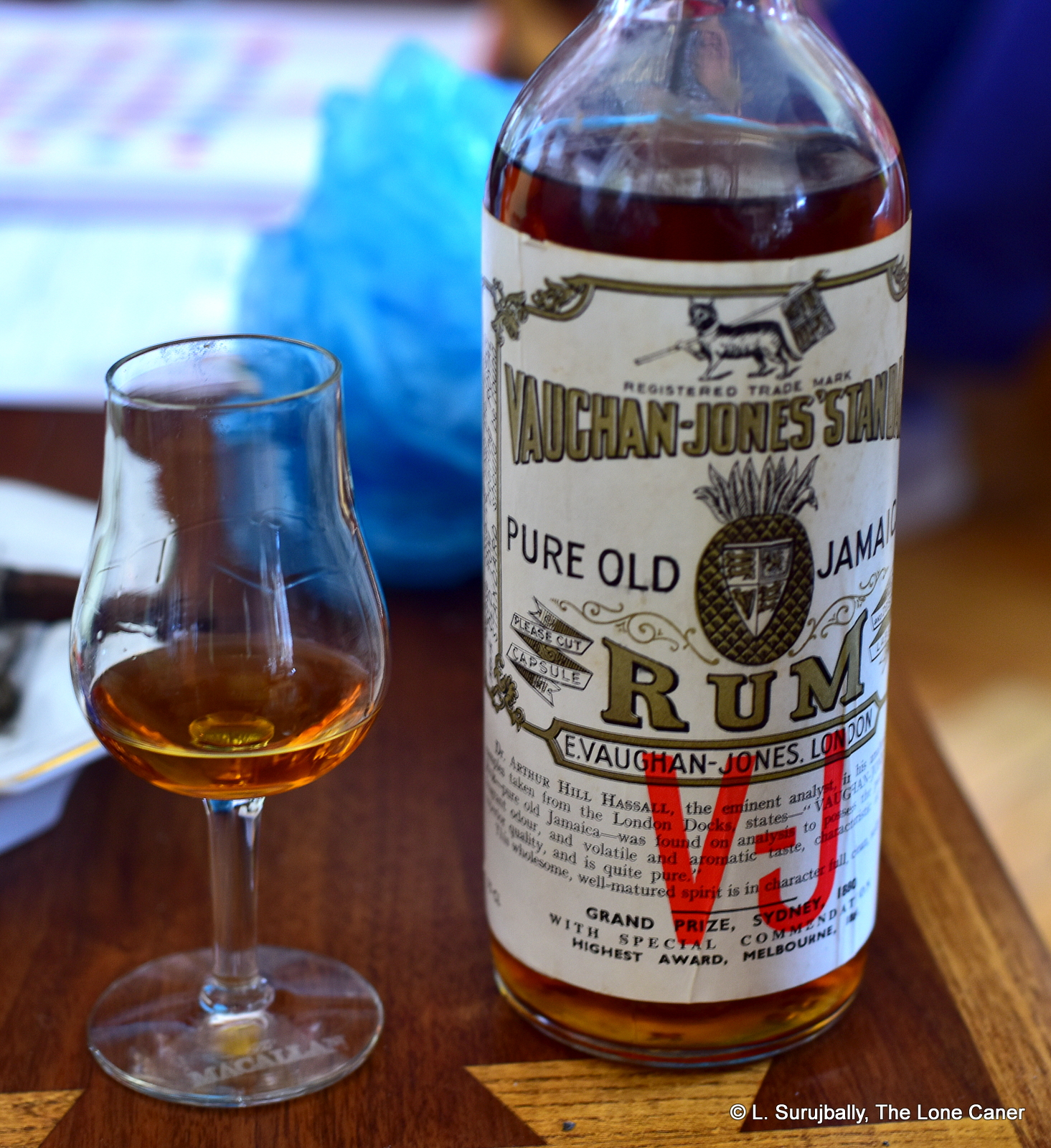
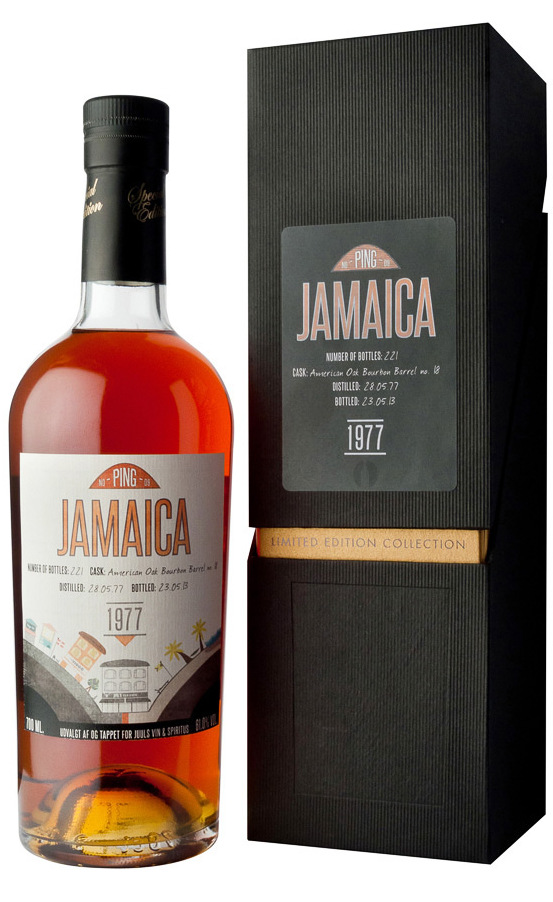
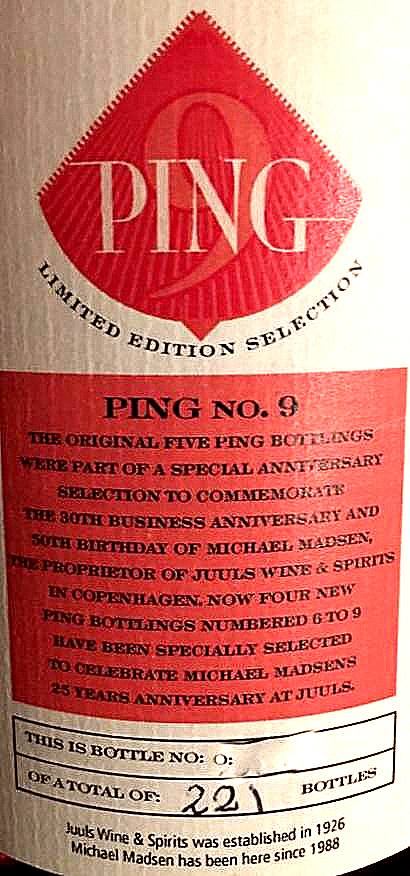 Say what you will about tropical ageing, there’s nothing wrong with a good long continental slumber when we get stuff like this out the other end. Again it presented as remarkably soft for the strength, allowing tastes of fruits, light licorice, vanilla, cherries, plums, and peaches to segue firmly across the tongue. Some sea salt, caramel, dates, plums, smoke and leather and a light dusting of cinnamon and florals provided additional complexity, and over all, it was really quite a good rum, closing the circle with a lovely long finish redolent of a fruit basket, port-infused cigarillos, flowers and a few extra spices.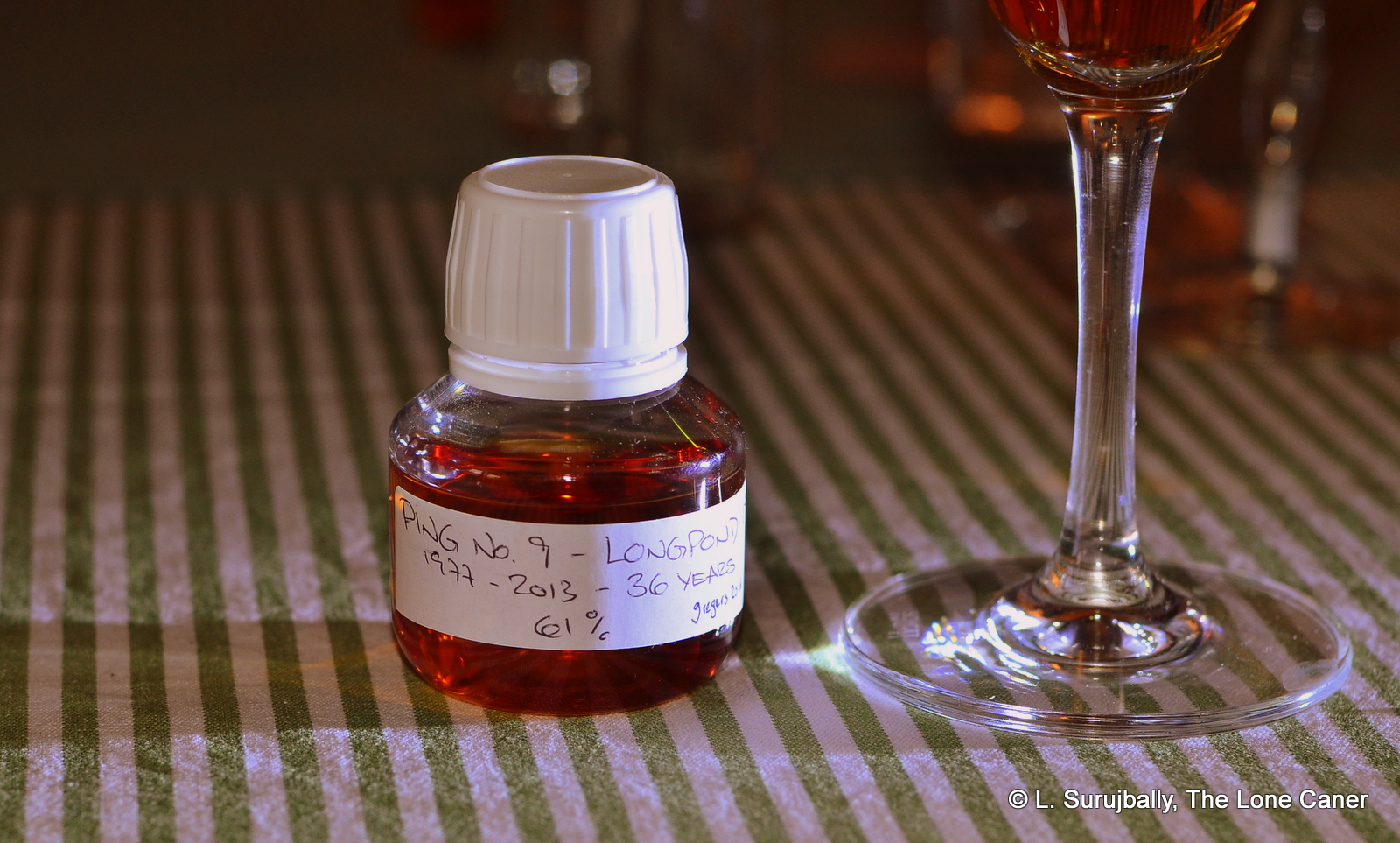
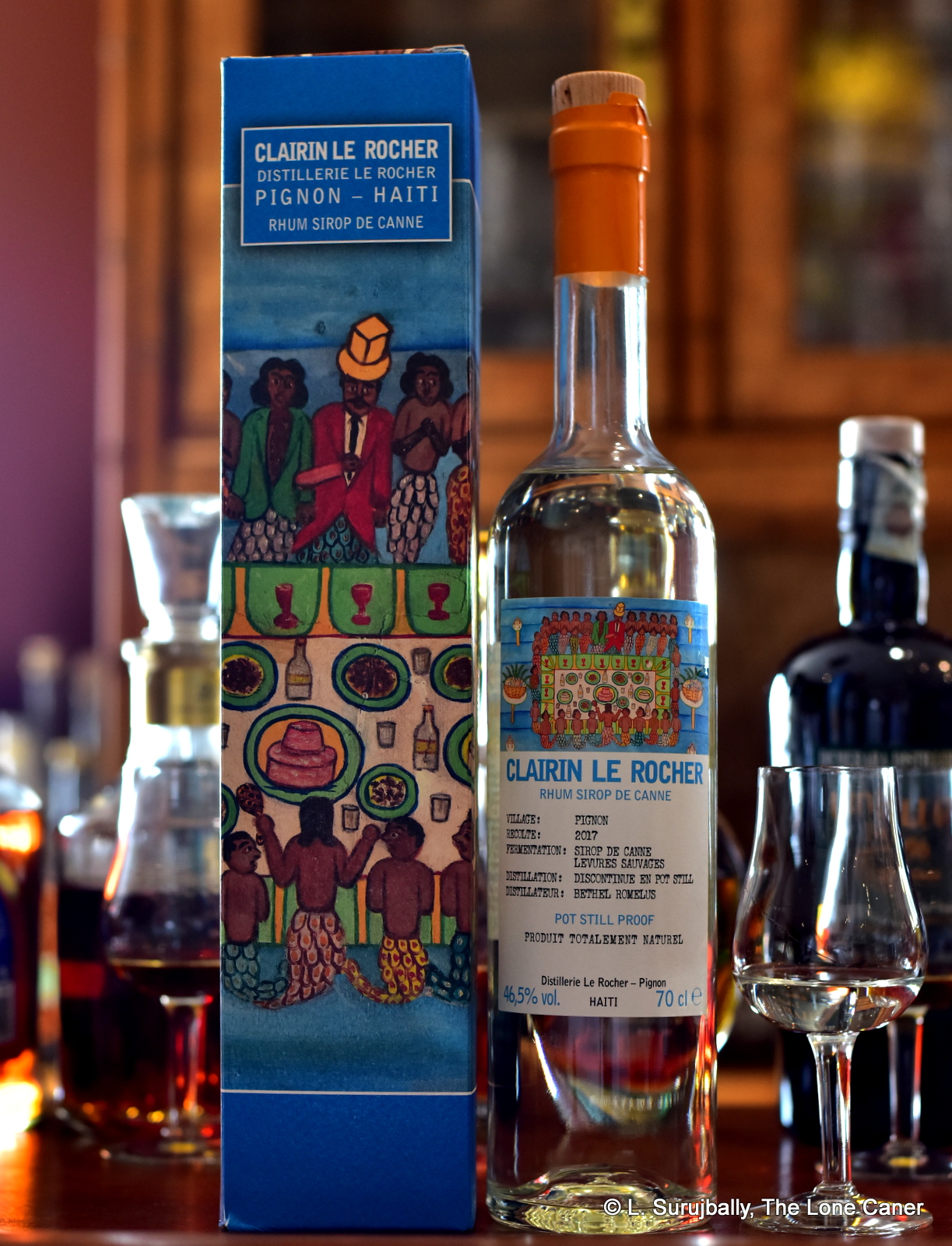
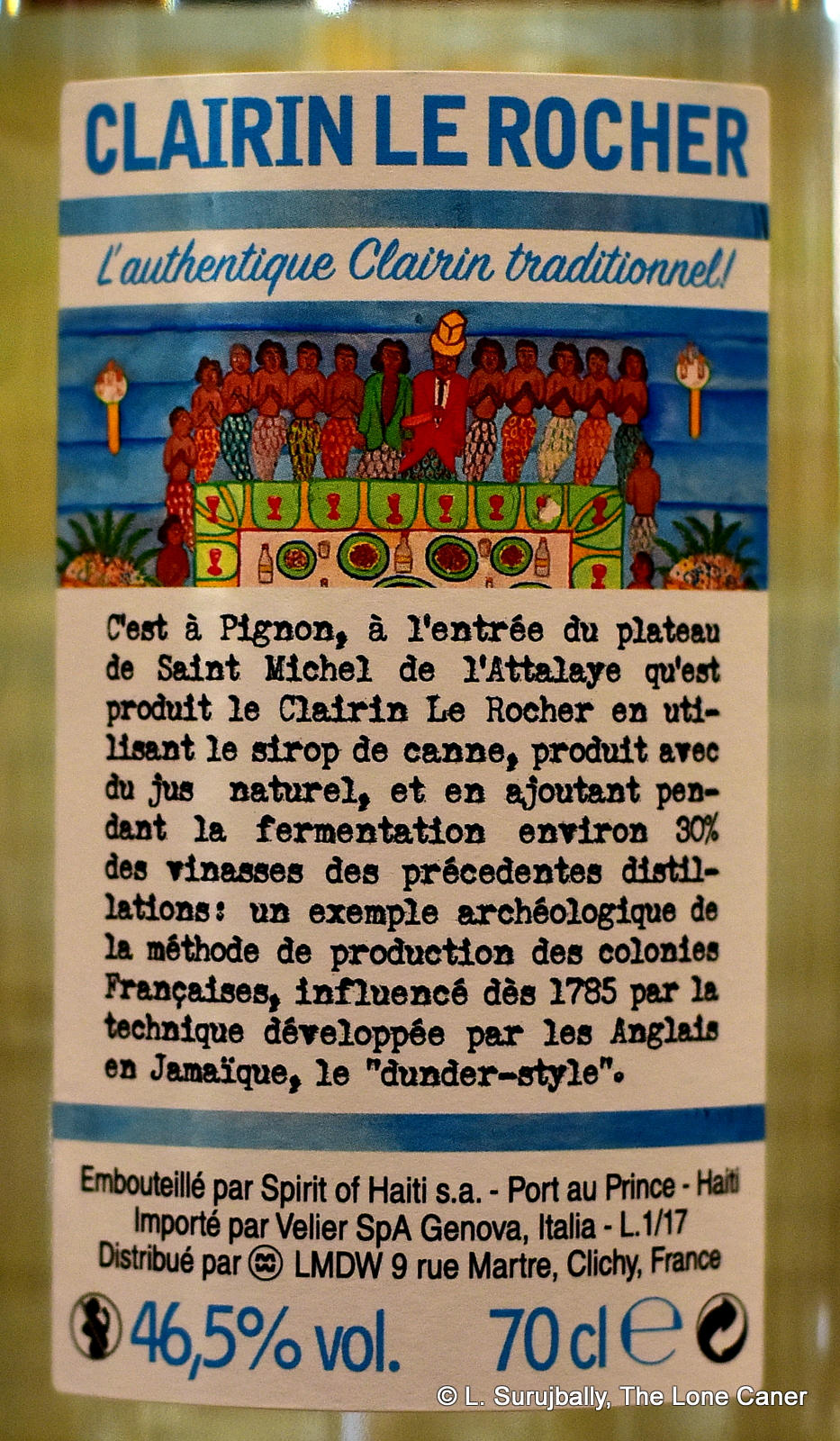 Sometimes a rum gives you a really great snooting experience, and then it falls on its behind when you taste it – the aromas are not translated well to the flavour on the palate. Not here. In the tasting, much of the richness of the nose remains, but is transformed into something just as interesting, perhaps even more complex. It’s warm, not hot or bitchy (46.5% will do that for you), remarkably easy to sip, and yes, the plasticine, glue, salt, olives, mezcal, soup and soya are there. If you wait a while, all this gives way to a lighter, finer, crisper series of flavours – unsweetened chocolate, swank, carrots(!!), pears, white guavas, light florals, and a light touch of herbs (lemon grass, dill, that kind of thing). It starts to falter after being left to stand by itself, the briny portion of the profile disappears and it gets a little bubble-gum sweet, and the finish is a little short – though still extraordinarily rich for that strength – but as it exits you’re getting a summary of all that went before…herbs, sugars, olives, veggies and a vague mineral tang. Overall, it’s quite an experience, truly, and quite tamed – the lower strength works for it, I think.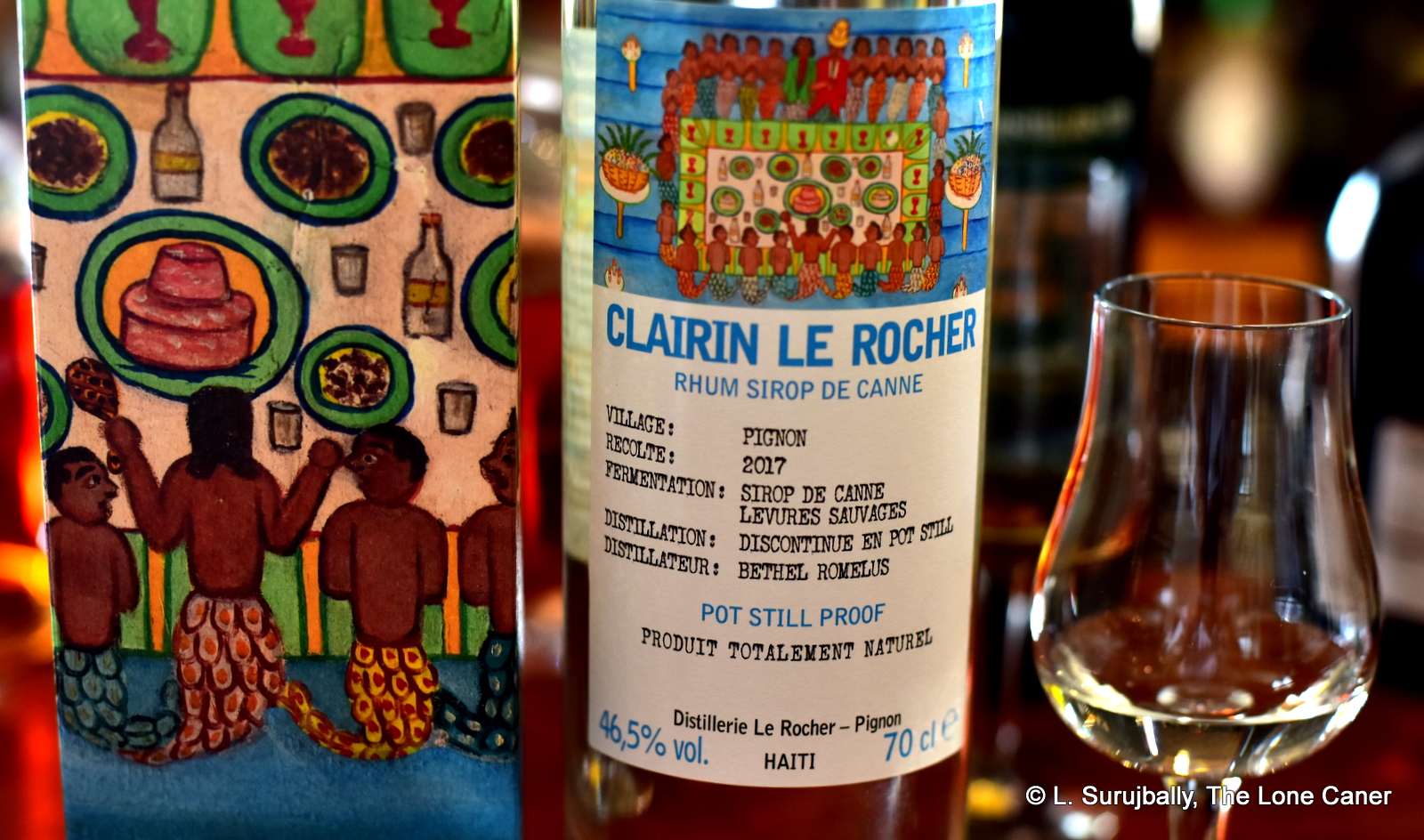
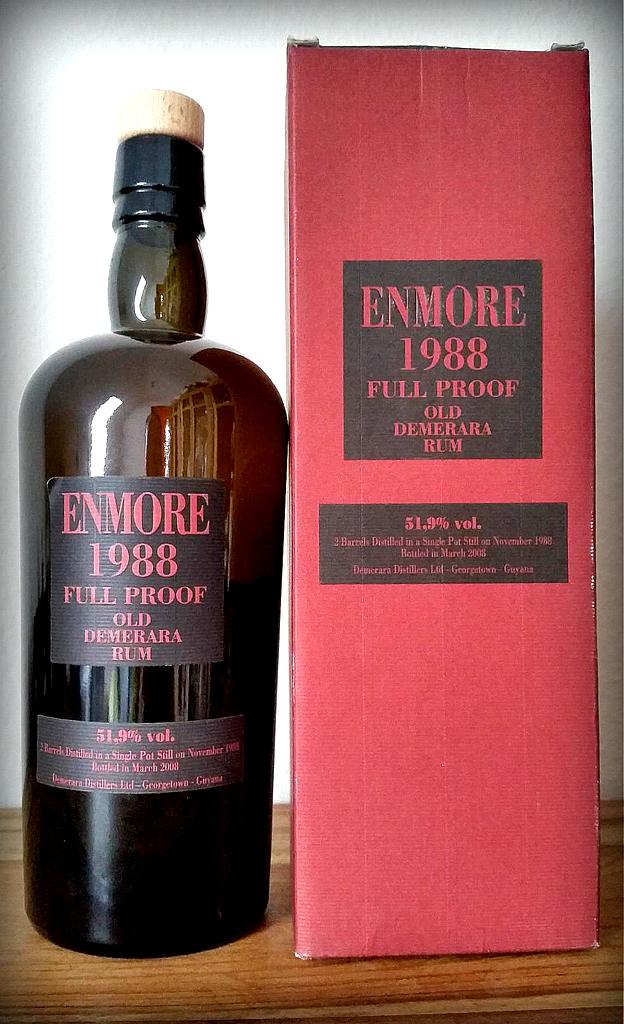
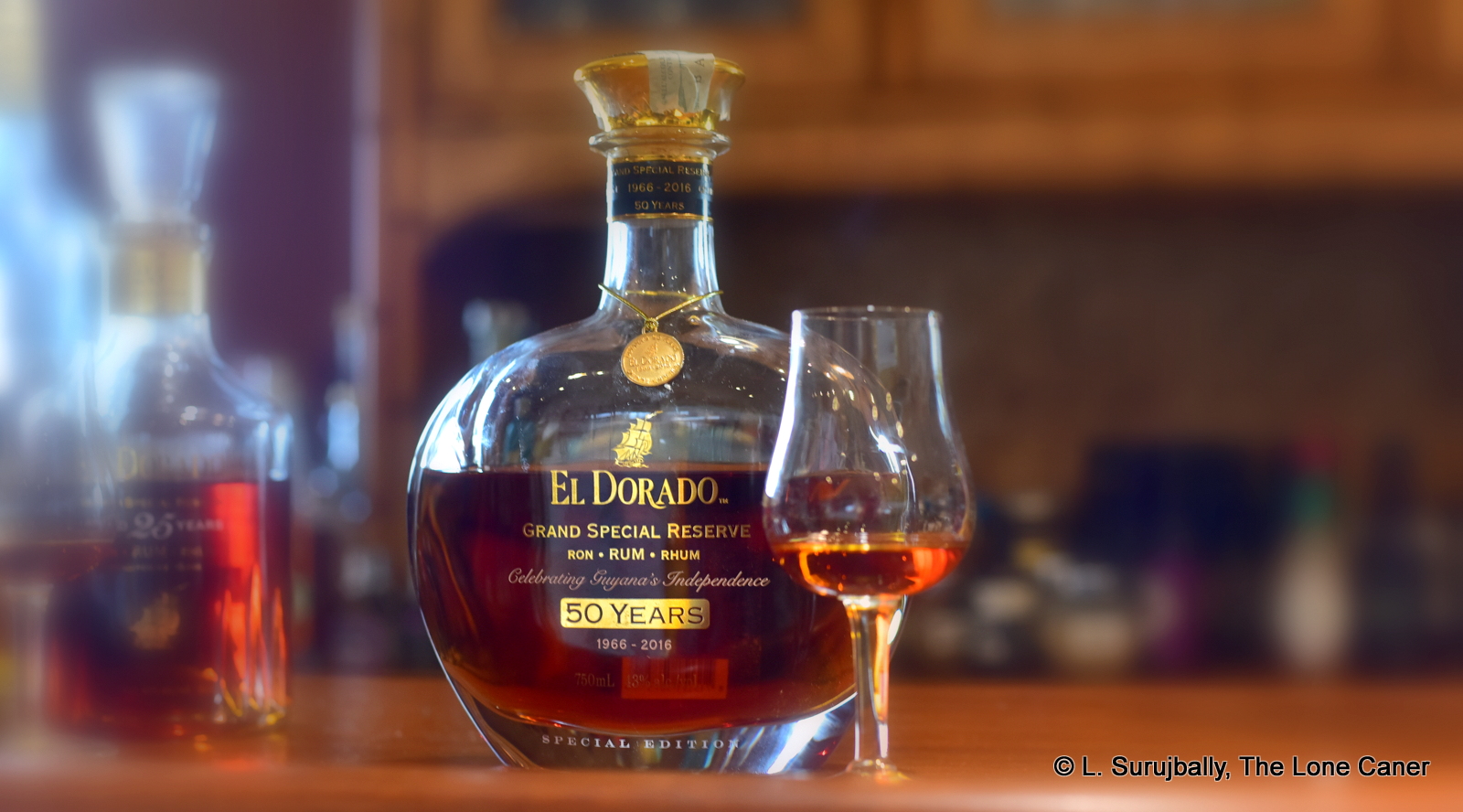
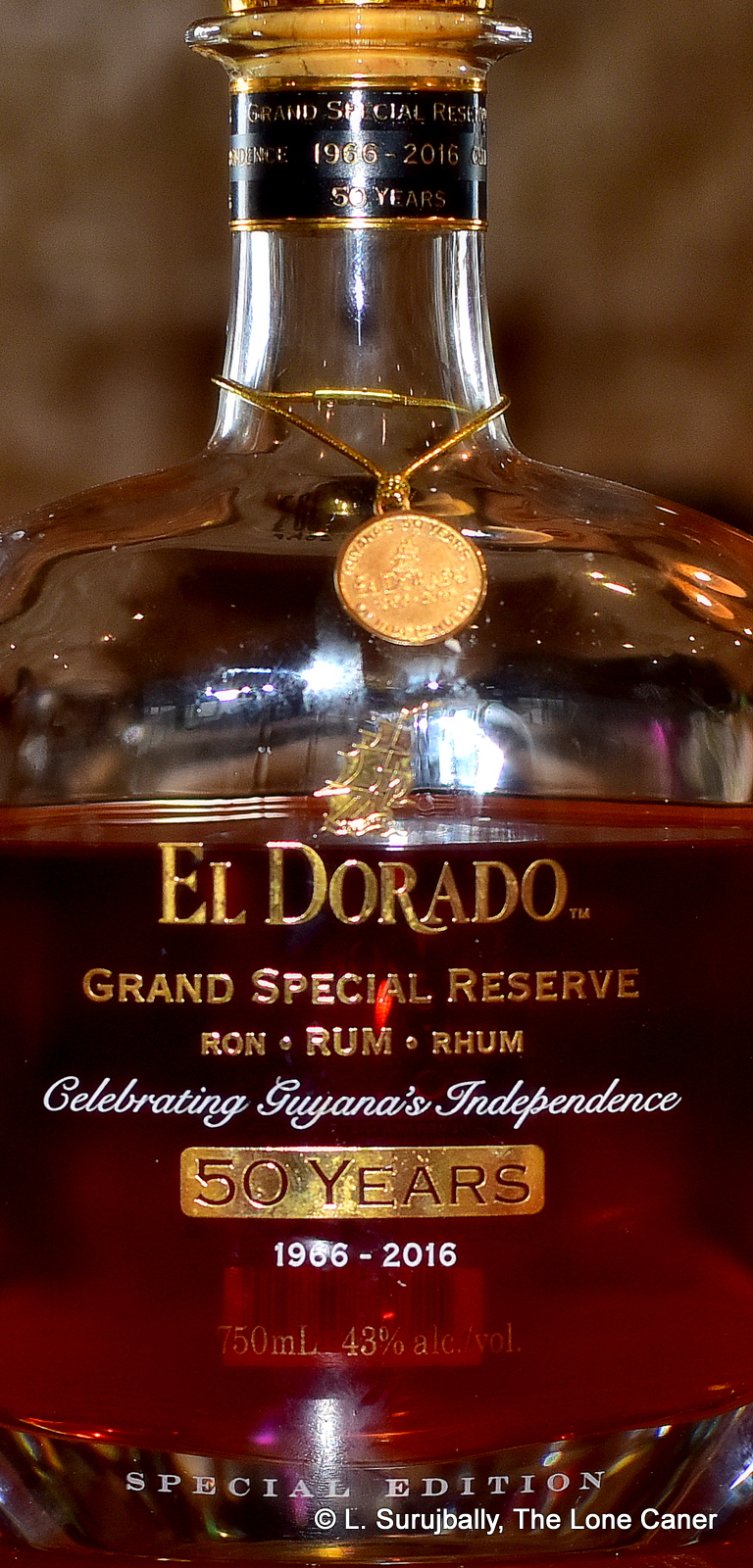 Which brings us to the El Dorado 50th Anniversary offering, with 600 produced bottles selling for a muscular US$3500 or so (each), and bottled at a less beefy 43%, meant to celebrate Guyana’s 50th anniversary of independence in 2016, just as the Appleton 50 did a few years earlier. It is not, as some websites state, a fifty year old rum (the bottle itself notes “50 years” in bold writing which doesn’t help) — by strict definition it is a 33 year old. The Whisky Exchange, which I have no reason to doubt, notes it as being a blend of rums: 65% from 1966, 25% between 1966 and 1976 and another 10% from 1983….so the idea that each of these aged components is from a specific still is likely to be a reasonable assumption (I’ve cobbled together various sources on the parts of the blend in “other notes” below).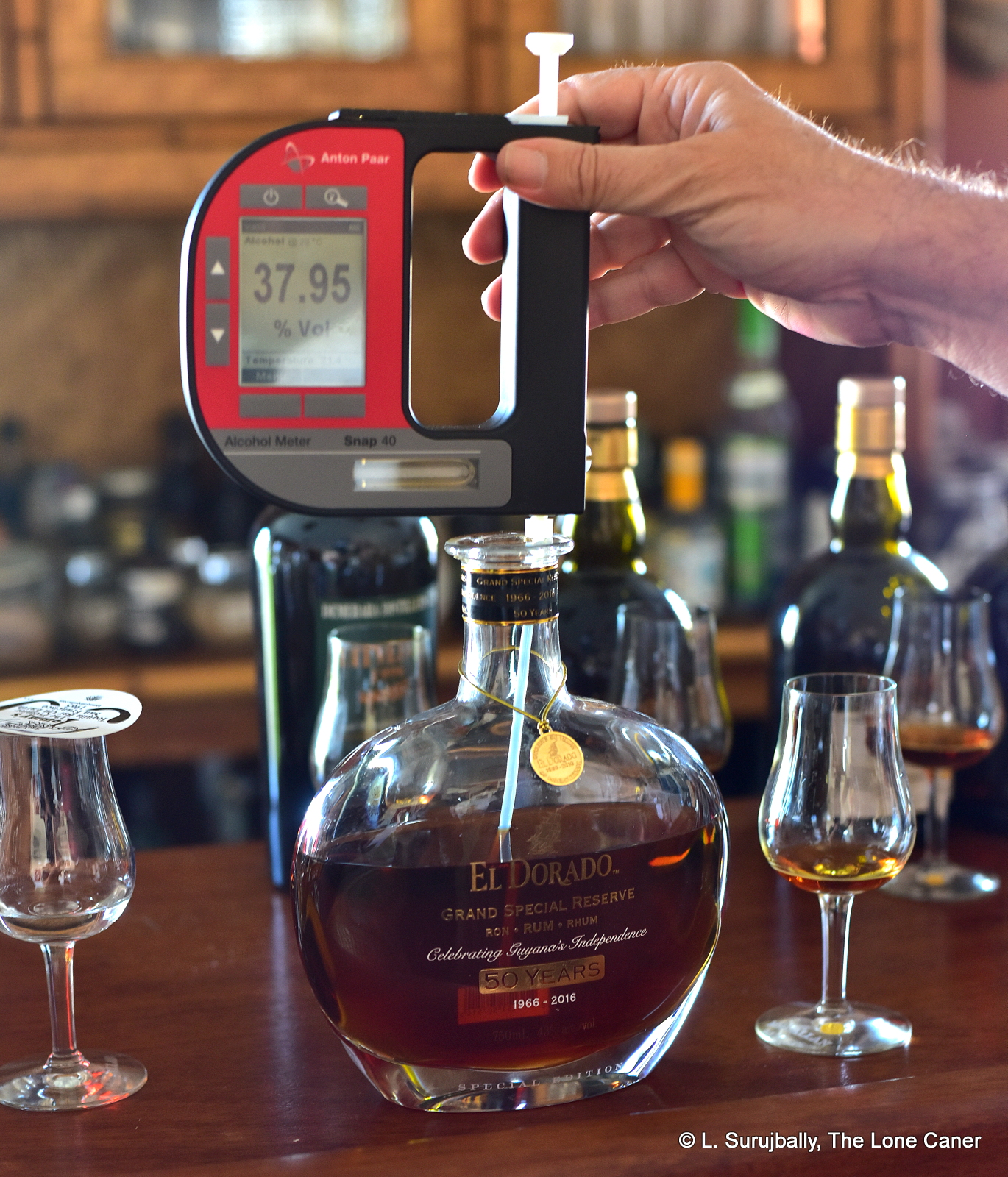
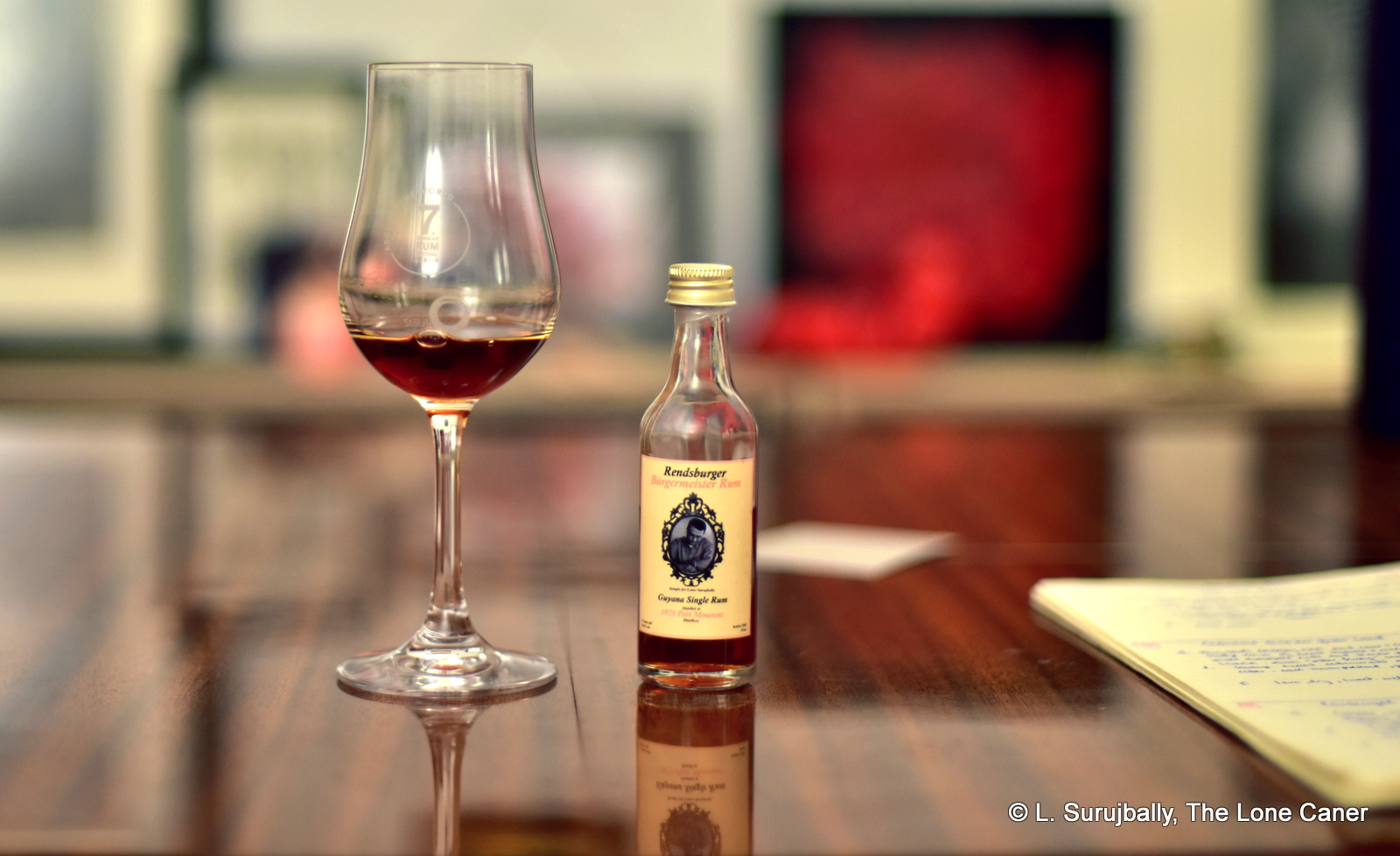
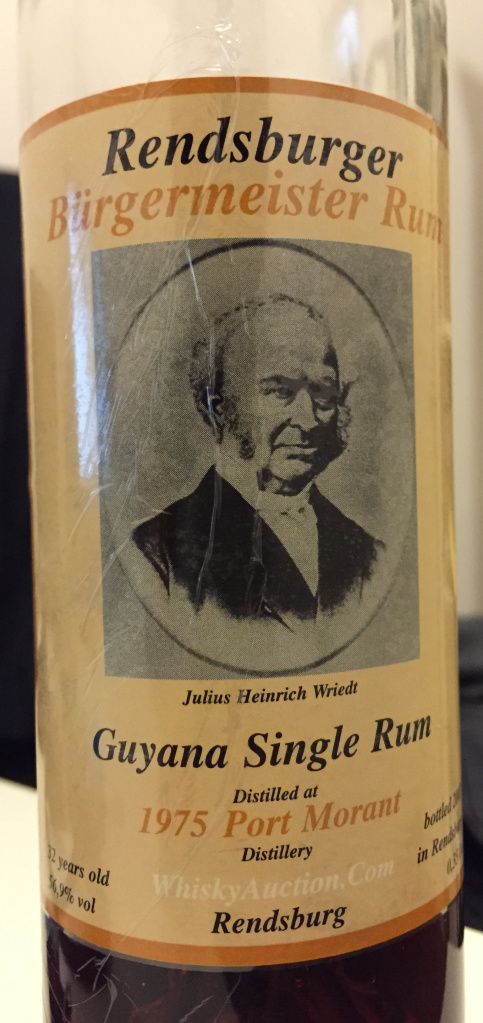
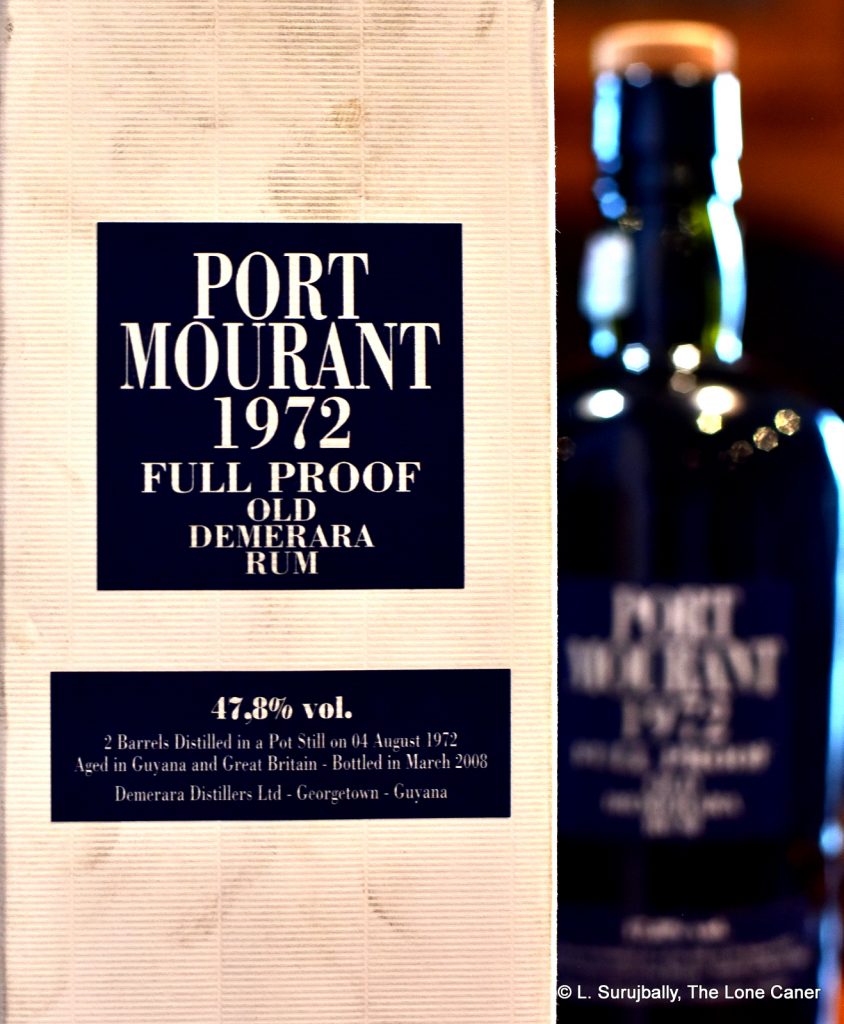
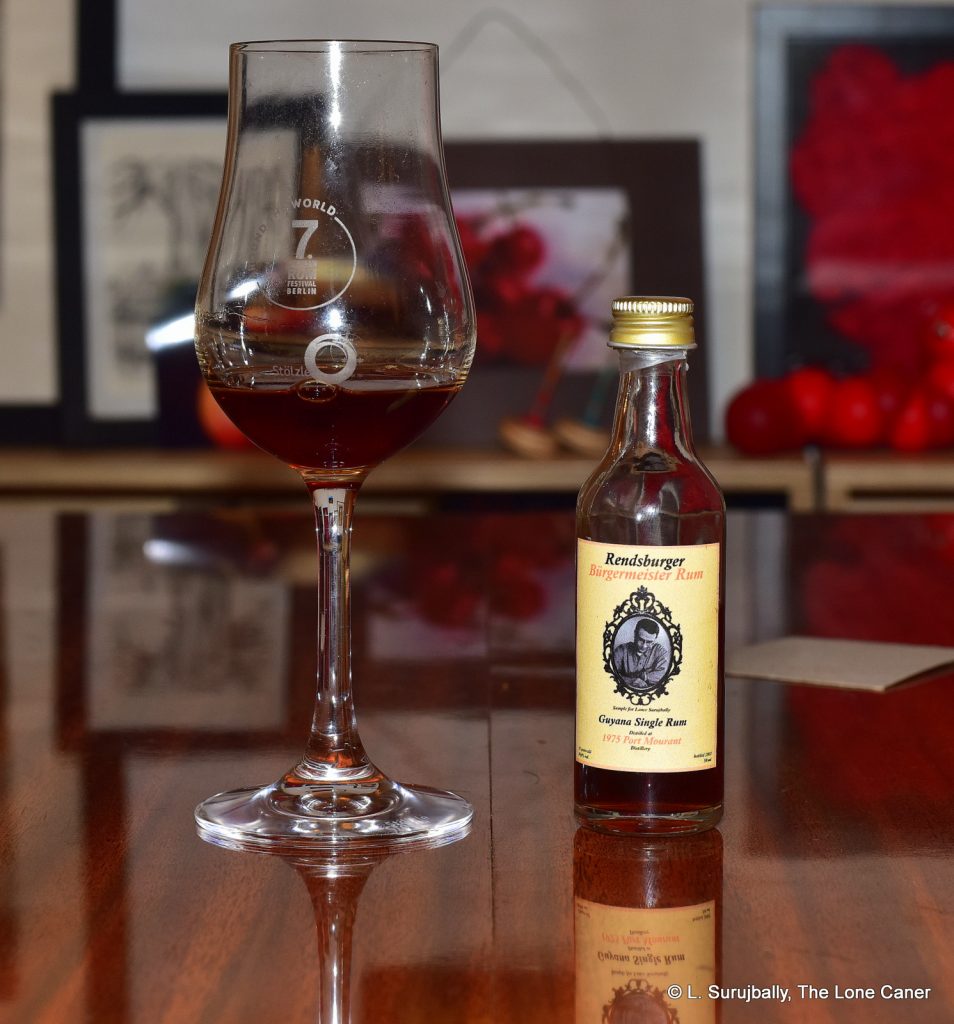 As for the palate, man, I’m in heaven, because I just found another 1975 to add to the pantheon. That same growling, thick richness of the nose segued to the tongue with no pause, no hesitation and no detours. The strength was near perfect – it gave strength without sharpness, allowing all the flavours to march solidly across the stage and present themselves one after the other: licorice, vanilla, caramel, bags of fruits, a little saltiness, biscuits and cereal. The whole thing was warm and thick with dark flavours that never seemed to want to stop showing off and even the oak, which at first I thought started to take on an unhealthy dominance after some minutes (I was actually writing “Mozart just exited the scene and is replaced by Salieri!” before crossing it out), retreated into the background, chilled out, and was (to my relief) content to be a part of the troupe rather than a scene stealing hog. The exemplary and traditional Port Mourant profile finished long, slow, voluptuously and with chocolate, coffee grounds, some oak, vanilla, raisins and anise, and overall, my take was it was simply one of the Grand Old Men of the plantation and the still.