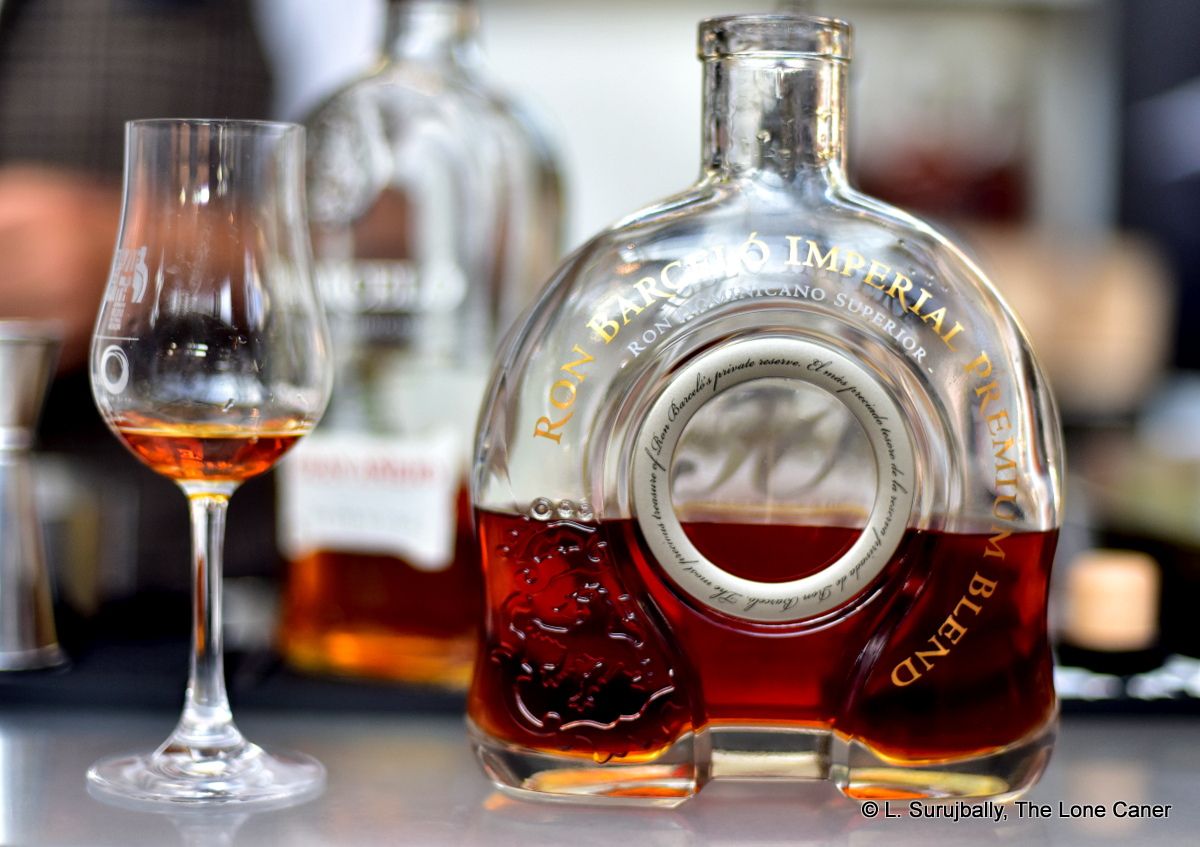
Barceló has slipped somewhat in our mental map of rum companies to watch, which comes as no surprise to those noting the current dominance which the Big Countries and the Big Names have in defining what we “should” be drinking. But ⅓ of the “Three Bs” of the Domincan Republic has been around for a while, releasing their light Spanish-style rons day in and day out, and if their primary markets are elsewhere than the homes of the online commentariat who flog Jamaica, Guyana and Barbados almost without pause, then at least their level of expertise shows no sign of flagging.
Given I rated the company’s Anejo a rather dismissive 61 in 2011 and shrugged off the previous 38% Imperial edition (not the same as this one) with 78 a couple of years later, that last remark might sound strange. But just because lighter column-still rons released at less-than-living-room-strength don’t turn my crank does not mean I don’t appreciate what they’re trying to do — I just wish they’d read the tea leaves and try harder and go stronger, if you catch my drift.
Here we have a rum (or ron) that ticks all the followingboxes: it’s possibly a cane juice-based spirit — per their website, all their rums are now made from cane juice (likely since 2010 or so) — run through a 5-column still, then aged 10 years in American oak and given a further two years’ ageing (I hesitate to use the word “finishing” for a secondary maturation that long) in French Château d’Yquem barrels. There are no additives according to their blurbs, which must be a recent thing, since it had been tested on initial (2011) release at 27g/L, but ok. When it first came out, the outturn was supposedly some 9,000 bottles annually, but the latest information I was given in 2017 was that it sold so well that this has now been upped to around 20,000.
There’s more details and notes which I’ll go into below, but this is enough to be going on with for the moment, let’s run through the tasting:
Nose first. Well, while conceding its soft warmth and easy languid charm, the truth is there’s not much really going on, nasally speaking: some citrus mixed up with deep caramel and brown sugar, and an intriguing scent of vanilla, charred barrels and burnt sugar and the ashiness of a dying coal fire. Sweet, reasonably robust – better than the sub-40% stuff I’ve had from them before – but lacking real complexity that would enthuse me more.
The palate rewards rather more attention. It’s warm and easy-going on the tongue, texture is nice. Great after-dinner sip to go with the ice cream. It tastes initially of caramel, ripe and mild yellow fruits without any aggro, raisins, prunes, and some faint licorice, ginger and vanilla. The 43% is a welcome boost from the milquetoast nonsense of the 37.5% expression, but in a way also serves to draw attention to its own limitations, because in a rum like this we’re looking for complexity, some punch, and a certain individuality that boosts the mildness of its light-distillate origins – and that simply isn’t here. This is even clearer on the finish, which is soft, quick and puffs away like steam – it provides no additional insight into why you should buy the rum to begin with.
Without completely dissing the Barcelo – I know it is made for an audience who are completely dialled into, and in tune with, its laid-back profile, and they are the ones who provide its core audience and keep sales robust – let me just suggest that like many rums of its ilk, it doesn’t deliver enough. It lacks panache, oomph, a certain force. It teases without coming through, and is too people-pleasing for real risk, too generic for specificity. That’s its downfall for the rum enthusiast, and, paradoxically, its raison d’être for those with more tolerant, inclusive and less exacting standards.
(#702)(81/100)
Other Notes
- The Imperial has always been a 10 year old since I first tried it (and as far as I could tell, ever since it was first made back in 1980; but in 2011 Barceló brought together squirrelled-away casks of this 10 YO and matured them a bit further, to create the Imperial Premium Blend, later re-christened the 30 Anniversario, and started slapping the numeral “30” on the central circle of real estate on the bottle. This does not intimate that it is 30 years old, but that it’s the 30th anniversary of the first issue of the Imperial.
- All Barceló rons are made in the Dominican Republic (not in Dominica – the two are separate nations), where the company shares the island with the other two “B”s – Bermudez and Brugal, both of which are older. Barceló Export Import has been in business since 1930, has always been a rum producer, and remains to this day a privately held company run by men who bear the name still. Julian Barceló, the founder, hailed from Spain – the name is actually Catalan, though I read he was from Mallorca himself – and arrived in the DR in 1929. His company soon became a very large and profitable enterprise, expanding his line of products to differing rums starting in 1935. By the 1980s the company became one of the biggest in the country, and expanded its market base by aggressively promoting exports – Spain was and continues to be a prime market for the rums.
- In September 2022 a comment (below) pointed out that Barcelo makes rums only from cane juice, which an immediate check on the website of the company also confirms. I have therefore changed some of the factual elements of this older review appropriately (although score and tasting notes stay as they were). No idea how that slipped past my original vetting process…however, it’s possible that they used both molasses and cane juice, since Latin countries / ex-Spanish colonies did not have a history or tradition of using juice.
- Note that in 2009 a new Barcelo division, Alcoholes Finos Dominicanos, was established with funds from the EU Rum Sector Programme (the same one that funded Clarendon’s new column still / fermenters and Foursuare’s bottling plant), and built a new industrial distillery the following year, which is processing 100% cane juice. This is now the distillery Barcelo is using to make its rums. It’s possible this rum, tried in 2017 and 12 years old, is from stocks that were made from molasses. The taste and the age of the rum supports that assumption but it’s unclear from the label. (See also this 2020 Barcelo company profile on YouTube).
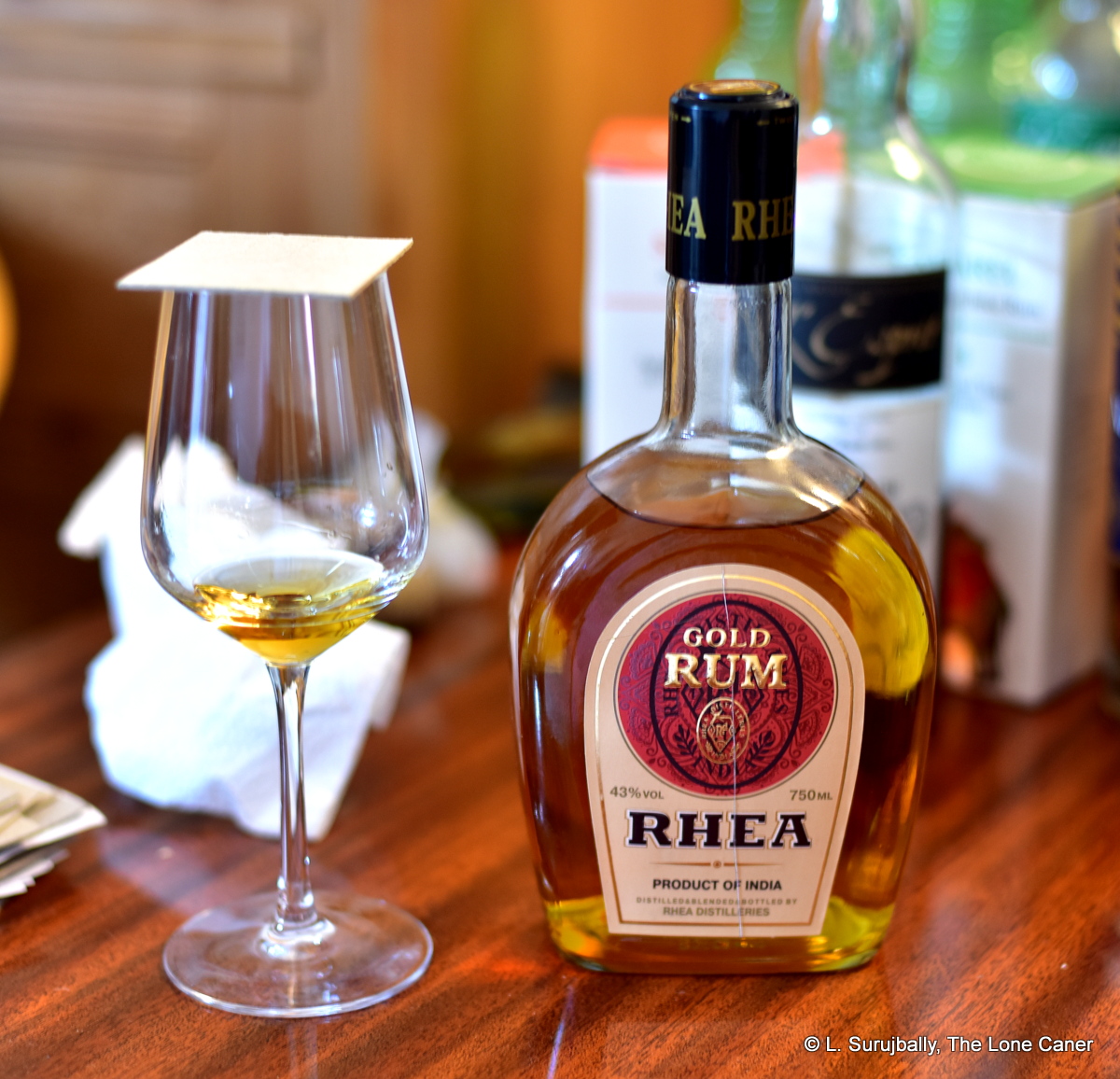
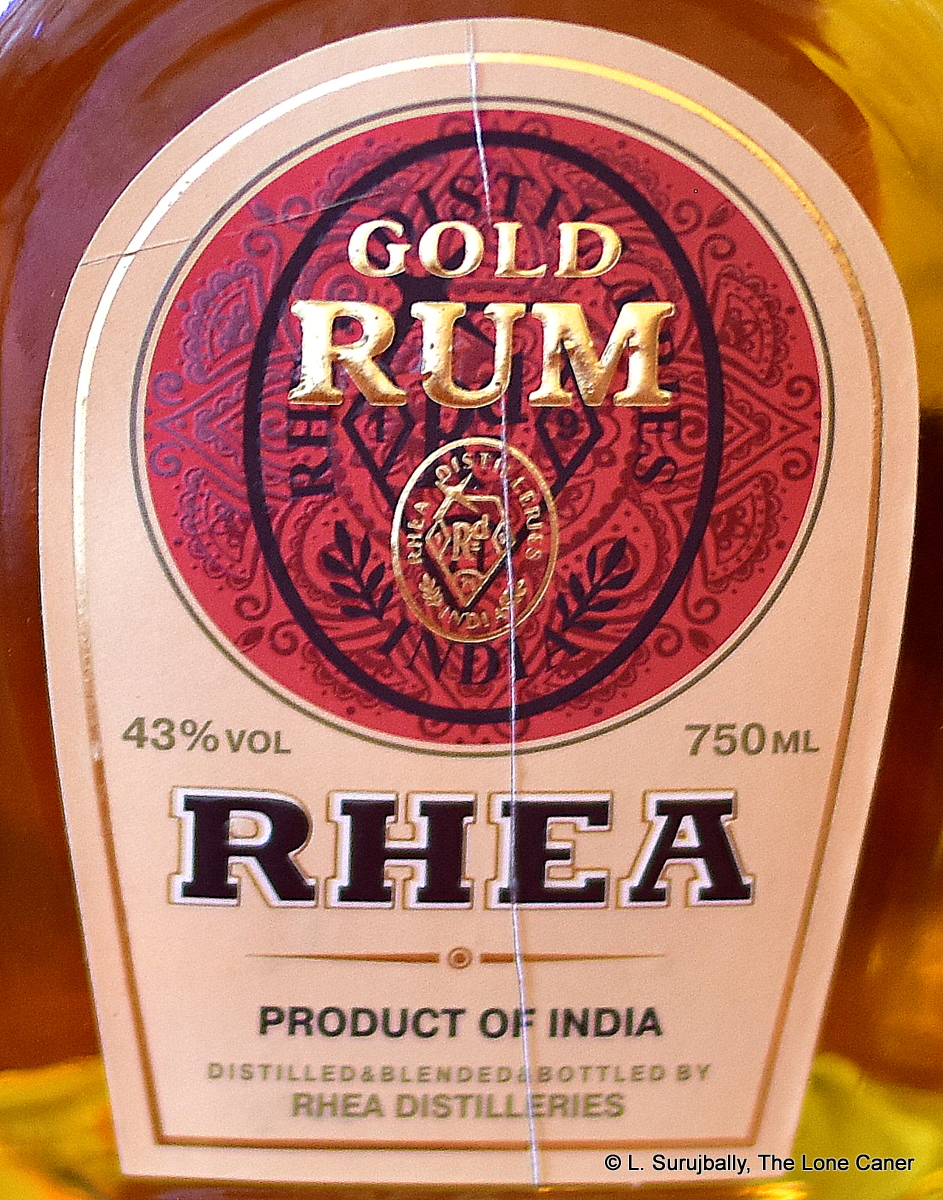 Light amber in colour and bottled at 43%, it certainly did not nose like your favoured Caribbean rum. It smelled initially of congealed honey and beeswax left to rest in an old unaired cupboard for six months – that same dusty, semi-sweet waxy and plastic odour was the most evident thing about it. Letting it rest produced additional aromas of brine, olives and ripe mangoes in a pepper sauce. Faint vanilla and caramel – was this perhaps made from jaggery, or added to after the fact? Salty cashew nuts, fruit loops cereal and that was most or less it – a fairly heavy, dusky scent, darkly sweet.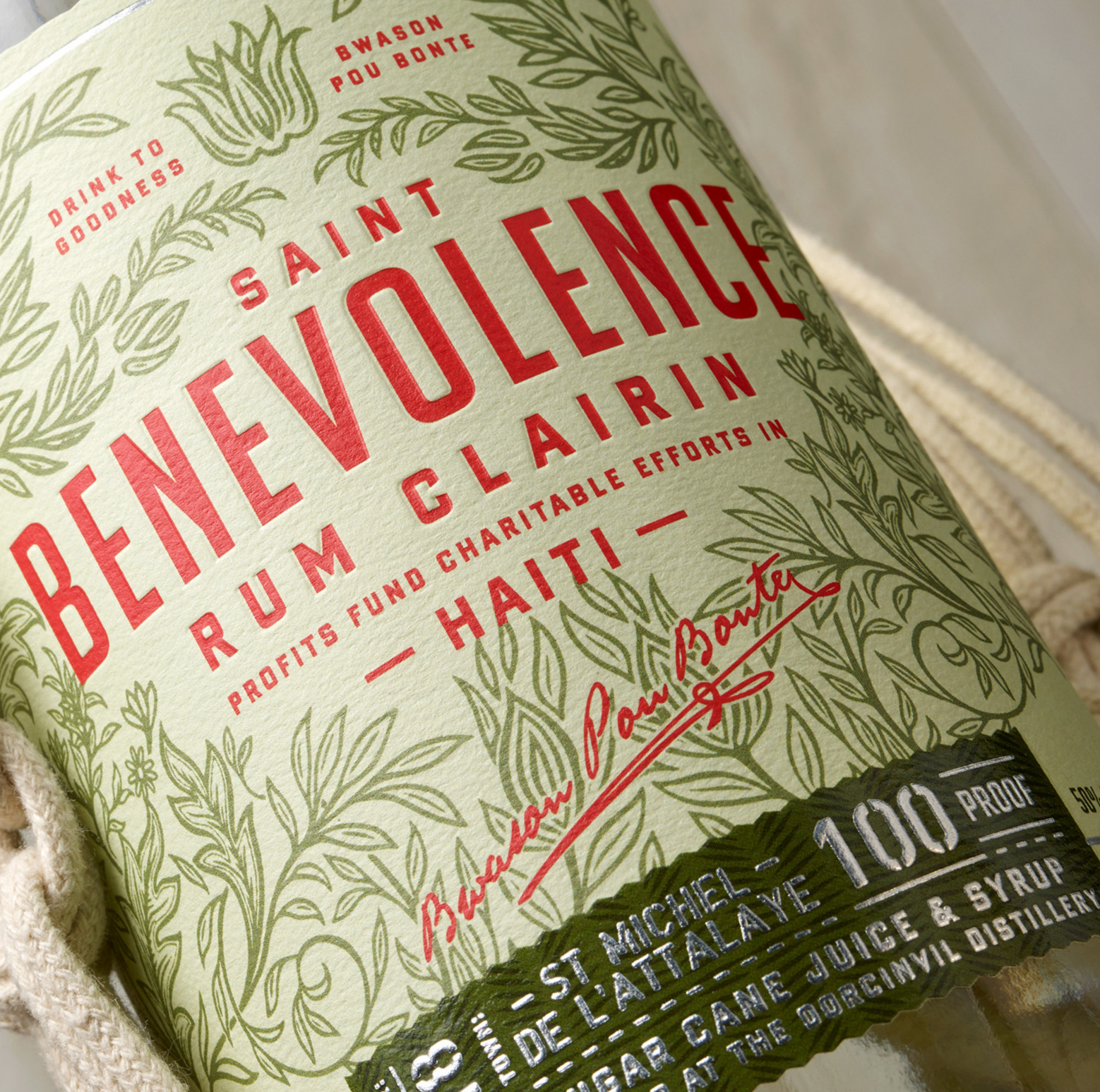
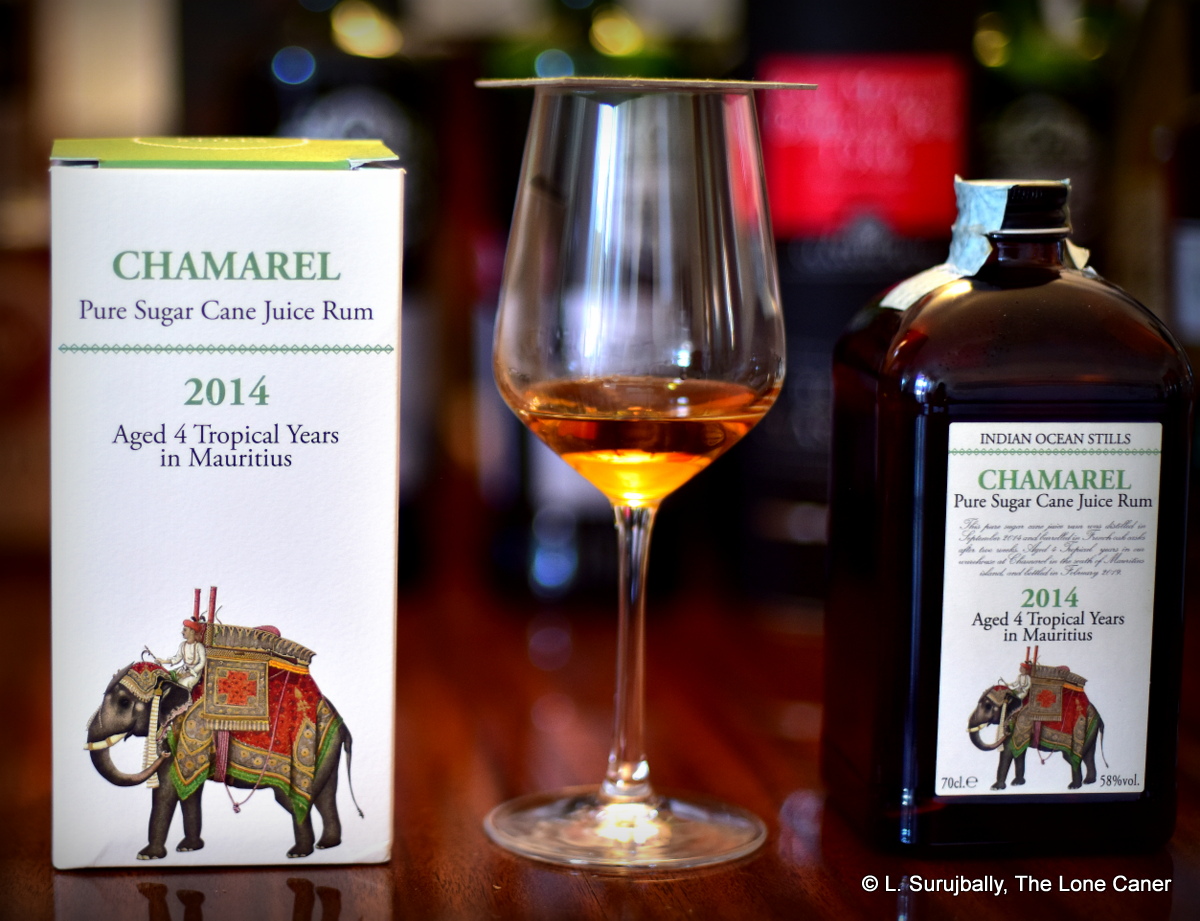
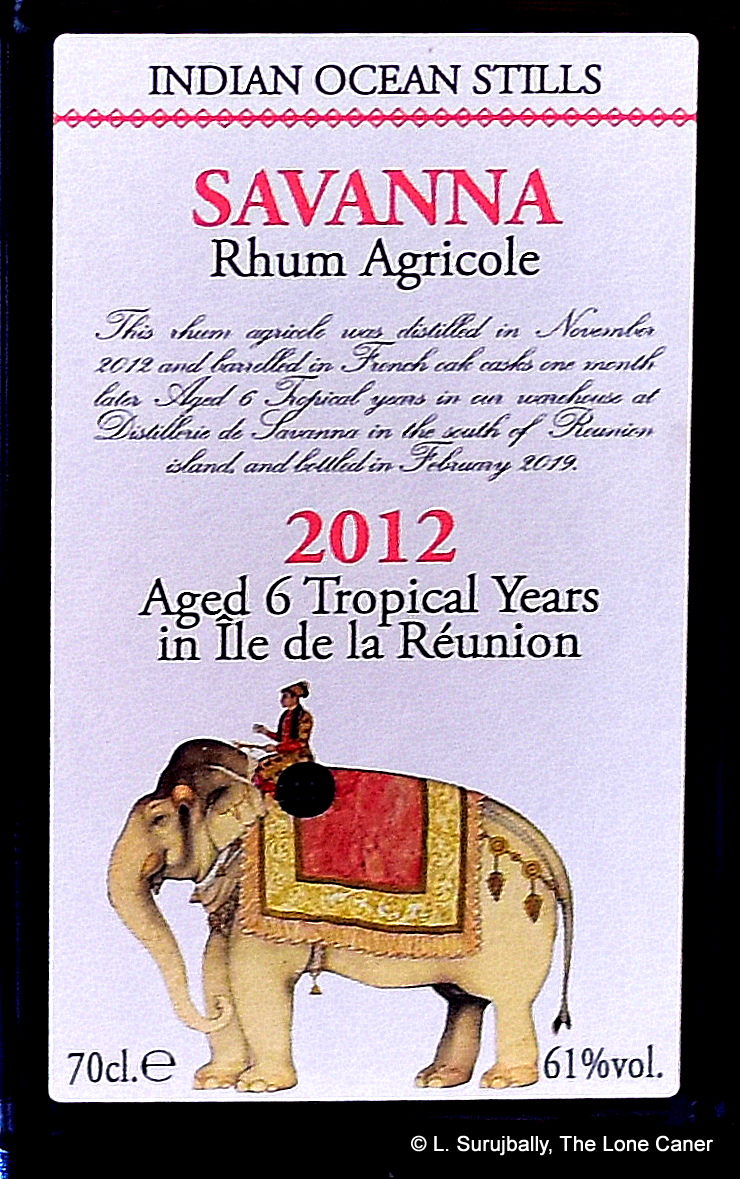
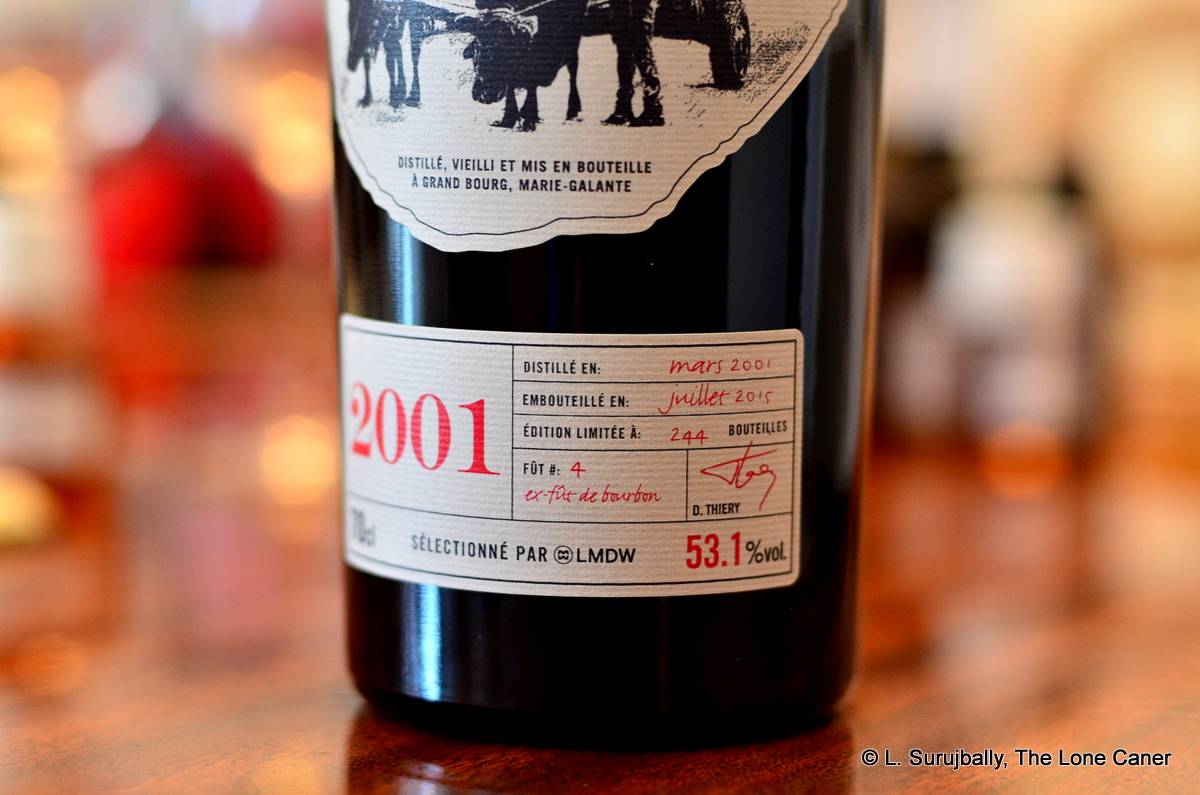
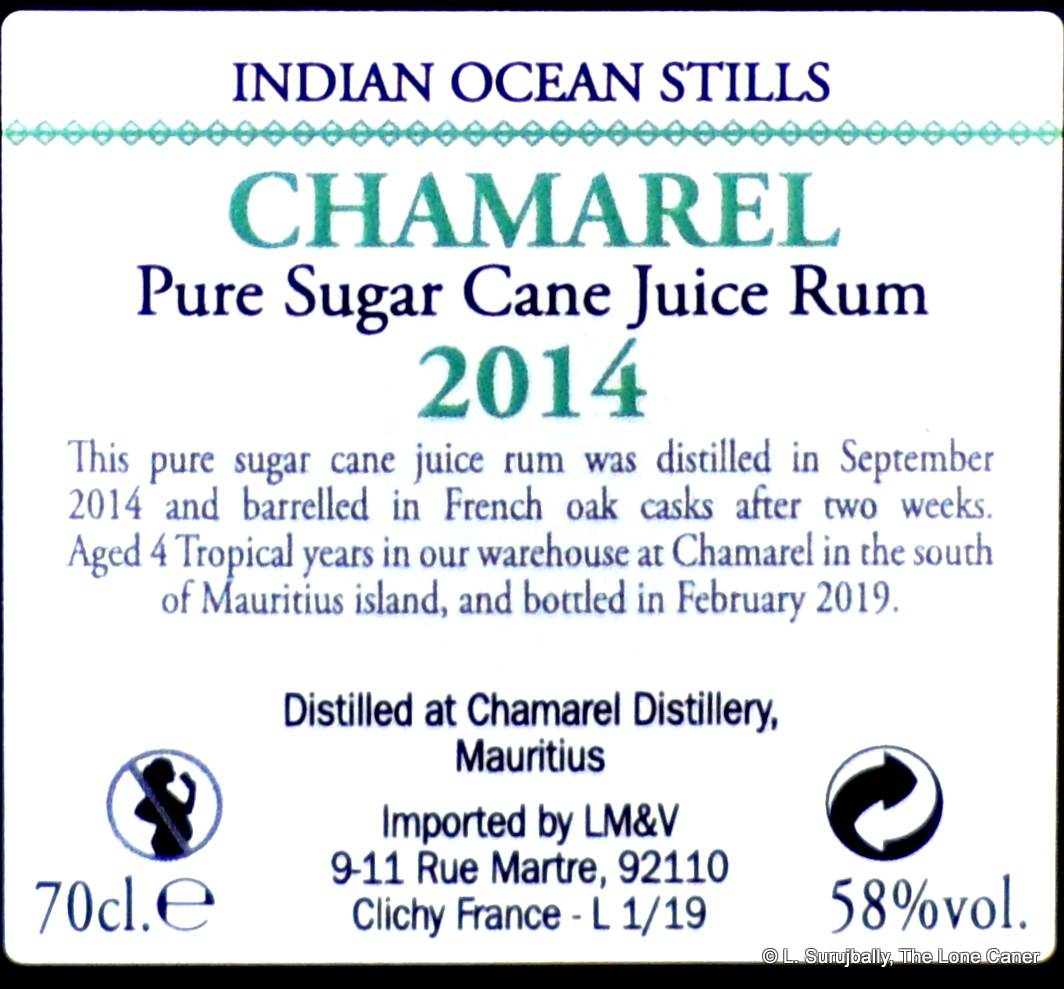 Brief stats: a 4 year old rum distilled in September 2014, aged in situ in French oak casks and bottled in February 2019 at a strength of 58% ABV. Love the labelling and it’s sure to be a fascinating experience not just because of the selection by Velier, or its location (we have tried few rums from there though those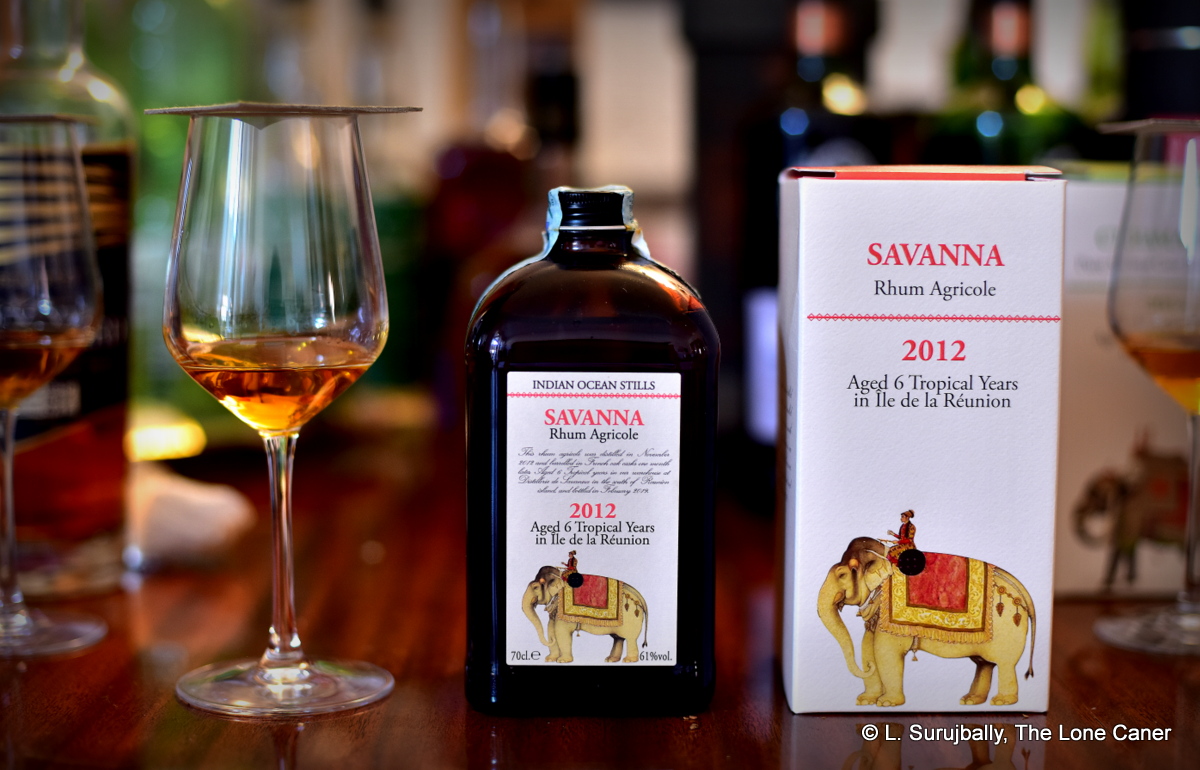
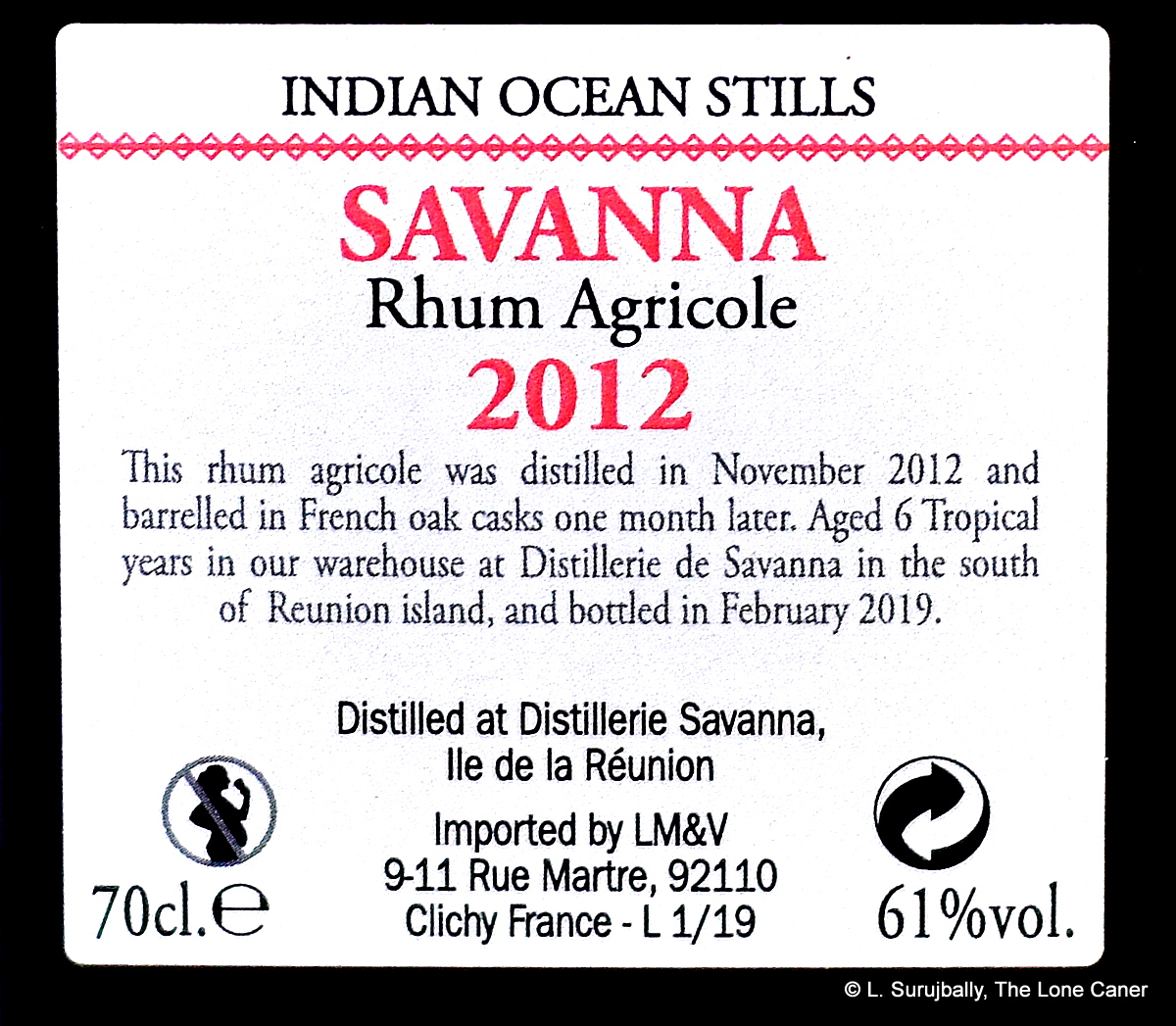 The “Indian Ocean Still” series of rums have a labelling concept somewhat different from the stark wealth of detail that usually accompanies a Velier collaboration. Personally, I find it very attractive from an artistic point of view – I love the man riding on the elephant motif of this and the companion
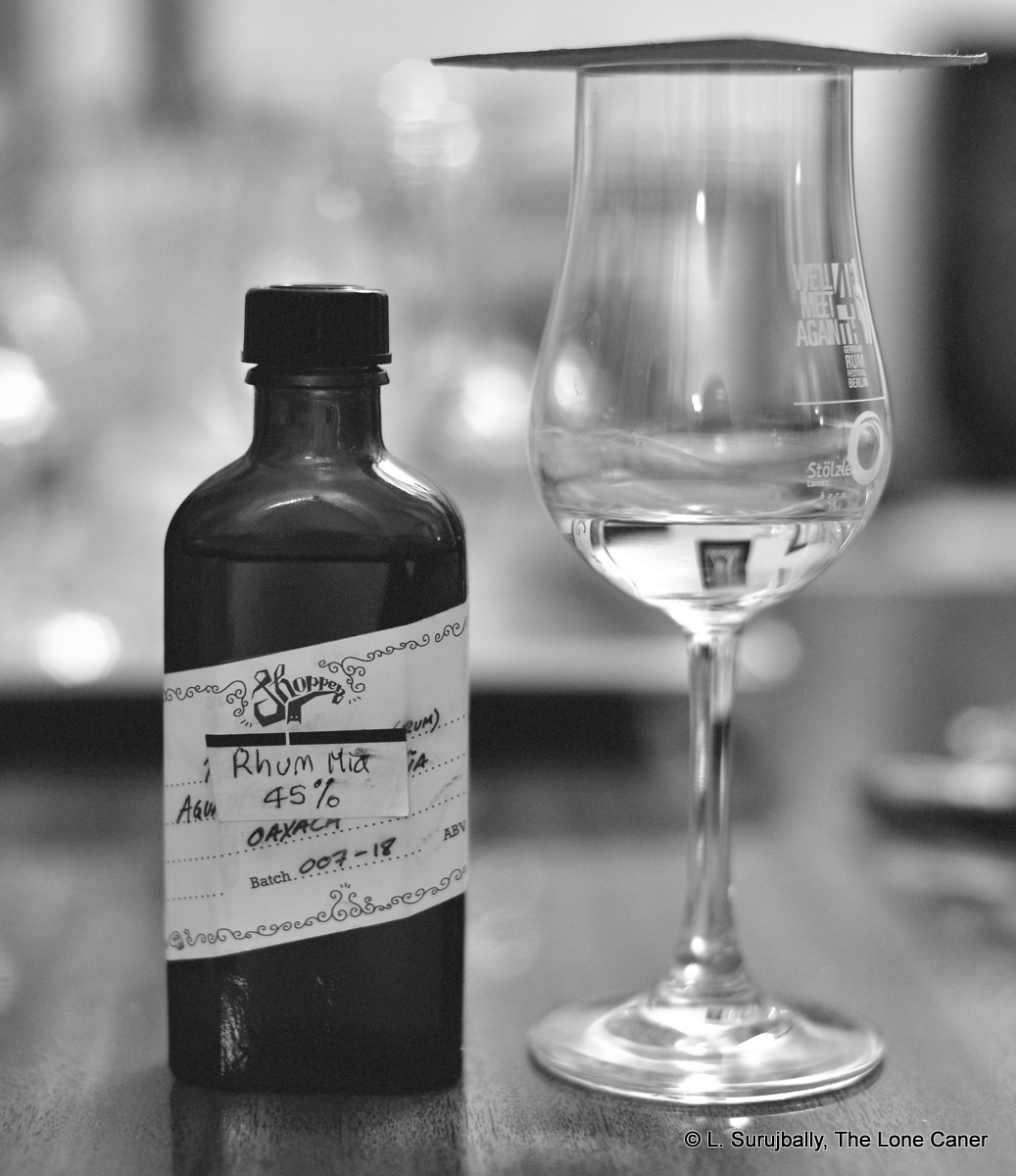
  Man, this was a really good dram. It adhered to most of the tasting points of a true agricole — grassiness, crisp herbs, citrus, that kind of thing — without being slavish about it. It took a sideways turn here or there that made it quite distinct from most other agricoles I’ve tried. If I had to classify it, I’d say it was like a cross between the fruity silkiness of a St. James and the salt-oily notes of a Neisson.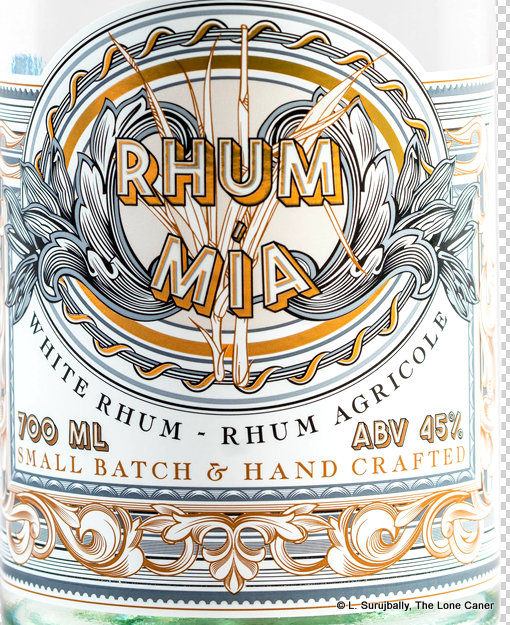
 Rumaniacs Review #105 | 0678
 Nose – A combination of the
  Rumaniacs Review #104 | 0677
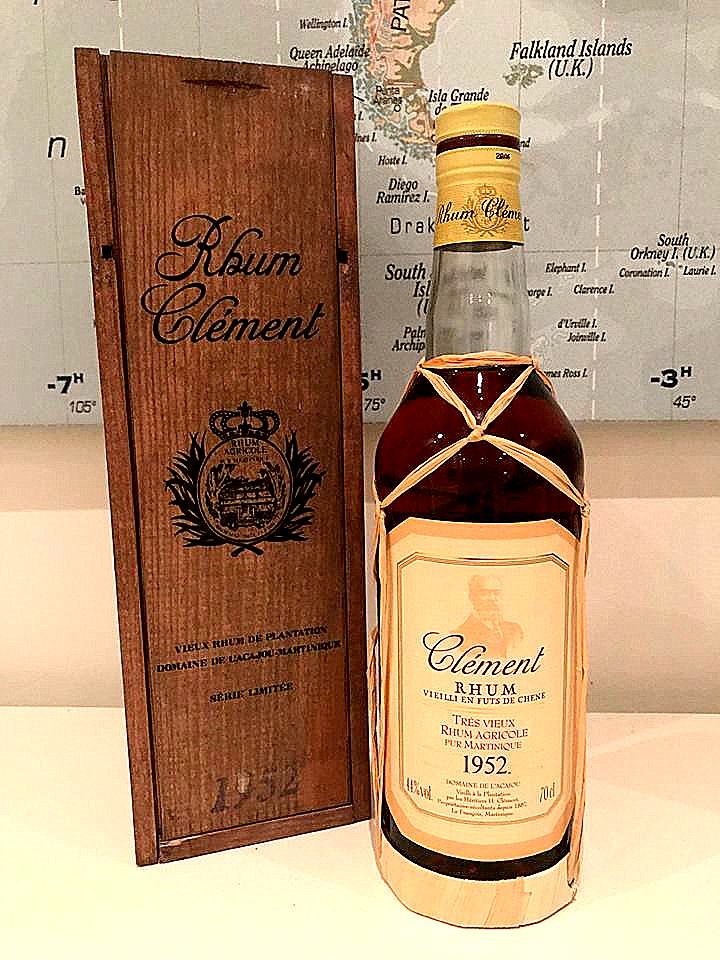
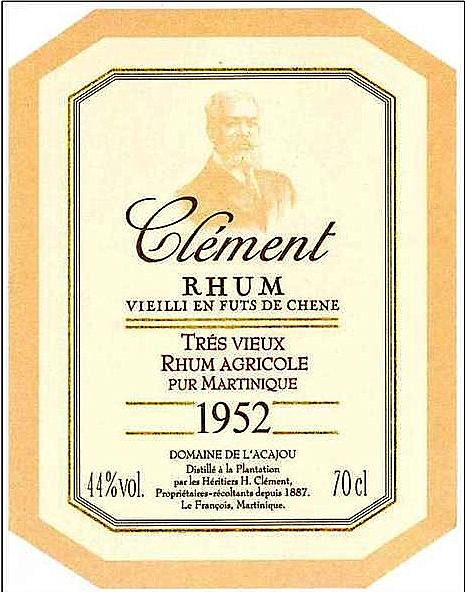
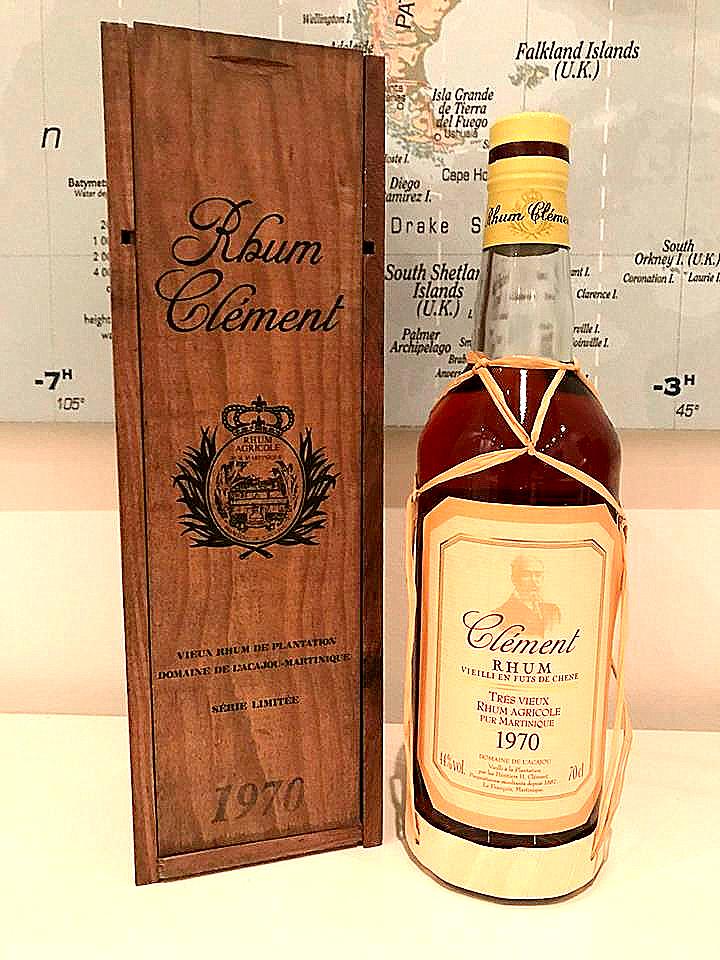
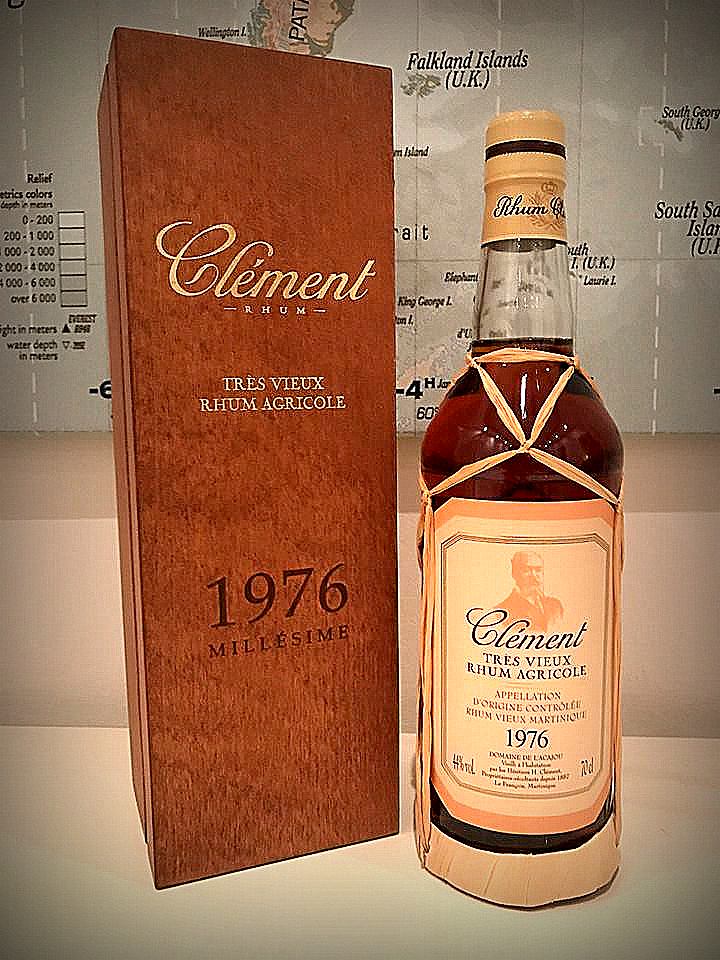
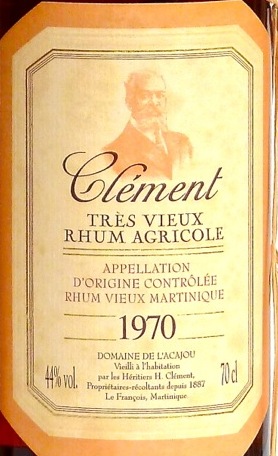 Another peculiarity of the rhum is the “AOC” on the label. Since the AOC came into effect only in 1996, and even at its oldest this rhum was done ageing in 1991, how did that happen? Cyril told me it had been validated by the AOC after it was finalized, which makes sense (and probably applies to the 1976 edition as well), but then, was there a pre-1996 edition with one label and a post-1996 edition with another one? (the two different boxes it comes in suggests the possibility). Or, was the entire 1970 vintage aged to 1991, then held in inert containers (or bottled) and left to gather dust for some reason? Is either 1991 or 1985 even real? — after all, it’s entirely possible that the trio (of 1976, 1970 and 1952, whose labels are all alike) was released as a special millesime series in the late 1990s / early 2000s. Which brings us back to the original question – how old is the rhum?
 Rumaniacs Review #103 | 0676
 The rhum presents as warm rather than hot or sharp, so relatively tame to sniff, and this continues on to the palate. There a certain sweetness, light and clear, that is more pronounced in the initial sips, and the citrus notes are more noticeable, as are the brine and slight rottenness. What’s most distinct is the emergent strain of ouzo, of licorice (mostly absent from the nose until after it opens up a bit) … but fortunately this doesn’t take over, integrating reasonably well with tastes of clear bubble gum and strawberry soda pop that round out the crisp profile. Finish is medium long, dry, sweet, warm Guavas and white fruits and watery pears mingle with oranges and citrus peel and a slight dusting of salt, and that’s just about the whole story.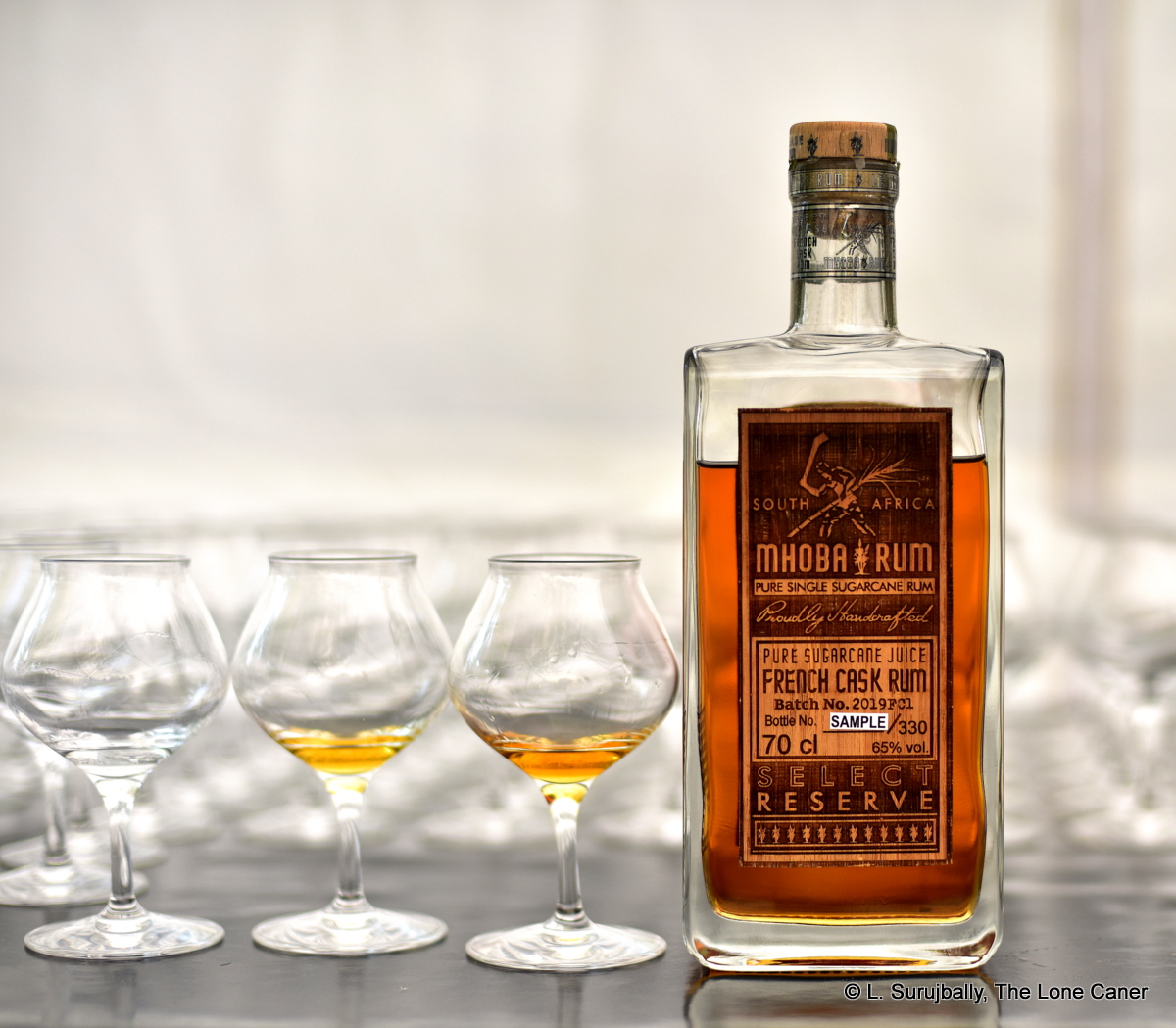
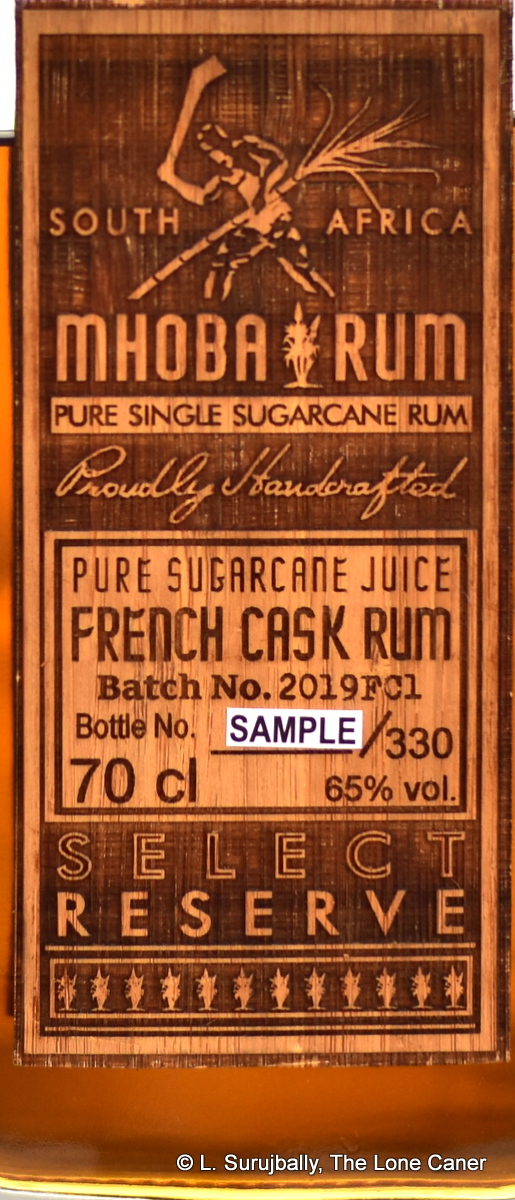 This is where good labelling helps understand what you’re getting. Mine read that it was a sugar cane juice rum, single blended, the bottle outturn (330 bottles, of which this was a sample), batch 2019FC1, South African made, and 65% ABV (ouch!). Actually, the only things missing from the label were the age statement (website says just over a year) and the still of origin (it’s a pot still), which I imagine subsequent labels will correct, especially as additional aged varietals begin to enter the market and a stock of different aged expressions gets built up – already, the company site lists eight different rums, so they’re not wasting any time.
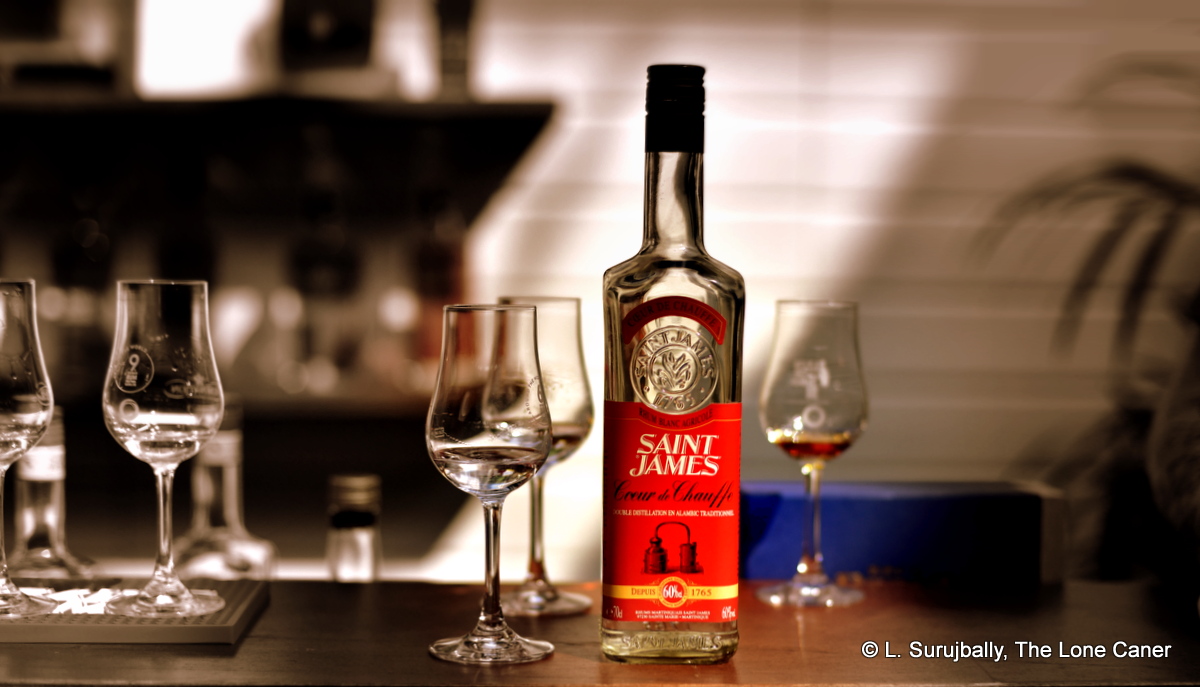
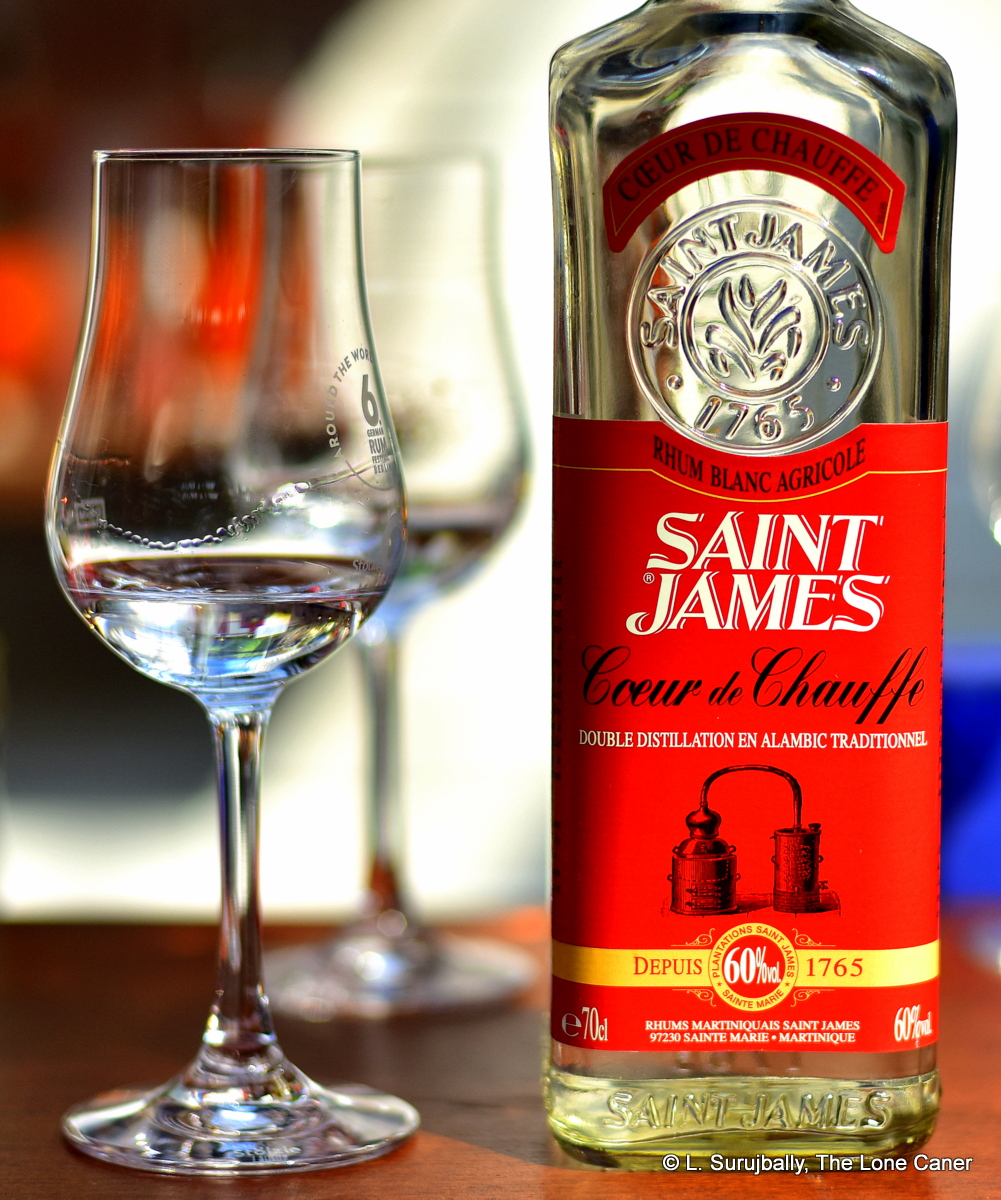 And also because, man, did this thing ever smell pungent — it was a bottle-sized 60-proof ode to whup-ass and rumstink. A barrage of nail polish, spoiling fruit, wood chips, wax, salt, and gluey notes all charged right out without pause or hesitation, spoiling for a fight. Even without making a point of it, the rhum unfolded with uncommon firmness into aromas of sweet, grassy herbals, green apples, sugar water, dill, cider, vegetables, toasted bread, a sharp mature cheddar, all mixed in with moist dark earth, sugar water, biscuits, orange peel. And the balance of all of them was really quite good, truly.
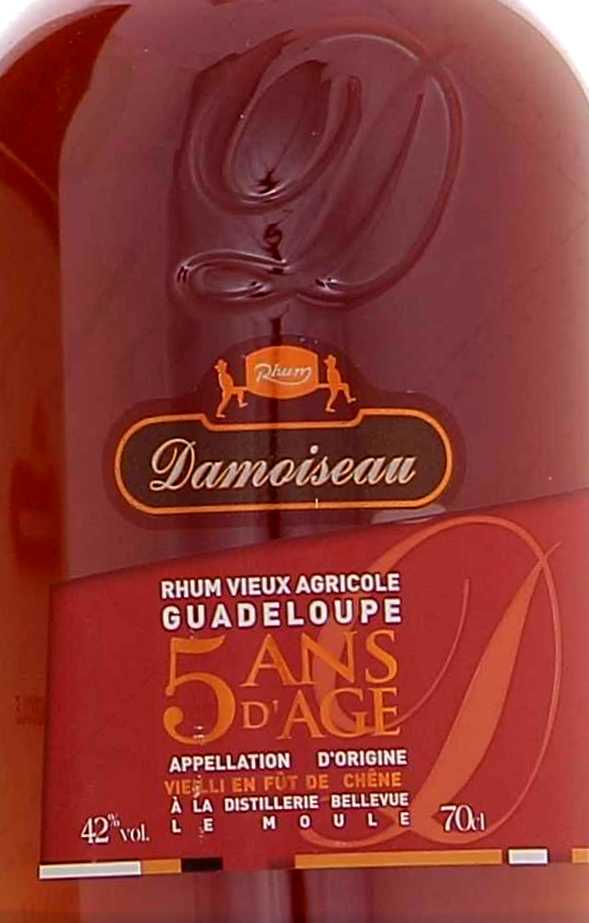
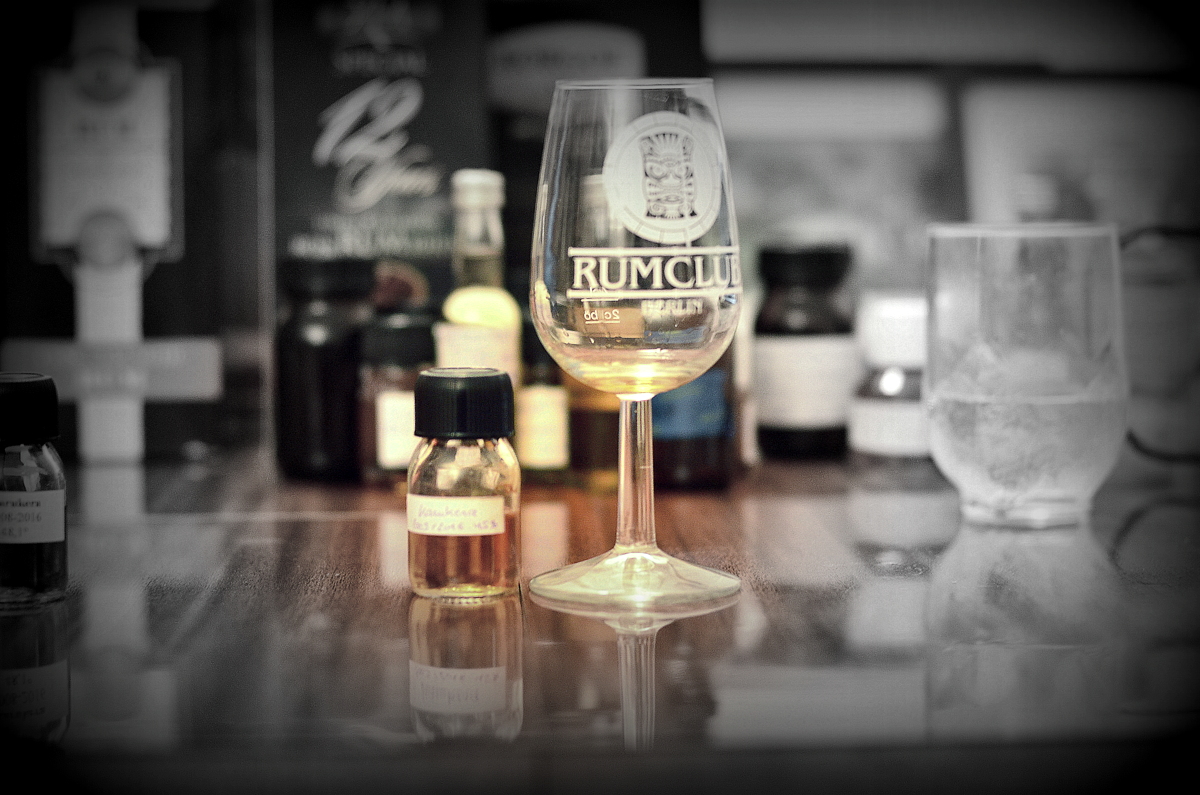
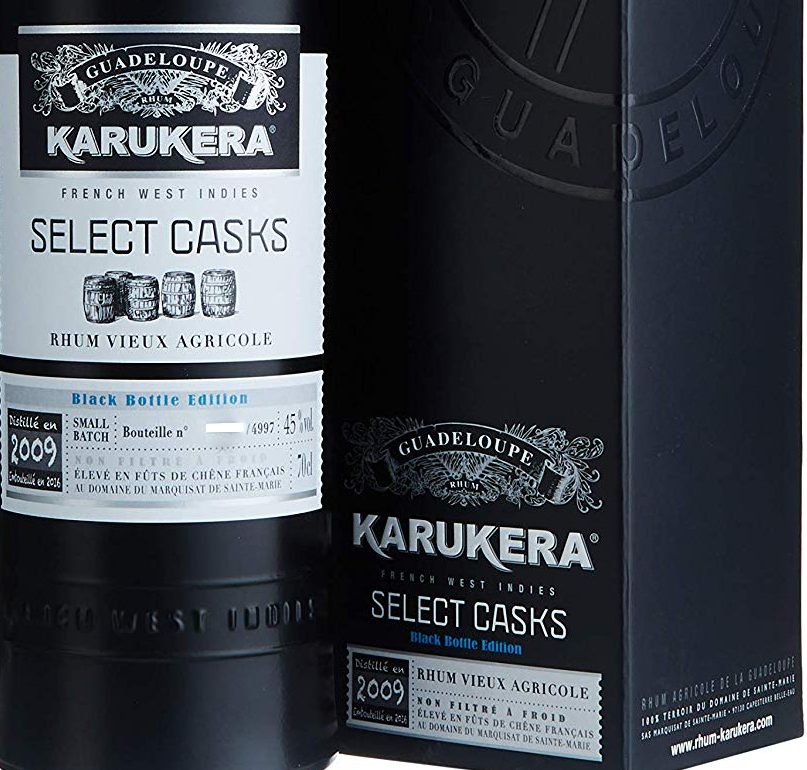
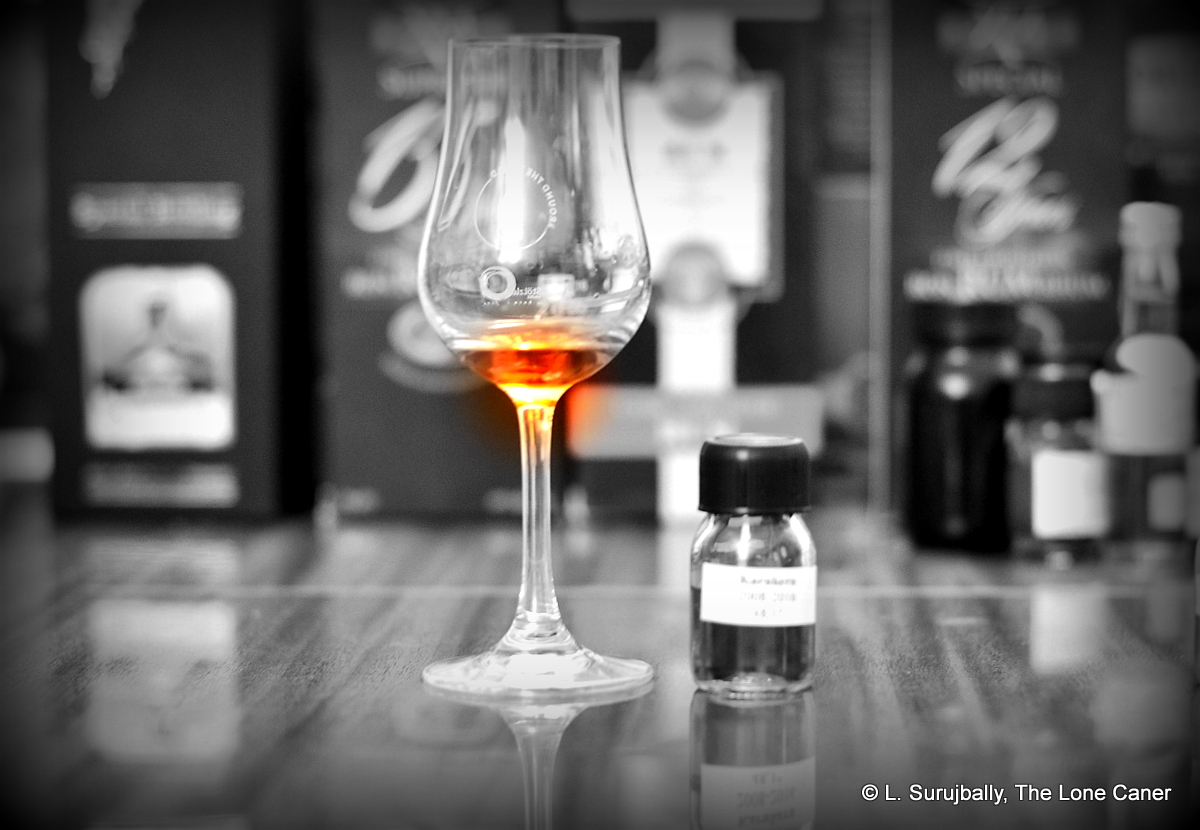
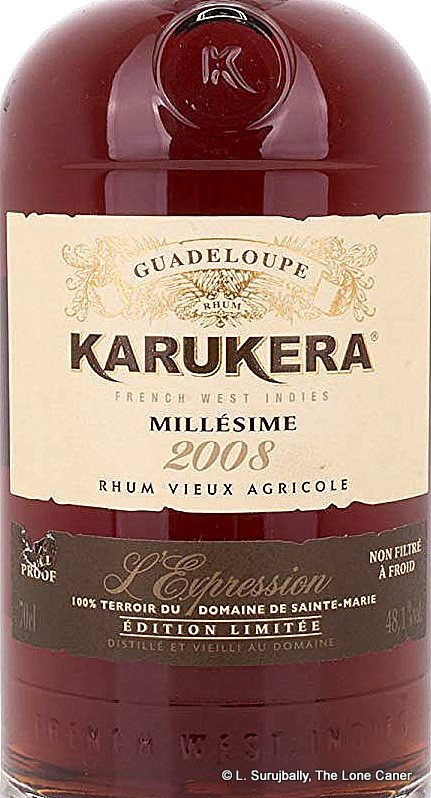 Unlike many aged agricoles that have run into my glass (and down my chin), I found this one to be quite sweet, and for all the solidity of the strength, also rather scrawny, a tad sharp. At least at the beginning, because once a drop of water was added and I chilled out a few minutes, it settled down and it tasted softer, earthier, muskier. Creamy salt butter on black bread, sour cream, yoghurt, and also fried bananas, pineapple, anise, lemon zest, cumin, raisins, green grapes, and a few more background fruits and florals, though these never come forward in any serious way. The finish is excellent, by the way – some vague molasses, burnt sugar, the creaminess of hummus and olive oil, caramel, flowers, apples and some tart notes of soursop and yellow mangoes and maybe a gooseberry or two. Nice.
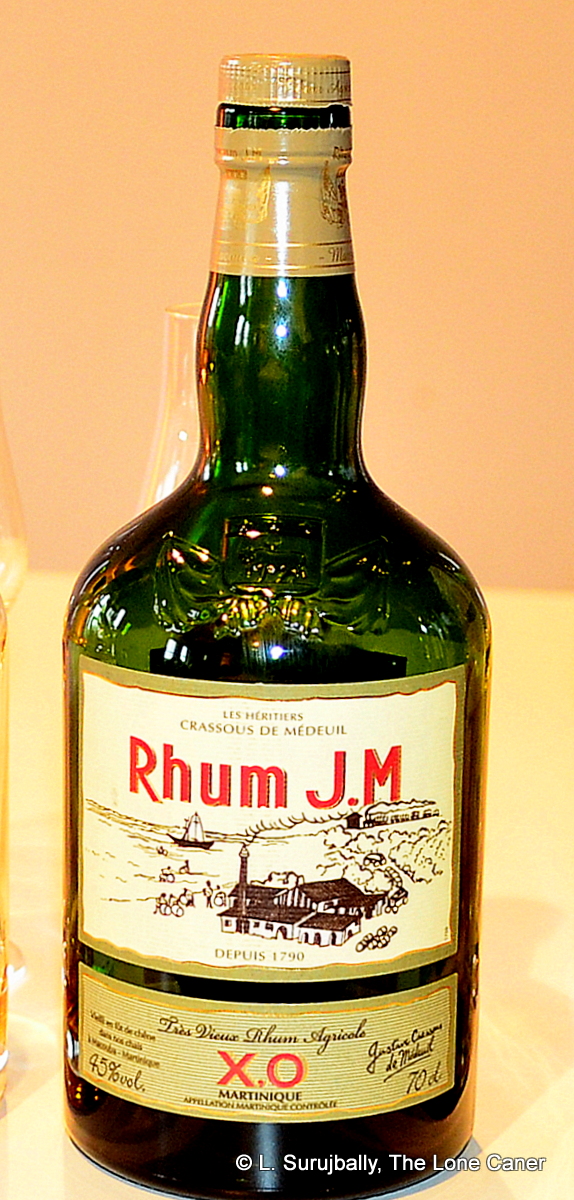 We hear a lot about Damoiseau, HSE, La Favorite and Trois Rivieres on social media, while J.M. almost seems to fall into the second tier of famous names. Though not through any fault of its own – as far as I’m concerned they have every right to be included in the same breath as the others, and to many, it does.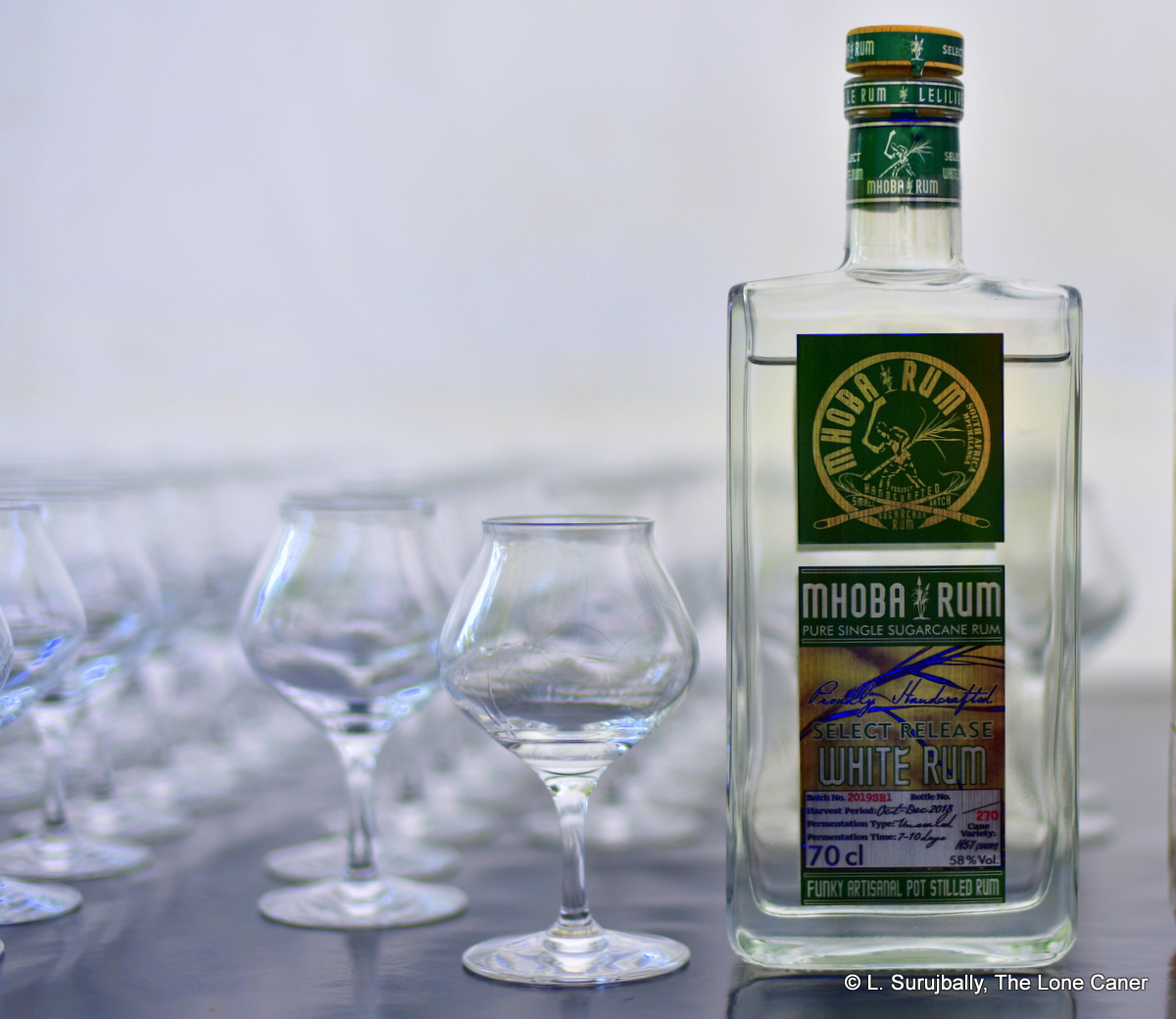
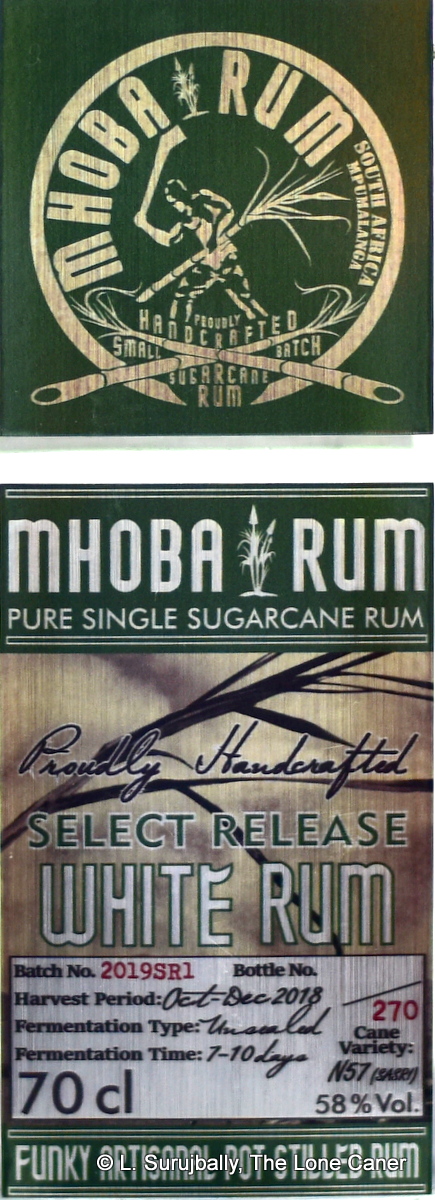 I’ll leave you to peruse Steve’s enormously informative company profile for production details (it’s really worth reading just to see what it takes to start something like a craft distillery), and just mention that the rum is pot still distilled from juice which is initially fermented naturally before boosting it with a strain of commercial yeast. The company makes three different kinds of white rums – pot still white, high ester white and a blended white, all unaged. I tried what is probably the tamest of the three, the Select, which the last one, blended from several cuts taken from batches processed between October to December of 2018 and bottled at 58%. All of this is clearly marked on the onsite-produced label (self-engraved, self-printed, manually-applied), which is one of the most informative on the market: it details batch number, date, strength, variety of cane, still, number of bottles in the run…it’s really impressive work.
 That was quite a medley on the nose, yet oddly the palate didn’t have quite have as many tunes playing. It was initially briny with those olives coming back, a little peanut brittle, salt caramel ice cream, vanilla, all held back. What I liked was its general softness and ease of delivery – there was honey and cream, set off by a touch of citrus and tannics, all in a pleasant and understated sort of combination that had a surprisingly good balance that one would not always imagine a rhum so young could keep juggling as well as it it did. Or as long. Even the finish, while simple, came together well – it gave up some short and aromatic notes, slightly woody and tannic, and balanced them out with soft fruits, pipe tobacco, coffee and vanilla, before exhaling gently on the way out. Nice.