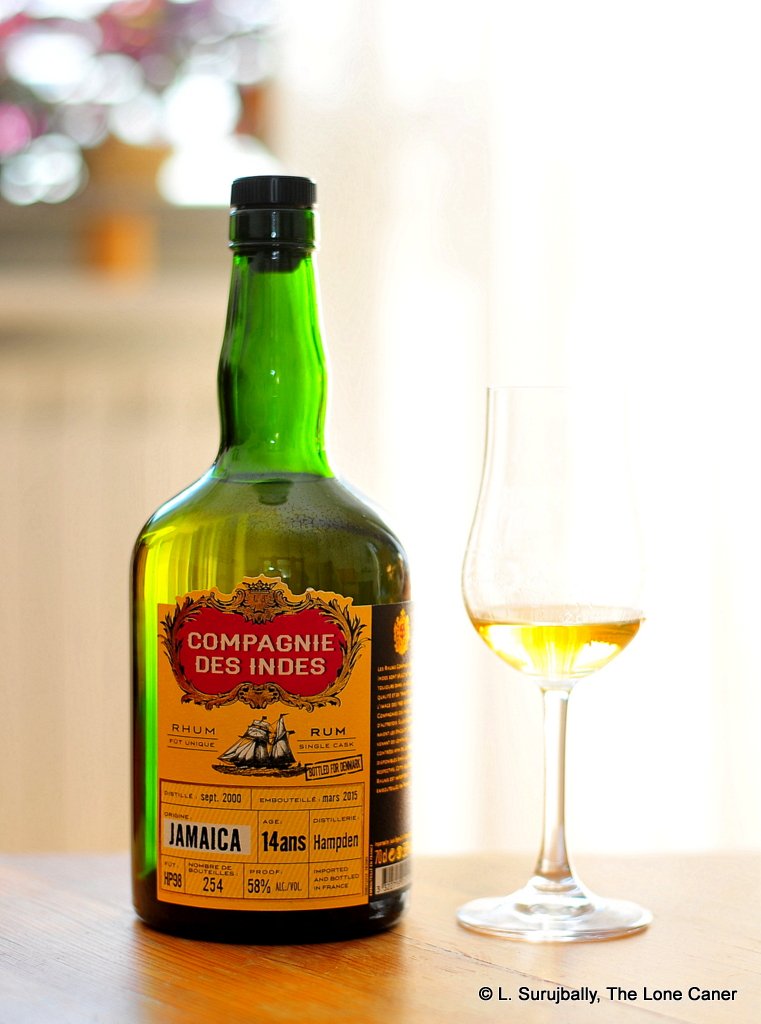
A rum that’s frisk to a fault.
Ever notice how many new Jamaicans are on the market these days? At one point you’d be lucky to see a few Appleton V/Xs chatting boredly on the shelf with an occasional dusty Coruba, and if your shop was a good one, maybe an indie or two. For over a decade, few knew better. Now, it’s not just J. Wray stuff that one can find with some diligent trawling: one can’t go online without banging into rums from Hampden, Monymusk, Worthy Park, Clarendon, Longpond…which is all great. The rum resurgence is a long-established fact (disregard the ill-informed journos constantly harping on the way it is “happening now” every year), but methinks that Jamaica is just building up a major head of steam and there’s lots more and much better to come.
Velier left the island alone, which is somewhat of a shame, really – can you imagine what might have happened if Luca had discovered a Caroni-style warehouse of some of these old distilleries? Few independents outside of Murray McDavid or G&M did much with Jamaican rums – perhaps the style was too different for popular consumption (sailors apparently didn’t care for the Jamaican component of their grog so its percentage in the navy blend kept dropping). One gent who bucked the trend and has been bottling superlative Jamaican rums for ages is Fabio Rossi (his first 1974 Supreme Lord 0 was bottled as far back as 1999 and we all know of the fiery white 57% baby from last year). And now Mr. Florent Beuchet of the Compagnie des Indes aims to capture some of the glory with this cask strength bad boy, sold exclusively on the Danish market, ‘cause they asked for it, and nobody else in Europe would pay the taxes on something so feral. The Danes smiled, shrugged, said “Okay da, så tager vi den,”¹ and walked off laughing with the entire output of the barrel for their market, and the rest of us proles have been trying to get some ever since.
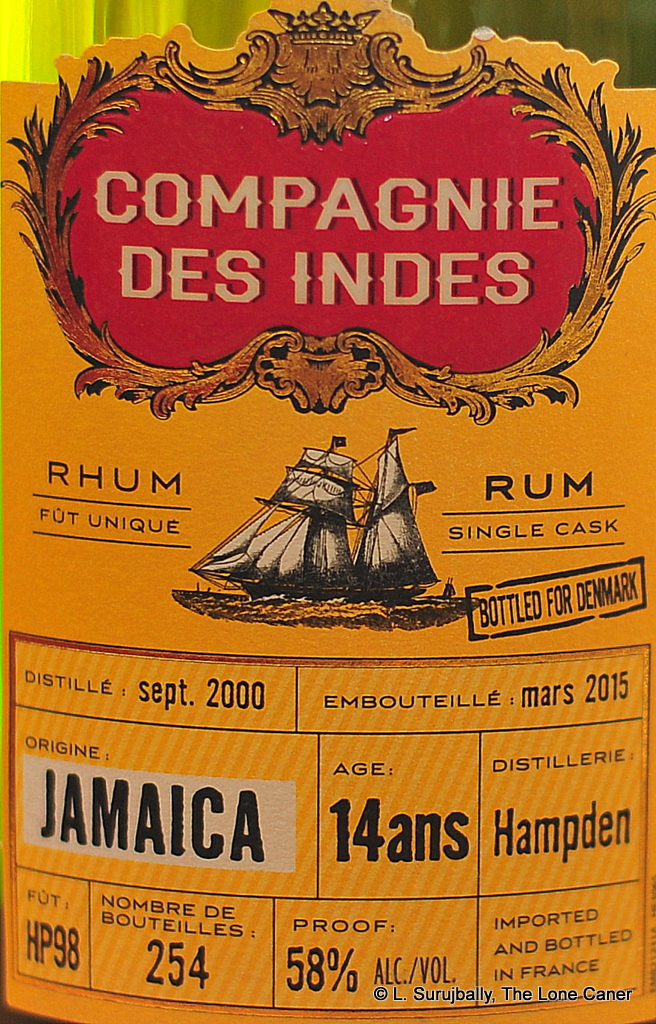 Good for them all. I love those big bad bold Demeraras (who doesn’t?) yet I have true affection for the bruisers from Trenchtown as well – in a somewhat more tasteful and restrained way, it’s like they’re channelling the soul of Marley via a dunder pit and a decomposing guitar. I mean, just smell this 58% amber-gold full proof: esters, funkiness, herbaceous matter and a smorgasbord of rich ripe (almost too ripe) cherries, mangoes, apricots, sapodilla and tart white guavas. It’s not really that heavy: it presents with a sort of sweet, laid-back clarity and cleanliness that reminded me more of a Spanish style rum having a dust up in the yards with something fiercer and more elemental. But things didn’t stop there: minutes later molasses, vanilla and sugar bedrock emerged upon which rested yet other hints of squished strawberries (I know of no other way to express that), dead grass and some slightly off wine. Come on, you gotta admire something like this, 58% or no.
In a way that was both disappointment and relief, the twisty flavour bomb settled down after the initial attack of the nose. It was a medium bodied, clean, almost crisp rum, which is where I suggest Florent’s personal thing about continental ageing usually ends up (similar remarks are jotted down in almost all my notes). That was both this rum’s strength and its weakness, I thought, because the 58% coupled with that almost-but-not-quite lightness of the labial profile felt perhaps a bit too sharp. Still, get past it and suck it up, as the Danes would say, and indeed, once I did, the rotting vegetals of dunderous funk (or should I say the funky dunder?) surfaced once more, dialled down, clashing good-naturedly with some winey notes, green olives, rye, leather and a bit of caramel and molasses here and there. There was no way to confuse this with any Demerara rum ever made, or even an Appleton, and even on the finish there were points of difference from profiles we are more used to: marshmallows, molasses, apricots and brown sugar dominated, but that sly vegetal background still lurked in the background like a thief waiting for another chance to pick the pockets of your tonsils. Whew. Quite an experience, this. It handily showed any 40% Jamaican the door.
What else do we have? Well, the rum was Hampden stock, the outturn was 254 bottles, and as noted it was made exclusively for Denmark, bottled and released in 2015. No additives or adulterations of any kind, and for my money it’s a joyous riot of a drink, too badly-behaved to be anything but a whole lot of fun as you either quaff it with your friends or mix it into some kind of killer cocktail that calls for lots and lots of Jamaica sunshine, a spliff or two, and maybe some reggae tunes belting away to help it go down more easy. Not a great rum, but one that’s worth the coin any day.
I don’t know what the Danes are up to, honestly. Not too long ago they weren’t on anyone’s map of the rum appreciating nations of the world (was anyone, outside of France and the UK and the Caribbean itself?), yet these days they have one of the most active and vibrant communities of rum anywhere, and prices to match. Daniel’s new company Ekte just started making some waves last year (as if his rum bar didn’t already do that), my rum chums Henrik (of RumCorner reknown) and Gregers call it home, there’s an expanding rum fest, they all tell me it’s pedal to the metal all the way…and now the establishment commissions a rum like this? Hell, maybe I should move, just so I can get some more.
(#282 / 86.5/100)
Other notes:
¹ “Sure, we’ll take it.”
- The events behind why there is a special edition of CDI rums for Denmark is covered in the company bio. It’s a bit more prosaic than I recount above, but I can’t resist embellishments in a neat story.
- Those same two sterling Danish gents, Gregers and Henrik, were kind enough to provide not just a sample of this rum for me to try in 2015, but the entire bottle. We’ll argue over who got the best of the exchange when we meet again this year as we demolish another set.
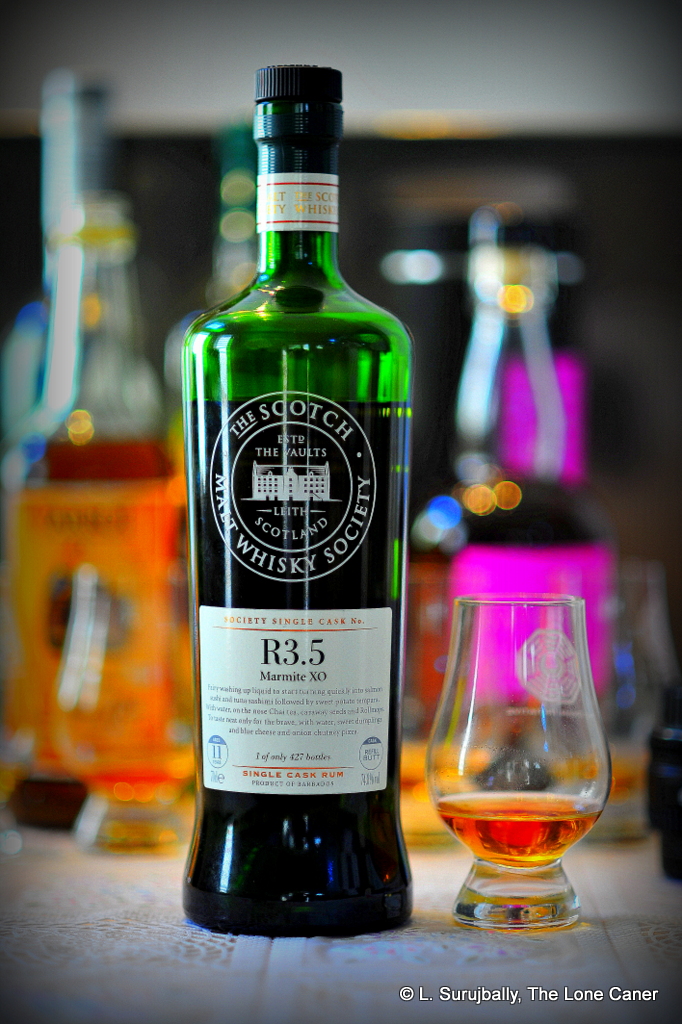
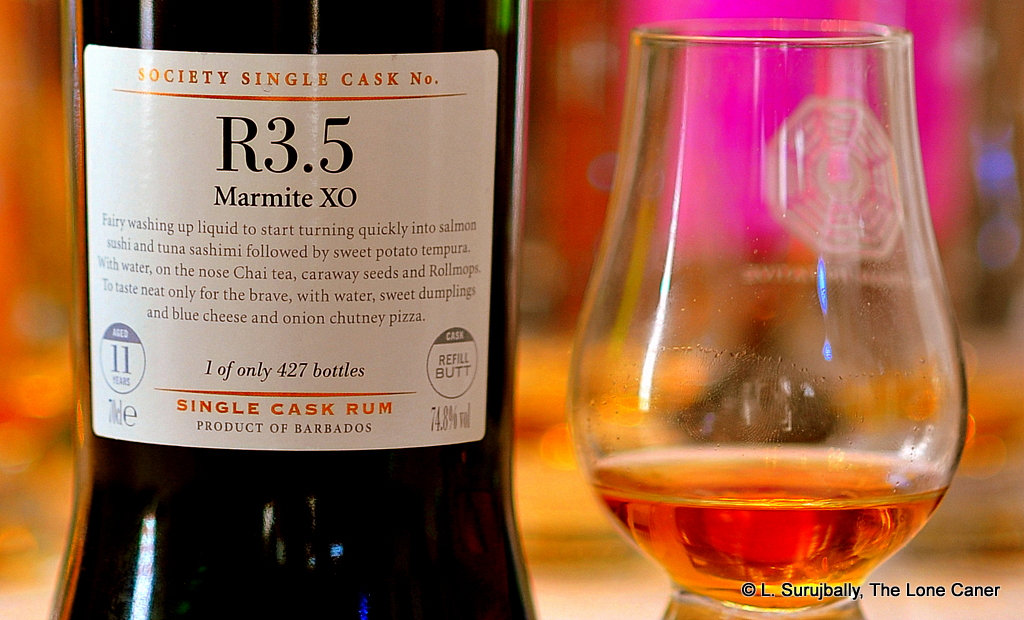
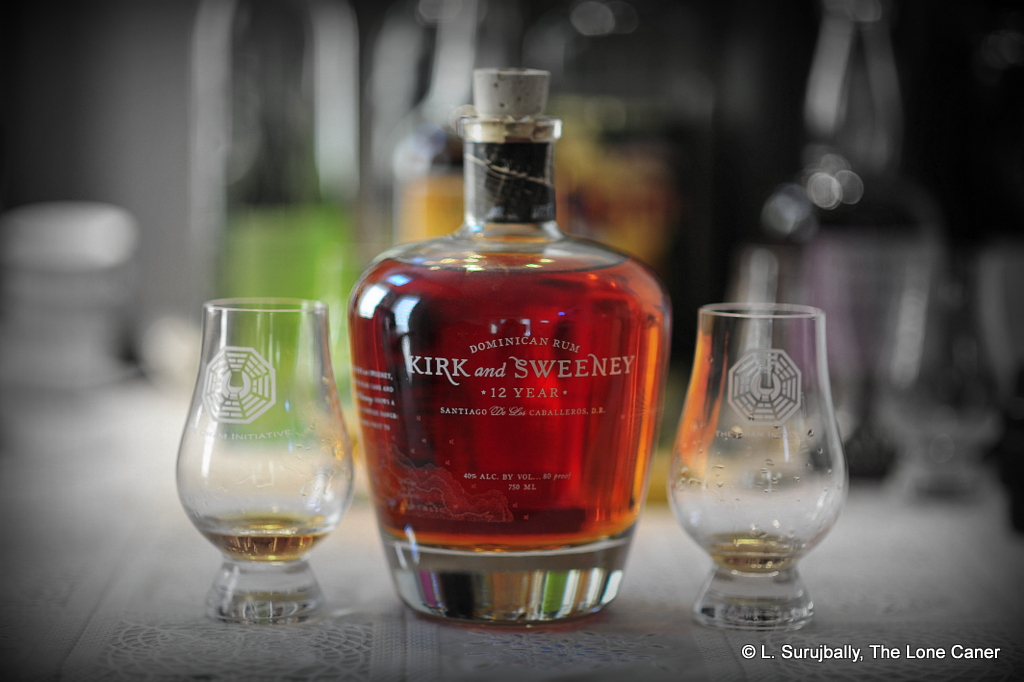
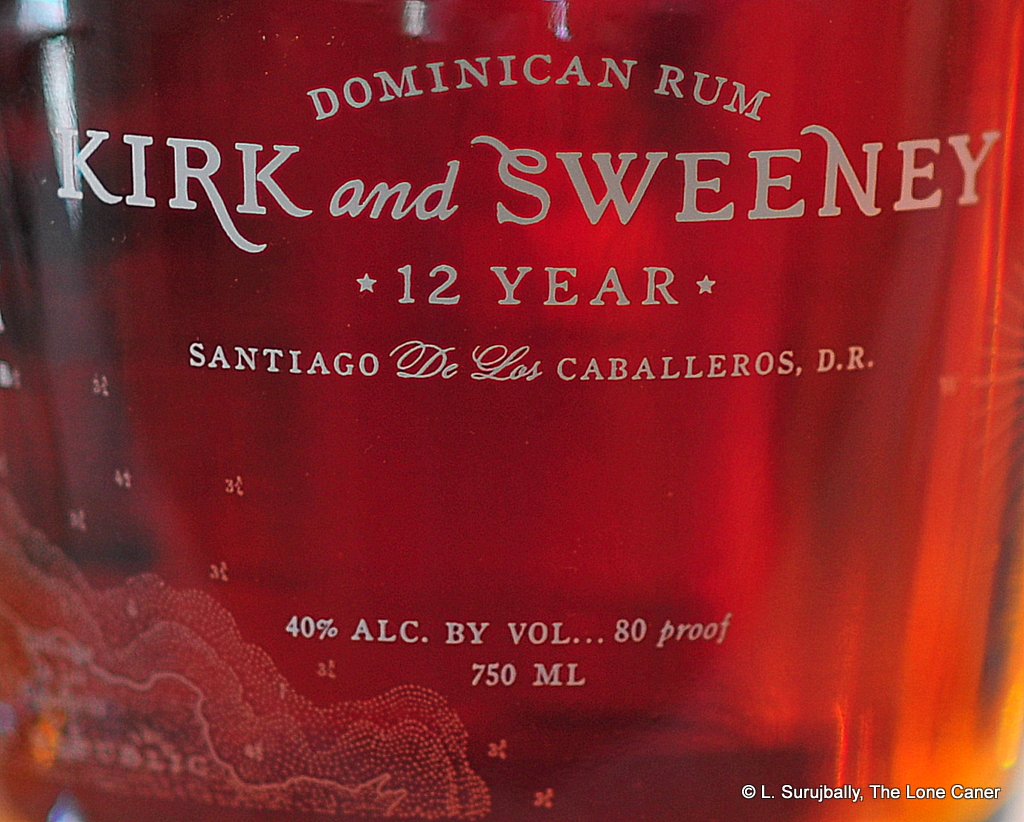
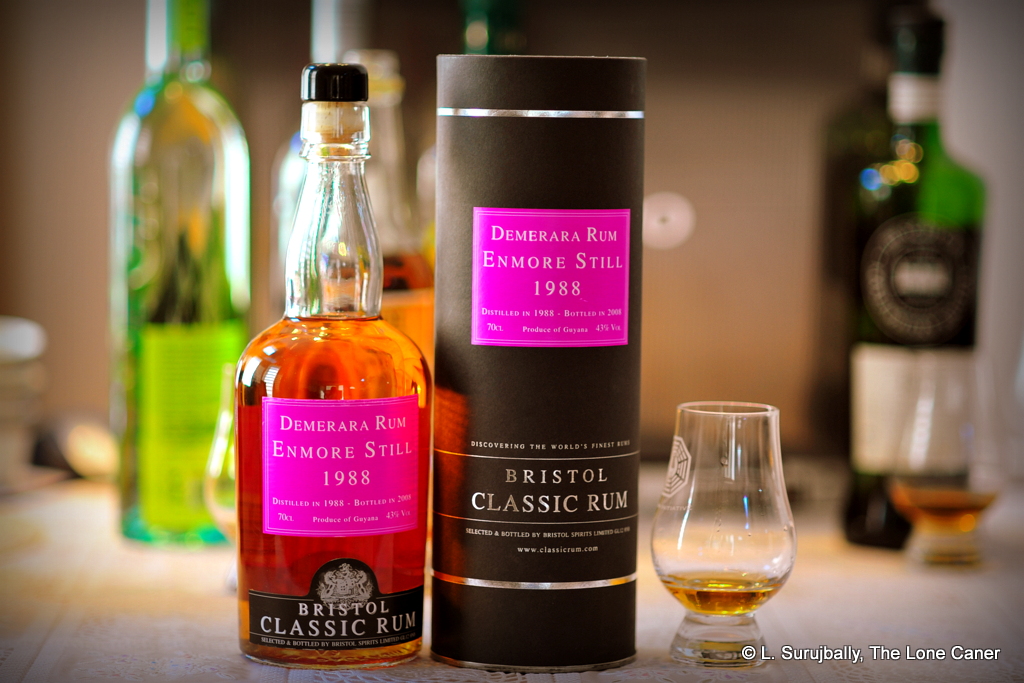
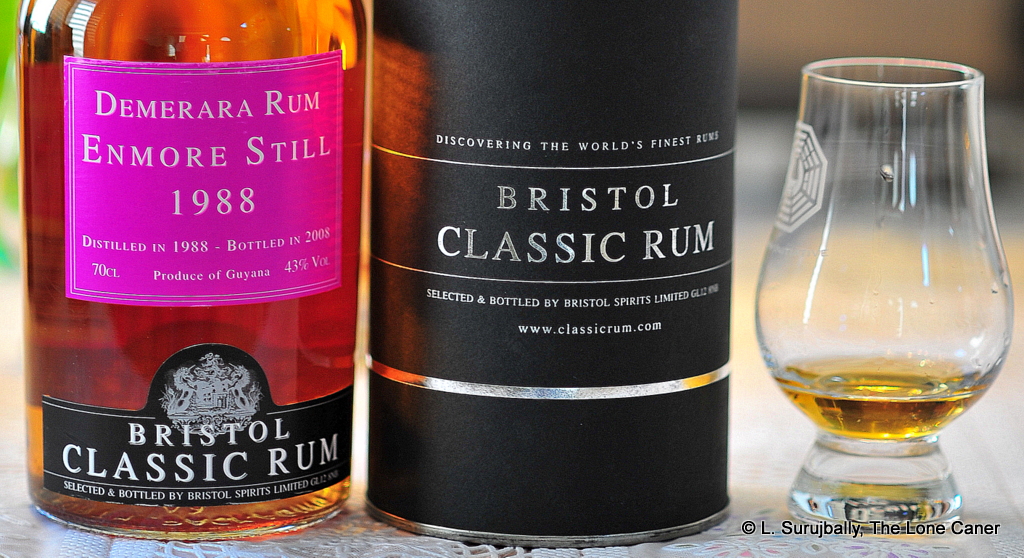
 This dark orange-gold ten year old began well on the nose: phenols, acetone, caramel, sweet red licorice, wet cardboard, it gave a good impression of some pot still action going on here, even though it was a column still product. Then there was some fanta or coke — some kind of soda pop at any rate, which I thought odd. Then cherries and citrus zest notes, blooming slowly into black olives, coffee, nuttiness and light vanilla. As a whole, the experience was somewhat easy due to its softness, but overall it was too well constructed for me to dismiss it out of hand as thin or weak.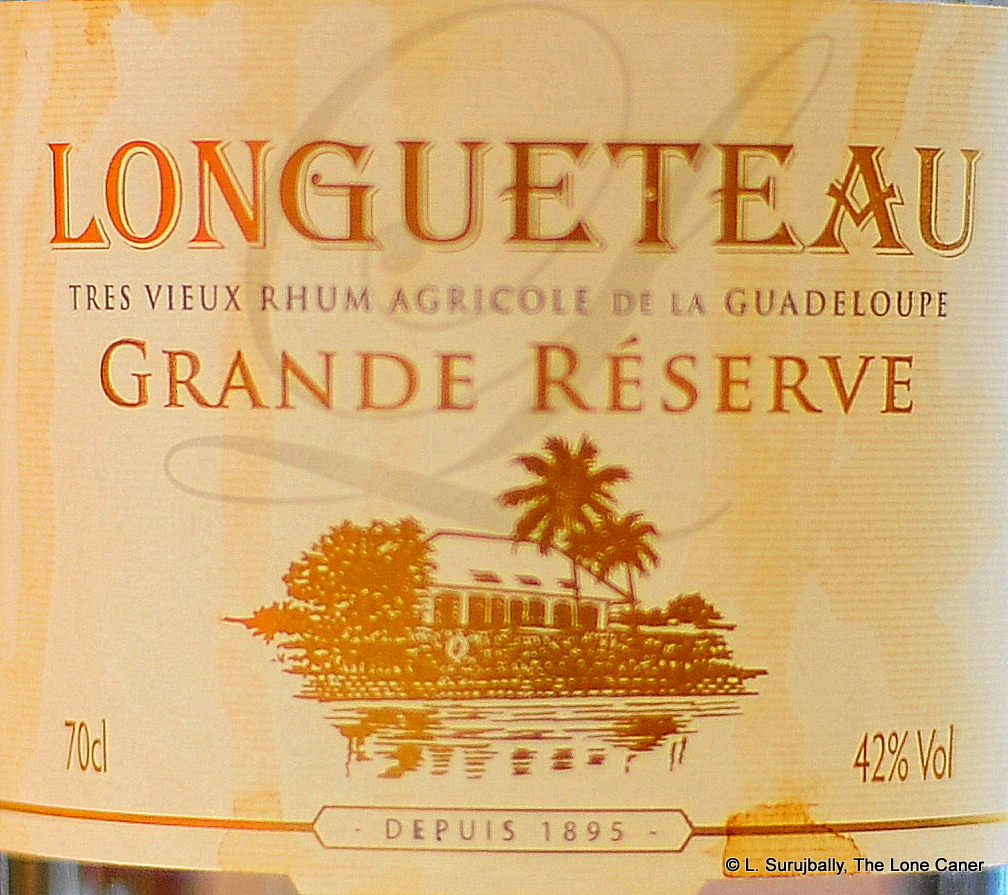
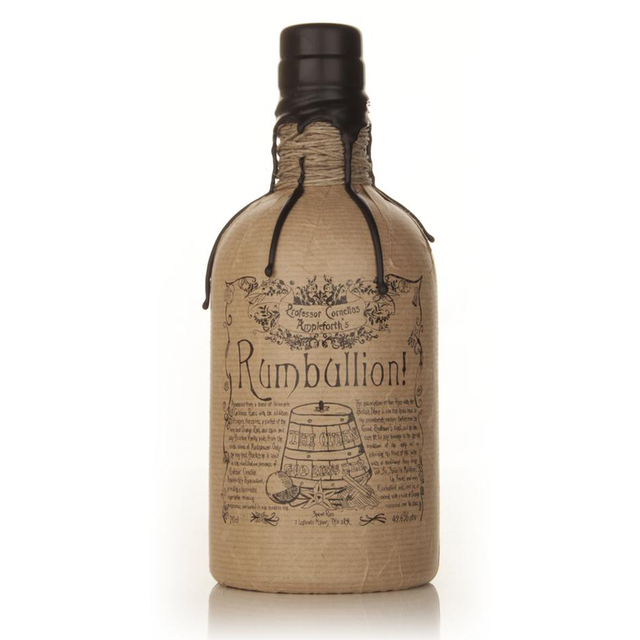
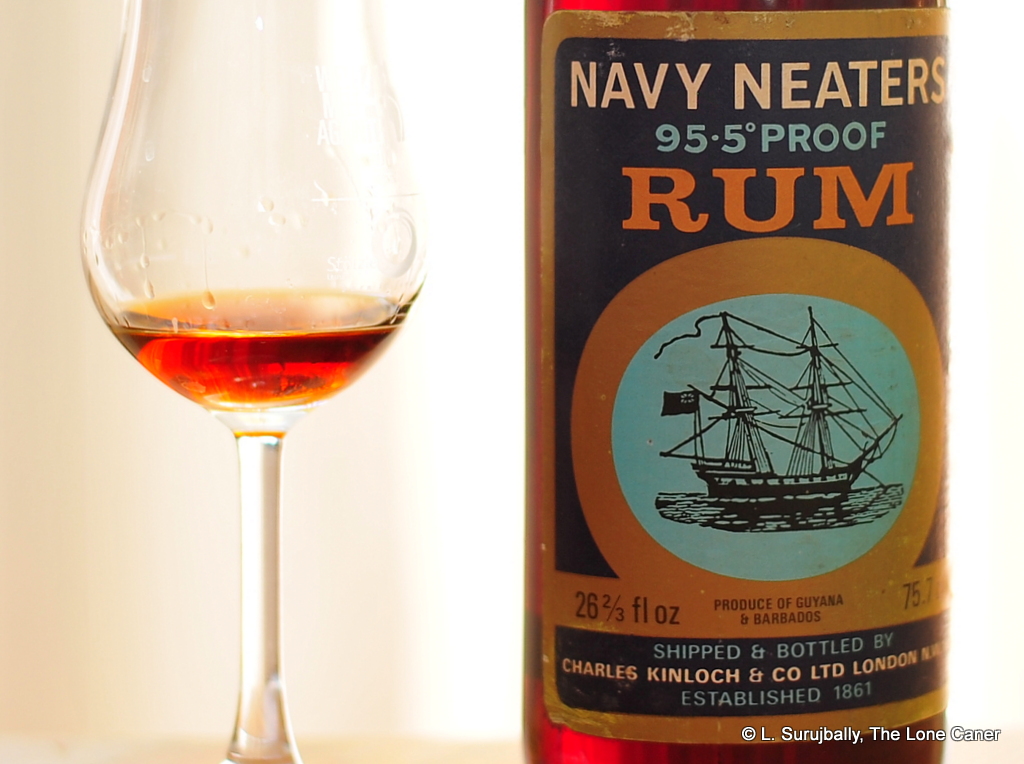
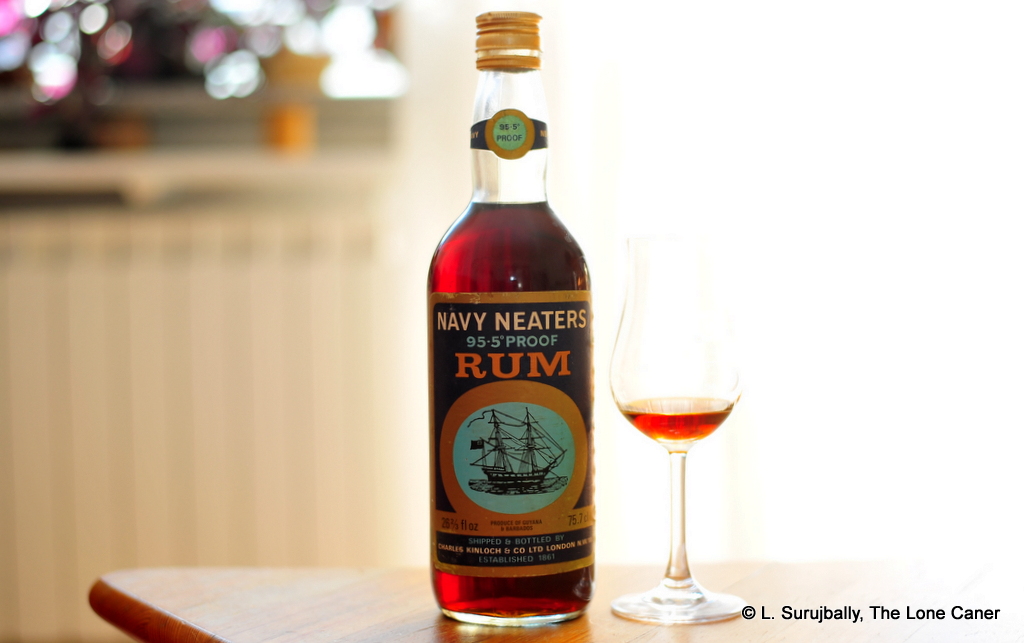
 A well made full proof rum should be intense but not savage. The point of the elevated strength is not to hurt you, damage your insides, or give you an opportunity to prove how you rock it in the ‘Hood — but to provide crisper, clearer and stronger tastes that are more distinct (and delicious). When done right, such rums are excellent as both sippers or cocktail ingredients and therein lies much of their attraction for people across the drinking spectrum. Perhaps in the years to come, there’s the potential for rum makers to reach into the past and recreate such a remarkable profile once again. I can hope, I guess.
 Rumaniacs Review 022 | 0422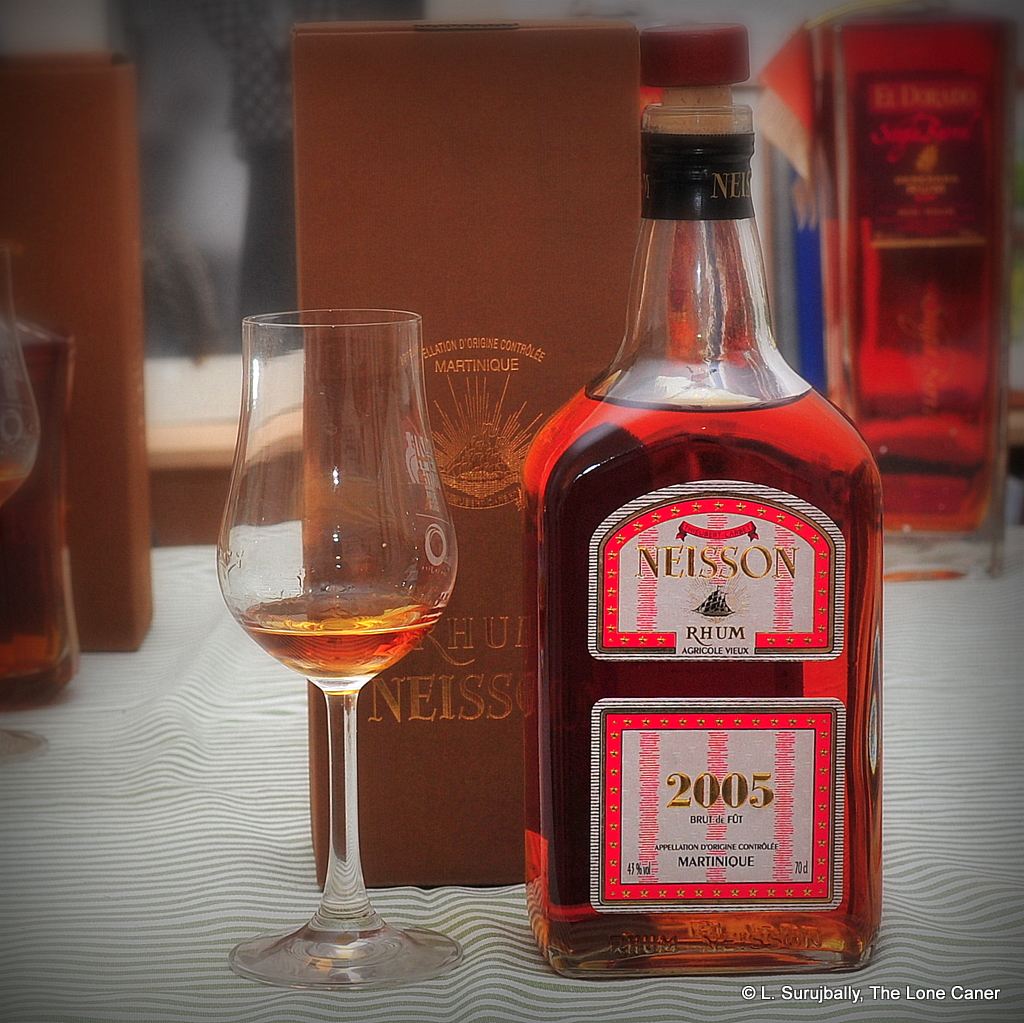
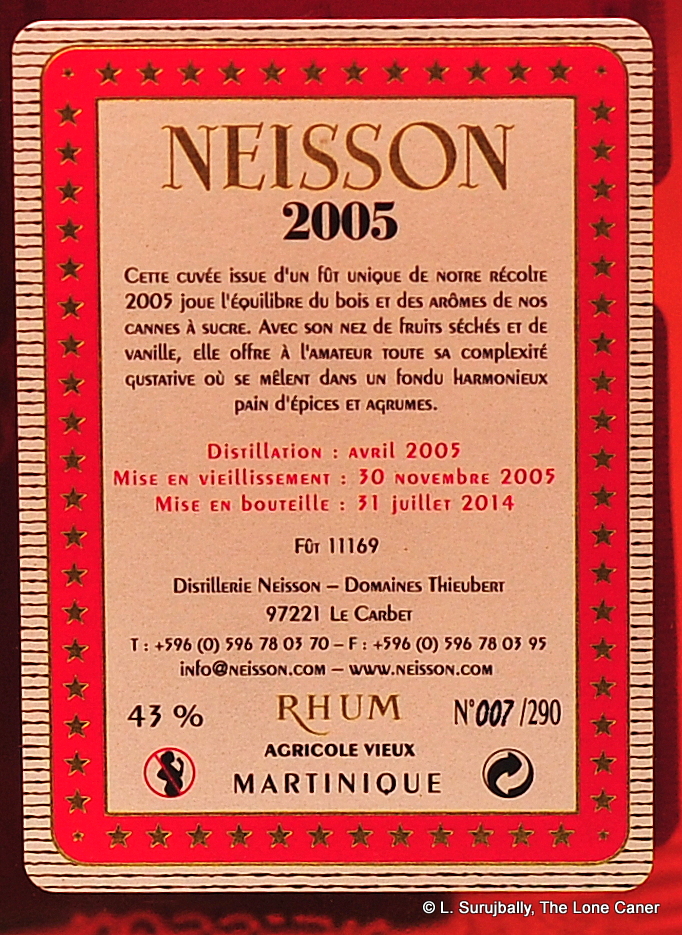 I speak of course of that oily, sweet salt tequila note that I’ve noted on all Neissons so far. What made this one a standout in its own way was the manner in which that portion of the profile was dialled down and restrained on the nose – the 43% made it an easy sniff, rich and warm, redolent of apples, pears,and watermelons…and that was just the beginning. As the rhum opened up, the fleshier fruits came forward (apricots, ripe red cherries, pears, papayas, rosemary, fennel, attar of roses) and I noted with some surprise the way more traditional herbal and grassy sugar cane sap notes really took a backseat – it didn’t make it a bad rhum in any way, just a different one, somewhat at right angles to what one might have expected.
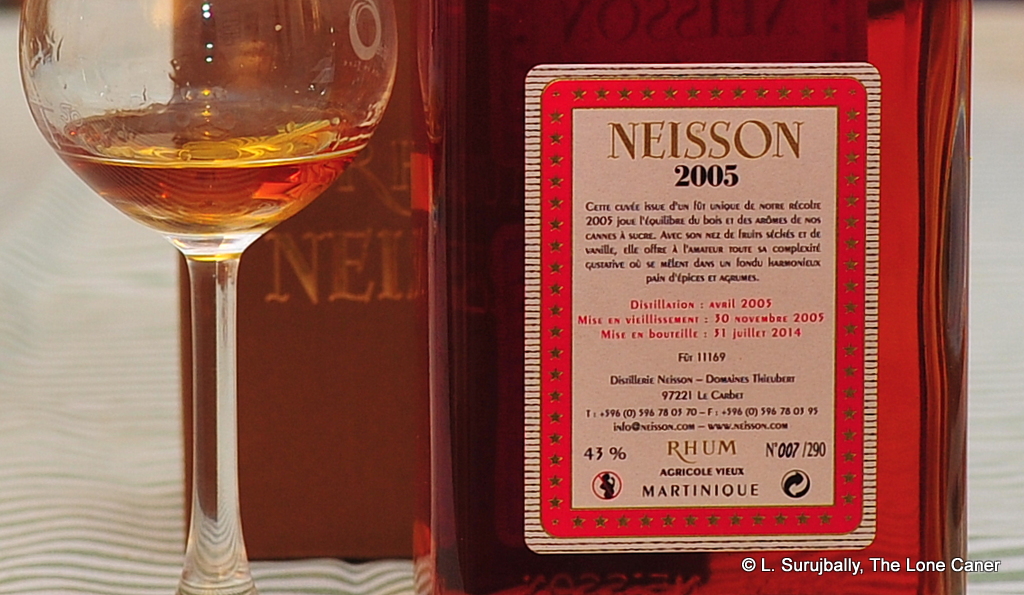 But I also didn’t get much in the way of wonder, of amazement, of excitement…something that would enthuse me so much that I couldn’t wait to write this and share my discovery. That doesn’t make it a bad rhum at all (as stated, I thought it was damned good on its own merits, and my score reflects that)…on the other hand, it hardly makes you drop the wife off to her favourite sale and rush out to the nearest shop, now, does it?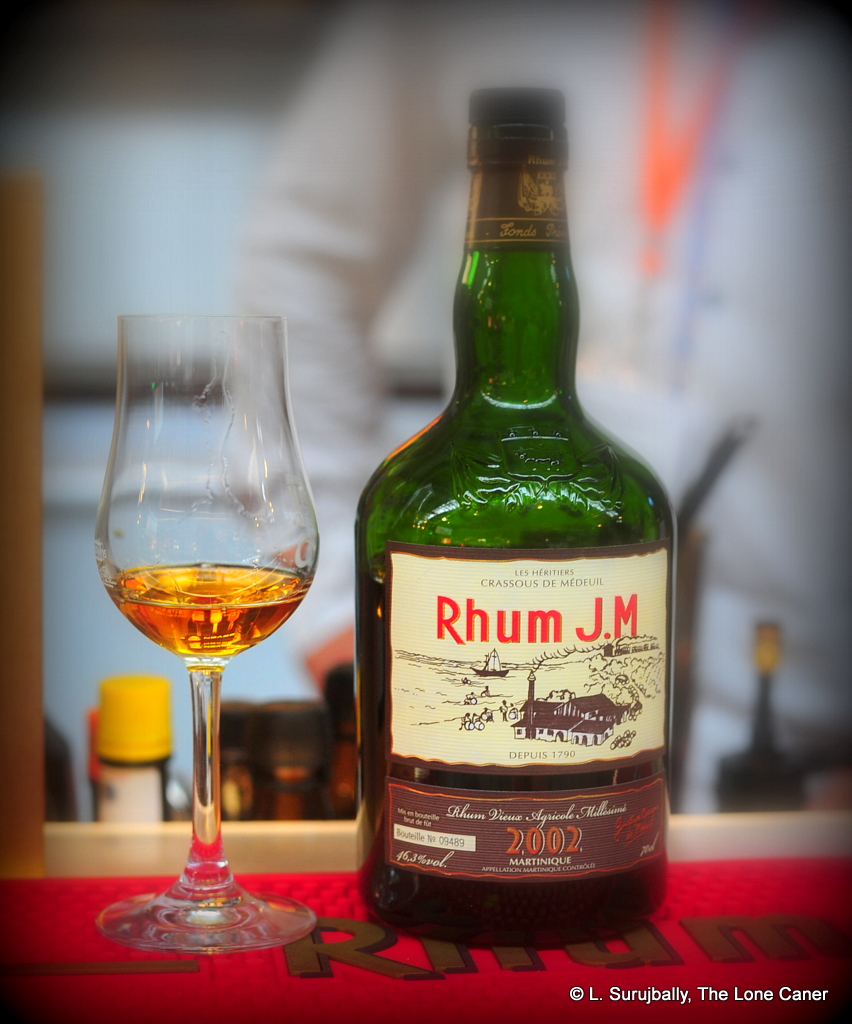
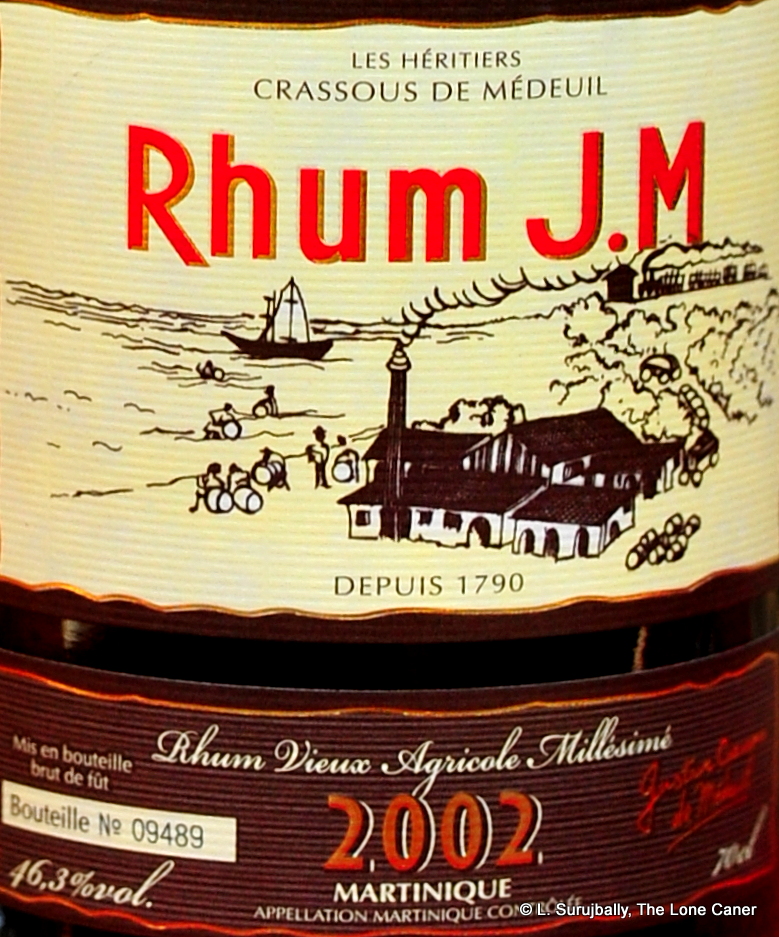
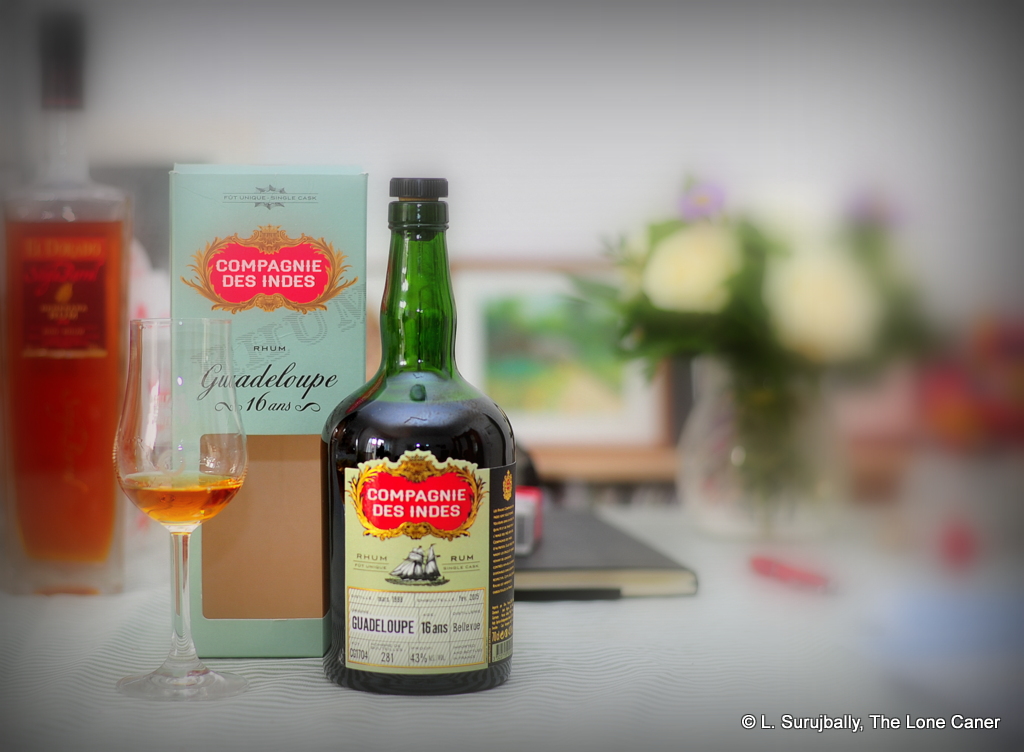
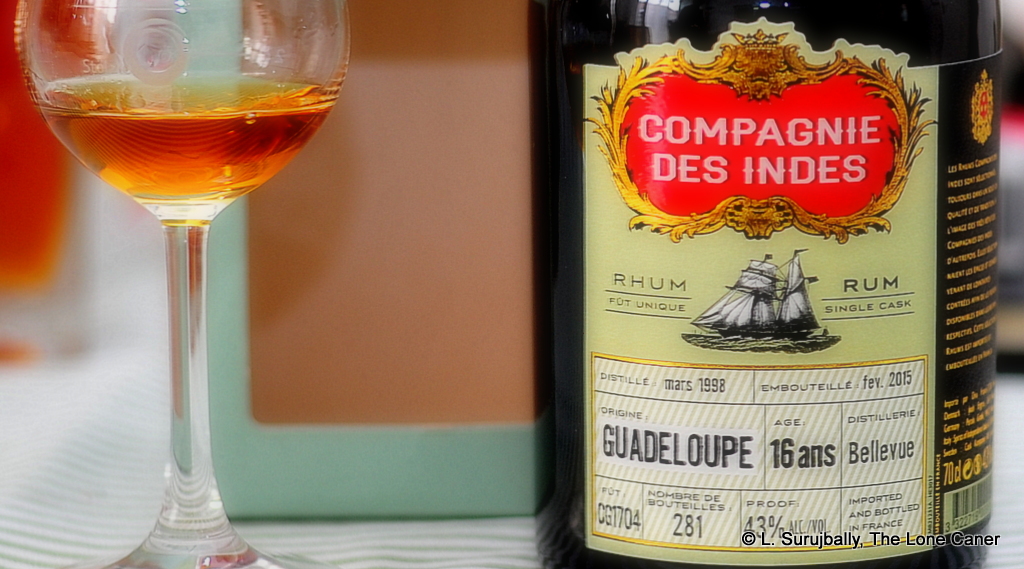
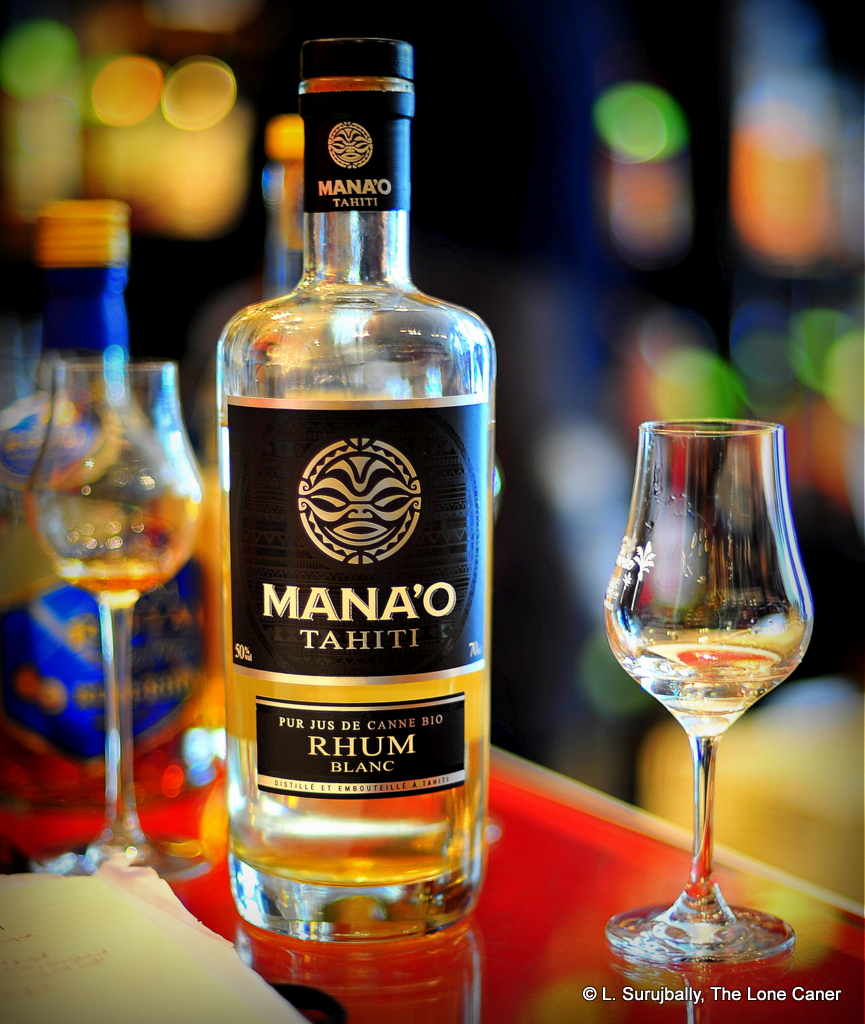
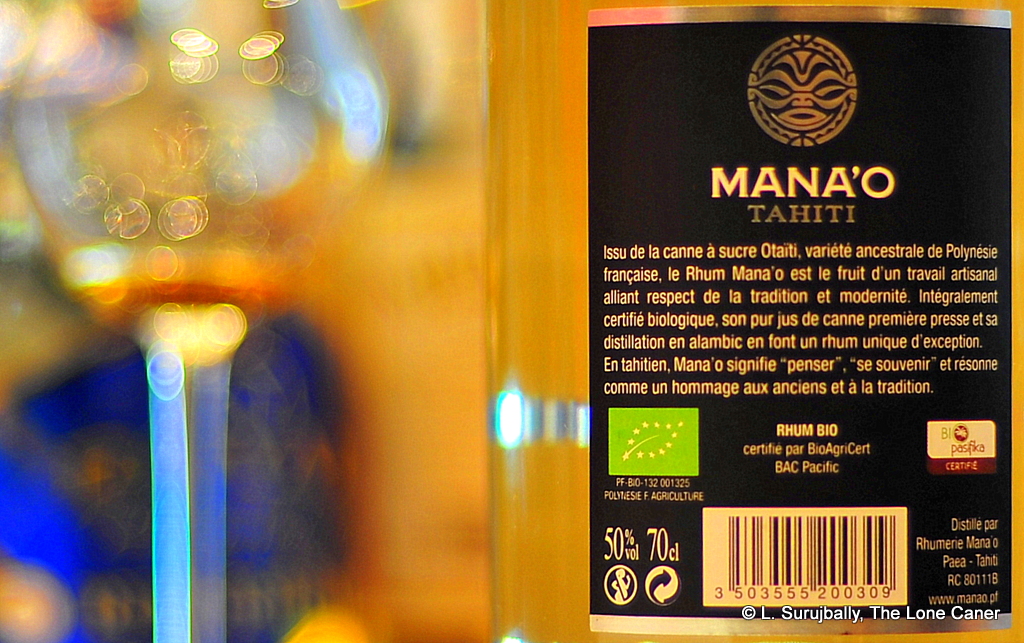
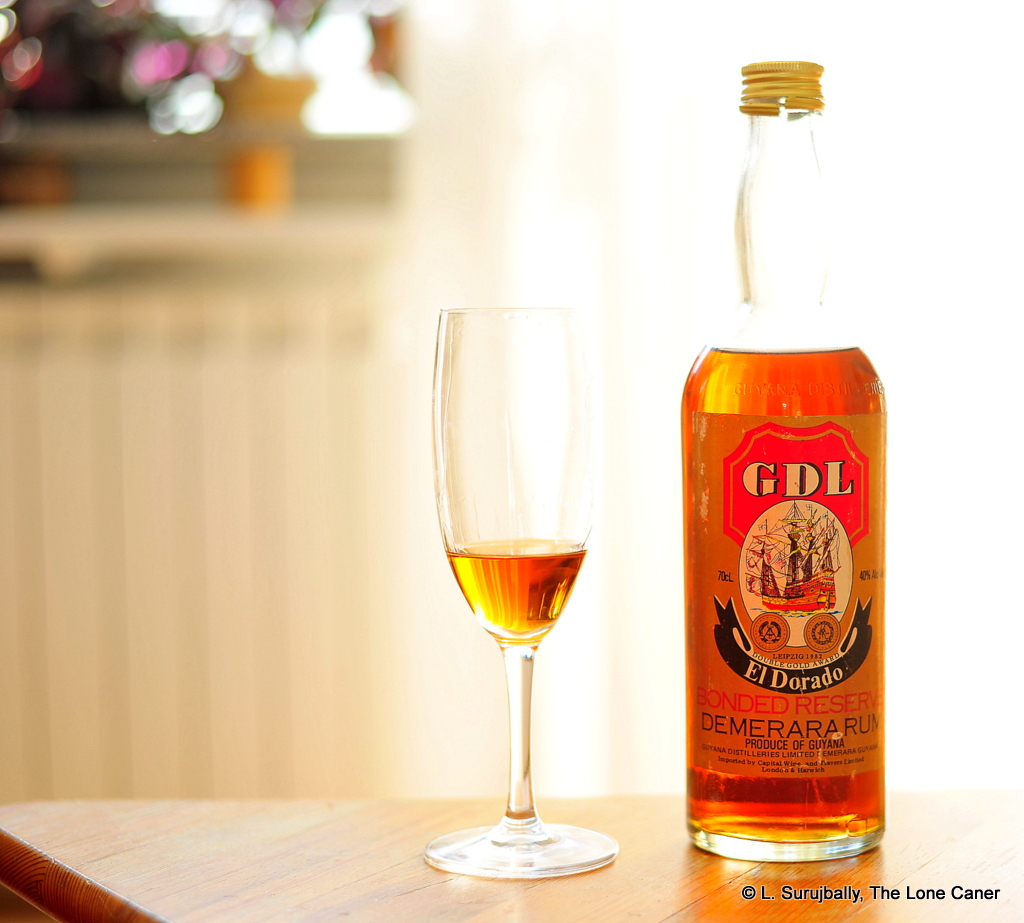
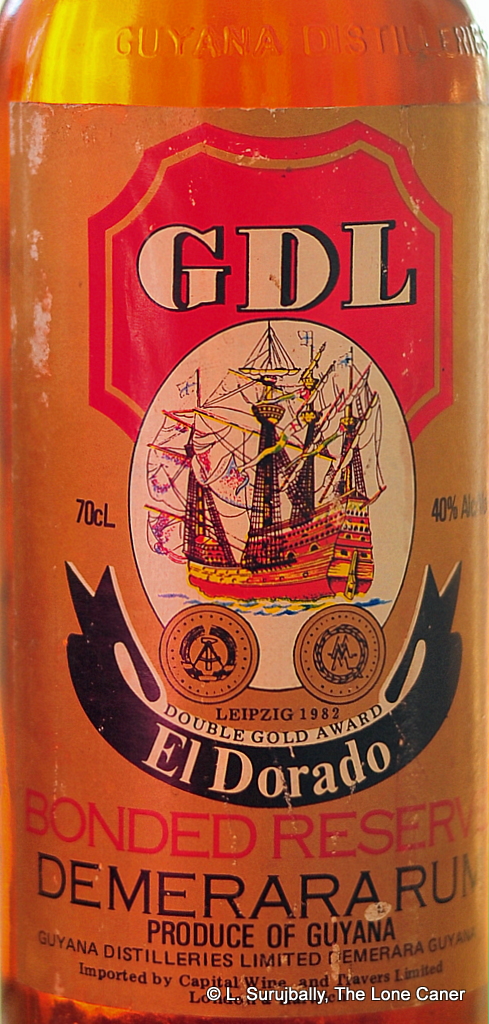 Tasting the Bonded Reserve raised all sorts of questions, and for anyone into Mudland rums, the first one had to be the one you’re all thinking of: from which still did it come? I didn’t think it was any of the wooden ones – there was none of that licorice or fruity intensity here that so distinguishes them. It was medium to light bodied in texture, very feebly sweet, and presented initially as dry – I’d suggest it was a column still product. Prunes, coffee, some burnt sugar, nougat and caramel, more of that faint leather and smoke background, all rounded out with the distant, almost imperceptible murmuring of citrus and crushed walnuts, nothing special. The finish just continued on these muted notes of light raisins and molasses and toffee, but too little of everything or anything to excite interest beyond the historical.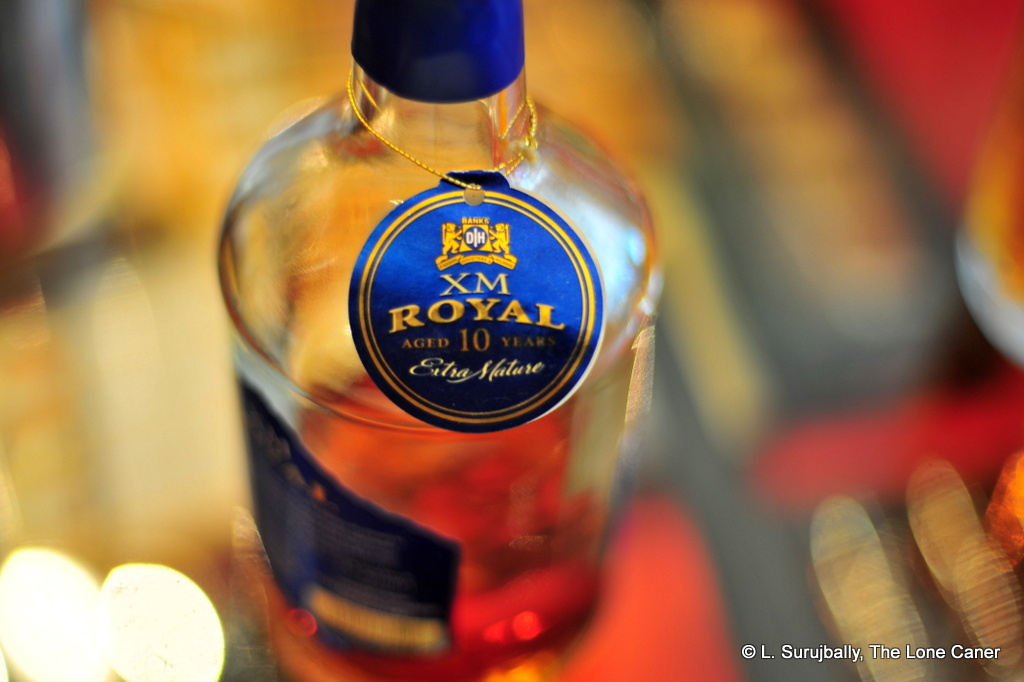
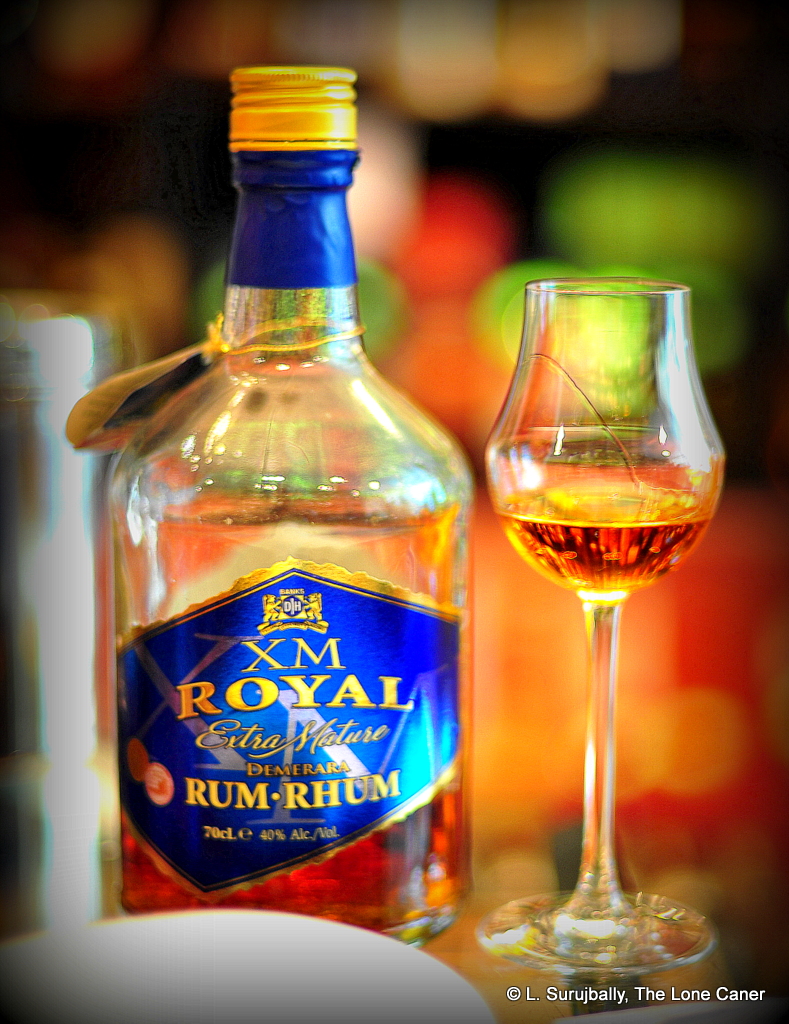 Starting as “Demerara Ice House” (there really was an ice factory in Water Street, and yes, it’s still there) and now called D’Aguiar’s Industries and Holdings (hence the DIH) at the beginning of the 20th century, the D’Aguiar family built up a huge food and drinks conglomerate, of which rums remain a relatively small part – they were and remain one of the first and largest bottlers in the Caribbean. They have a huge facility right outside Georgetown in the fragrantly named “Thirst Park”, they make beer, soft drinks, distilled water (among many other consumer nibbles) and with respect to rums, act as blenders, not makers like DDL. Their best known rums back then were the 5, 10 and 15 year old, the
 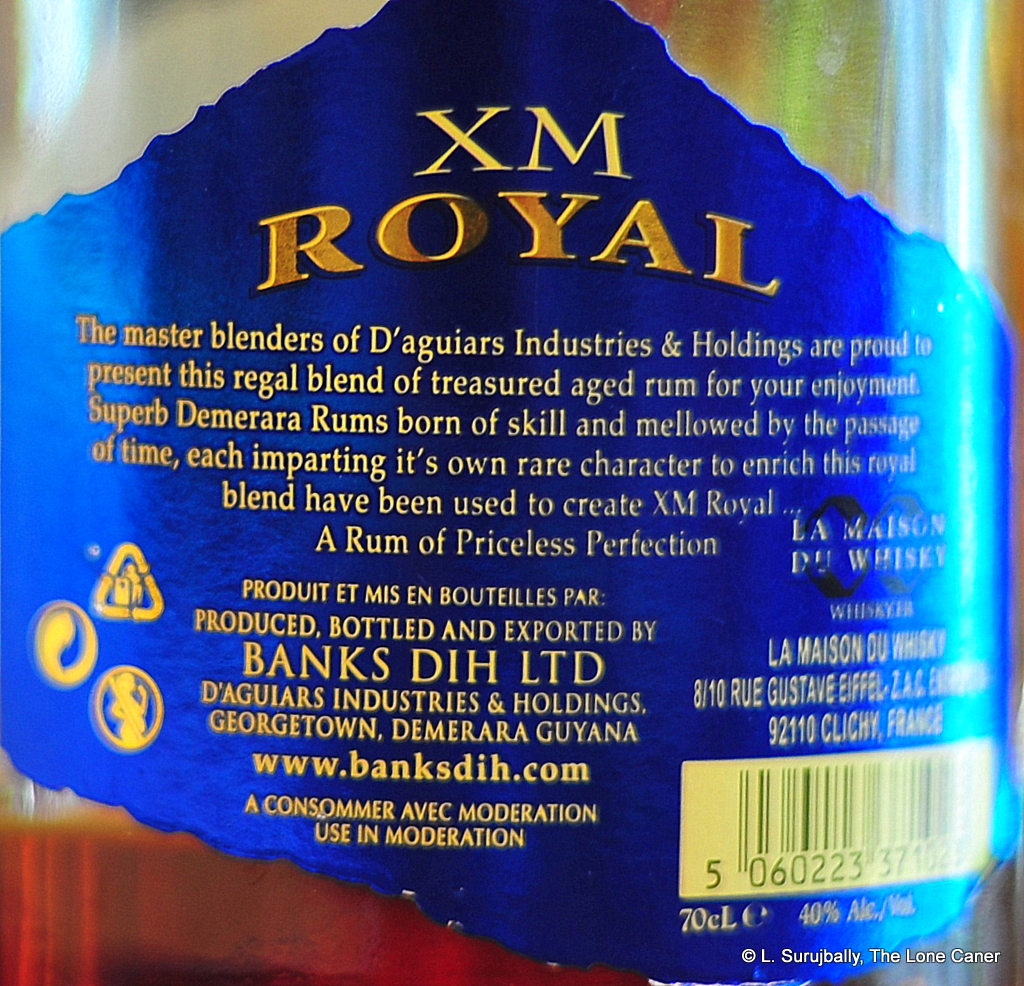 My own opinion was that it lacked body and needed a firmer texture…the XM 10, while not exactly anorexic, gave the impression of having rather more potential than actuality, and the flavours, decent and tasty enough by themselves, suffered somewhat from dumbing things down to standard strength (this may be my personal preferences talking — I’ve gone on record many times in stating that 40% is just not good enough for me anymore — so take that bias into account). On the other hand, maybe it’s like the DDL 12 year old, a bridge to the better rums in the XM universe like the 12 and the 15…and since I obtained those the other day, once I review them I can tell you whether this paucity of character is a characteristic of this rum only, or some sort of preference of the master blender that permeates the line. Honestly, I hope it’s the former.