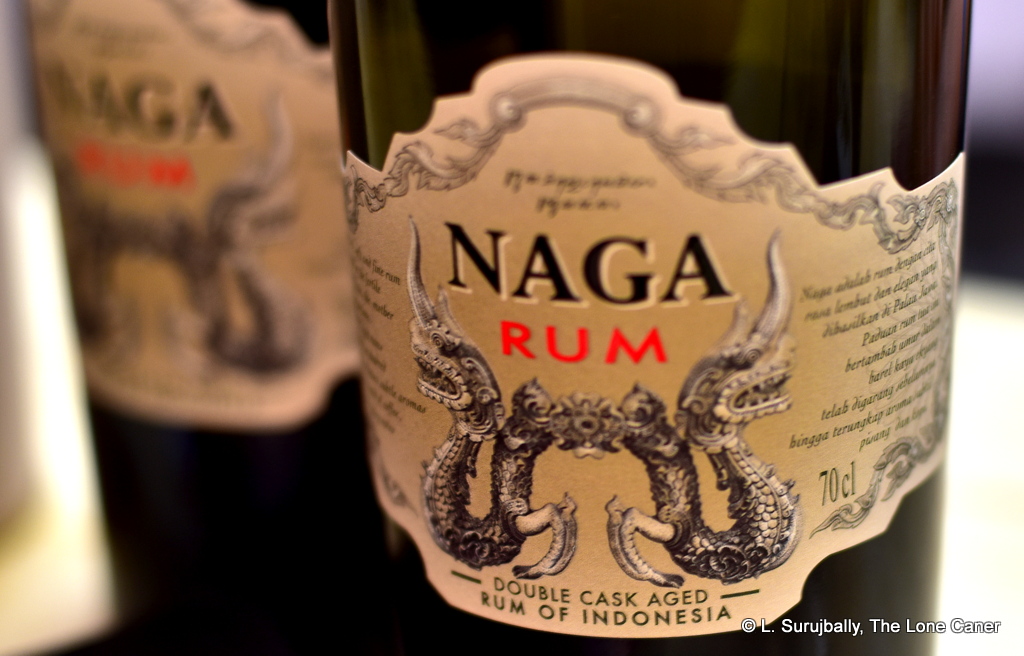
Indonesia is the region where sugar cane originated and gave rise to the proto-rums of yesteryear, which have their genesis in arrack, a distillate first identified by the Dutch and Portuguese in the town of Batavia (now Jakarta, the capital). After being practically unknown to the larger rum drinking public for a long time, arrack and local rums are now slowly being shown to western audiences, most notably from By The Dutch and their Batavia Arrack, and the little company of Naga which produced the rum we’re looking at today.
Based in Indonesia, Naga is a rum company formed around 2016 by Sebastien Follope, another one of those roving, spirits-loving French entrepreneurs who are behind some of the most interesting Asian rums around (Chalong Bay, Issan and Sampan are examples). While small, the company has several rums in its eclectic portfolio, though they lack any distillation facilities of their own – they are buying from a distillery on Java on the outskirts of Jakarta, which cannot be named.
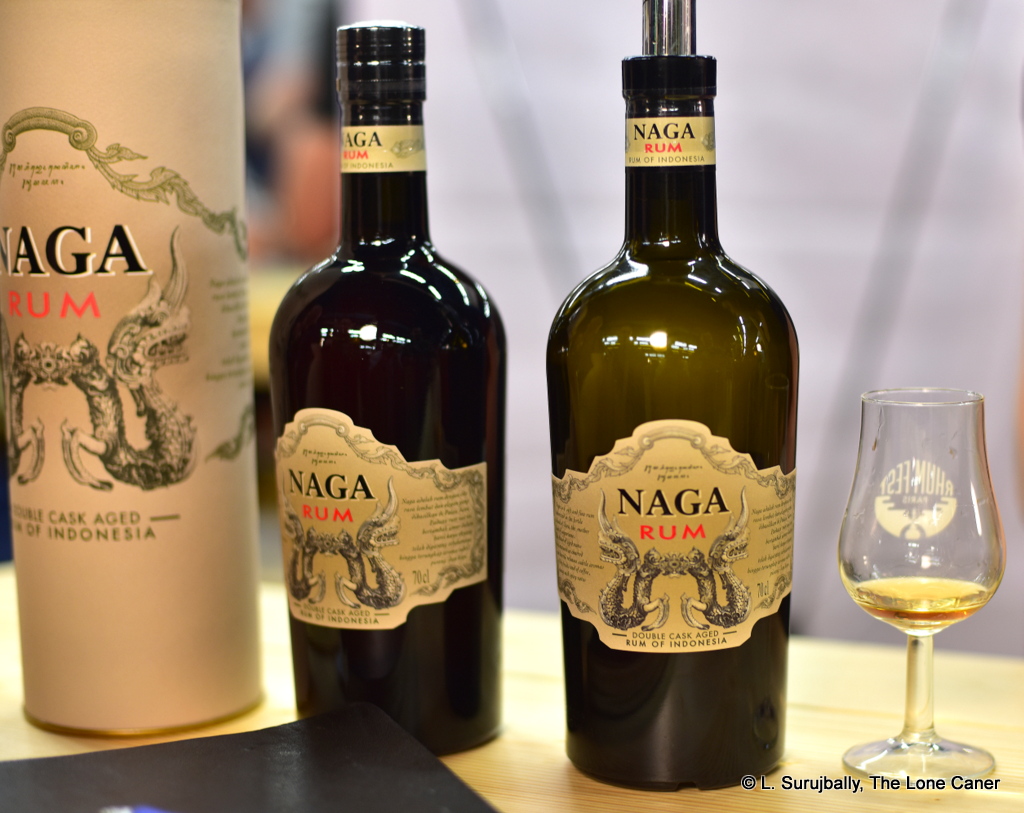
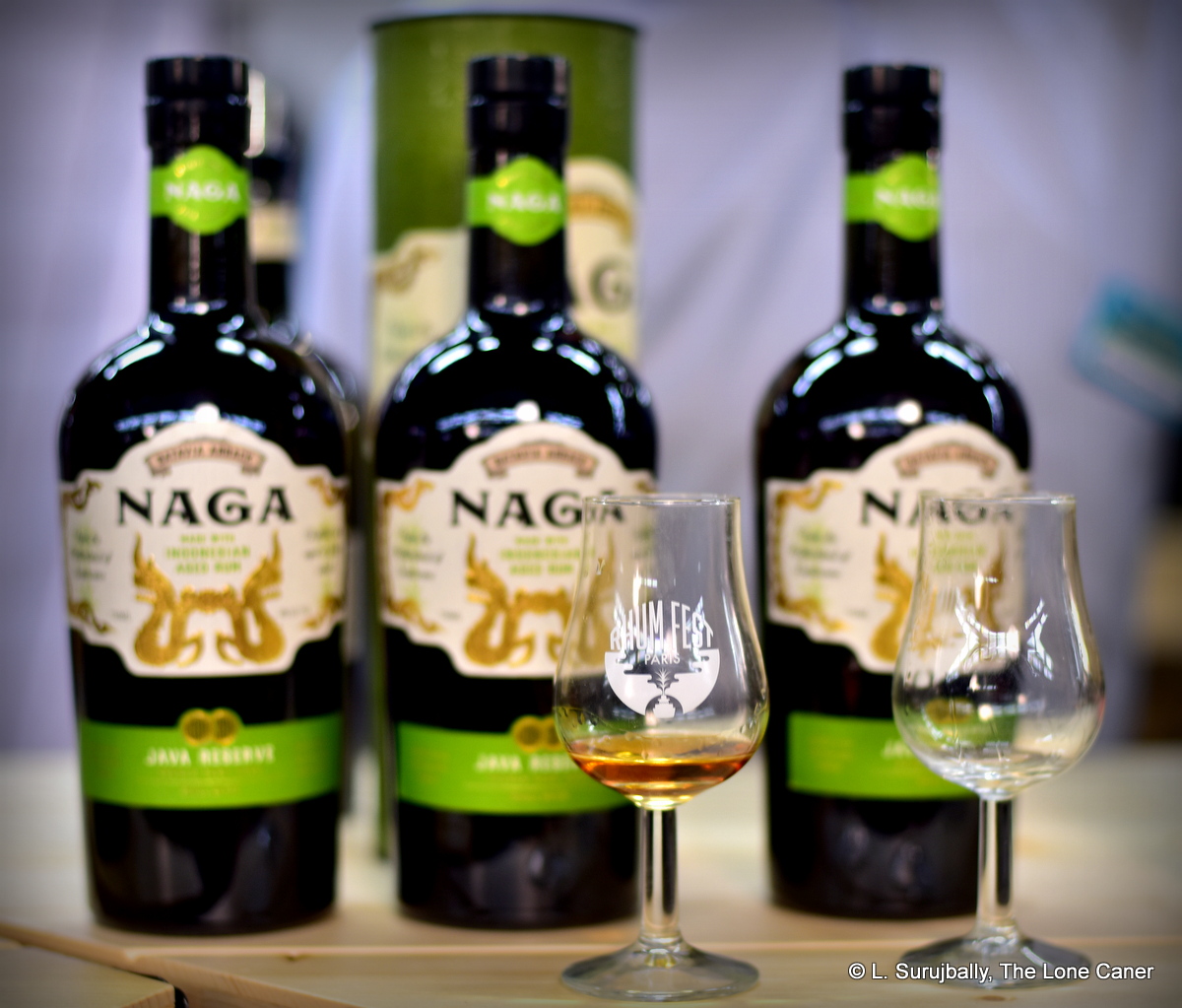
This particular rum is called the Triple Wood for good reason – it is aged in three different kinds of barrels, and is an extension of the “Double Cask Aged” rum we have looked at twice before – once under that name in 2018, and once as the “Java Reserve Double Aged rum” a year later. The triple wood is similarly a molasses-based rum, column-still distilled, aged for three years in barrels made of teak (also called jati), four years in ex-Bourbon and one more year in cherry-wood barrels – it is, therefore, eight years old. Since the company was only formed in 2016 and this rum came on the scene in 2018, it is clear that the first ageing and part of the second was done at the distillery of origin (or a broker, it’s unclear).
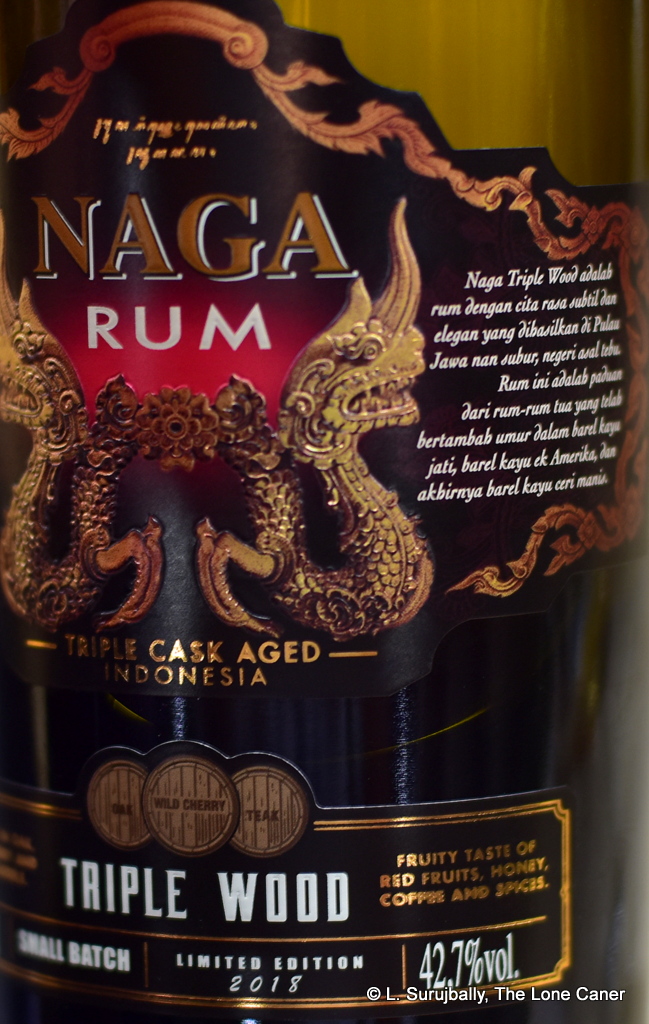 Does this multiple wood ageing result in anything worth drinking? Yes it does – the extra year seems to have had an interesting and salutary effect on the profile – though at 42.7% it remains as easy and soft as its siblings. The nose, for example, is a nice step up: cardboard, musty paper, some dunder of spoiled bananas skins, plus strawberries and soft pineapple or two and brine (which, I swear, made me think of Hawaiian pizza). Caramel and bitter dark chocolate round things off. It’s a relatively easy sniff, inoffensive yet solid.
The palate is goes on to be warm, soft, and somewhat sweeter. Initially, given its puffed cloudy vagueness, you’d think it’s simple and amorphous, but actually it just keeps improving over time – the rum unfolds like a small origami flower, gradually – even shyly – presenting floral tastes, molasses, toffee, nougat, breakfast spices, licorice and some watery background of melons and pears. It’s easy and very relaxing to sip, because the flavours don’t come at you all at once, but kind of stroll past doing a slow ragtime. That low strength, much as I usually prefer something stronger, really is probably right for what that taste is, but it must also be admitted it makes for a weak finish: clean and easy, just not much more than some light flowers, strawberries and bubble gum, fanta, light molasses, and a bit of musty and dust-filled rooms.
I quite liked the rum and enjoyed its low-key, tasty nature, so different from the more aggressive high-proof rums I’ve been seeing of late – after all, one doesn’t always a need a massive overproof squirting dunder, alcohol and pain in all directions. And arrack, this rum’s progenitor, is an interesting variation on what a rum can be (as an example, fermented rice is usually added to the fermenting molasses – see other notes for more details) which is something worth taking note of and these times of dominance by famed Caribbean distilleries. There’s no question that it’s a somewhat different kind of rum, more representative of its region than of any “standard” kind of profile – but for those who are okay trying something different, it won’t disappoint.
(#809)(81/100)
Other Notes
- Naga is a Sanskrit-based word referring to the mythical creature of Asia, a dragon or large snake, that guards the treasures of the earth, and is also a symbol of prosperity and protection
- This rum is now named “Pearl of Jakarta.”
- Production:
- Fermentation of molasses and fermented red rice in teak vats up to
- 12% ABV.
- 52% of this “cane wine” then distilled in traditional Chinese stills to 30% ABV. It is then distilled in these same stills a second time, until it reaches 60-65%.
- 48% of the “cane wine” distilled in a column still to 92% ABV.
- The rums obtained in this way are then blended and aged for 3 years in teak barrels, then transferred to American oak barrels (ex-bourbon barrels) for 4 years before ageing for one final year in cherry wood barrels.
 This process provides a tasting profile that reminds me of nothing so much than a slightly addled wooden still-rum from El Dorado: it’s sweet, feels the slightest bit sticky, and has strong notes of dark fruits, red licorice, plums, raisins and an almond chocolate bar gone soft in the heat. There’s other stuff in there as well – some caramel, vanilla, pepper again, light orange peel, but overall the whole thing is not particularly complex, and it ambles easily towards a short and gentle finish of no particular distinction that pretty much displays some dark fruit, caramel, anise and molasses, and that’s about it.
 So, until we know more, focus on the rum itself. It’s quiet and gentle and some cask strength lovers might say – not without justification – that it’s insipid. It has some good tastes, simple but okay, and hews to a profile with which we’re not entirely unfamiliar. It has a few off notes and a peculiar substrate of something different, which is a good thing. So in the end,
 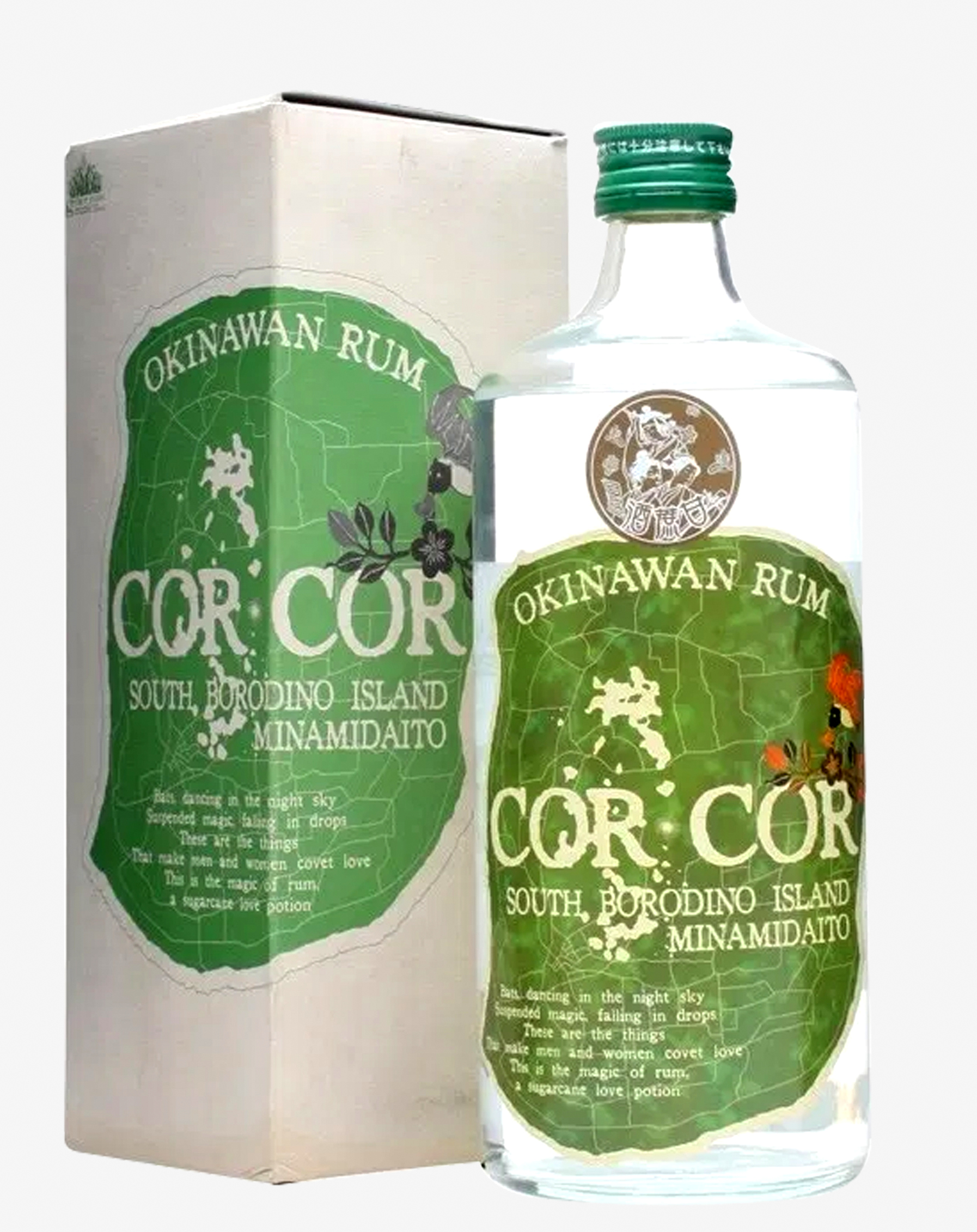 The Cor Cor “Green”, cousin to the
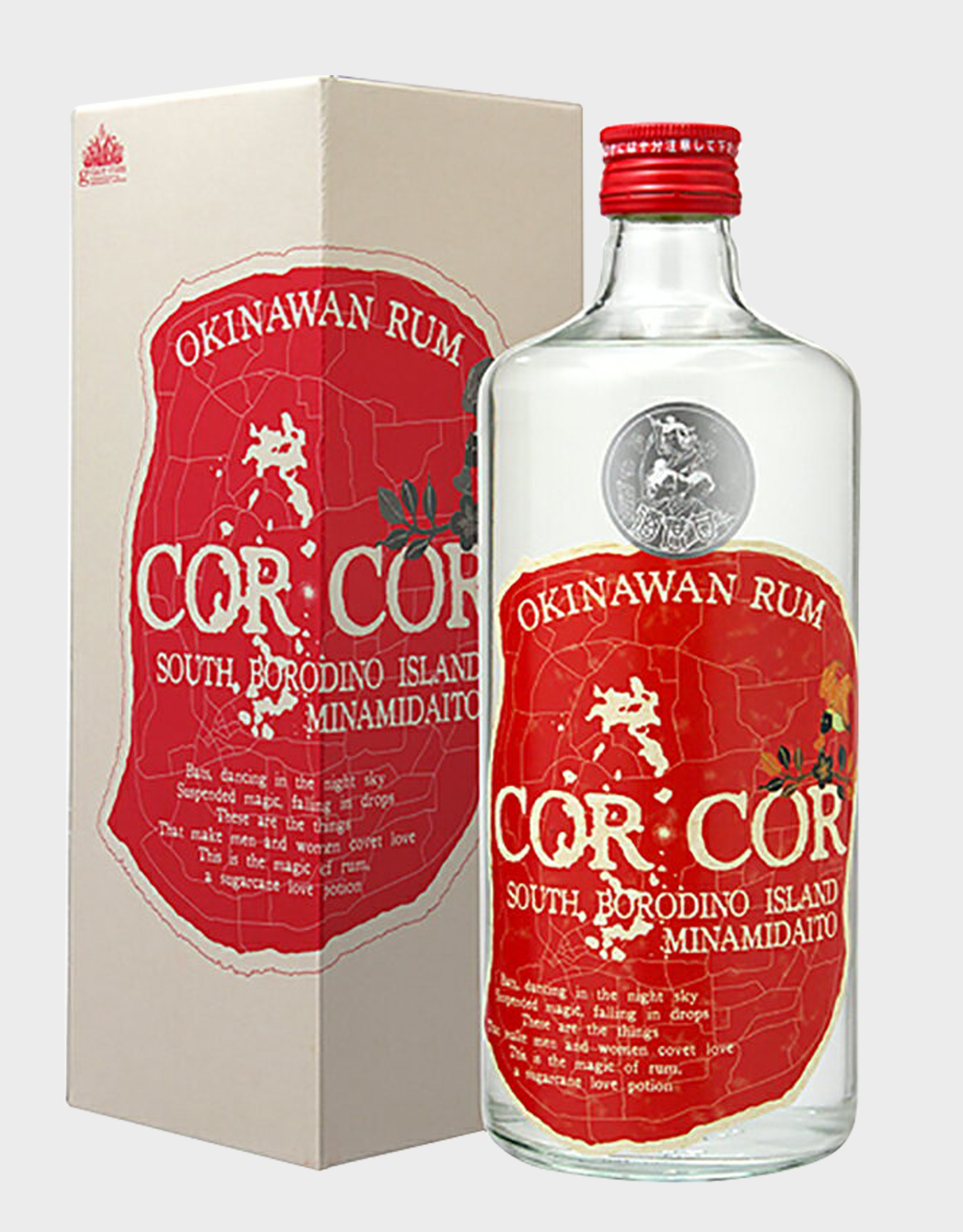 Given Japan has several rums which have made these pages (
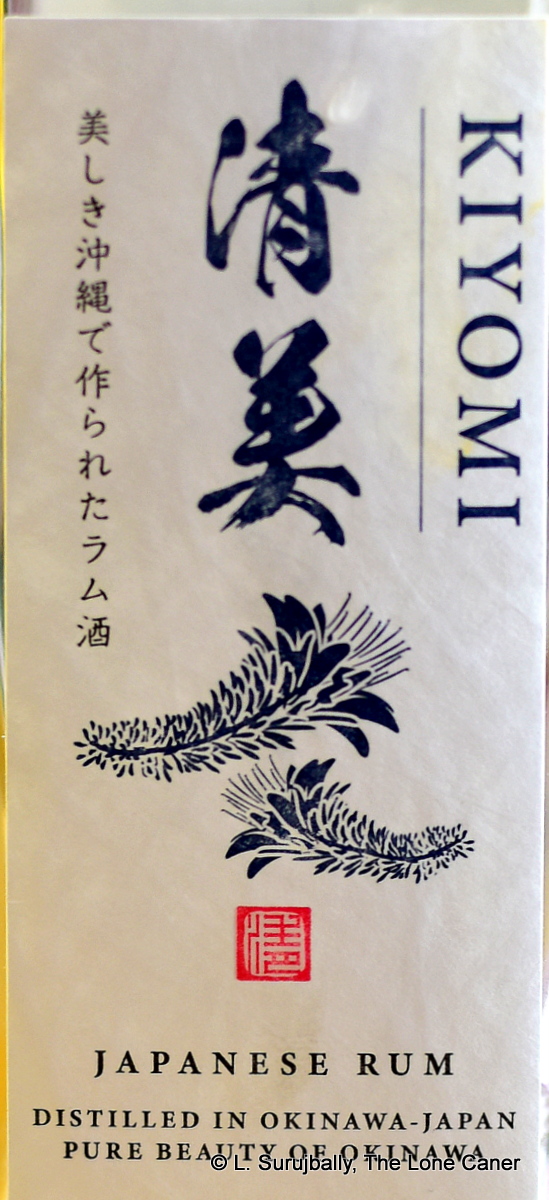
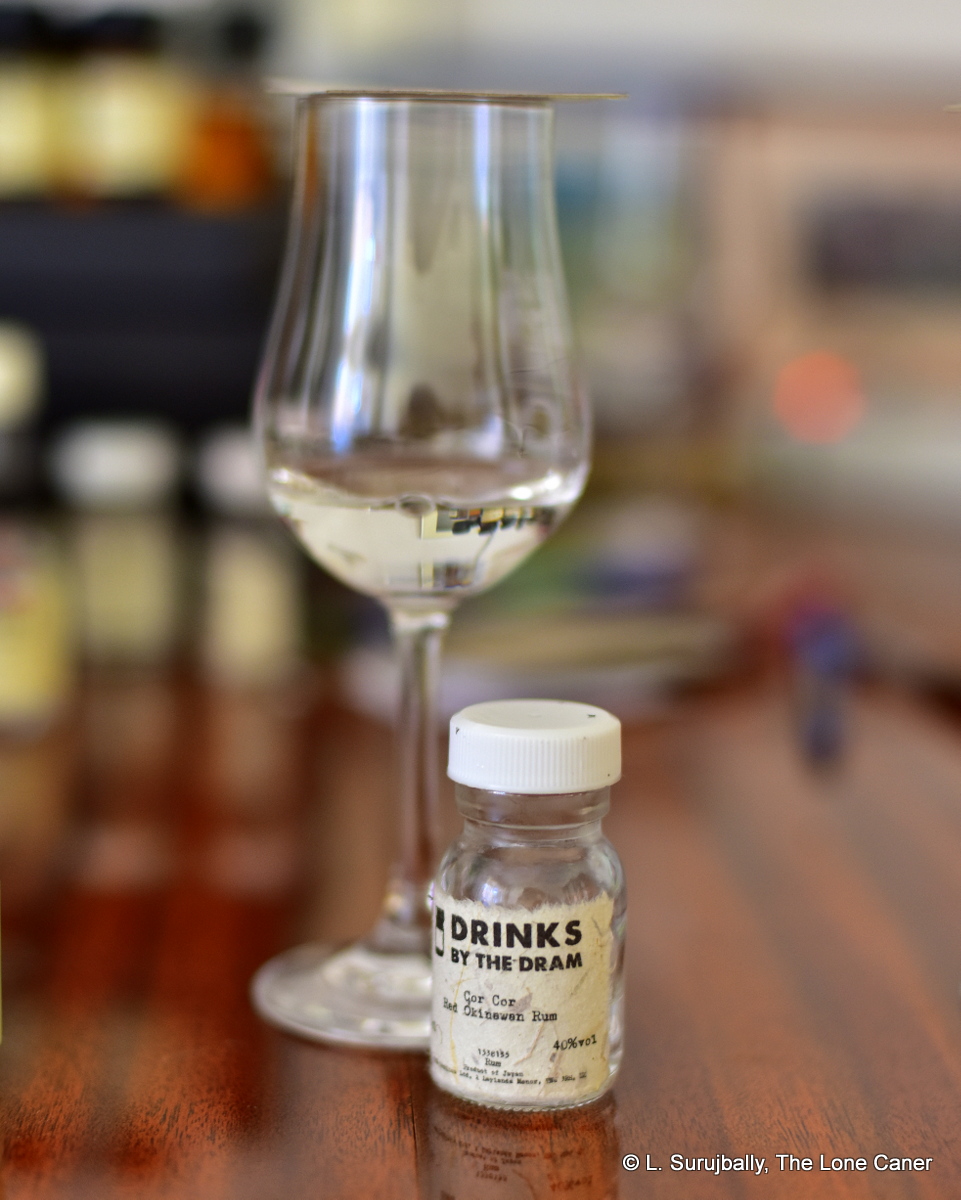 The Cor Cor Red was more generous on the palate than the nose, and as with many Japanese rums I’ve tried, it’s quite distinctive. The tastes were somewhat offbase when smelled, yet came together nicely when tasted. Most of what we might deem “traditional notes” — like nougat, or toffee, caramel, molasses, wine, dark fruits, that kind of thing — were absent; and while their (now closed) website rather honestly remarked back in 2017 that it was not for everyone, I would merely suggest that this real enjoyment is probably more for someone (a) interested in Asian rums (b) looking for something new and (c) who is cognizant of local cuisine and spirits profiles, which infuse the makers’ designs here. One of the reasons the rum tastes as it does, is because the master blender used to work for one of the awamori makers on Okinawa (it is a spirit akin to Shochu), and wanted to apply the methods of make to rum as well. No doubt some of the taste profile he preferred bled over into the final product as well.
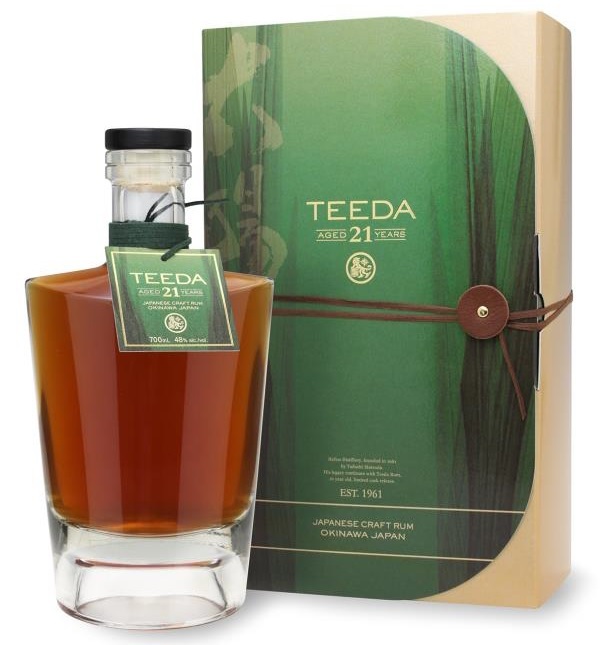
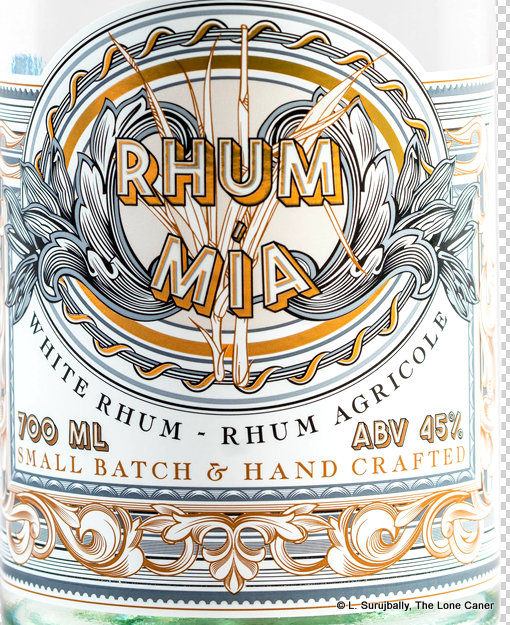
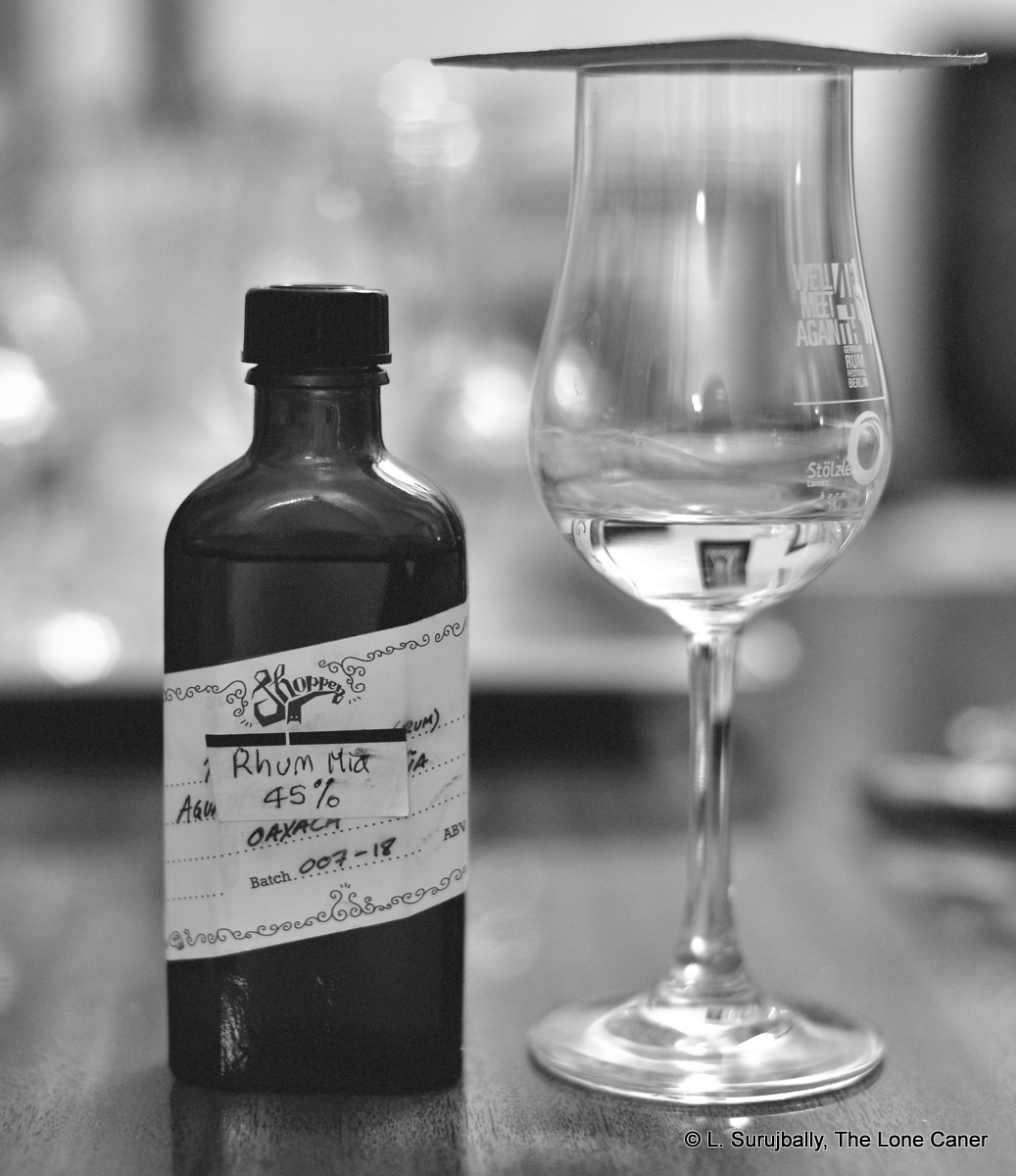

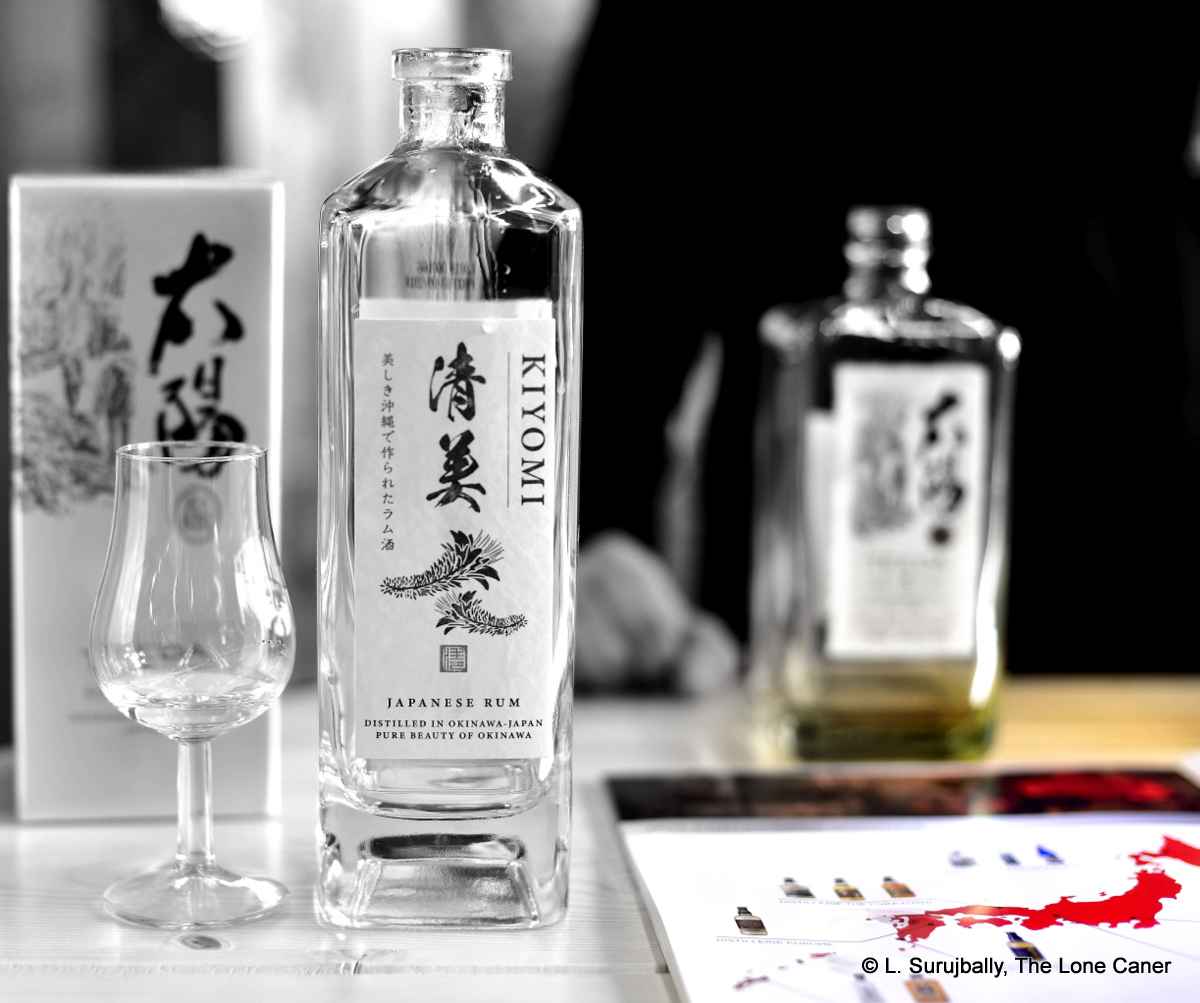
 I’ve never been completely clear as to what effect a resting period in neutral-impact tanks would actually have on a rum – perhaps smoothen it out a bit and take the edge off the rough and sharp straight-off-the-still heart cuts. What is clear is that here, both the time and the reduction gentle the spirit down without completely losing what makes an unaged white worth checking out. Take the nose: it was relatively mild at 40%, but retained a brief memory of its original ferocity, reeking of wet soot, iodine, brine, black olives and cornbread. A few additional nosings spread out over time reveal more delicate notes of thyme, mint, cinnamon mingling nicely with a background of sugar water, sliced cucumbers in salt and vinegar, and watermelon juice. It sure started like it was out to lunch, but developed very nicely over time, and the initial sniff should not make one throw it out just because it seems a bit off.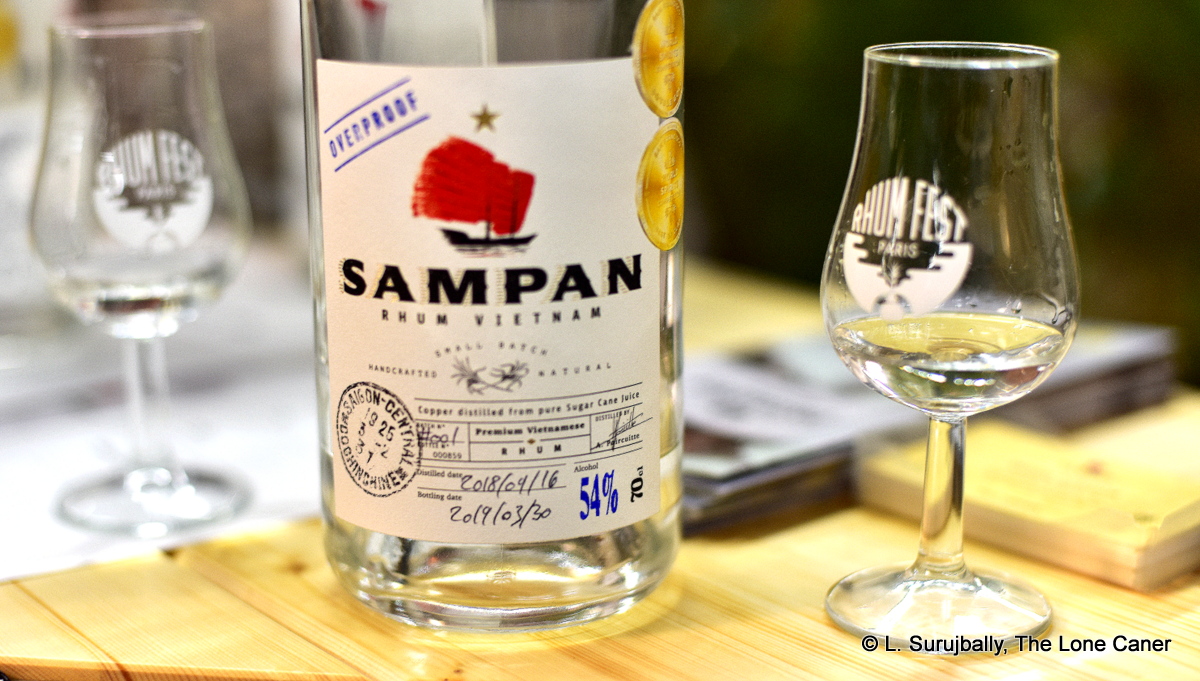
 Consider first the nose of this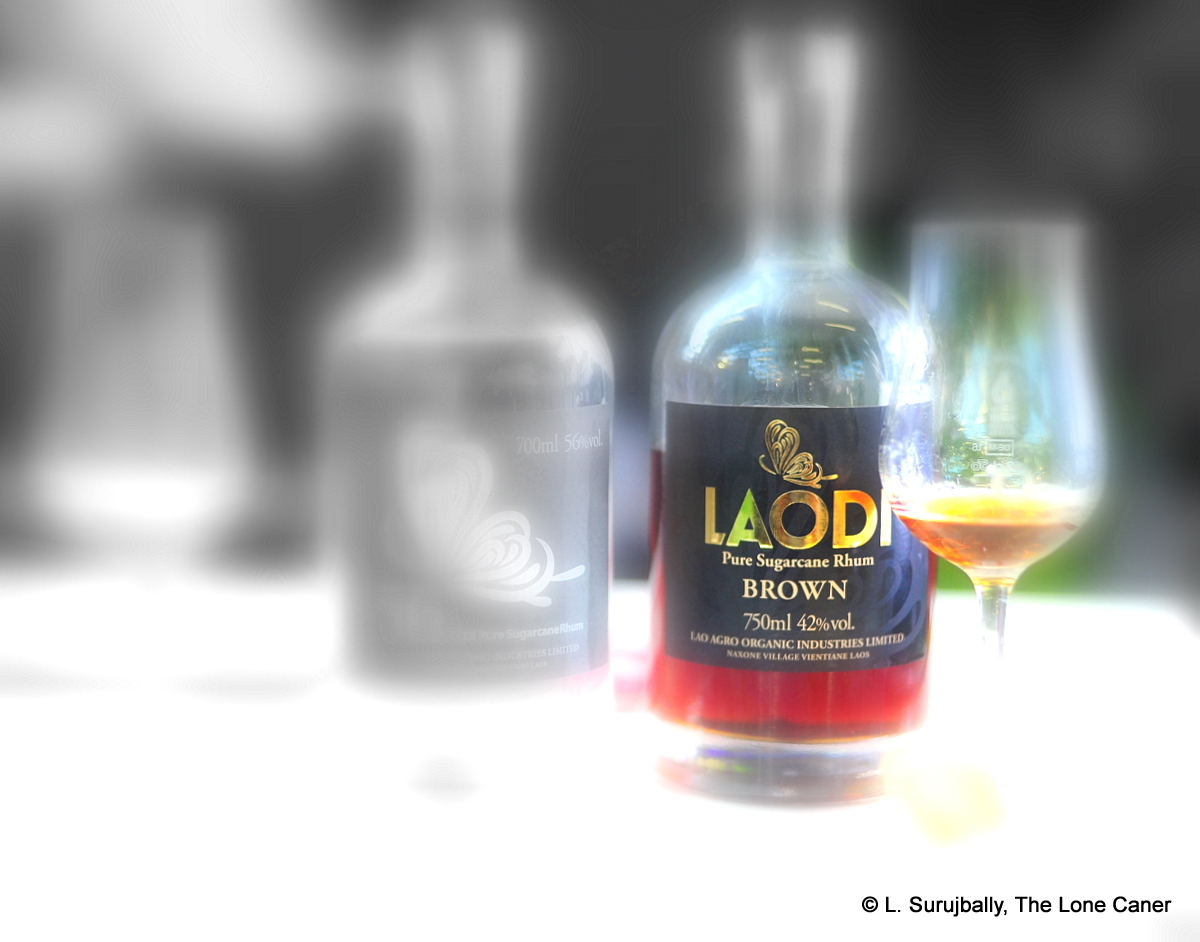
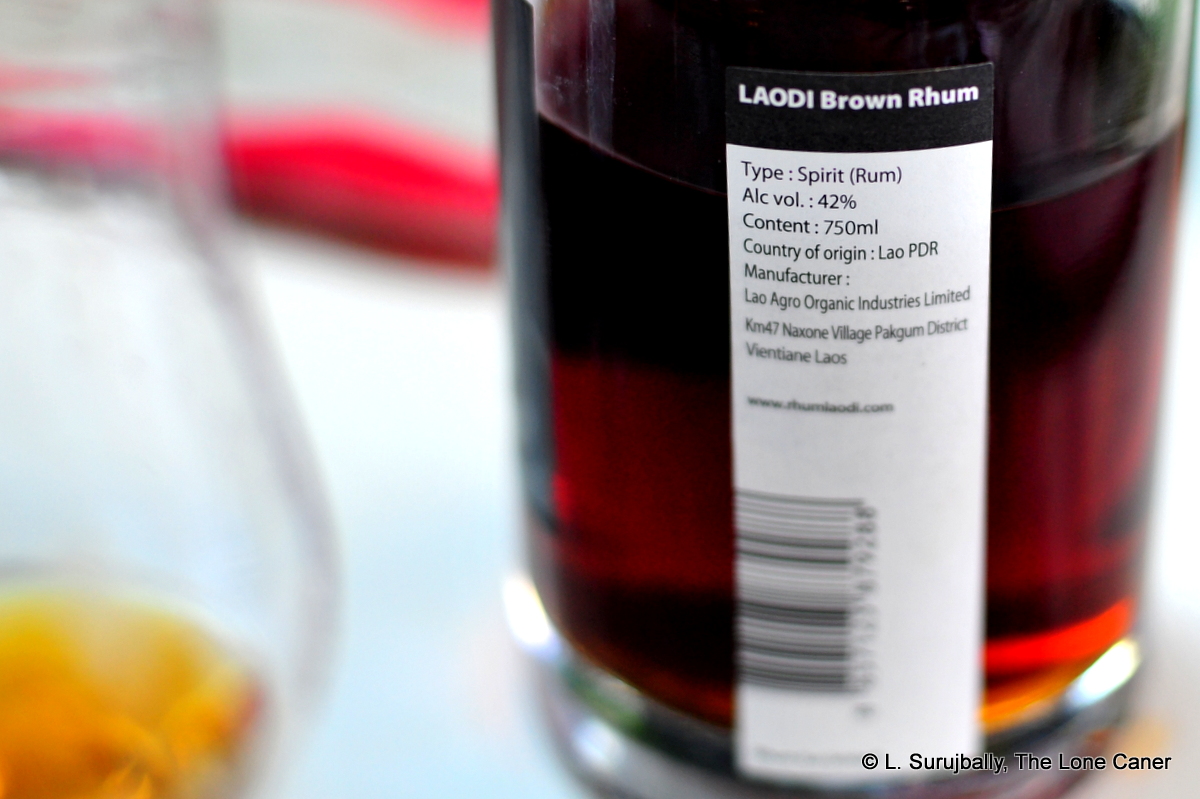
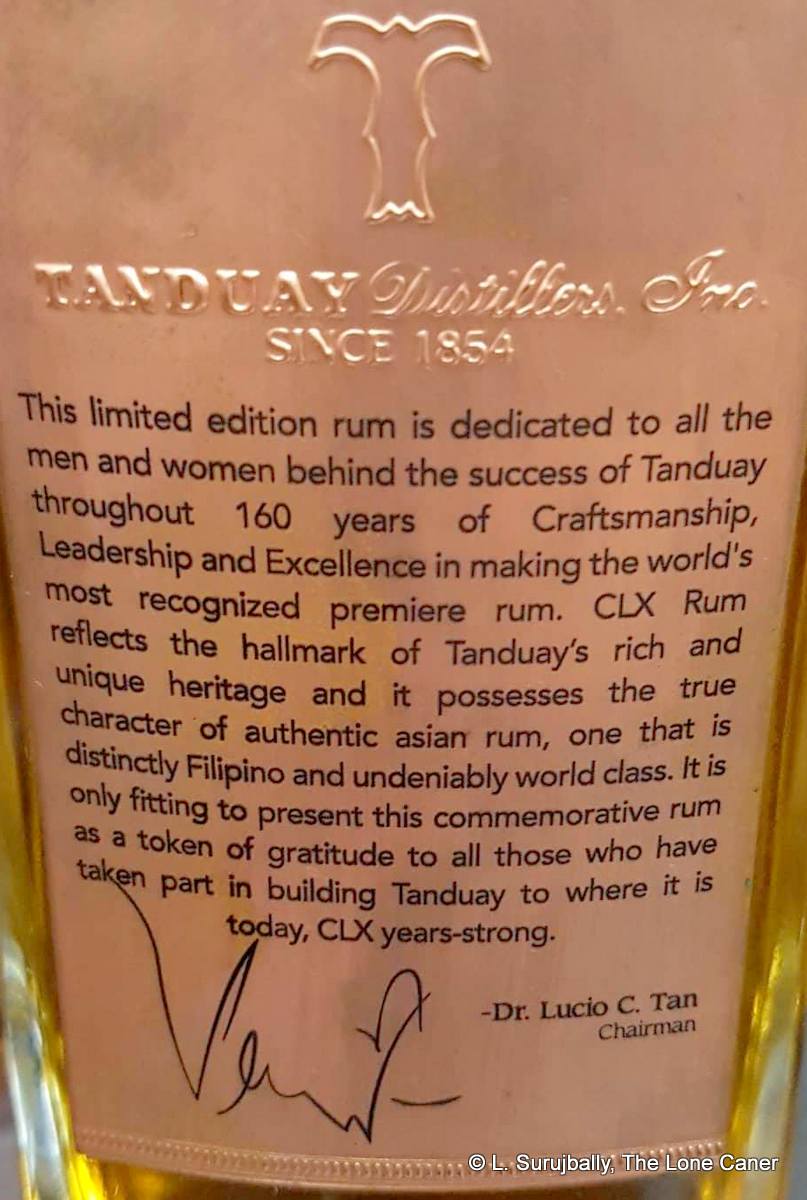 Anyway, when we’re done with do all the contorted company panegyrics and get down to the actual business of trying it, do all the frothy statements of how special it is translate into a really groundbreaking rum?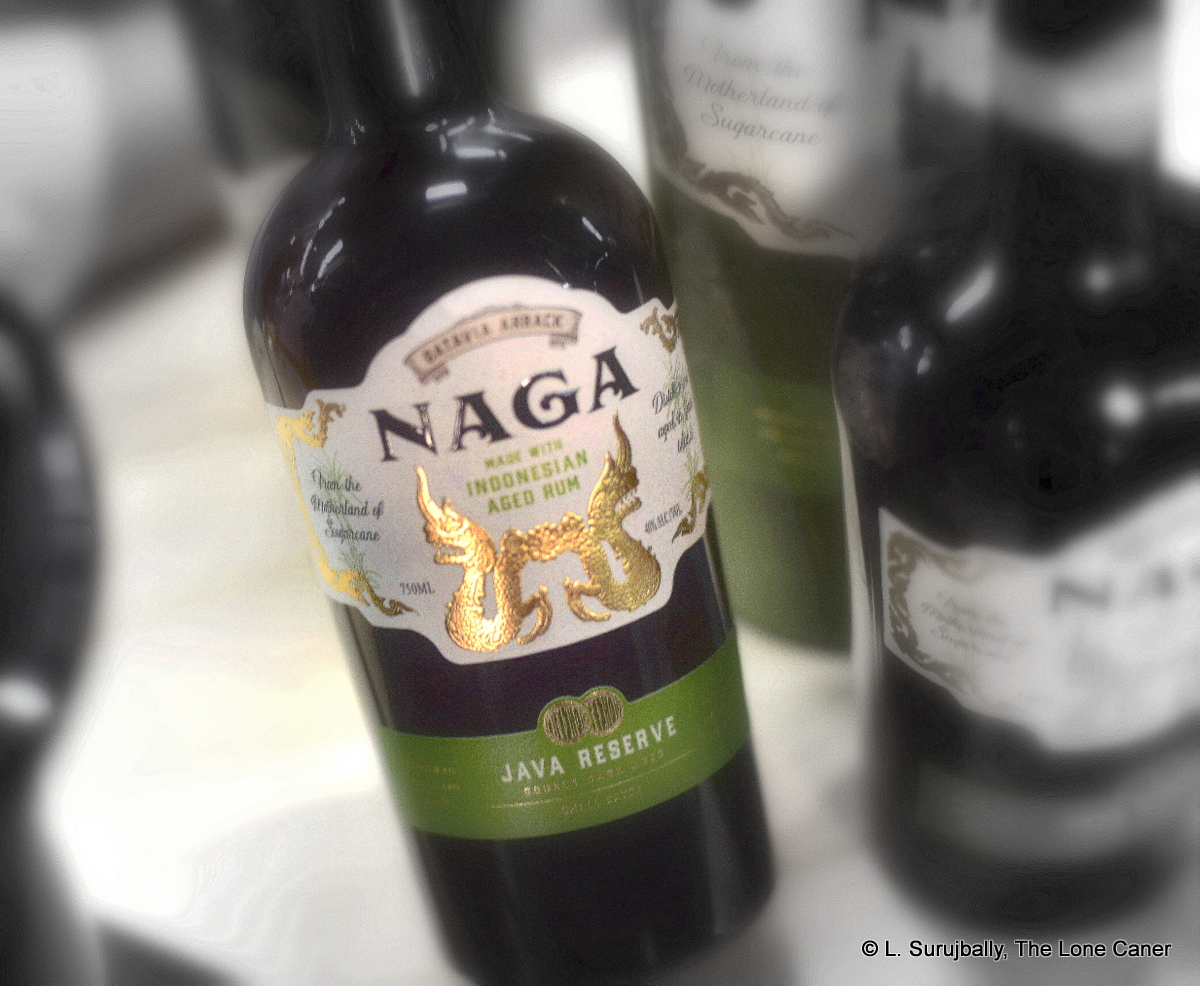
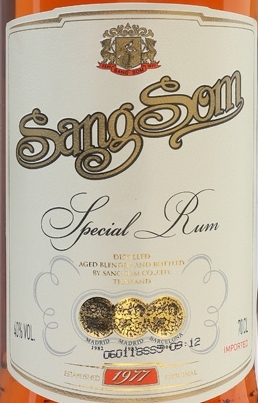 Like most rums of this kind, the opinions and comments are all over the map. Some are savagely disparaging, other more tolerant and some are almost nostalgic, conflating the rum with all the positive experiences they had in Thailand, where the rum is made. Few have had it in the west, and those that did weren’t writing much outside travel blogs and review aggregating sites.
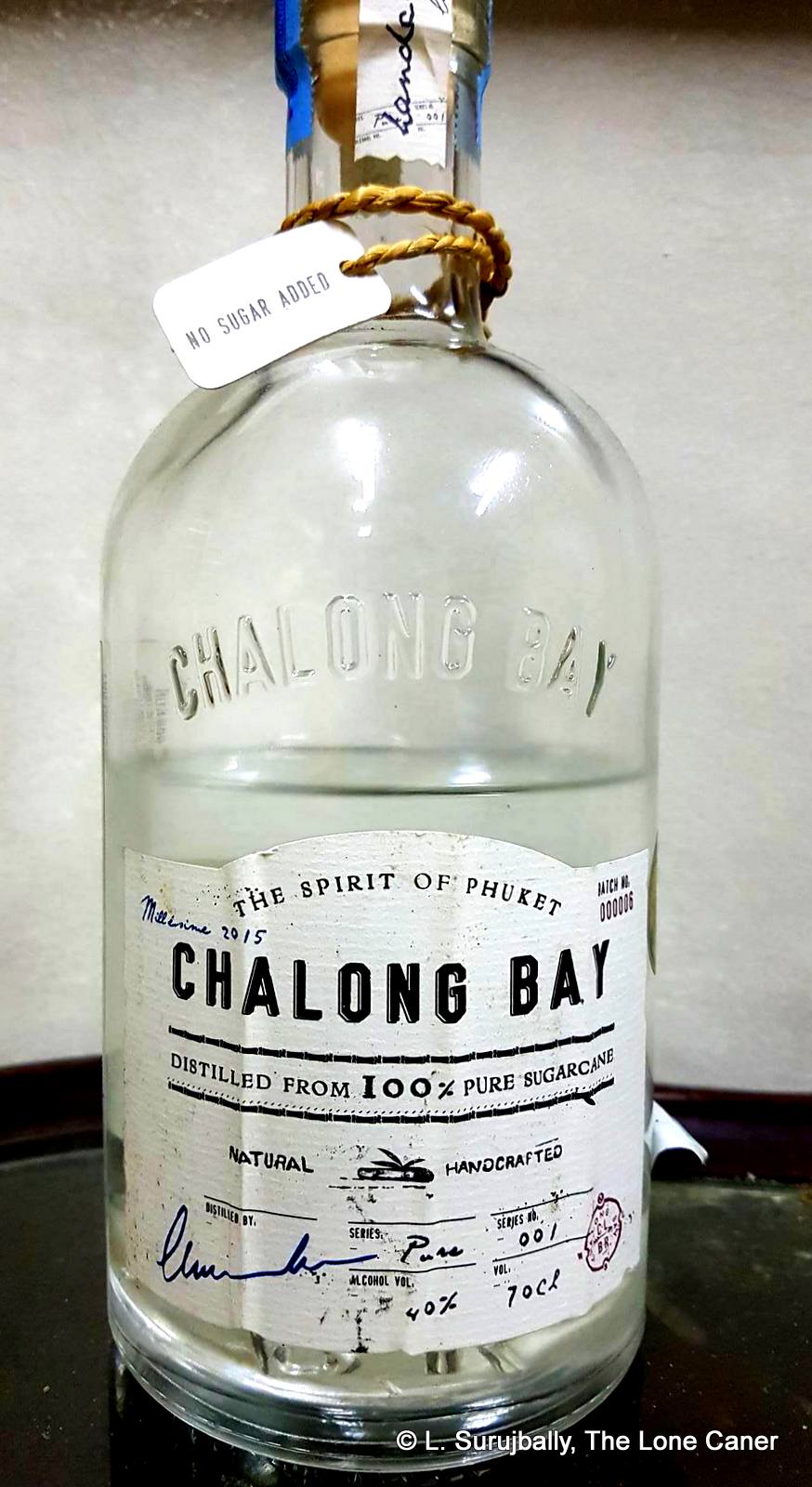
 Because for the unprepared (as I was), the nose of this rum is edging right up against revolting. It’s raw, rotting meat mixed with wet fruity garbage distilled into your rum glass without any attempt at dialling it down (except perhaps to 40% which is a small mercy). It’s like a lizard that died alone and unnoticed under your workplace desk and stayed there, was then soaked in diesel, drizzled with molten rubber and tar, set afire and then pelted with gray tomatoes. That thread of rot permeates every aspect of the nose – the brine and olives and acetone/rubber smell, the maggi cubes, the hot vegetable soup and lemongrass…everything.
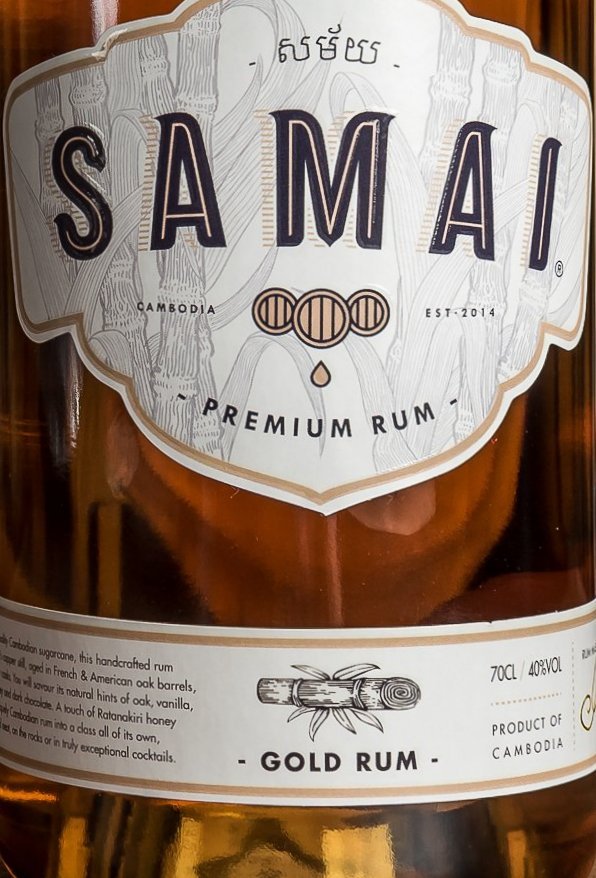 Now here’s an interesting standard-proofed gold rum I knew too little about from a country known mostly for the spectacular temples of Angor Wat and the 1970s genocide. But how many of us are aware that Cambodia was once a part of the Khmer Empire, one of the largest in South East Asia, covering much of the modern-day territories of Thailand, Vietnam, Laos and Viet Nam, or that it was once a protectorate of France, or that it is known in the east as Kampuchea?
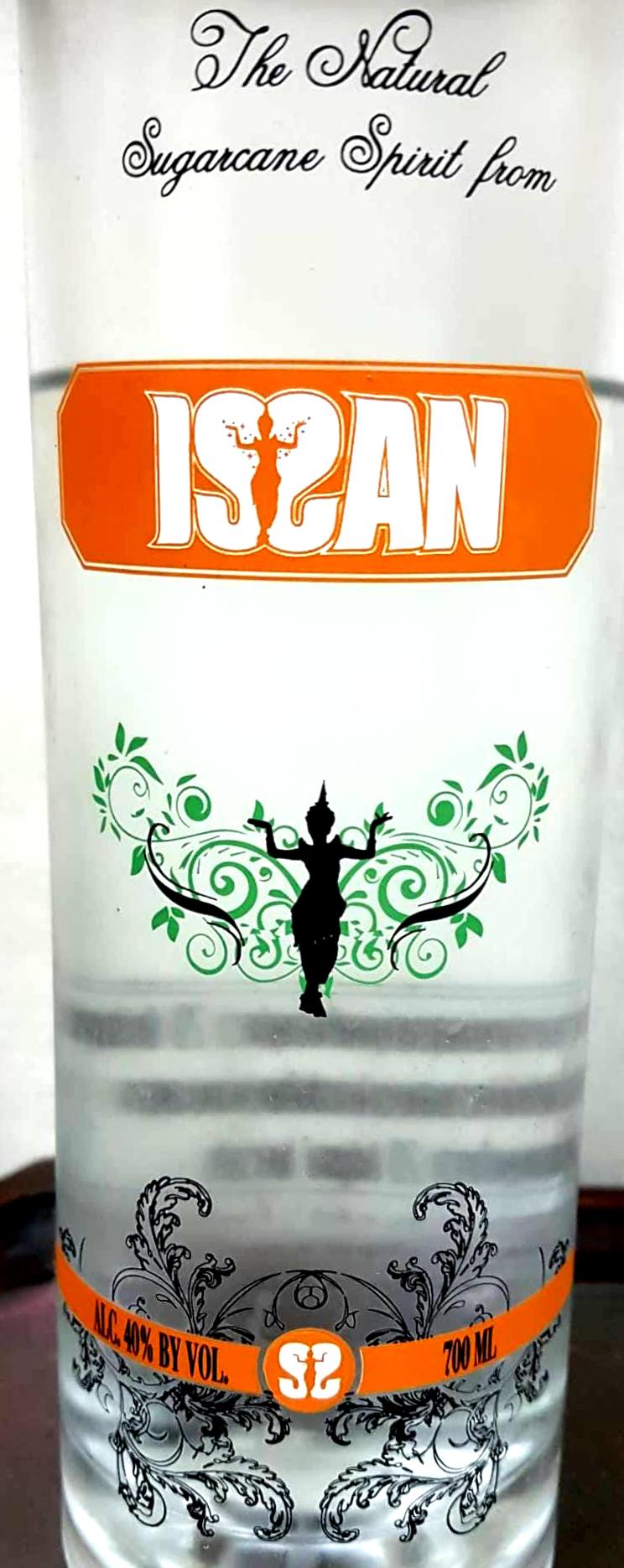 Thailand doesn’t loom very large in the eyes of the mostly west-facing rum writers’ brigade, but just because they make it for the Asian palate and not the Euro-American cask-loving rum chums, doesn’t mean what they make can be ignored; similar in some respects to the light rums from Puerto Rico, Dominican Republic, Panama and Latin America, they may not be rums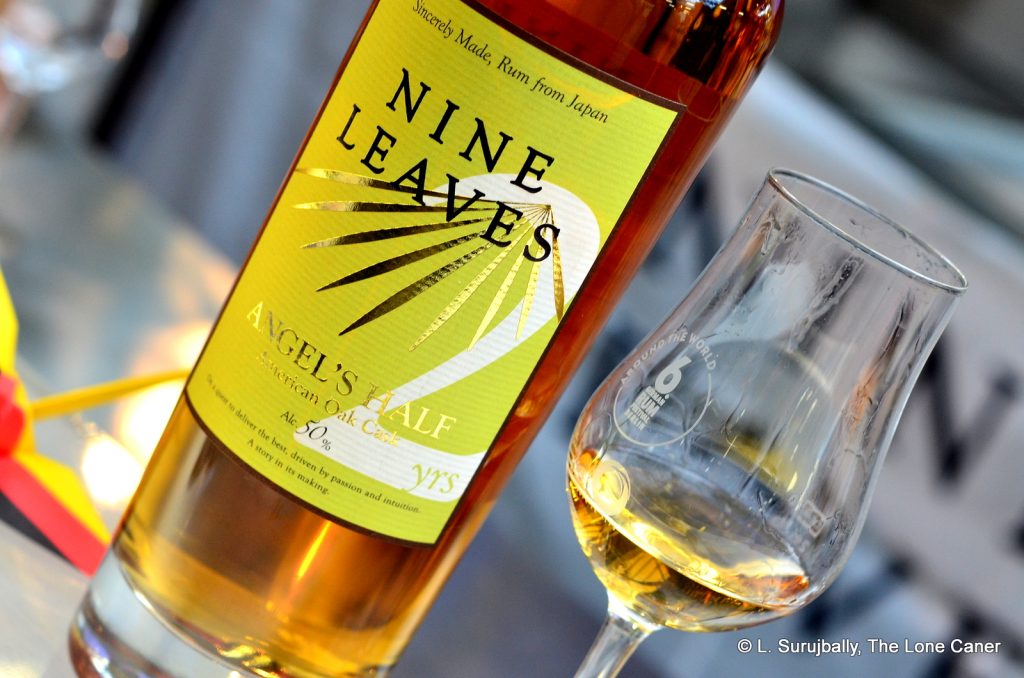
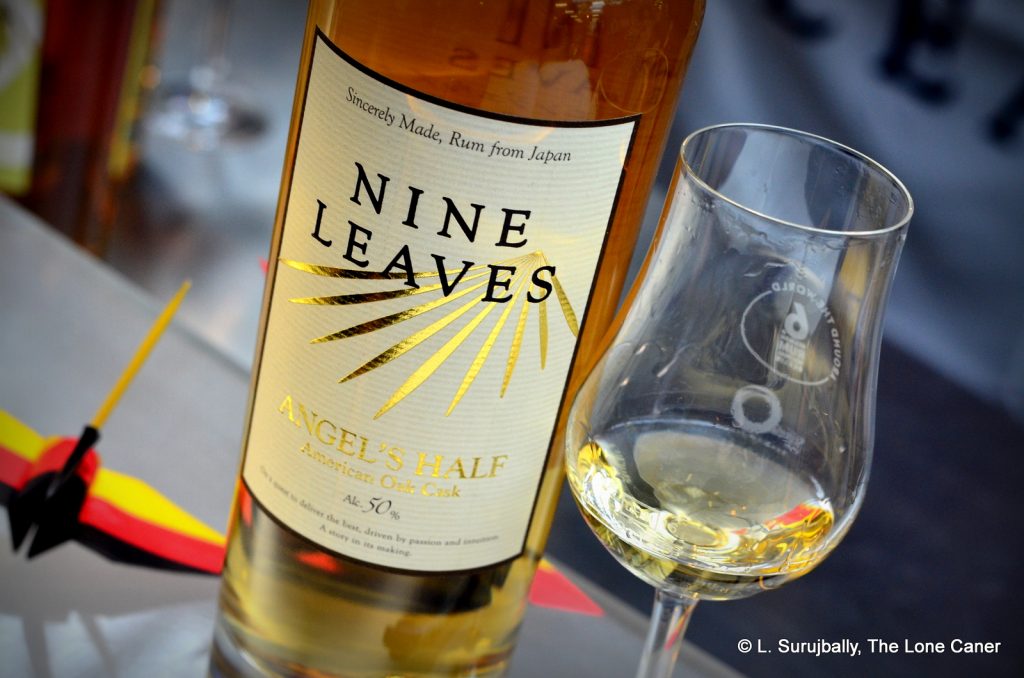
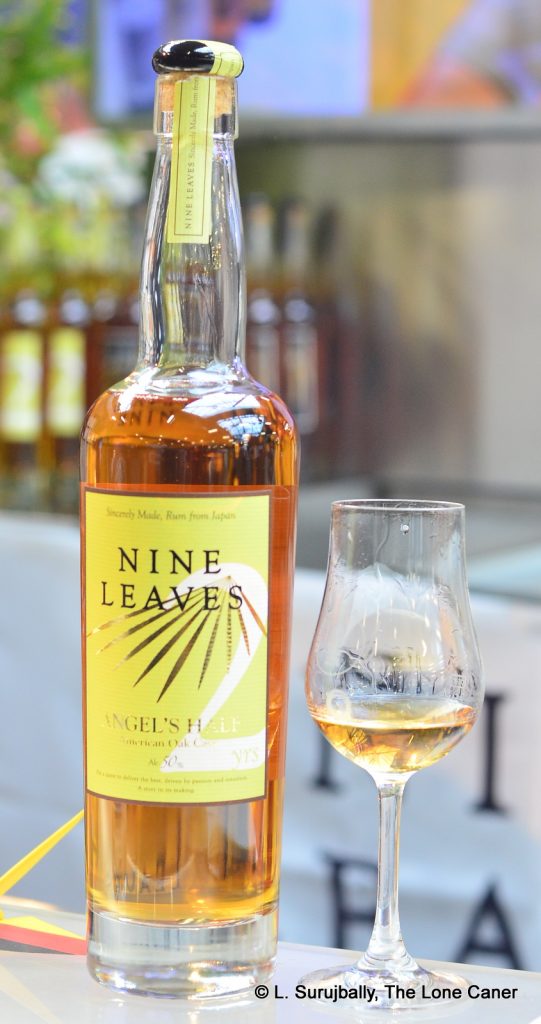 The nose rather interestingly presented hints of a funky kind of fruitiness at the beginning (like a low rent Jamaican, perhaps), while the characteristic clarity and crisp individualism of the aromas such as the other Nine Leaves rums possessed, remained. It was musky and sweet, had some zesty citrus notes, fresh apples, pears and overall had a pleasing clarity about it. Plus there were baking spices as well – nutmeg and cumin and those rounded out the profile quite well.