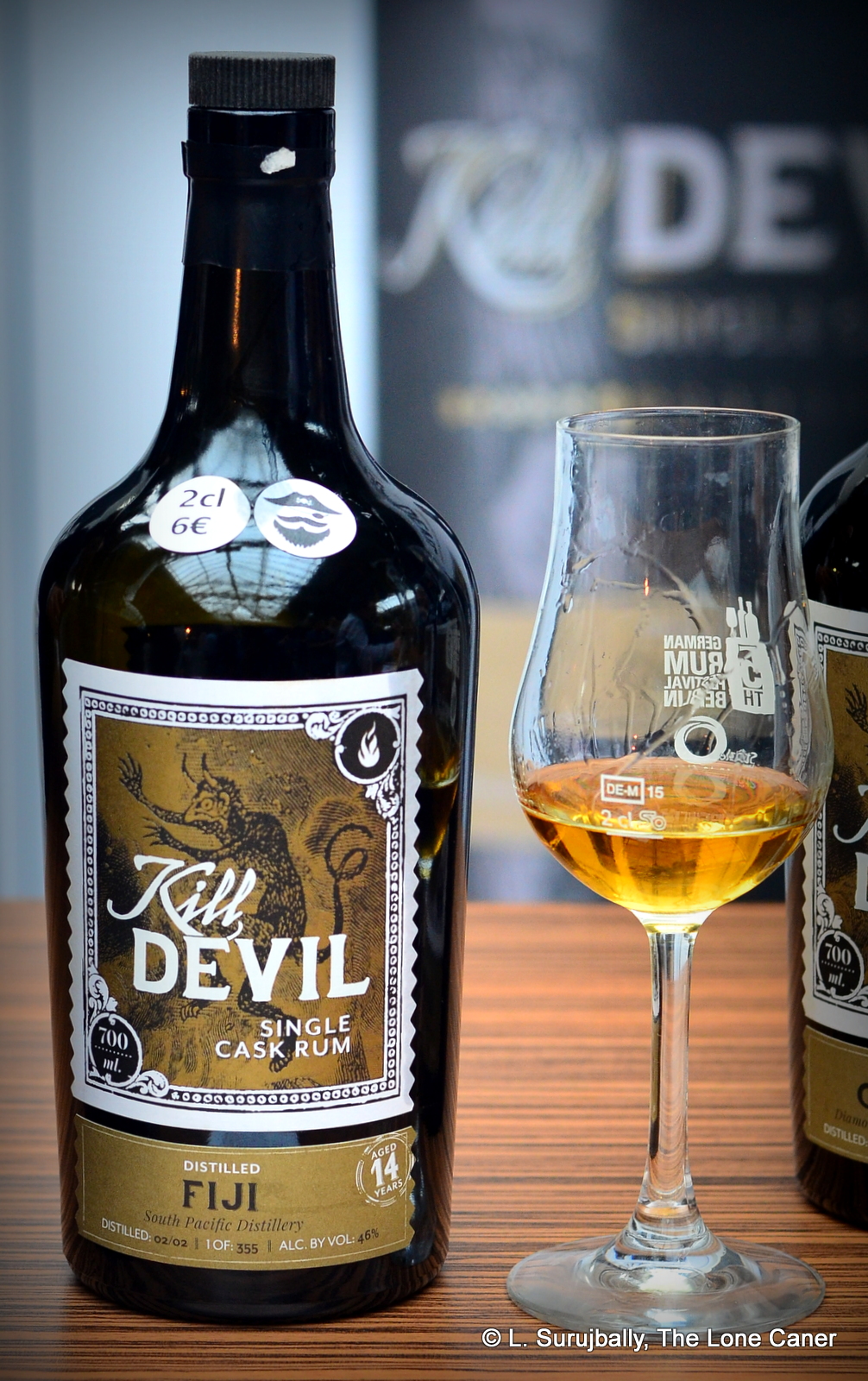
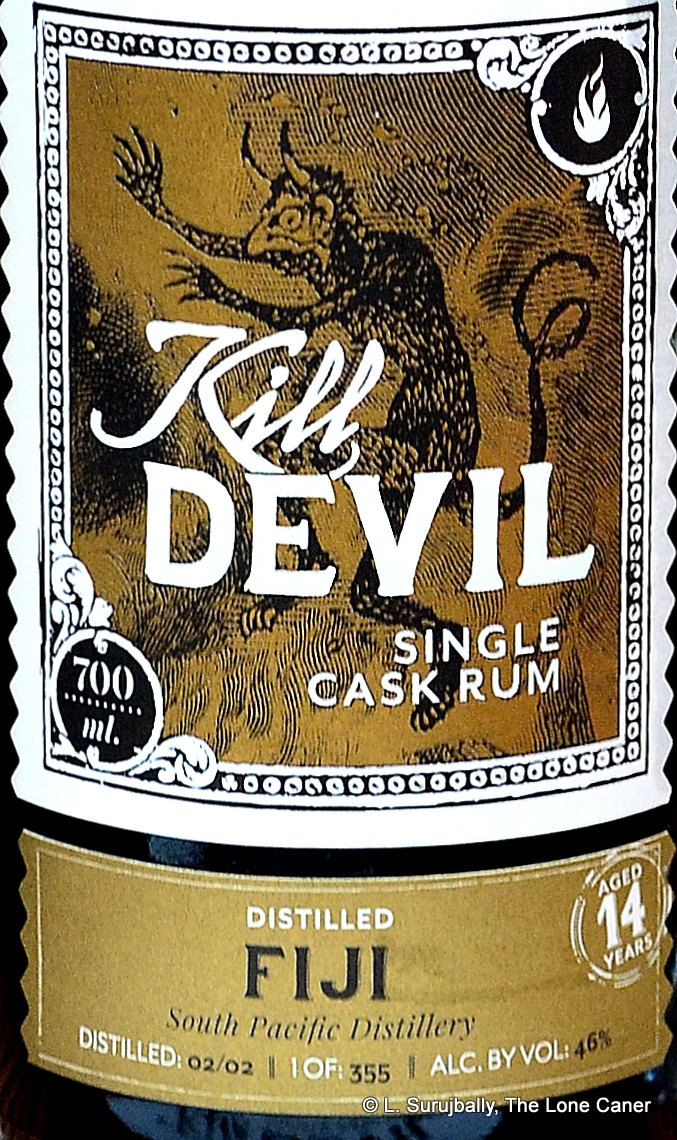
 Kill Devil is the rum brand of the whiskey blender Hunter Laing, who’ve been around since 1949 when Frederick Laing founded a whisky blending company in Glasgow. In 2013 the company created an umbrella organization called Hunter Laing & Co, into which they folded all their various companies (like Edition Spirits and the Premier Bonding bottling company). The first rums they released to the market – with all the now-standard provisos like being unadulterated, unfiltered and 46% – arrived for consumers in 2016, which meant that this rum from the South Pacific Distillery on Fiji, was issued as part of their first batch (oddly, their own website provides no listing of their rums at all aside from boilerplate blurbs). When the time came for me to decide what to sample, the 17 YO Cuban from Sancti Spiritus was one, and this was the other, because let’s face it, you can always get a Jamaican, Bajan, Trini or Mudland rum plus several agricoles whenever you turnaround, but Fiji is a bit rarer.
Pale gold in colour – though darker than the Cuban – the Kill Devil Fijian rum came out in 2016 and continued the recent upsurge in issuance of independent bottlers’ Fijian rums, and stuck with the relatively modest 46% ABV so as not to scare too many people off. Like most indies’ releases, it was also pretty limited, a mere 355 bottles from a single cask, European ageing, but thus far I’ve been unable to ascertain whether it’s a pot still or column still product.
Never mind, though. Like most rums from the Pacific which I’ve tried, this one was off woolgathering in its own time zone, not only different from the Caribbean and Latin rums but from other Fijians – not entirely sure how they do that. Consider: the nose began with a clear scent of papier-mâché (wtf, right?) – sort of starchy and floury – as well as cereals like fruit loops without the milk. That was the just beginning, however, and things smoothened out over time (which was a good thing) – it added yoghurt, tart and somewhat sour fruits, some funkiness of a Jamaican wannabe, cloves, fanta, lemon rind and the sweetness of freshly cut pineapple mixing in the background with some softer briny notes.
 On the palate the fruits started to take over, tart and a unripe, like ginnips and soursop together with ripe mangoes, pineapple and cherries in syrup right out of a can – there was hardly any of the brininess from the nose carrying over, and as it developed, additional hints of pears, watermelon, honey, and pickled gherkins were clearly noticeable. It was warm and crisp at the same time, quite nice, and while the long and heated finish added nothing new to the whole experience, it didn’t lose any of the flavours either; and I was left thinking that while different from other Fijians for sure, it seemed to be channelling a sly note of Jamaican funk throughout, and that was far from unpleasant….though perhaps a bit at odds with the whole profile.
Overall, I quite liked the rum, particularly the understated element of funkiness in the background. Although the pantheon of Caribbean rums was in no danger of being dethroned by it, I get the impression with every Fijian rum I’ve sampled, that even if South Pacific themselves aren’t making any world beaters (yet), the independents are amusing themselves by continually, if incrementally, raising the bar. Every year I seem to find a new Fijian rum out there which pushes things, just a little – adds a small something extra, goes out into left field a little further, plays about a tad longer. The Kill Devil 14 YO Fijian rum doesn’t exactly set the world on fire for me, but there’s little to complain about, since it shows that the Caribbean doesn’t have complete dibs on good rums and holds great promise for the future. It’s a neat addition to our mental inventory of rums from the Pacific.
(#539)(85/100)
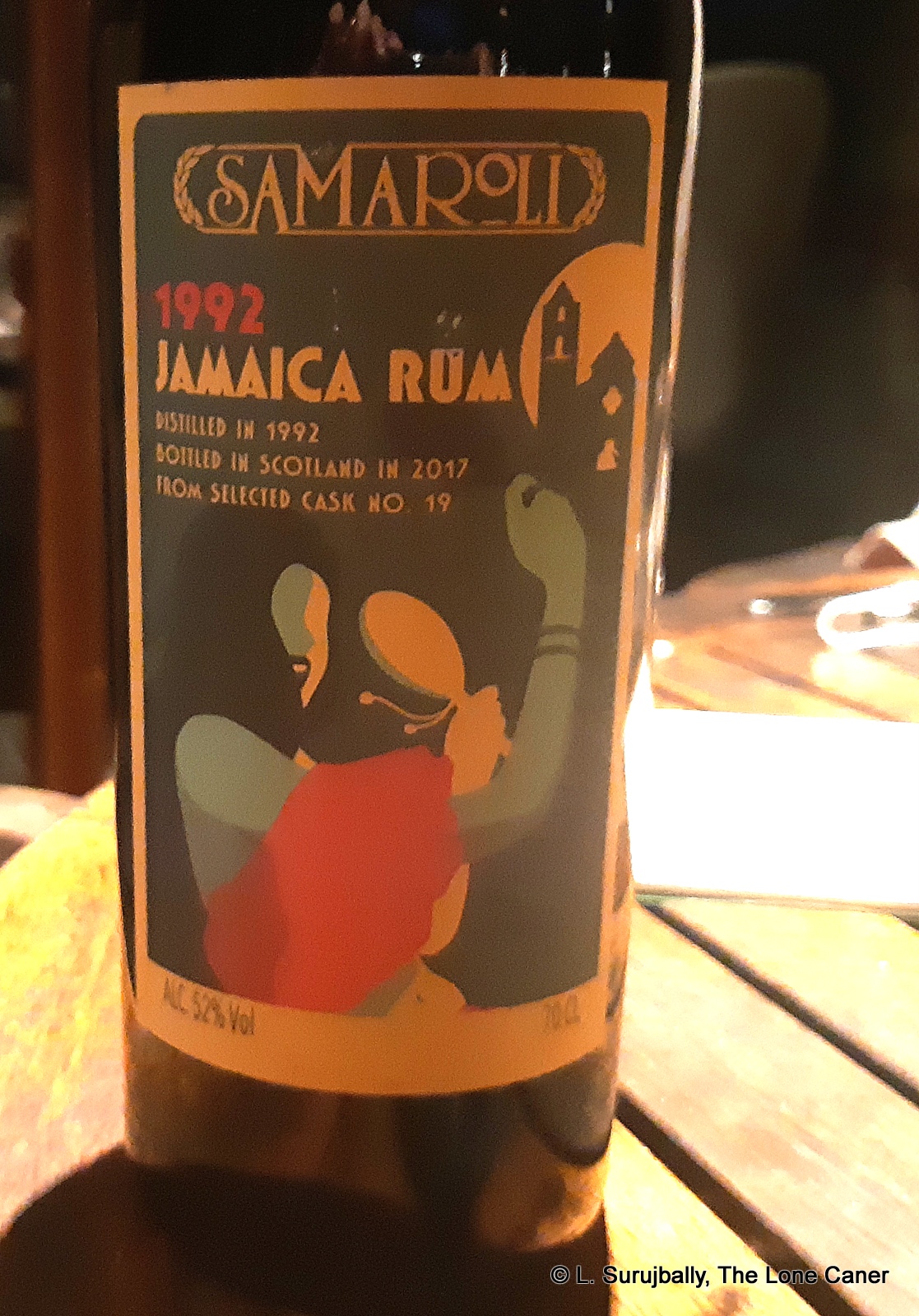 And the taste, the palate, the way it comes together, it’s masterful. At 52% it’s downright near damned perfect – the the balance between mouth puckering citrus plus laid back funk, and easier, softer flavours is unbelievably well done. Soda pop, honey, cereal, red currants, raspberries, fanta and orange zest dance exuberantly cross the tongue, never faltering, never allowing any one piece to dominate. Like an exquisitely choreographed dance number, the molasses, vanillas and fruits (peaches, yellow plums, pears, ripe yellow Thai mangoes) tango alongside sharper notes of citrus, lemon zest, overripe bananas, sandalwood and ginger. Even the finish is spectacular – just long enough, just sharp enough, just mellow enough, allowing each of the individually discerned flavours of fruits, toffee, chocolate and citrus to come out on stage one last time for a bow, before fading back and making way for the next one
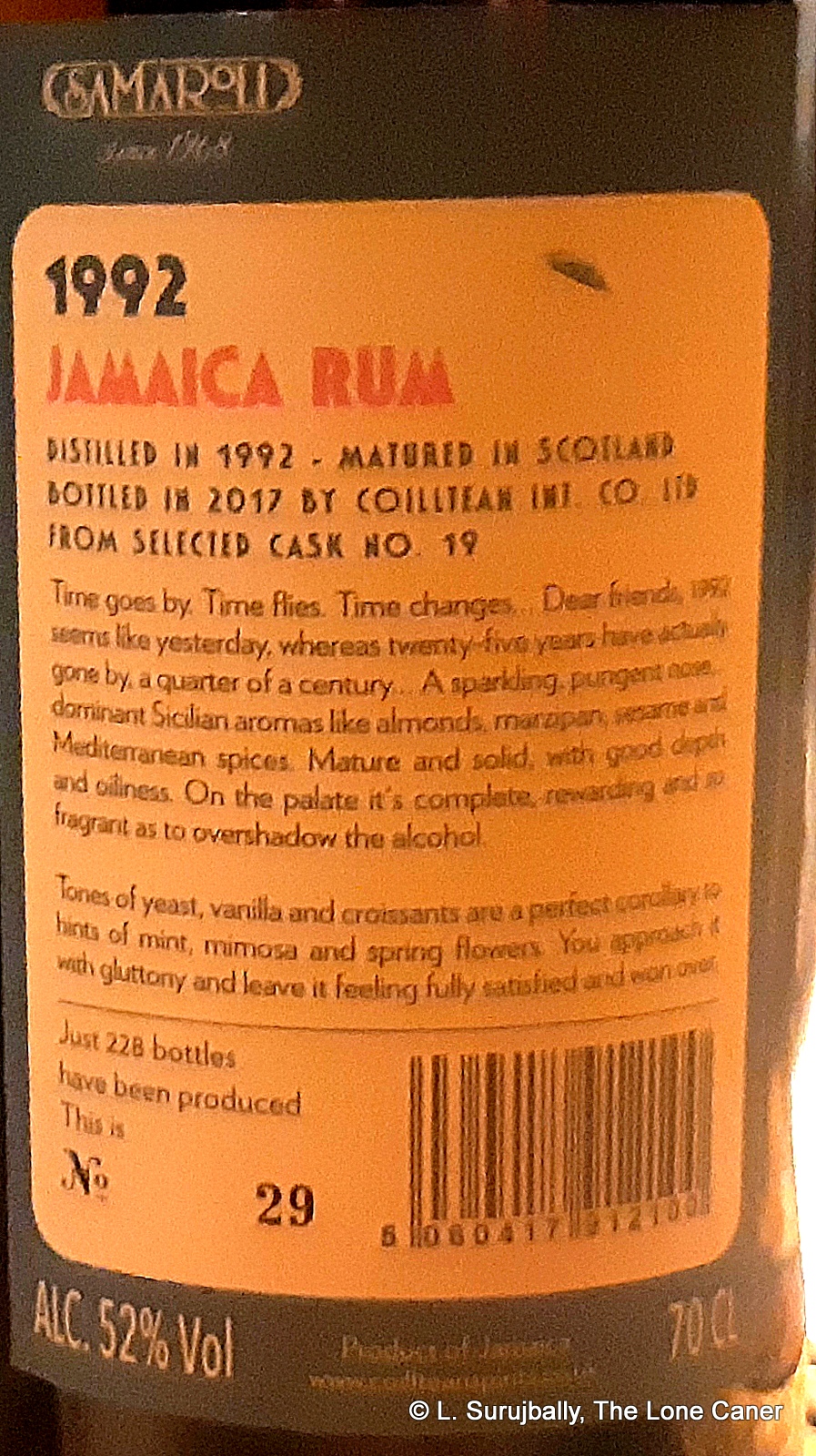 I don’t know what they did differently in this rum from others they’ve issued for the last forty years, what selection criteria they used, but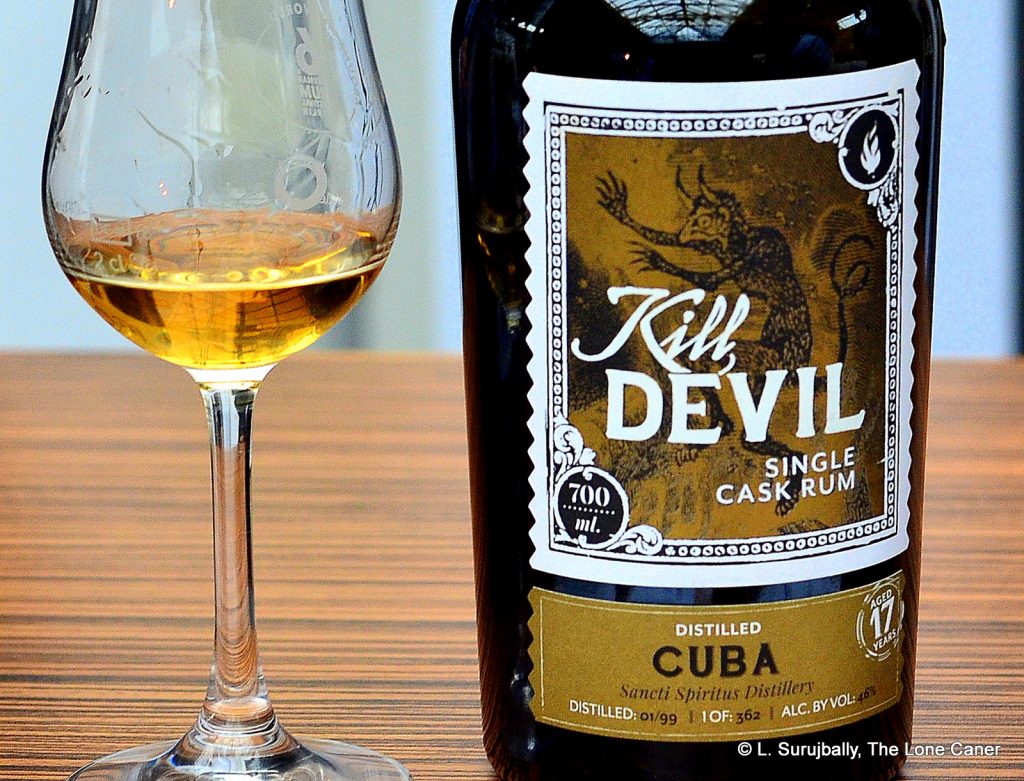
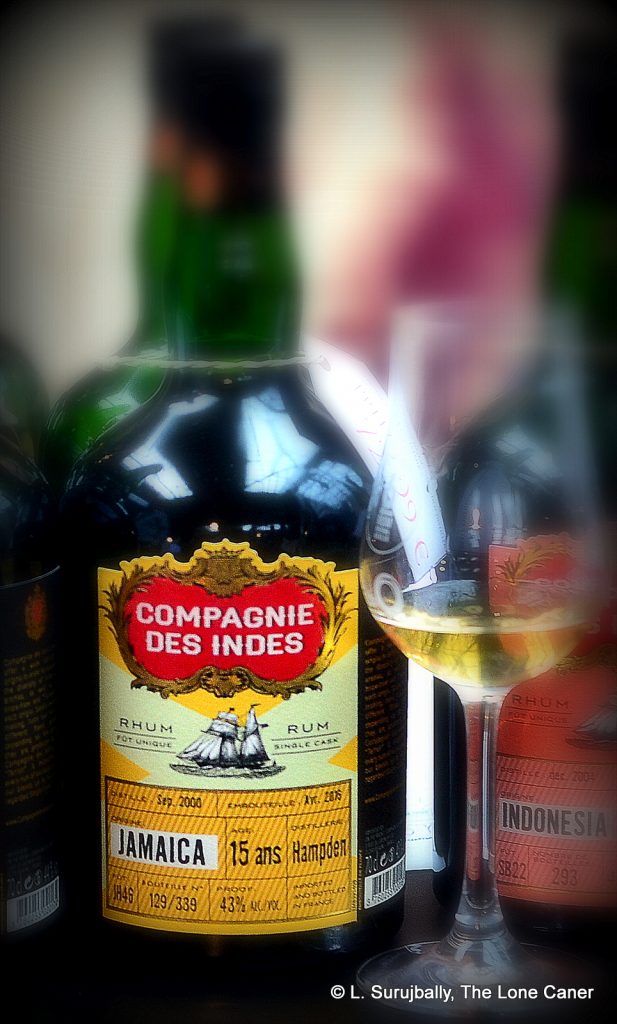
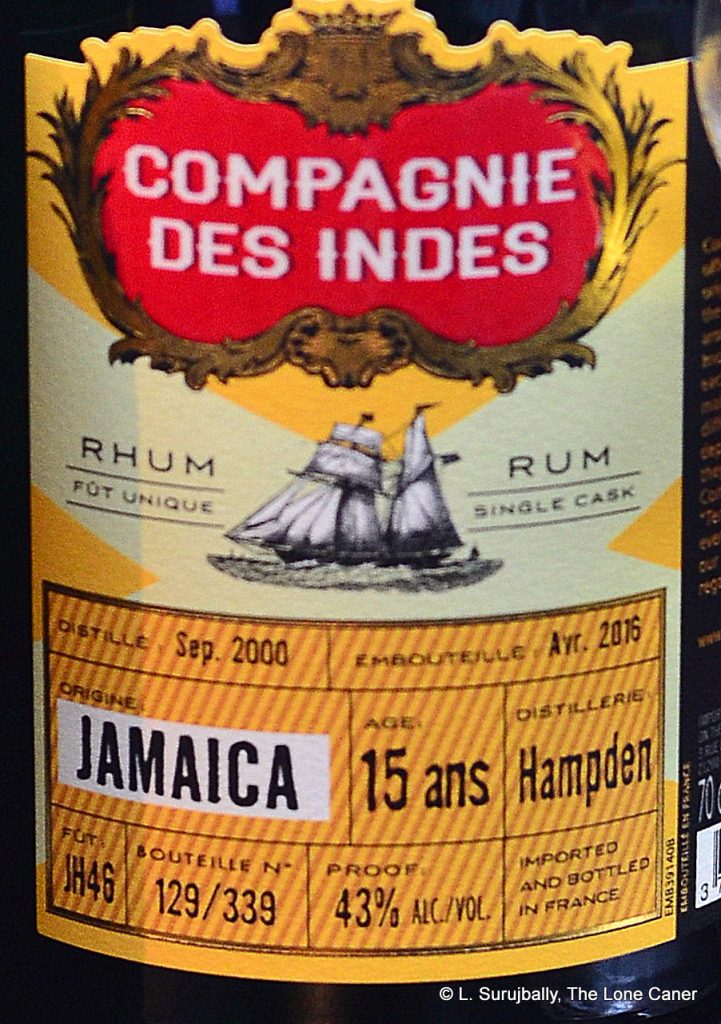 On the palate, I didn’t think it could quite beat out the CdI Worthy Park (which was half its age, though quite a bit stronger); but it definitely had more force and more uniqueness in the way it developed than the Longpond and the Mezans. It started with cherries, going-off bananas mixed with a delicious citrus backbone, not too excessive. After ten minutes or so it opened further into a medium sweet set of fruits (peaches, pears, apples), and showed notes of oak, cinnamon, some brininess, green grapes, all backed up by delicate florals that were very aromatic and provided a good background for the finish. That in turn glided along to a relatively serene, slightly heated medium-long stop with just a few bounces on the road to its eventual disappearance, though with little more than what the palate had already demonstrated. Fruitiness and some citrus and cinnamon was about it.

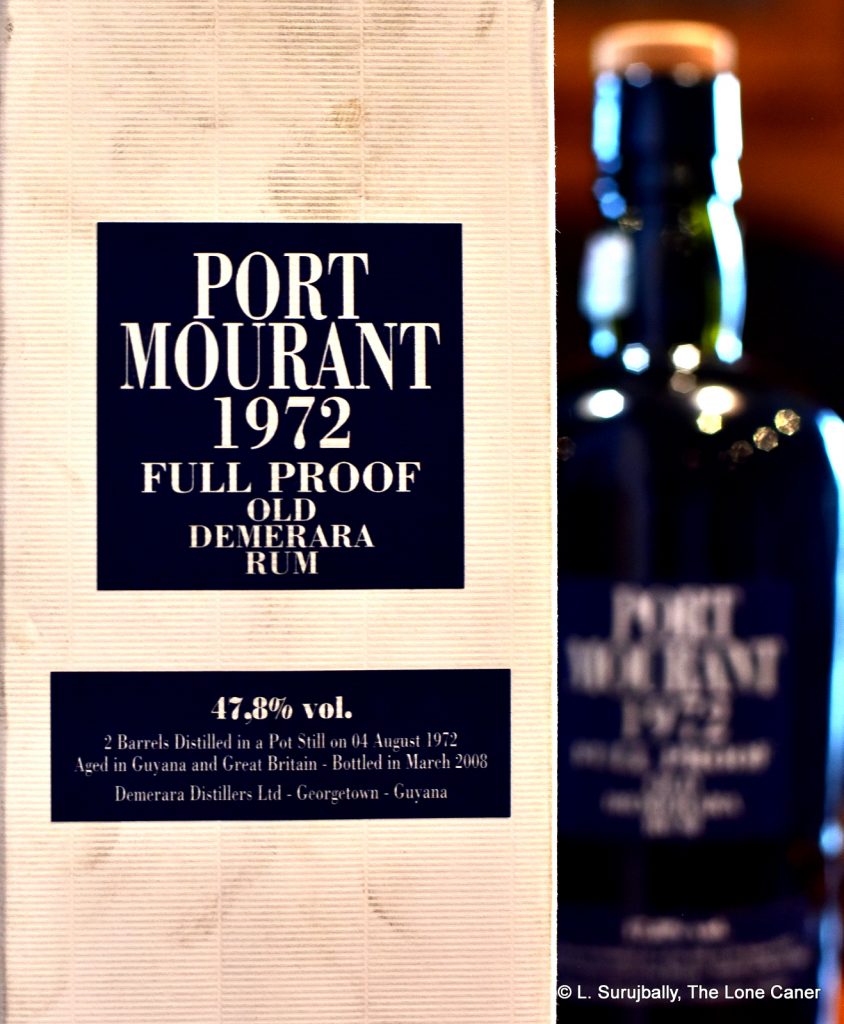 The nose made an immediate and emphatic response: “Here’s how.” I had exasperatedly grumbled
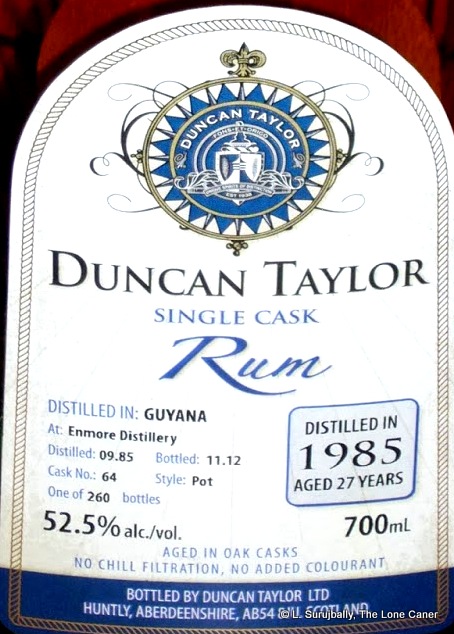 Thinness of the nose aside, the palate took something of a ninety degree left turn. It felt thicker, richer, with the glue and furniture polish notes receding, yet what emerged was a rum that seemed over-oaked, and very dry, very crisp. What fruits there were – and there were some, mostly raisins, pears, unripe apples and green mangoes – were of the mouth puckering kind, quite tart, accompanied by orange peel, nutmeg, cardboard or drywall, and something that reminded me of the dustiness of a drought-stricken backyard. The strength was fine for what it was – not low enough to make it a mild crowd-pleaser, not so strong as to make it an assault on the tongue, so on that level it succeeded just fine. The finish gave up more of those tart fruity sensations, oak notes, some pepper and cooking herbs (thyme and parsley)…yet overall, it somehow failed to cohere really well, and the whole experience was deflated by its relative lack of voluptuousness that either some more ageing or some time in tropical climes might have ameliorated.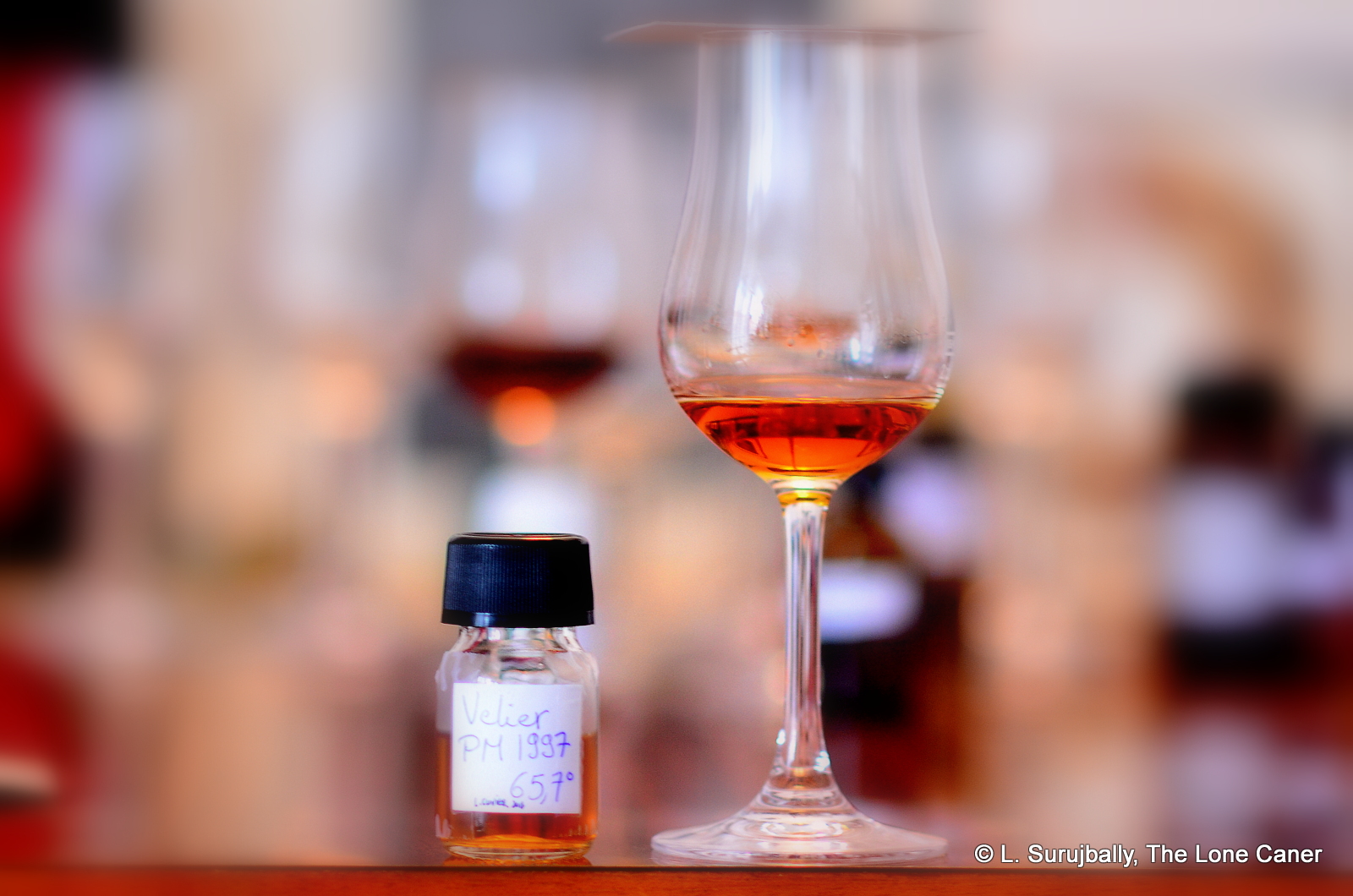
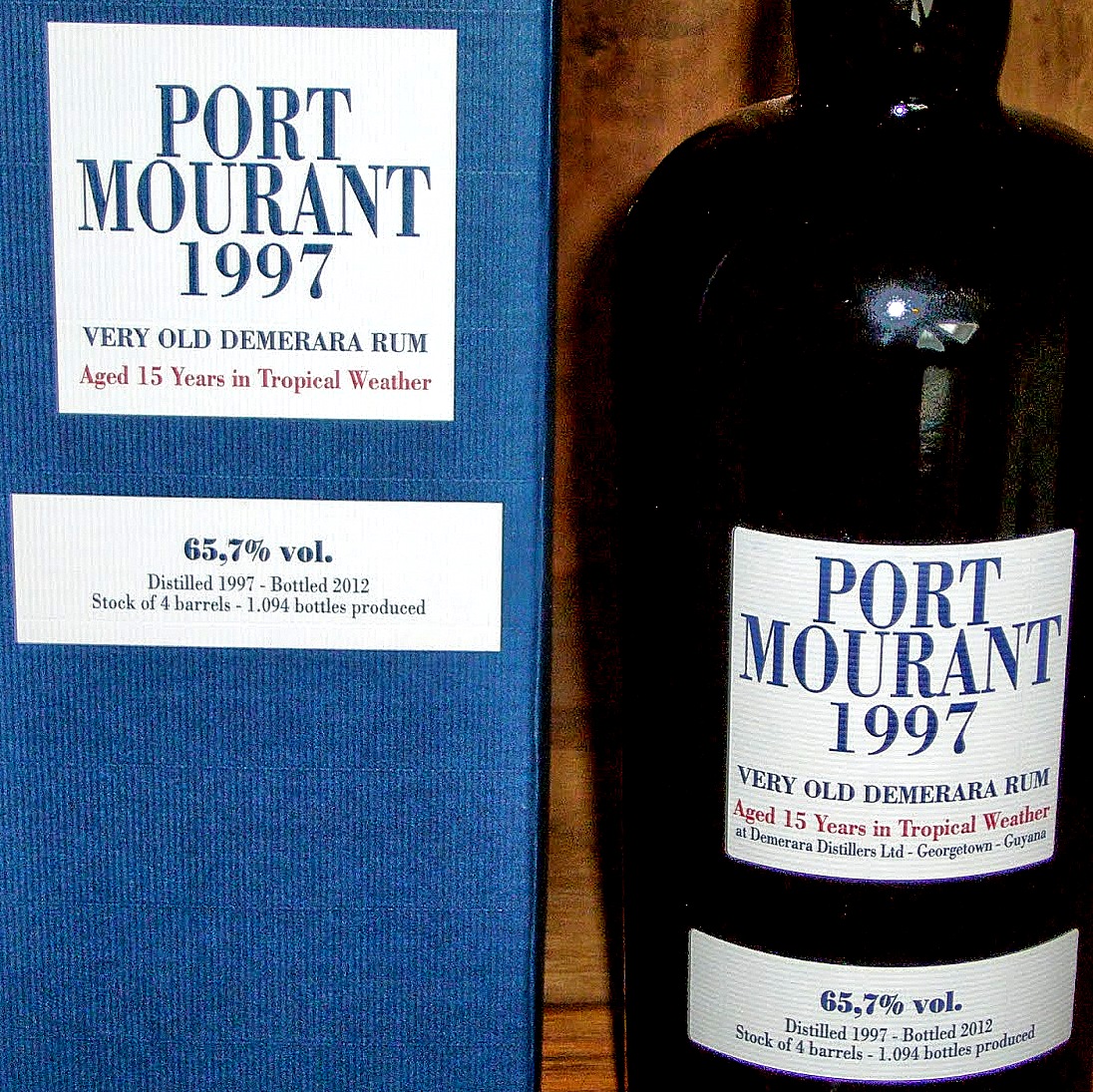
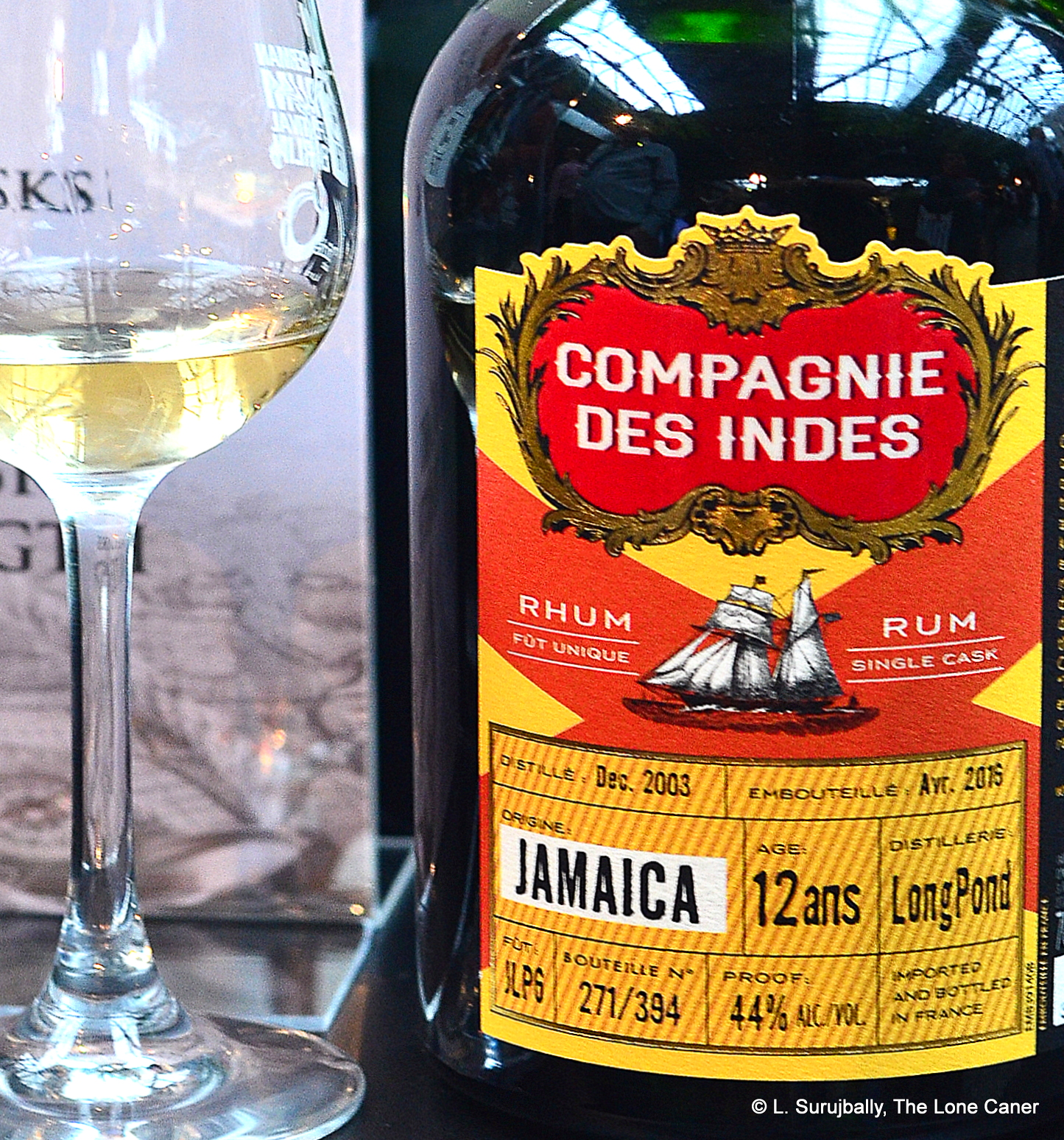
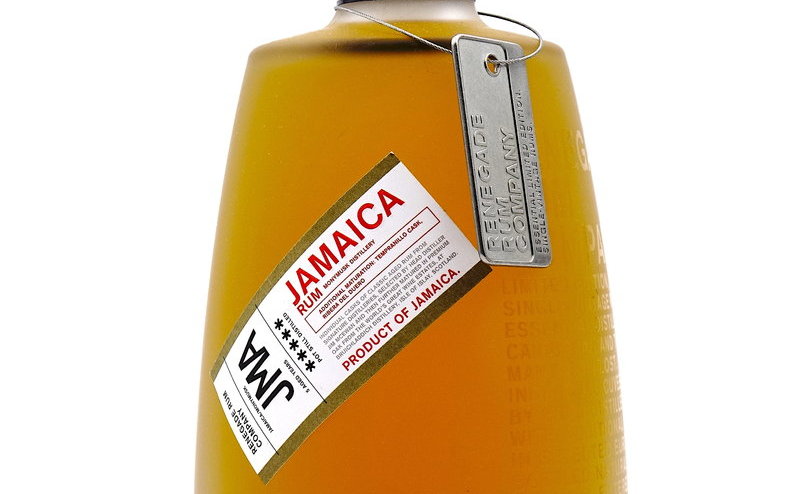
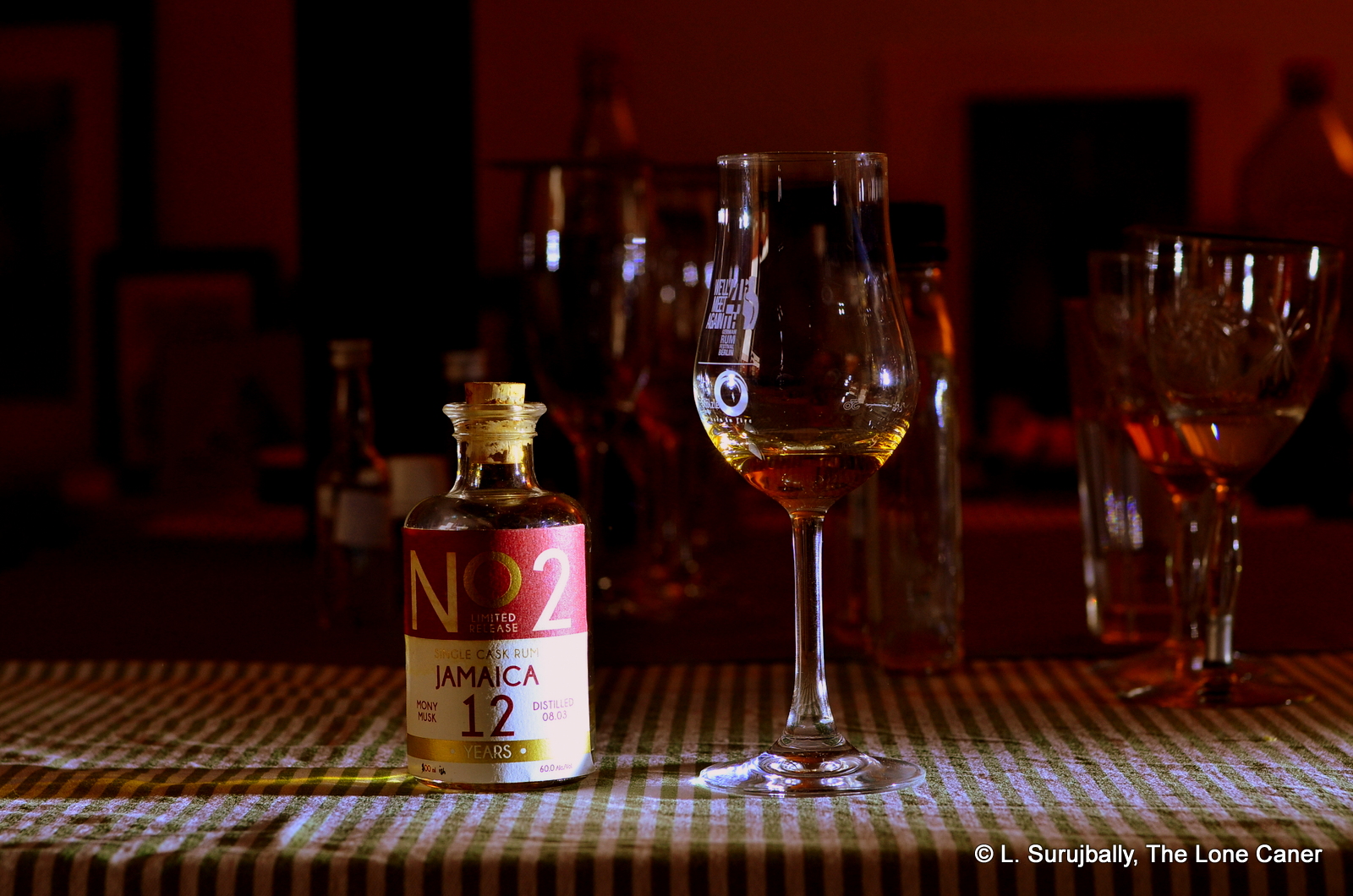
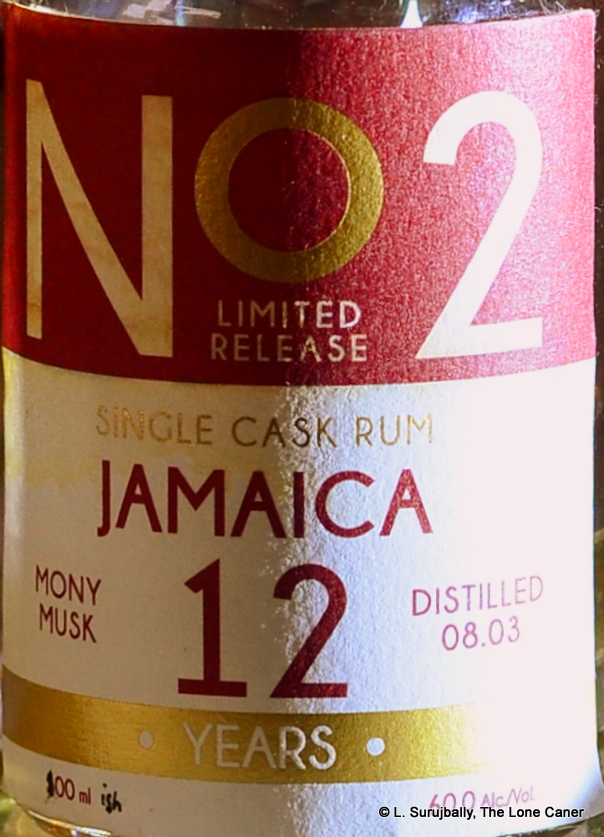 Now, the No. 2 hails from Monymusk, and I have not had that much experience with the all-but-unknown brand — few outside Jamaica have, though this looks like it’s changing as Jamaica blasts off on the world rum scene again. Permit me to walk you through a quick ovastandin’ of the structure. A sort of consortium was created in 2006 which comprised of the Jamaican Government, WIRD out of Barbados and DDL out of Guyana – they called it the National Rums of Jamaica and folded Clarendon, Longpond and Innswood under its umbrella (this was partly in an effort to stabilize prices and keep rum production going). Longpond — until very recently when Maison Ferrand bought a stake — was not doing much and Clarendon was the owner of the Monymusk distillery attached to the sugar factory of the same name, which in turn provided Innswood with distillate, with the latter acting as the ageing and blending facility. The house brand for NRJ is named Monymusk (not Longpond, Innswood or Clarendon, for whatever illogical reason). Just be aware that Clarendon Distillers Limited (the company) is the owner of the distillery that is attached to Monymusk Sugar Factory and you’ll be fine (the only other distillery in the Clarendon Parish is New Yarmouth, owned by Wray & Nephew).