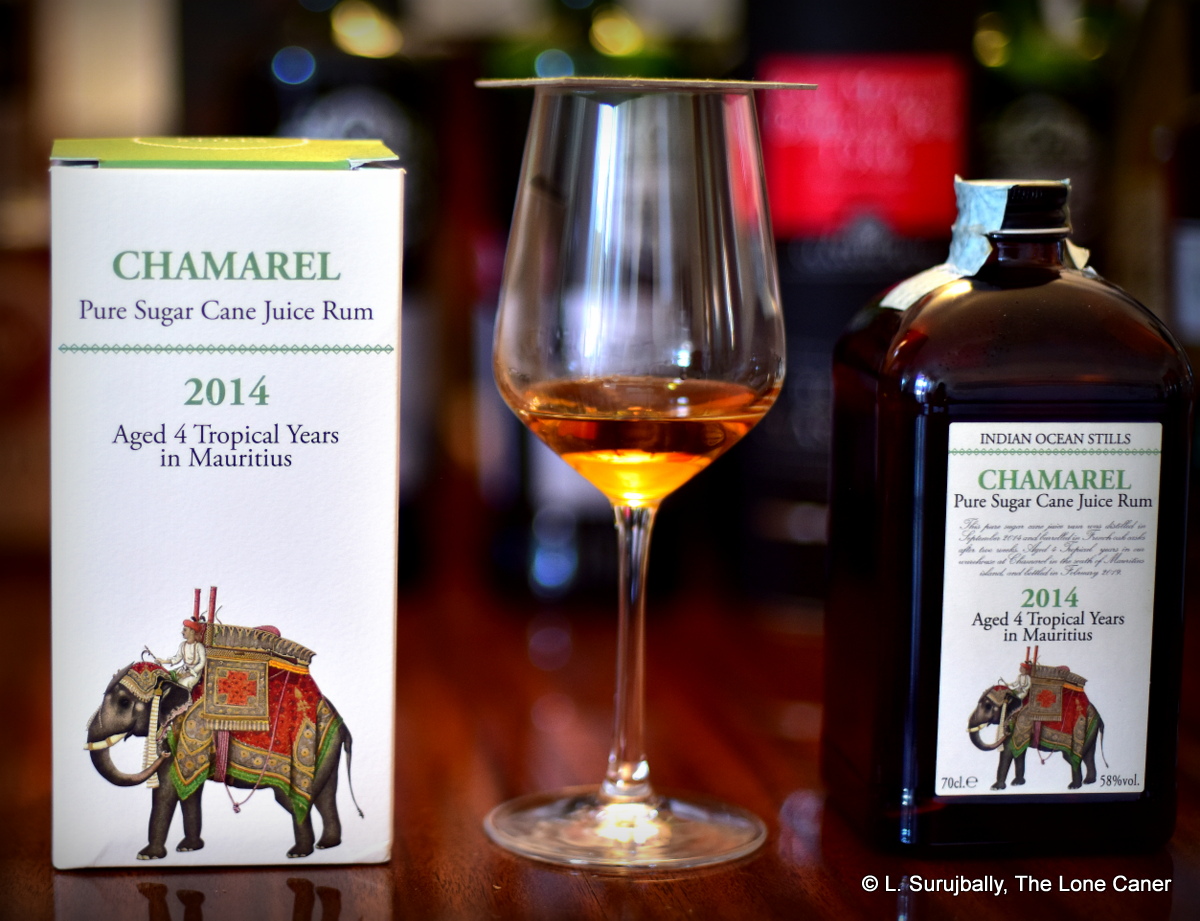
The actual title of this rhum is Chamarel Pure Sugar Cane Juice 2014 4 YO Rum, but Mauritius doesn’t have license to use the term “agricole” the way Martinique, Guadeloupe, Reunion and Madeira do. And while some new producers from the Far East and America seem to have no problem casually appropriating a name that is supposedly restricted to only those four locations, we know that Luca Gargano of Velier, whose brainchild these Indian rums are, would never countenance or promote such a subversion of convention. And so a “pure sugar cane juice” rum it is.
Now, Mauritius has been making rhums and rums for ages – companies like New Grove, St. Aubin, Lazy Dodo are new and old stalwarts of the island, and third parties take juice from International Distillers Mauritius (IDM) to make Penny Blue, Green Island or Cascavel brands, mostly for sale in the UK and Europe. But there’s another distillery there which has only recently been established and come to more prominence, and that’s Chamarel, which was established in 2008 (see historical and production notes below). I hesitate to say that Velier’s including them in their 70th Anniversary collection kickstarted their rise to greater visibility – but it sure didn’t hurt either.
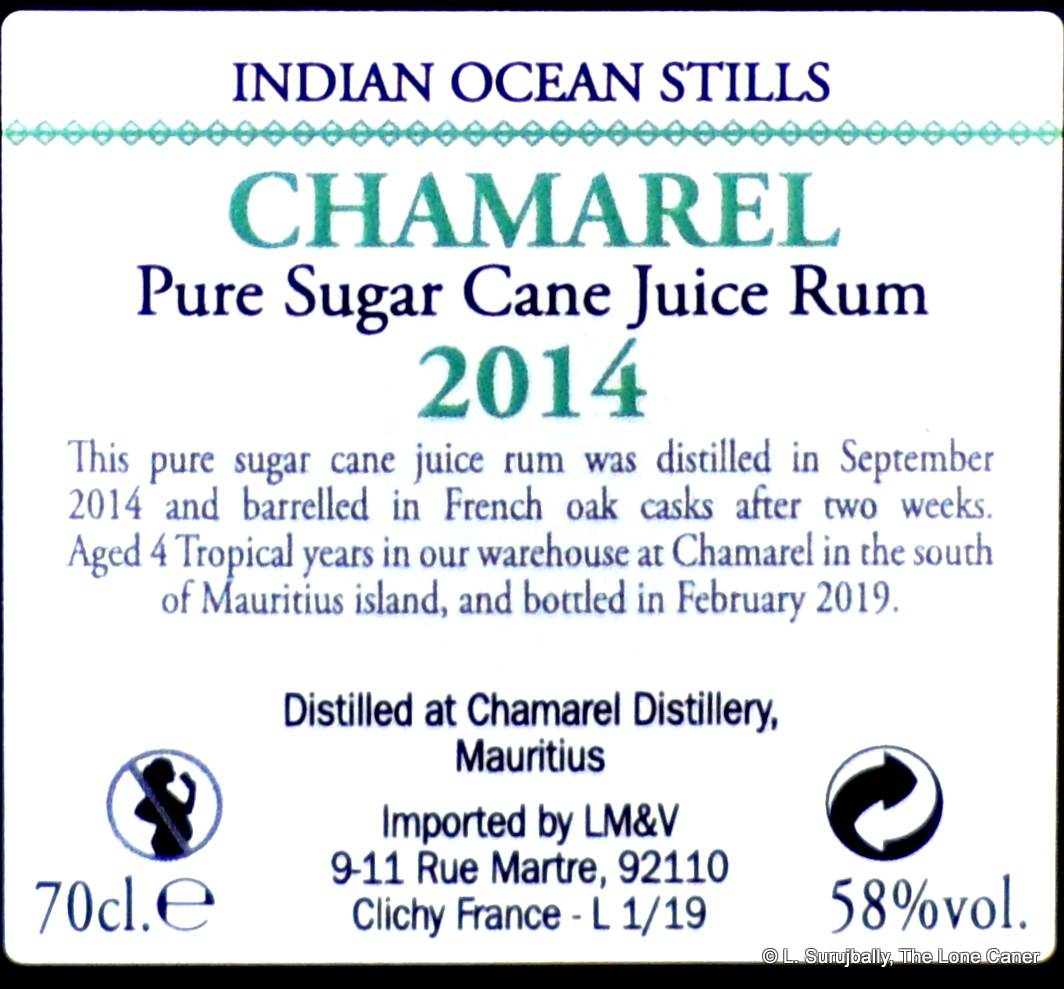 Brief stats: a 4 year old rum distilled in September 2014, aged in situ in French oak casks and bottled in February 2019 at a strength of 58% ABV. Love the labelling and it’s sure to be a fascinating experience not just because of the selection by Velier, or its location (we have tried few rums from there though those we tried we mostly liked), or that strength, but because it’s always interesting to see how such a relatively brief tropical ageing regimen can affect the resultant rum when it hits our glasses.
In short, not enough. It sure smelled nice – peaches in cream to start, sweetly crisp and quite flavourful, with lots of ripe fruit and no off notes to speak of; waves of cherries, mangoes, apples, bubble gum, gummi-bears bathed in a soft solution of sugar water, cola and 7-up. It’s a bit less rounded and even than Velier’s Savanna rum from the Indian Ocean still series, but pleasant enough in its own way.
It’s on the palate that its youth – with all the teenage Groot this implies – becomes more apparent. There’s peanut butter on rye bread; brine and sweet olives, figs, dates, leavened with a little vanilla and caramel, but with the fruits that had been evidenced on the nose dialled severely back. It’s dry, with slightly sour and bitter notes that come forward and clash with the sweet muskiness of the ripe fruits.. This gets to the point where the whole taste experience is somewhat derailed, and while staying relatively warm and firm, never quite coheres into a clear set of discernible tastes that one can sit back and relax with – you keep waiting for some quick box on the ears or something. Even the finish, which was dry and long, with some saltiness and ripe fruits, feels like a work in progress and not quite tamed, for all its firm character.
So somehow, even with its 58% strength, the Chamarel doesn’t enthuse quite as much as the Savanna rhum did. Maybe that was because it didn’t allow clear tastes to punch through and show their quality – they all got into into a sort of indistinct alcohol-infused fight over your palate that you know has stuff going on in there someplace…just not what. To an extent that it showed off its young age and provided a flavourful jolt, I liked it and it’s a good-enough representative of what the distillery and Mauritius can do. I just like other rhums the company and the island has made better — even if they didn’t have any of Luca’s fingerprints over it.
(#689)(81/100)
Other Notes
La Rhumerie de Chamarel, located in a small valley in the south west of Mauritius, is one of the rare operational distilleries to cultivate its own sugarcane, which itself has a history on the island going back centuries. The distillery takes the title of a small nearby village named after a Frenchman who lived there around 1800 and owned most of the land upon which the village now rests. The area has had long-lived plantations growing pineapples and sugar cane, and in 2008 the owners of the Beachcomber Hotel chain (New Mauritius Hotels, one of the largest companies in Mauritius), created the new distillery on their estate of 400 hectares, perhaps to take on the other large rum makers on the island, all of whom were trying to wean themselves off of sugar production at a time of weakening demand and reduced EU subsidies. Rum really started taking off in post 2006 when production was legalized – previously all sugar cane had to be processed into sugar by law.
The sugar cane is grown onsite and cut without pre-burning between July and December. The harvest is transported directly to the distillery and the crushed sugarcane juice filtered and taken to steel tanks for fermentation after which the wash is run through a copper Barbet-type plate column still (for white rums), or the two-column 24-plate still they call an alembic (for aged and other rums). In all cases the rums are left post-distillation in inert stainless steel vats for three months before being transferred to ageing barrels of various kinds, or released as white rums, or further processed into spiced variations.
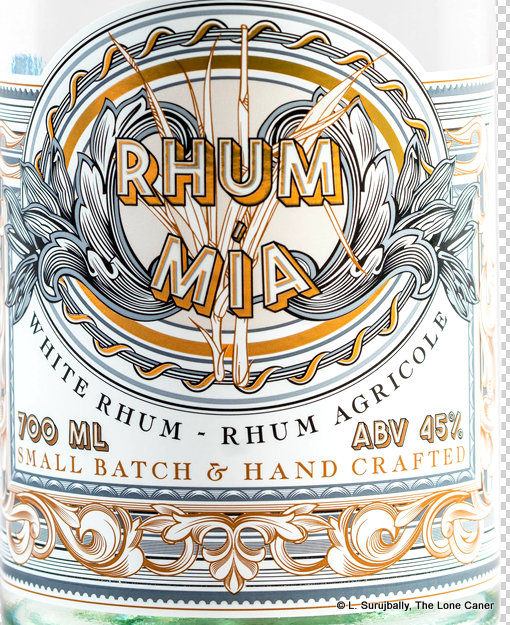
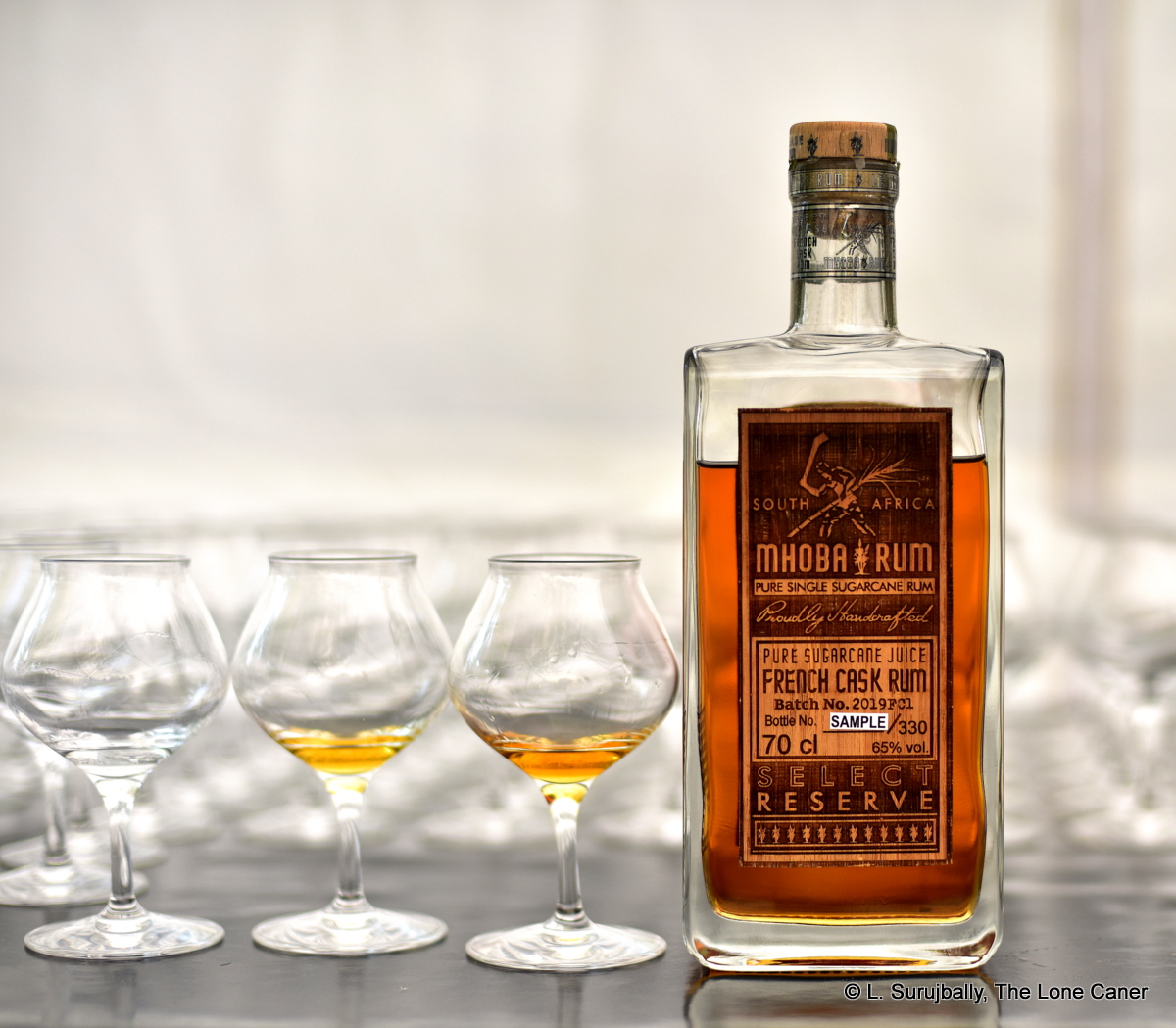
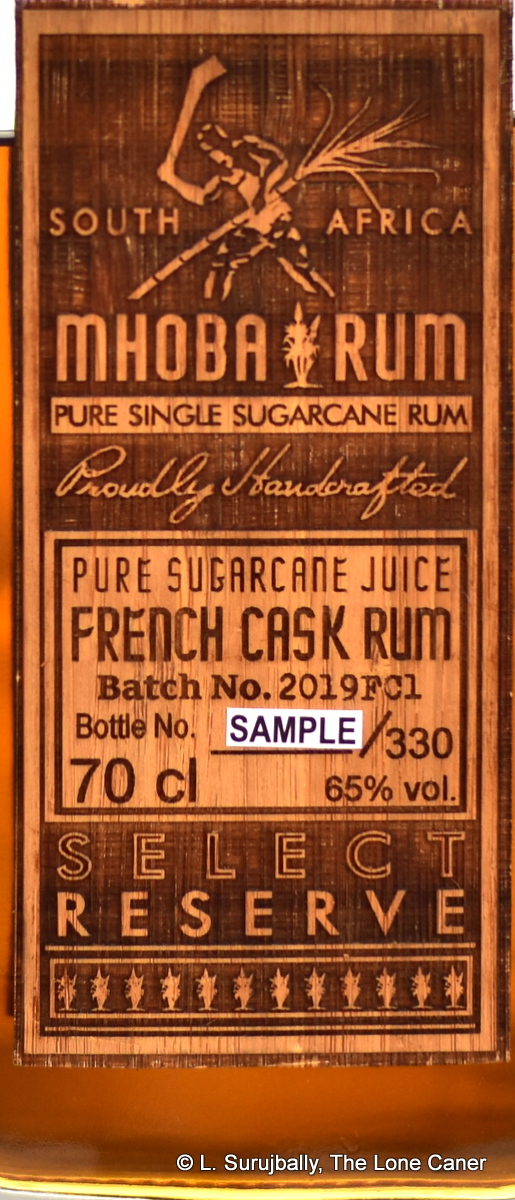 This is where good labelling helps understand what you’re getting. Mine read that it was a sugar cane juice rum, single blended, the bottle outturn (330 bottles, of which this was a sample), batch 2019FC1, South African made, and 65% ABV (ouch!). Actually, the only things missing from the label were the age statement (website says just over a year) and the still of origin (it’s a pot still), which I imagine subsequent labels will correct, especially as additional aged varietals begin to enter the market and a stock of different aged expressions gets built up – already, the company site lists eight different rums, so they’re not wasting any time.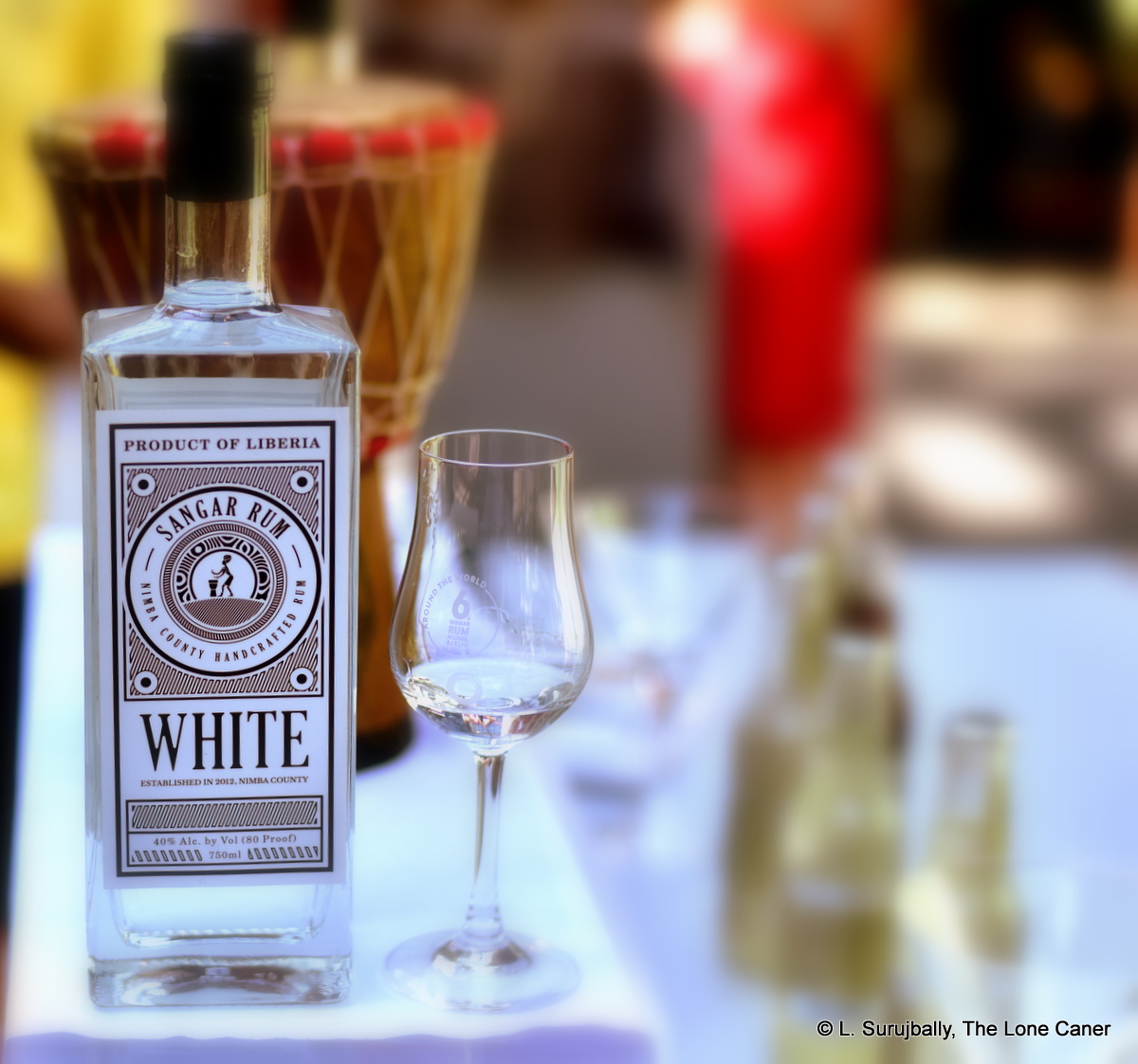
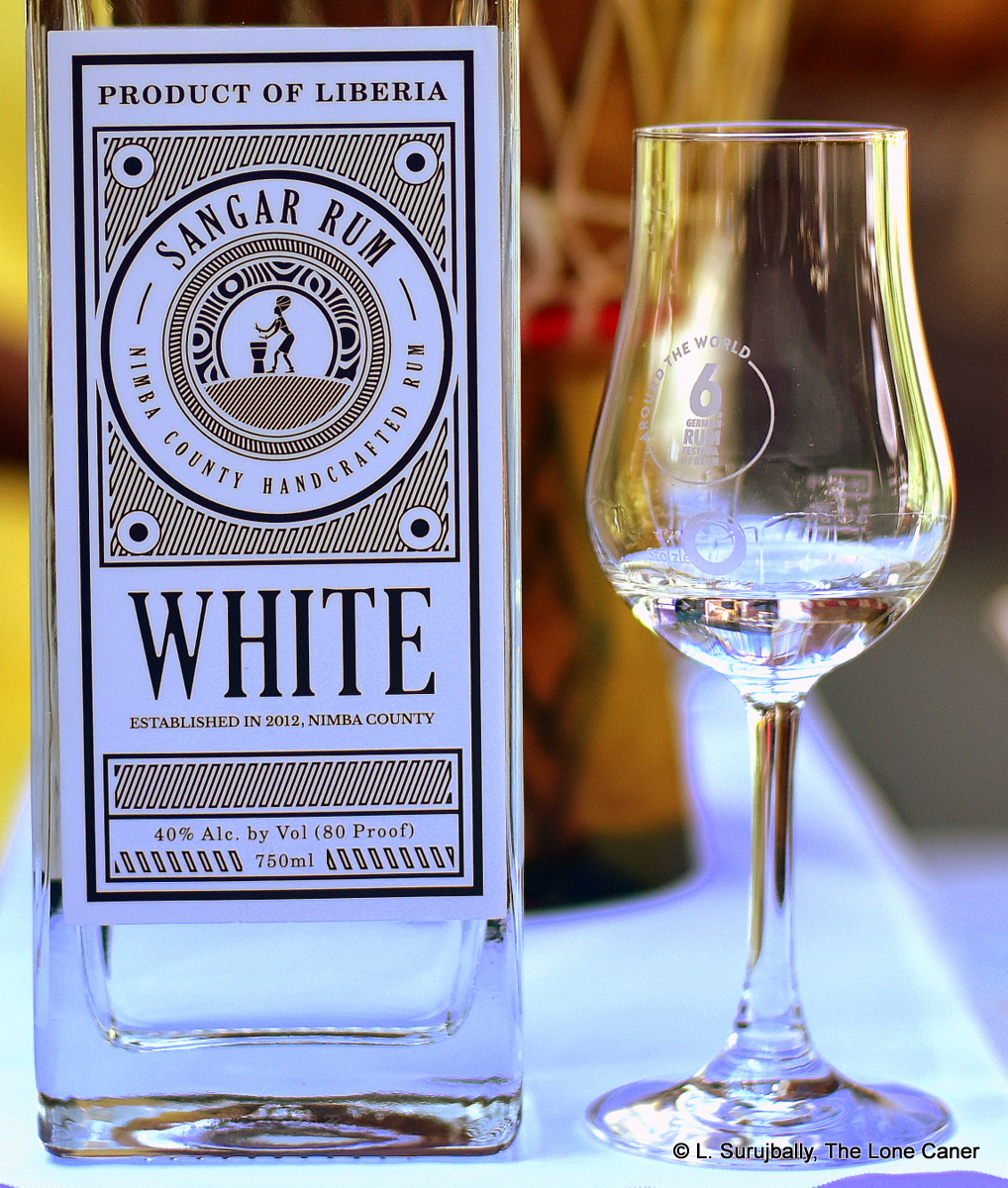
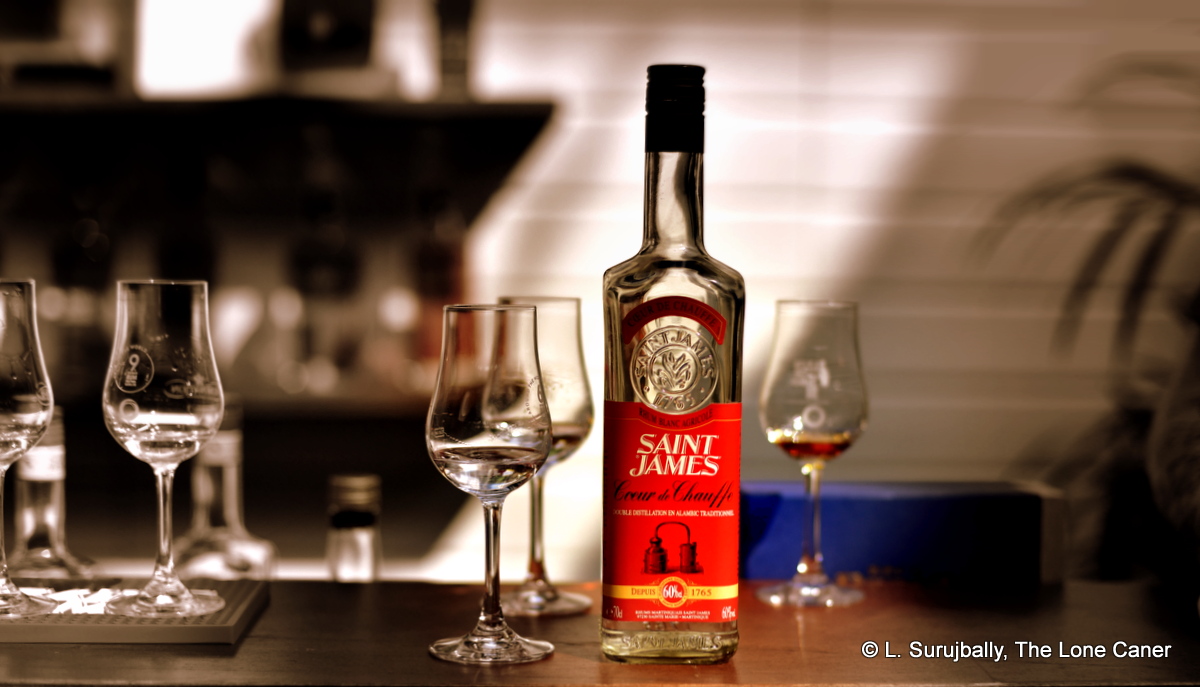
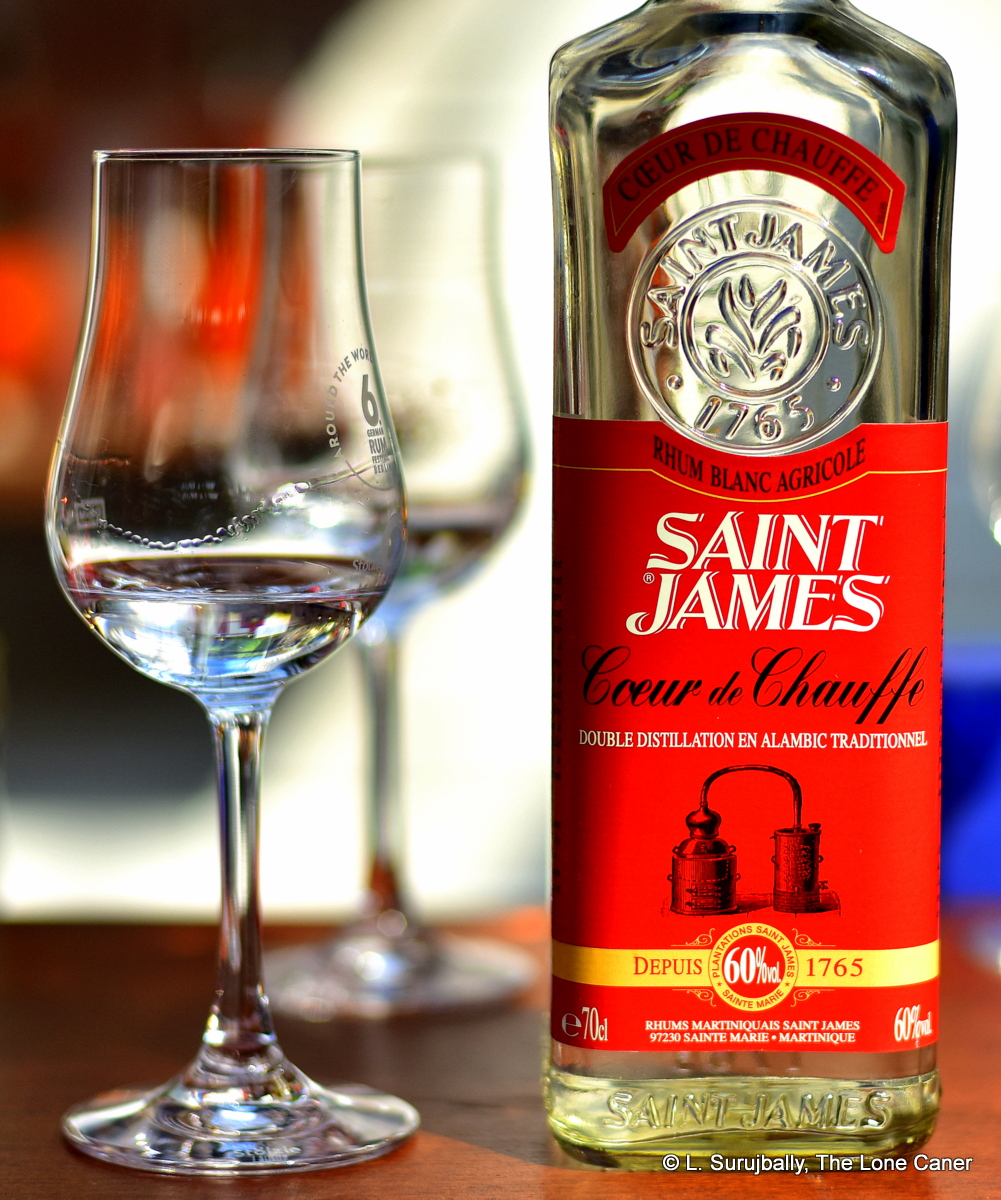 And also because, man, did this thing ever smell pungent — it was a bottle-sized 60-proof ode to whup-ass and rumstink. A barrage of nail polish, spoiling fruit, wood chips, wax, salt, and gluey notes all charged right out without pause or hesitation, spoiling for a fight. Even without making a point of it, the rhum unfolded with uncommon firmness into aromas of sweet, grassy herbals, green apples, sugar water, dill, cider, vegetables, toasted bread, a sharp mature cheddar, all mixed in with moist dark earth, sugar water, biscuits, orange peel. And the balance of all of them was really quite good, truly.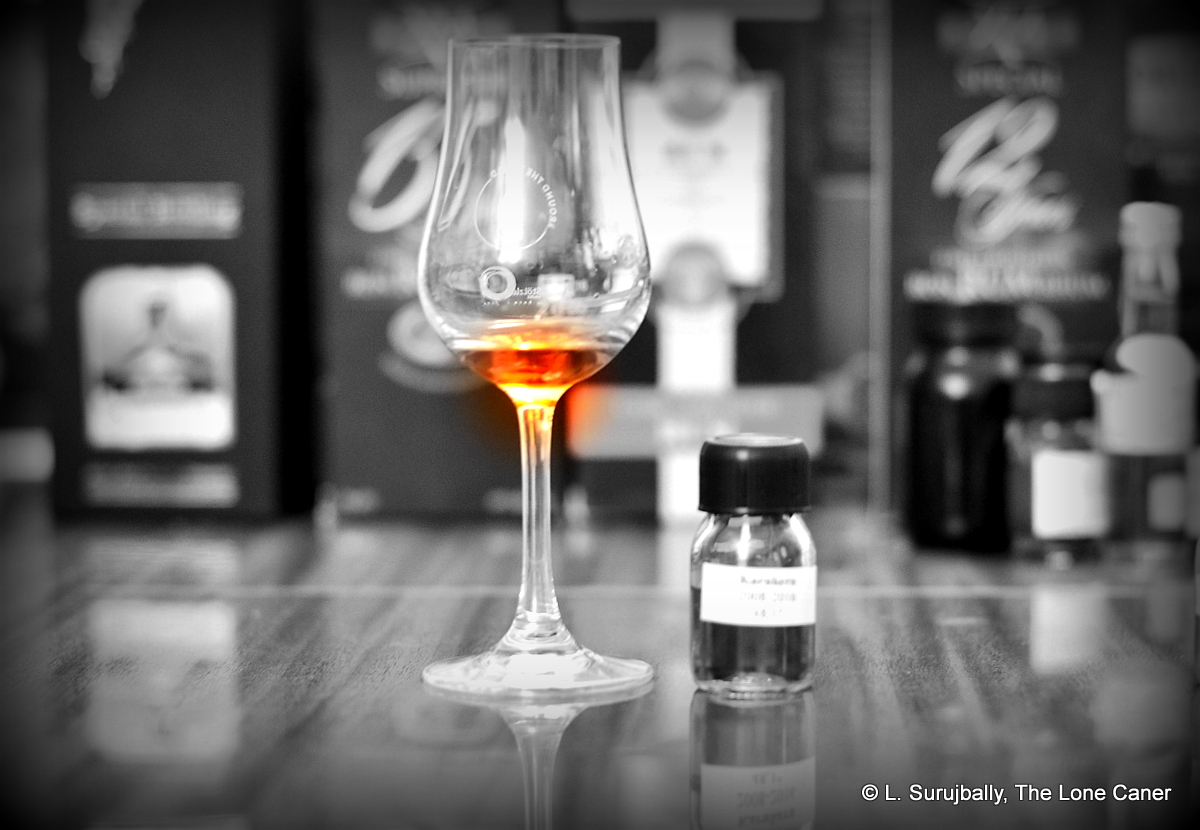
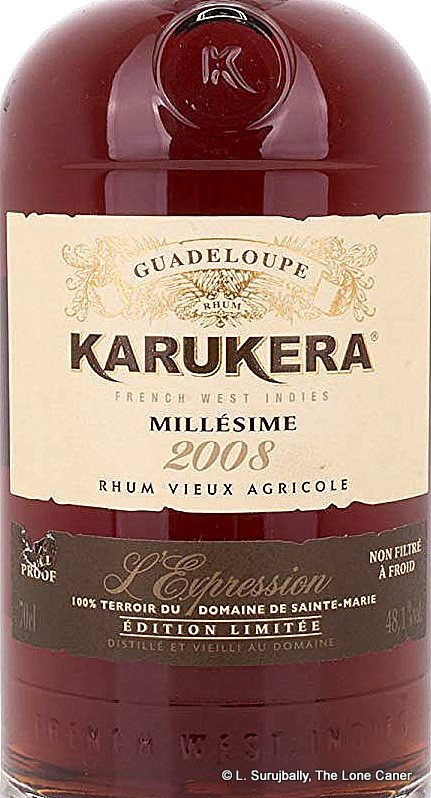 Unlike many aged agricoles that have run into my glass (and down my chin), I found this one to be quite sweet, and for all the solidity of the strength, also rather scrawny, a tad sharp. At least at the beginning, because once a drop of water was added and I chilled out a few minutes, it settled down and it tasted softer, earthier, muskier. Creamy salt butter on black bread, sour cream, yoghurt, and also fried bananas, pineapple, anise, lemon zest, cumin, raisins, green grapes, and a few more background fruits and florals, though these never come forward in any serious way. The finish is excellent, by the way – some vague molasses, burnt sugar, the creaminess of hummus and olive oil, caramel, flowers, apples and some tart notes of soursop and yellow mangoes and maybe a gooseberry or two. Nice.
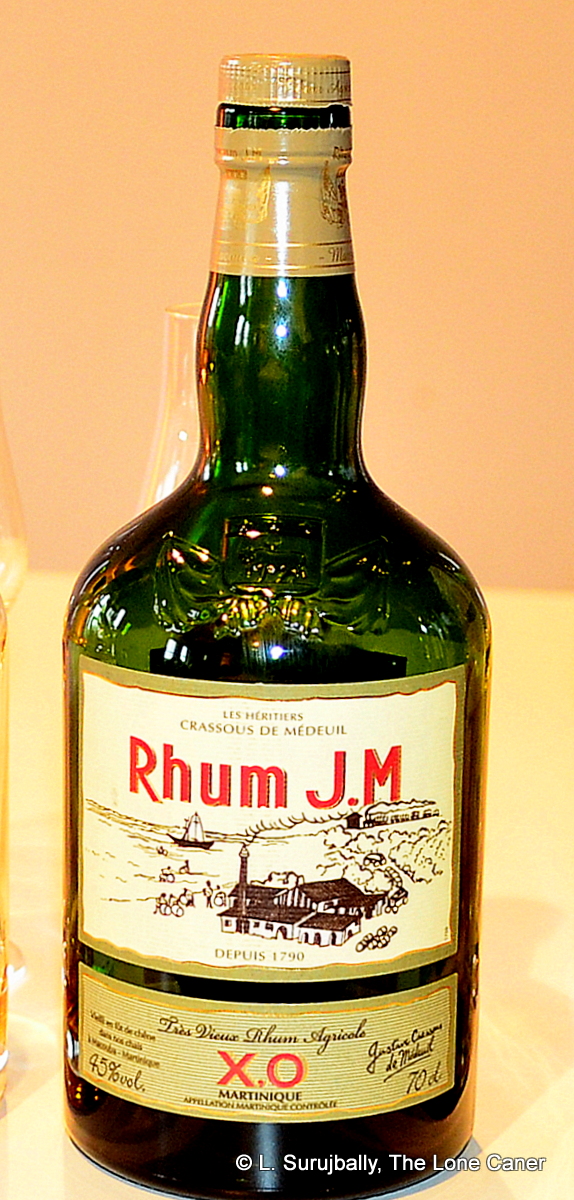 We hear a lot about Damoiseau, HSE, La Favorite and Trois Rivieres on social media, while J.M. almost seems to fall into the second tier of famous names. Though not through any fault of its own – as far as I’m concerned they have every right to be included in the same breath as the others, and to many, it does.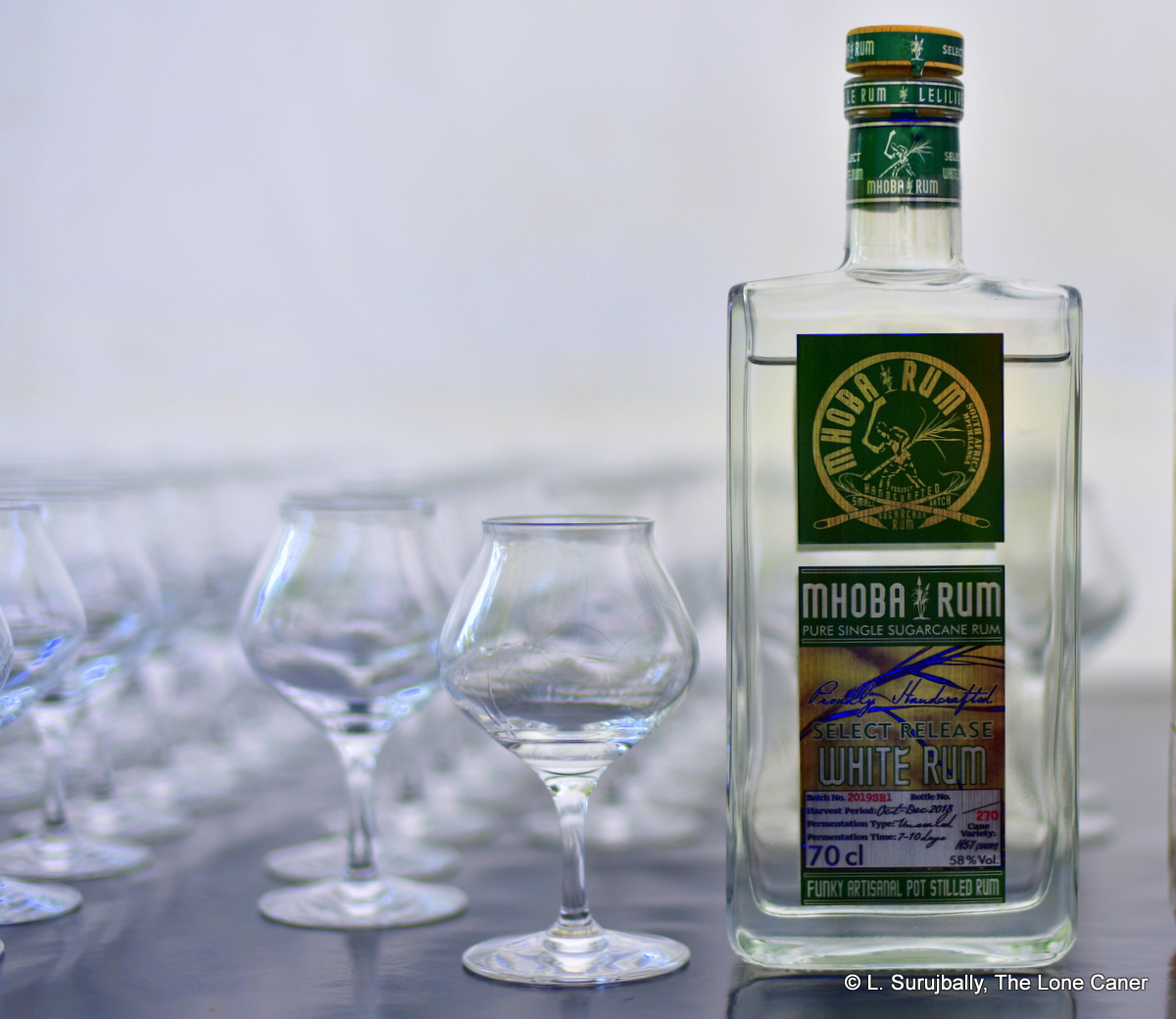
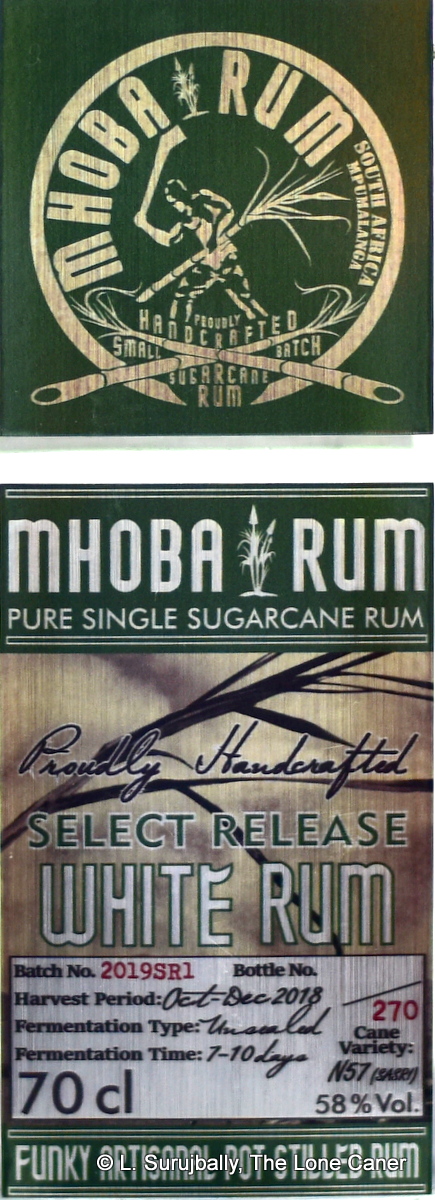 I’ll leave you to peruse Steve’s enormously informative company profile for production details (it’s really worth reading just to see what it takes to start something like a craft distillery), and just mention that the rum is pot still distilled from juice which is initially fermented naturally before boosting it with a strain of commercial yeast. The company makes three different kinds of white rums – pot still white, high ester white and a blended white, all unaged. I tried what is probably the tamest of the three, the Select, which the last one, blended from several cuts taken from batches processed between October to December of 2018 and bottled at 58%. All of this is clearly marked on the onsite-produced label (self-engraved, self-printed, manually-applied), which is one of the most informative on the market: it details batch number, date, strength, variety of cane, still, number of bottles in the run…it’s really impressive work.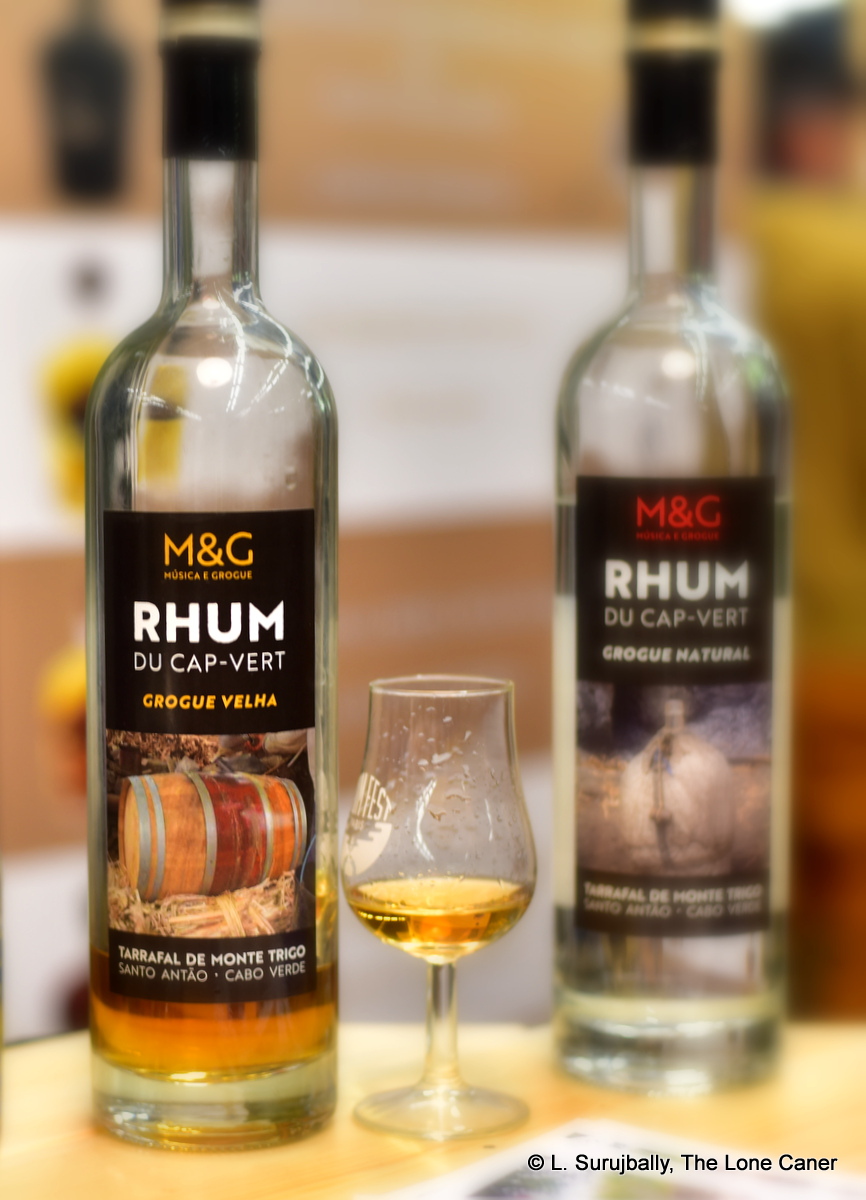
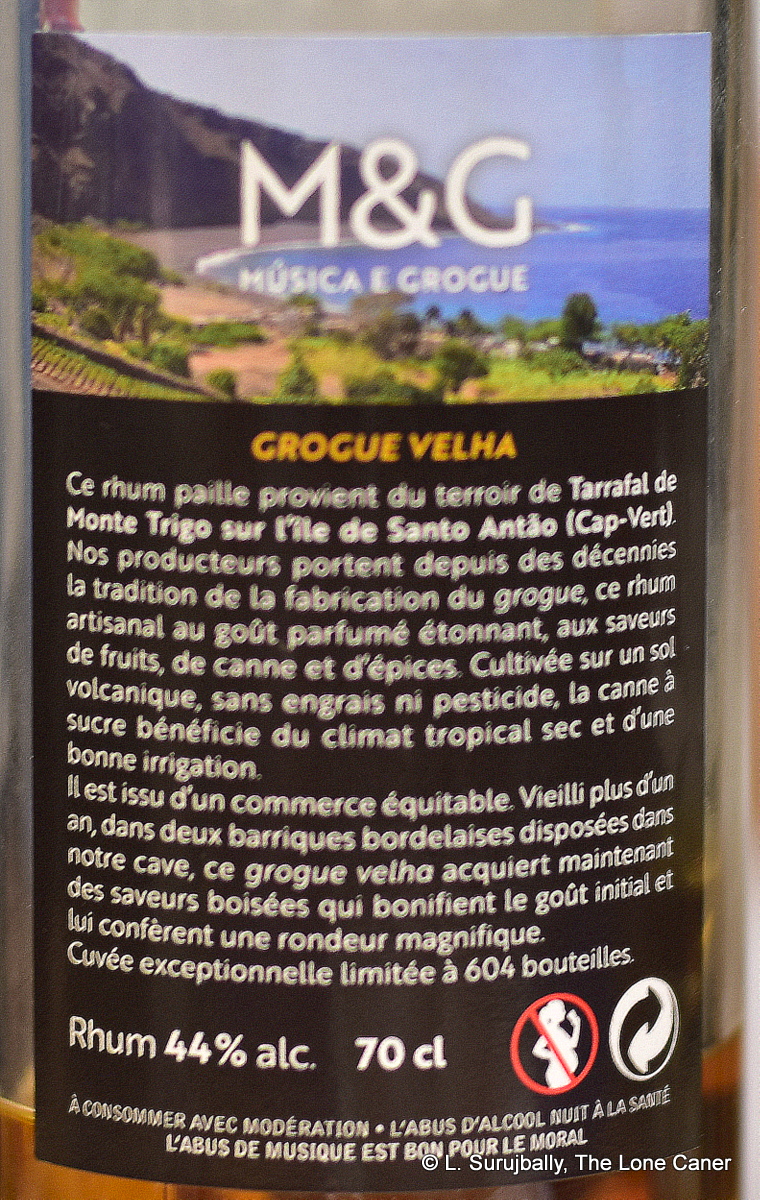 That was quite a medley on the nose, yet oddly the palate didn’t have quite have as many tunes playing. It was initially briny with those olives coming back, a little peanut brittle, salt caramel ice cream, vanilla, all held back. What I liked was its general softness and ease of delivery – there was honey and cream, set off by a touch of citrus and tannics, all in a pleasant and understated sort of combination that had a surprisingly good balance that one would not always imagine a rhum so young could keep juggling as well as it it did. Or as long. Even the finish, while simple, came together well – it gave up some short and aromatic notes, slightly woody and tannic, and balanced them out with soft fruits, pipe tobacco, coffee and vanilla, before exhaling gently on the way out. Nice.
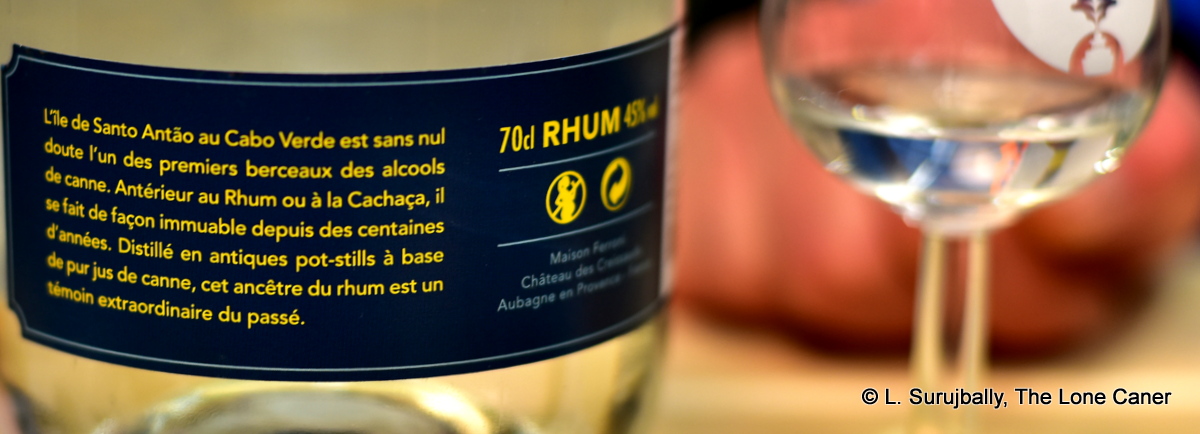
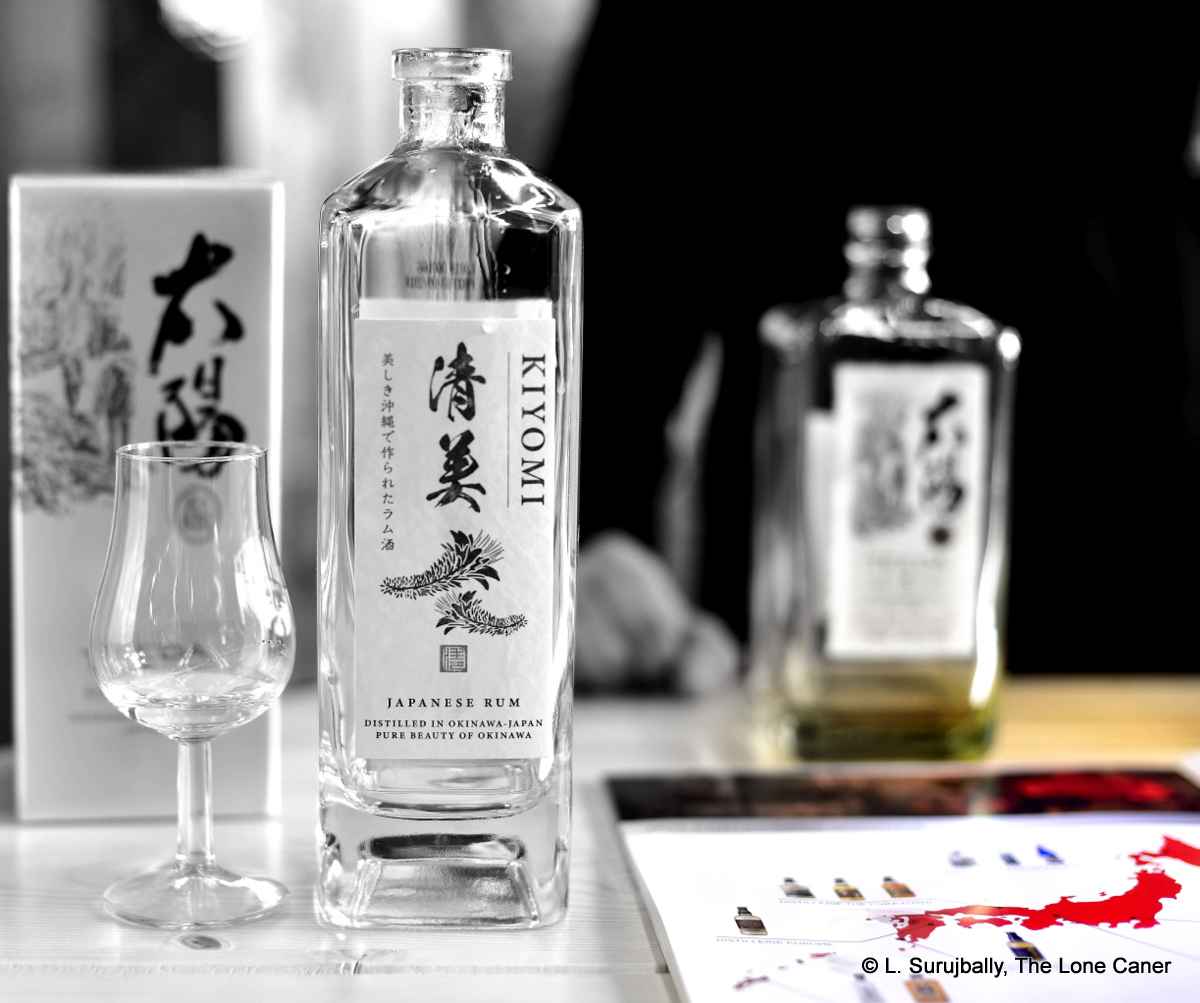
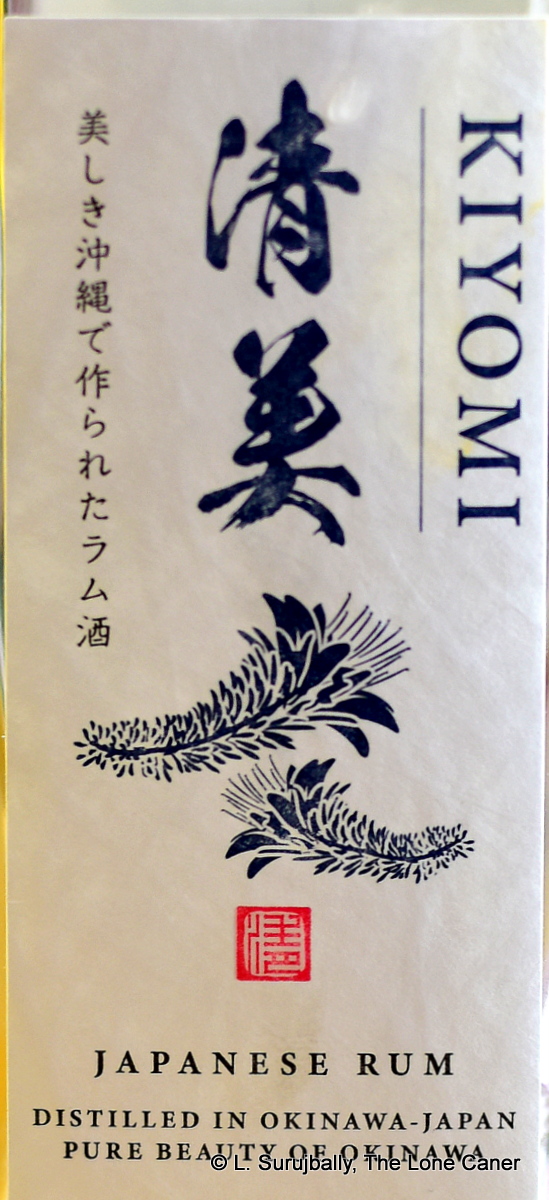 I’ve never been completely clear as to what effect a resting period in neutral-impact tanks would actually have on a rum – perhaps smoothen it out a bit and take the edge off the rough and sharp straight-off-the-still heart cuts. What is clear is that here, both the time and the reduction gentle the spirit down without completely losing what makes an unaged white worth checking out. Take the nose: it was relatively mild at 40%, but retained a brief memory of its original ferocity, reeking of wet soot, iodine, brine, black olives and cornbread. A few additional nosings spread out over time reveal more delicate notes of thyme, mint, cinnamon mingling nicely with a background of sugar water, sliced cucumbers in salt and vinegar, and watermelon juice. It sure started like it was out to lunch, but developed very nicely over time, and the initial sniff should not make one throw it out just because it seems a bit off.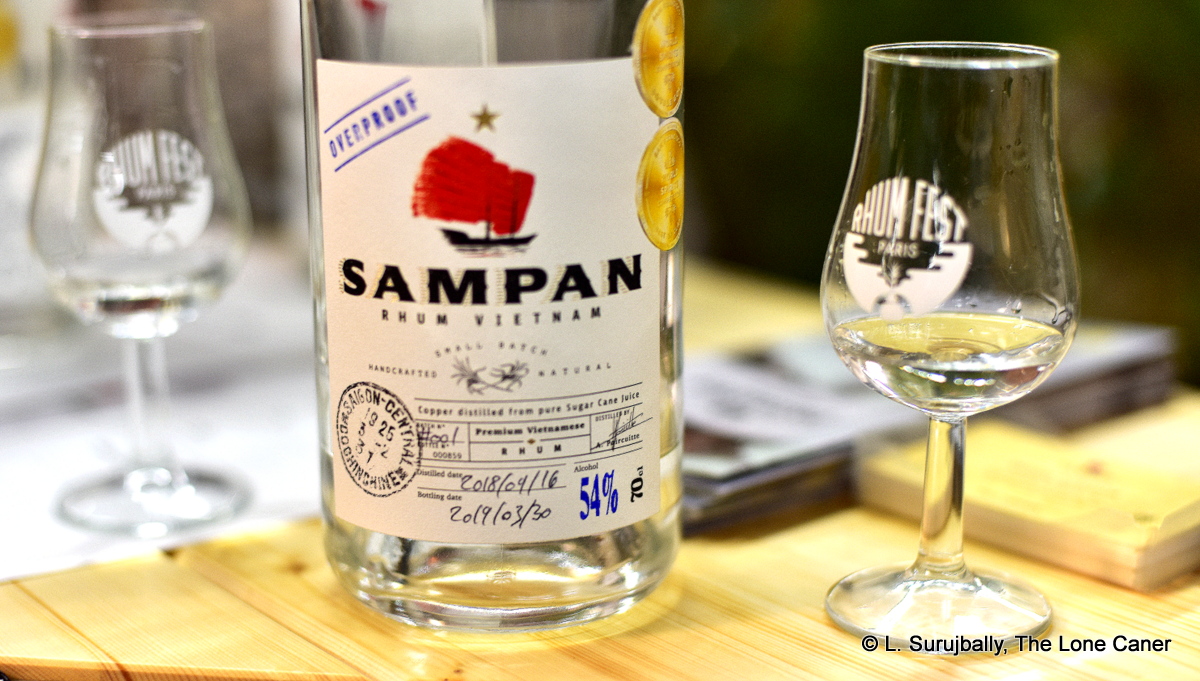
 Consider first the nose of this
 This was also the case when tasted. The bright and clean fruity-ester notes were more in evidence here than on the nose — green apples, sultanas, hard yellow mangoes, thyme, more pineapples, a bag of white guavas and watery pears. There was a hint of danger in the hint of cucumbers in white vinegar with a pimento or two floating around, but this never seriously came forward, a hint was all you got; and at best, with some concentration, there were some additional herbs (dill, cilantro), grass, sugar water and maybe a few more olives. I particularly liked the mild finish, by the way – clear and fruity and minty, with thyme, wet grass, and some almonds and white chocolate, sweet and unassuming, just right for what had come before.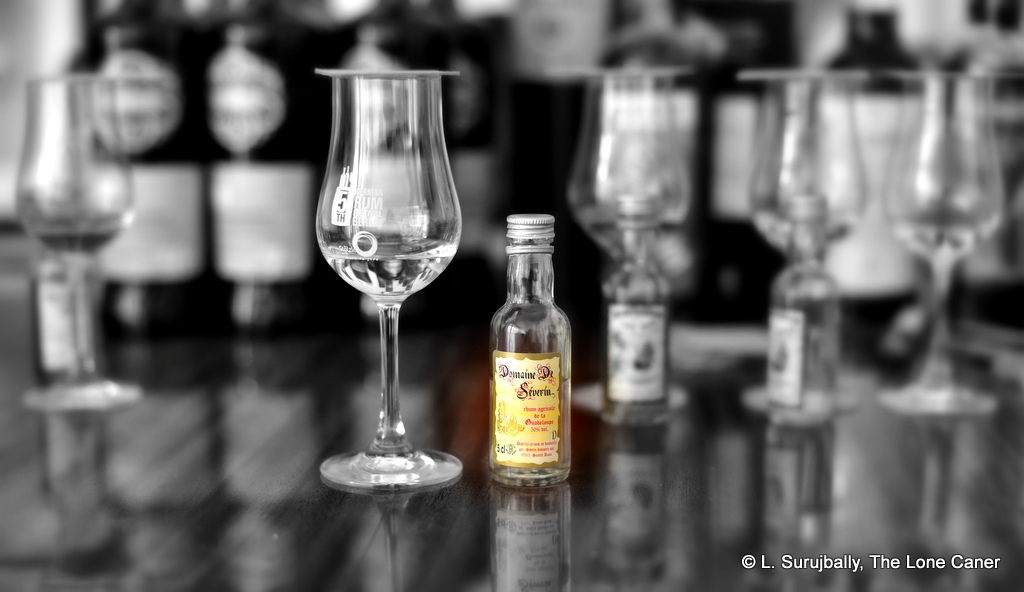
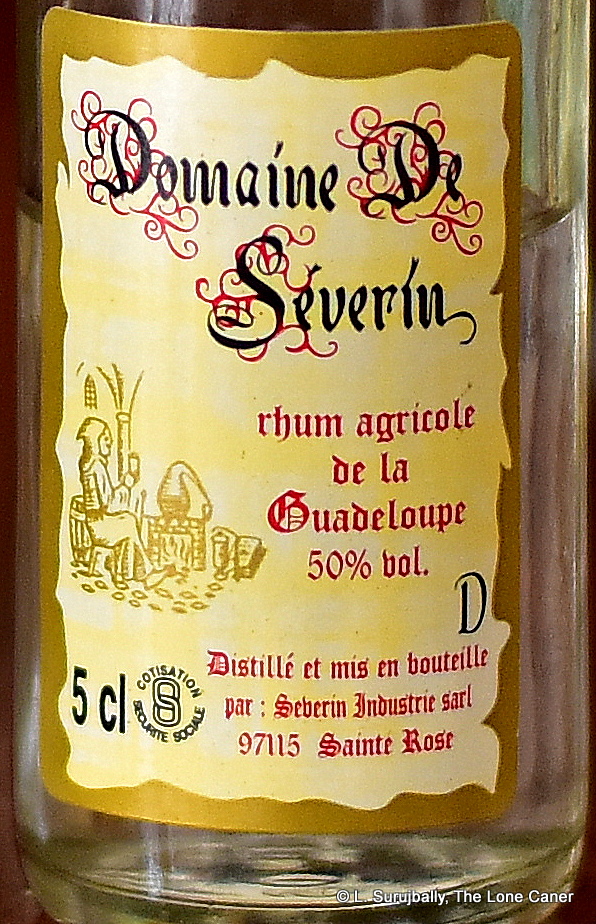 Nose – Starts off with plastic, rubber and acetones, which speak to its (supposed) unaged nature; then it flexes its cane-juice-glutes and coughs up a line of sweet water, bright notes of grass, sugar cane sap, brine and sweetish red olives. It’s oily, smooth and pungent, with delicate background notes of dill and cilantro lurking in the background. And some soda pop.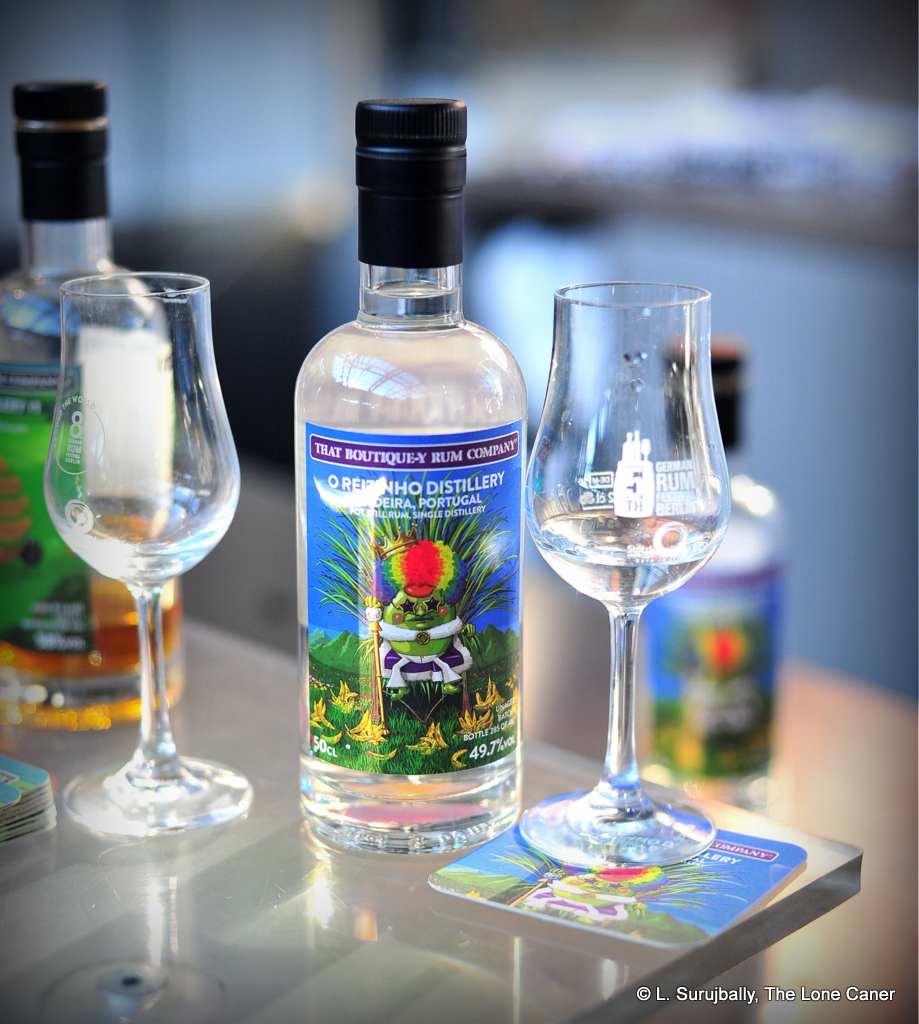

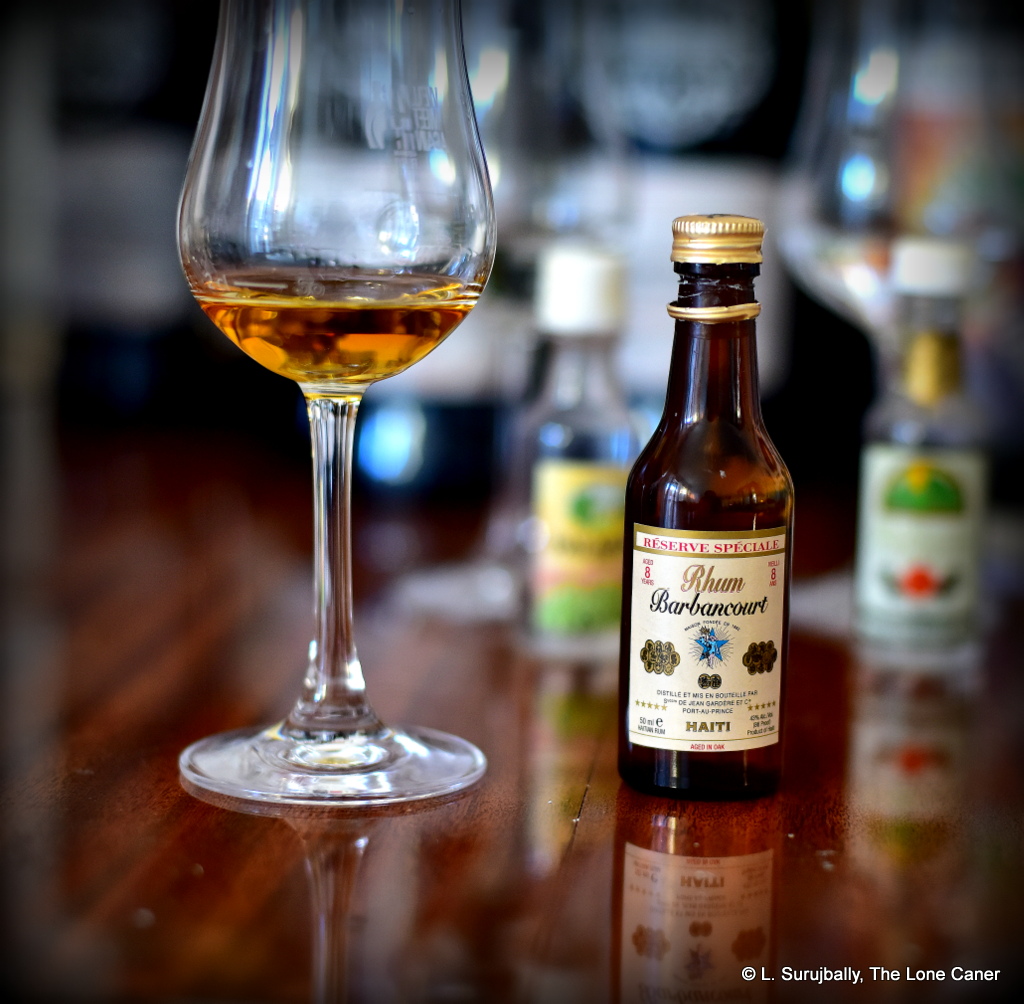
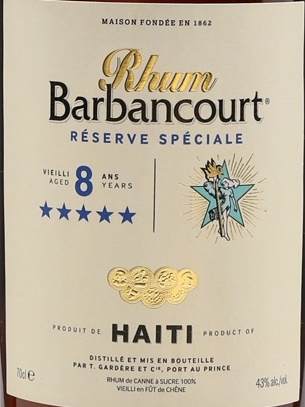
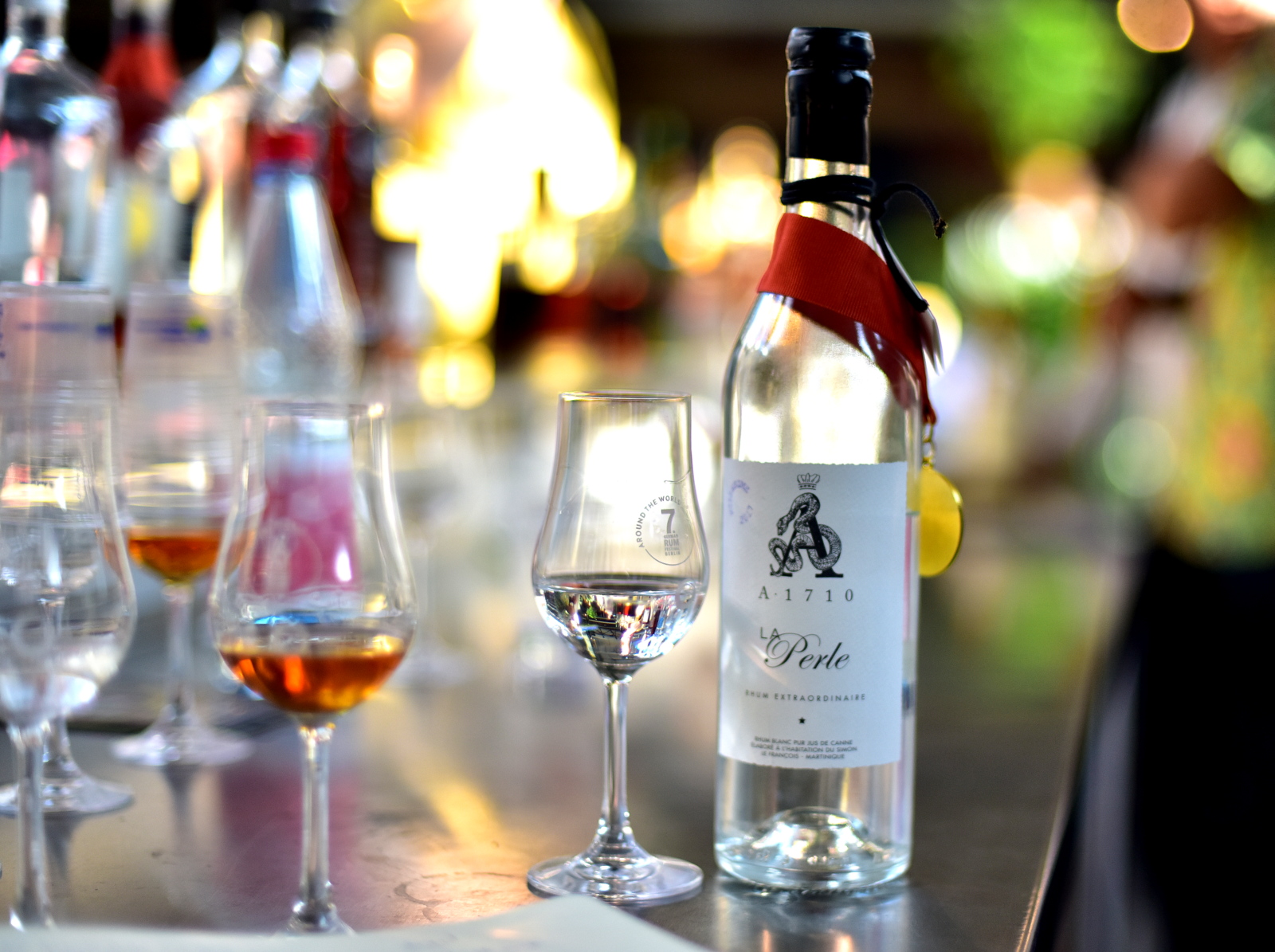
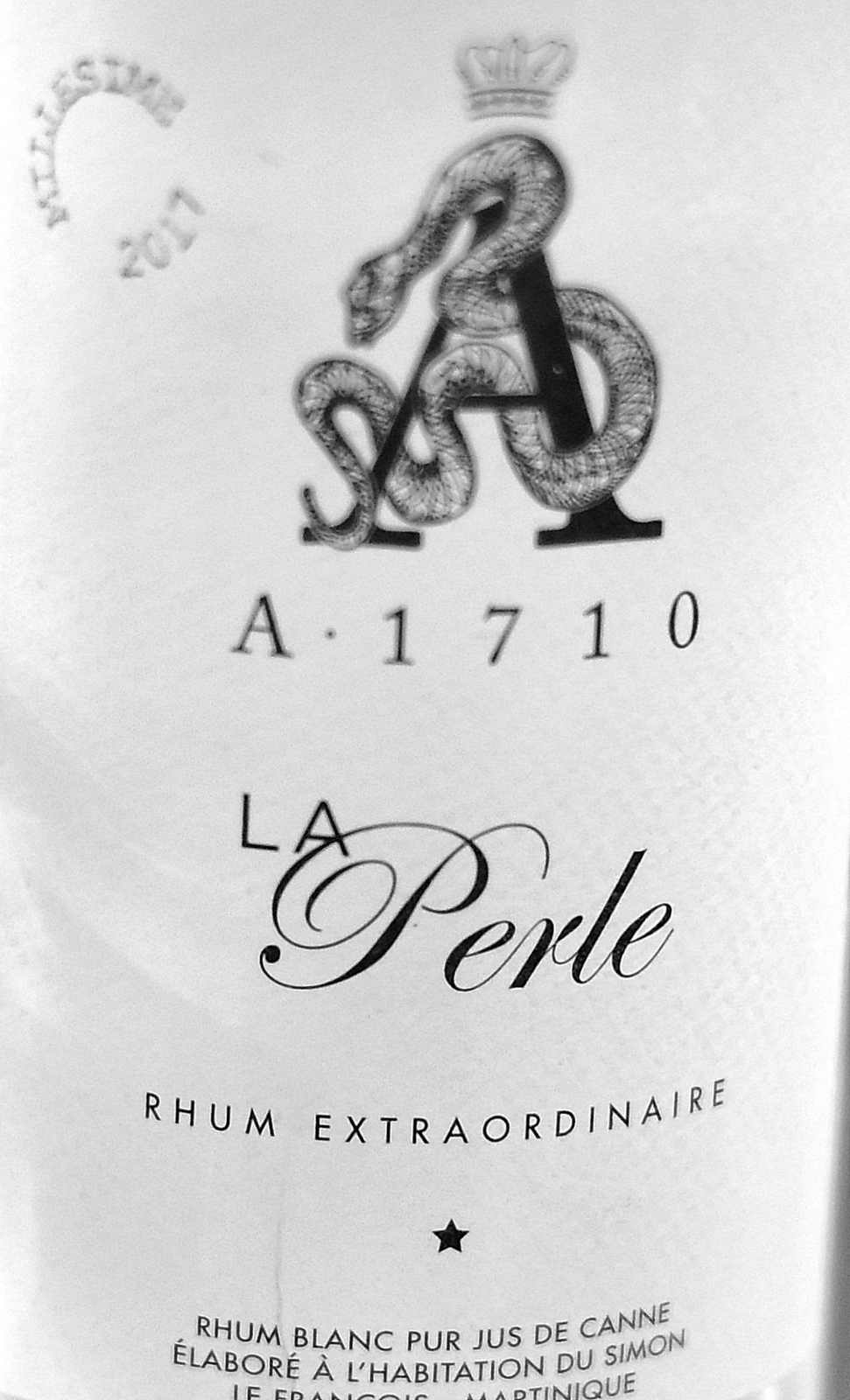

 Because for the unprepared (as I was), the nose of this rum is edging right up against revolting. It’s raw, rotting meat mixed with wet fruity garbage distilled into your rum glass without any attempt at dialling it down (except perhaps to 40% which is a small mercy). It’s like a lizard that died alone and unnoticed under your workplace desk and stayed there, was then soaked in diesel, drizzled with molten rubber and tar, set afire and then pelted with gray tomatoes. That thread of rot permeates every aspect of the nose – the brine and olives and acetone/rubber smell, the maggi cubes, the hot vegetable soup and lemongrass…everything.
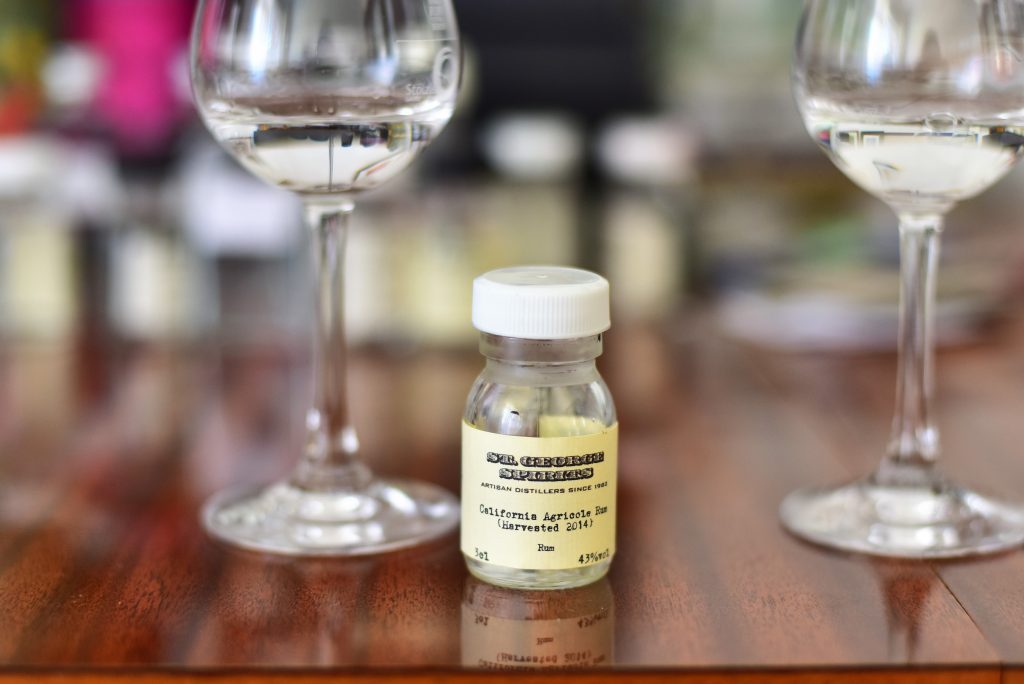
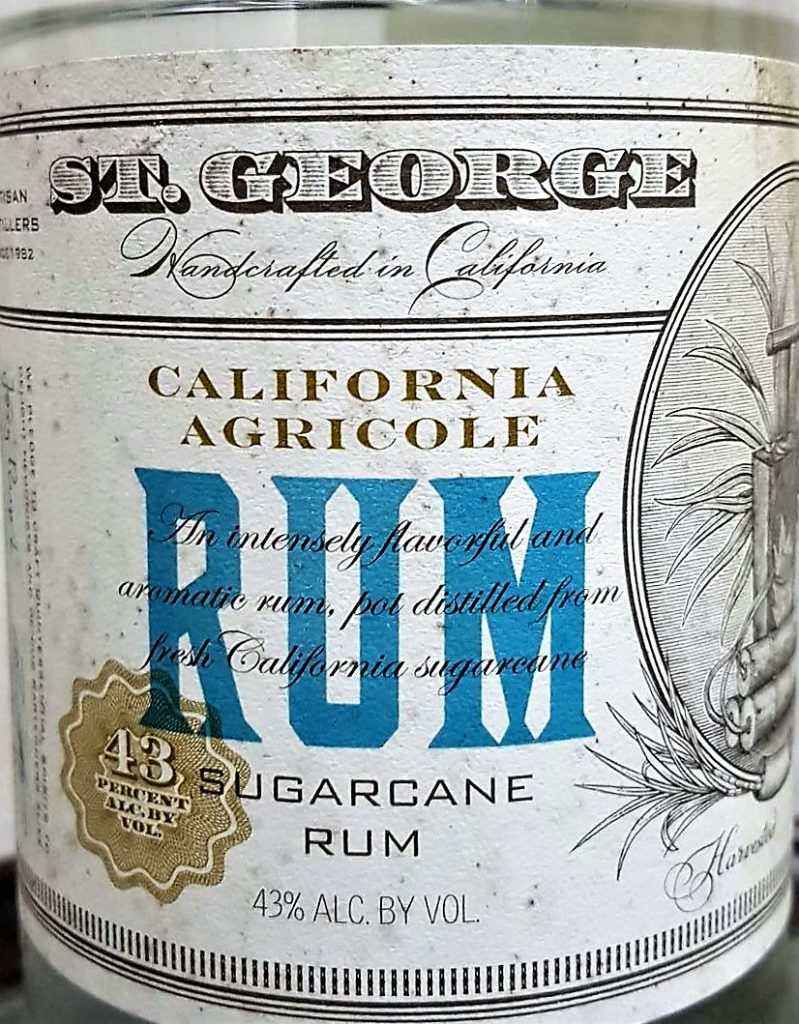 Just as we don’t see Americans making too many full proof rums, it’s also hard to see them making true agricoles, especially since the term is so tightly bound up with the spirits of the French islands.