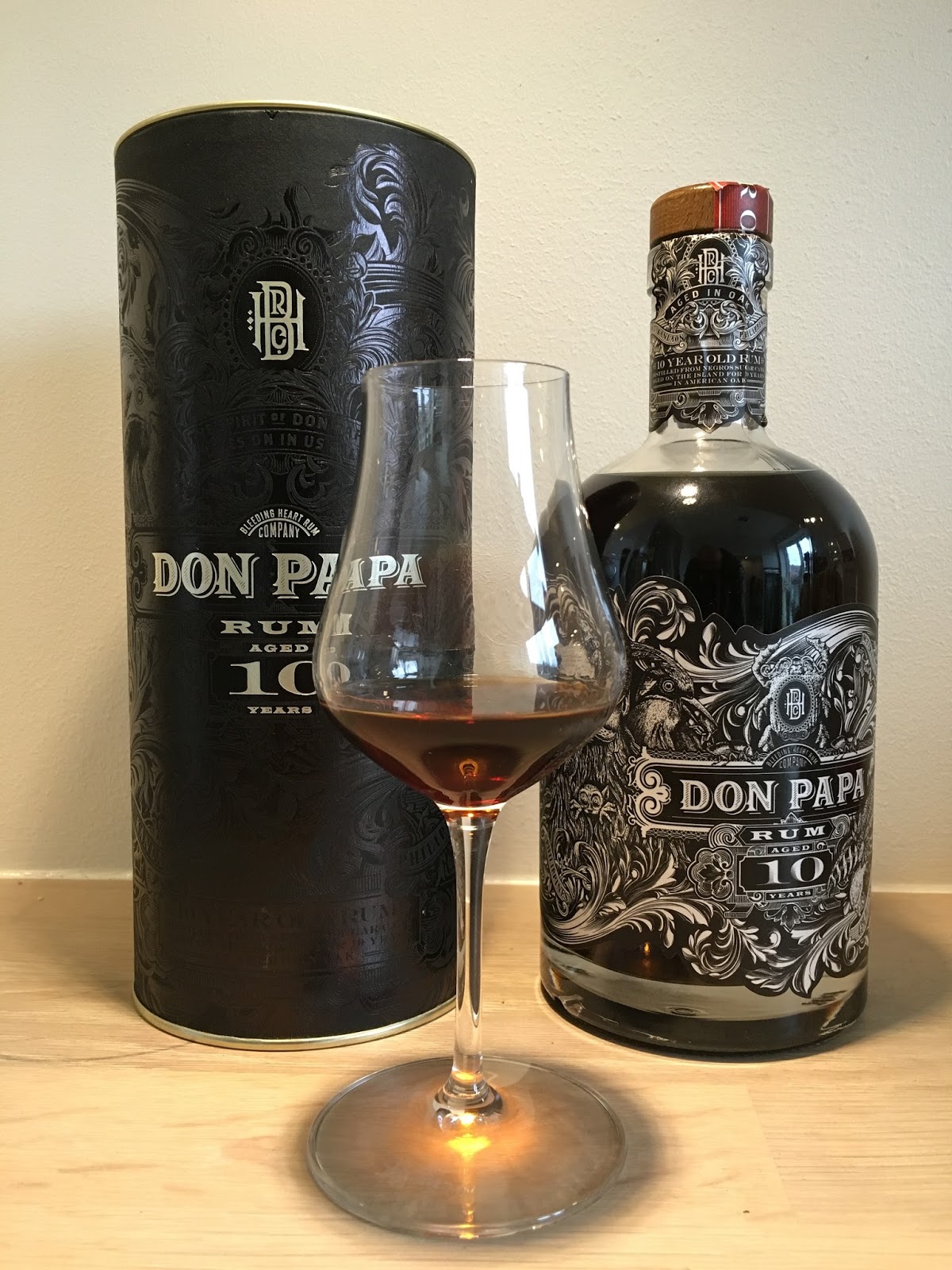
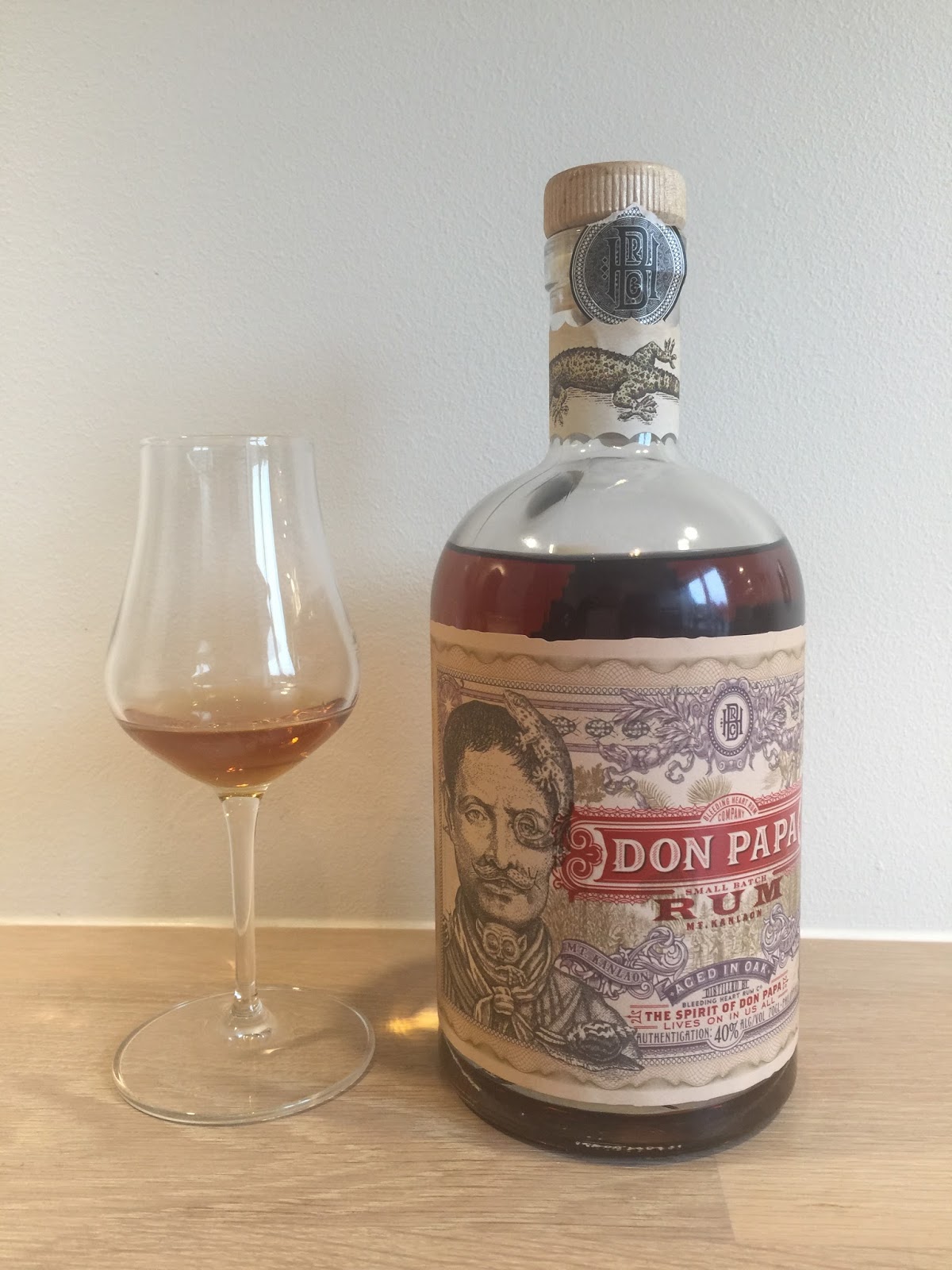
Photo copyright (c) Henrik Kristoffersen of RumCorner.dk
Impossible to forget, traumatic to recall.
#316
I don’t know why they bothered. This is three years’ additional ageing, pretty much wasted. It’s Don Papa 7 version 2.0, and just about the whole experience is the same, except the raspberries from the younger variation, which are now dark grapes. Everything else – and I mean everything else, mouthfeel, taste, finish, smell, the works – remains the same, without even some additional oakiness or complexity to make the extra expense worth it.
All right, so by now it’s clear that I’m late to the party here and all the discussions and post mortems have been done on this industrial grade spiced Phillipine rum, which it doesn’t admit to being, but which I say it is. And while there was a firestorm of online vituperation which greeted the release of the rum, making you believe that the majority of the rumworld absolutely hates this thing, the truth is actually more prosaic. Reviewers hate the rum…but most casual imbibers at whom the Don Papa is aimed are actually quite tolerant of the rums they scarf down, and the amount of people in the world who truly want a more detailed sense what they’re drinking — or have access to and desire for what we term top class hooch — is still a minimal part of the rumiverse in spite of all us bloggers’ doing our best to raise the bar. But everyone agrees on one point: bad or good or in-between, the makers of the Don Papa should absolutely have disclosed its adulteration. Maybe they thought the age statement would allow them to skate around such petty concerns
If so, they were mistaken. Even bumping it up to 43% for some added bola ng bakal didn’t do much. It had the same nasal profile of sour cream, yogurt, some sweetish fruits, and over-generous helpings of vanilla, bubble gum and yes, there it was again, that distasteful excess of soda pop sprite and fanta and pepsi masquerading as “rumminess”. And no tart raspberries this time, but some dampened down dark grapes, overripe ones, plus a twist of licorice. Oh joy. My glass runneth over.
By now you should have few illusions left: the palate offered no redemption, leading any reasonable tippler to ask in genuine bewilderment, “What on earth was the rum doing for three additional years?” I mean sure, there was some bite and bitter in the mix (which initially gave me hope), just too little. And the few aromas of peaches and cream were bludgeoned into insensibility in labba time by wave upon wave of more vanilla, soda pop, the syrup in canned peaches (minus the peaches), cola…it was all just too much, too sweet, too cloying, and with few discernible differences from its younger sibling, and a finish that was to all intents and purposes the best thing about it, because at least now the experience was drawing to a close.
You know, if they had honestly called it a spiced or flavoured rum I would have nodded, smiled, passed it by and never bothered to write a thing. But they didn’t…and so I did. And my evaluation is simply that Don Papa 10 is a hollow rum. Age or no age, it’s column still industrial spirit that’s been tarted up, where no such embellishment was required if they took some time and care and blending mastery to the task. It takes its place proudly with the Whaler’s, Kraken and Pyrat’s XO and the AH Riise Navy 57% on the bottom of any reviewer’s shelf, and with good reason — it’ll get you drunk no problem, and at a reasonable price, but if you wake up the next morning wondering what camel voided its bowels in your mouth and why you have a tattoo of “Don Papa” on your left buttock in hieroglyphs, don’t come crying saying I and all the others didn’t warn you.
(61/100)
Other notes
- It gives me no pleasure to write reviews like this. Oh the words flow easily, the rum really isn’t worth it and I can stand by the opinion. I just don’t understand why, in this day and age, I should have to. We’ve been hearing for years how rum is in its new golden age. So why would anyone who loves rum enough to actually make one, create something that is so clearly not? In my more generous moments, I say it’s because they want to make what sells to the tippling masses and will do better as their skills improve; in my blacker moods, I think it’s a full-proof money grab adulterated with the cloying additive of indifference.
- Compliments to Henrik of RumCorner, who provided both a large sample and the photo.
- For an enthusiastic and uncritical perspective by a “lifestyle writer” (I will not use the term “journalist” because that would be like saying Don Papa is a real rum) I direct you to this Forbes article from May 2017. It’s just another in a spate of recent rum-themed articles that are written by people who seem to want to advertise that they really know nothing at all about the subject.
- The Bleeding Heart Rum Company is the company behind the rum, and this link will answer most other questions about the product. BHRC is in turn a subsidiary of Kanlaon Limited a small single-director, 100-share company registered in a business village in Middlesex, listing Mr. Stephen Carroll as the man in charge, and he apparently worked for Remy Cointreau for some years before striking out on his own (he has other directorships in companies involved in film and video production). Since I don’t trust much of anything the website says, I won’t rehash its blurbs here.
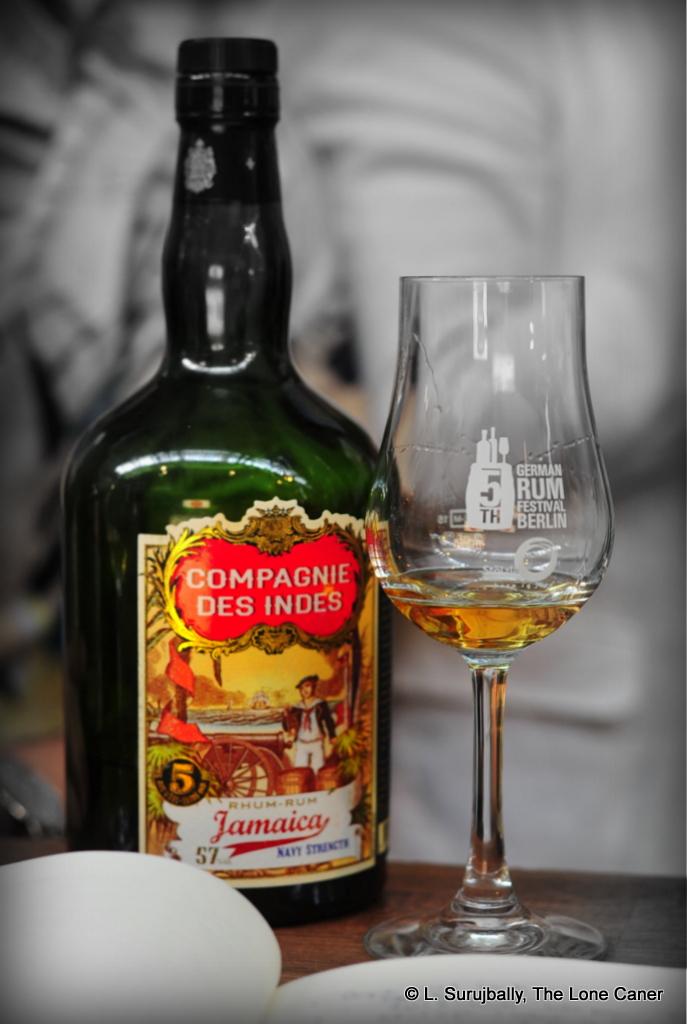
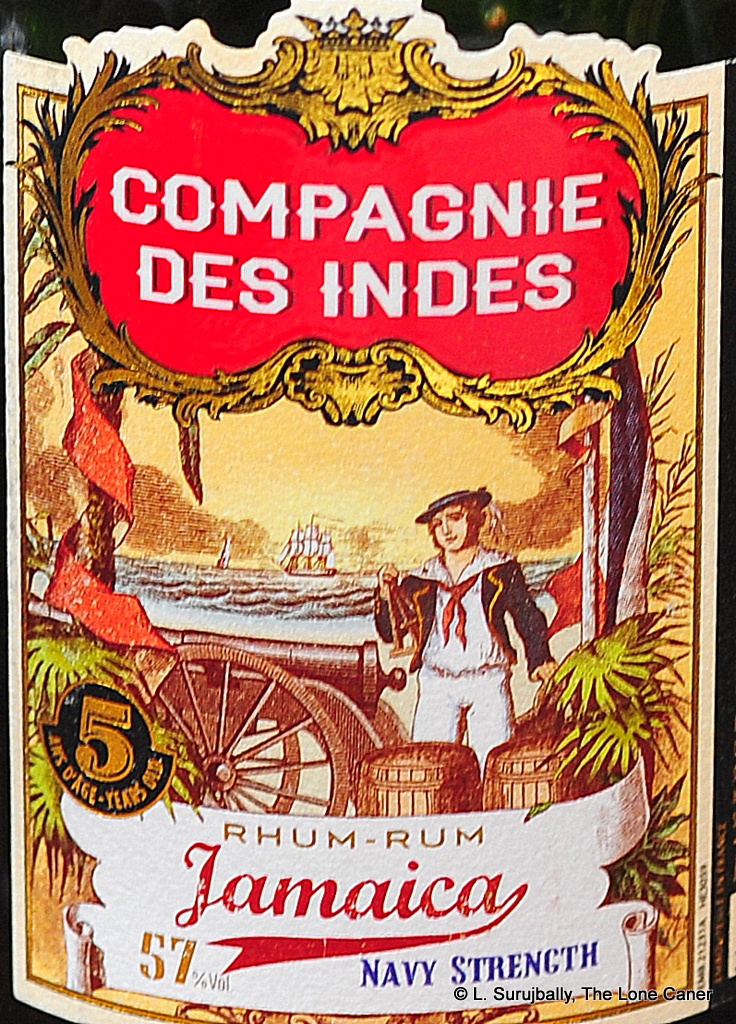
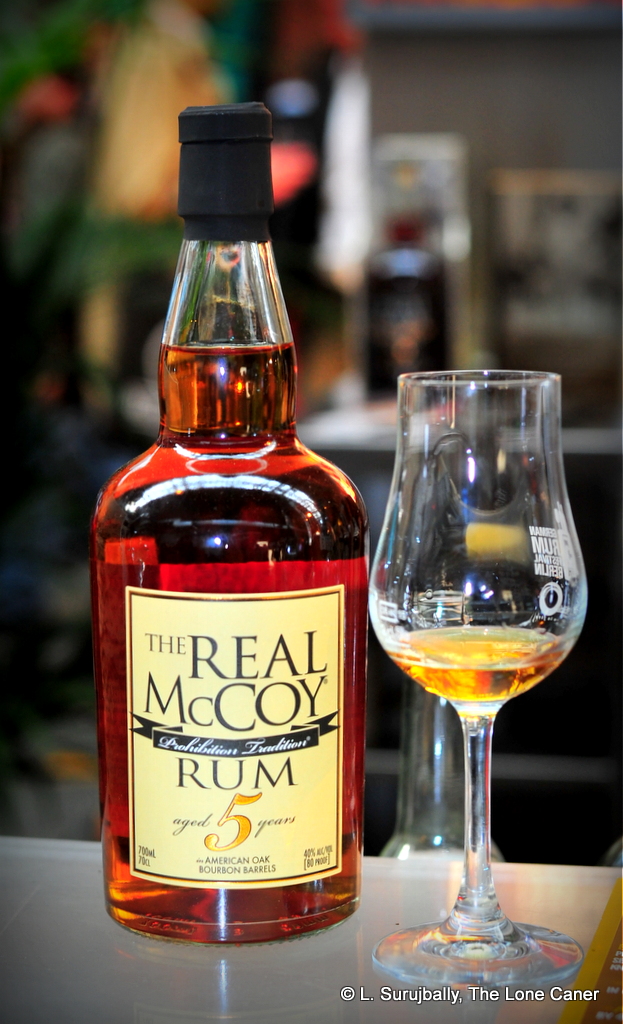


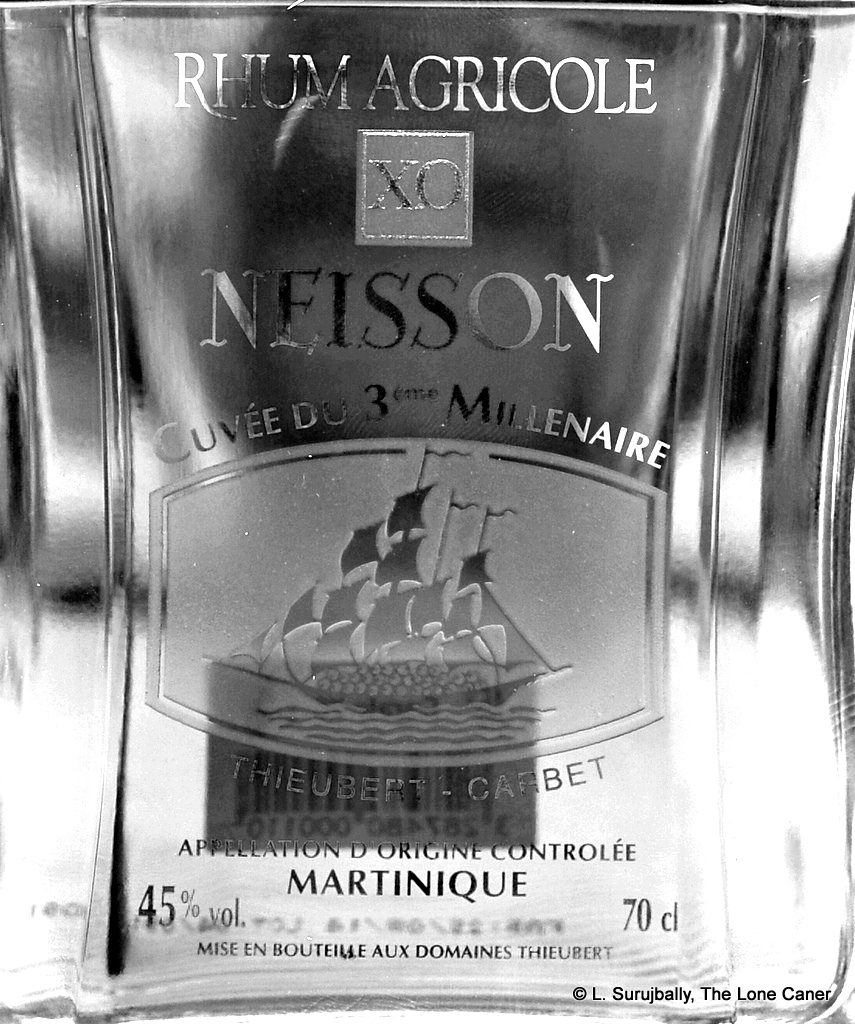
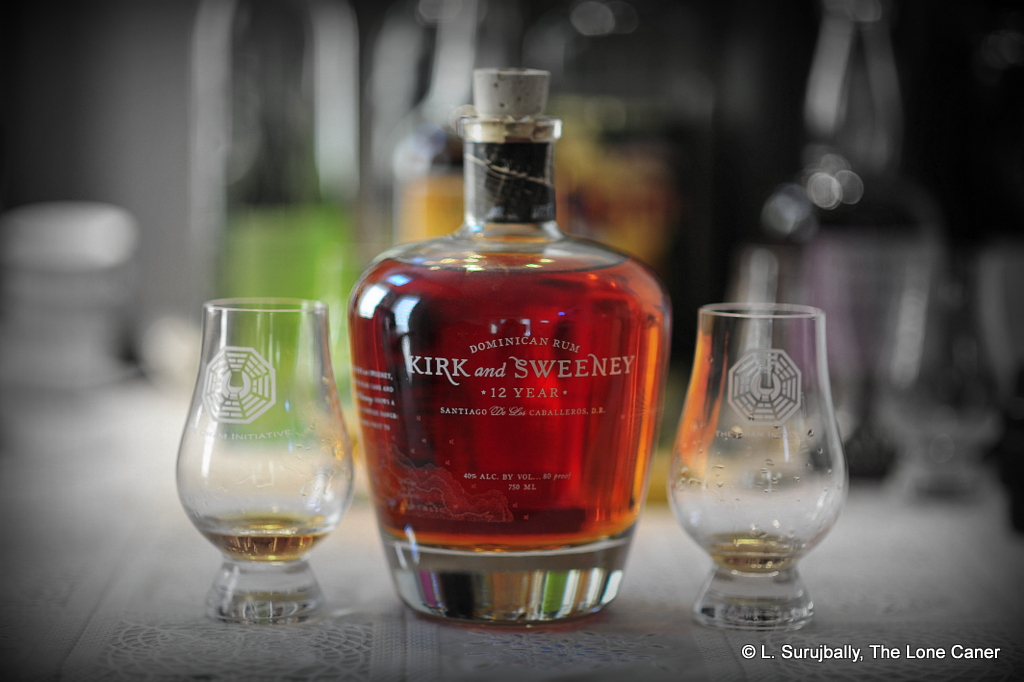
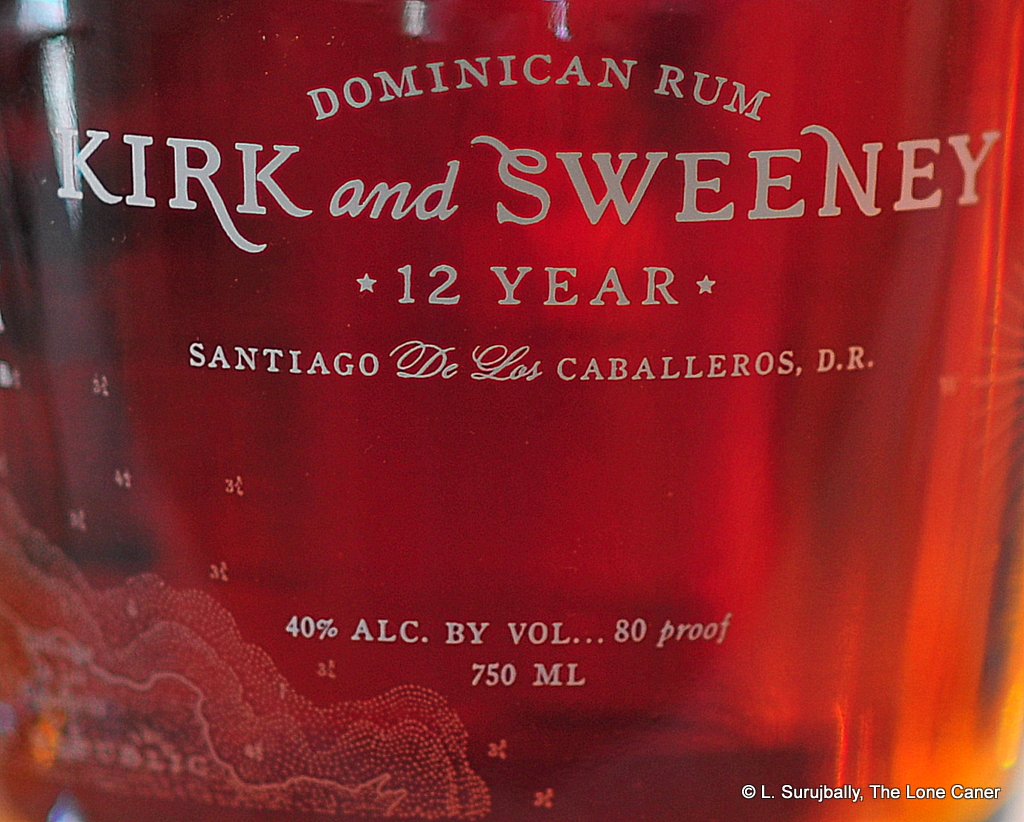
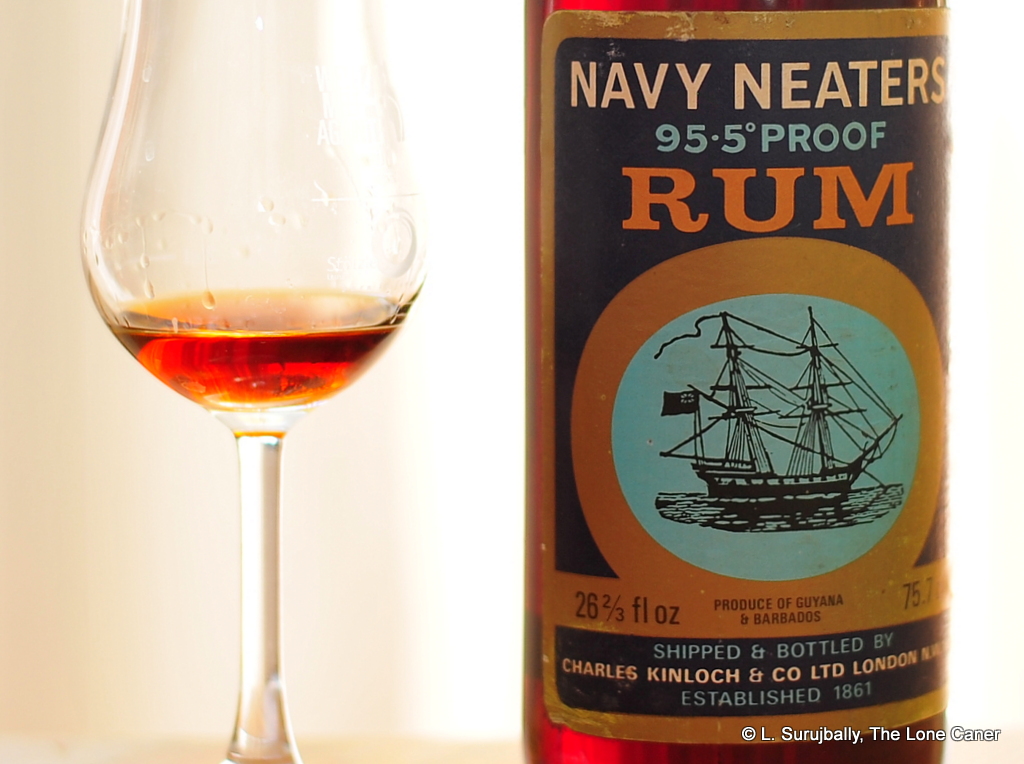
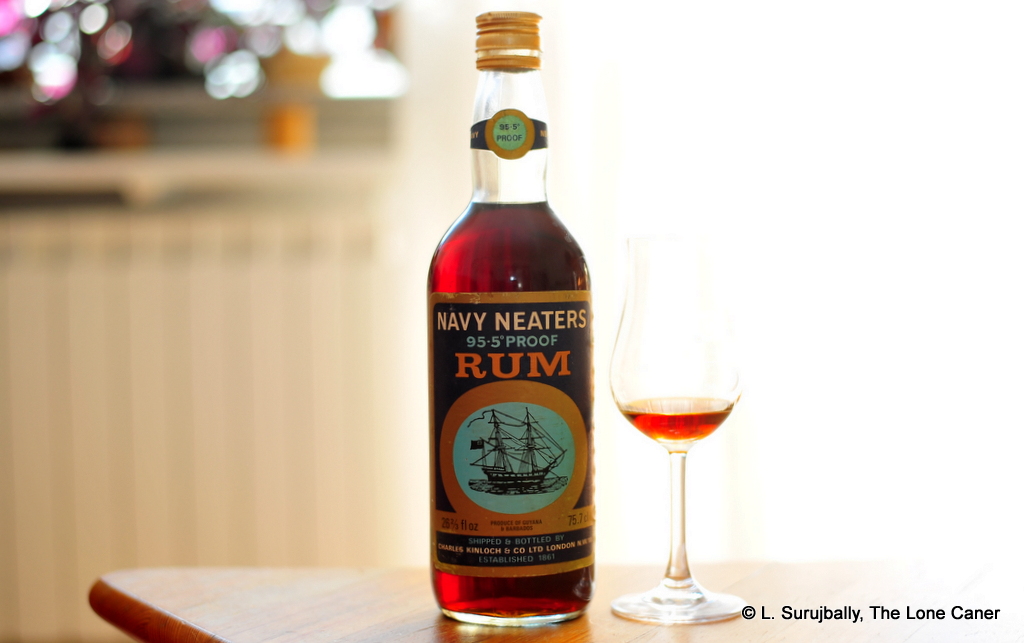
 A well made full proof rum should be intense but not savage. The point of the elevated strength is not to hurt you, damage your insides, or give you an opportunity to prove how you rock it in the ‘Hood — but to provide crisper, clearer and stronger tastes that are more distinct (and delicious). When done right, such rums are excellent as both sippers or cocktail ingredients and therein lies much of their attraction for people across the drinking spectrum. Perhaps in the years to come, there’s the potential for rum makers to reach into the past and recreate such a remarkable profile once again. I can hope, I guess.
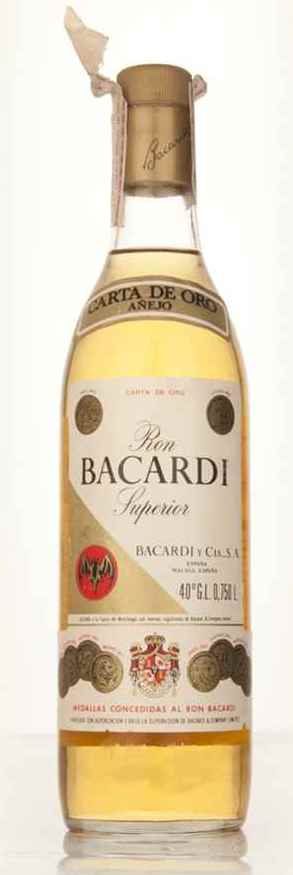 Rumaniacs Review 022 | 0422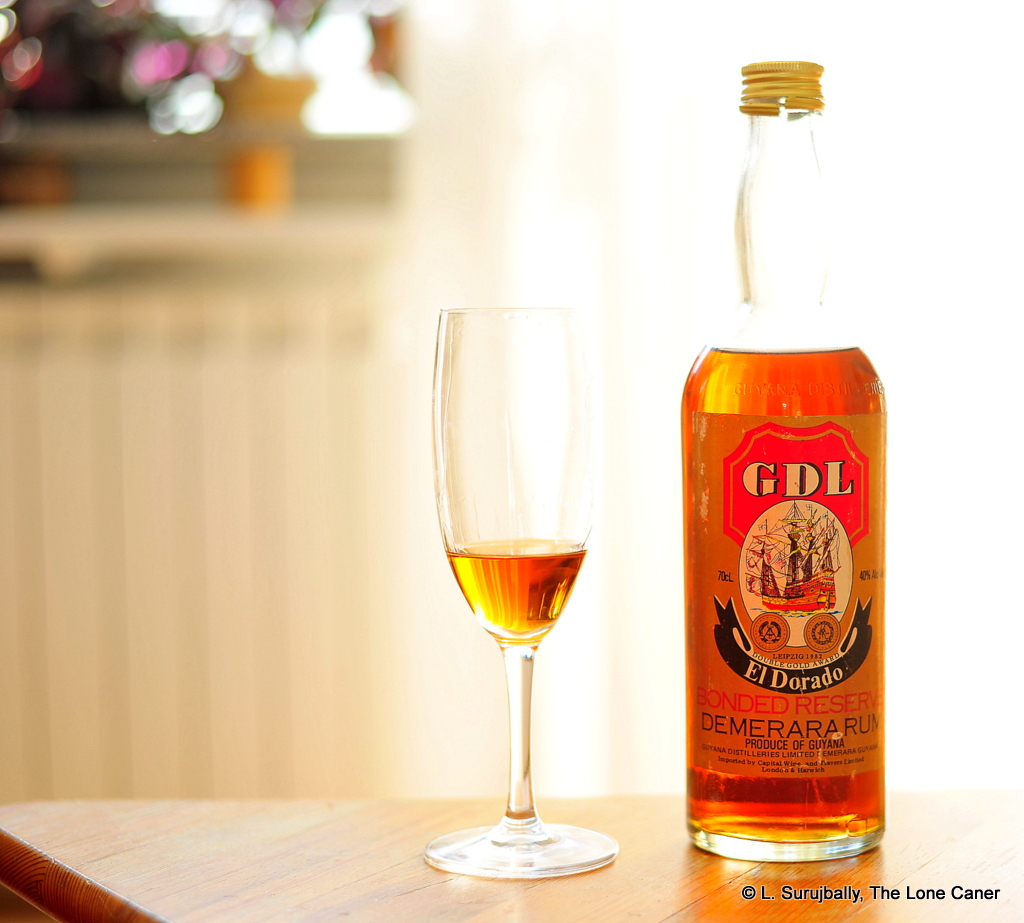
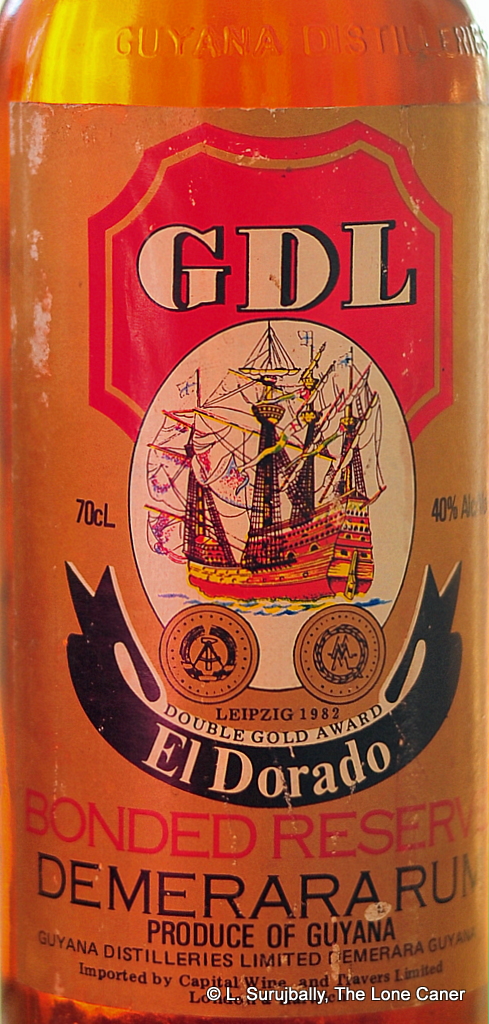 Tasting the Bonded Reserve raised all sorts of questions, and for anyone into Mudland rums, the first one had to be the one you’re all thinking of: from which still did it come? I didn’t think it was any of the wooden ones – there was none of that licorice or fruity intensity here that so distinguishes them. It was medium to light bodied in texture, very feebly sweet, and presented initially as dry – I’d suggest it was a column still product. Prunes, coffee, some burnt sugar, nougat and caramel, more of that faint leather and smoke background, all rounded out with the distant, almost imperceptible murmuring of citrus and crushed walnuts, nothing special. The finish just continued on these muted notes of light raisins and molasses and toffee, but too little of everything or anything to excite interest beyond the historical.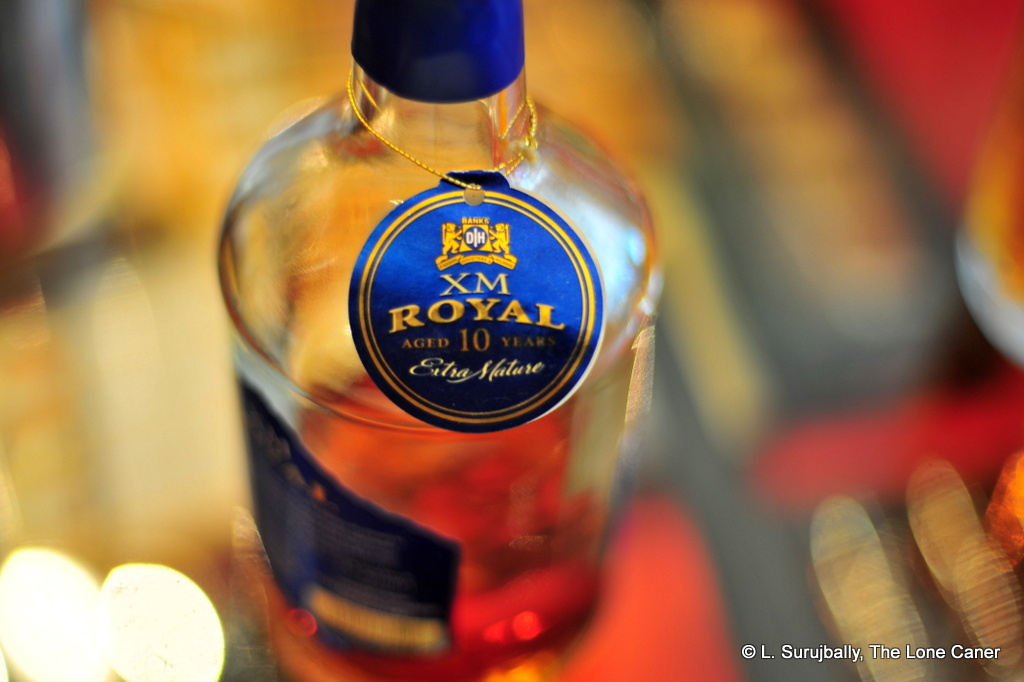
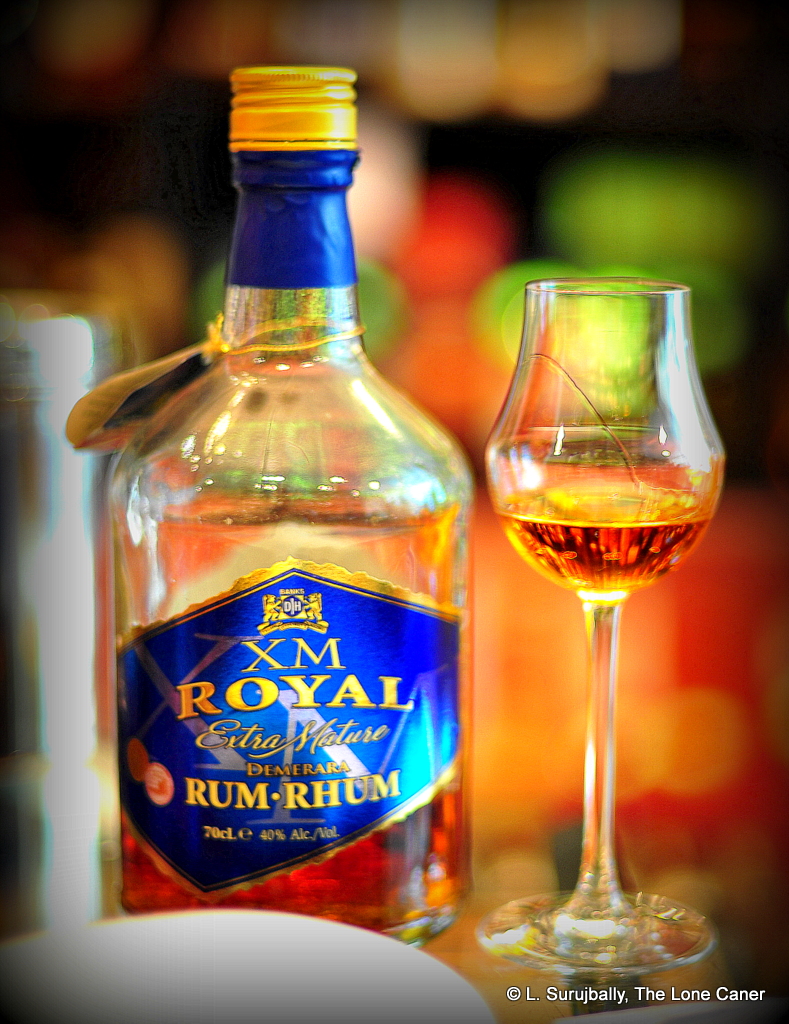 Starting as “Demerara Ice House” (there really was an ice factory in Water Street, and yes, it’s still there) and now called D’Aguiar’s Industries and Holdings (hence the DIH) at the beginning of the 20th century, the D’Aguiar family built up a huge food and drinks conglomerate, of which rums remain a relatively small part – they were and remain one of the first and largest bottlers in the Caribbean. They have a huge facility right outside Georgetown in the fragrantly named “Thirst Park”, they make beer, soft drinks, distilled water (among many other consumer nibbles) and with respect to rums, act as blenders, not makers like DDL. Their best known rums back then were the 5, 10 and 15 year old, the
 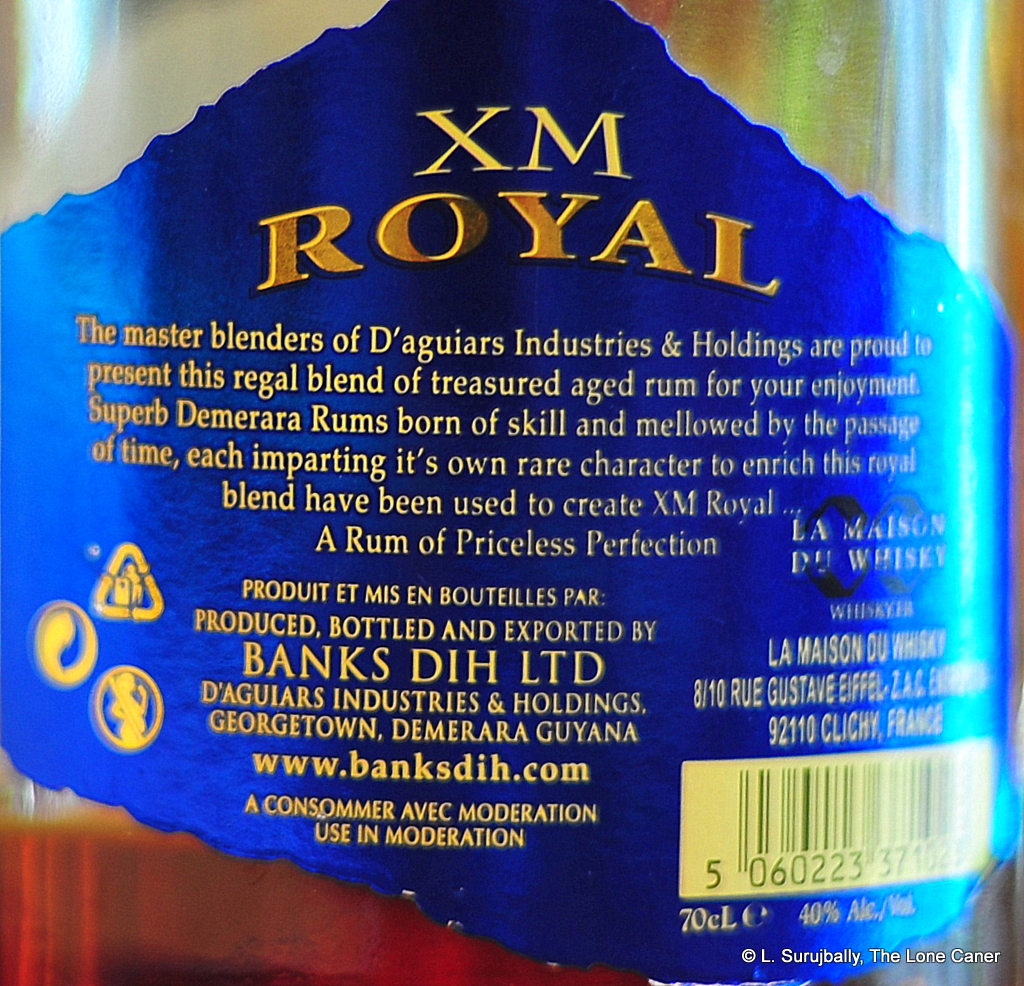 My own opinion was that it lacked body and needed a firmer texture…the XM 10, while not exactly anorexic, gave the impression of having rather more potential than actuality, and the flavours, decent and tasty enough by themselves, suffered somewhat from dumbing things down to standard strength (this may be my personal preferences talking — I’ve gone on record many times in stating that 40% is just not good enough for me anymore — so take that bias into account). On the other hand, maybe it’s like the DDL 12 year old, a bridge to the better rums in the XM universe like the 12 and the 15…and since I obtained those the other day, once I review them I can tell you whether this paucity of character is a characteristic of this rum only, or some sort of preference of the master blender that permeates the line. Honestly, I hope it’s the former.