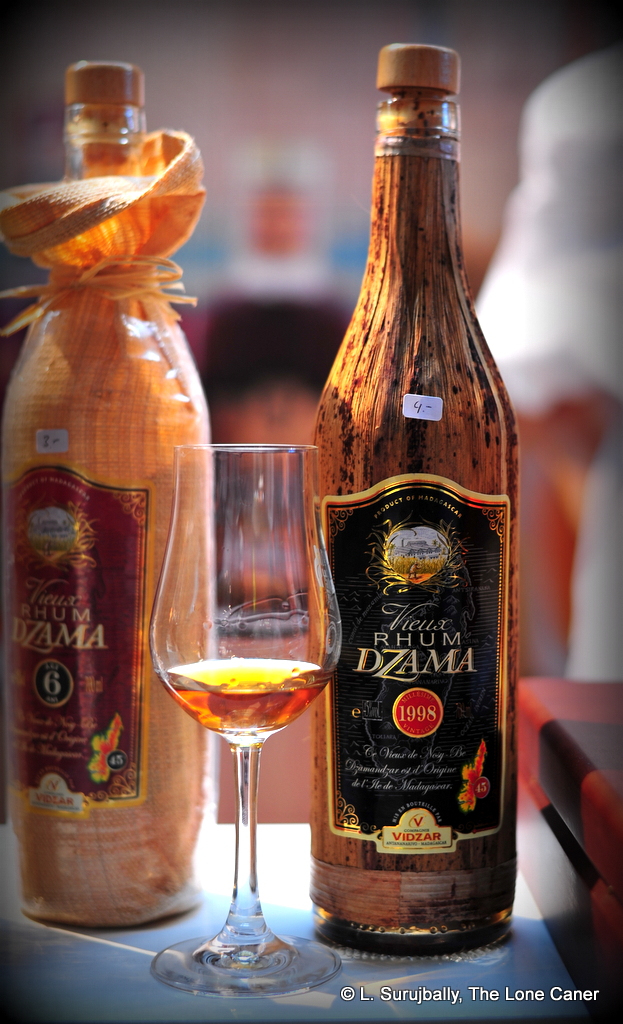
White unaged rums are often seen by the larger mass market audience or their suppliers — somewhat unfairly, I believe – as something of a niche market, fit only for cocktails. The idea that one might sip them neat is perhaps only an enthusiast’s conceit. Yet I believe that for those who want to know serious terroire, and see what can happen when a rum is taken off the leash and left to run around terrorizing innocent rum drinkers, HV’s white rum may be just what they’re looking for.
There are two variations of this white unaged brutalist rum from Velier’s pot-still-only series (the Habitation Velier line) out there: one is for the American market, 62% with an insane 3000+ g/hlpa congeners (remember, Jamaica’s maximum 1600 g/hlpa DOK is not a global standard, just theirs); the other is for the European market which is 66.2% ABV and with 839 g/hlpa congeners. One could argue the latter might damage you somewhat less, if you exclude those who want to go over the very bleeding edge.
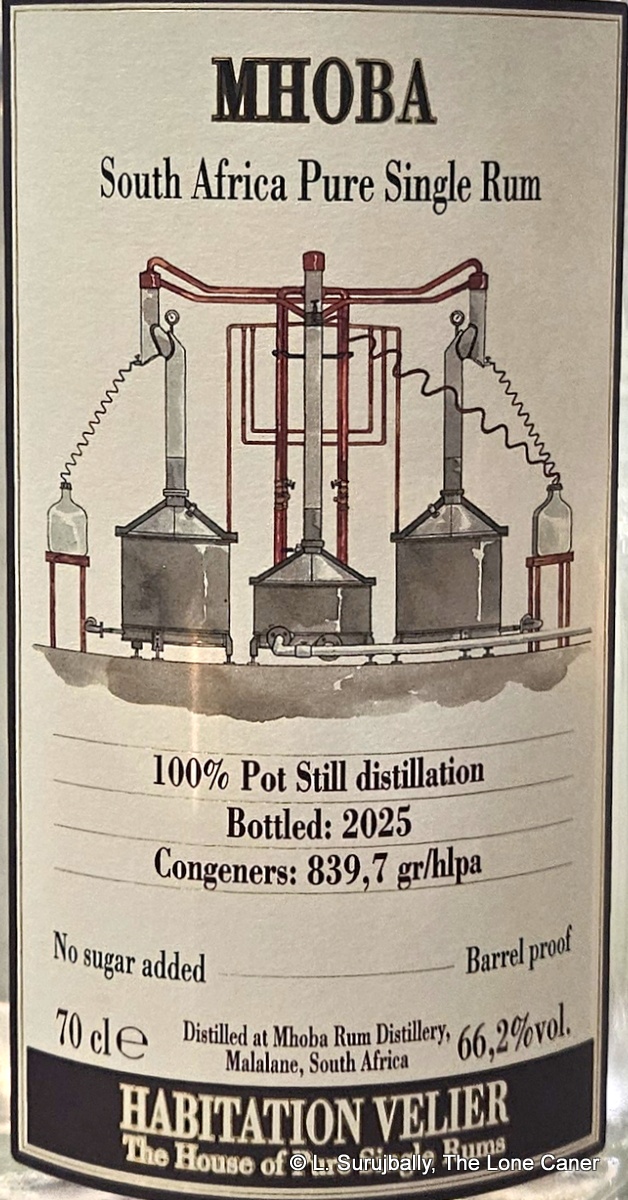
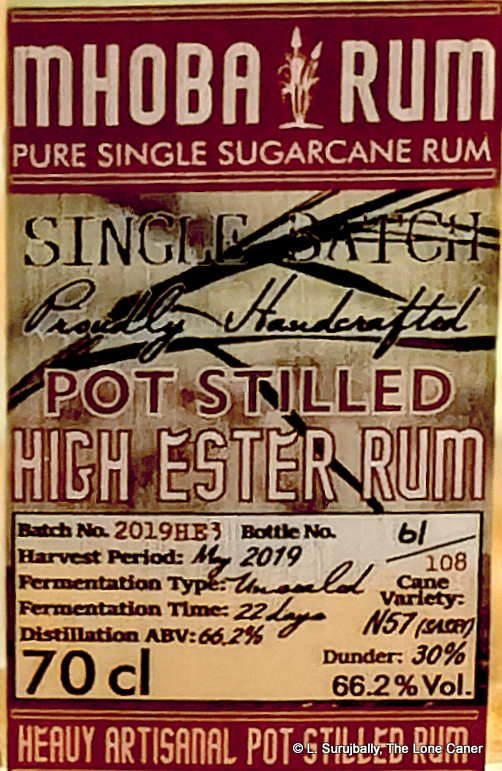
As is usual with the Habitation Velier rums, the labels are small masterpieces of minimalist decor and art: a delicate watercolour of the distillation apparatus, dates of distillation and bottling, strength, country, company, congener level, the works. We’re getting all the hits in a way that doesn’t so much set a standard as show the basic info which aficionados want in a format that’s eye candy for everyone.
From that, we gather that the Mhoba white rum was issued in 2025 as part of the Habitation Velier line. It derives from cane juice, wild fermented between secen to ten days, run through a pot still, remains unaged, is bottled at 66.2%, and apparently dissatisfied with just being a strong overproof, they jacked up the congener count just because, y’know, they could.
 Mhoba, founded in 2013 in South Africa, is well regarded for its way of combining rock solid rum making with occasional off the reservation efforts, and have themselves produced quite a few exceptional releases (aged or unaged) from the pot still that Rober Greaves, the founder, put together himself. Since I have gone into some detail regarding their history here and here, I won’t rehash it again.
And so, that leads us to the tasting notes. Well, in short, it leaves one gasping. It’s intense as hell. The nose goes from zero to stink in two seconds flat, surging out with scents of hogo, anise, bags of salt and more olives than a Middle Eastern olive grove. It smells like a Clairin Sajous amped up and supercharged and transported to South Africa from the wilds of the Haiti, reeking of wax, rubber, whole fruit orchards, pineapples, rotten oranges, laban and faint whiffs of sour cream, all, by some subtle alchemy, coming together into something wholly original. It’s by no means unpleasant – but it does take some getting used to, and for sure there’ll be many who shudder and push it away after a sniff, for the same reason others will admire it.
The palate goes on from there, with zero pause. The strength makes it sharp, sure, but it’s a sort of crisp firmness rather than the scratch of a libidinous tomcat’s claws. We can taste glue, rubber, and tart fruit, yoghurt, and when it comes to the fruits, there’s a lot of everything here – grapes, oranges, peaches, green unripe apples, a plum or two, red grapefruit, combined with anise and the clean scent of the ocean. Take some time and other flavours edge out from the sides: mossy wooden forest floors after a rain, some meaty, faintly rancid and very hogo-ish notes, that kind of thing. Aside from that clairin-like aspect to it, it also reminds me somewhat of the original TECA, it has that same sense of batshit crazy untamed wildness to it, leading to a long, crisp finish that finally channels more of the cane juice side of things: same meatiness and overripe fruits as before, joined by herbs, green grass, sugar water and papaya.
Whew! – that’s quite a rum. There’s a lot going on here, as the tasting notes show, yet this very same originality and complexity may turn off those who prefer softer, more traditional, molasses-based profiles that aren’t quite as insane, One drinks, after all, for a good time, not necessarily to peek into the abyss of what a still, a high congener count and a certifiable bottler can come up with just because that day they felt like doing something different. Me, I liked it, quite a bit.
It’s to Velier’s credit (and that of Mhoba) that they’re never afraid to go wherever the rum leads – they stretch the boundaries of the rumworld quite a bit. For Luca, part of this is educational, as I’ve remarked before, but part of it also just sheer, unbridled enthusiasm. They want to be the first. They want to showcase weird sh*t. They are absolutely mental about introducing us to stuff we’ve barely even heard of before, or taking existing work and twisting it into a Grand-Guignol-inspired pretzel. These guys fearlessly run headfirst and heedlessly into the wall just to see if they can go through it and leave a Luca-shaped hole in the damned thing.
With the Mhoba 2025, I think distiller and bottler achieved all of the above. It’s too insane to crack ninety points, for all its puissance and power, but it takes its place proudly, even defiantly with the Sajous and the TECA and their like, as one of the most startling, original rums it’s been my dubious pleasure to try. Say what you will about whites, overproofs, lack of ageing or a cranked up flavour profile, this thing has serious character, and is well worth sampling — if only to say you’ve tried it the one time.
(#1134)(86/100) ⭐⭐⭐⭐
Other notes
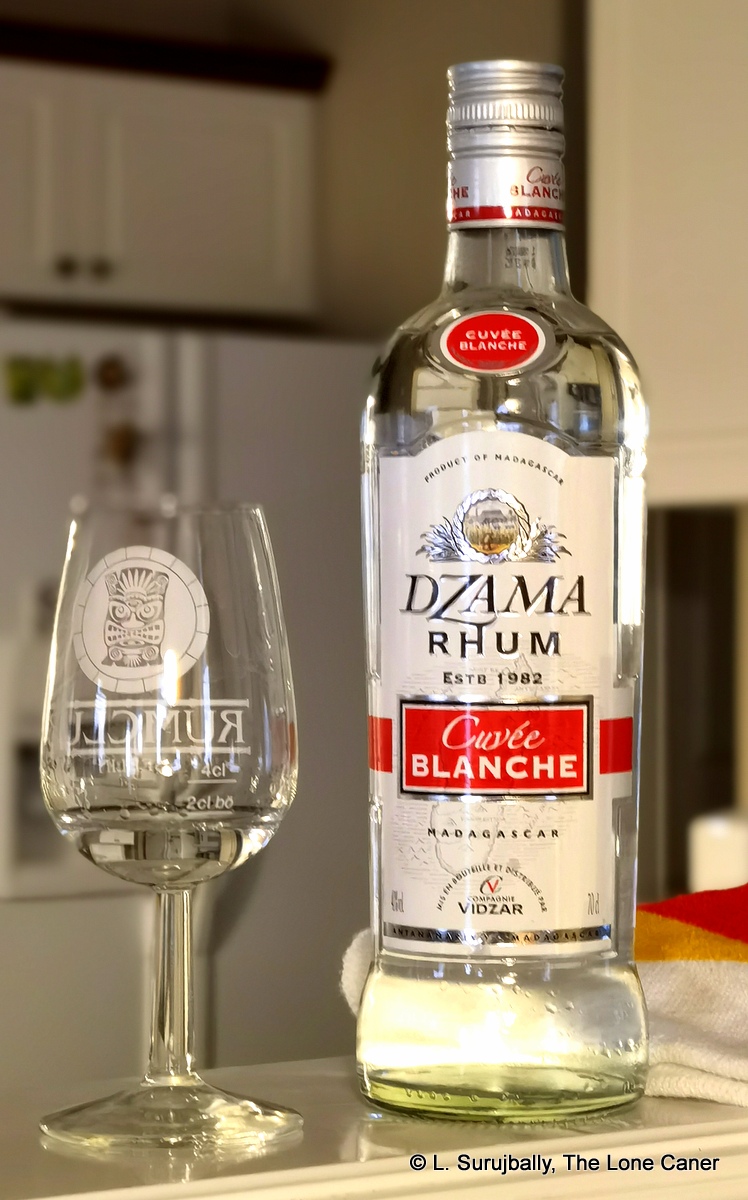
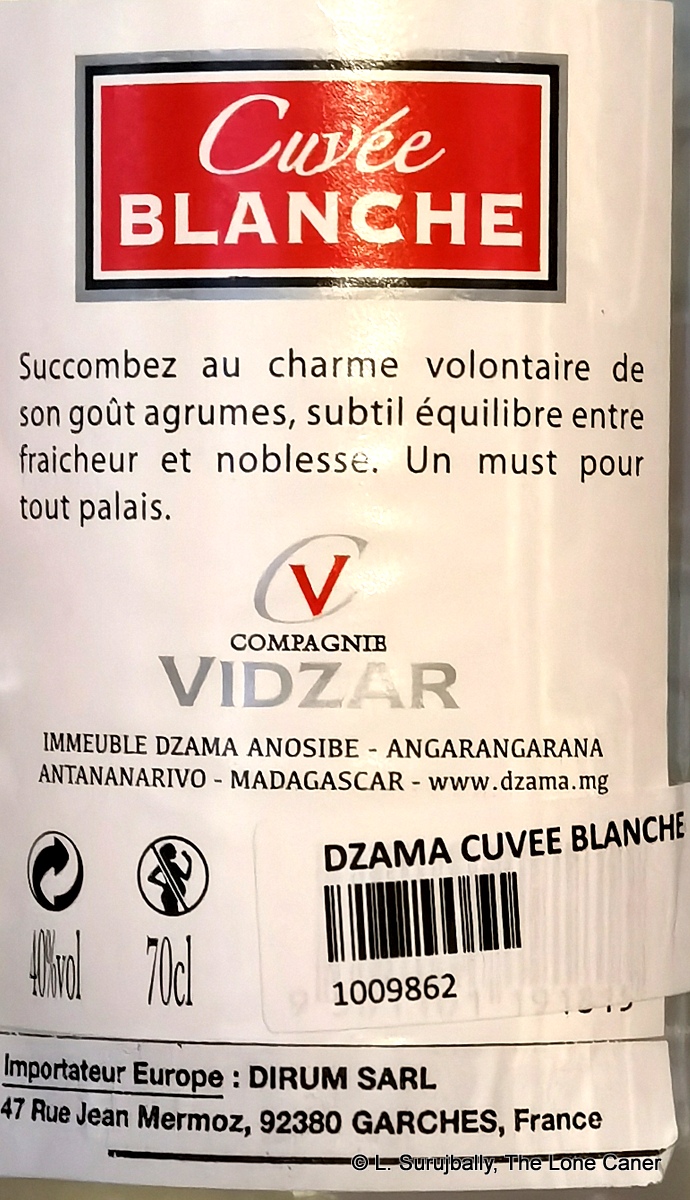

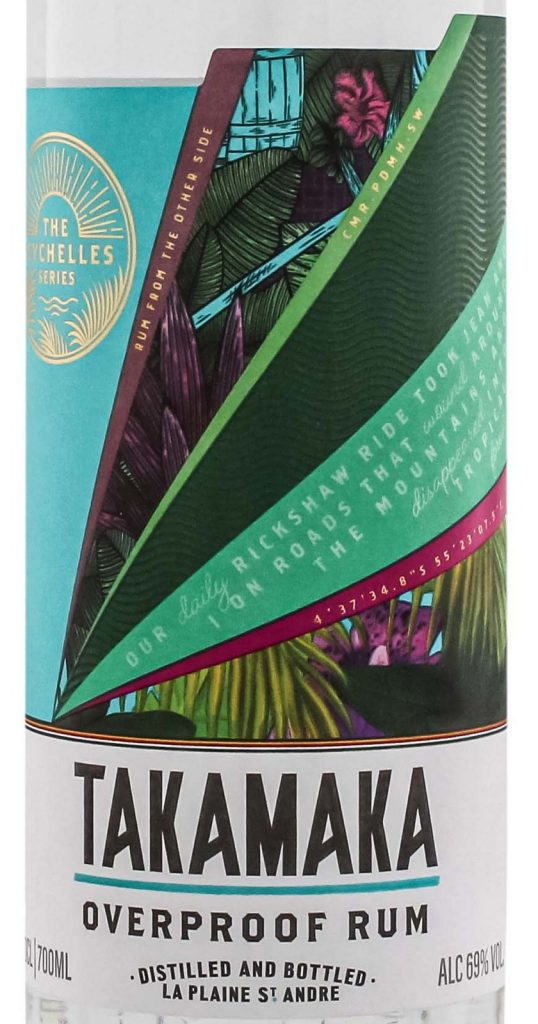 Now you would think that the producers of an overproof Wray-slaying-wannabe, which of course this aspires to be, would make every effort to ensure its product is packed with flavours of a fruit and candy shop and if it felt like being bellicose, pack itself with a nose the envy of a rutting troglodyte’s mouldy jockstrap. I stand here in front of you saying, with some surprise, that this just isn’t the case. The nose starts off okay, quite spicy, with notes of white chocolate, almonds, soy milk, creamy unsweetened yoghurt. Then it adds a bit of grass and cumin, a shaving of zest from a lime or two. A pear, maybe two, some papaya. But that’s about it. The rum is so peculiarly faint it’s like it would need to stand twice in the same place to make a shadow. This is an overproof? It’s more like slightly flavoured alcoholic water, and I say that with genuine regret.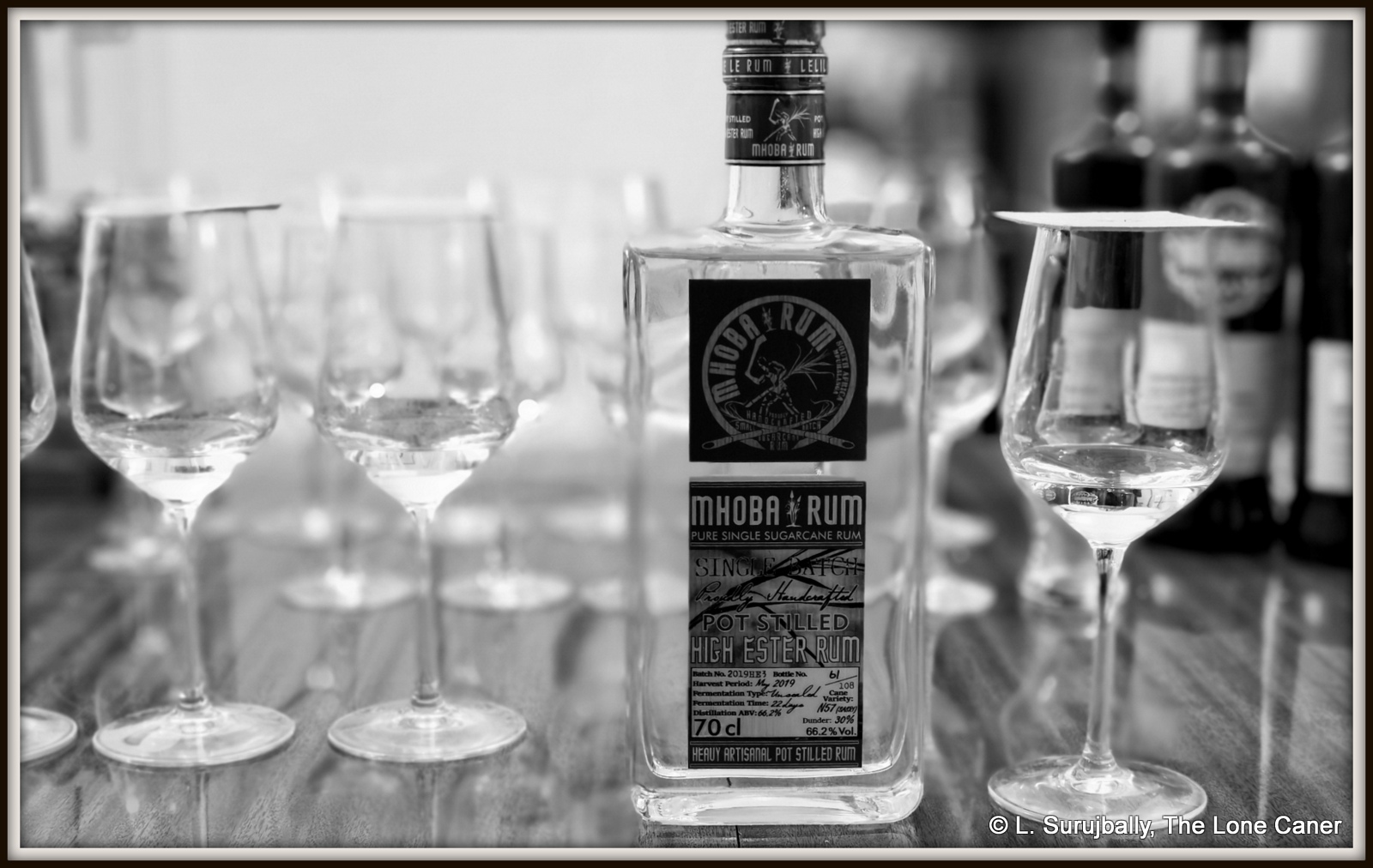
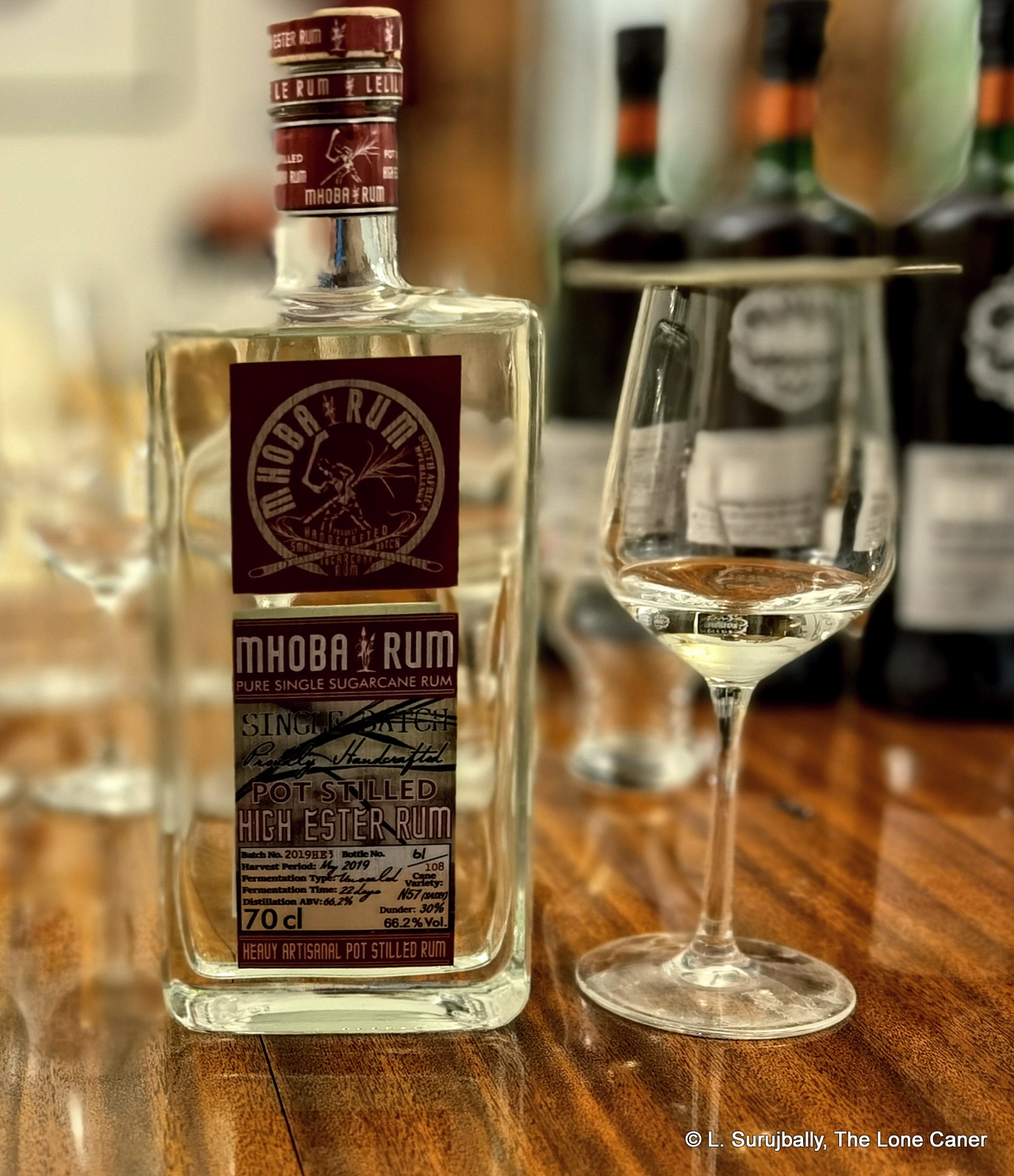
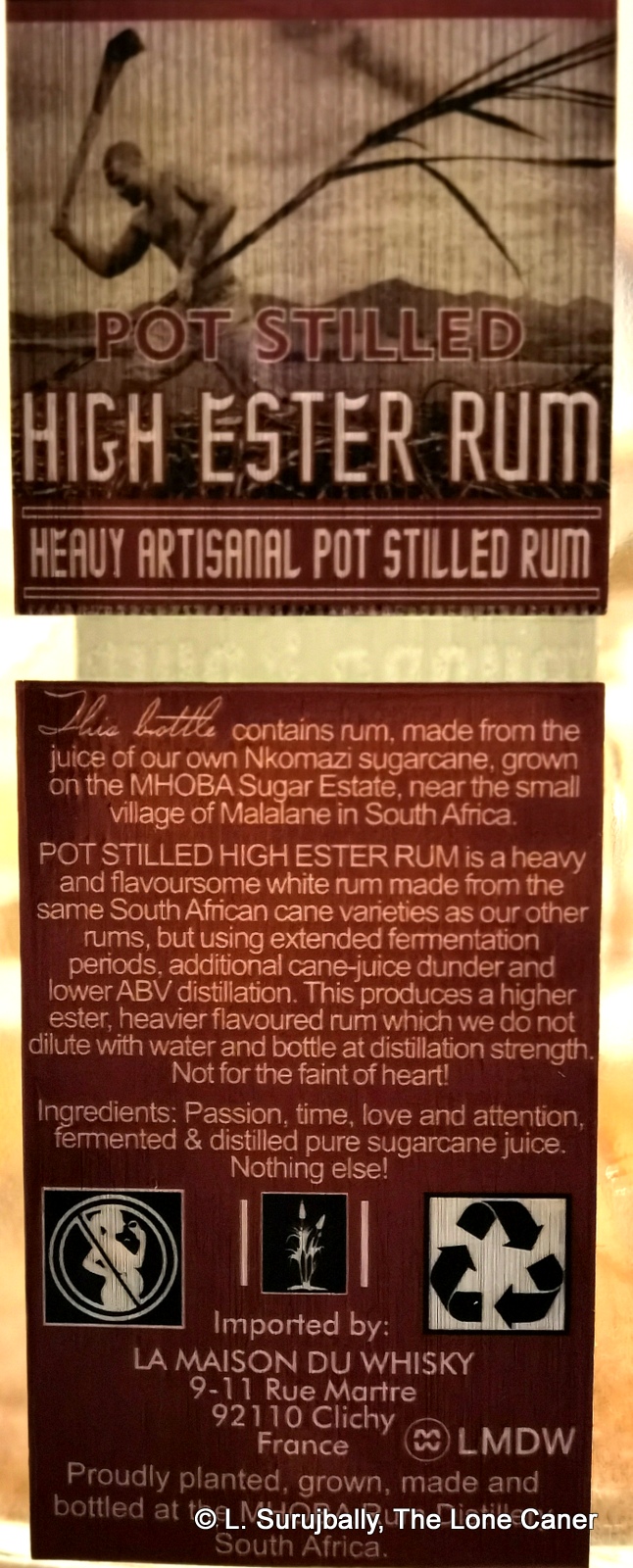
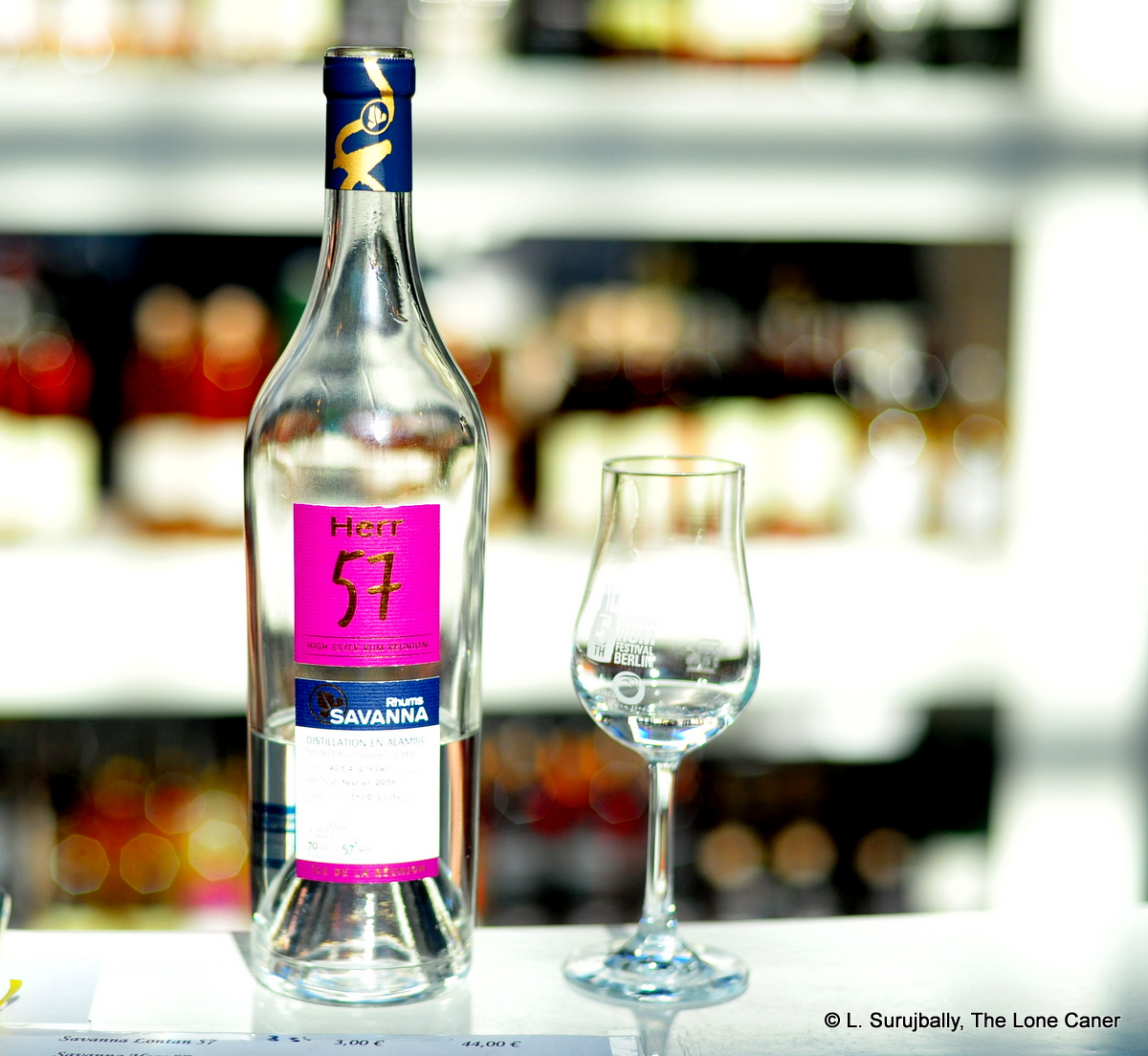
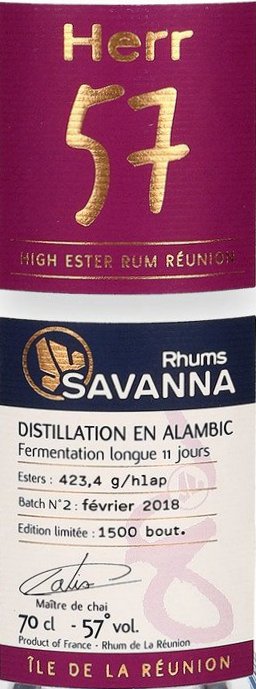


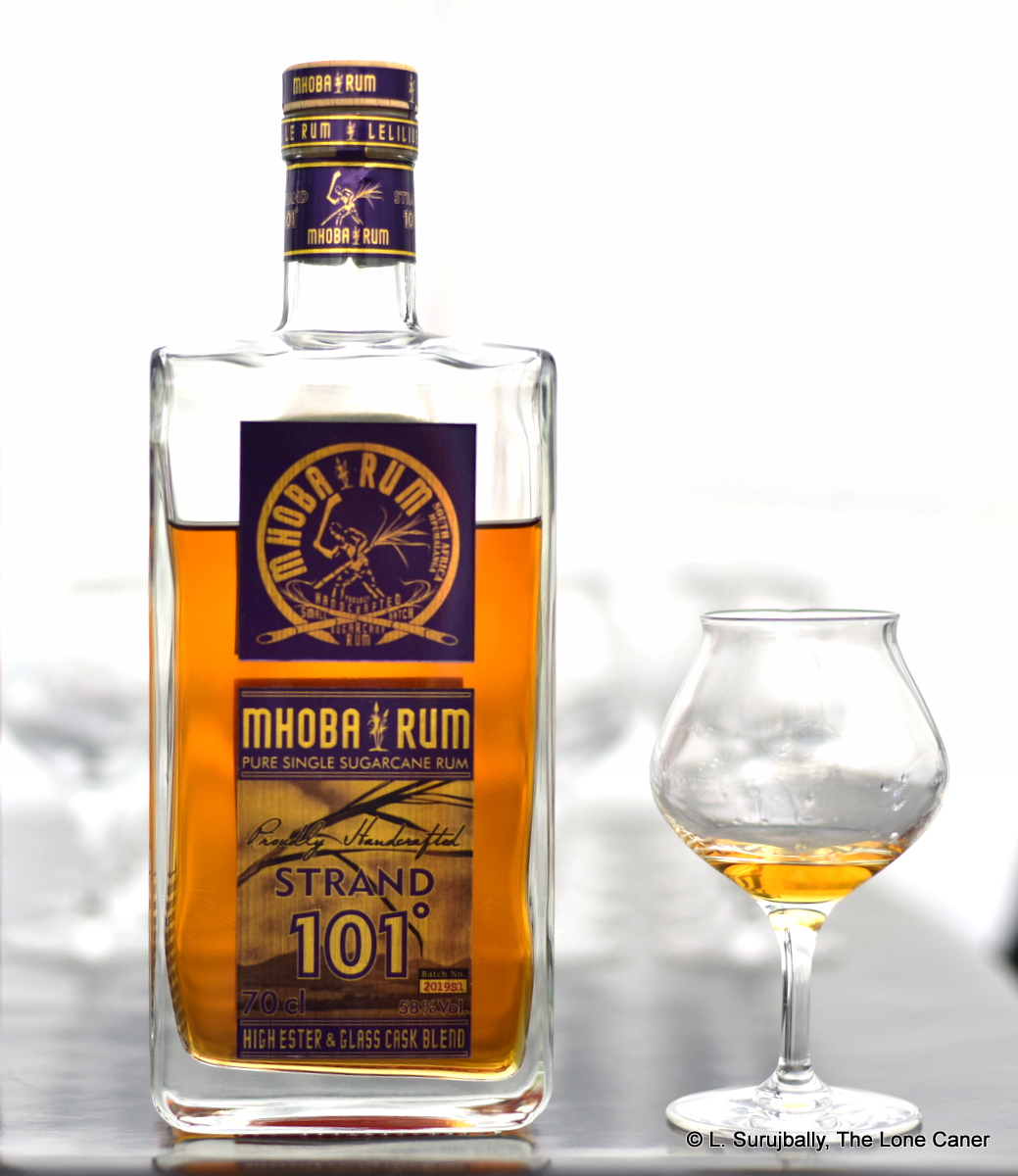
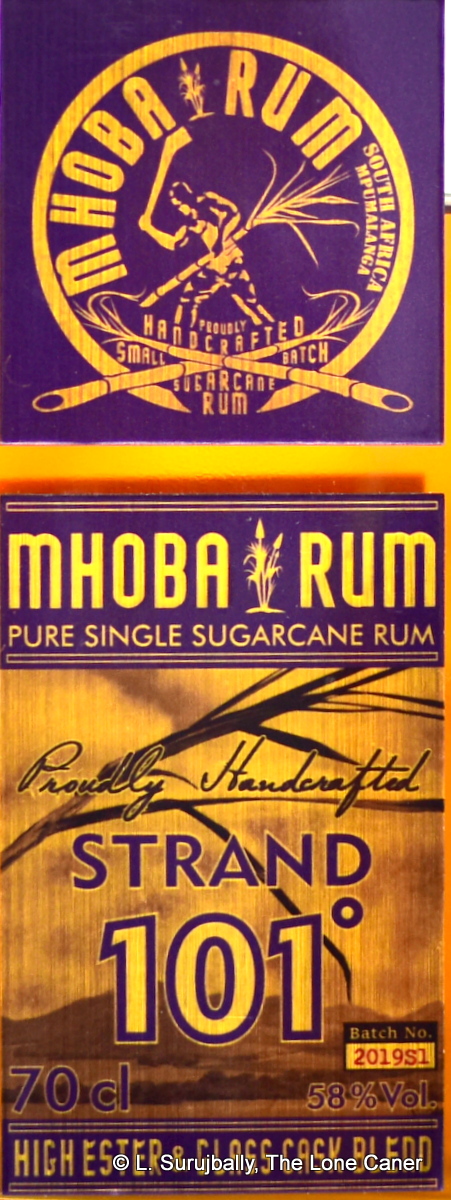 The Strand 101° was specifically designed by Knud Strand, a colourful Danish distributor who worked closely with Robert Greaves (as he had with many brands before) to bring the Mhoba line to market. What he was looking for was to create a blend of unaged and aged rum from pot stills, adhering to something of the S&C profile but from only one still (not two or more). He was messing around with samples some time back and after making his selections finally came back to two, both fullproof — one, slightly aged was too woody, with the other unaged one perhaps too funky.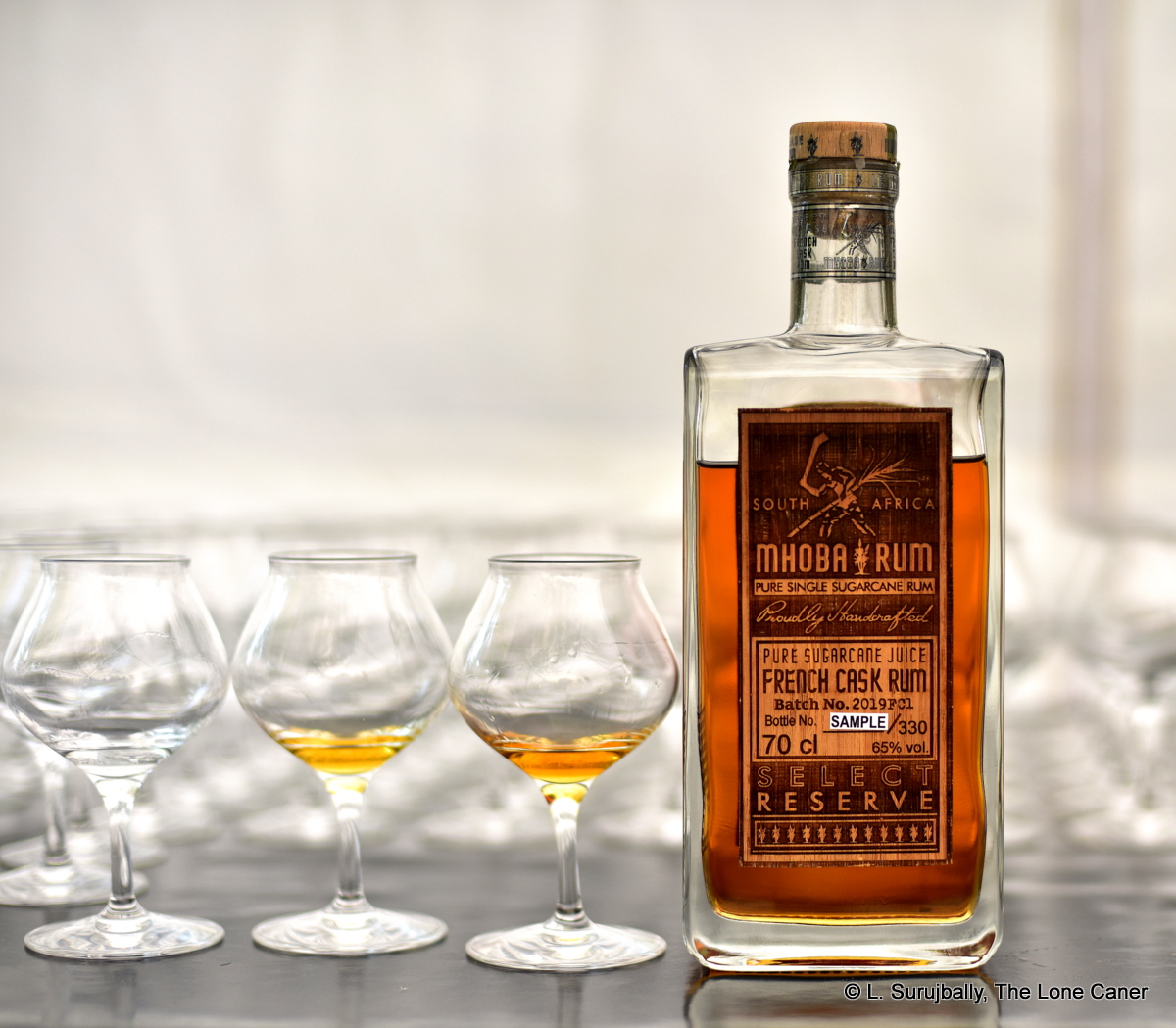
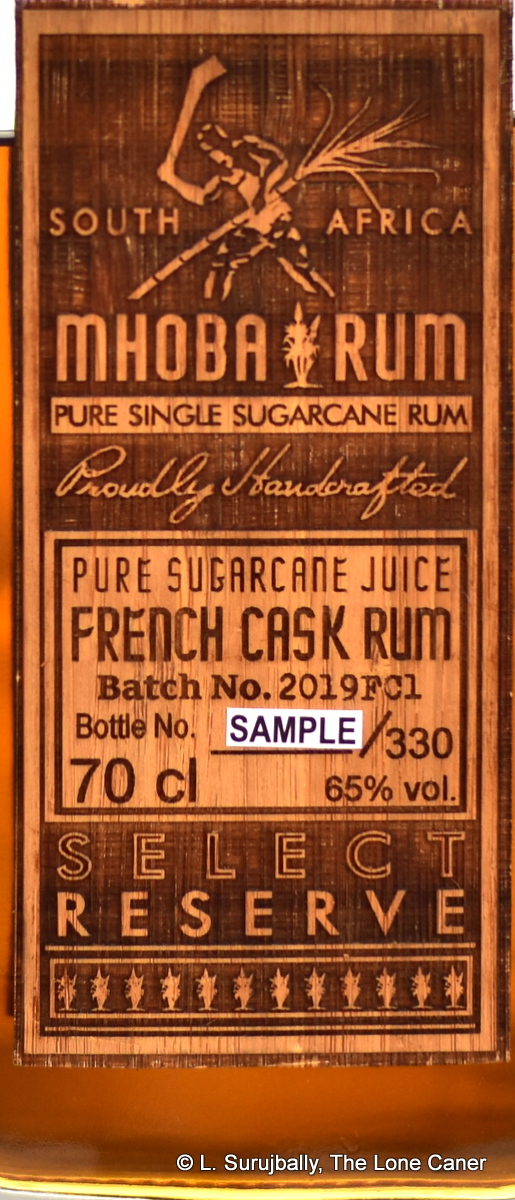 This is where good labelling helps understand what you’re getting. Mine read that it was a sugar cane juice rum, single blended, the bottle outturn (330 bottles, of which this was a sample), batch 2019FC1, South African made, and 65% ABV (ouch!). Actually, the only things missing from the label were the age statement (website says just over a year) and the still of origin (it’s a pot still), which I imagine subsequent labels will correct, especially as additional aged varietals begin to enter the market and a stock of different aged expressions gets built up – already, the company site lists eight different rums, so they’re not wasting any time.
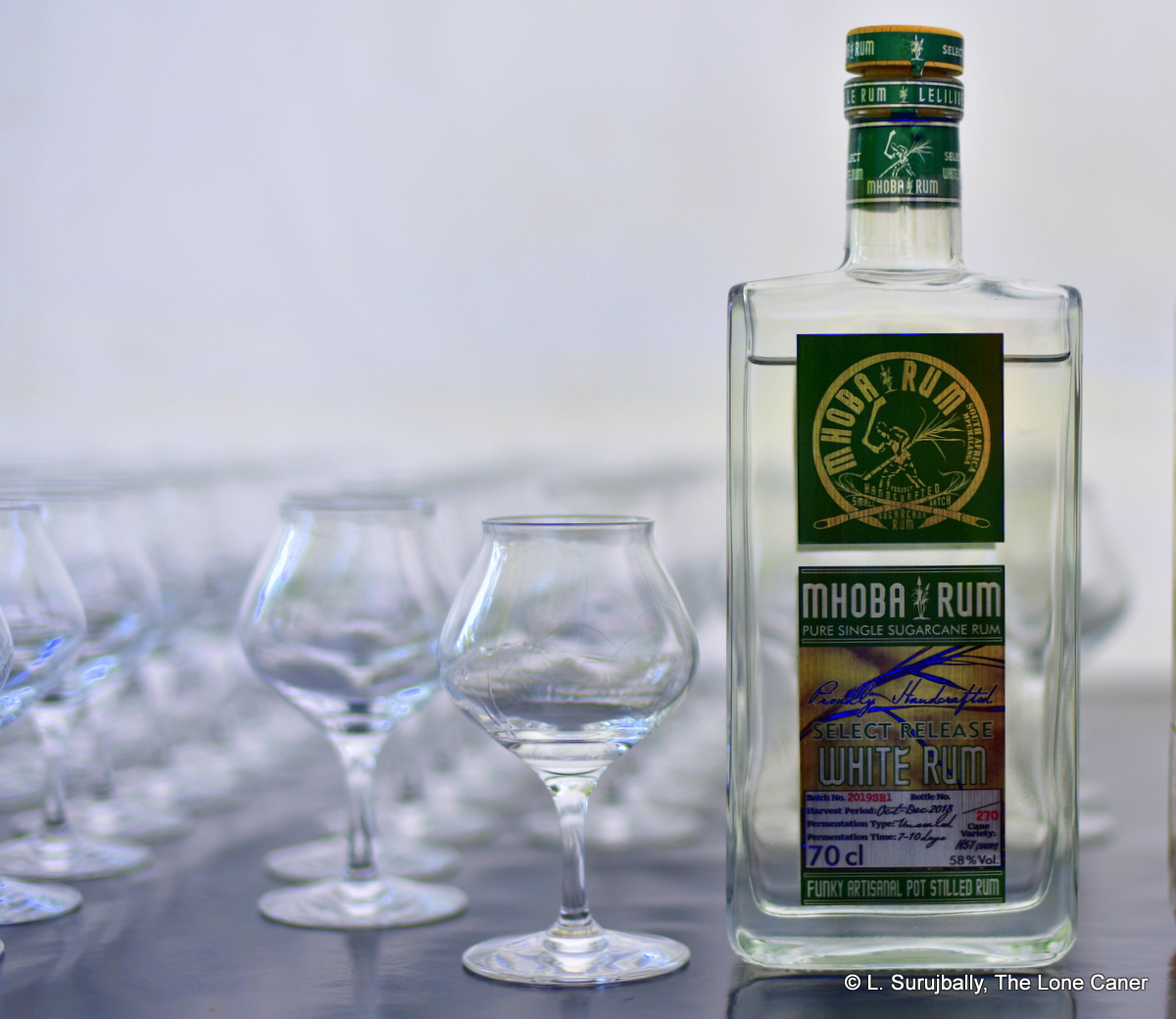
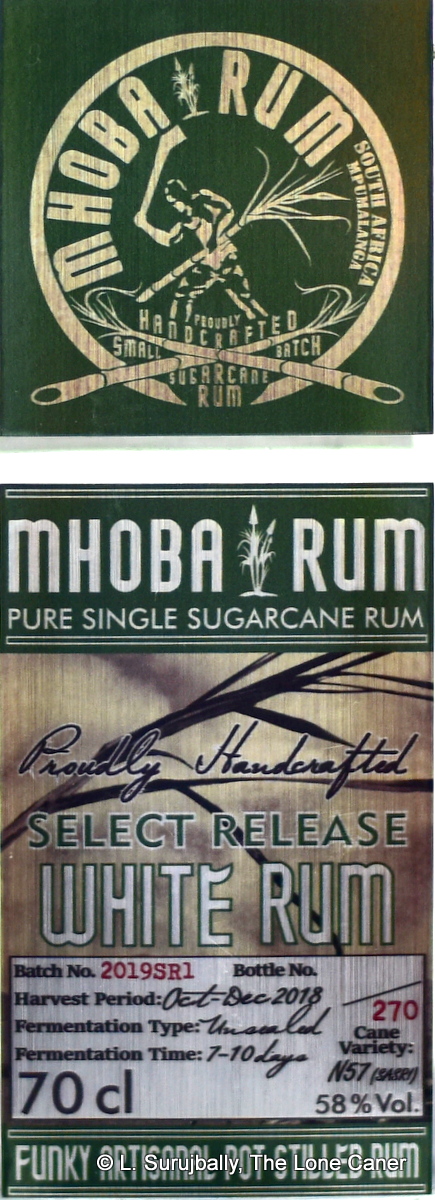 I’ll leave you to peruse Steve’s enormously informative company profile for production details (it’s really worth reading just to see what it takes to start something like a craft distillery), and just mention that the rum is pot still distilled from juice which is initially fermented naturally before boosting it with a strain of commercial yeast. The company makes three different kinds of white rums – pot still white, high ester white and a blended white, all unaged. I tried what is probably the tamest of the three, the Select, which the last one, blended from several cuts taken from batches processed between October to December of 2018 and bottled at 58%. All of this is clearly marked on the onsite-produced label (self-engraved, self-printed, manually-applied), which is one of the most informative on the market: it details batch number, date, strength, variety of cane, still, number of bottles in the run…it’s really impressive work.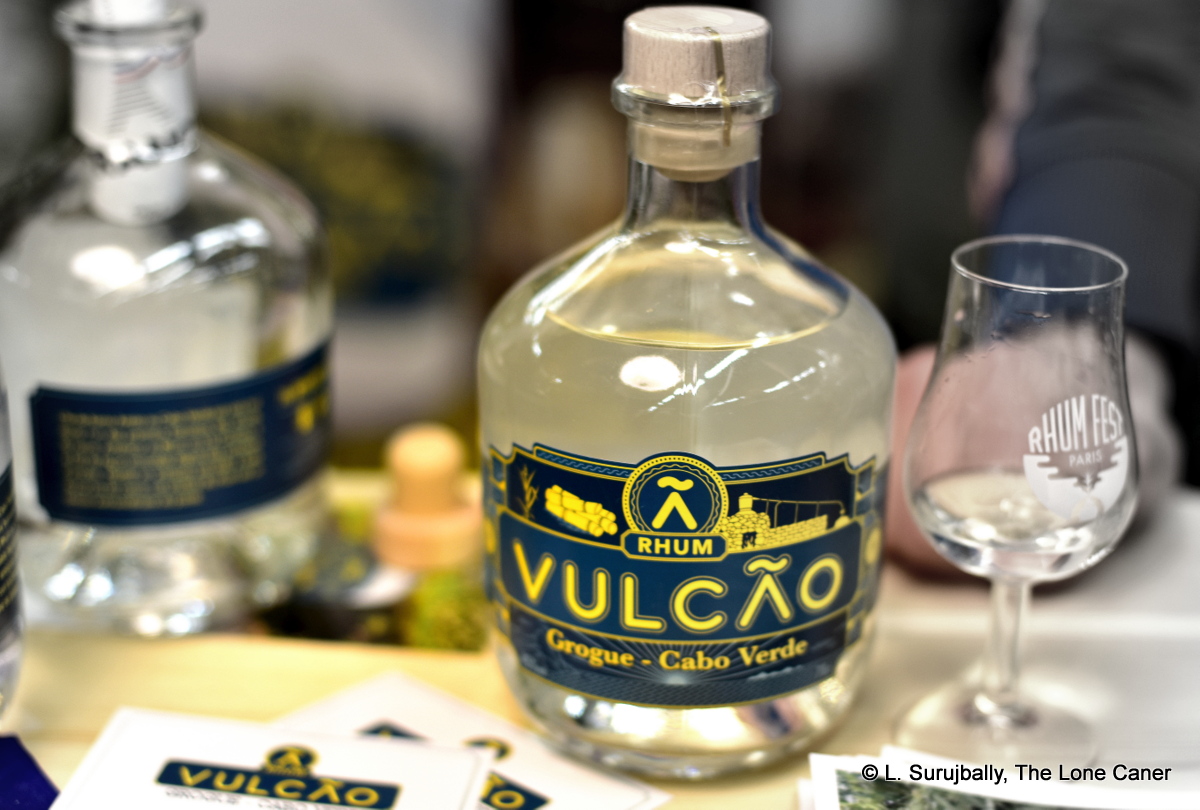
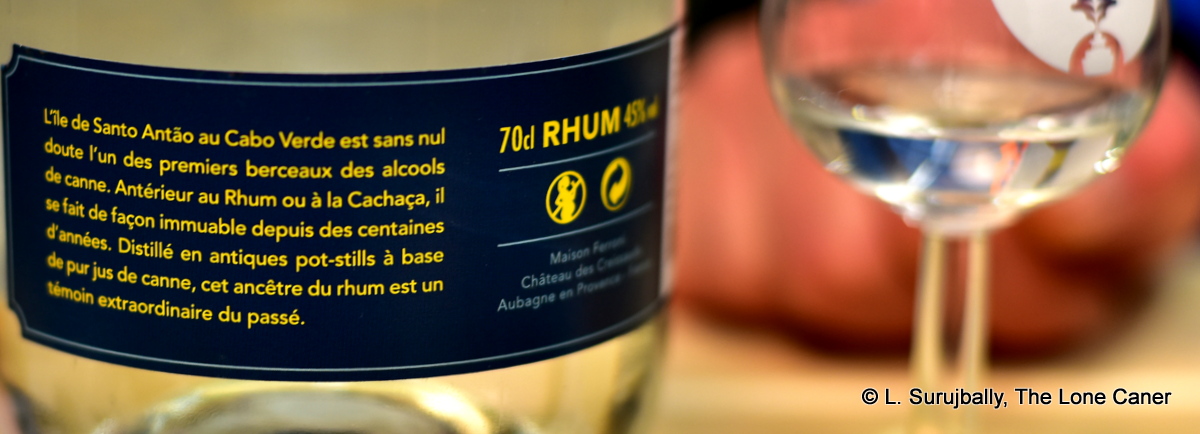
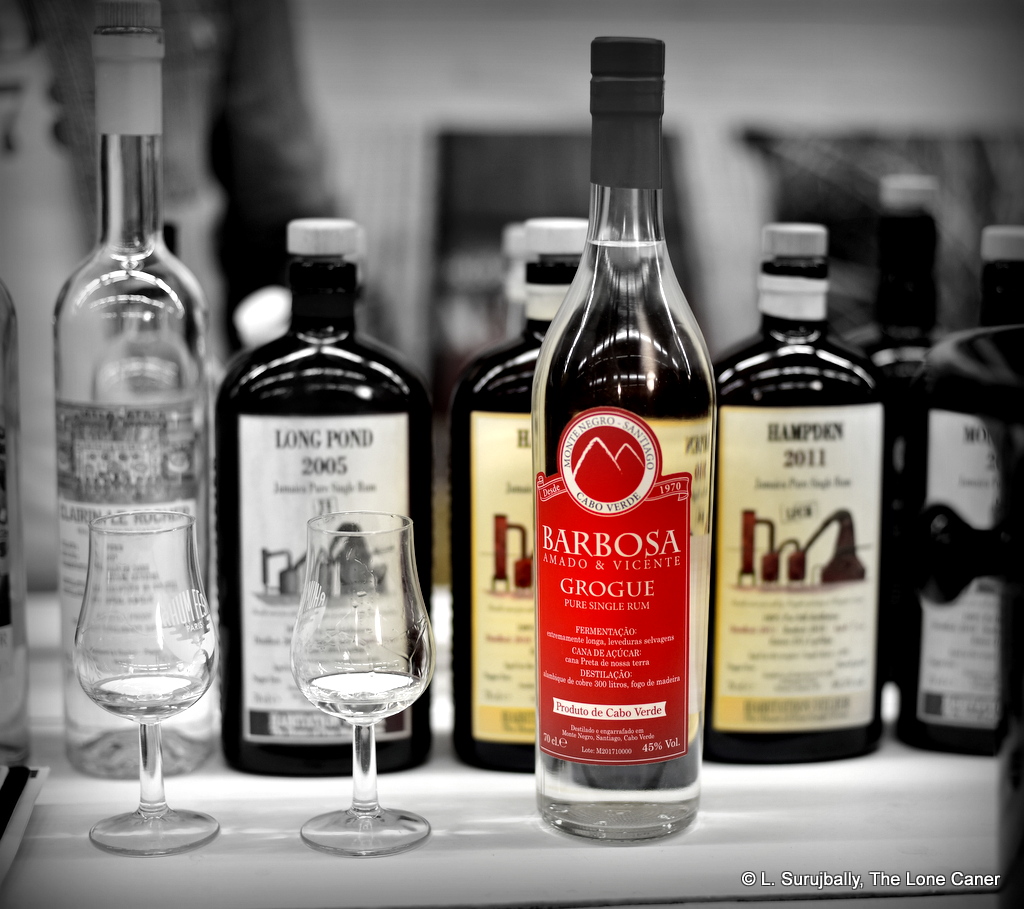
 This was also the case when tasted. The bright and clean fruity-ester notes were more in evidence here than on the nose — green apples, sultanas, hard yellow mangoes, thyme, more pineapples, a bag of white guavas and watery pears. There was a hint of danger in the hint of cucumbers in white vinegar with a pimento or two floating around, but this never seriously came forward, a hint was all you got; and at best, with some concentration, there were some additional herbs (dill, cilantro), grass, sugar water and maybe a few more olives. I particularly liked the mild finish, by the way – clear and fruity and minty, with thyme, wet grass, and some almonds and white chocolate, sweet and unassuming, just right for what had come before.
 Rumaniacs Review #091 | 0598