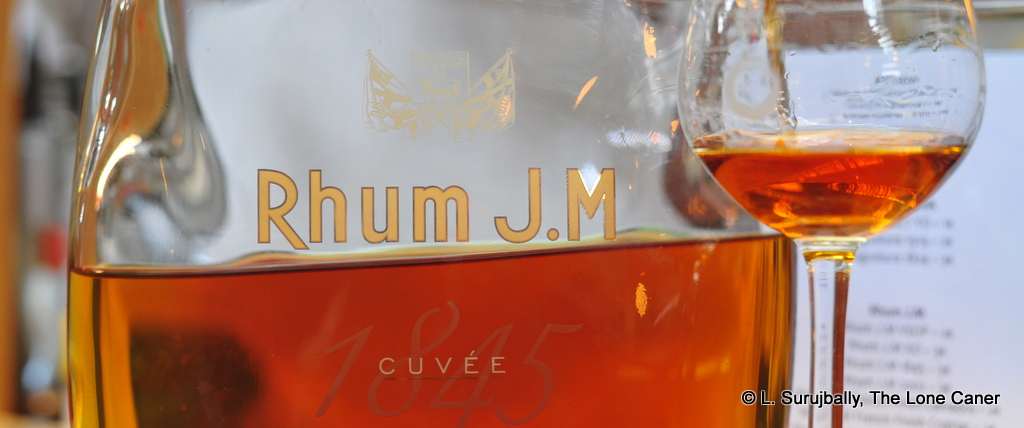
After a tough day at work, the Cuvée 1845 is a balm to the exhausted mind.
Even at 42% ABV, The Rhum J.M. Cuvée makes a statement for agricoles that is worth listening to. It finds a balance between body, mouthfeel, taste, spiciness and warmth in a way that reminds us that agricoles should not be taken as merely a small subset of the greater rumworld, but should hold a place in the pantheon second to none. While these days my preferences run mostly towards stronger, full proof rums, I must say that there’s nothing about this lovely product that makes me want to ask for it to be dialled up. It’s excellent as it is.
Issued as an anniversary edition for the 170th year of production on the plantation in 2015 (which was when I tried it), the Cuvée is a rhum aged at least ten years in oak barrels, gold in colour, and housed in a handsome gold etched flagon of admirable simplicity. J.M. is, of course, the old house on Martinique which issued the haunting 1995 15 year old, as well as the equally memorable 2002 Millesime 10 year old, but I think this one is just a shade better. J.M. as a plantation has been in existence for longer than 170 years – Pere Labat founded the sugar refinery as far back as the 1700s, and it is clear that the current owners have forgotten nothing about what it means to make a top notch rhum.
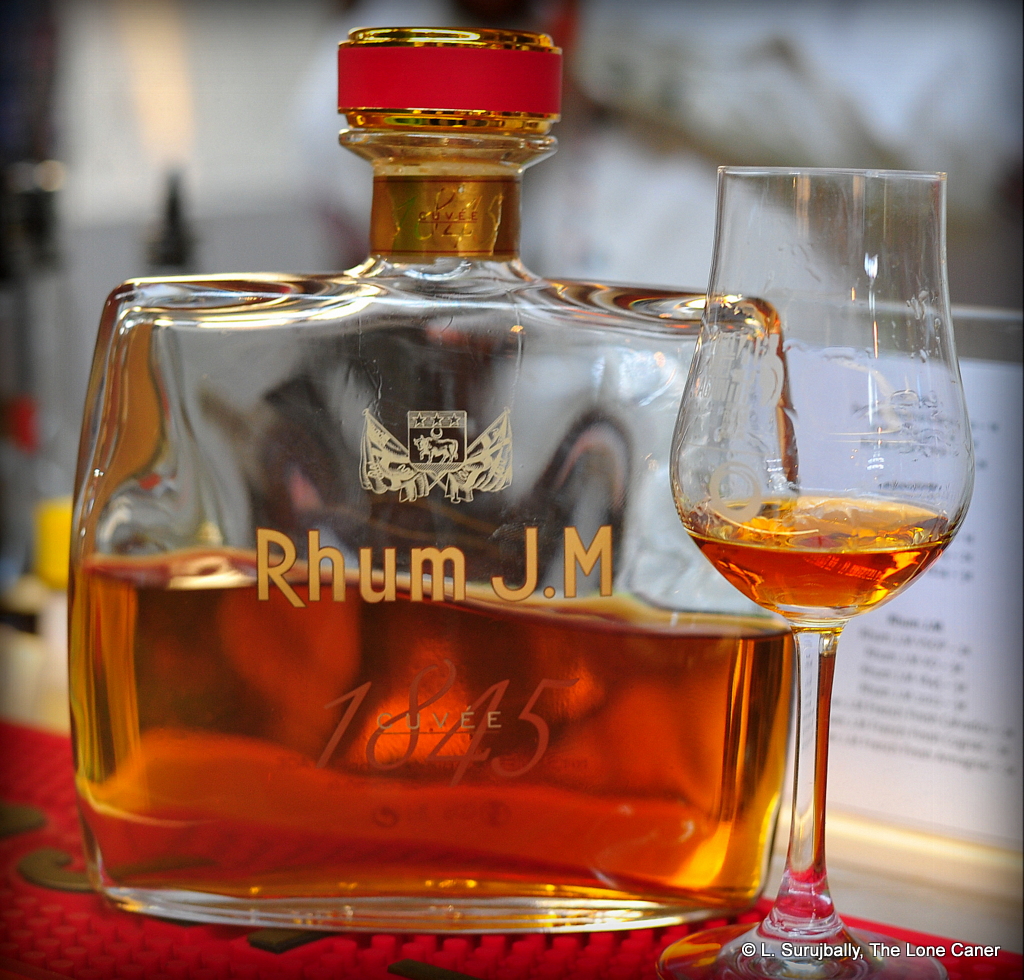 There was a certain tartness in the nose that started things off, something like ginnip and soursop, the crisp and firm ripeness of a green apple. It was not sharp or spicy, just heated and well controlled in a way that made smelling it a joy rather than an exercise in pain management – I didn’t have to set it aside to chill out and breathe, but could dive right in. Once it opened a bit, it softened up, providing additional easy-going scents of vanilla, gingerbread cookies, unsweetened yoghurt and just a dash of pepper and cumin (which is not as odd as it may sound).
It was the taste that elevated the rhum above its 1995 and 2002 compatriots. What sinks an agricole in the minds of many molasses rum lovers is both the clarity and sharpness, whatever the tastes might be. Nothing of the kind happened here. In fact, it displayed the sort of originality and balance of crispness and softness which many rums these days seem to shy away from in an effort not to piss anyone off. The feel body was medium, soft, and had the instantly recognizable herbaceous background which marked it as a cane juice product. Over a period of time, spices, black pepper, vanilla, light citrus and flowers emerged, surrounded by woody notes from the oak barrels where it has rested. These oaky notes were held in check, providing a background of tannins that did not overwhelm, but enhanced further notes of ginger snaps, orange zest, ripe apples, and created a lovely mix of clear, light softness redolent of these many flavours all at once. And the finish was equally high-grade – sweet, smooth, warm, tasty (nothing new added here, alas); perhaps a bit too short…more a summing up of the whole experience than any effort to go off the reservation by presenting anything new.
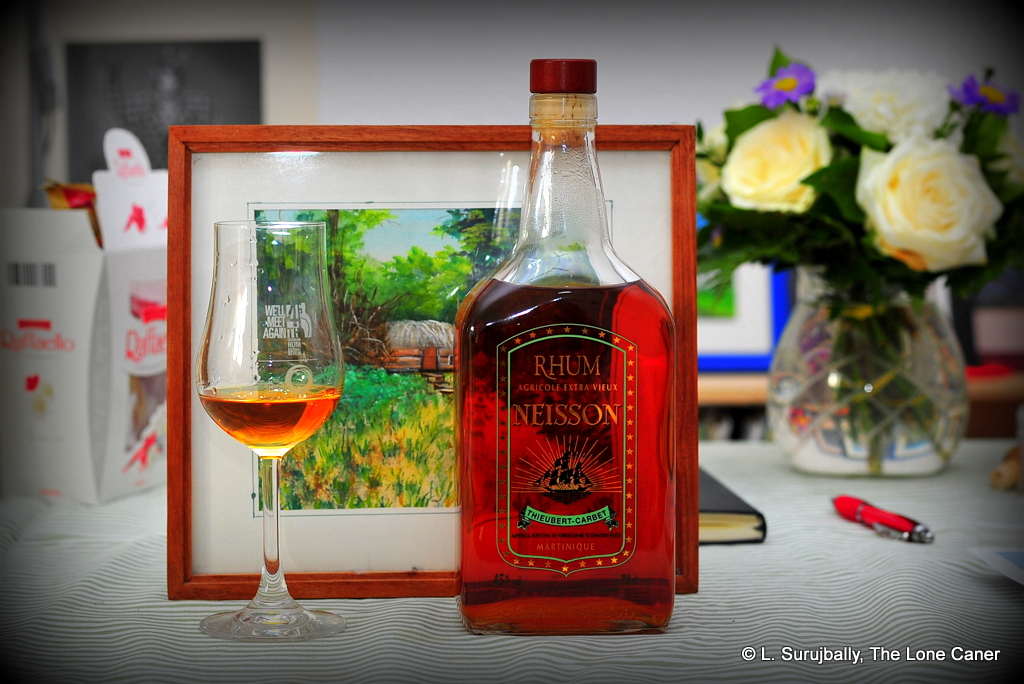
There’s was something almost sensuous about the whole experience. The 1845, and indeed the rest of the rhums from this company, lacked that peculiar sense of individualism that marked out the Neisson line, yet in their own way are as distinct as any other, and with a quality not to be sneezed at. This is a rhum so well made that sipping it neat is almost mandatory – mixing it might be a punishable offense in some places, and I certainly wouldn’t. Admittedly, the only J.M. rhums I’ve tried have been fairly high end ones – when you can carry only one and buy only one, you tend to chose from the better end of the spectrum – but even among those I’ve sampled, this one stands out. It’s a remarkable, tasty, solid accomplishment from one of the last single-domaine, family-owned houses still in existence on Martinique. And a feather in its cap by any definition.
(#294)(88/100)
Other notes
- Blend of rhums aged a minimum of ten years in 200-liter oak barrels
- A brief bio of J.M is provided in the 1995 review



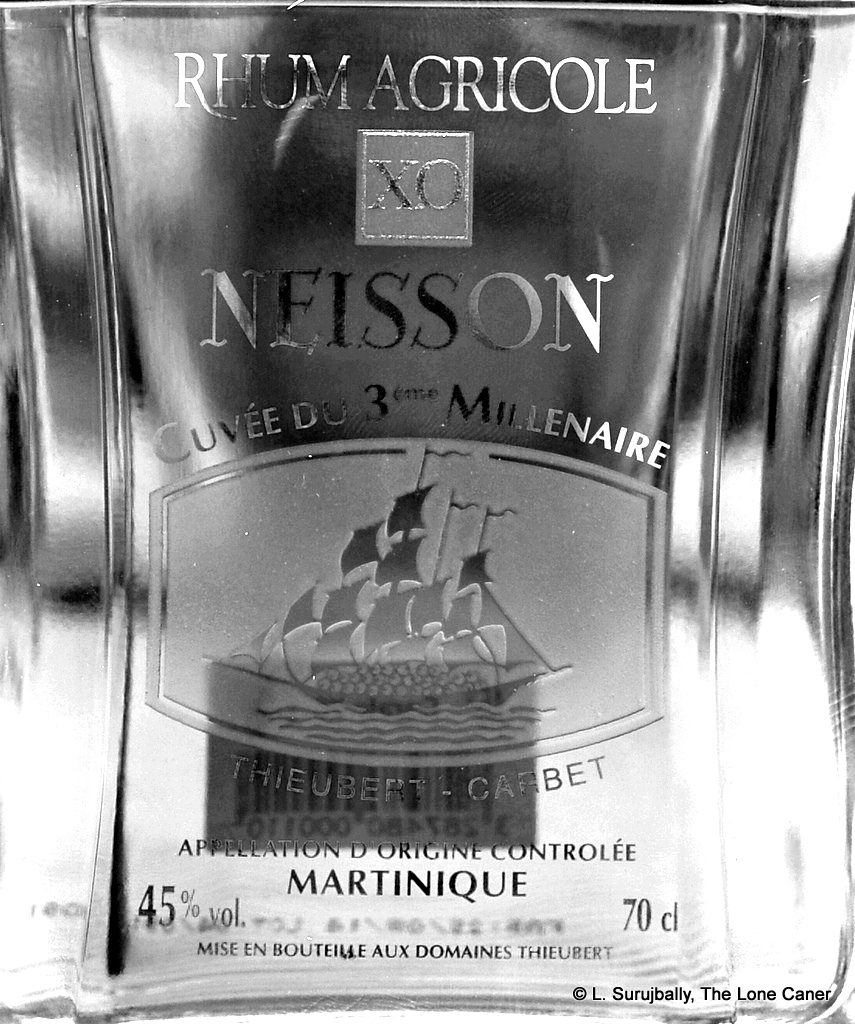
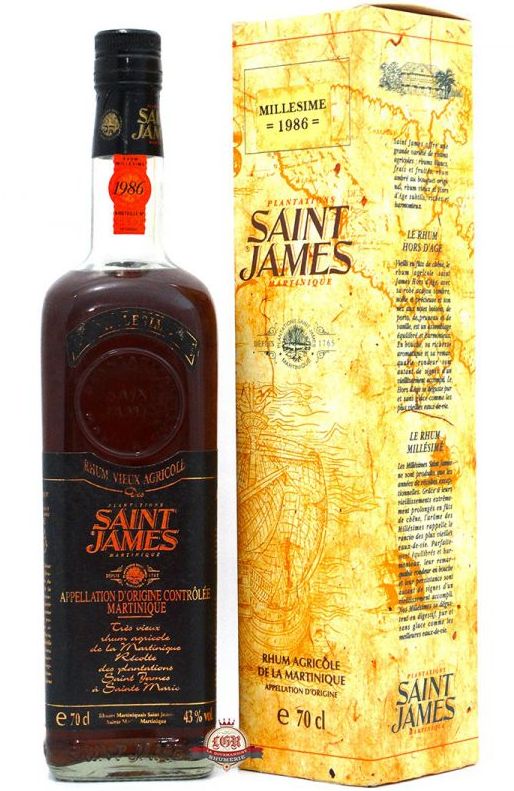
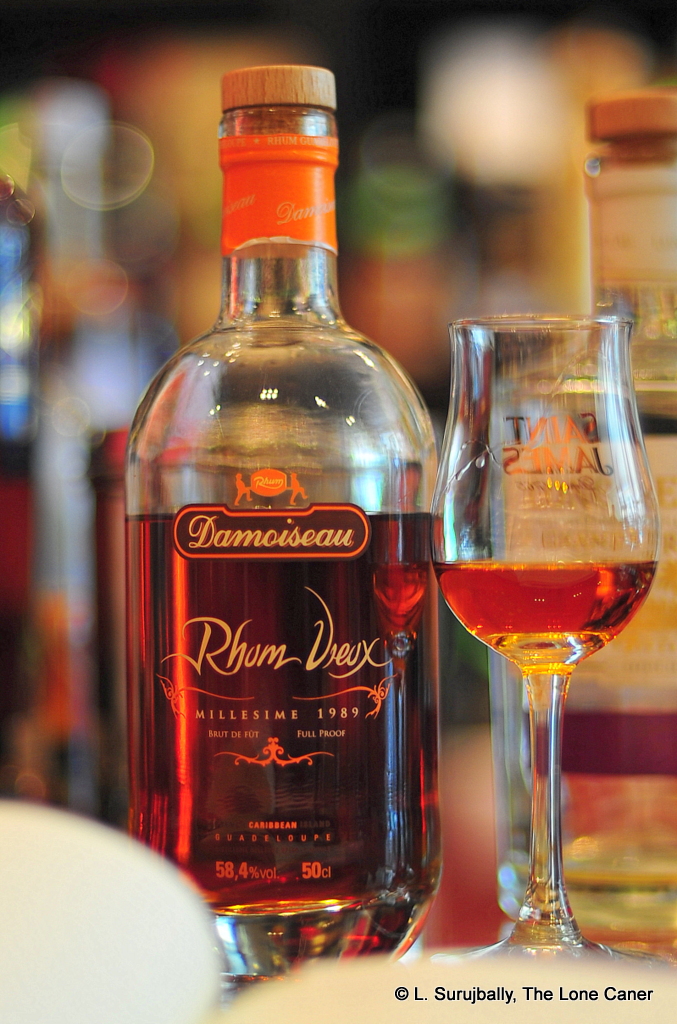

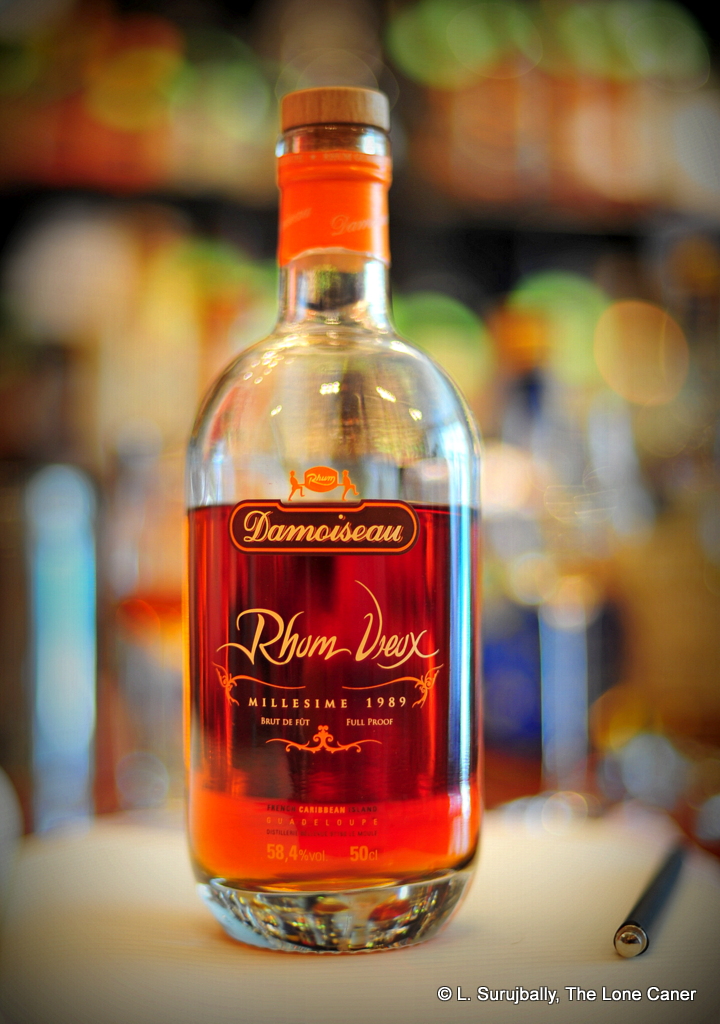
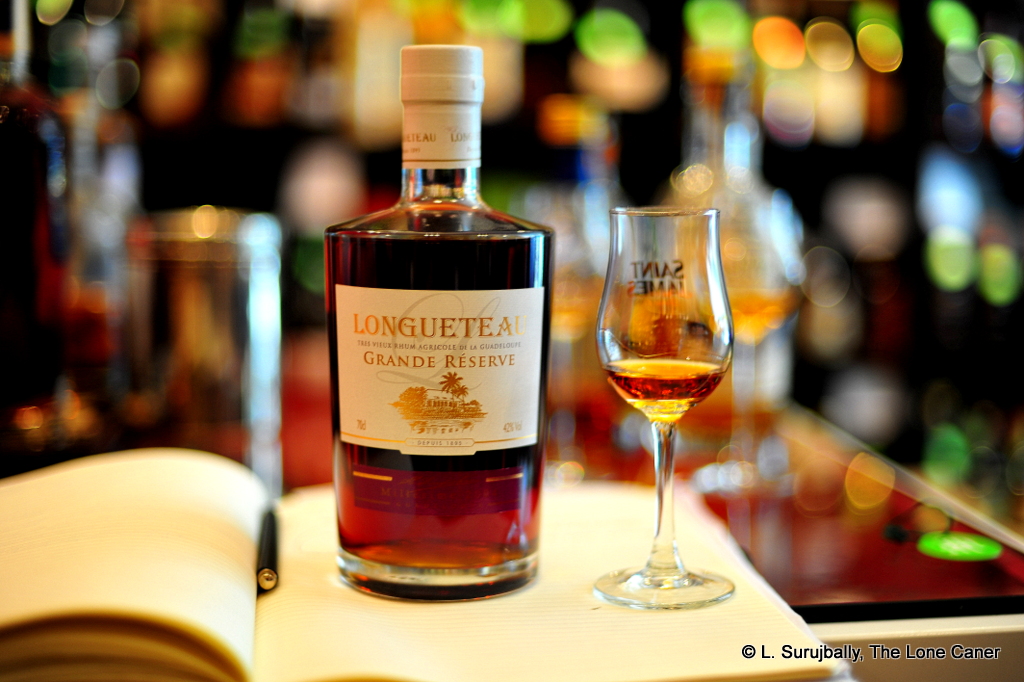
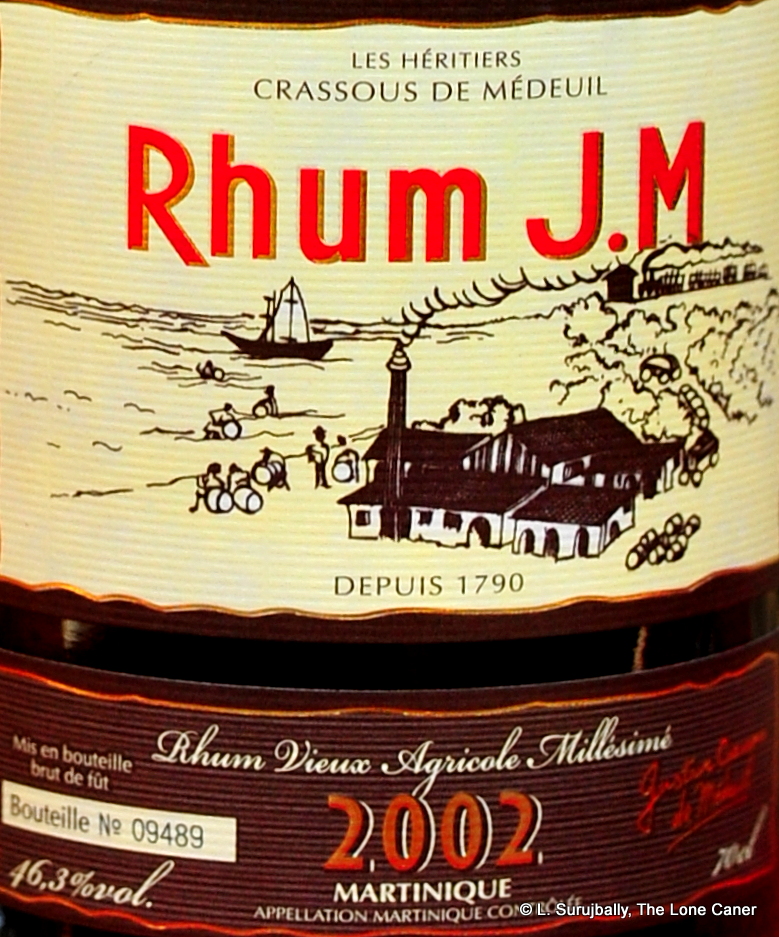
 This dark orange-gold ten year old began well on the nose: phenols, acetone, caramel, sweet red licorice, wet cardboard, it gave a good impression of some pot still action going on here, even though it was a column still product. Then there was some fanta or coke — some kind of soda pop at any rate, which I thought odd. Then cherries and citrus zest notes, blooming slowly into black olives, coffee, nuttiness and light vanilla. As a whole, the experience was somewhat easy due to its softness, but overall it was too well constructed for me to dismiss it out of hand as thin or weak.
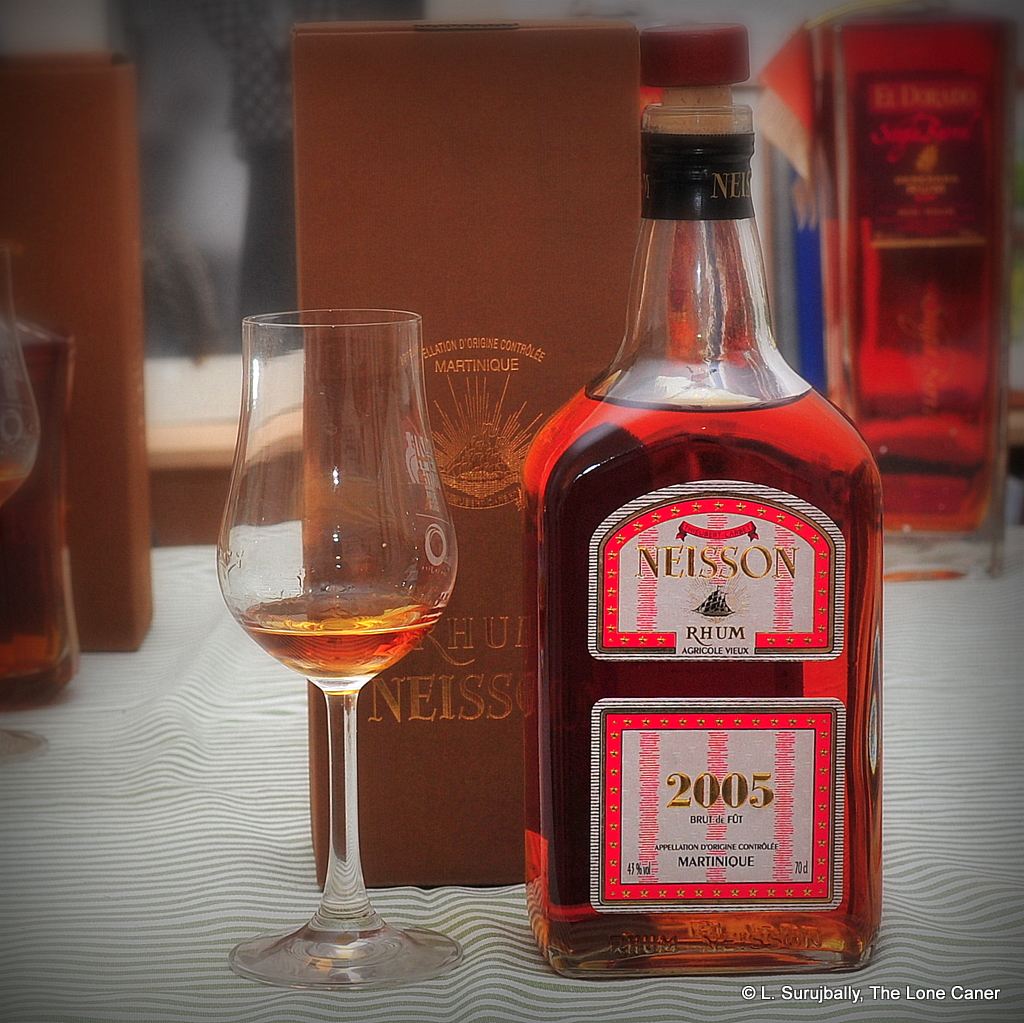
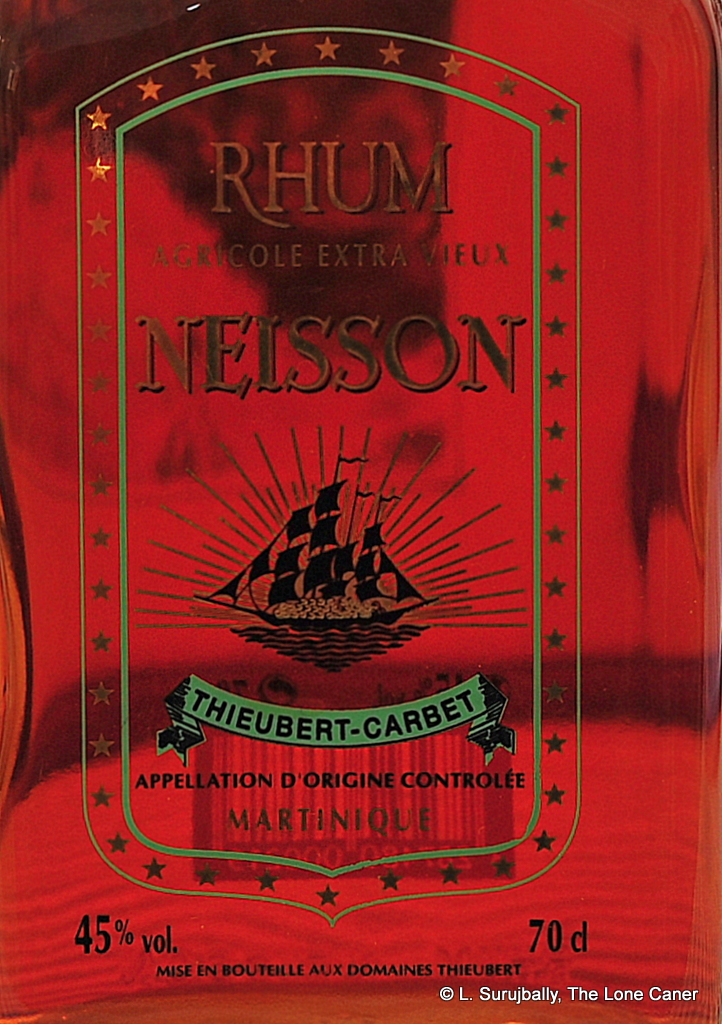
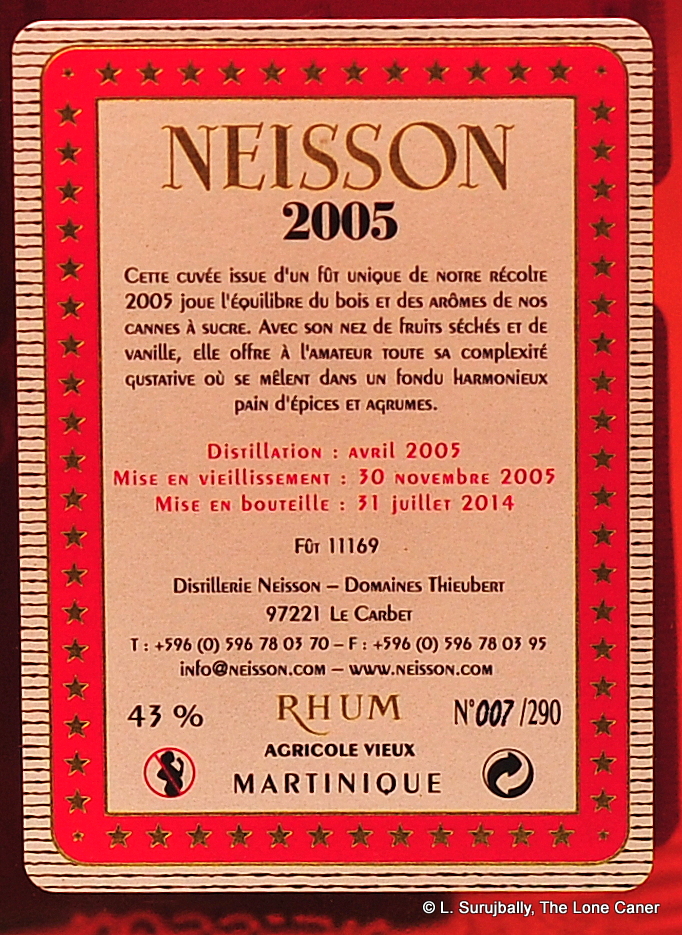 I speak of course of that oily, sweet salt tequila note that I’ve noted on all Neissons so far. What made this one a standout in its own way was the manner in which that portion of the profile was dialled down and restrained on the nose – the 43% made it an easy sniff, rich and warm, redolent of apples, pears,and watermelons…and that was just the beginning. As the rhum opened up, the fleshier fruits came forward (apricots, ripe red cherries, pears, papayas, rosemary, fennel, attar of roses) and I noted with some surprise the way more traditional herbal and grassy sugar cane sap notes really took a backseat – it didn’t make it a bad rhum in any way, just a different one, somewhat at right angles to what one might have expected.
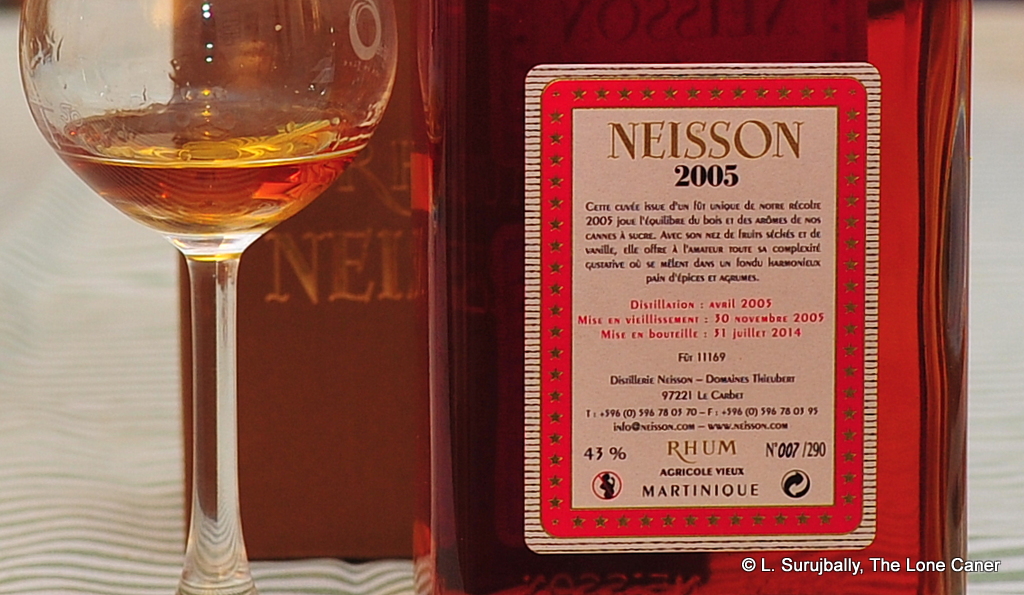 But I also didn’t get much in the way of wonder, of amazement, of excitement…something that would enthuse me so much that I couldn’t wait to write this and share my discovery. That doesn’t make it a bad rhum at all (as stated, I thought it was damned good on its own merits, and my score reflects that)…on the other hand, it hardly makes you drop the wife off to her favourite sale and rush out to the nearest shop, now, does it?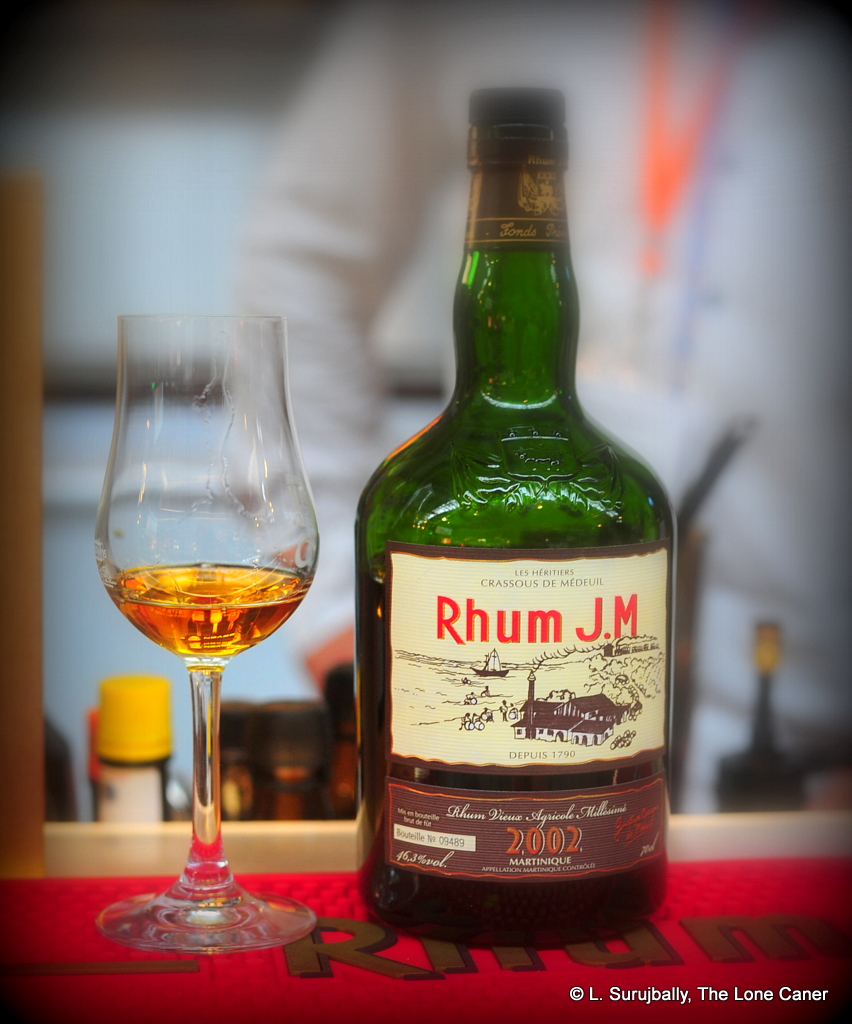
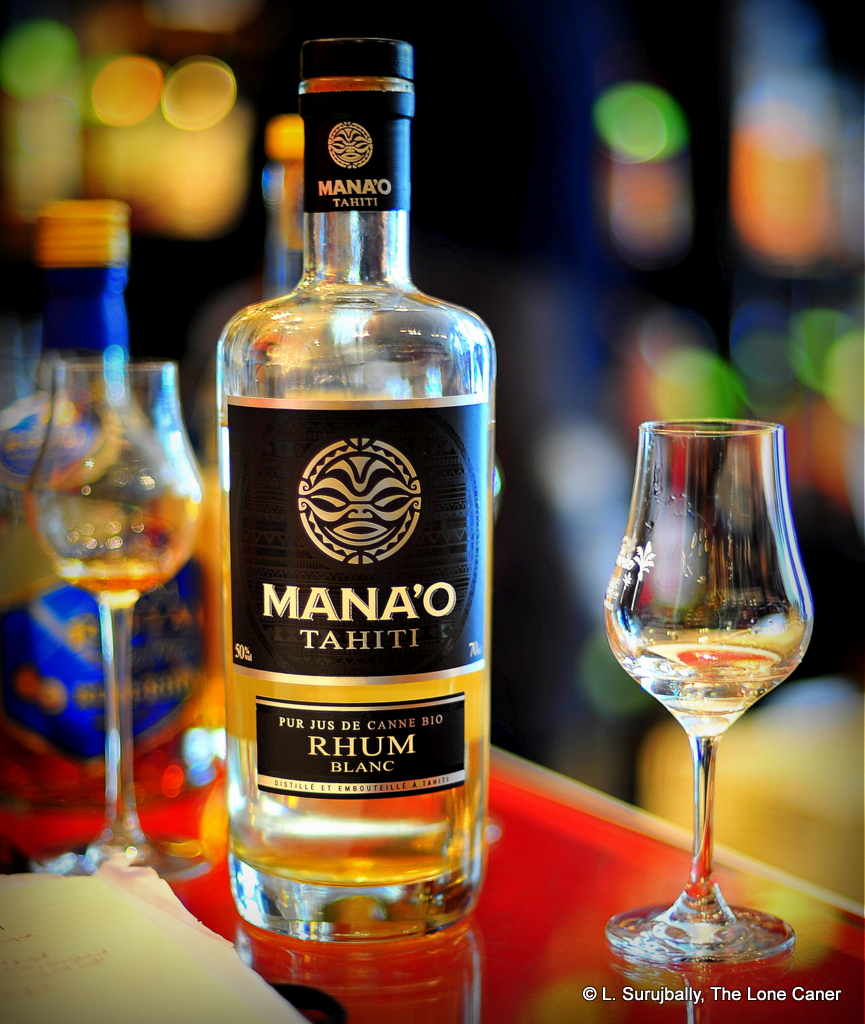
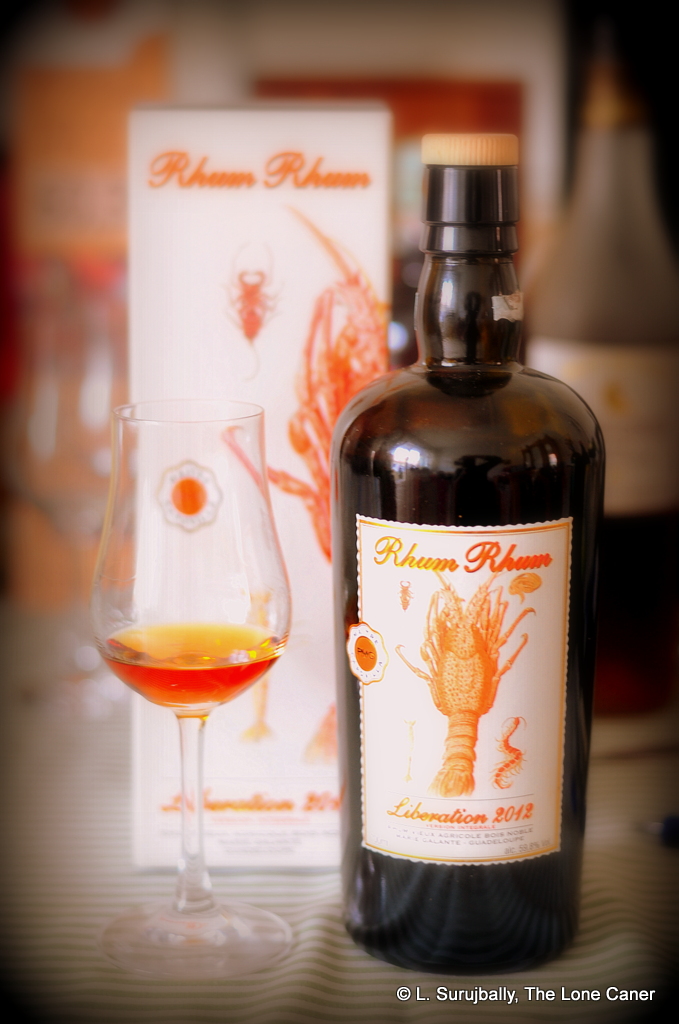
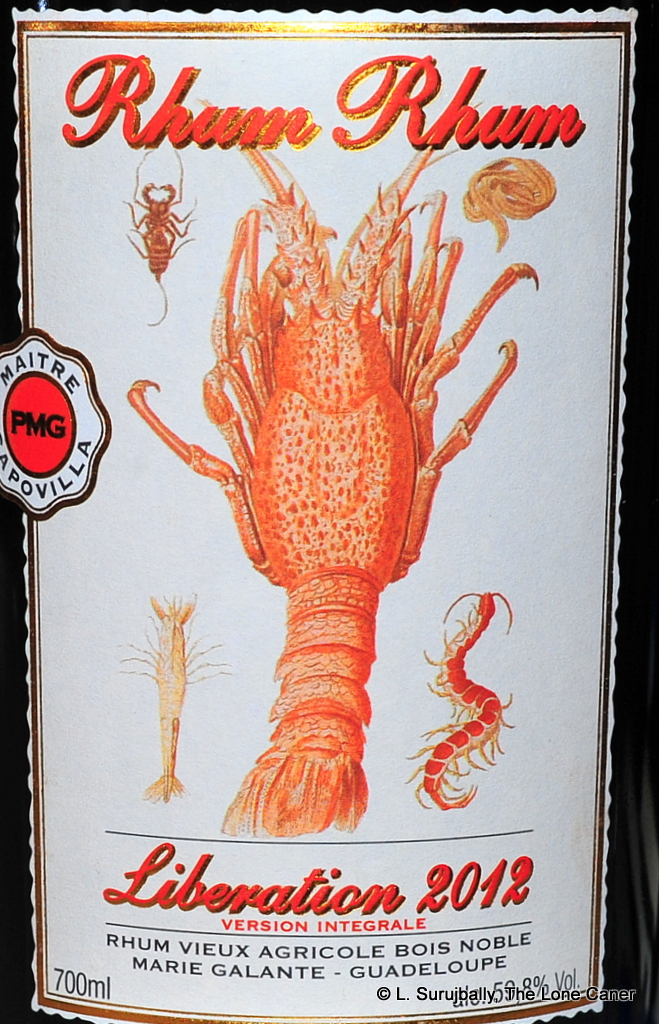 This amazing mix of class and sleaze and style continued without missing a beat when I tasted it. Sure, 59.8% was something of a hammer to the glottis but man, it was so well assembled that it actually felt softer than it really was: I tried the Liberation on and off over four days, and every time I added more stuff to my tasting notes, becoming more impressed each time. The dark gold rhum started the party rolling with plums, peaches and unripe apricots, which provided a firm bedrock that flawlessly supported sharper tangerines and passion fruit and pomegranates. As it opened up (and with water), further notes of vanilla and mild salted caramel came to the fore, held together by breakfast spices and a very good heat that was almost, but not quite, sharp – one could barely tell how strong the drink truly was, because it ran across the tongue so well.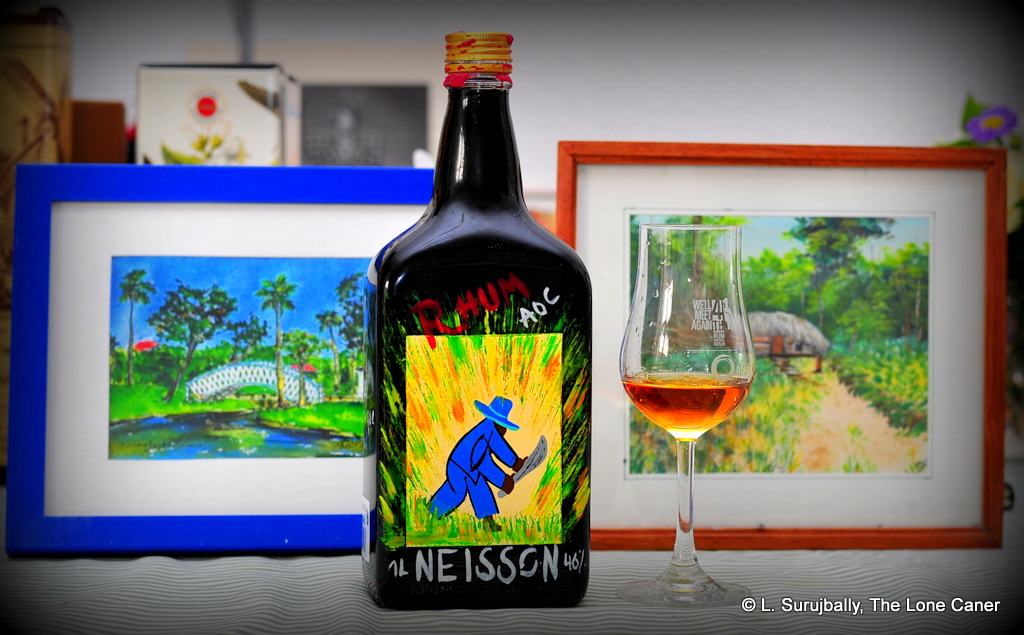
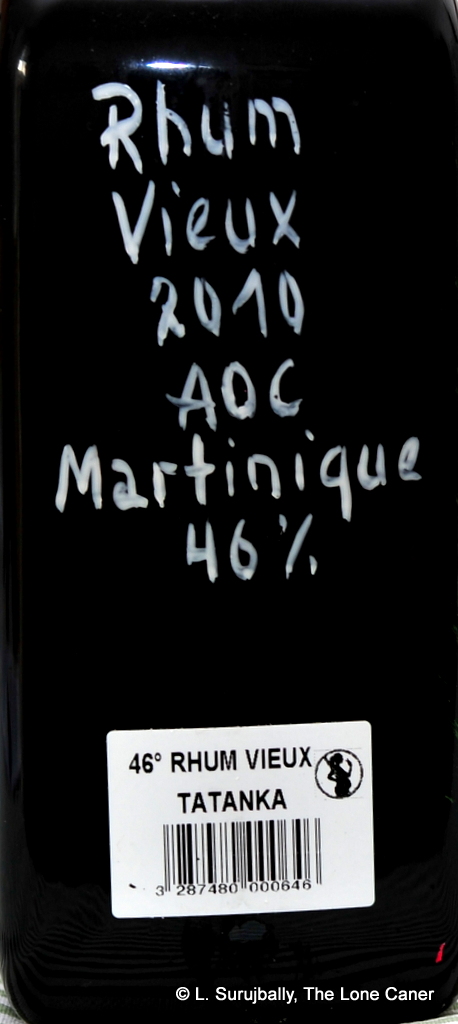
 Okay, I jest a little, but consider the nose on the 46% orange-gold spirit. It displayed that same spicy, musky and almost meaty scent of salt butter and olives and tequila doing some bodacious ragtime, sweat and stale eau-de-vie going off in all directions. It was thick and warm to smell, mellowing out into more fleshy, overripe (almost going bad) mangoes and papayas and pineapples, just not so sweet. Spices, maybe cardamom, and some wet coffee grounds. At the back end, after a while, it was possible to detect the leather and smoke and slight bitter whisper of some wood tannins hinting at some unspecified ageing, but where was the crisp, clear aroma of an agricole? The grasses and herbaceous lightness that so characterizes the style? I honestly couldn’t smell it clearly, could barely sense it – so, points for originality, not so much for recognition (though admittedly, that was just me, and your own mileage may vary;
  Still, there was little to find fault with once I actually got around to tasting the medium-going-on-heavy rhum. Once one got past the briny, slightly bitter initial profile, things warmed up, and it got interesting in a hurry. Green olives, peppers, some spice and bite, sure, but there was softer stuff coiling underneath too: peaches, apricots, overripe cherries (on the verge of going bad); salt beef and butter again (the concomitant creaminess was quite appealing), and I dunno, a chutney of some kind, stuffed with dill and sage. Like I said, really interesting – it was quite a unique taste profile. And the finish followed along from there – soft and warm and lasting, with sweet and salt and dusty hay mixing well – I am not reaching when I say it reminded me of the mingled dusty scents of a small cornershop in Guyana, where jars of sweets and medicines and noodles and dried veggies were on open display, and my brother and I would go to buy nibbles and maybe try to sneak into the pool hall next door.
 Rumaniacs Review 018 | 0418