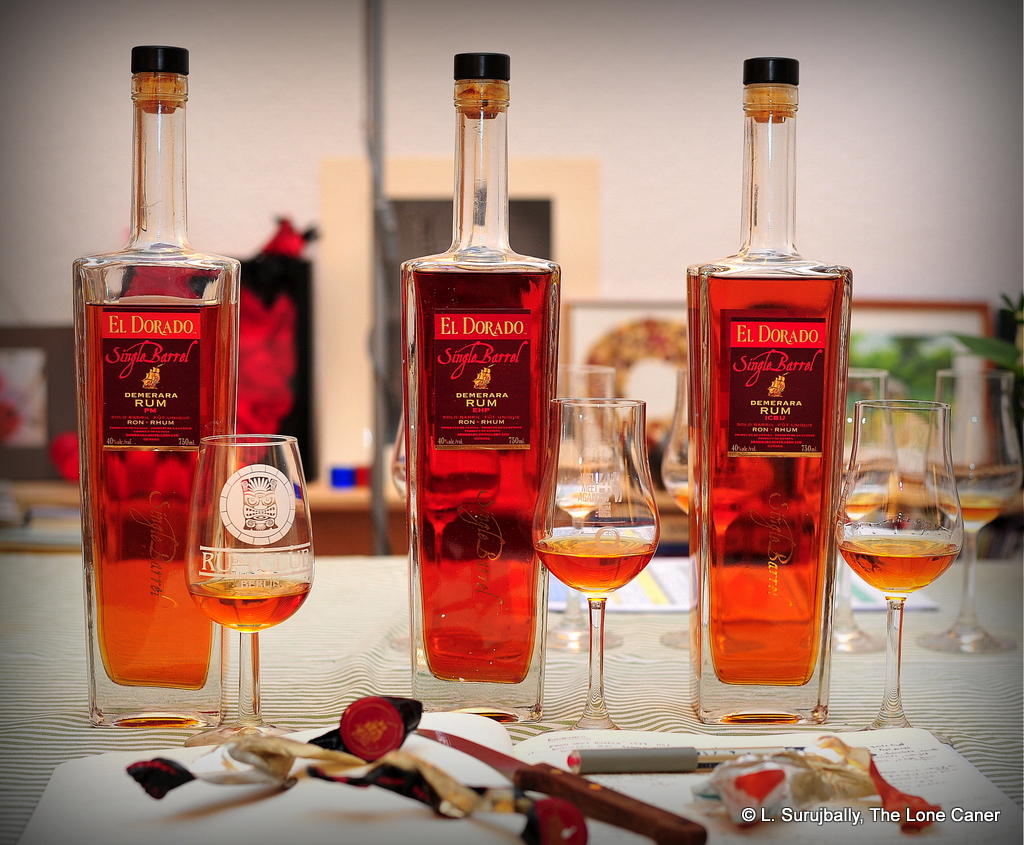
(#236)
The three single barrel expressions issued by DDL are a curious bunch. Ignoring the head of steam gathered by independent bottlers in the last ten years or so, DDL has never given either prominence or real attention to what could be Demerara rum’s killer app – single barrel, cask strength expressions that are still-specific. When one observes the raves Velier, Cadenhead, RN, Silver Seal and others have gotten for their tightly focussed expressions hewing to precisely those coordinates, one can only wonder what DDL’s malfunction is.
And yet, here they are, these three, originating from the Port Mourant wooden double pot still, Enmore’s wooden column still and Uitvlugt’s French savalle still. So certainly some vision is at work in the hallowed halls of Diamond, however imperfect to us fanboys.
That said, there are problems with the rums reviewed here. They are non-age-specific; they are issued at what deep core rumboys consider an insulting 40% (at a time where 43-46% is practically a new norm for single barrel rums); and they seem to be issued as an afterthought instead of as core products in DDL’s range. I get the distinct impression that eight years ago when they first appeared (to commemorate the 2007 cricket world cup partly held in Guyana) they barely sold enough to keep making them. Nowadays they’ve become sought after items, and still DDL is doing very little to promote them, re-issue newer variants, expand the range, or to make them stronger. Ah well.
Some basic facts, then: “living room” strength (to quote my Danish friend Henrik’s immortal phrase), still-specific, and confirmed by the El Dorado FB team that they are a minimum of twelve years old (Carl Kanto told me 13-16 years old, for all of them), aged in ex-bourbon barrels. No year of make is available (we can assume around 1995 or thereabouts). The bottles are tall, squarish and tapering — supposedly resembling a cricket bat, an homage to their issue — so watch your step when having them in your home bar…they tip over easy. That’s more or less enough to be going on with.
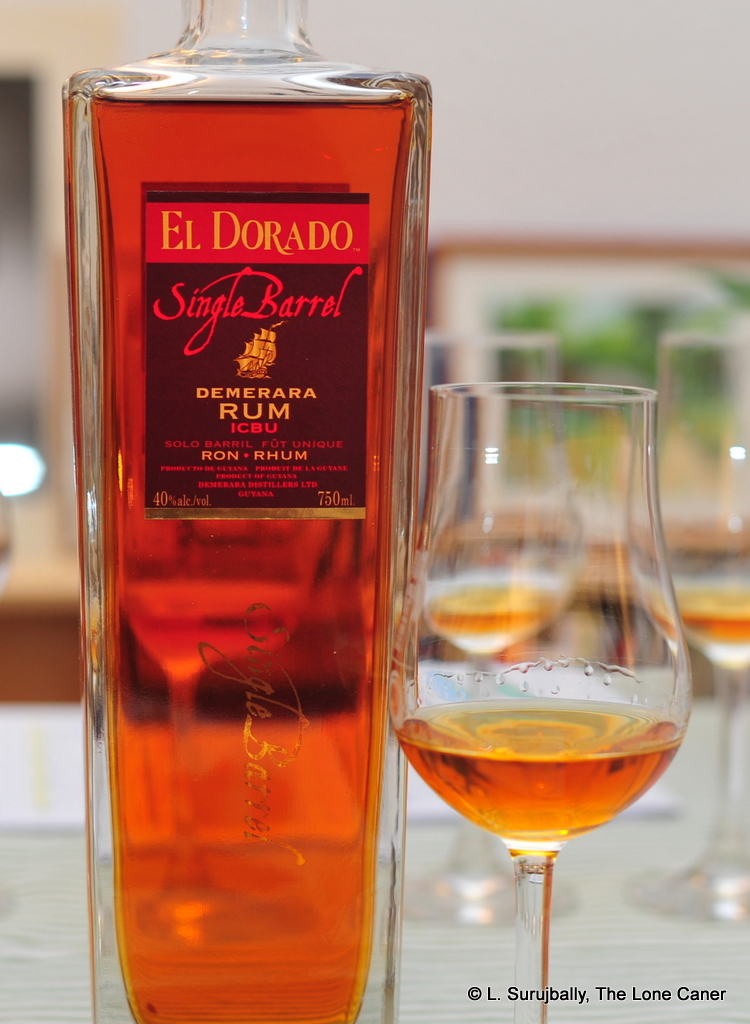 ICBU – Ex Savalle still, Uitvlugt
(83/100)
Colour: amber-orange
Nose: Quite delicate and a little thin, sharpish and fading fast, perhaps demonstrating why Velier’s decision to crank up the amperes was the right one. Vanilla, tannins led the charge, with green grapes, the tartness of soursop (not much), plus red cherries and red currants. After opening up, additional scents of caramel, toffee and lighter floral notes.
Palate: Medium bodied, a shade astringent and dry. Still very pleasant to sip. Medium sweet rum, again that delicacy of flavour demands some attention and concentration. Caramel, raisins, burnt sugar, more light flowers, blackish bananas, and even a mischievous flirt of air freshener, y’know, like pine-sol, or even varnish. The fruitness is dialled way back, and there’s some oak and leather floating around, more evident with some water.
Finish: Short, dry, thin. Vanilla ice cream with some caramel drizzle, and white toblerone
Thoughts: shows the potential of what can be done if DDL oomphed it up a mite.
*
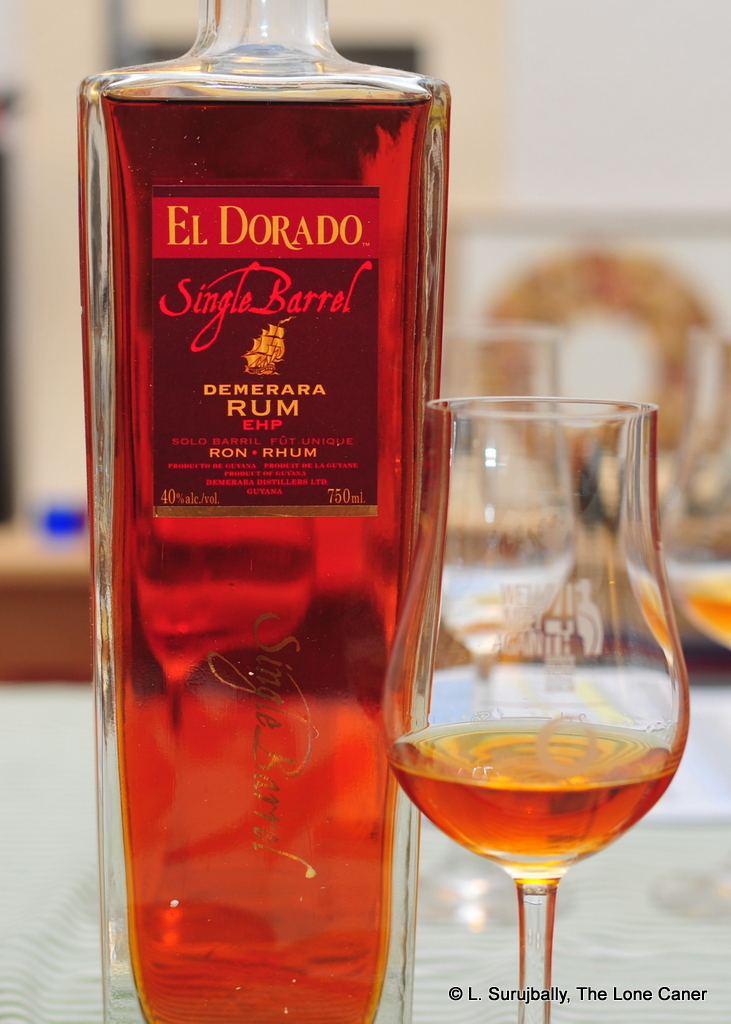 EHP – Wooden Coffey Still, Enmore
(84.5/100)
Colour: dark copper
Nose: Some of the wooden stuff so characteristic of Enmore emerges right away. Red licorice, tannins, molasses, caramel. A much greater depth of flavour than the ICBU. Vanilla, almonds, dark chocolate, with faint coffee, coconut, nutmeg and maybe saffron. Very nice indeed. Quite balanced – no real sharpness or spice here, just warm waves of olfactory happiness.
Palate: Medium bodied, warm and very pleasant…just unadventurous (that 40% again?). Caramel, vanilla and licorice, lemon peel, black grapes, underlaid with faint wax-rubber notes, far from unappealing. With water, it expands into butter and cream cheese on rye bread, almonds, nougat, oak, smoke, leather and freshly crushed tobacco leaves and vegetal stuff I couldn’t identify.
Finish: Short, aromatic and warm. More vanilla, faint white chocolate and some flowers, deeper, subtler memories of licorice and olives. Some last oaky notes, held in check.
Thoughts: The 40% is decent enough – you’re getting quite a bit here, and it’s better than the ICBU, though not scoring hugely more. Try a more potent cask strength offering and you’ll see what I mean.
*
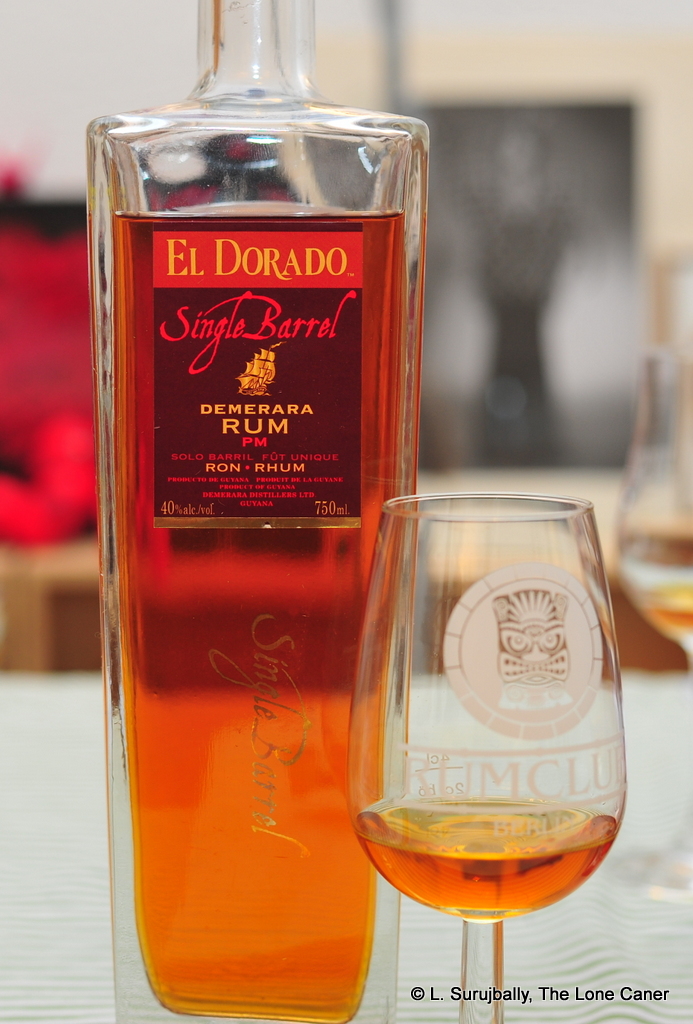 PM – Double Wooden Pot Still, Port Mourant
(85.5/100)
Colour: dark amber
Nose: Nosing this shows immediately how extraordinarily unique the PM distillate is – it’s almost unmistakeable. It’s no accident that PM distillate is a popular constituent of many Navy-style rums. Pungent, heated and deep (slightest bit sharp), with licorice-citrus amalgam. Shoe polish on old leather shoes (and old socks in those shoes). Musty, leathery, smoky, with some molasses, anise, overripe cherries and green olives alongside a really good feta cheese. Can’t get enough of this.
Palate: This is where the rum fails to meet expectations, for all the sumptuousness of the lovely, phenolic, astringent nose. Too little of these aromas carries over to the taste, though to be fair, some does. It’s just too faint, and one is led to believe it would be deeper. Medium full body; coffee, butter dark chocolate, almonds, some tangerine zest. More of that musty driness recalling an unused hay-loft. Some gherkins in salt vinegar. Leather and smoke and well-balanced oak. A dash of sweet molasses-soaked brown sugar laces the whole package.
Finish: Dry, sweet, medium long. Dusty dried grass, aromatic tobacco, and, of course, more licorice. Impressive for a 40% rum.
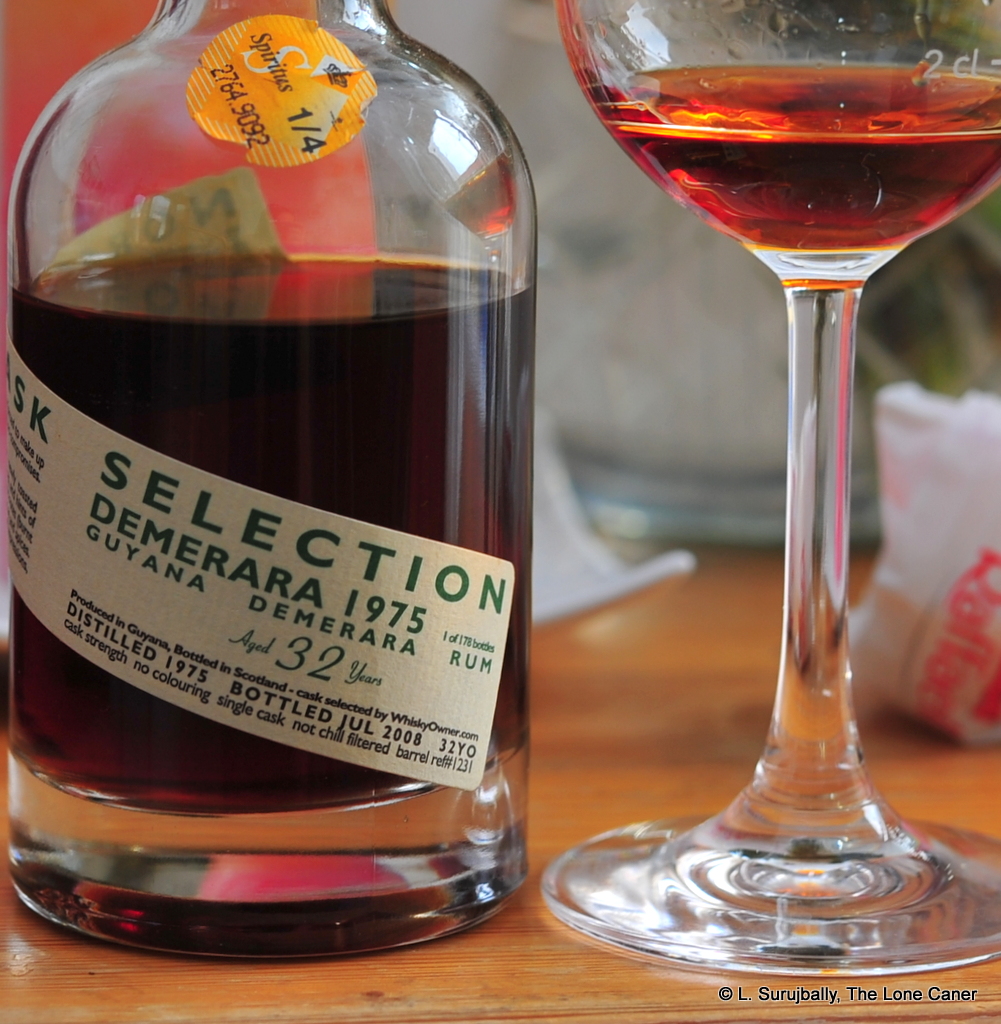
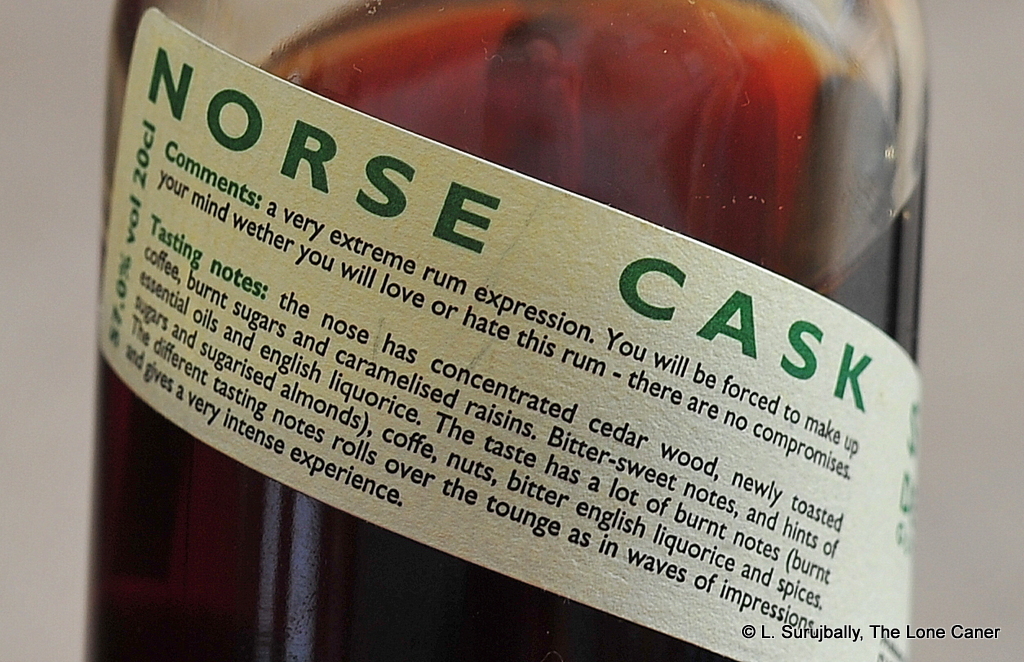
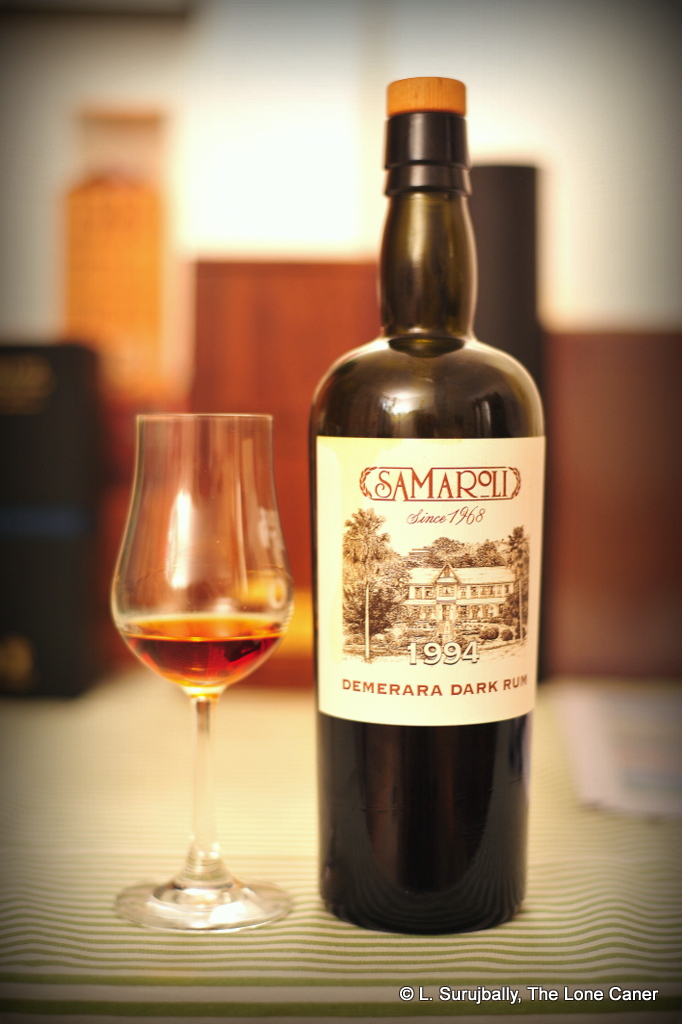
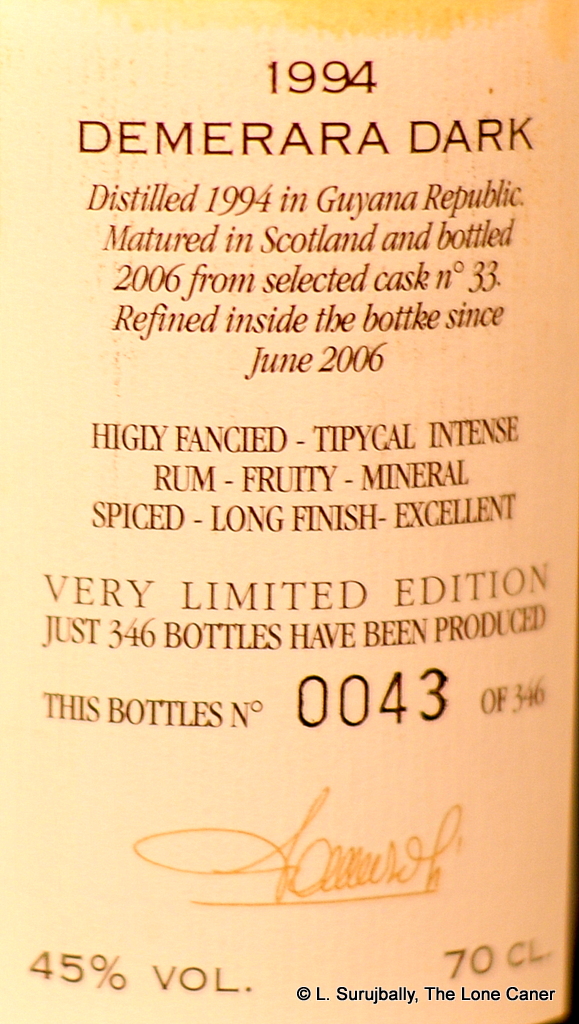
Thoughts: the nose is great, the finish, lovely. It’s on the palate that more could be done. Perhaps unfairly, I used the Samaroli Demerara 1994 45%, Norse Cask 1975 57% and Cadenhead Green Label Demerara 1975 40.6% as controls…and those rums were incredibly rich (even if two were twice as old) in a way that this was not (though it recouped points in other areas).
A few random thoughts occurred to me as I tried these rums. One, DDL should make more, and more often, and move right past 40%. No, the various new cask finishes on the 15 year old don’t make up for the potential that is wasted here. Velier and other makers have proven that the stills themselves are the selling point, with some skilful and aggressive marketing.
I suspect that output from the wooden stills in particular is being saved for dependable cash cows like the various El Dorado aged expressions, and issuing stronger cask strength stuff the way independent bottlers have been doing, would lessen stocks available for the old stalwarts. So think of it this way: the 40% 21 year old rum is fantastic for around a hundred bucks, yes…but just think of what mad people like me would pay for a unicorn like a 21 year old LBI-estate rum bottled at 50%. Just sayin’.
Anyway, that DDL chooses not to expand its own base of excellent rums by issuing more like these is to their own detriment, and my personal opinion is that if you like Guyanese rums a little different from more well-known, standard (blended) profiles , then these three are definitely worth the little extra money it takes to snap them up. They may be issued at “only” 40%, but they’re still cheaper and less powerful than Veliers for those who shy away from 60% monsters; and they serve as a great intro into the characteristics of DDL’s famous stills without breaking either the bank or your tonsils. Go get ‘em if you can.
Other notes
From the El Dorado FB team: “The annotations PM, EHP and ICBU refer to the estate of origin of the respective still that the rums are still produced on; PM being the Port Mourant estate in the Berbice county, EHP being the Enmore estate on the East Coast of Demerara that was owned by Edward Henry Potter at the time of acquisition of the Wooden Coffey Still, and ICBU being the estate then owned by Ignatius Christian Bonner at Uitvlugt (ICB/U) on the West Coast of Demerara.”
The age of the stills recalls the old philosophical problem of Theseus’s ship: over the years all the wood of the ship was gradually replaced. After a time, none of the wood was original, so was it still Theseus’s ship? Something similar happens with the wooden stills. Certainly there’s little of any of them that is hundreds of years old, what with constant replacement of a plank here and a plank there.
Compliments, kudos and thanks to Josh Miller of Inuakena, who not only bought these on credit for me six months or more ago, but when he discovered that he missed the PM and sent me two EHPs by mistake, couriered the missing bottle to me pronto, so I could do the review of all three before I left Berlin. Big hat-tip, mate. Mis rones son sus rones.
My original 2010 review of the ICBU shows something of how my taste, writing style and opinion have changed over the years. I didn’t refer to it when I wrote this one.
As this review was being written, so many things occurred to me that rather than obscure the tasting notes, I provide a precis of the various high points, and split off the more in-depth remarks into a separate essay about the wasted potential of the stills.
Update January 2016
The word spread like wildfire in the blogosphere and on FB in the second week of January, that DDL would issue three cask-strength aged still-specific expressions after all. A PM, a Versailles and an Enmore.
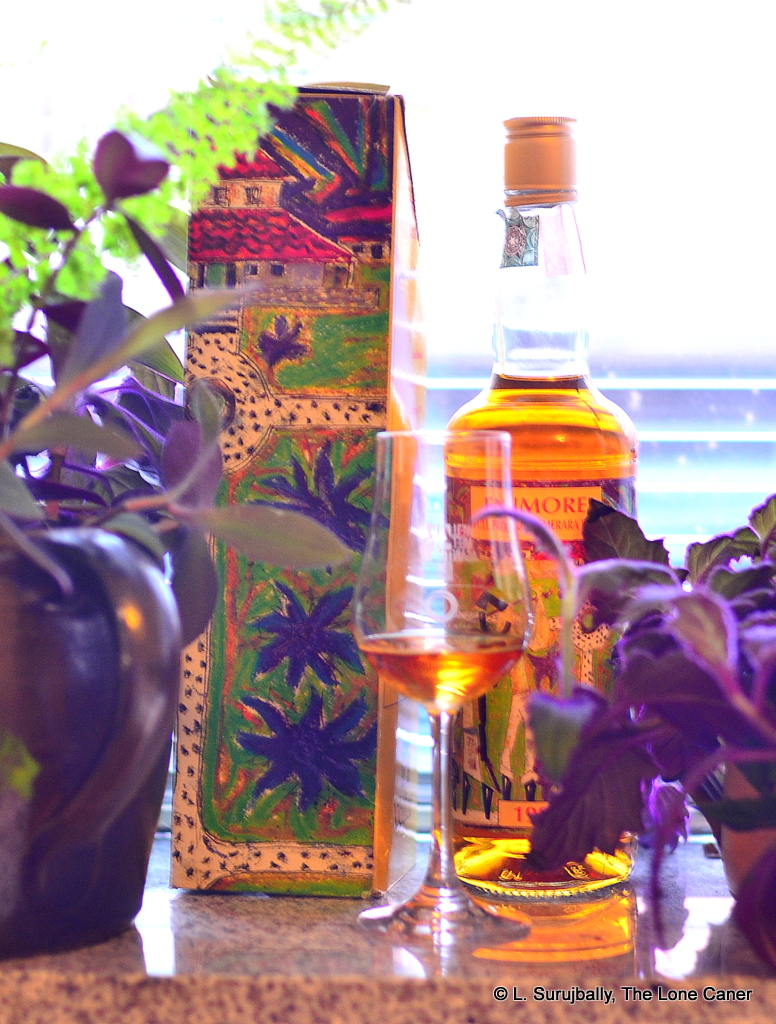
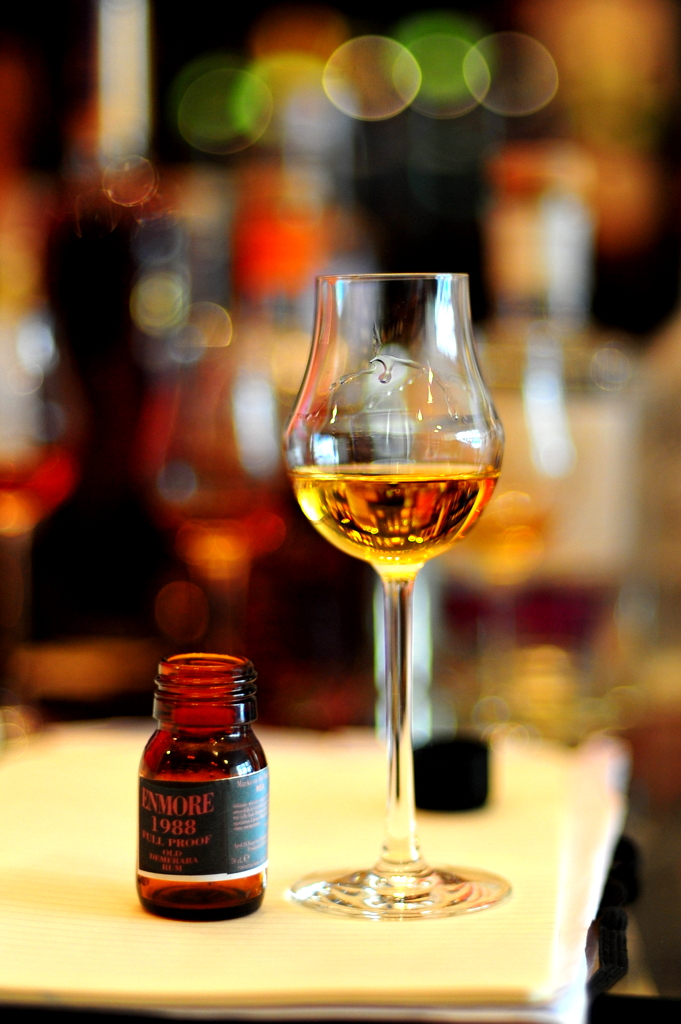
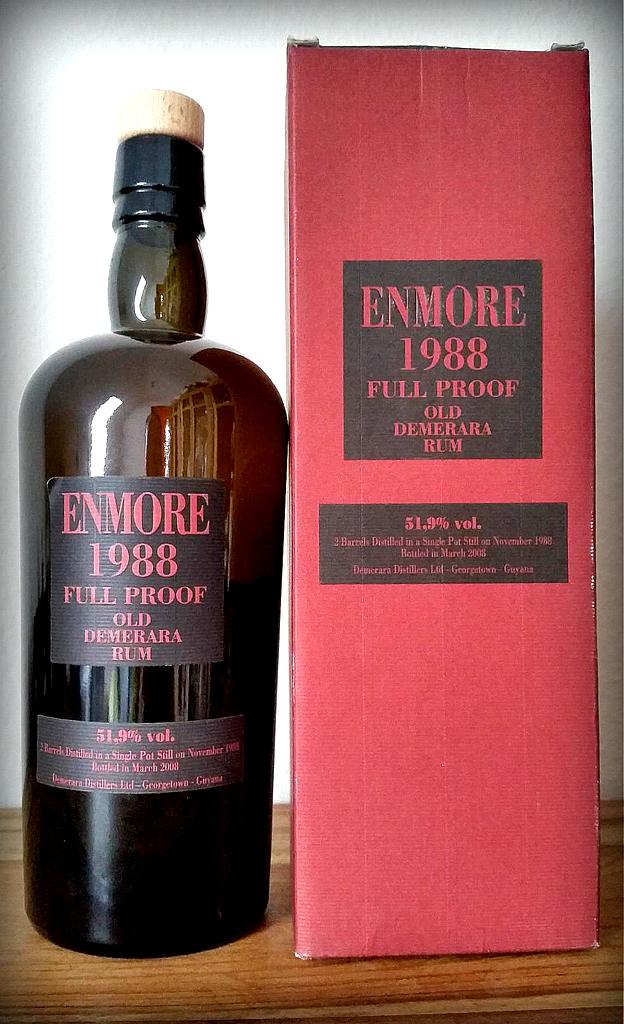
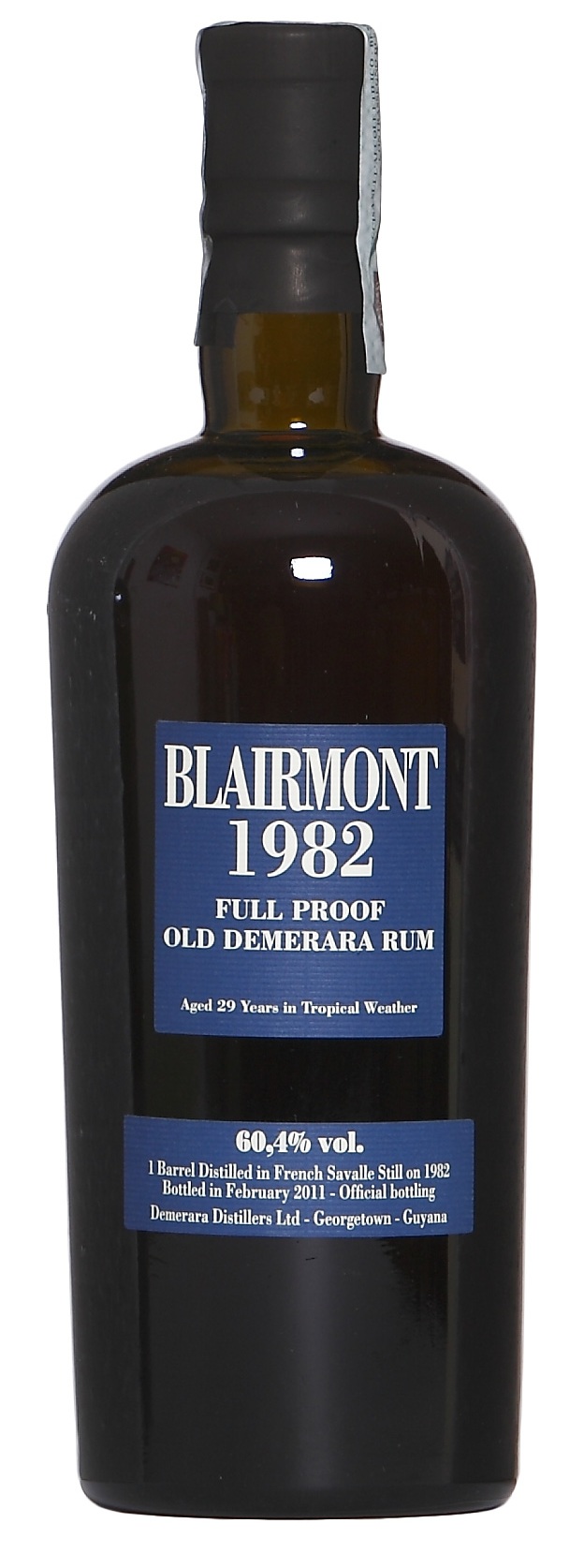
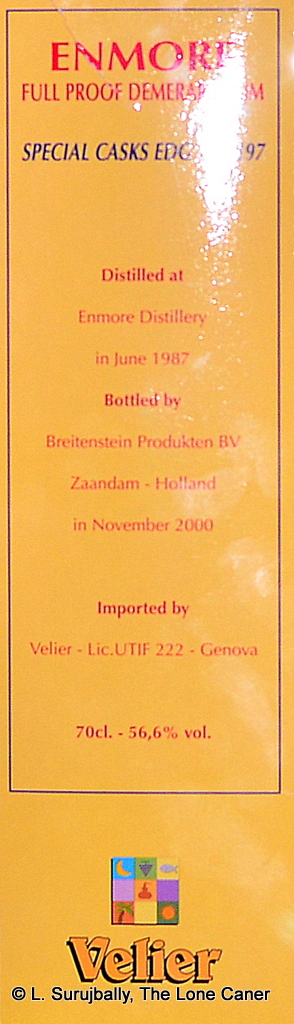 The Velier-imported, Breitenstein-bottled Enmore 1987 full proof rum may have the distinction of being one of the very first of the Demerara rums Velier ever slapped its label on – certainly my master list in the company biography has few from Guyana issued prior to that. That might account for how at odds this rum tastes from other more familiar Enmores, and how strange it feels in comparison.
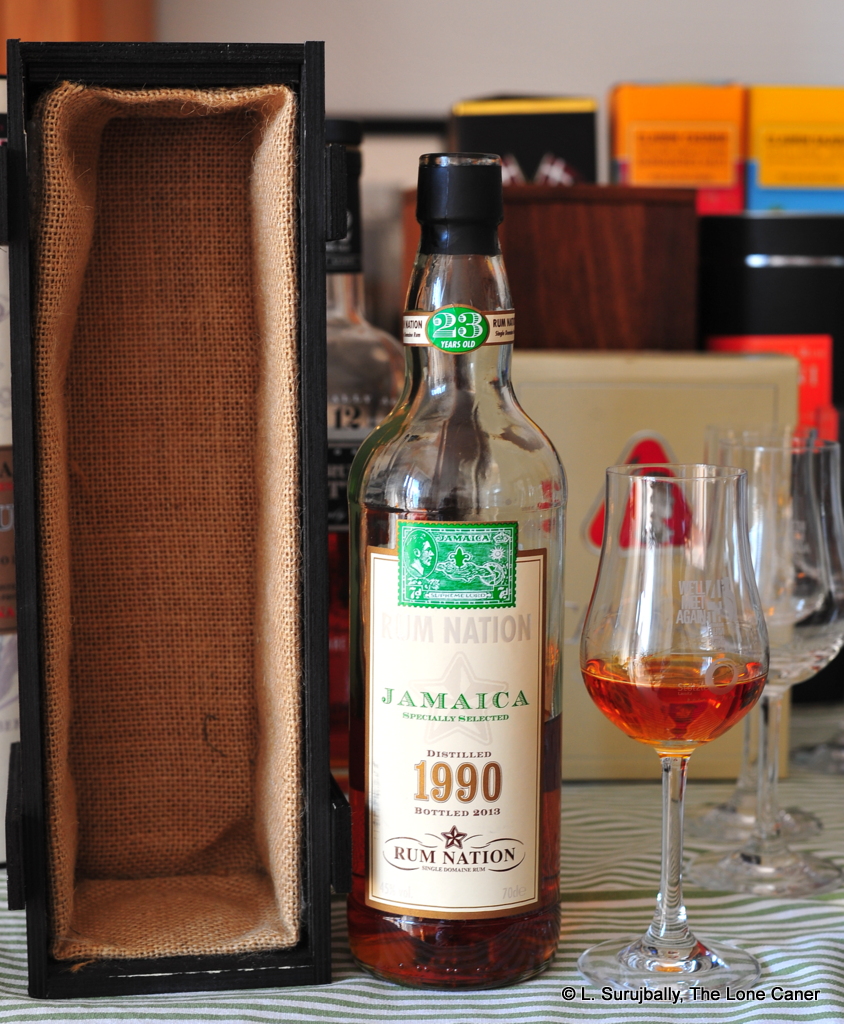
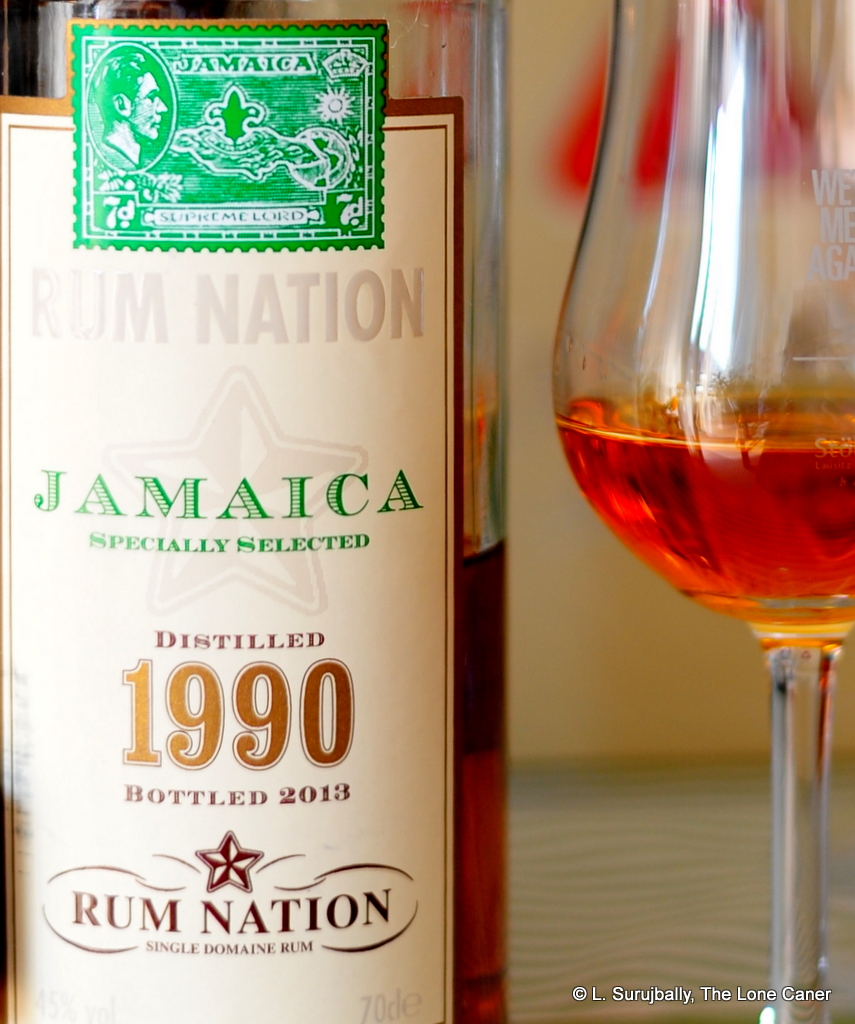
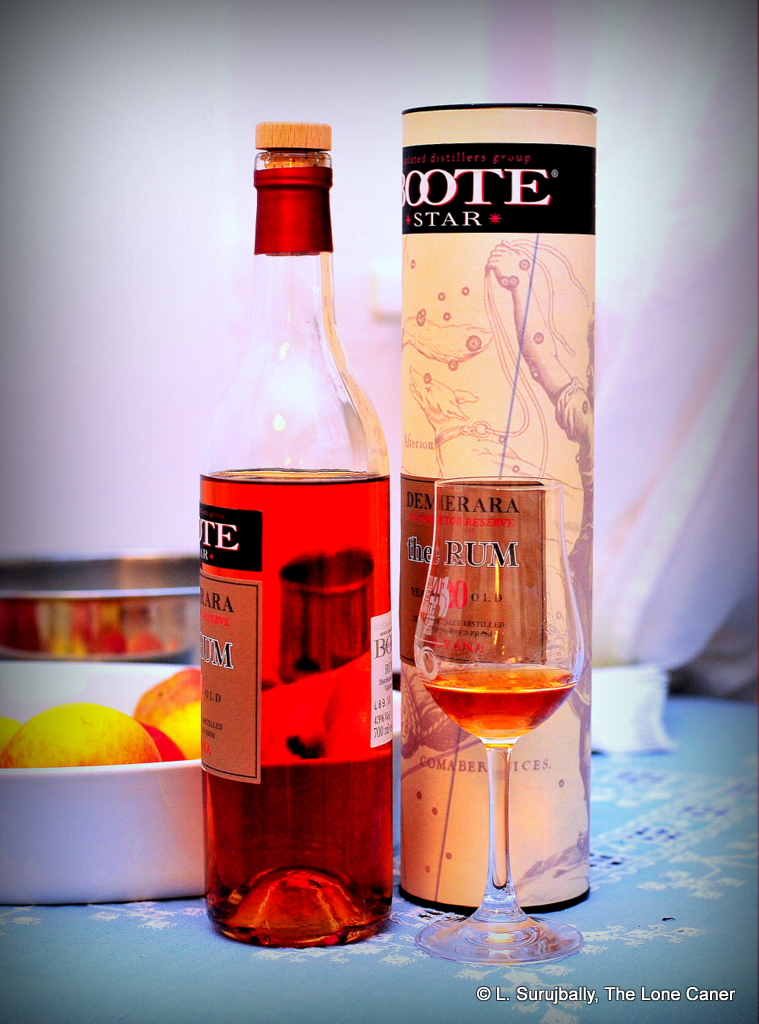
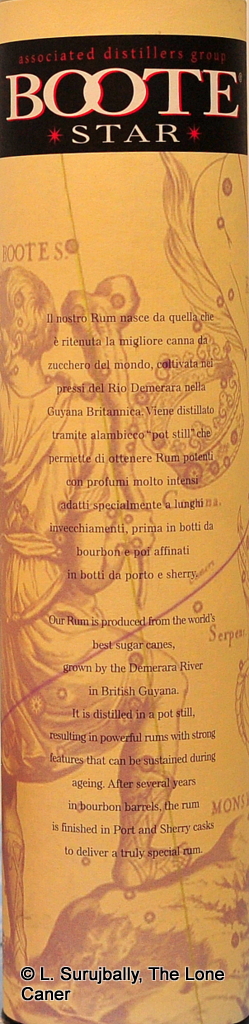
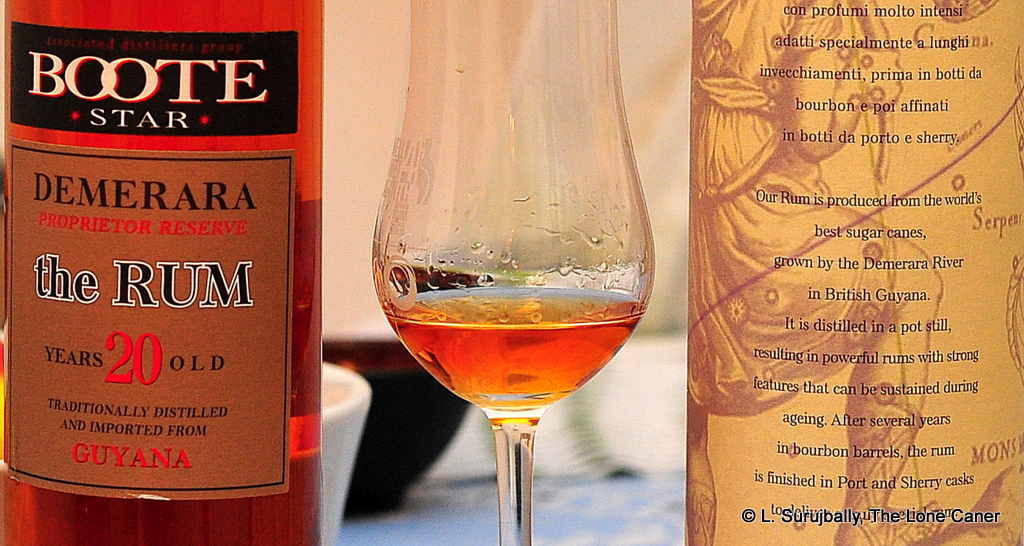
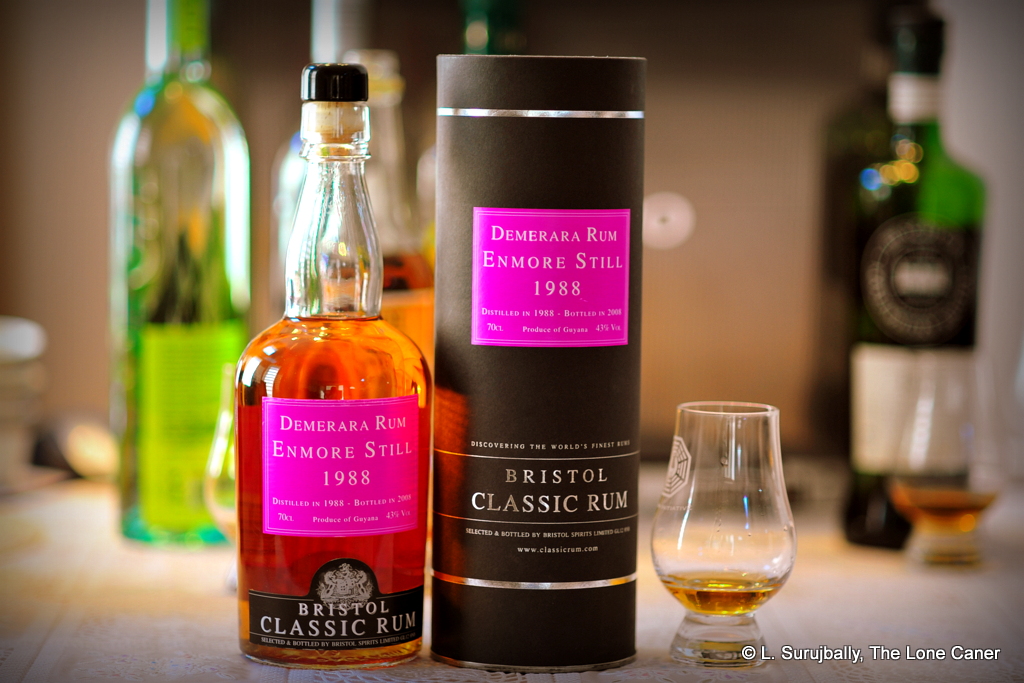
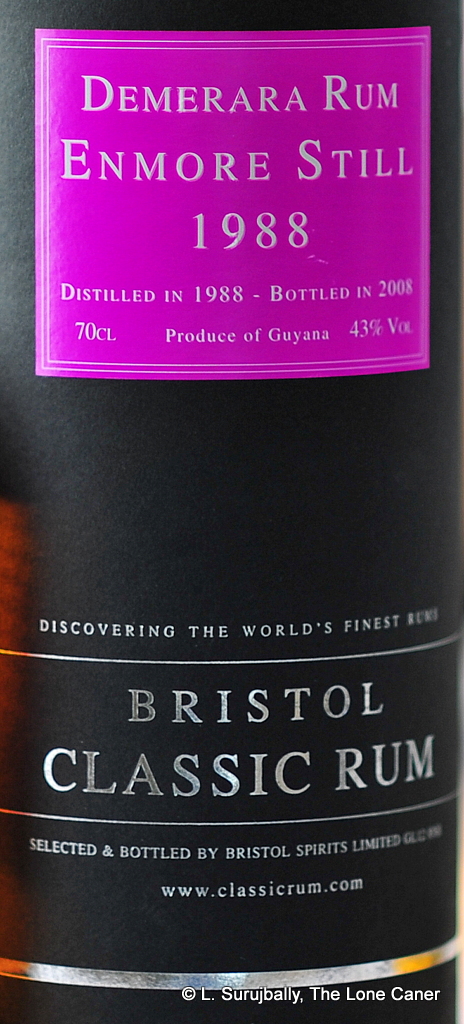
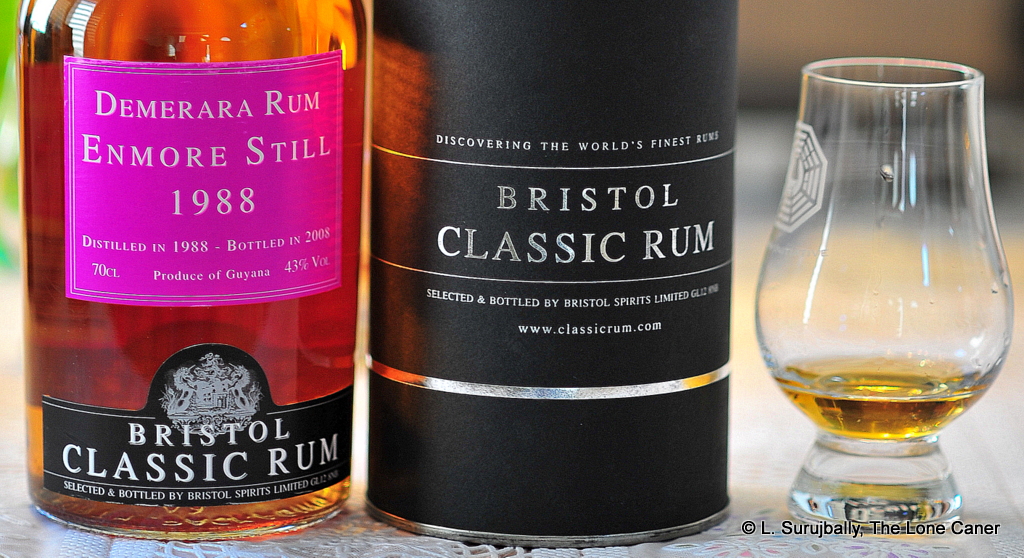
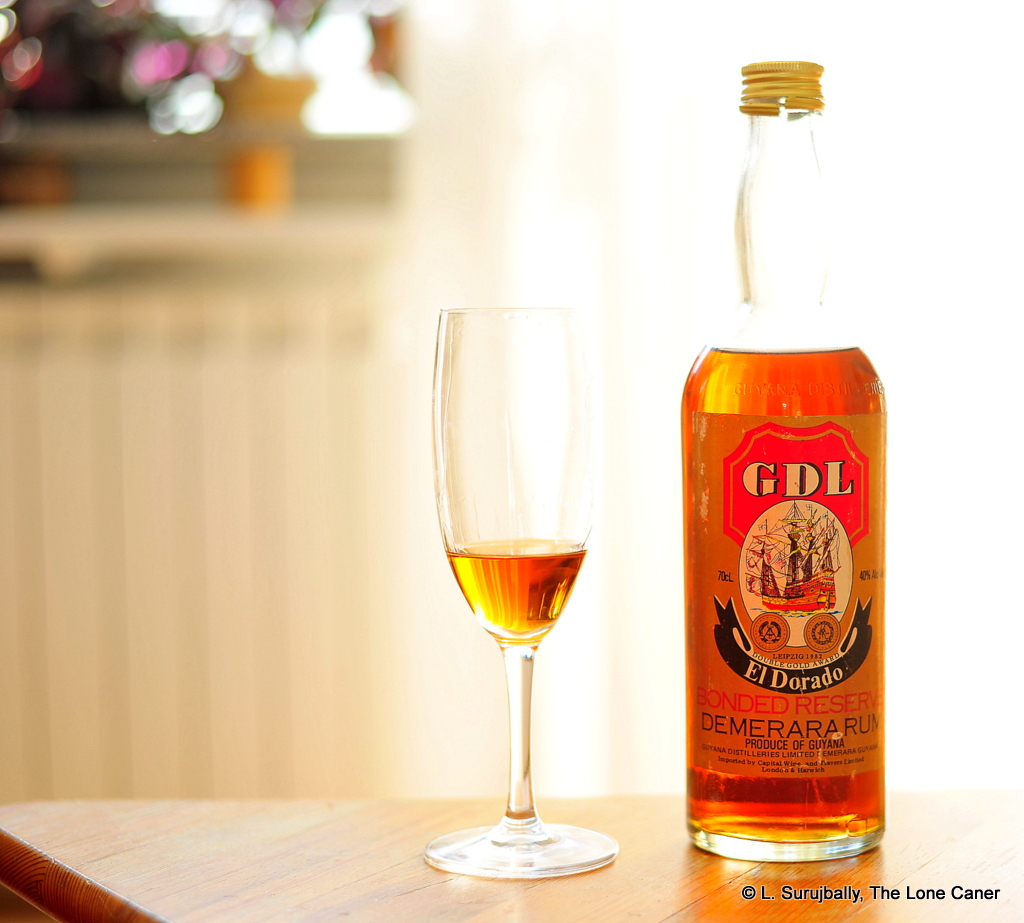
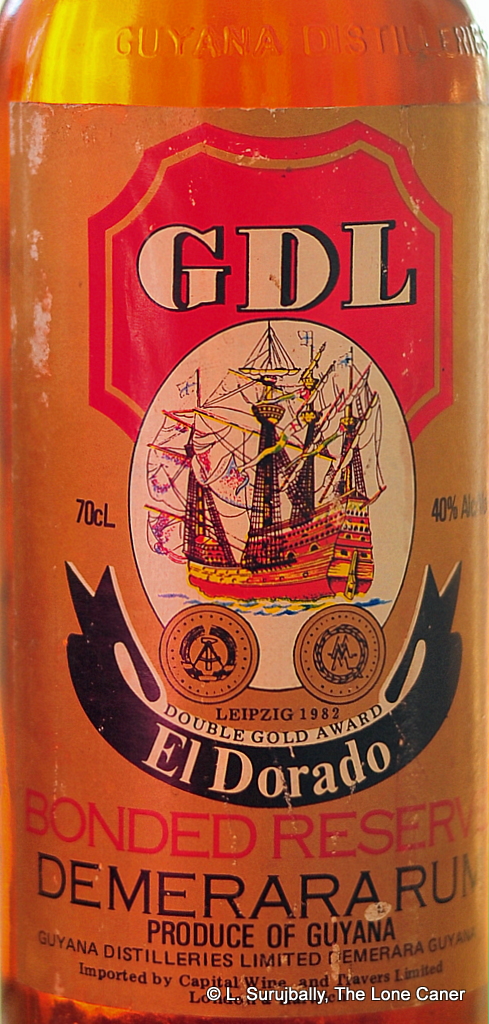 Tasting the Bonded Reserve raised all sorts of questions, and for anyone into Mudland rums, the first one had to be the one you’re all thinking of: from which still did it come? I didn’t think it was any of the wooden ones – there was none of that licorice or fruity intensity here that so distinguishes them. It was medium to light bodied in texture, very feebly sweet, and presented initially as dry – I’d suggest it was a column still product. Prunes, coffee, some burnt sugar, nougat and caramel, more of that faint leather and smoke background, all rounded out with the distant, almost imperceptible murmuring of citrus and crushed walnuts, nothing special. The finish just continued on these muted notes of light raisins and molasses and toffee, but too little of everything or anything to excite interest beyond the historical.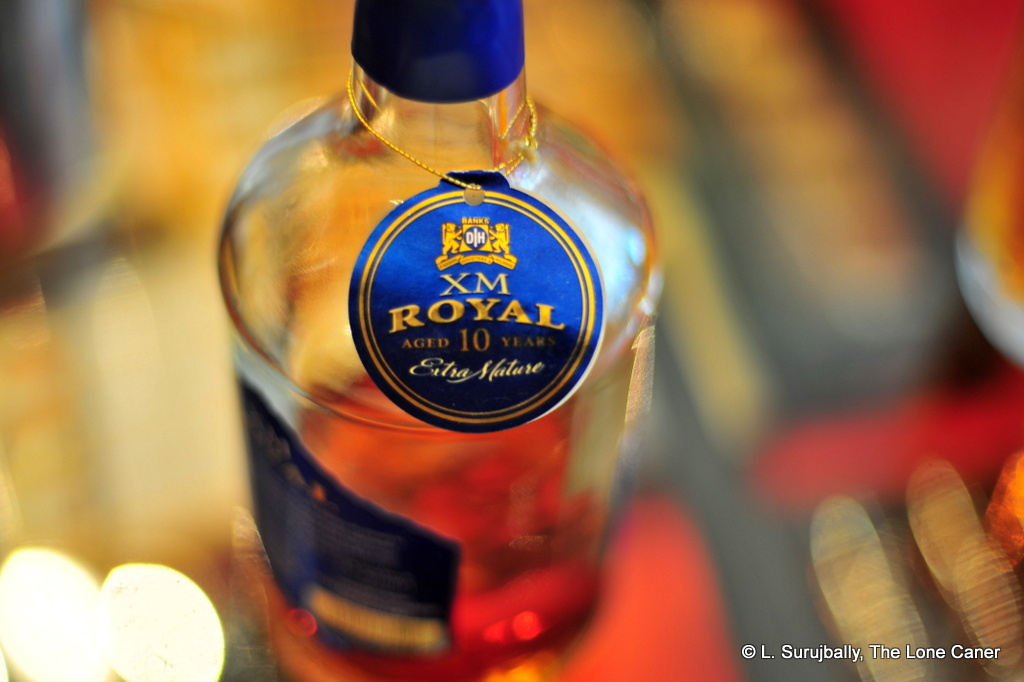
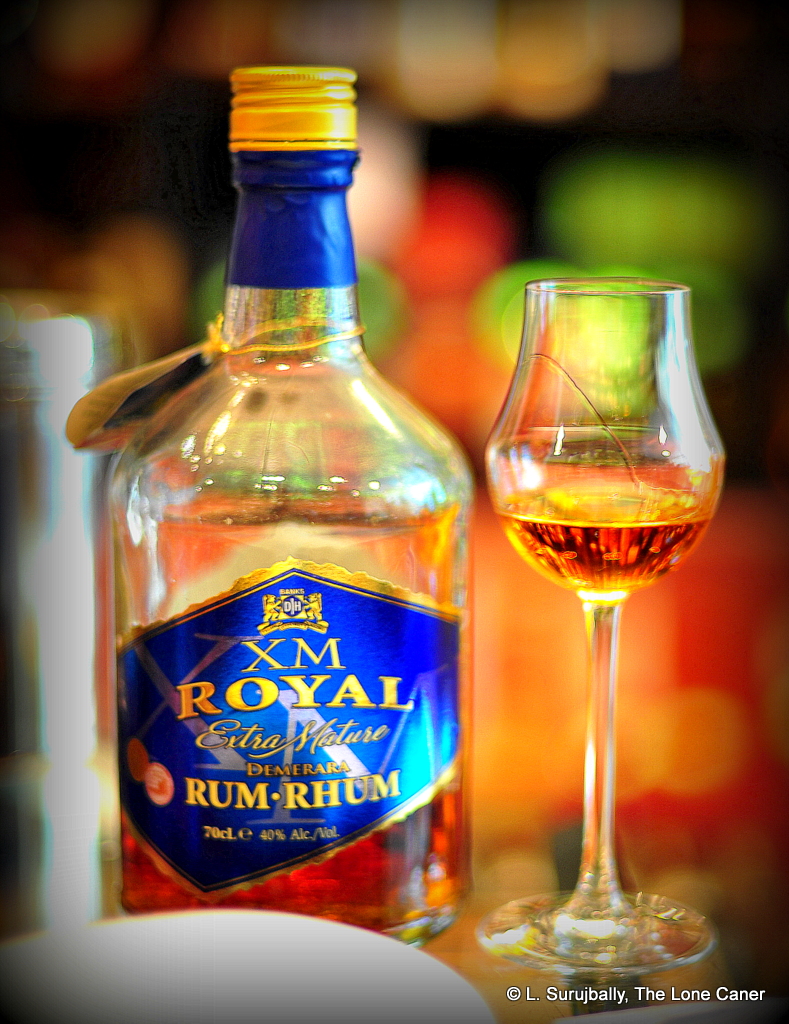 Starting as “Demerara Ice House” (there really was an ice factory in Water Street, and yes, it’s still there) and now called D’Aguiar’s Industries and Holdings (hence the DIH) at the beginning of the 20th century, the D’Aguiar family built up a huge food and drinks conglomerate, of which rums remain a relatively small part – they were and remain one of the first and largest bottlers in the Caribbean. They have a huge facility right outside Georgetown in the fragrantly named “Thirst Park”, they make beer, soft drinks, distilled water (among many other consumer nibbles) and with respect to rums, act as blenders, not makers like DDL. Their best known rums back then were the 5, 10 and 15 year old, the
 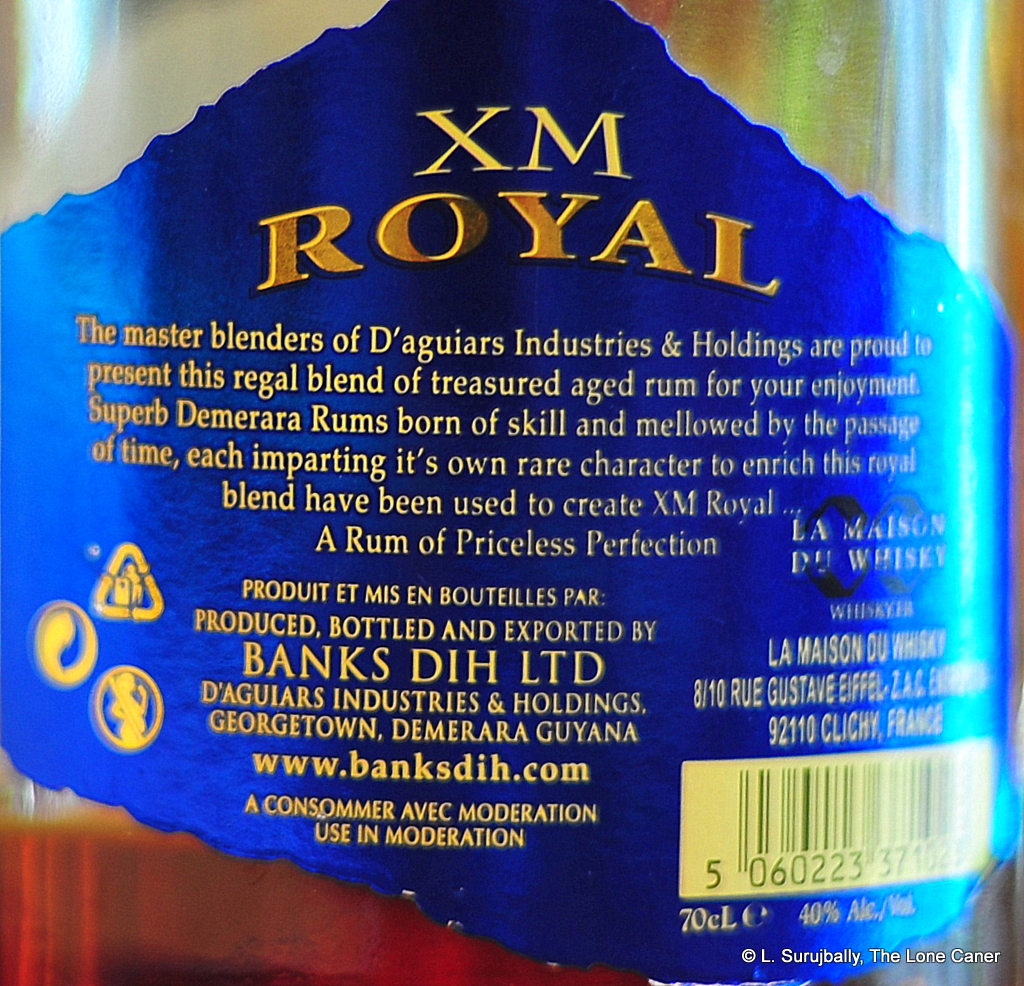 My own opinion was that it lacked body and needed a firmer texture…the XM 10, while not exactly anorexic, gave the impression of having rather more potential than actuality, and the flavours, decent and tasty enough by themselves, suffered somewhat from dumbing things down to standard strength (this may be my personal preferences talking — I’ve gone on record many times in stating that 40% is just not good enough for me anymore — so take that bias into account). On the other hand, maybe it’s like the DDL 12 year old, a bridge to the better rums in the XM universe like the 12 and the 15…and since I obtained those the other day, once I review them I can tell you whether this paucity of character is a characteristic of this rum only, or some sort of preference of the master blender that permeates the line. Honestly, I hope it’s the former.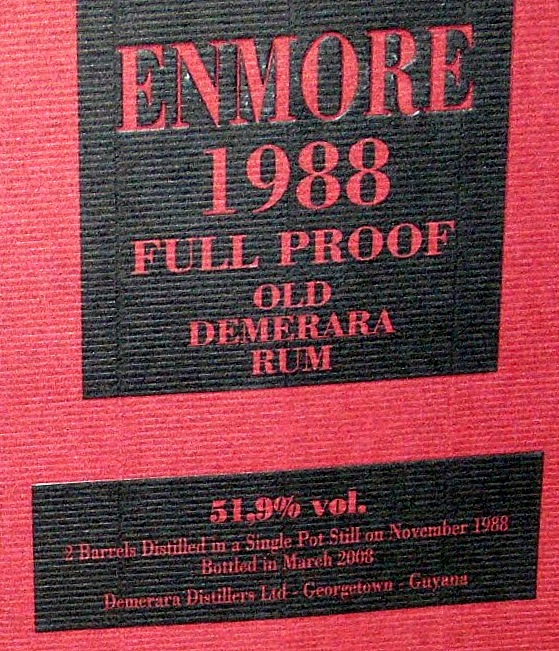

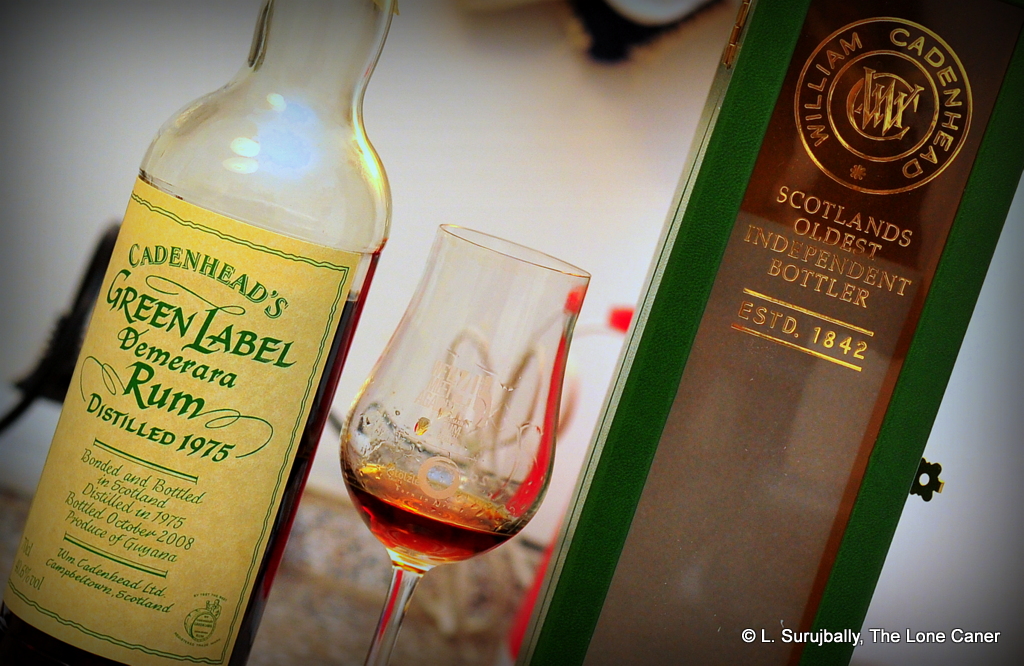
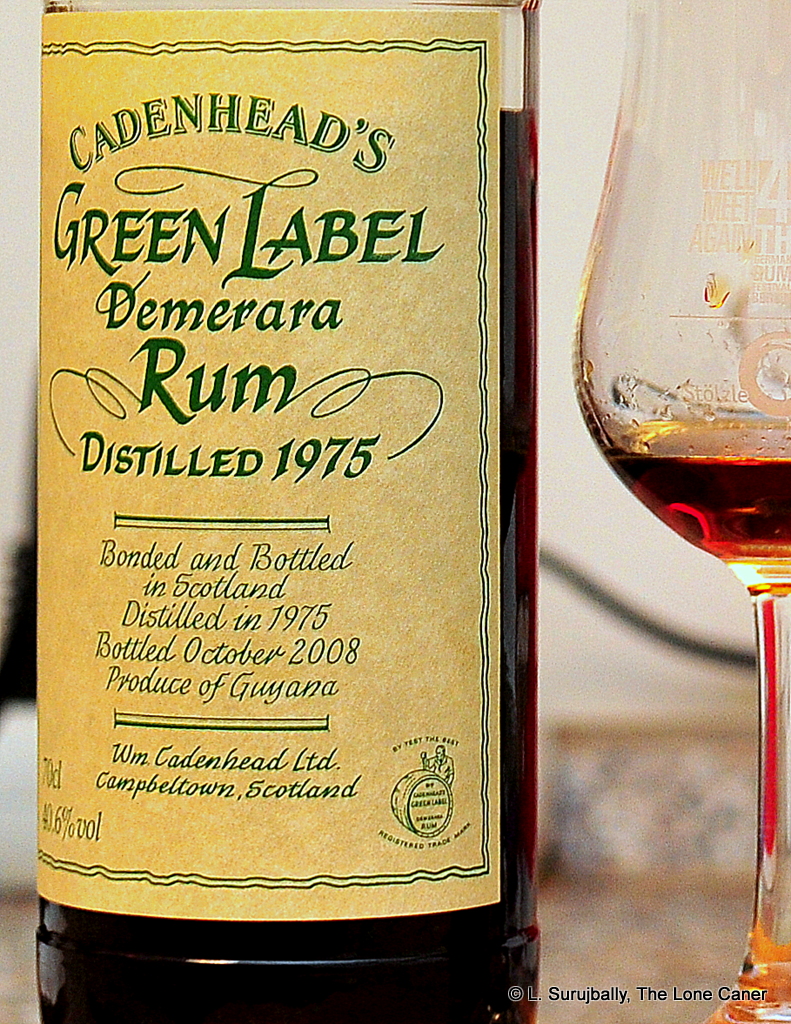
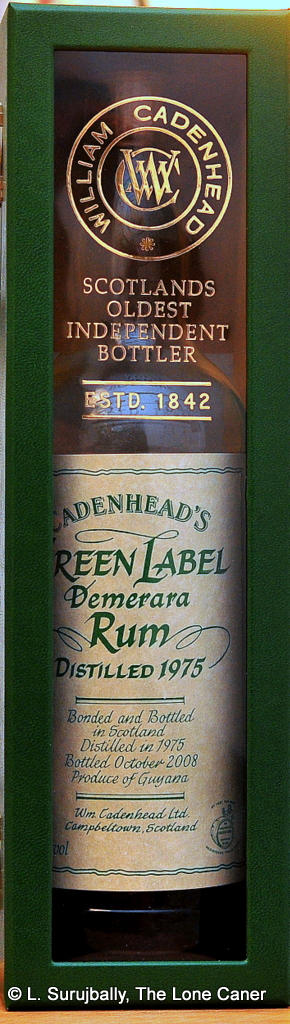 The dark mahogany-red Cadenhead rum was actually quite similar to the Norse Cask. Some rubber and medicinals and turpentine started the nose party going, swiftly gone. Then the licorice and tobacco — of what I’m going to say was a blend with a majority of Port Mourant distillate — thundered onto the stage, followed by a muted backup chorus of wood, oak, hay, raisins, caramel, brown sugar. I sensed apricots in syrup (or were those peach slices?). It’s the lack of oomph on the strength that made trying the rum an exercise in frustrated patience for me. I knew the fair ladies were in there…they just didn’t want to come out and dance (and paradoxically, that made me pay closer attention). It took a while to tease out the notes, but as I’ve said many times before, the PM profile is pretty unmistakeable and can’t be missed…and that was damned fine, let me reassure you, no matter what else was blended into the mix.
 The word “accessible” I used above does not mean available, but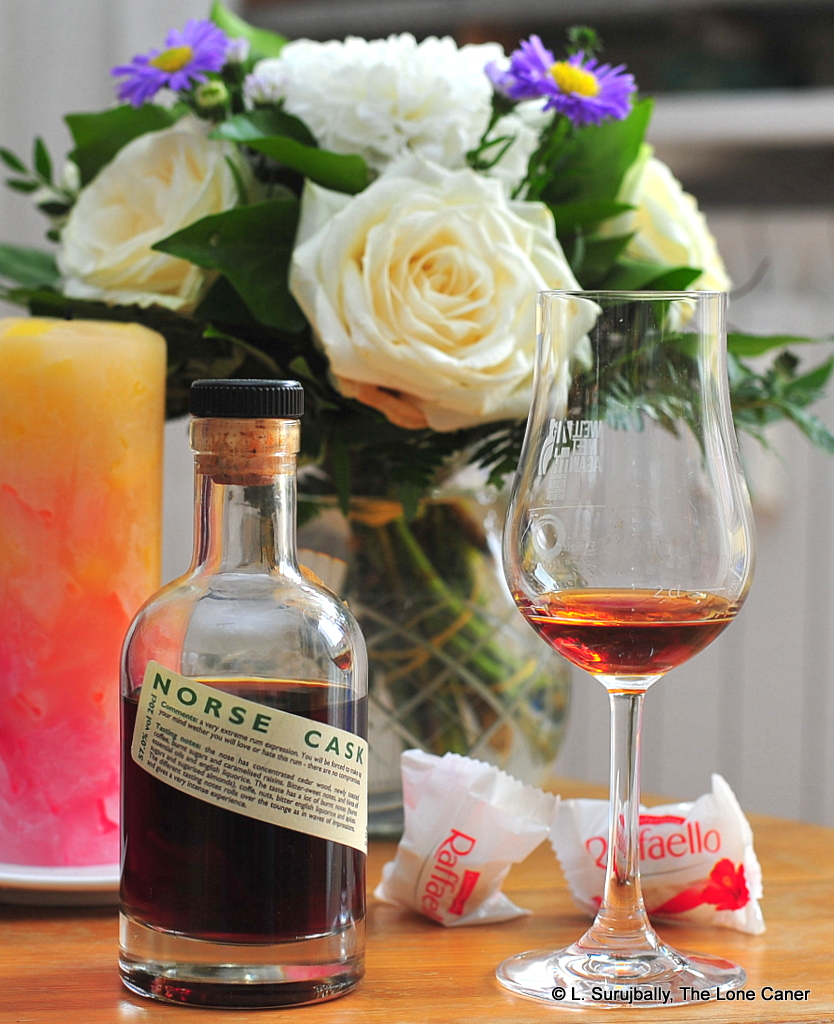
 A very well blended, original melange of traditional Demerara flavours that comes up to the bar without effort, but doesn’t jump over.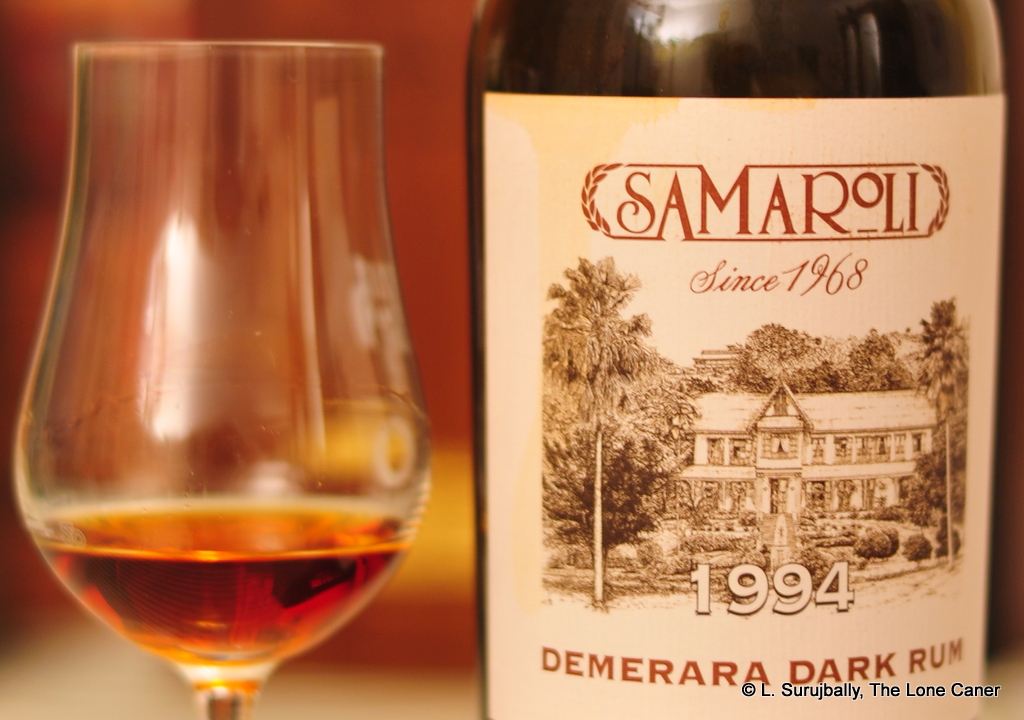
 Rumaniacs Review 015 | 0415
 Rumaniacs Review 013 | 0413
 Rumaniacs Review 012 | 0412
 Rumaniacs Review 011 | 0411