 Introduction
There’s a bit more to John Watlings “Distillery” than I initially wrote in my previous review of the Amber rum. Spurred by a comment written to me by Dirk Becker of the Rum Depot, further and deeper research shows that in fact, there’s a Bacardi connection here that I had initially overlooked.
Bacardi did have a distillery in the Bahamas since the mid 1960s, but shut down operations in 2009. One of the owners of the much smaller successor company is Pepin Argamasilla (from Canada), a sixth generation member of the Bacardi family and a former global director for the rum making behemoth, and he founded the new company on the Buena Vista estate in downtown Nassau in 2013 with four others, all from longtime rum-producing families (including his cousin Jose Portuondo). They use a combination of sourced pot and column distillates, and the reason this matters is because the source of the distillate JWD used to set down their ageing program is never disclosed. So, all that this preamble suggests, is that some of it may be from Bacardi themselves, though this is unconfirmed.
Anyway, in my earlier review, I commented on the ordinariness of the Amber rum released by this non-distillery. As noted, JWD is a “small-batch” rum making outfit that doesn’t have a still of any kind; they have a master blender who supervises the ageing and blending of the externally-sourced raw rum stock and barrels they have in their warehouse – so, essentially, it’s a small independent bottler and they go for quantity, rather than quality – they do not focus on single barrel releases but mid-tier blends.
Currently after some ten years of operations, the lineup is as follows: Pale, Amber, Buena Vista, Paradise and Single Barrel, with a smattering of other spirits to round things out. Few reviews attend any of them, though back in 2022 The Fat Rum Pirate wrote about the single barrel edition, and liked it.
 This rum
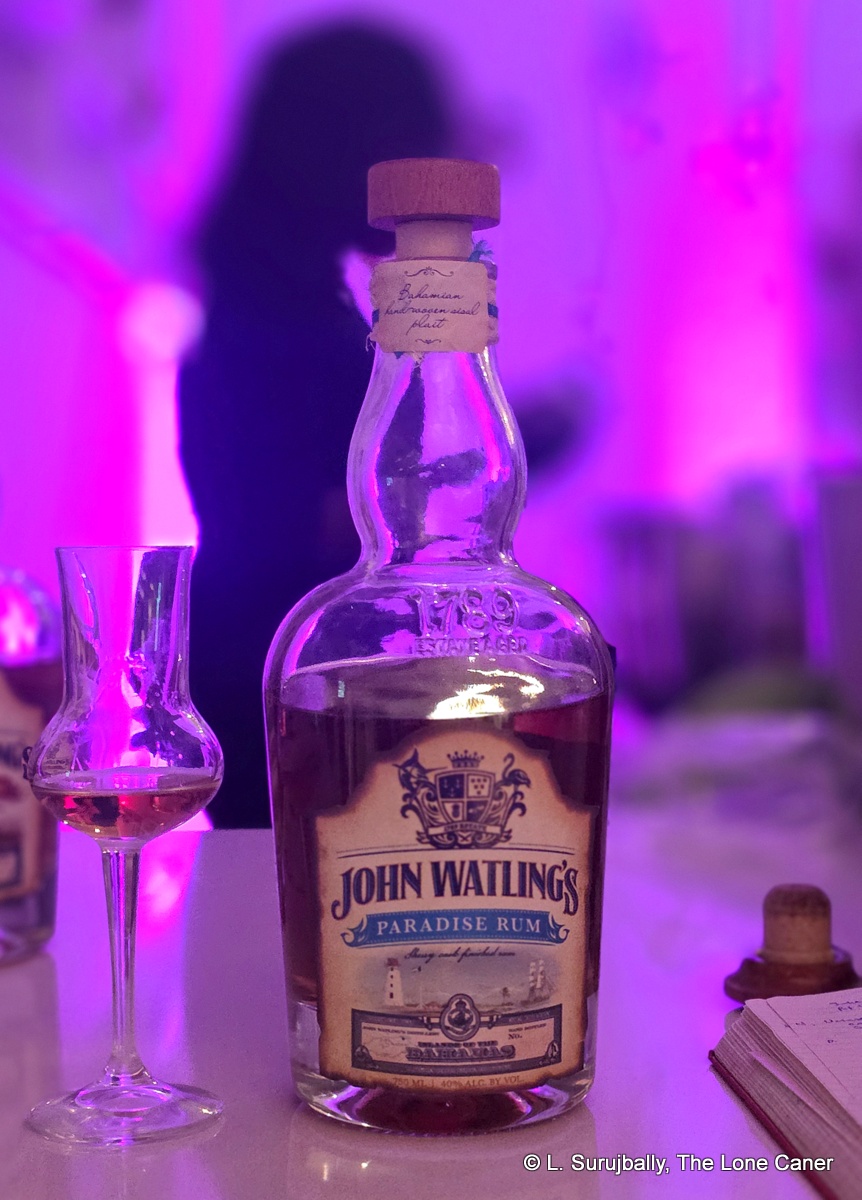
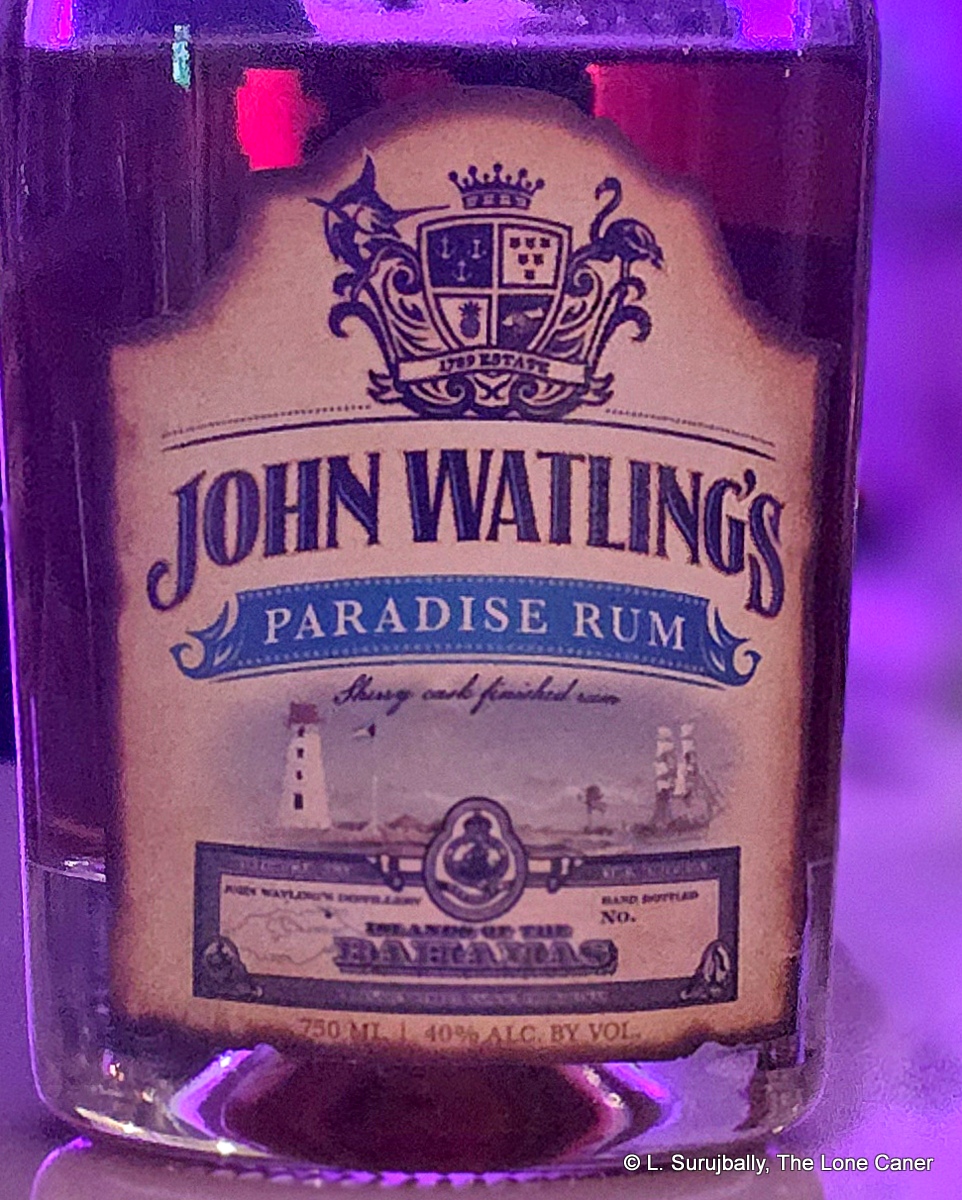
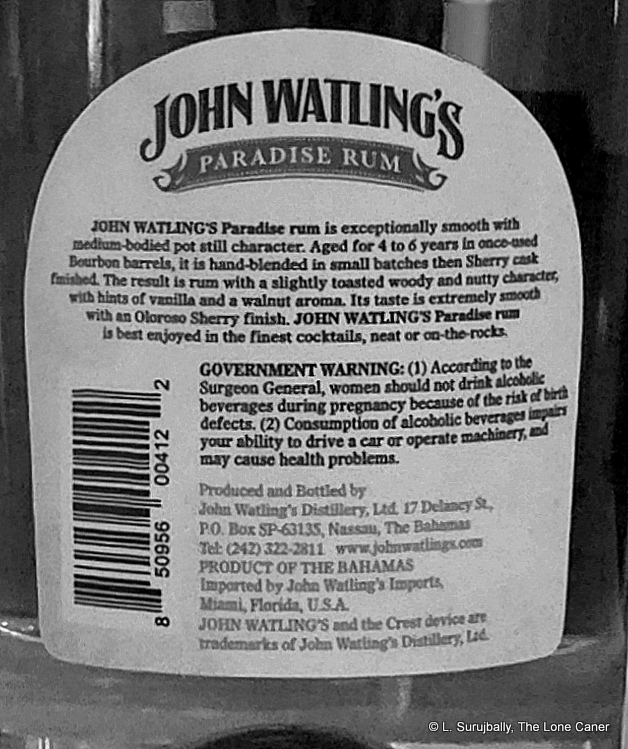
The Paradise is, at first blush, reasonably interesting: it derives from pot and column still distillates of undeclared provenance (certainly not from the Bahamas, as I’ve noted before), aged for four and six years in ex-bourbon hogshead barrels 1and then blended, with a final finish in sherry casks. The ABV is living room strength, which is to say 40%, although honestly, I wonder why a little more oomph couldn’t have been squeezed out here, just to make the sherry influence pop, you know?
Well, let’s get to it. The nose, first of all: it has notes of honey, walnut, smoke, leather, hot black tea, caramel, vanilla, grapes, raisins and a touch of dark wine, which last I guess is the sherry influence. It’s pleasant nosing, no doubt, id relatively unchallenging.
The rum settles itself down to a more traditional rummy character, which both surprises me, and doesn’t. It’s nicely heavy for 40% ABV, slightly sweet. There are tastes of nuts, caramel, coffee grounds, leather and smoke, some vanilla (of course), more red grapes and the faintest hint of citrus. The finish is similar to the Amber: brief, quick, faint and with nothing to really distinguish it – it continues with the same notes as the palate, which I won’t bother to repeat here except to say that after the vague heaviness of the mouthfeel that started the palate, it is oddly light, and even a bit sharp.
 Wrap up
I’m not sure what to make of it, really. Like the Amber rum, those who like a simple mixing rum with some additional taste and ageing, will find little to fault here. It’s completely serviceable tabletop tipple, but alas, mostly a snoozefest for anyone who likes better rum and has tasted around even a little, because there’s too little that’s original here, and even the sherry finish doesn’t really add much to the party. Frankly, here’s a rum that could benefit from being both a bit older, and a bit stronger, which is what I suspect led to the much better reviewed single Barrel edition(s).
I’m not trying to be snarky, truly. But perhaps the point is best illustrated by comparing what they’re doing here to how an indie with real love for the craft approaches the sourcing of their distillate, the ageing and blending, and the subsequent release. I could speak about Holmes Cay, or 1423, Velier (of course), Compagnie des Indes, Rom Delux and many others. These are companies that do the same thing Watlings does: source their distillate externally, do some blending and release rums that are a cut above the ordinary, when they aren’t actually experimenting the hell out of what they bought, barrel by barrel.
Watlings is doing very little to excite us in this fashion: I see no reason why they can’t, but it would appear that they prefer stick with the traditional Latin / Cuban / Spanish style of rum making which emphasizes blending and barrel management. They go with what’s tried and true and what sells to their audience, without ever really trying to move the needle. Which is something of a shame, for a rum that I think had, and has, greater potential.
(#1156)(76/100) ⭐⭐⭐
Other notes
- YouTube video review link TBA