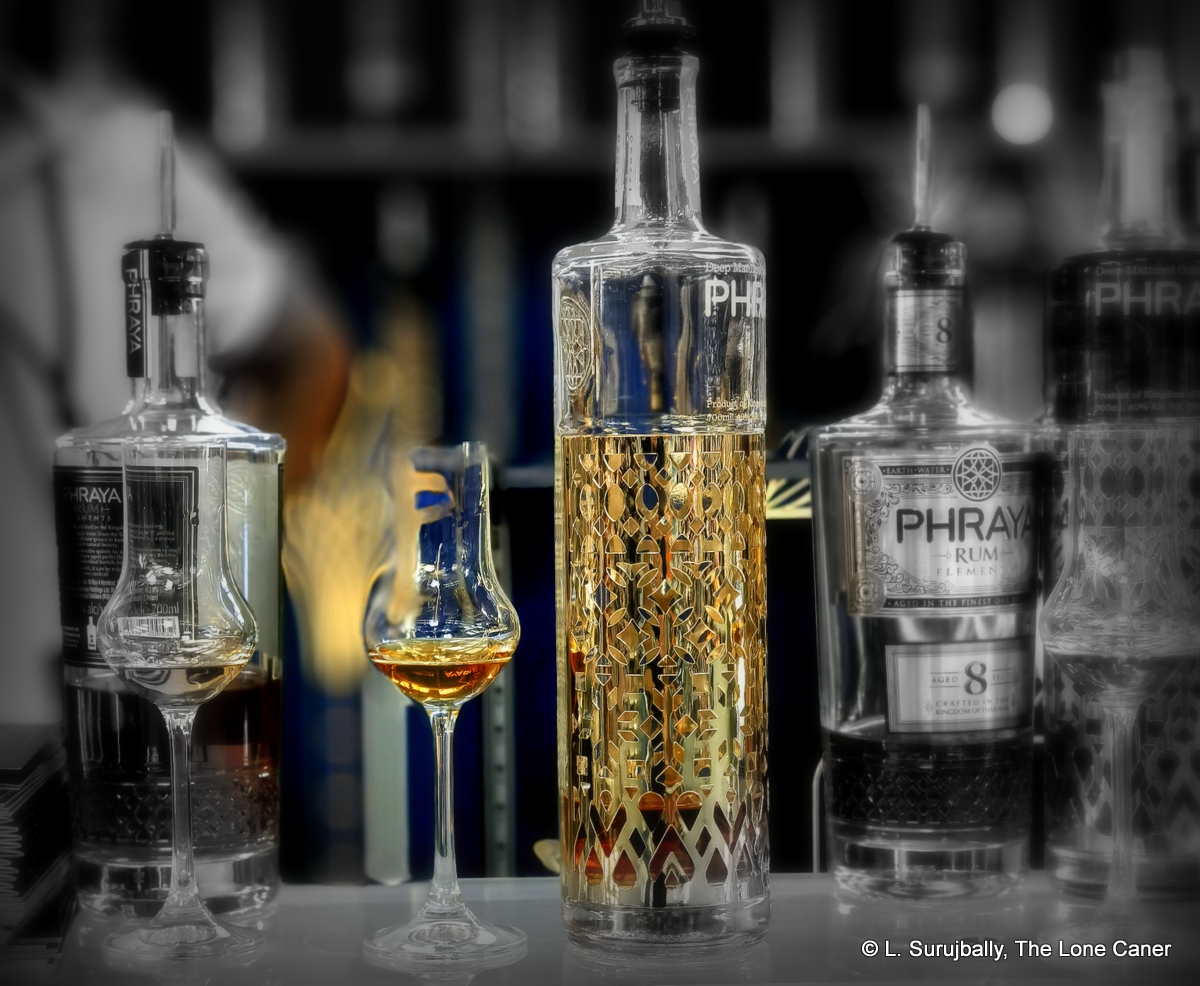
The top end release of the Phraya triptych of aged rums that is released by Sang Som distillery in Thailand clearly seeks to dominate the premium aged rum space in Asia, and proudly boasts of the 8 gold medals it has won in various spirits competitions from 2012 to 2024. The bottle is handsome to a fault, the backstory is cute, the wording evokes interest, the price is high enough to suggest exclusivity, and the website is really pretty, with lots of nice photos and words.
Unfortunately, when we take all this apart, what remains is somewhat less than the sum of its parts. And that’s a shame for their premium edition, the so called “Deep Matured” Gold Rum since one is left with a vague feeling that more could have been attempted. I tried all three of Phraya’s rums (Elements, Elements 8YO and this one) at the same time for over a few hours, and feel that this one rum may suffer most from not exceeding the expectations engendered by the presentation and marketing materials.
The production notes aren’t significantly different for any of these rums: age seems to be the only differential, and this is where perhaps more information rather than market-speak would have made a difference to our perceptions. Molasses made from local Thai cane, short fermentation, multi-column-still distillation, and then ageing in charred ex bourbon barrels for 7-12 years (the words “deep matured” have no meaning at all beyond being evocative), and bottled at 40%.
Nose first: it’s clean and dry, even crisp, giving rise to scents of flambeed bananas, caramel, coffee grounds, toffee, salted dark chocolate, mocha and almonds – in fact the nuttiness is the clearest differentiator between this and the other two. Some overripe fruit, honey, coconut shavings, and there’s a whiff of oaken tannins and leather, perhaps some smoke to round things off. It’s rounded and soft, quite easy to sniff.
This soft roundness persists when you taste it. That’s not entirely a good thing: sure, we can taste leather, smoke, bananas, brown sugar, crushed almonds and cashews, vanilla, plus some cardamom and cloves. That part is nice, because it adds to the relative blandness of the other two rums in the lineup. What’s missing is a little balance that some lighter, crisper citrus would have brought to the party – there’s some fruit, sure, but it’s all overripe soft flavours – squishy mangoes, overripe pineapples, plums…nothing that gives it any kind of edge. Now, this makes it go down easy, and the finish repeats many of the same notes, yet all it does is make it a relatively unadventurous, soft sipping rum that doesn’t dare much and goes nowhere fast.
Some of the fault for this lies in the strength – I confess to feeling some impatience with that 40%. We’re in 2026 now, and you would think that anyone paying attention and reading the tea leaves would up the oomph on their top end rums by at least a point or five, yet no, Sang Som stayed stubbornly stuck at living room strength. Maybe that was for tax or export purposes, but you know what? I don’t care – because at the top of the company scale, one expects something different, better, more intriguing: a bit more bite and serrations, not an incremental improvement from the lower editions.
So, I’m disappointed. The rum is not precisely insipid – like the much derided Millonario rums from Rum Nation, there’s rather more under the hood than appears at first sip; yet it leaves us wishing for more, somehow, something that would excite our interest, tickle our noses and challenge our palates. Decent as it is, the Phraya Gold rum ends up being just another middle aged rum that tries to use slick presentation to sell something that could have been better.
(#1142)(82/100) (⭐⭐⭐½)
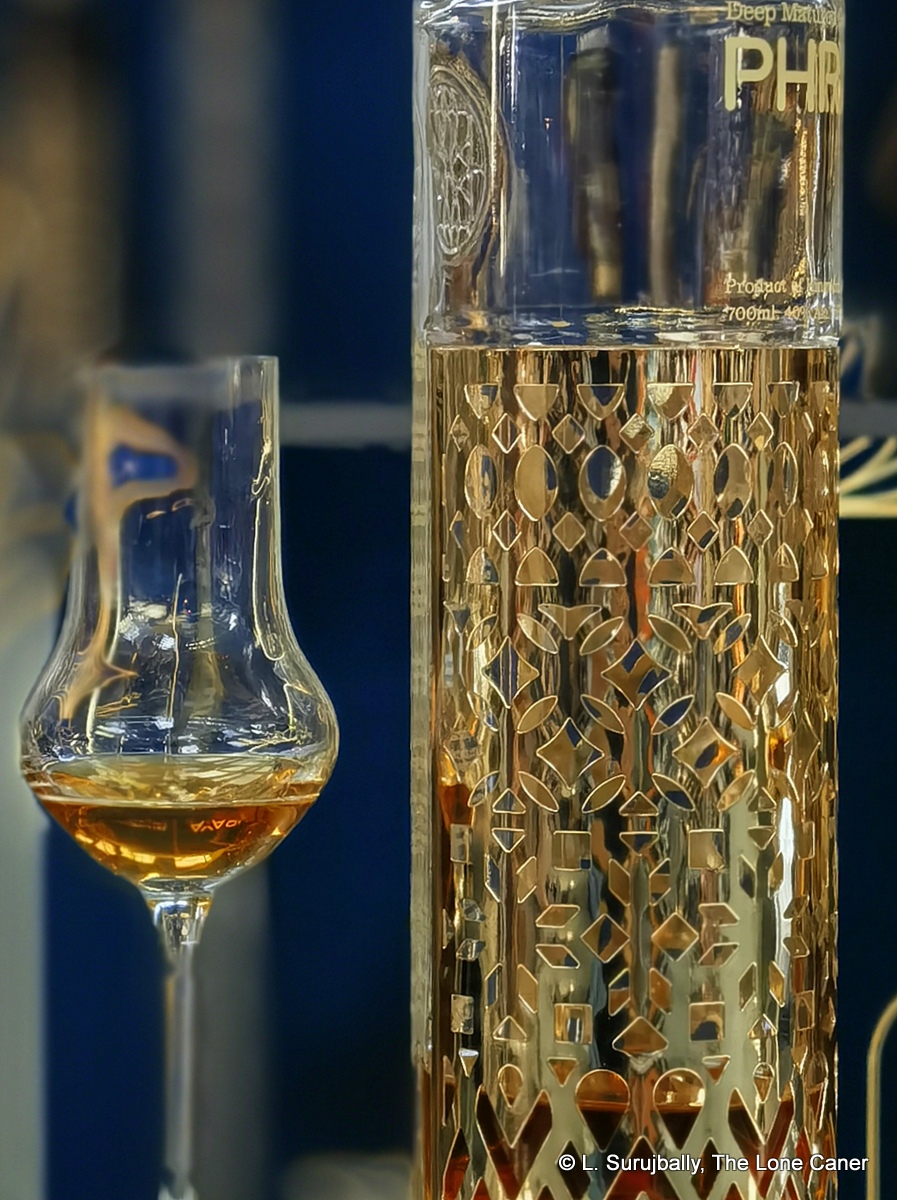 Opinion – Phraya rums generally.
So with this review I looked at the range of Sang Som’s upscale offerings, and must concede that for now, it’s a muted sound and fury signifying very little, sorry. As with all rums that are made for different parts of the world and different cultures, I should be careful in that assessment, however, since what may not work for me will certainly work elsewhere (as the size of the company attests, they do have their market)
This leads me to wonder exactly who the rum is meant for. Back in 2024 Phraya (or Sangsom Distillery, its owner) was starting to pop up on the western festival circuit, but the company’s rums had been available for years before that and made nary a splash. Even now they don’t, in spite of all the flash and glitter I mentioned in my opening blurb.
I have a feeling that the main market remains Asia, where such easy rums have a much longer and stronger tradition. If you were to gather a few mass market rums from there – Old Monk, Amrut’s stuff, Mekhong, Tanduay are some examples – you see the sort of similarity that perhaps is the reason they sell like crazy… but mostly there. This similarity is where I believe that such companies should tweak their production a little more to make them stand out and maybe differentiate themselves enough to go global. Granted, breaking into the major non-Asian markets, no matter where, may feel like a thankless task given the obstacles and regulations – but perhaps if they were to come up with something more original and more unique, while never entirely losing their local style… well, maybe we’d feel more positive about taking a flyer on a fifty-quid rum.
Other notes
- Video recap link
- Sang Som distillery was founded in 1977, and is supposed to be the oldest in Thailand. It is located in Nakhon Pathom province, which is just to the west of the capital, Bangkok.
- That Rum Drinker and The Fat Rum Pirate both rated it the equivalent of 4 stars out of 10, which is about 70 points on my scale.
- The Phraya brand was first established in 2011 by Sang Som Distillery, itself owned by the spirits conglomerate known as ThaiBev. The name derives from a old time title of Thai nobility and can still be found in other contexts, such as the Chao Phraya river that runs through Bangkok. In the brand lineup, there are three different editions: the “Elements” standard edition, the Elements 8YO, and then this premium release, the impressively named “Phraya Double Matured Gold Rum”, which is a blend of 7-12YO rums.
- “Elements” is pretty much a branding and marketing term, and refers to the four ancient elements of reality – fire, air, earth and water – which impact the making of rum. Me, I think it’s occasionally something of a stretch, but ok. The important thing to note is that the rum derives from molasses made from Thai sugar cane, has a short fermentation time, is run through a multi-column still, then aged in charred ex-Bourbon barrels. The barrels are apparently stored next to a series of lagoons that (according to the company website) cool the ambient temperature and somewhat retard the tropical ageing process.
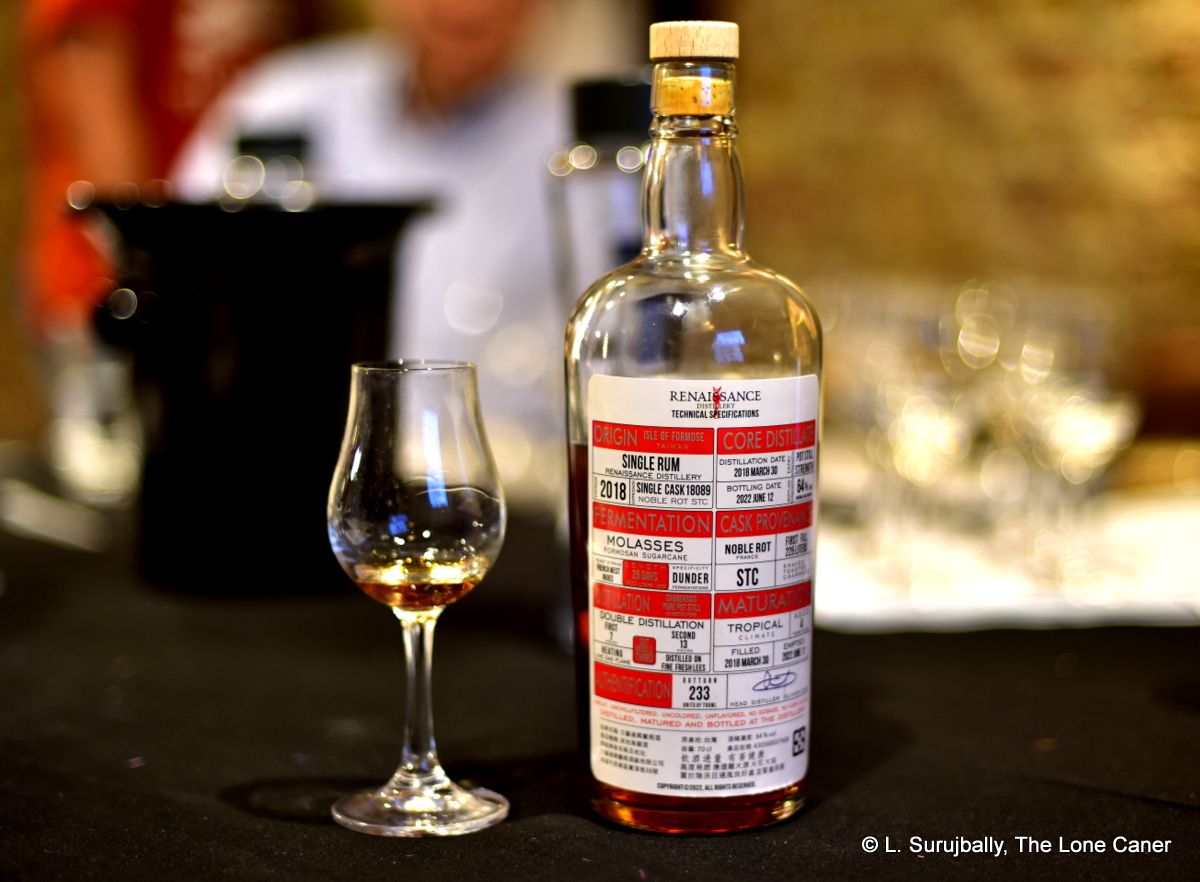
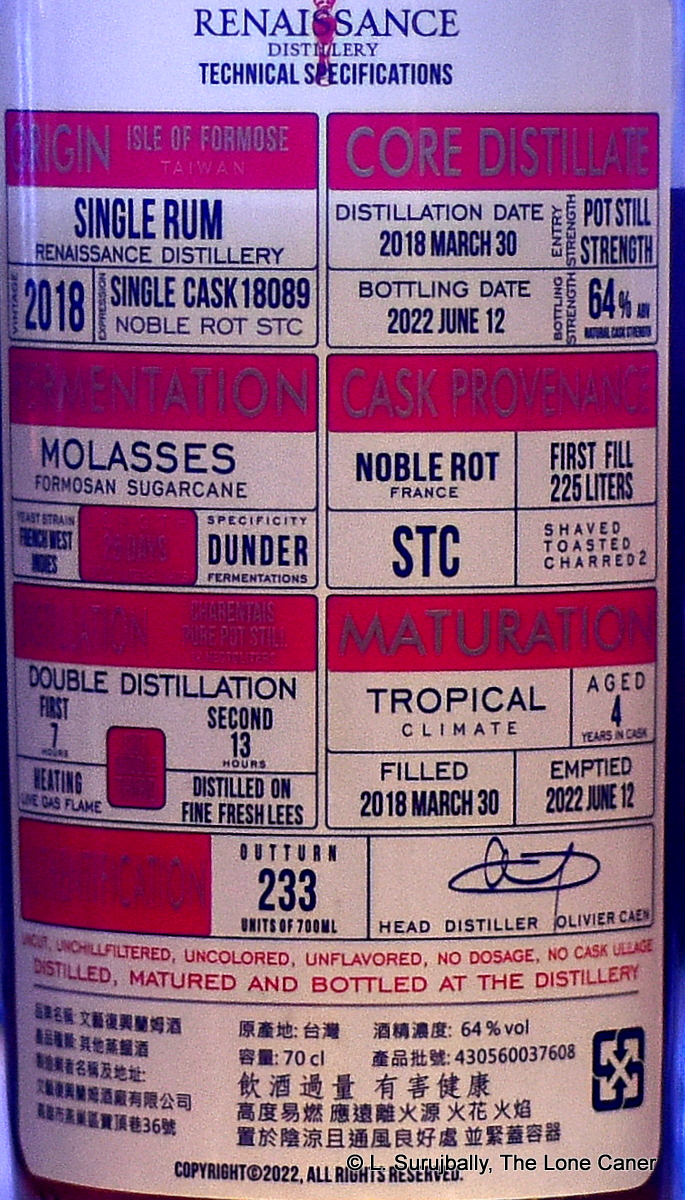
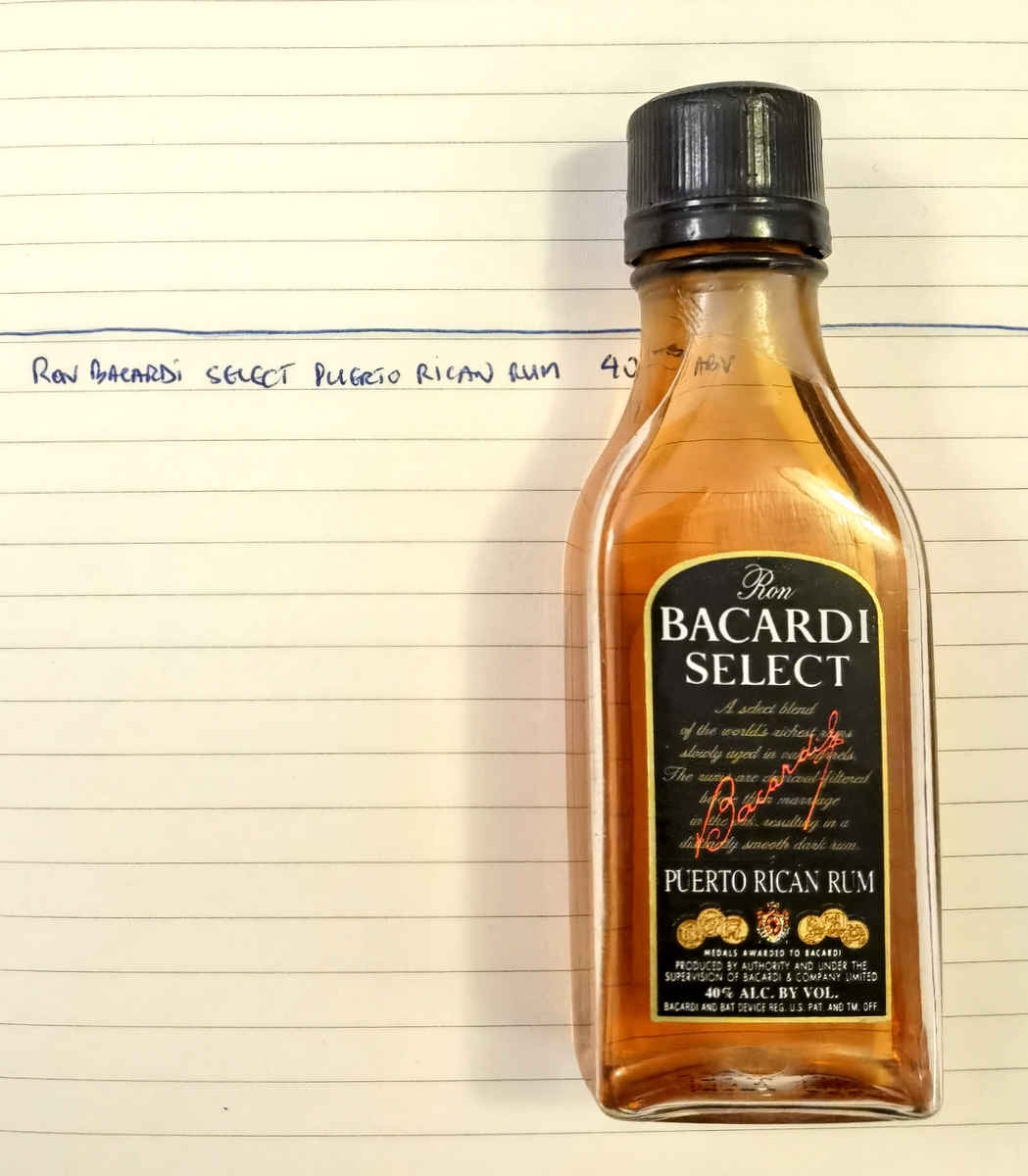
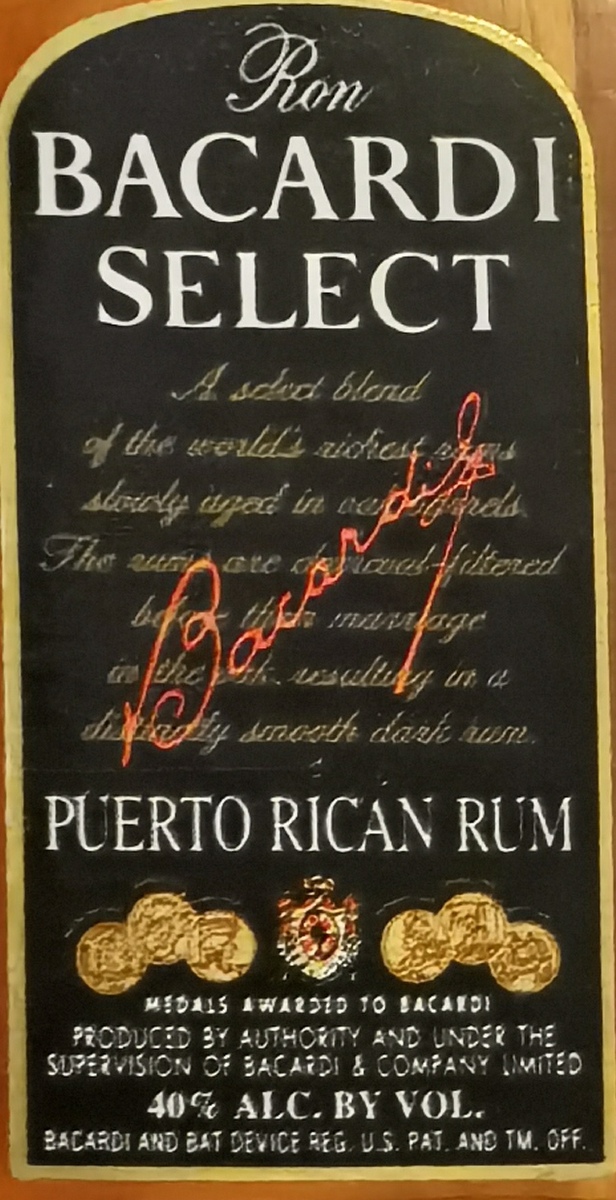
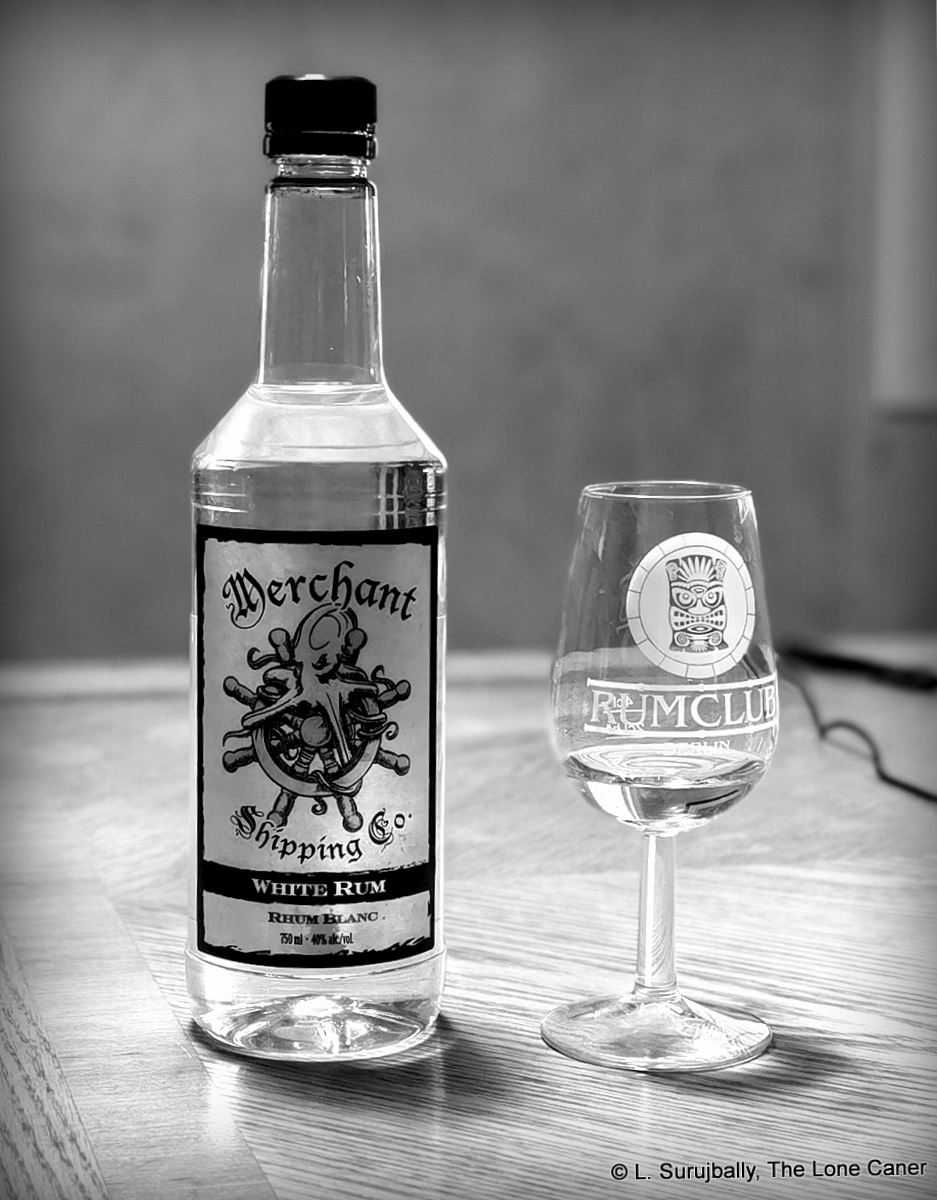

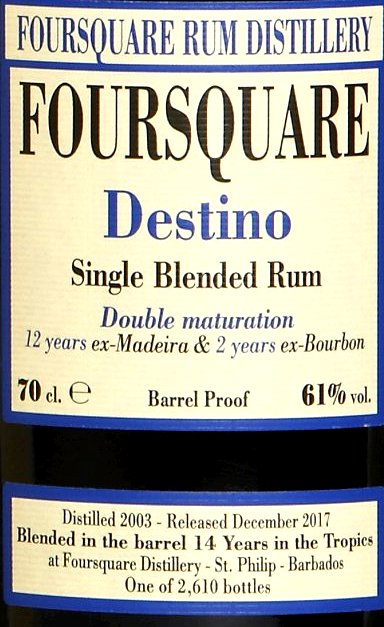


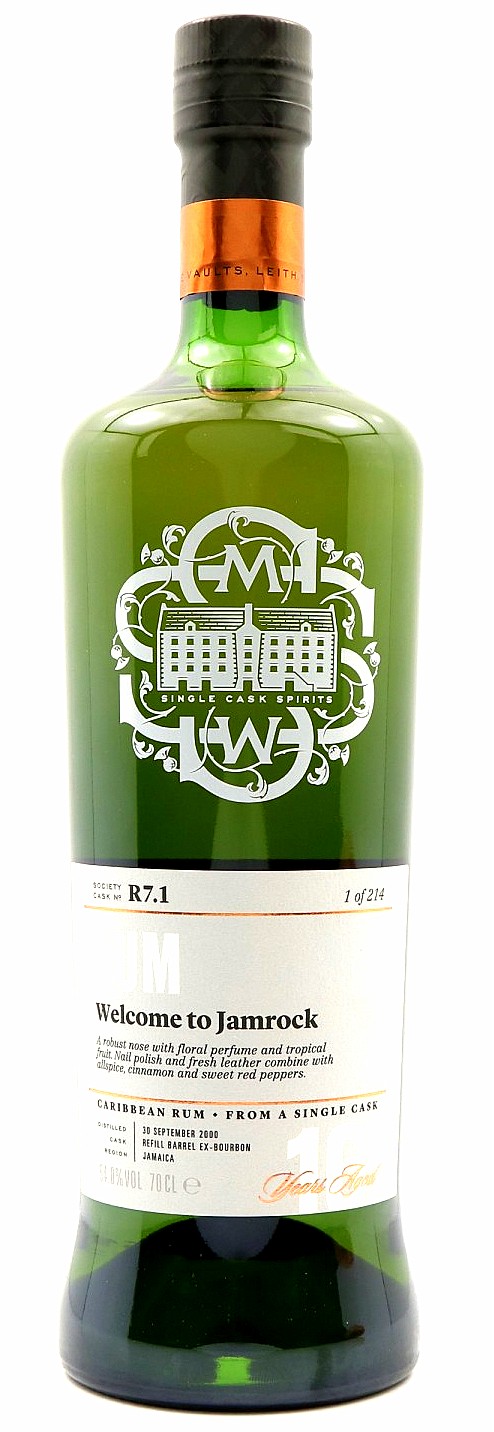
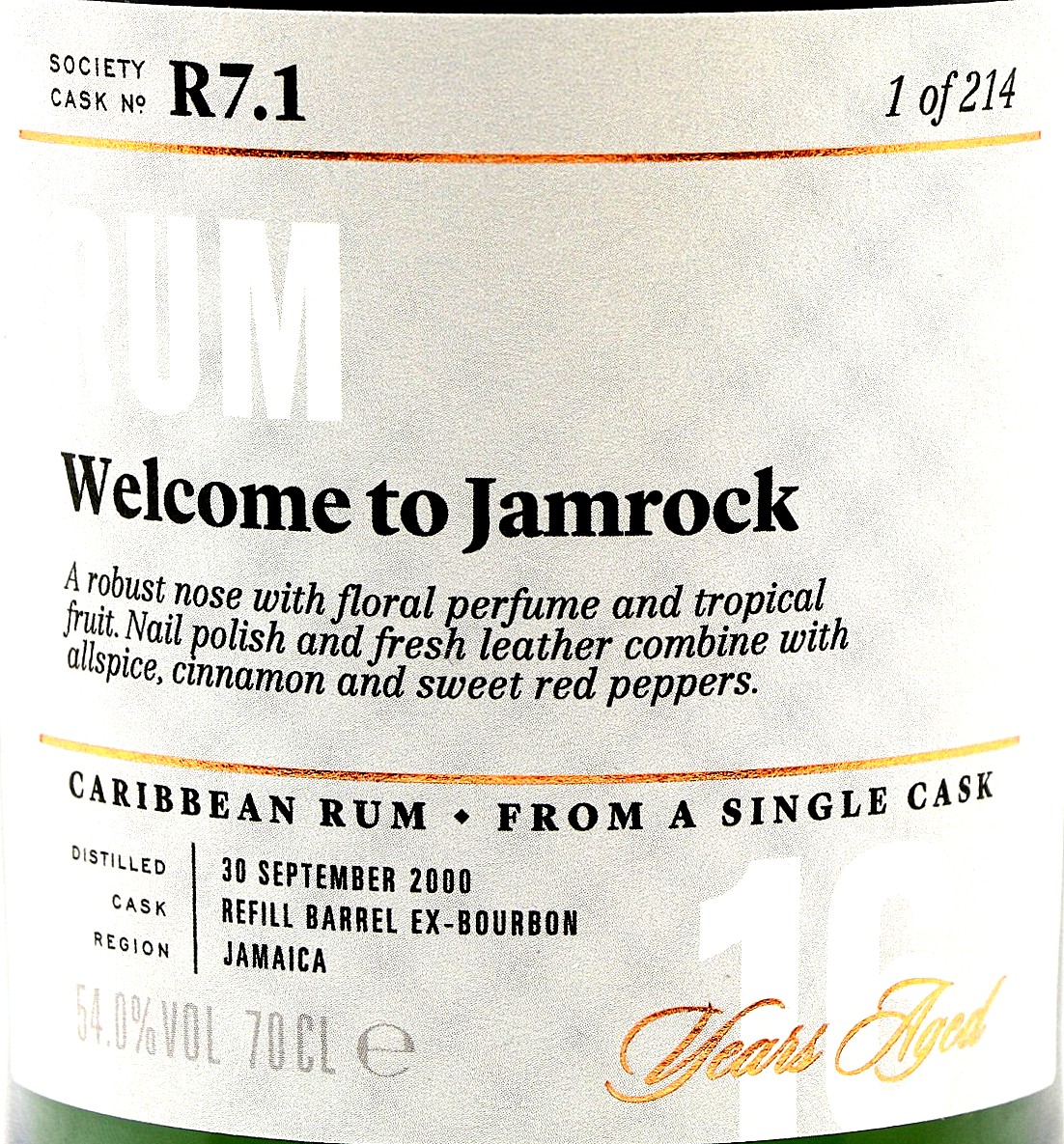
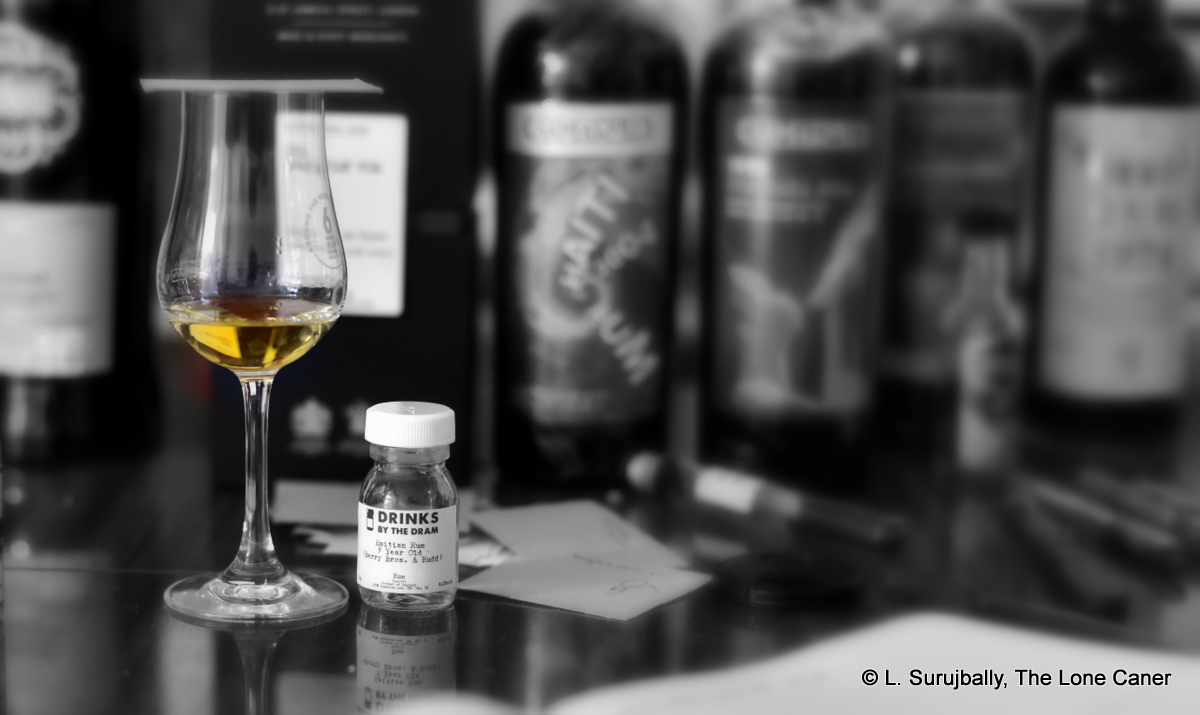

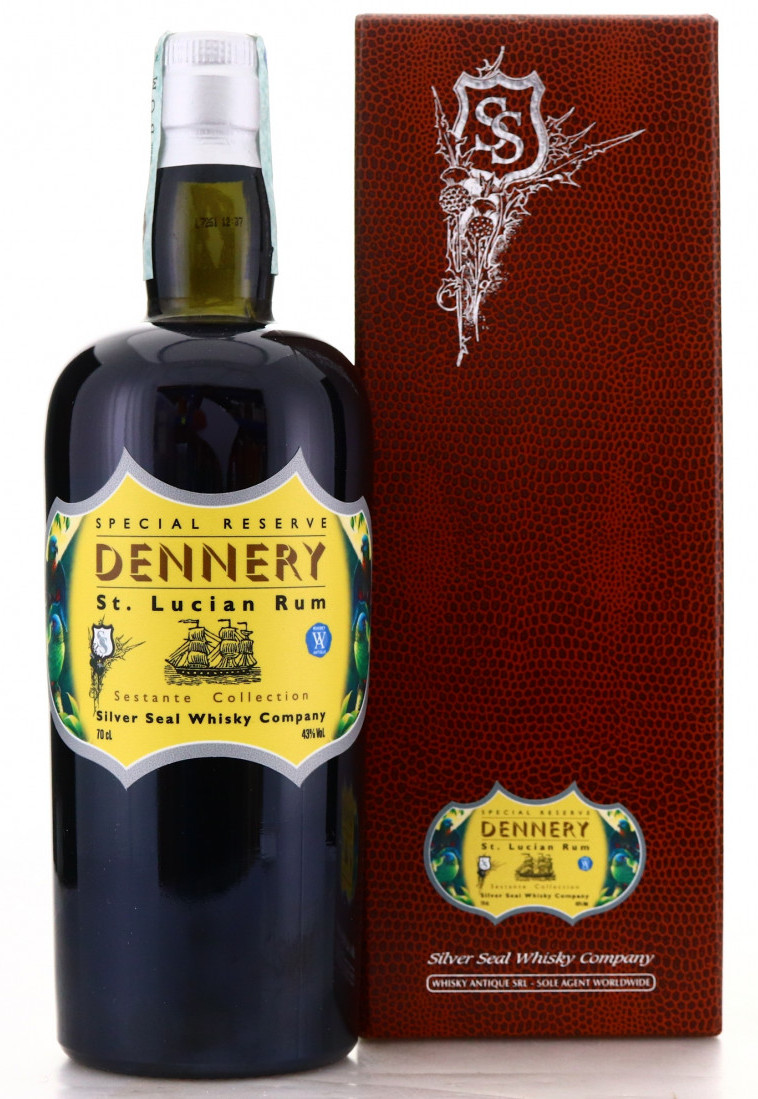

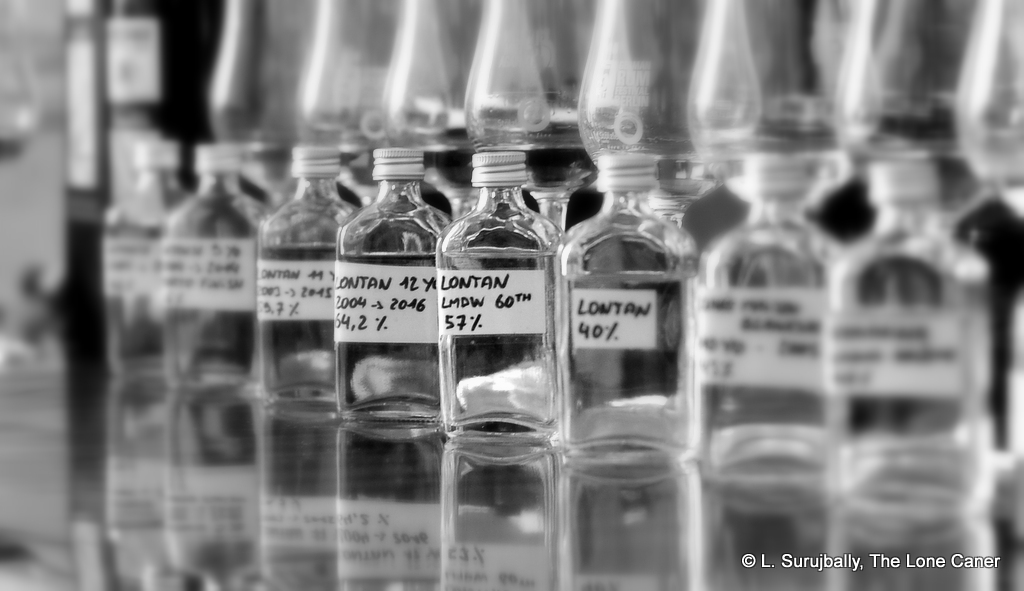
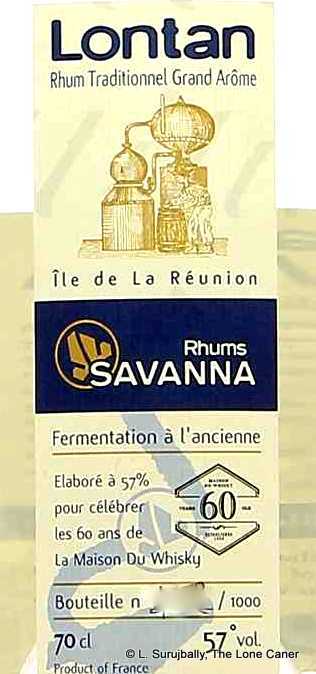 Still, this 57% ABV grand arôme, which was released in 2016 for La Maison Du Whisky’s 60th Anniversary (they went into partnership with Velier the following year and formed LM&V), seemed at pains to make the point yet again. In this case, it clearly wanted to channel a cachaca duking it out with a DOK, for it nosed pretty much like they were having a serious disagreement: vegetables and oversweet fruits decomposing on a hot day in a market someplace tropical; herbs, wet grass, sweet pickles, hot dog relish (I know what this sounds like!); sugar water; iodine, papaya, strawberries; wax, brine and cucumbers in a light pimento-soaked vinegar. I mean, seriously, does that remind you of any rum you’ve ever tried? I both liked it and wondered where the rum was hiding.
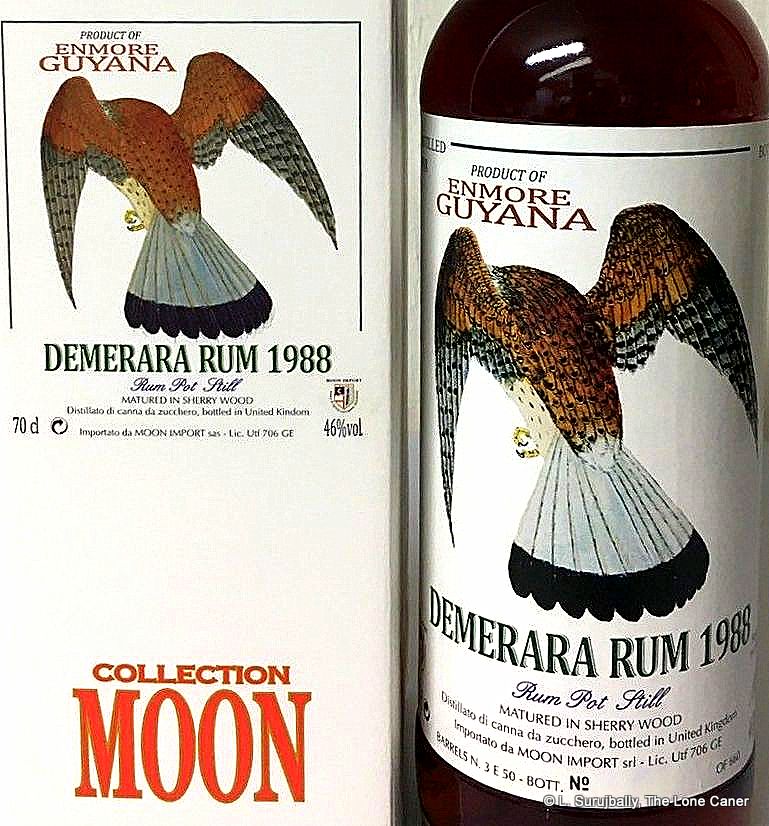
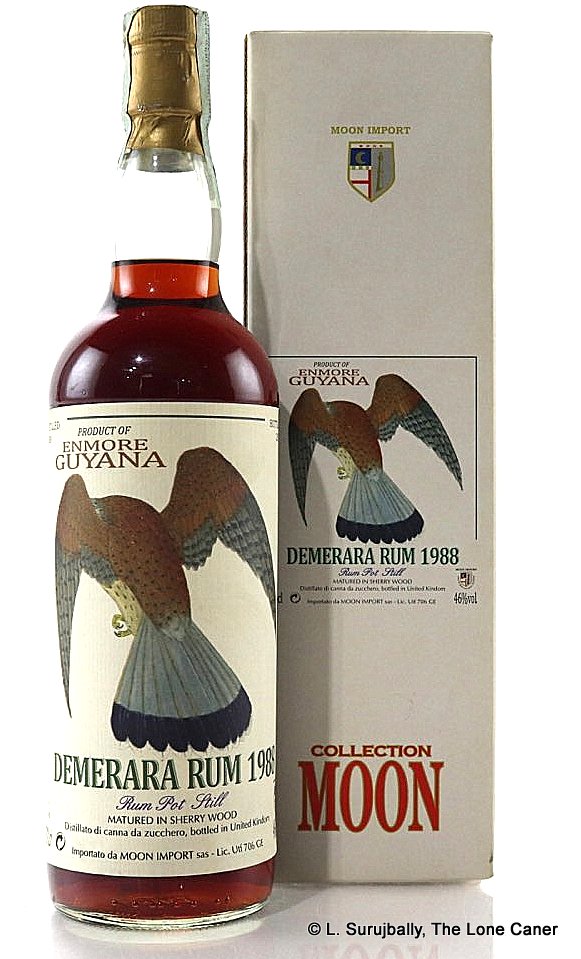 This is not the first Demerara rum that the venerable Italian indie bottler Moon Import has aged in sherry barrels: the superb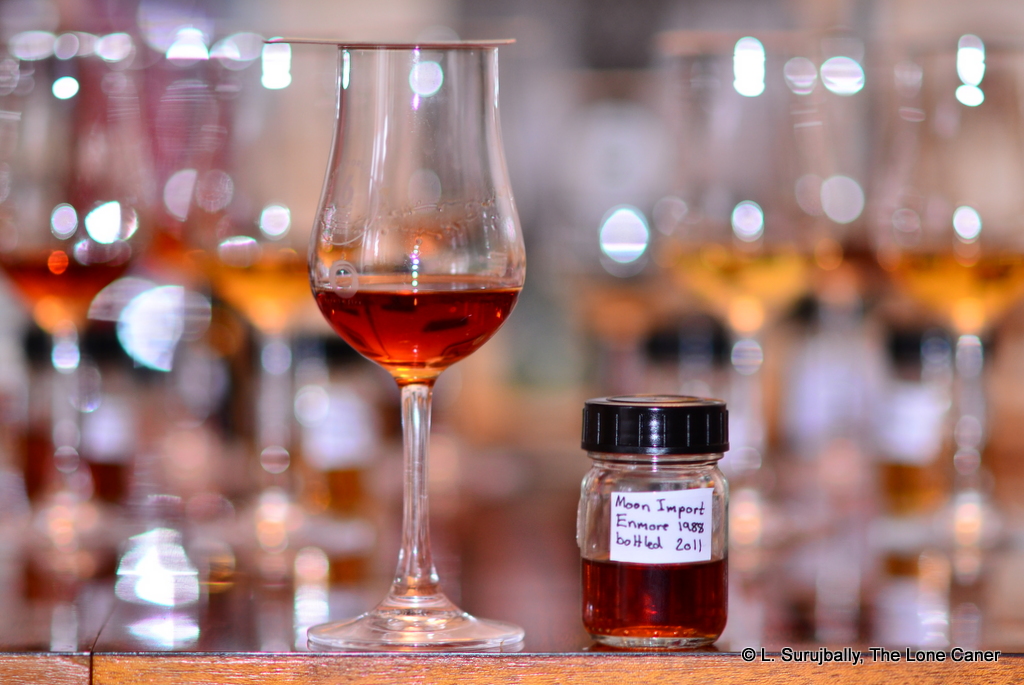
 Opinion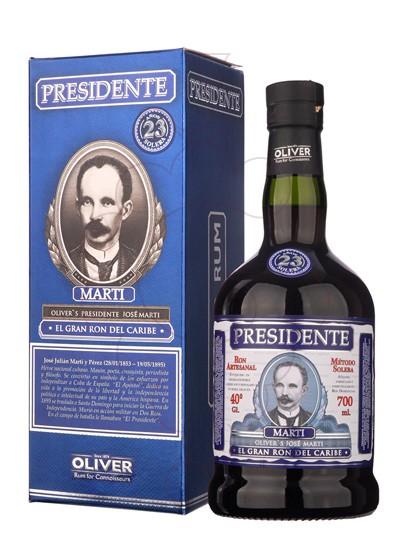
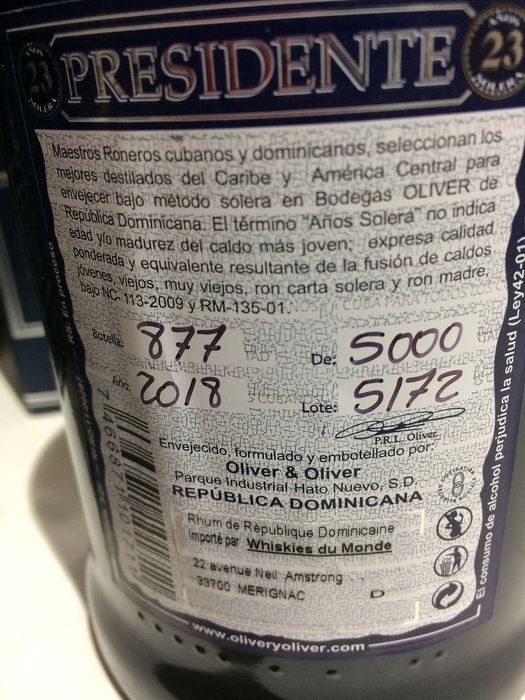 It gets no better when tasted. It’s very darkly sweet, liqueur-like, giving up flavours of prunes and stewed apples (again); dates; peaches in syrup, yes, more syrup, vanilla and a touch of cocoa. Honey, Cointreau, and both cloying and wispy at the same time, with a last gasp of caramel and toffee. The finish is thankfully short, sweet, thin, faint, nothing new except maybe some creme brulee. It’s a rum that, in spite of its big number and heroic Jose Marti visage screams neither quality or complexity. Mostly it yawns “boring!”